

Unveiling the Machine: Crafting Hyper-Realistic 3D Engine Bay Models
For automotive enthusiasts and 3D artists alike, the engine bay represents the very soul of a vehicle—a complex symphony of mechanical engineering and intricate design. Yet, in many 3D models, this critical area often remains simplified, hidden, or completely overlooked. At 88cars3d.com, we believe that true realism extends beyond the gleaming exterior to the detailed heart that powers it. Crafting a hyper-realistic 3D engine bay is not merely an artistic endeavor; it’s a profound technical challenge that demands precision modeling, advanced texturing, and meticulous attention to detail. This comprehensive guide will deconstruct the entire workflow, equipping you with the professional techniques to model, texture, render, and optimize engine bays that truly bring your 3D automotive projects to life, whether for high-fidelity renders, immersive game environments, or stunning visualizations. Prepare to dive deep into the mechanics of digital automotive artistry and elevate your creations to an unprecedented level of authenticity.
The Art of Deconstruction: Blueprint Analysis and Reference Gathering
The journey to a realistic 3D engine bay begins long before a single polygon is laid. It starts with an exhaustive research phase, meticulously gathering reference materials and deeply understanding the mechanical complexities involved. Without accurate and comprehensive references, even the most skilled artist will struggle to capture the authentic nuances that define a real engine bay. This initial stage is paramount for laying a solid foundation for your 3D model, ensuring that every component, hose, and wire is placed and scaled correctly, reflecting its real-world counterpart with unwavering fidelity.
Sourcing High-Resolution Reference Imagery
The quality of your final model is directly proportional to the quality and breadth of your reference images. For engine bays, you’ll need far more than just general exterior shots. Seek out high-resolution photographs that showcase every angle of the engine bay: top-down, side profiles, close-ups of specific components (turbochargers, intake manifolds, brake fluid reservoirs), and detailed shots of wiring harnesses and hose routings. Online archives, automotive forums, manufacturer service manuals, and enthusiast websites are invaluable resources. If possible, photograph a real engine bay yourself, ensuring proper lighting to minimize harsh shadows and capture true material reflections. Aim for a diverse collection that illustrates the engine bay in various conditions – clean, lightly worn, or even with subtle signs of operational heat. This will inform not only the modeling but also the texturing and material work down the line.
Understanding Engine Bay Anatomy and Scale
Before you begin modeling, it’s crucial to gain a working understanding of the engine bay’s anatomy. Identify the primary components: the engine block itself, transmission, air intake system, exhaust manifolds, cooling system (radiator, hoses, overflow tank), braking system (master cylinder, ABS module), wiring harnesses, fluid reservoirs (windshield washer, power steering), battery, and various ancillary components like alternators, starter motors, and air conditioning compressors. Beyond identification, accurately understanding their relative scale and precise placement is non-negotiable. Utilize blueprint diagrams or technical drawings if available, as they provide exact dimensions and spatial relationships. Maintaining real-world scale from the outset (e.g., modeling in centimeters or meters directly in your 3D software) is critical for accurate material reflections, lighting calculations, and seamless integration into larger vehicle assemblies. Small inaccuracies in this stage can lead to compounding errors later, resulting in an unrealistic or visually disjointed final model.
Precision Modeling: Topology, Detail, and Efficiency for Complex Engine Bays
Modeling an engine bay is a masterclass in complexity. It involves a dense network of components, each with its own unique shape, material, and connection points. The key lies in balancing intricate detail with efficient polygon counts and clean topology. This section delves into the methodologies for building these complex assemblies, ensuring both visual accuracy and optimal performance across different applications.
Sub-D Modeling vs. Hard-Surface Techniques for Engine Components
The diverse nature of engine bay components necessitates a hybrid approach to modeling. For organic, flowing shapes like valve covers, air intake pipes, or fluid reservoirs, Subdivision Surface (Sub-D) modeling is often preferred. This technique, relying on a low-polygon cage that’s smoothed by a modifier, allows for fluid surface transitions, excellent light reflection, and easy detail refinement. Tools like Blender’s Subdivision Surface modifier or similar features in 3ds Max and Maya are essential here. For hard-edged, geometric components such as brackets, battery trays, heat shields, or the sharp lines of the engine block, hard-surface modeling techniques are more appropriate. This involves precise polygon manipulation, clean edge loops, and careful use of booleans or chamfers to define sharp, mechanical edges. Regardless of the method, maintaining impeccable quad-based topology is paramount. Clean edge flow ensures smooth deformation if animation is required, facilitates easier UV unwrapping, and prevents shading artifacts, especially crucial for reflecting materials like chrome or polished aluminum. Pay close attention to defining creases and sharp edges with supporting edge loops, ensuring that high-resolution renders showcase crisp details.
Building Complex Assemblies: Hoses, Wires, and Small Details
The realism of an engine bay largely hinges on its intricate network of hoses, wires, and fasteners. These elements, though small, contribute significantly to the perceived complexity and authenticity. For hoses and wires, spline modeling is an incredibly efficient technique. You can draw curves along the intended path, then apply a sweep or extrude modifier with a circular profile to generate the 3D geometry. In Blender, this can be achieved using Bezier or NURBS curves and converting them to meshes, or by using the Skin modifier or Curve to Mesh node setup, as detailed in the official Blender 4.4 documentation. For repetitive elements like bolts, nuts, and clamps, instancing is your best friend. Instead of duplicating geometry, instances reference the original mesh data, drastically reducing scene file size and improving viewport performance. Array modifiers can also be used for patterned arrangements of these small details. When modeling these tiny components, consider their real-world scale and how much visual impact they truly have. While every bolt head might seem critical, some might be better represented by normal maps baked from a high-poly version to save polygons for game assets, while others—especially those in prominent view—should be fully modeled. A typical bolt head can add hundreds of polygons, so strategic placement and optimization are key to managing the overall polygon budget, which for a high-detail engine bay can easily reach into the millions.
Achieving Realism: PBR Materials, Shading Networks, and Decal Detailing
Once the modeling is complete, the next crucial step is to breathe life into the sterile geometry through realistic materials and textures. Physically Based Rendering (PBR) workflows are the industry standard for achieving photorealistic results, accurately simulating how light interacts with different surfaces. This section explores the intricacies of creating compelling PBR materials, mastering UV mapping for complex forms, and adding the subtle details that convey age and authenticity.
Crafting PBR Materials for Diverse Surfaces
An engine bay is a veritable symphony of diverse materials: polished chrome, brushed aluminum, matte black plastics, vibrant rubber hoses, painted metals, cast iron, and various fluids. Each requires a distinct PBR approach using texture maps like Base Color (Albedo), Metallic, Roughness, Normal, and sometimes Height/Displacement. For metals, the Metallic map should be set to near pure white (1.0) for conductors, with the Base Color defining the metal’s tint, and Roughness controlling the reflectivity (e.g., brushed vs. polished). Non-metals (dielectrics) will have a Metallic value of 0.0, with their color derived entirely from the Base Color. Understanding the subtleties of Roughness is crucial; even seemingly smooth surfaces have microscopic imperfections that scatter light, contributing to a nuanced appearance. For instance, a painted engine block might have a slightly uneven roughness map to mimic orange peel or minor scratches. Rubber hoses require a specific Roughness value to appear semi-matte, combined with a subtle Normal map for their texture. Utilize software like Substance Painter or Quixel Mixer to procedurally generate or paint these complex maps, often leveraging smart materials that adapt to surface curvature for wear and tear.
Advanced UV Mapping Strategies for Intricate Parts
UV mapping is the invisible art that translates your 3D model’s surface into a 2D canvas for texturing. For the complex, often non-uniform surfaces of an engine bay, advanced strategies are essential to avoid stretching, seams, and wasted texture space. For large, distinct components like the engine block or valve covers, dedicated UV maps are often necessary. Consider using UDIM workflows, particularly for extremely high-resolution assets destined for cinematic renders. UDIMs allow you to spread the UVs of a single mesh across multiple 0-1 UV tiles, enabling incredibly detailed textures (e.g., 4K or 8K per tile) without pixel density limitations. For smaller, less prominent parts, or those with repeating patterns (like braided hoses or textured plastics), tiling textures with unique masks can be effective. Ensure consistent texel density across all UV maps. This means that a 1×1 meter area on your model should occupy roughly the same amount of texture pixels, regardless of the component, preventing some areas from looking blurry while others are overly sharp. For game engine optimization, consider creating texture atlases for groups of smaller, related components to reduce draw calls and improve rendering performance.
Adding Grime, Wear, and Decals
A pristine, factory-fresh engine bay can look good, but a truly realistic one tells a story of operation, heat, and maintenance. Adding subtle layers of grime, oil residue, dust, and general wear is critical. This is where layered shaders and procedural texturing truly shine. In Substance Painter or similar tools, you can add dirt generators that accumulate in crevices, edge wear masks that subtly reveal bare metal on sharp edges, and oil spill effects around gaskets or fluid caps. Vary the opacity and blend modes of these layers to achieve a convincing look. For decals—warning labels, branding, fluid type indicators—these can be applied as separate texture layers or projected onto the mesh. Ensure they respect the curvature of the surface and show subtle signs of age, such as slight fading or minor peeling. Combining diffuse decal maps with corresponding normal or roughness maps can help them integrate seamlessly and avoid a “painted-on” appearance. This meticulous attention to the ‘micro-details’ of wear and tear is what elevates a good model to an exceptional one.
Illuminating the Beast: Advanced Lighting, Rendering, and Visualization Excellence
Even the most meticulously modeled and textured engine bay will fall flat without expert lighting and rendering. The way light interacts with the multitude of materials—from polished chrome to matte rubber—is what ultimately sells the realism. This section explores sophisticated lighting setups, render optimization strategies, and post-processing techniques to create truly stunning visualizations.
Studio Lighting Setups for Automotive Renders
Achieving a captivating engine bay render requires a sophisticated lighting approach. For photorealistic results, High Dynamic Range Images (HDRIs) are indispensable, providing realistic global illumination, environmental reflections, and ambient lighting. Complementing HDRIs, dedicated key, fill, and rim lights are used to sculpt the form and highlight specific details. A strong key light establishes the primary direction of illumination and defines major shadows. Fill lights subtly brighten shadowed areas, while rim lights (often placed behind the model) create a luminous outline, separating the engine bay from the background and emphasizing its contours. Employing large, soft light sources, akin to real-world softboxes or studio umbrellas, yields appealing, diffuse reflections characteristic of automotive photography. Using geometry-based mesh lights or area lights with specific shapes and sizes, you can precisely control reflections on reflective surfaces. Experiment with colored lights subtly—a warm fill light might mimic engine heat, or a cool rim light could suggest a fresh metallic surface. In renderers like Corona Renderer, V-Ray, Cycles (Blender), or Arnold, you have extensive control over light falloff, color temperature, and intensity, allowing for precise artistic direction.
Optimizing Render Settings and Passes
High-fidelity engine bay renders can be computationally intensive due to the sheer number of reflective surfaces and intricate details. Therefore, optimizing render settings is crucial to balance quality with render time. Modern renderers offer various adaptive sampling techniques that focus computational power where it’s most needed, reducing noise efficiently. Denoising algorithms, often integrated directly into the renderer (like OptiX in Cycles or NVIDIA AI denoiser in V-Ray/Corona), are invaluable for cleaning up noisy renders with minimal impact on detail, dramatically cutting down render times. For maximum flexibility in post-production, rendering out various render passes (or AOV – Arbitrary Output Variables) is a professional standard. Essential passes include Diffuse, Reflection, Specular, Transmission, Global Illumination, Ambient Occlusion, Z-depth (for depth of field), and Material IDs or Cryptomatte (for easy selection in compositing). These passes allow for non-destructive adjustments to lighting, reflections, and effects in a 2D image editor or compositor, granting immense control over the final look without re-rendering the entire scene.
Post-Processing and Compositing for Impact
The raw render is rarely the final image. Post-processing and compositing are vital steps to elevate your engine bay visualization from good to spectacular. Using software like Adobe Photoshop, Affinity Photo, DaVinci Resolve Fusion, or Nuke, you can perform a multitude of enhancements. Color grading is paramount, allowing you to subtly adjust hue, saturation, and luminance to establish mood and visual harmony. Adjusting contrast and applying a gentle vignette can draw the viewer’s eye towards the focal point. Adding realistic depth of field, using the Z-depth pass, focuses attention on specific components while artfully blurring the foreground and background. Subtle chromatic aberration can mimic real-world camera lens imperfections, enhancing realism. Furthermore, lens flares, glare, and atmospheric effects can be added non-destructively. Compositing allows you to blend render passes, fine-tune individual material properties, and correct any minor imperfections without lengthy re-renders. This final polish refines the image, making it truly pop and convey the desired aesthetic impact.
Performance and Portability: Engine Bay Assets for Game Engines and AR/VR
While cinematic renders demand uncompromised detail, real-time applications like game engines and AR/VR experiences impose strict performance budgets. Converting a highly detailed engine bay model for these platforms requires significant optimization without sacrificing perceived realism. This section outlines strategies for making your intricate engine bay assets performant and versatile across various interactive mediums.
Game Engine Optimization Strategies
Integrating a complex engine bay into a game engine like Unity or Unreal Engine necessitates aggressive optimization. The primary goal is to reduce draw calls and polygon count while maintaining visual fidelity. The most critical technique is generating Level of Detail (LOD) models. This involves creating several simplified versions of your engine bay model (e.g., LOD0: high-poly, LOD1: medium-poly, LOD2: low-poly, LOD3: billboard) that are swapped out based on the camera’s distance to the object. Close up, the detailed model is rendered; far away, a much simpler version is used, drastically reducing the load on the GPU. For individual components, baking normal maps from your high-poly source mesh onto a low-poly game-ready mesh is essential. This transfers fine surface details without adding actual geometry. Furthermore, consolidate materials and textures as much as possible using texture atlases. Grouping textures for multiple small parts onto a single larger texture map and assigning a single material to these combined meshes reduces draw calls, significantly boosting performance. Consider using GPU instancing for identical components like bolts, which allows the engine to render multiple instances of the same mesh with a single draw call. In Unreal Engine, utilize material instancing to create variations from a single master material, reducing shader complexity and memory usage.
Preparing for AR/VR Experiences
AR/VR environments impose even stricter performance constraints than traditional games due to the need for very high, stable frame rates (typically 90 FPS or higher) across two viewpoints (stereo rendering). Polycount budgets are often in the low millions for an entire scene, meaning engine bay models need to be exceptionally optimized. Further reducing polygon counts, aggressive LODs, and minimalist texture sets are paramount. Employing techniques like occlusion culling, where objects hidden from view are not rendered, is vital. For materials, stick to simple PBR shaders and avoid complex shader networks that might be too heavy for mobile AR devices. Efficient texture usage, potentially compressing textures to smaller formats (e.g., ETC2 for Android, PVRTC for iOS), is also necessary. When exporting for AR/VR, popular file formats include GLTF/GLB (for web-based AR and many platforms) and USDZ (specifically for Apple’s ARKit). These formats are designed for efficient transmission and rendering of 3D scenes, often bundling models, textures, and animations into a single, compact file. When sourcing models from marketplaces such as 88cars3d.com, ensure they provide AR/VR optimized versions or specify their polygon counts and texture resolutions to assist in your selection.
File Formats, Conversions, and Interoperability
Working with 3D assets for diverse applications requires a thorough understanding of various file formats and their specific use cases. FBX (Filmbox) is a widely supported proprietary format known for its ability to transfer complex scene data, including meshes, animations, PBR materials, cameras, and lights, making it ideal for moving assets between different DCC (Digital Content Creation) software and game engines. OBJ (Wavefront Object) is a simpler, universal format excellent for static mesh exchange, though it handles materials and textures less robustly than FBX. GLTF (GL Transmission Format) / GLB (Binary GLTF) is rapidly becoming the open standard for 3D scenes and models, particularly for web, AR, and VR, due to its efficiency and comprehensive support for PBR materials. USD (Universal Scene Description), developed by Pixar, is a robust, extensible format for composing and interchanging complex 3D scenes, gaining traction in high-end VFX and collaborative workflows. When preparing your engine bay for different pipelines, understand the strengths and limitations of each format. Always test your exported assets in the target application to ensure material assignments, scaling, and any baked details transfer correctly. Many high-quality 3D car models available on platforms like 88cars3d.com often come in multiple optimized formats to facilitate seamless integration into various professional workflows.
Mastering the Details: Overcoming Challenges and Advanced Engine Bay Techniques
Creating an engine bay is not just about assembling parts; it’s about solving complex visual puzzles and injecting life into inert digital objects. This section addresses common challenges faced by artists and explores advanced techniques to push the boundaries of realism, from managing intricate wiring to simulating heat effects and even preparing for physical replication via 3D printing.
Dealing with Intricate Wire and Hose Networks
One of the most daunting aspects of engine bay modeling is the sheer volume and complexity of the wire and hose networks. Manually routing hundreds of individual cables and lines can be incredibly time-consuming and prone to errors. To overcome this, consider a combination of techniques. For major hoses and critical wiring harnesses, manual spline modeling provides the most control and accuracy. However, for smaller, more numerous wires, procedural generation methods can be explored. In Blender, for example, geometry nodes can be used to generate and distribute wires along a given path or within a volume, adding variations in thickness and randomness to their placement. Another effective strategy is to model primary bundles of wires, and then use texture maps (normal, height) to simulate individual strands within those bundles, especially for background elements. When adding these elements, pay close attention to realistic sag, tension, and how they interact with other components. Physics simulations, even simple cloth or soft body simulations in your 3D software, can help achieve natural-looking curves and draped effects, giving an organic feel to these otherwise static elements. For performance optimization in game engines, combine multiple small wires into single, larger meshes, and ensure their collision detection is simplified or omitted for non-critical elements.
Simulating Heat and Exhaust Effects
To truly capture the operational feel of an engine bay, subtle environmental cues are essential. Simulating heat effects, particularly around exhaust manifolds and turbochargers, adds a layer of dynamic realism. This can be achieved through various methods. For a direct visual cue, use specialized shaders that subtly distort the air above hot components, mimicking heat haze. This can be done with a subtle transparent volumetric shader combined with a noise texture to create a refractive distortion effect. Alternatively, in post-processing, a subtle heat distortion can be applied using displacement maps or warp tools to specific regions of the rendered image. For the components themselves, texturing plays a significant role. Apply scorched metal textures to exhaust headers, showing discoloration from extreme heat cycles. This involves varying the hue, saturation, and roughness of the metal, often introducing blues, purples, and browns, along with a slightly rougher finish in the hottest areas. Volumetric shaders can also be used to create subtle exhaust fumes or oil vapor for an even more dynamic, lived-in feel, though these are typically reserved for high-end cinematic renders due to their computational cost.
3D Printing Engine Bays: From Digital to Tangible
Beyond screen-based visualization, a meticulously modeled engine bay can also be brought into the physical realm through 3D printing. However, this transition requires specific preparation and adherence to manufacturing guidelines. The primary concern for 3D printing is mesh integrity: the model must be “watertight,” meaning it has no holes, non-manifold geometry, or intersecting faces. All surfaces must form a continuous, enclosed volume. Software like Meshmixer, Netfabb, or even built-in tools in Blender (e.g., 3D Print Toolbox add-on as referenced in the official Blender 4.4 documentation) can be used to analyze and repair common mesh errors. Wall thickness is another critical consideration; delicate components like thin wires or small brackets might be too fragile if printed with insufficient thickness, requiring them to be thickened digitally. The choice of 3D printing technology (SLA/DLP for high detail, FDM for larger, less detailed parts) will also influence minimum feature size. Common file formats for 3D printing include STL (Stereolithography) and OBJ. When preparing, consider breaking down the engine bay into smaller, interlocking components if it’s too complex to print as a single piece, making post-processing and painting easier. This transforms your digital creation into a tangible display piece, perfect for collectors or design reviews.
Conclusion: The Heart of the Machine, Mastered
Creating a hyper-realistic 3D engine bay is undeniably one of the most challenging yet rewarding aspects of automotive visualization. It demands a convergence of technical skill, artistic vision, and an unwavering commitment to detail. From the painstaking process of gathering high-resolution references and understanding intricate mechanical anatomy, through the precision of modeling with clean topology, to the artistic finesse of crafting PBR materials and lighting for dramatic effect, every step plays a crucial role in bringing these complex digital machines to life. We’ve explored optimization techniques vital for seamless integration into real-time environments like game engines and AR/VR, and even touched upon the unique considerations for 3D printing your masterpiece.
The journey from a blank canvas to a fully realized engine bay is a testament to an artist’s patience and expertise. By mastering these workflows—focusing on accurate proportions, strategic polygon distribution, nuanced PBR textures, and thoughtful lighting—you can transform a often-overlooked area into a captivating centerpiece. Remember, realism isn’t just about what you see, but also about the story the details tell. Platforms like 88cars3d.com offer a wide array of high-quality base models that can serve as excellent starting points, allowing you to focus your efforts on these intricate engine bay details. Embrace the challenge, apply these professional insights, and watch as your 3D automotive creations roar to life with unprecedented authenticity.
Featured 3D Car Models

BMW 4 Series F32 3D Model
Texture: Yes
Material: Yes
Download the BMW 4 Series F32 3D Model featuring clean geometry, realistic detailing, and a fully modeled interior. Includes .blend, .fbx, .obj, .glb, .stl, .ply, .unreal, and .max formats for rendering, simulation, and game development.
Price: $12.99
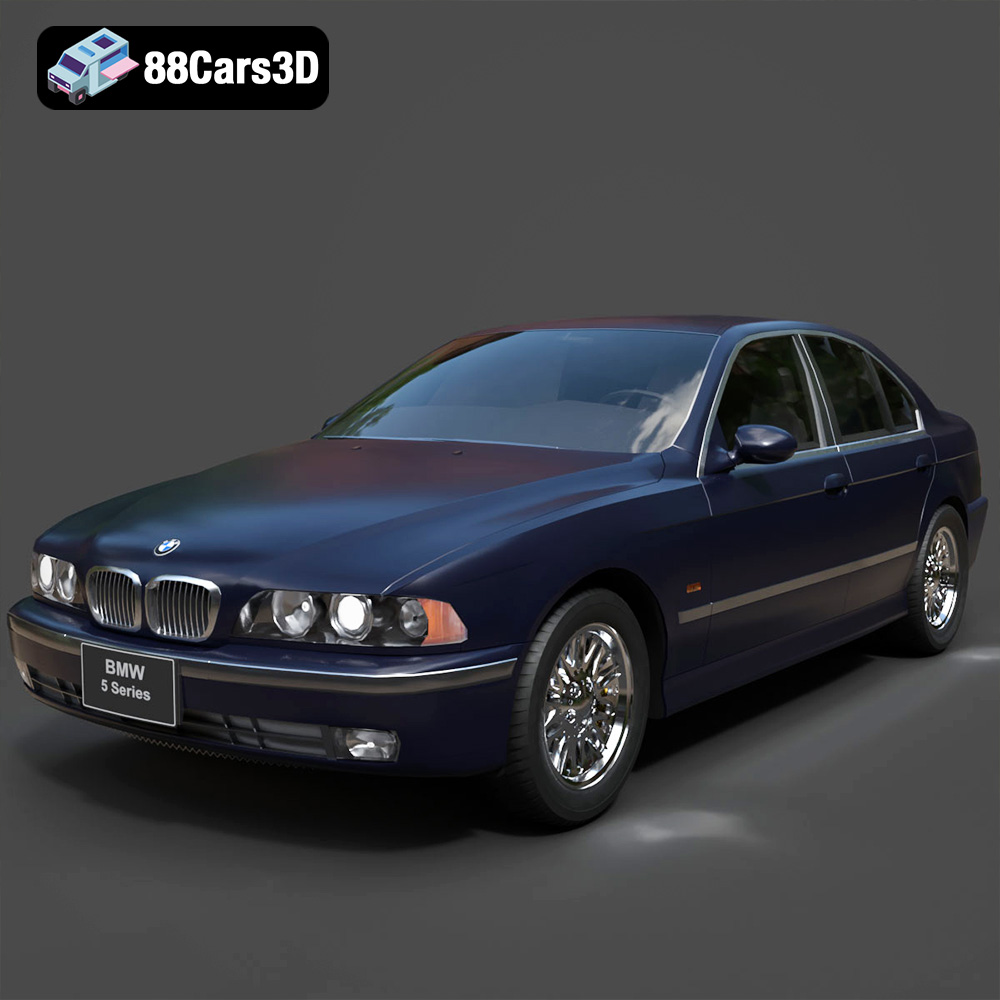
BMW E39 M5-540i 3D Model
Texture: Yes
Material: Yes
Download the BMW E39 M5-540i 3D Model featuring its iconic sedan design, detailed exterior, and realistic interior. Includes .blend, .fbx, .obj, .glb, .stl, .ply, .unreal, and .max formats for rendering, simulation, and game development.
Price: $10.79

BMW 7 Series E38 3D Model
Texture: Yes
Material: Yes
Download the BMW 7 Series E38 3D Model featuring its iconic luxury sedan design and classic aesthetics. Includes .blend, .fbx, .obj, .glb, .stl, .ply, .unreal, and .max formats for rendering, simulation, and game development.
Price: $10.79

BMW 6 Series 640i F12 3D Model
Texture: Yes
Material: Yes
Download the BMW 6 Series 640i F12 3D Model featuring a sleek design and detailed interior. Includes .blend, .fbx, .obj, .glb, .stl, .ply, .unreal, and .max formats for rendering, simulation, and game development.
Price: $10.79

BMW 6 Coupe E63 3D Model
Texture: Yes
Material: Yes
Download the BMW 6 Coupe E63 3D Model featuring a sleek design, detailed interior, and realistic exterior. Includes .blend, .fbx, .obj, .glb, .stl, .ply, .unreal, and .max formats for rendering, simulation, and game development.
Price: $10.79
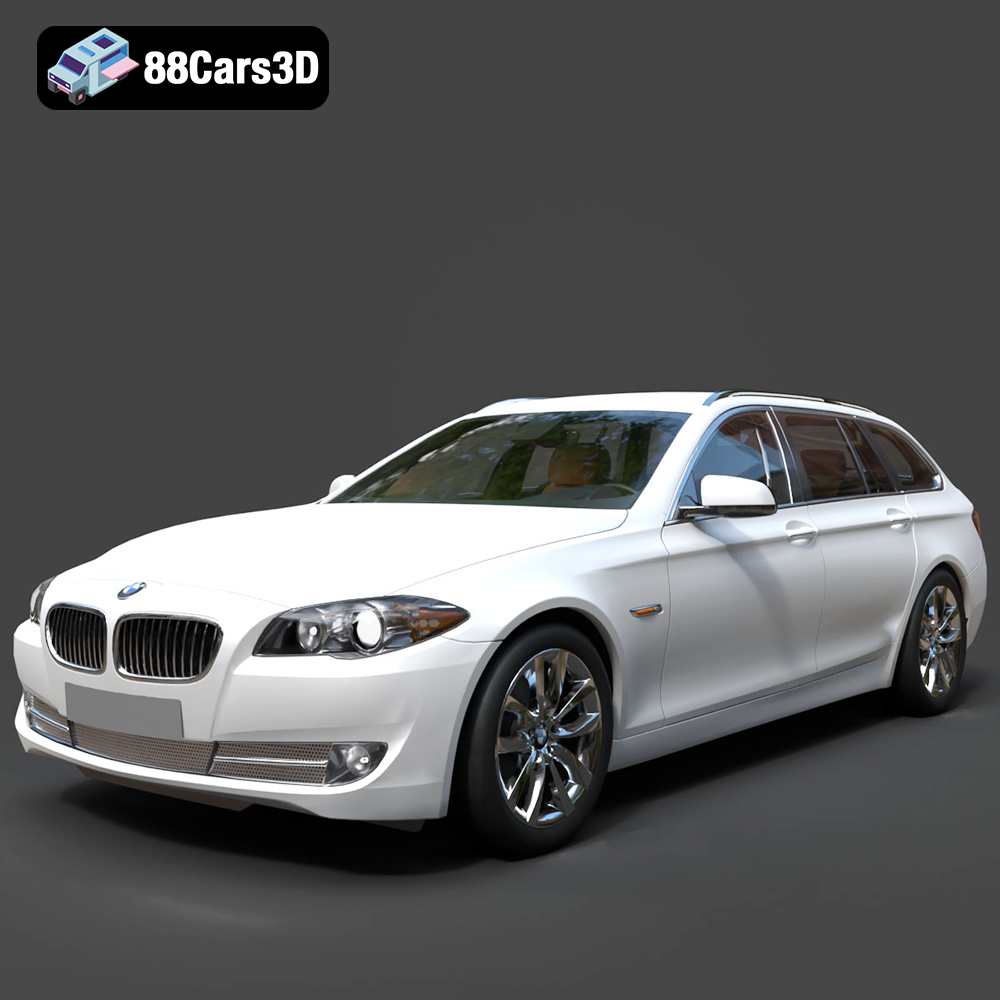
BMW 5 Series Touring F11-007 3D Model
Texture: Yes
Material: Yes
Download the BMW 5 Series Touring F11-007 3D Model featuring a detailed exterior and interior. Includes .blend, .fbx, .obj, .glb, .stl, .ply, .unreal, and .max formats for rendering, simulation, and game development.
Price: $10.79
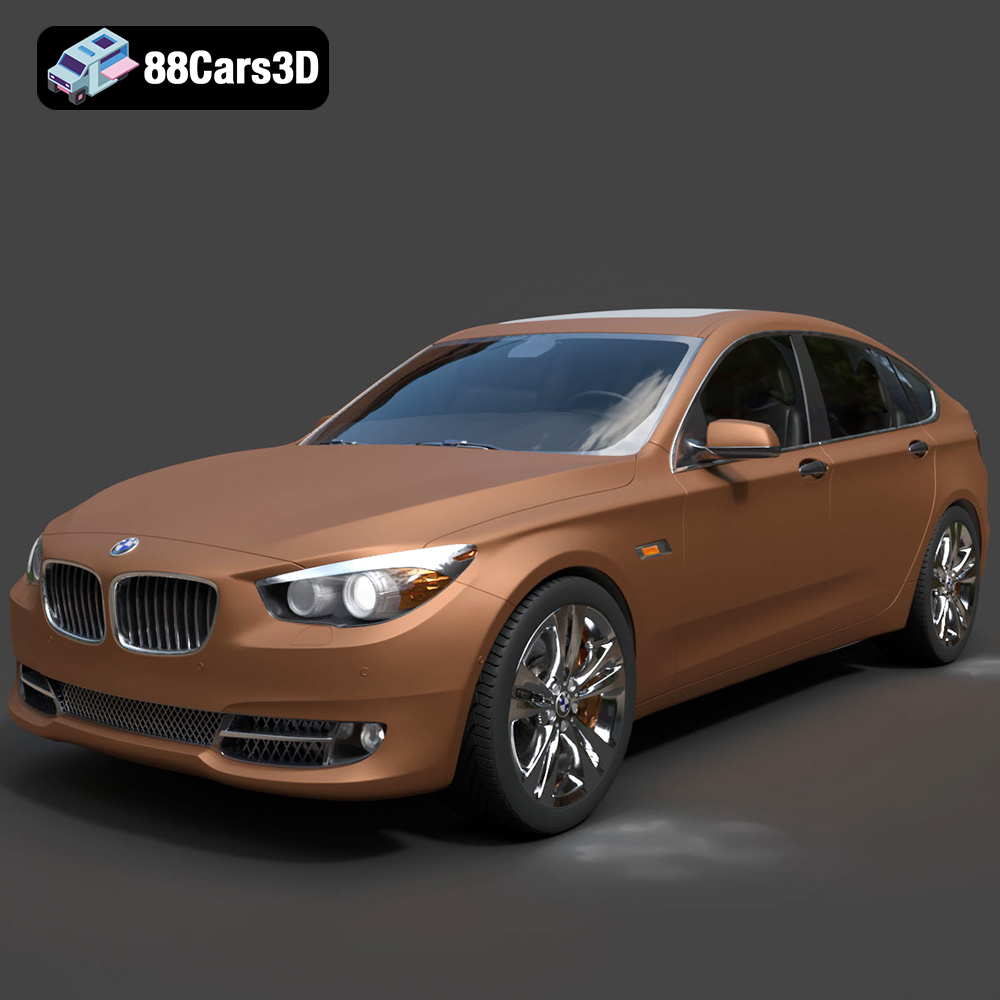
BMW 5 Series Gran Turismo F07-003 3D Model
Texture: Yes
Material: Yes
Download the BMW 5 Series Gran Turismo F07-003 3D Model featuring a detailed exterior and interior. Includes .blend, .fbx, .obj, .glb, .stl, .ply, .unreal, and .max formats for rendering, simulation, and game development.
Price: $10.79
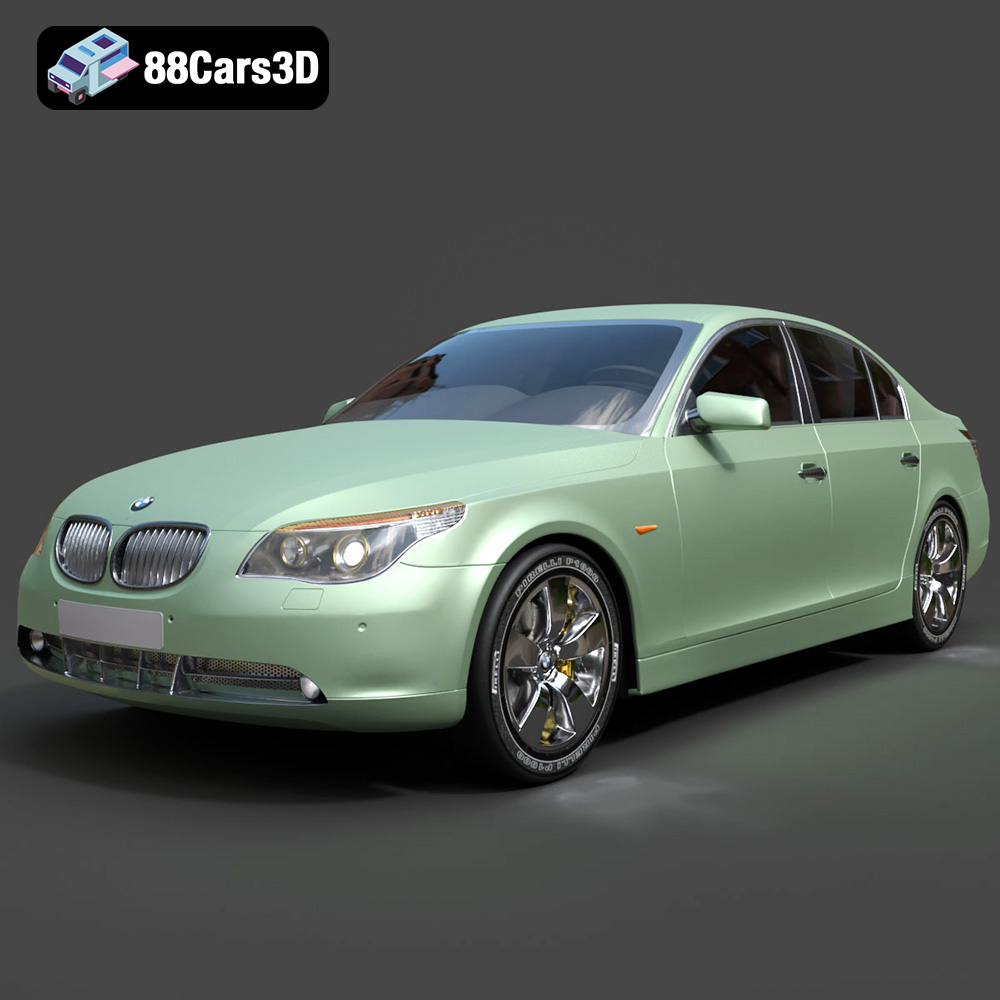
BMW 5 Series E60 3D Model
Texture: Yes
Material: Yes
Download the BMW 5 Series E60 3D Model featuring its iconic sedan design, detailed exterior, and interior. Includes .blend, .fbx, .obj, .glb, .stl, .ply, .unreal, and .max formats for rendering, simulation, and game development.
Price: $10.79

BMW 5 E34-535i 3D Model
Texture: Yes
Material: Yes
Download the BMW 5 E34-535i 3D Model featuring an iconic design, detailed exterior and interior, and accurate representation. Includes .blend, .fbx, .obj, .glb, .stl, .ply, .unreal, and .max formats for rendering, simulation, and game development.
Price: $10.79
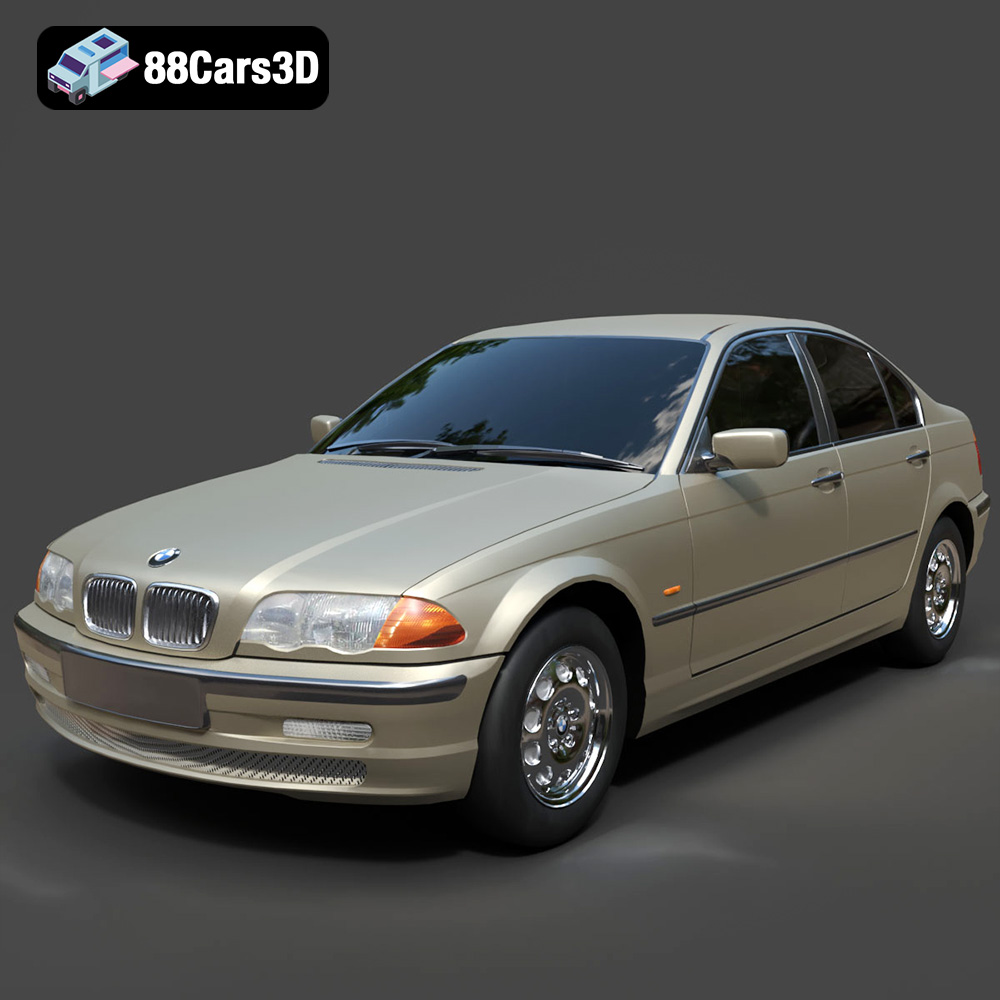
BMW 3 Series E46 3D Model
Texture: Yes
Material: Yes
Download the BMW 3 Series E46 3D Model featuring authentic exterior lines, a detailed interior, and separated components for animation. Includes .blend, .fbx, .obj, .glb, .stl, .ply, .unreal, and .max formats for rendering, simulation, and game development.
Price: $10.79
