

In the exhilarating world of 3D game development and high-fidelity visualization, every detail counts. Automotive models, with their sleek curves, intricate components, and reflective surfaces, are among the most challenging assets to optimize without sacrificing visual realism. A highly detailed 3D car model, perfect for cinematic renders, often boasts millions of polygons and complex material setups, making it a performance bottleneck in real-time environments like game engines, AR/VR applications, and interactive configurators. This is where the crucial technique of texture baking steps in, acting as the bridge between stunning high-poly artistry and game-ready efficiency.
Texture baking is not just a technical necessity; it’s an art form that preserves the intricate visual nuances of a high-resolution model onto a low-polygon counterpart. It allows artists and developers to leverage the power of advanced modeling while delivering assets that perform flawlessly on various platforms. This comprehensive guide will delve deep into the world of texture baking for 3D car models, exploring workflows, technical specifications, software-specific techniques, and optimization strategies to help you create truly game-ready automotive assets. Whether you’re a seasoned 3D artist, an aspiring game developer, or a visualization professional looking to enhance your pipeline, understanding these principles is key to unlocking the full potential of your 3D car models.
Understanding Texture Baking: The Core Concept
Texture baking is a fundamental process in 3D graphics that transfers surface details from one 3D model (typically a high-polygon, richly detailed source) to a texture map that can be applied to another 3D model (usually a low-polygon, optimized target). This technique is indispensable for game development and real-time rendering, where performance is paramount. Instead of rendering millions of polygons in real-time, the visual complexity is “baked” into 2D images, which are then mapped onto a much simpler mesh, drastically reducing computational overhead.
The beauty of texture baking lies in its ability to simulate high-frequency details—such as scratches, panel gaps, bolts, and sculpted forms—without the geometric cost. This means your game-ready 3D car models can look incredibly detailed and realistic while maintaining low polygon counts, ensuring smooth frame rates and efficient memory usage across different platforms. The process typically involves projecting information from the high-resolution mesh onto the UV space of the low-resolution mesh, capturing details like surface orientation, ambient occlusion, and material properties into various texture maps.
High-Poly to Low-Poly Workflow
The journey from a high-fidelity concept to a game-ready asset begins with a meticulously crafted high-polygon model. This model serves as the visual benchmark, containing all the minute details you wish to capture. The subsequent step is to create a low-polygon version, often referred to as the “game mesh.” This low-poly model must maintain the overall silhouette and structural integrity of the car while drastically reducing the polygon count. The topology of this low-poly mesh is crucial; it needs to have clean edge flow that supports deformation (if the car is to be damaged or animated) and aligns with the major forms of the vehicle. For instance, the creases around the car doors or the subtle curves of the fender should be represented by appropriate edge loops on the low-poly mesh.
When creating a game-ready car model, consider the target platform’s limitations. For mobile games or AR/VR applications, polygon counts might be restricted to tens of thousands per vehicle, with textures often limited to 1K or 2K resolutions. Console and PC games can afford higher poly counts, potentially reaching hundreds of thousands, and utilize 4K or even 8K textures for primary components. Platforms like 88cars3d.com often provide models with optimized topology and clean UVs, making them ideal starting points for your game development projects. The process of creating this optimized low-poly mesh from its high-poly counterpart is often referred to as retopology, a critical skill for any 3D artist aiming for efficient game assets.
The Science Behind Normal Maps
Among the various maps baked, the Normal Map is arguably the most transformative. It allows a low-polygon mesh to display the intricate surface details of a high-polygon mesh by manipulating how light is reflected. Instead of adding actual geometry, a normal map stores directional information (normals) for each pixel of the low-poly surface. When light hits the surface, the normal map tells the rendering engine how to shade that pixel as if the detailed high-poly geometry were present, effectively faking depth and detail.
Normal maps are typically generated in tangent space, meaning the normal vectors are relative to the local tangent, bitangent, and normal directions of the low-poly mesh’s surface. This allows the normal map to be rotated, scaled, and deformed along with the mesh, making it highly versatile for animated or dynamic objects. Less commonly, object space normal maps use world-space coordinates, which can offer higher fidelity for static objects but are not suitable for animated or deforming meshes. Understanding this distinction is crucial for correct implementation in game engines. A correctly baked normal map can make a simple, flat surface appear to have complex relief, transforming a basic geometric shape into a visually rich component of your 3D car model.
Preparing Your 3D Car Model for Baking
Before you even think about hitting the “bake” button, meticulous preparation of your 3D car model is paramount. The quality of your baked textures directly correlates with the cleanliness and organization of your source and target meshes. This preparation phase is often underestimated but is critical for avoiding baking artifacts and ensuring a smooth workflow. Key elements include impeccable mesh topology, efficient UV mapping, and a structured naming convention for your high-poly and low-poly assets.
Failure to properly prepare your models can lead to a host of issues, such as distorted normal maps, bleeding textures, and visual inconsistencies that will require significant time to fix later. Investing time in this preliminary stage will save you countless hours in post-baking troubleshooting. Always aim for a non-destructive workflow where possible, keeping your high-poly source safe and applying modifiers or destructive changes only when absolutely necessary and preferably on a duplicated version.
Optimized UV Mapping Strategies
UV mapping is the process of unfolding your 3D model’s surface into a 2D space, allowing textures to be applied. For complex automotive surfaces, effective UV mapping is an art in itself. The goal is to create UV islands that are logical, minimally distorted, and efficiently packed within the 0-1 UV space. For car models, hard-surface unwrapping techniques are generally employed, focusing on minimizing seams in less visible areas and ensuring a uniform texel density across all surfaces. This uniform density is crucial for consistent visual quality, meaning a texture pixel on the hood represents the same real-world surface area as a texture pixel on the door panel.
When working in Blender, the UV Editor provides robust tools for this task. You can utilize tools like UV Sync Selection to visualize your UVs and mesh simultaneously, making it easier to identify and fix issues. Functions like Average Island Scale and Pack Islands are invaluable for achieving uniform texel density and maximizing UV space utilization, respectively. For car models, it’s often beneficial to have multiple UV sets. For instance, one UV set might contain the main body panels, another for interior details, and a third for transparent elements like glass and headlights. This allows for tailored texture resolutions and materials, improving both visual quality and rendering efficiency. Avoid overlaps in your primary UV set, as this can lead to incorrect baking results where details from one part of the model bleed onto another.
Naming Conventions and Object Organization
A well-organized scene with clear naming conventions is a lifesaver, especially when dealing with complex automotive models. For baking, it’s a common practice to differentiate your high-polygon source meshes from your low-polygon target meshes using suffixes. For example, your high-poly car body could be named CarBody_HP, and its low-poly counterpart CarBody_LP. Similarly, individual components like wheels, tires, and headlights should follow this pattern (e.g., Wheel_FrontLeft_HP, Wheel_FrontLeft_LP).
Beyond naming, organizing your objects into logical groups or collections (as seen in Blender’s Outliner) is essential. This allows you to easily hide, select, and manage the numerous parts that make up a car. When baking, you’ll often need to select specific high-poly and low-poly pairs, and a clear hierarchy makes this process efficient and error-free. Some baking software even leverages these naming conventions to automatically match high-poly and low-poly objects for baking, significantly streamlining the workflow. Proper organization minimizes the chances of baking errors, especially when baking multiple parts of a car simultaneously.
The Baking Process in Leading 3D Software
Once your 3D car model is meticulously prepared with optimized low-poly meshes and clean UVs, the next critical phase is the actual texture baking. This is where the rich surface details from your high-poly model are transferred onto the 2D texture maps that will drive the visual fidelity of your game-ready asset. The specific steps and tools may vary slightly between different 3D software packages, but the underlying principles remain consistent. Understanding the nuances of your chosen software’s baking capabilities is crucial for achieving high-quality results.
The baking process typically involves defining which attributes (e.g., normals, ambient occlusion, displacement) you want to transfer, specifying the high-resolution source and low-resolution target meshes, and configuring various parameters to control the projection. Careful attention to settings like cage extrusion, ray distance, and sampling can make a significant difference in the final baked output, helping to eliminate artifacts and produce clean, accurate maps. Let’s explore the baking workflows in some popular 3D applications.
Blender Baking Workflow
Blender, with its powerful Cycles render engine, offers a robust and flexible texture baking system. To bake textures in Blender 4.4, you’ll primarily use the “Bake” panel found within the Render Properties tab when your render engine is set to Cycles. This method allows you to bake various types of maps directly within your 3D scene. For detailed information, you can refer to the official Blender 4.4 documentation on Render Baking in Cycles.
Here’s a simplified step-by-step process:
- Prepare your scene: Ensure your high-poly (source) and low-poly (target) models are in the same location and orientation. The low-poly model should ideally enclose the high-poly one without intersecting it, especially for normal maps.
- Create Image Textures: For each map you intend to bake (e.g., Normal, Ambient Occlusion, Roughness), create a new Image Texture node in the Shader Editor of your low-poly object’s material. Do not connect these nodes to any part of the shader yet. Ensure the image texture node for each map is selected in the Shader Editor.
- Configure Bake Settings:
- In the Render Properties tab, under the Bake panel, select your desired Bake Type (e.g., Normal, Ambient Occlusion, Diffuse, etc.).
- Enable Selected to Active. This tells Blender to bake from the selected high-poly object(s) to the active low-poly object.
- Adjust the Extrusion and Max Ray Distance (often referred to as “cage” settings). Extrusion determines how far rays are cast from the low-poly surface, while Max Ray Distance defines the maximum distance the rays will search for the high-poly surface. Careful adjustment here is crucial to avoid artifacts.
- Set the Margin (padding) to prevent texture bleeding at UV seams, typically 4-16 pixels depending on your texture resolution.
- Increase Samples under the Sampling settings for cleaner results, especially for Ambient Occlusion.
- Select and Bake: Select your high-poly mesh(es) first, then Shift-select your low-poly mesh (making it the active object). Click the Bake button.
- Save Textures: After baking, remember to save your newly generated image textures from the Image Editor, as they are not automatically saved with your Blender file.
Blender’s flexibility with nodes also allows for more complex baking setups, such as baking specific shader properties or custom data. The Cycles render engine is particularly well-suited for high-quality baking, offering accurate results for physically based rendering (PBR) workflows.
3ds Max and Maya Baking Considerations
While the core principles of texture baking remain consistent, 3ds Max and Maya offer their own powerful tools and workflows:
3ds Max: Render to Texture
In 3ds Max, the primary tool for baking is the Render to Texture dialog (Rendering > Render to Texture). This robust system provides extensive control over the baking process:
- Object Selection: You’ll select your low-poly object, then add your high-poly object as a “projection source.”
- Projection Modifier: A Projection modifier is automatically added to the low-poly object. You’ll need to adjust its cage to encompass the high-poly details without intersection, often by pushing out the cage from the low-poly mesh.
- Output Maps: You can specify various output maps, including Normal, Ambient Occlusion, Diffuse, Specular, and more.
- Element Baking: 3ds Max allows you to bake individual elements or groups of objects, making it versatile for complex car models with many components.
One key advantage of 3ds Max is its ability to preview the cage in the viewport, allowing for precise adjustments to prevent baking errors. The flexibility in setting up multiple map outputs in a single bake operation also streamlines the process for PBR workflows.
Maya: Transfer Maps
Maya utilizes the Transfer Maps tool (Rendering menu set > Lighting/Shading > Transfer Maps). This is a highly effective tool for transferring surface attributes between meshes:
- Source and Target Meshes: Clearly define your source mesh (high-poly) and target mesh (low-poly).
- Attribute Maps: Maya allows you to generate a wide array of maps, including Normal, Ambient Occlusion, Displacement, Specular, and Color.
- Search Envelope: Similar to Blender’s extrusion and Max Ray Distance, Maya uses a “Search Envelope” to define the area within which the high-poly details will be projected onto the low-poly surface. This requires careful adjustment.
- Output Options: You have control over texture resolution, anti-aliasing, and output file formats.
Maya’s Transfer Maps tool also offers options for managing multiple source and target objects, which is particularly useful for baking a complex asset like a car with numerous distinct parts. It’s important to ensure your UVs are laid out correctly in Maya’s UV Editor before baking, as any distortions will directly affect the quality of your baked textures.
PBR Materials and Texture Set Creation
The advent of Physically Based Rendering (PBR) has revolutionized how materials are represented in 3D, aiming for a more accurate and predictable simulation of light interaction with surfaces. For game-ready 3D car models, PBR materials are essential for achieving photorealistic results that hold up under various lighting conditions. Texture baking plays a vital role in this process by generating the specific maps required for a PBR shader, transforming raw mesh data into visually rich material information.
A typical PBR workflow for automotive models involves a set of texture maps working in concert to define the material’s properties. These usually include Albedo (or Base Color), Normal, Roughness, Metallic, and Ambient Occlusion. Each of these maps is meticulously baked to encapsulate the intricate surface characteristics of the high-poly model, allowing the game engine’s PBR shader to accurately render the material with minimal computational cost.
Leveraging Baked Maps for Realistic Shading
The power of baked textures truly shines when integrated into a PBR shader network. Each baked map serves a specific purpose in defining the material’s interaction with light, contributing to the overall realism of your 3D car models.
- Normal Map: As discussed, this map provides the illusion of high-resolution geometric detail. It should be connected to the Normal input of your PBR shader (e.g., Blender’s Principled BSDF, Unity’s Standard Shader, Unreal Engine’s Material Editor). Ensure the normal map format (OpenGL vs. DirectX) matches your engine’s expectations to avoid inverted normal issues.
- Ambient Occlusion (AO) Map: This map simulates subtle self-shadowing that occurs when ambient light is blocked by nearby surfaces. Baking AO captures these soft shadows, adding depth and contact shading. It’s typically multiplied over the Albedo map or fed into an Ambient Occlusion input in your shader to enhance local shadowing without adding dynamic shadow calculations.
- Roughness Map: This grayscale map dictates how rough or smooth a surface appears, directly influencing the scattering of light. A perfectly smooth surface (black in the roughness map) will have sharp reflections, while a rough surface (white) will scatter light diffusely. Baking this can capture surface imperfections from the high-poly model.
- Metallic Map: A binary (black and white) or grayscale map that defines whether a surface is metallic or dielectric. Metallic surfaces (white) will have colored reflections based on their albedo, while dielectric surfaces (black) will have white reflections. For car models, this is critical for distinguishing paint from rubber or glass.
- Curvature Map: This grayscale map highlights convex and concave areas of your mesh. It’s incredibly useful for procedural texturing, allowing you to add edge wear (on convex areas) or dirt/grime (in concave areas) in substance-like tools or directly in your engine’s shader.
- ID Map: An ID map uses distinct colors to represent different material zones on your model. This isn’t directly used for shading but is invaluable for masking and efficient texturing in applications like Substance Painter, allowing you to quickly select and apply materials to different parts of your car.
By correctly connecting these baked maps within your PBR shader, you can achieve incredibly realistic appearances for your automotive assets, showcasing the fine details and material properties of your 3D car models effectively.
Texture Resolution and Compression
Choosing the right texture resolution is a balancing act between visual fidelity and performance. For game-ready car models, the optimal resolution depends heavily on the target platform and how prominent the asset is within the scene. For hero assets like the player’s car, 4K (4096×4096 pixels) or even 8K textures might be justified. For less prominent vehicles or those viewed from a distance, 2K or 1K textures are often sufficient. Mobile and VR applications demand even stricter budgets, often requiring 512×512 or 1K textures for entire vehicles or major components.
Texture compression is another vital aspect of optimization. Game engines automatically compress textures upon import to reduce memory footprint and improve loading times. Understanding common compression formats is beneficial:
- DXT (DirectX Texture Compression): Widely used for PC games, offering good quality at various compression ratios.
- ETC (Ericsson Texture Compression): Common for Android mobile devices.
- PVRTC (PowerVR Texture Compression): Often used for iOS devices.
- ASTC (Adaptive Scalable Texture Compression): A newer, more flexible format offering high quality across a wide range of devices.
Different maps benefit from different compression settings. Normal maps, for instance, often use specific formats (e.g., DXT5 or BC5) that preserve directional information better than standard color compression. Always test your compressed textures in the target engine to ensure there’s no noticeable degradation in visual quality. When you source models from marketplaces like 88cars3d.com, they often come with pre-optimized textures, saving you a significant amount of work in this area.
Integrating Game-Ready Car Models into Game Engines
The ultimate destination for most baked 3D car models is a real-time rendering environment, primarily game engines like Unity and Unreal Engine. Successfully integrating these assets involves more than just importing the files; it requires careful setup of materials, understanding engine-specific nuances, and implementing further optimizations to ensure the car looks and performs as intended. The goal is to translate the visual fidelity achieved through baking into a high-performance, interactive experience.
This stage bridges the gap between your 3D modeling software and the interactive world, ensuring that the hard work put into topology, UV mapping, and texture baking pays off. Attention to detail during integration prevents common issues that can arise from format incompatibilities, incorrect normal map interpretation, or overlooked performance bottlenecks.
Unity and Unreal Engine Import & Setup
Both Unity and Unreal Engine provide robust pipelines for importing 3D models and setting up PBR materials. The key is to understand how each engine interprets your baked textures, especially normal maps.
Unity Workflow:
- Importing the Model: Import your low-poly 3D car model (typically an FBX or OBJ file) into your Unity project. Ensure the import settings are correct, particularly scaling and rotation, to match your scene.
- Material Setup: Create new materials in Unity (Standard or URP/HDRP specific PBR materials).
- Assigning Textures: Drag and drop your baked Albedo, Normal, Metallic, and Roughness (or a combined Smoothness map if Unity is set to Metallic Workflow) maps into their respective slots on the material.
- For Normal Maps: Ensure the Texture Type is set to “Normal Map” in the texture import settings. Unity automatically handles the conversion to its internal format (DirectX by default, but can be switched to OpenGL).
- For Metallic and Roughness: These are often packed into a single texture for efficiency (e.g., Metallic in the Red channel, Ambient Occlusion in Green, Smoothness in Blue – if using Unity’s default).
- Shader Configuration: Adjust shader properties like tiling, offset, and color tint as needed.
Unity’s Inspector panel offers clear visual feedback, allowing you to fine-tune your materials and see the immediate impact of your baked textures. Correct normal map orientation is particularly important, as a flipped normal map will result in inverted lighting effects.
Unreal Engine Workflow:
- Importing the Model: Import your FBX/OBJ low-poly car model into Unreal Engine. During import, pay attention to options for mesh, materials, and textures. Unreal is generally flexible with FBX.
- Material Creation: Create a new material in Unreal’s Content Browser.
- Material Editor Setup: Open the Material Editor and drag your baked textures (Albedo, Normal, Roughness, Metallic, Ambient Occlusion) into the graph.
- Connecting Nodes: Connect the texture nodes to the appropriate inputs of the PBR shader.
- Base Color: Connect your Albedo map.
- Normal: Connect your Normal map. Unreal Engine typically uses DirectX normal maps, so if your maps were baked for OpenGL, you might need to invert the Green channel.
- Roughness: Connect your Roughness map.
- Metallic: Connect your Metallic map.
- Ambient Occlusion: Connect your AO map, often multiplied with Base Color or fed into a dedicated AO input.
- Save and Apply: Save the material and apply it to your car model in the viewport.
Unreal Engine’s Material Editor is node-based, offering immense flexibility for creating complex shaders and fine-tuning how your baked maps interact. It also provides robust instancing capabilities, allowing you to create variations of your car models with minimal performance impact.
Performance Optimization in-Engine
Beyond the initial material setup, further optimization within the game engine is essential to ensure your 3D car models run smoothly, especially in scenes with multiple vehicles or complex environments.
- Level of Detail (LOD) Systems: Implement LODs for your car models. LODs are simplified versions of your mesh that are swapped in at different distances from the camera. A car far away might use a very low-poly mesh with minimal texture detail, while a close-up car uses the full high-poly detail. This significantly reduces polygon count and draw calls for distant objects.
- Draw Call Reduction:
- Texture Atlasing: Combine multiple smaller textures into a single, larger texture atlas. This reduces the number of draw calls the GPU needs to make, as it can render multiple parts of the car with a single texture. For car interiors, small details like buttons or gauges can be atlased.
- Mesh Combining: Where appropriate, combine static mesh components of your car (e.g., the main body, chassis) into a single mesh. This further reduces draw calls, though it might limit modularity.
- Shader Complexity: Monitor your shader complexity in the engine. Highly complex PBR shaders, while visually stunning, can be performance-heavy. Optimize by reducing the number of texture lookups, simplifying calculations, and using shader variations for different LODs.
- Occlusion Culling: Ensure your car models are correctly configured for occlusion culling, allowing the engine to not render parts of the car that are hidden behind other objects.
By implementing these in-engine optimizations, you can ensure that your beautifully baked 3D car models contribute to a high-performing and visually impressive game or visualization, striking the perfect balance between realism and efficiency.
Advanced Baking Techniques and Industry Best Practices
While the fundamental principles of texture baking remain consistent, the nuances of creating truly exceptional game-ready car models often involve advanced techniques and adherence to industry best practices. These methodologies go beyond simple normal map baking, encompassing strategies for diverse applications like AR/VR, 3D printing, and meticulous troubleshooting to eliminate common artifacts. Mastering these advanced approaches can elevate your 3D automotive assets from good to extraordinary, ensuring they meet the stringent demands of modern production pipelines.
The goal is to not only bake accurate textures but also to create robust assets that are flexible, efficient, and visually consistent across various platforms and rendering scenarios. This requires a deep understanding of how different baked maps interact and how to fine-tune the baking process for specific outcomes. Professionals in the field constantly refine these techniques to push the boundaries of real-time graphics.
Baking for AR/VR and 3D Printing
The application of texture baking extends beyond traditional game development, offering tailored solutions for emerging technologies:
AR/VR Optimization:
Augmented Reality (AR) and Virtual Reality (VR) environments demand extremely high frame rates and low latency, making asset optimization more critical than ever. For AR/VR 3D car models:
- Aggressive Poly Budgeting: Even the low-poly mesh needs to be further optimized. Target polygon counts might be significantly lower than for PC games (e.g., 20,000-50,000 triangles for a full car). This often means simplifying complex curves and details that might be barely noticeable in a VR headset.
- Minimized Draw Calls: Maximize texture atlasing and mesh combining to reduce draw calls. Each material and mesh in an AR/VR scene adds to the overhead.
- Efficient Texture Memory: Prioritize texture resolutions based on visual importance. A car’s exterior paint might warrant a 2K atlas, while interior details could be on a 1K atlas or even smaller. Consider using channel packing for roughness, metallic, and ambient occlusion into a single RGB texture to save memory.
- Real-time Lighting Strategy: While normal maps enhance real-time lighting, avoid complex dynamic light setups that can bog down VR performance. Baked lighting (lightmaps) can be an excellent option for static environments, but car models often need dynamic lighting. Balance detail with performance.
- Specific AR/VR File Formats: Understand formats like GLB and USDZ, which are optimized for AR/VR. These formats often embed textures and materials directly, making distribution easier.
3D Printing Preparation:
Texture baking itself isn’t directly used for 3D printing, as printers need actual geometry. However, the workflow of creating a high-poly and low-poly version can be adapted. For 3D printing, the “low-poly” (print-ready) mesh needs to be:
- Manifold and Watertight: The mesh must be a closed, solid volume without any holes, non-manifold edges, or inverted normals. Baking tools can sometimes expose these issues from the high-poly model.
- Correct Scale: Ensure your model is at the correct real-world scale for printing.
- Mesh Repair: Tools like Blender’s 3D Print Toolbox add-on or external software can help repair non-manifold geometry, common issues with models not originally intended for printing.
While texture maps aren’t printed, the high-detail source model is what you’d typically prepare for 3D printing, often requiring mesh repair and simplification (decimation) rather than baking details to a lower-poly mesh.
Addressing Baking Artifacts
Baking is rarely a one-shot process. Artists frequently encounter artifacts that require troubleshooting. Common issues include:
- Skewing/Distortion: Occurs when the low-poly mesh doesn’t accurately represent the high-poly’s curvature, or when the UVs are heavily distorted.
- Solution: Improve low-poly topology to better conform to the high-poly shape. Ensure UVs have minimal distortion and uniform texel density.
- Banding/Gradient Issues: Often seen in Ambient Occlusion maps or smooth surfaces, caused by insufficient sampling.
- Solution: Increase the number of samples during baking. For AO, this means higher ray samples. For normal maps, ensure your high-poly mesh is smooth.
- Bleeding: When texture information from one UV island appears on an adjacent one, usually due to insufficient padding (margin) or overlapping UVs.
- Solution: Increase the pixel margin/padding during baking. Double-check your UV layout for overlaps.
- Cage Intersection/Explosion: If the baking cage doesn’t properly encapsulate the high-poly mesh, or if it intersects itself, rays can shoot in the wrong direction, leading to patchy or incorrect bakes.
- Solution: Carefully adjust the extrusion distance and ensure the cage completely encloses the high-poly model without intersecting itself or the low-poly base mesh. Visualize the cage in the viewport if your software allows.
A systematic approach to troubleshooting, often involving incremental changes to cage settings and thorough inspection of the baked maps, is essential. Services offering high-quality 3D car models, such as 88cars3d.com, ensure that their assets are rigorously tested to minimize these issues, providing a solid foundation for your projects.
Beyond Basic Maps: Other Useful Baked Textures
While Normal, AO, Roughness, and Metallic maps form the bedrock of PBR, several other types of baked textures can significantly enhance the realism and functionality of your 3D car models:
- Height Map (Displacement Map): While not typically used directly in real-time game engines for actual displacement due to performance, baked height maps can be used for parallax occlusion mapping (POM) or tessellation on high-end platforms, adding subtle depth to surfaces like tire treads or intricate grilles.
- Emissive Map: For car lights (headlights, taillights, interior lights), an emissive map defines which areas glow. This is particularly effective for real-time engines, where dynamic light sources can be costly.
- Opacity/Alpha Map: Crucial for transparent or semi-transparent elements like windows, mesh grilles, or decals. This grayscale map defines areas of transparency (black) and opacity (white).
- Thickness Map (Subsurface Scattering): Useful for materials like car paint with subtle subsurface scattering effects, or for clear coat layers. It represents the depth of the mesh, indicating how thick the material is at different points, influencing how light penetrates and scatters within it.
- Position Map: Stores the world-space position of each pixel, useful for creating procedural effects in shaders, such as gradient blends based on object height or fading effects.
These specialized maps offer additional layers of detail and control, enabling artists to push the visual quality of their game-ready 3D car models even further, making them versatile for a wide range of rendering applications and visual effects.
Conclusion
Texture baking is an indispensable discipline for any 3D artist or developer aiming to bring high-quality automotive models into real-time environments. It’s the alchemical process that transforms polygon-heavy masterpieces into lean, performant game assets, preserving their intricate details and material realism through a suite of carefully crafted 2D maps. From the initial meticulous preparation of high and low-poly meshes and strategic UV mapping to the precise execution of the baking process in tools like Blender, 3ds Max, or Maya, every step is crucial for achieving visually stunning and optimized results.
The journey doesn’t end with baking; integrating these assets into game engines like Unity and Unreal Engine demands a thorough understanding of PBR material workflows, correct normal map interpretation, and diligent in-engine optimizations such as LODs and texture atlasing. Furthermore, specialized applications in AR/VR and careful preparation for 3D printing highlight the versatility and foundational importance of baked textures in modern 3D pipelines. Mastering these advanced techniques and troubleshooting common artifacts empowers artists to deliver exceptional 3D car models that truly stand out.
As you continue to refine your skills, remember that a strong foundation in modeling, UV unwrapping, and the principles of PBR will consistently yield the best baking results. For your next project, consider exploring the vast array of high-quality 3D car models available on platforms like 88cars3d.com, many of which are already optimized or designed with baking in mind, providing an excellent head start. By embracing texture baking as a core component of your workflow, you ensure your automotive creations are not only visually captivating but also perfectly tailored for the demands of interactive 3D experiences, driving both immersion and performance.
Featured 3D Car Models
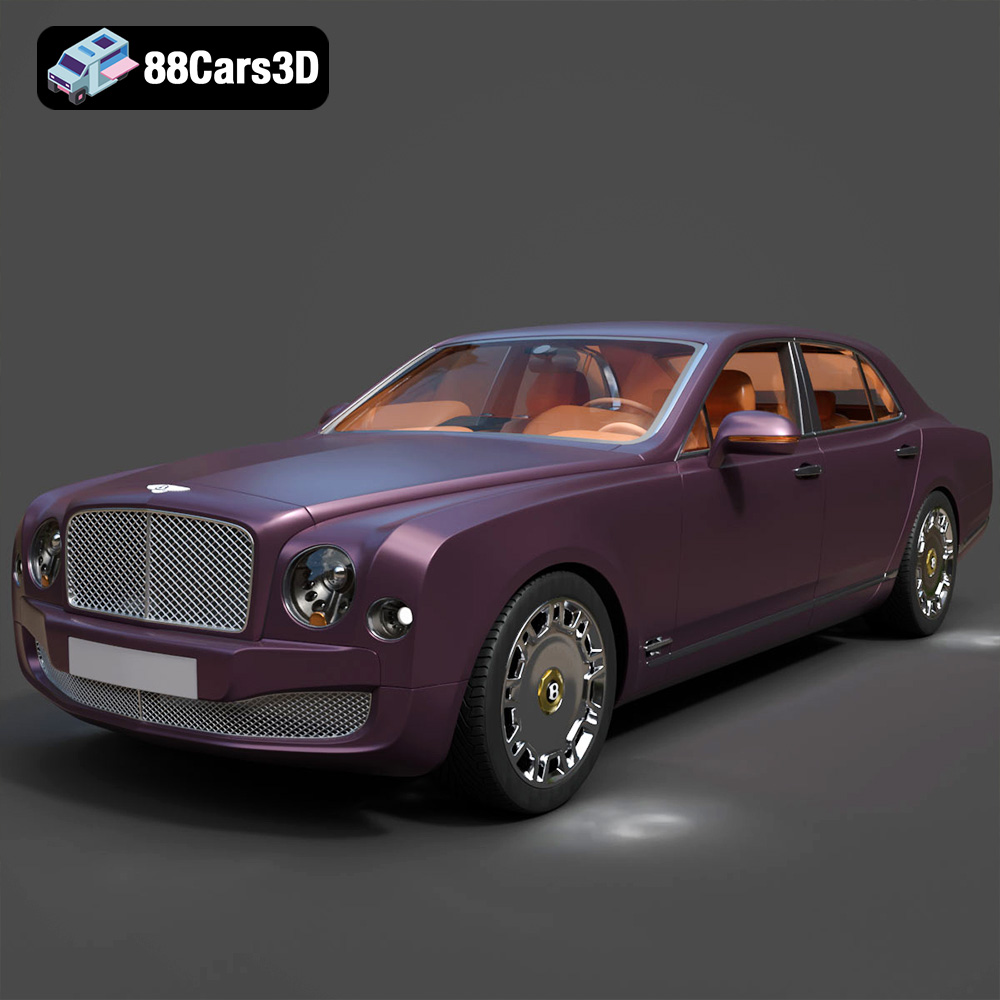
Bentley Mulsanne Luxury Sedan 3D Model
Texture: Yes
Material: Yes
Download the Bentley Mulsanne Luxury Sedan 3D Model featuring clean geometry, realistic detailing, and a fully modeled interior. Includes .blend, .fbx, .obj, .glb, .stl, .ply, .unreal, and .max formats for rendering, simulation, and game development.
Price: $14.99

Bentley Continental GT 2011 3D Model
Texture: Yes
Material: Yes
Download the Bentley Continental GT 2011 3D Model featuring clean geometry, realistic detailing, and a fully modeled interior. Includes .blend, .fbx, .obj, .glb, .stl, .ply, .unreal, and .max formats for rendering, simulation, and game development.
Price: $14.99

Bentley Continental Flying Spur 3D Model
Texture: Yes
Material: Yes
Download the Bentley Continental Flying Spur 3D Model featuring clean geometry, realistic detailing, and a fully modeled interior. Includes .blend, .fbx, .obj, .glb, .stl, .ply, .unreal, and .max formats for rendering, simulation, and game development.
Price: $14.99
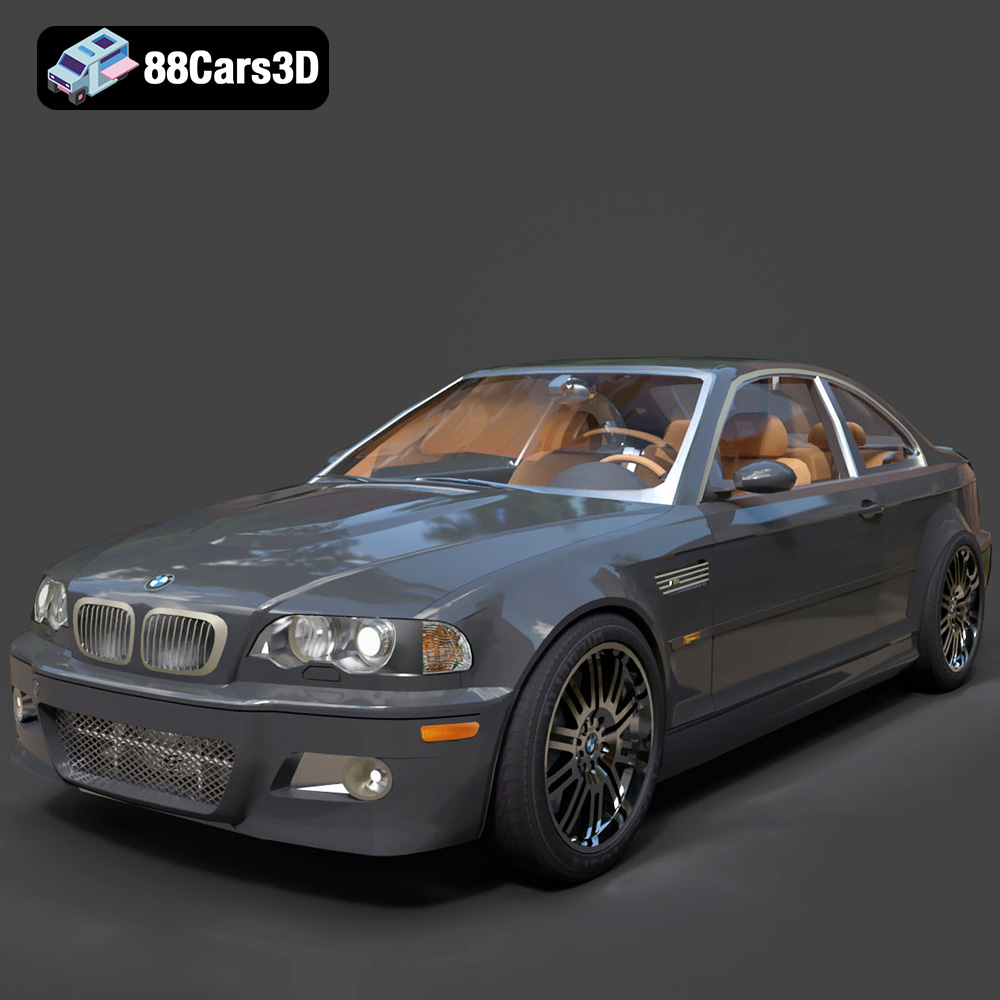
BMW M3 E46 3D Model
Texture: Yes
Material: Yes
Download the BMW M3 E46 3D Model featuring iconic sports car design and detailed interior. Includes .blend, .fbx, .obj, .glb, .stl, .ply, .unreal, and .max formats for rendering, simulation, and game development.
Price: $16.99
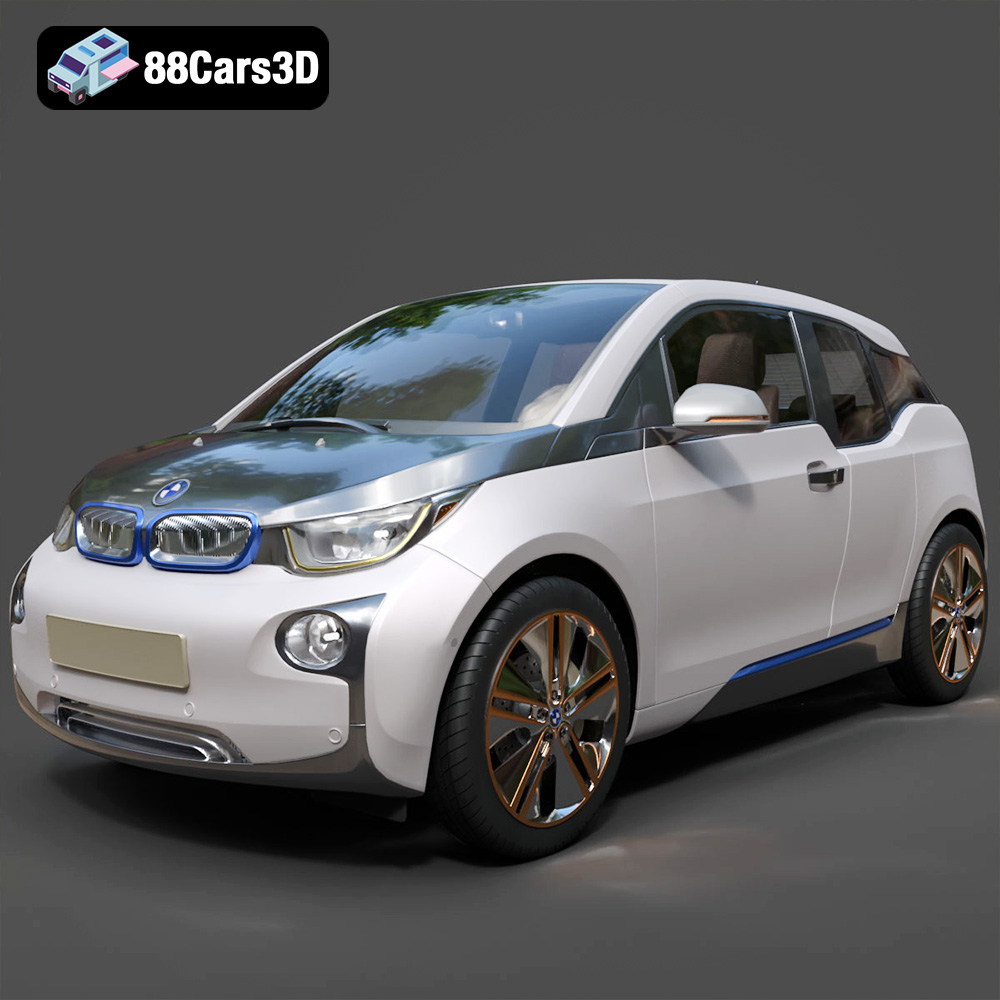
BMW i3 Coupe 3D Model
Texture: Yes
Material: Yes
Download the BMW i3 Coupe 3D Model featuring its iconic electric design and compact urban styling. Includes .blend, .fbx, .obj, .glb, .stl, .ply, .unreal, and .max formats for rendering, simulation, and game development.
Price: $17.99
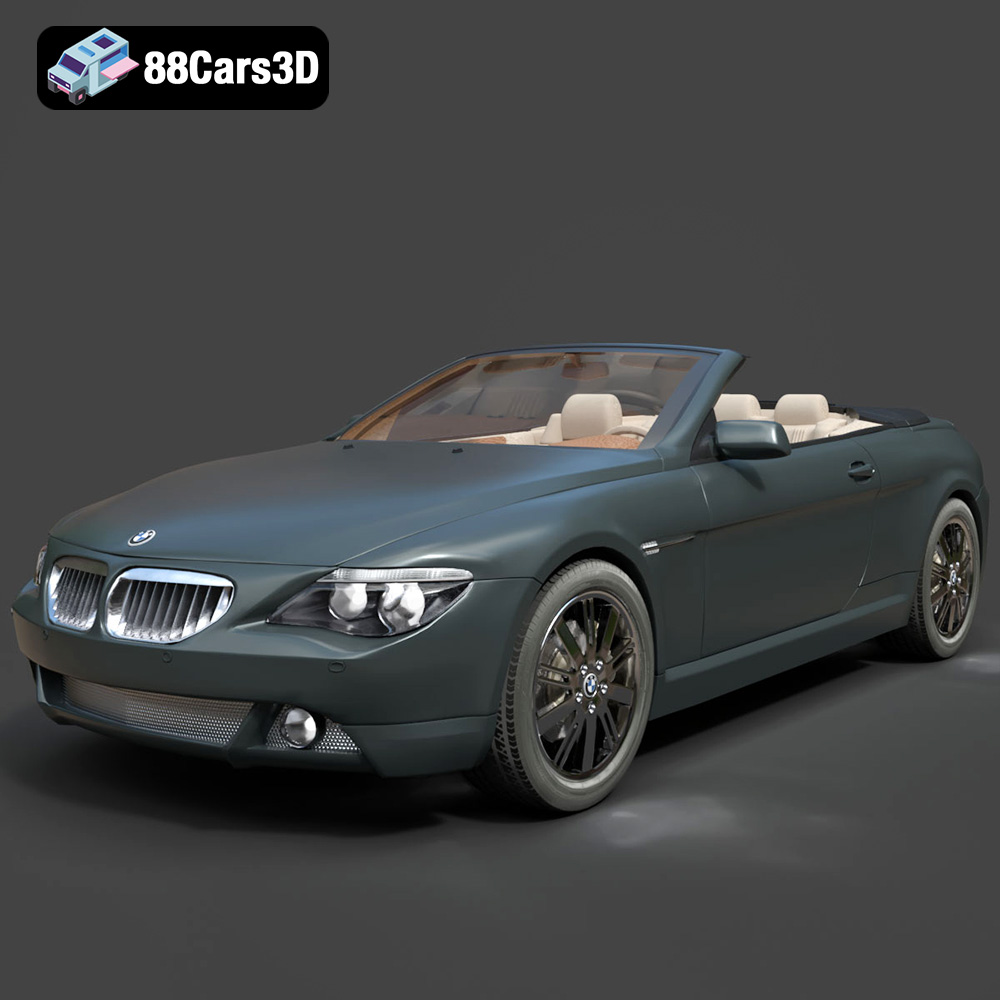
BMW 645ci 2004-2005 3D Model
Texture: Yes
Material: Yes
Download the BMW 645ci 3D Model featuring a sleek, detailed exterior and optimized interior. Includes .blend, .fbx, .obj, .glb, .stl, .ply, .unreal, and .max formats for rendering, simulation, and game development.
Price: $10.79
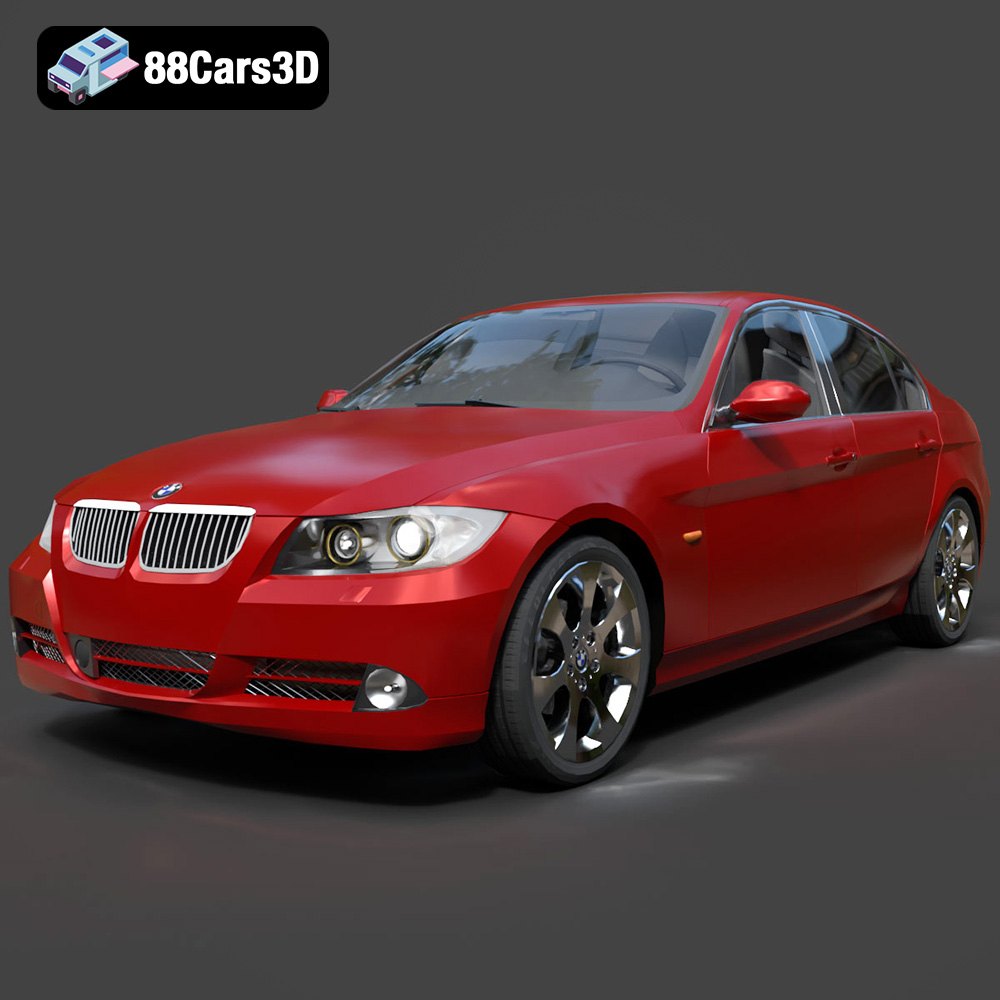
BMW 330i E90 3D Model
Texture: Yes
Material: Yes
Download the BMW 330i E90 3D Model featuring a detailed exterior, an optimized interior, and accurate mechanical components. Includes .blend, .fbx, .obj, .glb, .stl, .ply, .unreal, and .max formats for rendering, simulation, and game development.
Price: $14.79
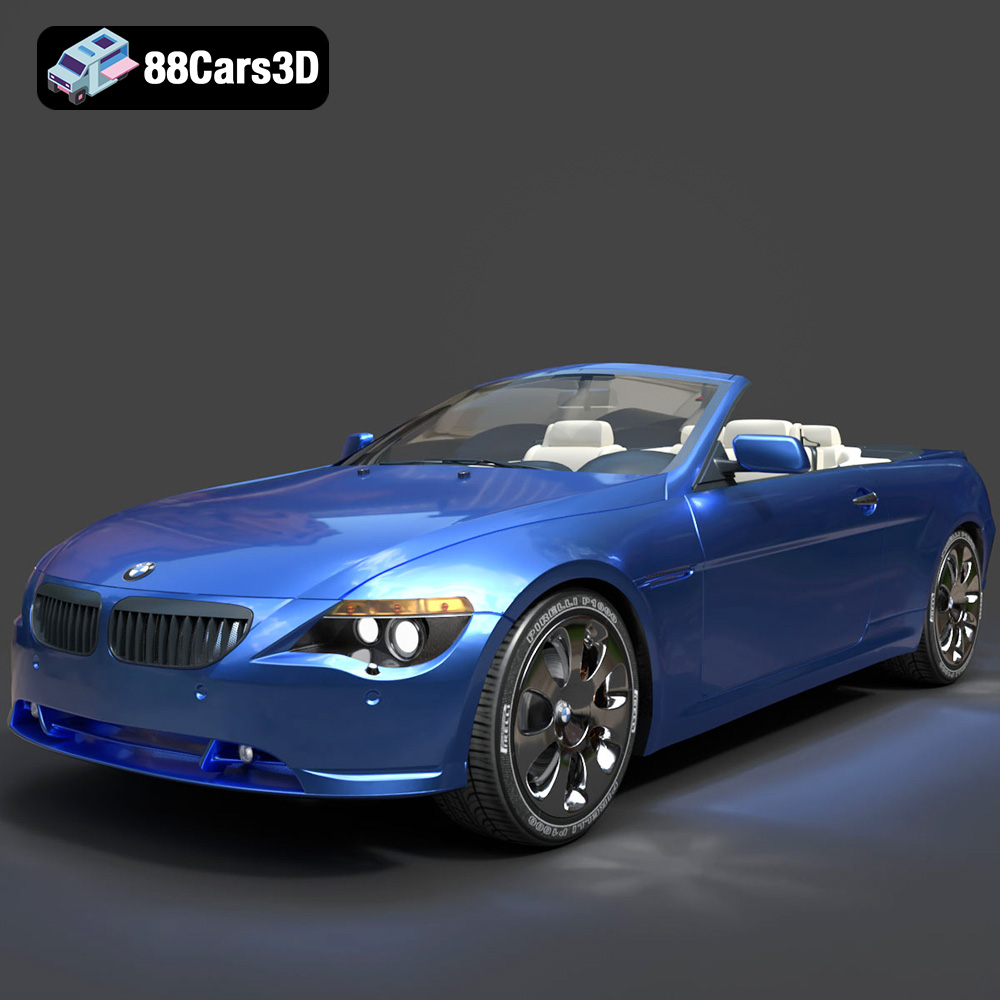
BMW 6 Series Convertible 3D Model
Texture: Yes
Material: Yes
Download the BMW 6 Series Convertible 3D Model featuring clean geometry, realistic detailing, and a fully modeled interior. Includes .blend, .fbx, .obj, .glb, .stl, .ply, .unreal, and .max formats for rendering, simulation, and game development.
Price: $14.99
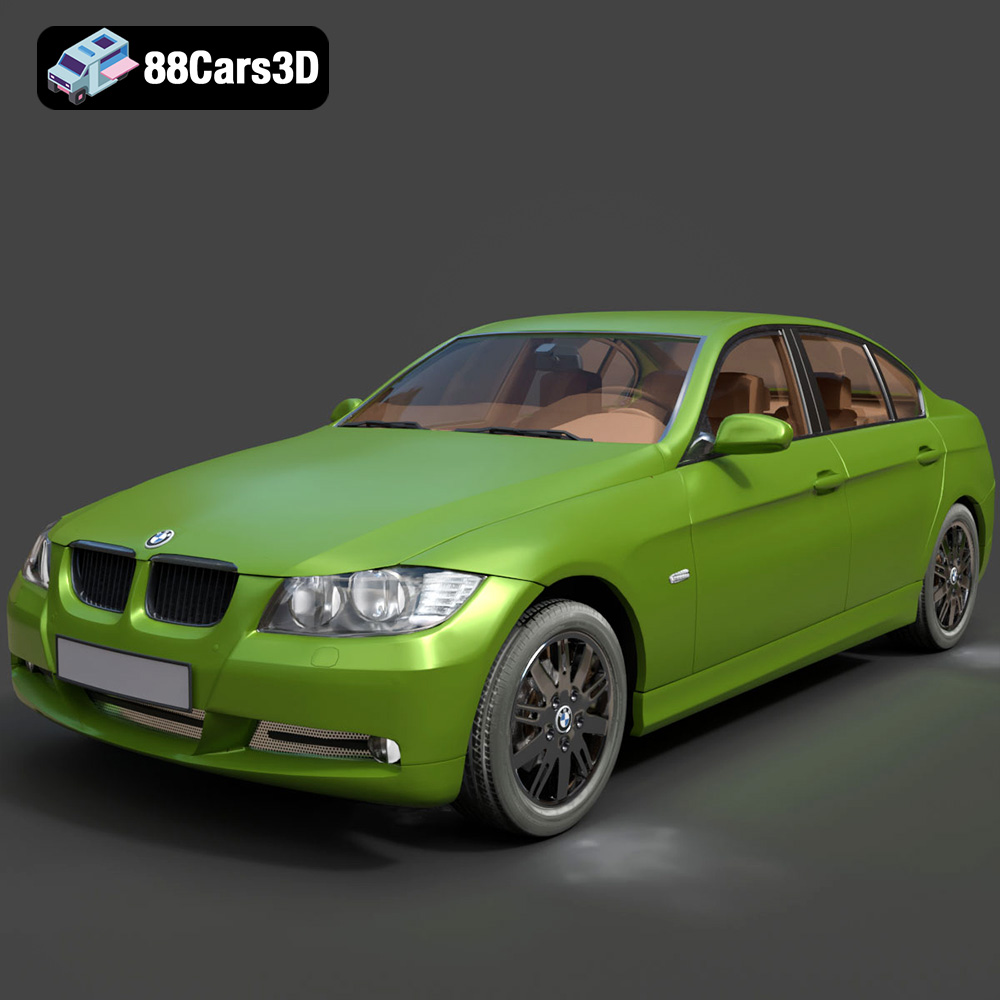
BMW 3-005 3D Model
Texture: Yes
Material: Yes
Download the BMW 3-005 3D Model featuring a sleek design, detailed exterior and interior. Includes .blend, .fbx, .obj, .glb, .stl, .ply, .unreal, and .max formats for rendering, simulation, and game development.
Price: $14.99
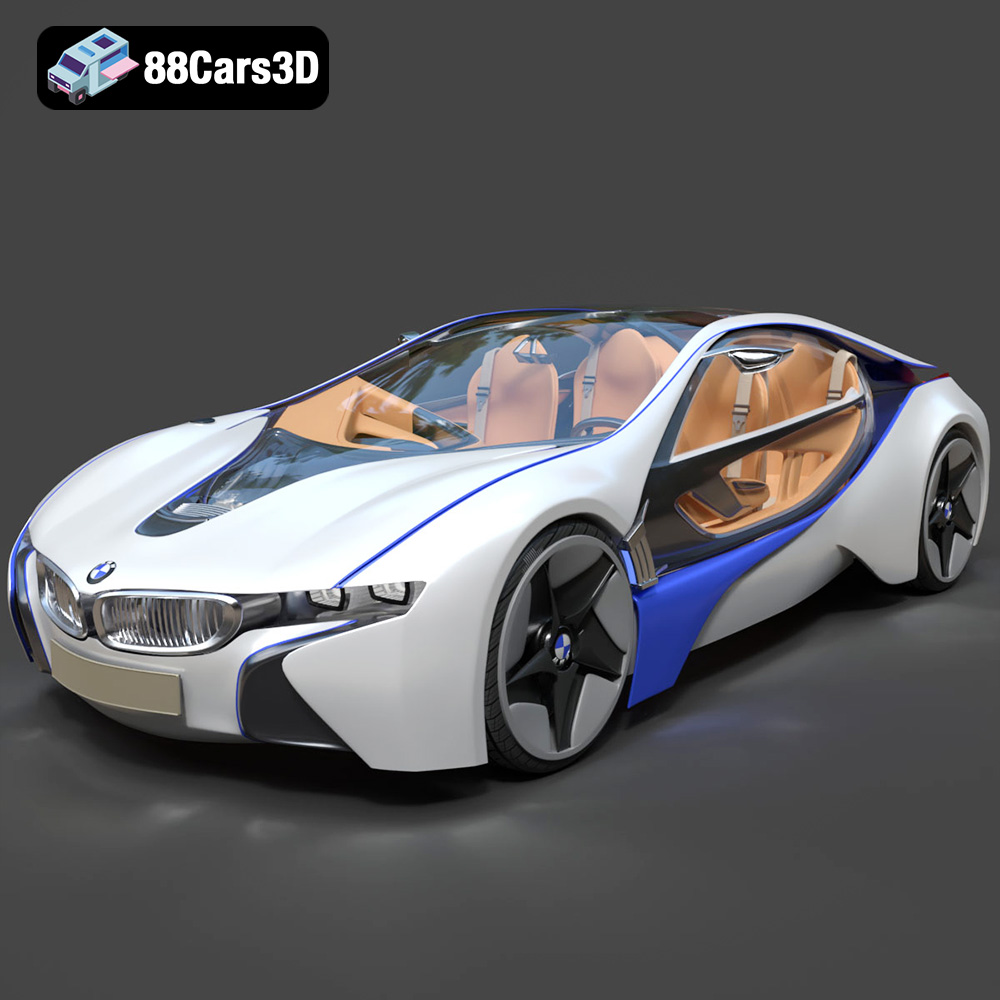
BMW Vision Effecient Dynamics-007 3D Model
Texture: Yes
Material: Yes
Download the BMW Vision Effecient Dynamics-007 3D Model featuring a sleek, futuristic design and hybrid concept aesthetics. Includes .blend, .fbx, .obj, .glb, .stl, .ply, .unreal, and .max formats for rendering, simulation, and game development.
Price: $14.99
