

The automotive industry has always been at the forefront of technological innovation, and its visualization techniques are no exception. Gone are the days when static renders were sufficient; today, the demand for dynamic, interactive, and photorealistic experiences is paramount. This is where Unreal Engine steps in, transforming how designers, marketers, and enthusiasts interact with vehicles long before they hit the road. With its powerful rendering capabilities, robust toolset, and real-time processing, Unreal Engine has become the go-to platform for achieving unparalleled fidelity in automotive visualization.
From showcasing intricate design details to simulating complex driving scenarios, Unreal Engine empowers artists and developers to create immersive automotive experiences that were once unimaginable. This comprehensive guide will delve deep into the technical workflows, best practices, and advanced features within Unreal Engine that enable the creation of stunning automotive visualizations. We’ll explore everything from efficient project setup and importing high-quality 3D car models—like those readily available on platforms such as 88cars3d.com—to crafting photorealistic materials, optimizing performance with cutting-edge technologies like Nanite and Lumen, and building interactive configurators. By the end of this journey, you’ll have a solid understanding of how to harness Unreal Engine’s immense power to elevate your automotive projects to an entirely new level of realism and interactivity.
Unreal Engine Project Setup and Optimal Model Integration
The foundation of any successful Unreal Engine project lies in its initial setup and the meticulous integration of assets. For automotive visualization, this means selecting the right project template, configuring essential settings, and most importantly, importing and preparing high-quality 3D car models. A well-organized project ensures scalability, simplifies collaborative efforts, and significantly streamlines the development process, especially when working with complex automotive assets.
When starting, consider the “Blank” or “Automotive Product Design” template. The “Automotive Product Design” template, while offering a great starting point with some pre-configured settings, might be too heavy for some basic visualizations. A “Blank” project offers maximum control, allowing you to manually enable features like Ray Tracing, Lumen, and Nanite as needed. Navigate to Edit > Project Settings > Engine > Rendering to enable these features. For optimal performance and visual fidelity, ensure that “Lumen Global Illumination” and “Lumen Reflections” are enabled under Global Illumination and Reflections respectively. If your hardware supports it, enable “Hardware Ray Tracing” for superior reflections and shadows, though be mindful of its performance impact. Establishing a logical folder structure (e.g., /Cars, /Materials, /Environments, /Blueprints) from the outset is crucial for managing numerous assets.
Setting Up Your Automotive Visualization Project
Beyond template selection, a few critical project settings will define the visual quality and performance of your automotive scene. Under Project Settings, explore the ‘Engine – Rendering’ section thoroughly. Pay close attention to ‘Default Postprocessing Settings,’ which allows you to define initial exposure, ambient occlusion, and other visual parameters globally. For real-time rendering, particularly in scenarios requiring high frame rates (e.g., VR), understanding scalability settings (Edit > Project Settings > Engine > Scalability) is vital. While high settings are desirable for hero shots, lower settings can be used for development iterations or for deploying to less powerful hardware. Remember to restart the engine after enabling major rendering features like Lumen or Ray Tracing for changes to take effect. Always aim for a clean, professional project structure that allows for easy navigation and asset management, which becomes increasingly important as your project grows in complexity.
Importing and Optimizing High-Quality 3D Car Models
The quality of your source 3D car models directly impacts the realism of your visualization. Platforms like 88cars3d.com offer professionally crafted models with clean topology, proper UV mapping, and PBR-ready textures, which are essential for seamless integration into Unreal Engine. When importing, typically using the FBX format, pay close attention to the import dialogue settings. Crucial options include “Combine Meshes” (often unchecked if you need individual components for animation or material variations), “Import Materials” (usually enabled, but you’ll often refine them), and “Import Textures.” Ensure “Generate Missing Collision” is enabled for physics interactions. For advanced pipelines, consider USD (Universal Scene Description) which offers a more robust, non-destructive workflow for complex asset assembly, enabling easier data exchange between different software. After import, verify the model’s scale and rotation. Unreal Engine uses a Z-up coordinate system, so models from Y-up software might require a 90-degree rotation on the X-axis. Adjust scale using the Details panel or by creating a Blueprint wrapper for the static mesh, ensuring consistency across all assets. Post-import, it’s good practice to inspect the mesh in the Static Mesh Editor to confirm UVs, normals, and tangent generation are correct, as these are critical for proper material display and lighting interaction.
Crafting Photorealistic PBR Materials and Dynamic Lighting
Achieving photorealism in automotive visualization is largely dependent on two pillars: meticulously crafted Physical Based Rendering (PBR) materials and a sophisticated lighting setup. Unreal Engine’s Material Editor provides an incredibly powerful and flexible environment for creating materials that accurately respond to light, while its advanced lighting systems, spearheaded by Lumen, bring scenes to life with realistic global illumination and reflections. The interplay between these two elements is what truly defines the visual fidelity of your real-time rendering.
PBR materials are fundamental because they simulate how light interacts with surfaces in the real world. For a car, this means accurately representing everything from the glossy sheen of automotive paint to the subtle imperfections of tire rubber. Beyond the materials themselves, a thoughtful lighting setup provides the context and atmosphere. Lumen, Unreal Engine’s fully dynamic global illumination and reflections system, eliminates the need for complex light baking, allowing for instantaneous changes and highly realistic light bounces. Combining Lumen with traditional light sources like Directional Lights, Sky Lights, and Rect Lights enables artists to simulate a wide range of environments, from bright outdoor scenes to moody indoor studios, all in real-time. This combination is crucial for presenting 3D car models in their best light, highlighting design nuances and surface quality.
Mastering PBR Materials in the Material Editor
The Unreal Engine Material Editor is a node-based interface where you define how a surface interacts with light. For automotive paint, a complex shader often involves multiple layers. A base layer typically uses a high Metallic value (e.g., 0.9-1.0) and a relatively low Roughness (e.g., 0.1-0.3) for the metallic flake appearance. This is often overlaid with a clear coat layer, achieved using the Clear Coat and Clear Coat Roughness inputs, simulating the protective transparent finish. Parameters like “Clear Coat Strength” and “Clear Coat Roughness” allow fine-tuning of this effect. For glass, transparency (Opacity) and refraction are key. Using a “Refraction” input with an Index of Refraction (IOR) value (e.g., 1.52 for glass) alongside a subtle tint color and roughness for imperfections creates convincing window surfaces. Tire materials often rely on detailed normal maps to capture tread patterns, combined with varying roughness values (higher for rubber, lower for wear) and a dark Base Color. Using Material Instances for variations (e.g., different paint colors, rim finishes) is a vital workflow for efficiency, allowing you to change parameters without recompiling the base material, saving significant iteration time. Remember that each PBR texture map (Base Color, Metallic, Roughness, Normal, Ambient Occlusion) plays a crucial role in defining the final look. Ensure these textures are correctly plugged into their respective pins on the main material node.
Illuminating with Lumen and Traditional Lighting Techniques
Lumen provides a revolutionary approach to global illumination and reflections, making real-time rendering of complex scenes much more realistic. To enable Lumen, activate it in your Project Settings (as mentioned previously) and ensure a Post Process Volume is present in your scene. Within the Post Process Volume, set “Global Illumination Method” and “Reflection Method” to “Lumen.” Lumen dynamically calculates light bounces, providing soft indirect lighting and realistic reflections on all surfaces. Complementing Lumen, a “Directional Light” simulates the sun, defining the primary light direction and shadow casting. Pair this with a “Sky Light” capturing a High Dynamic Range Image (HDRI) of the environment, which provides realistic ambient lighting and reflections, significantly impacting the perceived realism of your 3D car models. Rect Lights and Spot Lights can be used to emphasize specific features or create studio-like setups. For example, a few discreet Rect Lights positioned around the car can bring out subtle curves and reflections. For those with compatible hardware, enabling “Hardware Ray Tracing” for reflections and shadows in the Post Process Volume can further enhance fidelity, providing pixel-perfect reflections and accurate contact shadows. Finally, fine-tune the overall look and feel using the Post Process Volume’s exposure settings, color grading, and bloom effects to achieve the desired mood and cinematic quality.
Optimizing Performance with Nanite, LODs, and Engine-Specific Features
While visual fidelity is paramount in automotive visualization, achieving it without compromising performance is equally critical, especially for real-time rendering, interactive experiences, or AR/VR applications. Unreal Engine offers a suite of powerful optimization tools, chief among them being Nanite virtualized geometry and robust Level of Detail (LOD) management. These technologies allow artists to push the boundaries of detail without crippling frame rates, ensuring a smooth and immersive user experience for showcasing 3D car models.
Nanite, introduced in Unreal Engine 5, has fundamentally changed how high-polygon assets are handled. It intelligently streams and processes only the necessary detail, allowing artists to import film-quality meshes with millions of polygons directly into the engine without significant performance overhead. This is a game-changer for automotive models, which are inherently complex and detailed. However, Nanite isn’t a silver bullet for all assets, and traditional optimization techniques like LODs (Levels of Detail) remain crucial for components that don’t benefit from Nanite or for deployments to less powerful platforms. Mastering the combination of Nanite for hero assets and efficient LODs for supporting elements, alongside other engine-specific optimizations, is key to delivering a visually stunning yet performant automotive project.
Leveraging Nanite for High-Fidelity Car Models
Nanite virtualized geometry is arguably one of the most transformative features for handling complex 3D car models in Unreal Engine. It allows you to import meshes with hundreds of millions of triangles and render them in real-time without manual LOD creation or performance drops typically associated with high-poly models. For automotive assets, this means designers can bring CAD data or highly detailed sculpted models directly into Unreal Engine, preserving every nuance and curve without worrying about polygon count. To enable Nanite on a static mesh, simply open the Static Mesh Editor, locate the “Nanite Settings” section in the Details panel, and check “Enable Nanite.” You can also set a “Preserve Area Percent” which controls how much detail Nanite tries to retain. The benefits are immense: incredibly detailed vehicle exteriors, intricate engine components, and lavish interiors can all be rendered with unprecedented fidelity. While Nanite is fantastic for static meshes, be aware of its current limitations: it does not yet support skeletal meshes (animated components), masked materials, or certain custom vertex shaders. For these exceptions, traditional LODs are still necessary. Always ensure your source 3D car models are clean and manifold for optimal Nanite performance.
Mastering LODs and Advanced Optimization Techniques
Despite Nanite’s capabilities, Level of Detail (LOD) management remains a vital optimization strategy for various components and specific use cases, especially for non-Nanite meshes, complex interiors, or when targeting mobile/AR/VR platforms. LODs are simplified versions of a mesh that are swapped in based on the camera’s distance, reducing the polygon count of objects far away from the viewer. Unreal Engine offers automatic LOD generation: in the Static Mesh Editor, navigate to “LOD Settings” and click “Generate LODs.” You can specify the number of LODs and their “Screen Size” thresholds (the percentage of the screen the mesh occupies before switching to a lower LOD). For critical components or scenarios requiring precise control, manual LOD creation (importing pre-optimized meshes) provides the highest quality results. Beyond LODs, several other optimization strategies contribute to a smooth real-time rendering experience. Implement texture streaming by ensuring your textures have proper Mip Maps, reducing memory usage. Minimize draw calls by combining smaller meshes where appropriate (static meshes using the same material). Utilize frustum culling and occlusion culling, which Unreal Engine handles automatically, to prevent rendering objects outside the camera’s view or behind other objects. Profile your scene using the console commands `stat gpu` and `stat unit` to identify performance bottlenecks and optimize accordingly. For detailed performance analysis, the Unreal Engine documentation (https://dev.epicgames.com/community/unreal-engine/learning) provides extensive guides on profiling and optimization.
Creating Dynamic Experiences: Interactivity, Cinematics, and Realistic Physics
Beyond static beauty shots, the true power of Unreal Engine in automotive visualization lies in its ability to bring vehicles to life through interactivity, cinematic storytelling, and realistic physics. Engaging users with a virtual configurator, creating stunning marketing videos, or simulating a dynamic driving experience elevates a mere model into an immersive digital twin. These capabilities are crucial for everything from design validation and marketing campaigns to interactive showrooms and virtual training.
Unreal Engine’s visual scripting system, Blueprint, empowers artists and designers to create complex interactive functionalities without writing a single line of code. This democratizes the development of features like changing car colors, swapping wheels, or opening doors with a click. For cinematic content, Sequencer provides a powerful, non-linear editor for orchestrating complex animations, camera movements, and visual effects, rivaling traditional video editing software. And for a truly dynamic experience, Unreal Engine’s integrated physics systems, specifically Chaos Vehicles, allow for realistic vehicle dynamics, transforming a static model into a drivable machine. Combining these features creates a holistic and compelling automotive experience that resonates with modern audiences.
Blueprint Scripting for Interactive Automotive Experiences
Blueprint visual scripting is the backbone of interactive automotive experiences in Unreal Engine. It allows you to define complex logic using nodes and wires, making it accessible even to those without traditional programming backgrounds. For an automotive configurator, you can create a Blueprint Actor for your car. Inside this Blueprint, you can expose variables for material parameters (e.g., Base Color for paint, Roughness for interior trim), allowing users to cycle through different options. For instance, an “On Clicked” event on a UI button (created with UMG – Unreal Motion Graphics) could trigger a Blueprint function that sets a new material instance parameter for the car body. Similarly, to implement door opening animations, you might import pre-animated door meshes or create simple rotational animations within Unreal Engine’s Sequencer and trigger them via Blueprint events. Advanced interactivity could include custom camera controls, allowing users to orbit, zoom, or snap to predefined interior views. You can connect these Blueprint interactions to a user interface (UI) built with UMG, providing an intuitive way for users to explore and customize the 3D car models. The flexibility of Blueprint means that virtually any interactive concept, from custom camera modes to changing environmental conditions, can be implemented with relative ease.
Cinematic Storytelling with Sequencer and Physics Simulation
Sequencer is Unreal Engine’s powerful multi-track non-linear editor, essential for creating high-quality cinematic content for automotive visualization. With Sequencer, you can orchestrate complex camera movements, animate vehicle components (like opening doors or retracting spoilers), control material parameter changes over time, and apply post-processing effects to craft compelling narratives. To create a captivating car reveal, you could animate the car driving into frame, activate dynamic lighting changes, and slowly zoom in on specific design details. Keyframing various properties of your 3D car models, lights, and cameras is intuitive, allowing for precise control over timing and motion. For physics simulation, Unreal Engine’s Chaos Vehicles system provides a robust framework for realistic car dynamics. By setting up a custom Chaos Vehicle Blueprint, you can define parameters like engine torque curve, gear ratios, suspension travel, and tire friction. This enables you to simulate realistic driving behavior, whether it’s for a virtual test drive, a dynamic marketing video, or even a full-fledged racing game. You can integrate Chaos Vehicles with other engine systems; for example, using Niagara, Unreal Engine’s advanced particle system, to create realistic exhaust smoke, tire dust, or water splashes, further enhancing the immersion and visual spectacle of your automotive scenes. This combination of cinematic control and authentic physics allows for truly dynamic and engaging presentations.
Advanced Applications: Virtual Production, AR/VR, and the Future of Automotive Visualization
Unreal Engine’s capabilities extend far beyond traditional renders and interactive experiences, pushing the boundaries of what’s possible in automotive visualization. With its real-time processing power, it has become a cornerstone of virtual production workflows and an indispensable tool for creating immersive augmented and virtual reality applications. These advanced applications are revolutionizing how car manufacturers design, market, and even sell their vehicles, blurring the lines between the digital and physical worlds.
Virtual production, particularly with LED wall integration, allows for real-time in-camera visual effects, enabling filmmakers and marketers to shoot physical vehicles against dynamic, photorealistic digital environments. This drastically reduces post-production time and costs while offering unparalleled creative flexibility. Simultaneously, the rise of AR/VR provides new avenues for interaction, allowing customers to explore and configure 3D car models in their own driveways or experience virtual test drives from the comfort of their homes. These cutting-edge applications are not just futuristic concepts; they are current industry standards, leveraging Unreal Engine’s robust features to deliver truly next-generation automotive experiences. Understanding these workflows is crucial for any professional looking to stay ahead in the rapidly evolving landscape of automotive design and marketing.
Virtual Production and LED Wall Integration
Virtual production using Unreal Engine, particularly with LED walls, is revolutionizing how automotive content is created. Instead of green screens, physical cars (or even actors pretending to be in a car) are placed in front of large LED screens displaying dynamic Unreal Engine environments. The engine renders the virtual world in real-time, often synchronized with camera tracking systems (like Mo-Sys or Stype), ensuring correct perspective and parallax. This creates stunning in-camera visual effects, where the reflections on the car’s surface and the lighting of the physical vehicle accurately match the virtual background. For automotive visualization, this means marketers can shoot a car in a Californian desert at sunrise without leaving the studio, significantly reducing logistical costs and time. The “nDisplay” system in Unreal Engine is key for distributing the rendering workload across multiple GPUs to power these massive LED volumes, ensuring high frame rates and seamless visuals. This workflow empowers creative teams with unprecedented flexibility, allowing them to iterate on environments, lighting, and camera angles instantly, leading to a more efficient and creatively liberating production process for showcasing Unreal Engine 3D car models.
AR/VR Optimization for Immersive Automotive Experiences
Augmented Reality (AR) and Virtual Reality (VR) offer unparalleled opportunities for immersive automotive visualization, from virtual showrooms to design reviews. However, these platforms demand stringent performance optimization. For AR/VR, maintaining a consistent high frame rate (typically 90fps or higher for VR to prevent motion sickness) is paramount. This necessitates a careful balance between visual fidelity and performance. Key optimization strategies include:
- Aggressive LODs: Even with Nanite, non-Nanite components and especially highly complex interiors need well-optimized LODs to manage polygon count.
- Texture Resolution: Use appropriate texture resolutions; 4K or 8K textures might be overkill for many VR scenarios. Implement texture streaming to only load necessary mips.
- Draw Call Reduction: Combine static meshes where possible, especially for distant background elements, to minimize draw calls, a major performance bottleneck in VR.
- Efficient Lighting: While Lumen is powerful, it can be demanding. For VR, consider using baked lighting for static elements or carefully optimized dynamic lights with limited cascades.
- Post-Processing: Minimize expensive post-processing effects like screen space reflections, volumetric fog, or excessive bloom.
- Stereo Instancing: Ensure “Instanced Stereo” is enabled in Project Settings > Rendering for VR, which renders both eyes in a single pass, improving performance.
For AR applications on mobile devices, converting models to USDZ format (a standard for AR on iOS) offers a streamlined way to deploy interactive 3D car models. AR/VR enables virtual test drives, interactive product configurators where users can customize a car in their real-world environment, and collaborative design reviews where engineers can virtually inspect a prototype together. These immersive experiences represent the cutting edge of automotive visualization, offering engaging and highly practical applications for manufacturers and consumers alike. The detailed considerations for AR/VR optimization are extensively covered in the Unreal Engine learning resources at https://dev.epicgames.com/community/unreal-engine/learning.
Conclusion
Unreal Engine stands as an unparalleled powerhouse in the realm of automotive visualization, offering a comprehensive suite of tools and features that empower artists and developers to create breathtakingly realistic and highly interactive experiences. From the foundational project setup and the meticulous integration of high-quality 3D car models sourced from marketplaces like 88cars3d.com, to the sophisticated crafting of PBR materials and dynamic lighting with Lumen, every aspect contributes to achieving photorealism in real-time rendering.
The journey through Unreal Engine’s capabilities reveals how technologies like Nanite virtualized geometry and robust LOD management revolutionize performance optimization, allowing for unprecedented levels of detail. Furthermore, the engine’s interactive potential, driven by Blueprint scripting, cinematic storytelling with Sequencer, and realistic physics simulation with Chaos Vehicles, transforms static assets into engaging digital experiences. Looking to the future, Unreal Engine is at the forefront of virtual production with LED walls and crucial for developing highly optimized AR/VR applications, proving its versatility across a diverse range of industry needs. The ability to integrate these advanced workflows positions Unreal Engine as an indispensable tool for design, marketing, and sales within the automotive sector.
To truly master automotive visualization, embrace the continuous learning and experimentation that Unreal Engine encourages. Start by investing in high-quality game assets, leverage the powerful features discussed, and always prioritize optimization for your target platform. The possibilities are limitless, and with Unreal Engine, you have the power to drive the future of how vehicles are envisioned and experienced.
Featured 3D Car Models

Bentley Continental Flying Spur 3D Model
Texture: Yes
Material: Yes
Download the Bentley Continental Flying Spur 3D Model featuring clean geometry, realistic detailing, and a fully modeled interior. Includes .blend, .fbx, .obj, .glb, .stl, .ply, .unreal, and .max formats for rendering, simulation, and game development.
Price: $14.99
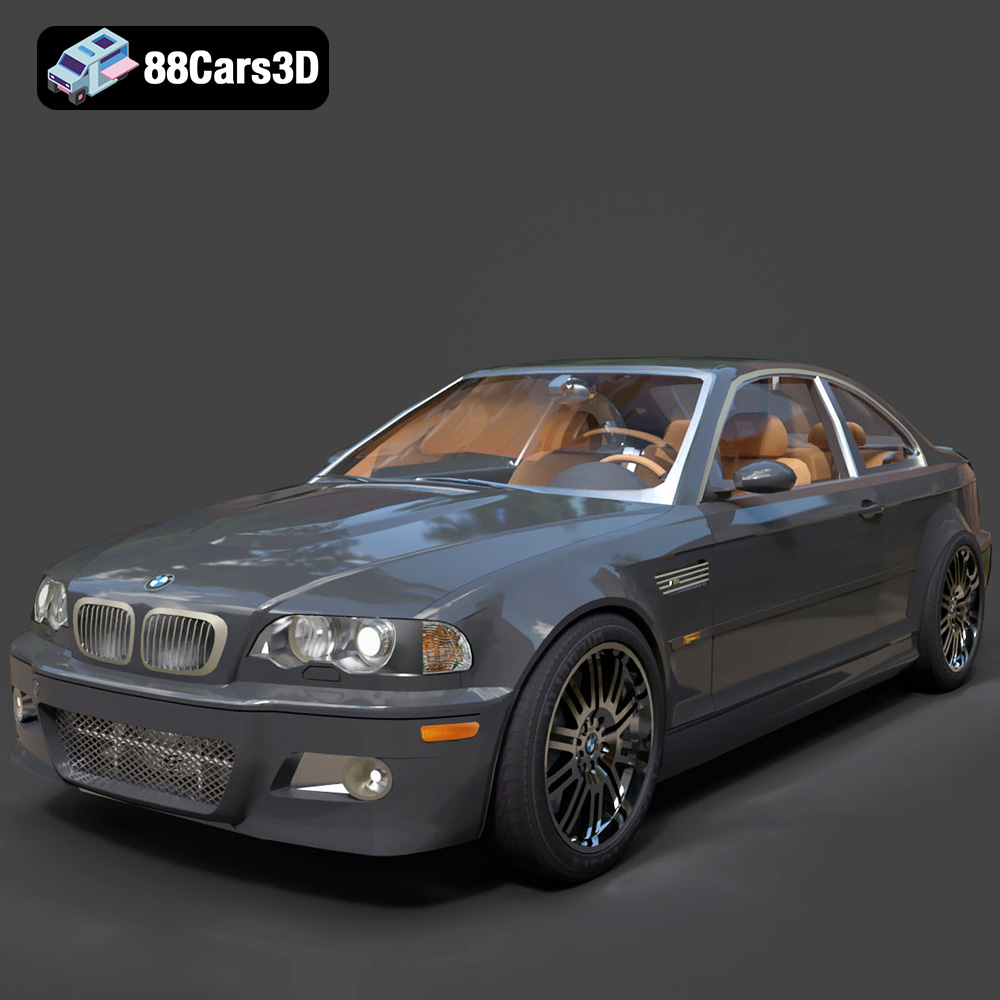
BMW M3 E46 3D Model
Texture: Yes
Material: Yes
Download the BMW M3 E46 3D Model featuring iconic sports car design and detailed interior. Includes .blend, .fbx, .obj, .glb, .stl, .ply, .unreal, and .max formats for rendering, simulation, and game development.
Price: $16.99
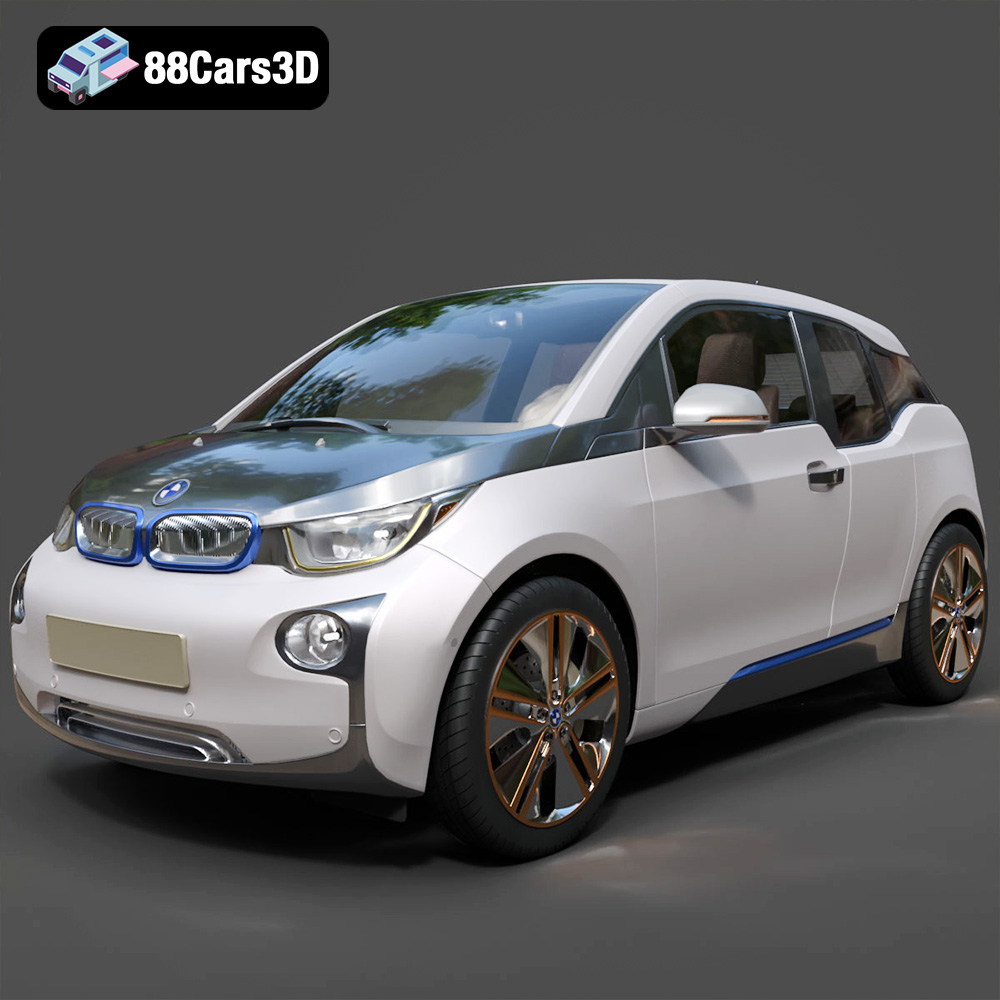
BMW i3 Coupe 3D Model
Texture: Yes
Material: Yes
Download the BMW i3 Coupe 3D Model featuring its iconic electric design and compact urban styling. Includes .blend, .fbx, .obj, .glb, .stl, .ply, .unreal, and .max formats for rendering, simulation, and game development.
Price: $17.99
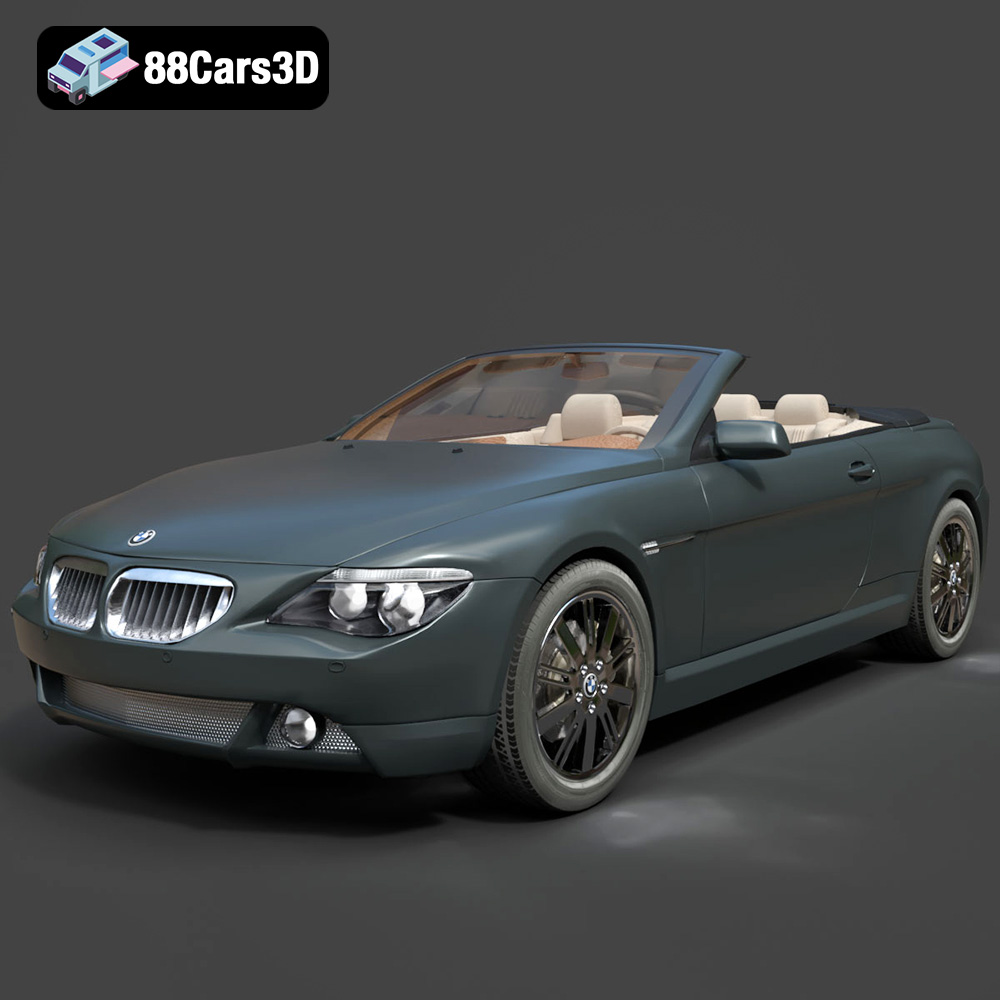
BMW 645ci 2004-2005 3D Model
Texture: Yes
Material: Yes
Download the BMW 645ci 3D Model featuring a sleek, detailed exterior and optimized interior. Includes .blend, .fbx, .obj, .glb, .stl, .ply, .unreal, and .max formats for rendering, simulation, and game development.
Price: $10.79
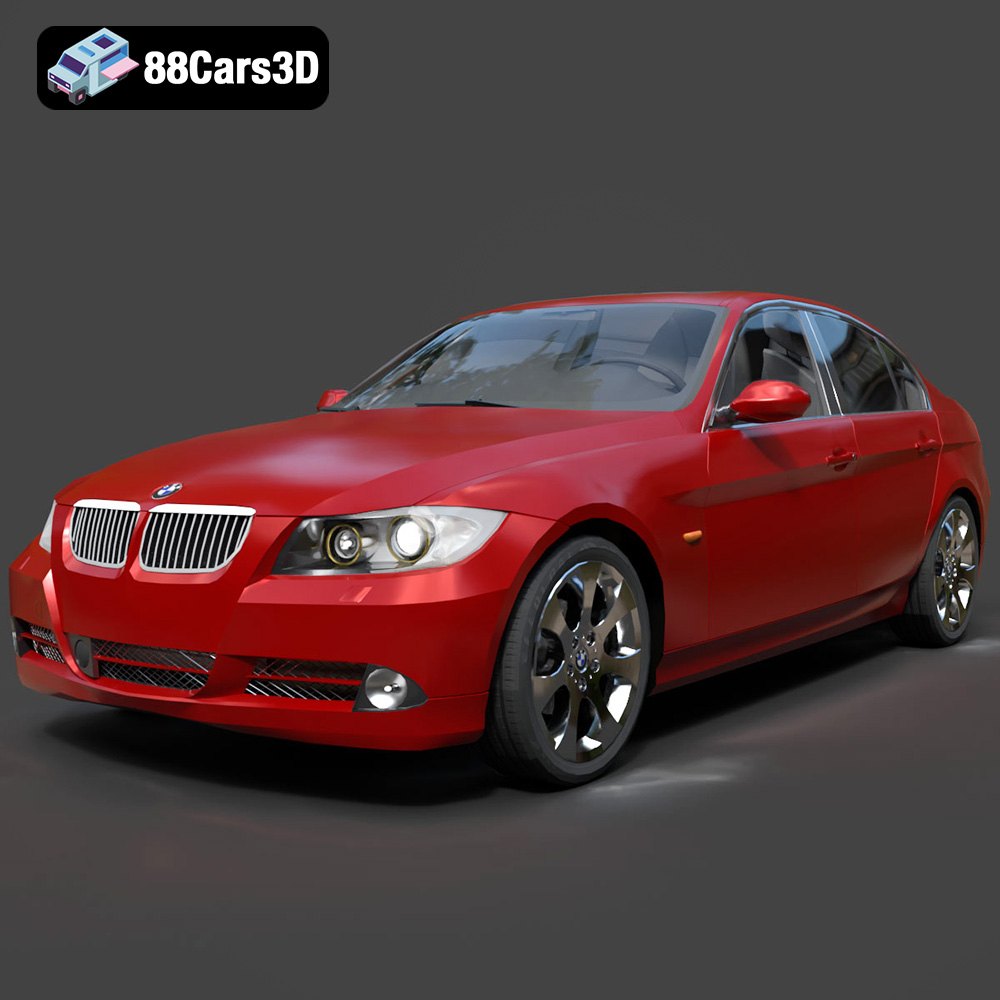
BMW 330i E90 3D Model
Texture: Yes
Material: Yes
Download the BMW 330i E90 3D Model featuring a detailed exterior, an optimized interior, and accurate mechanical components. Includes .blend, .fbx, .obj, .glb, .stl, .ply, .unreal, and .max formats for rendering, simulation, and game development.
Price: $14.79
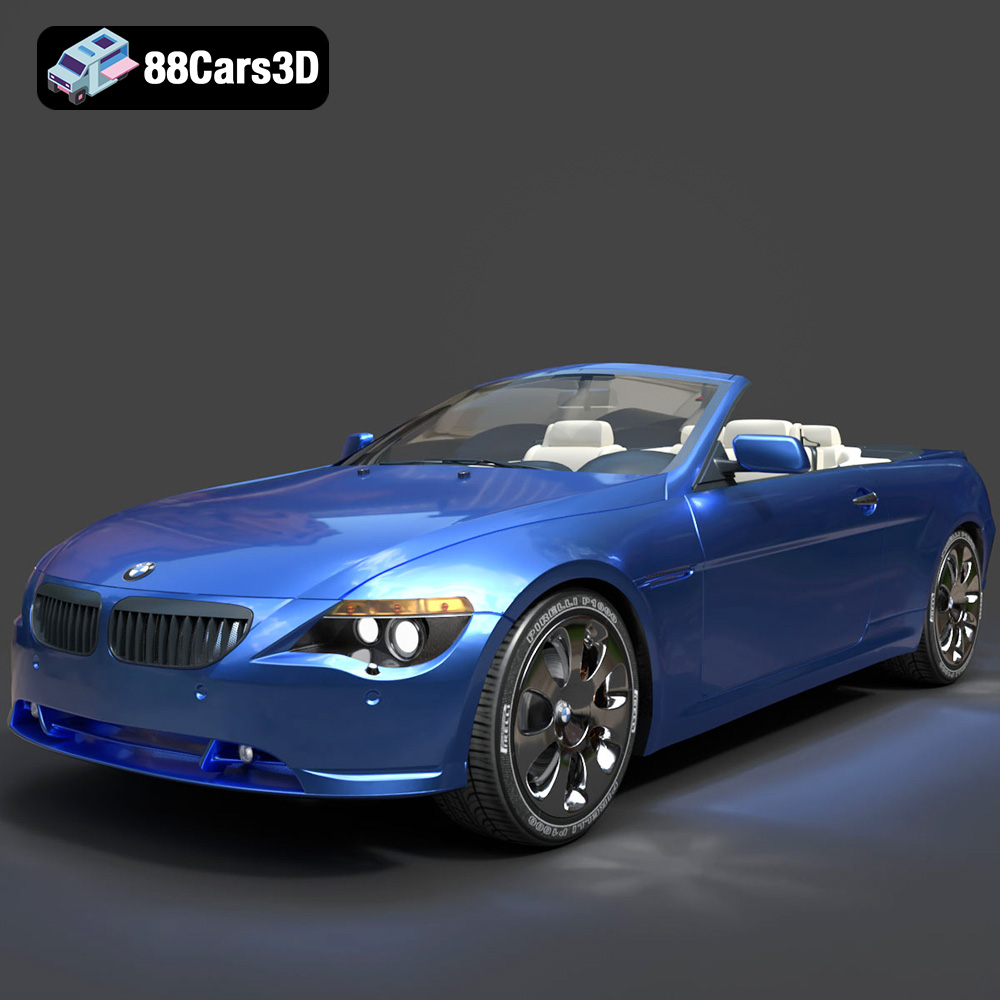
BMW 6 Series Convertible 3D Model
Texture: Yes
Material: Yes
Download the BMW 6 Series Convertible 3D Model featuring clean geometry, realistic detailing, and a fully modeled interior. Includes .blend, .fbx, .obj, .glb, .stl, .ply, .unreal, and .max formats for rendering, simulation, and game development.
Price: $14.99
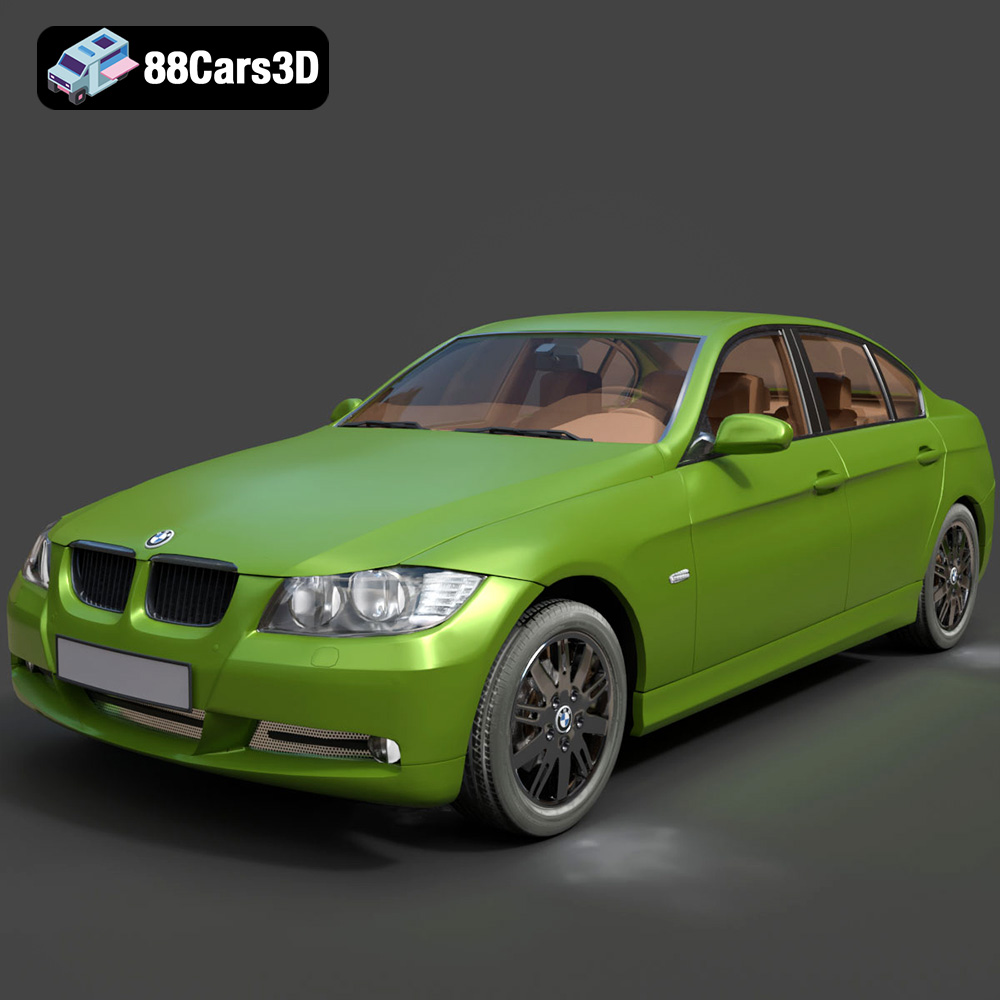
BMW 3-005 3D Model
Texture: Yes
Material: Yes
Download the BMW 3-005 3D Model featuring a sleek design, detailed exterior and interior. Includes .blend, .fbx, .obj, .glb, .stl, .ply, .unreal, and .max formats for rendering, simulation, and game development.
Price: $14.99
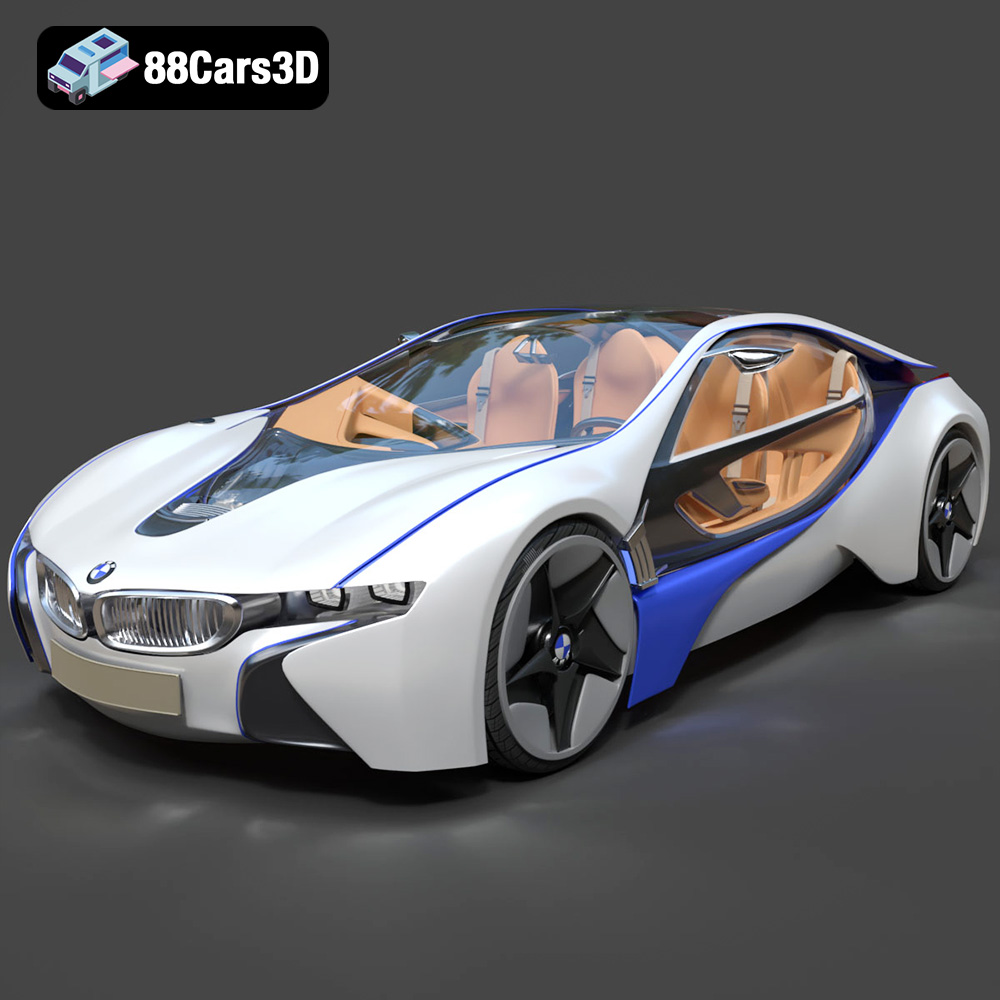
BMW Vision Effecient Dynamics-007 3D Model
Texture: Yes
Material: Yes
Download the BMW Vision Effecient Dynamics-007 3D Model featuring a sleek, futuristic design and hybrid concept aesthetics. Includes .blend, .fbx, .obj, .glb, .stl, .ply, .unreal, and .max formats for rendering, simulation, and game development.
Price: $14.99
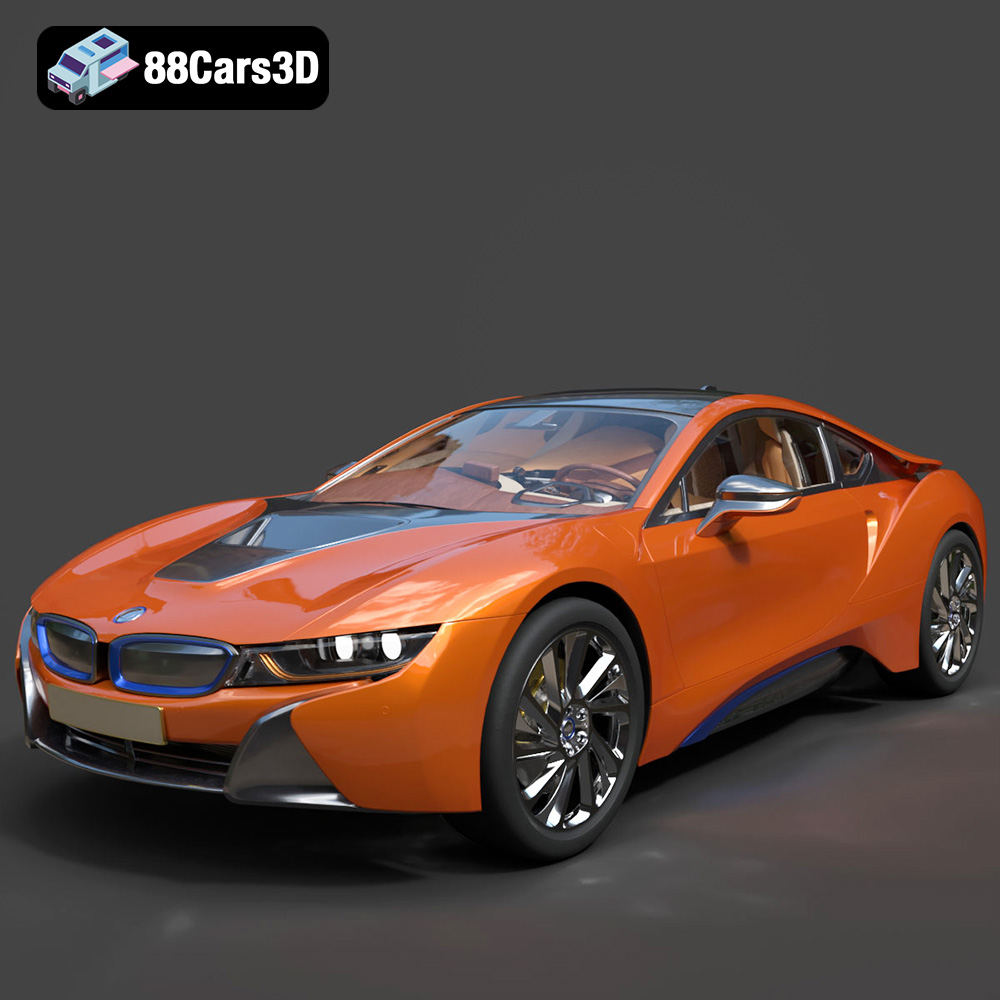
BMW i8 2015 3D Model
Texture: Yes
Material: Yes
Download the BMW i8 2015 3D Model featuring clean geometry, realistic detailing, and a fully modeled interior. Includes .blend, .fbx, .obj, .glb, .stl, .ply, .unreal, and .max formats for rendering, simulation, and game development.
Price: $12.99

BMW 4 Series F32 3D Model
Texture: Yes
Material: Yes
Download the BMW 4 Series F32 3D Model featuring clean geometry, realistic detailing, and a fully modeled interior. Includes .blend, .fbx, .obj, .glb, .stl, .ply, .unreal, and .max formats for rendering, simulation, and game development.
Price: $12.99
