

In the vibrant world of 3D content creation, where visual fidelity constantly pushes the boundaries of what’s possible, a critical challenge remains: balancing breathtaking aesthetics with uncompromising real-time performance. This delicate equilibrium is particularly evident in interactive 3D experiences such as video games, virtual reality simulations, and augmented reality applications, especially when dealing with highly detailed assets like 3D car models. Enter Levels of Detail (LODs) – an indispensable optimization technique that serves as the cornerstone for achieving seamless, high-performance visuals.
For 3D artists, game developers, automotive designers, and visualization professionals, understanding and mastering LOD implementation is not just an advantage; it’s a necessity. This comprehensive guide will delve deep into the technical intricacies of LODs, exploring their fundamental principles, practical creation workflows, and crucial impact across various industries. From meticulous polygon optimization and intelligent texture management to seamless integration within leading game engines and advanced applications like AR/VR, you’ll gain actionable insights to elevate your 3D car models from stunning static renders to dynamic, high-performance interactive assets. Prepare to unlock the secrets to crafting visually rich environments without sacrificing a single frame of your immersive experience.
Understanding Levels of Detail (LODs) – The Core Concept
Levels of Detail, or LODs, represent a powerful optimization strategy employed in real-time 3D graphics to manage the complexity of objects based on their distance from the viewer. The core principle is straightforward: an object that is close to the camera requires maximum visual detail to appear convincing, while the same object viewed from a distance can be represented with significantly fewer polygons and simplified textures without a noticeable loss in perceived quality. Instead of rendering a single, high-resolution model for every instance of an object, LODs allow developers to swap between multiple versions of an asset, each with a progressively lower polygon count and often simpler material setups, as the object moves further away from the camera.
Imagine a bustling cityscape in a racing game, filled with hundreds of detailed 3D car models. If every single vehicle were rendered at its highest possible polygon count and texture resolution, even the most powerful gaming rigs would buckle under the strain. LODs prevent this by providing a series of graduated models: a high-poly version (LOD0) for when the car is directly in front of the player, a medium-poly version (LOD1) for nearby cars, a low-poly version (LOD2) for cars further down the street, and perhaps an ultra-low-poly or even a billboard sprite (LOD3/LOD4) for vehicles on the distant horizon. This intelligent scaling of detail ensures that computational resources are focused only where they are most visually impactful, leading to smoother frame rates and a more enjoyable user experience.
The Performance Imperative: Why LODs are Crucial
The necessity of LODs stems directly from the performance demands of real-time 3D applications. Every polygon, every vertex, and every texture sample contributes to the computational load on both the CPU and GPU. A single high-detail 3D car model, for instance, might consist of 100,000 to 150,000 polygons (triangles) with multiple 4K texture maps for its body, wheels, interior, and glass. If a scene contains dozens or hundreds of such models, the aggregate polygon count can quickly skyrocket into the tens of millions, overwhelming the graphics pipeline. This leads to increased draw calls (the instructions sent from the CPU to the GPU to render an object), higher GPU load from processing complex geometry and pixel shaders, and greater demands on memory usage for textures and meshes.
LODs directly address these bottlenecks. By presenting simpler geometry at a distance, they drastically reduce the total polygon count that the GPU needs to render in a given frame. Fewer polygons mean fewer vertices to process, fewer triangles to rasterize, and consequently, a lighter load on the graphics card. Similarly, simplified material setups for lower LODs can reduce the number of texture samples and shader calculations, further improving performance. Furthermore, efficient LOD implementation aids in CPU culling, where the CPU can quickly determine which objects or which LOD levels of objects are visible and need to be rendered, thus reducing the amount of data sent to the GPU in the first place.
Visual Fidelity vs. Performance Trade-offs: Achieving Balance
The true genius of LODs lies in their ability to strike a harmonious balance between visual fidelity and performance. Without LODs, developers would face an impossible choice: either create incredibly detailed worlds that run poorly or simplify everything to the point of sacrificing immersion. LODs provide a nuanced solution, allowing artists to create stunning high-detail assets for close-up views while gracefully degrading their complexity as they recede into the background. The art of effective LOD implementation involves creating these different detail levels in such a way that the transitions between them are imperceptible to the player, often utilizing smooth fading techniques rather than abrupt popping.
Consider the intricate details on a high-quality 3D car model from platforms like 88cars3d.com – the sculpted curves, the fine panel gaps, the detailed headlights, and the interior dashboard. These details are paramount when the car is a central focus. However, when that car is a mere speck in the distance, those tiny details become irrelevant. The player’s eye cannot discern them, and rendering them would be a colossal waste of computational power. By strategically reducing polygon count, simplifying geometry (e.g., removing interior details, merging small components), and potentially lowering texture resolutions for distant LODs, we can maintain the illusion of a richly detailed world while ensuring a fluid and responsive interactive experience. This approach ensures that the player always perceives a high level of visual quality, regardless of their proximity to an object, without bogging down the system.
Implementing LODs in 3D Car Models: Workflow and Techniques
Creating effective Levels of Detail for 3D car models is a meticulous process that combines artistic judgment with technical precision. While some automated tools exist, the highest quality and most performant LODs often require a blend of manual refinement and careful planning. The workflow typically begins with a robust, high-polygon base model, which then undergoes a series of careful simplifications to generate the subsequent LOD levels. Understanding the balance between preserving the silhouette and drastically reducing polygon count is key.
The starting point for any good LOD setup is a clean, well-optimized high-polygon model (LOD0). This is your hero asset, featuring all the intricate details, accurate topology, and high-resolution textures. When sourcing such models, platforms like 88cars3d.com are excellent resources, offering assets with clean topology already suitable for efficient LOD generation. From this base, subsequent LODs (LOD1, LOD2, LOD3, etc.) are derived. The number of LOD levels depends on the target platform, the asset’s visual importance, and its expected maximum view distance. Typically, 3-5 LOD levels are sufficient for most complex objects like vehicles.
Manual LOD Creation and Retopology
Manual LOD creation involves selectively reducing polygons and simplifying geometry while maintaining the core shape and silhouette of the 3D car model. For critical transitions, especially from LOD0 to LOD1, manual retopology might be employed to ensure clean edge flow and optimal poly distribution. This is often preferred over purely automated decimation for areas that are frequently seen or require specific deformation.
- 3ds Max: The ProOptimizer modifier is a powerful tool for polygon reduction. It allows artists to specify a target polygon count or percentage, preserving mesh integrity, normals, and UVs. For more control, individual mesh components can be detached, optimized, and then reattached.
- Blender: Blender offers the Decimate modifier, which provides various modes like Collapse (planar, non-planar), Un-Subdivide, and Planar. The ‘Collapse’ mode with symmetry enabled is particularly useful for car models, allowing controlled polygon reduction while maintaining mesh integrity. Artists can also manually delete edge loops or vertices, then use tools like ‘Dissolve Edges/Vertices’ to clean up topology. For intricate details, using the Retopology tools within Blender can help create an entirely new, optimized mesh over the high-poly base.
- Maya: Maya’s Reduce tool (found under Mesh > Reduce) offers similar functionality, enabling users to reduce polygon count by a percentage or to a target vertex count, with options to preserve UVs, normals, and borders. For truly custom retopology, Maya’s Quad Draw tool is highly effective.
The key during manual reduction is to remove polygons from flat surfaces or areas with minimal curvature first. Interior details, complex engine components, or the undercarriage that won’t be visible from typical gameplay distances are prime candidates for aggressive simplification or even removal in lower LODs.
Decimation Strategies and Polygon Budgets
Effective decimation is about smart polygon reduction. It’s not just about cutting triangles; it’s about making sure the cuts don’t compromise the model’s visual integrity at its intended viewing distance. Establishing clear polygon budgets for each LOD level is crucial for consistent performance targets across a project.
- LOD0 (High Detail): Typically 100,000 to 150,000 triangles for a hero car model, potentially higher for extreme fidelity. This is for close-up views and cinematics.
- LOD1 (Medium Detail): Aim for 30,000 to 50,000 triangles. This preserves main contours and essential details for nearby vehicles.
- LOD2 (Low Detail): Target 10,000 to 15,000 triangles. Simplifies body panels, removes small accessories, and potentially flattens some minor bumps.
- LOD3 (Very Low Detail): Around 2,000 to 5,000 triangles. Significant reduction, often merging small objects like door handles into the main body mesh. The silhouette is paramount here.
- LOD4 (Distant/Billboard): 500 to 1,000 triangles, or even a simple impostor mesh/billboard for very far objects. This maintains a general presence without consuming significant resources.
When decimating, always prioritize the preservation of the model’s core silhouette. Start by reducing flat or gently curved areas. Features like sharp creases, headlights, taillights, and wheel wells are critical for maintaining the car’s recognizable shape and should be preserved longer. It’s often beneficial to work iteratively, checking the visual impact of each reduction step from various distances. For parts like wheels, which are often separate meshes, apply similar LOD principles, potentially simplifying rim geometry and tire tread details as distance increases. For vehicle interiors, progressively remove dashboard details, seats, and even glass transparency for distant LODs, replacing them with opaque, simplified geometry.
Texture and Material Considerations with LODs
While geometric simplification is a primary function of LODs, the effective management of textures and materials is equally vital for optimal performance and visual consistency. As the polygon count decreases with each LOD level, the demands on texture resolution and shader complexity should also follow suit. A well-implemented LOD system doesn’t just swap geometry; it intelligently adapts the entire visual representation of an object.
The primary challenge is to maintain a consistent visual quality across different LOD levels, even as the underlying geometry and texture resolutions change. This often involves careful baking of high-detail information from the original high-poly model onto the simpler LOD meshes. The goal is to make the lower-poly versions appear as detailed as possible, mimicking the intricacies of LOD0 through efficient texture mapping rather than brute-force geometry.
Texture Baking and Atlasing for LODs
Texture baking is an essential technique for transferring visual information from a high-detail mesh to a lower-detail mesh. For LODs, this typically involves baking normal maps, ambient occlusion maps, and potentially curvature or thickness maps from the LOD0 model onto LOD1, LOD2, and subsequent meshes. The normal map, in particular, is critical as it allows the low-poly model to simulate surface details and fine geometry that are no longer present in its actual mesh, creating the illusion of depth and intricacy.
- Normal Maps: Bake high-poly normal details onto all lower LODs. Ensure consistent UVs across LODs for accurate baking. This is crucial for maintaining crisp edges and surface imperfections.
- Ambient Occlusion (AO): Baking AO from the high-poly model helps retain subtle shading and contact shadows, enhancing realism on simpler geometry.
- Optimizing Texture Resolution: Just as polygon counts decrease, so too should texture resolutions. It’s inefficient to use 4K textures on an LOD3 model seen from a great distance. A common strategy is:
- LOD0: 4K or even 8K textures for main body, 2K for wheels, interior.
- LOD1: 2K or 4K for body, 1K for wheels/interior.
- LOD2: 1K for body, 512×512 for wheels/interior.
- LOD3: 512×512 for body, 256×256 or less for wheels/interior, potentially merging maps.
- LOD4: 256×256 or even 128×128 for very distant objects, possibly a single atlased texture.
- Texture Atlasing: For multiple components or even different LOD levels of the same asset, combining their textures into a single, larger texture map (an atlas) can significantly reduce draw calls. Instead of fetching multiple texture files, the engine only needs to load one, improving rendering efficiency. This is particularly beneficial for lower LODs where many smaller parts might be merged.
The PBR (Physically Based Rendering) material workflow should be maintained consistently across all LODs. This means ensuring that albedo, roughness, metallic, and normal maps are correctly applied and scaled for each LOD. The goal is that the material properties appear visually consistent, even if the underlying texture resolutions change, ensuring the car’s paint, glass, and metal react realistically to light at any distance.
Shader Complexity and Material Instances
Beyond texture resolution, the complexity of the shaders themselves can impact performance. For lower LODs, it’s often beneficial to simplify the material’s shader network. This might involve:
- Fewer Texture Maps: Removing less critical texture maps (e.g., specific grime maps, subtle height maps) from distant LODs.
- Simpler Calculations: Avoiding expensive shader calculations like complex reflections, tessellation, or intricate procedural effects on models that are far away.
- Material Instances: In game engines like Unity and Unreal Engine, using material instances (derived from a master material) allows for efficient management of material variations. Each LOD can reference the same master material but override specific parameters, such as texture maps or scalar values, for its unique optimization needs. This reduces memory footprint and enables dynamic adjustments without creating entirely new materials for each LOD.
For distant LODs, special attention should be paid to transparency. Complex transparent materials, especially those with multiple layers or refraction, are notoriously expensive. For LODs further away, consider simplifying glass to an opaque, tinted material or using a simple cutout opacity if necessary, as the subtle effects of refraction will not be discernible from a distance. The aim is always to achieve the maximum visual impact with the minimum computational cost, maintaining the illusion of detail through smart asset management.
LODs in Game Engines: Integration and Optimization
Once the various LOD meshes and their corresponding textures are prepared, the next crucial step is to integrate them effectively into the game engine. Modern game engines provide robust tools and workflows to manage LODs, automating the switching process based on screen space percentage, distance, or other criteria. Proper engine-side configuration is vital to ensure smooth transitions and optimal performance.
The goal of engine integration is to instruct the engine when to switch between different LOD levels. This is typically governed by a “screen size” threshold – the percentage of the screen that an object occupies. For instance, if an object takes up 50% of the screen, it might display LOD0. If it shrinks to 20%, it switches to LOD1, and so on. Carefully calibrated screen percentages prevent sudden ‘popping’ and create a seamless visual experience for the player.
Unity and Unreal Engine Implementation
Leading game engines offer intuitive systems for managing LODs:
- Unity: The LOD Group component is Unity’s primary mechanism for handling Levels of Detail. Once attached to a GameObject, it allows you to assign different meshes (or even entire child GameObjects) to specific LOD levels. You define the transition points using normalized screen height percentages. Unity also provides options for LOD fade modes (Cross-fade or SpeedTree) to smooth the transition between levels, making the switch less noticeable. For example, a car might have:
- LOD0: Rendered when the car occupies 50% – 100% of the screen height.
- LOD1: Rendered when the car occupies 25% – 50% of the screen height.
- LOD2: Rendered when the car occupies 10% – 25% of the screen height.
- LOD3: Rendered when the car occupies 2% – 10% of the screen height.
- Culled: Below 2%, the object is not rendered at all.
- Unreal Engine: Unreal Engine provides a comprehensive LOD system directly within the Static Mesh Editor. You can import multiple LOD meshes or allow Unreal to automatically generate them through its built-in decimation tools. For manual control, each mesh can have its own LOD settings, specifying the percentage of triangles, screen size, and other parameters. Unreal also supports fade transitions and offers a ‘LOD Sync’ feature to ensure consistent LOD levels across multiple components of an actor (e.g., a car body and its attached wheels). For complex actors like vehicles, it’s often best to set LODs on the individual static mesh components rather than relying solely on actor-level settings, allowing for finer control over each part’s detail.
Both engines allow for fine-tuning of culling distances and fade options to prevent jarring visual shifts. Testing these transitions rigorously in various scenarios and lighting conditions is paramount to ensure the LODs are effectively invisible to the player.
Advanced Optimization Techniques with LODs
Beyond basic LOD implementation, several advanced techniques can further enhance performance for complex scenes with numerous 3D car models:
- Hierarchical LODs (HLODs): For very large open worlds or cityscapes, HLODs group multiple individual LOD meshes into a single, combined mesh for distant viewing. Instead of individual car models, distant blocks of cars might become a single simplified mesh, dramatically reducing draw calls. This is particularly effective for reducing the CPU overhead of rendering many separate objects.
- Per-Instance LODs: In scenarios where multiple instances of the same 3D car model appear, game engines can intelligently manage LODs for each instance independently. This ensures that a car close to the player is high-res, while an identical car further away is low-res, all from a single instanced mesh.
- Combining LODs with Occlusion Culling and Frustum Culling: LODs work in tandem with other culling techniques. Frustum Culling removes objects completely outside the camera’s view. Occlusion Culling removes objects hidden behind other objects. By combining these with LODs, the engine first determines what is potentially visible, then assigns the appropriate LOD level, and finally renders only what is truly necessary. This multi-layered approach provides maximum optimization.
- Impact on Draw Calls, Batching, and Instancing: LODs inherently reduce draw calls by lowering polygon counts. When combined with efficient material usage (e.g., texture atlasing and shared materials/instances across LODs), they facilitate better batching (grouping multiple objects into a single draw call) and instancing (rendering multiple copies of the same mesh with different transforms in one draw call), leading to significant CPU performance gains.
Mastering these engine-side configurations is critical to fully leverage the performance benefits that well-crafted LODs provide, ensuring that your automotive scenes run smoothly even with a high density of detailed assets.
Beyond Games: LODs for AR/VR, Visualization, and More
While often associated with video games, the principles and benefits of Levels of Detail extend far beyond traditional gaming. In today’s rapidly evolving digital landscape, applications in Augmented Reality (AR), Virtual Reality (VR), high-quality visualization, and even 3D printing increasingly rely on intelligent asset optimization. For 3D car models, these diverse applications underscore the versatility and indispensable nature of a robust LOD pipeline.
The need for optimized assets, specifically LODs, becomes even more pronounced in emerging technologies. AR/VR experiences, for instance, demand exceptionally high frame rates to prevent motion sickness and ensure user comfort, often on resource-constrained devices. Similarly, large-scale visualization projects benefit from LODs to maintain interactivity in complex scenes. Even for seemingly static uses like 3D printing, a well-structured mesh, derived from good LOD practices, can simplify the preparation process.
AR/VR Performance with Automotive Models
AR/VR platforms represent the pinnacle of performance demands. Rendering two distinct views (one for each eye) at high resolutions and refresh rates (e.g., 90Hz or 120Hz) means the computational budget per frame is incredibly tight. For 3D car models in these immersive environments, aggressive LOD implementation is not just recommended; it’s often a strict requirement.
- Extreme Performance Demands: Maintaining 90-120 frames per second (FPS) with complex 3D car models in VR requires every optimization possible. LODs are essential to achieve this, reducing both vertex processing and pixel shading costs.
- Mobile AR/VR Devices: For platforms like Meta Quest or mobile AR applications (iOS ARKit, Android ARCore), which run on mobile processors, the polygon and draw call budgets are severely limited. This necessitates even more aggressive LOD transitions and very low-poly distant LODs.
- GLB and USDZ File Formats: These modern 3D file formats, crucial for AR/VR applications, inherently support LOD structures. GLB (GL Transmission Format Binary) is optimized for web and mobile delivery, efficiently encapsulating models, materials, and animations, and can include multiple LOD meshes. USDZ (Universal Scene Description Zip) developed by Apple for AR, also supports variant sets and mesh LODs, enabling developers to package optimized assets for different viewing conditions or platforms directly within the file. These formats streamline the deployment of LOD-enabled automotive models into AR/VR experiences.
- Balancing Photorealism with Real-time Performance: Automotive visualization in AR/VR often aims for high photorealism. LODs allow designers to showcase the intricate details of a car when viewed up close, such as interior stitching or paint reflections, while ensuring the application remains fluid and responsive when the car is further away or part of a larger scene.
High-Quality Visualization and 3D Printing
Even in scenarios that aren’t strictly real-time, LOD principles can offer advantages:
- Viewport Performance for Visualization: In 3ds Max, Blender, Maya, or other DCC tools, working with extremely high-polygon models can slow down viewport navigation, especially in large scenes. Implementing temporary LODs or viewport display proxies allows artists to manipulate complex 3D car models and environments smoothly during scene setup, lighting, and animation, then switch to the full detail for final rendering. While the final output is often ray-traced at full resolution, a responsive viewport significantly enhances workflow efficiency.
- 3D Printing Preparation and Mesh Repair: For 3D printing, the focus shifts from real-time performance to mesh integrity and watertight geometry. While not directly about swapping detail based on distance, the skills learned in creating clean, optimized topology for LODs are directly transferable. A well-constructed low-poly mesh is often a better starting point for 3D printing preparation than an overly dense, unoptimized high-poly model, as it is easier to clean, repair, and ensure it is ‘watertight’ for fabrication. Mesh repair tools within 3ds Max, Blender, or specialized software are used to fix non-manifold geometry, flipped normals, and holes, which are common issues in complex models and vital to address for successful 3D prints.
- Sourcing Quality Models: When sourcing 3D models for various uses—be it game development, AR/VR, or high-fidelity visualization—platforms like 88cars3d.com provide high-quality base meshes. These assets are often meticulously modeled with clean topology, making them ideal candidates for generating efficient LODs across all these applications, saving artists significant time and effort in the initial modeling phase.
The ubiquity of 3D content in modern digital experiences ensures that the demand for efficient asset management, championed by LODs, will only continue to grow across an ever-expanding array of applications.
Best Practices and Common Pitfalls
Implementing Levels of Detail effectively requires a systematic approach and an awareness of common challenges. While the concept of LODs is straightforward, their flawless execution in practice involves meticulous attention to detail and thorough testing. Adhering to best practices will ensure that your 3D car models look great and perform optimally, without introducing visual glitches or performance bottlenecks. Ignoring these can lead to frustrating issues that undermine the user experience.
The goal is always to create a seamless experience where the player is unaware that LODs are even in play. This means that transitions should be smooth, visual quality consistent (within reason), and performance gains palpable. Professional artists and studios integrate LOD creation as an inherent part of their asset pipeline, viewing it not as an afterthought but as a critical component of every asset’s lifecycle.
Golden Rules for Effective LOD Implementation
To maximize the benefits of LODs and avoid common headaches, consider these essential guidelines:
- Maintain Consistent UVs Across LODs: This is perhaps the most critical rule. Ensure that the UV mapping for the main body and key components remains as consistent as possible across all LOD levels. This allows for seamless texture baking (especially normal maps) and prevents texture distortion or “swimming” during LOD transitions. Slight adjustments may be necessary for lower LODs where geometry changes significantly, but the overall layout should be preserved.
- Minimize UV Stretching During Decimation: When using decimation tools, pay close attention to UV stretching. Excessive stretching will degrade texture quality on lower LODs. Re-unwrapping specific areas or using projective texturing might be necessary if the geometry is drastically altered.
- Ensure Material ID Consistency: If your model uses multiple materials (e.g., body, glass, tires), ensure that the material IDs are consistent across all LODs. This prevents material assignments from breaking during LOD swaps in the game engine. Consolidating materials where possible for lower LODs can also be beneficial for draw call reduction.
- Test Transitions Rigorously: The “pop” during an LOD transition is the most common visual artifact. Test your LODs extensively from various distances, angles, and lighting conditions. Utilize engine debugging tools to visualize LOD levels. Implement cross-fade transitions if available in your engine to soften the visual impact of the switch.
- Prioritize Silhouette Preservation: For all LOD levels, especially distant ones, maintaining the recognizable silhouette of the 3D car model is paramount. Details within the silhouette can be simplified aggressively, but the outer contours that define the car’s shape should be preserved for as long as possible.
- Start with a Clean, High-Quality Base Mesh: The quality of your LODs is directly tied to the quality of your LOD0 mesh. A clean, well-optimized, and topologically sound high-poly model will yield much better results during the decimation and LOD generation process. Sourcing assets from reputable marketplaces like 88cars3d.com often provides this excellent foundation.
- Establish Clear Polygon Budgets: Define realistic polygon targets for each LOD level early in the project. This provides a clear goal for artists and helps maintain consistency across all game assets.
Troubleshooting LOD Issues
Even with careful planning, issues can arise. Here are common problems and how to address them:
- Popping: If LODs abruptly “pop” into view, it’s often due to incorrectly set screen percentages or a lack of fade transitions. Adjust the screen size thresholds in your engine’s LOD group component (Unity) or static mesh settings (Unreal Engine). Enable and fine-tune fade options to allow a smooth blend between LODs.
- Lighting Discrepancies: If an LOD looks noticeably different in terms of lighting, it could be a normal map issue. Ensure your normal maps are correctly baked (e.g., tangent space) and applied, and that the normal map strength is appropriate for each LOD level. Sometimes, subtle lighting changes can be caused by changes in mesh normals during decimation, requiring slight adjustments.
- Seams and Visual Artifacts: Unsightly seams or strange visual artifacts on the mesh can be caused by UV stretching, incorrect normal map baking, or issues with tangent space calculations. Re-examine the UVs on the problematic LODs and ensure the normal map source and target meshes are aligned. Sometimes, baking with different settings or a different baker can resolve this.
- Performance Regressions: If implementing LODs doesn’t yield the expected performance improvement, profile your CPU and GPU usage. It might indicate that your LODs aren’t aggressive enough, that draw calls are still too high due to material complexity, or that other bottlenecks (like physics or script execution) are masking the LOD benefits. Analyze polygon counts and draw calls per LOD to identify areas for further optimization.
By diligently following these best practices and being prepared to troubleshoot, you can ensure that your LOD implementation contributes significantly to both the visual quality and the performance of your 3D car models in any real-time application.
Conclusion
Levels of Detail are far more than just a technical workaround; they are a fundamental pillar of modern real-time 3D graphics, enabling artists and developers to achieve a stunning balance between visual fidelity and robust performance. For anyone working with 3D car models – from game asset creation and architectural visualization to the cutting edge of AR/VR experiences – mastering the art and science of LODs is an indispensable skill. It’s about making intelligent compromises where they won’t be noticed, thereby unleashing the full potential of your high-detail assets without overwhelming your target platform.
Throughout this comprehensive guide, we’ve explored the core concepts behind LODs, delved into the meticulous workflows for creating optimized meshes and textures, and examined their seamless integration within leading game engines. We’ve also extended our view to understand how LODs are critical for the demanding environments of AR/VR and how their underlying principles inform efficient practices even in fields like 3D printing. The journey from a high-polygon hero model to a series of optimized LODs is a testament to the blend of artistic skill and technical acumen required in the 3D industry.
The long-term benefits of implementing LODs correctly are profound: smoother frame rates, reduced memory footprint, lower draw calls, and ultimately, a more immersive and enjoyable experience for the end-user. As 3D content continues to grow in complexity and reach across various interactive mediums, the demand for intelligently optimized assets will only intensify. Embrace LODs as an integral part of your 3D pipeline, experiment with different techniques, and continuously refine your approach. Your creations will not only look phenomenal but will also perform flawlessly across the spectrum of modern digital platforms. To get started on your journey with high-quality, game-ready assets, explore the extensive collection of 3D car models available at 88cars3d.com, providing the perfect foundation for your next optimized project.
Featured 3D Car Models
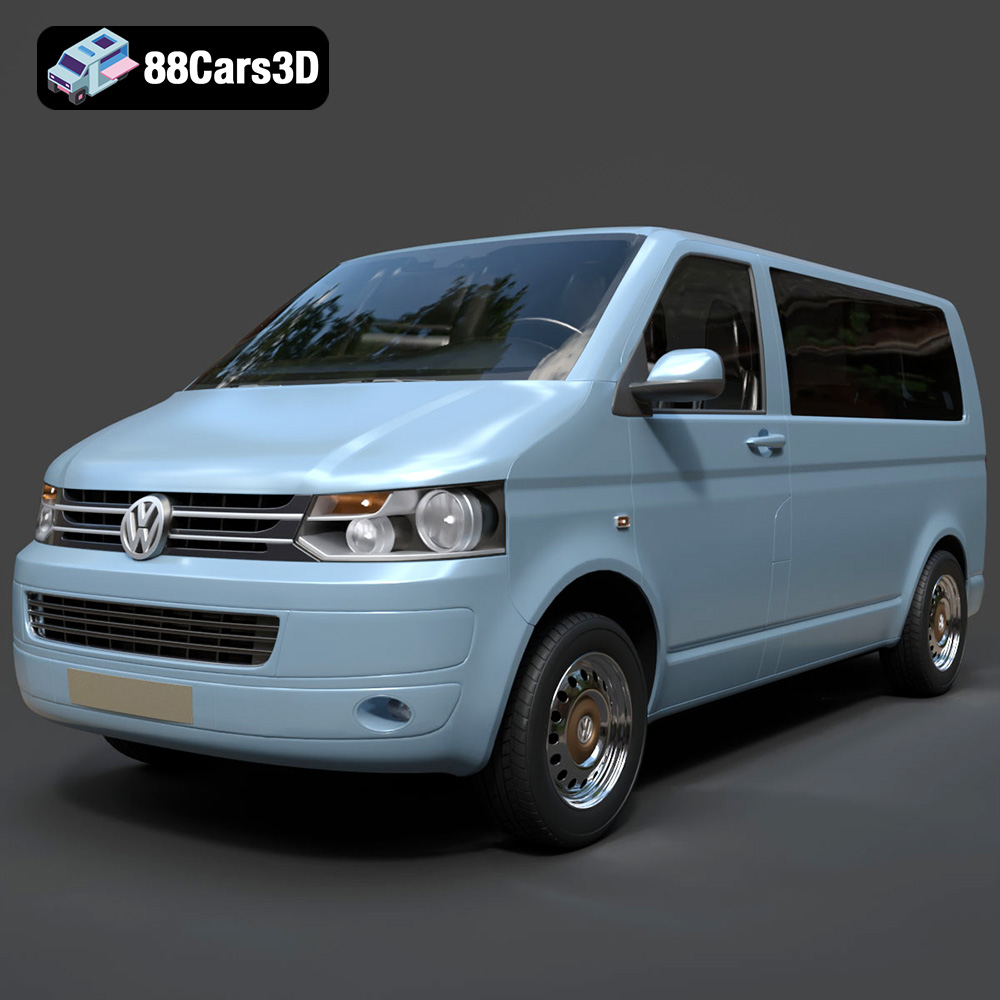
Volkswagen Transporter T5 FL 2010 3D Model
Texture: Yes
Material: Yes
Download the Volkswagen Transporter T5 FL 2010 3D Model featuring clean geometry, realistic detailing, and a fully modeled interior. Includes .blend, .fbx, .obj, .glb, .stl, .ply, .unreal, and .max formats for rendering, simulation, and game development.
Price: $22.99
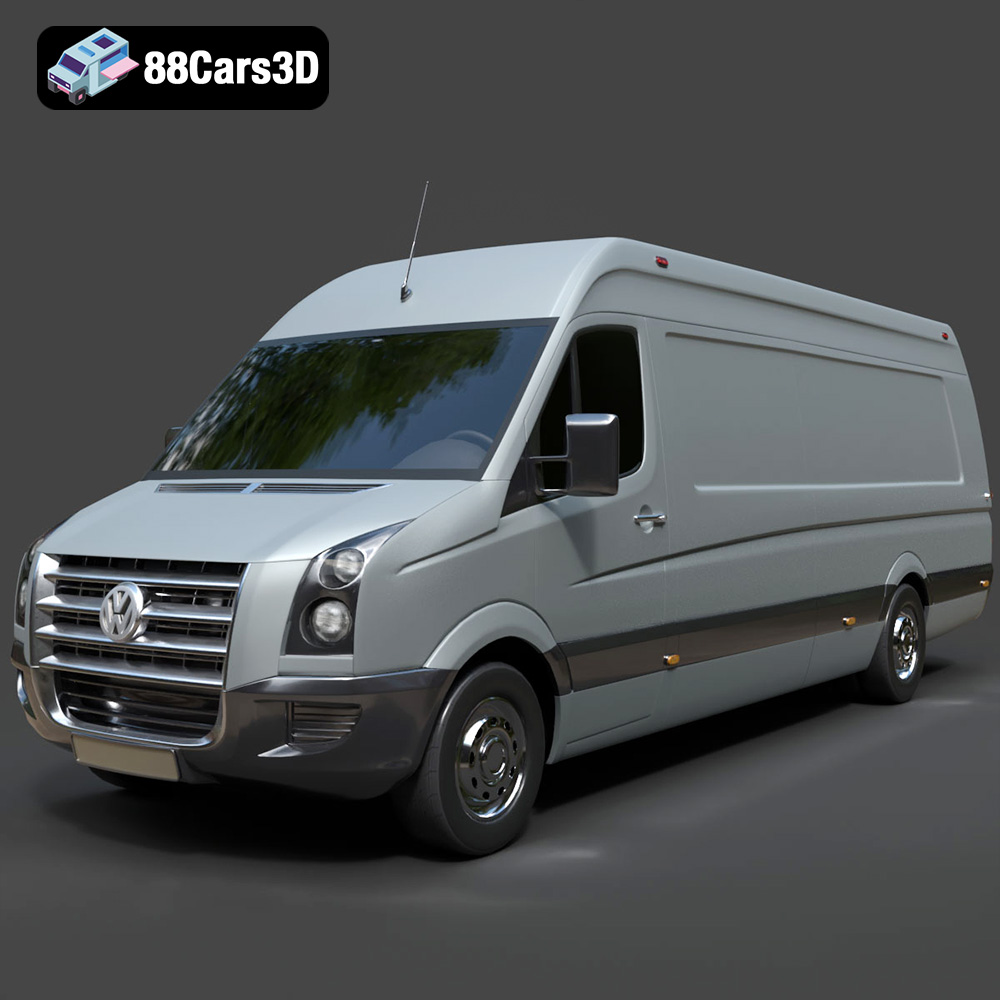
Volkswagen Crafter 2020 3D Model
Texture: Yes
Material: Yes
Download the Volkswagen Crafter 2020 3D Model featuring clean geometry, realistic detailing, and a fully modeled interior. Includes .blend, .fbx, .obj, .glb, .stl, .ply, .unreal, and .max formats for rendering, simulation, and game development.
Price: $22.99
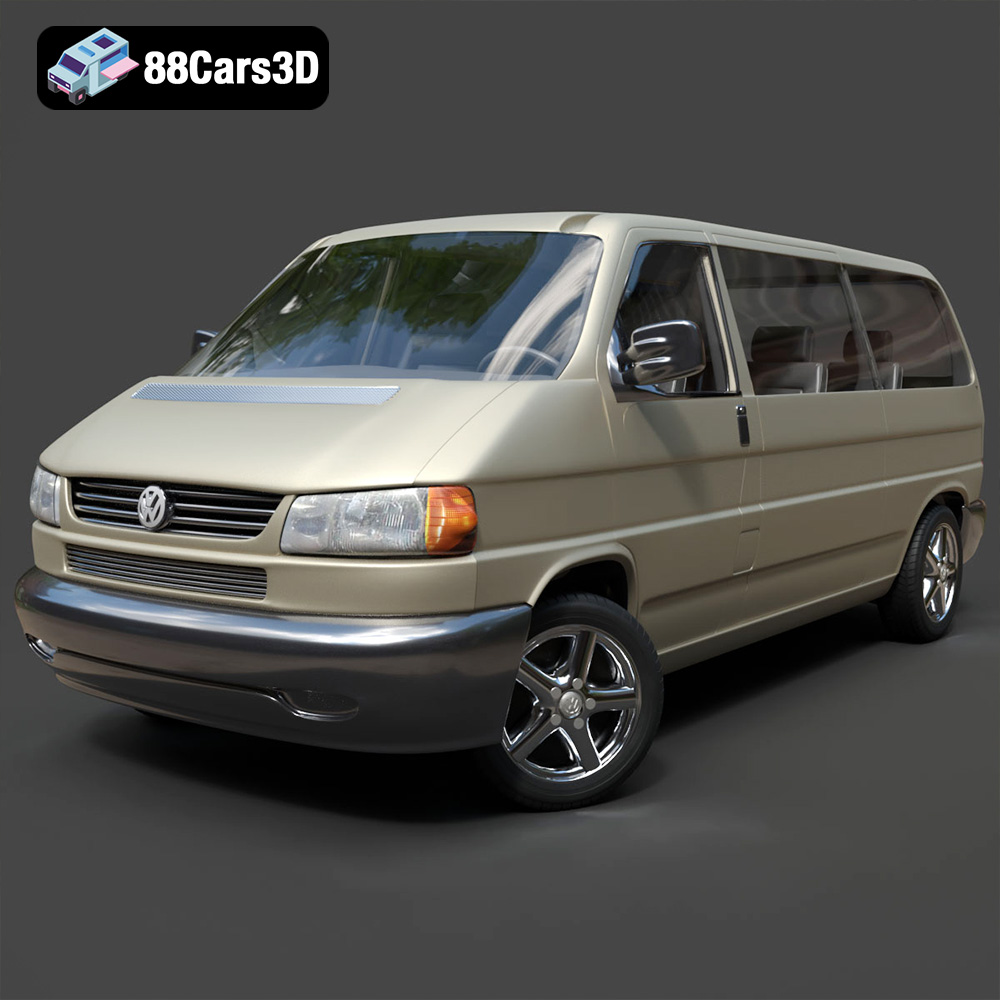
Volkswagen Caravelle 2020 3D Model
Texture: Yes
Material: Yes
Download the Volkswagen Caravelle 3D Model featuring a detailed exterior, functional interior, and optimized topology. Includes .blend, .fbx, .obj, .glb, .stl, .ply, .unreal, and .max formats for rendering, simulation, and game development.
Price: $23.99
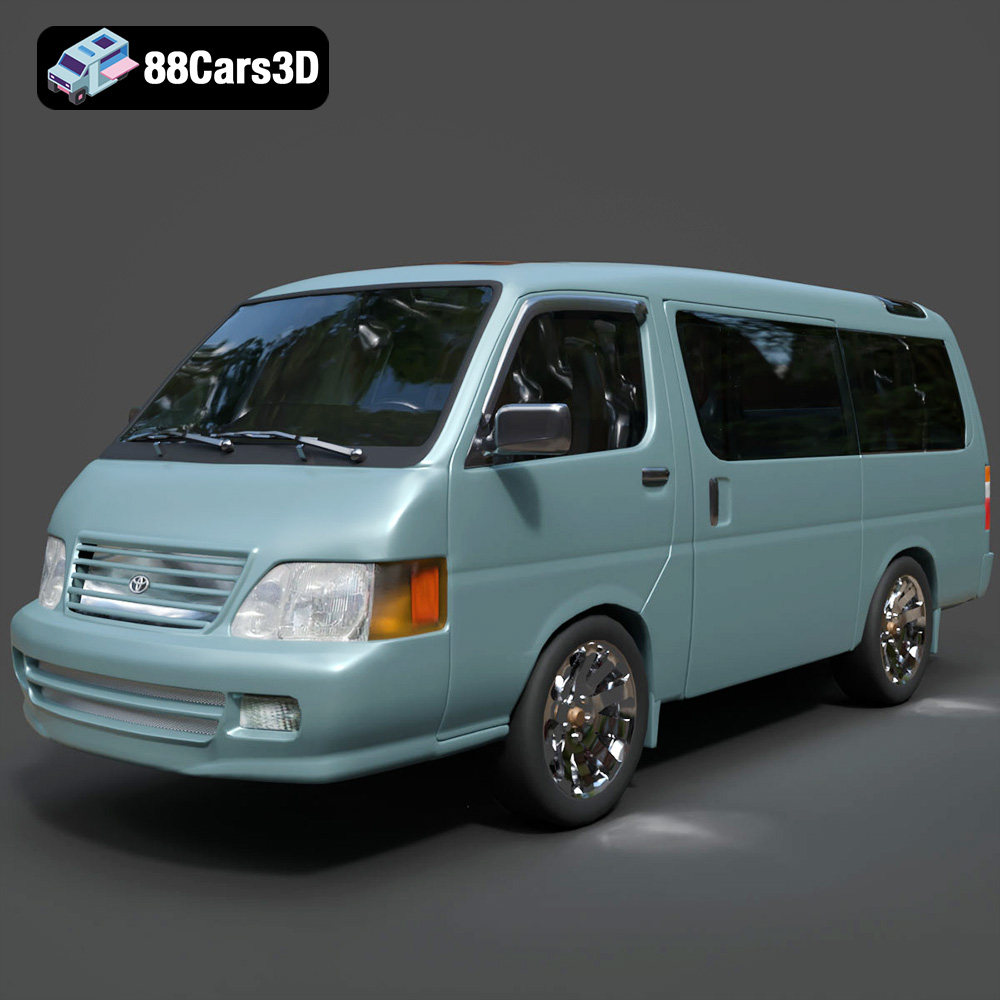
Toyota Hiace 3D Model
Texture: Yes
Material: Yes
Download the Toyota Hiace 3D Model featuring versatile design and detailed exterior. Includes .blend, .fbx, .obj, .glb, .stl, .ply, .unreal, and .max formats for rendering, simulation, and game development.
Price: $21.99
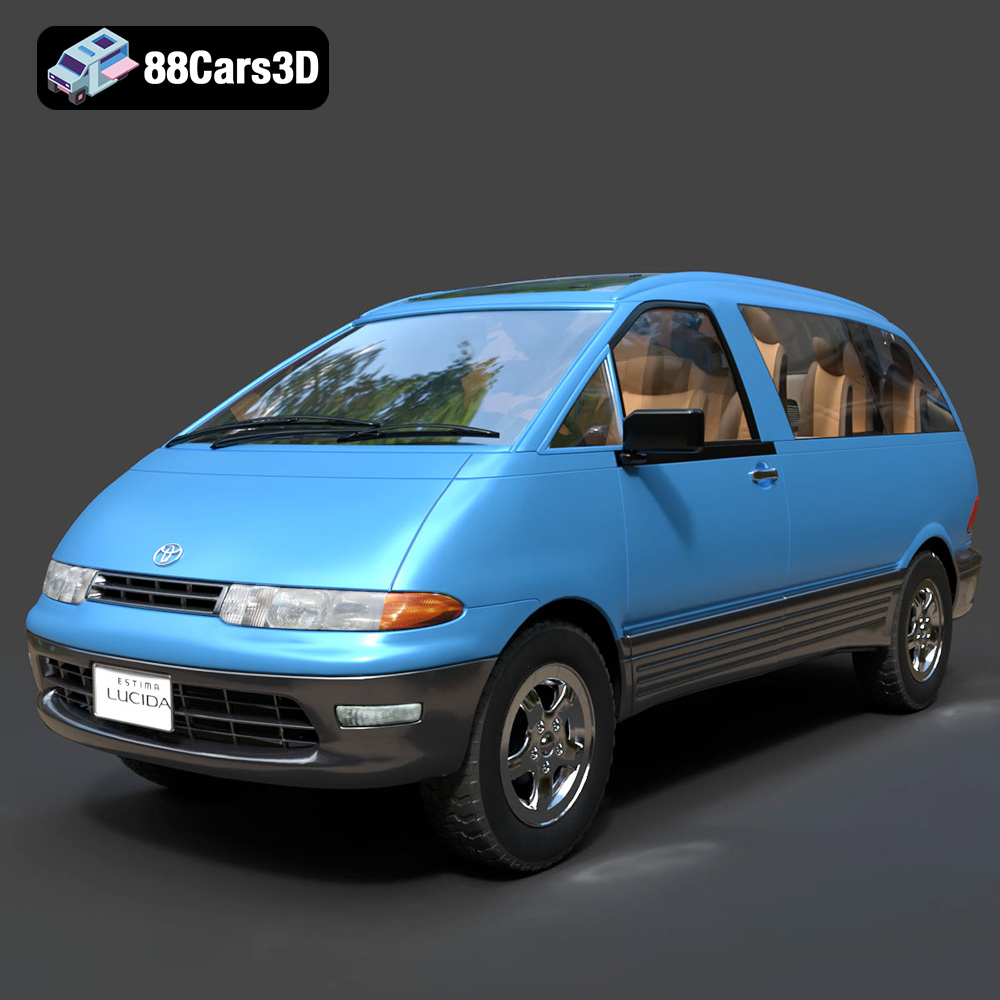
Toyota Estima Lucida 3D Model
Texture: Yes
Material: Yes
Download the Toyota Estima Lucida 3D Model featuring its iconic compact MPV design, versatile interior, and accurate exterior details. Includes .blend, .fbx, .obj, .glb, .stl, .ply, .unreal, and .max formats for rendering, simulation, and game development.
Price: $24.99

Toyota Alphard 3D Model
Texture: Yes
Material: Yes
Download the Toyota Alphard 3D Model featuring a detailed luxury minivan design with an accurate exterior and interior. Includes .blend, .fbx, .obj, .glb, .stl, .ply, .unreal, and .max formats for rendering, simulation, and game development.
Price: $21.99
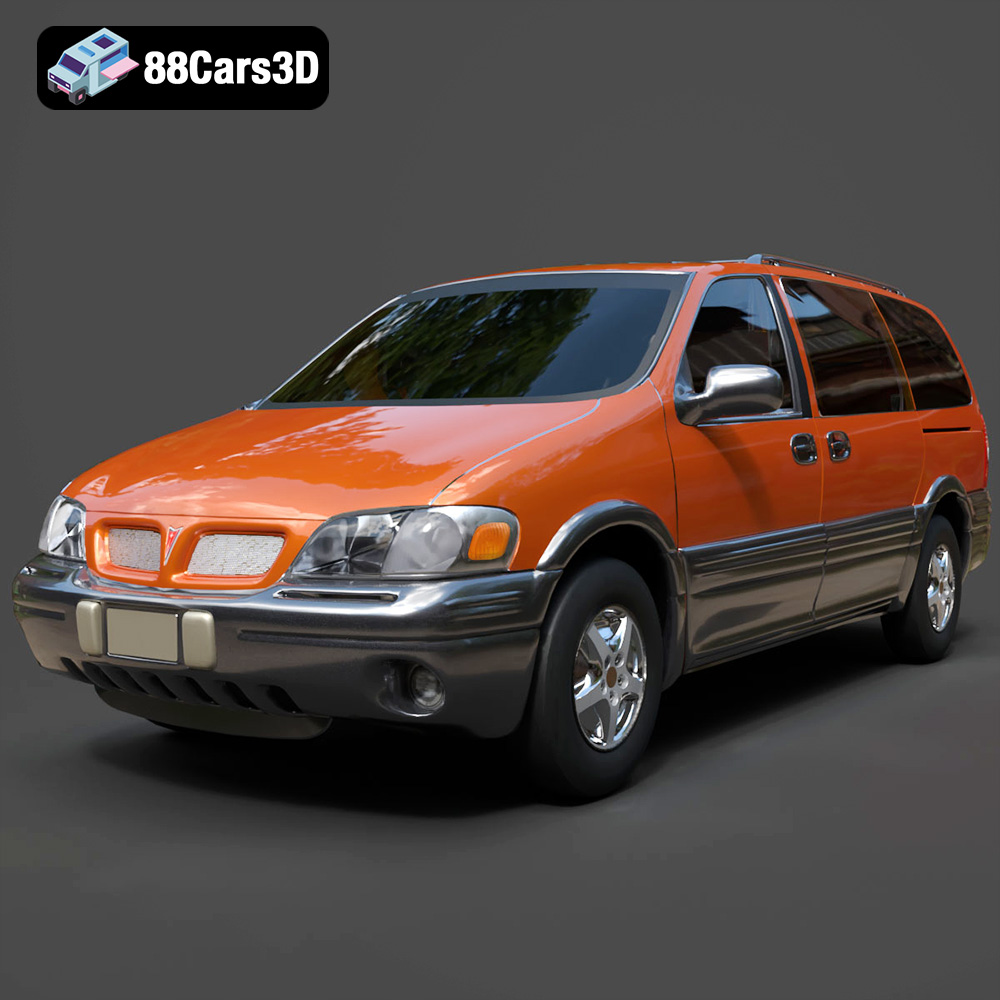
Pontiac Montana 1998 3D Model
Texture: Yes
Material: Yes
Download the Pontiac Montana 1998 3D Model featuring a detailed exterior, functional interior, and optimized mesh. Includes .blend, .fbx, .obj, .glb, .stl, .ply, .unreal, and .max formats for rendering, simulation, and game development.
Price: $21.99
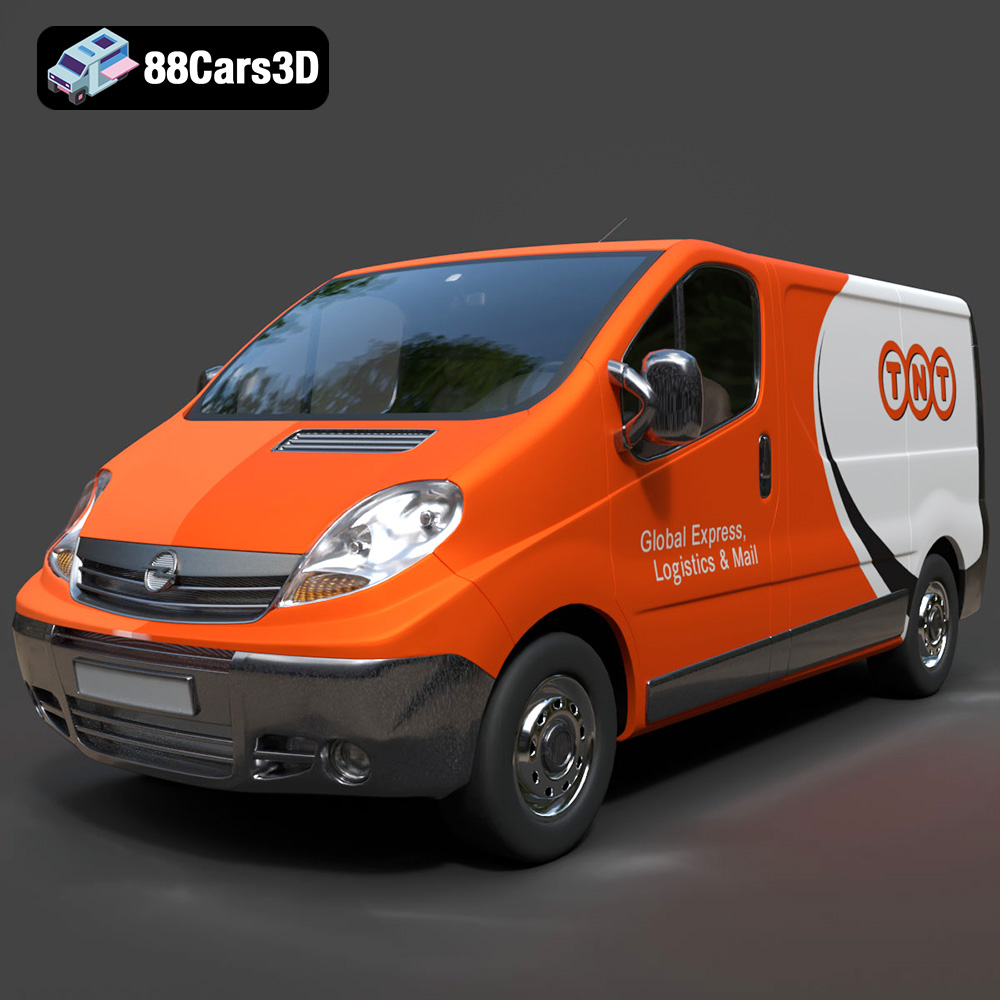
Opel Vivaro 3D Model
Texture: Yes
Material: Yes
Download the Opel Vivaro 3D Model featuring a versatile commercial van design with balanced detailing. Includes .blend, .fbx, .obj, .glb, .stl, .ply, .unreal, and .max formats for rendering, simulation, and game development.
Price: $21.99
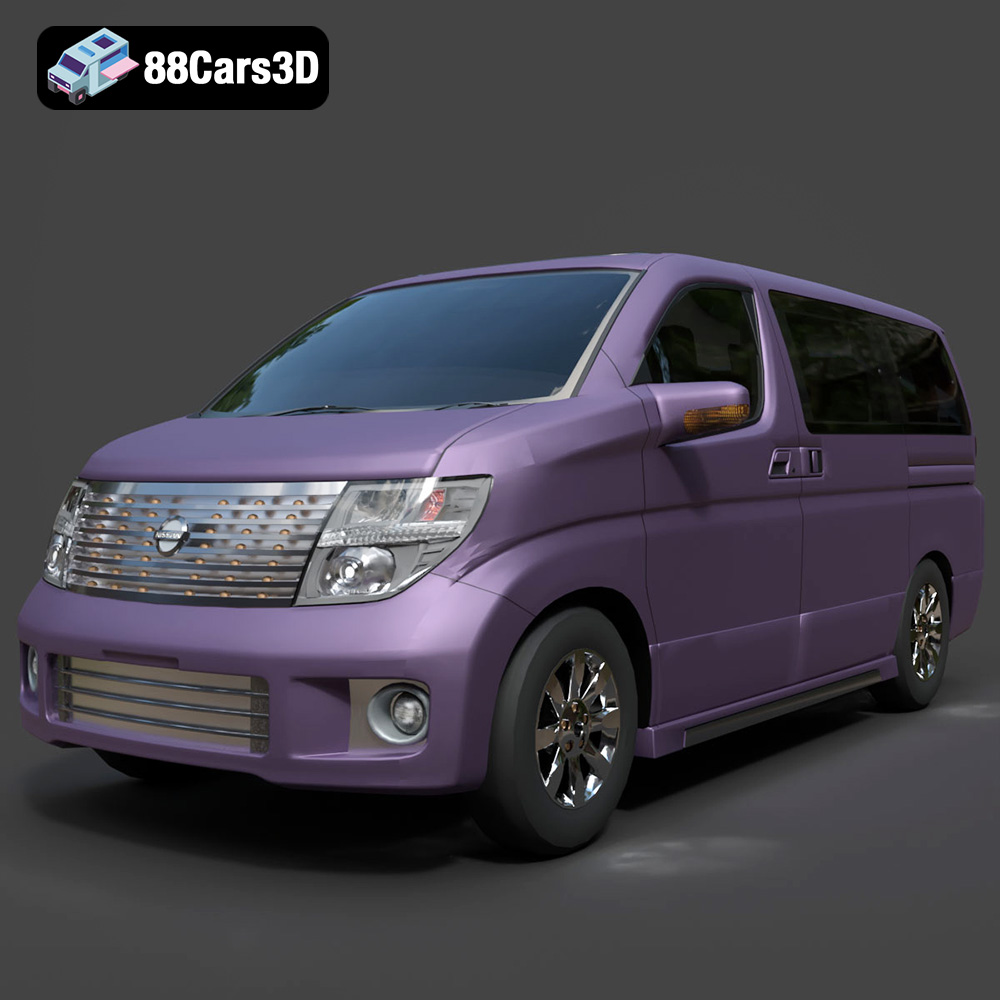
Nissan Elgrand 3D Model
Texture: Yes
Material: Yes
Download the Nissan Elgrand 3D Model featuring a versatile minivan design. Includes .blend, .fbx, .obj, .glb, .stl, .ply, .unreal, and .max formats for rendering, simulation, and game development.
Price: $21.99
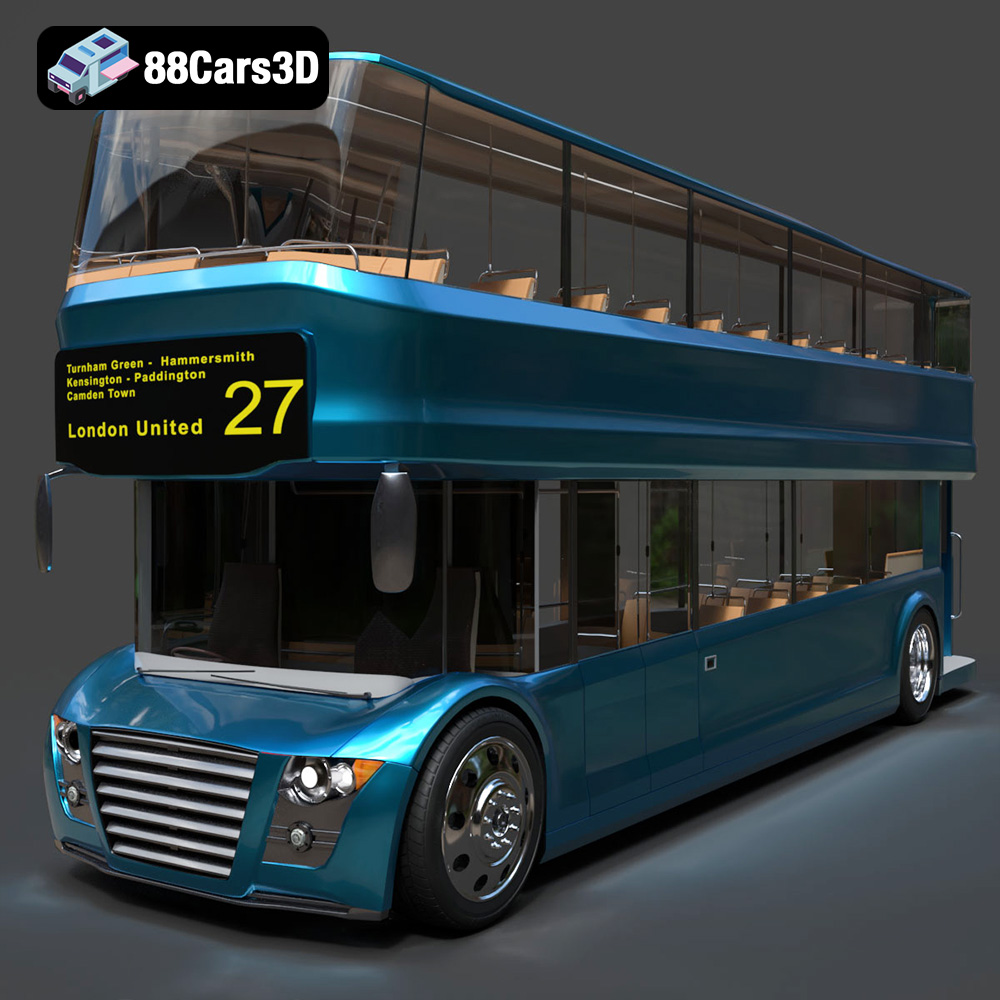
New Bus For London 3D Model
Texture: Yes
Material: Yes
Download the New Bus For London 3D Model featuring a detailed exterior and interior, optimized for rendering and animation. Includes .blend, .fbx, .obj, .glb, .stl, .ply, .unreal, and .max formats for rendering, simulation, and game development.
Price: $21.99
