

In the demanding world of real-time rendering, achieving breathtaking visual fidelity without compromising performance is a constant pursuit. For automotive visualization, where every reflection, curve, and material detail matters, this challenge is amplified. High-resolution 3D car models, brimming with intricate PBR textures, can quickly overwhelm a system’s memory and bandwidth, leading to performance bottlenecks and visual hitches. This is where Unreal Engine’s advanced texture management systems – Texture Streaming and Virtual Texturing – become indispensable tools.
These powerful technologies are not just buzzwords; they are fundamental pillars that enable developers and artists to push the boundaries of realism, especially when working with meticulously crafted assets like the 3D car models available on platforms such as 88cars3d.com. They allow for the efficient delivery of texture data to the GPU, ensuring that only the necessary information is loaded into memory at any given moment, thus preserving precious resources while maintaining stunning visual quality. From crafting hyper-realistic automotive configurators to producing cinematic virtual car shoots or deploying interactive AR/VR experiences, understanding and mastering Texture Streaming and Virtual Texturing is key to unlocking the full potential of your Unreal Engine projects. In this comprehensive guide, we will dive deep into these mechanisms, explore their practical application for 3D car models, and provide actionable strategies to elevate your real-time automotive visualizations.
Understanding Texture Streaming in Unreal Engine
Texture Streaming is Unreal Engine’s foundational mechanism for efficiently managing texture data. At its core, it’s a sophisticated system designed to load and unload different resolutions (MIP levels) of a texture based on its distance from the camera, screen size, and other heuristics. This ensures that the GPU only processes the texture data it truly needs, dramatically reducing memory footprint and improving overall rendering performance. Without texture streaming, all MIP levels of every texture would reside in memory, quickly exceeding available VRAM and causing severe slowdowns, especially in projects with numerous high-resolution assets like detailed 3D car models.
The system constantly monitors the scene, evaluating which textures are visible and at what detail level. For example, a car far in the distance will only load its lowest resolution texture MIPs, while the same car up close will stream in its highest resolution counterparts. This dynamic loading and unloading is crucial for maintaining a smooth frame rate in expansive environments or scenes packed with complex geometry and materials. It’s a silent workhorse, tirelessly optimizing your texture pipeline in the background. Mastering its configuration is vital for any developer aiming for professional-grade real-time experiences.
The Core Mechanism of Texture Streaming
Texture streaming operates on the principle of MIP maps (Multum In Parvo, Latin for “much in little”). When a texture is imported into Unreal Engine, it generates a series of progressively smaller versions of that texture, each half the size of the previous one. These are the MIP levels. When rendering, the engine selects the appropriate MIP level based on factors like object screen size, camera distance, and texture group settings. The streaming system then ensures that only these required MIP levels are loaded into VRAM. If a texture is not visible or only appears as a few pixels on screen, only its smallest MIPs are loaded, saving considerable memory. Conversely, as an object approaches the camera, higher resolution MIPs are progressively streamed in. This process is asynchronous, meaning it happens without blocking the main rendering thread, contributing to a fluid user experience.
The system relies on a streaming budget, which is a VRAM limit allocated for texture data. If this budget is exceeded, the engine will prioritize which textures to load based on their importance and visibility. Understanding this budget and how to manage it through texture settings and console commands is paramount. For complex assets like those found on 88cars3d.com, which feature multiple 4K and 8K textures for various material channels (Albedo, Normal, Roughness, Metallic, AO), efficient streaming is not just an optimization; it’s a necessity for smooth performance in any real-time application.
Configuring Streaming Settings for Optimal Performance
Unreal Engine provides several ways to control texture streaming behavior, both at a global project level and on individual texture assets.
At the project level, navigate to Project Settings > Engine > Streaming. Here, you can define parameters such as the global texture streaming pool size, which is the total amount of VRAM allocated for streaming textures. You can also adjust the streaming distance factor, impacting how aggressively textures stream in based on distance. A lower value means textures stream in from further away, requiring more memory but potentially reducing pop-in.
For individual textures, open the texture editor by double-clicking a texture asset. In the Details panel, under Level Of Detail, you’ll find crucial settings:
- Mip Gen Settings: Defines how MIP maps are generated (e.g., Sharpen, Blur, NoMipmaps). For most PBR textures, default settings are suitable, but for specific masks or UI elements, you might disable MIPs.
- Streaming Mips: Generally enabled, this tells the engine to stream this texture.
- Never Stream: If checked, the entire texture (all MIPs) will always be loaded into memory, useful for small, critical textures that must be crisp at all times (e.g., UI elements, crucial small details on a car’s dashboard). Use sparingly as it bypasses streaming benefits.
- LOD Bias: An offset that forces the texture to use a lower (positive bias) or higher (negative bias) MIP level than it normally would. A LOD Bias of 1 will use MIPs one level lower, saving memory.
- Num Cinematic Mips: Specifies how many extra highest-resolution MIPs to load when the texture is used in cinematic sequences, ensuring maximum quality during cutscenes.
For advanced debugging and fine-tuning, console commands are invaluable:
stat streaming: Displays real-time streaming statistics.r.Streaming.PoolSize [MB]: Adjusts the streaming pool size dynamically.r.Streaming.TexturePoolSize [MB]: Similar to PoolSize but specifically for textures.r.Streaming.DropMips True/False: Forces textures to drop their highest MIPs, useful for identifying textures causing high memory usage.
Careful calibration of these settings, especially for high-fidelity 3D car models, ensures a balance between visual quality and performance.
Decoding Virtual Texturing (VT) in Unreal Engine
While traditional Texture Streaming is highly effective, it has limitations, particularly when dealing with truly massive textures or complex material layers. This is where Virtual Texturing (VT) steps in, offering a more advanced and flexible approach to texture management. Virtual Texturing is a technology that takes the concept of on-demand texture loading to the next level. Instead of loading entire MIP levels, VT divides massive textures into smaller, virtual “pages.” Only the pages currently visible on screen or those deemed necessary for rendering are loaded into VRAM, regardless of the overall texture size. This paradigm shift allows artists to use textures that are astronomically large – potentially tens of thousands of pixels in resolution – without prohibitive memory costs. Imagine a single texture spanning an entire car’s body, incorporating fine-grain details for paint, scratches, and decals, all managed efficiently. This is the power of VT.
Unreal Engine supports two primary forms of Virtual Texturing: Runtime Virtual Textures (RVT) and OpenEXR Virtual Textures. Each serves different purposes and excels in specific scenarios, but both share the common goal of freeing artists from traditional texture size constraints and dramatically improving material complexity and performance. RVTs are fantastic for dynamically generated surfaces like terrains, large decals, or blending materials, while OpenEXR VT is perfect for pre-baked, incredibly detailed assets where texture resolution pushes traditional limits, making it particularly relevant for high-end automotive visualization and virtual production.
What is Virtual Texturing and Why It Matters
Virtual Texturing, conceptually, works much like virtual memory in an operating system. Instead of loading a full physical texture into memory, the engine creates a virtual address space for a gigantic texture. This virtual texture is then divided into small, fixed-size pages (e.g., 128×128 pixels). When the GPU requires a specific part of this texture, the system determines which page contains that data and loads only that page into a dedicated physical texture cache in VRAM. Pages that are no longer needed are evicted from the cache. This “sparse texture” approach means you can have textures that are truly immense, easily exceeding the capabilities of traditional streaming, because only a small fraction of their data is ever resident in memory at any given time.
The benefits are profound, especially for automotive visualization and high-fidelity game development:
- Eliminates Texture Memory Limits: Artists are no longer constrained by VRAM capacity when authoring textures. You can work with 16K, 32K, or even larger textures for hyper-detailed car models or vast environments.
- Reduces Draw Calls and Material Complexity: Instead of splitting a large surface into many smaller meshes with separate materials to manage texture resolution, you can use a single virtual texture across a massive surface. This simplifies material graphs and reduces rendering overhead.
- Less Texture Pop-in: Because pages are loaded on demand and cached, VT can often reduce noticeable texture pop-in compared to traditional streaming, leading to a smoother visual experience.
- Better Performance for Complex Materials: VT enables advanced techniques like efficient decal application, blending multiple materials seamlessly on a surface, and complex procedural textures without incurring a huge performance penalty.
For high-quality 3D car models, where intricate details on paint, interior materials, and minor components demand extremely high texture fidelity, Virtual Texturing provides an unparalleled solution.
Different Flavors: Runtime VT vs. OpenEXR VT
Unreal Engine offers two distinct implementations of Virtual Texturing, each with its own strengths and ideal use cases:
- Runtime Virtual Textures (RVT):
RVT is designed for dynamic, procedural, and layered surfaces, typically used for terrains, large ground surfaces, or complex material blending. An RVT asset acts like a virtual render target that receives output from materials. For example, you can have a terrain material write its albedo, normal, and roughness values into an RVT. Then, other objects (like a car’s tires) can sample this RVT to blend their material with the terrain, achieving seamless interaction (e.g., mud accumulating on tires). RVTs are excellent for:
- Large-scale terrain material blending.
- Dynamic wetness or dirt accumulation effects on surfaces.
- Efficiently applying projected decals that blend with underlying materials.
- Reducing shader complexity by baking material layers into a single virtual texture during runtime.
- OpenEXR Virtual Textures (OEXR-VT):
OEXR-VT is tailored for pre-baked, extremely high-resolution textures, often generated from external DCC applications or high-poly sculpts. Unlike RVTs which are runtime generated, OEXR-VT relies on importing a specialized OpenEXR file format that contains the virtual texture data. This is particularly powerful for static, incredibly detailed assets where the texture resolution needs to be immense, such as highly detailed vehicle components, intricate interior upholstery, or super-resolution decals. OEXR-VT excels at:
- Managing textures far exceeding 8K, reaching 16K, 32K, or even 64K resolutions.
- Reducing the memory footprint of individual ultra-high-resolution texture assets.
- Providing maximum visual fidelity for hero assets in virtual production or cinematic sequences.
- Allowing artists to bake extremely fine details into textures without worrying about VRAM limitations.
For 3D car models, RVTs could be used for dynamic tire grime or car body dirt accumulation, while OEXR-VT would be ideal for the primary body paint, highly detailed carbon fiber weave, or intricate leather textures in the interior, where resolution and detail are paramount.
Implementing Virtual Texturing for High-Fidelity Car Models
Integrating Virtual Texturing into your Unreal Engine workflow for 3D car models requires a slightly different approach than traditional textures, but the benefits in visual quality and performance are well worth the effort. The process involves creating the appropriate VT assets, configuring your materials to sample them, and ensuring your project settings support these features. For premium assets like those found on 88cars3d.com, which are designed for maximum realism, implementing VT can be a game-changer, allowing you to showcase every minute detail without compromise.
Whether you’re aiming for dynamic environmental blending with Runtime Virtual Textures or pixel-perfect detail with OpenEXR Virtual Textures, the setup process in Unreal Engine is intuitive once you understand the core concepts. Proper implementation ensures that your high-resolution textures are efficiently delivered to the GPU, leading to smoother performance, reduced memory usage, and an overall more immersive visual experience for your automotive projects.
Setting Up Runtime Virtual Textures (RVT) in Unreal Engine
Setting up Runtime Virtual Textures involves a few key steps. First, you need to create an RVT asset: Right-click in the Content Browser > Materials & Textures > Runtime Virtual Texture. Give it a descriptive name (e.g., RVT_GroundBlend). In its details panel, you’ll define its texture size and content type (e.g., BaseColor, Normal, Roughness, Specular, World Height). It’s crucial that these match the data you intend to write into it.
Next, you need to create a Runtime Virtual Texture Volume in your scene. Drag one from the Modes panel (Volumetrics > Runtime Virtual Texture Volume) into your level. This volume defines the spatial bounds and resolution of your RVT. In its details panel, assign your created RVT asset to the ‘Virtual Texture’ slot. Adjust the volume’s size and position to encompass the area you want the RVT to cover (e.g., your car’s immediate ground plane, or a specific area of interaction).
Now, modify the material of the meshes that will “write” to the RVT (e.g., your ground plane material). In the material graph, add a “Virtual Texture Output” node. Connect your material’s Base Color, Normal, Roughness, etc., to the corresponding inputs on this output node. Ensure the ‘Virtual Texture’ input on this node is connected to your RVT asset. Also, enable “Write to Runtime Virtual Texture” in the material’s details panel under “Virtual Texture.” Finally, for meshes that will “sample” or read from the RVT (e.g., your car’s tire material for mud/dirt blending), add a “Virtual Texture Sample” node. Connect its output pins (e.g., BaseColor, Normal) to your material graph to blend with the car’s existing textures. This allows for dynamic environmental interaction, making your car models feel grounded in the scene.
For more detailed information on RVTs, refer to the official Unreal Engine documentation: dev.epicgames.com/community/unreal-engine/learning
Leveraging OpenEXR Virtual Textures for Detailed Assets
OpenEXR Virtual Textures are ideal for importing extremely high-resolution, pre-baked textures for static, high-fidelity assets like the body of a car, intricate dashboard details, or engine components. The primary workflow involves generating a multi-resolution EXR file from an external DCC application (like Substance Painter, Marmoset Toolbag, or custom tools) that supports virtual texture export. This EXR file isn’t a standard image; it’s a specially formatted container that holds all the necessary MIP data for the virtual texture. When sourcing professional 3D car models, you might find some already include these optimized EXR-VT assets.
Once you have your OpenEXR VT file, import it into Unreal Engine just like any other texture. Unreal Engine will recognize the format and create a “Virtual Texture” asset. In the Virtual Texture editor, you’ll see options to view its virtual pages and adjust settings. The key is to ensure your imported EXR has been properly authored as a tiled EXR with MIP levels. Without this, it won’t function as a true virtual texture.
Next, apply this Virtual Texture to your material. Create a new Material and add a “Virtual Texture Sample” node. Instead of connecting an RVT asset, simply connect your imported OEXR-VT asset directly to the node. Then, link the output pins (e.g., BaseColor, Normal, Roughness) to your material’s corresponding inputs. This setup allows you to use a single, massive virtual texture for an entire mesh, eliminating the need to chop up UVs or use multiple, smaller textures to achieve the desired detail. The performance benefit comes from only loading the necessary pages of this colossal texture into VRAM as the camera moves, ensuring peak visual quality without excessive memory usage. This is particularly impactful for showcasing the intricate designs and realistic PBR materials of top-tier game assets like high-detail car models.
Optimizing 3D Car Models with Advanced Texturing Techniques
Optimization is the bedrock of real-time rendering, especially when dealing with the highly detailed and visually rich assets common in automotive visualization. While high-quality 3D car models demand exquisite textures, blindly using massive texture resolutions without intelligent management can cripple performance. Integrating Texture Streaming and Virtual Texturing effectively means finding a harmonious balance between visual fidelity and real-time efficiency. This involves strategic use of MIPs, careful LOD management, and understanding how these texturing techniques synergize with other cutting-edge Unreal Engine features like Nanite.
The goal is to deliver a seamless, high-performance experience, whether you’re creating a game, an interactive configurator, or a photorealistic cinematic. By leveraging these advanced texturing techniques, developers can unlock unprecedented levels of detail, realism, and efficiency, making their automotive projects truly stand out. It’s about being smart with resource allocation, ensuring that every pixel rendered contributes meaningfully to the overall visual impact without wasting precious computational power.
Balancing Visuals and Performance with MIPs and LODs
Effective optimization of 3D car models requires a holistic approach that considers both geometry and textures. When it comes to textures, MIP maps (integral to Texture Streaming and Virtual Texturing) are your first line of defense against VRAM overloads. Ensure that all textures, unless explicitly critical for UI or specific effects, have MIPs enabled. Utilize the ‘LOD Bias’ setting on individual textures to manually reduce the streaming resolution for assets that don’t require their full fidelity, perhaps for objects only seen from a distance or secondary components of a car.
Geometry Level of Detail (LODs) work hand-in-hand with texture streaming. A car model might have 3-5 LODs, transitioning from a high-poly mesh up close to a much simpler mesh far away. When the engine switches to a lower geometric LOD, it should ideally also stream in lower texture MIPs. While Unreal Engine handles this automatically to a degree, checking the ‘LOD Group’ settings in the texture editor can help. Assign textures to relevant LOD groups (e.g., World, Character, Vehicle) to control their streaming behavior more precisely based on their category. For non-Nanite meshes, ensuring your LODs are properly set up and tested (using the ‘LOD Coloration’ view mode) is essential to prevent unnecessary texture streaming for simplified geometry. This synergy ensures that both the mesh detail and texture detail scale appropriately with distance, optimizing overall performance.
Nanite and Virtual Texturing Synergy
Nanite, Unreal Engine’s virtualized geometry system, revolutionized how high-polygon meshes are handled, allowing for cinematic-quality assets directly in real-time. While Nanite efficiently manages billions of triangles, it primarily focuses on geometry. This is where Virtual Texturing creates a powerful synergy for automotive visualization.
Nanite meshes do not stream traditional texture MIPs in the same way regular meshes do; instead, they often benefit from Virtual Texturing. With Nanite, you can import extremely high-poly 3D car models without worrying about poly budgets. For textures on these models, OpenEXR Virtual Texturing becomes incredibly valuable. You can author textures for your car model at resolutions far beyond what traditional streaming could manage (e.g., 32K or 64K for the car body) and apply them to a Nanite mesh. Nanite handles the geometric detail, and Virtual Texturing handles the texture detail, with only the relevant pages loaded into VRAM. This combination allows for unprecedented visual fidelity for hero vehicles, where every scratch, paint flake, or weave in carbon fiber can be rendered with pixel-perfect accuracy without overwhelming the system. The result is a seamless, highly detailed automotive asset that maintains peak performance, a crucial aspect for high-end cinematic or interactive experiences.
PBR Materials and Virtual Textures for Automotive Realism
Physically Based Rendering (PBR) materials are fundamental to achieving realism in Unreal Engine, especially for complex surfaces like car paint, chrome, leather, and glass. PBR textures (Albedo/Base Color, Normal, Roughness, Metallic, Ambient Occlusion) require high resolution to convey fine surface details accurately. This is precisely where Virtual Texturing becomes a critical ally in automotive visualization.
When creating a complex car paint material, for instance, you might want highly detailed flake normals, clear coat imperfections, and subtle variations in color. With OpenEXR Virtual Textures, you can author an extremely large Base Color texture, a high-resolution normal map for both micro-details and larger surface imperfections, and equally detailed roughness and metallic maps. By applying these as virtual textures, the engine only loads the necessary pages for each material channel, allowing for extraordinary detail without blowing up VRAM. Similarly, for intricate interior elements like leather upholstery or carbon fiber trim, virtual textures ensure that the subtle weave patterns, stitching, or carbon fiber texture are crisp and clear, even when viewed up close. This granular control over texture data, combined with a robust PBR workflow, elevates the realism of 3D car models to a photorealistic level, crucial for marketing, design reviews, and high-fidelity game development.
Real-World Applications and Best Practices for Automotive Visualization
The theoretical understanding of Texture Streaming and Virtual Texturing truly comes alive when applied to real-world scenarios in automotive visualization. These technologies are not merely performance boosters; they are enablers for creating richer, more detailed, and highly interactive experiences. From hyper-realistic car configurators that allow customers to explore every nuance of a vehicle to cinematic productions that demand pixel-perfect visuals, efficient texture management is the backbone of success. Mastering these techniques is particularly important when working with high-quality 3D car models, as they bridge the gap between asset quality and real-time performance.
Implementing these practices effectively can transform your Unreal Engine projects, allowing you to push visual boundaries without succumbing to performance limitations. It’s about making informed decisions during asset creation, project setup, and scene optimization to ensure your automotive visualizations are not only stunning but also responsive and fluid across various platforms and applications.
Enhancing Automotive Configurators and AR/VR Experiences
For interactive automotive configurators, where users can freely explore a vehicle, change colors, materials, and accessories in real-time, Texture Streaming and Virtual Texturing are indispensable. A single car model might have dozens of material options (different paint finishes, wheel types, interior trims), each requiring high-resolution textures. Traditional streaming helps manage these textures, ensuring only the visible materials’ MIPs are loaded. For example, if a user selects a red metallic paint, only those specific texture sets stream in, replacing the previously active ones.
For AR/VR applications, the stakes are even higher. VR demands extremely high and stable frame rates (90 FPS or more) to prevent motion sickness, and AR runs on mobile hardware with limited resources. Here, Virtual Texturing, particularly OpenEXR VT, becomes invaluable for high-detail areas. Imagine a user leaning in close to inspect the stitching on a virtual car seat in VR. With OEXR-VT, that ultra-high-resolution texture can be displayed without loading the entire asset into mobile VRAM, preserving performance. Runtime Virtual Textures can also be used for dynamic ground projections or blending effects that make the car feel more integrated into the real-world environment in AR. By carefully optimizing texture resolution, using LOD bias, and leveraging VT where appropriate, you can deliver compelling, high-fidelity experiences on performance-constrained platforms.
Cinematic Production and Virtual Car Shoots with Sequencer
In virtual production workflows and for creating stunning cinematic sequences with Unreal Engine’s Sequencer, visual fidelity is paramount. Texture Streaming and Virtual Texturing play a critical role in achieving this without resorting to excessively long render times or prohibitive memory usage. For virtual car shoots on LED walls, where the car needs to look perfectly integrated with the virtual environment, the consistency and quality of textures are non-negotiable.
When animating camera moves and focusing on specific details of a 3D car model, the ‘Num Cinematic Mips’ setting on individual textures ensures that the highest resolution MIPs are always available for critical shots, even if the streaming system might otherwise down-res them. More powerfully, OpenEXR Virtual Textures can guarantee that ultra-fine details on the car body, badges, or interior are always rendered at maximum quality throughout the cinematic, irrespective of VRAM limitations. This allows directors and cinematographers to frame shots freely, knowing that the texture fidelity will consistently meet broadcast or film-grade standards. Furthermore, RVTs can be used for dynamic environmental effects that blend perfectly with the car, such as wet roads reflecting the car body, adding another layer of realism to the virtual production.
Troubleshooting Common Texturing Issues
Even with robust systems like Texture Streaming and Virtual Texturing, issues can arise. Understanding common pitfalls and their solutions is crucial for smooth development:
- Texture Pop-in: The most common issue with streaming. If textures appear blurry and then sharply resolve, it means higher MIPs are loading too late.
- Solution: Increase
r.Streaming.PoolSizeorr.Streaming.TexturePoolSize. Adjust ‘Streaming Distance Factor’ in Project Settings. Use a negative ‘LOD Bias’ on critical textures (sparingly). Ensure texture groups are correctly assigned.
- Solution: Increase
- High VRAM Usage / Performance Dips: Despite streaming, VRAM can still be too high.
- Solution: Use
stat streamingandstat rhito identify culprits. Check individual texture resolutions; perhaps some don’t need to be 8K. Audit ‘Never Stream’ textures. Reduce overall texture count where possible. Implement Virtual Texturing for extremely large textures instead of traditional streaming.
- Solution: Use
- Virtual Texture Artifacts: Blurry or incorrect pages in RVTs or OEXR-VTs.
- Solution: For RVTs, ensure the ‘Runtime Virtual Texture Volume’ correctly encompasses the area and its bounds are not too tight. Check material logic writing to the RVT. For OEXR-VT, verify the imported EXR is correctly formatted as a tiled, multi-resolution virtual texture. Ensure ‘Virtual Texture Output’ or ‘Virtual Texture Sample’ nodes are correctly configured in materials.
- Incorrect MIP Level Display: Textures appear too blurry up close, or too sharp from far away.
- Solution: Adjust ‘LOD Bias’ on the texture asset. Check ‘Mip Gen Settings’ to ensure correct MIPs are generated. Use the ‘Texture Streaming Accuracy’ view mode (Show > Visualize > Texture Streaming) to debug how accurate the streamed MIPs are.
Regularly profiling your project with tools like ‘Stat GPU’ and ‘Stat Streaming’ and using Unreal Engine’s built-in visualization modes will help you quickly diagnose and resolve these issues, maintaining peak performance for your real-time rendering projects.
Conclusion
In the relentless pursuit of realism and performance within Unreal Engine, Texture Streaming and Virtual Texturing stand out as critical technologies, particularly for the demanding field of automotive visualization. We’ve explored how traditional Texture Streaming intelligently manages MIP levels to conserve VRAM, ensuring that your 3D car models look sharp without compromising frame rates. We then delved into the transformative power of Virtual Texturing, understanding how Runtime Virtual Textures enable dynamic, layered material effects, and how OpenEXR Virtual Textures unleash artists to wield astronomically high-resolution textures without fear of memory limits, a game-changer for hero assets and cinematic-quality details.
By understanding and meticulously implementing these techniques – from configuring texture settings and LODs to leveraging the synergy with Nanite and optimizing PBR materials – you empower your projects to achieve unparalleled visual fidelity and efficiency. Whether you’re crafting interactive automotive configurators, immersive AR/VR experiences, or breathtaking virtual production cinematics, mastering these advanced texturing workflows is essential for delivering professional-grade results. Embrace these powerful features to elevate your creations, ensuring every curve, reflection, and intricate detail of your automotive models shines brilliantly in real-time. For a head start with meticulously optimized, high-quality Unreal Engine ready 3D car models, explore the extensive collection available at 88cars3d.com and begin implementing these techniques today.
Featured 3D Car Models
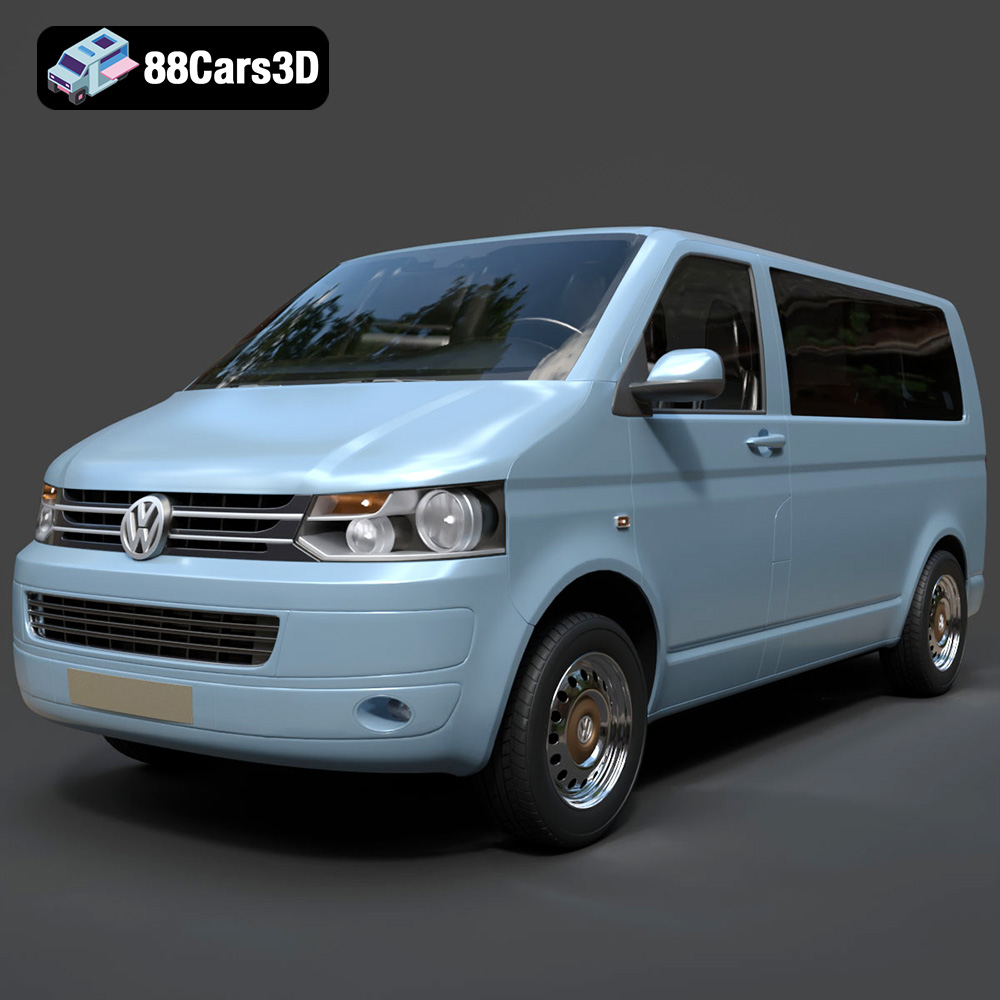
Volkswagen Transporter T5 FL 2010 3D Model
Texture: Yes
Material: Yes
Download the Volkswagen Transporter T5 FL 2010 3D Model featuring clean geometry, realistic detailing, and a fully modeled interior. Includes .blend, .fbx, .obj, .glb, .stl, .ply, .unreal, and .max formats for rendering, simulation, and game development.
Price: $22.99
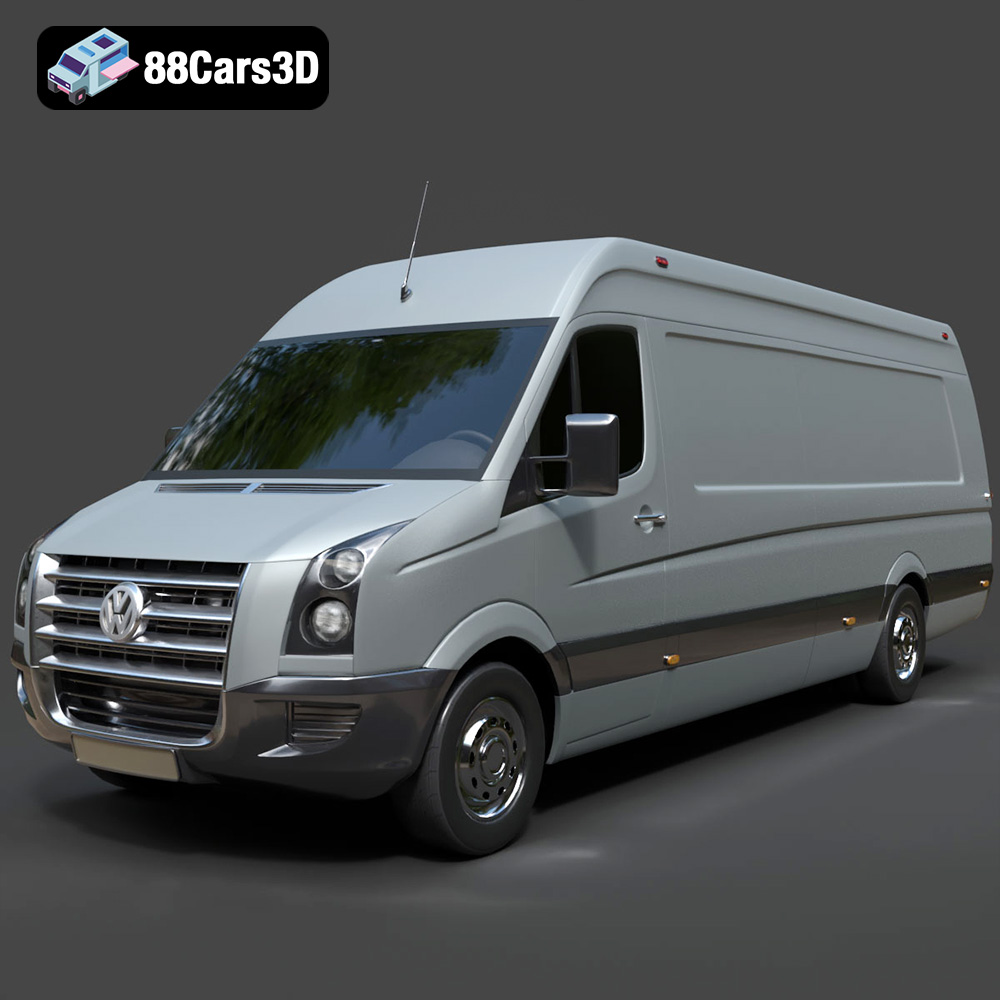
Volkswagen Crafter 2020 3D Model
Texture: Yes
Material: Yes
Download the Volkswagen Crafter 2020 3D Model featuring clean geometry, realistic detailing, and a fully modeled interior. Includes .blend, .fbx, .obj, .glb, .stl, .ply, .unreal, and .max formats for rendering, simulation, and game development.
Price: $22.99
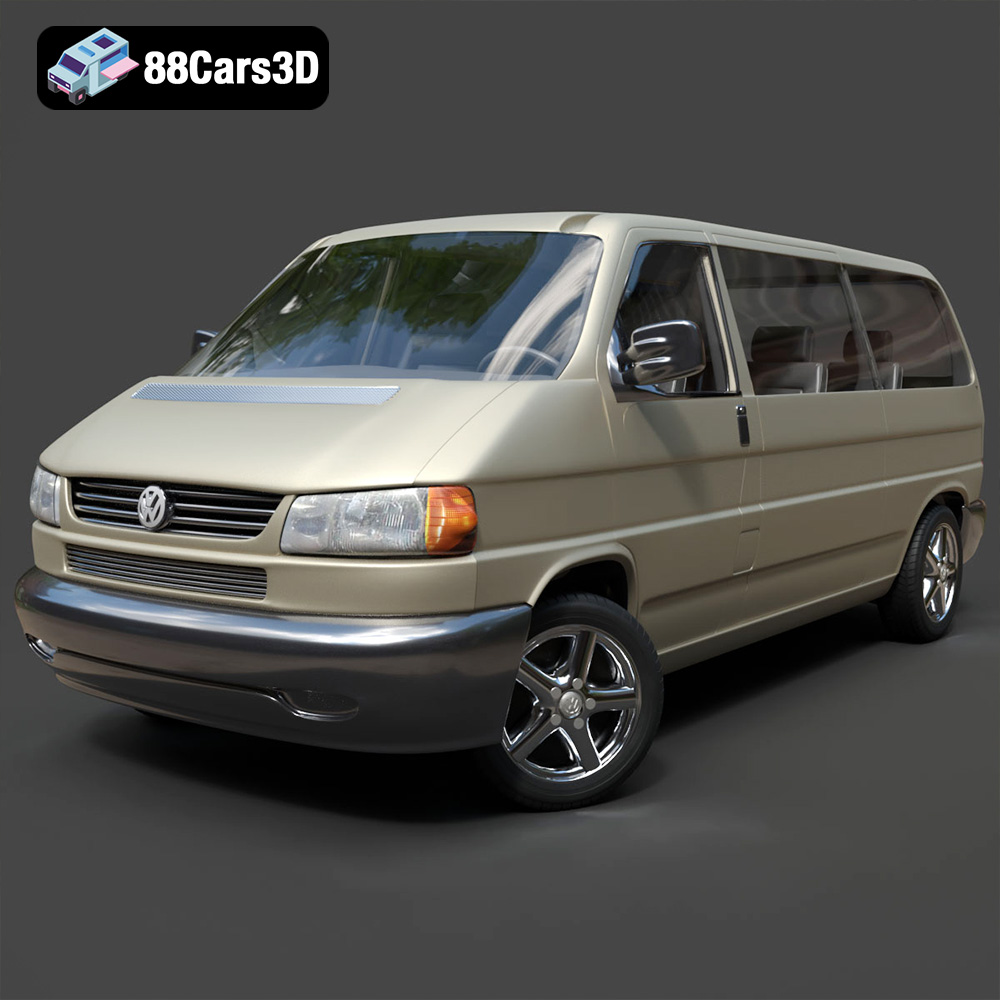
Volkswagen Caravelle 2020 3D Model
Texture: Yes
Material: Yes
Download the Volkswagen Caravelle 3D Model featuring a detailed exterior, functional interior, and optimized topology. Includes .blend, .fbx, .obj, .glb, .stl, .ply, .unreal, and .max formats for rendering, simulation, and game development.
Price: $23.99
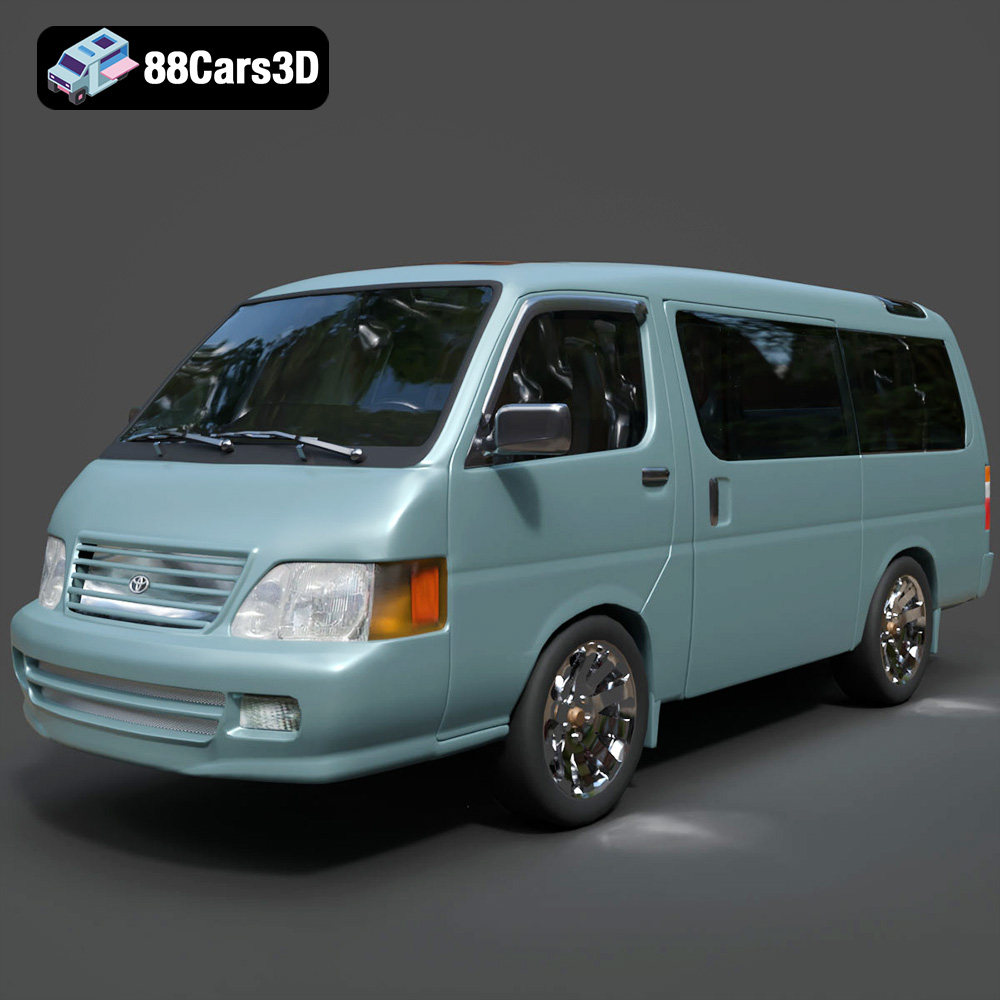
Toyota Hiace 3D Model
Texture: Yes
Material: Yes
Download the Toyota Hiace 3D Model featuring versatile design and detailed exterior. Includes .blend, .fbx, .obj, .glb, .stl, .ply, .unreal, and .max formats for rendering, simulation, and game development.
Price: $21.99
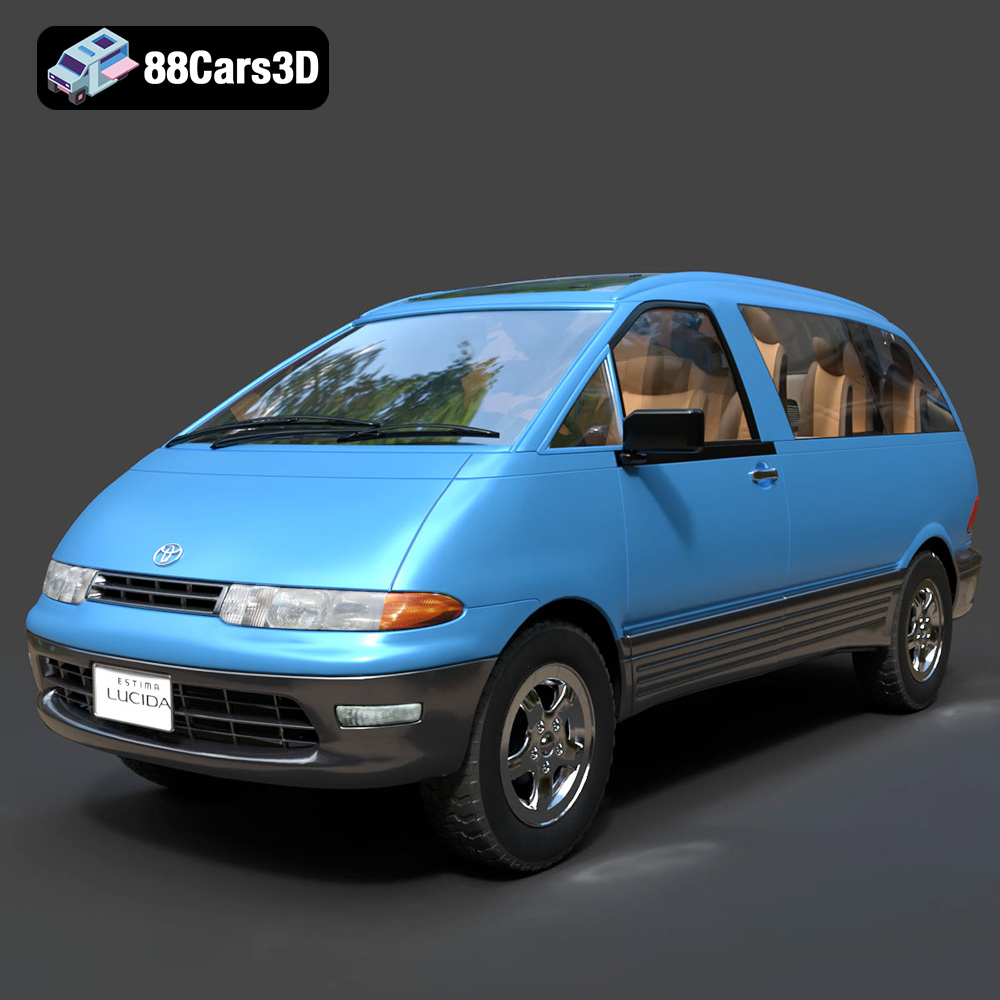
Toyota Estima Lucida 3D Model
Texture: Yes
Material: Yes
Download the Toyota Estima Lucida 3D Model featuring its iconic compact MPV design, versatile interior, and accurate exterior details. Includes .blend, .fbx, .obj, .glb, .stl, .ply, .unreal, and .max formats for rendering, simulation, and game development.
Price: $24.99

Toyota Alphard 3D Model
Texture: Yes
Material: Yes
Download the Toyota Alphard 3D Model featuring a detailed luxury minivan design with an accurate exterior and interior. Includes .blend, .fbx, .obj, .glb, .stl, .ply, .unreal, and .max formats for rendering, simulation, and game development.
Price: $21.99
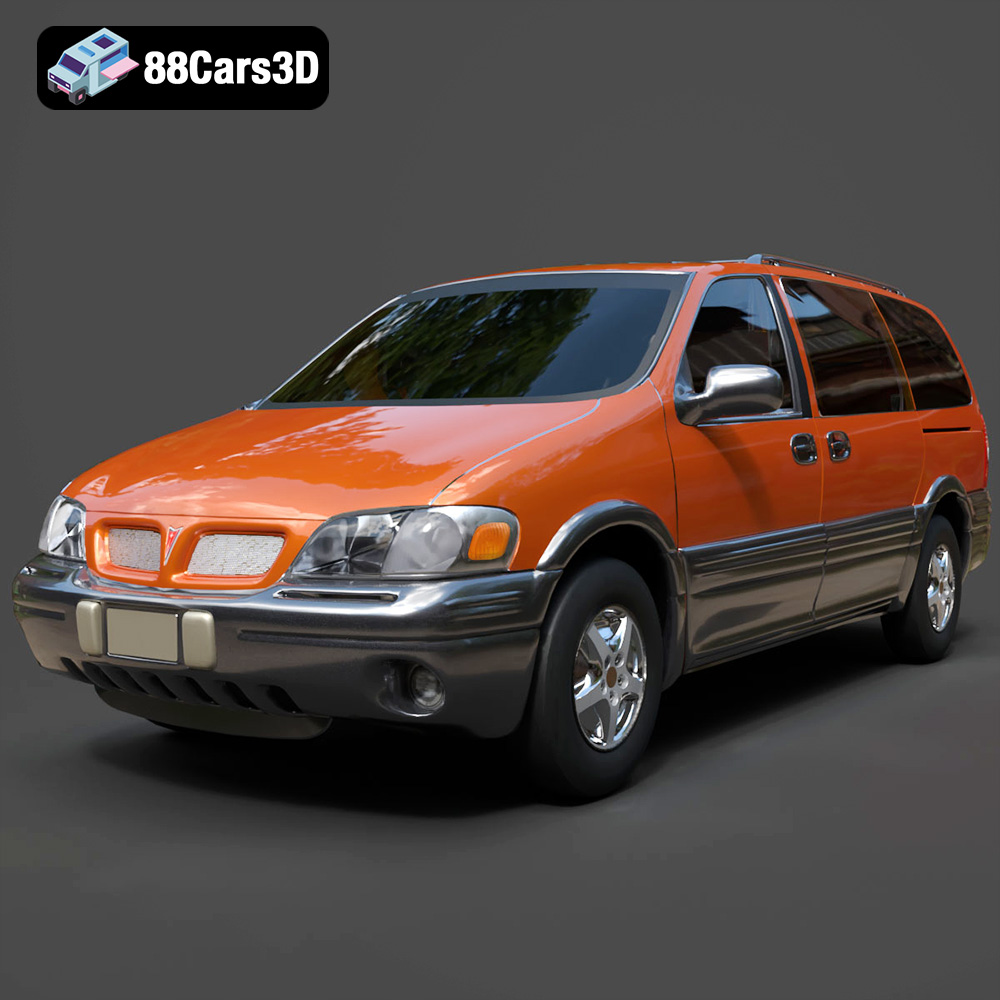
Pontiac Montana 1998 3D Model
Texture: Yes
Material: Yes
Download the Pontiac Montana 1998 3D Model featuring a detailed exterior, functional interior, and optimized mesh. Includes .blend, .fbx, .obj, .glb, .stl, .ply, .unreal, and .max formats for rendering, simulation, and game development.
Price: $21.99
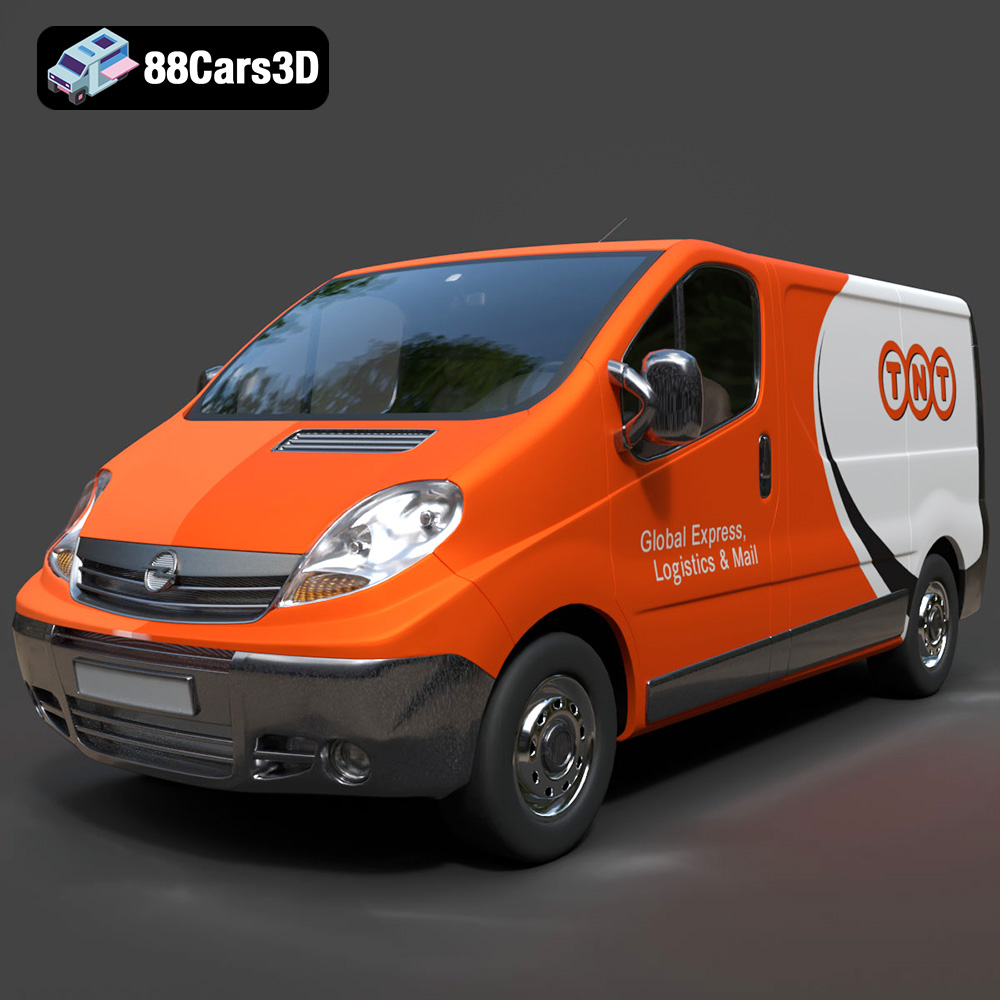
Opel Vivaro 3D Model
Texture: Yes
Material: Yes
Download the Opel Vivaro 3D Model featuring a versatile commercial van design with balanced detailing. Includes .blend, .fbx, .obj, .glb, .stl, .ply, .unreal, and .max formats for rendering, simulation, and game development.
Price: $21.99
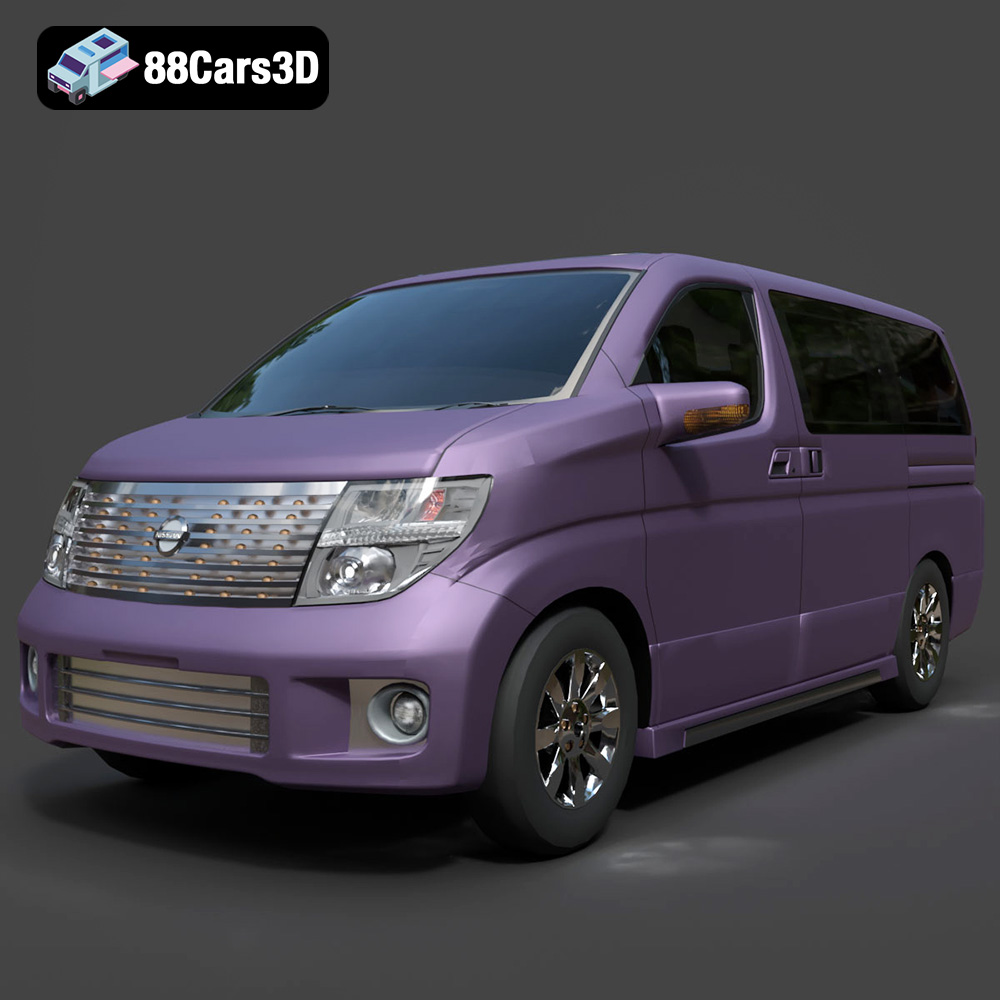
Nissan Elgrand 3D Model
Texture: Yes
Material: Yes
Download the Nissan Elgrand 3D Model featuring a versatile minivan design. Includes .blend, .fbx, .obj, .glb, .stl, .ply, .unreal, and .max formats for rendering, simulation, and game development.
Price: $21.99
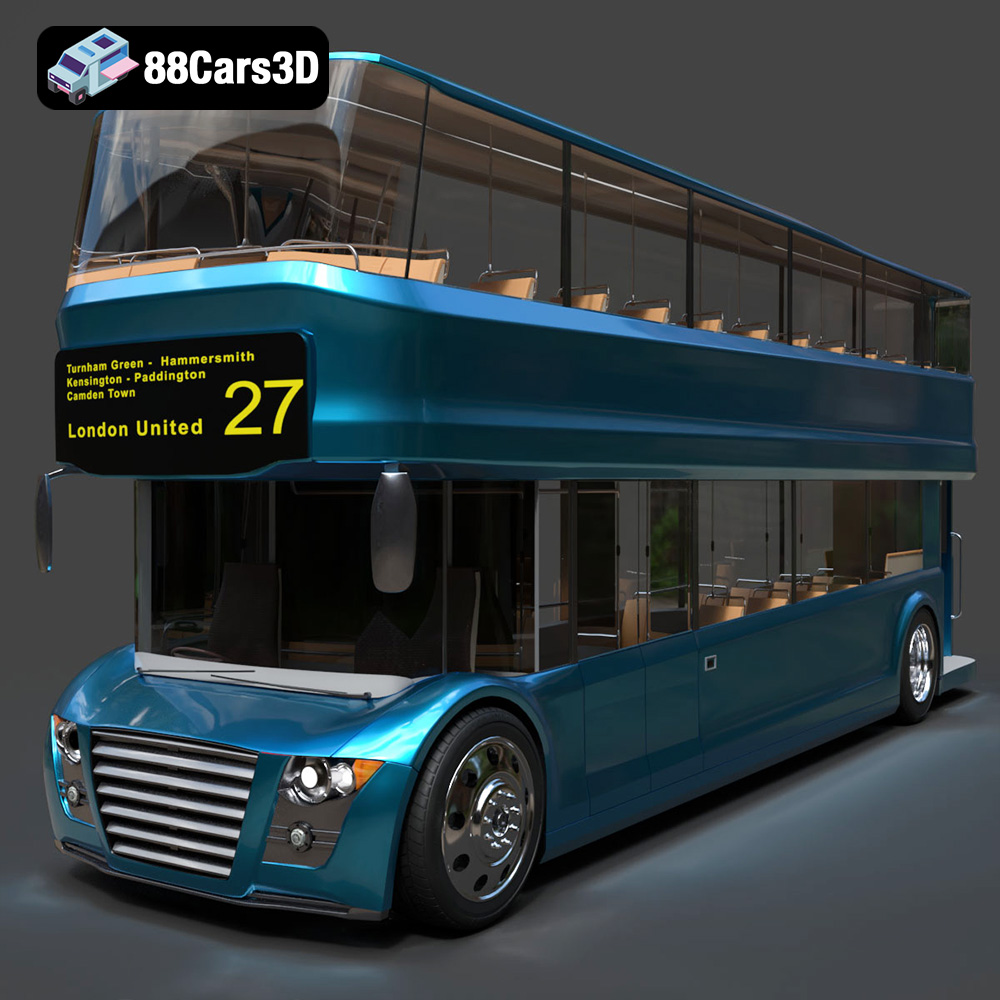
New Bus For London 3D Model
Texture: Yes
Material: Yes
Download the New Bus For London 3D Model featuring a detailed exterior and interior, optimized for rendering and animation. Includes .blend, .fbx, .obj, .glb, .stl, .ply, .unreal, and .max formats for rendering, simulation, and game development.
Price: $21.99
