

“`html
From Polygon to Print: Mastering STL Conversion for Your 3D Car Models
The world of 3D printing is exploding, and at the heart of it lies the humble STL file. Whether you’re a seasoned maker or just dipping your toes into the additive manufacturing waters, understanding how to prepare and convert your 3D models for printing is paramount. For automotive enthusiasts and model collectors, high-quality printable car models from sources like 88cars3d.com offer a fantastic entry point. However, not all 3D models are created equal when it comes to printability. Many are designed for rendering or animation, using complex polygon structures that need careful conversion into the watertight, manifold geometry that 3D printers understand. This guide will take you on a deep dive into the technical process of converting polygon-based 3D models into robust STL files ready for your 3D printer, covering everything from the fundamental principles of the STL format to advanced mesh repair techniques and slicing strategies.
Understanding the STL File Format: The Language of 3D Printers
Before we dive into conversion, it’s crucial to understand what an STL file actually is and why it’s the de facto standard for 3D printing. STL, short for Stereolithography or Standard Tessellation Language, is a file format that describes the surface geometry of a three-dimensional object using a collection of triangular facets. Unlike more complex formats like OBJ or FBX that can store color, texture, and material information, STL is purely geometric. It represents an object as a mesh – a network of interconnected vertices, edges, and faces, where each face is a triangle.
The simplicity of the STL format is its strength. A 3D printer’s slicing software needs a clear, unambiguous representation of the object’s outer shell to determine how to build it layer by layer. STL achieves this by defining the surface as a series of connected triangles. Each triangle is defined by:
- A normal vector: This vector points outwards from the surface of the object, indicating which side of the triangle is “outside.” Consistent normal orientation is critical for a watertight mesh.
- Three vertices: These are the X, Y, and Z coordinates of the triangle’s three corners.
The key requirement for a printable STL file is that it must represent a watertight or manifold model. This means the surface must be closed, with no holes, gaps, or self-intersections. Imagine filling the model with water; if it leaks, it’s not watertight. For car models, this means the chassis, doors, and all components must form a continuous, enclosed volume. Any breaches in this surface will confuse the slicer, leading to printing errors or incomplete models.
Binary vs. ASCII STL: Size and Usability
There are two main types of STL files: ASCII and Binary. ASCII STLs are human-readable text files, making them easy to inspect and edit manually in a text editor. However, they are significantly larger than their binary counterparts. Binary STLs are more compact, storing the geometric data in a more efficient binary format. For 3D printing, especially with complex models like intricate car designs, binary STL is almost always preferred due to its smaller file size, which leads to faster loading times in slicers and less disk space consumption. While understanding the ASCII format can be helpful for debugging, most conversion processes will output to binary STL.
The Importance of Mesh Topology
Beyond just being watertight, the mesh topology – how the triangles are connected – plays a crucial role. A “clean” mesh has minimal non-manifold geometry. This includes issues like:
- Edge sharing: An edge should connect exactly two triangles. If an edge connects more or fewer than two, it indicates a non-manifold condition.
- Vertex sharing: Vertices should connect edges that form a continuous loop around a solid area or a hole.
- Internal faces: Triangles that face inwards or intersect the object’s interior.
- Zero-area faces: Triangles with vertices that are coincident, effectively having no surface area.
Addressing these topological issues is often the most challenging part of preparing polygon models for STL conversion. Software tools are essential for identifying and repairing these problems, ensuring a smooth conversion process.
Preparing Your Polygon Model for Conversion: From Source to STL
The journey to a printable STL often begins with a model created in software like Blender, Maya, 3ds Max, or SketchUp. These programs typically use polygon meshes (often quads or N-gons) for modeling, which need to be converted into the triangle-only structure of STL. The preparation phase is critical to minimize the work needed during the conversion and repair stages. High-quality printable car models found on marketplaces like 88cars3d.com are usually already optimized, but if you’re working from scratch or a less-than-perfect source, careful preparation is key.
The primary goal during preparation is to ensure the model represents a solid object with a defined surface. This involves several steps:
1. Triangulation (Tessellation)
The first step in converting from quad/N-gon meshes to STL is triangulation. Most 3D modeling software has built-in tools to convert all faces into triangles. This process is generally straightforward. However, the *quality* of the triangulation matters. Poor triangulation can create long, thin triangles (slivers) or introduce unnecessary complexity, which can sometimes lead to issues during slicing or even printing. It’s often beneficial to ensure your model is already reasonably well-meshed with quads before triangulating, as algorithms can sometimes produce better results from cleaner inputs.
2. Ensuring Watertightness and Manifold Integrity
This is arguably the most important pre-conversion step. Before even thinking about STL, your model must be a closed volume. In modeling software, this means:
- Checking for holes: Look for gaps in the mesh, particularly where separate parts of the model might have been joined (e.g., around wheel wells, panel gaps that are too large, or openings in the bodywork).
- Removing internal geometry: Any faces or objects that exist entirely within the solid volume of your car model should be deleted. These are unnecessary for the external shape and can cause errors.
- Merging vertices: Overlapping vertices or edges that are not properly connected can create non-manifold conditions. Using tools to “weld” or “merge” vertices within a small tolerance is essential.
- Checking for inverted normals: Normals dictate which way a face is pointing. All surface normals should point outwards. Inverted normals can make areas appear as holes or cause slicers to misinterpret the model.
3. Optimizing Polygon Count
While STL doesn’t store polygon count directly in a way that affects printability (only the resulting triangles matter), an excessively high polygon count can slow down your modeling software, conversion tools, and slicer. For 3D printing, hyper-realistic detail is often lost at typical print scales. Consider simplifying your mesh where possible without losing critical details, especially for smaller components or areas that won’t be highly visible. Techniques like retopology or using “decimate” modifiers can help reduce polygon count efficiently.
4. Scaling and Units
Ensure your model is scaled correctly *before* conversion. 3D modeling software often works in abstract units (like meters or inches), while 3D printers and slicers typically use millimeters. Mismatched units are a common pitfall. For example, a model scaled to 1 meter in your modeling software might be interpreted as 1 millimeter by the slicer, resulting in a tiny, unprintable object. Always define your units clearly and scale your model to the desired print size (e.g., 150mm length for a 1:18 scale model car) in your modeling software before exporting or converting.
Conversion and Repair Workflows: Essential Tools and Techniques
Once your polygon model is prepared, the next step is conversion to STL, often involving critical mesh repair. This is where specialized software comes into play. While your primary modeling software might have basic STL export options, dedicated mesh editing and repair tools are indispensable for ensuring a high-quality, printable file.
1. Using Dedicated Mesh Repair Software
Tools like Meshmixer (free from Autodesk), Netfabb (also from Autodesk, with free basic repair features), and even Blender’s built-in capabilities are powerful for repairing non-manifold meshes and preparing them for STL export.
- Meshmixer: Offers an “Inspector” tool that automatically detects and can often fix holes, non-manifold edges, and other errors. You can then manually refine these fixes. Its “Make Solid” feature can also convert complex, intersecting geometry into a single, solid object, which is invaluable for combining separate parts or fixing complex internal structures.
- Netfabb Basic: Provides robust automatic repair functions that analyze your mesh for common issues and attempt to resolve them. It’s particularly good at identifying and fixing boundary errors and ensuring manifold integrity.
- Blender: With its “3D-Print Toolbox” add-on (enable in preferences), Blender offers excellent tools for checking manifold errors, non-manifold edges, and boundary issues. You can manually fix many problems by manipulating vertices and edges, and then use the “Make Manifold” option.
When using these tools, it’s often a workflow of Analyze -> Repair -> Verify. Run the automatic analysis, let the software suggest repairs, manually review and correct any problematic areas, and then re-analyze to confirm the mesh is watertight and manifold.
2. Exporting to STL from Modeling Software
After repair, you’ll export your model. In most software (Blender, Maya, 3ds Max):
- Ensure your model is triangulated.
- Select the object(s) you want to export.
- Go to File > Export > STL (.stl).
- Crucially, select the “Binary” format for efficiency.
- Check options like “Apply Modifiers” (if you used any non-destructive modifiers like subdivision surfaces that you want to be part of the final mesh) and ensure the correct scale is applied if the exporter has unit settings.
If you’re downloading print-ready STL files from a reputable source like 88cars3d.com, this conversion and initial repair work has already been done for you, saving you significant time and effort.
3. Specific Repair Strategies for Car Models
Car models present unique challenges:
- Panel Gaps: Ensure gaps between doors, hoods, and bumpers are either modeled as clean openings (if intended to be separate parts) or are sufficiently small/filled so they don’t register as holes.
- Undercarriage: The underside of a car model needs to be as complete and watertight as the rest. Pay attention to exhaust pipes, suspension details, and chassis elements to ensure they form a continuous surface.
- Wheels and Tires: Often modeled separately, these need to be correctly attached or merged into a single STL if you intend to print them as one piece. If printing separately, ensure each part is manifold.
- Thin Features: Mirrors, spoilers, and antennas can be very thin. Ensure they have adequate wall thickness (at least 0.8mm to 1mm is a good starting point for most FDM printers) to be printable and robust. Check for any holes in these fine details.
Slicing for Success: Translating STL to Printer Instructions
Once you have a clean, watertight STL file, the next critical step is slicing. Slicing software (like Cura, PrusaSlicer, Simplify3D) takes your STL model and divides it into hundreds or thousands of horizontal layers, generating the G-code instructions that your 3D printer follows. The settings you choose here have a direct impact on print quality, strength, and success rate, especially for detailed car models.
1. Layer Height and Resolution
Layer height is one of the most significant settings affecting print quality and time. It defines the thickness of each individual layer deposited by the printer.
- Standard FDM: For detailed car models, a layer height of 0.1mm to 0.15mm offers a good balance between detail and print time.
- High Detail: For exceptionally fine details (e.g., intricate grilles, badges), you might opt for 0.08mm or even 0.06mm layer heights with a smaller nozzle (0.2mm or 0.25mm). This dramatically increases print time but can capture finer features.
- Faster Prints: For less critical parts or initial test prints, 0.2mm or 0.3mm layer heights can significantly reduce print duration.
Tradeoff: Lower layer height = finer details, smoother curves, longer print time. Higher layer height = faster prints, visible layer lines.
2. Support Structures: Essential for Overhangs
Car models, with their complex curves, spoilers, undercarriages, and sometimes open windows, often require support structures to print successfully. Supports are temporary structures printed beneath overhangs and bridges that would otherwise collapse during printing.
- Types of Supports: Most slicers offer ‘Normal’ or ‘Tree’ (or ‘Organic’) supports. Tree supports are often more efficient, use less material, and are easier to remove, making them ideal for detailed models.
- Support Placement: Configure your slicer to generate supports only where needed (e.g., minimum overhang angle set to 45-60 degrees). Avoid generating supports inside hollow parts unless necessary.
- Support Settings: Adjusting ‘Support Density’, ‘Support Wall Thickness’, and ‘Support Z Distance’ (the gap between the model and the support) is crucial. A slightly larger Z distance makes removal easier but can lead to a rougher surface finish on the supported area.
- Interface Layers: Enabling ‘Support Interface’ creates a denser layer just below the model, providing a smoother surface for the model to print onto, improving the finish of overhangs and reducing scarring.
3. Print Orientation: The Foundation of Success
How you orient your car model on the print bed is critical. It affects:
- Support requirements: Placing the model to minimize overhangs reduces the need for supports.
- Surface finish: Layer lines are most visible on curved surfaces. Orienting to place these lines in less conspicuous areas (e.g., the bottom of the car) can be beneficial.
- Part strength: Layer adhesion is weakest between layers. Orienting critical parts to have forces act parallel to the layer lines can increase strength.
For most cars, a common orientation is to place them upright on their wheels. However, for models with significant overhangs (e.g., large spoilers, complex underbodies), tilting the model slightly might be necessary to reduce support material. Experimentation is key here.
4. Infill Settings: Balancing Strength and Material Usage
Infill is the internal structure that fills the hollow space within your model. For display models, high infill density is usually unnecessary.
- Density: 10-20% infill is typically sufficient for most decorative car models. Higher densities (e.g., 50-100%) are for functional parts requiring high strength.
- Pattern: ‘Grid’, ‘Cubic’, or ‘Gyroid’ are good general-purpose infill patterns. Gyroid is often favored for its strength-to-weight ratio and ability to print without needing extensive support within itself.
5. Bed Adhesion: The First Layer is Everything
A car model needs a stable first layer to prevent warping or detachment from the print bed.
- Brim: A brim is a single layer of material printed around the base of your model, extending outwards. It significantly increases the surface area contacting the print bed, improving adhesion for models with small contact points (like wheels).
- Raft: A raft prints a small platform beneath your entire model. It’s useful for very difficult-to-stick materials or uneven build surfaces but uses more material and can leave a rougher bottom surface.
- First Layer Settings: Ensure your first layer is printed slower (e.g., 20mm/s) and slightly hotter than subsequent layers to promote good adhesion. Dial in your Z-offset and ensure your print bed is level and clean.
Material Selection and Post-Processing: Bringing Your Model to Life
The choice of filament or resin and the post-processing steps significantly influence the final look and feel of your printed car model.
1. Material Considerations for Car Models
FDM Printing:
- PLA: The easiest material to print with, available in a vast range of colors (including metallic finishes). It’s great for display models but can be brittle. Ideal for beginners.
- PETG: More durable and slightly more flexible than PLA, with better temperature resistance. Can be slightly trickier to print but offers a good balance of properties.
- ABS: Strong, durable, and temperature resistant, but prone to warping and requires an enclosed printer and good ventilation due to fumes. Best for functional parts or models that need to withstand higher temperatures.
- Specialty Filaments: Wood-fill, metal-fill, and silk PLA filaments can add unique aesthetic qualities to your car models.
Resin Printing (SLA/DLP/MSLA):
- Standard Resins: Offer high detail and smooth surfaces, perfect for intricate car models. Layer lines are virtually non-existent.
- Tough/ABS-like Resins: Provide increased durability and impact resistance, suitable if the model will be handled frequently.
- Wash and Cure: Resin prints require washing in isopropyl alcohol (IPA) or resin cleaner and then curing under UV light to achieve their final properties. Proper handling and safety precautions are essential due to uncured resin toxicity.
2. Post-Processing: Refining the Print
The raw print often benefits greatly from post-processing:
- Support Removal: Carefully remove support structures using pliers, flush cutters, or hobby knives. For resin prints, supports are often more delicate.
- Sanding: Start with coarser grit sandpaper (e.g., 120-220 grit) to remove support marks and layer lines, then progress to finer grits (400, 800, 1000+ grit) for a smooth finish. Wet sanding can help achieve even smoother results and reduce dust.
- Filling: Use modeling putty, filler primer, or even CA glue (super glue) to fill any remaining gaps or imperfections.
- Priming: Apply a primer coat to reveal any remaining surface flaws and create a uniform base for painting.
- Painting: Use acrylic model paints, spray paints, or an airbrush to bring your car model to life. Masking tape is essential for clean lines between different colors.
- Assembly: If your model was printed in multiple parts (e.g., body, chassis, wheels), use super glue (CA glue) or a plastic cement appropriate for your material to assemble them.
- Clear Coat: A final clear coat (gloss, satin, or matte) protects the paintwork and gives a professional finish.
Post-processing is where a good 3D print truly transforms into a stunning display piece. Patience and attention to detail during these steps yield the best results.
Conclusion: Your Path to Perfect Printable Car Models
Converting polygon 3D models into print-ready STL files for 3D printing, especially detailed automotive subjects, is a multi-faceted process. It begins with a solid understanding of the STL format’s requirements: watertightness, manifold integrity, and efficient triangulation. Careful preparation in your modeling software, followed by meticulous repair and verification using tools like Meshmixer or Netfabb, ensures your base mesh is suitable for the slicer. The slicing process itself is where you fine-tune settings like layer height, supports, orientation, and infill to achieve the desired balance of detail, strength, and print time.
Finally, selecting the right material and investing time in post-processing will elevate your printed car model from a raw print to a showpiece. Whether you’re designing your own vehicles or downloading expertly crafted STL files from marketplaces like 88cars3d.com, mastering these technical steps will empower you to create stunning, high-quality 3D printed car models. Remember that practice and experimentation are key. Don’t be afraid to test different settings, orientations, and repair techniques. With each print, you’ll gain valuable experience, bringing your passion for cars and 3D printing together in exciting new ways.
“`
Featured 3D Car Models
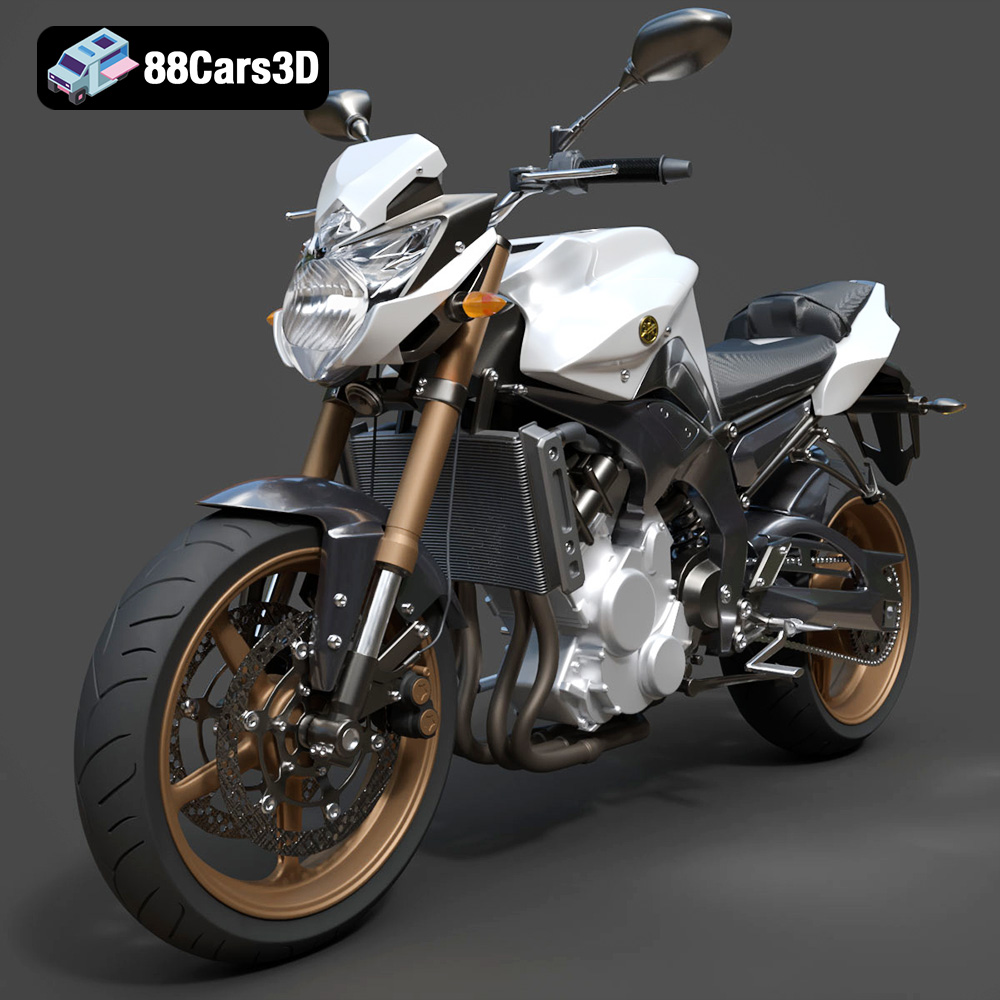
Yamaha FZ8 2011 3D Model
Texture: Yes
Material: Yes
Download the Yamaha FZ8 2011 3D Model featuring clean geometry, realistic detailing, and a fully modeled interior. Includes .blend, .fbx, .obj, .glb, .stl, .ply, .unreal, and .max formats for rendering, simulation, and game development.
Price: $19.99
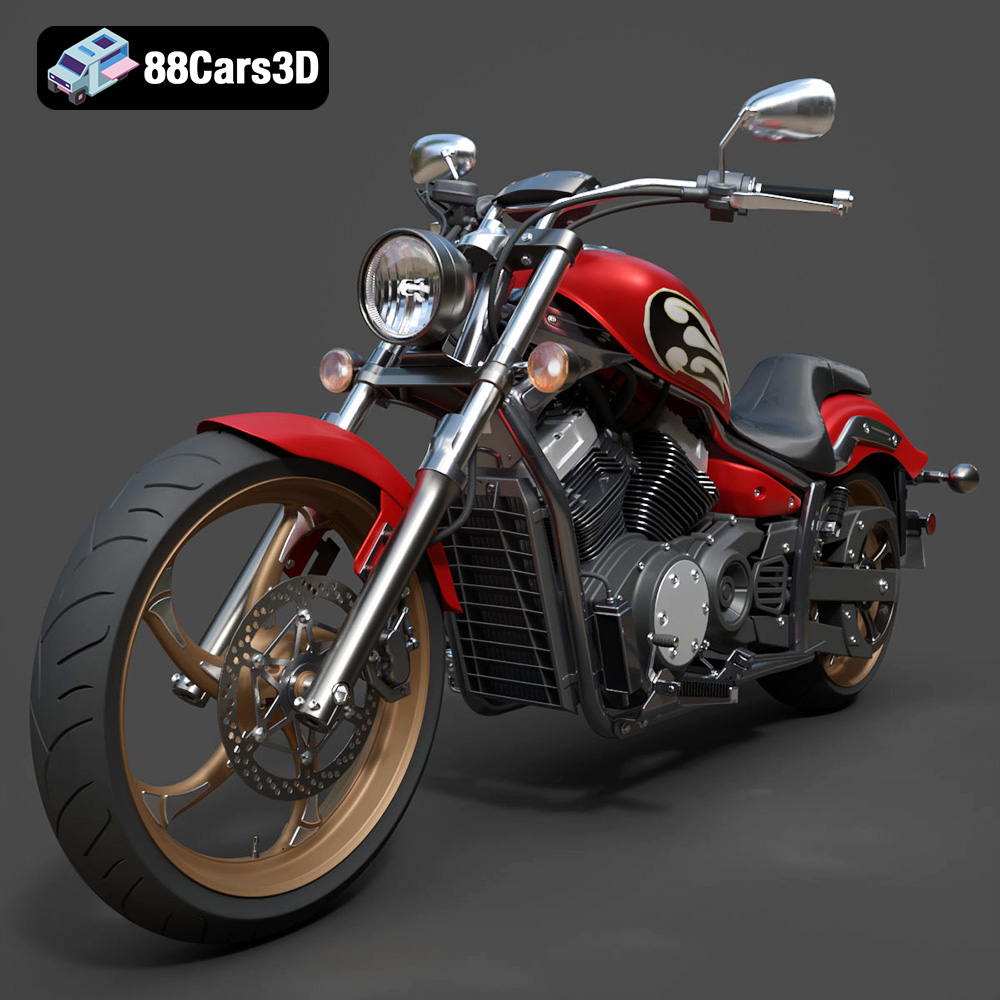
Yamaha Stryker 2012 3D Model
Texture: Yes
Material: Yes
Download the Yamaha Stryker 2012 3D Model featuring clean geometry, realistic detailing, and a fully modeled interior. Includes .blend, .fbx, .obj, .glb, .stl, .ply, .unreal, and .max formats for rendering, simulation, and game development.
Price: $19.99
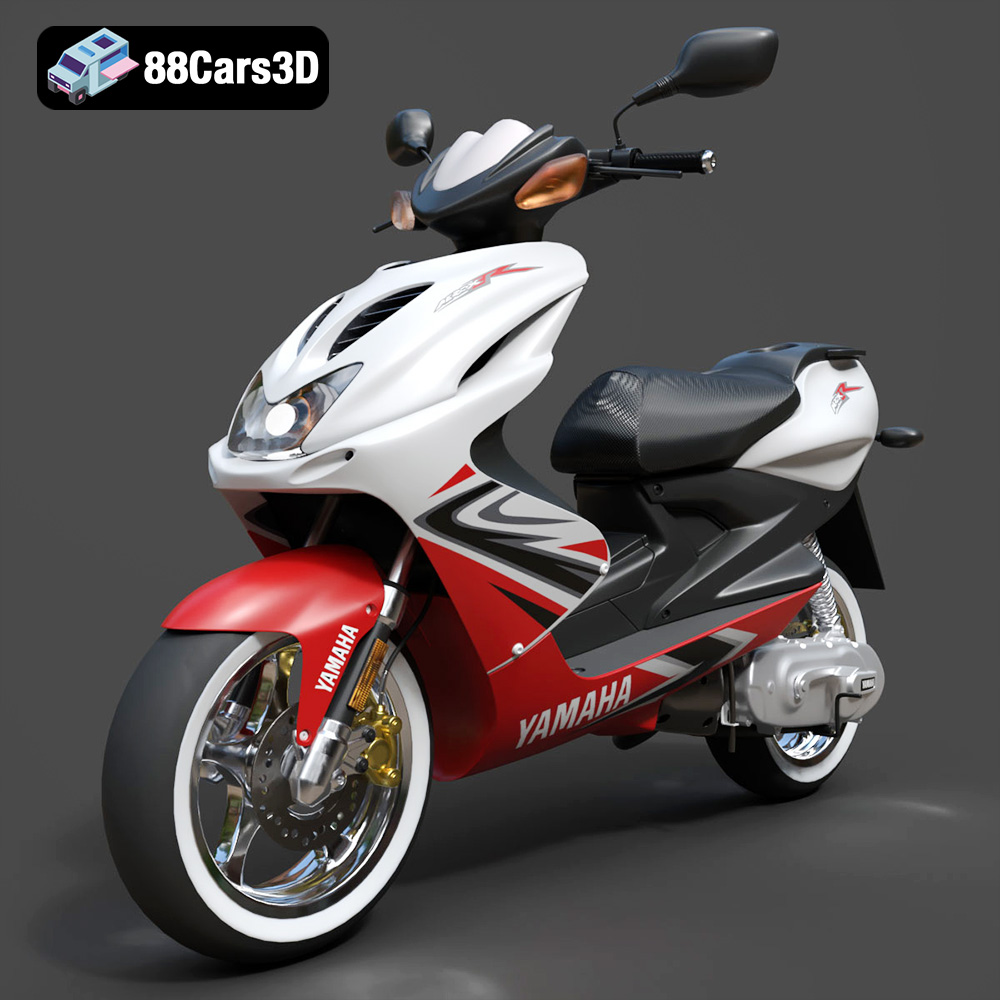
Yamaha Aerox R-002 2024 3D Model
Texture: Yes
Material: Yes
Download the Yamaha Aerox R-002 2024 3D Model featuring clean geometry, realistic detailing, and a fully modeled interior. Includes .blend, .fbx, .obj, .glb, .stl, .ply, .unreal, and .max formats for rendering, simulation, and game development.
Price: $19.99
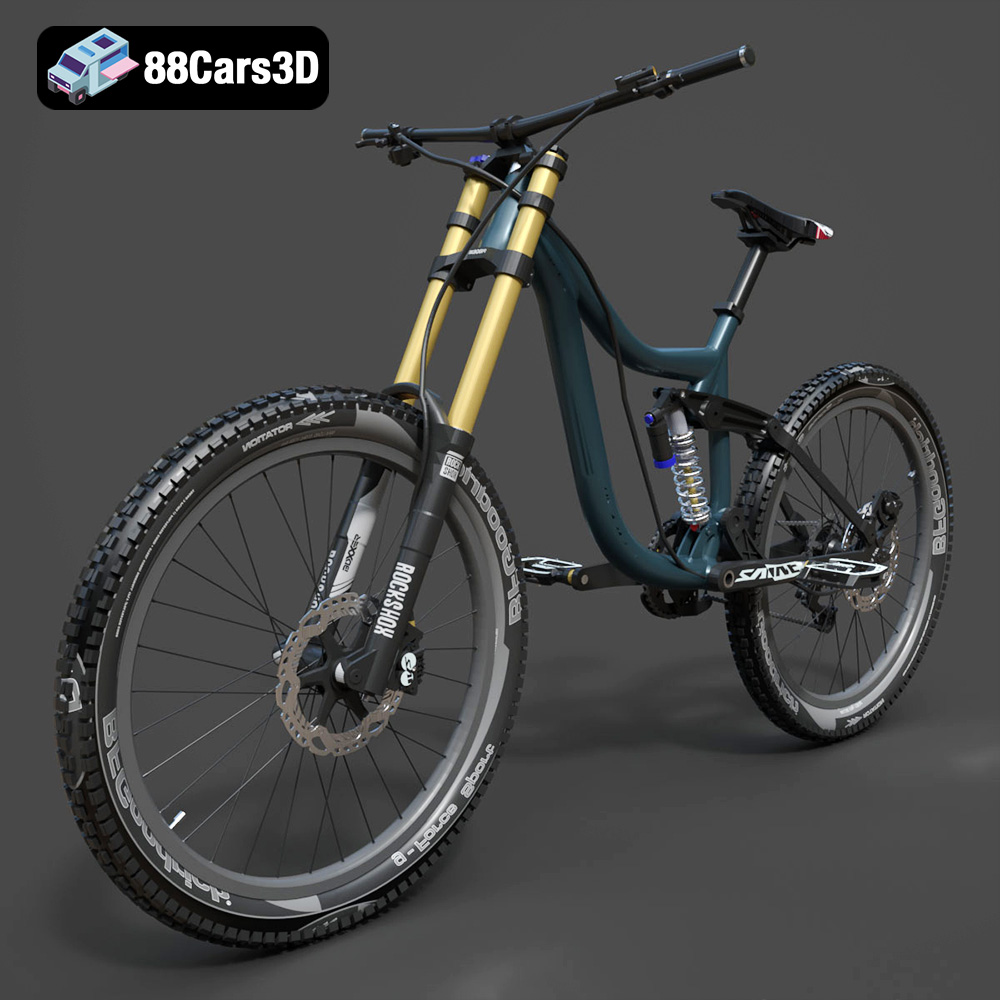
Mototsikly Downhill Bike-002 3D Model
Texture: Yes
Material: Yes
Download the Mototsikly Downhill Bike-002 3D Model featuring clean geometry, realistic detailing, and precise mechanical components. Includes .blend, .fbx, .obj, .glb, .stl, .ply, .unreal, and .max formats for rendering, simulation, and game development.
Price: $19.99
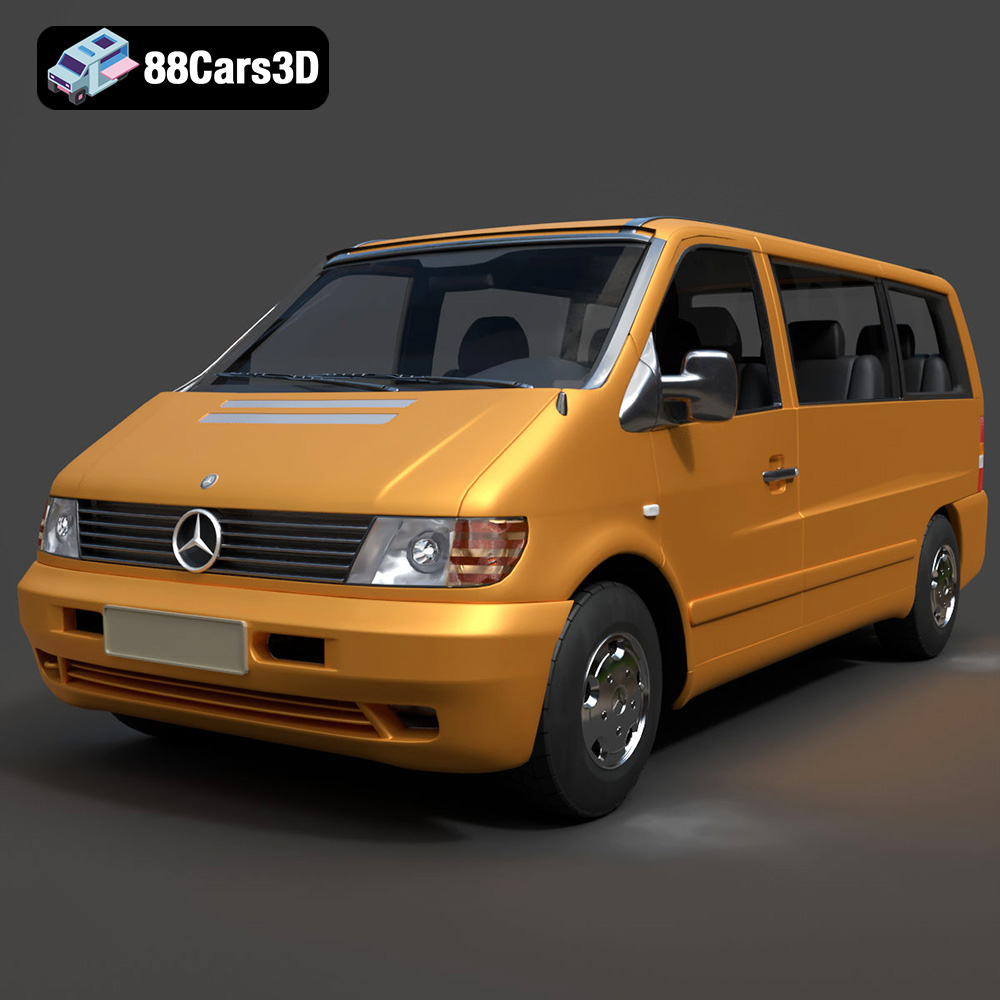
Mercedes-Benz Vito Passenger Van 3D Model
Texture: Yes
Material: Yes
Download the Mercedes-Benz Vito Passenger Van 3D Model featuring clean geometry, realistic detailing, and a fully modeled interior. Includes .blend, .fbx, .obj, .glb, .stl, .ply, .unreal, and .max formats for rendering, simulation, and game development.
Price: $19.99
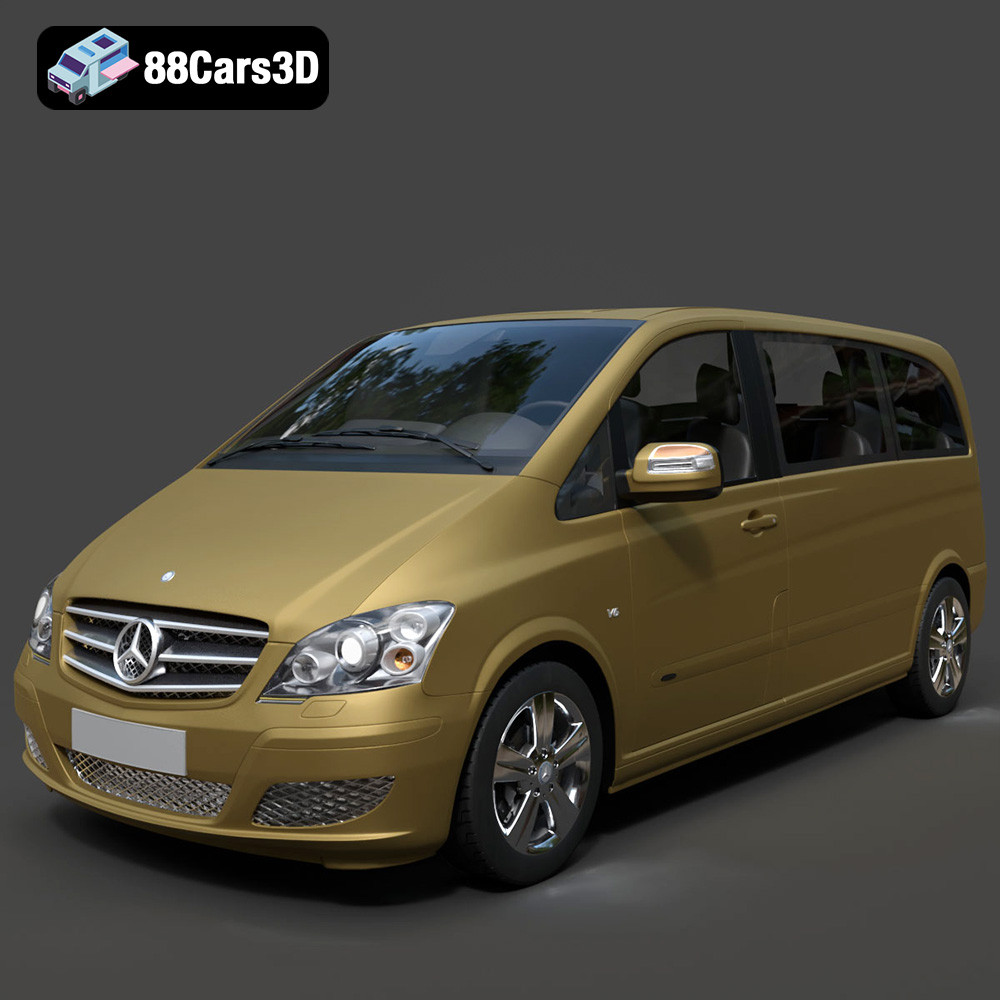
Mercedes-Benz Viano 2010 3D Model
Texture: Yes
Material: Yes
Download the Mercedes-Benz Viano 2010 3D Model featuring clean geometry, realistic detailing, and a fully modeled interior. Includes .blend, .fbx, .obj, .glb, .stl, .ply, .unreal, and .max formats for rendering, simulation, and game development.
Price: $19.99

Emt Avtobus 007 3D Model
Texture: Yes
Material: Yes
Download the Emt Avtobus 007 3D Model featuring clean geometry, realistic detailing, and a fully modeled interior. Includes .blend, .fbx, .obj, .glb, .stl, .ply, .unreal, and .max formats for rendering, simulation, and game development.
Price: $19.99
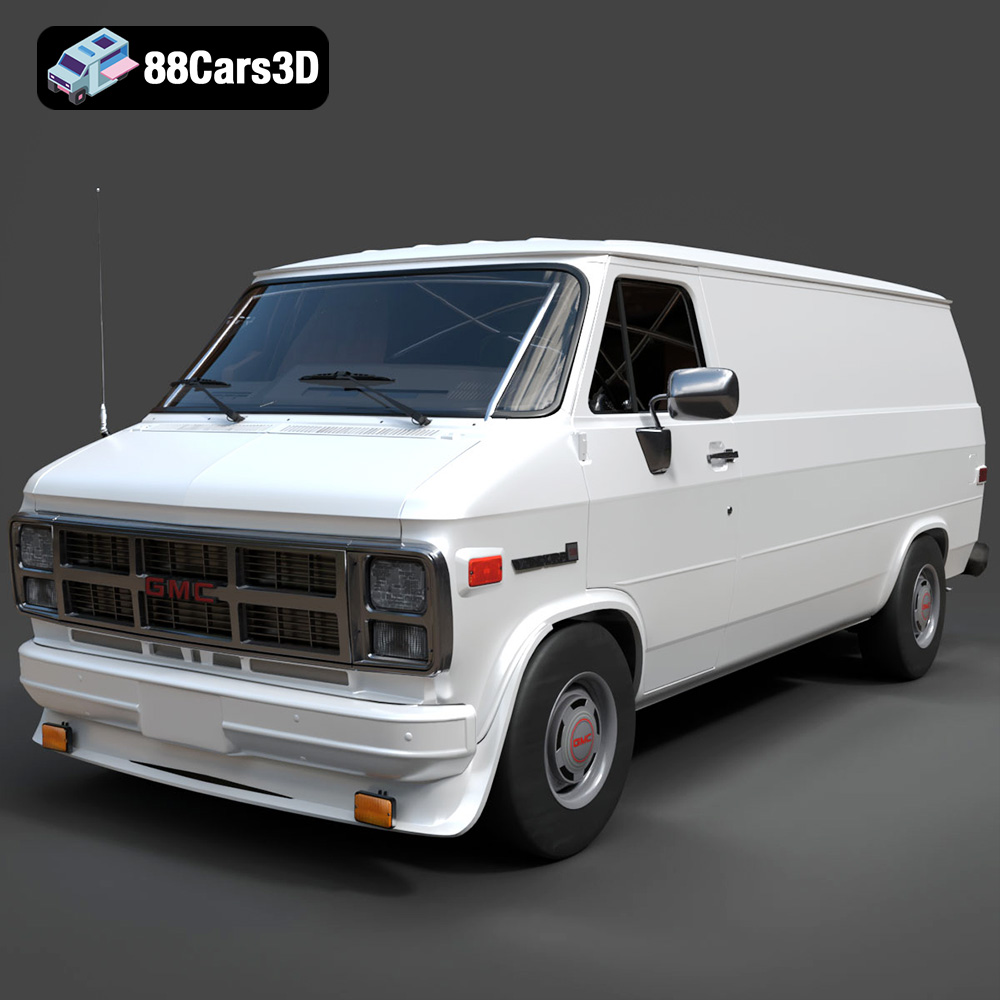
GMC Vandura G-1500 1983 3D Model
Texture: Yes
Material: Yes
Download the GMC Vandura G-1500 1983 3D Model featuring clean geometry, realistic detailing, and a fully modeled interior. Includes .blend, .fbx, .obj, .glb, .stl, .ply, .unreal, and .max formats for rendering, simulation, and game development.
Price: $19.99
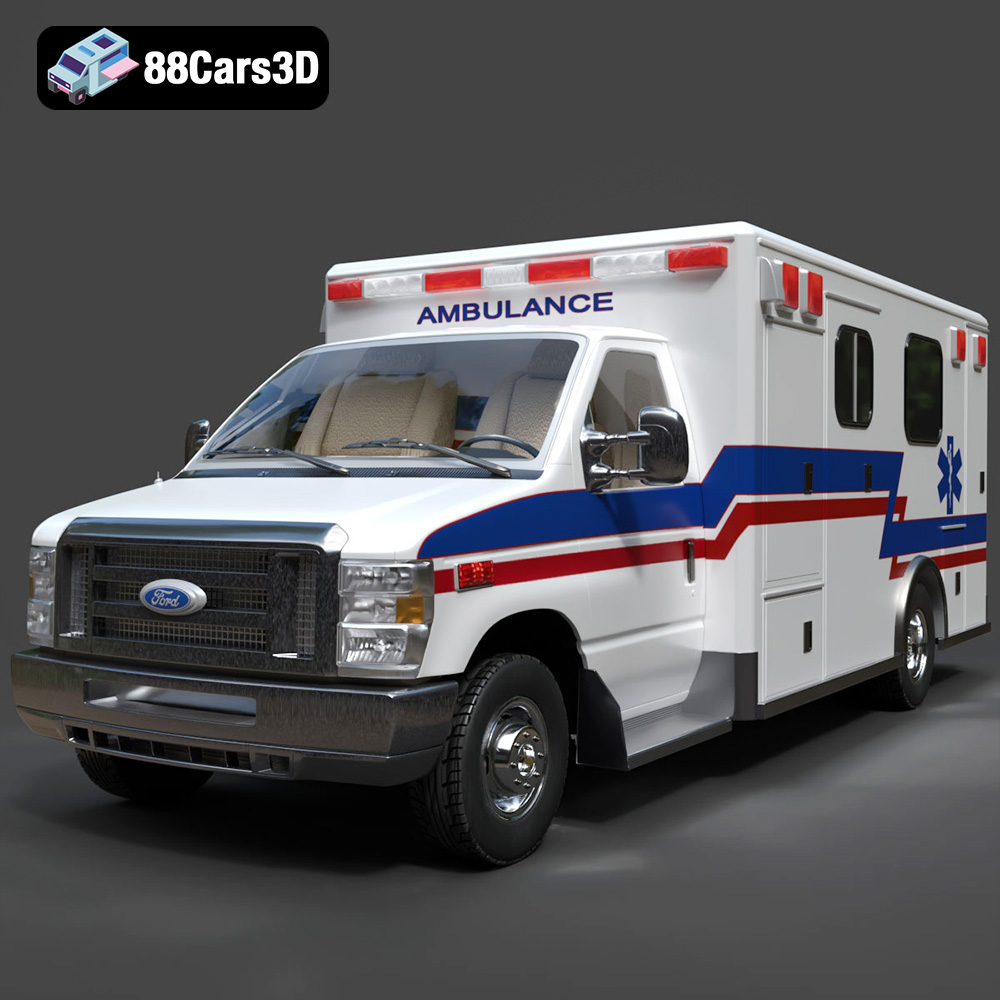
Ford E-450 Ambulance 3D Model
Texture: Yes
Material: Yes
Download the Ford E-450 Ambulance 3D Model featuring clean geometry, realistic detailing, and a fully modeled interior. Includes .blend, .fbx, .obj, .glb, .stl, .ply, .unreal, and .max formats for rendering, simulation, and game development.
Price: $19.99

Fiat Ducato SWB-001 3D Model
Texture: Yes
Material: Yes
Download the Fiat Ducato SWB-001 3D Model featuring clean geometry, realistic detailing, and a fully modeled interior. Includes .blend, .fbx, .obj, .glb, .stl, .ply, .unreal, and .max formats for rendering, simulation, and game development.
Price: $19.99
