

The pursuit of hyper-realism in digital environments has never been more intense, especially within the automotive industry. From showcasing futuristic vehicle designs to developing immersive racing games and advanced training simulations, the demand for truly dynamic and interactive 3D car models is paramount. Enter Unreal Engine’s Chaos Physics System – a game-changing framework that empowers developers and artists to achieve unprecedented levels of real-time destruction, intricate simulations, and responsive vehicle dynamics.
Gone are the days of pre-baked animations and simplistic collisions. With Chaos, the digital asphalt crumbles under impact, car bodies deform realistically, and debris scatters with stunning verisimilitude. This comprehensive guide will delve deep into mastering Unreal Engine’s Chaos Physics, specifically tailored for automotive applications. We’ll explore everything from setting up your project and preparing high-quality 3D car models – ideally sourced from platforms like 88cars3d.com which offer optimized assets – to implementing advanced fracturing techniques, simulating nuanced vehicle behavior, and optimizing performance for real-time rendering. Prepare to unlock a new dimension of realism for your automotive visualization, game development, and virtual production projects.
The Core of Chaos: Understanding Unreal Engine’s Physics System
Unreal Engine’s Chaos Physics System represents a monumental leap forward in real-time simulation. Introduced as a successor to the legacy PhysX engine, Chaos is a custom-built, high-performance, and scalable physics solution developed by Epic Games. It’s designed from the ground up to handle massive amounts of rigid bodies, provide stable and deterministic simulations, and seamlessly integrate with Unreal Engine’s other cutting-edge features like Nanite and Niagara. For automotive applications, Chaos offers the granular control and robustness needed to simulate everything from subtle suspension movements to catastrophic vehicle deformations with breathtaking accuracy.
Unlike traditional physics engines that often rely on a more generalized approach, Chaos is specifically engineered to be highly parallelized and multithreaded, maximizing performance across modern CPUs. This means that even complex scenes involving dozens of destructible vehicles and thousands of debris fragments can run efficiently in real-time. Its modular architecture also allows developers to customize and extend its capabilities, making it incredibly versatile for unique simulation requirements. The ability to simulate realistic collisions, friction, and gravity across a vast array of interconnected parts is fundamental to creating believable automotive scenarios, whether for a high-octane racing game or a detailed engineering visualization. For developers looking to deepen their understanding of Unreal Engine’s core systems, the official Unreal Engine documentation is an invaluable resource.
Chaos vs. Traditional Physics Engines
The transition from PhysX to Chaos brought significant advantages, particularly in areas critical for complex simulations. Chaos boasts superior stability and determinism, meaning that a simulation run multiple times with the exact same inputs will consistently produce the same outputs – a crucial feature for debugging, testing, and competitive multiplayer environments. Its ability to handle large numbers of rigid bodies without significant performance degradation is another key differentiator. Where PhysX might struggle with a few hundred dynamic objects, Chaos can effortlessly manage thousands, making it ideal for large-scale destruction events where a car might break into hundreds of pieces.
Furthermore, Chaos is deeply integrated with Unreal Engine’s latest rendering and content creation tools. This synergy means less friction between physics simulation and visual effects. For instance, a destructible car body powered by Chaos can leverage Nanite’s virtualized geometry for incredibly detailed internal structures post-destruction, while Niagara can accurately spawn debris and smoke particles synchronized with the physics events. This unified approach streamlines the development pipeline and allows for a more cohesive and realistic final product.
Enabling Chaos in Your Project
To begin utilizing Chaos Physics, you typically need to ensure the relevant plugins are enabled in your Unreal Engine project. Navigate to Edit > Plugins and search for “Chaos.” Key plugins include “Chaos Vehicles” for advanced vehicle dynamics and “Chaos Destructions” for rigid body destruction. Once enabled, you might also want to review your Project Settings under Engine > Physics. Here, you can define global physics settings such as gravity, default friction, and restitution. While most of these can be overridden on a per-asset basis, establishing sensible defaults is a good starting point. For basic physics simulation, any Static Mesh or Skeletal Mesh can be enabled for physics by checking the “Simulate Physics” option in its Details panel and ensuring it has appropriate collision primitives. For destruction, however, we move into the realm of Geometry Collections.
Setting the Stage: Preparing 3D Car Models for Chaos Destruction
The quality of your source 3D car model is paramount when working with Chaos Destruction. A well-constructed model with clean topology and proper UV mapping will yield far superior and more predictable destruction results. When sourcing automotive assets from marketplaces such as 88cars3d.com, you can expect models designed with these best practices in mind, which significantly simplifies the preparation phase for Chaos. Poorly optimized or improperly modeled assets can lead to unpredictable fracturing, visual artifacts, and performance bottlenecks.
The process often begins in a dedicated 3D modeling application where the car body is prepared. For realistic destruction, it’s often beneficial to separate components that would naturally detach or crumple differently – for example, distinct meshes for doors, hood, trunk, bumpers, and the main chassis. This allows for more targeted and localized destruction. While Chaos can fracture a single monolithic mesh, pre-segmenting provides greater artistic control over how the vehicle breaks apart. Ensure your meshes are watertight (no open edges) and have consistent normals to prevent issues during fracture generation. High polygon counts are less of a concern thanks to Nanite, but good base topology still contributes to cleaner fracture patterns and better UV unwrapping for PBR materials on exposed surfaces.
Source Model Considerations
When preparing your 3D car models for Chaos, several factors are critical. First, aim for clean quad topology where possible. While Chaos can handle triangulated meshes, clean quads often lead to more uniform fracture patterns. Secondly, ensure your model is properly scaled and centered. Incorrect scale can lead to inaccurate physics simulations, where objects might react too weakly or too strongly to impacts. Third, consider the level of detail. A typical high-quality car model from 88cars3d.com might have hundreds of thousands or even millions of polygons, which is perfectly acceptable for Nanite. However, for destructible parts, you might want to identify areas that need more detailed fracturing (e.g., crumple zones) versus areas that can be more coarsely broken. Finally, ensure your UV maps are well-laid out. When a car fractures, new internal surfaces are exposed. Having proper UVs allows for the application of seamless PBR materials (like rust, jagged metal, or internal components) onto these newly revealed faces, enhancing realism significantly.
Geometry Collection Basics
The cornerstone of Chaos destruction is the Geometry Collection. This asset type replaces the older Destructible Mesh system and is specifically designed to manage fractured geometry. To create a Geometry Collection, simply right-click on a Static Mesh in your Content Browser and choose Create > Create Geometry Collection. This action will generate a new asset that represents the fractured state of your original mesh.
Once created, open the Geometry Collection editor. Here, you’ll find a powerful set of tools to define how your mesh will fracture. The most common fracturing methods include:
- Uniform: Creates an even distribution of fractures.
- Clustered: Groups fractures into larger pieces, useful for showing larger chunks breaking off.
- Planar: Fractures along specific planes, good for straight breaks.
- Voronoi: Generates irregular, cell-like patterns, often mimicking natural material breaks.
For automotive destruction, a combination of these is often ideal. For instance, using clustered fracturing for the main body panels to create larger pieces, and then applying a second pass with Voronoi on those larger pieces to simulate shattering. Pay attention to parameters like “Min Pieces” and “Max Pieces” to control the density of your initial fracture. The “Level” slider is crucial for generating multiple layers of destruction, allowing pieces to break down further as more force is applied.
Fracture Settings and Iterations
The real power of Geometry Collections comes from iteratively refining your fracture settings. After an initial fracture, you can apply further fracturing operations on selected pieces. For a car, you might start with a coarse fracture on the entire vehicle to separate major panels. Then, you can select specific panels (e.g., the hood or door) and apply a finer fracture to them to simulate crumpling or shattering. Key settings to consider include:
- Damage Threshold: This defines the amount of force (impulse) required to activate a fracture. Lower values make objects more fragile.
- Internal Collisions: Enabling this is crucial for realistic pile-ups and debris interaction. It allows fractured pieces to collide with each other.
- Collision Group: Assigning pieces to specific groups can prevent unintended collisions or allow certain pieces to only interact with specific other groups.
- Anchor Fields: These are powerful tools to control fracture behavior. An Anchor Field can be used to “glue” certain parts of the mesh together, preventing them from fracturing until a higher threshold is met, or to define specific points where destruction initiates or is prevented entirely (e.g., keeping a wheel firmly attached to its axle until extreme damage occurs).
Experimentation is key here. Iterate, simulate, observe, and adjust until you achieve the desired destruction effect. Remember to save your Geometry Collection regularly.
Crafting Realistic Destruction: Advanced Chaos Workflows
Achieving truly convincing automotive destruction in Unreal Engine requires moving beyond basic fracturing. It involves a strategic approach to managing fracture depth, refining collision detection, and seamlessly integrating visual effects. The goal is not just to break an object, but to make it break in a way that feels physically plausible and visually impactful, telling a story of the impact and forces involved. This level of detail elevates a mere simulation into an immersive experience.
One of the most effective strategies for complex objects like cars is to embrace multi-level fracturing. Instead of fracturing the entire vehicle into tiny pieces at once, consider a hierarchical approach. The outer shell might break into larger panels, which in turn can fracture into smaller shards upon subsequent impacts. This method not only offers more realistic damage progression but also significantly aids in performance optimization, as only the actively damaged parts need to simulate higher fidelity destruction. Visualizing these fracture hierarchies in the Geometry Collection editor’s Exploded View can help you understand and refine the structure of your destructible asset, ensuring that internal components are revealed progressively.
Managing Fracture Depth and Hierarchy
For a car model, think about how real vehicles crumple. The exterior panels might bend and detach, revealing the internal frame. The frame itself might then deform or snap. To replicate this with Chaos, you’d typically start by fracturing the entire car into its major components (hood, doors, fenders, chassis). Then, you would select the chassis component and apply a finer fracture to it, perhaps simulating where the metal would deform or buckle. You can further subdivide the outer panels to create smaller, more numerous pieces that shatter upon impact. Using the “Level” system within the Geometry Collection editor is crucial for this. Level 0 might be the initial large pieces, Level 1 their sub-fractures, and so on. By setting different damage thresholds for each level, you can create a dynamic destruction sequence where initial impacts cause superficial damage, while severe collisions lead to full-scale crumpling and disintegration.
Professional Tip: When designing crumple zones, selectively apply finer fractures in areas known to deform in real-world crashes (e.g., front and rear sections of the vehicle). Use Anchor Fields strategically to reinforce specific areas like the cabin, preventing it from completely disintegrating while allowing other parts to absorb impact.
Collision Detection and Response
Accurate collision detection is the bedrock of realistic physics. For Geometry Collections, Chaos automatically generates collision primitives based on the fractured pieces. However, for optimal performance and accuracy, it’s often beneficial to simplify collision meshes, especially for the internal fractured pieces. Using “Convex Hull” collision shapes is generally recommended as they provide a good balance between accuracy and performance. Avoid using per-poly collisions for every tiny piece, as this can be extremely expensive.
Understanding “Damage Thresholds” and “Max Impulses” is critical for fine-tuning how your car reacts to impacts. A low damage threshold will make your car fragile, breaking apart easily. A high threshold will make it resilient. “Max Impulses” can prevent an object from breaking into too many pieces from a single, overly strong impact. You can also specify different thresholds for different materials or sections of the car within the Geometry Collection editor. For example, glass panels might have a very low threshold, while the main chassis has a much higher one. Leveraging Blueprint scripting to detect collision events (e.g., `OnChaosPhysicsCollision`) allows you to respond dynamically, such as triggering a louder sound effect for a severe impact or activating a specific visual effect.
Integrating Effects with Niagara
Physics simulation without compelling visual effects can feel lifeless. Integrating Unreal Engine’s Niagara particle system with Chaos Physics is essential for bringing destruction to life. When a car shatters, you want dust clouds, flying debris, sparks, and perhaps even internal fluid leaks. This is achieved by binding Niagara emitters to Chaos events. Using Blueprint, you can listen for specific events from your Geometry Collection, such as when a piece fractures or detaches.
For example, upon a piece breaking off, you can spawn a Niagara system for dust and small shrapnel at the point of impact. For a severe impact, you might trigger a larger explosion effect with smoke and fire. When dealing with metal-on-metal collisions, use Niagara to emit sparks.
Steps for Integration:
- Create a Niagara System with appropriate emitters (e.g., “NS_DustCloud,” “NS_MetalSparks”).
- In your car’s Blueprint, get a reference to the Geometry Collection Component.
- Use the “Bind Event to OnChaosBreakEvent” node or “OnChaosPhysicsCollision” to detect when a piece fractures or collides.
- When the event fires, use “Spawn System at Location” or “Spawn System Attached” (if spawning on a specific piece) to create your Niagara effect, passing in the impact location, normal, and impulse strength to drive particle parameters like velocity or color.
Performance Tip: Be mindful of particle count and overdraw. Use LODs for your Niagara systems, reducing complexity at a distance. Implement pooling for particle systems to avoid constant spawning and destroying, which can introduce hitches. Ensure your particle systems are only active when visible or relevant to the player’s immediate experience.
Beyond Destruction: Simulating Vehicle Dynamics with Chaos
While destruction is visually spectacular, the core of automotive realism lies in believable vehicle dynamics. Unreal Engine’s Chaos Physics System extends its capabilities far beyond rigid body destruction to offer a robust and highly customizable framework for vehicle simulation. The Chaos Vehicle Component is the backbone for creating everything from simple arcade racers to highly detailed and accurate automotive simulators, providing granular control over every aspect of a vehicle’s behavior on the road and beyond.
This system allows for sophisticated simulation of wheels, suspension, engine characteristics, and braking systems, moving beyond the limitations of older vehicle physics. It leverages the same underlying Chaos solver, ensuring consistency and stability across all physics interactions within your project. For developers and artists working with high-fidelity 3D car models, understanding and mastering the Chaos Vehicle Component is essential to breathe life into their digital creations, allowing them to not just look realistic but also feel authentic to drive.
Vehicle Physics Components
The Chaos Vehicle Component is an actor component that can be added to any Blueprint. It requires a Skeletal Mesh for the car body, allowing for animated components like steering wheels or suspension arms. Unlike the older PhysX Vehicle, Chaos Vehicle is built from the ground up for modularity and performance. Key features include:
- Wheels: Define wheel radius, width, mass, and crucially, friction parameters for lateral and longitudinal slip. Each wheel can be configured individually.
- Suspension: Control spring rate, damping, and suspension travel. Realistic suspension is vital for conveying vehicle weight and terrain interaction.
- Engine: Configure torque curves (RPM vs. Torque), max RPM, idle RPM, and rev limiter. This allows for accurate engine feel.
- Gearbox: Set up gear ratios, auto-shift points, and clutch parameters.
- Brakes: Define brake torque and apply different braking forces to front and rear wheels.
These parameters are exposed in the Details panel of the Chaos Vehicle Component and can be tweaked in real-time during gameplay for immediate feedback. The flexibility offered by Chaos Vehicle enables developers to closely match the driving characteristics of real-world vehicles, a critical aspect for automotive visualization and simulation.
Customizing Vehicle Behavior with Blueprints
While the Chaos Vehicle Component provides the foundational physics, Blueprint visual scripting is where you truly bring your vehicle to life and customize its behavior. You’ll typically create a custom Vehicle Blueprint class, inheriting from a base vehicle class, and then implement the logic for player input and advanced driving features.
Common Blueprint Implementations:
- Input Binding: Map keyboard, gamepad, or steering wheel inputs to throttle, steering, braking, and handbrake.
- Driving Assists: Implement systems like ABS (Anti-lock Braking System) by modulating brake input when wheels lock up, or Traction Control (TCS) by reducing engine torque when wheels slip excessively.
- Damage Integration: Use Blueprint to link damage from Chaos Destruction to vehicle performance. For example, a severe impact could disable a wheel, reduce engine power, or make steering difficult by modifying the Chaos Vehicle Component’s parameters (e.g., reducing brake torque on a damaged wheel, clamping steering input).
- Gear Shifting Logic: While the component handles basic auto-shifting, Blueprint allows for custom manual shifting or more advanced sequential gearbox logic.
The ability to dynamically modify physics parameters through Blueprint provides immense control, allowing for adaptive difficulty, realistic damage models, and unique gameplay mechanics.
Advanced Simulation Scenarios
Beyond basic driving, Chaos Vehicle enables sophisticated simulation scenarios. Adjusting the vehicle’s Center of Mass (CoM) is critical for realistic handling. A higher CoM will make a vehicle more prone to rolling over, while a lower CoM enhances stability. You can adjust the CoM dynamically in Blueprint to simulate cargo loading or passenger distribution. Tire friction models are another area for deep customization. By tweaking parameters like “Friction Scale,” “Lateral Slip,” and “Longitudinal Slip,” you can simulate different tire compounds, road conditions (wet, icy, dirt), and driving styles. This level of detail is crucial for high-fidelity driving simulators.
For multiplayer applications, replication of Chaos Vehicle state is robustly supported. Unreal Engine’s networking framework handles the synchronization of vehicle positions, rotations, velocities, and input states across networked clients, ensuring a consistent and fair driving experience for all players. This makes Chaos an excellent choice for developing competitive online racing games or collaborative automotive design review environments.
Performance and Optimization for Real-Time Chaos
While Chaos Physics is designed for high performance, implementing extensive destruction and complex vehicle dynamics in real-time demands careful optimization. The goal is to achieve compelling visual fidelity and interactivity without sacrificing frame rate, which is especially critical for immersive applications like AR/VR and virtual production. Unreal Engine provides a suite of tools and features that, when used strategically, can help manage the computational overhead of Chaos, ensuring a smooth and responsive experience.
The synergy between Chaos and other UE5 technologies like Nanite is a game-changer. Nanite’s virtualized geometry effectively handles incredibly high-polygon models, alleviating many traditional LOD concerns for complex assets. However, even with Nanite, managing the sheer number of dynamic physics objects generated by large-scale destruction still requires a thoughtful approach. Understanding where performance bottlenecks can occur – from CPU-bound physics calculations to GPU-intensive rendering of countless fractured pieces – is the first step towards creating truly optimized real-time automotive simulations.
Nanite and Chaos Synergy
Nanite fundamentally changes how we approach high-detail meshes in Unreal Engine. For Chaos Destruction, this synergy is particularly powerful. When a Nanite-enabled static mesh is converted into a Geometry Collection, Nanite continues to manage the visual representation of the fractured pieces. This means you can have incredibly detailed internal geometry exposed after a car crash, without the massive performance hit associated with traditional LODs for millions of triangles. Nanite effectively streams in only the necessary geometric detail, based on screen space, dramatically reducing draw calls and memory footprint. This allows for visually stunning, high-fidelity destruction that was previously unachievable in real-time.
Optimization Tip: While Nanite handles geometric complexity, remember that each fractured piece is still a separate physics body. Focus on optimizing the *number* of physics bodies and their collision complexity, rather than solely on polygon count for visual representation. For Geometry Collections, ensure “Is Nanite” is checked in the Details panel to take advantage of this integration.
LODs for Chaos Geometry Collections
Even with Nanite, managing the complexity of Geometry Collections requires strategy. While Nanite excels at rendering detailed meshes, the physics simulation itself still processes individual fractured pieces. For distant destruction, or for pieces that are no longer actively interacting, maintaining full physics fidelity is wasteful.
Strategies for LOD Management:
- Collision Mesh Simplification: For fractured pieces, simplify their collision shapes for LODs. Use simpler primitives (boxes, spheres) or even turn off collisions entirely for very small, distant pieces.
- Despawn/Cull Distant Debris: Implement Blueprint logic to despawn or deactivate physics on small, numerous debris pieces that move out of a certain range from the player or camera. This can significantly reduce the number of active physics bodies.
- Chaos Culling: Chaos provides built-in culling mechanisms. Experiment with “Cull Distance” settings in your Geometry Collection to control when physics pieces are removed or simplified based on their distance from the camera.
The key is to maintain visual and physical fidelity only where it matters most, allowing the engine to optimize away unnecessary calculations for less important elements.
Physics Substepping and Async Simulation
For stable and consistent physics, especially with fast-moving objects like cars, Physics Substepping is crucial. Accessible in Project Settings > Engine > Physics > General, substepping allows the physics simulation to run multiple smaller steps within a single frame, even if the game thread’s framerate fluctuates. This prevents objects from “tunneling” through each other at high speeds and improves the overall stability of interactions, which is vital for precise vehicle dynamics and collision resolution.
Another powerful optimization is Asynchronous Physics Simulation. By offloading physics calculations to a separate thread, the main game thread is freed up to handle rendering and other logic, preventing hitches caused by complex physics computations. While Chaos is inherently multithreaded, ensuring your project leverages asynchronous physics effectively can provide a noticeable performance boost. Regularly profile your game using Unreal Insights to identify physics-related bottlenecks. Insights provides detailed timing information for Chaos, allowing you to pinpoint specific parts of the simulation that are consuming the most CPU time (e.g., collision detection, fracture processing, broad phase updates) and then target your optimizations accordingly.
Real-World Applications and Creative Possibilities
The power of Unreal Engine’s Chaos Physics extends far beyond conventional game development, unlocking transformative possibilities across various industries, particularly within the automotive sector. The ability to simulate dynamic destruction and realistic vehicle behavior in real-time provides unprecedented tools for visualization, design, and immersive experiences. For companies creating or utilizing high-quality 3D car models, Chaos offers a competitive edge, enabling them to push the boundaries of realism and interactivity.
From showcasing crash test scenarios in virtual reality to developing next-generation racing games with truly destructible environments, Chaos empowers creators to tell more compelling and authentic stories. It integrates seamlessly with Unreal Engine’s other advanced features like Lumen for global illumination and Sequencer for cinematic storytelling, creating a holistic ecosystem where physics, visuals, and narrative converge. The applications are diverse, ranging from highly technical simulations for engineering to engaging interactive experiences for marketing and entertainment.
Automotive Visualization and Configurators
For automotive designers and engineers, Chaos Physics offers a powerful virtual sandbox. Instead of costly physical prototypes and crash tests, designers can now simulate various impact scenarios in real-time, observing how different materials and structural designs deform.
- Crash Test Simulations: Visualize vehicle safety performance by subjecting 3D car models to simulated impacts, analyzing crumple zones, and assessing occupant protection, all within a real-time environment.
- Interactive Damage Modeling: In a car configurator, clients or designers could interactively “damage” a vehicle to see how different materials or customizations respond to stress, offering a unique perspective on durability.
- Environmental Impact Analysis: Simulate the effects of environmental forces (e.g., debris hits, falling objects) on a vehicle’s exterior, evaluating material resilience and aesthetic degradation over time.
The precision and visual fidelity offered by Chaos, especially when paired with PBR materials and Lumen lighting, make these visualizations incredibly persuasive and informative.
Game Development Enhancements
Chaos Physics has revolutionized how vehicles are experienced in games. For racing titles, it means truly dynamic damage models where every dent, scratch, and broken part impacts driving performance and visual appeal.
- Dynamic Environments: Create game worlds where players can smash through barriers, collapse buildings, and create persistent destruction, enhancing immersion and replayability.
- Interactive Stunts & Cinematic Destruction: Leverage Sequencer, Unreal Engine’s multi-track editor, to choreograph breathtaking destruction sequences involving multiple vehicles. Cars can realistically flip, explode, and disintegrate, controlled by Chaos and enhanced with Niagara VFX.
- Repair Mechanics: Implement gameplay systems where players can repair damaged vehicles, with the visual and physical state of the car updating dynamically based on the Chaos simulation.
The ability to integrate these complex physics interactions directly into gameplay loops opens up entirely new design possibilities for vehicle-centric games.
Virtual Production and AR/VR
In virtual production, where real-time graphics are rendered on LED walls to create immersive backgrounds, Chaos Physics adds another layer of realism. Imagine virtual cars crashing and disintegrating on screen, with the destruction happening live and interactively. For film and TV, this means higher fidelity visual effects created in-camera, reducing post-production time and costs.
For AR/VR applications, optimizing Chaos is critical but highly rewarding. Displaying a hyper-realistic, destructible 3D car model in augmented reality or a fully immersive VR experience requires meticulous attention to performance. Techniques like LODs for fractured pieces, aggressive culling, and streamlined collision geometry become even more vital. However, the payoff is immense:
- Interactive Showrooms: Imagine walking around a virtual car in AR, then tapping on it to see a panel realistically crumple, or watching a simulated crash in VR with debris scattering around you.
- Training Simulators: Develop high-fidelity driving simulators for professional training, where vehicle damage and dynamic environmental interactions are accurately modeled, providing realistic feedback to trainees.
The immersive capabilities of Chaos in these fields are only just beginning to be fully explored, promising a future of highly interactive and believable digital experiences. Many of these applications benefit immensely from starting with highly optimized and clean 3D car models available on platforms like 88cars3d.com, ensuring a solid foundation for complex simulations.
Conclusion
Unreal Engine’s Chaos Physics System stands as a testament to the ongoing evolution of real-time simulation, offering unprecedented power and flexibility for dynamic destruction and intricate vehicle dynamics. For anyone working with 3D car models – be it in automotive visualization, game development, virtual production, or AR/VR – mastering Chaos is no longer an option but a necessity to stay at the forefront of visual fidelity and interactive experiences.
We’ve traversed the journey from understanding Chaos’s core principles and preparing your high-quality automotive assets, through implementing multi-level destruction and sophisticated vehicle behavior with Blueprint, to optimizing performance for demanding real-time scenarios. The ability to simulate realistic crumple zones, dynamic debris, and responsive driving physics directly within Unreal Engine unlocks a new realm of creative possibilities, empowering artists and developers to craft truly believable and immersive digital worlds.
As you embark on your own Chaos Physics journey, remember the importance of starting with well-optimized 3D car models, readily available from marketplaces like 88cars3d.com. Experiment with fracture settings, fine-tune vehicle parameters, and leverage Unreal Engine’s comprehensive toolset, including Nanite, Niagara, and Sequencer, to achieve your vision. The future of real-time automotive simulation is dynamic, interactive, and within your grasp. Continue exploring the extensive Unreal Engine documentation to deepen your expertise and push the boundaries of what’s possible.
Featured 3D Car Models
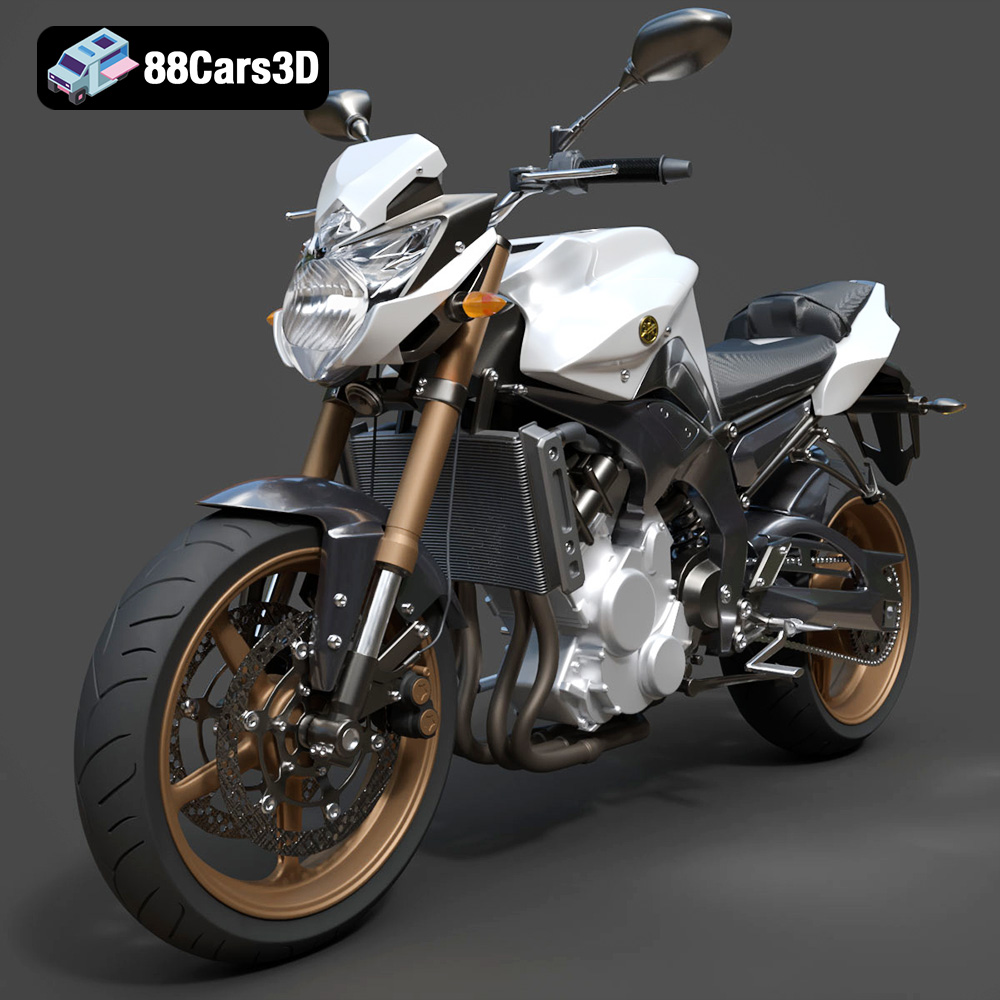
Yamaha FZ8 2011 3D Model
Texture: Yes
Material: Yes
Download the Yamaha FZ8 2011 3D Model featuring clean geometry, realistic detailing, and a fully modeled interior. Includes .blend, .fbx, .obj, .glb, .stl, .ply, .unreal, and .max formats for rendering, simulation, and game development.
Price: $19.99
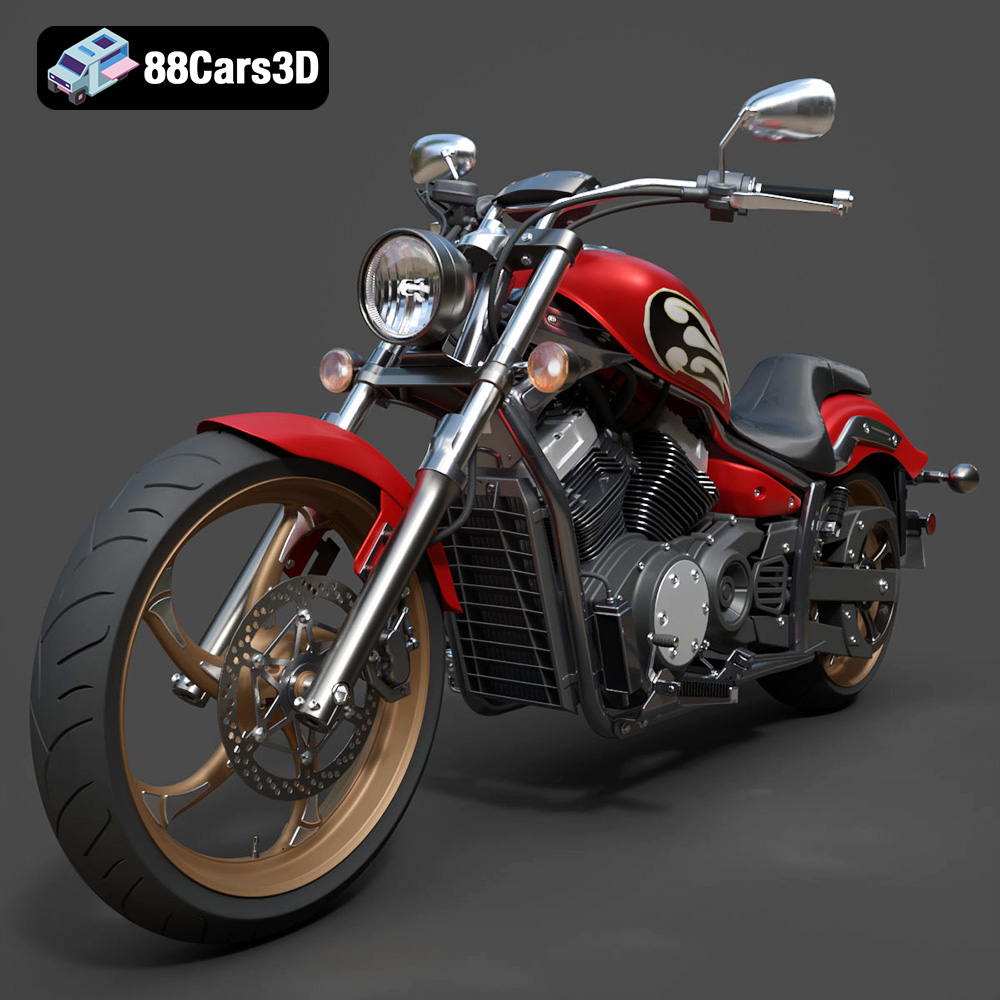
Yamaha Stryker 2012 3D Model
Texture: Yes
Material: Yes
Download the Yamaha Stryker 2012 3D Model featuring clean geometry, realistic detailing, and a fully modeled interior. Includes .blend, .fbx, .obj, .glb, .stl, .ply, .unreal, and .max formats for rendering, simulation, and game development.
Price: $19.99
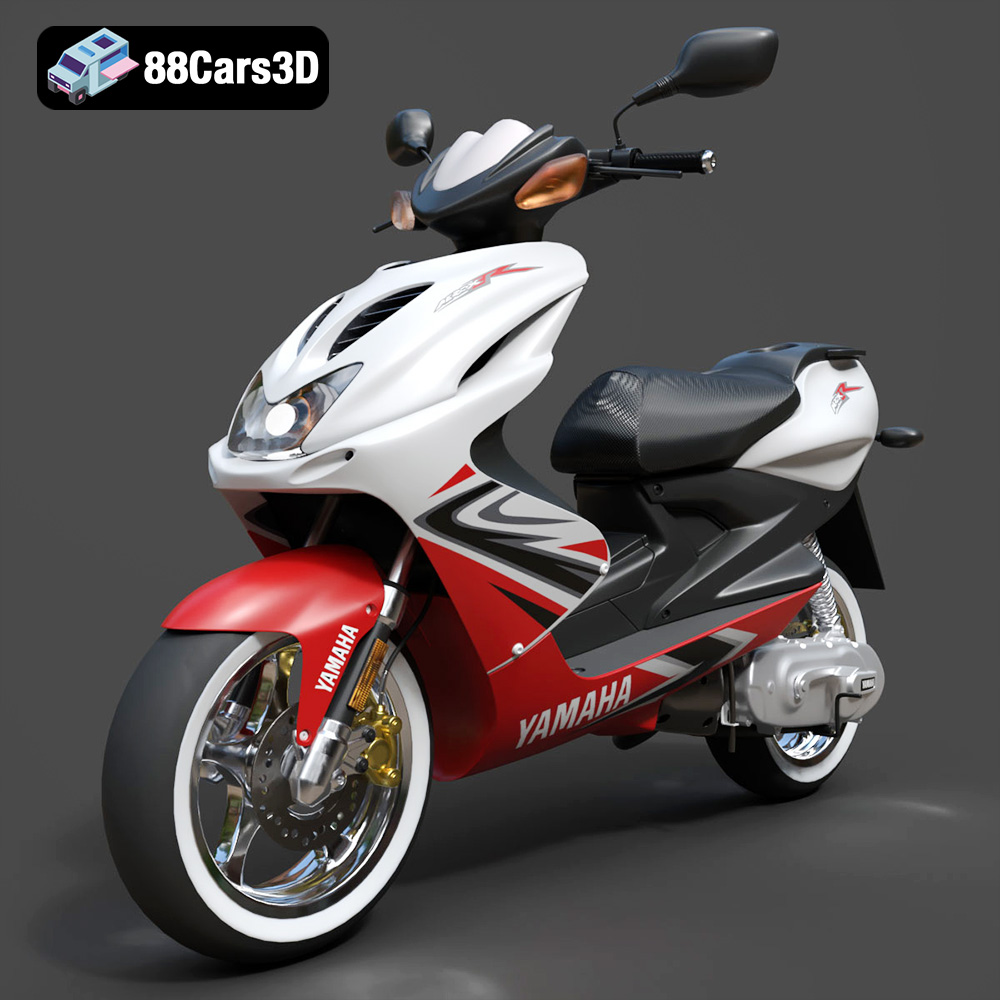
Yamaha Aerox R-002 2024 3D Model
Texture: Yes
Material: Yes
Download the Yamaha Aerox R-002 2024 3D Model featuring clean geometry, realistic detailing, and a fully modeled interior. Includes .blend, .fbx, .obj, .glb, .stl, .ply, .unreal, and .max formats for rendering, simulation, and game development.
Price: $19.99
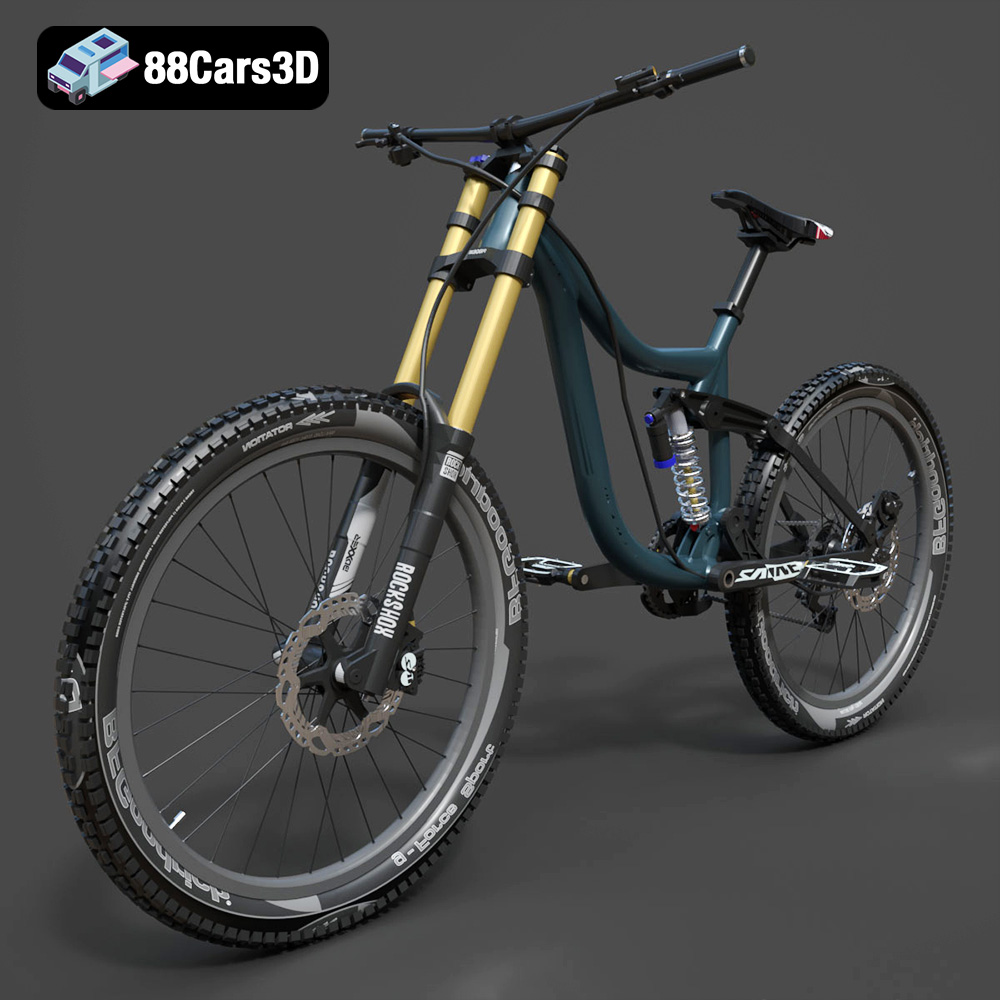
Mototsikly Downhill Bike-002 3D Model
Texture: Yes
Material: Yes
Download the Mototsikly Downhill Bike-002 3D Model featuring clean geometry, realistic detailing, and precise mechanical components. Includes .blend, .fbx, .obj, .glb, .stl, .ply, .unreal, and .max formats for rendering, simulation, and game development.
Price: $19.99
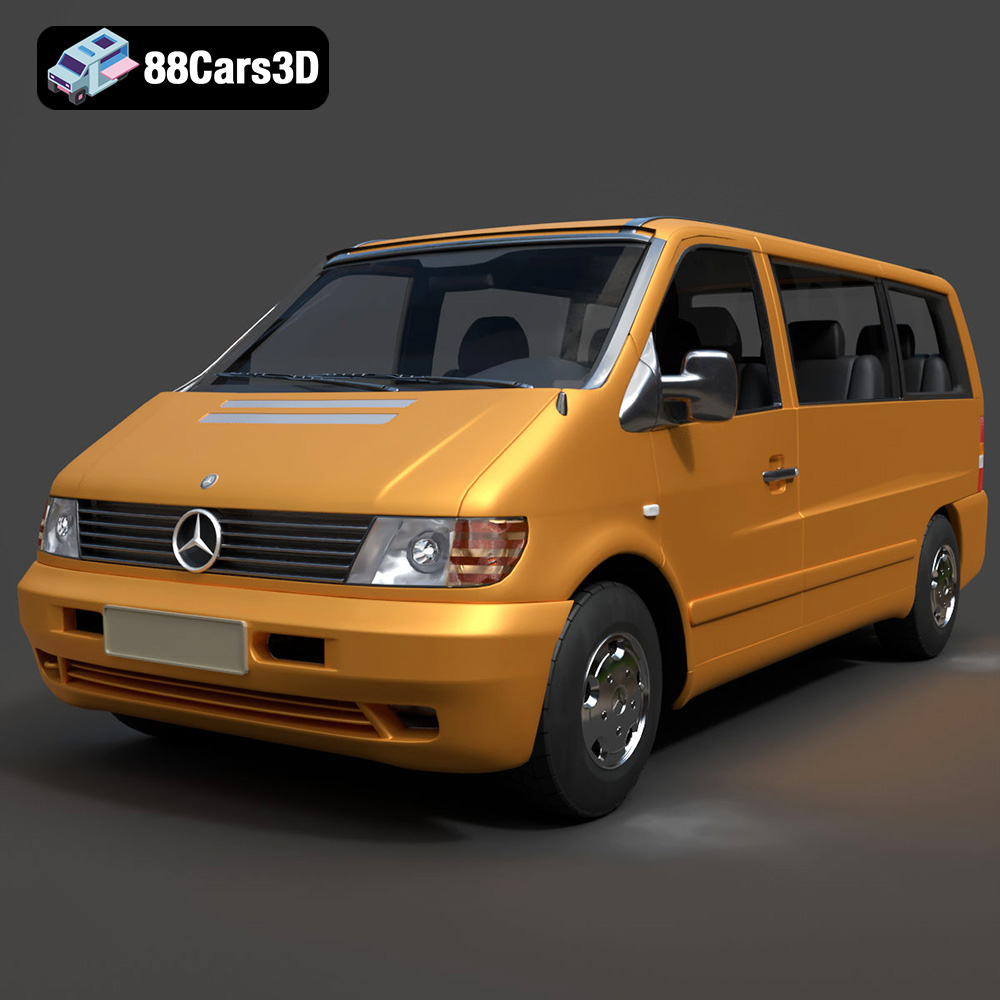
Mercedes-Benz Vito Passenger Van 3D Model
Texture: Yes
Material: Yes
Download the Mercedes-Benz Vito Passenger Van 3D Model featuring clean geometry, realistic detailing, and a fully modeled interior. Includes .blend, .fbx, .obj, .glb, .stl, .ply, .unreal, and .max formats for rendering, simulation, and game development.
Price: $19.99
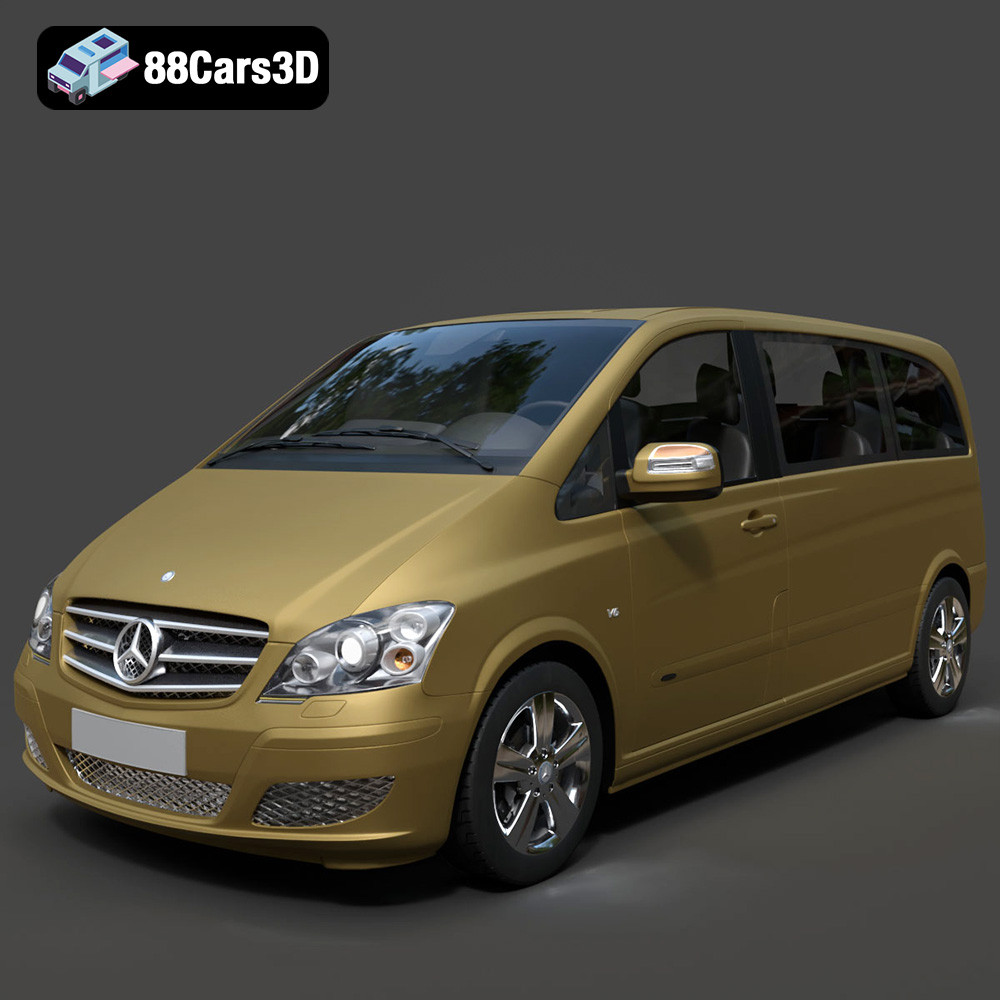
Mercedes-Benz Viano 2010 3D Model
Texture: Yes
Material: Yes
Download the Mercedes-Benz Viano 2010 3D Model featuring clean geometry, realistic detailing, and a fully modeled interior. Includes .blend, .fbx, .obj, .glb, .stl, .ply, .unreal, and .max formats for rendering, simulation, and game development.
Price: $19.99

Emt Avtobus 007 3D Model
Texture: Yes
Material: Yes
Download the Emt Avtobus 007 3D Model featuring clean geometry, realistic detailing, and a fully modeled interior. Includes .blend, .fbx, .obj, .glb, .stl, .ply, .unreal, and .max formats for rendering, simulation, and game development.
Price: $19.99
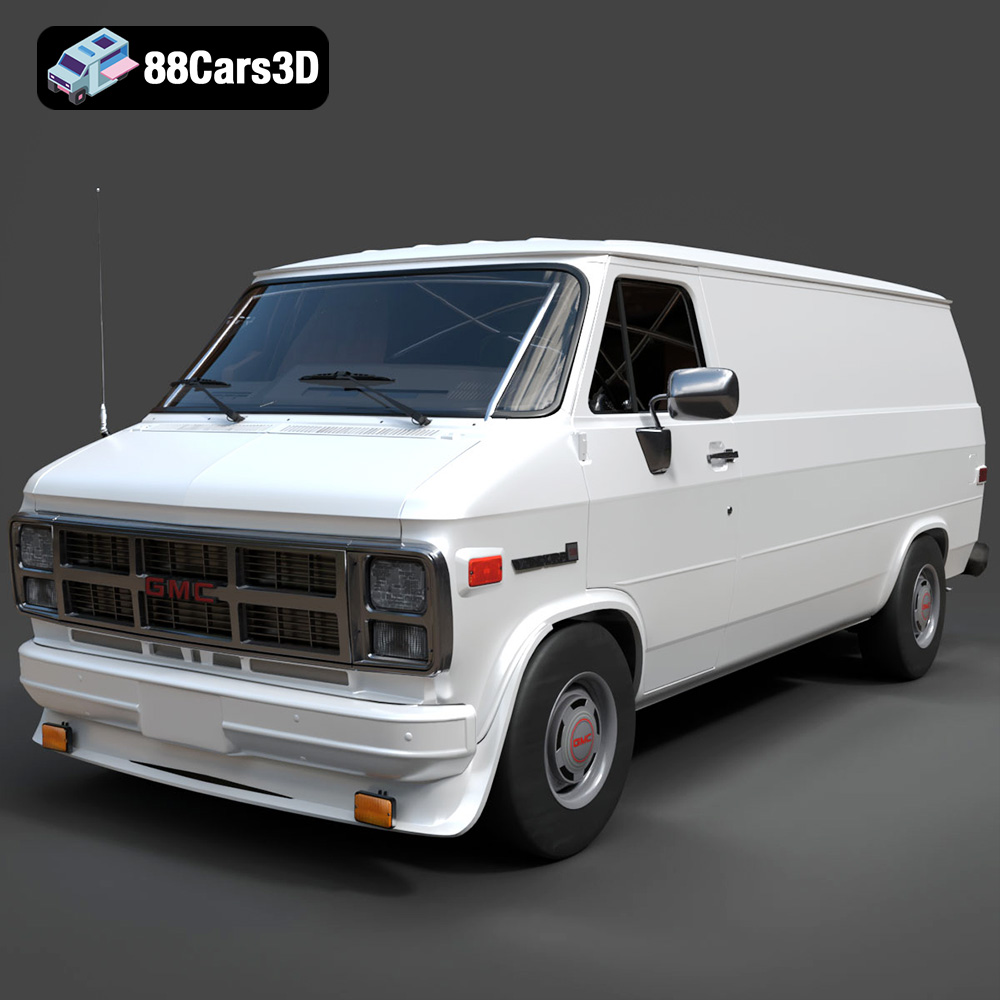
GMC Vandura G-1500 1983 3D Model
Texture: Yes
Material: Yes
Download the GMC Vandura G-1500 1983 3D Model featuring clean geometry, realistic detailing, and a fully modeled interior. Includes .blend, .fbx, .obj, .glb, .stl, .ply, .unreal, and .max formats for rendering, simulation, and game development.
Price: $19.99

Ford E-450 Ambulance 3D Model
Texture: Yes
Material: Yes
Download the Ford E-450 Ambulance 3D Model featuring clean geometry, realistic detailing, and a fully modeled interior. Includes .blend, .fbx, .obj, .glb, .stl, .ply, .unreal, and .max formats for rendering, simulation, and game development.
Price: $19.99

Fiat Ducato SWB-001 3D Model
Texture: Yes
Material: Yes
Download the Fiat Ducato SWB-001 3D Model featuring clean geometry, realistic detailing, and a fully modeled interior. Includes .blend, .fbx, .obj, .glb, .stl, .ply, .unreal, and .max formats for rendering, simulation, and game development.
Price: $19.99
