The Engine of Innovation: Why High-Quality 3D Car Models Drive Digital Excellence
In today’s visually-driven world, the demand for realistic and impeccably detailed 3D assets is paramount across a multitude of industries. Nowhere is this more evident than with 3D car models, which serve as the foundational building blocks for everything from blockbuster video games and cinematic visualizations to cutting-edge product configurators and sophisticated architectural renders. A truly high-quality 3D car model is more than just a digital sculpture; it’s a meticulously engineered asset, optimized for performance, visual fidelity, and flexibility across diverse applications.
Whether you’re an automotive designer visualizing a future concept, a game developer crafting an immersive racing experience, or an architect integrating realistic vehicles into a scene, the underlying quality of your 3D car models dictates the success of your project. The intricacies of a vehicle’s design – from its aerodynamic curves and precise panel gaps to the texture of its upholstery and the gleam of its paint – must be flawlessly translated into the digital realm. This technical precision is what elevates a good model to an exceptional one, providing artists and developers with the robust foundation they need to create stunning, believable results. Platforms like 88cars3d.com specialize in providing these highly detailed assets, understanding the technical demands of professionals across the globe.
The Foundation of Digital Automotive Excellence: Why High-Quality 3D Car Models Matter
The pursuit of realism and technical fidelity in 3D car models is not merely an aesthetic choice; it is a critical requirement that underpins the success of projects across various sectors. The quality of a 3D model directly impacts its usability, performance, and the perceived professionalism of the final output.
Precision in Design and Visualization
For automotive designers and marketers, 3D car models are indispensable tools for visualization and presentation. High-fidelity models allow for precise examination of design elements, material finishes, and lighting effects long before a physical prototype is ever built. This level of detail enables critical design decisions to be made with confidence, reducing development cycles and costs. Accurate topology and clean geometry are essential for creating renders that are indistinguishable from photographs, capturing every nuance of a vehicle’s aesthetic and engineering.
Driving Realism in Entertainment
In the realms of film, animation, and especially video games, high-quality 3D car models are the bedrock of immersive experiences. Players and viewers expect vehicles to react realistically to physics, deform convincingly in collisions, and showcase intricate details both inside and out. For game development, this means models must be meticulously optimized for real-time rendering, featuring efficient polygon counts, carefully crafted Level of Detail (LOD) systems, and robust material setups that perform flawlessly under dynamic lighting conditions. The difference between a generic placeholder and a meticulously modeled, texture-rich vehicle can make or break the immersion in a high-stakes racing simulator or an open-world adventure.
Accelerating Product Development
Beyond traditional visualization, 3D car models are vital in advanced product development workflows. They serve as accurate references for manufacturing processes, allow for virtual assembly and stress testing, and are increasingly used in augmented reality (AR) and virtual reality (VR) applications for interactive product showcases. Engineers can simulate aerodynamics, analyze component fitment, and even train assembly line workers using highly accurate digital twins. The technical integrity of these models – their scale, measurement accuracy, and topological structure – is paramount for these functional applications.
Understanding 3D Model File Formats
Navigating the diverse landscape of 3D model file formats is crucial for any professional working with digital assets. Each format possesses unique characteristics, making it suitable for specific workflows, software environments, and end-use applications. Choosing the correct format can significantly impact compatibility, performance, and the integrity of your asset throughout the production pipeline. Here’s a detailed breakdown of commonly used formats:
Native and Universal Formats for Production
- .blend – Fully editable Blender scene with materials: This is Blender’s native file format, storing an entire scene including geometry, materials, textures, lighting, cameras, animations, and even scripts. It is excellent for preserving all aspects of a project within Blender and is highly flexible for continued editing and development within the Blender ecosystem. When transferring assets, it’s often preferred if the recipient also uses Blender, as it ensures complete fidelity to the original scene setup.
- .max – Editable 3ds Max project for animation and rendering: Similar to .blend, the .max format is the native file type for Autodesk 3ds Max. It encapsulates all scene data—models, modifiers, materials, textures (referenced, not embedded), lights, cameras, animations, and rendering settings. It offers full editability within 3ds Max, making it ideal for professional animation studios and architectural visualization firms that rely on the software for complex scene creation and high-quality rendering.
- .fbx – Ideal for Unreal, Unity, and real-time pipelines: Developed by Autodesk, FBX (Filmbox) is a widely adopted proprietary format for 3D content exchange between various software applications and game engines. It supports geometry, animation, skinning, blend shapes, cameras, and lights. Its robustness in handling animated data makes it the go-to format for transferring complex assets to game engines like Unreal Engine and Unity, where efficient data transfer and animation support are critical. It can embed media like textures, simplifying asset management.
- .obj – Universal format for cross-software compatibility: OBJ (Object) is one of the oldest and most universally supported 3D formats. It primarily stores geometry (vertices, normals, UVs, faces) and references external material files (.mtl). While it doesn’t support animation or rigging, its simplicity and widespread compatibility make it an excellent choice for basic mesh transfer between virtually any 3D software. It’s a reliable fallback when other formats encounter issues.
Specialized Formats for Real-Time and Manufacturing
- .glb – Optimized for AR, VR, and browser-based display: GLB is the binary version of glTF (GL Transmission Format), designed as an efficient, runtime-loadable asset delivery format. It packages geometry, materials, textures, animations, and skinning into a single file, making it incredibly easy to share and load across different platforms. Its compact size and single-file nature are highly advantageous for web-based 3D viewers, AR applications, and VR experiences, where quick loading and minimal network requests are crucial.
- .stl – Suitable for 3D printing output: STL (STereoLithography) is the standard file format for 3D printing and CAD software. It represents a 3D model as a series of connected triangles (a tessellated surface) without color, texture, or other CAD attributes. Its simplicity makes it universally compatible with 3D printers, but it lacks the detail for rendering or animation. Models intended for physical fabrication must be “watertight” – meaning no holes or gaps in the mesh – to print correctly.
- .ply – Precision mesh format for CAD or analysis: PLY (Polygon File Format or Stanford Triangle Format) is often used for storing 3D data from 3D scanners, CAD systems, and other sources requiring precision. It can store a wider range of properties than OBJ or STL, including color, transparency, surface normals, and various data fields per vertex and face. This makes it suitable for scientific computing, 3D scanning applications, and detailed analysis where rich mesh data is required.
- .unreal – Engine-ready asset for real-time environments: While not a standalone file format in the same vein as FBX or OBJ, “.unreal” typically refers to an asset that has been properly imported, configured, and optimized within the Unreal Engine ecosystem. This might involve an FBX file that has undergone specific import settings, material setup, collision mesh generation, LOD creation, and blueprint integration. When a marketplace like 88cars3d.com offers an “.unreal” file, it generally implies a fully packaged and configured asset ready for direct use within an Unreal Engine project, often including pre-setup materials, textures, and possibly blueprints.
Understanding these formats and their optimal use cases is fundamental to maintaining asset quality, streamlining workflows, and ensuring compatibility across the diverse tools and platforms employed in modern 3D production.
Crafting Immersive Automotive Renders: Workflows and Techniques
Achieving photorealistic automotive renders requires a sophisticated blend of technical expertise and artistic vision. It’s a multi-stage process that leverages advanced software capabilities and a keen understanding of real-world physics and aesthetics.
Advanced Shading and Material Creation
The realism of a 3D car render largely hinges on the quality of its materials. Modern rendering relies heavily on Physically Based Rendering (PBR) workflows, where materials mimic real-world light interactions. This involves meticulously crafted textures for base color (albedo), metallic, roughness, normal maps, and potentially ambient occlusion, height, and emission. For a car’s paint, this means creating complex layered materials that simulate clear coat, metallic flakes, and subsurface scattering for depth. Interior materials, like leather and fabric, require specific maps to accurately portray their tactile qualities and light absorption. Software like Substance Painter is invaluable for generating these intricate PBR textures, ensuring consistency and detail across all surfaces.
Mastering Lighting and Composition
Lighting is arguably the most critical element in any render. For automotive visualization, it’s about showcasing the vehicle’s form and reflecting surfaces accurately. High Dynamic Range Images (HDRIs) are frequently used to provide realistic environment lighting, capturing real-world light sources and reflections that make the car feel grounded in a scene. Complementary studio lighting setups, using virtual area lights and reflectors, help to sculpt the car’s contours, highlight key design features, and create dramatic reflections. Careful consideration of camera angles, depth of field, and the Rule of Thirds ensures a compelling and aesthetically pleasing composition that draws the viewer’s eye to the vehicle’s most striking attributes.
Post-Processing for Photorealism
Even the most technically perfect render benefits significantly from post-processing. This final stage, typically performed in image editing software like Adobe Photoshop or photo editing tools, involves adjustments to color grading, contrast, levels, and curves to fine-tune the image’s mood and impact. Adding subtle effects like chromatic aberration, vignetting, lens flares, and film grain can further enhance realism and integrate the car more convincingly into its environment. These refinements elevate a raw render into a polished, professional visualization, bridging the gap between digital art and photography.
Integrating 3D Car Models into Game Engines: From Asset to Interactive Experience
Bringing a static 3D car model to life within a game engine like Unreal Engine or Unity involves a specialized workflow focused on performance optimization and interactive functionality. Game assets demand a different technical approach compared to high-end rendering assets.
Optimization for Real-Time Performance
Game engines operate under strict real-time performance constraints, meaning every polygon, texture, and draw call must be optimized. High-poly models intended for cinematic renders are typically retopologized or baked down to much lower polygon counts, usually within specific budget ranges (e.g., 50k-150k triangles for a hero vehicle, less for background traffic). Level of Detail (LOD) systems are essential, automatically swapping lower-poly versions of the model as the camera moves further away, drastically reducing the computational load. Efficient UV mapping is also critical, not just for texturing but also for lightmap generation and avoiding texture stretching, which can impact performance and visual quality. Using texture atlases to combine multiple textures into one sheet can also reduce draw calls.
Setting Up Materials and Collisions in Unreal Engine
Once imported, the 3D car model’s materials must be configured within the game engine’s material editor. Unreal Engine, for example, utilizes a node-based material system where PBR textures (albedo, normal, roughness, metallic, ambient occlusion) are connected to parameters to create realistic surfaces. Vehicle shaders often incorporate additional complexities like dynamic dirt accumulation, damage effects, and customizable paint colors. Crucially, a separate collision mesh is required. This simplified, often convex hull, geometry defines the physical boundaries of the vehicle for physics calculations, ensuring accurate interactions with the game world without the performance overhead of the visual mesh.
Animation and Rigging for Game-Ready Assets
For a car to be truly game-ready, it often requires rigging and animation. A common approach for drivable vehicles involves a bone hierarchy or a physics-driven setup where individual wheels, steering components, and suspension elements are linked to allow for dynamic movement. This enables realistic wheel rotation, steering articulation, and suspension compression based on player input or game physics. Damage models, where parts of the car can deform or detach, also rely on pre-rigged and animated components or physics-based destruction systems. High-quality 3D car models from sources like 88cars3d.com often come with pre-rigged components, significantly streamlining the integration process into game engines.
Beyond Rendering and Gaming: Advanced Applications of 3D Car Models
The utility of high-quality 3D car models extends far beyond traditional rendering and interactive games, powering innovative applications across various emerging technologies and industries.
Augmented Reality (AR) and Virtual Reality (VR) Experiences
3D car models are central to immersive AR and VR experiences. In AR, users can place virtual cars into real-world environments via their smartphone or tablet, allowing them to visualize a vehicle in their driveway or garage. This is powerful for automotive sales and marketing, offering a highly interactive and personalized experience. In VR, users can virtually step inside a car, explore its interior in 360 degrees, customize features, and even take it for a virtual test drive. These applications demand optimized models with clean geometry and efficient materials to ensure smooth performance and minimize motion sickness in VR, while maintaining visual fidelity.
3D Printing and Rapid Prototyping
For designers and engineers, 3D car models can be transformed into physical prototypes through 3D printing. While requiring specific formats like .stl, the underlying 3D model forms the basis for accurate physical representations. This allows for rapid iteration of design concepts, testing of ergonomic features, and even the creation of functional parts for early-stage development. The precision of the digital model translates directly into the accuracy of the physical print, making it an invaluable tool in the product development lifecycle.
Automotive Configuration and Marketing Tools
Online car configurators, which allow potential buyers to customize a vehicle’s color, trim, wheels, and accessories in real-time, rely entirely on high-quality 3D car models. These tools provide an engaging and personalized shopping experience, showcasing every available option with photorealistic accuracy. Similarly, interactive marketing presentations leverage 3D models to create compelling digital showrooms and experiences that captivate audiences and provide a deeper understanding of a vehicle’s features and design philosophy.
Choosing the Right 3D Car Model: A Technical Buyer’s Guide
Selecting the appropriate 3D car model for your project is a critical decision that impacts workflow efficiency, render quality, and overall project success. Understanding the technical nuances of a model’s construction is essential.
Evaluating Mesh Topology and UV Mapping
The mesh topology – how the polygons are arranged – is fundamental. Look for clean, quad-based geometry, especially for models intended for animation or subdivision. Good topology ensures smooth deformations and prevents pinching or artifacts during rendering. For real-time applications, a well-optimized mesh with an appropriate polygon count is crucial, often requiring LODs. Equally important are clean, non-overlapping UV maps. These unwrapped 2D representations of the 3D surface are vital for applying textures accurately and are a prerequisite for efficient lightmap baking in game engines. Poor UVs lead to texture distortion and difficulty in texturing.
Assessing Material and Texture Quality
Inspect the materials for adherence to PBR principles. Does the model include comprehensive texture sets (albedo, normal, roughness, metallic, ambient occlusion)? Are the textures high-resolution and free from visible seams or stretching? Examine the detail in the paint, glass, and interior fabrics. High-quality models will feature detailed textures that accurately represent the materials they are meant to emulate, enhancing realism significantly. For advanced projects, look for models with layered materials or shader setups that allow for customization and fine-tuning within your chosen rendering engine.
Understanding Licensing and Support
Beyond the technical specifications of the model itself, always review the licensing terms. Ensure the license permits your intended use case, whether it’s commercial rendering, game development, or 3D printing. Some licenses may have restrictions on redistribution or derivative works. Furthermore, consider the level of support offered by the vendor. Reputable marketplaces, such as 88cars3d.com, often provide clear licensing information and robust customer support, which can be invaluable if you encounter technical issues or have questions about model compatibility.
Conclusion
The digital automotive landscape is continually evolving, driven by the relentless pursuit of realism, performance, and immersive experiences. High-quality 3D car models are the unsung heroes of this revolution, serving as indispensable assets across a myriad of applications, from cutting-edge game development and photorealistic advertising to advanced product visualization and interactive AR/VR experiences. Understanding the technical intricacies of mesh topology, PBR materials, file formats, and optimization techniques is not just an advantage; it is a fundamental requirement for success in these demanding fields.
Whether you are a seasoned professional or an aspiring artist, investing in meticulously crafted 3D car models provides a robust foundation for your projects, saving valuable development time and ensuring a polished, professional outcome. By carefully considering the technical specifications and choosing assets from reliable sources that prioritize quality and detail, you equip yourself with the tools necessary to drive digital excellence. For those seeking a diverse selection of high-quality 3D car models, tailored for various professional needs, 88cars3d.com stands as a premier destination, providing the essential assets to bring your most ambitious automotive visions to life.
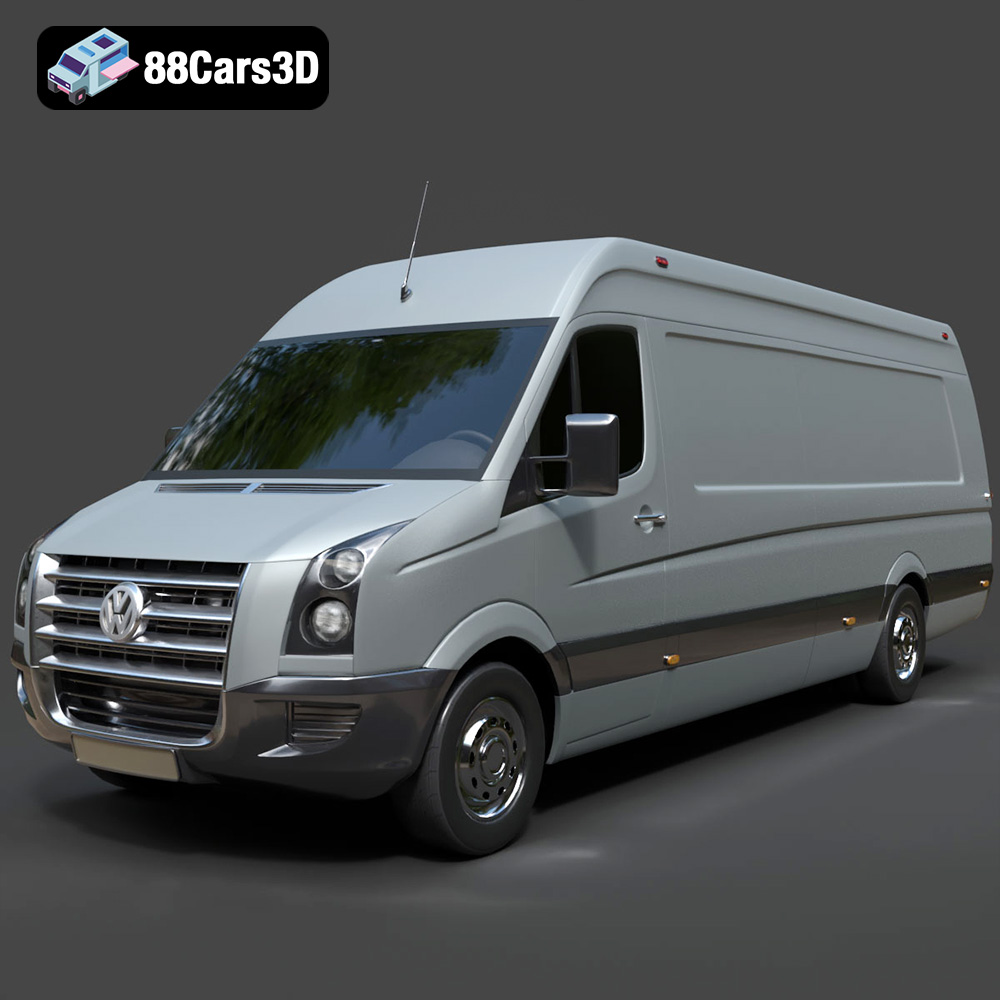
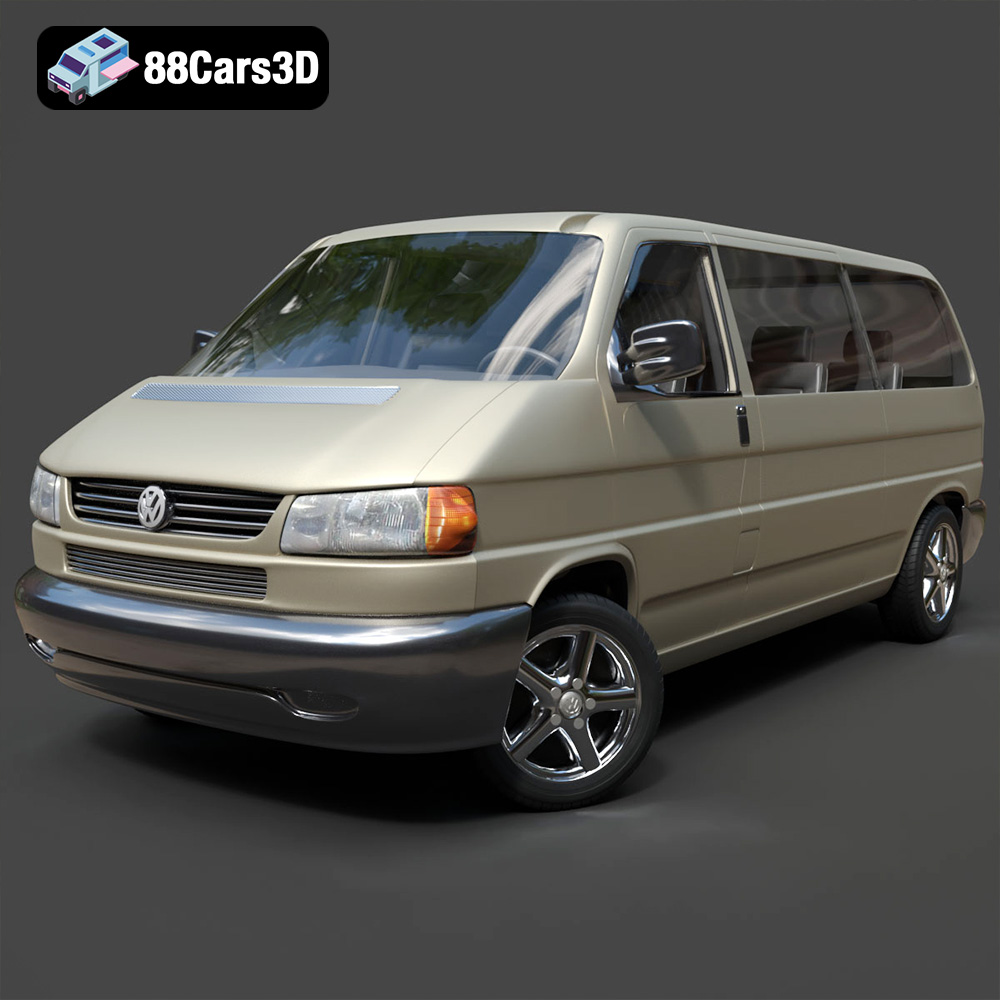
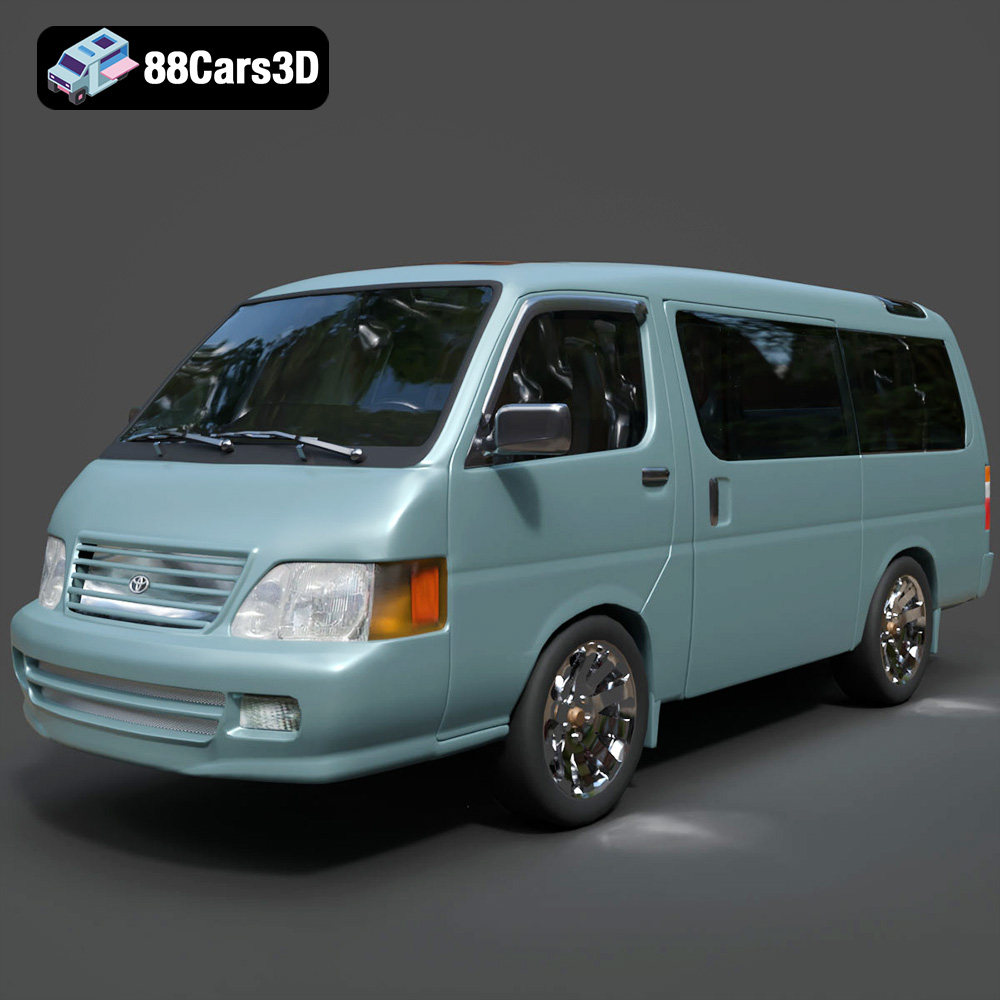
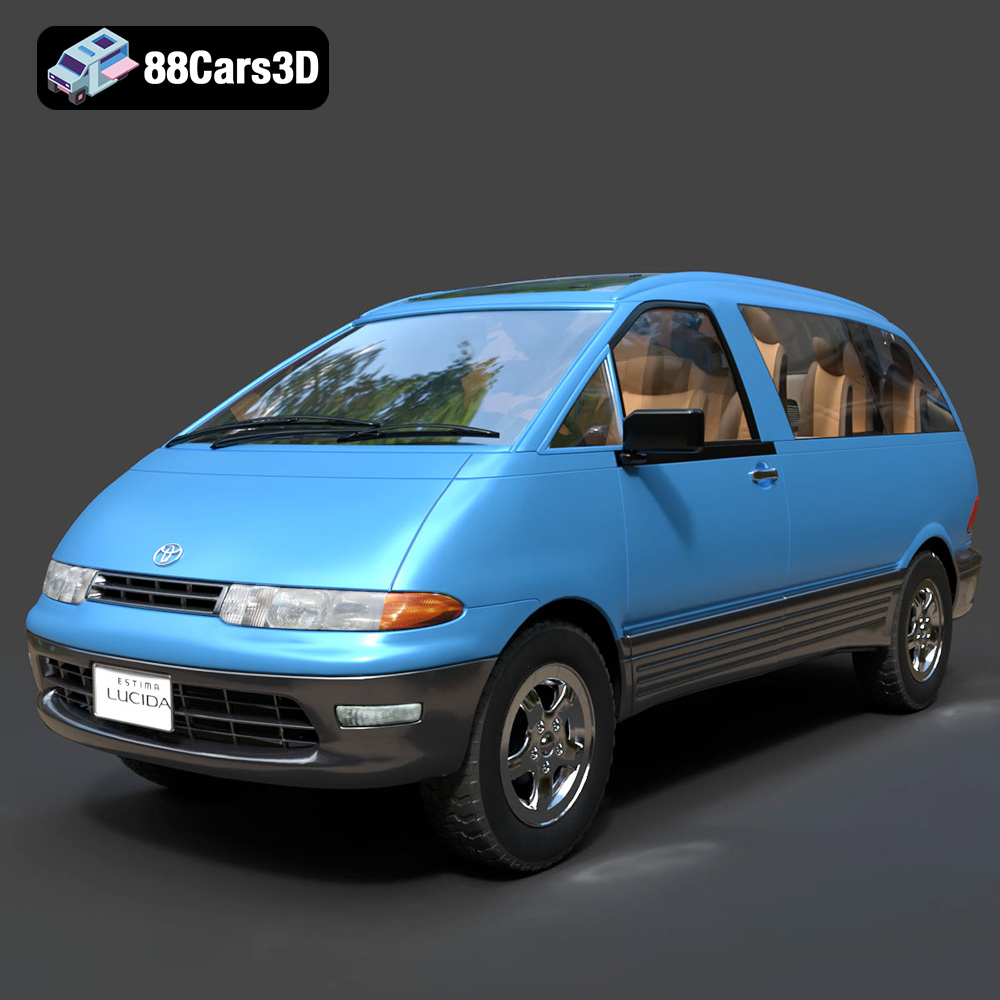
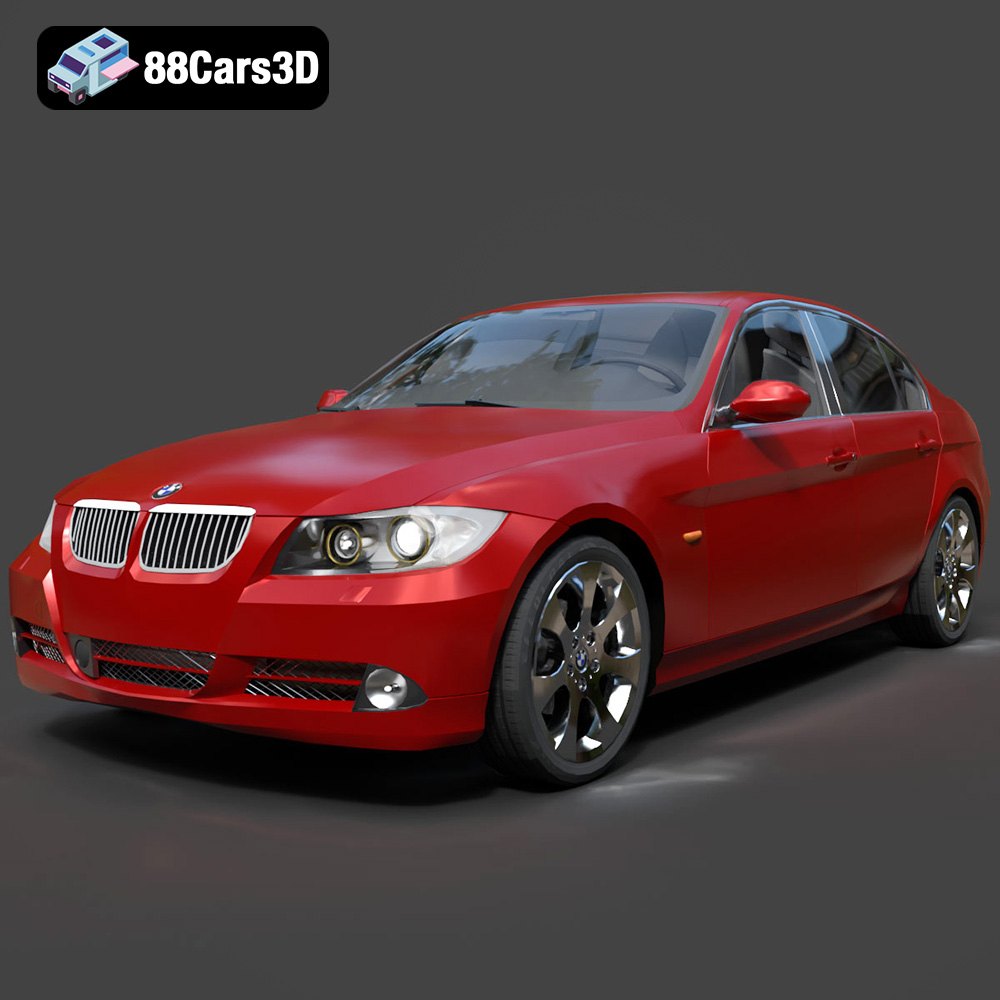
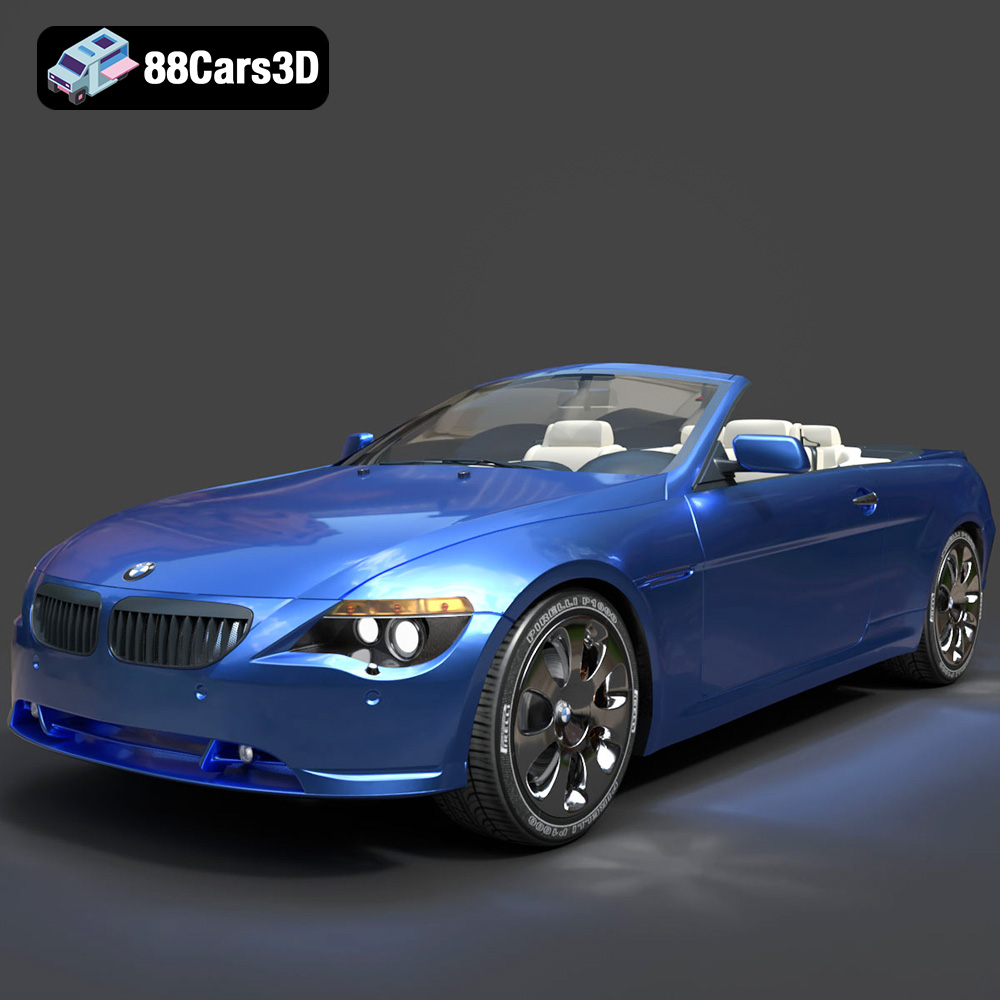
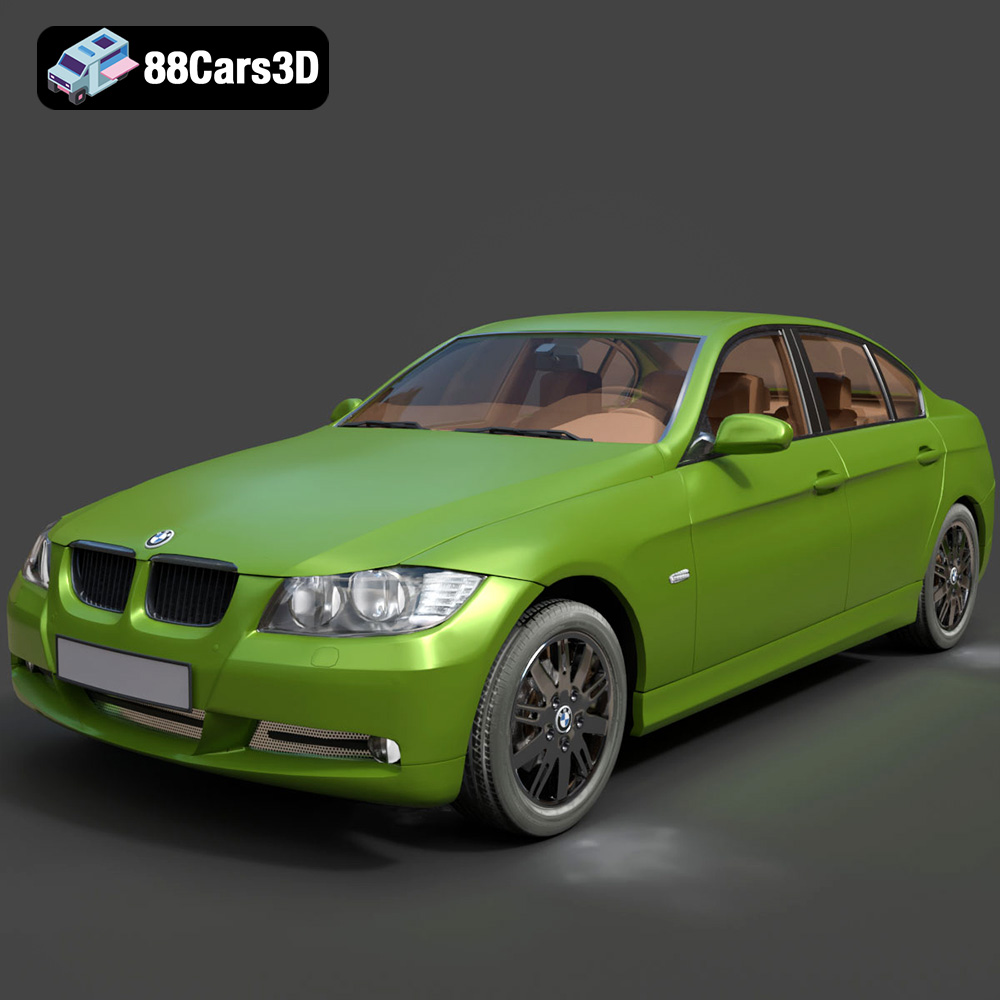
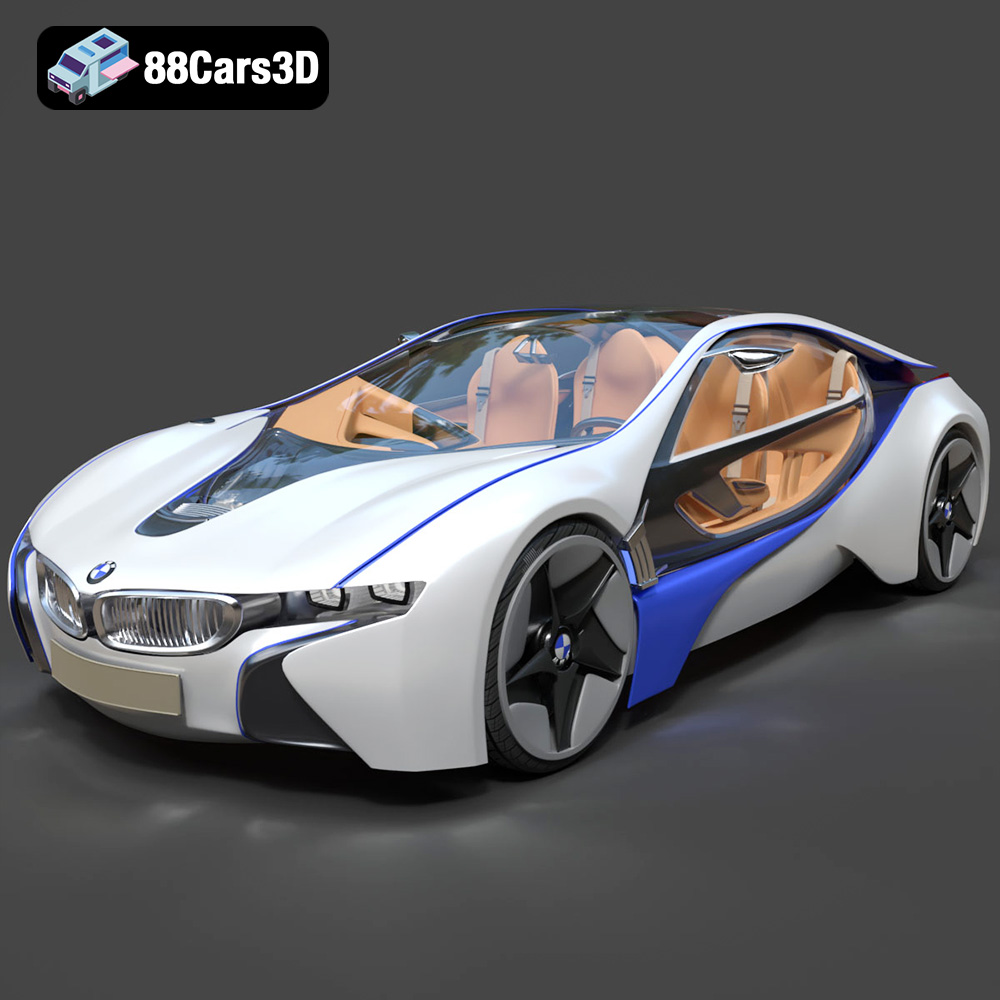
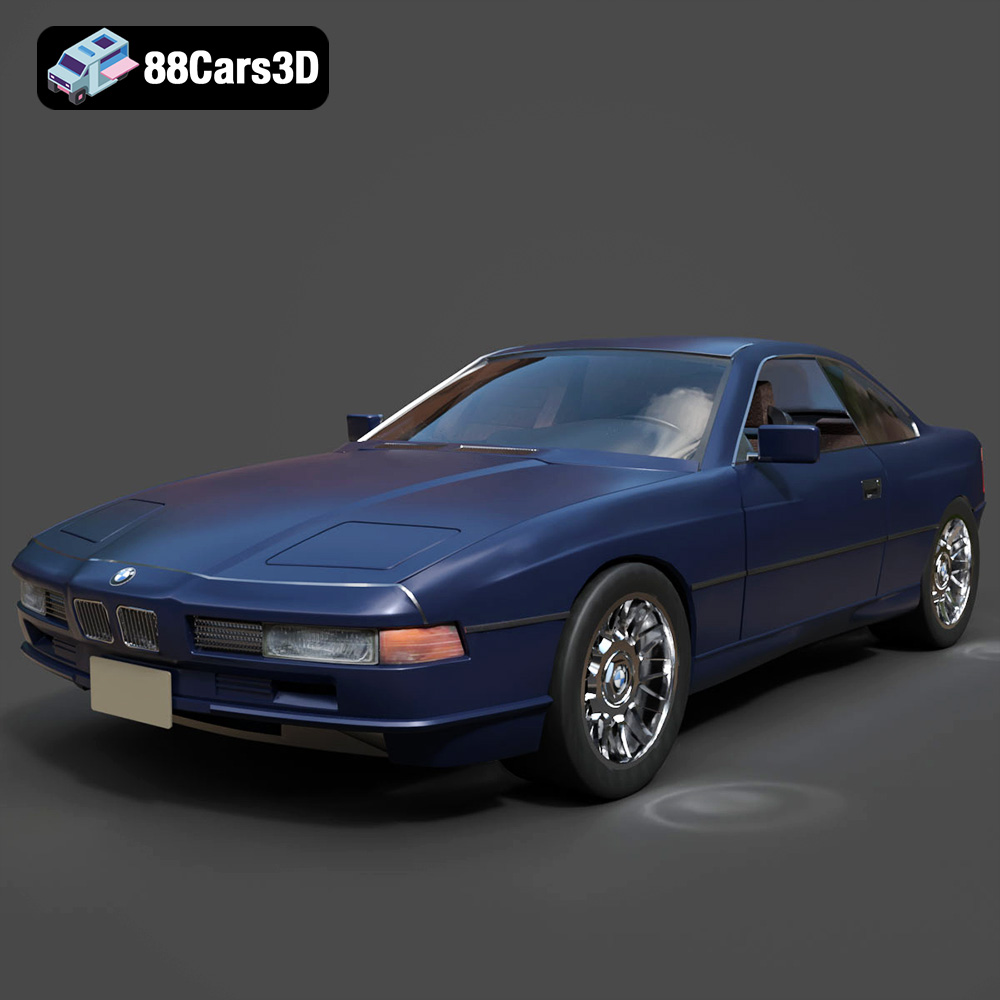
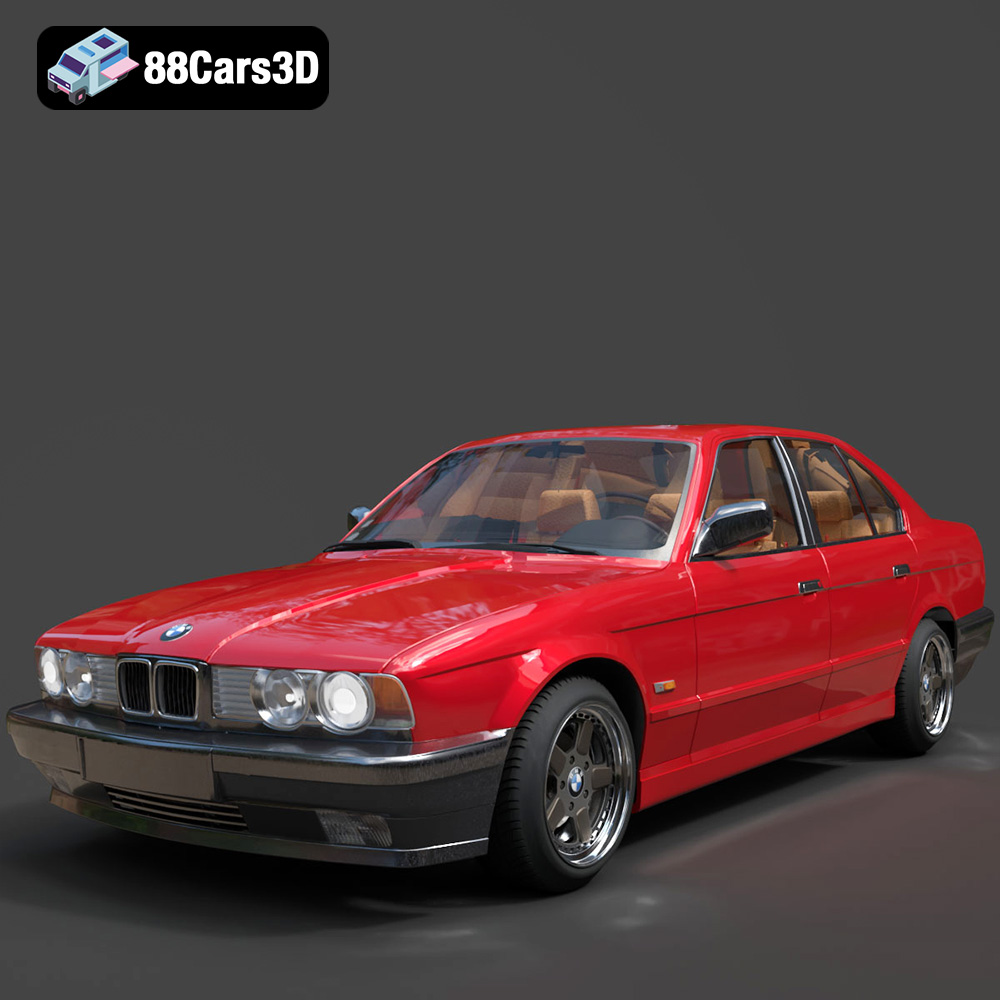
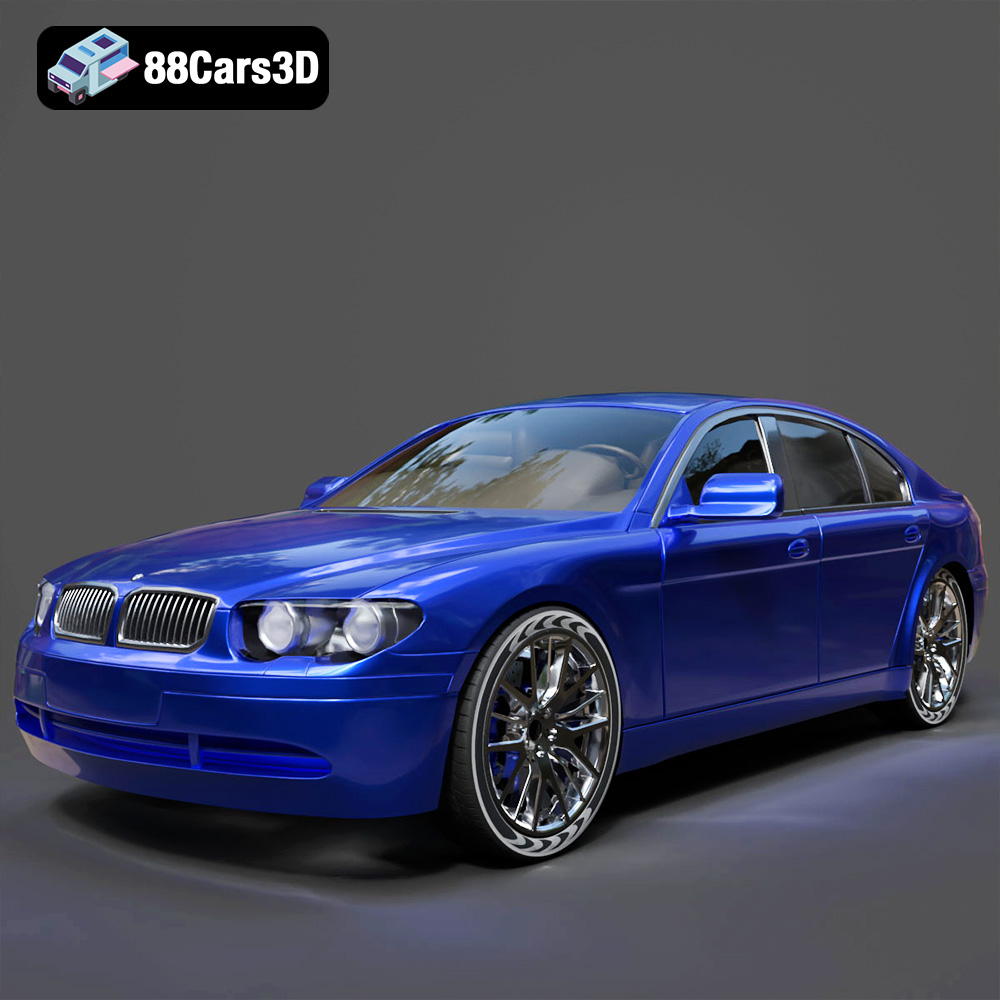
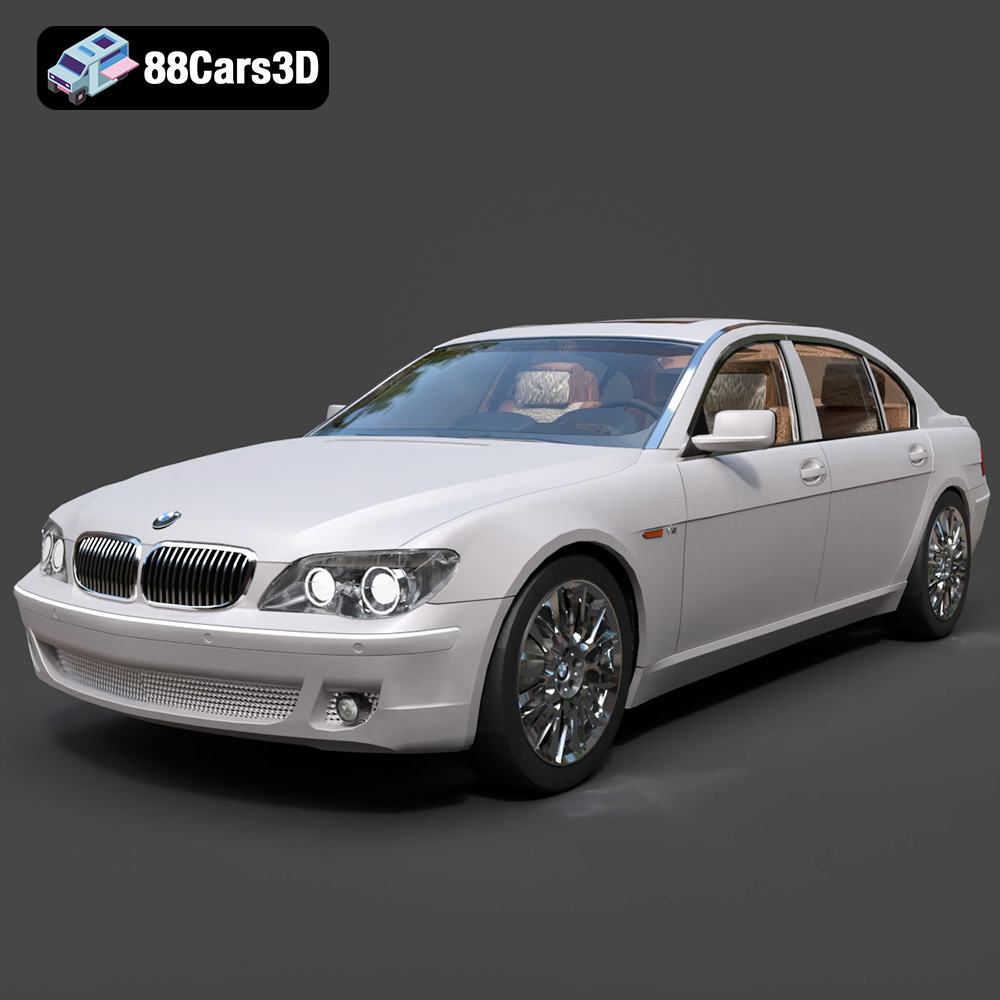
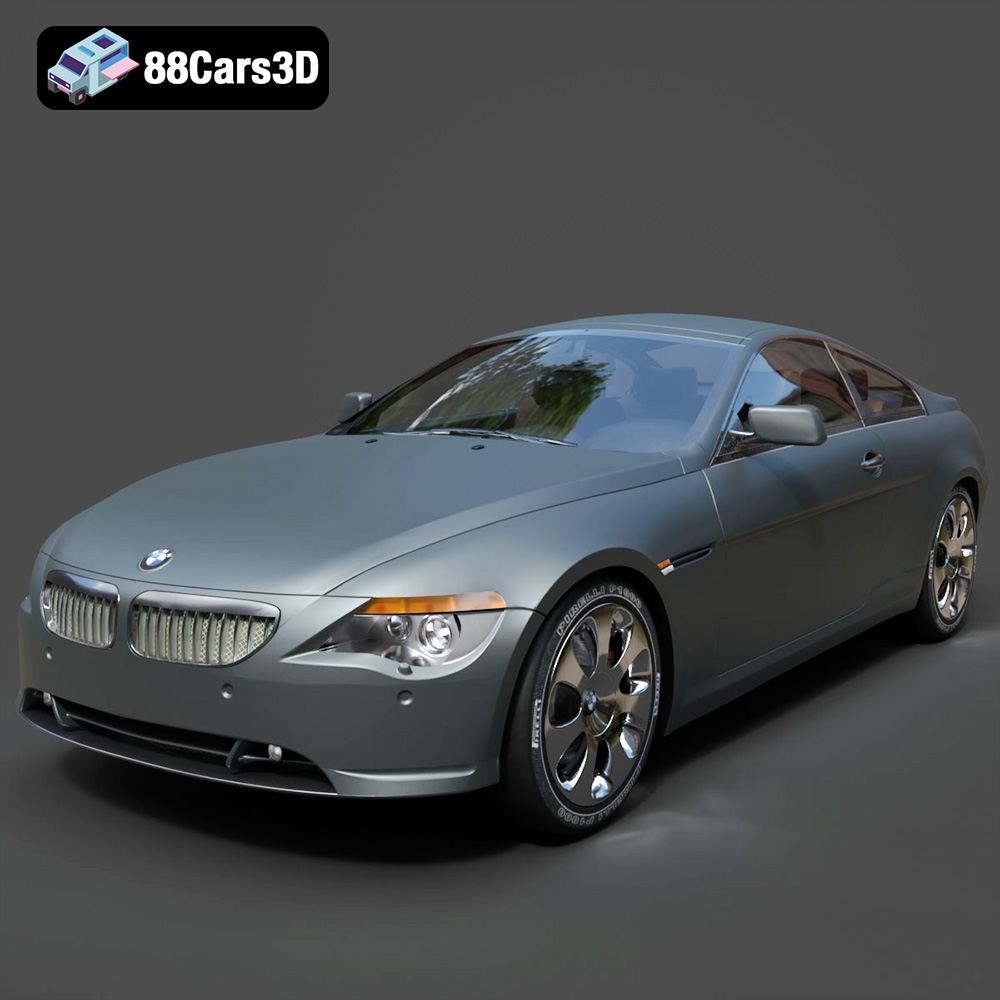
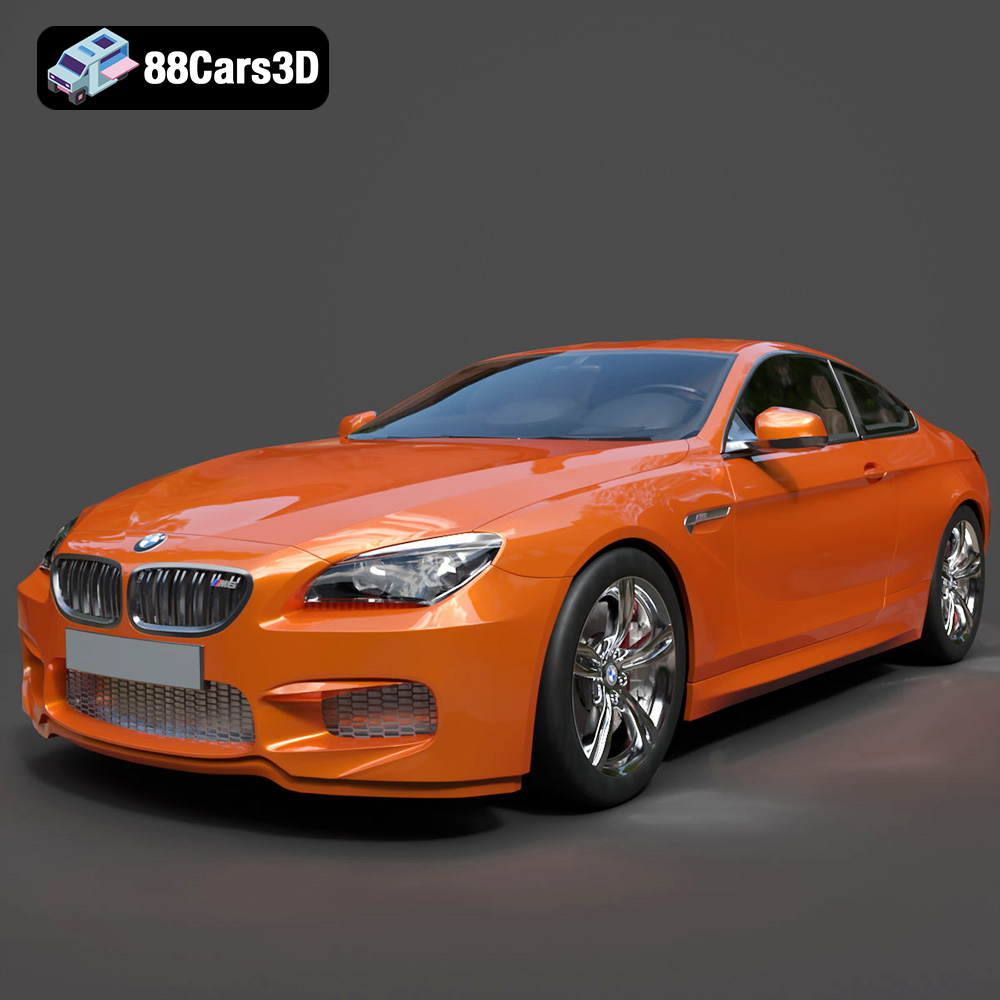
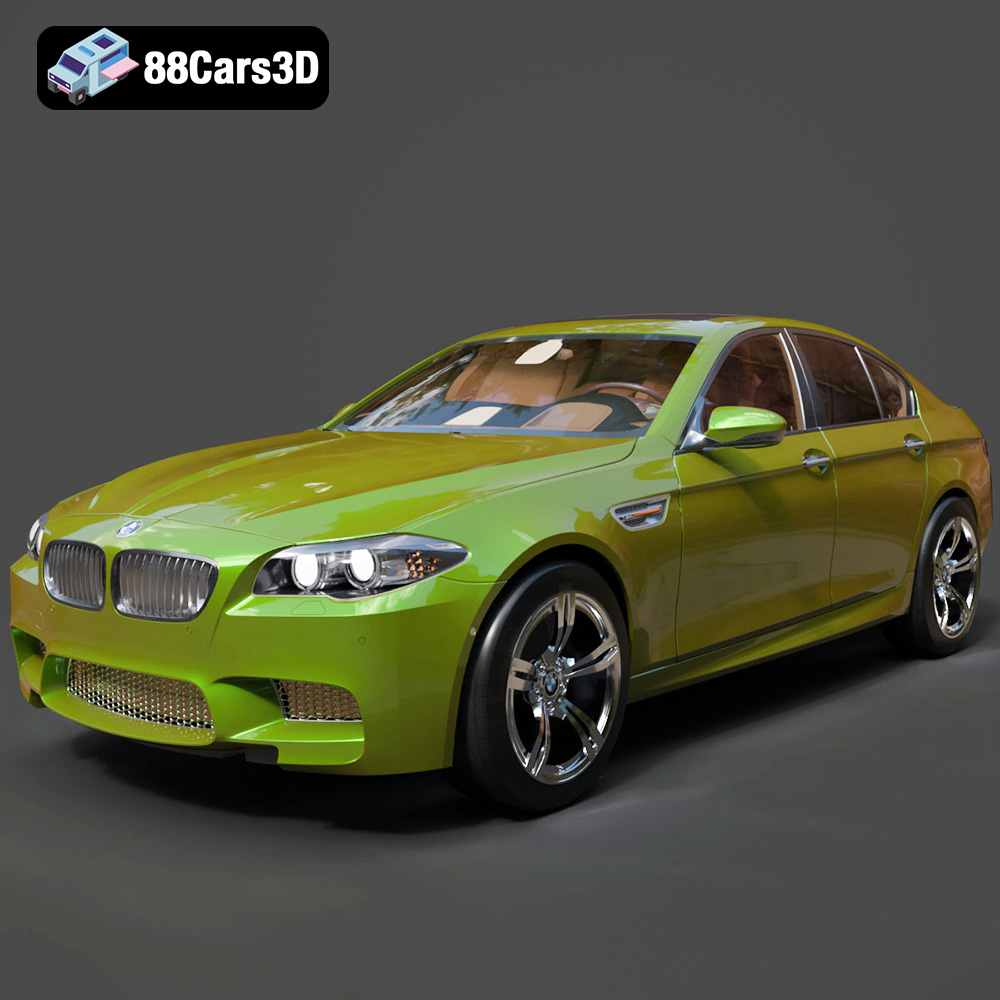
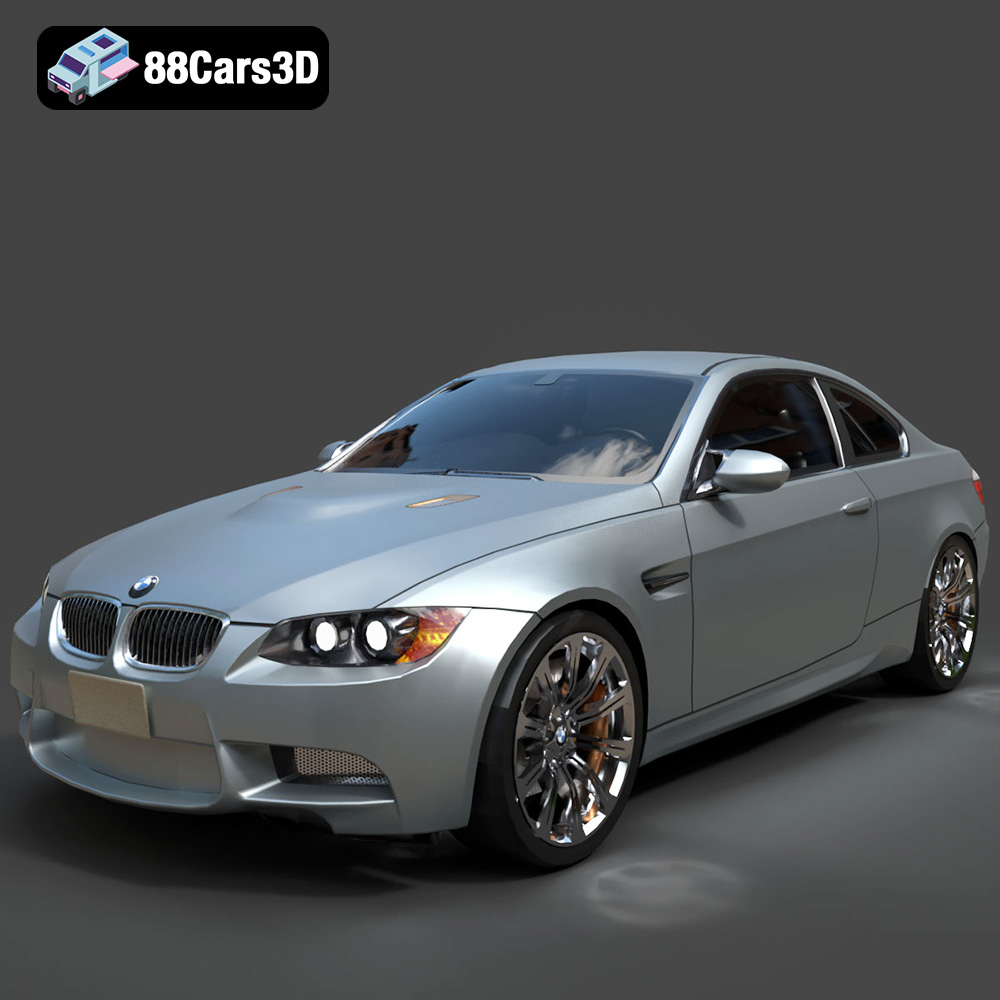
Featured 3D Car Models