

The pursuit of photorealism in real-time rendering has always been a driving force behind innovation in game development, architectural visualization, and especially, the automotive industry. For creators working with high-quality 3D car models, the distinction between a visually appealing asset and a truly believable one often lies in the fidelity of its materials. This is where Unreal Engine’s groundbreaking Substrate Material System steps in, revolutionizing how artists and developers approach shading complex surfaces, particularly those found in sophisticated automotive designs.
Traditional physically based rendering (PBR) models, while powerful, often hit a ceiling when it comes to accurately simulating the intricate layered surfaces of a car – from multi-coat paints with metallic flakes to advanced composites and nuanced interior finishes. Substrate breaks through these limitations, offering an entirely new paradigm for constructing materials that are not just visually stunning but also physically plausible and energy-conserving. This long-form technical guide will delve deep into Substrate, exploring its core principles, practical implementation for automotive visualization, and how it synergizes with Unreal Engine’s other cutting-edge features to elevate your 3D car models to an unprecedented level of realism. Whether you’re an Unreal Engine developer, a 3D artist, or an automotive designer, prepare to unlock a new dimension of visual fidelity for your projects.
The Evolution of Materials: Why Substrate is a Game-Changer for Automotive Visualization
For years, the industry standard for realistic rendering has been Physically Based Rendering (PBR). PBR materials, with their emphasis on Base Color, Metallic, Roughness, and Normal maps, provided a significant leap forward in consistency and believability across various lighting conditions. However, as the demand for photorealism in real-time experiences intensified, particularly within the highly scrutinizing automotive sector, the limitations of this traditional approach began to surface. Automotive surfaces are notoriously complex, featuring multiple transparent and opaque layers, anisotropic reflections, intricate clear coats, and volumetric effects that standard PBR struggles to represent accurately and efficiently. This is precisely the void that Substrate is designed to fill, offering a more expressive and physically accurate framework for material creation.
Substrate moves beyond the fixed set of PBR parameters, allowing artists to build materials from the ground up using a layered, energy-conserving approach. Imagine a car paint that isn’t just a single “metallic” surface with a clear coat approximation, but rather a meticulously constructed stack of physical layers: a base metallic pigment, followed by a tinted clear coat with varying levels of reflectivity, and perhaps even a subtle pearlescent layer in between. Substrate makes this level of material composition not only possible but intuitive, enabling unprecedented visual fidelity for 3D car models. This enhanced control directly translates into more immersive automotive configurators, marketing visualizations, and virtual production scenarios, where every minute detail of a vehicle is critical to conveying its premium quality.
Limitations of Traditional PBR Shading Models
Traditional PBR models typically rely on a single surface description, meaning that simulating complex interactions like light passing through a clear coat, reflecting off an underlying metallic layer, and then exiting through another transparent layer, was often a compromise. Artists would resort to clever texture work, blend materials with opacity masks, or utilize custom shader code – all methods that could be difficult to manage, non-physically accurate, and expensive in terms of performance. Complex materials such as multi-layered car paint with iridescent flakes, thin-film interference effects on anodized metals, or detailed subsurface scattering for leather interiors presented significant challenges. These workarounds often broke energy conservation rules, leading to artifacts or an unnatural appearance under different lighting, especially crucial for demanding real-time rendering applications where dynamic lighting is key.
Unpacking Substrate’s Core Principles
At its heart, Substrate is an energy-conserving, layered material system that treats each material as a stack of primitives. Instead of a single “shading model,” Substrate allows you to define multiple material layers, each contributing to the final look of the surface. These layers can be opaque, translucent, volumetric, or even emissive, and they interact in a physically plausible way. Key concepts include: the “Stack” where layers are built upon each other; “Mixing” operations to blend different material properties; and a rich library of “Primitives” like Standard, Clear Coat, Anisotropic, Volumetric, and Cloth, each representing a specific physical behavior. This modularity means that complex materials like a car’s metallic paint, with its distinct base layer, clear coat, and possible flake layers, can be constructed accurately, reflecting light and shadow as they would in the real world. This foundational shift enables a level of detail and realism previously unattainable in real-time.
Enabling Unprecedented Realism for 3D Car Models
The immediate benefit for automotive visualization is profound. Imagine recreating the exact paint finish of a luxury vehicle, where metallic flakes shimmer beneath a glass-like clear coat, or the subtle brushed texture of an aluminum trim. With Substrate, these details are no longer approximations. You can precisely control the thickness, roughness, and tint of each layer. This level of control is paramount for automotive visualization, where the tactile quality and visual appeal of materials directly impact brand perception. Furthermore, Substrate’s physically accurate nature means these materials will look correct under any lighting condition, whether in a brightly lit studio environment, under overcast skies, or illuminated by dynamic streetlights. For marketplaces like 88cars3d.com, offering 3D car models optimized for Substrate means providing assets that can be immediately leveraged for top-tier visual fidelity.
Setting Up Your Unreal Engine Project for Substrate-Powered Automotive Assets
Embarking on the journey of utilizing Substrate for your automotive visualization projects requires a few initial setup steps within Unreal Engine. Since Substrate is still an evolving, experimental feature, it needs to be explicitly enabled in your project. This configuration lays the groundwork for creating and rendering your advanced materials. The process is straightforward, but critical for ensuring that Unreal Engine correctly compiles and processes your Substrate-based shaders. Once enabled, the focus shifts to integrating your high-quality 3D car models, ensuring they are prepared to fully benefit from Substrate’s capabilities. This includes understanding the importance of clean geometry, proper UV mapping, and how existing material setups might transition.
When sourcing professional 3D car models from platforms such as 88cars3d.com, you’re already starting with assets designed for high fidelity. These models typically feature clean topology and optimized UVs, which are foundational for any advanced material system, but especially for Substrate. Substrate’s layered approach relies heavily on precise texture mapping and uniform surface normals to render its complex interactions accurately. Without well-prepared meshes, even the most sophisticated Substrate material won’t achieve its full potential. This section will guide you through the necessary project configurations and best practices for integrating your automotive assets, ensuring a seamless and high-performance workflow within Unreal Engine.
Enabling Substrate in Your Project Settings
To begin, open your Unreal Engine project. Navigate to Edit > Project Settings. In the Project Settings window, scroll down to the Engine section and select Rendering. Under the Optimizations category, you will find the “Substrate” option. Check the box to enable it. Be aware that enabling Substrate is typically marked as an “Experimental” feature, meaning it’s still under active development and may evolve. After enabling, Unreal Engine will prompt you to restart the editor to apply the changes. It’s crucial to restart, otherwise, the Substrate features will not be available in the Material Editor. Once restarted, you’re ready to start building your advanced materials.
Importing Optimized 3D Car Models
The quality of your base 3D car models is paramount. When importing assets, especially from professional sources like 88cars3d.com, ensure they are in a compatible format such as FBX or USD. Key considerations for optimal Substrate integration include:
- Clean Topology: Models should have clean, quad-based geometry with minimal triangulation where possible, as this aids in consistent shading and deformation.
- Proper UV Mapping: Substrate materials leverage multiple texture channels. Ensure your model has non-overlapping UVs (at least for channel 0 and potentially others for specific effects) and sufficient texel density to support high-resolution PBR textures. Overlapping UVs or poor unwraps will lead to visible artifacts and degrade the quality of your layered materials.
- Material Slots: Organize your model’s geometry with distinct material slots for different parts (e.g., body, wheels, glass, interior fabrics). This modularity simplifies material assignment and iteration within Unreal Engine.
Import these models as usual via the Content Browser. During import, make sure to enable options like “Generate Lightmap UVs” if you plan to use static lighting, and “Combine Meshes” if the asset is provided in multiple parts and you wish to treat it as a single actor in the scene for performance or organizational reasons.
Initial Material Setup and Conversion Considerations
Once Substrate is enabled, new nodes become available in the Material Editor. When you create a new material, you’ll notice the ability to select “Substrate” as the Shading Model. If you have existing PBR materials from your 3D car models, you can often adapt them. For instance, your existing Base Color, Roughness, Metallic, and Normal maps can be fed into the corresponding inputs of a Substrate “Standard” primitive. Then, you can begin adding layers on top. For instance, to convert a standard car paint material to a Substrate equivalent, you might start with a “SubstrateStandard” primitive for the metallic base, then add a “SubstrateClearCoat” primitive on top, adjusting its roughness, thickness, and tint. This incremental approach allows you to gradually leverage Substrate’s power without having to rebuild everything from scratch. However, for truly cutting-edge results, rebuilding the material specifically for Substrate’s layered approach is often recommended to take full advantage of its physical accuracy.
Crafting Advanced Automotive Materials with Substrate’s Layered Shading
The true power of Substrate for automotive visualization lies in its ability to construct materials layer by layer, accurately simulating complex physical phenomena that are ubiquitous on vehicles. No longer are artists forced to compromise on the appearance of intricate car paint, the nuanced reflectivity of chrome, or the subtle textures of premium carbon fiber. Substrate provides the tools to build these materials with an unprecedented degree of physical accuracy and artistic control. This section will dive into the practical application of Substrate within the Material Editor, demonstrating how to create compelling automotive shaders that bring your 3D car models to life.
Understanding the interplay between different Substrate primitives and mixing nodes is key to unlocking its potential. We’ll explore how to combine a metallic base with a clear coat, how to introduce anisotropic properties for brushed metals, and how to define thin-film interference for realistic glass. The result is not just a visually appealing material, but one that behaves realistically under varying lighting conditions, a critical requirement for high-end automotive configurators, marketing assets, and virtual showrooms. By mastering these techniques, developers and artists can push the boundaries of real-time rendering, delivering experiences that truly showcase the intricate craftsmanship of modern automobiles, making your assets from 88cars3d.com shine with unparalleled realism.
Building Complex Car Paint Shaders
Car paint is perhaps the quintessential example where Substrate excels. A typical car paint consists of several layers: a primer, a metallic base coat, and a protective clear coat. Sometimes, additional layers like pearlescent pigments or flakes are present. With Substrate, you can replicate this physical structure.
- Base Metallic Layer: Start with a `SubstrateStandard` primitive. Feed your base color (with metallic properties via the metallic input) and roughness values into it. This forms the metallic pigment layer.
- Metallic Flake Layer (Optional): For metallic or pearlescent paints, you might add another `SubstrateStandard` primitive, perhaps with a slight tint and controlled scattering properties, mixed over the base metallic layer using a `SubstrateMix` node. This allows you to control flake density, size, and color via texture maps.
- Clear Coat Layer: On top of these, add a `SubstrateClearCoat` primitive. Connect its input to the output of your base and flake layers. The clear coat node allows you to control its thickness, roughness (for smudges or dirt), and even its tint, mimicking the physical properties of real-world clear coats.
- Dirt/Dust Layer (Optional): For added realism, a final `SubstrateStandard` primitive, representing a thin layer of dirt or dust, can be mixed on top of the clear coat, perhaps using a grunge mask.
This layered approach ensures accurate light interaction, with reflections and refractions correctly calculated through each layer, creating a truly believable car paint effect that responds dynamically to its environment.
Mastering Metallic, Glass, and Carbon Fiber
Beyond car paint, Substrate dramatically improves other challenging automotive materials:
- Metallic Surfaces (e.g., Chrome, Brushed Aluminum): For chrome, a `SubstrateStandard` primitive with high metallicness and very low roughness suffices. For brushed aluminum or other anisotropic metals (like those found on interior trims or wheel spokes), use the `SubstrateAnisotropy` primitive. This node allows you to control the direction and intensity of anisotropic reflections, creating the characteristic stretched highlights seen on brushed surfaces. You can drive the anisotropy direction with a texture map or a simple vector for uniform brushing.
- Glass (e.g., Windshields, Windows): Substrate provides a robust solution for glass. Use a `SubstrateThinTranslucent` or `SubstrateVolumetric` primitive, depending on desired complexity. This allows for accurate transmission, reflection, and even thin-film interference effects (iridescence) often seen on coated glass. You can control absorption, refraction index, and color tint, ensuring physically correct light interaction.
- Carbon Fiber: This material is a combination of anisotropic reflections from woven fibers and a clear coat. You can achieve this by layering a `SubstrateAnisotropy` primitive (driven by a texture representing the weave pattern for the anisotropic direction) underneath a `SubstrateClearCoat` primitive. The result is a carbon fiber material that accurately reflects light, revealing its intricate weave pattern beneath a glossy finish.
Leveraging Material Functions and Parameter Collections
To streamline your automotive material workflow and maintain consistency, Substrate fully supports Material Functions and Material Parameter Collections.
- Material Functions: Encapsulate common Substrate layer setups (e.g., a “CarPaintBaseMetallicFlake” function, a “ClearCoatWithDust” function). This allows you to create reusable building blocks that can be easily dropped into any new material graph, ensuring consistency and speeding up iteration. For instance, a function for a specific type of clear coat can be authored once and then applied to all car paint materials.
- Material Parameter Collections (MPCs): Use MPCs to control global parameters across multiple materials, such as a “GlobalDirtIntensity” or “PaintFlakeScale.” This is particularly useful for automotive configurators where you might want to adjust material properties dynamically or control elements like ambient occlusion across an entire vehicle’s materials from a single Blueprint.
By organizing your Substrate materials with these tools, you can build a robust library of high-quality automotive shaders that are both efficient and easy to manage, crucial for large-scale projects or when iterating on design choices.
Integrating Substrate Materials with Unreal Engine’s Advanced Rendering Features
Substrate doesn’t operate in a vacuum; it’s designed to seamlessly integrate with Unreal Engine’s cutting-edge rendering pipeline, further enhancing the photorealistic output. The true magic unfolds when Substrate’s physically accurate, layered materials interact with advanced lighting systems like Lumen, or when they are rendered on high-detail meshes enabled by Nanite. This synergy ensures that every aspect of your 3D car model, from its intricate geometry to its nuanced surface properties, contributes to an immersive and visually stunning experience. Understanding how to leverage these features together is paramount for achieving next-generation automotive visualization.
The combination of Substrate with Lumen’s dynamic global illumination and reflections, and Nanite’s virtualized geometry, creates an environment where realism is not just an aspiration but a tangible reality. Imagine a high-polygon car model from 88cars3d.com, with every curve and panel rendered by Nanite, reflecting an environment illuminated by Lumen, all while its Substrate-powered paint shimmers with accurate clear coat and metallic flake effects. This level of detail extends to cinematic sequences created with Sequencer or interactive virtual production setups, where visual fidelity is non-negotiable. This section explores how to harness these powerful Unreal Engine features in conjunction with your Substrate materials to create truly breathtaking automotive scenes.
Dynamic Lighting with Lumen and Substrate
Lumen, Unreal Engine’s fully dynamic global illumination and reflection system, works exceptionally well with Substrate materials. Because Substrate adheres to strict energy conservation principles, it provides Lumen with more accurate material data, leading to superior global illumination, bounce lighting, and reflections.
- Enhanced Realism: When light interacts with a Substrate car paint material, Lumen accurately calculates how light bounces off the clear coat, penetrates to the metallic base, and then reflects back, contributing to the overall scene illumination. This creates incredibly natural-looking environments, whether you’re showcasing a car in a showroom, an urban street, or a natural landscape.
- Accurate Reflections: Substrate materials provide Lumen with highly detailed surface descriptions, resulting in more precise and nuanced reflections. This is critical for automotive surfaces, where reflections often define the shape and material quality of the vehicle.
- Interactive Lighting Changes: As Lumen is fully dynamic, changes to light sources (e.g., moving a studio light, day/night cycles) will instantly and accurately update how your Substrate car materials respond, enhancing the interactivity and realism of your automotive configurators and demos.
Ensure Lumen is enabled in your project settings (Project Settings > Engine > Rendering > Global Illumination and Reflections).
Scaling Detail with Nanite and Substrate
Nanite, Unreal Engine’s virtualized geometry system, is a perfect complement to Substrate. Nanite allows you to import and render extremely high-polygon meshes (often millions or even billions of triangles) without significant performance penalties.
- Unleashing Model Detail: For 3D car models, Nanite means you no longer have to compromise on geometric detail. You can import CAD data or highly detailed sculpted meshes from 88cars3d.com directly, preserving every subtle curve and panel gap. Substrate then provides the photorealistic surface detail for these incredibly intricate geometries.
- Performance Synergy: While Substrate enables complex material layering, Nanite handles the geometric complexity. This division of labor allows artists to push both material and mesh detail to unprecedented levels simultaneously, resulting in unparalleled visual quality without the traditional performance bottlenecks associated with high-poly models and complex shaders.
- Optimized Workflows: Convert your static meshes to Nanite (right-click mesh in Content Browser > Nanite > Enable Nanite). Ensure your Substrate materials are assigned to these Nanite meshes. This combination is a game-changer for automotive visualization, enabling film-quality assets to be rendered in real-time.
Unleashing Real-time Visuals with Sequencer and Virtual Production
The combination of Substrate, Lumen, and Nanite lays the foundation for truly cinematic real-time content. Sequencer, Unreal Engine’s multi-track cinematic editor, allows you to orchestrate complex camera movements, character animations, and visual effects.
- Cinematic Quality: With Substrate materials, your 3D car models will look indistinguishable from offline renders in your cinematic sequences. This is vital for marketing campaigns, virtual showcases, and design reviews where visual fidelity directly impacts perception.
- Virtual Production & LED Walls: In virtual production environments, where real-time graphics are displayed on large LED walls, the photorealism provided by Substrate is crucial for believable composites. The material accuracy helps blend virtual vehicles seamlessly with physical sets and actors, creating immersive experiences for film, broadcast, and live events.
- Iterative Design: Designers can rapidly iterate on vehicle aesthetics, seeing real-time, high-fidelity renders of Substrate materials in motion, under various lighting scenarios, directly within Sequencer. This accelerates the design process and reduces the need for costly offline renders.
Performance Optimization and Best Practices for Substrate Automotive Assets
While Substrate unlocks incredible visual fidelity, it’s essential to approach its implementation with performance in mind. More complex materials naturally demand more computational resources. For real-time applications, especially interactive experiences like automotive configurators or AR/VR applications, optimizing your Substrate materials and overall scene is paramount. The goal is to achieve stunning visual realism without sacrificing frame rate or responsiveness. This requires a thorough understanding of Substrate’s performance characteristics, combined with general Unreal Engine optimization strategies.
Efficient material graph construction, judicious use of layers, and leveraging Unreal Engine’s profiling tools are key. For high-quality 3D car models, like those available on 88cars3d.com, the base assets are usually optimized, but the materials built upon them need careful consideration. This section will guide you through best practices for managing Substrate’s performance footprint, implementing effective Level of Detail (LOD) strategies, and using Unreal Engine’s built-in tools to identify and resolve bottlenecks. By adopting these strategies, you can ensure your Substrate-powered automotive visualizations run smoothly across your target platforms.
Understanding Substrate’s Performance Footprint
Substrate materials can be more computationally intensive than traditional PBR materials due to their layered nature. Each layer represents a primitive that adds to the shader complexity.
- Shader Complexity: More layers and more complex mixing operations increase the number of instructions the GPU has to execute per pixel. Use Unreal Engine’s Shader Complexity viewport mode (Viewport > Show > Visualize > Shader Complexity) to identify areas where your Substrate materials are becoming overly expensive. Aim for green or light blue colors; red indicates high complexity.
- Texture Sampler Usage: While Substrate allows extensive layering, be mindful of the number of unique texture lookups within a single material. Each texture read adds overhead.
- Conditional Logic & Branching: While less common in basic Substrate setups, complex conditional logic within your material graphs can lead to inefficient shader compilation and execution.
The key is to use only the layers and complexity absolutely necessary to achieve the desired visual outcome. Don’t add a layer if a simpler solution suffices.
LODs, Material Instances, and Streamlining Your Workflow
Effective management of your assets is crucial for performance.
- Level of Detail (LODs): Implement LODs for your 3D car models. As the camera moves further away, switch to lower-polygon meshes and simpler materials. For Substrate, this means creating simplified versions of your main Substrate material graph for lower LODs, perhaps removing subtle flake layers or reducing the complexity of the clear coat. Unreal Engine’s Mesh Editor allows you to automatically generate LODs, and you can then assign different material instances to each LOD.
- Material Instances: Always use Material Instances for variations of your Substrate materials (e.g., different car paint colors, varying clear coat roughness). Material Instances allow you to change parameters without recompiling the entire shader, significantly speeding up iteration and reducing memory footprint. Master materials should contain the core Substrate logic, with instances handling specific values.
- Material Functions for Reusability: As discussed, break down complex Substrate graphs into reusable Material Functions. This makes your material library modular, easier to debug, and reduces redundant calculations across different materials.
Profiling and Debugging Substrate Materials
Unreal Engine provides powerful tools to help you analyze and optimize your materials.
- Material Statistics: In the Material Editor, navigate to Window > Details > Stats. This panel provides real-time feedback on shader instruction count, texture sampler usage, and other vital performance metrics for your Substrate material. Pay attention to the “Base Pass Shader” stats, as this is where the main material computations happen.
- Shader Complexity (Visualizer): Regularly use the Shader Complexity viewport mode (Show > Visualize > Shader Complexity) to get an immediate visual indication of material cost in your scene. Areas appearing red or white are performance hotspots that need optimization.
- GPU Visualizer: For deeper analysis, use the GPU Visualizer (Ctrl+Shift+, or Window > Developer Tools > GPU Visualizer). This tool helps pinpoint rendering bottlenecks, including those related to complex material passes, allowing you to identify exactly which part of your Substrate material is causing performance issues.
- Optimizing Texture Resolutions: Ensure texture resolutions are appropriate for their screen space size. A large texture on a small detail is wasteful. Consider using Virtual Textures for massive texture sets or texture atlases to reduce draw calls.
By proactively monitoring these metrics and applying optimization techniques, you can ensure your Substrate-powered automotive visualizations run smoothly and efficiently, even with the highest levels of visual fidelity.
Real-World Applications: Substrate in Automotive Design and Interactive Experiences
The impact of Substrate extends far beyond simply making pretty pictures; it fundamentally changes the capabilities of real-time automotive visualization across various industry applications. From accelerating design iterations to powering next-generation marketing tools and immersive training simulations, Substrate’s physically accurate materials elevate the entire user experience. The ability to render complex car surfaces with unprecedented fidelity means that virtual representations can now stand in for physical prototypes and showrooms with greater believability and impact. This section explores several key real-world applications where Substrate is making a significant difference in the automotive sector.
For businesses utilizing high-quality 3D car models, such as those procured from 88cars3d.com, Substrate offers a pathway to future-proof their assets and workflows. Whether it’s enabling highly realistic customization options in an online configurator, creating immersive virtual reality test drives, or facilitating collaborative design reviews on massive LED volumes, Substrate is a pivotal technology. It bridges the gap between artistic vision and technical execution, allowing automotive professionals to communicate design intent and product features with an accuracy and impact previously confined to offline rendering. Let’s delve into how Substrate is driving innovation in these critical areas.
Driving Next-Gen Automotive Configurators
Automotive configurators are a cornerstone of modern car sales and marketing, allowing customers to customize vehicles in real-time. Substrate dramatically enhances these experiences:
- Unrivaled Realism: Customers can now see paint colors, interior leathers, and exterior trims rendered with photographic accuracy. The subtle metallic flakes in a paint finish, the luxurious feel of an Alcantara interior, or the intricate weave of a carbon fiber spoiler are all accurately represented by Substrate materials. This level of realism helps customers visualize their dream car more effectively and builds confidence in their purchase decisions.
- Dynamic Material Changes: With Substrate, changing a paint color involves dynamically swapping Material Instances, which inherit the complex layered structure. This ensures that regardless of the selected color, the underlying physical properties (clear coat thickness, flake size) remain consistent and accurate.
- Interactive Environments: Combine Substrate materials with Lumen’s dynamic global illumination, allowing customers to view their configured vehicle under various lighting conditions – a sunny outdoor scene, a dim garage, or a brightly lit showroom – all in real-time. This provides a truly immersive and realistic preview experience.
Enhancing AR/VR Experiences with Photorealistic Vehicles
Augmented Reality (AR) and Virtual Reality (VR) are transforming how automotive designers collaborate and how customers interact with vehicles. Substrate plays a critical role in boosting immersion:
- Overcoming Immersion Barriers: In AR/VR, the “uncanny valley” effect is highly pronounced when virtual objects don’t look real. Substrate materials help overcome this by providing physically accurate representations of vehicle surfaces, making virtual cars feel tangible and believable. Seeing a photorealistic 3D car model from 88cars3d.com appear in your driveway via AR, or exploring its interior in VR, becomes a truly convincing experience.
- Design Review and Training: Designers can conduct virtual walkarounds and material inspections in VR with unparalleled fidelity. This allows for early identification of design flaws or material inconsistencies, reducing the need for expensive physical prototypes. Similarly, training simulations for maintenance or assembly can benefit from the highly realistic material feedback.
- Optimization for Mobile AR/VR: While Substrate can be demanding, careful optimization strategies (LODs, simplified material graphs for distant objects, efficient texture usage) ensure that even high-fidelity Substrate materials can be scaled for performance on mobile AR devices or standalone VR headsets, striking a balance between realism and frame rate.
The Future of Real-Time Automotive Visualization
Substrate pushes the boundaries of what’s possible in real-time. Its capabilities are particularly exciting for:
- Virtual Production and LED Volumes: For automotive commercials or film productions, Substrate enables virtual vehicles to seamlessly integrate with live-action footage on LED walls. The accurate light interaction of Substrate materials ensures that virtual cars respond to real-world lighting and reflections just as a physical car would, creating incredibly convincing composites.
- Collaborative Design Platforms: Substrate will facilitate more accurate and immersive collaborative design reviews, allowing global teams to interact with high-fidelity vehicle models in shared virtual spaces.
- Digital Twins: As the concept of digital twins evolves, Substrate materials provide the visual accuracy needed for these virtual replicas to truly mimic their physical counterparts, whether for simulation, monitoring, or remote interaction.
By embracing Substrate, the automotive industry can unlock new levels of creativity, efficiency, and immersion in all aspects of vehicle design, development, and marketing.
Conclusion
The Substrate Material System in Unreal Engine represents a monumental leap forward in real-time rendering, particularly for industries where visual fidelity is paramount, such as automotive visualization. By moving beyond the limitations of traditional PBR, Substrate empowers artists and developers to construct materials with an unprecedented degree of physical accuracy and artistic control, perfectly simulating the complex layered surfaces found on modern vehicles. From the shimmering clear coats of metallic car paint to the intricate weaves of carbon fiber and the nuanced textures of interior leathers, Substrate delivers a level of realism that was once the exclusive domain of offline renderers.
We’ve explored how to set up your Unreal Engine project for Substrate, the art of crafting advanced automotive materials using its layered primitives, and critically, how it synergizes with other cutting-edge Unreal Engine features like Lumen for dynamic lighting and Nanite for ultra-high-polygon geometry. Furthermore, understanding performance optimization strategies and leveraging tools like Material Instances and LODs will ensure your Substrate-powered automotive assets run efficiently across various real-time applications. The impact of Substrate in real-world scenarios, from driving hyper-realistic automotive configurators to enhancing immersive AR/VR experiences and elevating virtual production workflows, underscores its transformative potential.
For those seeking to push the boundaries of real-time automotive rendering, embracing Substrate is not just an option, but a necessity. To truly capitalize on this revolutionary technology, starting with high-quality, optimized 3D car models is crucial. Platforms like 88cars3d.com offer a vast array of meticulously crafted automotive assets, ready to be imported into Unreal Engine and elevated to stunning new levels of realism with the power of Substrate. Dive into this next-generation shading system and redefine what’s possible in your automotive projects today.
Featured 3D Car Models
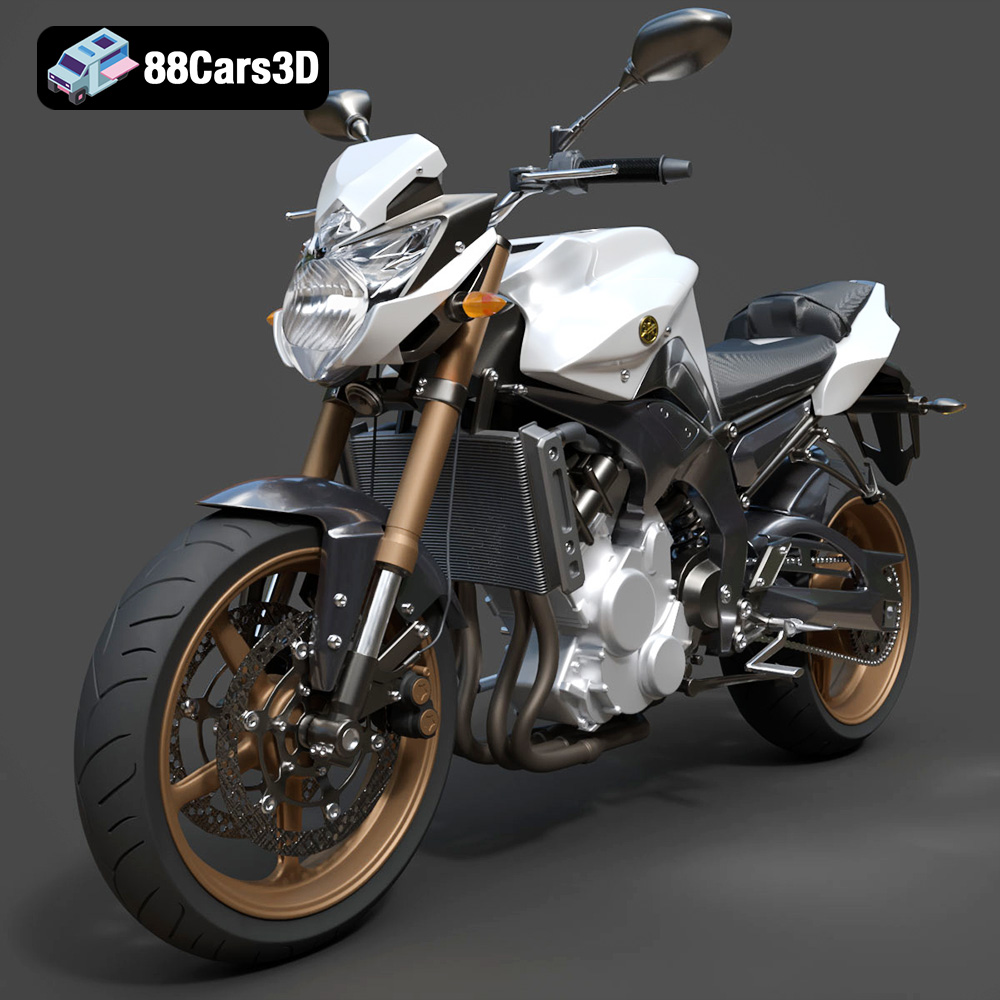
Yamaha FZ8 2011 3D Model
Texture: Yes
Material: Yes
Download the Yamaha FZ8 2011 3D Model featuring clean geometry, realistic detailing, and a fully modeled interior. Includes .blend, .fbx, .obj, .glb, .stl, .ply, .unreal, and .max formats for rendering, simulation, and game development.
Price: $19.99
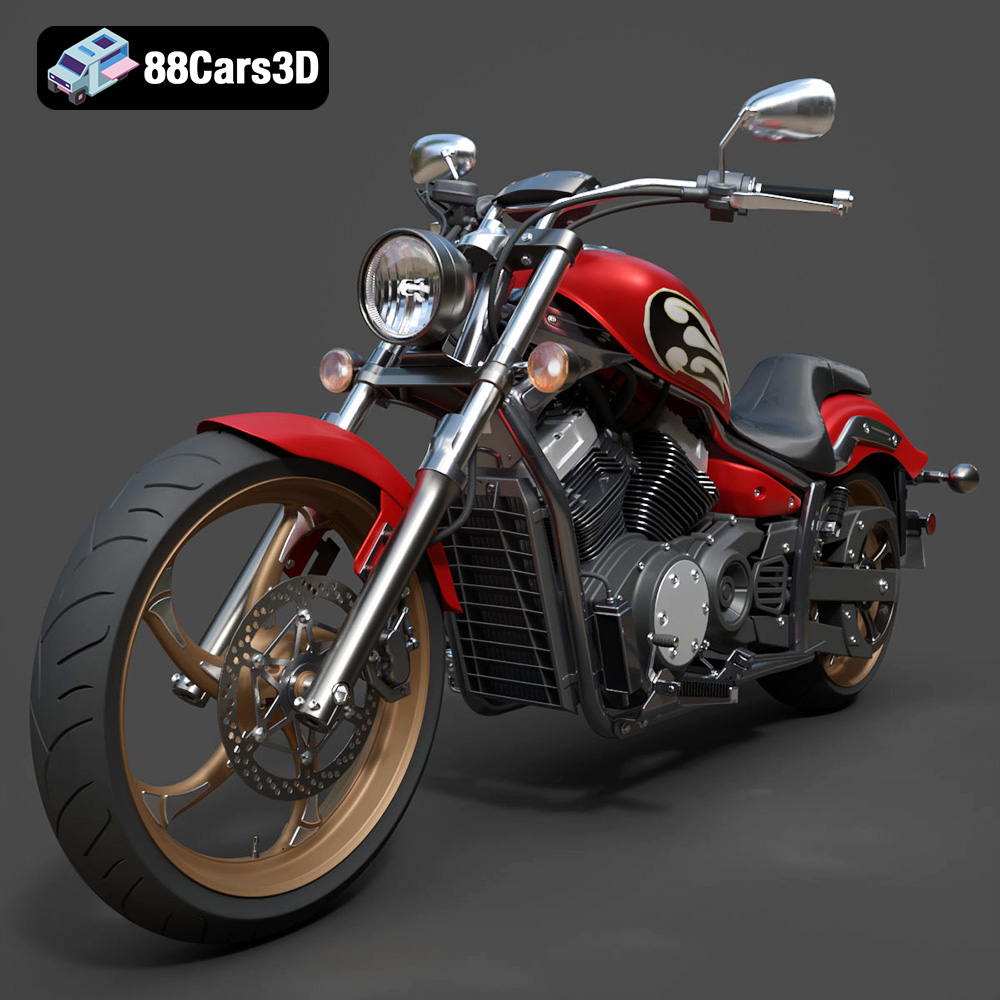
Yamaha Stryker 2012 3D Model
Texture: Yes
Material: Yes
Download the Yamaha Stryker 2012 3D Model featuring clean geometry, realistic detailing, and a fully modeled interior. Includes .blend, .fbx, .obj, .glb, .stl, .ply, .unreal, and .max formats for rendering, simulation, and game development.
Price: $19.99
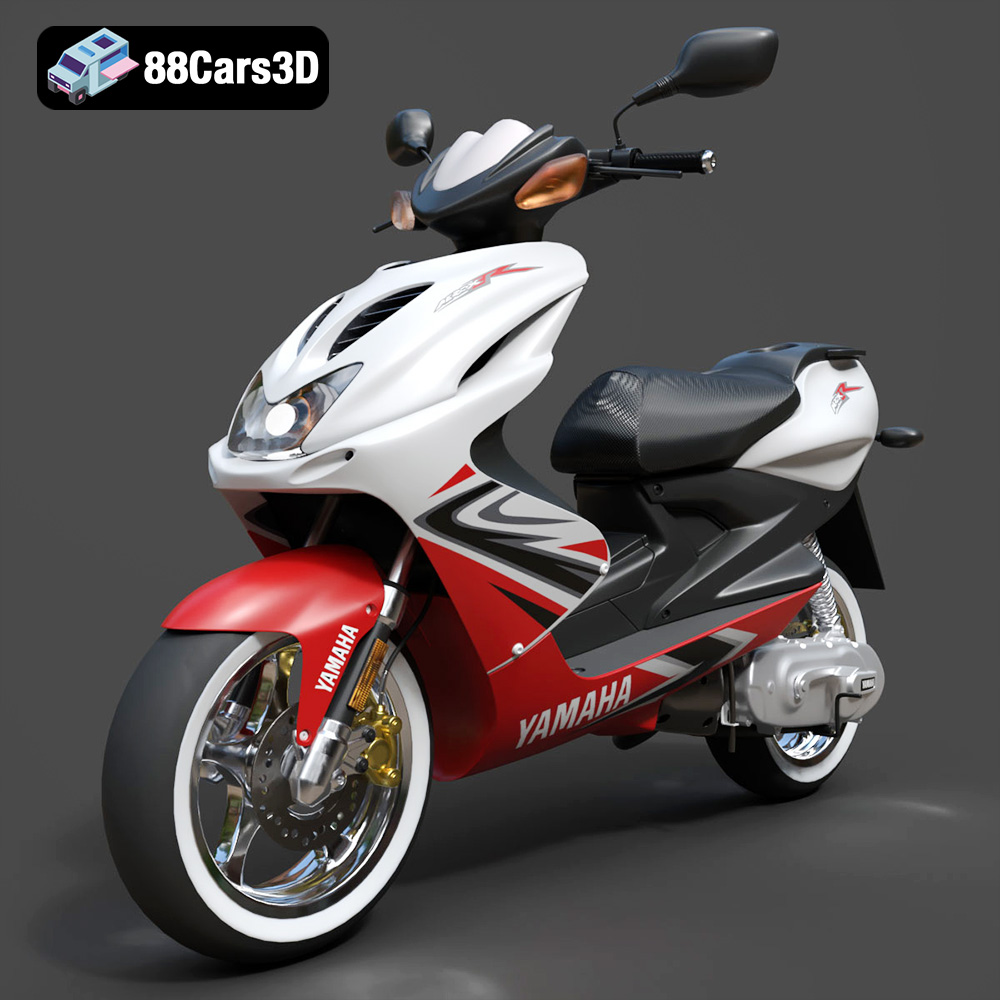
Yamaha Aerox R-002 2024 3D Model
Texture: Yes
Material: Yes
Download the Yamaha Aerox R-002 2024 3D Model featuring clean geometry, realistic detailing, and a fully modeled interior. Includes .blend, .fbx, .obj, .glb, .stl, .ply, .unreal, and .max formats for rendering, simulation, and game development.
Price: $19.99
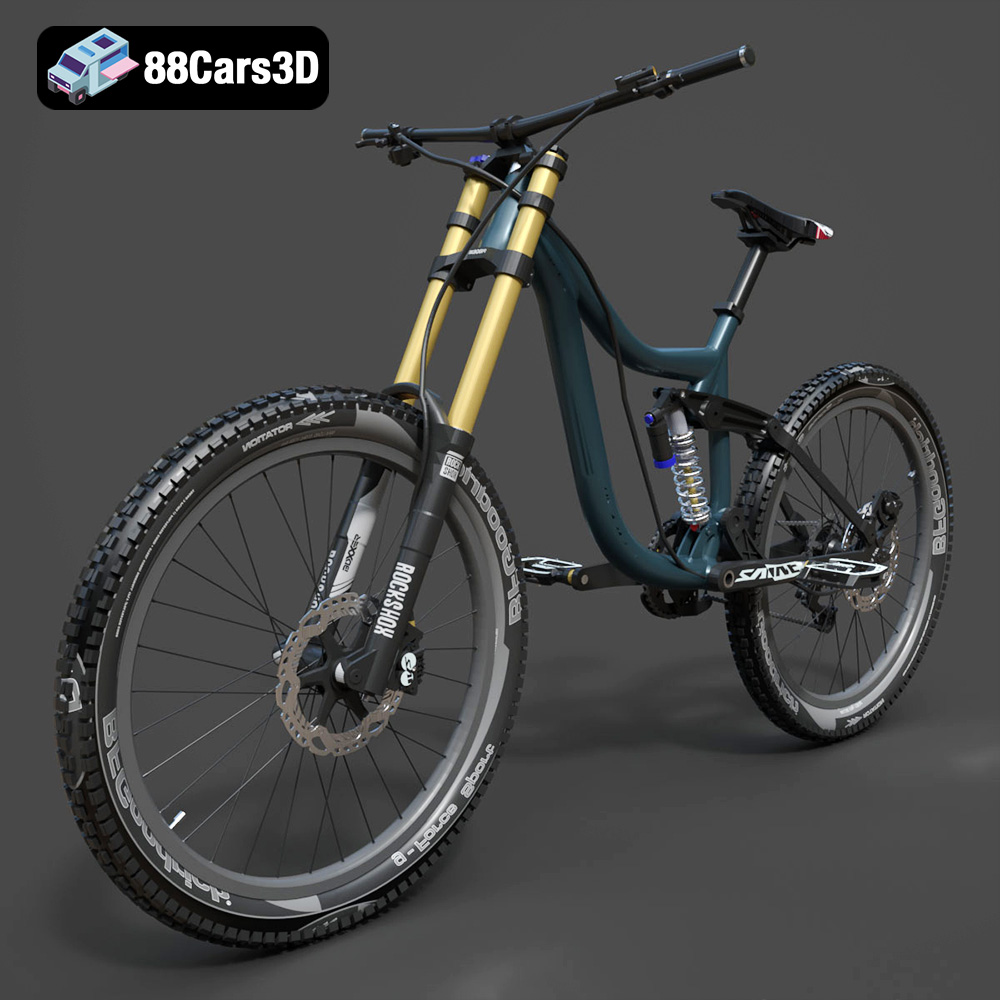
Mototsikly Downhill Bike-002 3D Model
Texture: Yes
Material: Yes
Download the Mototsikly Downhill Bike-002 3D Model featuring clean geometry, realistic detailing, and precise mechanical components. Includes .blend, .fbx, .obj, .glb, .stl, .ply, .unreal, and .max formats for rendering, simulation, and game development.
Price: $19.99
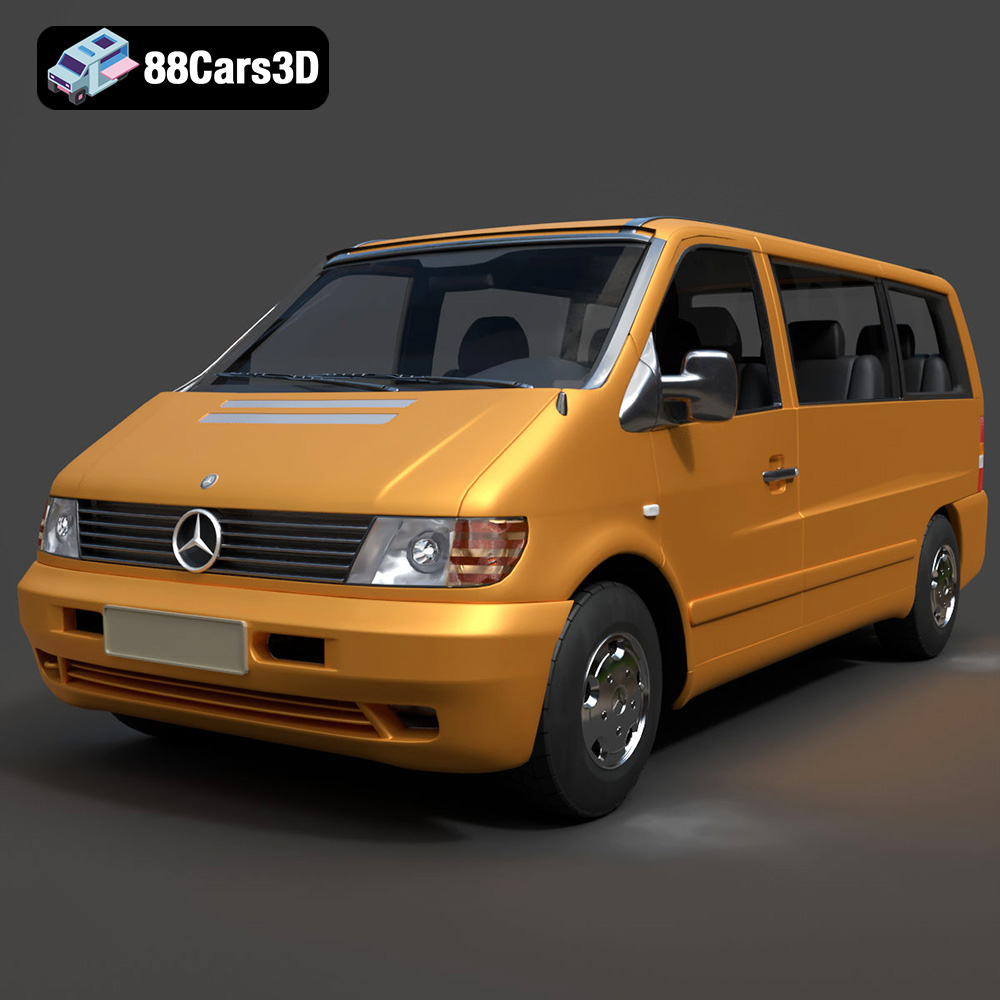
Mercedes-Benz Vito Passenger Van 3D Model
Texture: Yes
Material: Yes
Download the Mercedes-Benz Vito Passenger Van 3D Model featuring clean geometry, realistic detailing, and a fully modeled interior. Includes .blend, .fbx, .obj, .glb, .stl, .ply, .unreal, and .max formats for rendering, simulation, and game development.
Price: $19.99
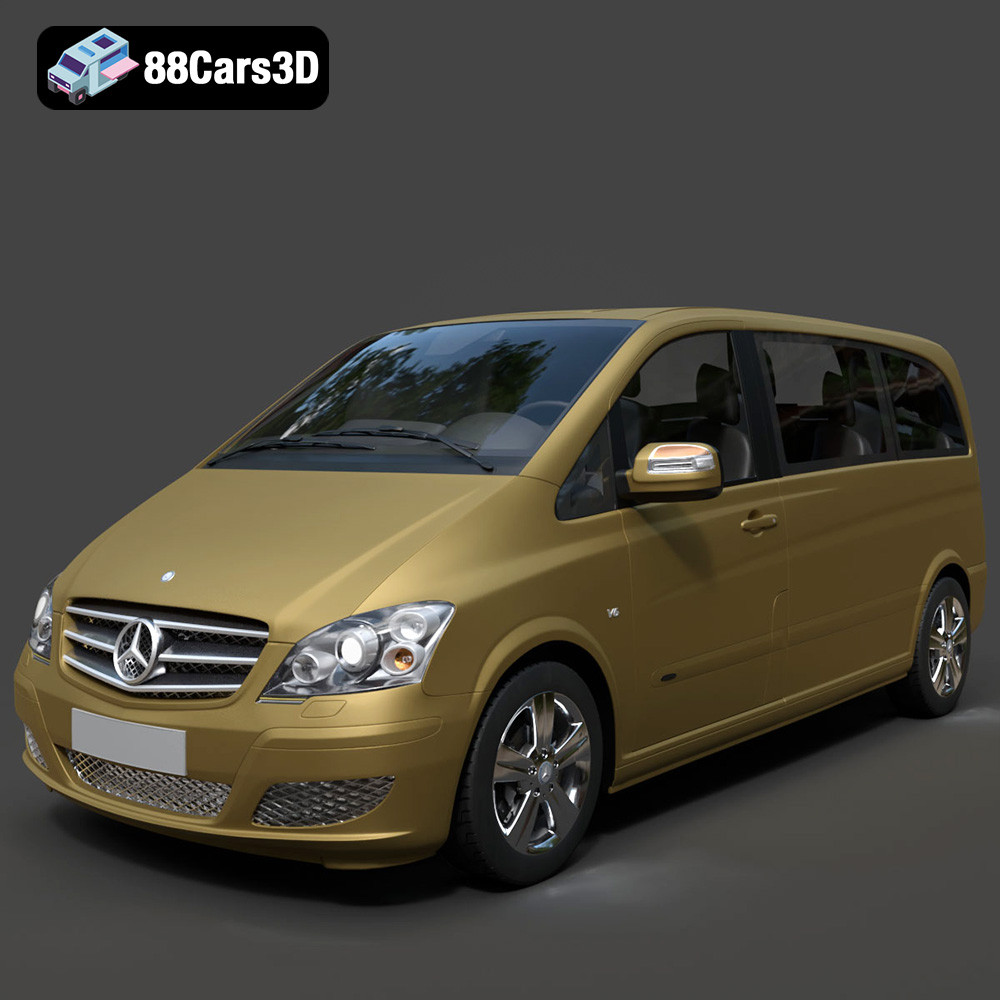
Mercedes-Benz Viano 2010 3D Model
Texture: Yes
Material: Yes
Download the Mercedes-Benz Viano 2010 3D Model featuring clean geometry, realistic detailing, and a fully modeled interior. Includes .blend, .fbx, .obj, .glb, .stl, .ply, .unreal, and .max formats for rendering, simulation, and game development.
Price: $19.99

Emt Avtobus 007 3D Model
Texture: Yes
Material: Yes
Download the Emt Avtobus 007 3D Model featuring clean geometry, realistic detailing, and a fully modeled interior. Includes .blend, .fbx, .obj, .glb, .stl, .ply, .unreal, and .max formats for rendering, simulation, and game development.
Price: $19.99
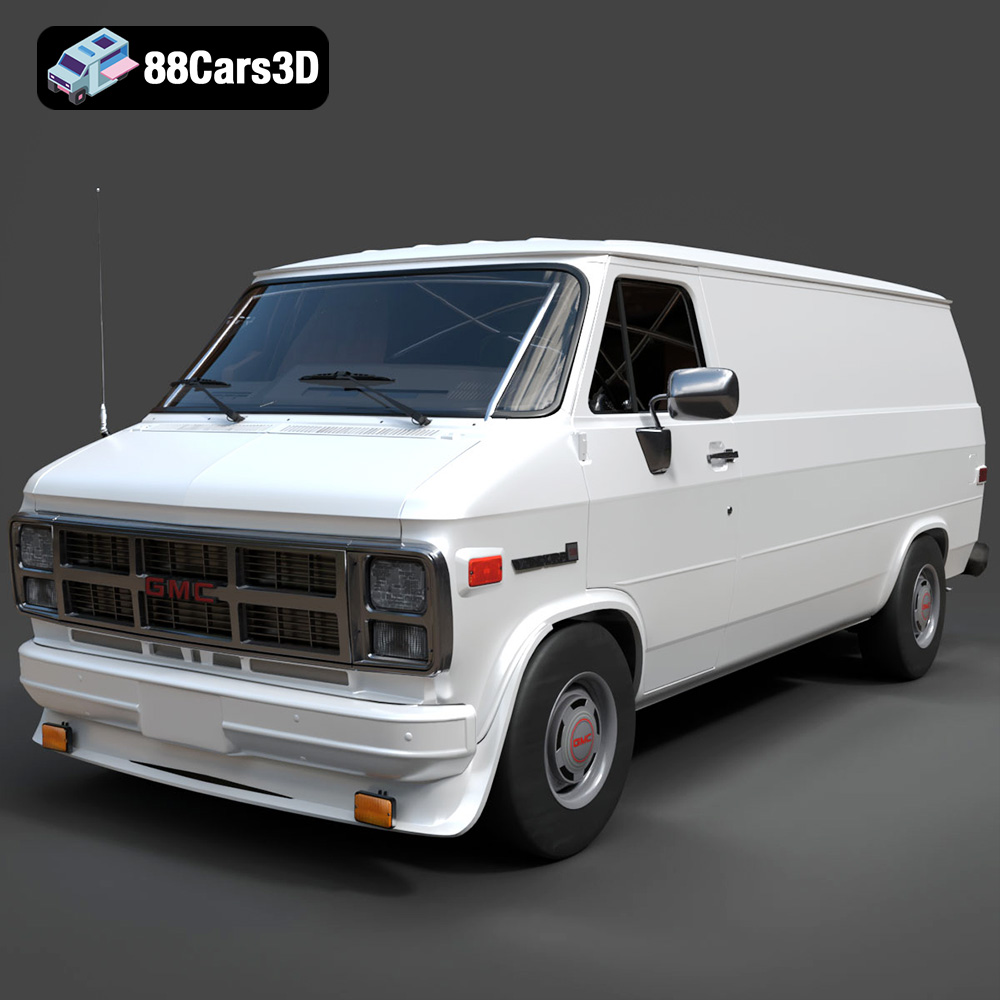
GMC Vandura G-1500 1983 3D Model
Texture: Yes
Material: Yes
Download the GMC Vandura G-1500 1983 3D Model featuring clean geometry, realistic detailing, and a fully modeled interior. Includes .blend, .fbx, .obj, .glb, .stl, .ply, .unreal, and .max formats for rendering, simulation, and game development.
Price: $19.99
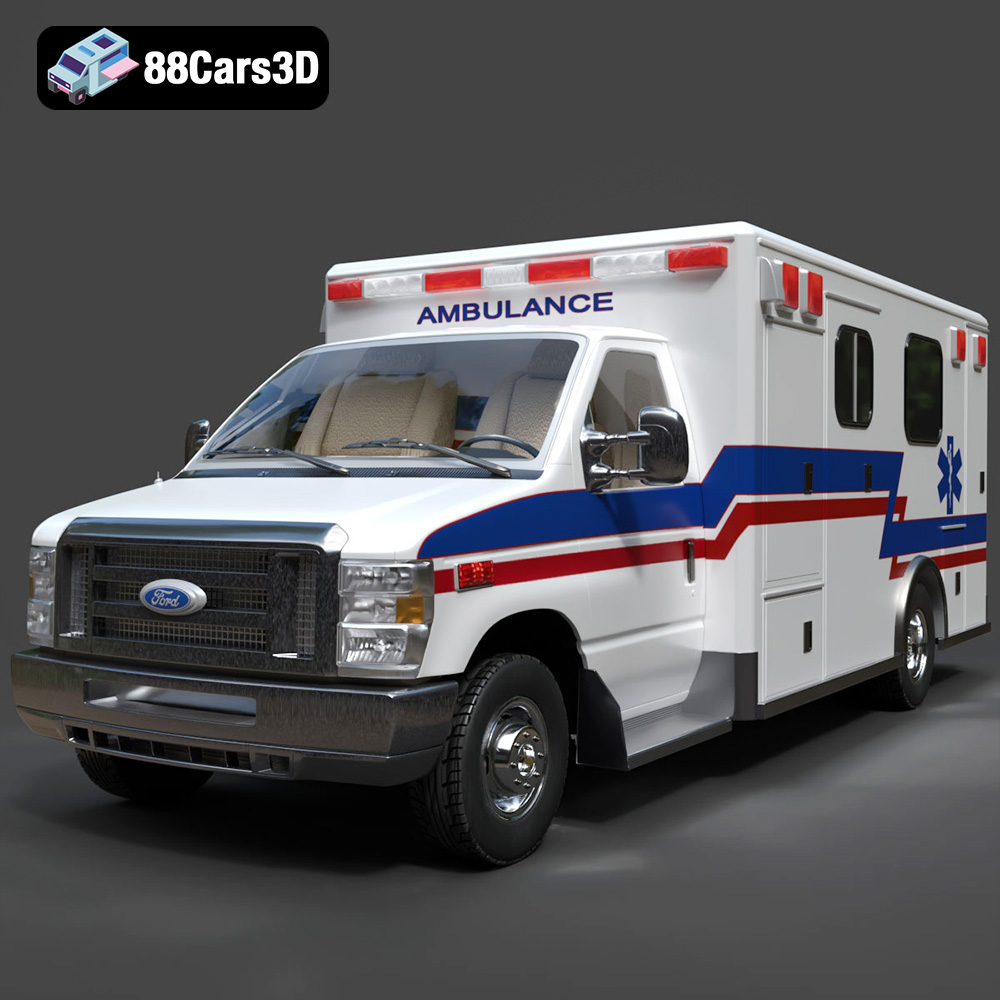
Ford E-450 Ambulance 3D Model
Texture: Yes
Material: Yes
Download the Ford E-450 Ambulance 3D Model featuring clean geometry, realistic detailing, and a fully modeled interior. Includes .blend, .fbx, .obj, .glb, .stl, .ply, .unreal, and .max formats for rendering, simulation, and game development.
Price: $19.99

Fiat Ducato SWB-001 3D Model
Texture: Yes
Material: Yes
Download the Fiat Ducato SWB-001 3D Model featuring clean geometry, realistic detailing, and a fully modeled interior. Includes .blend, .fbx, .obj, .glb, .stl, .ply, .unreal, and .max formats for rendering, simulation, and game development.
Price: $19.99
