

In the world of real-time rendering and interactive visualization, realism is paramount. For automotive projects, this often means going beyond just a stunning 3D car model – it means crafting an environment that brings that vehicle to life. Imagine a sleek supercar perfectly reflected in the serene surface of a lake, or a rugged SUV kicking up dynamic splashes as it crosses a river. Such scenes elevate presentation, tell compelling stories, and immerse viewers in a way that static renders simply cannot.
Unreal Engine’s native Water System is a game-changer in this regard. Far more than just a simple material, it’s a comprehensive framework designed to generate realistic, dynamic water bodies with incredible fidelity and performance. Whether you’re building an open-world racing game, an architectural visualization of a lakeside villa, or a cutting-edge automotive configurator showcasing vehicles in diverse environments, mastering the Water System is essential.
This long-form technical guide will deep-dive into creating breathtakingly realistic water in Unreal Engine, specifically leveraging its powerful Water System. We’ll cover everything from initial setup and advanced material customization to physics interactions, performance optimization, and integration into cinematic and interactive automotive visualization workflows. Get ready to transform your environments and give your meticulously crafted 3D car models the dynamic backdrops they deserve.
The Foundation – Setting Up Unreal Engine’s Water System
Before you can craft a shimmering ocean or a babbling brook, you need to enable and understand the core components of Unreal Engine’s Water System. This powerful toolset, introduced as a native feature, provides a highly efficient and customizable solution for generating various water bodies, complete with complex material shaders, dynamic meshes, and physics interactions. It’s an indispensable asset for creating immersive environments, especially when showcasing high-fidelity automotive models in varied landscapes.
Enabling the Water System Plugin
The Water System is not active by default in a new Unreal Engine project. To begin, navigate to Edit > Plugins. Search for “Water” and ensure the Water plugin is enabled. You may be prompted to restart the editor, which is necessary for the changes to take effect. It’s also worth noting that the Water plugin often has a dependency on the Landmass plugin for terrain sculpting features that integrate well with water bodies, so it’s good practice to enable that as well. Once enabled, you’ll find new Water-related actors available in your Modes panel or by right-clicking in the Content Browser to create new assets.
Understanding Water Body Types and Their Applications
The Water System offers three primary Water Body types, each designed for specific use cases:
- Water Body Ocean: Ideal for vast, open seas, coastlines, or large bodies of water that extend to the horizon. It generates an infinite plane of water, dynamically tiling meshes and materials to cover enormous areas efficiently. For automotive visualization, an Ocean provides a stunning backdrop for coastal drives or virtual vehicle launches on a beach.
- Water Body Lake: Perfect for enclosed bodies of water like ponds, lakes, or even large puddles. It uses a user-defined spline to outline its shape and generates a mesh within that boundary. Lakes are excellent for creating serene environments around which 3D car models can be showcased, reflecting their immaculate surfaces.
- Water Body River: Designed for flowing water, such as rivers, streams, or canals. It uses a spline to define its path and generates a flowing mesh along that path. Rivers offer dynamic elements, perfect for demonstrating a vehicle’s off-road capabilities or adding visual interest to a meandering road.
Each type comes with its own default material instance, though these are highly customizable. Choosing the right Water Body type from the start streamlines your workflow and ensures optimal performance for your specific scene, particularly when aiming for highly detailed interactions with your automotive assets.
Initial Placement and Basic Configuration
Once the plugin is enabled, you can add a Water Body to your scene. In the Modes panel (or Quick Add button), navigate to Volumes > Water and drag one of the Water Body types (Ocean, Lake, or River) into your viewport. Upon placement, you’ll immediately see a water surface. For Lakes and Rivers, you’ll notice a spline component. You can select individual spline points and use the transformation gizmo to move them, or hold Alt and drag a point to add new ones, defining the shape of your water body. Key properties to examine in the Details panel include the Water Mesh, which controls tessellation and LODs, and the Water Material, a critical component for visual customization. For further comprehensive details on setting up and manipulating Water Bodies, consult the official Unreal Engine documentation at dev.epicgames.com/community/unreal-engine/learning.
Crafting Realistic Water Materials and Visuals
The visual quality of your water heavily relies on its material. Unreal Engine’s Water System comes with a sophisticated master material and several customizable instances that provide an incredible foundation for realism. Understanding and manipulating these material parameters is crucial for achieving anything from a glassy calm pond to a turbulent, storm-tossed ocean, ensuring that your 3D car models are reflected and refracted beautifully within their environment.
Deep Dive into Water Material Customization
When you add a Water Body, it comes with a default material instance (e.g., Water_Material_Lake_Inst). This instance allows you to tweak a vast array of parameters without needing to delve into the complex master material itself. Key categories of parameters include:
- Base Properties: Control the fundamental look, such as water color (
Water Color), depth-based color transitions (Depth Color,Depth Fade Distance), and opacity. - Surface Properties: Adjust
RoughnessandMetallicvalues, which directly impact how reflections and highlights appear. For very calm water, a lower roughness and higher metallic can create mirror-like reflections of your automotive assets. - Waves: A critical section for dynamic water. Parameters like
Wave Amplitude,Wave Frequency,Wave Speed, andWave Directionallow you to sculpt the water’s surface from gentle ripples to dramatic swells. The Water System uses a procedural wave simulation, often based on Gerstner waves, which provides convincing dynamic motion. Experiment with multiple wave layers for added complexity and natural variation. - Foam and Caustics: Control the appearance of foam at the water’s edge (
Shore Foam), around objects (Object Foam), and the mesmerizing caustic patterns cast onto the seabed (Caustics Intensity,Caustics Speed). These details add significant realism and interaction cues. - Underwater Effects: Adjust properties like
Underwater Fog DensityandUnderwater Post Process Materialfor a believable experience when the camera dips beneath the surface.
Each parameter offers a slider or value input, providing fine-grained control to match your desired aesthetic. Professional tip: Start with subtle adjustments and build complexity gradually. Overly aggressive wave or foam settings can quickly look unrealistic.
Leveraging Lumen for Dynamic Reflections and Refractions
For truly breathtaking realism, especially concerning reflections and refractions, integrating Unreal Engine’s Lumen Global Illumination and Reflections system with your Water System is paramount. Lumen provides fully dynamic, real-time indirect lighting and reflections, meaning that your 3D car models, surrounding landscape, and sky will be accurately reflected on the water’s surface, regardless of camera movement or time of day. This is a significant leap beyond traditional Screen Space Reflections (SSR) or planar reflections, which have inherent limitations.
When Lumen is enabled (Project Settings > Rendering > Global Illumination > Lumen), the Water System automatically leverages its capabilities. Calm water surfaces will exhibit crisp, real-time reflections of everything visible, while turbulent water will accurately distort these reflections. The interplay between your vehicle’s paint, glass, and chrome, and the reflective properties of the water, can create stunning visual fidelity. However, Lumen is computationally intensive, so balancing its quality settings with performance is key, especially for high-detail automotive scenes where every frame counts. Ensuring your car models from 88cars3d.com have well-defined PBR materials will maximize the visual impact of Lumen’s reflections.
Integrating Caustics and Underwater Effects
The details often make the difference between good and great. The Water System has built-in support for generating caustics – the patterns of light and shadow created by light refracting through the water surface onto the geometry beneath. These patterns can be customized through the water material instance, allowing you to adjust their intensity, scale, and movement speed. Properly configured caustics significantly enhance the believability of shallow water, creating a mesmerizing effect that anchors the water visually to the environment.
For scenes where the camera might go underwater, such as an automotive VR experience involving a submersible or a deep-sea vehicle, setting up convincing underwater effects is crucial. The Water System allows you to specify an Underwater Post Process Material, which can be used to apply a custom post-process effect only when the camera is submerged. This material can simulate volumetric fog, color absorption, distortion, and even depth-of-field effects to enhance the underwater illusion. Combined with appropriate sound design, these visual cues transform a simple scene into a truly immersive experience, further enhancing the presentation of specialized 3D car models.
Enhancing Interaction and Dynamic Effects
Realistic water isn’t just about static beauty; it’s about dynamic interaction. For automotive visualization and game development, bringing your 3D car models to life requires simulating how they behave and affect the water around them. Unreal Engine’s Water System, combined with Blueprint visual scripting and Niagara particle effects, provides robust tools to create compelling, interactive water experiences, adding another layer of realism to your vehicle showcases.
Implementing Water Physics and Collision
The Water System automatically handles basic physics interactions such as buoyancy for any static or simulated mesh that enters a water body. When a mesh with physics simulation enabled overlaps with a Water Body, the Water System applies buoyancy forces, causing the object to float. You can adjust the Buoyancy Force, Water Velocity, and other physics parameters directly on the Water Body actor or through specific buoyancy components on your objects.
For vehicles, you’ll want more controlled interaction. While a simple static mesh car might float, a complex vehicle with wheels requires custom solutions. You can detect when a vehicle’s tires (or the vehicle itself) enter the water using collision overlaps (e.g., an OnActorBeginOverlap event in Blueprint). This trigger can then initiate visual effects or apply custom forces. For realistic vehicle dynamics in water, you might simulate buoyancy per wheel or for the vehicle’s chassis, using Blueprint to apply forces based on submerged volume and water density. This level of detail is crucial for realistic automotive simulations, ensuring that high-quality assets from platforms like 88cars3d.com behave authentically in aquatic environments.
Dynamic Water Effects with Niagara
Niagara, Unreal Engine’s powerful particle system, is the perfect companion for creating dynamic water effects such as splashes, ripples, and foam trails. By integrating Niagara systems with your vehicle Blueprints, you can achieve highly realistic and interactive water behaviors:
- Wheel Splashes: Attach Niagara emitters to the wheels of your 3D car model. When the wheels detect collision with water (via overlap events), activate the emitter to produce tire splashes. Parameters like velocity and depth of immersion can drive the intensity and size of the splashes.
- Ripples: When an object hits or moves through the water, you can spawn a localized Niagara system that simulates ripples expanding outwards. This can be achieved by using the particle system to deform the water’s mesh locally or by influencing a Material Parameter Collection that drives a ripple effect in the water shader.
- Foam Trails: For boats or amphibious vehicles, Niagara can be used to generate dynamic foam trails based on the vehicle’s movement and speed through the water.
The combination of a well-tuned Niagara system with event-driven Blueprint logic creates a visually convincing and interactive water experience. Consider using GPU particles in Niagara for large numbers of splashes, as they are significantly more performant than CPU particles for high-volume effects.
Blueprint Scripting for Interactive Water Experiences
Blueprint visual scripting unlocks endless possibilities for creating interactive water scenarios. Beyond simple physics and particle triggers, you can use Blueprint to dynamically control various aspects of the Water System, adapting it to gameplay mechanics or interactive automotive demonstrations:
- Weather-driven Changes: Create a Blueprint that changes wave intensity, wind direction, and water color based on a global weather system. For example, during a storm, wave amplitude increases, and water color might become murkier.
- Day/Night Cycle Effects: Use Blueprint to interpolate water color, reflectivity, and even the appearance of caustics throughout a day/night cycle, enhancing the atmospheric realism of your automotive scene.
- Player Interaction: Allow players in an interactive configurator to change water parameters via UI elements, showcasing a car in different lighting and water conditions (e.g., calm vs. choppy water).
- Vehicle-Specific Effects: Set up Blueprints where specific actions of a 3D car model trigger unique water reactions. Imagine a special mode on an amphibious vehicle that causes unique water displacement effects or a “hydroplaning” effect during a high-speed corner in the rain.
By leveraging Blueprint, you can create a truly dynamic and responsive water environment, making your automotive projects not just visually appealing but also engaging and interactive.
Optimizing Water for Performance and Scalability
While Unreal Engine’s Water System is designed for efficiency, realistic water is inherently complex due to its reflective, refractive, and dynamic nature. Achieving high visual fidelity without sacrificing frame rate is a delicate balance, especially for demanding applications like automotive configurators, virtual production, or AR/VR experiences. Smart optimization strategies are essential to ensure your detailed 3D car models are showcased smoothly within their aquatic environments.
LODs and HLODs for Water Meshes
The Water System automatically generates Levels of Detail (LODs) for its meshes, reducing polygon count and complexity as the camera moves away. This is a critical optimization, preventing the rendering of excessive detail for distant water surfaces. You can inspect and adjust these LODs by selecting a Water Body actor and looking at its properties related to mesh generation and LOD settings. It’s often beneficial to customize the LOD distances to match the scale of your environment and the typical viewing distances in your project.
For very large open-world environments featuring extensive water bodies (e.g., an entire coastline for an open-world racing game), Hierarchical Levels of Detail (HLODs) can provide further performance gains. HLODs group clusters of meshes into single proxy meshes, dramatically reducing draw calls for distant geometry, including distant water sections. While the Water System itself handles LODs, ensuring surrounding terrain and objects also use robust LODs and HLODs will complement the water optimization, especially for maintaining performance with numerous high-polygon 3D car models in a vast scene.
Material Optimization for Water Shaders
The water material itself is often the most significant performance bottleneck due to its complex calculations for reflections, refractions, waves, foam, and caustics. Optimizing the water shader is crucial:
- Reduce Complexity: Each texture sample, mathematical operation, and instruction adds to the shader cost. Review your custom water material instances and simplify where possible. For instance, do you need four layers of waves if two produce a similar visual effect at a distance?
- Static Switches: Utilize static switches in your master water material to toggle expensive features based on quality settings or platform. For example, you might disable advanced caustic calculations or reduce reflection quality for lower-end hardware or mobile AR/VR automotive applications.
- Feature Levels: Design your water material to leverage different feature levels in Unreal Engine. This allows the engine to automatically use simpler shaders on platforms with less graphical power.
- Texture Resolution: Use appropriate texture resolutions for your foam and caustic maps. While 4K textures are great for close-ups, 1K or 2K might suffice for many elements, reducing VRAM usage.
Always profile your scene using tools like stat gpu and stat unit to identify which parts of your water material are contributing most to render time. A well-optimized PBR workflow for your water will ensure realism without crippling performance, especially when paired with high-quality 3D car models from 88cars3d.com.
Balancing Visual Fidelity with Performance
Achieving a high frame rate while maintaining stunning water visuals requires a careful balance. Here are some actionable tips:
- Lumen Settings: Lumen is powerful but can be costly. Adjust settings like
Lumen Scene View Distance,Max Reflection Bounces, andGlobal Illumination Qualityin your Post Process Volume or Project Settings. Consider using Screen Space Global Illumination (SSGI) for less demanding projects, or even a mix of reflection captures for static elements in very performance-sensitive scenarios. - Reflection Captures: For static parts of your environment, strategically placed Reflection Capture Actors can provide cheaper, albeit less dynamic, reflections on the water surface. The Water System will blend these with Lumen reflections where applicable.
- Culling Distances: For Niagara particle systems used for water splashes and foam, set appropriate culling distances to prevent them from rendering when far away.
- Water Body Sprawl: For Lakes and Rivers, keep their splines as tight as possible to the visible area. While Oceans are infinite, consider if a large lake or river could be replaced with a smaller, localized Water Body actor and blended with the environment, especially for distant views where a full-fidelity water body might be overkill.
- Shader Complexity Visualization: Use the “Shader Complexity” view mode (Show > Visualize > Shader Complexity) to identify expensive areas in your water material that could be optimized.
By thoughtfully applying these optimization techniques, you can ensure your real-time automotive visualizations run smoothly, allowing the viewer to fully appreciate both your detailed vehicles and their dynamic, aquatic surroundings.
Advanced Applications and Production Workflows
The true power of Unreal Engine’s Water System extends beyond simple scene dressing. When combined with advanced production workflows, it becomes a versatile tool for creating highly immersive, interactive, and cinematic experiences for the automotive industry, virtual production, and high-fidelity simulations. Integrating realistic water elevates the presentation of even the most sophisticated 3D car models, like those available on 88cars3d.com.
Virtual Production and LED Wall Integration with Water Scenes
Virtual production, particularly with LED walls, has revolutionized filmmaking and high-end advertising. Integrating realistic water into these environments presents both incredible opportunities and unique challenges. An LED wall displaying a dynamic ocean or a tranquil lake allows for real-time, in-camera visual effects, with reflections of the digital water appearing on the physical vehicle and actors on set. This provides unparalleled realism and reduces post-production costs.
The main challenge lies in accurately simulating reflections and refractions. The Water System’s dynamic nature, coupled with Lumen, ensures that reflections of your 3D car models and virtual environment appear correctly on the water surface rendered on the LED wall. However, matching the perspective and distortion of the water’s surface to the real-world camera position is crucial. This typically involves robust camera tracking systems that feed real-time camera data into Unreal Engine, allowing the virtual water to behave as if it’s truly present in the physical space. Professional setups often involve careful calibration of the LED wall’s color and light output to seamlessly blend the virtual water with the foreground physical elements.
Cinematic Water with Sequencer
For high-impact marketing materials, trailers, or interactive demonstrations, Unreal Engine’s Sequencer is your go-to tool for crafting stunning cinematic sequences. The Water System integrates seamlessly with Sequencer, allowing you to animate nearly every parameter of your water body over time:
- Dynamic Weather Transitions: Animate wave amplitude, frequency, and wind direction to transition from calm waters to a stormy sea, perfectly matching the mood of your automotive narrative.
- Water Level Changes: Create dramatic scenes by animating the water level, revealing or submerging parts of the environment or vehicle.
- Flow Direction and Speed: For rivers, animate the flow direction and speed to add dynamic energy to your cinematic shots.
- Material Parameter Collections: Use Sequencer to drive Material Parameter Collections (MPCs) that influence water shader properties, enabling highly nuanced visual changes over time, like the progression of a sunset affecting water color and reflections.
Combine these animated water properties with meticulously choreographed camera movements and animated 3D car models (perhaps from 88cars3d.com, specifically designed for cinematic workflows), and you can produce breathtaking automotive commercials or concept videos that highlight every facet of your vehicle against a dynamic, living backdrop.
Automotive Configurators and AR/VR Considerations
For interactive automotive configurators, where customers can customize and view a vehicle in real-time, integrating realistic water provides a compelling visual differentiator. Imagine a customer configuring their dream car by a tranquil lake or a bustling port. The Water System facilitates these diverse environmental options, adding depth and immersion to the configuration experience.
For AR/VR applications, however, performance is king. While realistic water adds immense value, its computational cost can be a challenge. Here are key considerations:
- Simplified Water Materials: For mobile AR or standalone VR headsets, you’ll often need to use significantly simplified water materials, reducing expensive calculations for reflections, refractions, and complex wave simulations.
- Baked Reflections: Instead of real-time Lumen reflections, rely more heavily on pre-rendered Reflection Captures for water surfaces to reduce GPU load.
- Static Water: For some AR applications, a static water surface with minimal animation might be sufficient and significantly cheaper to render.
- Water Masking: In AR, only render the water where absolutely necessary to avoid drawing unnecessary pixels and consuming bandwidth.
- Optimized Car Models: The performance overhead of realistic water means that your 3D car models, like those from 88cars3d.com, must be highly optimized themselves (low draw calls, efficient materials, robust LODs) to leave enough budget for the water effects.
By carefully balancing visual fidelity with performance constraints, you can successfully implement realistic water in interactive automotive configurators and AR/VR experiences, delivering immersive showcases for your vehicles.
Conclusion
The Unreal Engine Water System stands as a testament to the power and flexibility of real-time rendering. From enabling basic ocean planes to facilitating complex physics interactions and dynamic cinematic sequences, it offers an unparalleled toolkit for crafting breathtakingly realistic aquatic environments. For automotive visualization professionals, game developers, and 3D artists, mastering this system is no longer a luxury but a necessity for creating truly immersive and compelling experiences.
We’ve explored how to set up and configure various water bodies, delved into the intricacies of material customization to achieve stunning visual fidelity, and uncovered techniques for dynamic interaction using Blueprint and Niagara. Crucially, we’ve also highlighted essential optimization strategies to ensure your beautiful water scenes perform flawlessly, especially when showcasing high-quality assets like the 3D car models found on 88cars3d.com. Whether you’re designing an interactive configurator, a cinematic short, or an open-world driving simulator, the Water System provides the foundation for bringing your automotive visions to life with unparalleled realism.
Now, it’s your turn to dive in! Experiment with different parameters, push the boundaries of interaction, and witness how a vibrant, living water body can dramatically enhance the presentation of your 3D vehicles. The path to creating stunning real-time automotive content is paved with such details, and the Unreal Engine Water System is a powerful tool to help you navigate it.
Featured 3D Car Models
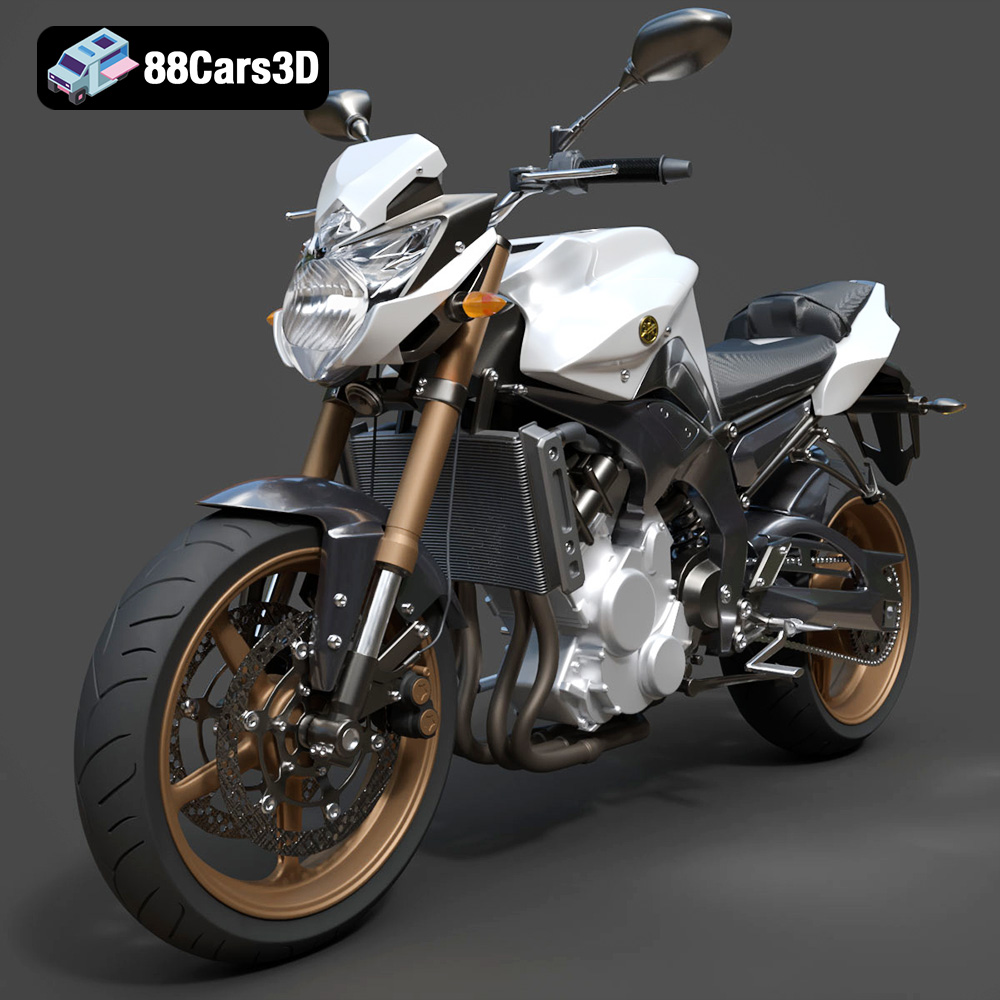
Yamaha FZ8 2011 3D Model
Texture: Yes
Material: Yes
Download the Yamaha FZ8 2011 3D Model featuring clean geometry, realistic detailing, and a fully modeled interior. Includes .blend, .fbx, .obj, .glb, .stl, .ply, .unreal, and .max formats for rendering, simulation, and game development.
Price: $19.99
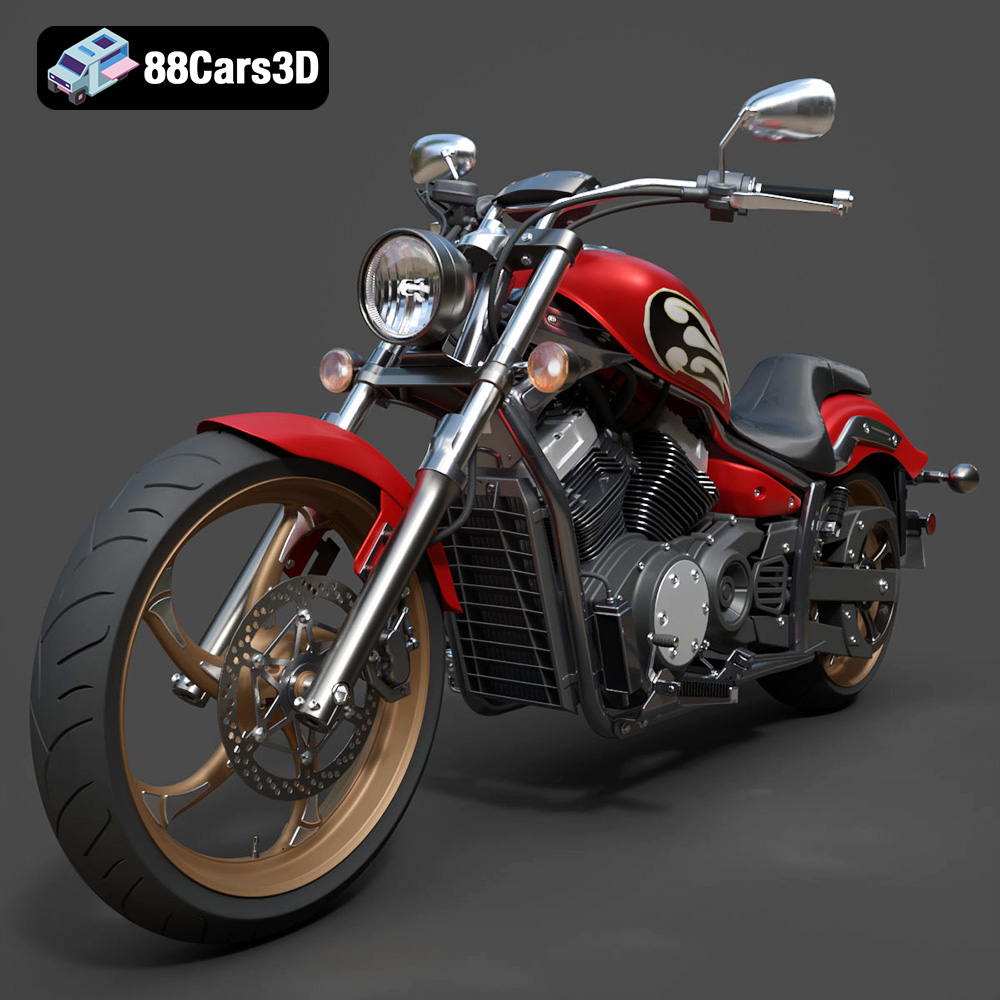
Yamaha Stryker 2012 3D Model
Texture: Yes
Material: Yes
Download the Yamaha Stryker 2012 3D Model featuring clean geometry, realistic detailing, and a fully modeled interior. Includes .blend, .fbx, .obj, .glb, .stl, .ply, .unreal, and .max formats for rendering, simulation, and game development.
Price: $19.99
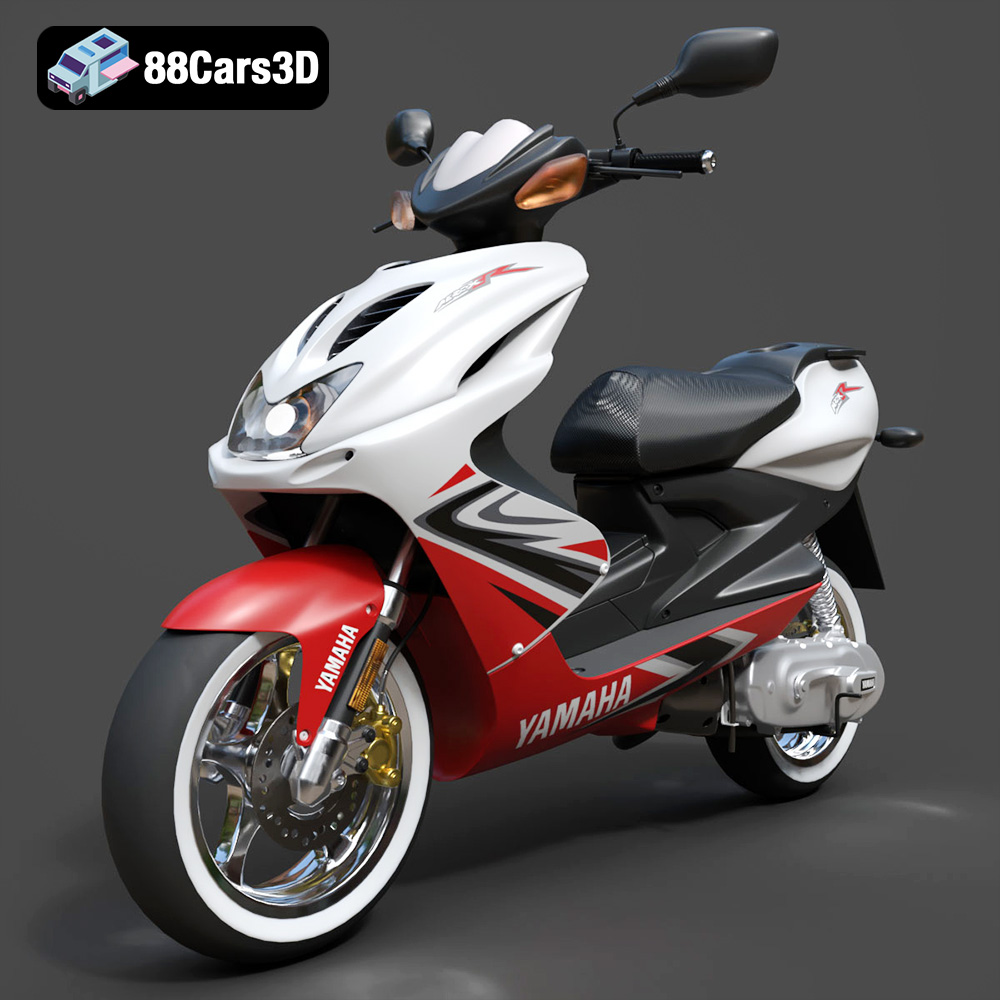
Yamaha Aerox R-002 2024 3D Model
Texture: Yes
Material: Yes
Download the Yamaha Aerox R-002 2024 3D Model featuring clean geometry, realistic detailing, and a fully modeled interior. Includes .blend, .fbx, .obj, .glb, .stl, .ply, .unreal, and .max formats for rendering, simulation, and game development.
Price: $19.99
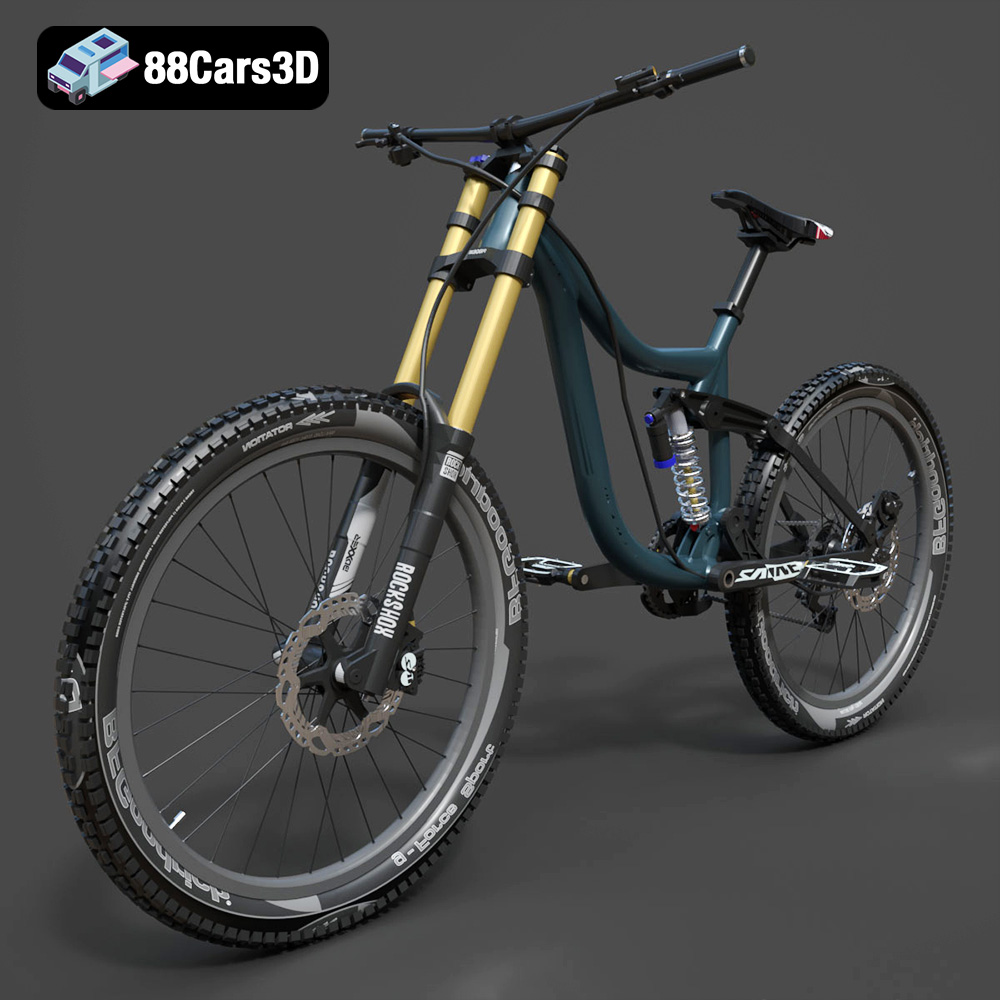
Mototsikly Downhill Bike-002 3D Model
Texture: Yes
Material: Yes
Download the Mototsikly Downhill Bike-002 3D Model featuring clean geometry, realistic detailing, and precise mechanical components. Includes .blend, .fbx, .obj, .glb, .stl, .ply, .unreal, and .max formats for rendering, simulation, and game development.
Price: $19.99
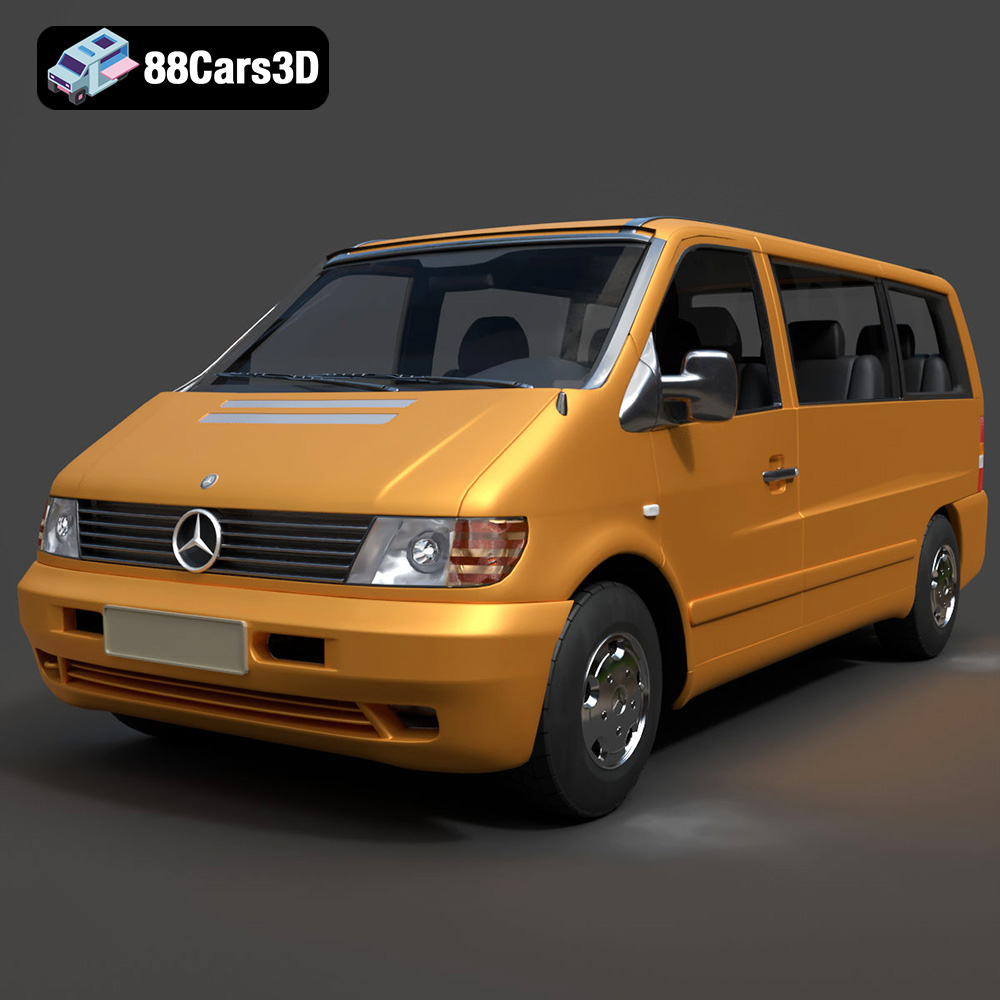
Mercedes-Benz Vito Passenger Van 3D Model
Texture: Yes
Material: Yes
Download the Mercedes-Benz Vito Passenger Van 3D Model featuring clean geometry, realistic detailing, and a fully modeled interior. Includes .blend, .fbx, .obj, .glb, .stl, .ply, .unreal, and .max formats for rendering, simulation, and game development.
Price: $19.99
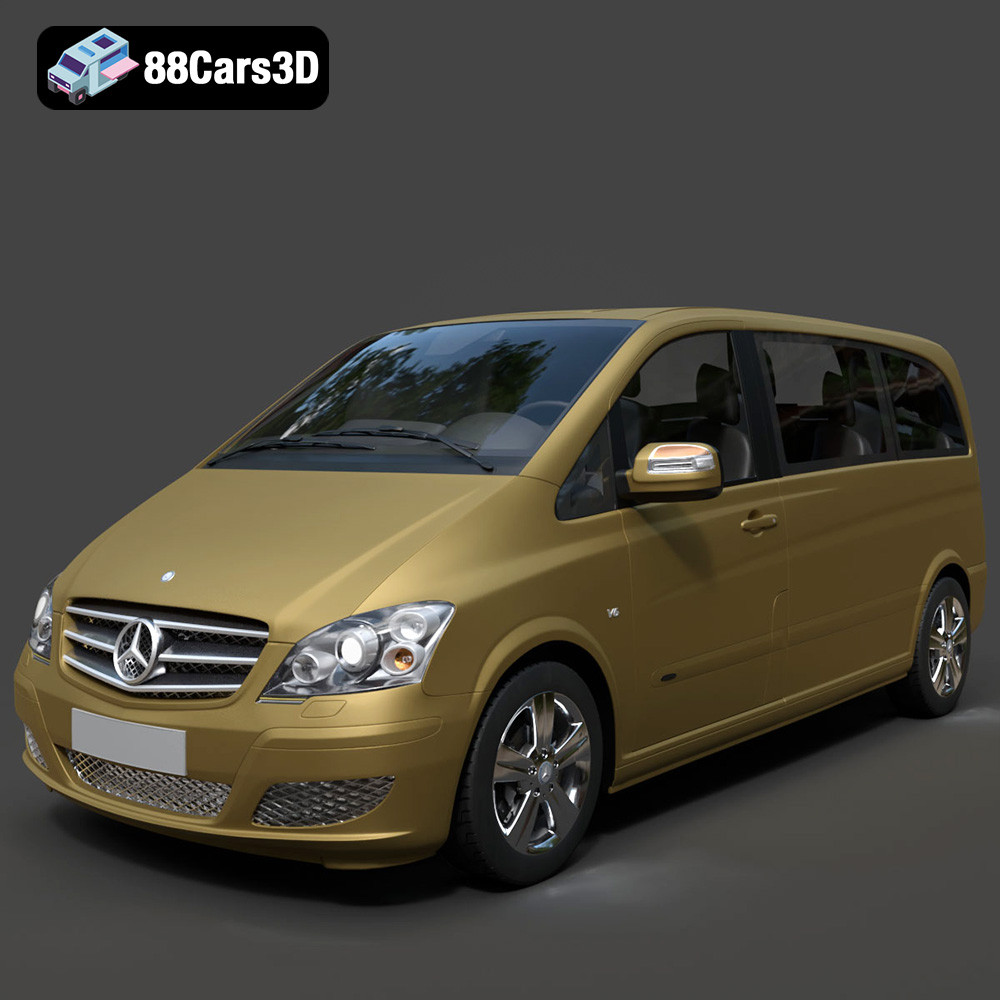
Mercedes-Benz Viano 2010 3D Model
Texture: Yes
Material: Yes
Download the Mercedes-Benz Viano 2010 3D Model featuring clean geometry, realistic detailing, and a fully modeled interior. Includes .blend, .fbx, .obj, .glb, .stl, .ply, .unreal, and .max formats for rendering, simulation, and game development.
Price: $19.99

Emt Avtobus 007 3D Model
Texture: Yes
Material: Yes
Download the Emt Avtobus 007 3D Model featuring clean geometry, realistic detailing, and a fully modeled interior. Includes .blend, .fbx, .obj, .glb, .stl, .ply, .unreal, and .max formats for rendering, simulation, and game development.
Price: $19.99
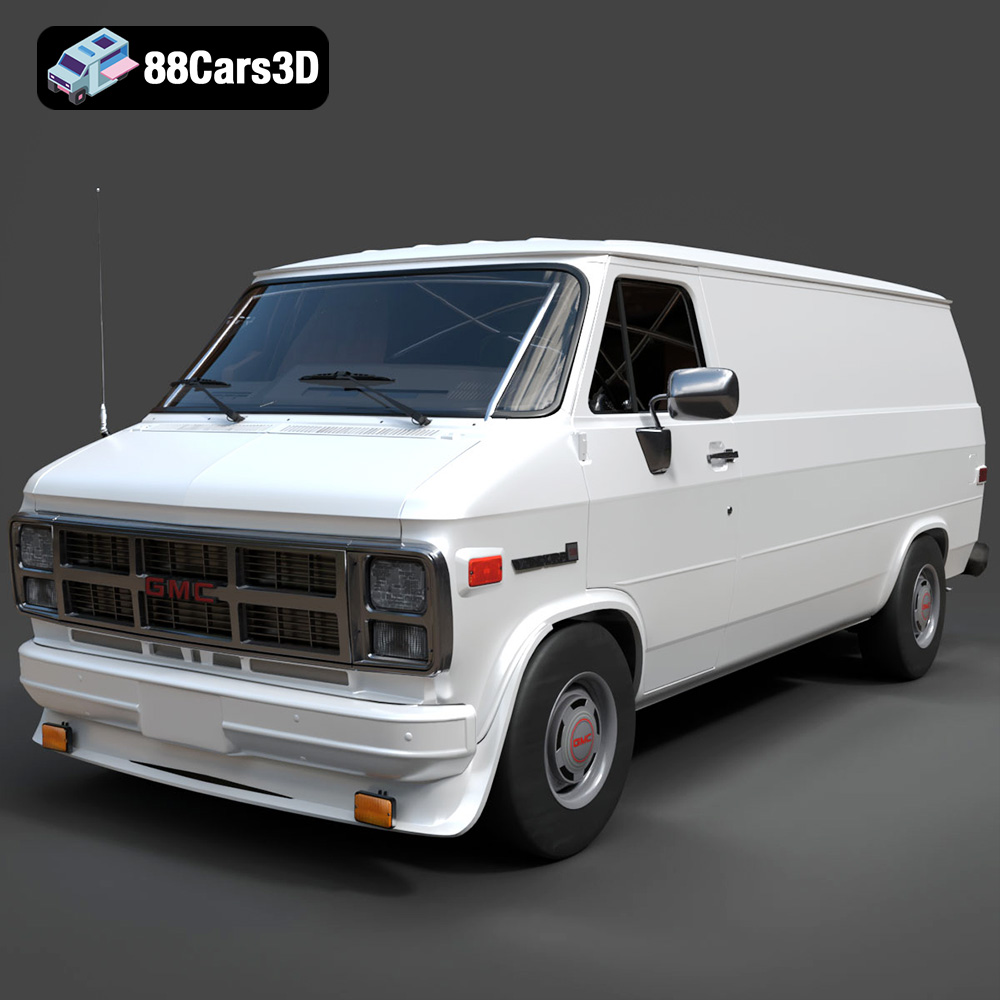
GMC Vandura G-1500 1983 3D Model
Texture: Yes
Material: Yes
Download the GMC Vandura G-1500 1983 3D Model featuring clean geometry, realistic detailing, and a fully modeled interior. Includes .blend, .fbx, .obj, .glb, .stl, .ply, .unreal, and .max formats for rendering, simulation, and game development.
Price: $19.99
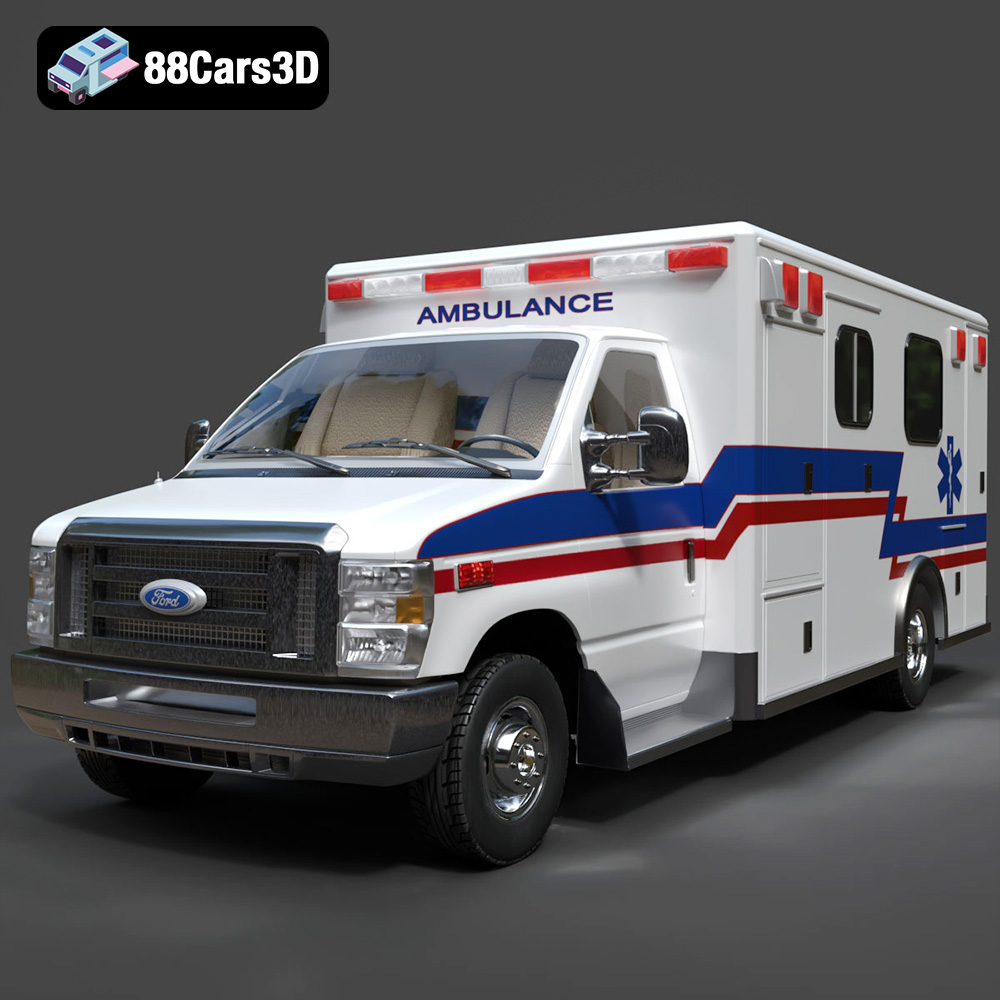
Ford E-450 Ambulance 3D Model
Texture: Yes
Material: Yes
Download the Ford E-450 Ambulance 3D Model featuring clean geometry, realistic detailing, and a fully modeled interior. Includes .blend, .fbx, .obj, .glb, .stl, .ply, .unreal, and .max formats for rendering, simulation, and game development.
Price: $19.99

Fiat Ducato SWB-001 3D Model
Texture: Yes
Material: Yes
Download the Fiat Ducato SWB-001 3D Model featuring clean geometry, realistic detailing, and a fully modeled interior. Includes .blend, .fbx, .obj, .glb, .stl, .ply, .unreal, and .max formats for rendering, simulation, and game development.
Price: $19.99
