

Beyond the Lens: Mastering Photogrammetry for Automotive 3D Modeling
The sleek lines, intricate details, and powerful presence of an automobile have always captivated designers and enthusiasts alike. In the realm of 3D, recreating these masterpieces with photorealistic accuracy is both an art and a science. Traditionally, modeling complex automotive forms has been a painstakingly manual process, demanding hundreds of hours from skilled artists. However, the advent of photogrammetry has revolutionized this workflow, offering an incredibly powerful and efficient method to capture real-world vehicles and translate them into high-fidelity 3D models.
Photogrammetry, at its core, is the science of making measurements from photographs. For 3D artists and automotive designers, it means reconstructing the precise geometry and texture of an object using a series of overlapping images. This technology has become indispensable for creating game assets, producing stunning visualizations, developing AR/VR experiences, and even preparing models for 3D printing. This comprehensive guide will take you through the entire journey of leveraging photogrammetry for automotive 3D modeling – from meticulous photo capture to optimized, production-ready assets. You’ll learn the crucial steps, technical specifications, software workflows, and industry best practices to achieve unparalleled realism and efficiency in your automotive projects.
The Science of Capture: Setting Up for Automotive Photogrammetry
The foundation of any successful photogrammetry project lies in the quality and consistency of your photographic data. For automotive subjects, this phase is particularly critical due to their reflective surfaces, complex curves, and sheer size. Meticulous planning and execution during capture can significantly reduce errors and post-processing efforts.
Camera Gear and Calibration Essentials
To begin, a good camera is paramount. While modern smartphone cameras have made strides, for professional automotive photogrammetry, a DSLR or mirrorless camera with a full-frame or APS-C sensor is highly recommended. These cameras offer superior image quality, better low-light performance, and manual control over settings. Pair your camera with a high-quality prime lens (e.g., 35mm, 50mm, or 85mm) for minimal distortion and maximum sharpness. Zoom lenses can introduce variable distortions, which can complicate the reconstruction process.
Crucially, maintain a consistent aperture (e.g., f/8 or f/11) to ensure a deep depth of field, keeping the entire car in sharp focus. Shutter speed should be fast enough to avoid motion blur, and ISO kept as low as possible to minimize noise. Before starting, calibrate your camera’s lens. Many photogrammetry software packages offer built-in calibration tools, or you can use dedicated software. This process corrects for lens distortions and determines intrinsic camera parameters, leading to more accurate reconstructions. Always ensure your camera’s EXIF data (focal length, aperture, etc.) is preserved in the image files, as this information is vital for the software.
Lighting and Environment Control for Reflective Surfaces
Lighting is arguably the most challenging aspect when photographing a car for photogrammetry. Automotive surfaces are highly reflective, and uncontrolled reflections can confuse the software, leading to misalignments and erroneous geometry. The ideal lighting scenario is uniform and diffused. An overcast day outdoors is often preferred, as the clouds act as a giant softbox, minimizing harsh shadows and specular highlights. If shooting indoors, a controlled studio environment with large softboxes or diffuse lighting panels is best. Avoid direct sunlight, spotty shadows, or strong point lights that create high-contrast reflections.
To further combat reflections, consider using a polarizing filter on your lens. Cross-polarization techniques (where the light source is also polarized) can dramatically reduce reflections, though this is often only feasible in a studio setting. For extreme cases or specific areas, applying a temporary matte spray (easily removable) can completely eliminate reflections, providing a neutral surface for reconstruction. When setting up your environment, ensure no moving objects or people are in the background that could be mistakenly included in the dataset.
Photography Strategy: Overlap, Coverage, and Detail
The success of your 3D reconstruction hinges on the quality and quantity of your images, particularly the degree of overlap and comprehensive coverage. For robust alignment and accurate mesh generation, aim for a high overlap between consecutive photos, typically 70-80%. This means that each point on the car should appear in at least three to five photos from different angles.
Capture the vehicle from multiple orbits and varying heights. Start with a ground-level orbit, move to eye level, and then capture an overhead pass (using a ladder or drone if safe and feasible). For a standard car, you might need anywhere from 300 to 800 photographs to capture sufficient detail and coverage. Don’t forget detail shots for intricate areas like grilles, emblems, headlights, taillights, wheel spokes, and interior components if you plan to include them. These close-up shots provide the essential data for high-frequency details. Place scale bars or coded markers around the vehicle to aid in accurate scaling and alignment within the photogrammetry software. Consistent positioning and meticulous numbering of photos can streamline the processing phase, ensuring that every angle of your chosen automotive subject is accurately documented and ready for its 3D transformation.
From Photos to Point Cloud: Photogrammetry Software Workflows
Once you have captured your comprehensive set of photographs, the next step is to process them using specialized photogrammetry software. This is where the magic happens, transforming your 2D images into a dense 3D point cloud and ultimately, a polygonal mesh.
Software Choices and Alignment Processes
Several powerful software options are available for photogrammetry, each with its strengths and price points. Industry standards include Agisoft Metashape (formerly PhotoScan) and RealityCapture, known for their speed, accuracy, and robust features. For those seeking open-source alternatives, Meshroom by AliceVision offers a capable, free solution. Regardless of your choice, the initial phase involves aligning your photos.
The software identifies unique feature points (keypoints) in each image and then matches these points across multiple photographs. This process, known as Structure from Motion (SfM), calculates the camera positions and orientations for each photo relative to a shared 3D space. It then generates a sparse point cloud, which is a preliminary reconstruction showing the relative positions of cameras and a coarse representation of the scene. It’s crucial to inspect this sparse point cloud for any misalignments or “floaters” (points that are far from the main model). Most software allows you to identify and disable problematic photos or masked areas to improve the accuracy of the alignment. A well-aligned sparse point cloud is the cornerstone of a high-quality dense reconstruction.
Dense Point Cloud and Mesh Generation
Following a successful photo alignment, the software proceeds to generate a dense point cloud. This step involves calculating millions of 3D points based on the aligned cameras and their corresponding images, creating a much more detailed representation of the vehicle’s surface. Users typically have control over the reconstruction parameters, such as quality (e.g., low, medium, high, ultra high). For automotive models destined for high-end rendering or detailed game assets, opting for ‘high’ or ‘ultra high’ quality is essential to capture the subtle curves and intricate features.
Once the dense point cloud is generated, the software then moves to the meshing phase. Here, algorithms connect these dense points to form a polygonal mesh – the actual 3D model. The initial mesh generated from photogrammetry is often incredibly dense, potentially containing millions or even tens of millions of polygons. While this captures immense detail, it’s rarely suitable for direct use in game engines or real-time applications without significant optimization. This raw mesh will also likely contain holes, noise, and non-manifold geometry, especially in areas that were difficult to photograph (like undersides, extreme reflections, or thin edges). Tools within the photogrammetry software, or external 3D modeling packages, are then used to clean up these imperfections, preparing the model for the critical next steps of retopology and UV mapping.
Refining the Raw Scan: Topology, UVs, and PBR Texturing
The raw mesh from photogrammetry is a goldmine of detail, but it’s typically unwieldy for most production pipelines. Transforming this dense, often messy data into a clean, animation-ready, or game-optimized asset requires skilled intervention in topology, UV mapping, and PBR texture creation.
Retopology for Clean Automotive Meshes
Retopology is the process of creating a new, clean, and optimized polygon mesh over the top of the high-resolution scanned mesh. This step is crucial for several reasons: game engines demand efficient polygon counts, animation requires proper edge flow for deformation, and AR/VR applications need highly optimized assets. The goal is to create an all-quad mesh with logical edge loops that follow the natural contours and hard edges of the car.
Manual retopology offers the highest level of control and is often performed using tools like Quad Draw in Autodesk Maya, RetopoFlow in Blender (an add-on), or the ZRemesher in ZBrush (for a more automated but often requiring cleanup approach). When retopologizing a car, pay close attention to maintaining sharp creases for panel gaps and body lines. For instance, a vehicle’s body panels might require distinct edge loops that clearly define where one panel ends and another begins. Target polygon counts vary significantly based on the application: a high-end rendering model might be 100,000 to 500,000 polygons, while a game-ready exterior might range from 15,000 to 50,000, potentially going higher for specific showcases.
For Blender users, the built-in tools are robust for this task. You can effectively use the Shrinkwrap modifier to project your new retopologized mesh onto the high-poly scan, ensuring it conforms precisely to the surface. Furthermore, the snapping tools (especially “Face Project” and “Project Individual Elements”) are invaluable for precise placement of vertices while drawing new topology. These features ensure that your new, optimized mesh perfectly adheres to the intricate details captured in your photogrammetry scan, maintaining the car’s accurate shape while drastically improving its efficiency for various applications.
UV Mapping for Automotive Surfaces
Once your retopologized mesh is complete, the next vital step is UV mapping – the process of flattening the 3D surface into a 2D space so that textures can be applied without distortion. For complex automotive surfaces, this requires careful planning to minimize seams and optimize texel density.
Common UV unwrapping strategies include planar mapping for flat panels, cylindrical mapping for wheel arches or tires, and spherical mapping for rounder components. However, for most of a car’s body, a combination of manual cutting and unfolding is necessary to create clean, distortion-free UV islands. Aim for consistent texel density across all UV islands to ensure that texture resolution appears uniform across the model. Efficient UV packing, where islands are arranged tightly within the 0-1 UV space, maximizes texture resolution and minimizes wasted space, which is critical for game engine performance and visual fidelity. Tools within 3ds Max, Blender, or Maya offer comprehensive UV editing capabilities to achieve these goals.
PBR Texture Baking and Creation
With a clean retopologized mesh and well-laid-out UVs, you can now transfer the fine details from your high-resolution photogrammetry scan to your optimized low-poly mesh through texture baking. This process typically involves baking normal maps, ambient occlusion (AO) maps, and curvature maps. Normal maps simulate high-frequency details (like panel gaps, bolts, or subtle surface imperfections) by encoding surface orientation into a texture, making a low-poly mesh *appear* highly detailed. AO maps capture self-shadowing, adding depth, while curvature maps can be used to generate edge wear or dirt effects.
After baking, these maps become the foundation for creating Physically Based Rendering (PBR) materials. Software like Substance Painter, Adobe Substance 3D Designer, or Quixel Mixer are industry standards for PBR texture creation. You’ll layer various material properties – Base Color, Metallic, Roughness, Normal, and potentially Height or Opacity maps – to accurately represent surfaces like car paint, glass, chrome, rubber, and plastic. Use the original reference photographs and detailed scans to guide the creation of realistic material values. For example, a car’s metallic paint will have high metallic values and varying roughness based on its clear coat and reflections, while tires will have low metallic and high roughness. This meticulous approach ensures that your photogrammetry-derived automotive model achieves true visual realism across all rendering environments.
Optimization and Integration for Diverse Applications
A beautifully retopologized and textured automotive model is only part of the journey. To be truly valuable, it must be optimized and correctly integrated into its target application, whether that’s a real-time game engine, a high-fidelity rendering pipeline, or an interactive AR/VR experience.
Game Engine Readiness (Unity/Unreal Engine)
For interactive applications like video games, performance is paramount. A high-quality photogrammetry model, even after retopology, requires further optimization for game engines like Unity or Unreal Engine. The most critical technique is creating Level of Detail (LODs). LODs are multiple versions of the same mesh, each with a progressively lower polygon count. The game engine automatically swaps between these versions based on the object’s distance from the camera, dramatically reducing render overhead for distant objects. A detailed car might have 3-5 LOD levels: LOD0 (highest detail, for close-ups, 15k-50k polys), LOD1, LOD2, and so on, down to a few hundred polygons for models far away.
Further optimization includes reducing draw calls by combining meshes where possible and using texture atlasing to pack multiple textures into a single map. This minimizes the number of materials the engine needs to process. Creating simplified collision meshes (often convex hulls or simplified box colliders) is also essential for realistic physics without bogging down performance. Finally, when exporting your model, standard formats like FBX or GLB are preferred, ensuring proper scale, pivot points, and embedded textures for seamless import. Many professional 3D car models available on platforms like 88cars3d.com come pre-optimized with LODs and game-ready textures, significantly streamlining development.
High-End Rendering and Visualization (3ds Max/Blender/Maya)
For cinematic renders, marketing materials, or architectural visualizations, the focus shifts from real-time performance to absolute photorealism. Photogrammetry-derived automotive models excel here. In software like 3ds Max, Blender, or Maya, you’ll prepare your models for advanced renderers such as Corona Renderer, V-Ray, Cycles, or Arnold.
This involves crafting sophisticated material setups that go beyond basic PBR. For car paint, you might use complex shader networks to simulate multi-layer clear coats, metallic flakes, and subtle subsurface scattering for elements like headlights or taillights. Lighting is also crucial: High Dynamic Range Imaging (HDRI) environments provide realistic global illumination and reflections, often combined with targeted studio lights or physically accurate sun and sky systems. Post-processing in applications like Adobe Photoshop or Nuke is the final touch, enhancing contrast, color grading, adding lens effects, and compositing elements to achieve the desired visual impact. The detail captured through photogrammetry provides an excellent foundation, allowing artists to focus on artistic lighting and material refinement to produce breathtaking results.
AR/VR and 3D Printing Considerations
Augmented Reality (AR) and Virtual Reality (VR) platforms demand extreme optimization, often even more stringent than traditional game engines. Models for AR/VR require aggressive polygon reduction, frequently targeting under 10,000 polygons for an entire vehicle, coupled with highly optimized texture sets and efficient draw calls. File formats like USDZ (for Apple AR) and GLB (for general AR/VR and web-based 3D) are common, designed for efficient streaming and rendering on mobile devices. Ensuring minimal file size while maintaining visual fidelity is the key challenge here.
For 3D printing, the requirements are entirely different. The focus shifts from visual appearance to physical integrity. Your mesh must be “watertight” (meaning no holes or open edges), manifold (every edge must connect exactly two faces), and have appropriate wall thickness for structural stability. Photogrammetry meshes often come with many imperfections unsuitable for direct printing. Tools within Blender (like the 3D Print Toolbox add-on, which helps with manifold checks and wall thickness), ZBrush, or dedicated software like Netfabb are used for mesh repair, hole filling, and ensuring the model is ready for physical fabrication. This involves extensive cleanup to guarantee the model’s structural integrity when brought into the physical world.
Advanced Techniques and Troubleshooting
While photogrammetry offers incredible advantages, working with automotive subjects presents unique challenges. Mastering advanced techniques and effective troubleshooting strategies is key to consistently producing high-quality 3D models.
Dealing with Reflective Surfaces and Transparencies
The highly reflective nature of car paint, chrome, and glass is a major hurdle in photogrammetry. Uncontrolled reflections can create erroneous geometry or texture artifacts. As mentioned, cross-polarization is an excellent technique if you can control your light source, effectively canceling out reflections. If not, applying a temporary, easily removable matte spray (often used in VFX) can create a diffuse, non-reflective surface perfect for scanning. This sacrifices the original surface texture, but allows for precise geometry capture, with textures recreated during the PBR material phase. For transparent elements like glass, it’s often more effective to manually model them after the photogrammetry process. Glass scatters and refracts light, making it difficult for photogrammetry software to accurately reconstruct. Scanning the car *without* glass (if possible) or focusing on the surrounding opaque geometry and then adding the glass elements through traditional modeling techniques often yields better results.
Interior Modeling and Engine Bay Details
Capturing the interior or engine bay of a car with photogrammetry can be even more challenging due to cramped spaces, complex geometry, and varied materials. Often, a combination of photogrammetry and traditional modeling is the most efficient approach. You might use photogrammetry for larger, accessible components like seats or dashboard elements, but resort to manual modeling for very thin parts, wires, or areas difficult to photograph. Sectional scanning, where you focus on specific parts in isolation, can also be beneficial. For example, remove an engine component, photograph it separately, and then integrate it back into the main model. Maintaining consistent scale across all captured and modeled parts is crucial for a cohesive final model.
Iteration and Quality Assurance
Creating a production-ready automotive 3D model from photogrammetry is an iterative process. Continuous quality assurance is essential throughout every stage. Regularly compare your 3D model against your original reference photographs to ensure accuracy. Look for discrepancies in shape, proportion, and detail. Tools that visualize normal maps can help identify subtle shading artifacts that might indicate topology issues or baking errors. Scrutinize texture seams and check for stretching or distortion in the UVs. Using professional 3D car models as a reference, such as those found on platforms like 88cars3d.com, can also provide valuable insights into industry best practices for topology, UVs, and material setup. Don’t be afraid to go back and refine earlier steps if problems are detected; addressing issues early saves significant time and effort in the long run. The blend of capturing reality and meticulously refining it digitally is what transforms raw data into a truly exceptional 3D asset.
Conclusion
Photogrammetry has undeniably emerged as a transformative force in automotive 3D modeling, offering an unparalleled pathway to realism and efficiency. From the initial meticulous capture of a vehicle through hundreds of photographs to the intricate processes of point cloud generation, mesh reconstruction, and expert retopology, we’ve explored the comprehensive workflow required to transform real-world data into stunning digital assets. We’ve delved into the critical aspects of UV mapping, PBR material creation, and the diverse optimization strategies necessary for integrating these models across various applications – be it high-performance game engines, photorealistic rendering pipelines, immersive AR/VR experiences, or precise 3D printing. The techniques discussed, from handling challenging reflections to strategically creating LODs, underscore the blend of technical skill and artistic discernment vital for success.
Mastering automotive photogrammetry requires patience, a keen eye for detail, and a commitment to continuous learning. While the initial scan provides a rich foundation, the true artistry lies in the subsequent refinement, ensuring that every curve, panel gap, and material property is perfectly translated into the digital realm. As industries increasingly demand high-fidelity digital twins and realistic content, the ability to leverage photogrammetry effectively becomes an invaluable skill for any 3D artist, game developer, or automotive designer. Embrace these powerful tools, practice the workflows, and continually push the boundaries of what’s possible. For those seeking a head start or requiring professionally optimized models, remember that platforms such as 88cars3d.com offer a curated selection of high-quality 3D car models, providing an excellent resource for your next groundbreaking project.
Featured 3D Car Models

Porsche Cayenne 3D Model
Meta Description:
Texture: Yes
Material: Yes
Download the Porsche Cayenne 3D Model featuring realistic exterior styling and detailed interior design. Includes .blend, .fbx, .obj, .glb, .stl, .ply, .unreal, and .max formats for rendering, simulation, AR VR, and game development.
Price: $19.9
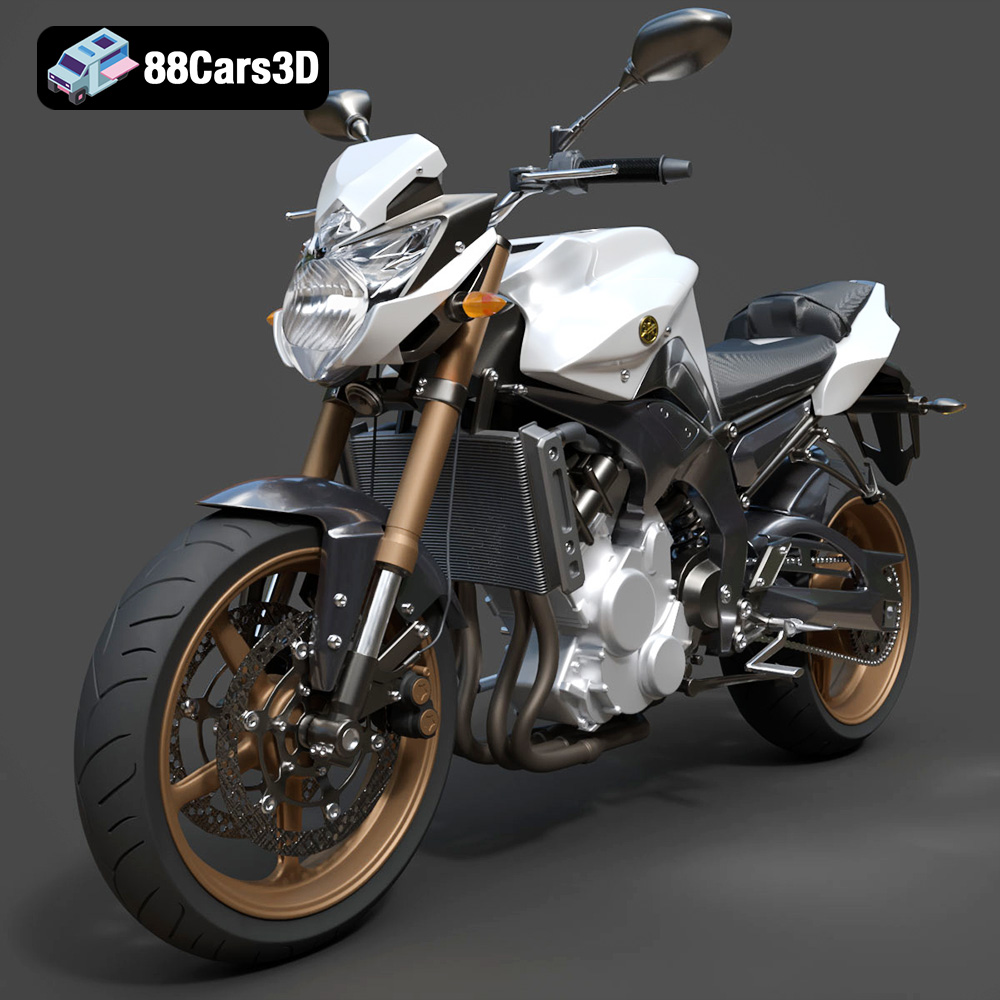
Yamaha FZ8 2011 3D Model
Texture: Yes
Material: Yes
Download the Yamaha FZ8 2011 3D Model featuring clean geometry, realistic detailing, and a fully modeled interior. Includes .blend, .fbx, .obj, .glb, .stl, .ply, .unreal, and .max formats for rendering, simulation, and game development.
Price: $19.99
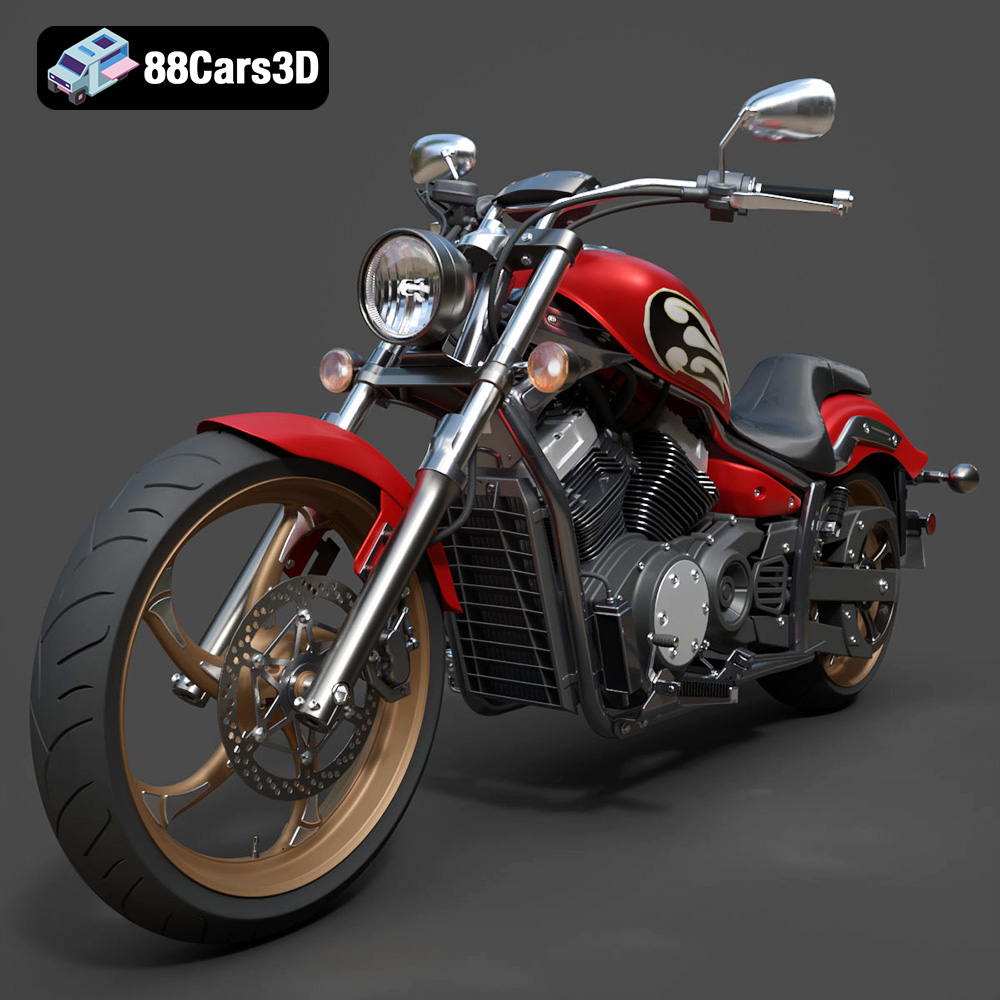
Yamaha Stryker 2012 3D Model
Texture: Yes
Material: Yes
Download the Yamaha Stryker 2012 3D Model featuring clean geometry, realistic detailing, and a fully modeled interior. Includes .blend, .fbx, .obj, .glb, .stl, .ply, .unreal, and .max formats for rendering, simulation, and game development.
Price: $19.99
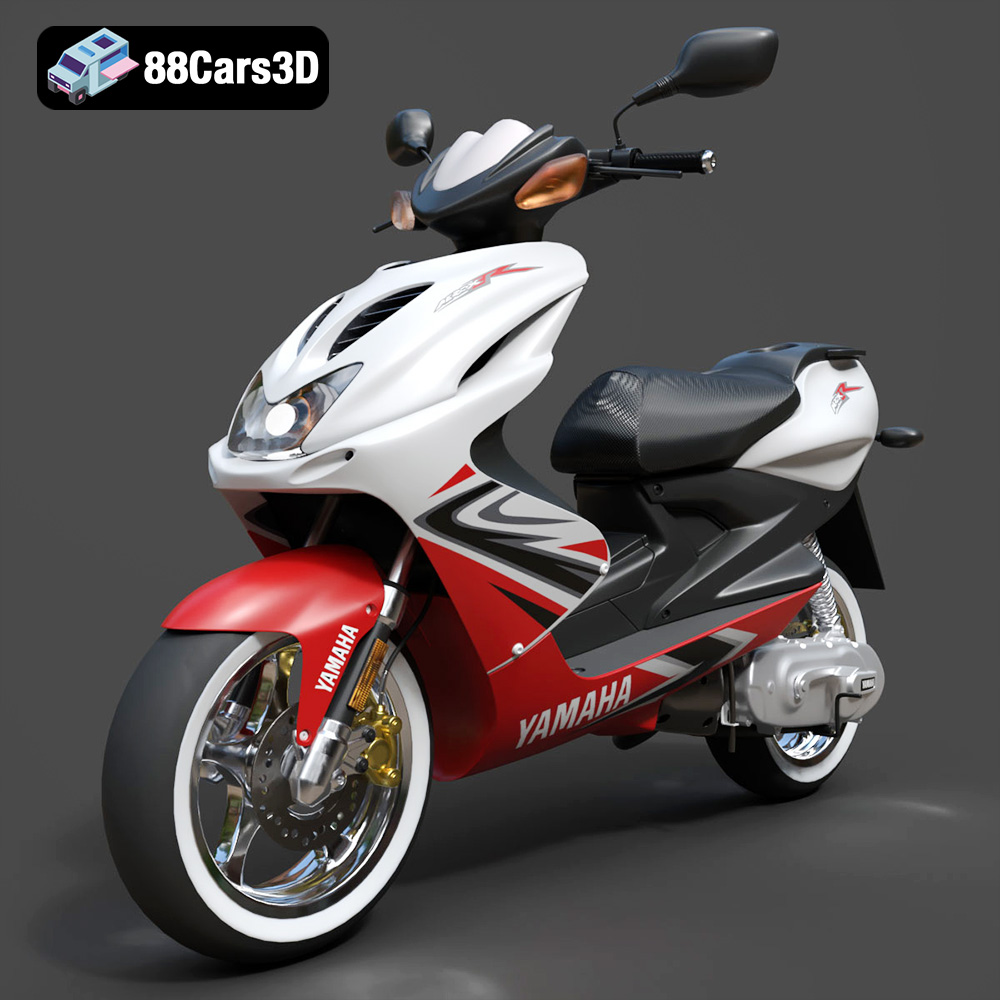
Yamaha Aerox R-002 2024 3D Model
Texture: Yes
Material: Yes
Download the Yamaha Aerox R-002 2024 3D Model featuring clean geometry, realistic detailing, and a fully modeled interior. Includes .blend, .fbx, .obj, .glb, .stl, .ply, .unreal, and .max formats for rendering, simulation, and game development.
Price: $19.99
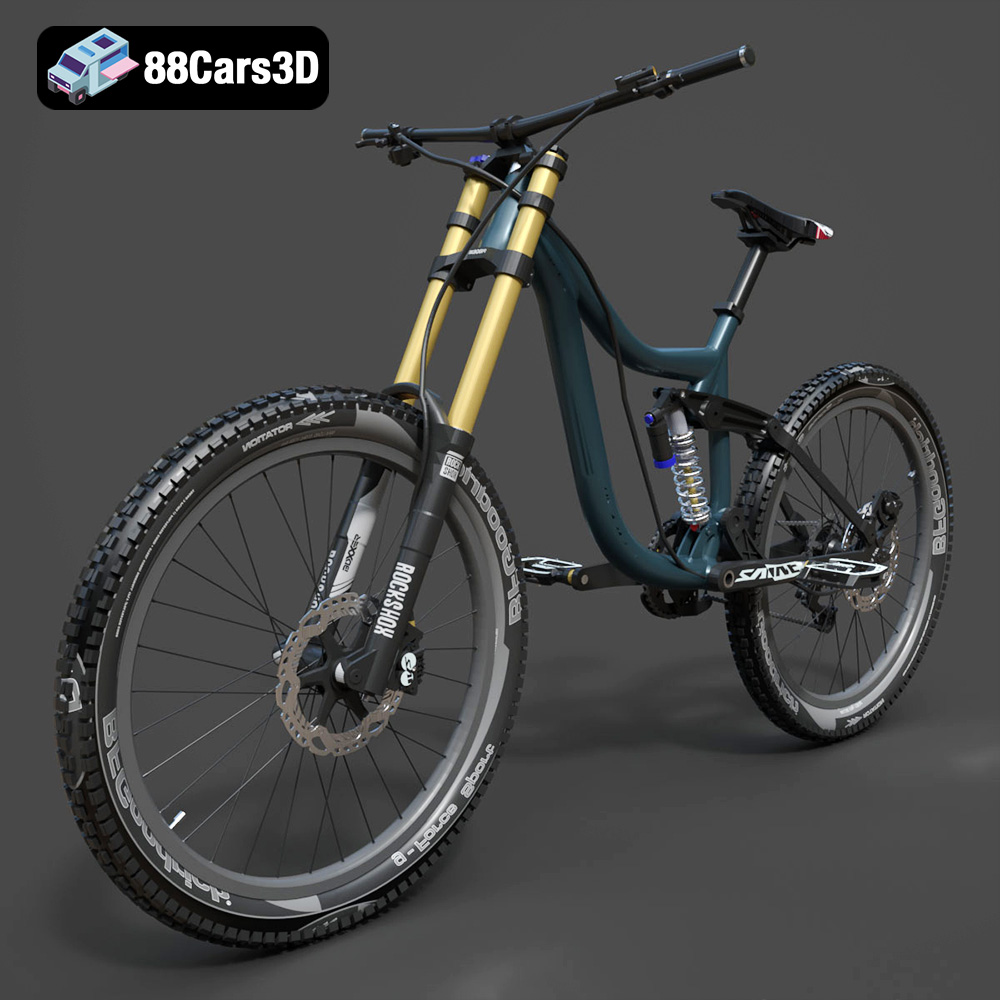
Mototsikly Downhill Bike-002 3D Model
Texture: Yes
Material: Yes
Download the Mototsikly Downhill Bike-002 3D Model featuring clean geometry, realistic detailing, and precise mechanical components. Includes .blend, .fbx, .obj, .glb, .stl, .ply, .unreal, and .max formats for rendering, simulation, and game development.
Price: $19.99
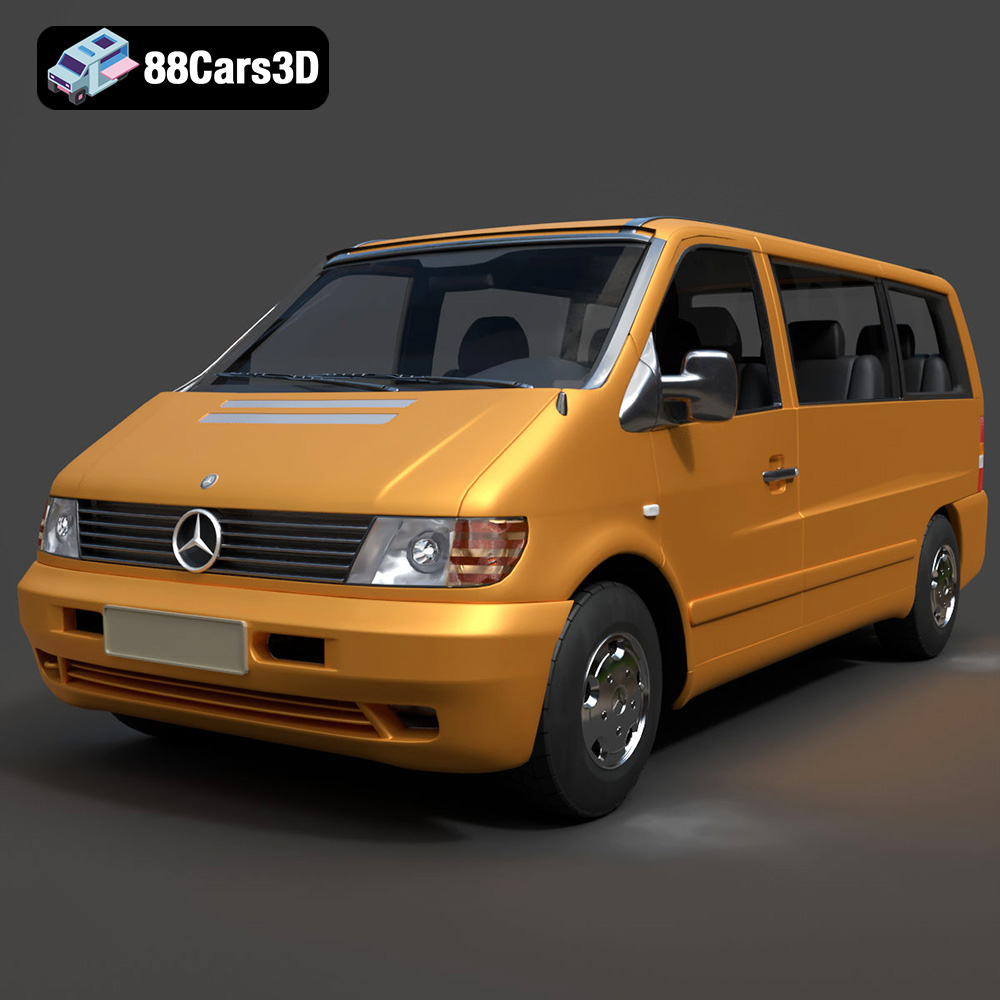
Mercedes-Benz Vito Passenger Van 3D Model
Texture: Yes
Material: Yes
Download the Mercedes-Benz Vito Passenger Van 3D Model featuring clean geometry, realistic detailing, and a fully modeled interior. Includes .blend, .fbx, .obj, .glb, .stl, .ply, .unreal, and .max formats for rendering, simulation, and game development.
Price: $19.99
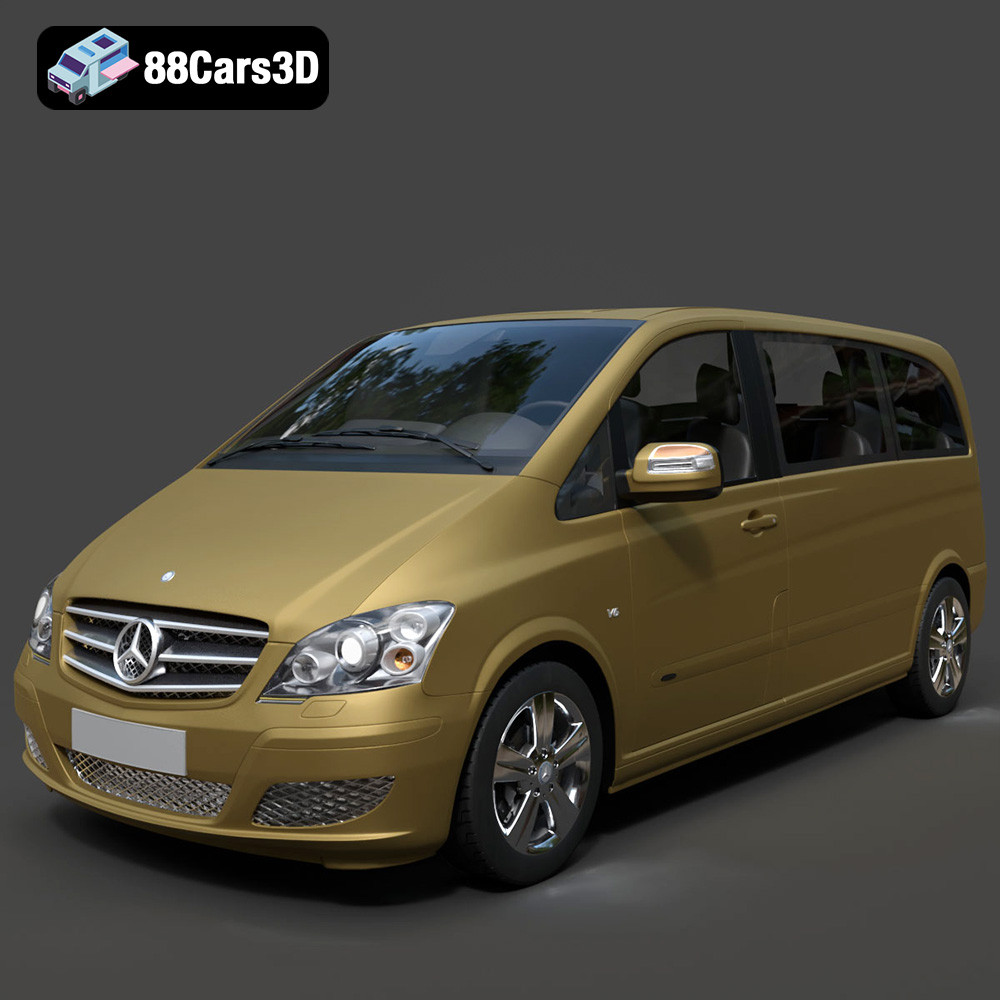
Mercedes-Benz Viano 2010 3D Model
Texture: Yes
Material: Yes
Download the Mercedes-Benz Viano 2010 3D Model featuring clean geometry, realistic detailing, and a fully modeled interior. Includes .blend, .fbx, .obj, .glb, .stl, .ply, .unreal, and .max formats for rendering, simulation, and game development.
Price: $19.99

Emt Avtobus 007 3D Model
Texture: Yes
Material: Yes
Download the Emt Avtobus 007 3D Model featuring clean geometry, realistic detailing, and a fully modeled interior. Includes .blend, .fbx, .obj, .glb, .stl, .ply, .unreal, and .max formats for rendering, simulation, and game development.
Price: $19.99
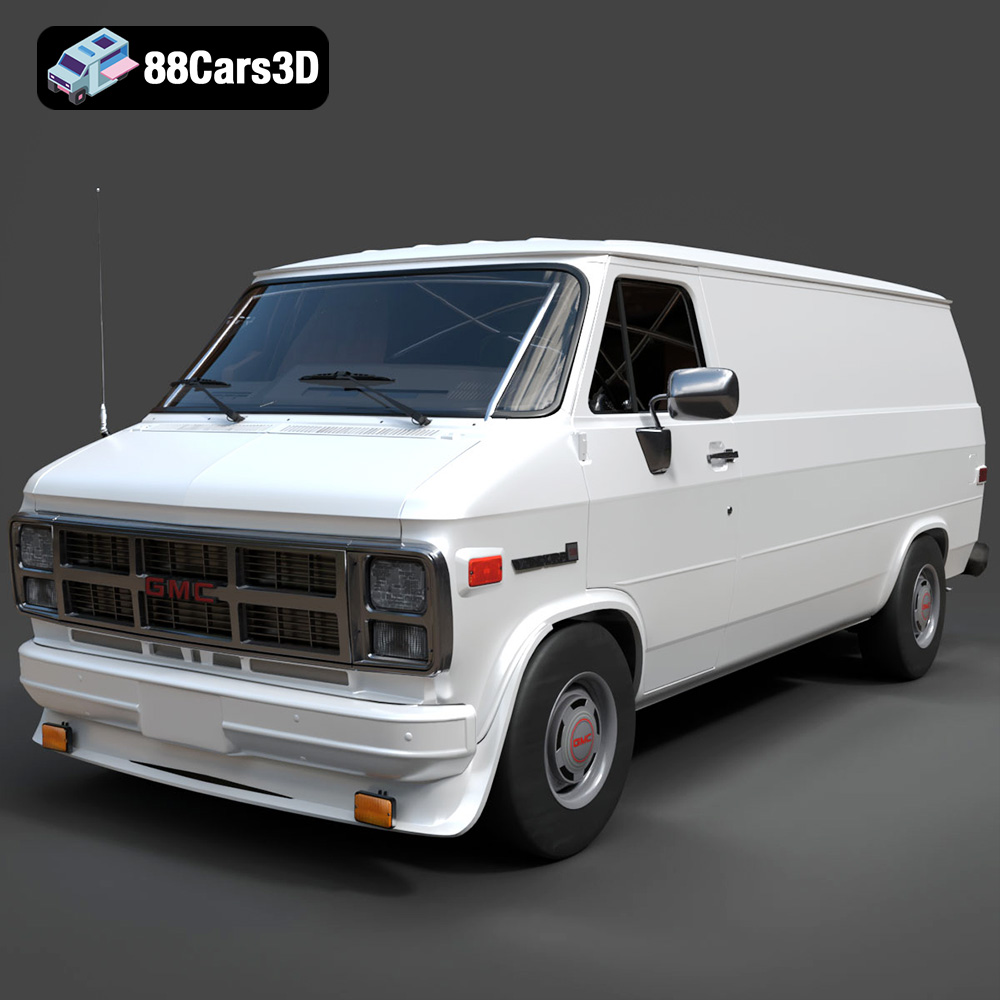
GMC Vandura G-1500 1983 3D Model
Texture: Yes
Material: Yes
Download the GMC Vandura G-1500 1983 3D Model featuring clean geometry, realistic detailing, and a fully modeled interior. Includes .blend, .fbx, .obj, .glb, .stl, .ply, .unreal, and .max formats for rendering, simulation, and game development.
Price: $19.99
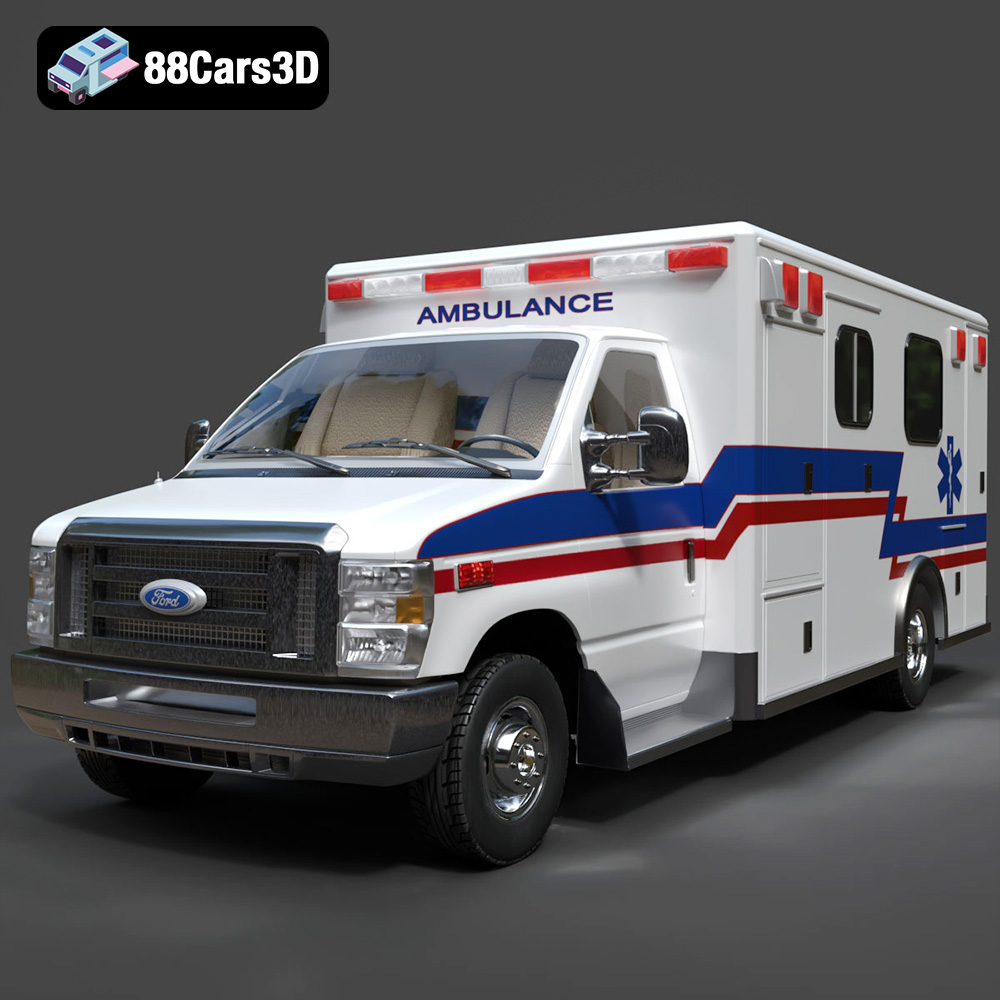
Ford E-450 Ambulance 3D Model
Texture: Yes
Material: Yes
Download the Ford E-450 Ambulance 3D Model featuring clean geometry, realistic detailing, and a fully modeled interior. Includes .blend, .fbx, .obj, .glb, .stl, .ply, .unreal, and .max formats for rendering, simulation, and game development.
Price: $19.99
