Driving Innovation: The Crucial Role of High-Quality 3D Car Models in Modern Visualization and Development
In today’s fast-paced digital landscape, the demand for realistic and impeccably detailed 3D assets has never been higher. From blockbuster video games to cutting-edge architectural visualization and automotive configurators, 3D car models stand as a cornerstone, embodying both artistic vision and engineering precision. These digital representations are more than just static objects; they are dynamic tools that power photorealistic renders, immersive real-time experiences, and critical design iterations across numerous industries. The quality of these assets directly impacts the final product, influencing everything from visual fidelity and performance to the very success of a project.
The journey of a 3D car model, from initial concept to a fully textured, animated, and integrated asset, is a complex one, requiring specialized skills, advanced software, and a deep understanding of various technical specifications. Whether you are an automotive designer visualizing a future concept, a game developer crafting an open-world driving experience, or a marketing professional producing a captivating advertisement, the foundational element remains the same: a high-quality 3D model. This comprehensive guide will delve into the technical intricacies, diverse applications, and critical considerations when working with 3D car models, illuminating why investing in top-tier assets from platforms like 88cars3d.com is paramount for achieving exceptional results.
The Foundation: Why High-Quality 3D Car Models Matter
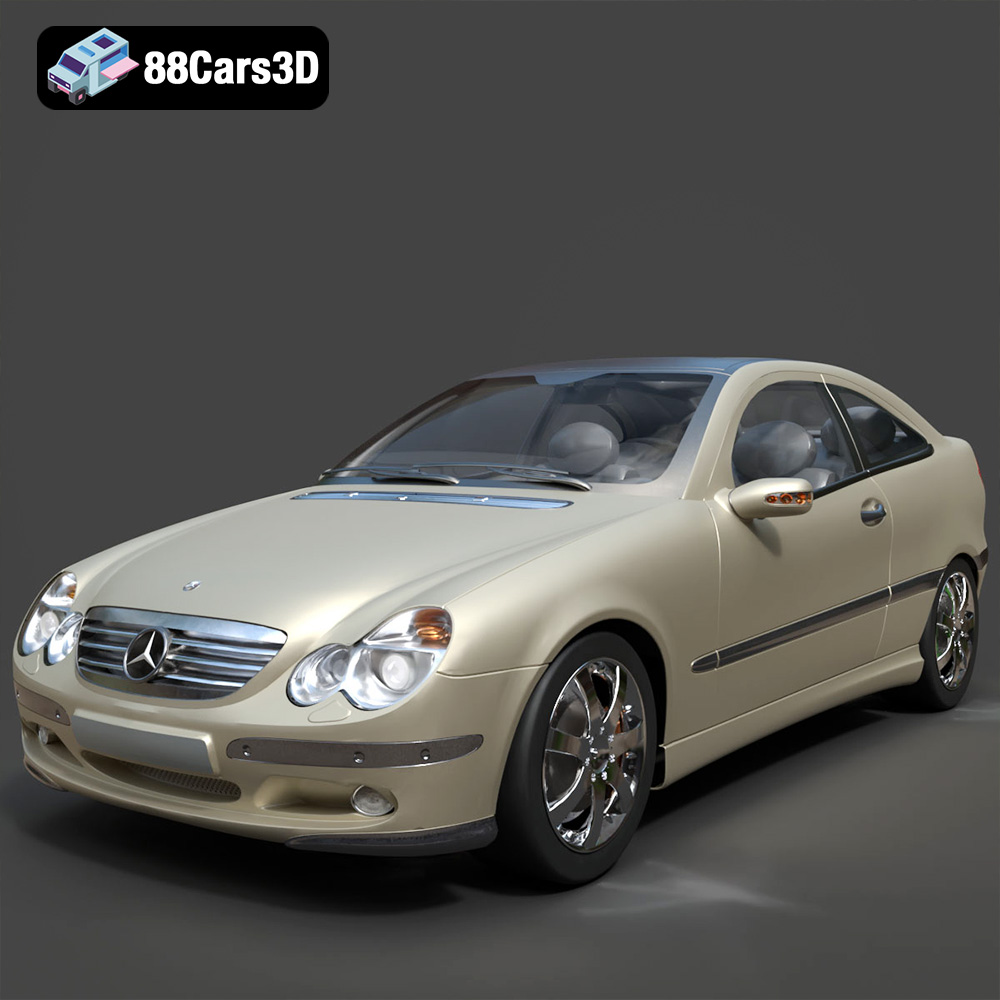
The pursuit of realism and performance in digital content begins with the underlying geometry and texturing of the 3D model. For automotive projects, this is especially true. A car is an intricate machine, characterized by complex curves, reflective surfaces, and myriad small details that collectively define its identity and aesthetic appeal. Low-quality models, characterized by inaccurate topology, stretched UVs, or simplistic material definitions, can instantly break immersion, regardless of how advanced the rendering engine or post-processing techniques might be.
Precision in Geometry and Topology
A high-quality 3D car model is built with meticulous attention to its mesh geometry. This involves clean, quads-based topology that ensures smooth deformations and subdivision surfaces without artifacts. For automotive design, subtle nuances in reflections and highlights are critical, and these are entirely dependent on the accuracy and smoothness of the mesh normals. A poorly modeled surface will exhibit unsightly faceting or pinching, ruining the illusion of a perfectly sculpted metal panel. Furthermore, correct scaling and adherence to real-world dimensions are vital for accuracy in simulations, architectural integration, and product visualization.
The Art of Realistic Texturing and Shading
Beyond the mesh, the surface properties of a 3D car model bring it to life. Physically Based Rendering (PBR) materials are now the industry standard, accurately simulating how light interacts with different surfaces. This means creating detailed texture maps for albedo (base color), roughness, metallic, normal, and ambient occlusion. For a car, this translates to accurately depicting everything from the glossy, clear-coat paint finish to the intricate textures of the tires, the reflectivity of the chrome accents, and the subtle wear and tear on interior elements. High-resolution textures (e.g., 4K or 8K) and clean UV unwrapping are non-negotiable for achieving photorealistic results, especially in close-up shots or interactive experiences.
Optimization for Diverse Applications
While high detail is often desired, a truly high-quality model is also optimized for its intended use. A model destined for a cinematic render might have millions of polygons, while one for a mobile game requires a significantly reduced poly count, often relying on LOD (Level of Detail) systems. Effective optimization involves intelligent poly reduction, efficient UV packing, and streamlined material setups without sacrificing visual fidelity. The best models offer flexibility, allowing developers and artists to choose the right balance of detail and performance for their specific project, whether it’s a high-fidelity visualization or a real-time interactive application.
Understanding 3D Model File Formats
Navigating the world of 3D car models often requires a deep understanding of various file formats, each optimized for specific workflows, software environments, and end-use cases. Choosing the correct format is crucial for maintaining data integrity, ensuring compatibility, and streamlining your production pipeline. From raw editable scenes to optimized real-time assets, each format serves a unique purpose in the lifecycle of a 3D asset.
.blend – Fully Editable Blender Scene with Materials
The .blend format is native to Blender, a powerful open-source 3D creation suite. A .blend file typically contains not just the raw mesh data but also all associated materials, textures, lighting setups, cameras, animations, and even physics simulations. This makes it an incredibly comprehensive format for anyone working within Blender, providing a fully editable scene ready for further development. For instance, if you acquire a car model in .blend format from 88cars3d.com, you get complete control over every aspect, from modifying the geometry and adjusting material nodes to re-rigging the suspension or adding custom animations. It’s the ideal choice for artists who need maximum flexibility and plan to continue their work directly within the Blender ecosystem.
.fbx – Ideal for Unreal, Unity, and Real-time Pipelines
The .fbx (Filmbox) format, originally developed by Kaydara and now owned by Autodesk, has become an industry standard for data exchange between various 3D applications, particularly in game development. It can store a vast amount of information, including geometry, materials, textures, animations, skinning, and even camera data. Its robust support for skeletal animation makes it indispensable for character and vehicle rigging. For importing 3D car models into game engines like Unreal Engine and Unity, .fbx is often the preferred choice due to its stability, comprehensive data transfer capabilities, and excellent integration with these real-time platforms. When you need to move a complete animated car model from a DCC (Digital Content Creation) tool to a game engine, .fbx is generally the most reliable and efficient solution.
.obj – Universal Format for Cross-Software Compatibility
The .obj (Wavefront OBJ) format is one of the oldest and most widely supported 3D file formats. It’s known for its simplicity and universality, making it an excellent choice for basic mesh geometry transfer between almost any 3D software application. An .obj file primarily stores vertex positions, UV coordinates, normals, and face definitions. Material information is typically stored in an accompanying .mtl (material template library) file, which references external texture maps. While .obj does not support animations, rigging, or complex scene data, its widespread compatibility makes it a safe bet for ensuring that your core car model geometry can be opened and worked on in virtually any 3D program, from 3ds Max to ZBrush, facilitating broad interoperability.
.glb – Optimized for AR, VR, and Browser-Based Display
The .glb (GL Transmission Format Binary) format is a relatively newer standard designed for efficient transmission and loading of 3D scenes and models, particularly optimized for web-based, AR (Augmented Reality), and VR (Virtual Reality) applications. It’s a self-contained format, embedding all necessary data—geometry, materials, textures, animations—into a single binary file. This makes .glb files incredibly efficient for streaming and displaying 3D content directly in web browsers (via WebGL), AR viewers (like Apple’s Quick Look), and lightweight VR experiences. For interactive automotive rendering on websites or showcasing car models in AR, .glb offers an unparalleled combination of visual quality and performance.
.stl – Suitable for 3D Printing Output
The .stl (STereoLithography) format is the de facto standard for 3D printing. It represents a 3D model as a series of connected triangles (a triangular mesh), effectively defining the surface geometry without any color, texture, or material information. While it lacks visual fidelity, its simplicity makes it ideal for additive manufacturing. When preparing a 3D car model for physical prototyping or creating scale models, converting it to .stl is a necessary step. It’s crucial that the model is watertight (no holes in the mesh) to ensure a successful print, making it a functional format rather than one for visual rendering.
.ply – Precision Mesh Format for CAD or Analysis
The .ply (Polygon File Format or Stanford Triangle Format) is another format for storing 3D data, particularly popular in academic and research contexts for storing 3D scanner data. Like .obj, it defines geometry, but it can also store additional properties such as color, transparency, texture coordinates, and even reliability information (for scan data). While less common for general 3D asset exchange, its ability to store detailed point cloud data and specific mesh properties makes it valuable for applications requiring precision geometry, such as reverse engineering, scientific visualization, and certain CAD workflows involving 3D scanned car components.
.unreal – Engine-Ready Asset for Real-time Environments
While not a standalone file format in the traditional sense, a “.unreal” asset refers to an optimized 3D model that has been specifically prepared and imported into the Unreal Engine ecosystem. This often means the original .fbx or .obj has undergone significant processing within the engine, including generating LODs, setting up PBR materials using Unreal’s shader graph, configuring collision meshes, and potentially integrating blueprints for interactive functionality. When a provider like 88cars3d.com offers an “Unreal-ready” asset, it implies that the model has been thoroughly tested, optimized, and comes with pre-configured materials and possibly basic blueprints, significantly reducing the setup time for game developers and real-time visualization artists.
.max – Editable 3ds Max Project for Animation and Rendering
The .max format is native to Autodesk 3ds Max, one of the most widely used software packages for 3D modeling, animation, and rendering in professional visualization and game development. A .max file encapsulates the entire scene, including geometry, textures, materials (e.g., V-Ray, Corona, Redshift), lights, cameras, animations, modifiers, and plugin data. For studios and individual artists who primarily work within 3ds Max, receiving a car model in .max format means gaining full access to the original scene setup, allowing for comprehensive editing, re-rendering with specific renderers, or integrating the car into existing 3ds Max projects without any data loss during conversion. This format provides the highest level of control and fidelity within the 3ds Max environment, making it a premier choice for automotive rendering specialists.
Mastering Automotive Rendering: Crafting Photorealistic Visuals
Automotive rendering is an art form that merges technical proficiency with artistic vision to produce stunningly photorealistic images and animations. It involves a sophisticated interplay of modeling, texturing, lighting, and camera work to capture the essence and allure of a vehicle. The goal is to create visuals indistinguishable from high-end photography, often surpassing what’s possible with physical shoots.
Software Ecosystem for Automotive Rendering
The choice of rendering software significantly impacts the workflow and final output quality. Industry leaders each bring unique strengths to the table:
- V-Ray (Chaos Group): A long-standing titan in rendering, V-Ray offers incredible realism, speed, and a vast feature set, making it a go-to for many professional visualization studios. Its physically based approach to light transport delivers highly accurate reflections, refractions, and global illumination, essential for capturing the intricate details of car paint and glass.
- Corona Renderer (Chaos Group): Known for its ease of use and powerful interactive rendering, Corona is a CPU-based renderer that produces beautiful, unbiased results with minimal setup time. Its simplicity doesn’t compromise on quality, making it a favorite for artists prioritizing quick iterations and intuitive controls.
- Redshift (Maxon): A GPU-accelerated renderer, Redshift is prized for its blistering speed. By leveraging the power of graphics cards, it can render complex automotive scenes in a fraction of the time compared to CPU-based alternatives, ideal for fast-paced production pipelines and animations.
- Blender Cycles/Eevee: Blender’s native renderers, Cycles (path tracer) and Eevee (real-time rasterizer), offer incredible flexibility. Cycles delivers high-quality, physically accurate renders akin to V-Ray or Corona, while Eevee provides instant feedback, perfect for interactive previews and stylized renders, making it a versatile choice for a wide range of automotive projects.
Advanced Shading and Texturing
The true magic of automotive rendering lies in its materials. PBR (Physically Based Rendering) workflows are standard, requiring precise texture maps for:
- Albedo/Base Color: The fundamental color of the surface without lighting information. For cars, this is typically the base coat color.
- Roughness: Controls the microscopic imperfections on a surface, determining how spread out or sharp reflections appear. A low roughness means mirror-like reflections (e.g., polished chrome), while high roughness creates diffused reflections (e.g., matte plastic).
- Metallic: A binary or grayscale map indicating whether a surface is metallic or dielectric. Car paint is often a complex shader combining metallic flakes with a clear coat.
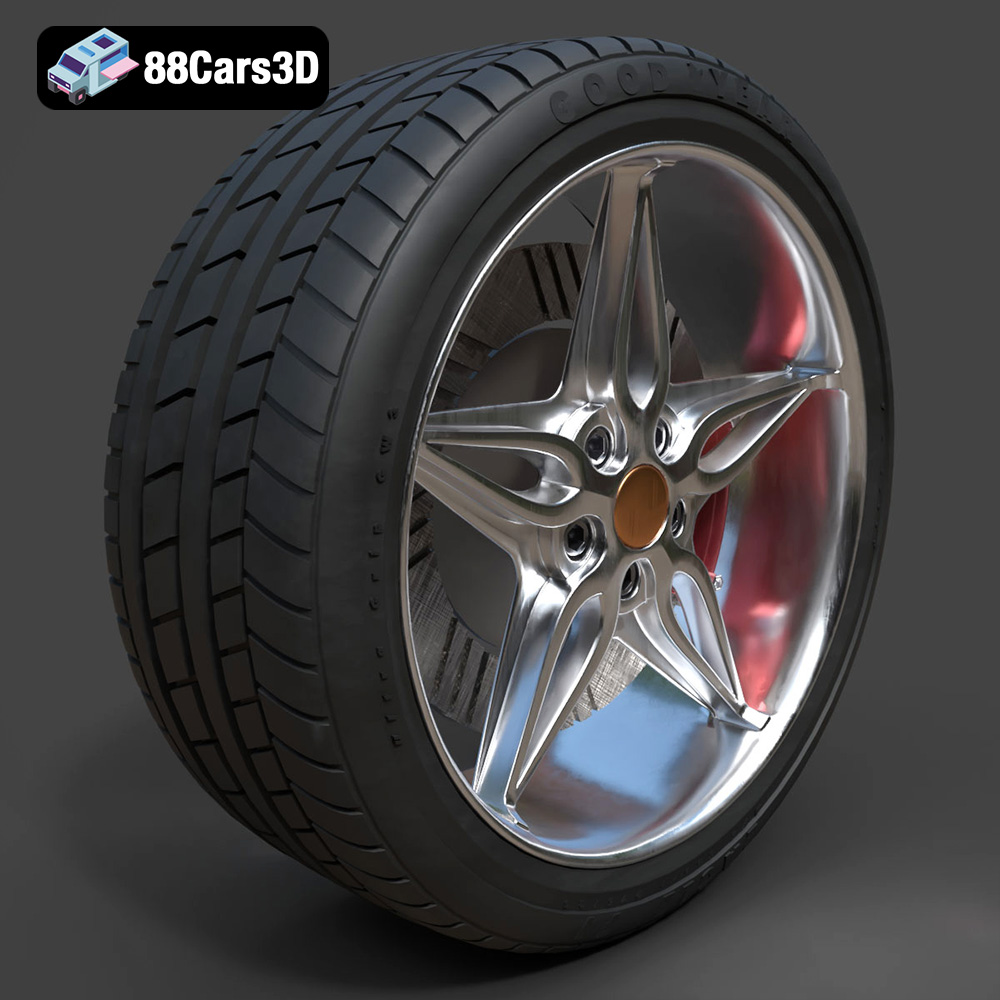
- Normal Maps: Fakes high-detail geometry using texture data, making surfaces appear more intricate without adding actual polygons. Essential for tire treads, engine details, and interior stitching.
- Clear Coat: Many renderers offer dedicated clear coat layers, simulating the transparent, highly reflective layer over car paint, adding depth and realistic reflections.
Working with high-resolution textures (4K, 8K) and often UDIMs (a system for using multiple UV tiles on a single mesh) ensures crisp details even in extreme close-ups. Mastering shader networks to accurately replicate metallic paints, carbon fiber, leather, and glass is critical for achieving photorealism.
Lighting and Environment Design
Lighting is arguably the most crucial element in any render, especially for cars. It shapes contours, highlights materials, and sets the mood. Key lighting strategies include:
- HDRI (High Dynamic Range Image): Using 360-degree panoramic images with vast dynamic range provides realistic environmental lighting and reflections. These often simulate real-world locations (e.g., a sunny beach, an urban street) or studio setups, offering incredibly accurate light bounce and reflections on the car’s body.
- Physical Light Sources: Strategic placement of virtual studio lights (e.g., area lights, photometric lights) to accentuate design lines, create dramatic shadows, or simulate interior illumination. Backlights, key lights, and fill lights are used precisely as they would be in a physical photo studio.
- Scene Integration: Placing the car within a believable 3D environment or seamlessly compositing it into a backplate image, ensuring consistent lighting and perspective. This often involves careful camera matching and shadow casting to anchor the car realistically within its surroundings.
Integrating 3D Car Models into Game Development and Real-time Engines
The interactive nature of game development and real-time visualization presents a distinct set of challenges and opportunities for 3D car models. Unlike static renders, real-time environments demand not only visual fidelity but also exceptional performance to maintain smooth frame rates and responsive interactions. This requires a strong focus on optimization, efficient asset integration, and harnessing the capabilities of modern game engines like Unreal Engine and Unity.
Asset Optimization for Real-time Performance
The balance between visual detail and performance is paramount in game development. A car model optimized for real-time applications undergoes several critical processes:
- Poly Count Management: While cinematic models can afford millions of polygons, game-ready assets must operate within strict poly budgets. This often involves intelligent retopology and manual polygon reduction. High-resolution details are baked into normal maps, giving the illusion of complexity without adding geometric overhead.
- Level of Detail (LODs): To manage performance dynamically, LOD systems are essential. A 3D car model will have multiple versions, each with a progressively lower polygon count. The engine automatically switches between these LODs based on the camera’s distance from the object, ensuring high detail up close and optimized performance further away. A good car model might have 3-5 LOD levels.
- Efficient UV Unwrapping and Texture Atlases: Clean and efficient UV maps are critical. Textures are often packed into atlases to minimize draw calls, which significantly improves rendering performance. This means multiple smaller textures (e.g., interior details, engine parts) are consolidated into one larger texture sheet.
- Collision Meshes: Separate, simplified collision meshes are created for accurate physics simulations without using the high-detail visual mesh. This allows for realistic car behavior and interactions with the environment without bogging down the physics engine.
Workflow with Unreal Engine and Unity
Integrating 3D car models into game engines like Unreal Engine or Unity involves a structured workflow:
- Import: Models, typically in .fbx format, are imported into the engine. During import, settings for LODs, collision, and material creation are configured. Engine-ready assets, like those from 88cars3d.com, often come with pre-set import configurations.
- Material Setup: PBR materials are recreated or assigned within the engine’s material editor. This involves plugging in albedo, normal, roughness, metallic, and ambient occlusion maps into the engine’s shader graphs. Specialized car paint shaders, with clear coat layers and metallic flakes, are often custom-built or sourced from the marketplace.
- Rigging and Animation: For animated vehicles, a skeletal rig is imported with the model, allowing for wheel rotation, suspension compression, and door opening animations. In Unreal Engine, this often involves using control rigs and animation blueprints to drive dynamic vehicle behavior. Unity utilizes its Mecanim animation system or custom scripts.
- Physics and Interaction: Setting up vehicle physics (suspension, engine, tires, drag) is a complex but crucial step. Both engines provide robust physics systems (Chaos in Unreal, PhysX in Unity) that can be extensively customized to achieve realistic driving mechanics. Blueprints (Unreal) or C# scripts (Unity) are used to define player input, AI behavior, and interactive elements.
Enhancing Immersion: AR/VR and Interactive Experiences
3D car models are central to creating immersive AR (Augmented Reality) and VR (Virtual Reality) experiences. In AR, models are overlaid onto the real world, allowing users to visualize a car in their driveway or interact with its features virtually. For VR, users can “step inside” and experience the interior and exterior of a vehicle in a fully immersive digital environment. This demands not only optimized models but also careful consideration of user interaction, performance, and the seamless integration of visual and spatial elements to create believable and engaging experiences.
Beyond Visualization: 3D Car Models in Product Design and Engineering
While often associated with stunning visuals, the utility of 3D car models extends far beyond rendering and game development. In the realm of product design, engineering, and manufacturing, these digital assets serve as indispensable tools for iterative design, functional analysis, and precise prototyping, bridging the gap between virtual concepts and physical realities.
Precision Modeling for Prototyping and Manufacturing
In the automotive industry, 3D car models are the bedrock of the entire product development cycle. Designers begin with conceptual models, which then evolve into highly detailed CAD (Computer-Aided Design) models. These precision models are not just for aesthetics; they are engineered for functionality, manufacturability, and assembly. Every component, from the engine block to the smallest interior button, is modeled with exacting tolerances.
- Rapid Prototyping: High-fidelity 3D models are directly used to create physical prototypes through 3D printing (using .stl or .obj formats). This allows designers and engineers to physically evaluate ergonomics, aesthetics, and fit before committing to expensive tooling.
- CNC Machining: For certain components, 3D models serve as blueprints for Computer Numerical Control (CNC) machining, where automated tools precisely carve parts from raw materials based on the digital design.
- Assembly Simulation: Engineers use 3D models to simulate the assembly process, identifying potential clashes, access issues, and sequence problems long before physical production begins, saving significant time and cost.
Virtual Product Development and Design Review
The ability to interact with and review 3D car models in a virtual environment has revolutionized product development. Instead of costly physical mock-ups, teams can conduct virtual design reviews, exploring various configurations, material choices, and aesthetic alterations in real-time. This collaborative approach fosters faster iteration cycles and enables stakeholders from different departments (design, engineering, marketing) to provide feedback on a unified digital model.
- Ergonomic Studies: Virtual models allow engineers to conduct ergonomic studies, assessing driver visibility, passenger comfort, and accessibility of controls without building a physical car.
- Aerodynamic Simulation: High-precision 3D car models are fed into Computational Fluid Dynamics (CFD) software to simulate airflow, optimize aerodynamics, and predict performance characteristics like drag and lift, critical for fuel efficiency and stability.
- Crash Testing Simulation: Finite Element Analysis (FEA) uses 3D models to simulate crash scenarios, identifying weak points in the vehicle structure and optimizing safety features, drastically reducing the need for expensive physical crash tests.
In these engineering and design applications, the accuracy, clean geometry, and often CAD-like structure of the 3D models are paramount. The ability to export to formats suitable for analysis software or manufacturing tools makes 3D car models an invaluable asset throughout the entire product lifecycle.
Choosing the Right 3D Car Model Provider: The 88cars3d.com Advantage
The success of any project involving 3D car models hinges on the quality of the assets themselves. With countless options available, discerning the truly high-quality models from the rest can be challenging. This is where specialized platforms like 88cars3d.com stand out, offering a curated selection of professional-grade assets designed to meet the rigorous demands of diverse industries.
Quality Assurance and Technical Specifications
At 88cars3d.com, the emphasis is on delivering models that adhere to the highest industry standards. This commitment to quality is evident in several key areas:
- Accurate Topology: Models feature clean, quad-based geometry, ensuring smooth subdivision, predictable deformation, and compatibility with various workflows, from rendering to animation. This prevents rendering artifacts and facilitates easy editing.
- PBR-Ready Materials: Each model comes with carefully crafted Physically Based Rendering (PBR) materials, complete with high-resolution texture maps (albedo, roughness, metallic, normal, AO, etc.). This ensures photorealistic rendering across different engines and software.
- Optimized UV Unwrapping: UV layouts are efficiently packed, non-overlapping, and well-organized, allowing for precise texture application and easy customization. For complex models, UDIM support ensures texture fidelity across large surfaces.
- Multiple File Formats: Recognizing the diverse needs of professionals, 88cars3d.com typically offers models in multiple industry-standard formats, including .blend, .fbx, .obj, .glb, .stl, .unreal, and .max. This versatility ensures seamless integration into virtually any production pipeline.
- Attention to Detail: From meticulously modeled interiors and engine bays to accurate tire treads and intricate badges, the models capture the authentic spirit and engineering of real-world vehicles.
Diverse Library for Every Project
Whether you’re working on a cutting-edge game, a high-fidelity automotive configurator, an architectural visualization, or a VR training simulation, the breadth of selection is crucial. 88cars3d.com offers a comprehensive library spanning a vast range of vehicle types, eras, and manufacturers:
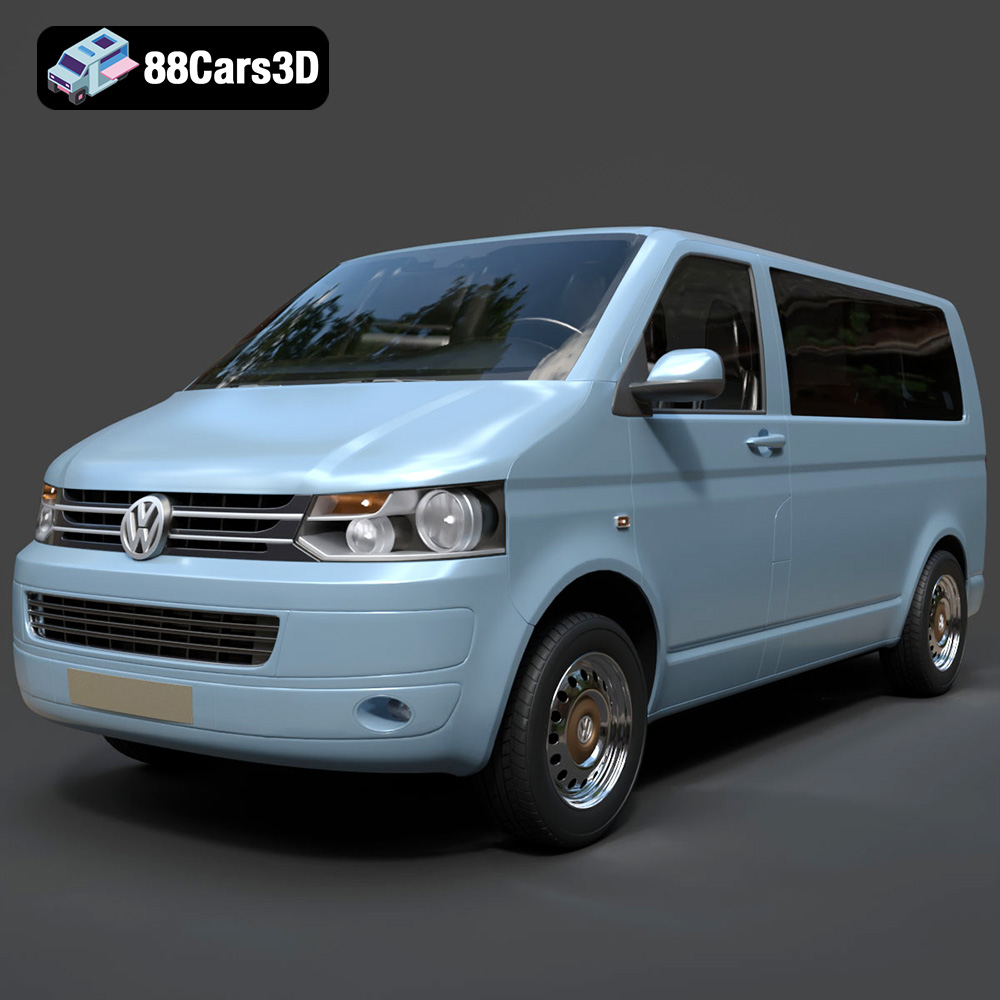
- Modern Production Cars: The latest models from leading automotive brands, perfect for current-day marketing, configurators, and realistic simulations.
- Classic and Vintage Vehicles: Meticulously recreated historical cars, ideal for period pieces, nostalgic visualizations, or collector showcases.
- Concept and Future Vehicles: Avant-garde designs that push the boundaries of automotive aesthetics, suitable for speculative projects and sci-fi themes.
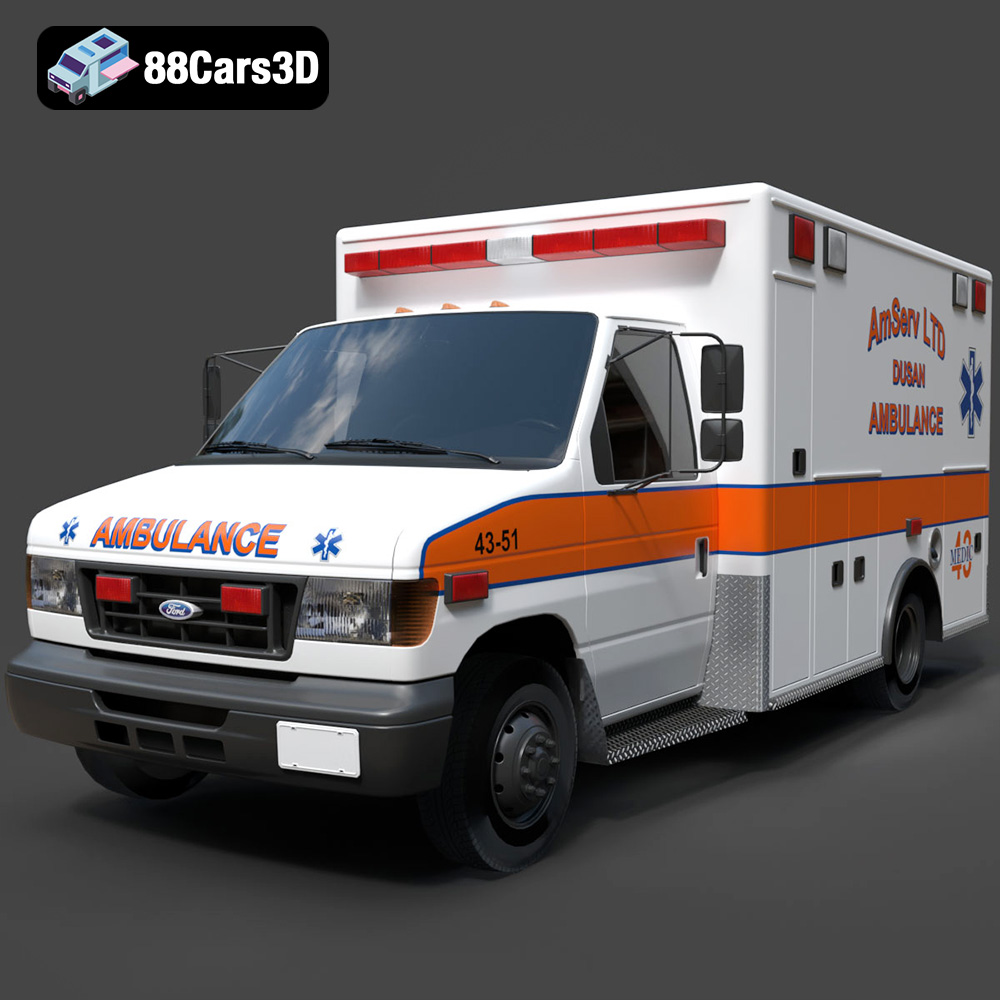
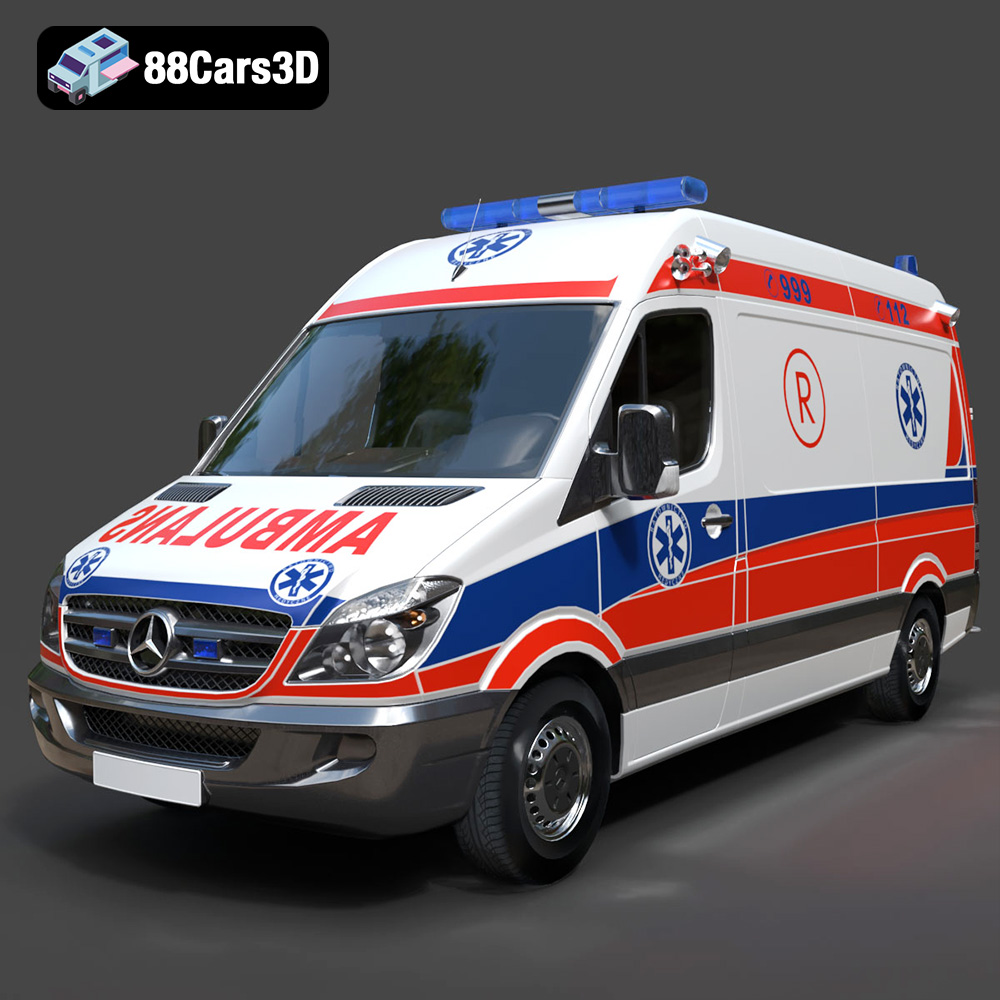
- Specialized Vehicles: From race cars and off-road vehicles to commercial trucks and emergency service vehicles, catering to niche applications and specific project requirements.
By providing models that are not only visually stunning but also technically robust and versatile, 88cars3d.com empowers artists and developers to focus on creativity rather than grappling with asset cleanup or optimization. This dedication to quality and user experience makes it a reliable partner for achieving exceptional results in any digital automotive endeavor.
Conclusion: Driving Innovation with Exceptional 3D Car Models
The journey through the world of 3D car models reveals their multifaceted importance across modern digital industries. From the initial conceptualization in automotive design to their crucial role in photorealistic automotive rendering, immersive game development, and precise engineering analysis, high-quality 3D assets are truly the engine driving innovation. We’ve explored the critical technical specifications, diverse file formats that dictate workflow efficiency, and the intricate processes involved in bringing these virtual vehicles to life in various applications.
The demand for realism, performance, and versatility means that the quality of your 3D car models is no longer a luxury but a fundamental necessity. Investing in expertly crafted assets ensures not only visual fidelity but also streamlines production, minimizes technical hurdles, and ultimately enhances the impact and success of your projects. Platforms that prioritize detail, accurate topology, PBR materials, and offer a wide range of optimized formats, such as 88cars3d.com, provide the essential foundation for artists, designers, and developers to push creative boundaries.
As technology continues to advance, the capabilities and applications of 3D car models will only expand further, opening new avenues for creativity and interaction. By understanding the technical nuances and leveraging premium resources, professionals can continue to craft breathtaking visualizations, develop compelling interactive experiences, and drive the future of digital automotive content.
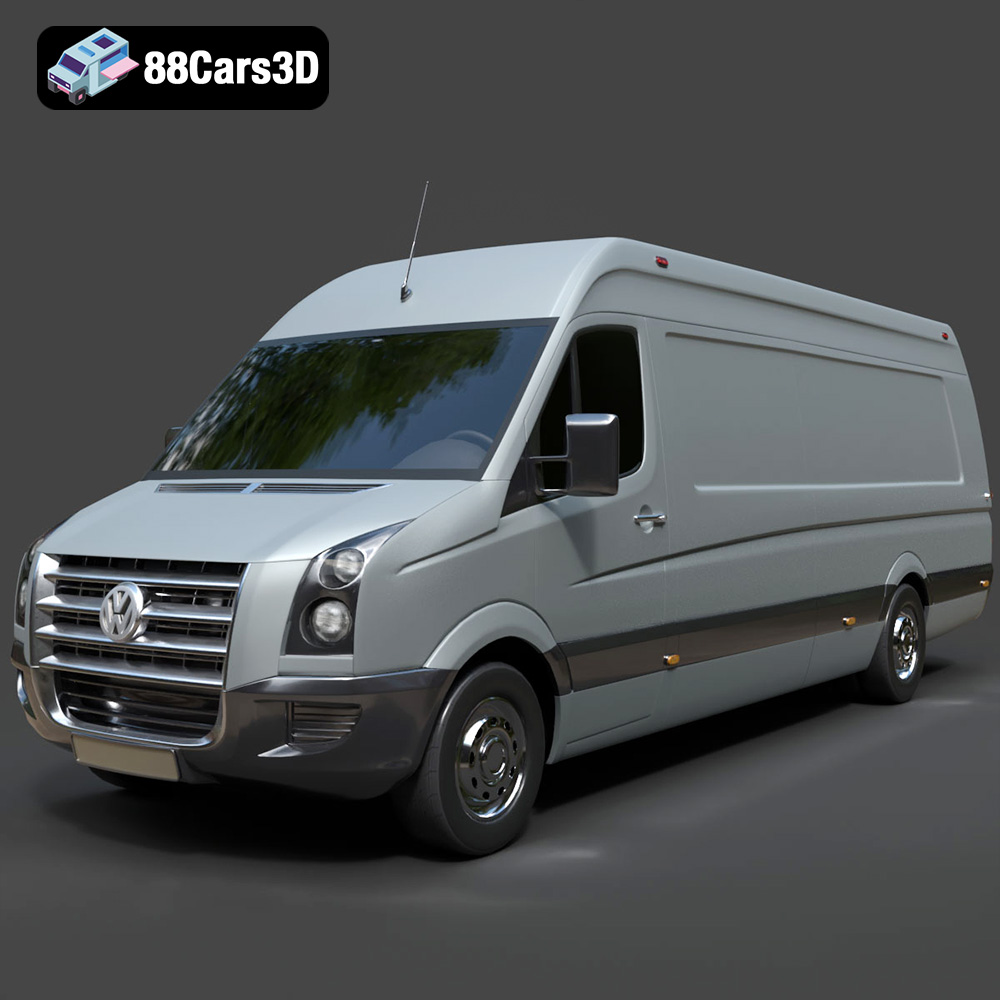
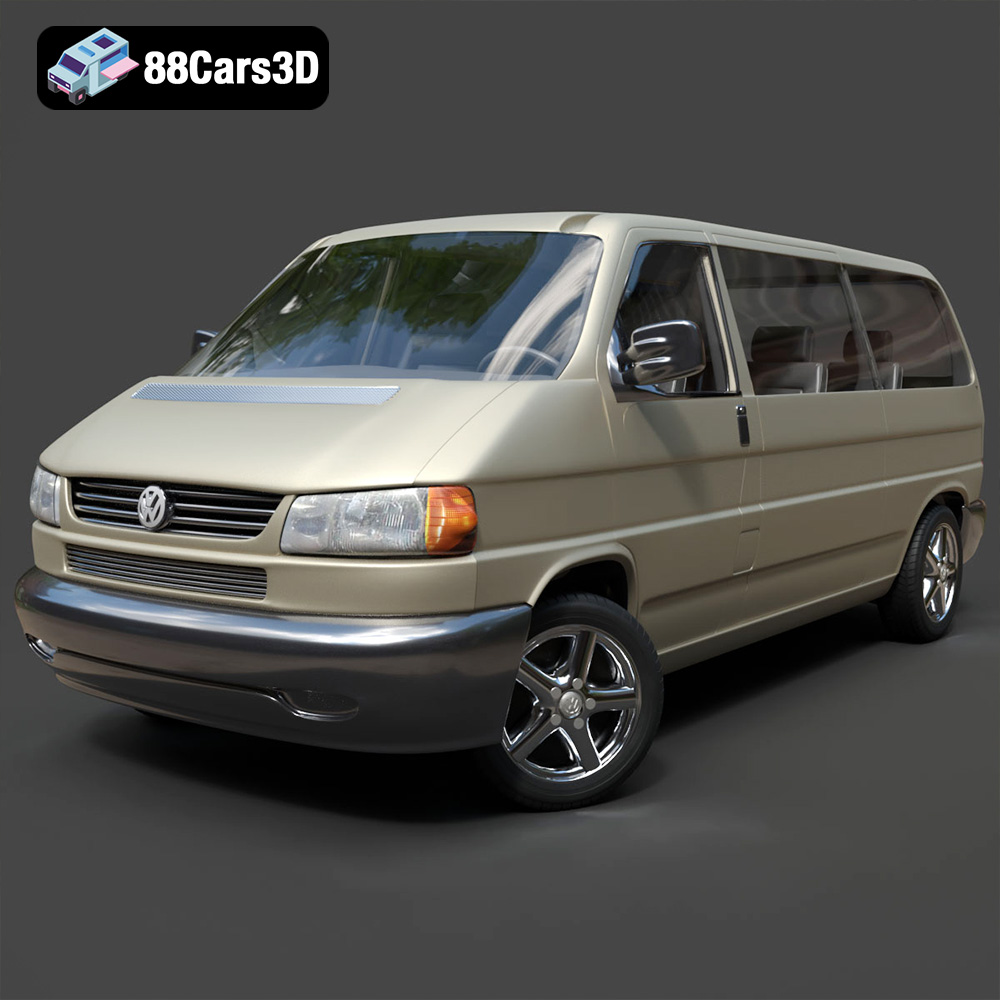
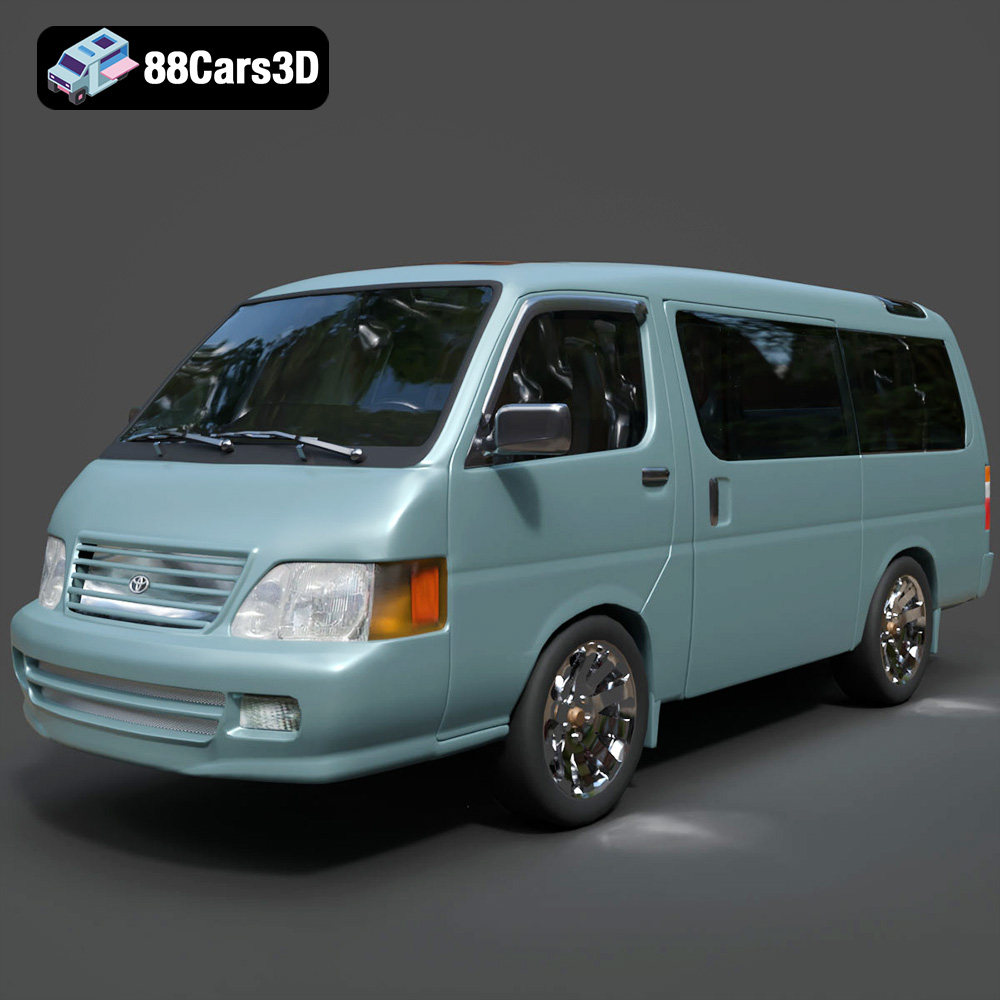
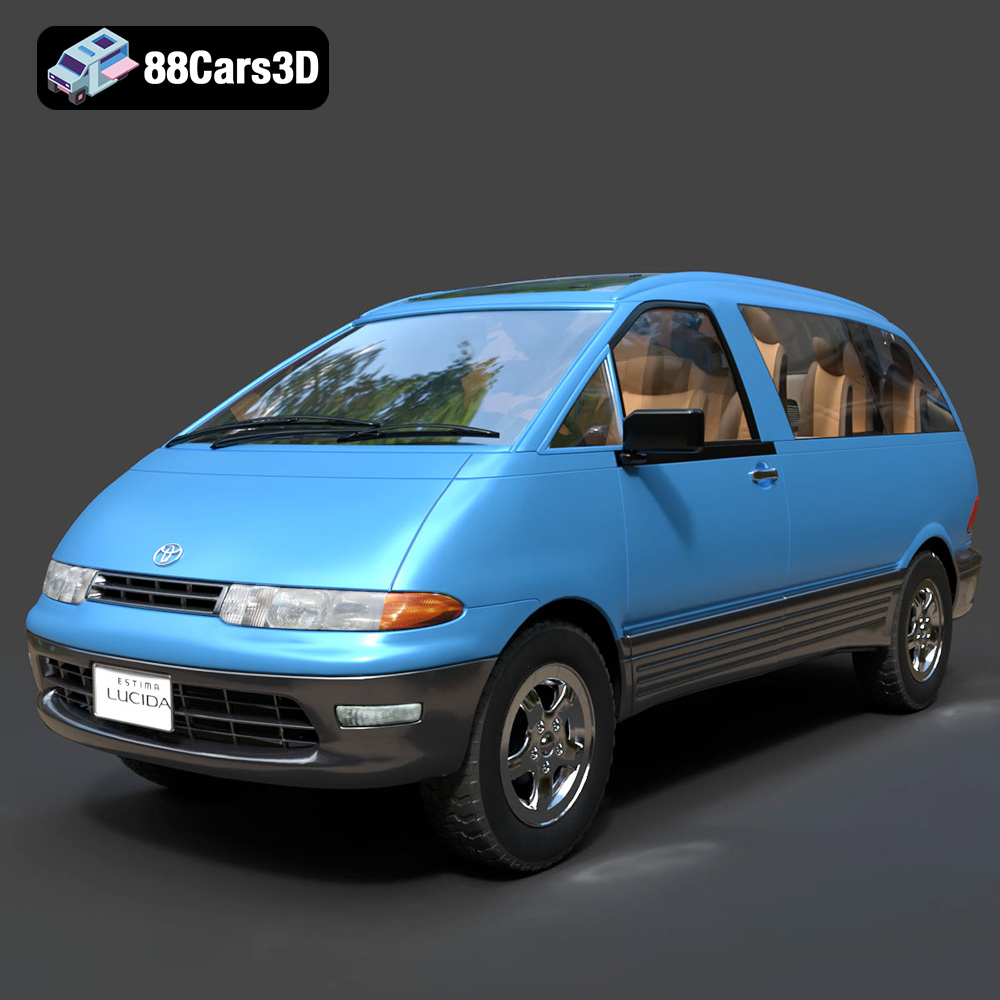
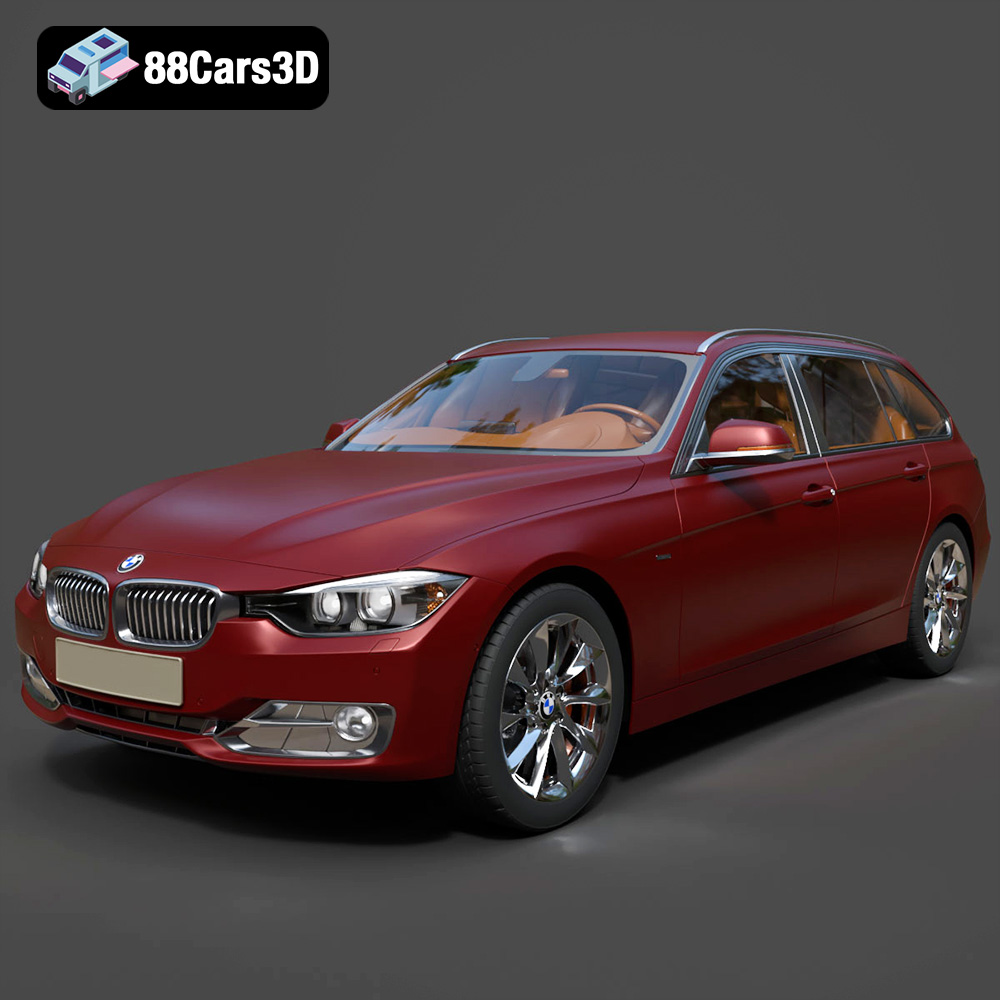
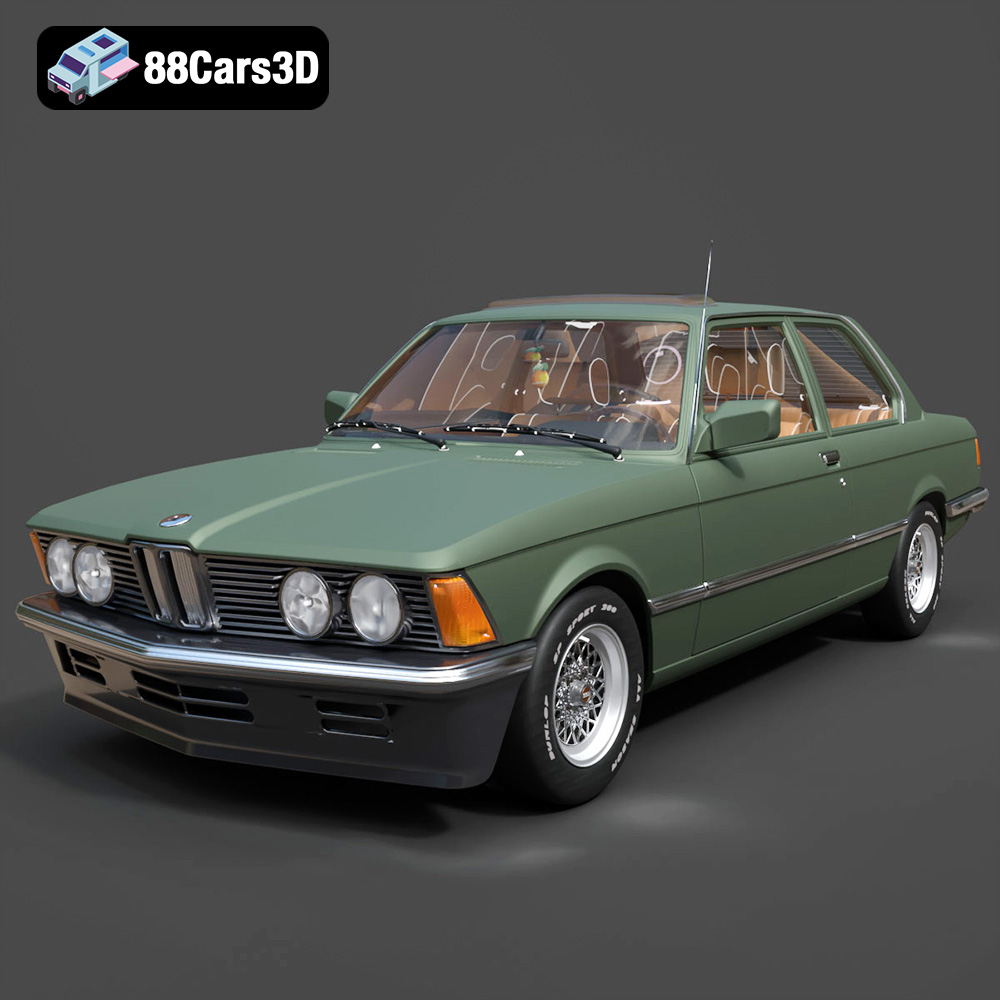
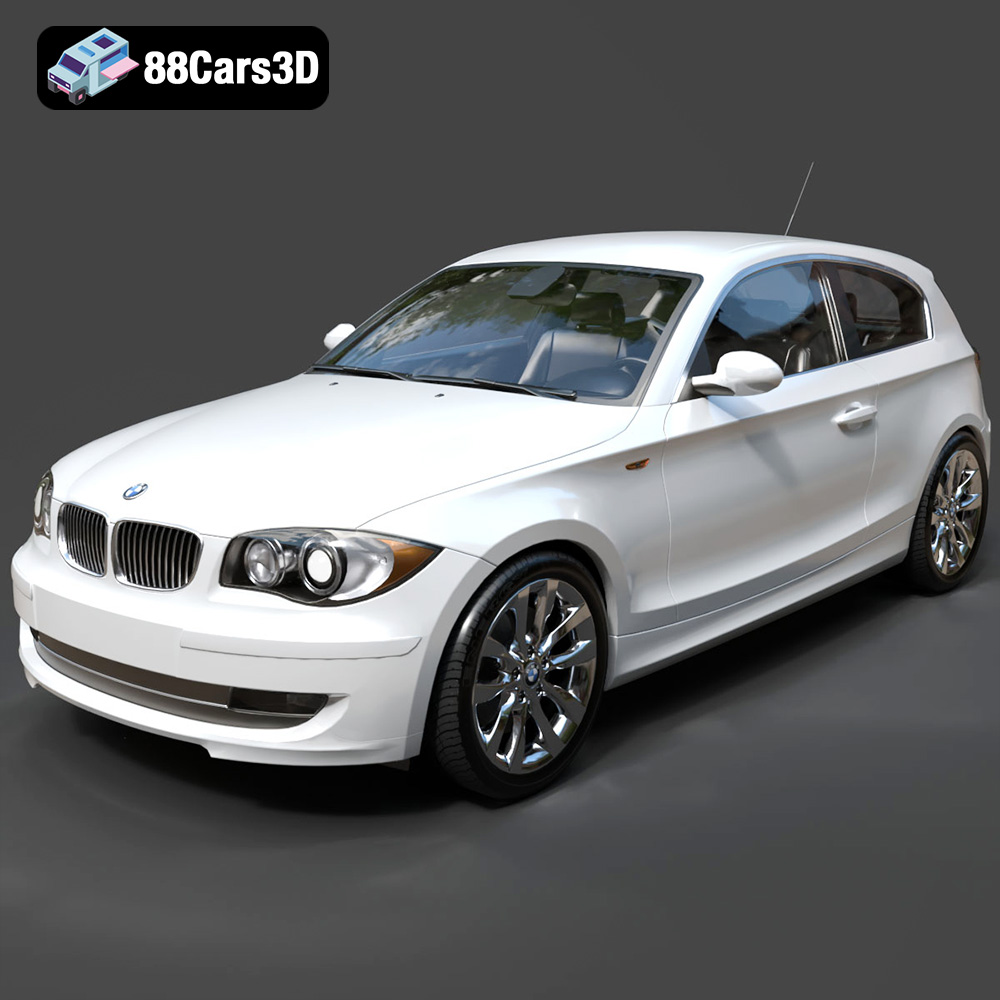
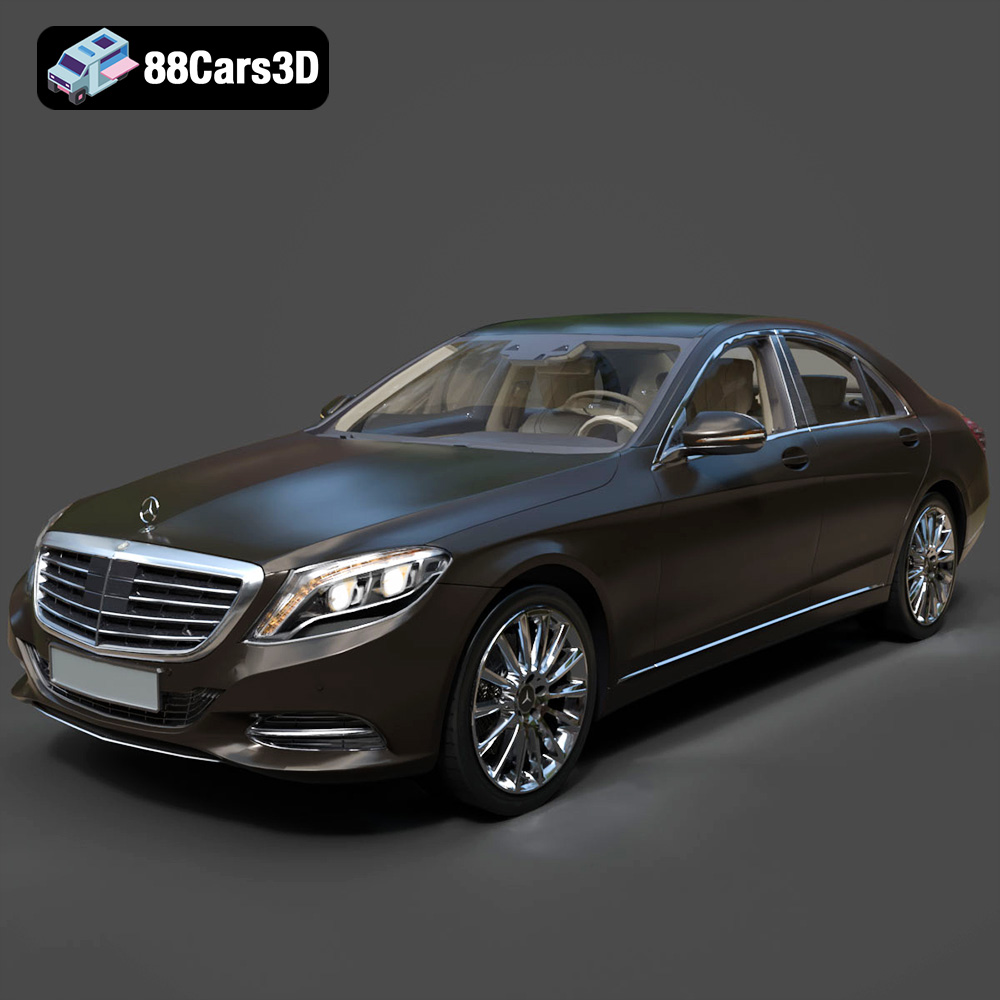
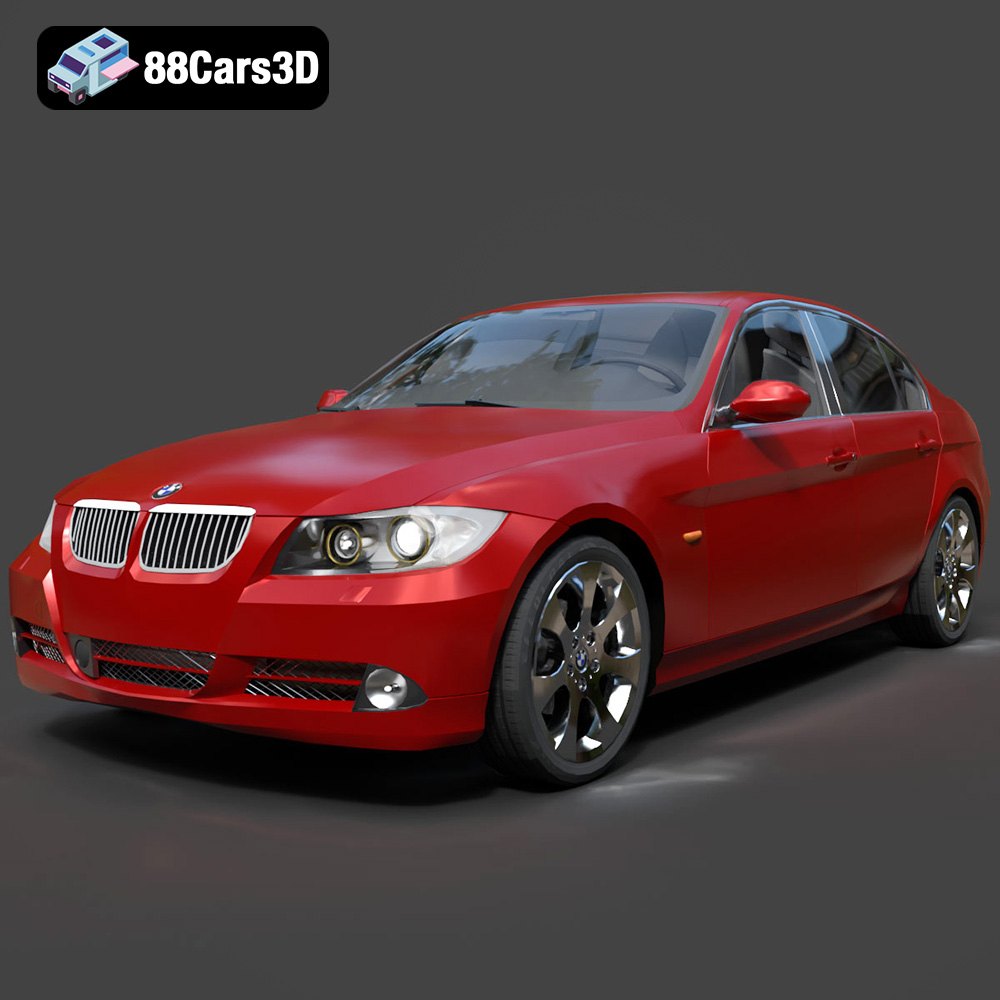
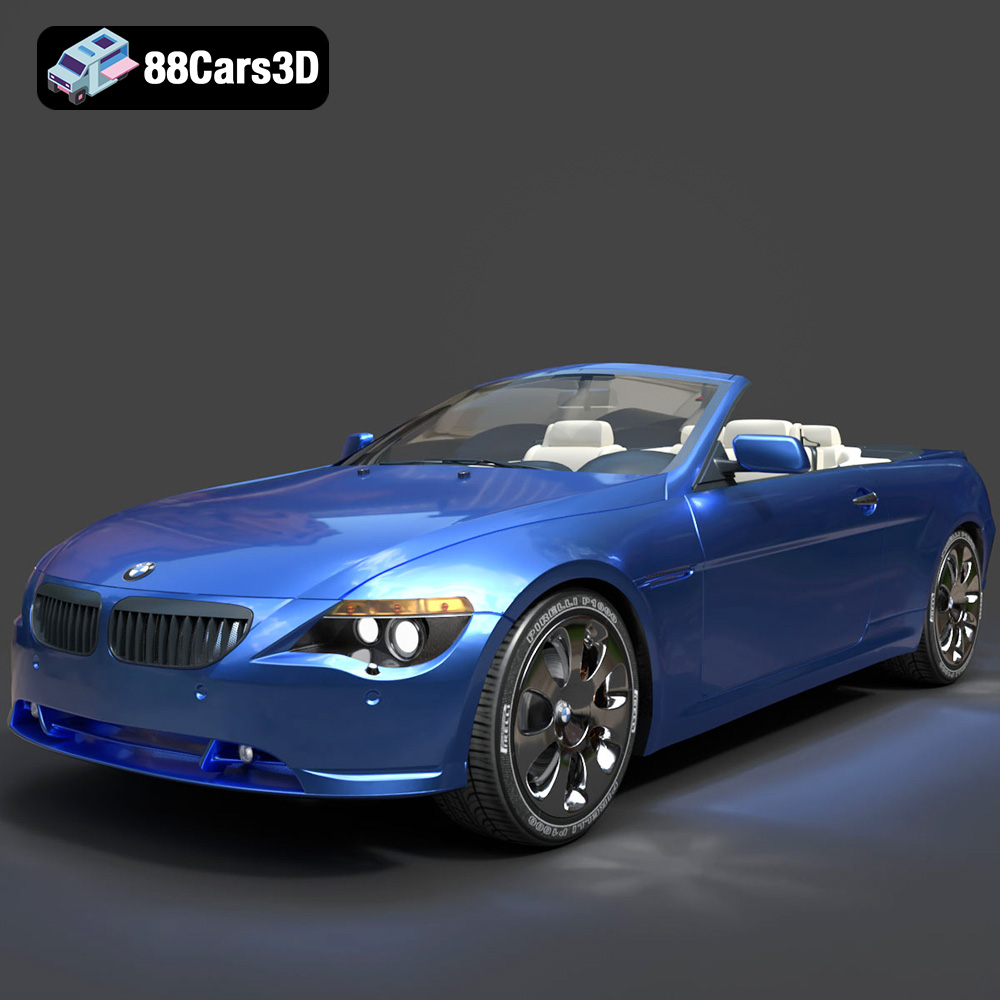
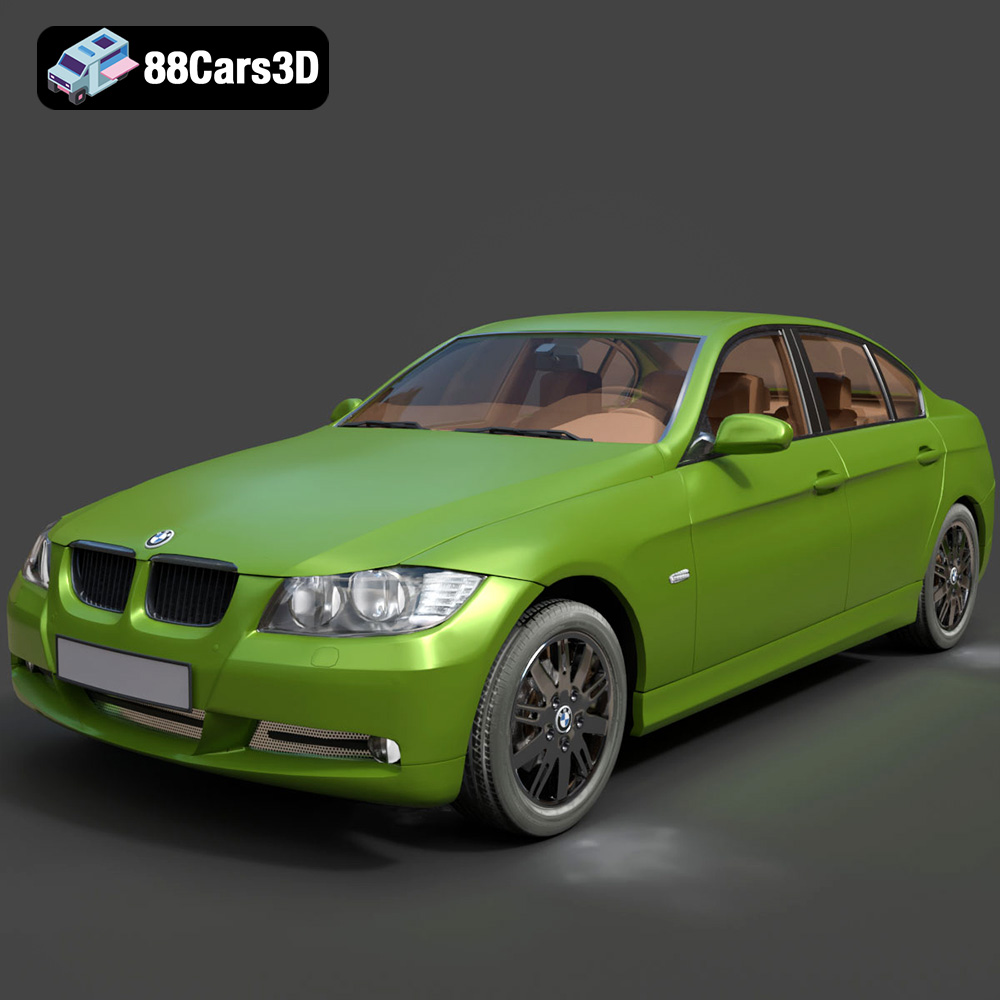
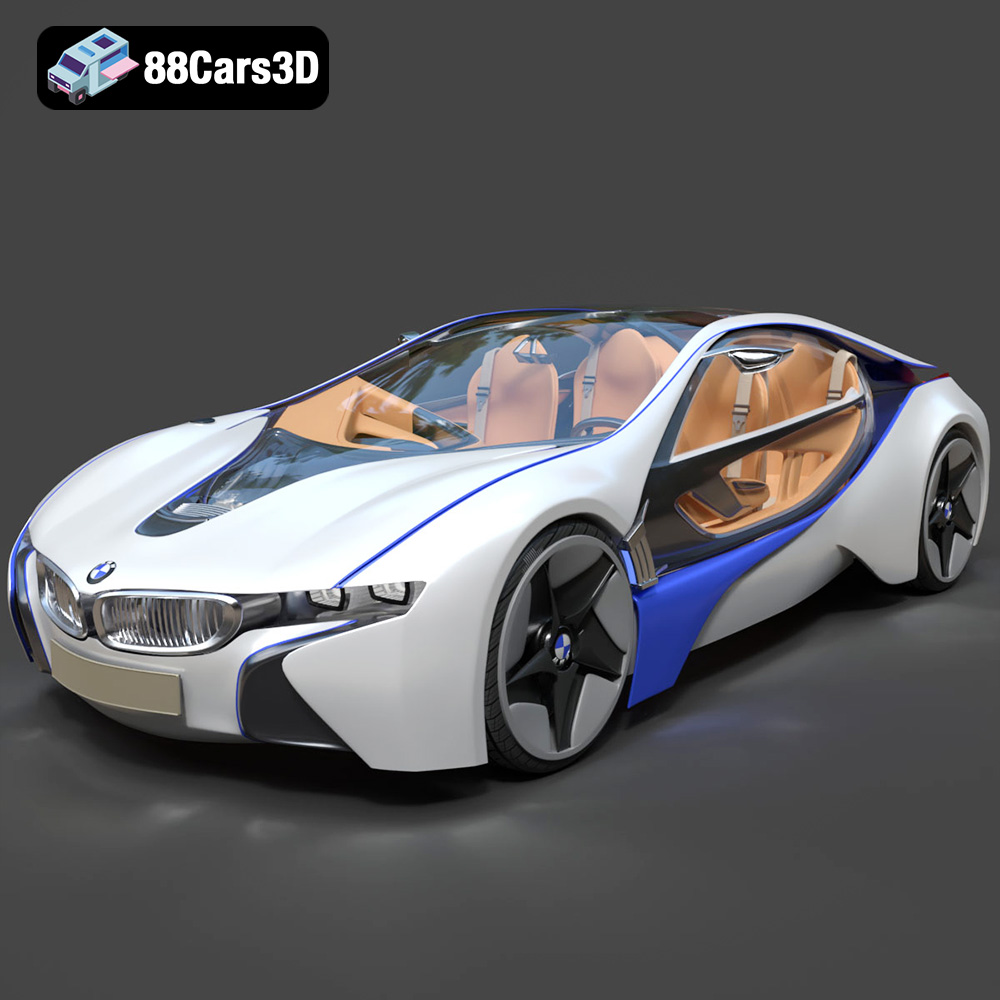
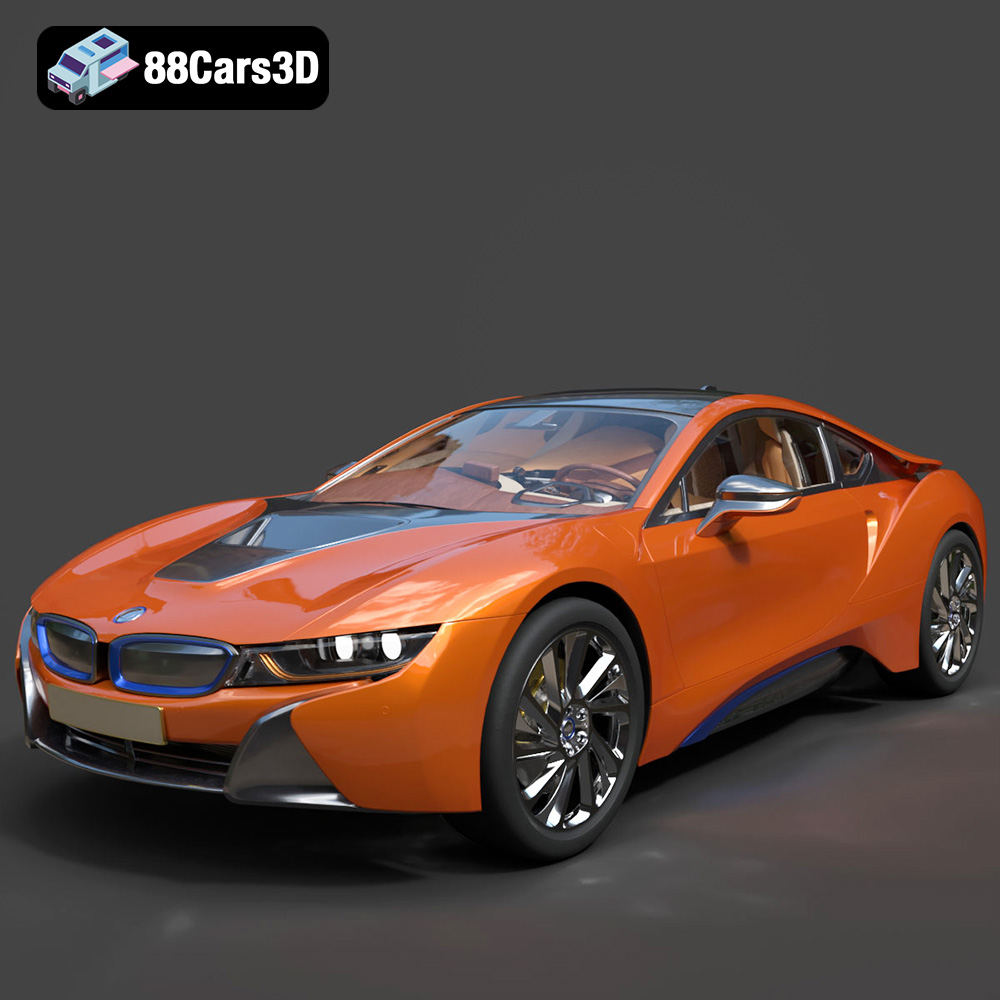
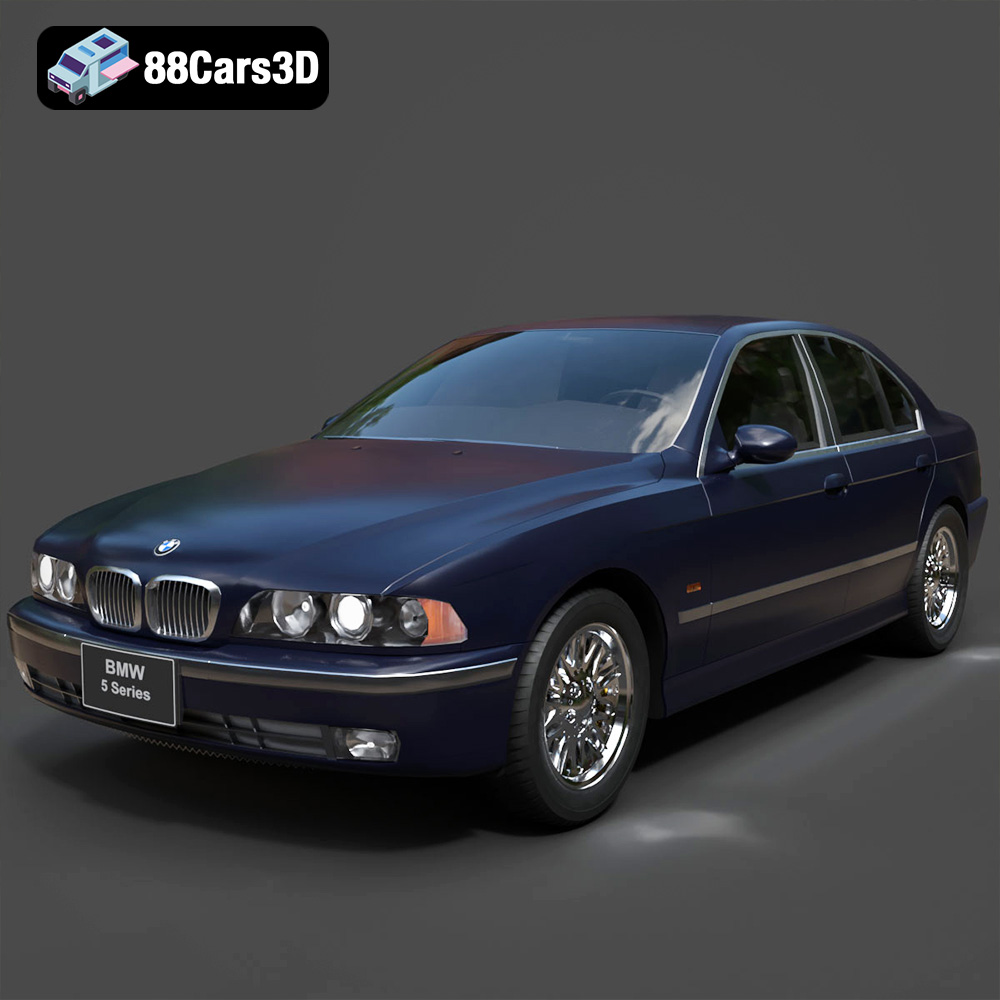
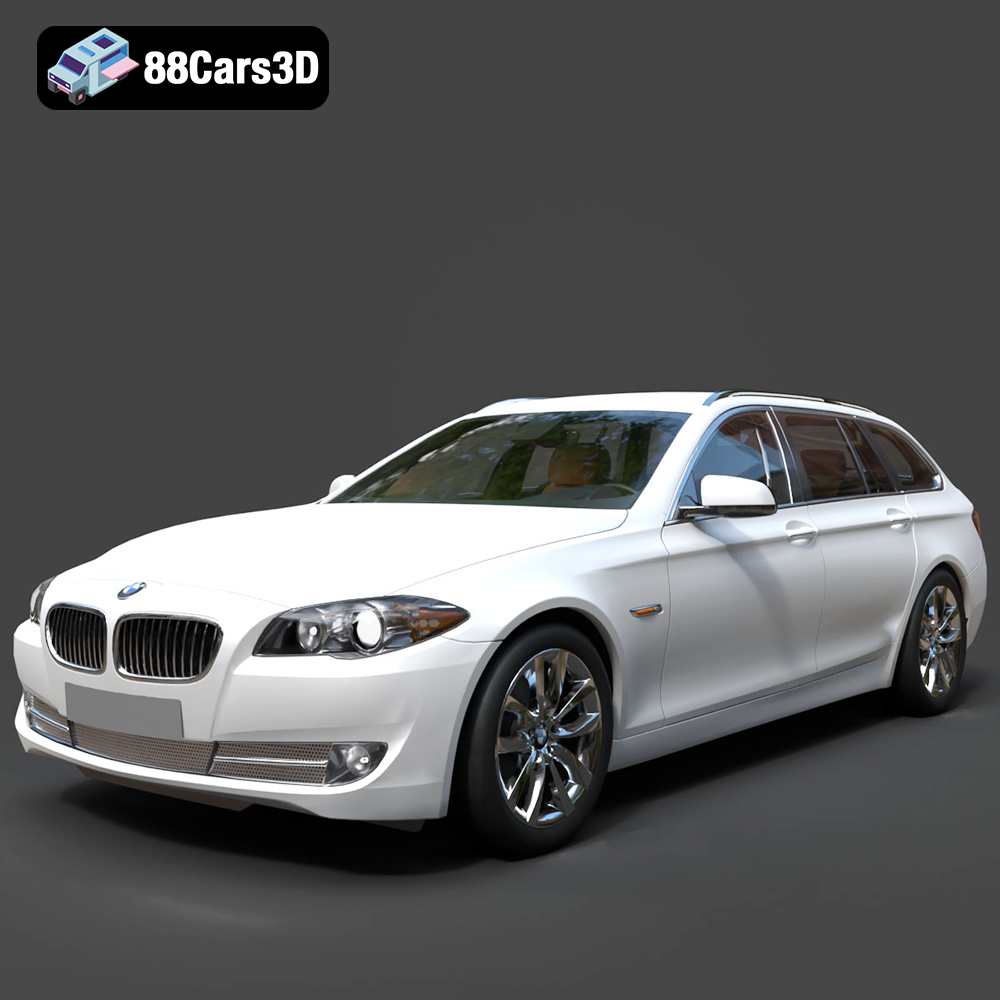
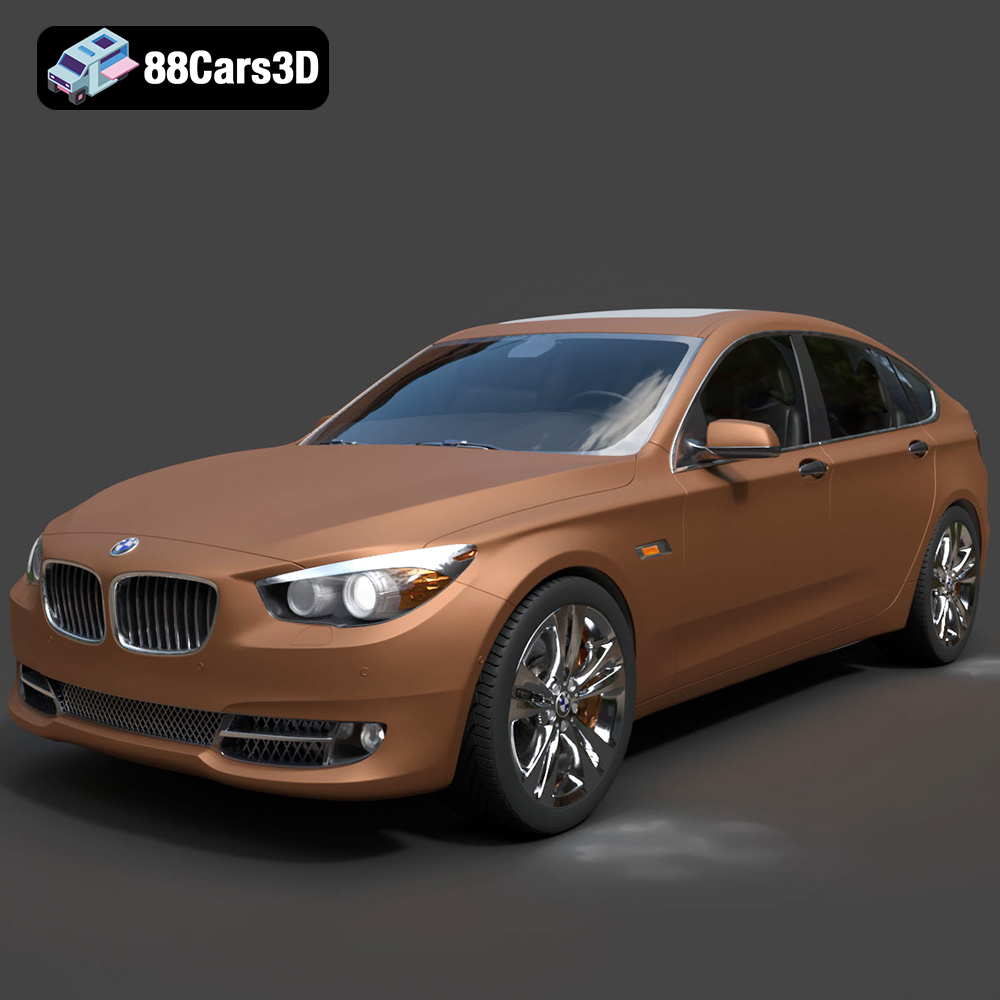
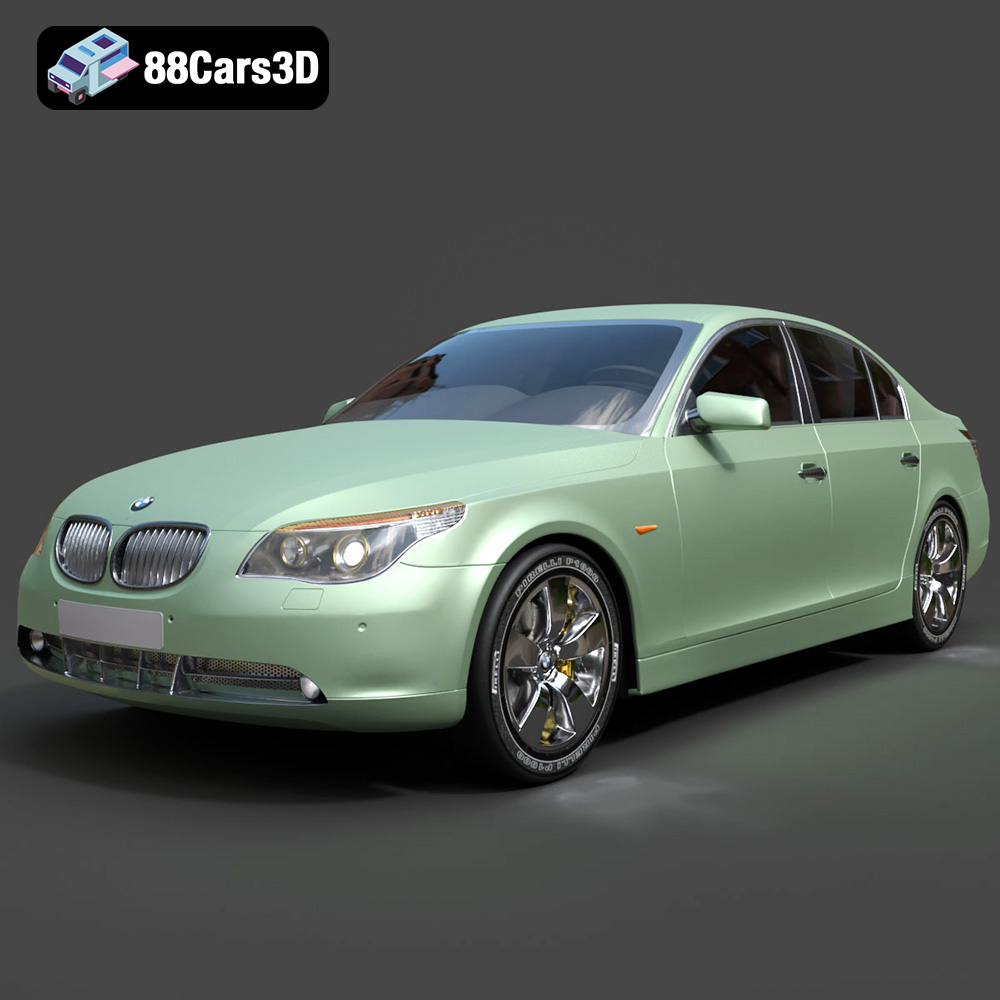
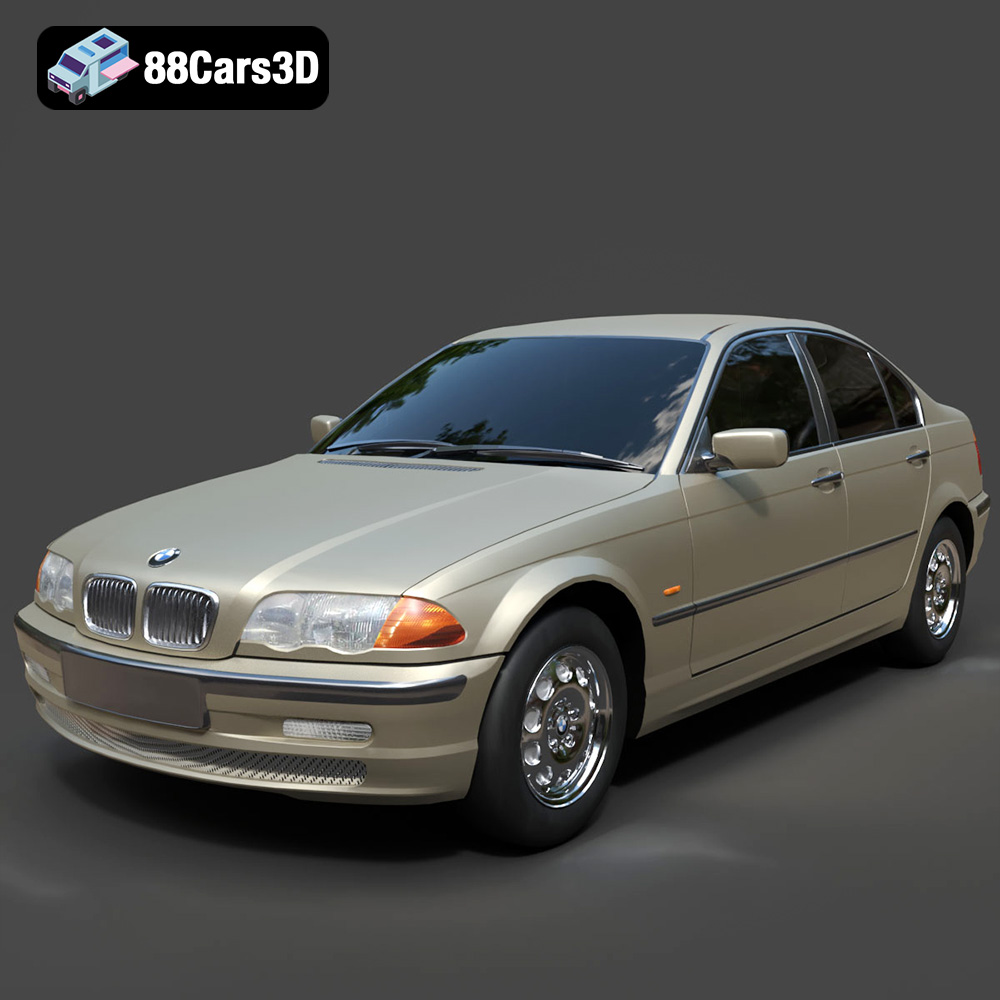
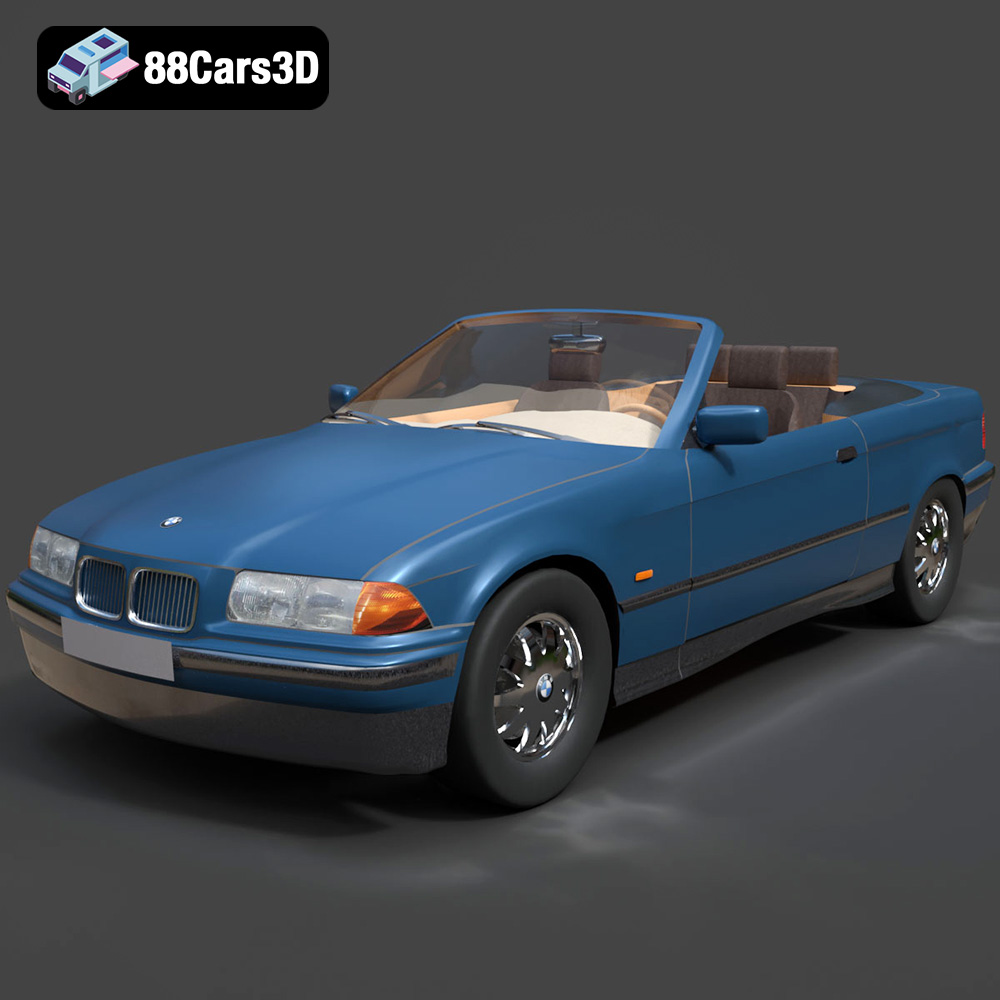
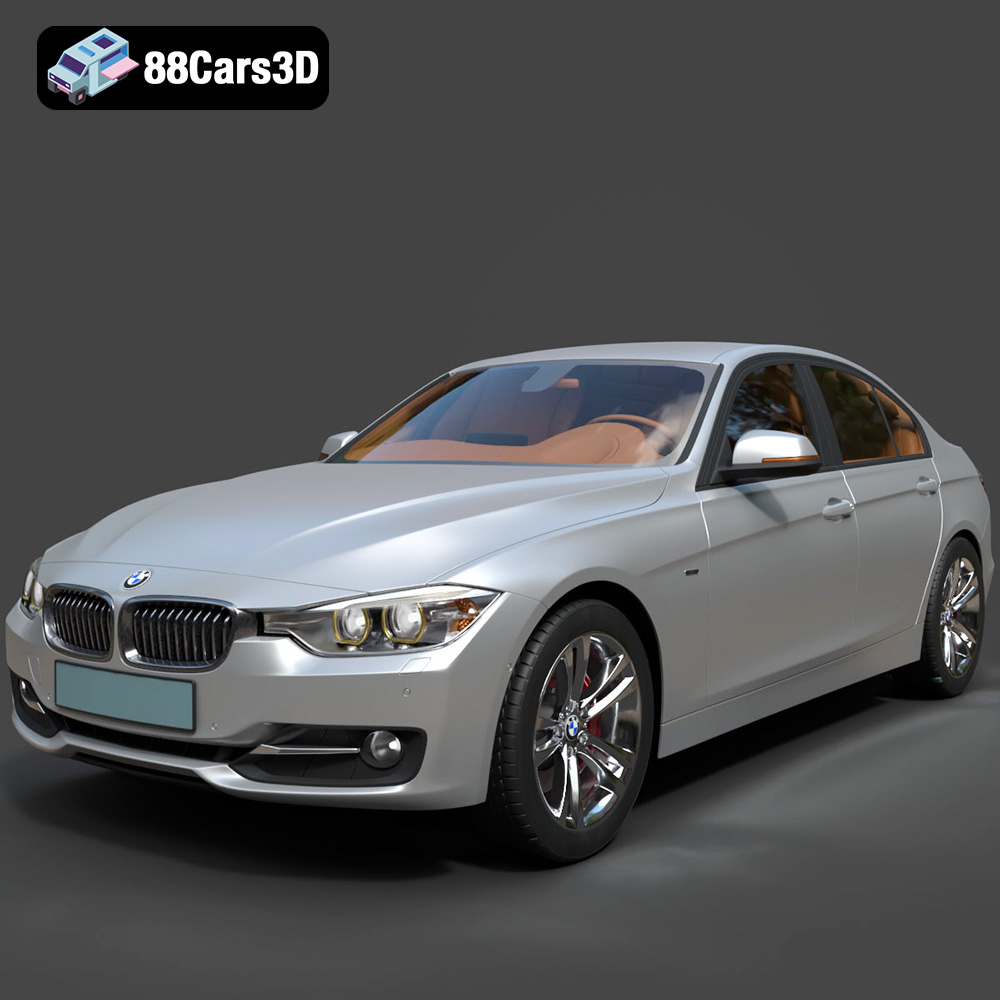
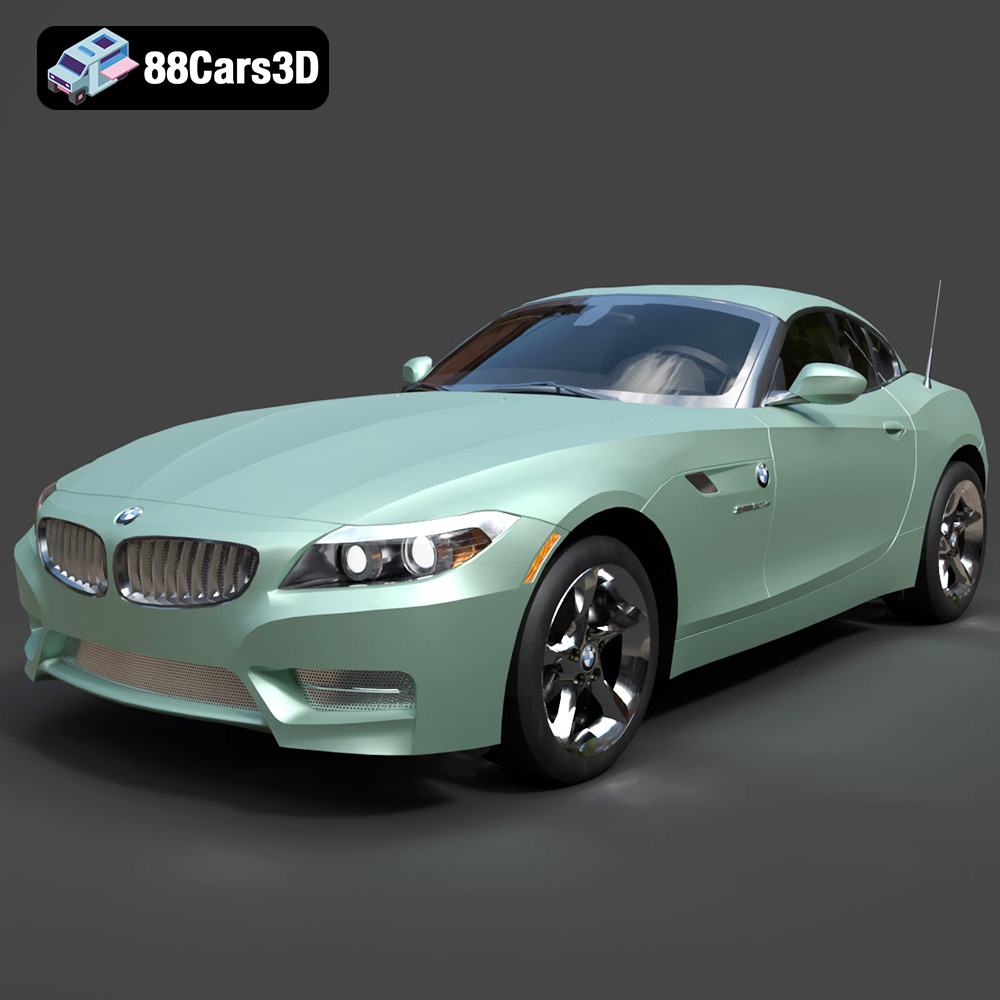
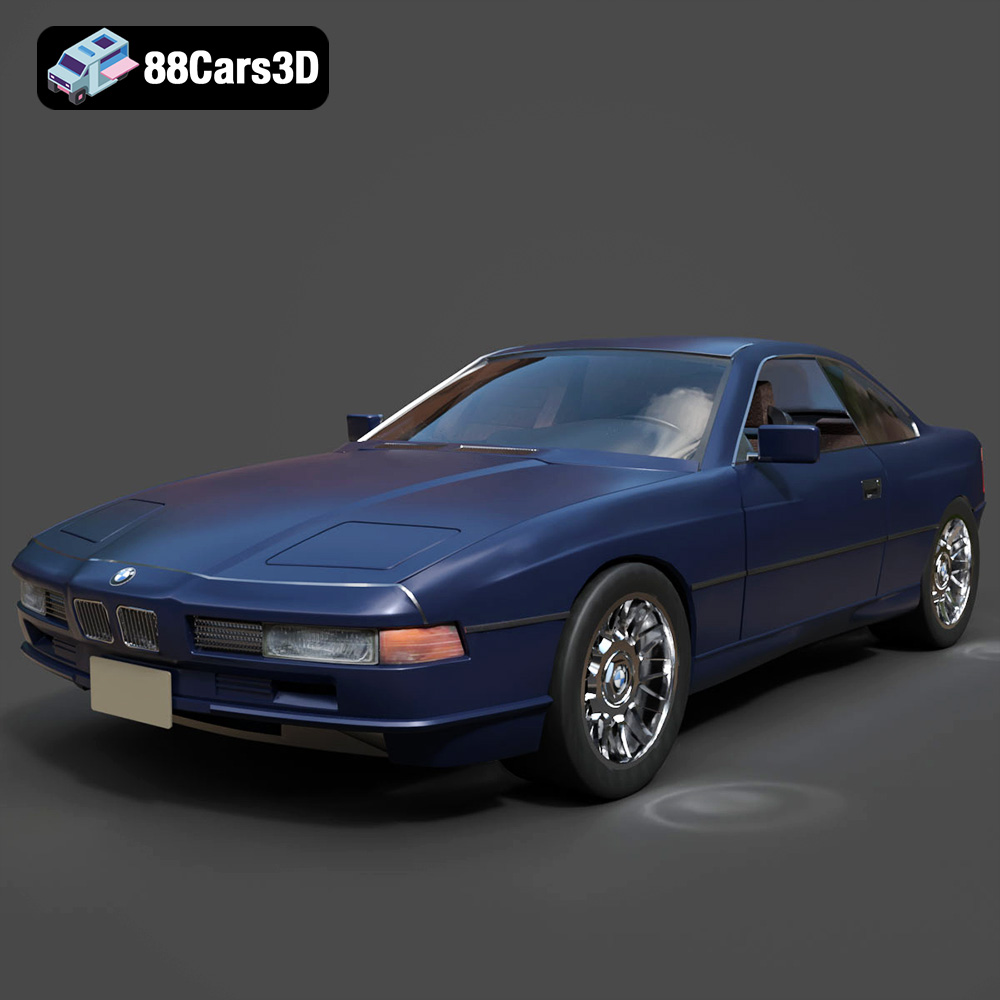
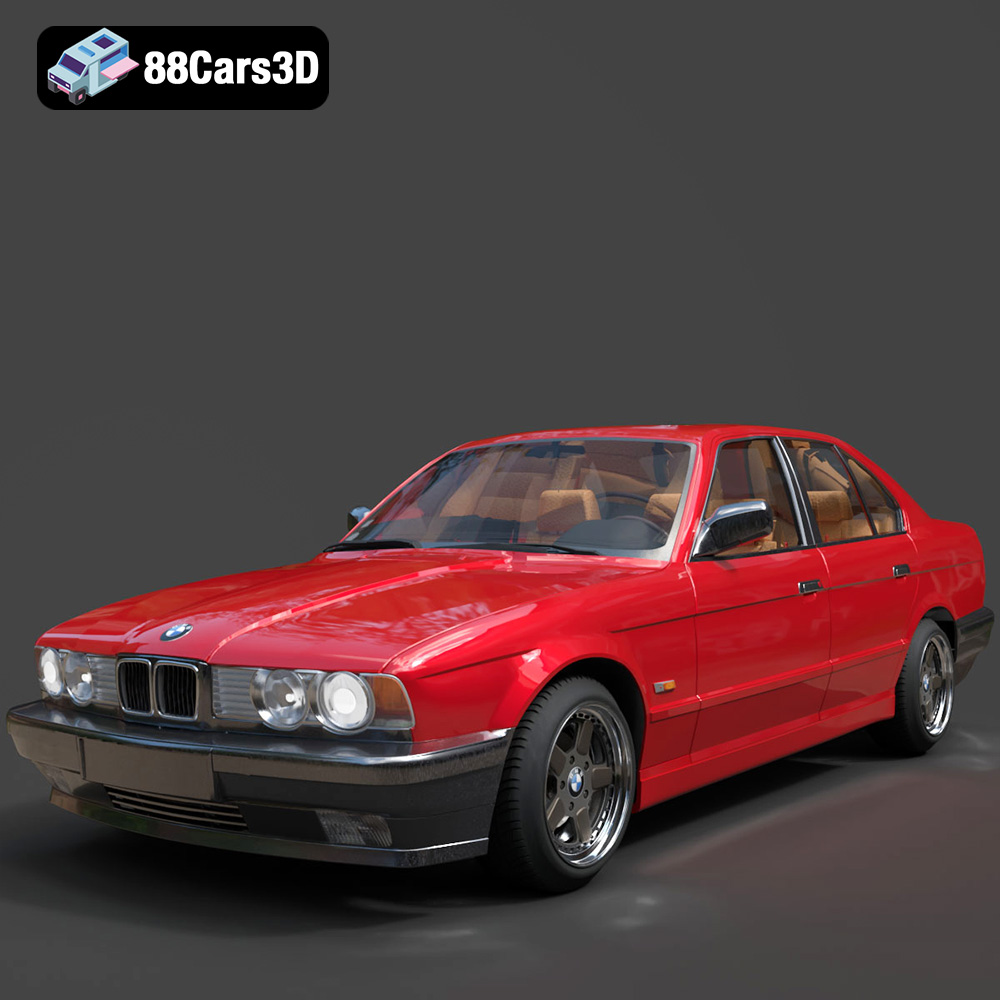
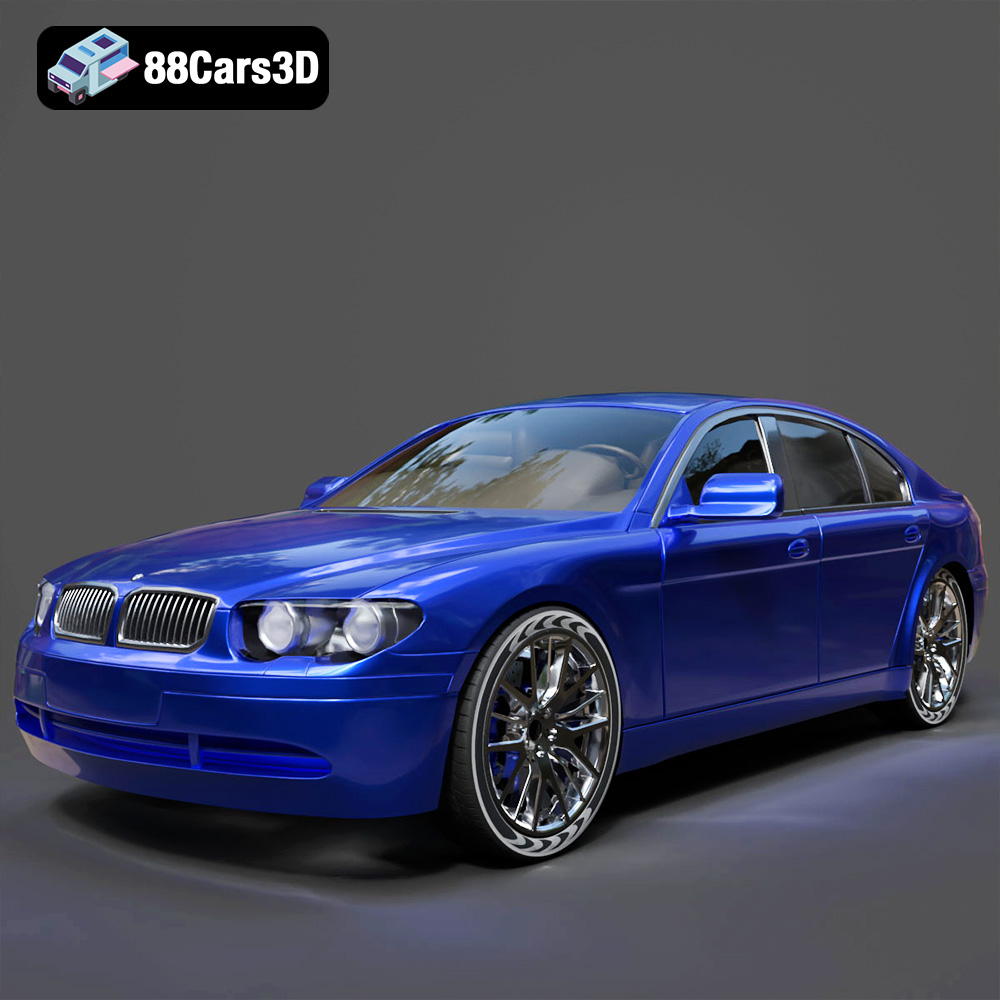
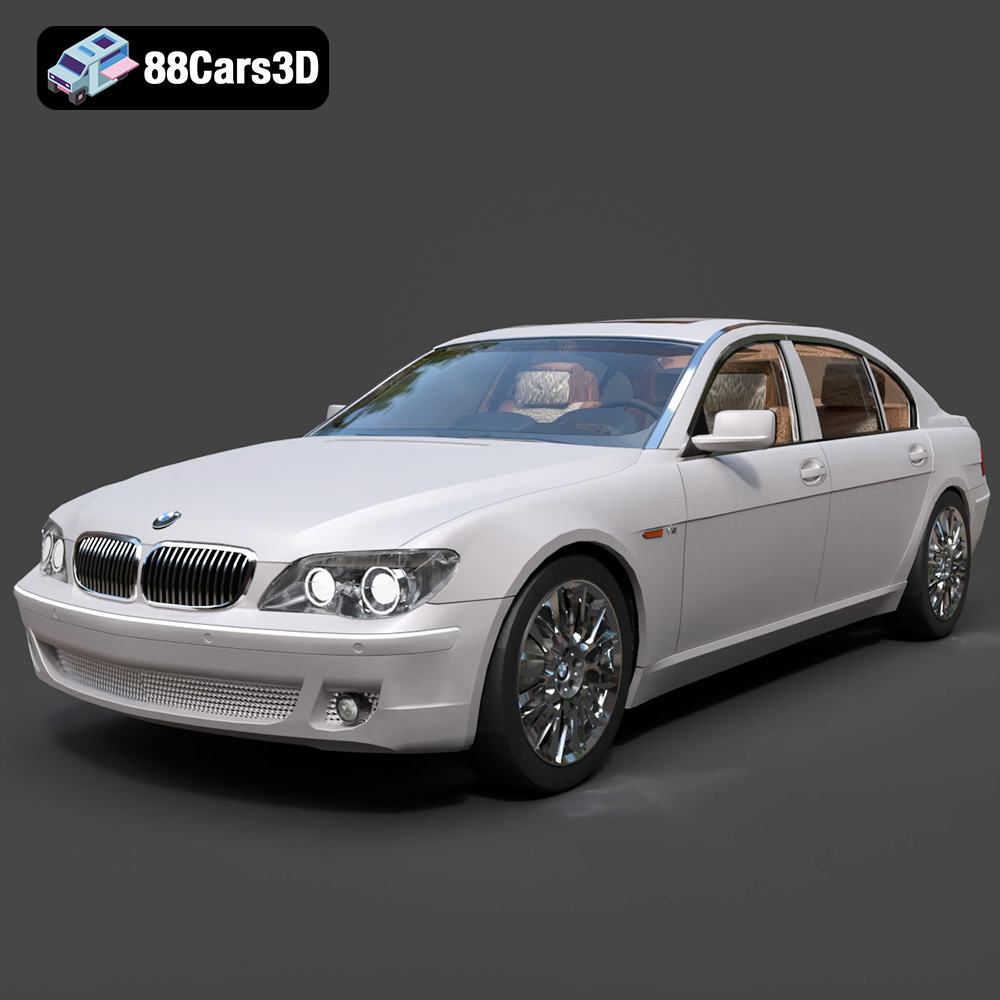
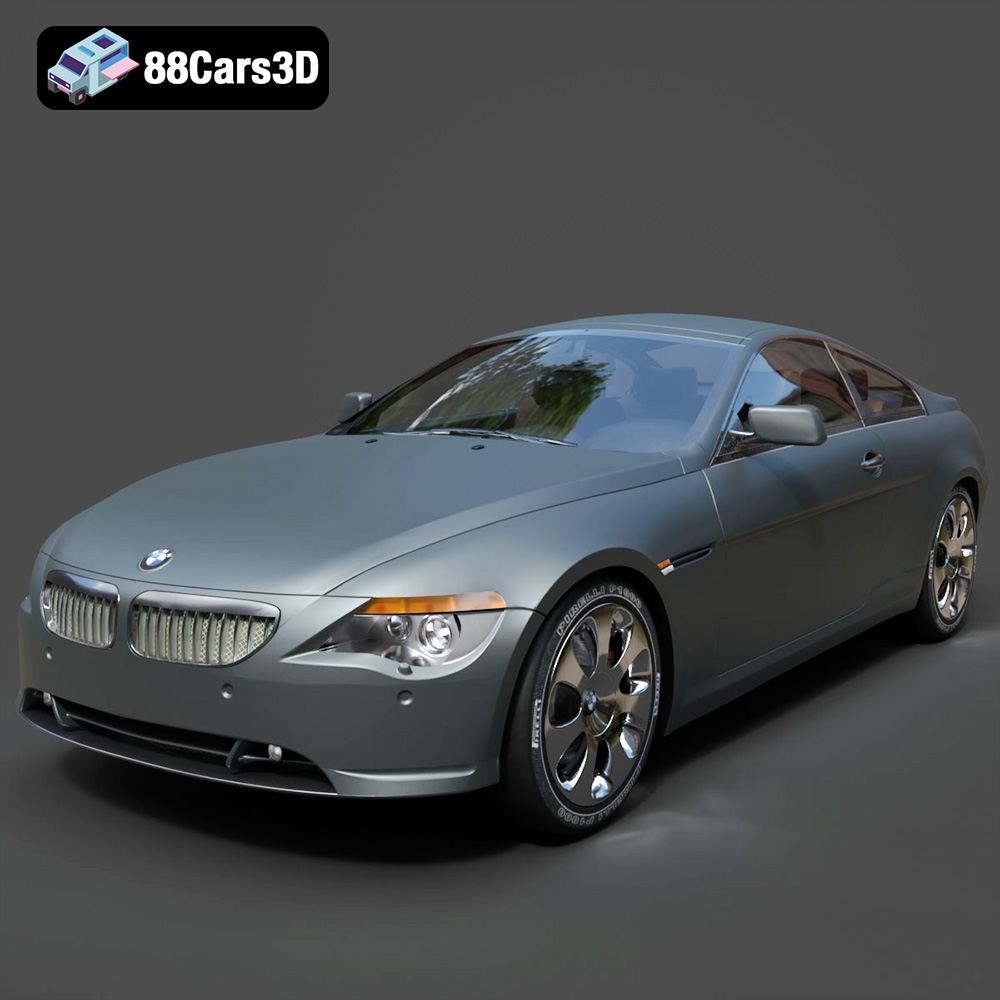
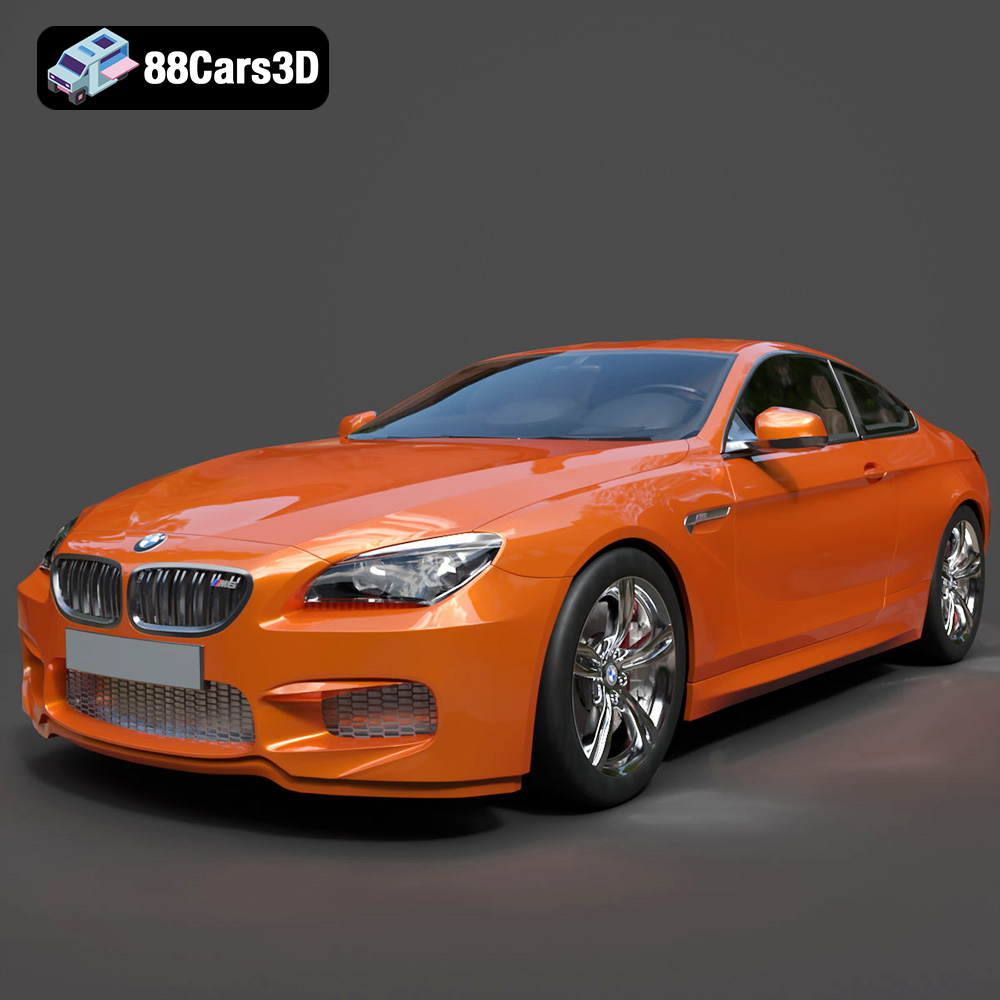
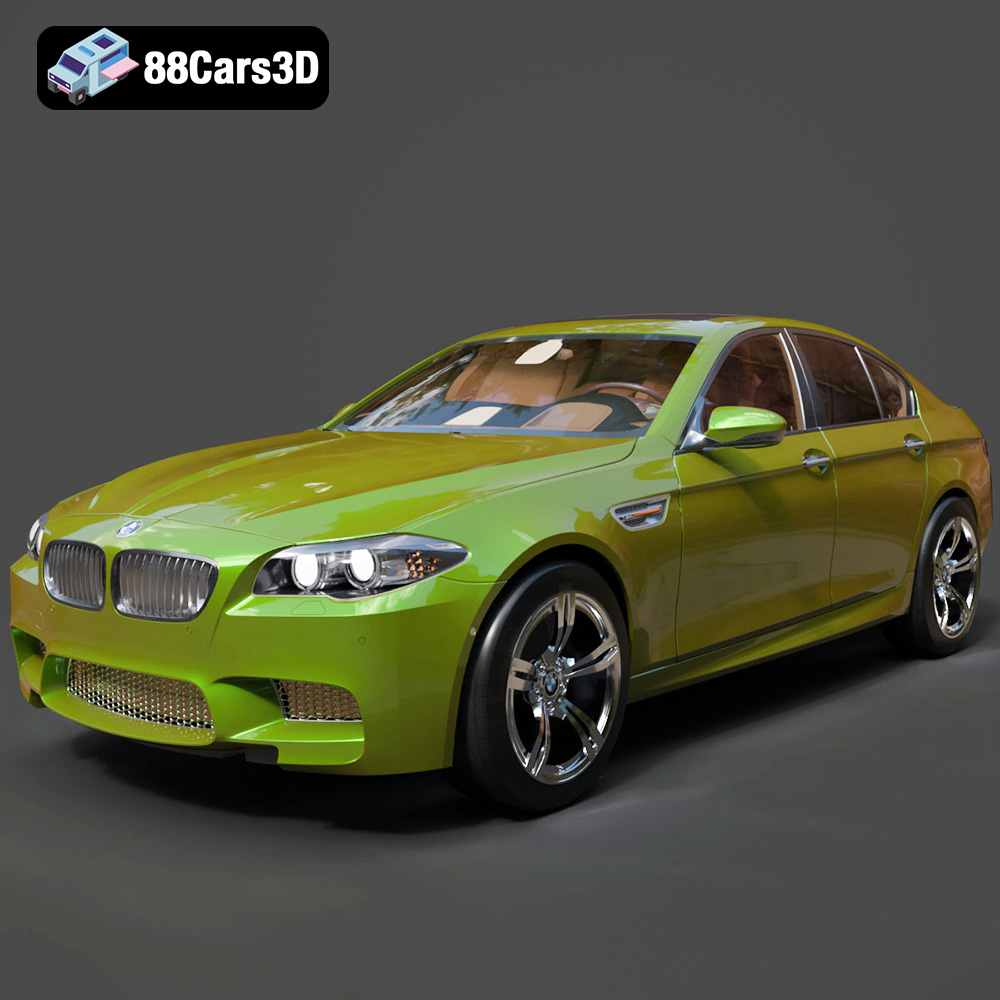
Featured 3D Car Models