

Crafting Immersive Realism: A Deep Dive into 3D Car Interior Creation
The roar of an engine and the gleam of polished chrome often capture the immediate attention in automotive visualizations. However, the true mark of a master 3D artist lies in the meticulous detail and immersive realism of a vehicle’s interior. A well-executed 3D car interior doesn’t just fill space; it tells a story, evokes emotion, and provides a crucial layer of authenticity that elevates an entire project. Whether you’re a game developer aiming for unparalleled player immersion, an automotive designer presenting a new concept, or a visualization professional crafting breathtaking renders, understanding the intricacies of interior modeling, texturing, and rendering is paramount.
This comprehensive guide will take you through the entire pipeline of creating stunningly realistic 3D car interiors. We’ll delve into foundational modeling principles, advanced UV mapping strategies, the science behind Physically Based Rendering (PBR) materials, sophisticated lighting techniques, and crucial optimization tactics for various platforms, including real-time engines and AR/VR. By the end of this deep dive, you’ll have a robust understanding of the workflows and technical considerations needed to bring your automotive interiors to life with professional-grade realism. Prepare to unlock the secrets behind crafting interiors that truly resonate with your audience.
Mastering Interior Topology and Modeling Techniques
Creating a realistic 3D car interior begins with a solid foundation: meticulously planned and executed topology. Unlike exterior shells, car interiors are a complex tapestry of varying materials, intricate contours, and interactive elements. The goal is to achieve a clean, quad-based mesh that supports smooth subdivision, efficient UV mapping, and realistic deformation, all while adhering to a suitable polygon budget for your project’s target platform. Understanding edge flow is critical, as it dictates how light reflects off surfaces, how subdivision surfaces behave, and how easily you can add details or make modifications. Poor topology can lead to pinching, artifacting, and a frustrating modeling experience.
Foundational Modeling Principles: Reference Setup and Blocking Out Major Forms
Before touching any vertices, gather an extensive collection of reference images. High-resolution photos from multiple angles, blueprints, and even videos are invaluable. Pay attention to every seam, stitching pattern, panel gap, and material transition. In your chosen 3D software (Blender, 3ds Max, Maya), set up your references as background images or image planes to ensure accurate scale and proportions. Begin by blocking out the major forms of the dashboard, seats, door panels, and center console using simple primitives like cubes or planes. Focus on getting the overall silhouette and relative sizes correct. Use an iterative process, refining shapes with basic extrusion, loop cuts, and scaling. Aim for a low-poly approximation first, ensuring the core structure is sound before adding detail. This “block-out” phase is crucial for establishing the correct hierarchy and relationships between components.
Detail Sculpting and Subdivision: Steering Wheels, Dashboards, and Seats
Once the major forms are established, you can begin to introduce finer details. For organic, curved shapes like steering wheels, seat bolsters, and sculpted dashboard elements, a combination of subdivision surface modeling and selective edge creasing is highly effective. In Blender, the Subdivision Surface Modifier (refer to the official Blender 4.4 documentation on Modifiers for more details: https://docs.blender.org/manual/en/4.4/modeling/modifiers/generate/subdivision_surface.html) is your best friend, allowing you to create smooth, high-resolution meshes from a low-poly base. For crisp edges, use strategically placed support loops or apply edge creasing. Areas like air vents, buttons, and switches often require precise Boolean operations or careful inset/extrude techniques to maintain clean topology. Seats, with their complex upholstery and stitching, are often best tackled by modeling the base foam structure and then using solidify modifiers (like Blender’s Solidify Modifier, documented here: https://docs.blender.org/manual/en/4.4/modeling/modifiers/generate/solidify.html) or extrusion to create the fabric thickness. Stitching can be achieved with detailed normal maps or, for extreme close-ups, modeled as fine geometry or curves converted to mesh. Always strive to maintain an all-quad topology, especially in areas that will be subdivided, to prevent rendering artifacts and ensure optimal performance.
Advanced UV Mapping for Intricate Car Surfaces
Effective UV mapping is the unsung hero of realistic 3D texturing. Without a clean, distortion-free UV layout, even the highest resolution textures will appear blurry, stretched, or misaligned. Car interiors present a unique challenge due to their multitude of varying shapes, sizes, and material types, from smooth plastic panels to intricate fabric upholstery and tiny electronic displays. The goal is to maximize texel density consistency across the model, minimize seams, and prevent overlapping UV islands to ensure optimal texture resolution and prevent rendering errors.
Strategizing UV Layouts: Panels, Seats, Dashboards, and Electronics
Before you begin unwrapping, develop a strategy. Consider which parts will share similar materials, which require unique high-resolution textures, and which can be part of a larger texture atlas. For large, relatively flat panels like dashboard sections or door cards, a simple planar projection or cube projection followed by careful seam placement can work well. For complex curved surfaces, cylindrical or spherical projections, often combined with manual seam cutting, are more appropriate. Seats, with their complex forms and often unique fabric patterns, generally require dedicated UV sets. Pay close attention to areas with sharp corners or extreme curvature, as these are prone to stretching. Separate distinct material zones into their own UV islands – for instance, the leather on a steering wheel should be distinct from the plastic housing. For highly detailed assets or those requiring extreme close-ups, consider using UDIM workflows, which allow you to distribute textures across multiple UV tiles, bypassing the resolution limitations of a single 0-1 UV space. This is particularly useful for production rendering where individual components might require 4K or 8K textures.
Optimizing UV Space and Texel Density: Preventing Stretching and Overlapping
Once unwrapped, the critical step is to arrange your UV islands efficiently within the 0-1 UV space. Avoid wasted space, but also ensure sufficient padding between islands to prevent texture bleeding. The concept of texel density – the number of texture pixels per unit of 3D surface area – is crucial for consistency. You want a relatively uniform texel density across all visible parts of your interior. Most 3D software offers tools to visualize and compare texel density, allowing you to scale individual UV islands to achieve consistency. In Blender’s UV Editor, for example, after marking seams and unwrapping (e.g., using “Smart UV Project” or “Follow Active Quads” after selecting a key island), you can use the “Average Islands Scale” and “Pack Islands” functions to optimize the layout. For game engines, minimizing UV island count and grouping similar materials onto a single texture atlas can significantly reduce draw calls and improve performance. This often involves combining multiple small objects’ UVs into one larger UV map. Always perform a quick check with a checkerboard pattern texture to visually identify any stretching or distortion before committing to your final texture maps.
PBR Material Creation and Shader Networks
Achieving photorealistic car interiors hinges on mastering Physically Based Rendering (PBR) materials. PBR materials accurately simulate how light interacts with surfaces in the real world, producing consistent and believable results across various lighting conditions. Understanding the core principles of PBR and how to translate real-world material properties into digital textures is fundamental to bringing your 3D car interior to life. From the subtle sheen of leather to the matte finish of plastic and the intricate weave of fabric, each material requires careful attention to its PBR properties.
Core PBR Principles for Interior Materials: Albedo, Roughness, Metallic, Normal, and Ambient Occlusion
At the heart of PBR are several key texture maps:
- Albedo (Base Color) Map: This map defines the fundamental color of the surface, stripped of any lighting information or shadows. For a realistic interior, this includes the base color of leather, the hue of plastic, or the pattern of fabric.
- Roughness Map: This grayscale map dictates how rough or smooth a surface is, directly influencing how light scatters (diffuse vs. specular reflection). A value of 0 is perfectly smooth (like polished chrome), and 1 is perfectly rough (like a matte rubber). The subtle variations in roughness on interior surfaces – a slightly worn leather vs. a pristine plastic – are critical for realism.
- Metallic Map: A binary map (0 for non-metal, 1 for metal) that tells the renderer whether a material behaves like a metal or a dielectric. Car interiors often feature metallic accents like chrome trim or brushed aluminum, requiring careful assignment of metallic values.
- Normal Map: This map uses RGB values to store surface normal information, allowing you to add high-frequency detail (like stitching, fine grain, or intricate patterns) without increasing polygon count. It fakes geometric detail, providing depth and texture on otherwise flat surfaces.
- Ambient Occlusion (AO) Map: A grayscale map that simulates contact shadows, adding subtle depth and realism to crevices and corners where light struggles to reach. It helps grounds objects within the scene and enhances perceived detail.
Beyond these, maps like Height/Displacement, Opacity, and Emissive are also frequently used for interior elements like glowing screens or intricate patterns.
Crafting Realistic Textures: Leather, Plastic, Fabric, Carbon Fiber, and Chrome
The quality of your textures directly impacts the realism of your PBR materials.
- Leather: Requires a base color, subtle variations in roughness (due to wear or natural imperfections), and a fine normal map to capture its characteristic grain. Consider adding a micro-displacement map for extra depth on close-ups.
- Plastic: Varies greatly from glossy to matte. The roughness map is key here. A slight normal map for surface imperfections (scratches, dust) can enhance realism.
- Fabric: Often uses a detailed albedo for patterns, a roughness map to capture the fiber’s diffuse nature, and a strong normal map to simulate the weave and texture. For highly detailed cloth, specific cloth shaders in software like Blender (using the Principled BSDF with its sheen and clearcoat properties) or advanced fabric materials in Corona/V-Ray can provide excellent results.
- Carbon Fiber: Achieved with a complex normal map for its distinctive weave, a dark albedo, and varying roughness values to simulate the clear coat over the fibers.
- Chrome/Metals: A high metallic value (close to 1), a very low roughness value (close to 0), and a subtle albedo are crucial. Imperfections like fingerprints or microscopic scratches on the roughness map will break up perfect reflections and add realism.
Utilize dedicated texturing software like Substance Painter or Mari to paint and generate these maps, or source high-quality tileable textures and adjust them in image editing software. In Blender’s Shader Editor, connecting these maps to the appropriate inputs of a Principled BSDF shader (the go-to PBR shader in Blender) allows for powerful and flexible material creation. Experiment with layering different materials, adding grunge, dust, and wear maps to tell a story about the interior’s usage. This attention to detail in material creation is what truly distinguishes a professional render.
Lighting and Rendering for Interior Environments
Lighting is perhaps the single most impactful factor in achieving a realistic render, and car interiors present a unique set of challenges. Confined spaces, reflective surfaces, and the interplay of ambient light with artificial sources demand a nuanced approach. The goal is to illuminate the interior in a way that highlights its intricate details, accurately represents material properties, and evokes the desired mood and atmosphere. A well-lit interior can transform a good model into a breathtaking visualization.
Interior Lighting Strategies: HDRI, Area Lights, and Mesh Lights
A common and highly effective strategy for interior lighting involves a combination of techniques:
- HDRI (High Dynamic Range Image): An HDRI environment map is often the primary light source, providing realistic global illumination and reflections. For car interiors, choose an HDRI that matches your desired exterior environment (e.g., a cloudy day, a sunny street, a studio setup). In renderers like Corona, V-Ray, Cycles (Blender), or Arnold, an HDRI applied to the environment or sky dome will cast natural light into the interior through windows and windshields, creating soft, diffuse illumination and accurate reflections on metallic and glossy surfaces.
- Area Lights: These are crucial for direct, targeted illumination and simulating light sources within the car, such as dome lights, dashboard backlighting, or illuminated displays. Place area lights strategically to emphasize specific details, create highlights, or add rim lighting. Adjust their size, intensity, and color temperature to match real-world light sources. For instance, small area lights can simulate the light coming from tiny dashboard LEDs, while larger ones can mimic the soft light from an overhead cabin light.
- Mesh Lights: For truly integrated light sources, converting geometry into emitters (mesh lights) is excellent. Think of illuminated infotainment screens, backlit buttons, or instrument clusters. By assigning an emissive material to these meshes, they will not only glow but also cast light into the scene, contributing to the overall illumination and realism. Ensure the intensity and color of these mesh lights are physically accurate for believable results.
Experiment with bounce light using portal lights (in some renderers) or strategically placed large, low-intensity area lights outside windows to simulate reflected light entering the cabin, enriching the shadows and highlights.
Camera Angles and Post-Processing: Composition, Depth of Field, and Color Grading
Once your lighting is set, the camera becomes your storyteller. Choose compelling camera angles that emphasize the intricate details of your interior.
- Composition: Use classic compositional rules like the rule of thirds to frame your shots. Experiment with close-ups on specific elements (e.g., dashboard details, steering wheel textures, seat stitching) to showcase craftsmanship. Wide shots can provide a sense of the overall space and luxury.
- Depth of Field (DoF): Judicious use of DoF can guide the viewer’s eye and add a cinematic quality. A shallow DoF can blur out the background, making a specific interior element pop, while a deeper DoF might be used for wider shots to keep more elements in focus.
- Post-Processing and Color Grading: Rendering is only half the battle. Post-processing in software like Photoshop, Affinity Photo, or Blender’s Compositor is essential.
- Exposure and Contrast: Adjust these to bring out the detail and dynamic range.
- Color Grading: Apply a subtle color grade to set the mood and ensure color consistency. Warm tones can suggest comfort, while cooler tones might imply sophistication.
- Vignetting: A subtle vignette can draw attention to the center of the image.
- Chromatic Aberration and Lens Distortion: Used sparingly, these can add a touch of photographic realism.
- Bloom and Glare: Can enhance the effect of bright lights or reflections.
Render settings also play a crucial role. For photorealistic results, ray-tracing renderers like Corona, V-Ray, Cycles, or Arnold are preferred. Adjust samples, bounces, and denoising settings to balance render quality with render time. High-quality renders of complex interiors can be time-consuming, but the resulting realism is often worth the investment.
Optimization for Real-time Engines and AR/VR
Creating highly detailed 3D car interiors for static renders is one thing; adapting them for interactive real-time applications like game engines (Unity, Unreal Engine) or AR/VR experiences requires a completely different mindset focused on performance. The goal is to maintain visual fidelity while adhering to strict polygon budgets, draw call limits, and memory constraints. Unoptimized assets can lead to lag, stuttering, and a poor user experience, regardless of how beautifully modeled they are.
LODs and Draw Call Management: Reducing Poly Count for Distance and Instancing
Performance optimization for real-time applications hinges on efficient resource management:
- Levels of Detail (LODs): This is a critical technique where multiple versions of the same mesh are created, each with progressively lower polygon counts. The engine then swaps between these LODs based on the object’s distance from the camera. For a car interior, the dashboard might have LOD0 (full detail for close-ups), LOD1 (reduced detail for mid-range views), and LOD2 (minimal detail for distant views or when the car is far away). This significantly reduces the processing load, as only high-detail meshes are rendered when necessary.
- Draw Call Management: A draw call is a command sent from the CPU to the GPU to draw an object. Each material and mesh typically generates at least one draw call. Too many draw calls can bottleneck the CPU. To mitigate this:
- Texture Atlasing: Combine multiple smaller textures into one larger texture atlas. This allows multiple materials to be rendered with a single draw call, drastically improving performance.
- Material Consolidation: Reduce the number of unique materials in your scene by sharing materials where possible.
- Static Batching: For static (non-moving) objects that share the same material, game engines can “batch” them together, combining their geometry into a single mesh to reduce draw calls.
- Instancing: For identical objects that are repeated (e.g., buttons, screws), use instancing. Instead of creating unique geometry for each, the engine renders a single instance multiple times, saving memory and draw calls.
- Polygon Budgeting: Establish clear polygon targets for your interior components based on your target platform. A high-end PC game might allow for several hundred thousand polygons for an entire interior, while a mobile VR experience might demand a total closer to 50,000-100,000. Platforms like 88cars3d.com often provide clear guidelines for game-ready asset specifications, making it easier for artists to produce compliant models.
Texture Atlasing and Material Baking: Consolidating Textures and Baking Complex Shaders
Beyond just UV mapping, texture atlasing and baking are powerful optimization tools:
- Texture Atlasing: As mentioned, this involves compiling multiple texture maps (albedo, roughness, normal, etc.) from various smaller objects into larger, consolidated texture sheets. This reduces the number of texture lookups and draw calls, especially beneficial for interiors with many small, distinct parts.
- Material Baking: For complex shaders that involve multiple layers, procedural textures, or intricate lighting effects, you can “bake” these properties down into simplified texture maps. For example, ambient occlusion, global illumination, and even complex PBR material networks can be baked into fewer, simpler maps. This pre-calculates lighting and material interactions, which the game engine can then display efficiently without needing to compute them in real-time. This is particularly useful for static interior elements.
- Vertex Colors: Sometimes, subtle color variations or dirt can be painted directly onto the vertices of a mesh as vertex colors. This is a very cheap way to add detail without using additional texture maps or increasing draw calls, suitable for minor wear and tear or subtle color shifts.
- Occlusion Culling: Implement occlusion culling in your game engine. This technique prevents objects that are entirely hidden behind other objects (occluders) from being rendered, saving significant processing power within the confined space of a car interior.
Careful planning during the modeling and texturing phases, with an eye towards real-time optimization, will save countless hours later in the development pipeline. Always profile your scenes within the target engine to identify bottlenecks and iteratively optimize your assets.
File Formats and Industry Compatibility
The journey of a 3D car interior doesn’t end with its creation; it extends to its seamless integration into various pipelines and applications. Understanding different 3D file formats, their strengths, weaknesses, and compatibility with diverse software and platforms is crucial for professional workflows. Whether you’re sharing your model with a client, integrating it into a game engine, or preparing it for augmented reality, choosing the correct format and ensuring proper export settings are paramount.
Understanding Key Formats: FBX, OBJ, GLB, and USDZ
Each file format serves a distinct purpose in the 3D ecosystem:
- FBX (Filmbox): Developed by Autodesk, FBX is arguably the most widely used interchange format in the entertainment industry. It supports not only geometry but also materials (to varying degrees), animations, rigs, cameras, and lights. Its comprehensive nature makes it ideal for transferring complex scenes between different DCC (Digital Content Creation) tools like 3ds Max, Maya, Blender, Unity, and Unreal Engine. However, material compatibility can sometimes be a challenge, requiring manual adjustment in the target software.
- OBJ (Wavefront Object): A simpler, older format that primarily stores geometry (vertices, normals, UVs) and material assignments (via a companion .MTL file). OBJ is highly compatible and often used for basic mesh transfer when complex animations or advanced material properties are not required. It’s a reliable choice for static models but lacks support for more advanced features.
- GLB (Binary glTF): The binary version of glTF (Graphics Language Transmission Format), GLB is quickly becoming the standard for 3D web content, AR/VR, and real-time applications. It’s designed to be efficient, compact, and “transmission-ready,” embedding all assets (geometry, textures, animations) into a single file. GLB is excellent for interactive experiences due to its focus on efficient runtime loading and PBR material support.
- USDZ (Universal Scene Description Zip): Developed by Apple and Pixar, USDZ is an augmented reality-specific format built on Pixar’s USD framework. It’s optimized for AR viewing on Apple devices (iOS/iPadOS) and supports PBR materials, animations, and hierarchical scene structures. USDZ is the go-to format for bringing 3D content into AR experiences on the Apple ecosystem.
Many marketplaces, such as 88cars3d.com, provide models in multiple formats to cater to diverse user needs, reflecting the importance of this compatibility.
Preparing for 3D Printing and AR/VR: Mesh Integrity and Scale
Specific considerations are necessary when preparing 3D car interiors for niche applications:
- 3D Printing Preparation:
- Watertight Mesh: For 3D printing, your model must be a “watertight” solid object without any holes, non-manifold geometry, or intersecting faces. This ensures the printer understands what to fill and what to leave empty.
- Mesh Repair: Utilize mesh analysis tools in your 3D software (e.g., Blender’s 3D Print Toolbox add-on, or dedicated software like Meshmixer) to check for errors and automatically repair them.
- Wall Thickness: Ensure all components have sufficient wall thickness to be physically viable, as thin elements might not print correctly or break easily.
- Scale: Export at the correct physical scale. Always double-check your unit settings (millimeters, centimeters, inches) in both your 3D software and the slicing software for the 3D printer.
- AR/VR Optimization:
- Poly Count: As discussed in the optimization section, AR/VR platforms have very strict polygon budgets to maintain high frame rates and prevent motion sickness. Aggressive LODs and decimation are often required.
- Draw Calls: Minimize draw calls through texture atlasing and material consolidation.
- Texture Resolution: Use optimized texture resolutions (e.g., 1K or 2K for most assets, with 4K reserved for hero elements) to keep memory usage low.
- Scale and Units: Ensure the model is exported at real-world scale, as this directly impacts the perception of size in AR/VR environments.
- Collision Meshes: For interactive AR/VR, simple collision meshes for interior elements may be required to enable interaction or physics.
Always perform test exports and imports to verify that your model retains its integrity, materials, and scale across different platforms and tools. This iterative testing process will save you from potential headaches down the line.
Conclusion
Creating a truly realistic 3D car interior is a multifaceted journey that demands technical skill, artistic vision, and an unwavering commitment to detail. From the foundational precision of topology and UV mapping to the nuanced science of PBR materials, the art of strategic lighting, and the critical importance of optimization for diverse applications, each step plays a vital role in crafting an immersive digital experience. The distinction between a good interior and a great one often lies in the subtle imperfections, the believable material responses to light, and the thoughtful execution of every component.
By embracing robust modeling techniques, mastering efficient UV workflows, understanding the core principles of PBR, and leveraging the power of advanced lighting and rendering, you can transform a mere collection of polygons into a captivating environment. Furthermore, recognizing the specific demands of real-time engines, AR/VR, and even 3D printing ensures your assets are versatile and ready for any project. The challenges are numerous, but the rewards—a stunningly realistic and interactive interior—are immensely satisfying. Continue to explore, experiment with different software and techniques, and always strive to observe the real world around you for inspiration. For those seeking a head start with high-quality, pre-modeled assets, platforms like 88cars3d.com offer a curated selection of professionally crafted 3D car models, providing an excellent foundation for your next automotive visualization project. Keep honing your craft, and your 3D car interiors will undoubtedly leave a lasting impression.
Featured 3D Car Models

Porsche Cayenne 3D Model
Meta Description:
Texture: Yes
Material: Yes
Download the Porsche Cayenne 3D Model featuring realistic exterior styling and detailed interior design. Includes .blend, .fbx, .obj, .glb, .stl, .ply, .unreal, and .max formats for rendering, simulation, AR VR, and game development.
Price: $19.9
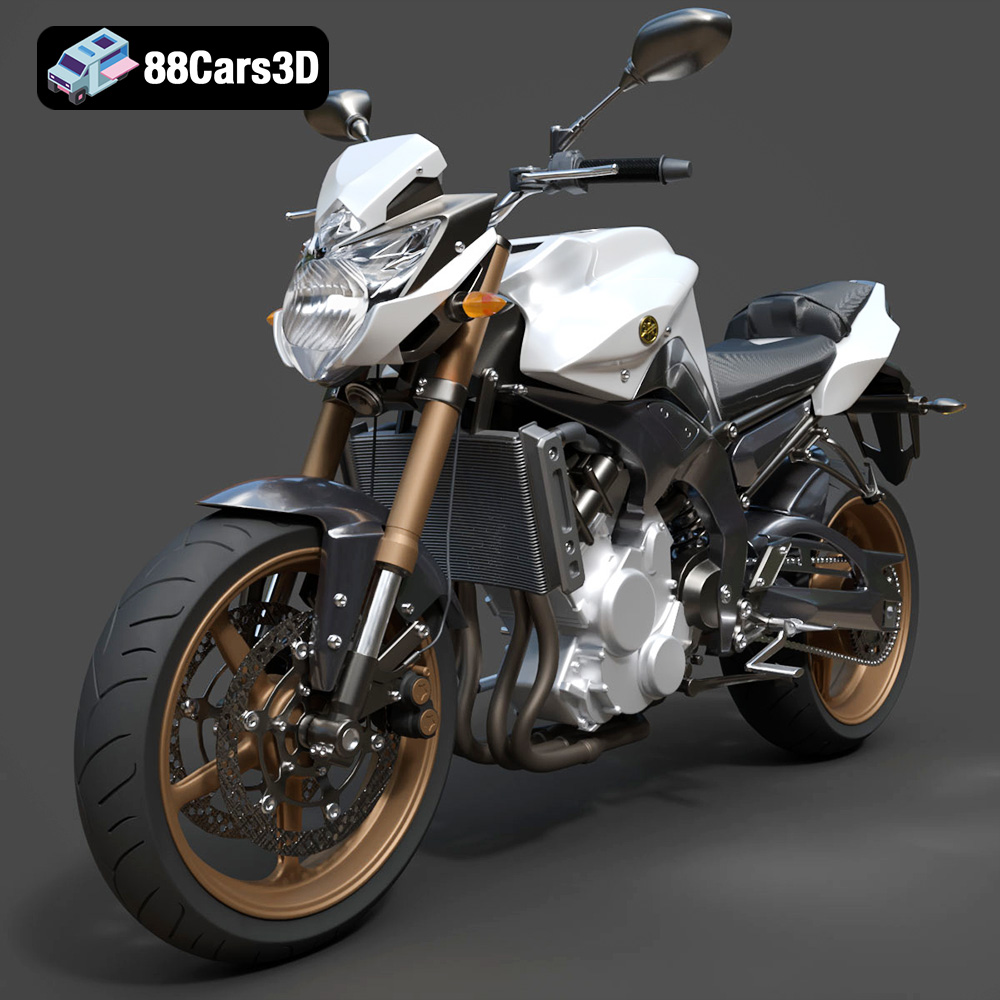
Yamaha FZ8 2011 3D Model
Texture: Yes
Material: Yes
Download the Yamaha FZ8 2011 3D Model featuring clean geometry, realistic detailing, and a fully modeled interior. Includes .blend, .fbx, .obj, .glb, .stl, .ply, .unreal, and .max formats for rendering, simulation, and game development.
Price: $19.99
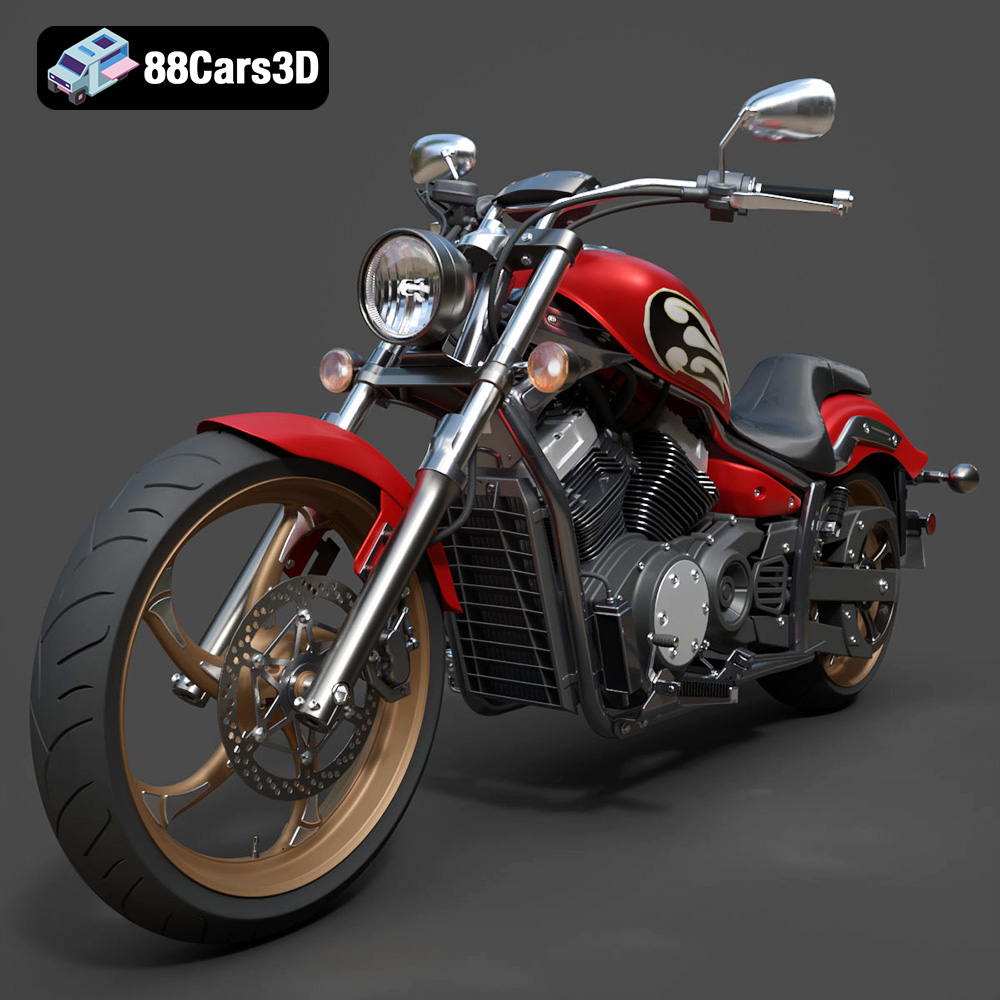
Yamaha Stryker 2012 3D Model
Texture: Yes
Material: Yes
Download the Yamaha Stryker 2012 3D Model featuring clean geometry, realistic detailing, and a fully modeled interior. Includes .blend, .fbx, .obj, .glb, .stl, .ply, .unreal, and .max formats for rendering, simulation, and game development.
Price: $19.99
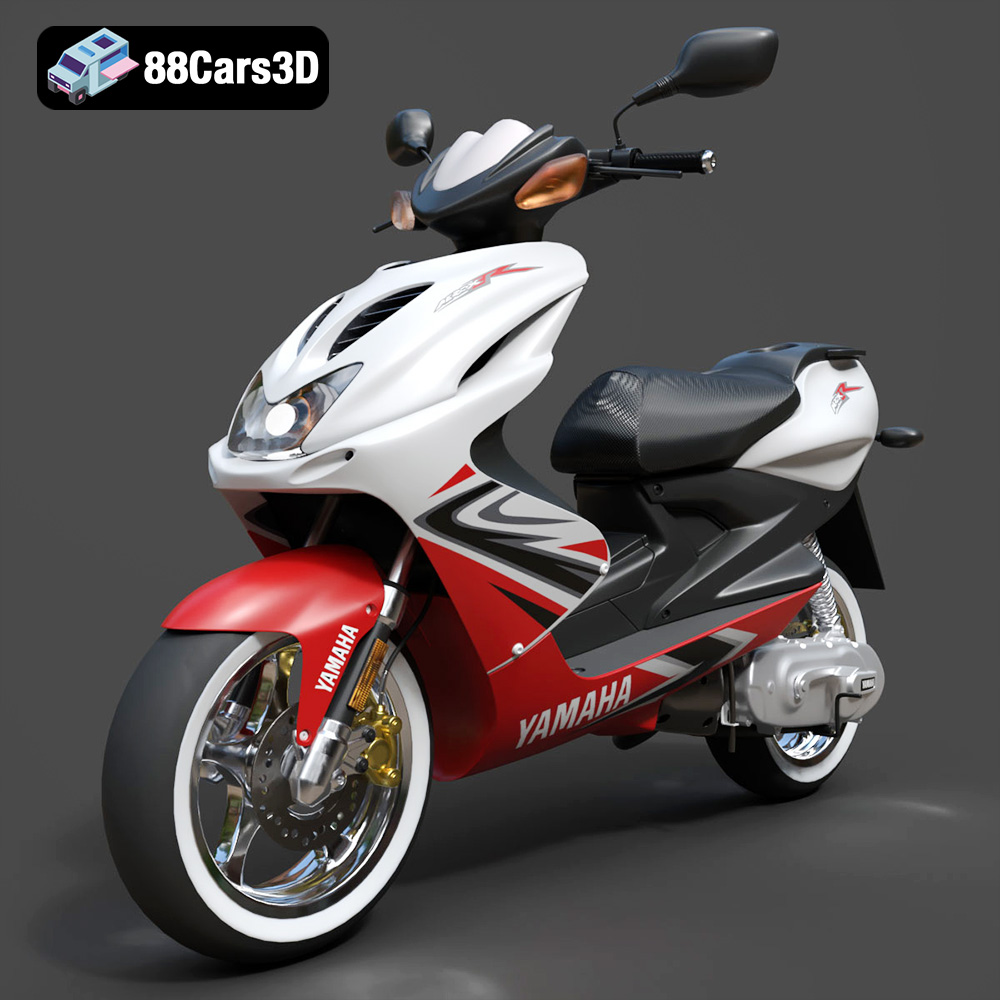
Yamaha Aerox R-002 2024 3D Model
Texture: Yes
Material: Yes
Download the Yamaha Aerox R-002 2024 3D Model featuring clean geometry, realistic detailing, and a fully modeled interior. Includes .blend, .fbx, .obj, .glb, .stl, .ply, .unreal, and .max formats for rendering, simulation, and game development.
Price: $19.99
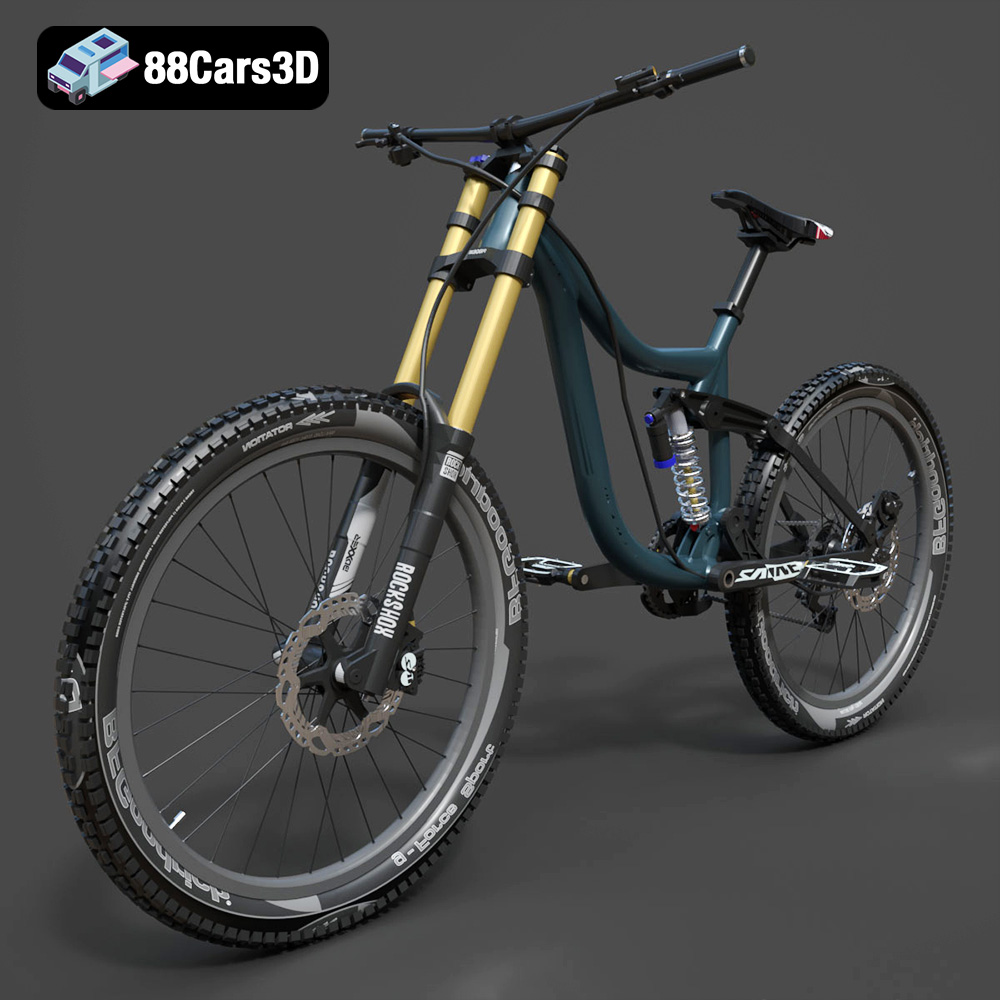
Mototsikly Downhill Bike-002 3D Model
Texture: Yes
Material: Yes
Download the Mototsikly Downhill Bike-002 3D Model featuring clean geometry, realistic detailing, and precise mechanical components. Includes .blend, .fbx, .obj, .glb, .stl, .ply, .unreal, and .max formats for rendering, simulation, and game development.
Price: $19.99
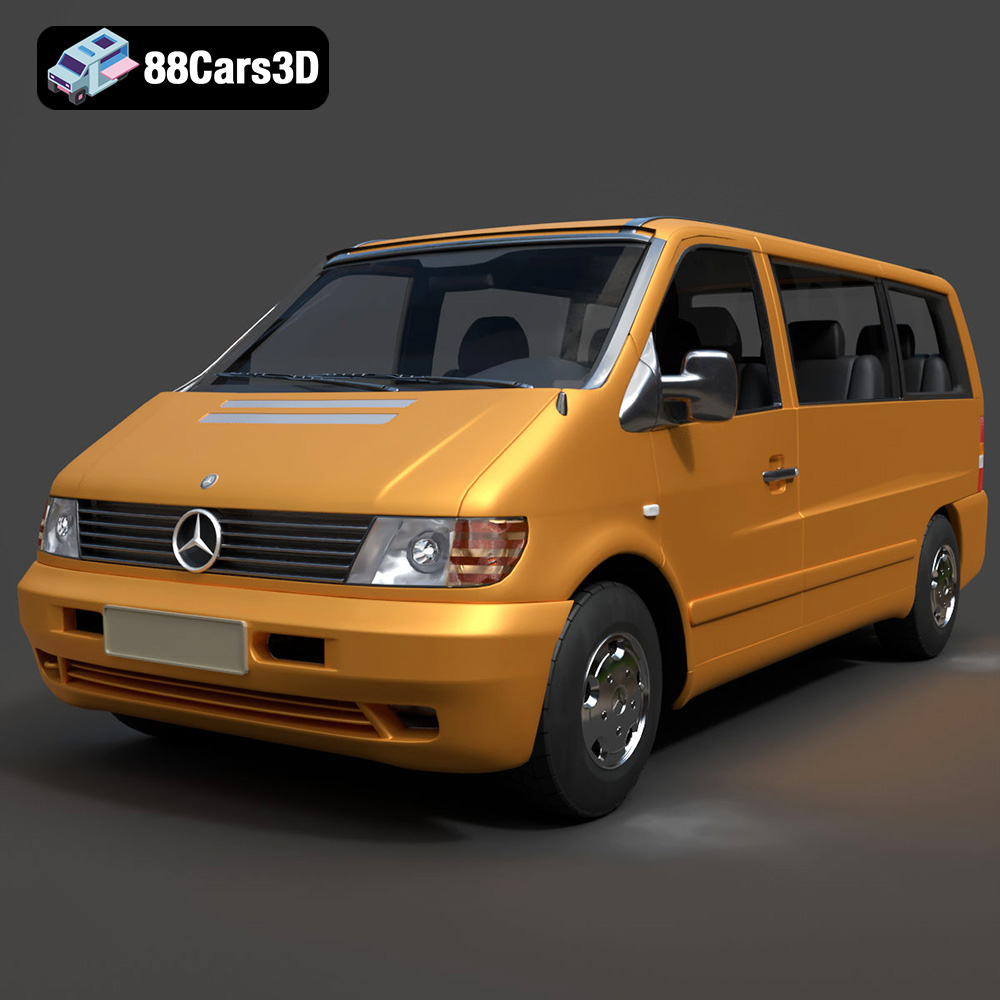
Mercedes-Benz Vito Passenger Van 3D Model
Texture: Yes
Material: Yes
Download the Mercedes-Benz Vito Passenger Van 3D Model featuring clean geometry, realistic detailing, and a fully modeled interior. Includes .blend, .fbx, .obj, .glb, .stl, .ply, .unreal, and .max formats for rendering, simulation, and game development.
Price: $19.99
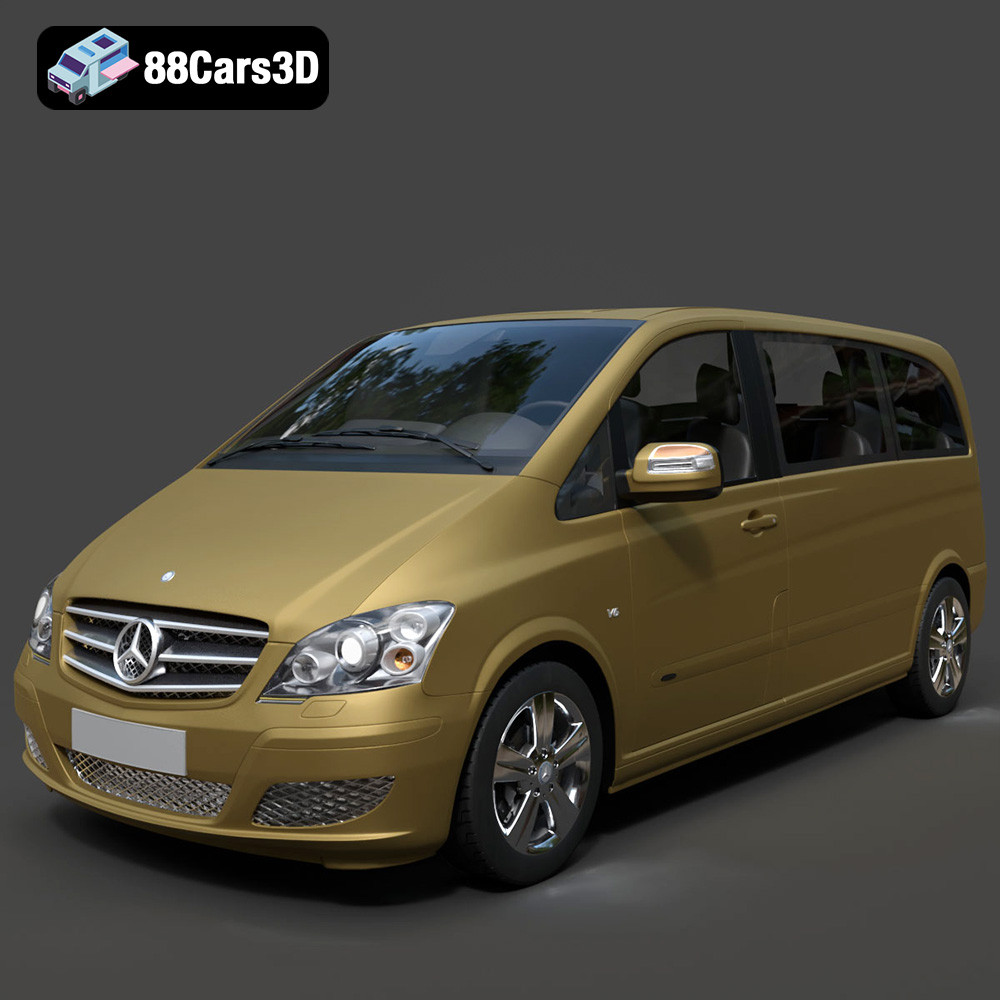
Mercedes-Benz Viano 2010 3D Model
Texture: Yes
Material: Yes
Download the Mercedes-Benz Viano 2010 3D Model featuring clean geometry, realistic detailing, and a fully modeled interior. Includes .blend, .fbx, .obj, .glb, .stl, .ply, .unreal, and .max formats for rendering, simulation, and game development.
Price: $19.99

Emt Avtobus 007 3D Model
Texture: Yes
Material: Yes
Download the Emt Avtobus 007 3D Model featuring clean geometry, realistic detailing, and a fully modeled interior. Includes .blend, .fbx, .obj, .glb, .stl, .ply, .unreal, and .max formats for rendering, simulation, and game development.
Price: $19.99
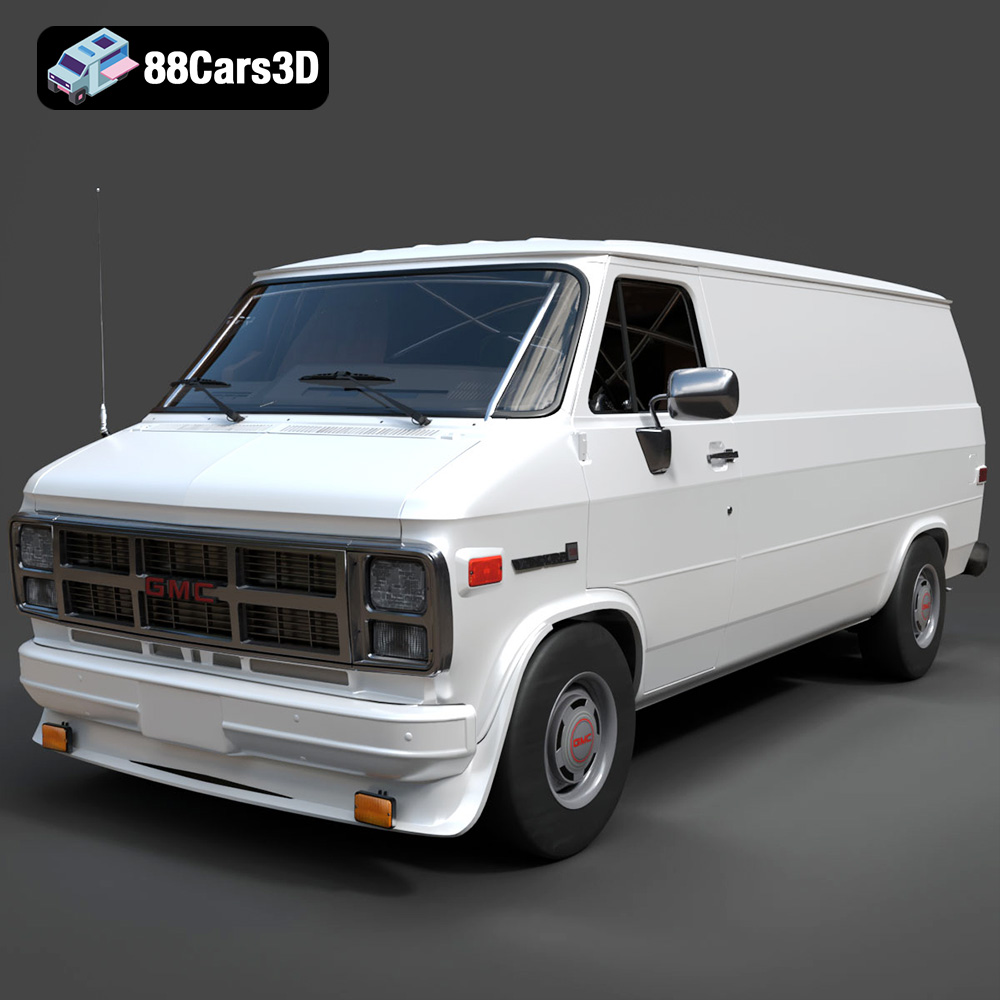
GMC Vandura G-1500 1983 3D Model
Texture: Yes
Material: Yes
Download the GMC Vandura G-1500 1983 3D Model featuring clean geometry, realistic detailing, and a fully modeled interior. Includes .blend, .fbx, .obj, .glb, .stl, .ply, .unreal, and .max formats for rendering, simulation, and game development.
Price: $19.99
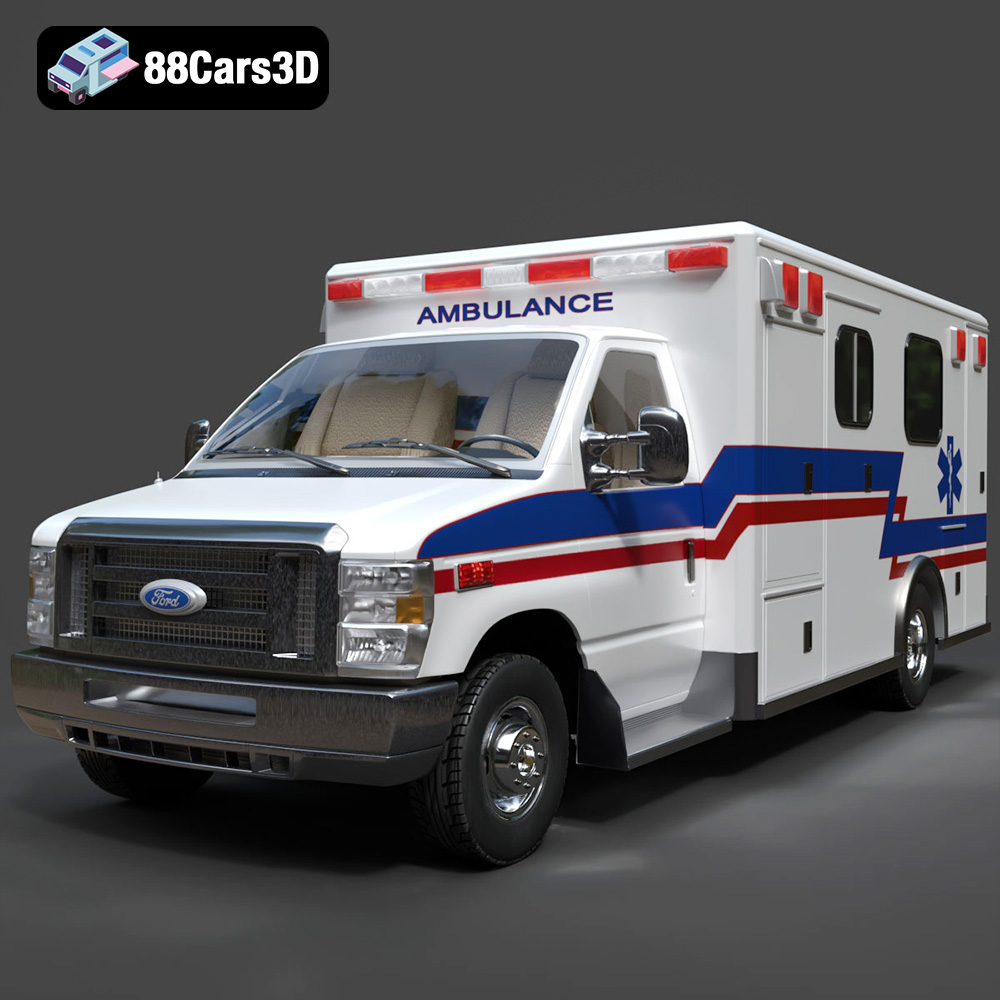
Ford E-450 Ambulance 3D Model
Texture: Yes
Material: Yes
Download the Ford E-450 Ambulance 3D Model featuring clean geometry, realistic detailing, and a fully modeled interior. Includes .blend, .fbx, .obj, .glb, .stl, .ply, .unreal, and .max formats for rendering, simulation, and game development.
Price: $19.99
