The Evolution of Automotive 3D Modeling: From Low Poly to Ultra-Realistic Assets
The journey of a digital vehicle, from its initial blocky polygons to the breathtaking realism seen in today’s virtual worlds and cinematic productions, is a testament to the relentless innovation in automotive 3D modeling. What began as a necessity driven by hardware limitations has transformed into an art form, pushing the boundaries of visual fidelity and interactive experiences. This comprehensive guide will trace this fascinating evolution, exploring the technical advancements, key methodologies, and diverse applications that have shaped the landscape of realistic car models.
The Dawn of Digital Vehicles: Low Poly Beginnings
In the nascent days of 3D graphics, creating convincing digital representations of complex objects like cars was a monumental challenge. Processing power and memory were severely limited, making efficiency paramount. This era was defined by the low poly vehicle, where every polygon counted.
Early Game Development and Resource Constraints
The primary driver for early 3D car models was video games. Arcade cabinets and home consoles of the 1980s and 90s simply couldn’t render intricate geometry in real-time. Developers were forced to minimize polygon counts drastically to maintain playable frame rates. A car might consist of only a few hundred, or even tens, of triangles. The artistic challenge was to convey the essence of a car with the absolute minimum of geometric detail.
- Hardware Limitations: CPUs and GPUs (often specialized chips) had minimal computational power.
- Rendering Speed: High polygon counts directly translated to slow rendering, making games unplayable.
- Memory Constraints: Limited RAM meant that models, textures, and animations had to be extremely compact.
Techniques for Low Poly Automotive Models
To achieve recognizable forms with scarce polygons, artists relied on clever techniques:
- Box Modeling: Often starting with a simple cube and extruding/scaling faces to block out the basic silhouette.
- Polygon Reduction: Manually optimizing topology to remove unnecessary vertices and edges.
- Simple Texture Mapping: Flat, unlit textures (diffuse maps) were painted with basic color gradients and often used to fake details that couldn’t be modeled geometrically, such as headlights, grills, or panel lines. Transparent areas for windows were also common.
Practical Examples: Think of the blocky but iconic cars in games like *Pole Position* (1982), *Out Run* (1986), or the early iterations of *Need for Speed* (1994-1997), where often a few dozen polygons per car were the standard, with visual detail largely conveyed through pixelated textures.
The Mid-Poly Renaissance: Balancing Detail and Performance
As technology progressed into the late 1990s and early 2000s, a new generation of hardware unlocked possibilities for more detailed vehicle asset creation. This led to the emergence of the “mid-poly” era, where a balance was struck between visual fidelity and real-time performance.
Advancements in Hardware and Software
The arrival of dedicated graphics processing units (GPUs) fundamentally changed the game. GPUs offloaded rendering tasks from the main CPU, allowing for significantly higher polygon counts and more sophisticated rendering techniques. Concurrently, 3D modeling software matured, offering more intuitive tools for artists.
- Dedicated GPUs: Enabled hardware-accelerated transformation and lighting, making more complex scenes feasible.
- Improved Processors: Faster CPUs handled game logic, physics, and AI, allowing GPUs to focus on rendering.
- Advanced Modeling Software: Tools like 3ds Max, Maya, and Blender became more robust, offering advanced mesh editing features.
Introduction of Subdivision Surfaces and Normal Mapping
Two critical innovations defined this period:
- Subdivision Surfaces: While the final model might still be rendered with a moderate poly count, artists could model a low-resolution “cage” and then use subdivision algorithms (like Catmull-Clark) to generate a smooth, high-resolution surface for baking details, without manually creating all the extra geometry.
- Normal Mapping: This revolutionary technique allowed artists to simulate high-detail surface features (like rivets, panel gaps, or subtle curvature variations) using a special texture map without increasing the actual polygon count. A high-poly model’s surface normals would be “baked” onto a low-poly model’s normal map, tricking the lighting engine into perceiving depth and detail that wasn’t geometrically present.
Practical Examples: Games like *Gran Turismo 3/4* (PlayStation 2) and *Forza Motorsport* (Xbox) exemplify the mid-poly approach. Cars in these titles might feature thousands of polygons, combined with sophisticated normal maps and specular maps (for reflections) to achieve a level of realism previously unimaginable in real-time game development 3D cars.
The Era of High-Poly and Photorealism: Pushing Boundaries
Today, with the advent of powerful GPUs, next-generation game engines, and advancements in rendering techniques, automotive 3D modeling has entered an era of unprecedented photorealism. The goal is no longer just to look good, but to be indistinguishable from reality.
Mastering High-Detail Geometry
Modern high-poly models can boast millions of polygons, detailing every curve, panel gap, and interior component with extreme precision. This is often achieved through:
- Advanced Subdivision Modeling: Iterative subdivision of base meshes to create incredibly smooth and detailed surfaces.
- CAD Data Integration: Directly importing Computer-Aided Design (CAD) models from automotive manufacturers provides geometrically perfect blueprints, often consisting of NURBS (Non-Uniform Rational B-Splines) surfaces which are then tessellated into polygons. This ensures engineering accuracy.
- Detailed Interior and Under-the-Hood Modeling: No longer just an exterior shell, modern models meticulously recreate interiors, engines, and chassis components.
Physically Based Rendering (PBR) and Advanced Texturing
Physically Based Rendering (PBR) is the cornerstone of modern photorealism. Instead of simply defining color, PBR materials describe how light interacts with a surface based on real-world physics. This requires a suite of sophisticated texture maps:
- Albedo/Base Color: The inherent color of the surface.
- Metallic: Defines if a material is a metal (0 or 1, or a gradient for hybrid materials).
- Roughness/Glossiness: Controls how spread out or concentrated reflections are (matte vs. shiny).
- Normal Map: Provides fine surface detail for lighting.
- Ambient Occlusion (AO): Simulates soft shadows where surfaces are close together.
- Displacement Map: Actually deforms the mesh to create true geometric detail, used sparingly due to performance cost.
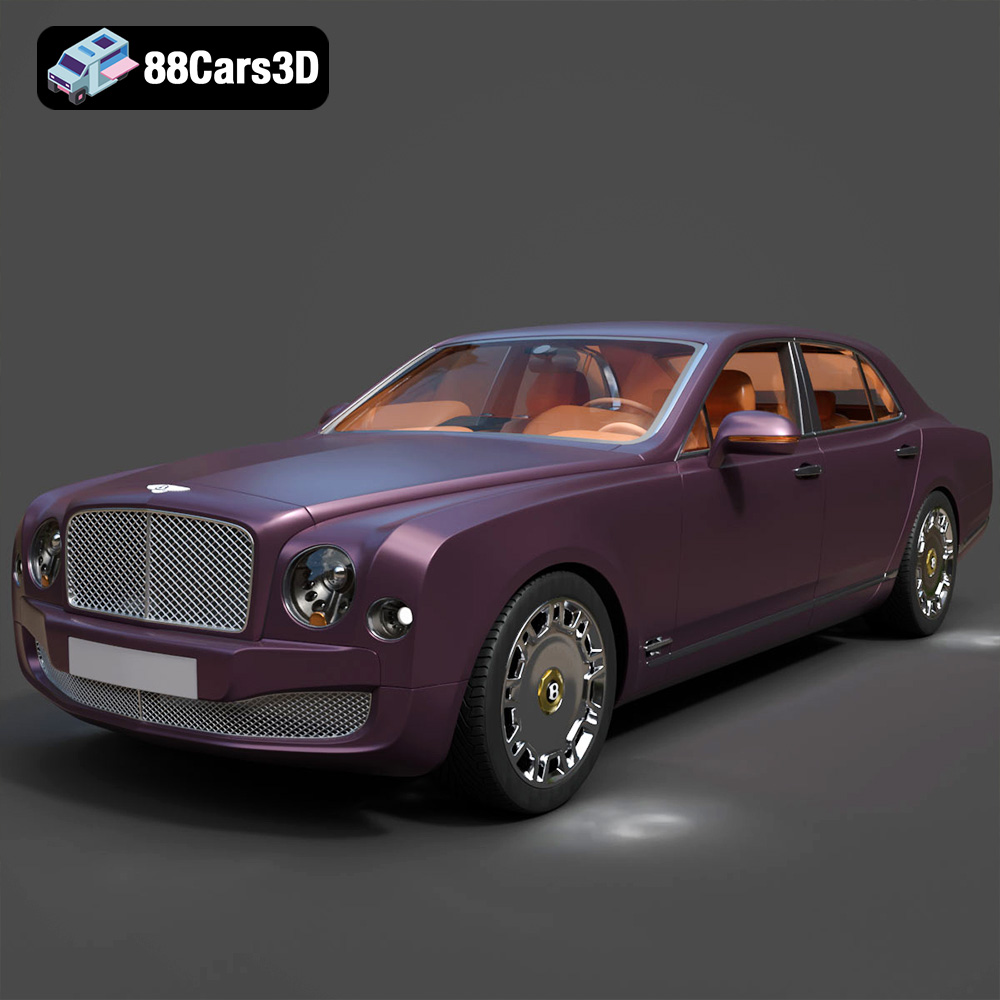
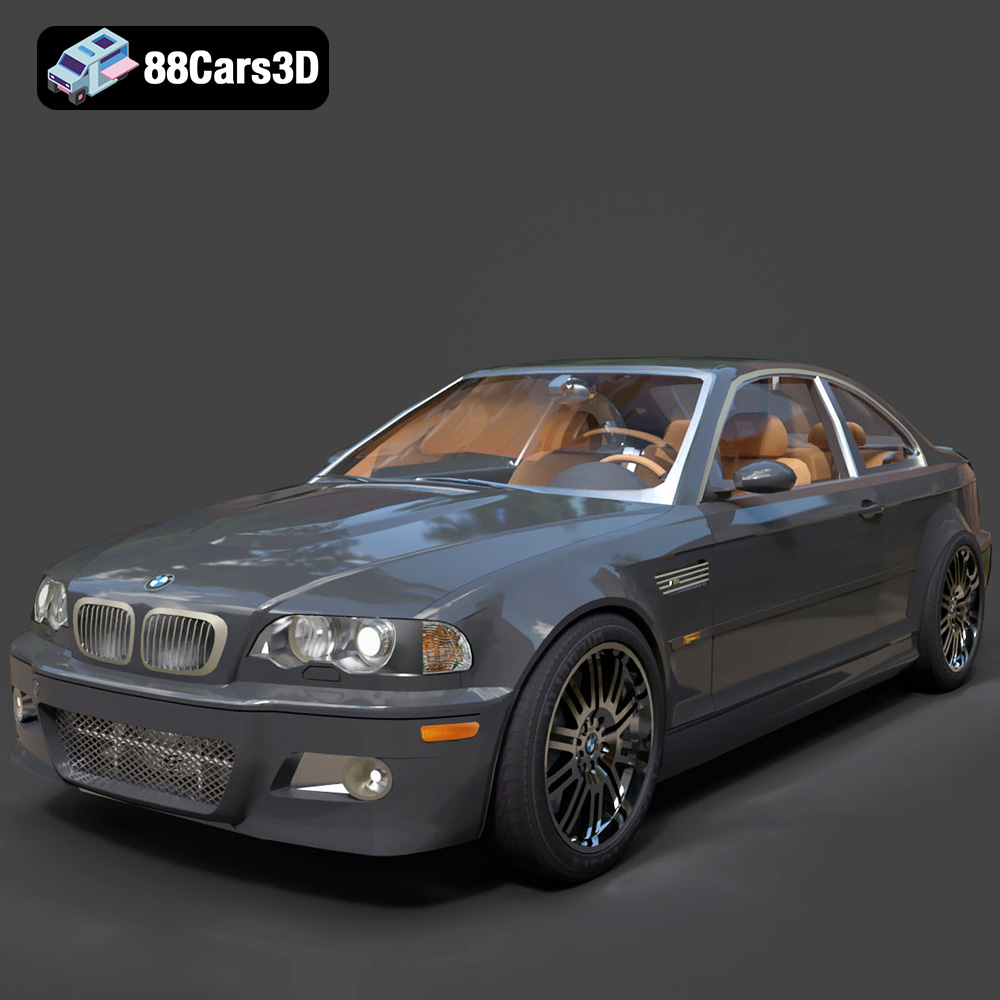
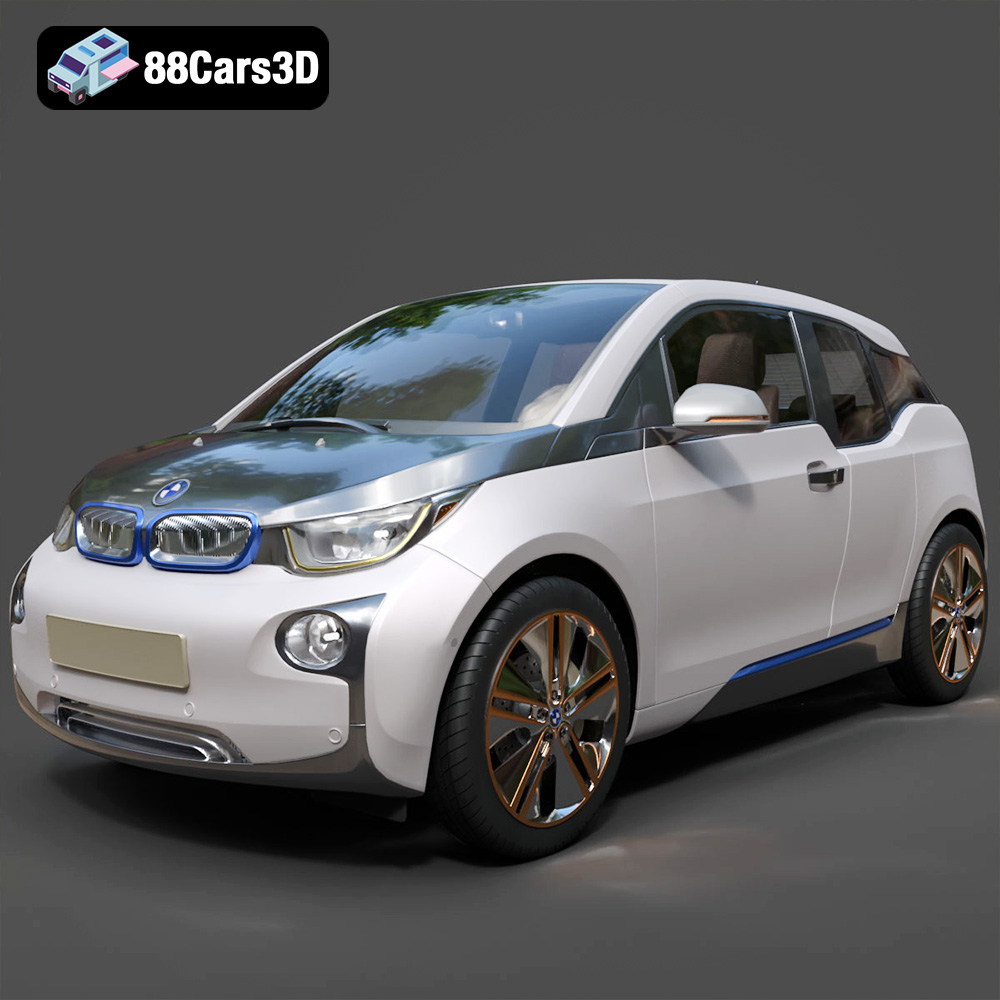
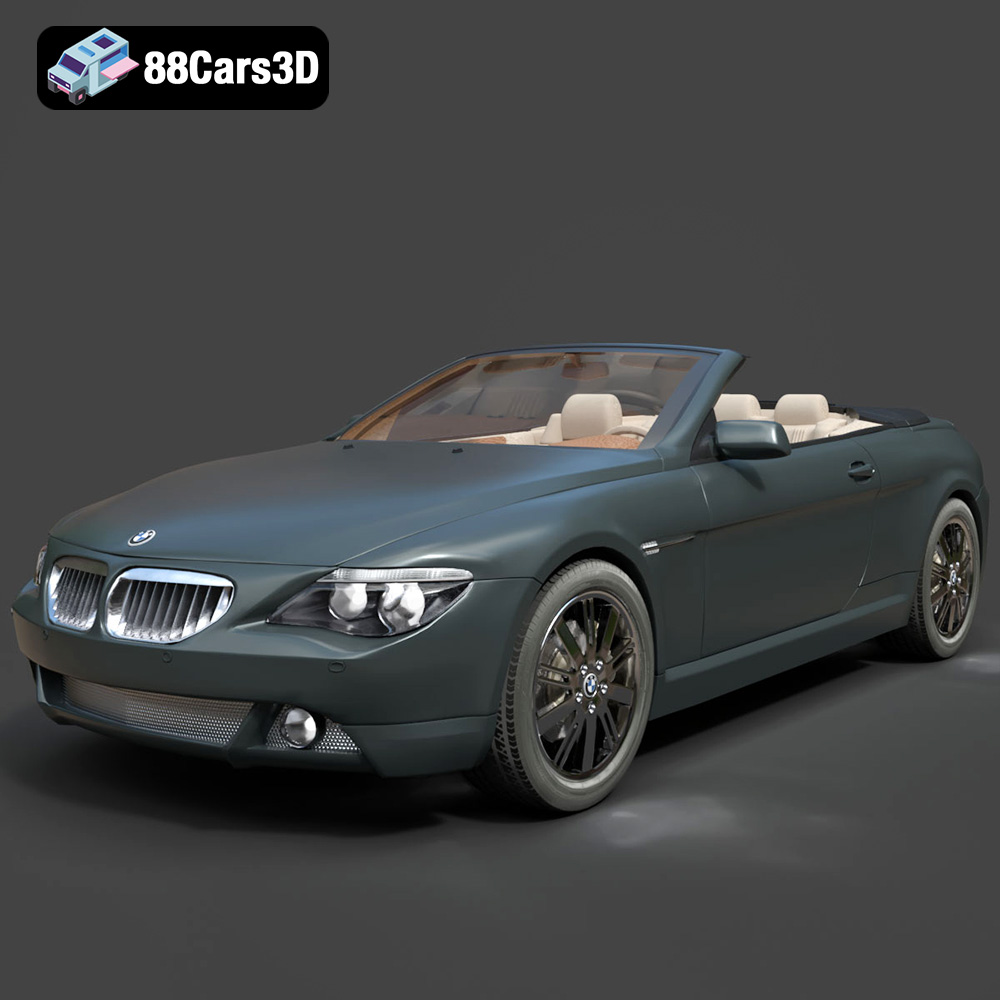
Tools like Substance Painter have become indispensable for artists to paint and generate these complex PBR textures. The result is stunningly realistic car paint, chrome, glass, leather, and plastic materials.
Real-Time Ray Tracing and Global Illumination
The latest frontier is real-time ray tracing and advanced global illumination techniques. Ray tracing accurately simulates how light bounces, reflects, and refracts in a scene, delivering unparalleled realism in reflections, shadows, and overall lighting. Combined with technologies like Lumen in Unreal Engine, environments illuminate surfaces realistically, elevating the visual fidelity of realistic car models to new heights, even in real-time applications.
Practical Examples: Games like *Forza Horizon 5*, *Cyberpunk 2077* (with ray tracing enabled), and high-end automotive visualization configurators for car manufacturers showcase this level of detail. The same high-fidelity assets are now crucial for virtual production automotive projects and creating interactive digital twins car experiences.
Specialized Applications and Data Sources
Beyond traditional gaming and film, high-fidelity automotive 3D models serve a multitude of specialized purposes, leveraging various data sources.
CAD Data Integration
CAD to 3D model conversion is fundamental for precision. Automotive manufacturers design vehicles using CAD software (e.g., CATIA, Siemens NX). These files contain exact geometric data (NURBS surfaces, solids) that are invaluable for creating highly accurate visual models. The challenge lies in converting these engineering-focused, dense NURBS data into optimized polygon meshes suitable for real-time rendering or cinematic applications, a process that requires specialized tools and expertise to maintain curvature continuity and proper topology.
Photogrammetry and 3D Scanning
For existing vehicles or capturing specific textures and details, photogrammetry cars and 3D scanning offer powerful solutions. Photogrammetry involves taking hundreds or thousands of photographs from various angles and using software to reconstruct a 3D model. Laser scanning provides extremely accurate point clouds. These methods are excellent for capturing intricate surface imperfections, material wear, or for rapidly digitizing real-world objects, providing a base for artists to clean up and optimize into game-ready or cinematic assets.
Digital Twins and Virtual Production
The concept of a digital twin—a virtual replica of a physical object—is increasingly vital in the automotive industry. High-fidelity 3D models act as these digital twins, used for everything from aerodynamic simulations and crash testing to marketing, virtual showrooms, and augmented reality experiences. In virtual production, these realistic vehicle assets are integrated into real-time environments for filmmaking, enabling directors to shoot scenes with virtual cars that blend seamlessly with physical actors and sets, greatly reducing traditional production costs and time.
Key Techniques and Tools for Modern Automotive 3D Modeling
Achieving today’s levels of realism demands a sophisticated workflow and a command of industry-standard tools.
Modeling Approaches
- Subdivision Modeling: The dominant method for organic, smooth surfaces, offering excellent control over curvature. Often used in Maya, Blender, and 3ds Max.
- NURBS/CAD-based Modeling: For absolute precision and engineering fidelity, utilizing data directly from CAD software or tools like Rhino 3D. Conversion to polygon meshes is a crucial step for real-time engines.
- Hard Surface Modeling: A broader term encompassing techniques for creating sharp edges and mechanical forms, often relying on careful topology and beveling.
Texturing and Shading Pipelines
- PBR Workflows: Standardized approaches (Metallic-Roughness or Specular-Glossiness) that ensure materials react correctly to light.
- Substance Painter/Designer: Industry-leading tools for texturing, allowing artists to procedurally generate and paint PBR maps with incredible detail.
- Custom Shaders: For unique material effects or optimizations, artists may write custom shader code in game engine vehicle models (Unreal Engine, Unity) to control how light interacts with their assets.
Rendering Engines
- Real-time Engines: Unreal Engine and Unity are leading platforms for interactive experiences, games, and virtual production, leveraging GPU rendering 3D for speed.
- Offline Renderers: V-Ray, Octane, Redshift, Arnold are used for cinematic quality renders, high-resolution stills, and product visualizations where rendering time is less of a constraint than ultimate photorealism.
Decision Framework: Choosing the Right Level of Detail
Deciding on the appropriate level of detail (LoD) for your automotive 3D model is crucial. It directly impacts performance, development time, and budget. Here’s a comparison table and factors to consider:
| Characteristic | Low Poly | Mid Poly | High Poly / Ultra-Realistic |
|---|---|---|---|
| Polygon Count (Approx.) | < 5,000 | 5,000 – 50,000 | 50,000 – Millions |
| Texture Complexity | Simple diffuse maps | Diffuse, Normal, Specular, basic AO | Full PBR suite (Albedo, Metallic, Roughness, Normal, AO, Displacement) |
| Geometric Detail | Basic silhouette, faked detail via textures | Decent silhouette, some modeled details, much faked by normal maps | Precise curves, all major and minor details modeled, accurate interiors |
| Performance Impact | Very low (ideal for mobile/VR) | Moderate (good for current-gen games) | High (demands powerful hardware, often for cinematics or high-end visualization) |
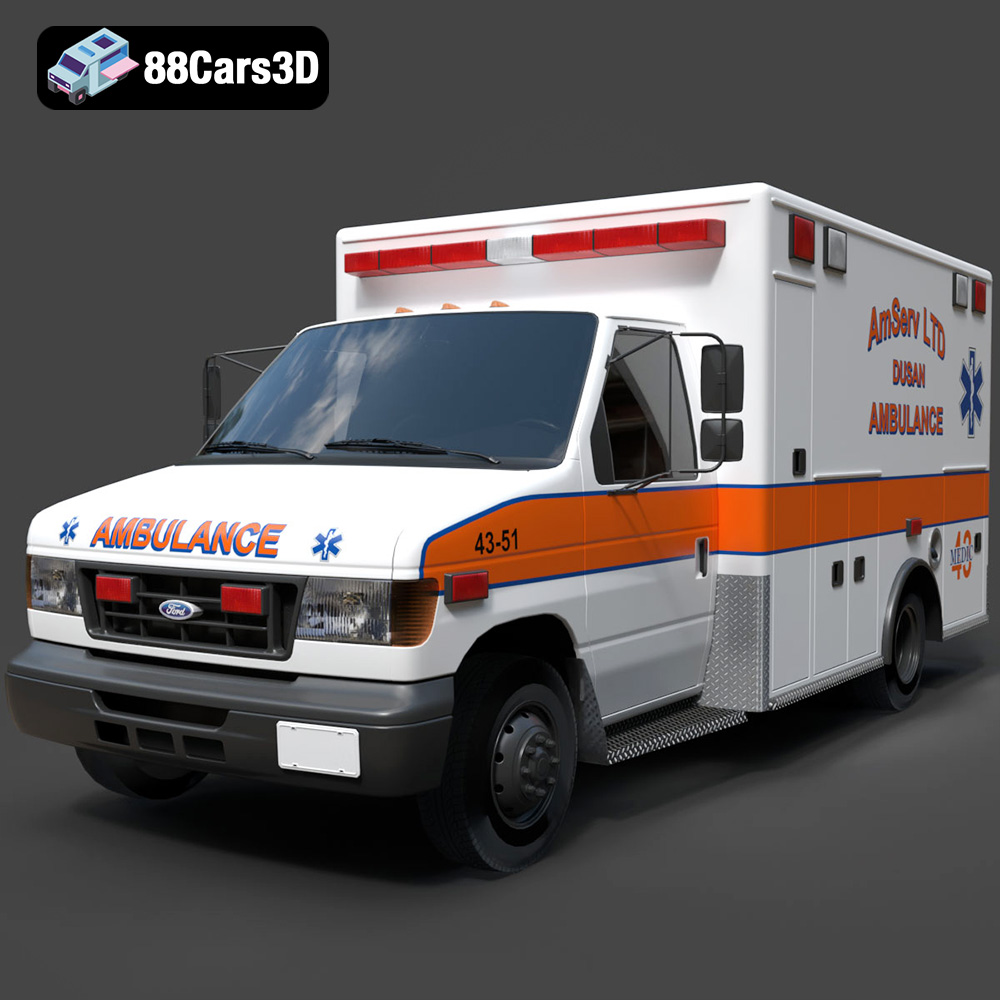
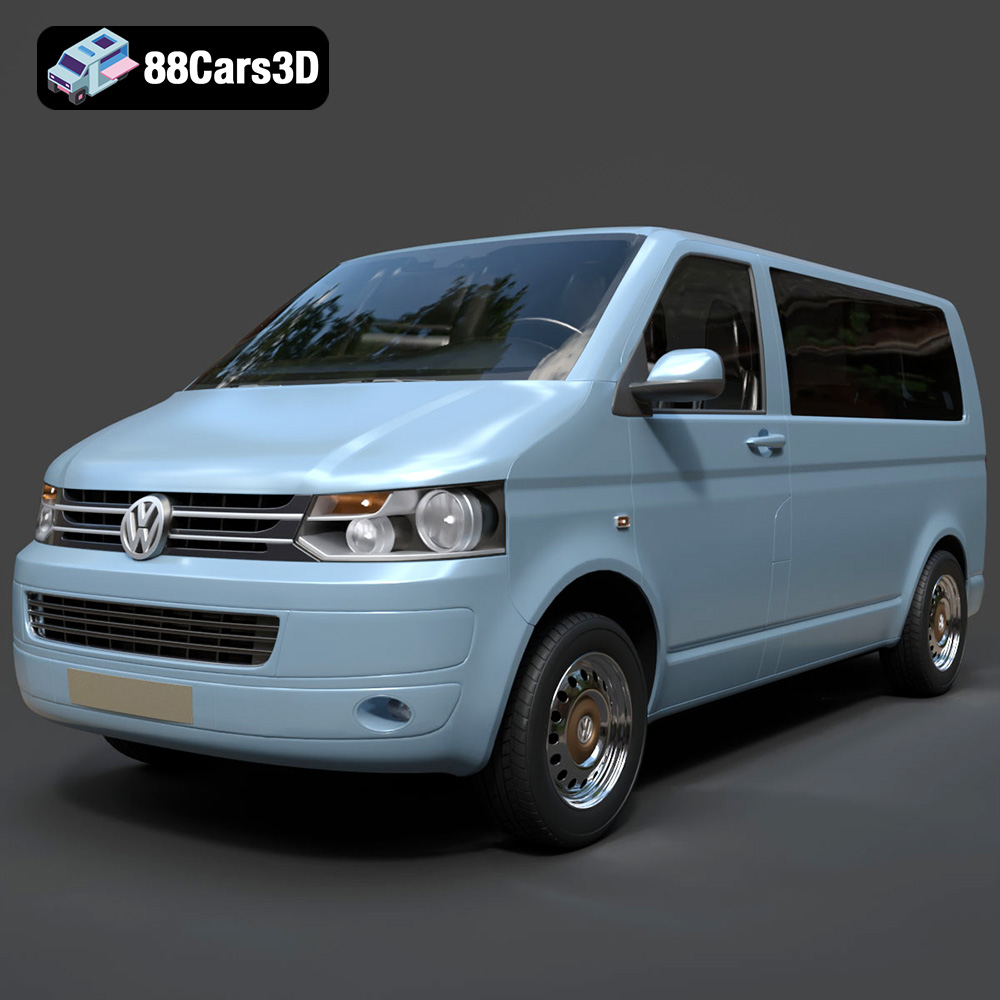
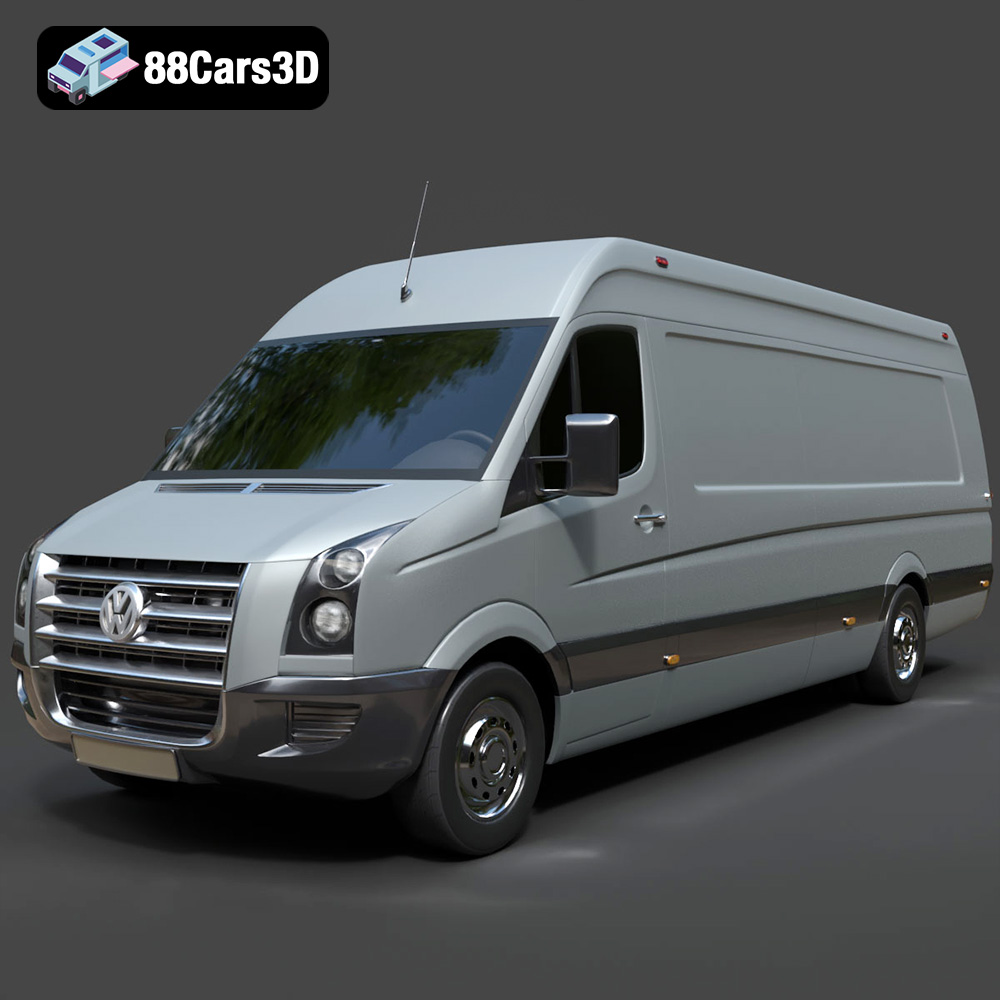
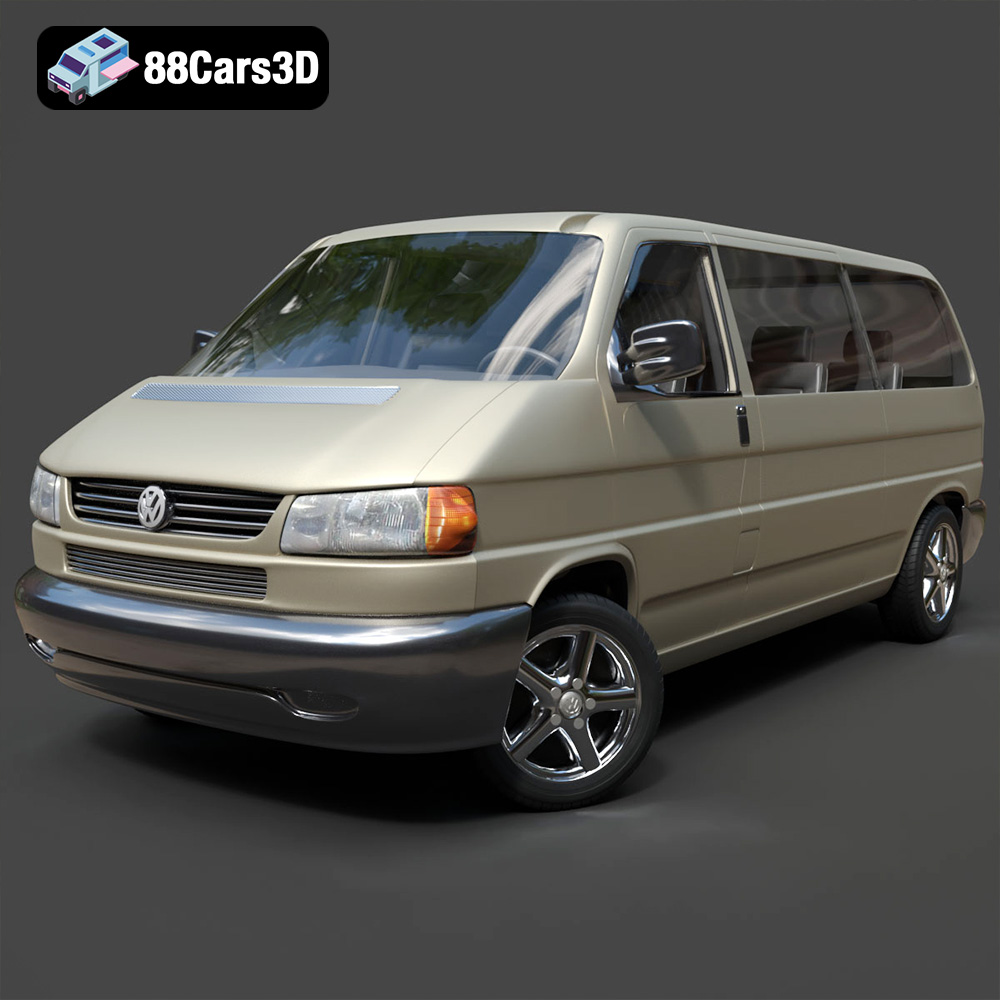
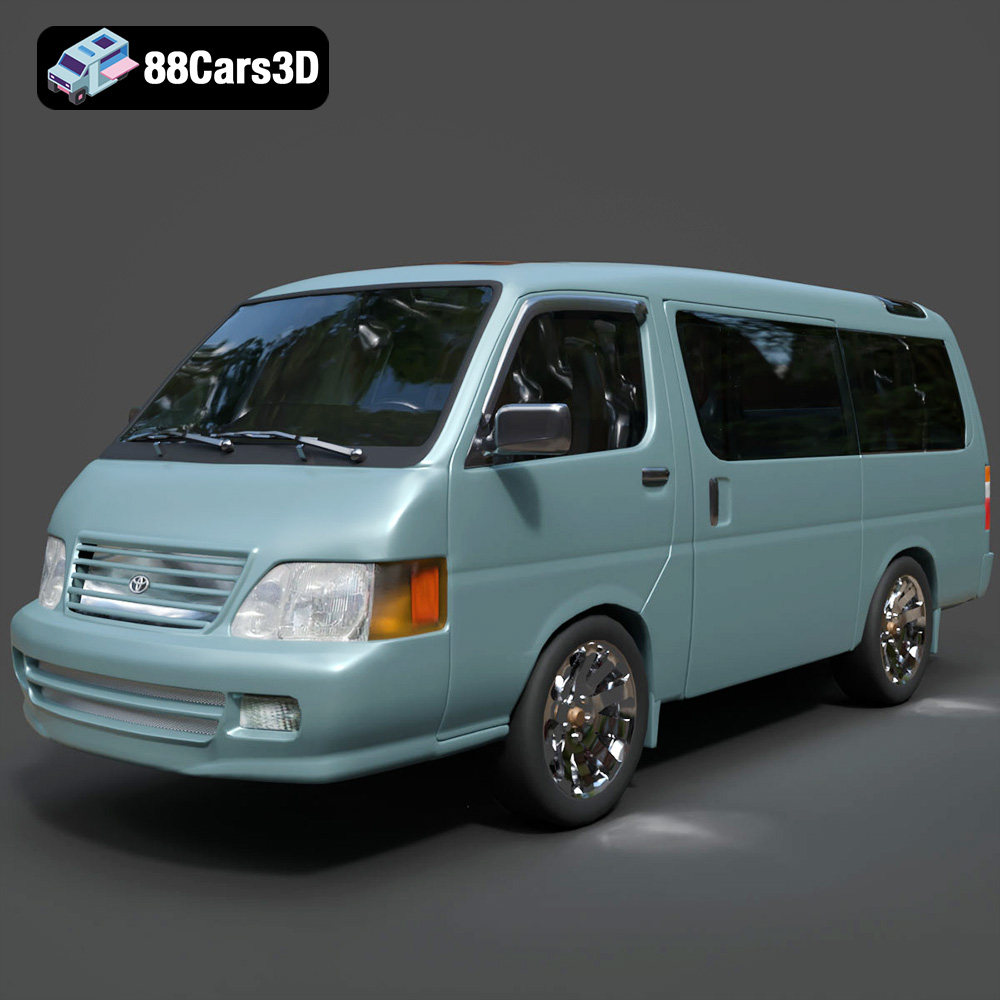
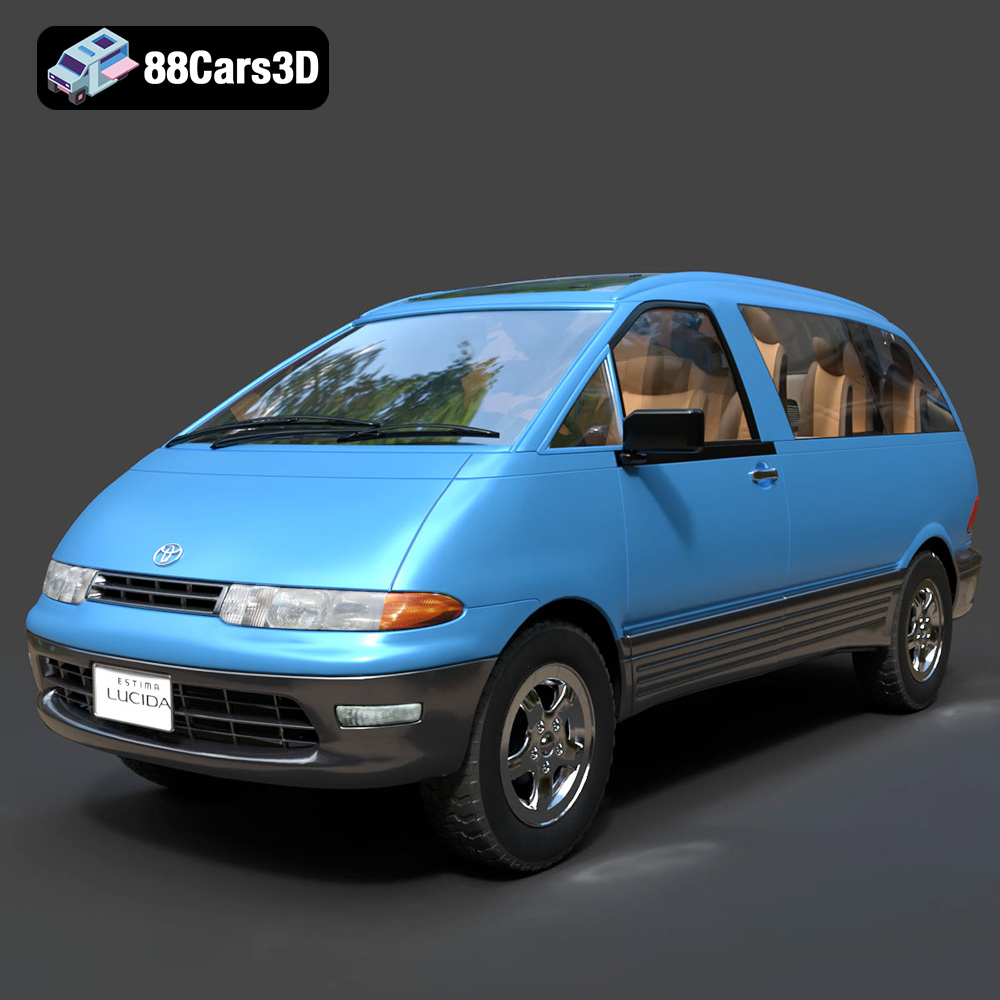
| Common Use Cases | Mobile games, background assets, stylized VR | Console/PC games, real-time applications where performance is key | Cinematics, premium games, virtual production, digital configurators, engineering visualization |
| Cost/Time for Creation | Low to Moderate | Moderate to High | Very High |
Factors to Consider:
- Target Platform: Mobile, console, PC, VR, AR all have different performance budgets.
- Project Type: Is it a fast-paced racing game, a cinematic short film, an interactive car configurator, or an engineering simulation?
- Performance Budget: How many models will be on screen simultaneously? What frame rate is required? This dictates asset optimization for cars.
- Visual Fidelity Goal: Does it need to be stylized, realistic, or hyper-photorealistic?
- Budget and Timeline: Higher detail requires more skilled artists, time, and computational resources.
Conclusion
The journey of automotive 3D modeling has been a relentless pursuit of realism, driven by technological leaps and artistic ingenuity. From the rudimentary block forms of early gaming to the stunning, physically accurate digital twins of today, each stage has built upon the last, offering new levels of immersion and utility. The balance between visual fidelity and performance remains a core challenge, but with advancements in PBR, real-time ray tracing, and sophisticated 3D modeling software for cars, the future promises even more breathtaking and interactive digital automotive experiences.
Ready to bring your automotive visions to life?
Whether you need high-fidelity models for a game, a stunning visualization for marketing, or an accurate digital twin for engineering, our expert 3D artists can deliver. Contact us today to discuss your next project!
Recommended undefined Models