Get 20% OFF All Premium 3D & STL Models!

“`html
The world of 3D printing is rapidly evolving, unlocking the potential to create incredibly intricate designs that were once impossible. From highly detailed automotive models to functional prototypes with delicate features, the ability to print complex geometry is a game-changer. However, these complex shapes often present unique challenges, leading to print failures like warping, overhangs collapsing, and support material nightmares. At 88cars3d.com, we understand the desire to bring these detailed creations to life, which is why we focus on providing high-quality, print-ready STL files. This comprehensive guide will equip you with the knowledge and techniques to tackle even the most challenging geometries with confidence, ensuring your 3D prints are successful, every time. We’ll dive deep into file preparation, slicing strategies, support optimization, material selection, and post-processing, empowering you to achieve professional-grade results for your printable car models and beyond.
Before even touching a 3D printer, understanding the fundamental structure of an STL file is crucial, especially when dealing with intricate designs. An STL (STereoLithography) file represents a 3D object’s surface geometry using a collection of connected triangles, forming a mesh. For complex models, the quality of this mesh is paramount. Poorly constructed meshes with gaps, non-manifold edges, or inverted normals can confuse slicing software, leading to slicing errors, incorrect geometry generation, and ultimately, print failures. High-quality models, such as those meticulously prepared and offered on platforms like 88cars3d.com, prioritize clean mesh topology. This means each edge is shared by exactly two triangles, the surface is watertight, and all surface normals point outwards, ensuring the slicing software can accurately interpret and convert the 3D model into printable layers.
A “watertight” mesh is one that forms a closed, solid volume without any holes or self-intersections. Imagine trying to fill a colander with water – it won’t hold. Similarly, a non-watertight STL file won’t be correctly interpreted by slicers as a solid object. This can manifest as missing sections in the sliced preview, the software failing to generate internal infill, or even preventing the slicing process altogether. Tools like Meshmixer, Blender, or Autodesk Netfabb are invaluable for diagnosing and repairing mesh issues. Running an analysis on your STL file in these programs will quickly highlight any non-manifold geometry, holes, or intersecting faces. Simple repairs can often be automated, but complex issues might require manual intervention, carefully aligning vertices and rebuilding faces to create a truly watertight surface. For instance, a common issue in detailed models is the creation of internal walls that intersect incorrectly, or small gaps where separate parts of the mesh were joined. Thoroughly checking your file before slicing significantly reduces the risk of failure.
Manifold geometry refers to a “well-behaved” mesh where each edge connects exactly two faces. Non-manifold geometry, on the other hand, includes problematic structures such as: edges shared by more than two faces (creating internal walls or intersecting surfaces), faces with zero area, or edges that are only connected to a single face. These anomalies can cause significant problems during the slicing process. For example, an edge shared by three faces might be interpreted by the slicer as an internal partition, leading to unexpected infill patterns or solid blobs. Conversely, an edge connected to only one face could represent a hole or an open boundary. When working with complex STL files, especially those downloaded from various sources, a mesh repair step is not optional – it’s a critical part of the workflow. Tools like Netfabb’s “Edit & Repair” tools or Blender’s “3D-Print Toolbox” add-on offer robust functionalities for identifying and fixing these non-manifold conditions, ensuring your model is a solid, printable entity.
Highly detailed models can sometimes have an excessively high triangle count, which can slow down slicing software and, in rare cases, lead to memory issues or instability. While modern slicers are quite capable, optimizing the mesh can improve workflow efficiency. Decimation is the process of reducing the number of triangles in a mesh while preserving its overall shape and detail. Software like Blender or Meshmixer offers decimation tools. However, caution is advised: aggressive decimation can lead to a loss of fine details, which is often undesirable for intricate models like those found on 88cars3d.com. The goal is to find a balance – reduce unnecessary triangles in flat or less detailed areas without compromising the crucial features. For most users, focusing on watertightness and manifold integrity is more critical than extreme decimation, especially when using pre-optimized files.
The slicing software is where your 3D model is transformed into a series of thin layers, with instructions for your 3D printer. For complex geometries, the default slicing settings are rarely optimal. Strategic adjustments to layer height, print speed, support generation, and travel settings can make the difference between a successful print and a failed one. The core challenge with complex models often lies in accurately reproducing fine details, sharp edges, and challenging overhangs or bridges. Understanding how your slicer interprets geometry and how to guide it is key.
Layer height is one of the most significant factors affecting both print quality and print time. A smaller layer height (e.g., 0.1mm) results in finer layer lines, smoother curves, and better reproduction of small details, making it ideal for intricate models. However, it also significantly increases print time because the printer must lay down many more layers. Conversely, a larger layer height (e.g., 0.2mm or 0.3mm) drastically reduces print time but leads to more visible layer lines and can compromise the fidelity of very small features. For complex car models with intricate bodywork, panel lines, or small accessories, a layer height between 0.12mm and 0.16mm often strikes a good balance between detail and reasonable print duration. Always consider the scale of the model and the level of detail required before selecting your layer height.
Printing complex geometries, especially those with fine details or delicate overhangs, often requires slower print speeds than simpler models. High print speeds can lead to ringing or ghosting artifacts, poor layer adhesion, and insufficient cooling, all of which can degrade the quality of intricate features. For external perimeters and small details, reducing the print speed to 30-40 mm/s can dramatically improve surface finish and accuracy. For infill, you can often maintain a slightly higher speed (e.g., 50-60 mm/s), but outer walls, especially on visible surfaces, benefit most from slower printing. Consider also reducing the speed for initial layers to ensure good bed adhesion, which is critical for any print, but especially important for models that might have a small initial footprint.
To combat issues like blobbing or stringing, which can mar fine details, tuning retraction settings, coasting, and wipe settings is essential.
Experimenting with these settings in your slicer (e.g., Cura’s “Retraction” and “Outer Wall Wipe Distance” settings, or PrusaSlicer’s “Retraction” and “Wipe While Retracting”) on a test print is highly recommended before committing to a large, complex model.
Complex geometries almost invariably feature overhangs and bridges that cannot be printed in mid-air. This is where support structures come into play. However, supports themselves can be challenging. Generating too few supports can lead to print failures, while generating too many or poorly configured supports can make removal difficult, potentially damaging delicate parts of the print, and increasing print time and material consumption. Effective support strategy is an art form in itself.
Most slicers offer various support types, each with its own advantages:
Key settings to consider include:
For models from marketplaces like 88cars3d.com, which often feature crisp details, leveraging tree supports or carefully tuning normal supports with a good interface and adequate Z-distance is crucial.
The removal of supports from complex models requires patience and precision. Rushing this process is a common cause of damage.
For extremely delicate parts, consider using dissolvable supports (if your printer has dual extrusion capabilities) or strategically orienting the model to minimize the need for supports in critical areas.
One of the most effective strategies to reduce reliance on supports is optimizing the print orientation. By rotating the model on the build plate, you can often reposition overhangs to be shallower, bridges shorter, or eliminate them entirely. For example, a car model might have significant overhangs on its undercarriage or wheel arches. By tilting the model slightly, these overhangs can become manageable angles that print without support.
For instance, when printing a detailed 1:18 scale car model, orienting it slightly angled on its side might allow the entire chassis and roof to print without any supports, whereas printing it upright would require extensive supports under the roof and possibly the fenders.
The choice of material and the specific settings used on your 3D printer play a critical role in the success of printing complex models. Different filaments offer varying properties in terms of strength, flexibility, temperature resistance, and ease of printing, each impacting how well intricate details and challenging geometries are reproduced.
When it comes to printing highly detailed and complex geometries, there’s a significant difference between Fused Deposition Modeling (FDM) and Stereolithography (SLA) or Digital Light Processing (DLP) resin printing.
The choice depends on your priorities: if maximum detail is essential, resin is usually preferred. If you need larger prints, a wider material selection, or more robust parts, FDM might be the way to go, provided you are willing to meticulously tune your settings.
For FDM printing of complex models, material properties are key:
Regardless of the material, meticulous printer calibration is non-negotiable for complex prints. This includes:
Calibrating these aspects ensures consistent and predictable material output, which is vital for reproducing the fine features of complex STL files.
The nozzle size on your FDM printer directly impacts the smallest details it can reproduce. A standard 0.4mm nozzle is common, but for intricate models, consider switching to a smaller nozzle (e.g., 0.25mm or 0.2mm). This allows for finer extrusion lines, enabling the printer to lay down much smaller features and sharper edges. However, using a smaller nozzle comes with caveats:
Effective cooling is also paramount for complex geometries, especially overhangs and bridges. Ensure your part cooling fan is functioning optimally and consider increasing its speed, particularly for outer layers and overhangs. For materials like PLA, running the fan at 100% is often beneficial. For materials like ABS or PETG, cooling might need to be managed more carefully to avoid reducing layer adhesion.
Once your complex 3D print emerges from the printer, the journey isn’t over. Post-processing is where you refine the print, remove imperfections, and prepare it for display or further use. For detailed models like those from 88cars3d.com, this stage is crucial for achieving a professional finish.
As discussed earlier, careful support removal is the first step. After supports are gone, you’ll likely be left with small marks or rough patches where they attached.
Remember to wear a dust mask and eye protection when sanding and filling.
Painting is where a 3D print truly comes alive, especially for detailed automotive models.
For complex car models, replicating factory paint finishes often involves multiple layers of primer, base coat, clear coat, and careful masking for two-tone paint jobs or stripes.
Many highly detailed models, especially larger ones, are designed as multi-part prints for easier printing and better detail capture. Assembly requires precision and the right adhesives.
Patience is key during assembly. Dry-fitting parts before applying adhesive will prevent mistakes and ensure a clean final product.
Even with the best preparation, complex prints can sometimes encounter issues. Knowing how to identify and troubleshoot common failures can save prints and prevent frustration. Many issues stem from a combination of slicer settings, printer calibration, and environmental factors.
Warping occurs when the edges or corners of a print lift off the build plate. This is often caused by uneven cooling, leading to internal stresses. Complex models with small contact points or intricate bases are particularly susceptible.
This is a frequent problem with complex geometries, where unsupported sections droop or fail entirely.
Layer shifting is when layers are misaligned, indicating a mechanical issue. Ghosting or ringing is a wave-like artifact on the surface, usually caused by vibrations or accelerations.
By systematically addressing these common issues, you can improve the reliability of printing complex STL files and achieve the high-quality results you desire.
Printing complex 3D models, particularly detailed automotive designs, offers an exciting avenue for hobbyists and professionals alike. The ability to recreate intricate shapes from STL files is a testament to the advancements in 3D printing technology. However, success hinges on a deep understanding of the entire workflow, from initial file preparation and mesh integrity to meticulous slicing, strategic support generation, appropriate material selection, and refined post-processing. At 88cars3d.com, we are committed to providing you with the highest quality printable car models in STL format, designed with these complexities in mind. By implementing the detailed techniques and best practices outlined in this guide – focusing on watertight meshes, optimizing slicer settings for overhangs and details, mastering support structures, understanding material properties, and performing thorough post-processing – you can confidently overcome the challenges of complex geometry. Embrace the iterative process of printing, learn from each attempt, and soon you’ll be producing stunning, flawless prints that showcase the full potential of your 3D printer and the incredible detail available in models from sources like 88cars3d.com.
“`

Meta Description:
Texture: Yes
Material: Yes
Download the Porsche Cayenne 3D Model featuring realistic exterior styling and detailed interior design. Includes .blend, .fbx, .obj, .glb, .stl, .ply, .unreal, and .max formats for rendering, simulation, AR VR, and game development.
Price: $19.9
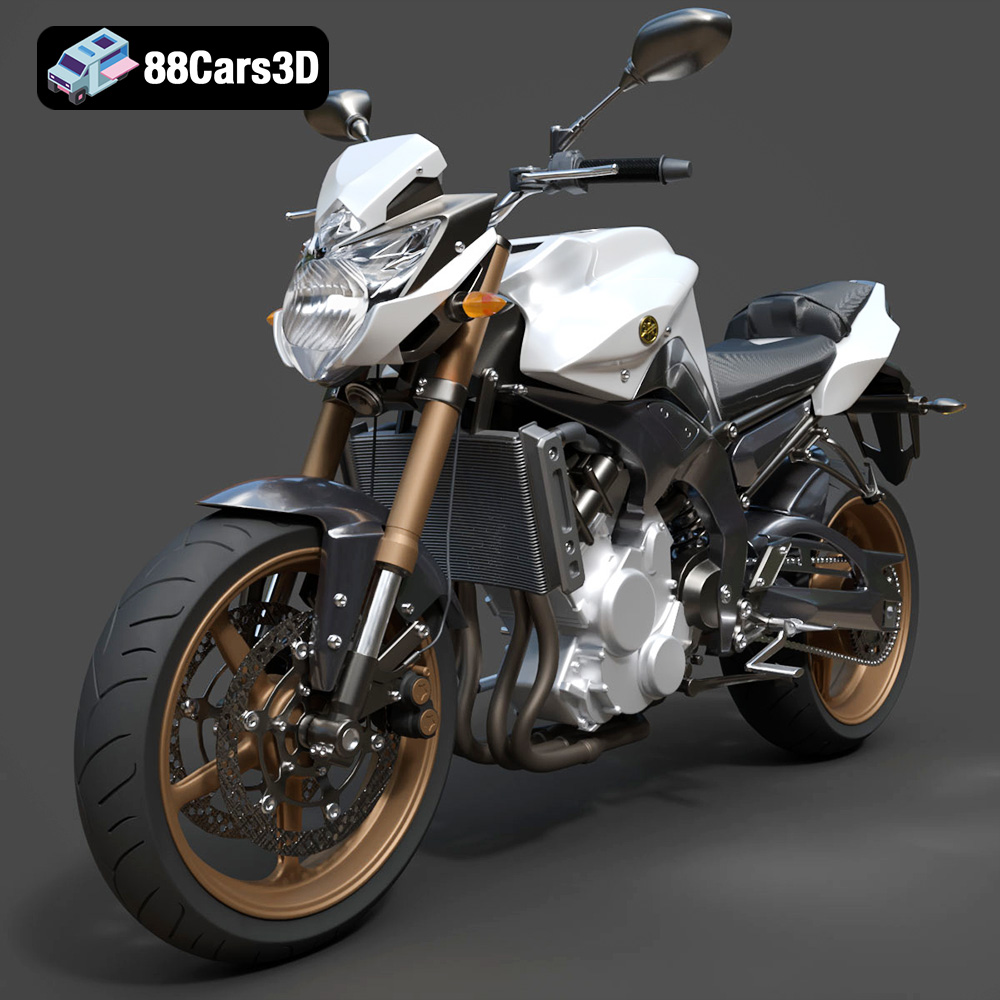
Texture: Yes
Material: Yes
Download the Yamaha FZ8 2011 3D Model featuring clean geometry, realistic detailing, and a fully modeled interior. Includes .blend, .fbx, .obj, .glb, .stl, .ply, .unreal, and .max formats for rendering, simulation, and game development.
Price: $19.99
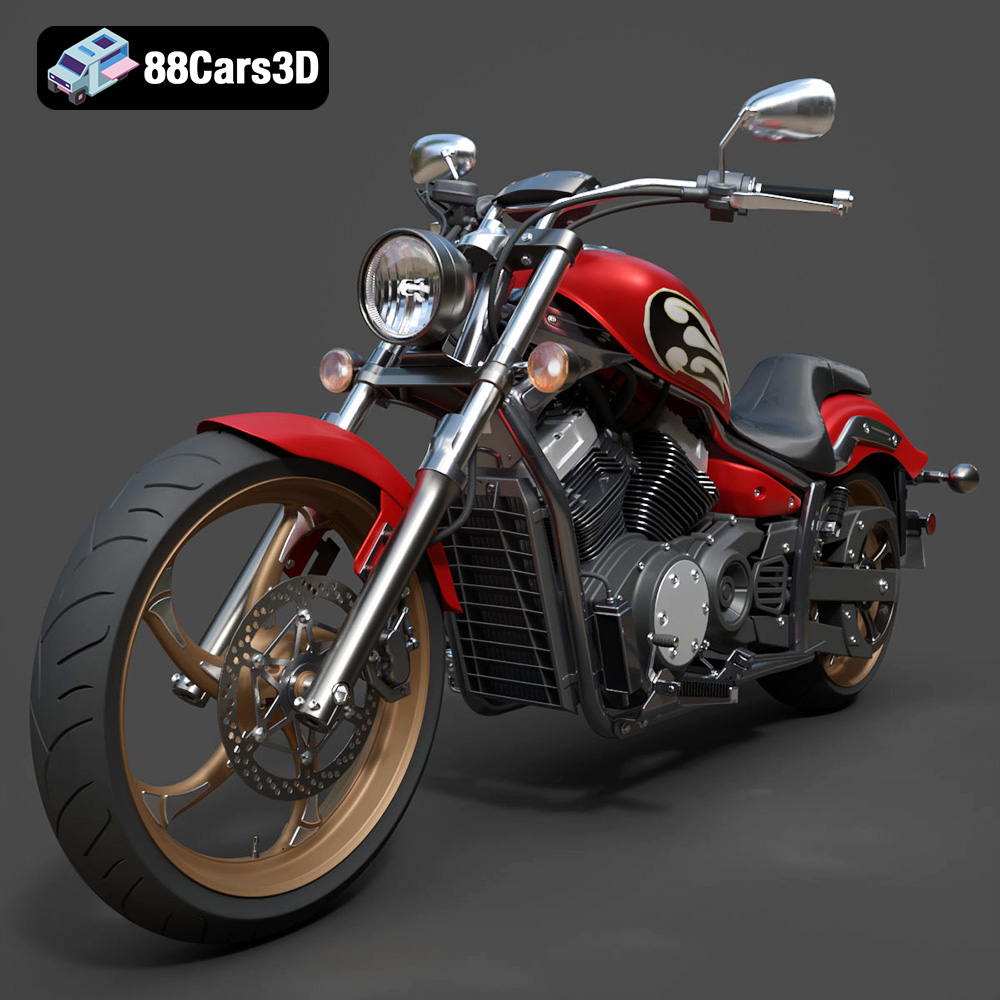
Texture: Yes
Material: Yes
Download the Yamaha Stryker 2012 3D Model featuring clean geometry, realistic detailing, and a fully modeled interior. Includes .blend, .fbx, .obj, .glb, .stl, .ply, .unreal, and .max formats for rendering, simulation, and game development.
Price: $19.99
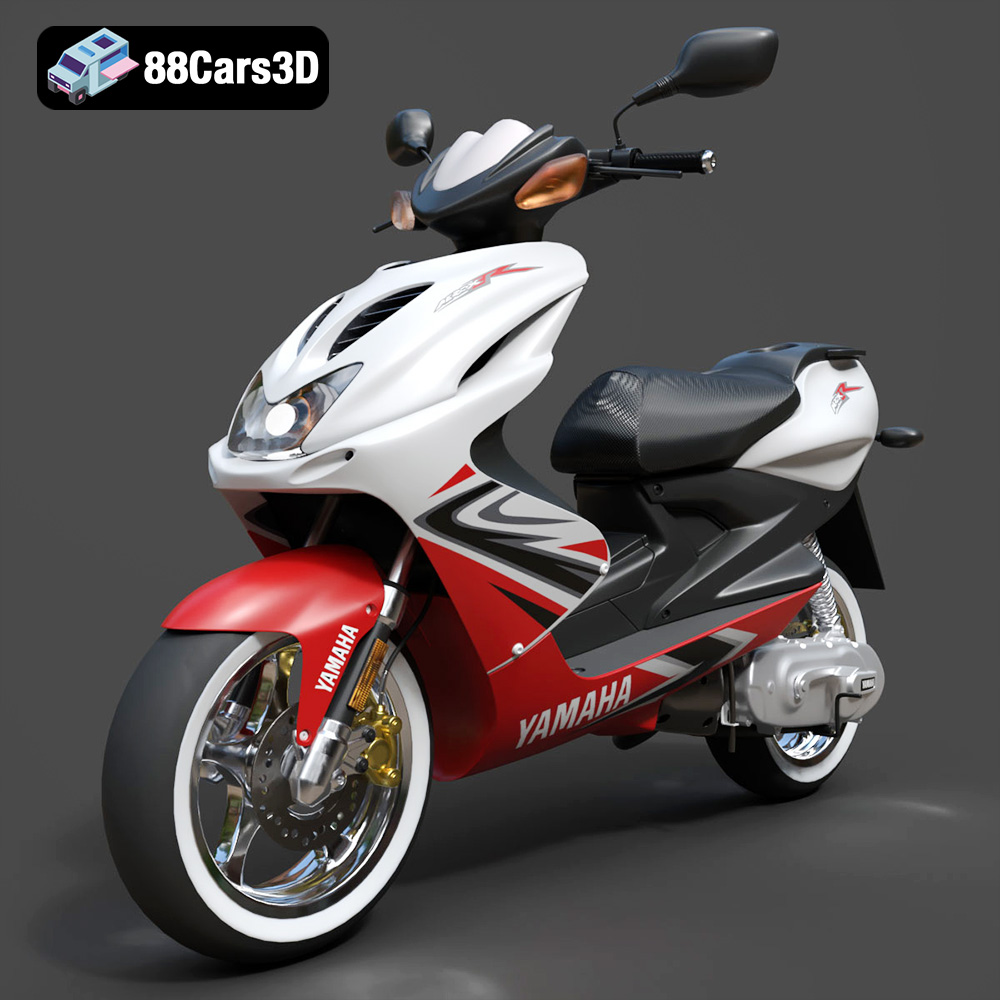
Texture: Yes
Material: Yes
Download the Yamaha Aerox R-002 2024 3D Model featuring clean geometry, realistic detailing, and a fully modeled interior. Includes .blend, .fbx, .obj, .glb, .stl, .ply, .unreal, and .max formats for rendering, simulation, and game development.
Price: $19.99
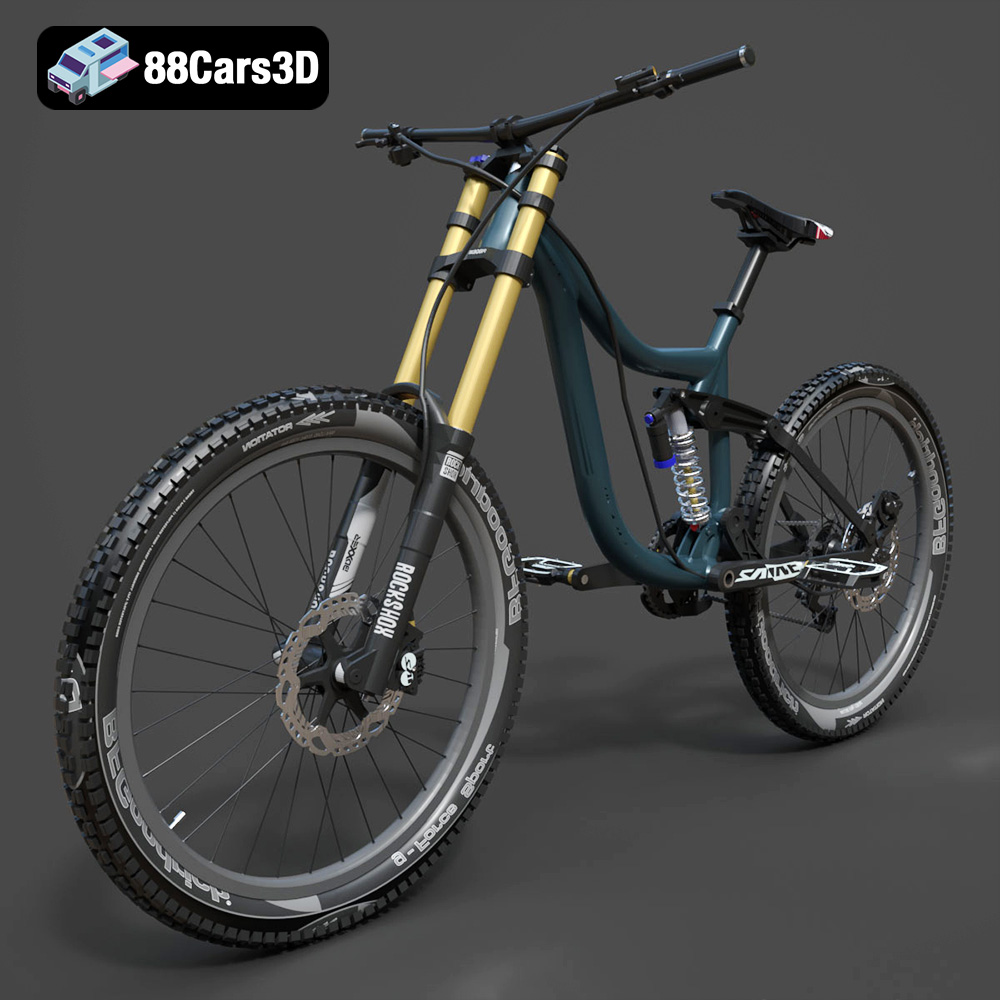
Texture: Yes
Material: Yes
Download the Mototsikly Downhill Bike-002 3D Model featuring clean geometry, realistic detailing, and precise mechanical components. Includes .blend, .fbx, .obj, .glb, .stl, .ply, .unreal, and .max formats for rendering, simulation, and game development.
Price: $19.99
Texture: Yes
Material: Yes
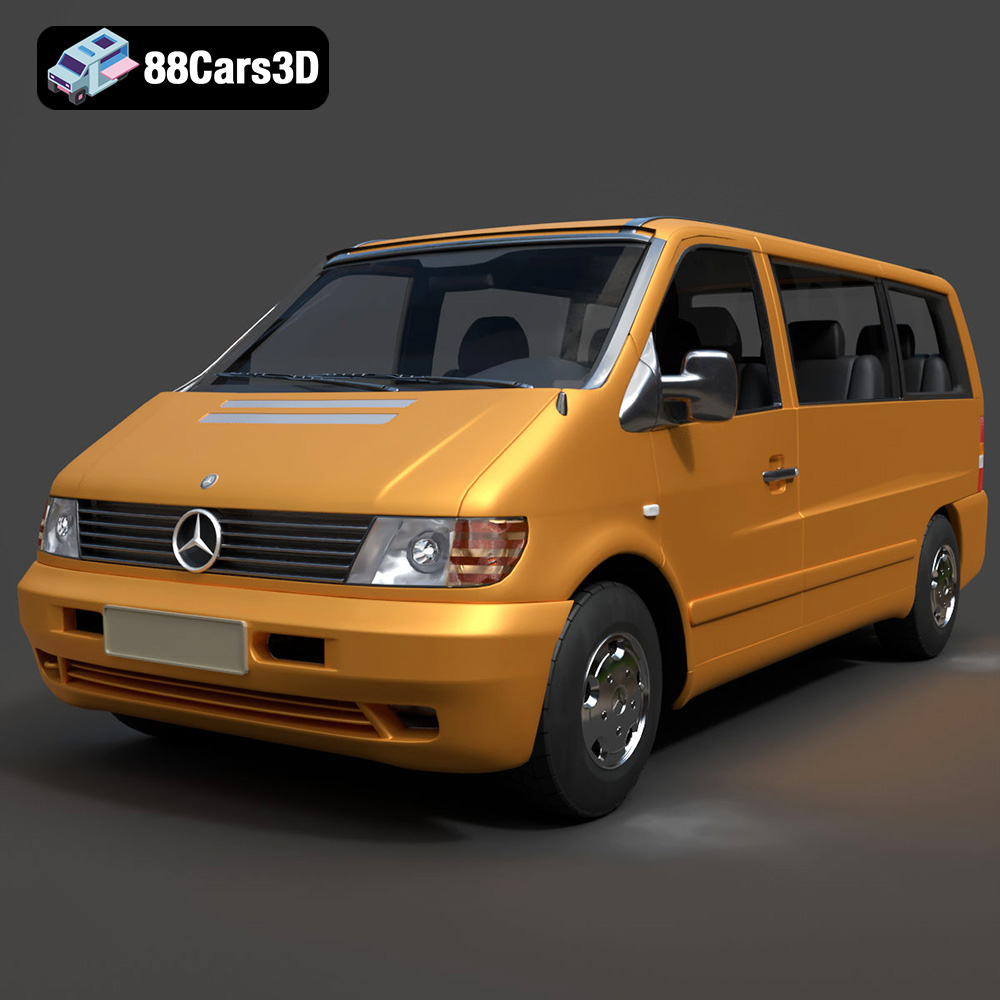
Download the Mercedes-Benz Vito Passenger Van 3D Model featuring clean geometry, realistic detailing, and a fully modeled interior. Includes .blend, .fbx, .obj, .glb, .stl, .ply, .unreal, and .max formats for rendering, simulation, and game development.
Price: $19.99
Texture: Yes
Material: Yes
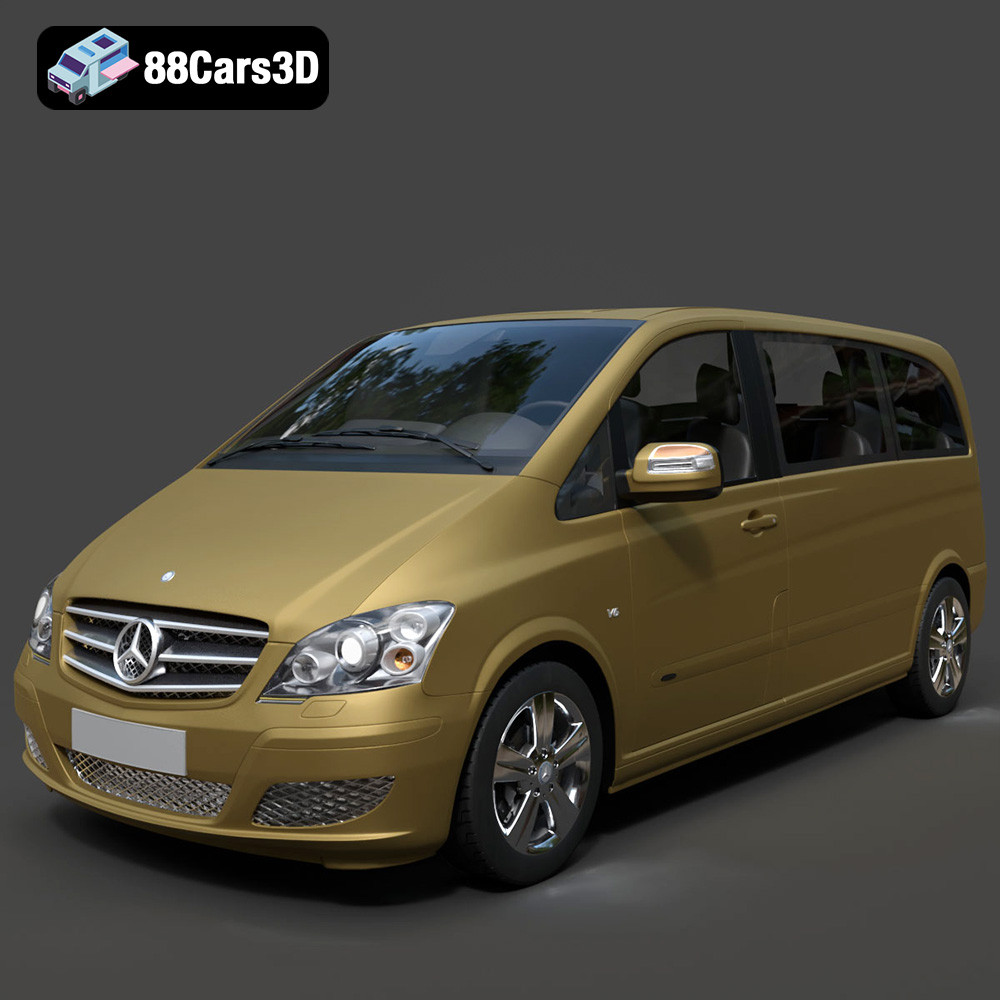
Download the Mercedes-Benz Viano 2010 3D Model featuring clean geometry, realistic detailing, and a fully modeled interior. Includes .blend, .fbx, .obj, .glb, .stl, .ply, .unreal, and .max formats for rendering, simulation, and game development.
Price: $19.99

Texture: Yes
Material: Yes
Download the Emt Avtobus 007 3D Model featuring clean geometry, realistic detailing, and a fully modeled interior. Includes .blend, .fbx, .obj, .glb, .stl, .ply, .unreal, and .max formats for rendering, simulation, and game development.
Price: $19.99
Texture: Yes
Material: Yes
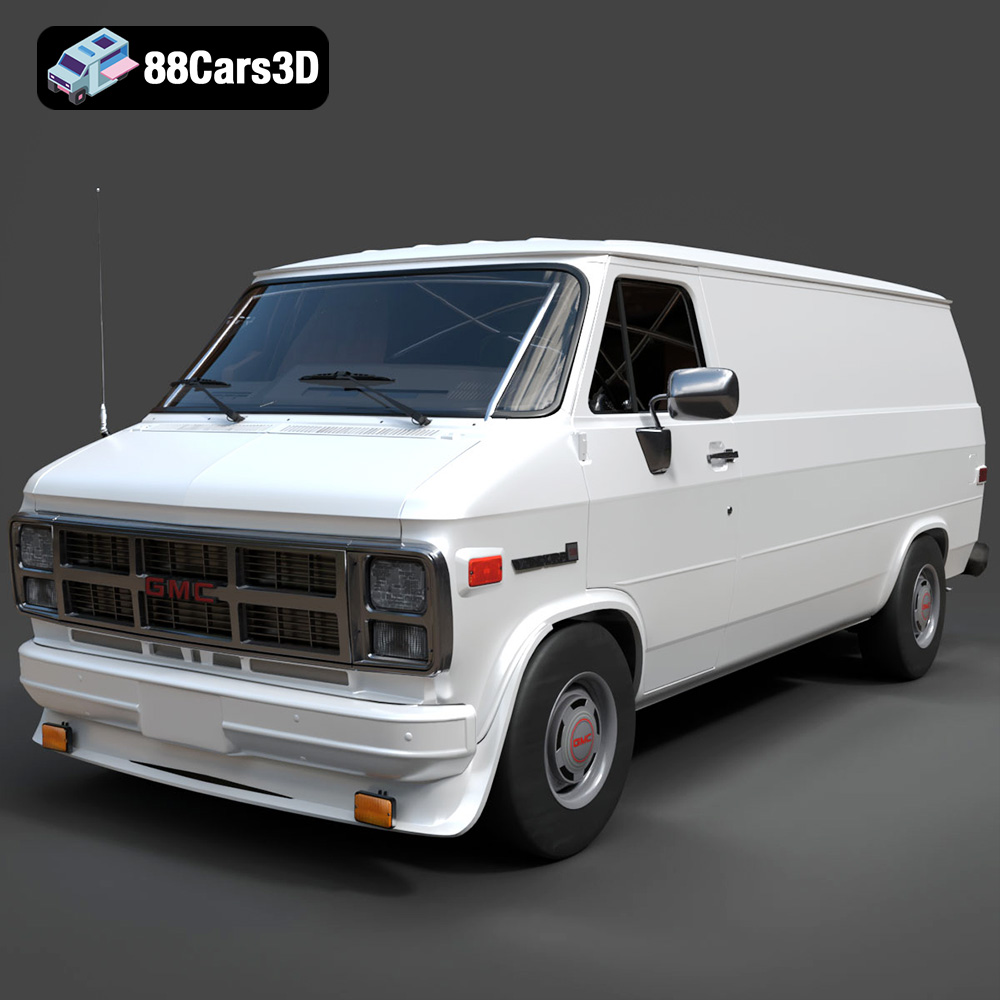
Download the GMC Vandura G-1500 1983 3D Model featuring clean geometry, realistic detailing, and a fully modeled interior. Includes .blend, .fbx, .obj, .glb, .stl, .ply, .unreal, and .max formats for rendering, simulation, and game development.
Price: $19.99
Texture: Yes
Material: Yes
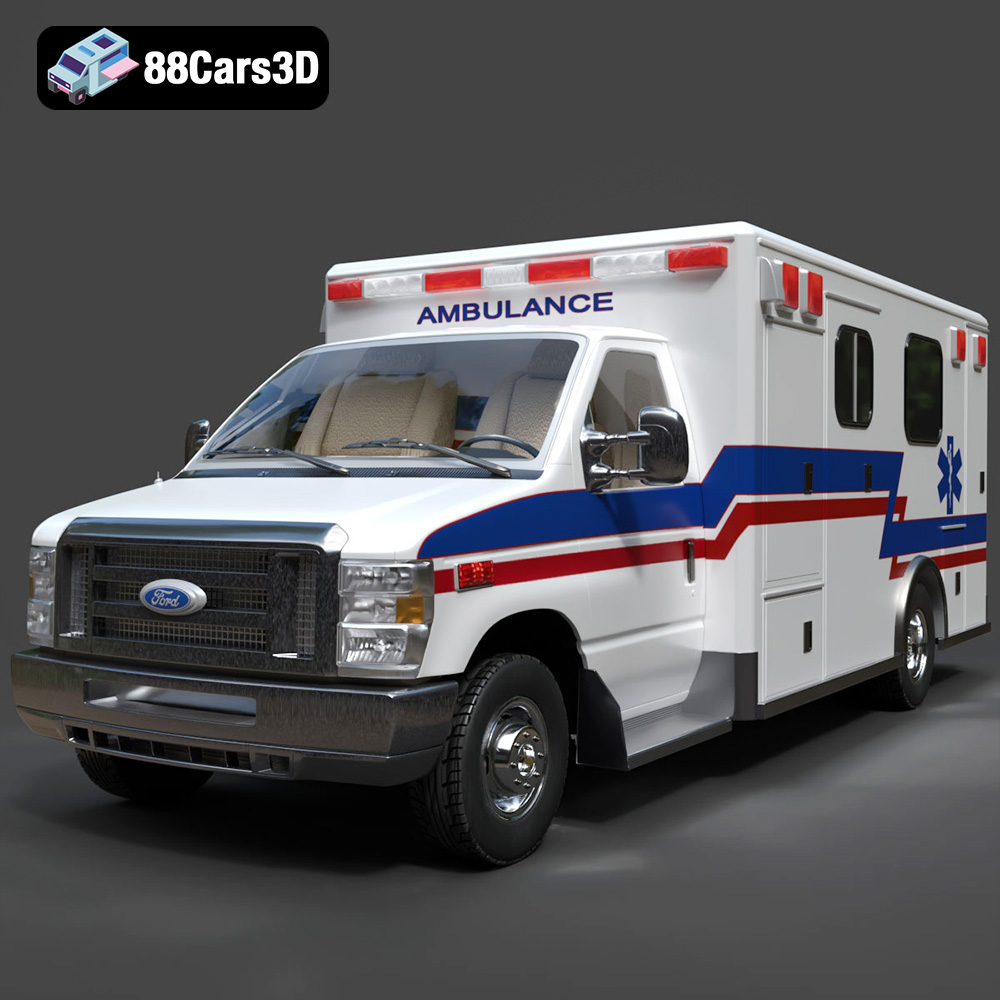
Download the Ford E-450 Ambulance 3D Model featuring clean geometry, realistic detailing, and a fully modeled interior. Includes .blend, .fbx, .obj, .glb, .stl, .ply, .unreal, and .max formats for rendering, simulation, and game development.
Price: $19.99

