Get 20% OFF All Premium 3D & STL Models!

In the dynamic worlds of automotive design, game development, cinematic visualization, and interactive experiences, the demand for exceptionally detailed and technically robust 3D car models is relentless. From crafting a photorealistic advertisement to populating a virtual metropolis, the quality of your digital assets directly dictates the fidelity and impact of your final output. Achieving this level of excellence requires not just artistic vision, but also a profound understanding of technical specifications, optimized geometry, and versatile file formats.
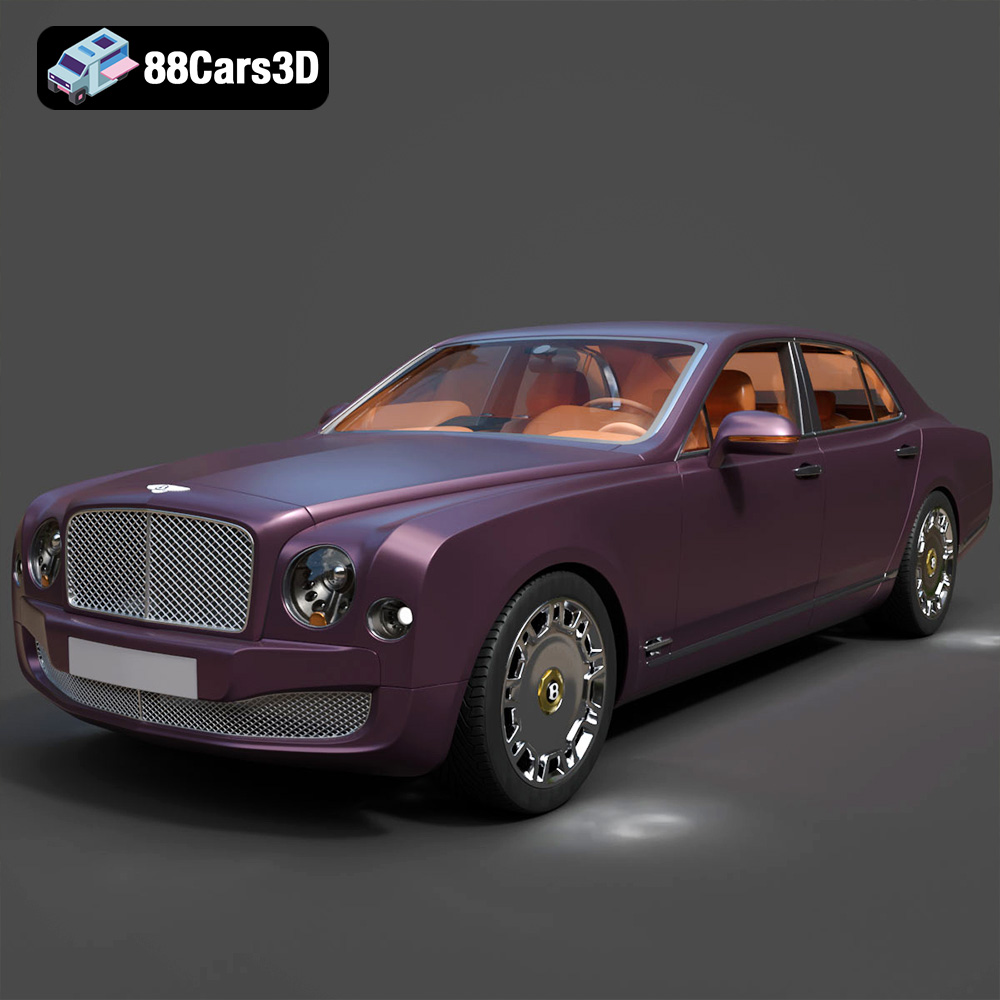
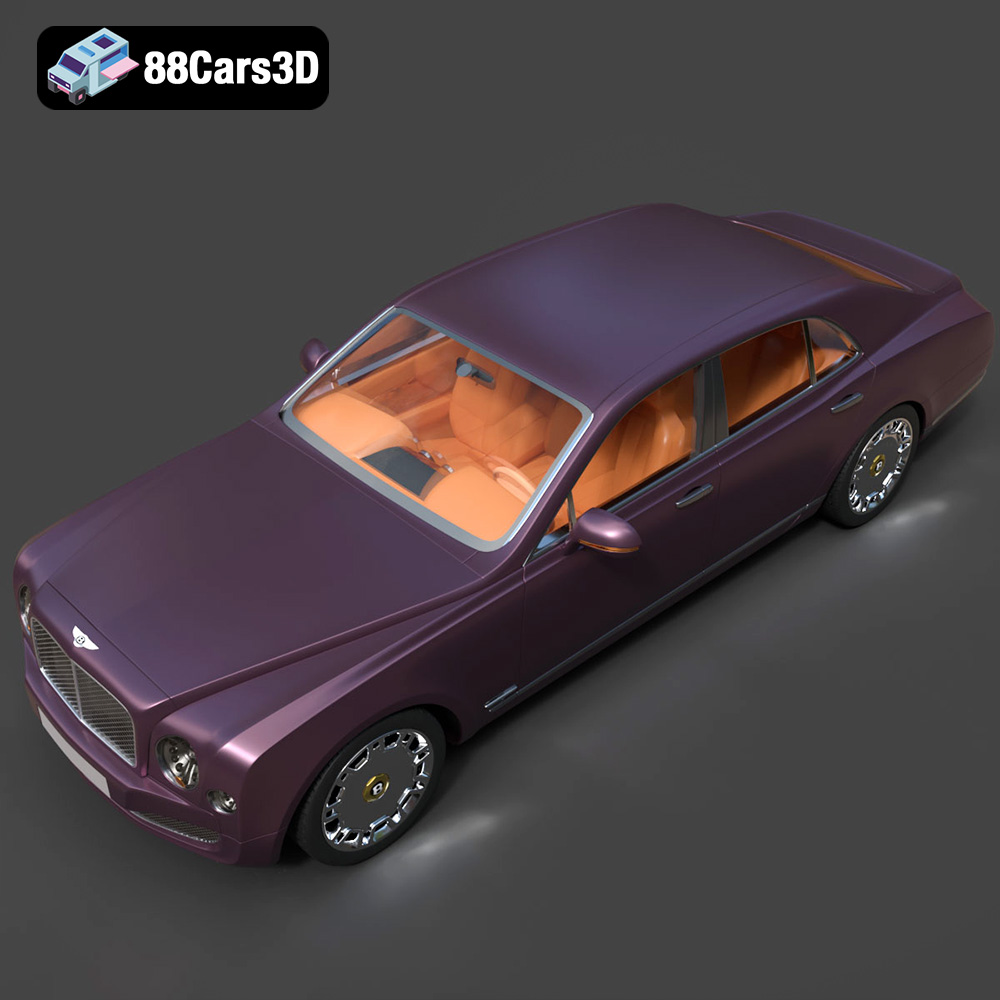
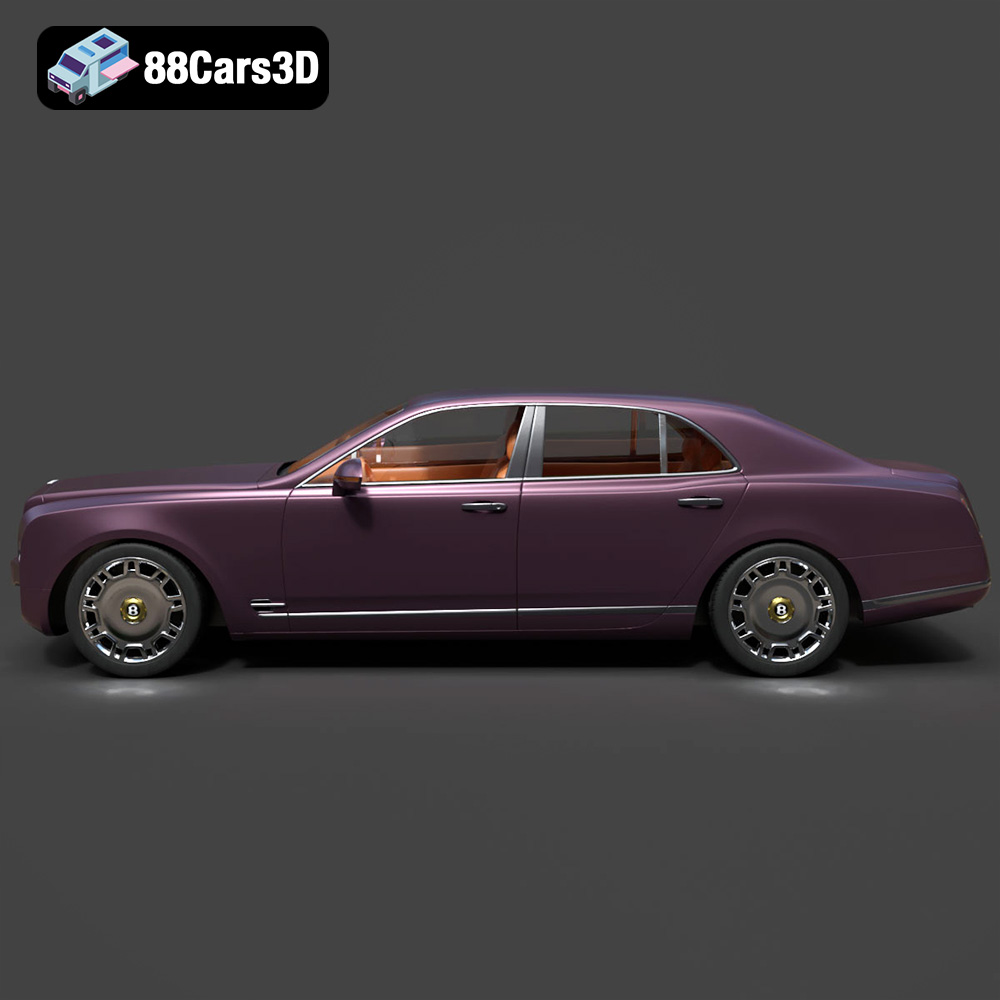
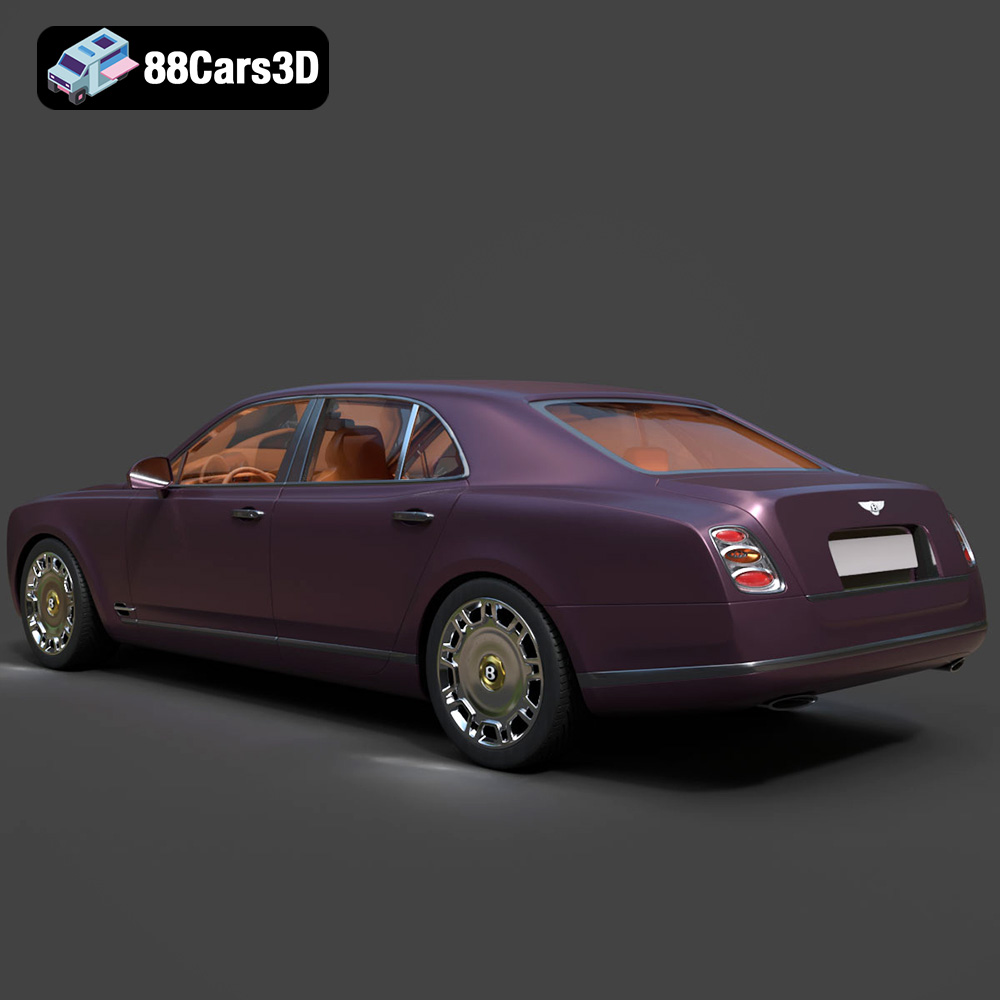
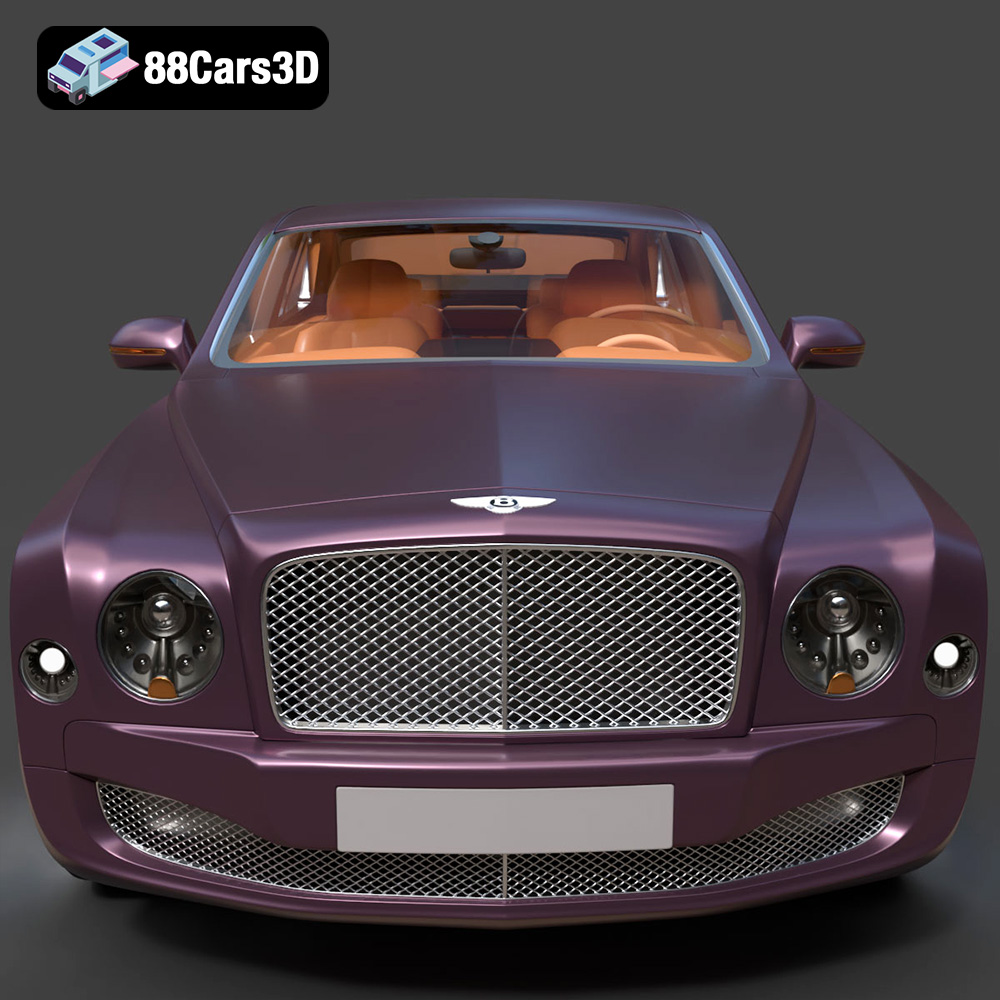
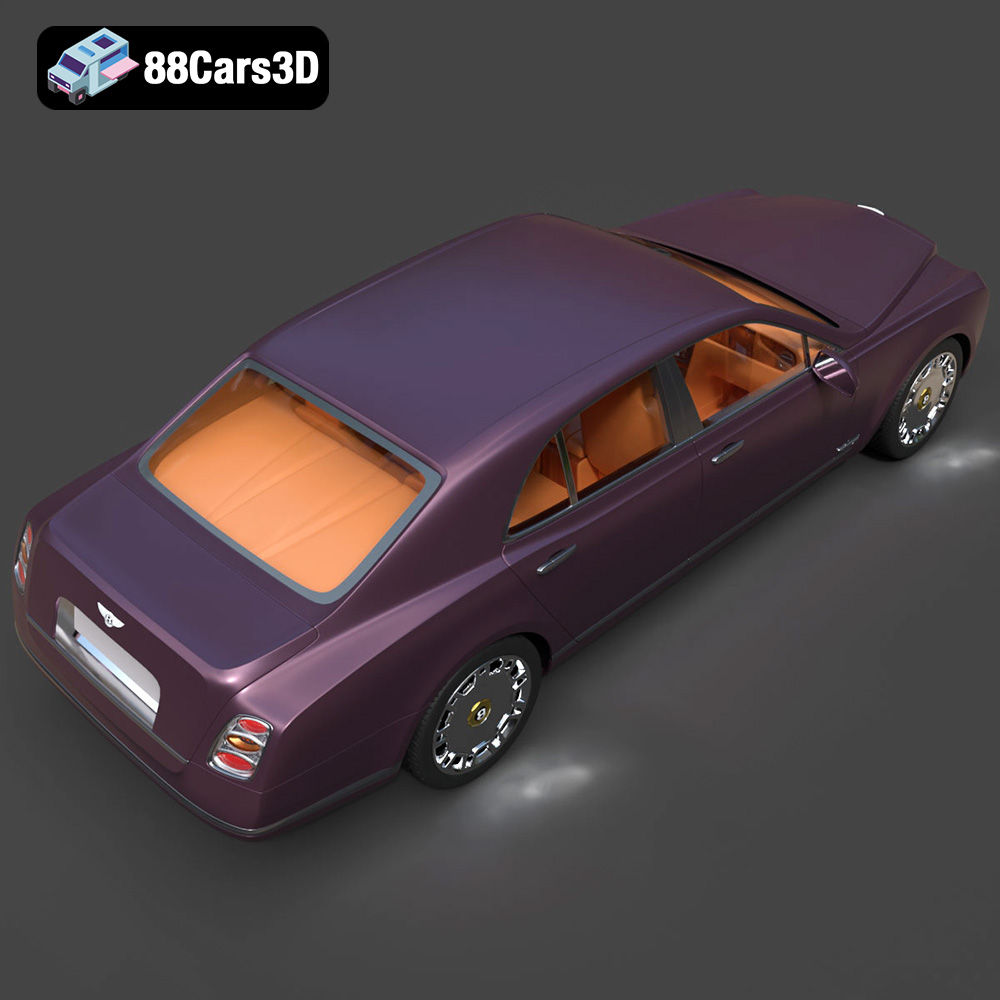
Today, we’re taking a closer look at what goes into a professional-grade 3D vehicle asset, using the exquisite Bentley Mulsanne Luxury Sedan 3D Model as our prime example. This meticulously crafted model is a testament to the blend of artistic precision and technical optimization required for demanding projects, whether for high-resolution rendering, real-time game engines like Unreal, or immersive AR/VR applications. It’s an essential resource for anyone seeking to elevate their digital automotive presence.
The choice of file format for your 3D car models is not merely a technicality; it’s a strategic decision that impacts compatibility, workflow efficiency, and the ultimate utility of your asset across different software and platforms. Each format serves a specific purpose, offering unique advantages for various stages of the production pipeline. Understanding these nuances is crucial for any professional working with 3D assets.
The .blend file is the native format for Blender, a powerful open-source 3D creation suite. When you acquire a model in this format, such as the Bentley Mulsanne Luxury Sedan 3D Model, you’re gaining access to a fully editable scene. This typically includes not just the mesh data, but also the material definitions, lighting setups, camera positions, animations (if present), and even physics simulations. For artists working primarily in Blender, this means immediate integration without loss of data or needing to re-configure aspects of the model. It’s excellent for customization, re-lighting, and using Blender’s extensive toolset for further modifications or rendering with Cycles or Eevee.
Autodesk’s .fbx (Filmbox) format is arguably the most widely adopted interchange format in the 3D industry. Its strength lies in its ability to encapsulate a broad range of 3D data, including mesh geometry, materials (often as PBR maps), textures, rigging, animation, and even camera and light data, into a single file. This makes .fbx ideal for moving assets between different software packages like 3ds Max, Maya, Blender, and directly into game engines like Unreal Engine and Unity. For game development and real-time pipelines, .fbx offers robust support for optimization features, ensuring that assets like the Bentley Mulsanne can be smoothly imported and perform efficiently in demanding interactive environments.
The .obj (Wavefront OBJ) format is a venerable and highly universal 3D file format. While it’s simpler than .fbx, primarily storing geometry (vertices, normals, texture coordinates, and faces) and referencing external material (.mtl) and texture files, its strength is its near-universal compatibility. Almost every 3D software application can import and export .obj files, making it an excellent fallback or starting point for cross-software workflows. Though it doesn’t typically store animation or rigging data, for static models like detailed vehicles intended for rendering or architectural visualization, .obj remains a reliable and robust choice for transferring clean mesh data.
The .glb (GLB) format is the binary version of glTF (Graphics Language Transmission Format), designed for efficient transmission and loading of 3D scenes and models by engines and applications. It’s often referred to as the “JPEG of 3D” due to its optimization for web, AR, and VR applications. A single .glb file contains all the necessary data—geometry, materials, textures, and even animations—making it incredibly convenient for quick deployment. For showcasing a luxury vehicle like the Bentley Mulsanne in a browser-based configurator or an interactive AR experience, .glb is unparalleled for its compactness and performance.
The .stl (STereoLithography) format is the de facto standard for 3D printing and rapid prototyping. It represents a 3D model as a collection of unconnected triangular facets, defining only the surface geometry without color, texture, or other attributes. For designers who need to produce a physical prototype of a vehicle component or a miniature model of the Bentley Mulsanne, providing the asset in .stl format ensures direct compatibility with most 3D printers and slicing software. It’s a critical format for bridging the gap between digital design and physical manufacturing.
The .ply (Polygon File Format) is another widely used format for storing 3D data, particularly popular in academic and research fields, as well as for storing data from 3D scanners. It supports a wide range of properties for each vertex and face, including color, transparency, surface normals, and even data reliability. While less common for general asset distribution than .fbx or .obj, its ability to store detailed information makes it valuable for applications requiring precision mesh analysis, scientific visualization, or working with point cloud data derived from real-world objects. For detailed geometric analysis of a vehicle, .ply can be advantageous.
While not a universal file format in the traditional sense, the inclusion of a .unreal asset often implies a model that has been specifically configured and optimized for direct import into Unreal Engine. This could mean pre-setup materials (using Unreal’s PBR system), correctly scaled geometry, optimized collision meshes, and potentially even blueprint configurations. For serious game developers, receiving a model like the Bentley Mulsanne in an “Unreal-ready” state can save significant time and effort in the integration process, allowing them to drop the asset into their scene with minimal fuss and maximum performance.
The .max file is the native scene file for Autodesk 3ds Max, a leading software for 3D modeling, animation, and rendering. Similar to .blend, a .max file contains all scene data—geometry, materials, textures, lighting, cameras, animation, and scene setup. For professionals entrenched in the Autodesk ecosystem, receiving a 3D model in .max format offers the highest degree of flexibility for modification, detailed rendering with V-Ray or Corona, and complex animation sequences. This ensures full access to the original artist’s scene configuration and allows for intricate adjustments specific to 3ds Max’s robust toolset.
Automotive rendering stands as one of the most demanding disciplines in 3D visualization, requiring an immaculate balance of artistic flair and technical precision. A premium 3D car model, like the Bentley Mulsanne, forms the bedrock of this process, enabling artists to create stunning visuals for marketing, design reviews, and cinematic sequences.
At the heart of modern photorealistic rendering lies the Physically Based Rendering (PBR) workflow. PBR materials accurately simulate how light interacts with surfaces in the real world, producing consistent and believable results across various lighting conditions. The Bentley Mulsanne Luxury Sedan 3D Model, for instance, boasts logically structured materials configured for PBR workflows. This means the metallic paint, polished chrome accents, rich leather interior, and reflective glass are all rendered with physically accurate properties. Artists can trust that the model will react authentically to ambient light, direct illumination, and reflections, eliminating the guesswork and allowing them to focus on composition and storytelling. This attention to detail is paramount for creating truly immersive automotive experiences.
Even the most exquisite 3D model needs the right stage to shine. Effective automotive rendering relies heavily on sophisticated lighting setups, strategic camera placement, and a meticulously designed environment. HDRI (High Dynamic Range Image) lighting is commonly used to simulate real-world lighting conditions, from a sunny afternoon to an overcast sky, providing rich reflections and subtle nuances. Paired with virtual studio lights or area lights, these setups can sculpt the vehicle’s form, highlight its contours, and emphasize its luxury. Furthermore, camera angles, depth of field, and lens choices play a critical role in conveying mood and scale. With a high-fidelity model like the Bentley Mulsanne, the subtle interplay of light and shadow on its refined surfaces becomes a cornerstone of its visual appeal.
The rendering process doesn’t end when the image finishes calculating. Post-production in software like Adobe Photoshop or DaVinci Resolve is essential for elevating renders from excellent to truly photorealistic. This stage involves color grading, adding subtle atmospheric effects, refining reflections, and introducing elements like lens flares, chromatic aberration, or depth haze to mimic photographic imperfections. The clean output from a professional 3D car model provides a pristine canvas for these adjustments, ensuring that every artistic decision enhances the final image without battling underlying technical flaws. This iterative process of rendering and post-processing allows artists to achieve the ultimate visual polish for their automotive projects.
For game developers, the pursuit of realism and performance is a constant balancing act. Premium 3D car models like those available on 88cars3d.com are indispensable, offering a shortcut to high-fidelity visuals without compromising precious development time or in-game performance.
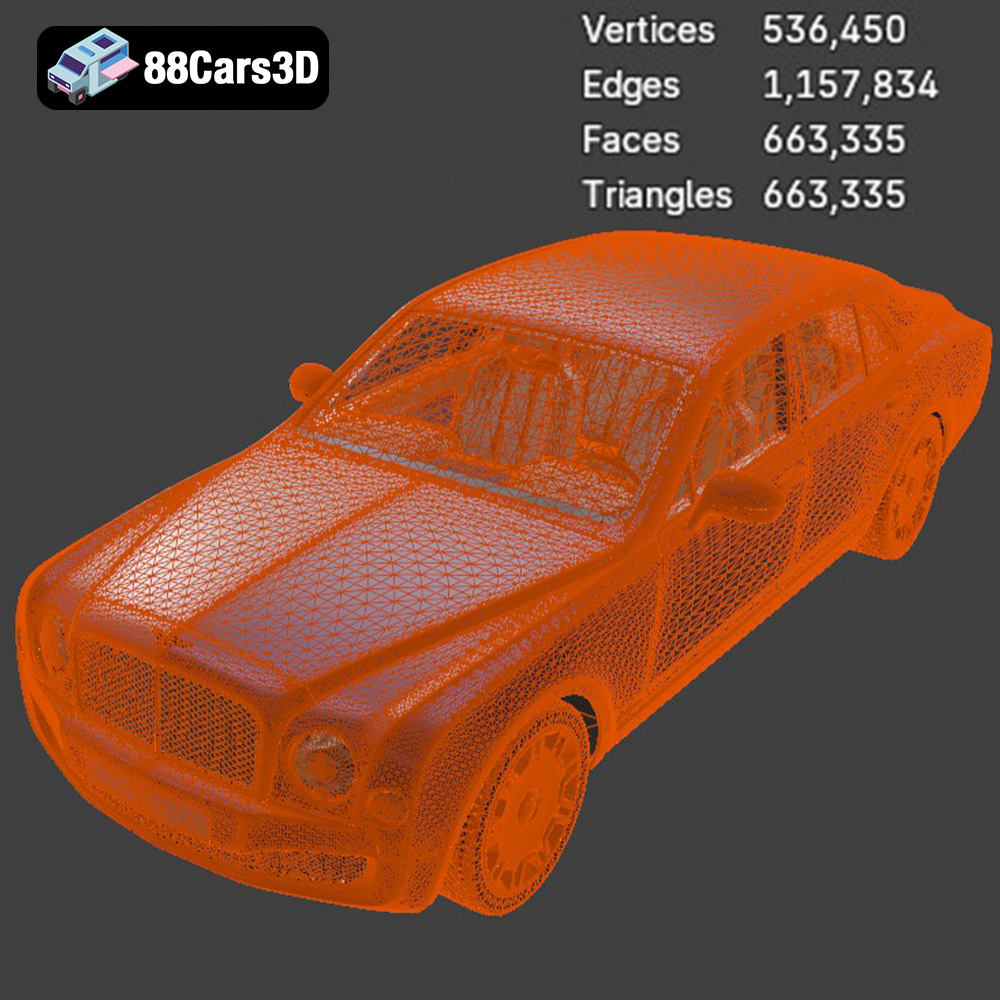
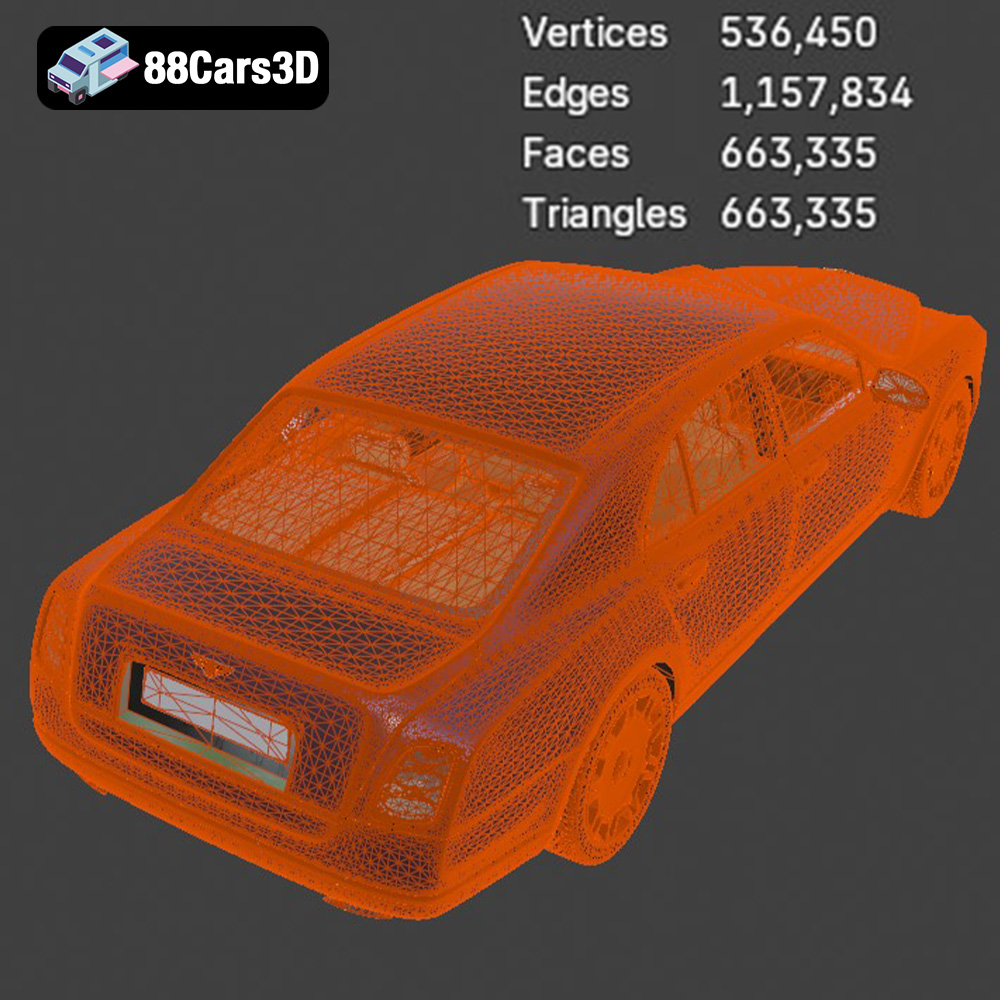
In game development, every polygon counts. While photorealistic renders can accommodate extremely high poly counts, real-time engines demand optimized geometry to maintain smooth frame rates. The Bentley Mulsanne Luxury Sedan 3D Model is described as featuring “clean, optimized geometry” suitable for real-time applications. This implies careful poly-reduction, efficient edge flow, and well-managed UV layouts to minimize draw calls and texture memory usage. Such optimization is critical for ensuring that a detailed model can be integrated into a bustling game world, an interactive configurator, or a training simulator without causing performance bottlenecks. Game-ready assets are not just about looks; they are about intelligent resource management.
Unreal Engine and Unity dominate the landscape of real-time 3D development, powering everything from AAA titles to architectural walkthroughs. The provision of formats like .fbx and a dedicated .unreal file for the Bentley Mulsanne model significantly streamlines the integration process. An .fbx file ensures that the mesh, PBR materials (with maps like Albedo, Normal, Roughness, Metallic, AO), and UVs transfer seamlessly. The .unreal file, on the other hand, suggests that the model may come pre-configured with Unreal-specific materials, collision meshes, and perhaps even LOD (Level of Detail) setups, drastically cutting down on the time developers spend on asset preparation. This “drag-and-drop” readiness is invaluable for accelerating production and allowing developers to focus on gameplay and interaction.
Augmented Reality (AR) and Virtual Reality (VR) represent the cutting edge of immersive digital experiences. The success of AR/VR projects hinges on highly optimized, visually compelling 3D assets that can render flawlessly on diverse hardware, from mobile phones to high-end VR headsets. The Bentley Mulsanne model’s availability in .glb format highlights its suitability for this rapidly expanding domain. .glb files are lightweight, self-contained, and designed for efficient streaming and rendering in web-based AR/VR viewers. Imagine a user exploring a Bentley Mulsanne in their living room via AR, or experiencing its luxurious interior in a full-scale VR simulation – a high-quality, optimized 3D model makes these experiences not just possible, but genuinely breathtaking.
The utility of high-quality 3D car models extends far beyond traditional rendering and game development. They are increasingly becoming foundational elements in diverse professional fields, enabling innovative solutions and streamlining complex processes.
Architects and interior designers leverage 3D visualization to present their concepts to clients with unparalleled realism. Incorporating a luxury vehicle like the Bentley Mulsanne into an architectural rendering of a high-end garage, a sprawling estate driveway, or a sophisticated urban scene instantly elevates the perceived value and lifestyle depicted. It adds a crucial layer of context, scale, and aspirational appeal that static furniture or landscaping alone cannot achieve. The precision and detail of the Bentley Mulsanne 3D model ensure that it looks perfectly at home in these high-stakes visualization projects, complementing the architectural design without distracting from it.
For designers and engineers, 3D models serve as the blueprint for physical creation. The inclusion of an .stl file for the Bentley Mulsanne highlights its potential for rapid prototyping or even creating scale models. While a full car might be impractical to print, specific components, intricate interior details, or even a detailed miniature for display could be fabricated. This capability bridges the digital and physical worlds, offering tangible representations of digital designs. The .ply format also comes into play for precision mesh analysis, ensuring that if a digital model is ever to influence a physical product, its geometric integrity can be thoroughly verified.
Advanced simulators used for driver training, engineering analysis, or autonomous vehicle development rely on highly accurate 3D environments and vehicle models. A detailed 3D model of the Bentley Mulsanne can be integrated into such a simulator to provide a realistic visual and even kinematic representation of the vehicle. Furthermore, the concept of a “digital twin”—a virtual replica of a physical asset—is gaining traction in manufacturing and maintenance. A precise 3D model serves as a core component of a digital twin, allowing for simulations, predictive maintenance planning, and virtual testing long before physical prototypes are built. Such applications demand the highest levels of accuracy and optimization that models like the Bentley Mulsanne provide.
Acquiring a high-quality 3D asset is the first step; effectively integrating it into your production pipeline is where true efficiency is gained. Professionals understand that a well-structured workflow around premium 3D car models can save countless hours and elevate the overall quality of their projects.
Working with complex 3D car models, especially across teams, necessitates robust asset management. Tools like dedicated asset browsers or project management software help organize files, track dependencies (textures, materials), and ensure that everyone is working with the latest versions. When you download a comprehensive package like the Bentley Mulsanne Luxury Sedan 3D Model with multiple file formats, it’s crucial to establish a clear organizational structure. This prevents lost files, broken links, and ensures that modifications are tracked, whether you’re adjusting PBR values in 3ds Max or optimizing geometry in Blender.
Even the most perfect 3D model often requires some level of customization to fit a specific scene’s aesthetic or technical requirements. This might involve re-texturing to match a custom paint job, adding specific accessories, or adjusting the level of detail for distant shots versus close-ups. The Bentley Mulsanne model, with its clean geometry and PBR materials, provides an excellent foundation for such customizations. For instance, if you’re using the .max or .blend file, you have full access to the underlying structure, allowing for easy material swaps, re-UVing, or even minor geometry adjustments. This flexibility ensures the asset can be seamlessly integrated into diverse environments, from a showroom to a bustling city street.
The decision to invest in professional-grade 3D car models like the Bentley Mulsanne available at 88cars3d.com is a decision to invest in efficiency, quality, and credibility. While free or low-cost models might seem appealing, they often come with hidden costs: messy topology, non-optimized geometry, poor UVs, or incomplete material setups. These issues lead to wasted time in cleaning up, re-modeling, and troubleshooting, ultimately increasing project costs and delaying deadlines. Premium assets, on the other hand, are meticulously crafted by experts, offering clean topology, optimized performance, and ready-to-use PBR materials across various formats. They are designed to integrate smoothly into professional pipelines, allowing artists and developers to focus on creativity rather than technical corrections. This translates directly into higher quality output, faster turnaround times, and a stronger professional reputation.
In the expansive and ever-evolving landscape of 3D visualization and real-time experiences, the bedrock of any successful project is the quality of its foundational assets. A high-fidelity 3D car model is more than just a digital object; it’s a meticulously engineered component that powers everything from breathtaking automotive rendering and immersive game development to practical AR/VR applications and advanced simulation. The ability to access assets that are not only visually stunning but also technically robust and provided in versatile file formats is paramount for professionals.
The Bentley Mulsanne Luxury Sedan 3D Model exemplifies this commitment to excellence. Its precision-crafted geometry, PBR-ready materials, and comprehensive suite of file formats – including .blend, .fbx, .obj, .glb, .stl, .ply, .unreal, and .max – make it an invaluable asset for a myriad of professional applications. Whether you are an automotive visualizer aiming for photorealism, a game developer optimizing for performance, or an AR/VR creator crafting interactive luxury experiences, this model provides the quality and flexibility needed to bring your vision to life. For top-tier 3D car models that seamlessly integrate into your demanding workflows, explore the curated selection at 88cars3d.com and elevate your digital creations.
Experience the ultimate in digital luxury with this meticulously crafted Bentley Mulsanne 3D model. Designed for precision and realism, this asset captures the imposing presence and refined details of the iconic British sedan. Every element, from the distinct grille geometry to the interior layout, has been constructed to meet professional visualization standards. This asset features clean, optimized geometry suitable for both real-time applications and demanding high-resolution rendering tasks. Materials are logically structured and configured for PBR workflows, ensuring physically accurate light interaction on all metallic, glass, and leather surfaces. This provides maximum versatility for artists integrating the model into various lighting environments and scenes. The Bentley Mulsanne model is an essential resource for automotive visualization, architectural walkthroughs, cinematic animations, and serious game development (including integration into Unreal Engine or Unity projects). It is also perfectly suited for creating high-fidelity assets for virtual reality (VR) and augmented reality (AR) experiences.
$14.99