Elevating Digital Automotive Experiences: The Power of Precision 3D Car Models
In the dynamic world of 3D visualization, automotive design, and interactive media, the quality of your assets dictates the fidelity of your final output. From stunning cinematic renders that blur the lines between virtual and reality, to immersive game environments and highly accurate simulations, the foundation of every compelling experience is a meticulously crafted 3D model. We’re not just talking about a mere representation; we’re talking about a digital twin that captures every curve, every reflection, and every intricate detail with unwavering accuracy.
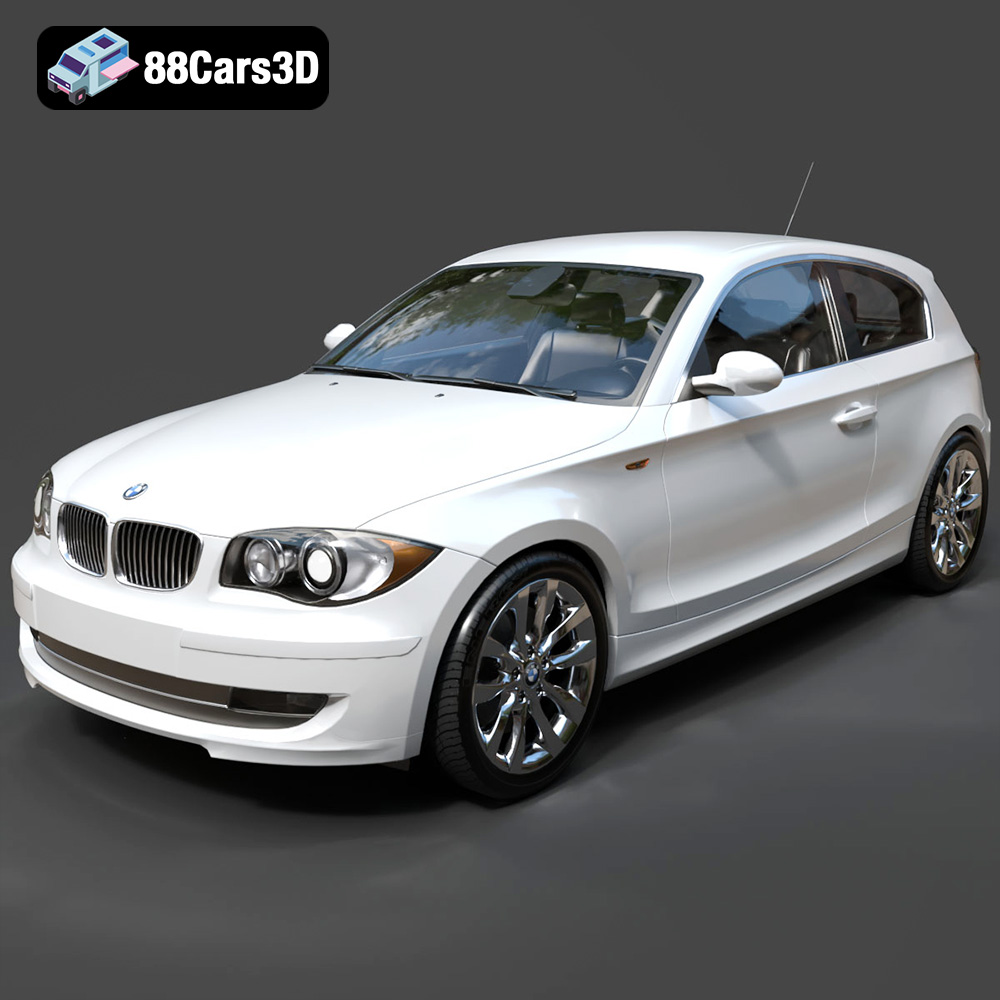
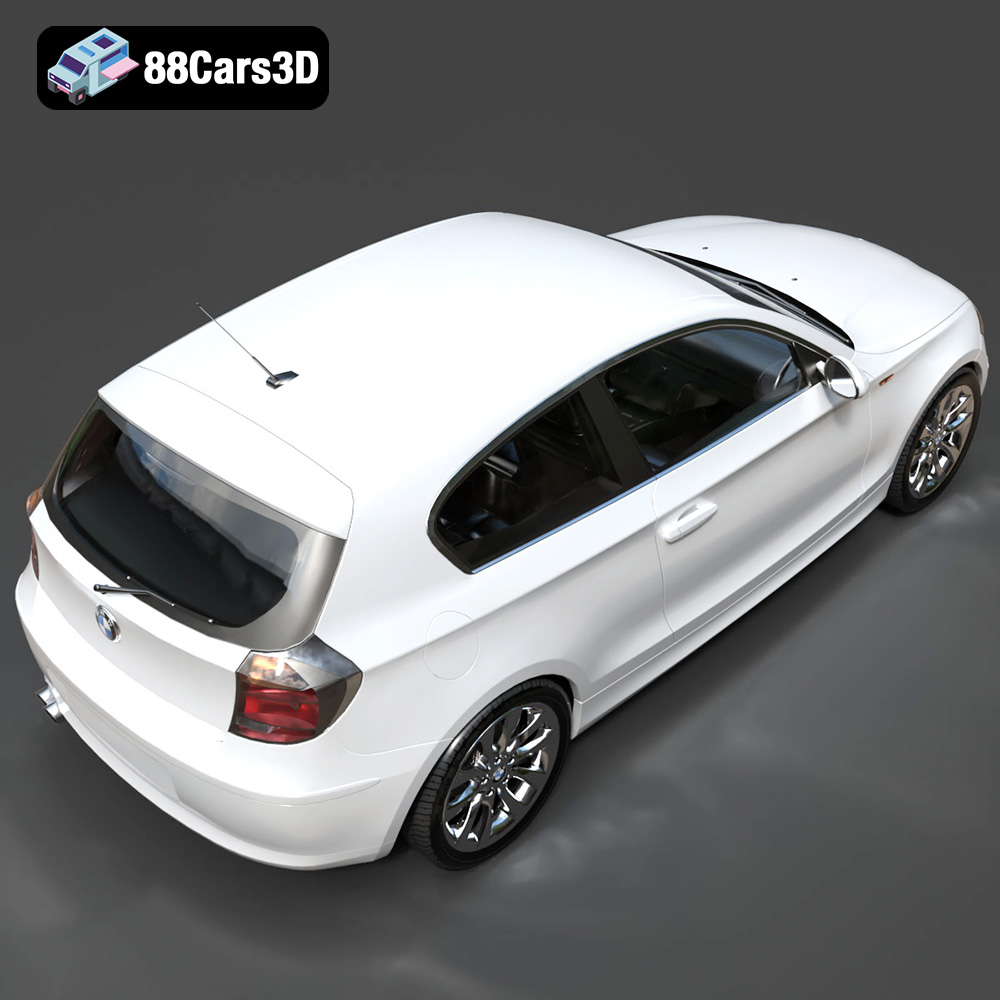
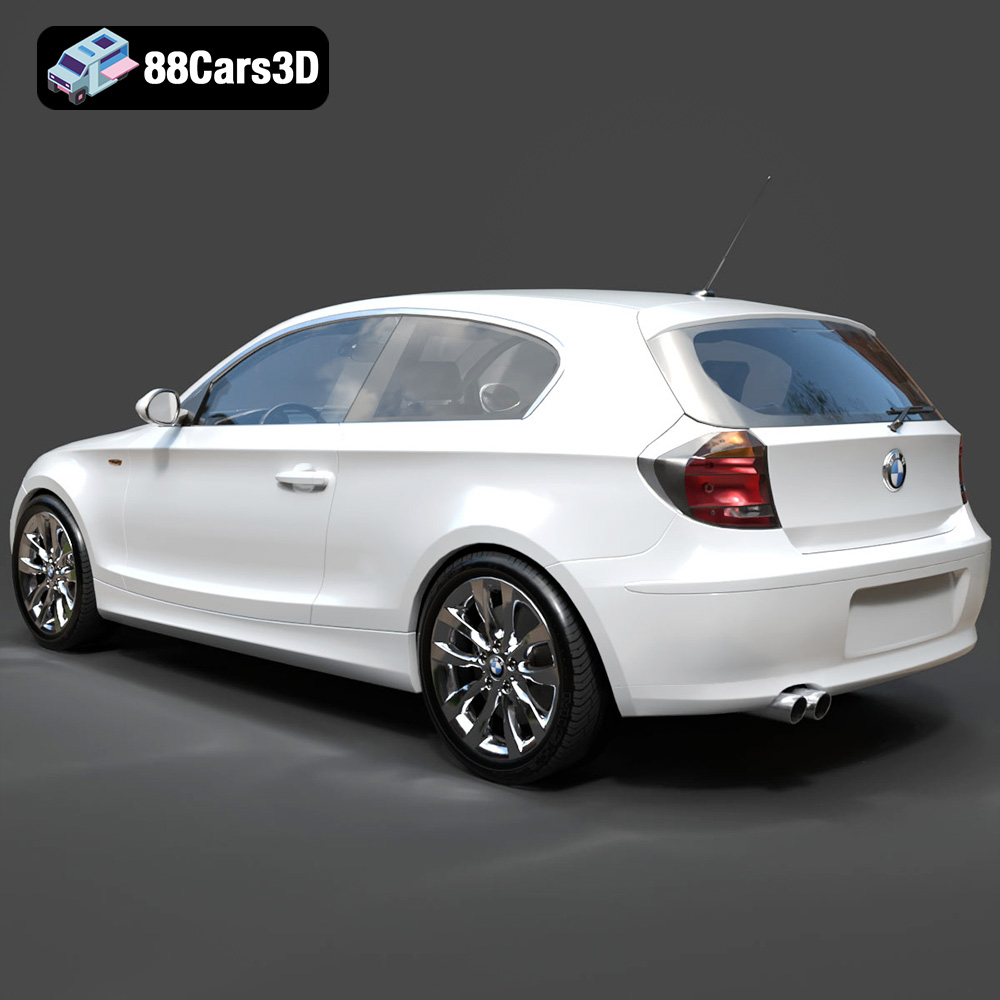
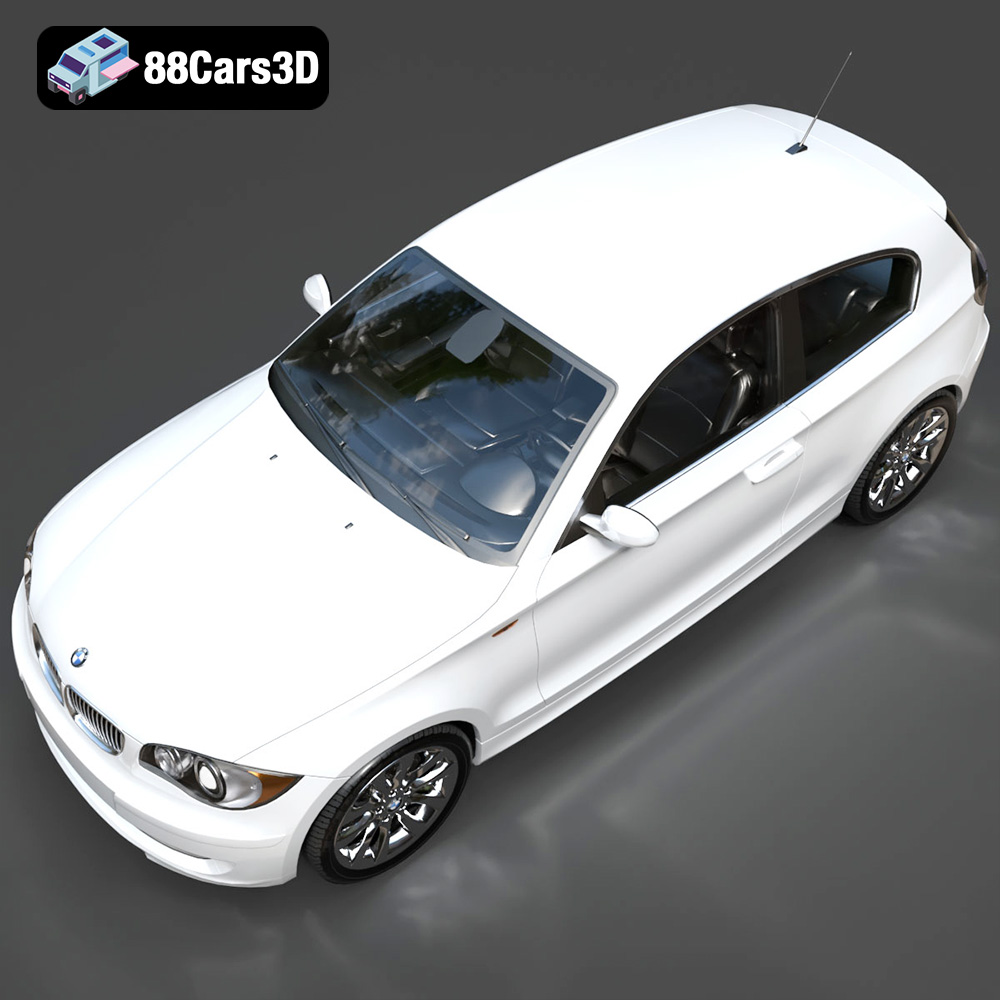
Today, we’ll delve into the profound impact of professional-grade 3D car models, exploring their technical underpinnings, diverse applications, and the workflows that bring them to life. We’ll examine how assets from leading marketplaces like 88cars3d.com empower creators across industries. As a prime example of such precision and versatility, we will feature the BMW 1 Series 3-Door E81 3D Model, a testament to the blend of iconic design and technical excellence essential for any serious project.
The Foundation of Digital Realism: Why High-Quality 3D Car Models Matter
The pursuit of realism in digital automotive content is an ever-evolving journey, driven by advances in rendering technology and an insatiable demand for authenticity. A high-quality 3D car model is more than just a mesh; it’s a carefully engineered digital asset designed to perform flawlessly across various platforms and applications.
Precision in Automotive Visualization
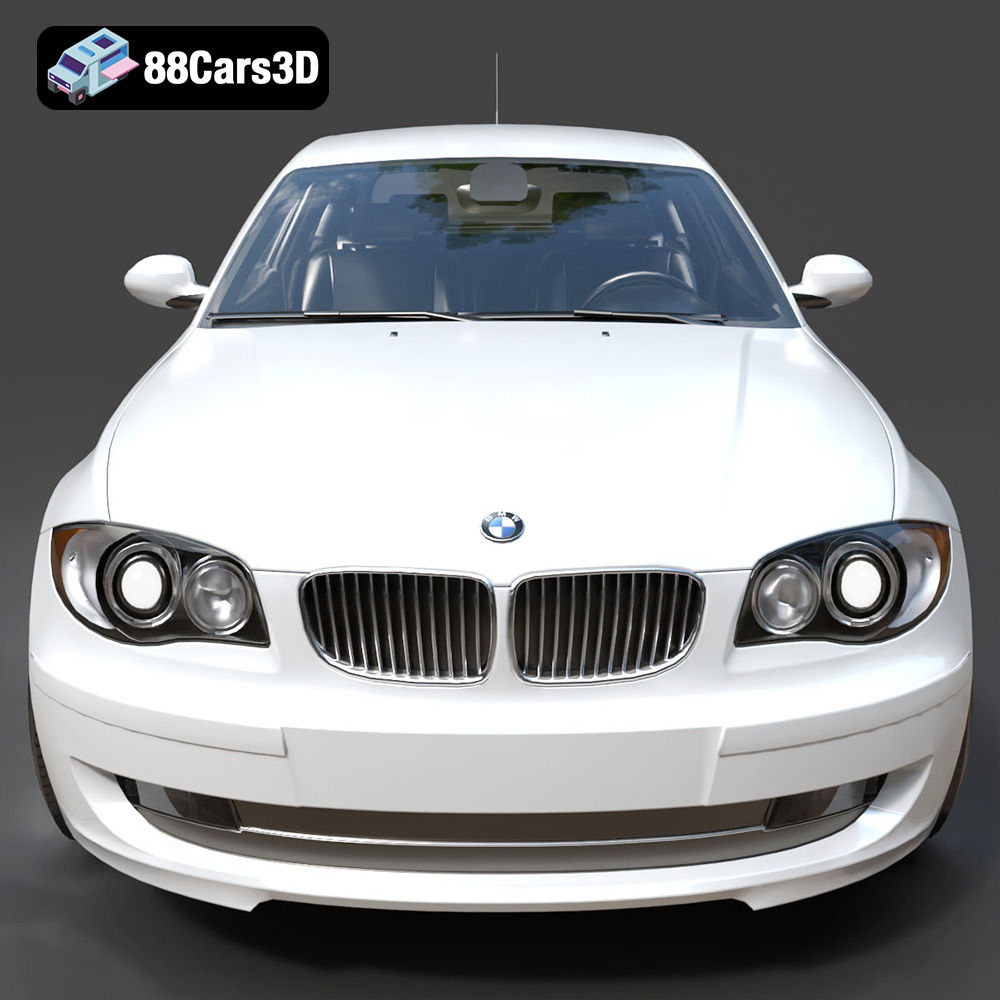
For automotive designers and marketing professionals, visualizing future vehicles or presenting current models with breathtaking accuracy is paramount. This requires 3D car models built to exact specifications, replicating every design nuance from the subtle curvatures of the body panels to the intricate patterns of the grille. Without this level of detail, renders fall flat, failing to convey the design intent or the emotional connection a physical vehicle evokes. The BMW 1 Series 3-Door E81 3D Model, with its accurately modeled body panels and authentic BMW badging, is an excellent example of the kind of precision demanded for high-fidelity rendering and cinematic scenes.
Elevating Game Development and Interactive Experiences
In game development, the stakes are equally high. Performance is critical, but so is visual fidelity. Game assets, especially vehicles, need to strike a delicate balance between polygon efficiency and visual richness. A well-optimized 3D car model can be the difference between a fluid, immersive driving experience and one plagued by stuttering frame rates and visual anomalies. Beyond traditional gaming, the rise of AR/VR applications demands models that are not only visually compelling but also optimized for real-time interaction within constrained hardware environments.
The Role of Optimized Geometry and Textures
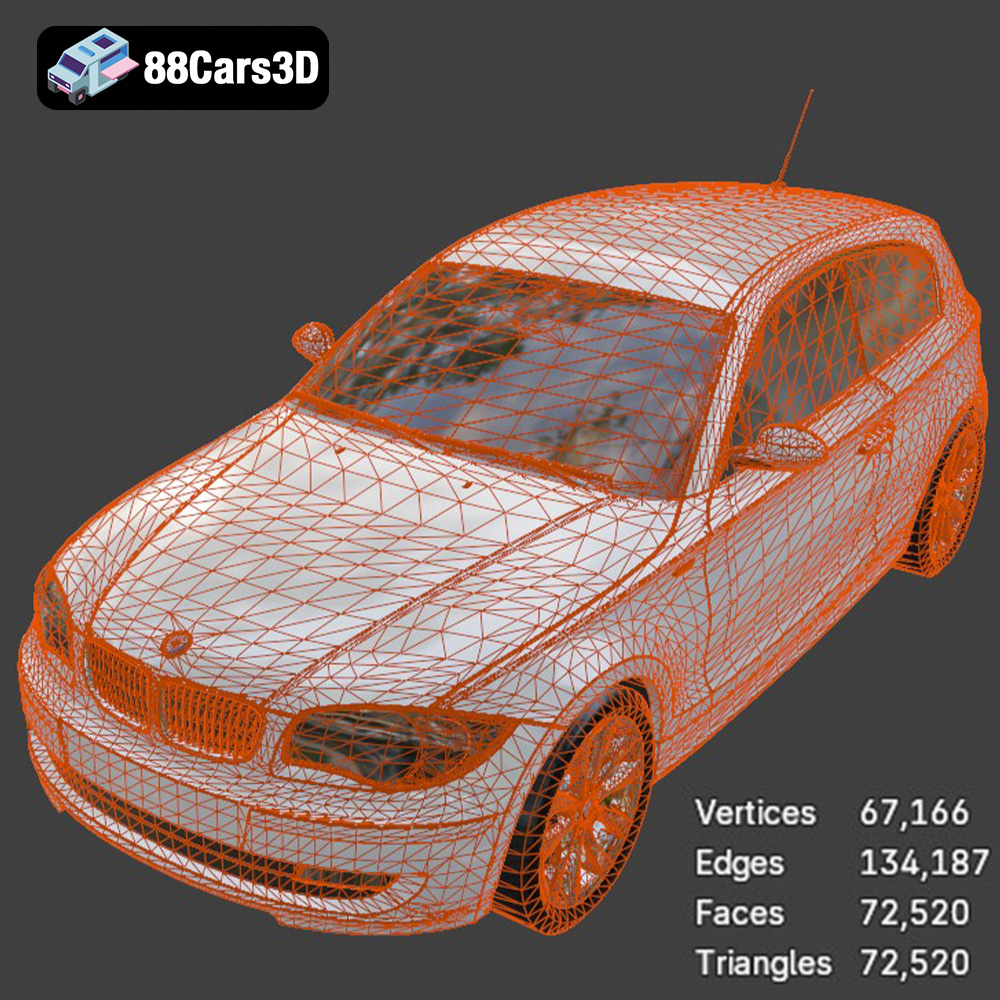
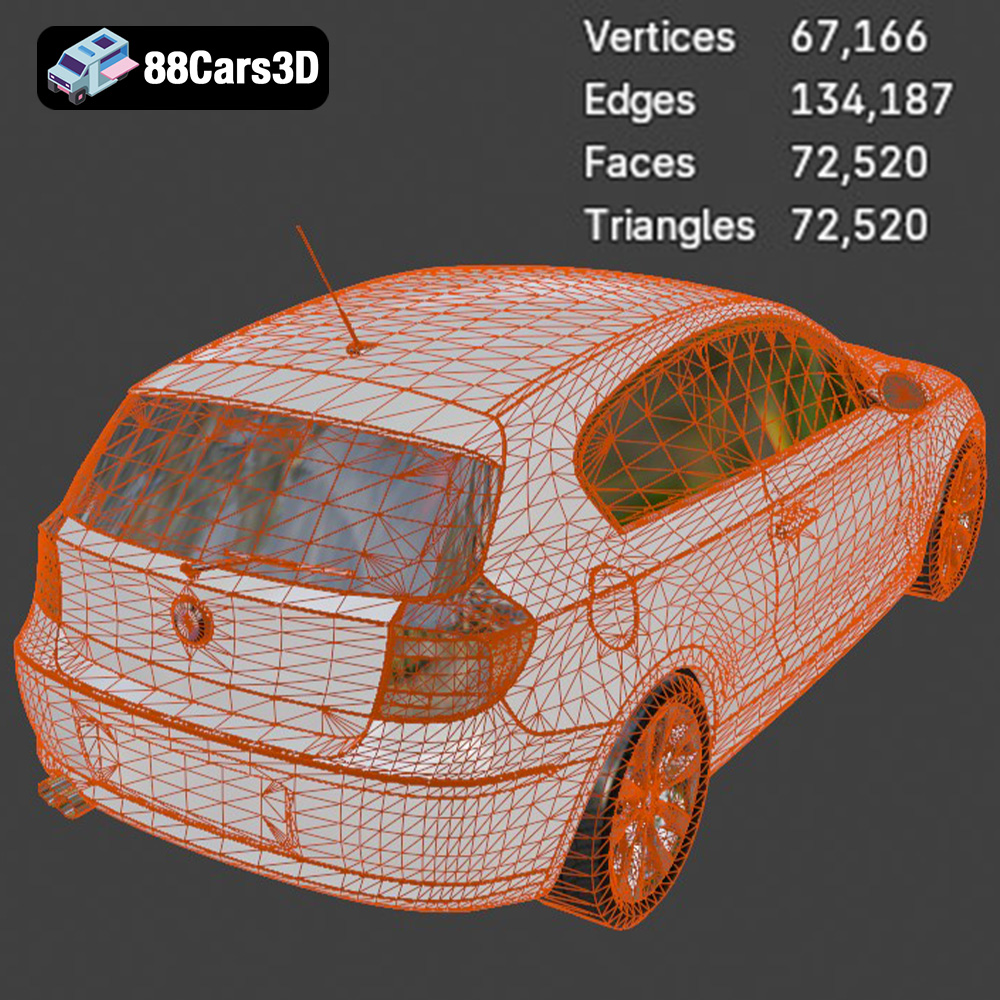
Underneath the stunning visual surface of any professional 3D car model lies a rigorously optimized structure. This includes clean quad-dominant topology, which ensures smooth subdivision and deformation, crucial for animation and close-up renders. High-resolution textures, properly unwrapped UVs, and carefully crafted materials contribute to the realism, simulating everything from reflective paint finishes to the subtle textures of upholstery. Models like the BMW E81 from 88cars3d.com are built with these technical advantages in mind, offering clean geometry and a balanced level of detail suitable for both high-end rendering and real-time applications.
Understanding 3D Model File Formats
Choosing the right file format for your 3D car model is a critical decision that impacts compatibility, workflow efficiency, and the ultimate success of your project. Each format serves specific purposes, catering to different software, engines, and end-use cases. Understanding these nuances is essential for any professional working with 3D assets.
Editor-Specific Formats for Deep Customization
.blend – Blender project with materials: Blender’s native file format is ideal for users deeply integrated into the Blender ecosystem. A .blend file typically contains the entire scene data, including meshes, materials, textures, lighting, cameras, animation data, and even physics simulations. This format offers maximum editability within Blender, allowing artists to fine-tune every aspect of the BMW 1 Series 3-Door E81 model, from its material shaders to its rigging and animation setups. It’s the go-to for those who need to extensively customize the asset or integrate it into complex Blender projects.
.max – Editable 3ds Max scene for rendering and animation: Similar to .blend for Blender, the .max format is 3ds Max’s proprietary scene file. It stores comprehensive scene information, including geometry, modifiers, materials (often V-Ray or Corona specific), lights, cameras, and animation data. For professionals using 3ds Max for architectural visualization, advanced automotive rendering, or character animation, a .max file of the BMW E81 allows for native, non-destructive editing, leveraging all the powerful tools and renderers available within 3ds Max. This is preferred when the project demands complex scene management and rendering workflows.
Universal and Real-time Formats for Broad Compatibility
.fbx – Compatible with Unreal, Unity, and major 3D engines: FBX (Filmbox) is one of the most widely adopted interchange formats in the 3D industry, particularly popular for game development and real-time applications. It efficiently supports geometry, materials, textures, animations, and skeletal data. Its robust nature makes it the standard for exporting models like the BMW E81 into game engines such as Unreal Engine and Unity, ensuring that all crucial elements are transferred accurately. When moving assets between different 3D software or into a real-time pipeline, .fbx is often the most reliable choice due to its broad support and ability to embed various data types.
.obj – Universal format for nearly all 3D software: OBJ (Wavefront Object) is a venerable and highly compatible format, known for its simplicity. It primarily stores geometry (vertices, normals, texture coordinates, and faces) and can reference external .mtl (material) files for basic material definitions. While it doesn’t support animation or rigging as comprehensively as FBX, its universality makes it an excellent fallback for cross-software compatibility. If you need to import the BMW E81 into a less common 3D application or require a clean mesh for sculpting or retopology, .obj is a solid choice.
.glb – Optimized for AR, VR, and web-based visualization: GLB (GL Transmission Format Binary) is a relatively newer format, gaining significant traction for its efficiency and suitability for web, AR, and VR applications. It’s a binary version of glTF, which packages all asset data (geometry, materials, textures, animations) into a single file, making it incredibly easy to load and share. The BMW E81 as a .glb file would be perfectly optimized for quick loading in a web browser for product showcases, or for immediate integration into AR/VR experiences, offering a lightweight yet visually rich asset.
Specialized Formats for Unique Applications
.stl – Ready for 3D printing: STL (Stereolithography) is the de facto standard for 3D printing. It represents a 3D model as a collection of triangles, defining the surface geometry without color or texture information. While the BMW E81 model would require additional preparation (like ensuring watertight meshes and appropriate wall thickness) for perfect 3D printability, having it available in .stl format means it’s already structured for translation into a physical object. This is invaluable for rapid prototyping, creating physical models for display, or even educational purposes.
.ply – Mesh format for analysis and CAD workflows: PLY (Polygon File Format) is another common format for storing 3D data, particularly useful in applications involving 3D scanning, point clouds, and scientific visualization. It can store a wider range of properties than .obj, including color, transparency, and range data, making it suitable for precision mesh analysis or integration into CAD (Computer-Aided Design) workflows. For specialized engineering or reverse-engineering tasks related to the BMW E81, a .ply file offers a robust data foundation.
.unreal – Unreal Engine project setup: This specific format often implies an asset that has been pre-packaged or structured specifically for Unreal Engine. It might refer to a .uasset file or a pre-configured folder structure within an Unreal project. This means the BMW E81 model comes with materials, textures, and perhaps even basic Blueprints already set up, saving significant time for developers. It simplifies the import process, allowing artists and developers to drop the asset directly into their Unreal project and begin working immediately with a pre-optimized, engine-ready asset.
Crafting Excellence: The Technical Anatomy of the BMW E81 Model
The BMW 1 Series 3-Door E81 3D Model stands out not just for its subject matter, but for its adherence to professional 3D modeling standards. This meticulous approach is what transforms a simple digital object into a versatile, high-performance asset.
Exterior Fidelity: Bringing Automotive Design to Life
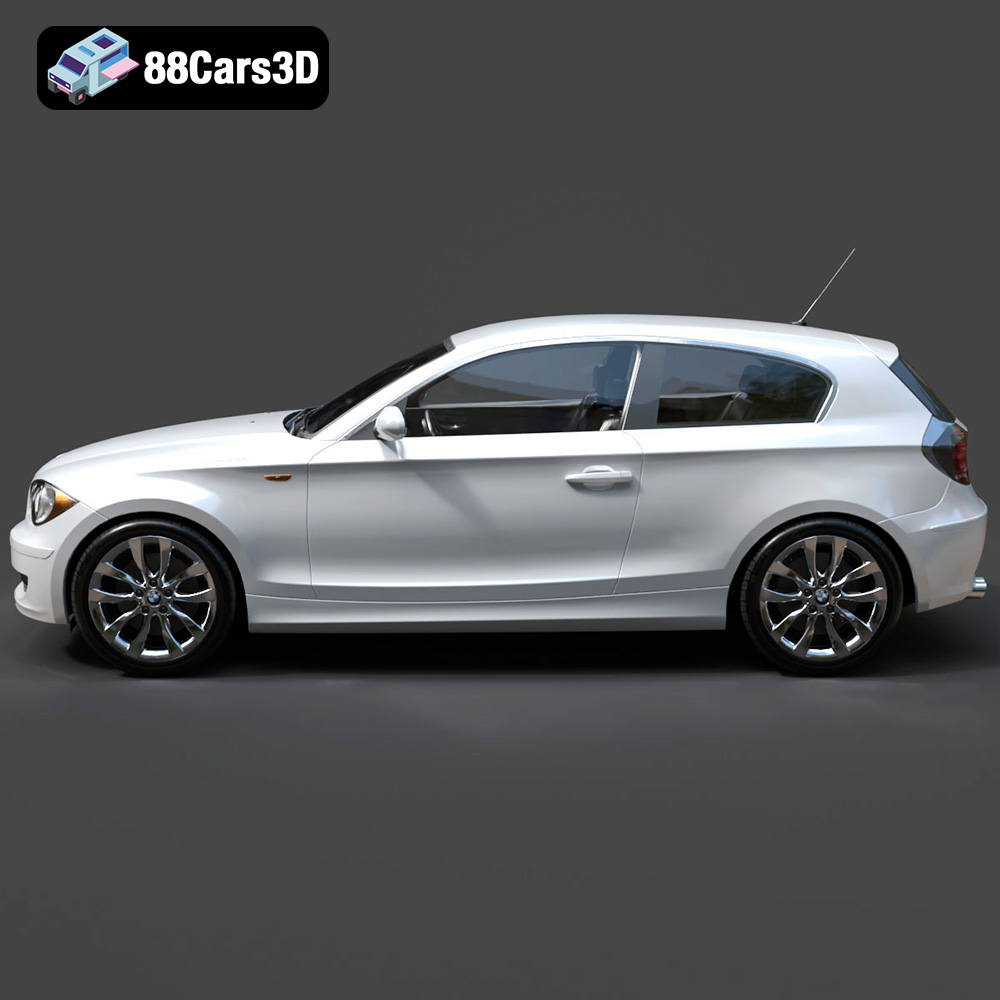
The exterior of any car model is its most recognizable feature, and achieving realism here requires exceptional attention to detail. The BMW E81 model meticulously recreates the distinctive contours and sleek lines of the original vehicle. This includes accurately modeled body panels, which are crucial for realistic reflections and refractions under various lighting conditions. Detailed headlamps and taillights, complete with transparent materials for lenses and emissive elements for lights, contribute significantly to visual authenticity. Furthermore, authentic BMW grilles and badging, along with high-resolution wheels and tire treads, complete the picture. Crucially, components like doors, the hood, and the trunk are separated and rigged, enabling dynamic animation workflows essential for showcases and interactive experiences.
Interior and Mechanical Detail: Beyond the Surface
A truly comprehensive 3D car model doesn’t stop at the exterior. The BMW E81 model extends its detail inward, featuring a detailed dashboard, steering wheel, and control console. The comfortable seating boasts textured upholstery, enhancing the immersive quality for interior shots or first-person game perspectives. While not overly engineered for extreme mechanical disassembly, the model includes basic undercarriage and visible suspension components, ensuring a complete and believable representation, even for scenes where the vehicle’s underside might be exposed. This balanced approach to interior and mechanical detail ensures versatility without unnecessarily inflating polygon counts.
Topology and Optimization for Performance
Technical advantages are the bedrock of a professional 3D asset. The BMW E81 model features clean quad-dominant topology, which is a gold standard for smooth subdivision and deformation. This means the model will look smooth and natural when rendered at various detail levels or when undergoing deformation for animation. Modeled to real-world scale, it integrates seamlessly into existing projects without the need for manual resizing, saving valuable time. An organized hierarchy with properly set pivot points simplifies animation tasks, making it easy to open doors, rotate wheels, or adjust suspension. All these factors contribute to a model optimized for efficient rendering and real-time applications, ensuring it performs well whether in a high-end cinematic sequence or a fast-paced game environment.
Mastering Automotive Rendering with 3ds Max and Blender
Both 3ds Max and Blender offer powerful toolsets for automotive rendering, each with its unique strengths. The BMW 1 Series 3-Door E81 3D Model, available in both .max and .blend formats, provides a flexible starting point for artists working in either environment.
Setting Up a Studio Environment in 3ds Max
In 3ds Max, artists often leverage advanced rendering engines like V-Ray or Corona Renderer to achieve unparalleled photorealism. The workflow typically involves importing the .max file of the BMW E81, which comes with its material definitions. Setting up a virtual studio environment is crucial: this includes configuring a seamless backdrop, precise studio lighting (often using HDRI maps for realistic reflections and ambient light, complemented by area lights for highlights), and camera angles that accentuate the car’s design. The separated components of the E81 model allow for complex animations, such as doors opening or wheels turning, making it perfect for dynamic product showcases. With the BMW E81’s reflective paint finishes and chrome accents, 3ds Max’s material editors allow for intricate adjustments to achieve stunning, believable surfaces.
Achieving Photorealism in Blender
Blender, with its powerful Cycles and Eevee render engines, offers an equally compelling platform for automotive visualization. Importing the .blend file of the BMW E81 provides direct access to its pre-configured materials and clean geometry. Artists can use Blender’s comprehensive shader nodes to customize paint, glass, and rubber materials, adding intricate details like clear coat effects, metallic flakes, and subtle surface imperfections. Lighting setups, whether using HDRI environments for quick realism or a complex array of mesh lights and area lights, can transform the scene. Blender’s animation tools allow for fluid camera movements and object animations, showcasing the BMW E81 from every angle, making it an excellent asset for car configurators or promotional videos.
Leveraging the BMW E81 Model for Stunning Visuals
Regardless of the software, the core principles remain: good lighting, high-quality materials, and a keen eye for composition. The BMW 1 Series 3-Door E81 3D Model provides an exceptional foundation. Its real-world scale ensures accurate physical properties, while its optimized mesh quality allows for efficient rendering without sacrificing detail. Artists can easily modify paint finishes, apply custom graphics, or adjust material properties to match specific scene requirements, unlocking endless creative possibilities for stunning studio renders, cinematic scenes, or architectural visualizations.
Integrating Car Models into Real-time Environments: Unreal Engine and Beyond
The demand for interactive 3D experiences is skyrocketing, making real-time engines like Unreal Engine indispensable. The BMW 1 Series 3-Door E81 3D Model is specifically designed with these applications in mind, offering formats like .fbx and .unreal for seamless integration.
From Asset Import to Game-Ready Vehicle in Unreal
Unreal Engine provides a robust framework for game development and interactive visualizations. Importing the BMW E81 via its .fbx or pre-packaged .unreal format streamlines the process significantly. Once in Unreal, artists can utilize the engine’s powerful material editor to create physically based rendering (PBR) materials that react realistically to lighting. This involves setting up base color, metallic, roughness, and normal maps for the car’s paint, glass, tires, and interior elements. The model’s organized hierarchy and properly set pivot points are invaluable here, simplifying the attachment of physics assets, suspension systems, and vehicle blueprints. Developers can quickly turn the E81 into a driveable vehicle, complete with realistic handling and visual effects, making it a perfect asset for racing games or open-world environments.
Performance Optimization for AR/VR and Simulations
For AR/VR applications, performance is paramount due to the high frame rate requirements and often mobile-first hardware. The BMW E81 model’s optimized mesh quality, with its clean quad-dominant topology, ensures it can be efficiently displayed without overly taxing system resources. Formats like .glb are specifically designed for these lightweight, web-friendly applications, providing a single, optimized file for quick loading. In simulations, whether for driving schools or technical training, accuracy is key. The E81’s real-world scale and detailed, yet optimized, components make it suitable for physically accurate simulations, where every detail, from suspension travel to interior layout, contributes to a realistic experience.
The E81 Model as a Versatile Game Asset
Beyond traditional rendering, the BMW 1 Series 3-Door E81 3D Model excels as a game asset. Its balanced level of detail allows for use in various contexts, from hero vehicles in a racing game to background traffic in an open-world environment. The separated components are crucial for interactivity – imagine players opening car doors, or modders creating custom liveries for their game. The ease of integrating this model into Unreal Engine or Unity, coupled with its performance-oriented design, makes it an invaluable asset for developers seeking realism and efficiency in their interactive projects. The comprehensive range of file formats available for the BMW E81 on 88cars3d.com underscores its adaptability for diverse real-time pipelines.
Beyond Visualization: 3D Printing and Simulation Applications
The utility of high-quality 3D car models extends far beyond digital screens. They serve as foundational assets for physical production and complex analytical simulations, opening up new avenues for design, prototyping, and education.
Preparing Models for Physical Production
While primarily designed for digital rendering, a well-structured 3D car model like the BMW 1 Series 3-Door E81 can be converted for 3D printing. The .stl format, included with the model, is the industry standard for additive manufacturing. However, transforming a render-ready model into a print-ready model often requires additional preparation. This typically involves ensuring the mesh is “watertight” (no open edges or holes), verifying appropriate wall thicknesses for the chosen print material, and sometimes simplifying intricate details that might not translate well to physical form. For designers, having the E81 model as a starting point allows for rapid prototyping of custom parts, scale models, or even unique desktop collectibles based on the iconic hatchback.
High-Fidelity Simulation and Training
Simulation and training platforms are increasingly leveraging sophisticated 3D models to create highly realistic environments. For driving simulators, the BMW E81’s meticulously detailed interior, complete with an accurate dashboard and control console, provides an authentic cockpit experience. Its real-world scale and detailed visible suspension components enable developers to implement accurate physics, making the simulation feel genuine. Such models are invaluable for training new drivers, testing vehicle dynamics under various conditions, or developing advanced driver-assistance systems (ADAS). The ability to use the model in engines like Unreal, combined with its precise geometry, makes it an ideal candidate for creating immersive and technically sound simulation modules.
The BMW E81’s Adaptability in Diverse Fields
The versatility of the BMW 1 Series 3-Door E81 3D Model truly shines in its application across such diverse fields. From design validation where physical prototypes are costly, to educational modules explaining automotive mechanics, or even forensic reconstruction, the consistent quality and wide range of included file formats (.blend, .fbx, .obj, .glb, .stl, .ply, .unreal, .max) ensure it’s ready for almost any challenge. This adaptability underscores the value proposition of investing in professional 3D car models that are not just visually appealing but also technically robust and workflow-agnostic.
Conclusion: Driving Innovation with Premium 3D Car Models
The landscape of 3D visualization is continually expanding, and at its core lies the demand for high-quality, technically sound 3D car models. Whether you’re crafting a photorealistic advertisement, designing an immersive game environment, or developing a sophisticated simulation, the precision and versatility of your assets are paramount. We’ve explored how a model like the BMW 1 Series 3-Door E81 3D Model, with its clean geometry, detailed features, and wide array of file formats, serves as a cornerstone for professional projects across industries.
From the intricate details captured in its exterior and interior, to its optimized topology for seamless performance in both rendering and real-time engines, this model exemplifies the standards expected by industry professionals. Its compatibility with major software like 3ds Max and Blender, and its readiness for game engines like Unreal, alongside specialized applications like AR/VR and 3D printing, make it an indispensable asset. For those seeking to elevate their projects with unparalleled realism and efficiency, exploring premium 3D car models from trusted sources like 88cars3d.com is a critical step. Invest in quality, and watch your digital visions accelerate to new heights.
Featured 3D Model
BMW 1 Series 3-Door E81 3D Model
Experience the precision and iconic design of the BMW 1 Series 3-Door E81 with this meticulously crafted 3D model. Representing the dynamic and compact nature of BMW’s popular hatchback, this model is built with clean geometry and a balanced level of detail, making it ideal for a wide range of professional applications. Whether for high-fidelity rendering, realistic animations, immersive simulations, or integrating into game development projects, this model provides a versatile and high-quality asset.
$14.79
Product Image Gallery