

Elevating Digital Automotive Design: The Power of High-Fidelity 3D Car Models
In the dynamic world of digital content creation, the quest for realism and efficiency is ceaseless. From cinematic visualizations to immersive game environments, the demand for exceptionally detailed and production-ready assets has never been higher. Automotive design, in particular, thrives on precision and authenticity. A high-quality 3D car model isn’t just an object; it’s a foundation upon which entire digital worlds are built, marketing campaigns are launched, and interactive experiences are forged.
The mastery of creating such assets lies in understanding intricate details, from the subtle curves of a vehicle’s body to the nuanced reflections on its paintwork. This is where professional-grade 3D car models become indispensable. They streamline workflows, reduce development time, and elevate the final output to a level of photorealism that captivates audiences. Take, for instance, the BMW 3 F30 3D Model, a meticulously crafted digital rendition available at 88cars3d.com. This model exemplifies the blend of aesthetic fidelity and technical robustness required by today’s most demanding projects, offering a perfect starting point for anyone looking to achieve stunning automotive rendering or build compelling game assets.
Understanding 3D Model File Formats: The Backbone of Digital Assets
The versatility and utility of any 3D model are significantly dictated by the file formats it supports. Each format is designed with specific applications and software ecosystems in mind, offering unique advantages for different stages of the production pipeline. Understanding these distinctions is crucial for selecting the right asset for your project and ensuring seamless integration. The BMW 3 F30 3D Model from 88cars3d.com offers a comprehensive suite of formats, catering to a wide array of professional needs.
.blend – The Native Blender Ecosystem
The .blend format represents a fully editable Blender scene. It’s the native format for Blender, a powerful open-source 3D creation suite. When you receive a .blend file, you’re getting the complete scene data: the mesh, materials (often set up for Blender’s Cycles or Eevee render engines), textures, lighting, cameras, and even animation data if present. This format is ideal for users deeply integrated into the Blender workflow, allowing for maximum flexibility in modifications, material adjustments, and scene composition without any loss of data that might occur during conversion.
.fbx – The Industry Workhorse for Interoperability
.fbx (Filmbox) is a proprietary file format developed by Autodesk, serving as a robust exchange format between various 3D software and game engines. It’s renowned for its ability to store not just geometry, but also materials, textures, animations, skinning, and camera data. This makes it an ideal choice for pipelines involving Unreal Engine, Unity, 3ds Max, Maya, and Blender, facilitating smooth asset transfer for real-time applications and complex animation projects. Its widespread adoption ensures broad compatibility and reliability.
.obj – The Universal Geometry Standard
.obj (Wavefront OBJ) is one of the oldest and most widely supported 3D file formats, making it a truly universal standard for cross-software compatibility. It primarily stores geometric data – vertices, faces, UV coordinates, and normals – and can reference external material (.mtl) and texture files. While it doesn’t support animation or advanced rigging, its simplicity and ubiquitous support make it excellent for transferring static mesh data between almost any 3D application, from ZBrush to Cinema 4D, ensuring foundational interoperability.
.glb – Optimized for Web, AR, and VR
.glb (GL Transmission Format Binary) is the binary version of glTF, a royalty-free specification for the efficient transmission and loading of 3D scenes and models by applications. It’s highly optimized for web-based applications, augmented reality (AR), and virtual reality (VR) experiences due to its compact size and efficiency. A .glb file packages all necessary data (geometry, materials, textures, animations) into a single file, making it incredibly convenient for rapid deployment in browser-based viewers, mobile AR apps, and VR platforms.
.stl – The Standard for 3D Printing
.stl (Stereolithography) is the de facto standard file format for 3D printing. It represents a 3D model as a series of connected triangles, describing only the surface geometry of an object without color, texture, or other CAD attributes. While simple, its ubiquity in the 3D printing world means that any model intended for physical production or rapid prototyping will almost certainly need to be converted to .stl. Its use ensures compatibility with a vast range of 3D printers and slicing software.
.ply – Precision for CAD and Analysis
.ply (Polygon File Format, or Stanford Triangle Format) is another format primarily used for storing 3D data, particularly from 3D scanners. It can store a wider range of properties than .obj, including color, transparency, surface normals, and even confidence values for scanned data, making it valuable for scientific analysis, CAD (Computer-Aided Design), and precision engineering workflows. Its ability to represent both triangular meshes and point clouds makes it suitable for detailed geometric analysis and data reconstruction.
.unreal – Engine-Ready Asset for Real-Time Environments
The .unreal format, often referring to an Unreal Engine project asset or a specific package for Unreal, indicates a model that has been pre-configured and optimized for direct import and use within the Unreal Engine. This typically means materials are set up with PBR (Physically Based Rendering) shaders, meshes are appropriately scaled, and potential collision meshes or LODs (Levels of Detail) are prepared. Using an .unreal file dramatically accelerates development for real-time environments, reducing the manual setup required for optimal performance and visual fidelity within the engine.
.max – The Versatility of 3ds Max
Finally, the .max format is the native file type for Autodesk 3ds Max, a leading software for 3D modeling, animation, rendering, and visualization. A .max file contains all scene data, including geometry, materials, textures, lighting, cameras, animation, and any modifiers or plug-in specific data. It offers full editability and access to 3ds Max’s extensive toolset, making it invaluable for professionals who use 3ds Max as their primary creative hub for complex projects, automotive rendering, and architectural visualization.
The Foundation of Realism: Geometry and Texturing
The core of any high-quality 3D model lies in its geometry and the textures that define its surface properties. For a model like the BMW 3 F30 3D Model, this means a rigorous adherence to industry best practices to ensure both visual accuracy and technical performance. Clean topology and meticulously crafted materials are not just buzzwords; they are prerequisites for professional-grade results.
Clean Topology for Flawless Deformation and Subdivision
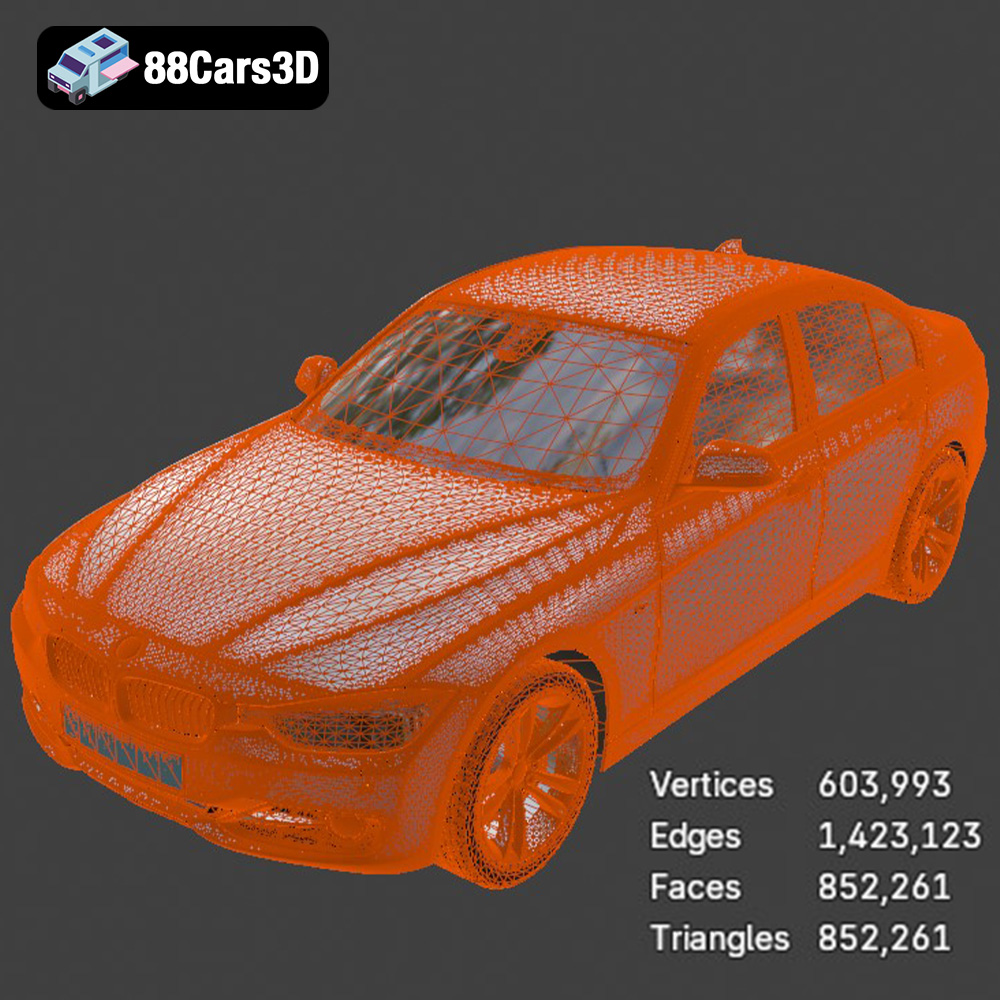
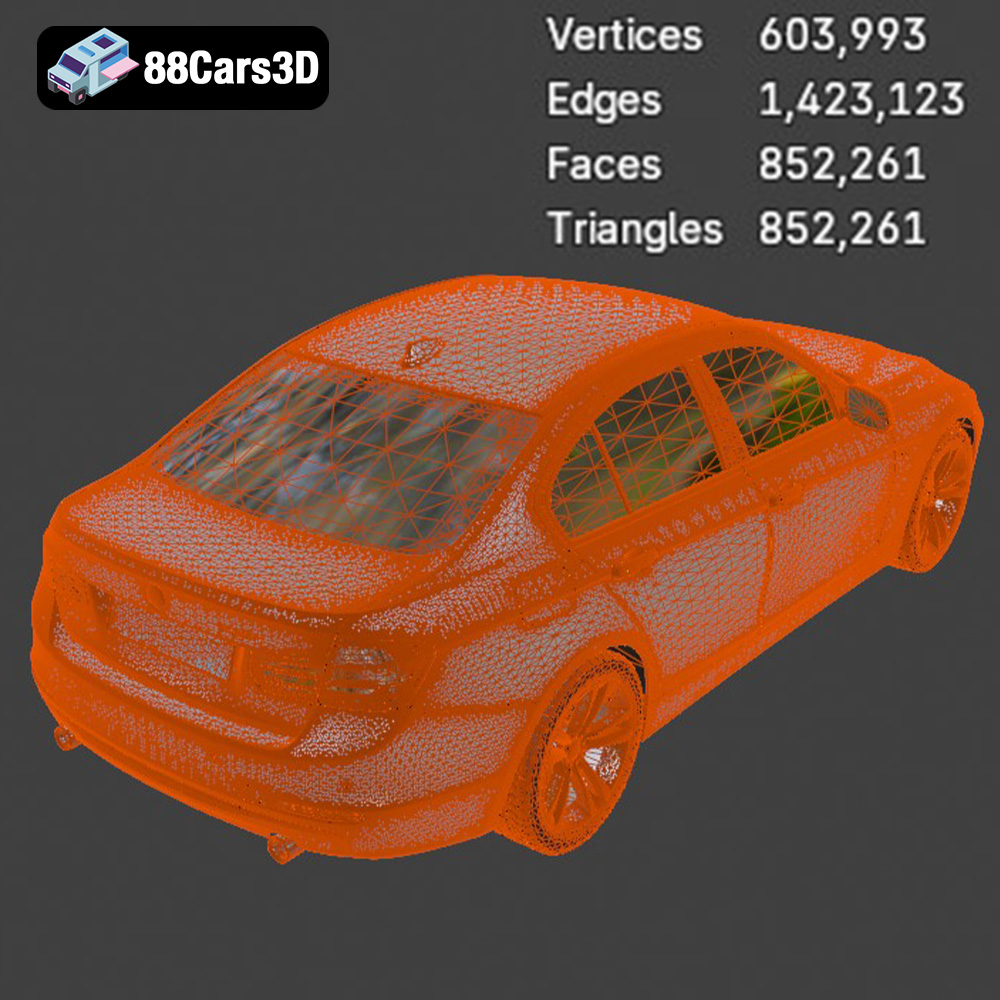
A crucial aspect of the BMW 3 F30 3D Model’s quality is its clean, quad-dominant topology. Quad polygons (four-sided faces) are the preferred standard in professional 3D modeling because they deform predictably and allow for smooth subdivision. This is particularly important for organic shapes like car bodies, where subtle curves and reflections must remain pristine even when the model is animated or refined with subdivision modifiers. The careful distribution of polygons ensures that details are present where needed without unnecessary density in flat areas, optimizing both rendering performance and editability. This foresight in modeling significantly impacts how easily the asset can be adapted for close-up renders or integrated into demanding real-time engines, preventing visual artifacts and promoting a natural flow across the surfaces.
PBR Materials and Realistic Shading
Beyond geometry, the realism of a 3D model hinges on its materials and shading. The BMW 3 F30 3D Model utilizes materials designed for Physically Based Rendering (PBR) workflows, which accurately simulate how light interacts with different surfaces in the real world. This involves defining properties like base color (albedo), roughness, metallicness, normal maps for fine surface detail, and often ambient occlusion. The model’s detailed headlights and taillights, for example, incorporate transparent materials that realistically refract and reflect light, while chrome accents and paint finishes exhibit authentic specular highlights and reflections. These PBR materials ensure that whether rendered in Blender, 3ds Max, or real-time engines like Unreal, the car will react realistically to various lighting conditions, making it an ideal asset for photorealistic automotive rendering.
Crafting Realistic Automotive Renders with 3ds Max and Blender
Achieving breathtaking automotive renders is an art form that combines technical skill with an aesthetic eye. Professional 3D artists rely on powerful software like 3ds Max and Blender, paired with high-quality assets, to bring digital vehicles to life. The BMW 3 F30 3D Model provides an exceptional foundation, significantly shortening the path to stunning visualizations.
Studio Lighting and Environment Setup
In rendering, lighting is paramount. With the BMW 3 F30 3D Model loaded into 3ds Max or Blender, artists can begin constructing a virtual studio environment. This typically involves setting up a combination of area lights, HDRI (High Dynamic Range Image) environment maps for realistic reflections and global illumination, and targeted spotlights to emphasize specific features. A common workflow in 3ds Max might involve using V-Ray or Corona Renderer, where meticulous control over light temperature, intensity, and bounce allows for subtle interplay between light and the F30’s accurate body panels and chrome trim. In Blender, Cycles or Eevee can be used, leveraging powerful node-based material editors to fine-tune the car’s paint, glass, and rubber properties under various lighting schemes, from a dramatic sunset to a clean, brightly lit showroom.
Post-Production and Final Polish
Once the raw render is complete, post-production becomes crucial for adding that final layer of realism and artistry. This stage, often performed in image editing software like Photoshop or compositing tools, involves color grading, depth of field adjustments, lens flares, and subtle atmospheric effects. For a vehicle like the BMW 3 F30, enhancing reflections, adding subtle glints to metallic surfaces, or integrating it seamlessly into a photobacked environment elevates the automotive rendering from good to outstanding. The clean render passes achievable with a well-structured model ensure that components like separated doors, hood, and trunk can be individually adjusted or even animated for cinematic sequences, maximizing the versatility of the initial render.
Optimizing for Real-Time Environments: Game Development and AR/VR
The demands of real-time applications, such as game development and immersive AR/VR experiences, require a different approach to 3D asset creation and optimization. While visual fidelity is still paramount, performance becomes equally critical. The BMW 3 F30 3D Model is designed with this balance in mind, making it an excellent game asset.
Game-Ready Assets: Performance and Fidelity
For game developers, integrating a vehicle like the BMW 3 F30 means ensuring it runs smoothly across various platforms without sacrificing visual quality. The model’s optimized mesh quality and clean quad-dominant topology are significant advantages here. While specific poly counts aren’t provided, its design implies a balance suitable for game engines, allowing for efficient rendering. Developers often implement Levels of Detail (LODs), where simpler versions of the model are swapped in at greater distances from the camera, reducing polygon count and improving frame rates. The inclusion of an .unreal file format is particularly valuable, indicating that the asset is likely pre-setup with appropriate materials and perhaps even collision meshes for direct integration into Unreal Engine, significantly reducing the setup time for creating realistic racing simulations or open-world environments. Similarly, the .fbx format ensures easy transfer to Unity and other engines, where its organized hierarchy and proper pivot points streamline animation and rigging for interactive controls.
Immersive AR/VR Experiences
Augmented Reality (AR) and Virtual Reality (VR) demand highly optimized assets to maintain a high frame rate and prevent motion sickness. The .glb format, included with the BMW 3 F30 3D Model, is specifically tailored for these use cases and web-based visualization. Its compact, single-file structure and efficient loading make it perfect for deployment in AR apps on mobile devices or interactive VR showrooms. Imagine a user exploring the detailed exterior and comprehensive interior of the F30 in a virtual garage, or seeing it overlaid onto their driveway through an AR app – the optimized nature of the .glb file ensures a smooth, responsive, and truly immersive experience. The model’s accurate real-world scale also plays a vital role here, ensuring that the virtual car appears correctly proportioned in both AR and VR environments.
Beyond Visualization: Simulation and 3D Printing Applications
The utility of a high-fidelity 3D car model extends far beyond aesthetic rendering and real-time graphics. It serves as a valuable tool for functional applications like advanced simulations and even physical prototyping.
Precision for Engineering and Training
In fields requiring meticulous accuracy, such as automotive design reviews, engineering analysis, or professional training simulators, the precise geometry of a model like the BMW 3 F30 3D Model is indispensable. The .ply format, included with the model, signifies its suitability for such precision workflows. This format is often used for data from 3D scanners and can carry richer information than simple meshes, making it useful for analytical software. For driving simulators, the model’s accurate dimensions and separated components (doors, hood, trunk, wheels with proper pivot points) enable realistic physics interactions and detailed damage modeling. This allows engineers to assess design flaws, test ergonomic layouts, or train new personnel in a safe, virtual environment, leveraging the digital asset for practical, real-world benefits.
Physical Manifestations through 3D Printing
The journey from a digital blueprint to a tangible object is facilitated by 3D printing, and high-quality 3D models are its starting point. The BMW 3 F30 3D Model can be readily converted to the .stl format, making it suitable for physical model production and rapid prototyping. While 3D printing requires careful consideration of wall thickness, overhangs, and printability, a clean mesh like that of the F30 provides an excellent foundation. Designers can print scale models for presentations, create custom parts, or even produce highly detailed collectible figurines. This capability bridges the gap between the digital and physical realms, allowing for tactile interaction with a design that began purely as data, showcasing the incredible versatility of professional 3D car models.
Customization and Versatility with the BMW 3 F30 3D Model
One of the hallmarks of a truly professional 3D asset is its adaptability. The BMW 3 F30 3D Model is engineered not just for direct use, but also for extensive customization, allowing artists and developers to tailor it precisely to their project’s unique requirements.
Adapting Aesthetics to Brand and Vision
The ability to easily modify paint finishes, body graphics, and decal designs is a critical feature for any automotive model used in commercial projects. Whether it’s matching corporate branding, creating a custom livery for a racing game, or exploring new colorways for a visualization, the BMW 3 F30 3D Model provides that flexibility. Its PBR-ready materials mean that adjusting the metallicness, roughness, or base color of the paint can instantly transform its appearance, from a high-gloss showroom finish to a matte track-day aesthetic. Furthermore, the organized mesh structure allows for straightforward application of UV-based decals or custom texture painting, ensuring that creative visions can be realized without needing to remodel the entire vehicle. This level of aesthetic adaptability is essential for projects that demand unique visual identities, from advertising campaigns to interactive configurators.
Streamlining Animation Workflows
Beyond static renders, the BMW 3 F30 3D Model is designed to excel in animated sequences. Its separated components, such as doors, hood, trunk, and wheels, are not merely distinct meshes but are set up with proper pivot points. This meticulous preparation significantly streamlines animation workflows in software like 3ds Max or Blender. Animators can effortlessly open doors, lift the hood to reveal engine details, or simulate realistic wheel rotation and steering. This pre-rigged functionality saves countless hours of setup time, allowing artists to focus on the creative aspects of motion design rather than tedious technical preparation. For cinematics, product showcases, or interactive vehicle walkthroughs, this ready-for-animation structure makes the F30 model an invaluable asset, ensuring fluid and convincing motion for all its movable parts.
Conclusion
The journey through the intricate world of 3D car models reveals a landscape where precision, versatility, and technical excellence are paramount. From the foundational understanding of file formats to the nuanced processes of rendering and real-time optimization, every detail contributes to the final impact of a digital automotive asset. The BMW 3 F30 3D Model stands as a testament to this principle, offering a high-fidelity, meticulously crafted solution for a broad spectrum of professional applications.
Whether your goal is to produce breathtaking automotive rendering, develop immersive game assets, create interactive AR/VR experiences, or facilitate precise simulations and 3D prints, this model provides the quality and flexibility needed to succeed. Its clean topology, PBR-ready materials, diverse file formats, and animation-friendly setup ensure that it integrates seamlessly into even the most demanding production pipelines. By leveraging professional assets like the BMW 3 F30 3D Model from 88cars3d.com, creators can elevate their projects, save valuable development time, and consistently deliver results that truly stand out in the competitive digital landscape.
Featured 3D Model
BMW 3 F30 3D Model
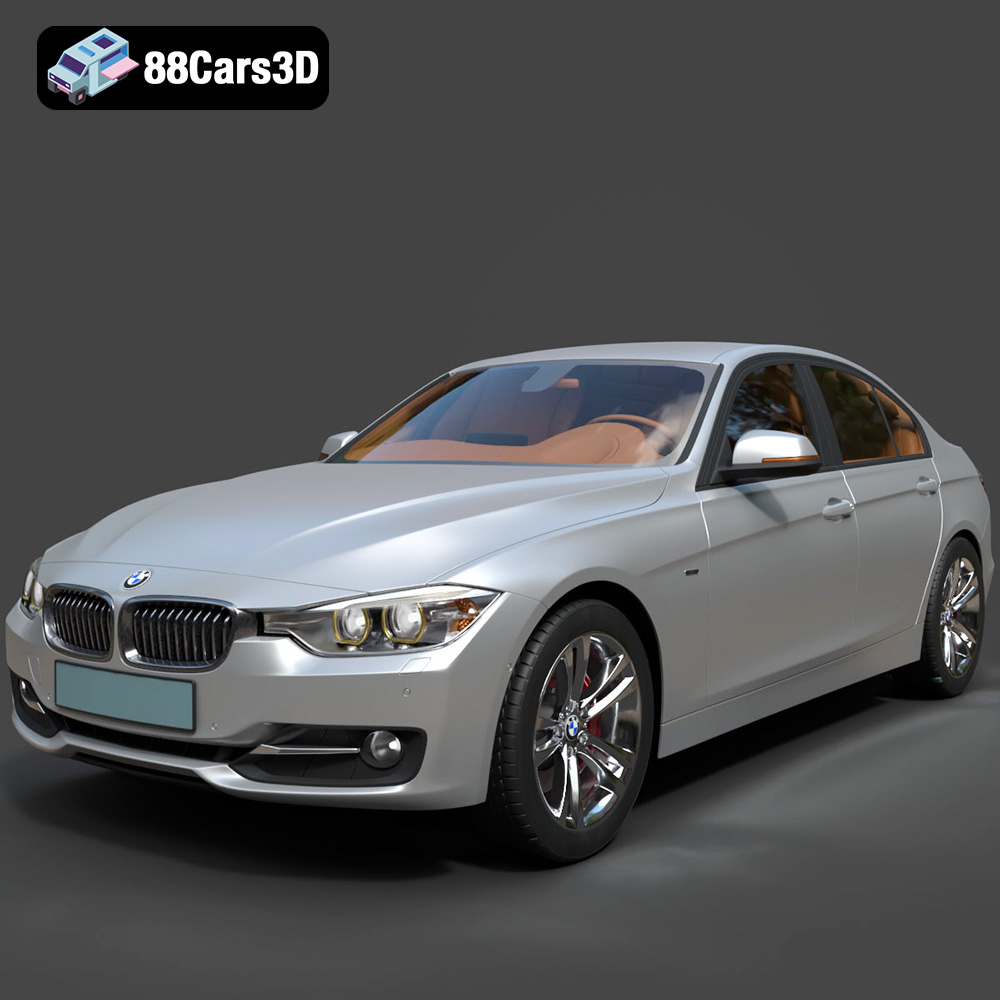
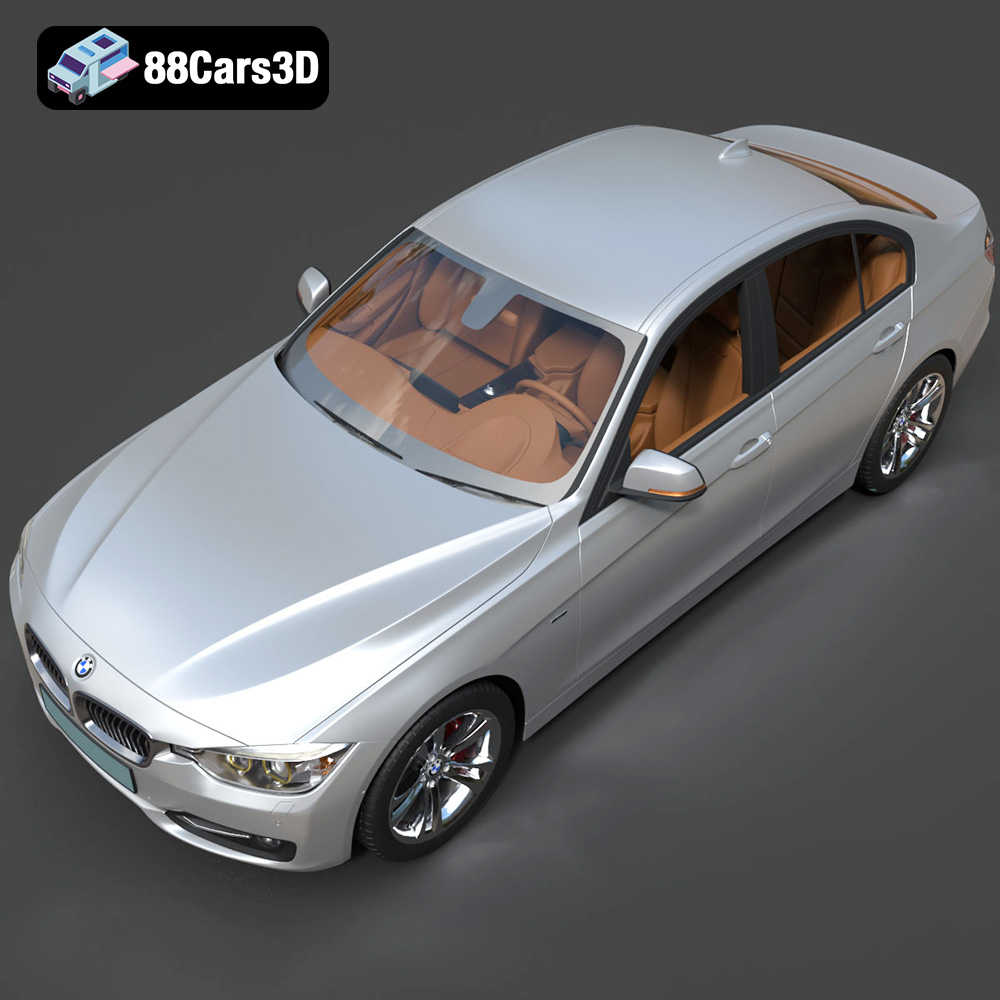
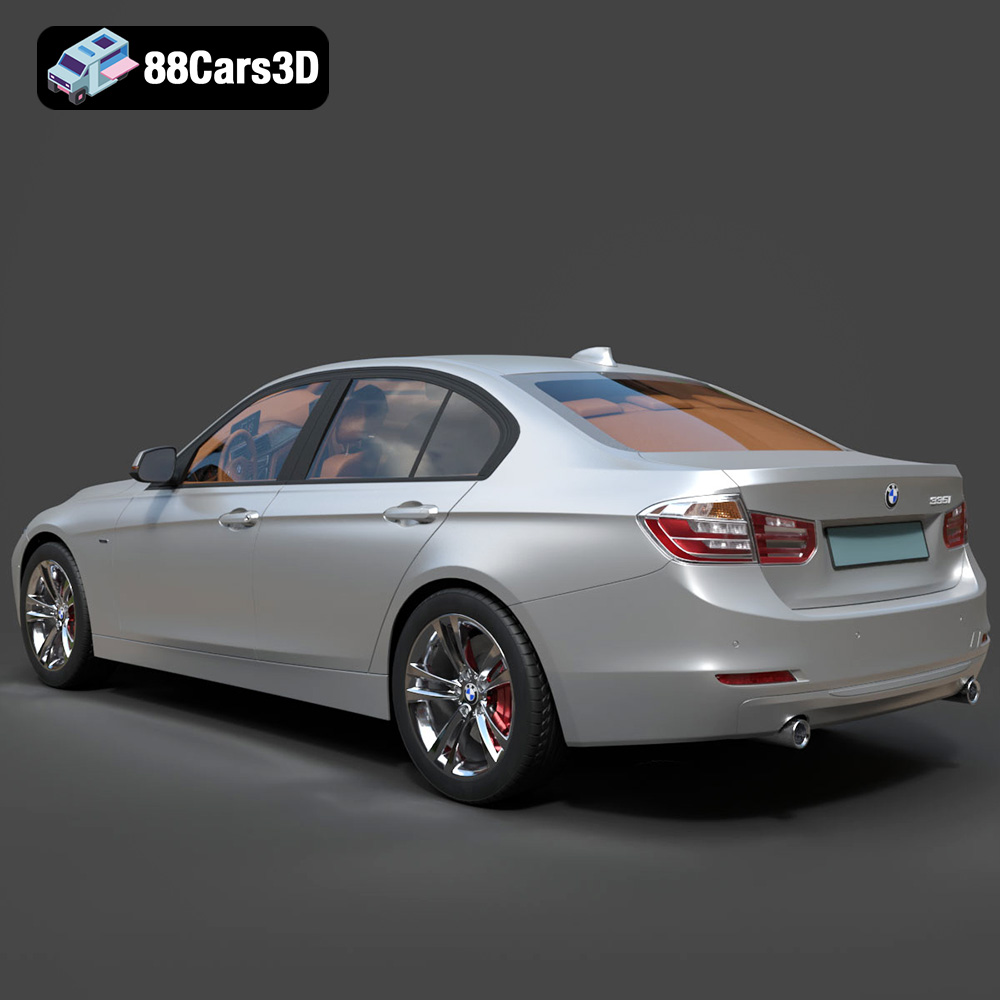
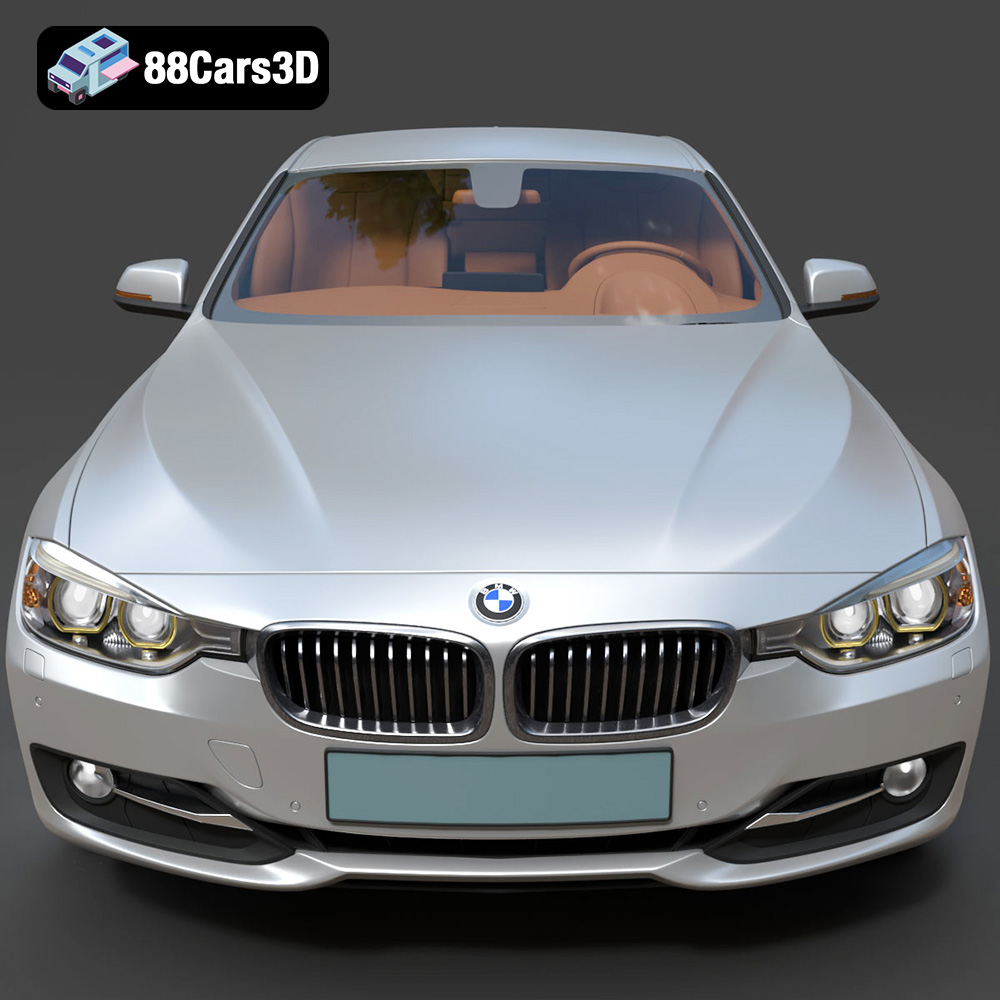
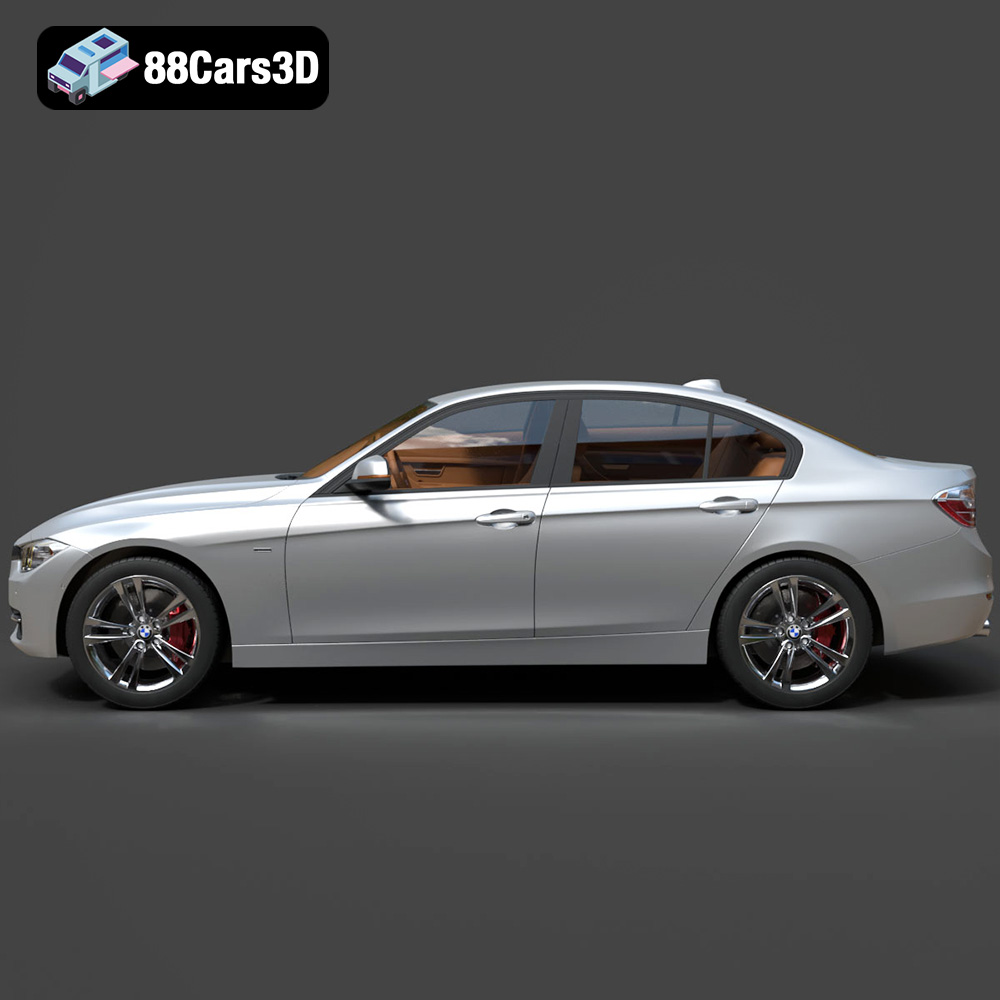
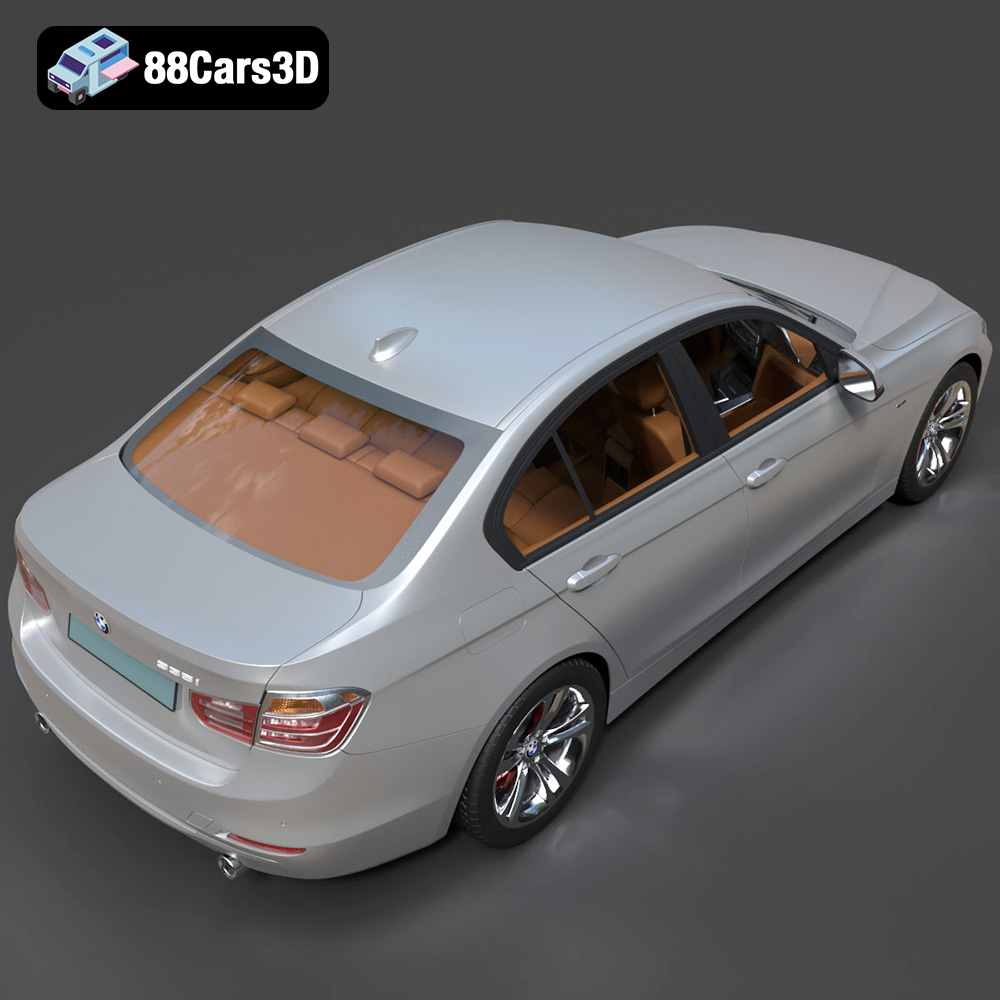
Presenting the high-fidelity BMW 3 F30 3D Model, a meticulously crafted digital rendition of the iconic luxury sports sedan. This model captures the distinctive lines, elegant proportions, and dynamic character of the F30 generation 3 Series. Engineered with clean, optimized geometry and balanced detailing, it is perfectly suited for professional rendering, cinematic animation, realistic simulation, and robust game development projects.
Exterior Features:
- Accurate body panels reflecting the F30’s design language
- Detailed headlights and taillights with transparent materials
- Realistic wheels and tires, precisely modeled with authentic tread patterns
- Separated components like doors, hood, trunk, and wheels, ready for animation workflows
- Chrome accents and trim elements faithfully recreated
Interior / Mechanical Features:
- Comprehensive interior detailing including dashboard, steering wheel, seats, and center console
- Optimized mesh quality ensures efficient rendering without sacrificing detail
- Basic undercarriage components for added realism in complex scenes
Technical Advantages:
- Clean, quad-dominant topology for easy subdivision and deformation
- Modeled to real-world scale, ensuring accurate integration into any scene
- Organized hierarchy with proper pivot points set for all movable parts, streamlining animation setup
Applications:
- Rendering & Visualization: Ideal for studio renders, cinematic sequences, architectural visualizations, and marketing materials.
- Game Development: Optimized as a game-ready asset for racing simulations, open-world environments, and interactive experiences.
- AR/VR: Perfect for creating immersive augmented and virtual reality automotive showcases and experiences.
- Simulation & Training: Suitable for driving simulators, automotive design reviews, and technical training modules.
- 3D Printing: Can be converted to .stl for physical model production and rapid prototyping.
Customization Options:
- Easily modify paint finishes, body graphics, and decal designs to match specific brand identities or creative visions.
- Adjust material properties for metals, glass, rubber, and plastics to achieve desired realism.
- Adapt lighting setups to showcase the model under various environmental conditions and moods.
Elevate your creative projects with this exceptional BMW 3 F30 3D model. Its professional-grade quality, versatility, and comprehensive detailing make it an indispensable asset for any demanding digital production pipeline.
Included File Formats:
- .blend – Blender project with materials
- .fbx – Compatible with Unreal, Unity, and major 3D engines
- .obj – Universal format for nearly all 3D software
- .glb – Optimized for AR, VR, and web-based visualization
- .stl – Ready for 3D printing
- .ply – Mesh format for analysis and CAD workflows
- .unreal – Unreal Engine project setup
- .max – Editable 3ds Max scene for rendering and animation
Tags:
.bmw,.3series,.f30,.sedan,.car,.vehicle,.rendering,.simulation,.gameasset,.arvr,.blend,.fbx,.obj,.glb,.stl,.ply,.unreal,.maxMercedes Benz CLS 500 3D Model
$10.79
Product Image Gallery
Related Tags
.3series
.arvr
.blend
.bmw
.car
.f30
.fbx
.gameasset
.glb
.max
.obj
.ply
.rendering
.sedan
.simulation
.stl
.unreal
.vehicle
