Get 20% OFF All Premium 3D & STL Models!

The world of 3D modeling for automotive design is a fascinating blend of artistry and precision engineering. Whether you’re a seasoned professional creating breathtaking cinematic sequences, a game developer crafting the next immersive racing experience, or an architect integrating vehicles into realistic visualizations, the foundation of your project lies in the quality of your 3D car models. A high-fidelity model doesn’t just look good; it provides the technical integrity necessary for seamless integration, efficient rendering, and versatile application across diverse platforms.
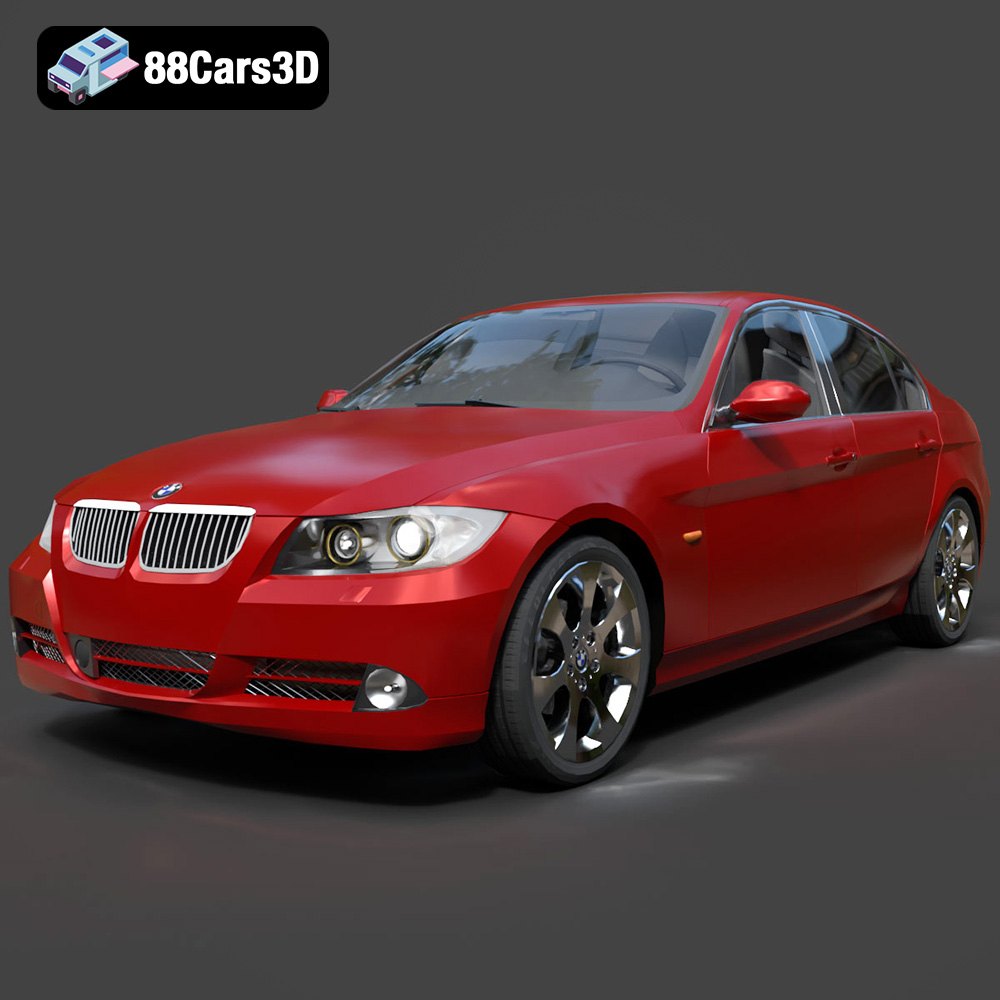
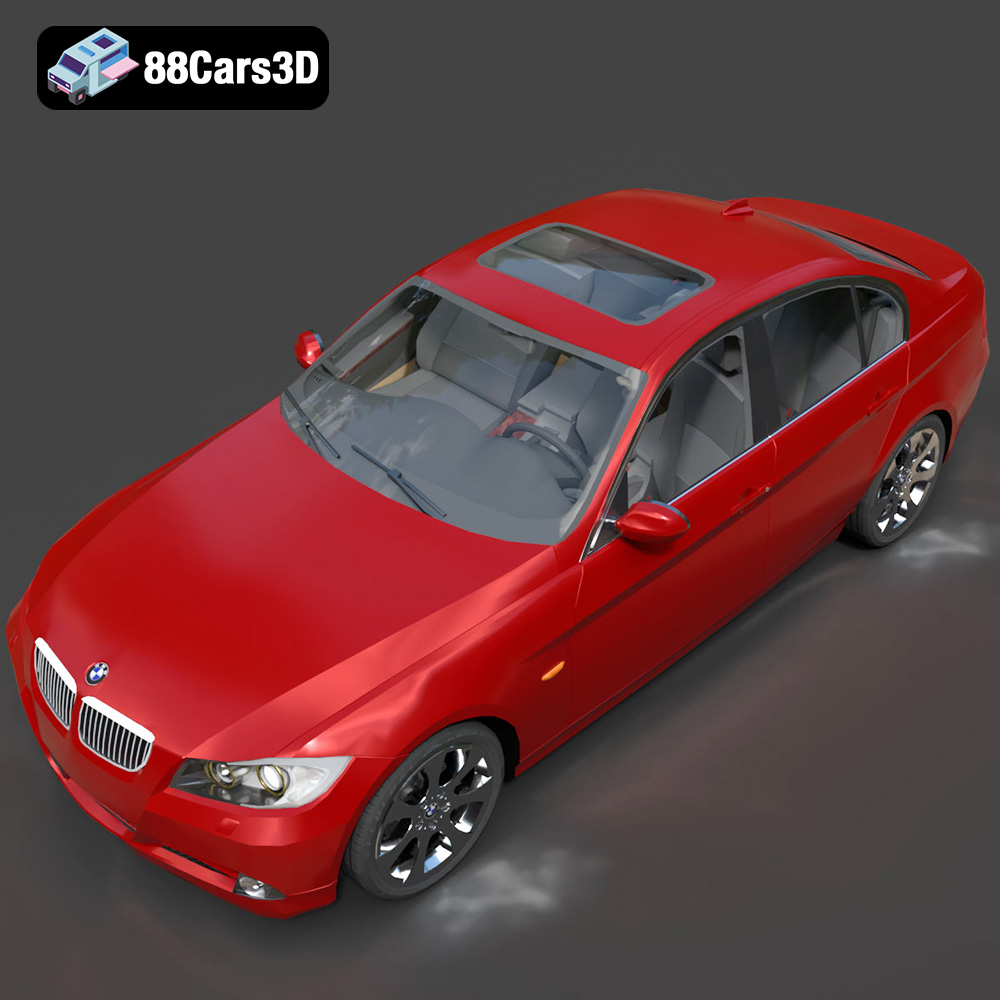
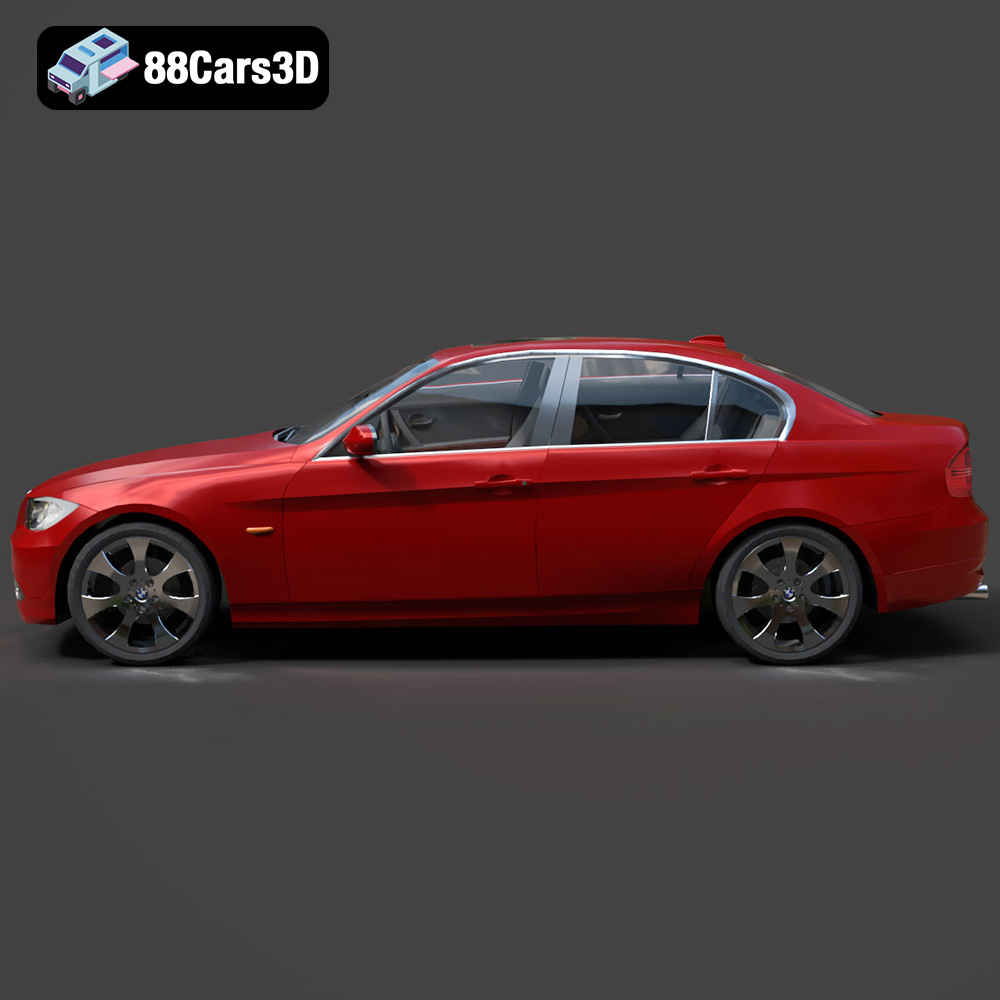
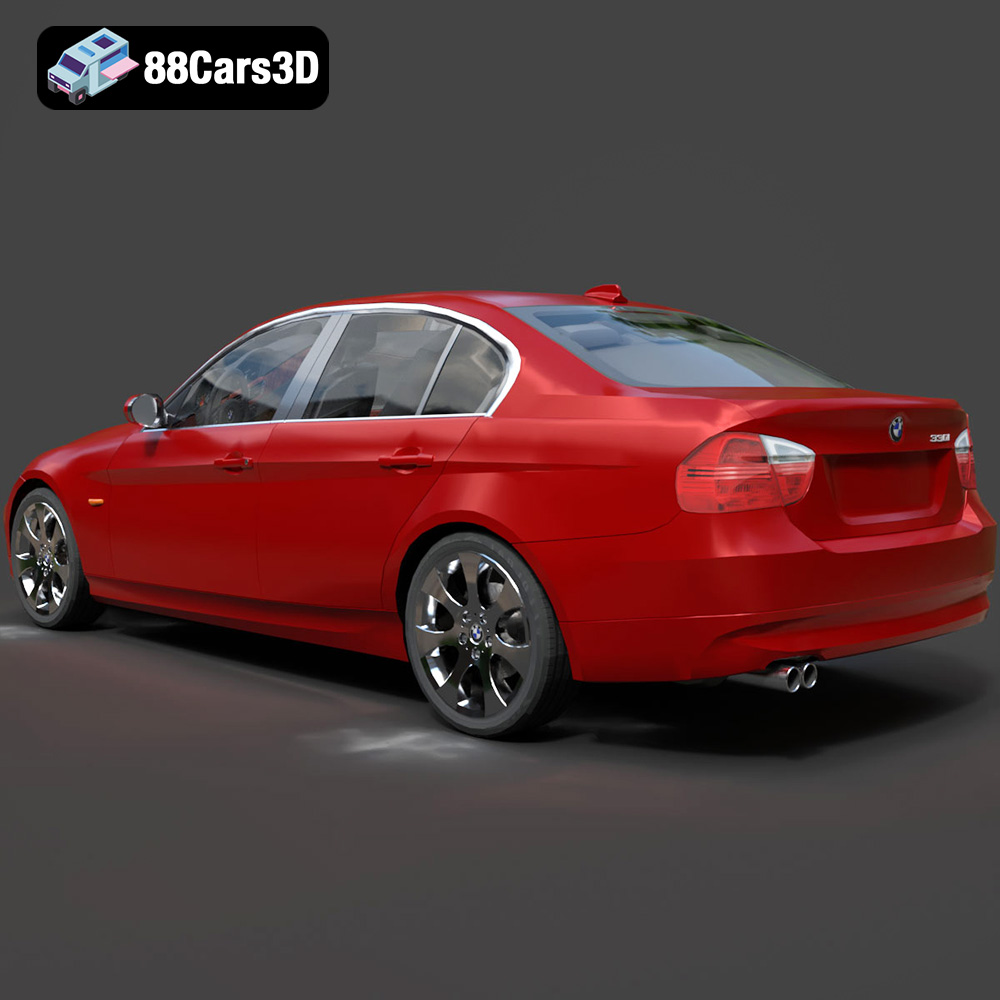
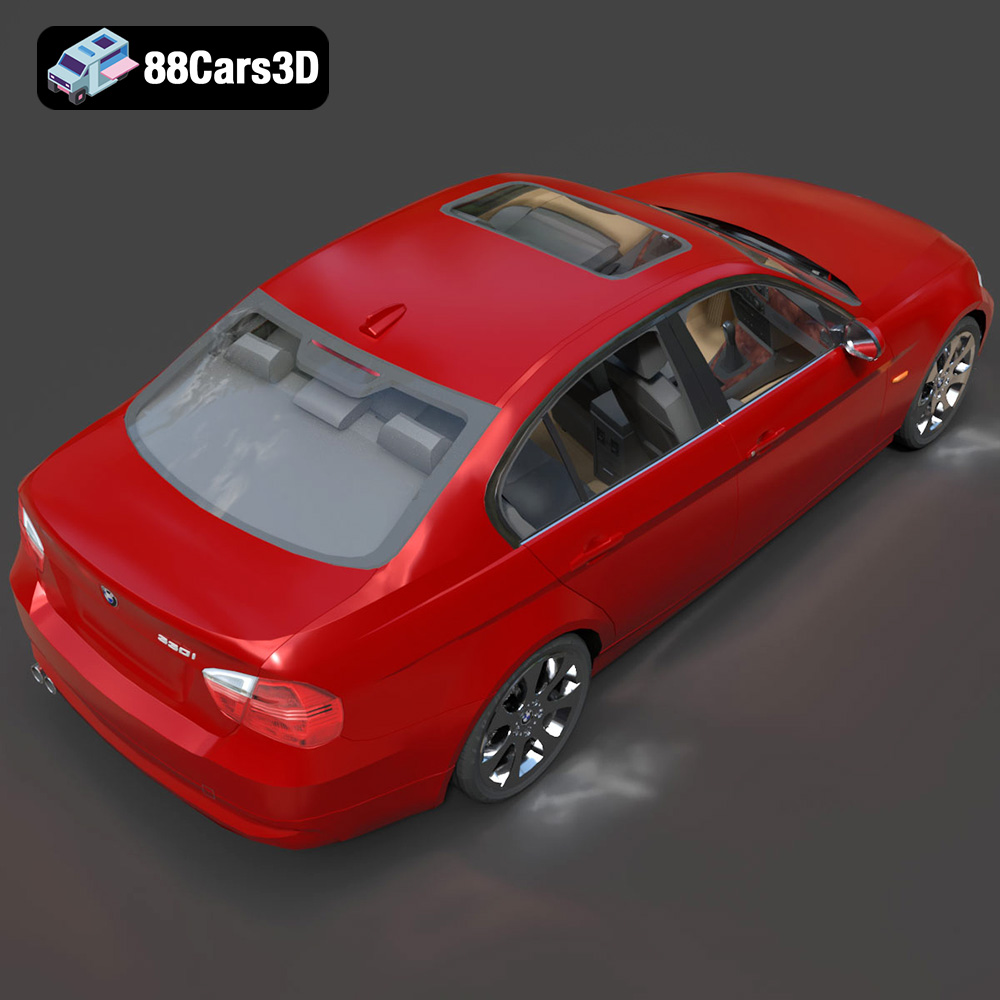
Today, we delve into the critical elements that define professional-grade automotive 3D assets, exploring essential workflows, technical specifications, and real-world applications. Our journey will highlight how a meticulously crafted model, such as the BMW 330i E90 3D Model available on 88cars3d.com, serves as an invaluable tool for designers, artists, and developers alike. This iconic luxury compact sedan, known for its elegant lines and sporty stance, has been translated into a digital asset designed to meet the rigorous demands of modern 3D production pipelines, offering clean geometry, balanced detailing, and robust construction ready for immediate deployment.
Navigating the diverse landscape of 3D software and applications requires a deep understanding of file formats. Each format offers unique advantages, catering to specific stages of a 3D production pipeline, from initial modeling and texturing to real-time rendering and physical fabrication. The BMW 330i E90 3D Model exemplifies this versatility by offering a comprehensive suite of industry-standard formats, ensuring maximum compatibility and utility.
The .blend format is the native file type for Blender, a powerful open-source 3D creation suite. When you acquire a .blend file, you’re getting a fully editable scene, complete with materials, textures (often packed within the file or linked externally), lighting setups, and even animation rigs if present. For the BMW 330i E90, the .blend file provides a complete starting point for artists working in Blender, allowing for direct modification of topology, materials, and scene composition. This is ideal for detailed customization, re-texturing, or integrating the model into existing Blender projects with minimal setup.
FBX (Filmbox) is an industry-standard proprietary file format owned by Autodesk, widely used for exchanging 3D data between different software applications. It’s particularly favored in game development (Unreal Engine, Unity) and animation due to its ability to store a comprehensive range of data, including geometry, materials, textures, animations, and skeletal deformation. The .fbx version of the BMW 330i E90 is optimized for these real-time environments, ensuring proper scaling, pivot points, and a clean hierarchy for easy import and manipulation within game engines, making it a true game asset.
OBJ (Object) is one of the oldest and most universally supported 3D file formats. It’s a simple, text-based format primarily used to store 3D geometry (vertices, normals, texture coordinates, and polygonal faces). While it doesn’t typically store advanced features like animation or rigging, its widespread compatibility makes it an excellent choice for transferring mesh data between virtually any 3D software, from Maya and 3ds Max to ZBrush and Substance Painter. For the E90, the .obj provides a clean, raw mesh that can be imported into almost any application for re-texturing or rendering.
GLB (GL Transmission Format Binary) is the binary version of glTF, a royalty-free specification for the efficient transmission and loading of 3D scenes and models by applications. GLB bundles the entire 3D model (geometry, materials, textures, animations) into a single file, making it incredibly efficient for web-based 3D viewers, augmented reality (AR), and virtual reality (VR) applications. Its small file size and optimized structure ensure quick loading and smooth performance, perfect for showcasing the BMW 330i E90 in interactive web experiences or immersive AR/VR showrooms.
STL (Stereolithography) is a standard file format used for 3D printing and computer-aided manufacturing (CAM). It represents a 3D object as a series of connected triangles (a tessellation) without color or texture information. For those looking to create a physical scale model of the BMW 330i E90, the .stl format is the go-to. It ensures the model is watertight and ready to be sliced by 3D printer software, transforming the digital asset into a tangible object.
PLY (Polygon File Format) is another format used to store 3D data, particularly from 3D scanners. It can store a wider range of properties than .obj, including color per vertex, normal information, and confidence values. While less common for general artistic assets, it’s highly valued in scientific and engineering fields for storing precise scan data or complex meshes for CAD and analysis workflows. The .ply option for the E90 can be useful for specific reverse engineering tasks or highly technical simulations.
The .unreal format implies a project setup or asset package specifically configured for Unreal Engine. This often goes beyond just an .fbx import, potentially including pre-configured materials, blueprints, lighting setups, and even LODs (Levels of Detail) within an Unreal project structure. For the BMW 330i E90, this means a drag-and-drop solution directly into your Unreal project, significantly reducing setup time and ensuring optimal performance and visual fidelity within the engine.
MAX is the native file format for Autodesk 3ds Max, a leading software for 3D modeling, animation, and rendering. Similar to the .blend file, a .max file contains the complete scene data, including geometry, materials, textures, lights, cameras, and animation keyframes. For professionals working in 3ds Max, the .max version of the BMW 330i E90 offers the highest level of editability and control, allowing for intricate adjustments to the model, setting up complex rendering scenes with V-Ray or Corona, and integrating it into robust animation pipelines.
Creating a truly professional 3D car model is far more complex than simply extruding shapes. It involves a meticulous understanding of both automotive design principles and advanced 3D modeling techniques. The BMW 330i E90 3D model stands out due to its adherence to these rigorous standards, ensuring it’s not just visually accurate but also technically robust.
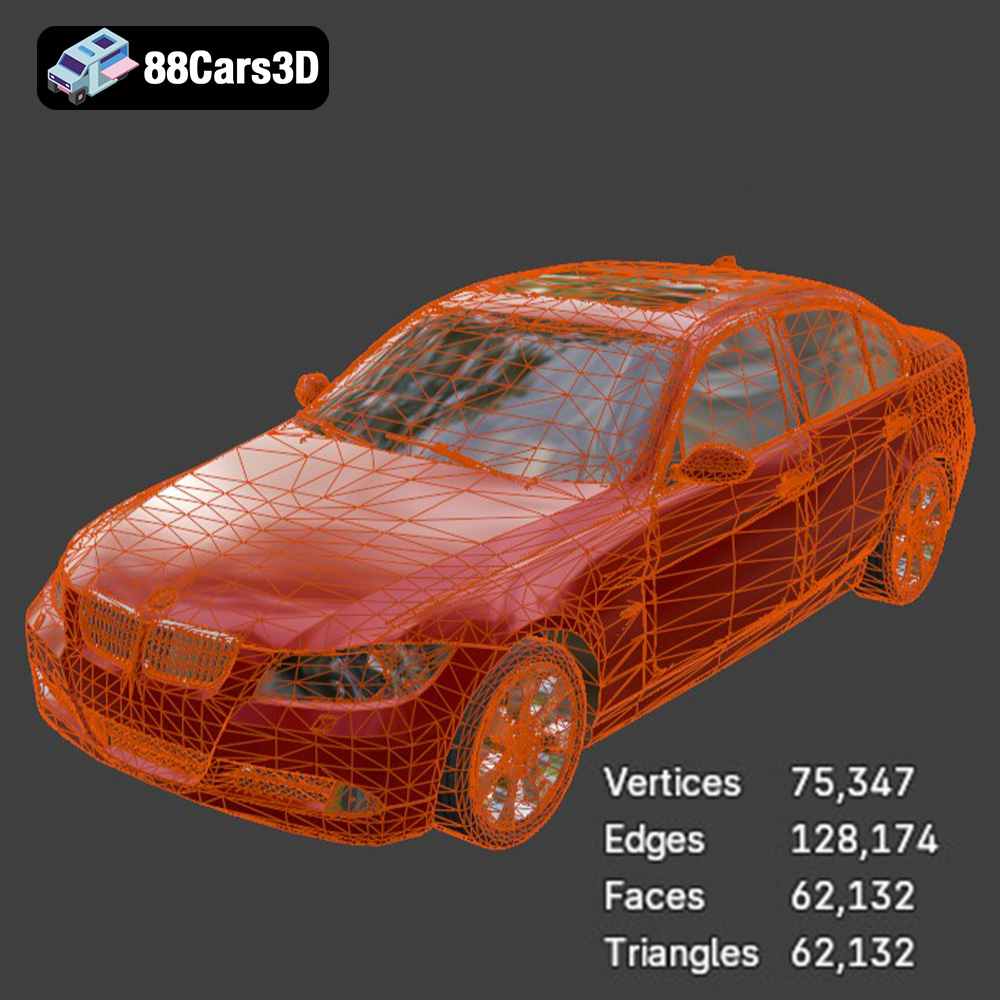
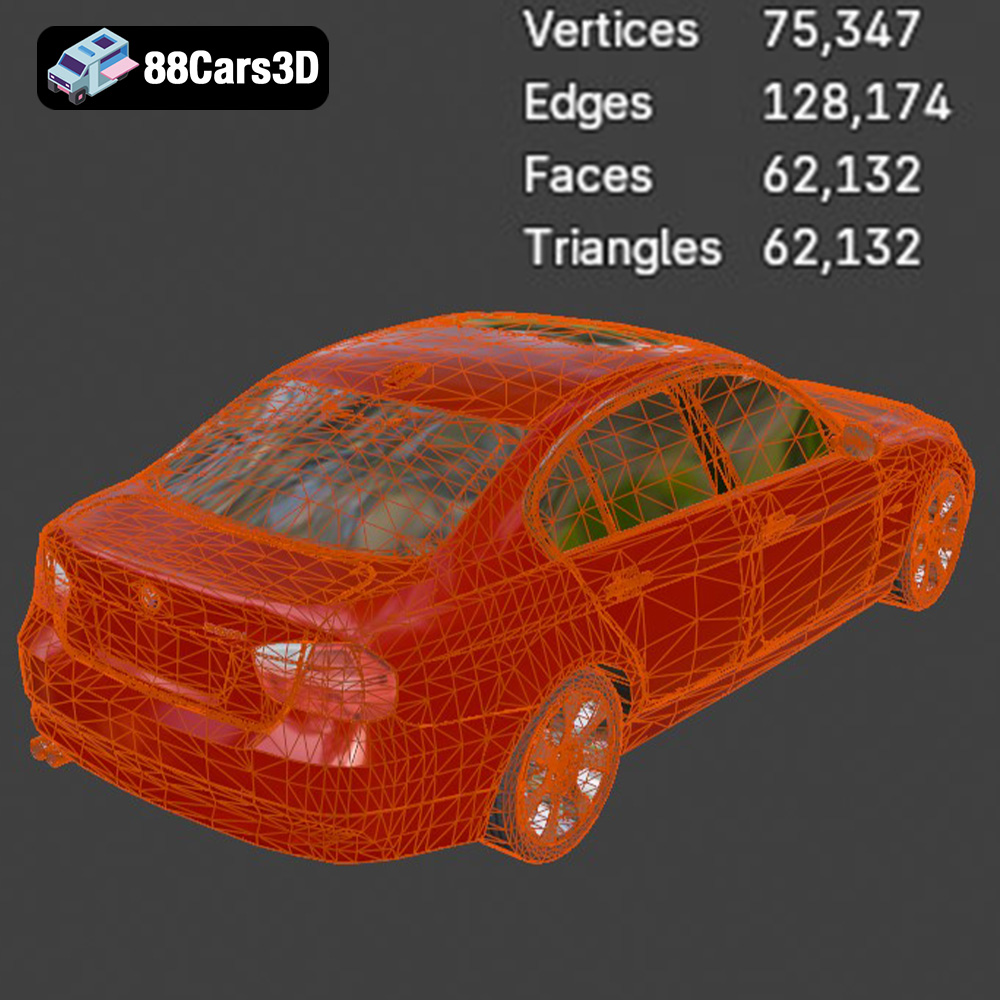
At the heart of any high-quality 3D model is its topology. The BMW 330i E90 model boasts clean, quad-dominant topology. This means the mesh is primarily composed of four-sided polygons (quads) rather than triangles or n-gons. Why is this critical? Quads provide several advantages:
The careful construction of the E90 model ensures that its distinctive body panels and intricate details are represented with geometric accuracy and integrity, ready for any modification or animation sequence.
Accuracy extends beyond visual representation. The BMW 330i E90 3D model is built to real-world scale, a fundamental requirement for professional applications. Integrating a model with incorrect scale into a scene can lead to numerous issues with lighting, physics simulations, and overall scene composition. Real-world scale ensures the model behaves correctly in physics engines and scales accurately against architectural or environmental assets.
Furthermore, an organized hierarchy with proper pivot points is a hallmark of a production-ready asset. The E90 model features separated components like doors, hood, trunk, and wheels, each with correctly placed pivot points. This means:
Texturing is where a 3D model truly comes alive, and for textures to be applied flawlessly, the model’s UVs must be expertly unwrapped. The BMW 330i E90 3D model comes with professionally unwrapped UVs. This process involves flattening the 3D surface of the model into a 2D space, allowing artists to paint or apply textures accurately without distortion or seams. Clean UVs are essential for:
This level of detail in UV mapping makes the E90 model highly versatile for various texturing pipelines, from PBR (Physically Based Rendering) workflows in Substance Painter to procedural texturing within Blender or 3ds Max.
High-quality 3D car models are indispensable tools in the world of automotive rendering and visualization. The BMW 330i E90 3D model is perfectly suited for these demanding applications, allowing artists to create stunningly realistic imagery that blurs the line between digital and photographic.
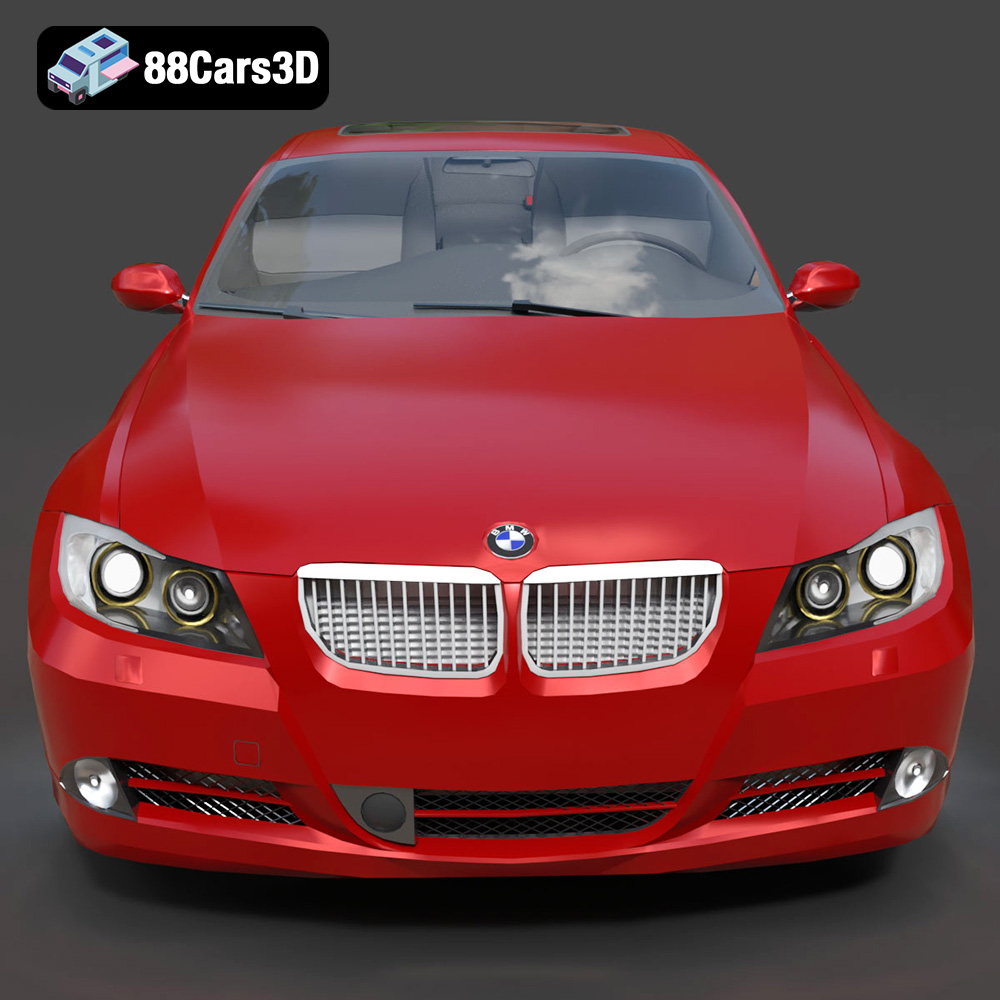
For cinematic sequences, commercials, or high-end product showcases, the demand for realism is absolute. The E90 model’s accurate body panels, detailed lights with transparent materials, authentic emblems, and high-resolution wheels provide the perfect foundation. Artists can import the .max or .blend file into their preferred rendering software (such as V-Ray, Corona Renderer, Octane Render, or Cycles) and leverage its clean geometry and unwrapped UVs to craft photorealistic scenes.
Workflows often involve:
In architectural visualization, the BMW 330i E90 serves as an ideal prop to add realism and scale to buildings, street scenes, or interior garage shots. Its real-world scale and detailed design ensure it integrates seamlessly into complex architectural scenes, elevating the overall presentation.
Automotive manufacturers and marketers frequently use 3D models for virtual showrooms, online configurators, and interactive product presentations. The E90 model’s robust construction and customization options make it an excellent choice for such applications. Its ability to easily modify paint finishes, body graphics, and adjust material properties means designers can rapidly generate multiple variations, showcasing different color options or special editions without needing physical prototypes. This agility is crucial for fast-paced marketing campaigns and allows for rich, interactive experiences where customers can explore the car from every angle and customize it to their preferences.
The demand for realistic vehicles in video games has never been higher. From open-world adventures to high-octane racing simulators, a vehicle’s fidelity directly impacts player immersion. The BMW 330i E90 3D model is engineered as a game-ready asset, specifically optimized for integration into leading game engines like Unreal Engine and Unity.
Game development requires a careful balance between visual quality and performance. The E90 model’s optimized mesh quality, with its clean quad-dominant topology, ensures it can be efficiently rendered in real-time environments. While providing crucial detail, the mesh is constructed to minimize polygon count without sacrificing visual integrity. For games, it’s often necessary to:
The availability of .fbx and dedicated .unreal formats for the BMW 330i E90 streamlines this process, allowing developers to quickly import, set up materials, and begin integrating the vehicle into their game world.
Beyond traditional video games, high-fidelity car models are crucial for advanced simulations and interactive experiences. For driver training simulations, the accurate representation of the BMW 330i E90’s interior, including the dashboard and steering wheel, provides a realistic cockpit environment. The model’s real-world scale and separated components are ideal for:
The structured hierarchy and proper pivot points of the E90 model are particularly beneficial here, enabling developers to easily set up interactive elements like opening doors or adjustable seats, bringing the virtual experience to life.
The utility of a high-quality 3D car model extends far beyond traditional rendering and game development. The BMW 330i E90 3D model is designed to excel in emerging technologies like Augmented Reality (AR), Virtual Reality (VR), and even physical fabrication through 3D printing.
AR and VR are transforming how we interact with digital content, offering immersive experiences for product visualization, virtual showrooms, and interactive training. The BMW 330i E90 model is particularly well-suited for these environments, especially with its .glb format. GLB files are highly optimized for web-based and mobile AR/VR platforms, ensuring quick loading times and smooth performance on a variety of devices. Imagine:
The clean geometry and optimized mesh of the E90 model are crucial here, as AR/VR applications often have strict performance budgets to maintain high frame rates and prevent motion sickness.
For designers, collectors, or hobbyists, the ability to physically hold a scale model of a favorite car is incredibly appealing. The BMW 330i E90 3D model, provided in the .stl format, is ready for 3D printing. The .stl format represents the model’s surface as a series of triangles, a language that 3D printers understand. While the source model is detailed, the .stl conversion simplifies the geometry to a solid, watertight mesh suitable for fabrication.
Considerations for 3D printing include:
This capability adds another layer of versatility to the digital asset, bridging the gap between virtual design and physical reality.
A truly professional 3D asset offers not just quality but also flexibility. The BMW 330i E90 3D model excels in its customization options, empowering artists and developers to tailor the model to their exact project requirements. This versatility is crucial for maintaining creative control and achieving unique visual styles.
The base model provides a neutral canvas, allowing for extensive aesthetic modifications. Its clean UVs and organized material IDs facilitate easy changes to its appearance:
The lighting setup dramatically influences the mood and realism of any render. The BMW 330i E90 3D model, being an accurately built asset, responds realistically to various lighting conditions. Artists can:
The model’s precise geometry and material setup ensure that it interacts correctly with light, creating believable shadows, reflections, and refractions that contribute to overall realism.
The comprehensive set of included file formats – from .max and .blend for extensive editing, to .fbx and .unreal for game engine integration, and .glb for web and AR/VR – ensures that whatever your preferred software or target platform, the BMW 330i E90 3D model from 88cars3d.com provides the necessary flexibility and quality to elevate your projects.
In the dynamic landscape of 3D content creation, the difference between good and great often lies in the foundational assets. A high-quality 3D car model is more than just a visual representation; it’s a meticulously engineered digital component that enables seamless workflows, empowers creative customization, and ensures technical integrity across a multitude of applications. From the precise quad-dominant topology and unwrapped UVs essential for photorealistic rendering, to the optimized mesh and organized hierarchy crucial for real-time game development and immersive AR/VR experiences, every technical detail matters.
The BMW 330i E90 3D Model stands as a testament to these principles, offering unparalleled accuracy, versatility, and professional-grade construction. Whether your project involves creating cinematic automotive renders, building engaging racing game assets, developing interactive simulations, or even producing physical models via 3D printing, this model provides a robust starting point. Its comprehensive suite of file formats caters to diverse software ecosystems, making it an invaluable asset for any professional pipeline. By investing in such high-caliber 3D car models, artists and developers are not just purchasing a file, but unlocking a world of creative possibilities and efficiency. Explore this exceptional model and many others at 88cars3d.com, where quality meets innovation.
Experience the iconic design and performance of the BMW 330i E90 with this meticulously crafted 3D model. Representing the fifth generation of the BMW 3 Series, this luxury compact sedan is renowned for its elegant lines, sporty stance, and sophisticated engineering. Our model boasts clean geometry, balanced detailing, and professional-grade construction, making it an ideal asset for high-quality rendering, realistic animation, immersive simulation, and robust game development projects.
$14.79