Unleashing Automotive Excellence: The Power of High-Fidelity 3D Car Models
In the dynamic realms of automotive design, visualization, game development, and immersive experiences, the quality of 3D assets is paramount. A meticulously crafted 3D car model is more than just a digital representation; it’s a versatile tool that drives innovation, enhances realism, and accelerates creative workflows. From photorealistic renderings that grace advertising campaigns to interactive assets that power next-generation games and AR/VR simulations, the demand for precise, optimized, and visually stunning vehicle models has never been higher.
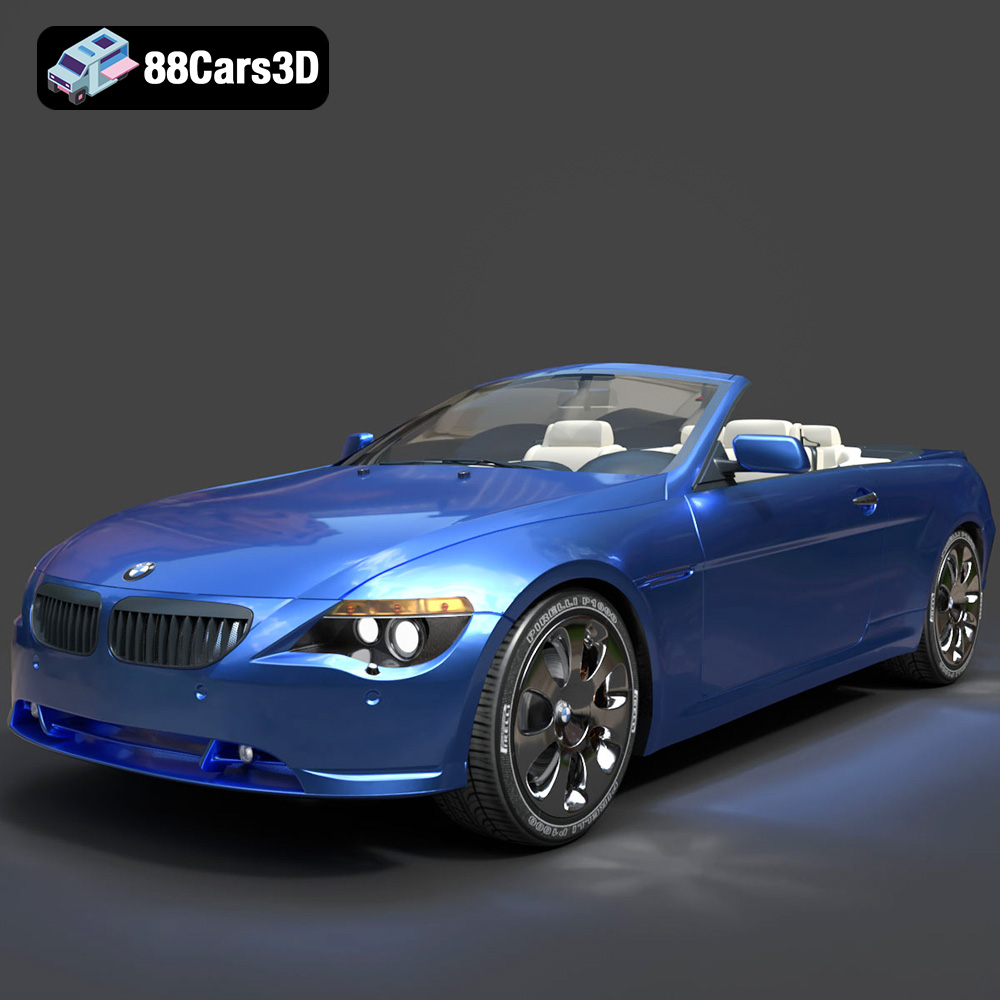
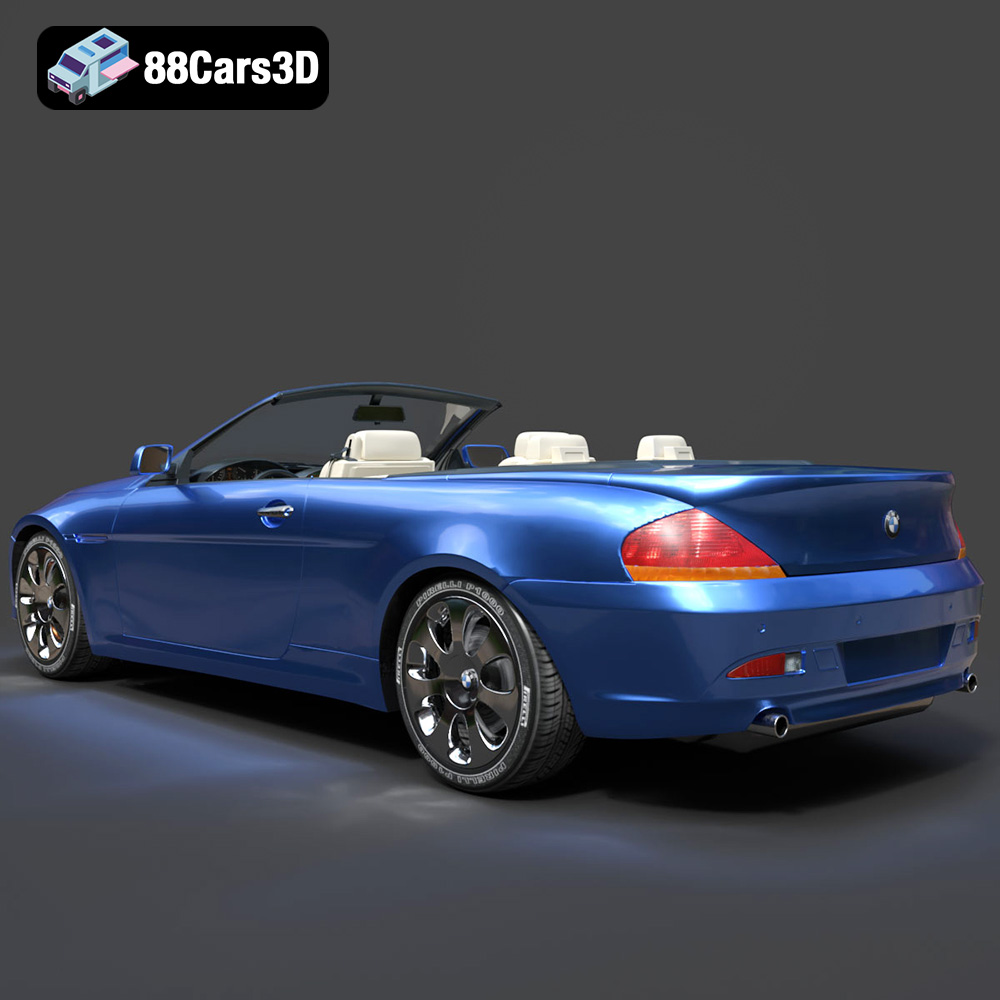
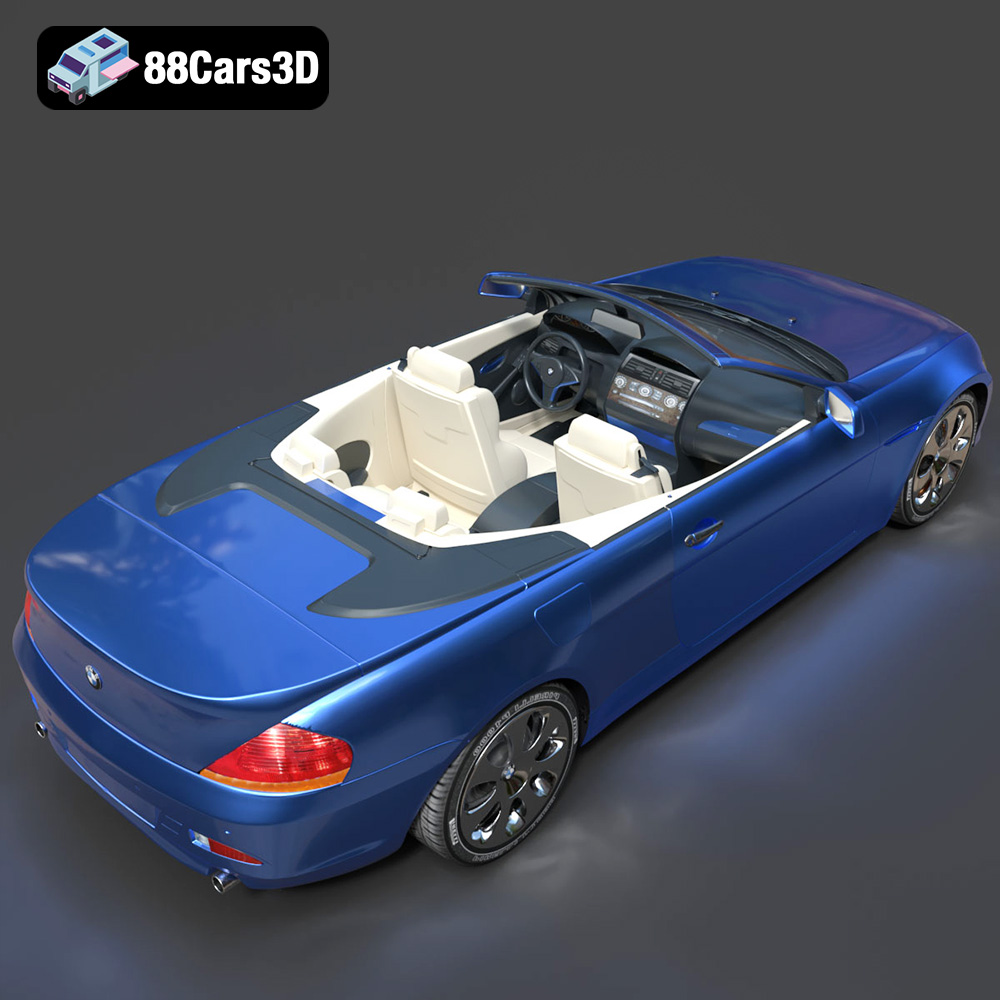
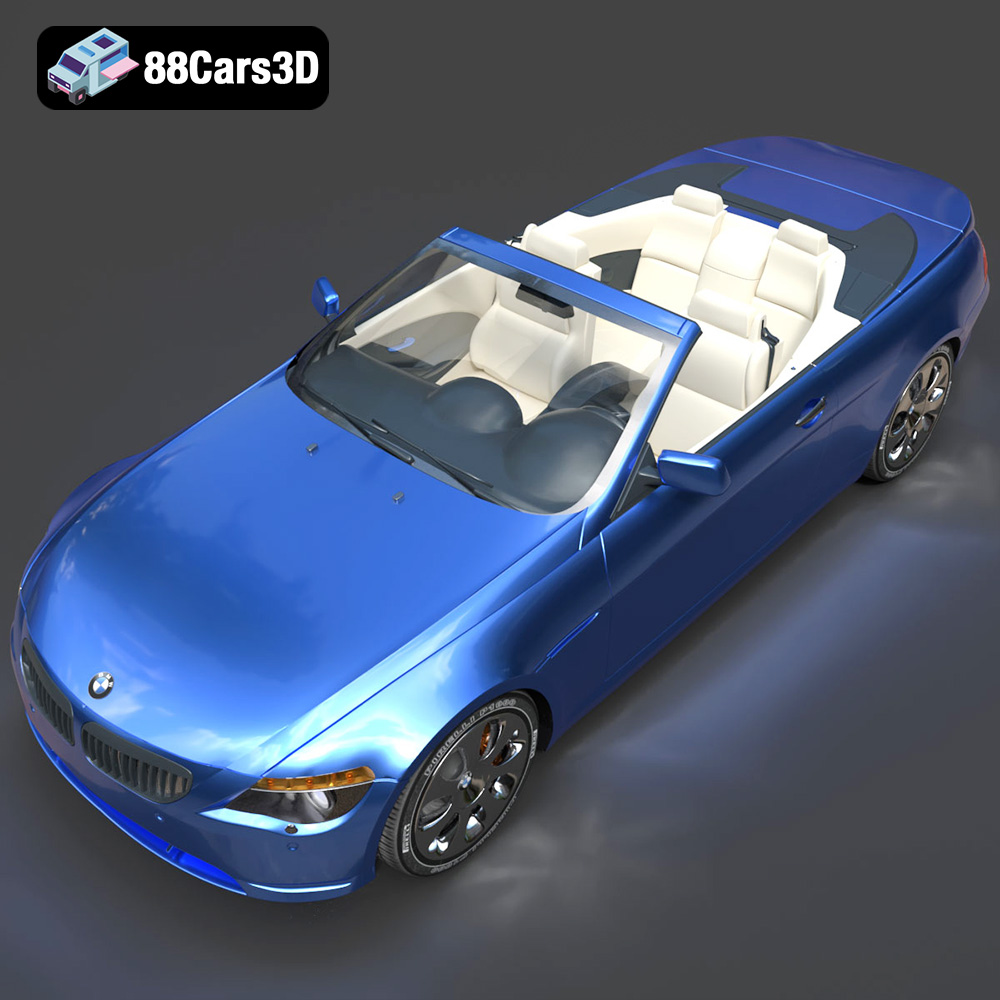
Consider the elegance and performance encapsulated in a luxury vehicle like the BMW 6 Series Convertible. To translate this real-world masterpiece into a digital asset requires an unparalleled commitment to detail and technical excellence. This is precisely what a premium 3D model, such as the BMW 6 Series Convertible 3D Model, brings to the table. It stands as a testament to what is achievable when advanced modeling techniques meet a passion for automotive fidelity, offering a foundational asset for any professional project demanding authentic vehicle representation.
The Art and Science of High-Fidelity 3D Car Models
Creating a truly exceptional 3D car model is a complex interplay of artistic vision and technical precision. It goes beyond simply replicating contours; it involves understanding automotive engineering principles, material science, and the specific demands of various digital pipelines. The goal is always to deliver visual fidelity that blurs the line between the digital and the real.
Precision Modeling and Topology
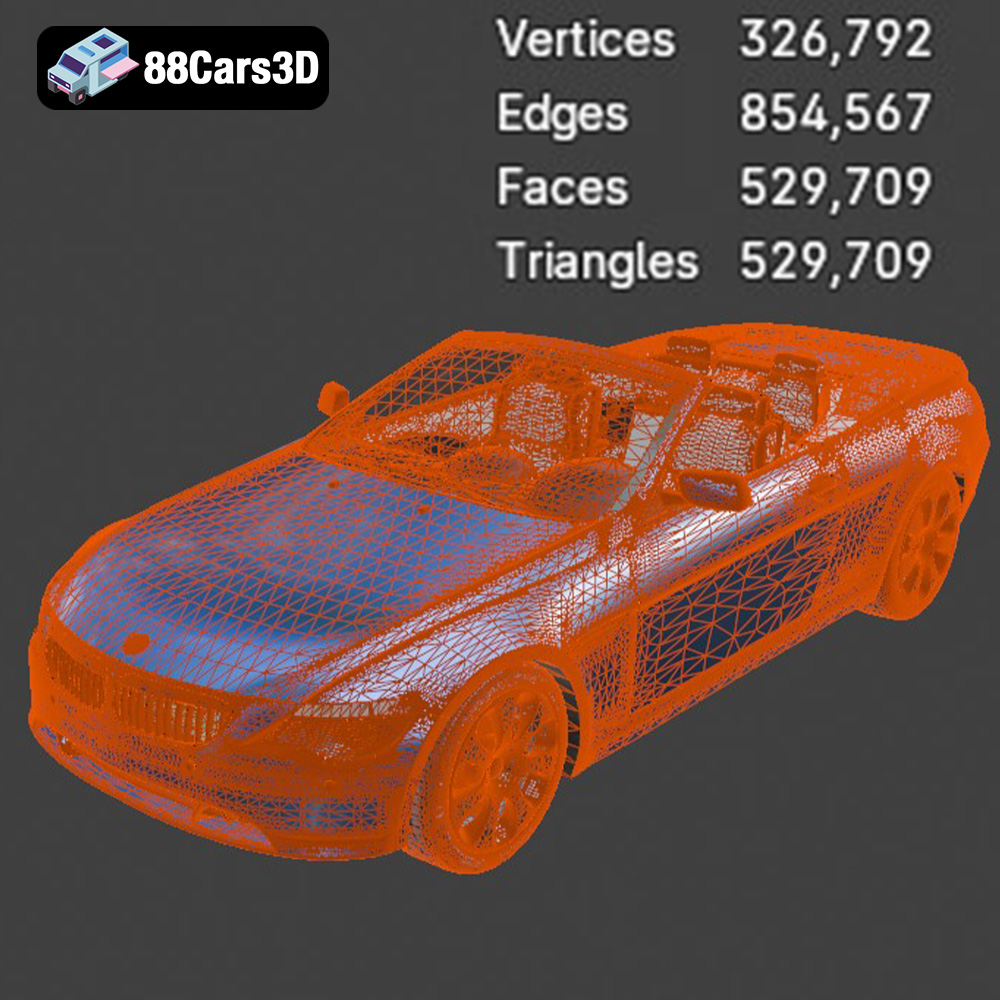
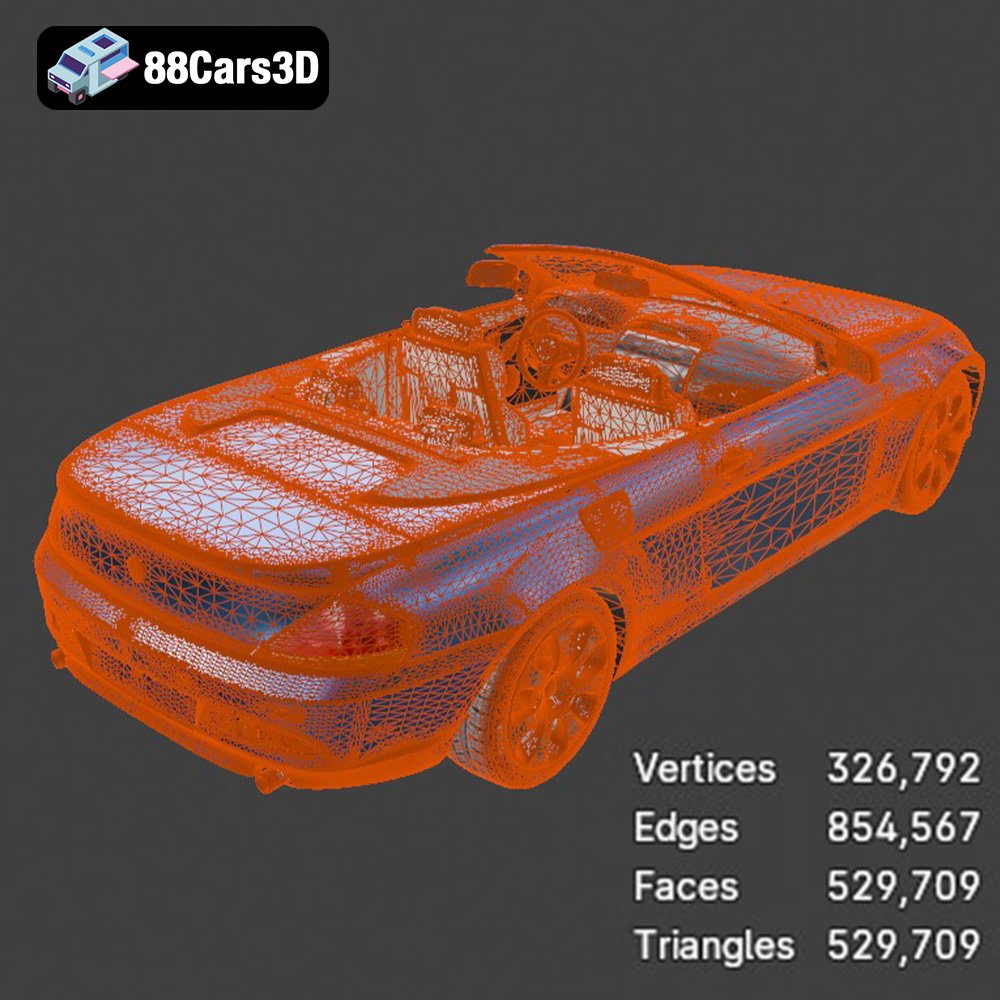
At the core of any high-quality 3D car model is its geometry. For assets like the BMW 6 Series Convertible 3D Model, “exacting standards” mean that every curve, panel gap, and intricate detail—from the iconic kidney grille to the subtle lines of the convertible top mechanism—must be meticulously recreated. This demands clean, optimized topology, often utilizing quads exclusively to ensure smooth subdivision and distortion-free deformation. The polygon count is carefully balanced: high enough to capture fine details for close-up shots and high-resolution renders, yet optimized to perform efficiently across various digital platforms, including real-time engines. A clean mesh is not just about aesthetics; it’s about stability, ease of editing, and predictable performance in rendering and animation.
Materiality: The Power of PBR
Modern rendering relies heavily on Physically Based Rendering (PBR) materials. These materials mimic the way light interacts with surfaces in the real world, producing incredibly realistic results regardless of the lighting environment. For a luxury car model, this translates to accurately represented metallic paints with clear coats, reflective chrome accents, textured leather interiors, and nuanced glass surfaces. The BMW 6 Series Convertible 3D Model, for instance, includes realistic PBR materials configured for immediate use. This means that factors like albedo (base color), roughness (micro-surface detail), metallic (reflectivity), and normal maps (fine surface detail without excessive geometry) are all accurately calibrated. This level of material setup significantly reduces post-acquisition setup time, allowing artists to focus on scene composition and lighting rather than struggling with material creation.
Understanding 3D Model File Formats
The versatility of a professional 3D car model is often defined by the range and quality of its included file formats. Each format serves a specific purpose, catering to different software, pipelines, and end-use applications. Understanding these distinctions is crucial for anyone working with 3D assets, ensuring smooth integration and optimal performance. For a comprehensive model like the BMW 6 Series Convertible 3D Model, a wide array of formats are provided, guaranteeing compatibility across the industry.
Versatility for Different Stages of Production
The journey of a 3D model from concept to final render or real-time application often involves multiple software packages. Different formats are optimized for different stages, from initial modeling and animation to final rendering, real-time integration, or even physical prototyping.
* .blend: This is Blender’s native file format. When you receive a `.blend` file like the one included with the BMW 6 Series Convertible 3D Model, you’re getting a fully editable Blender scene. This means it includes not just the mesh, but also materials, textures, lighting setups, cameras, and even animations if present. It offers the most flexibility for Blender users who wish to tweak, animate, or re-render the model within their preferred environment. Technical details often include a robust node-based material system, collection organization, and modifier stacks.
* .max: Similar to `.blend` for Blender, `.max` is the native file format for Autodesk 3ds Max. It provides an editable 3ds Max project, containing all scene data, including geometry, materials (often V-Ray, Corona, or Standard Max materials), lighting, and animation timelines. This format is invaluable for professionals primarily working in 3ds Max for high-end rendering, architectural visualization, or complex animation projects, offering full control over every aspect of the scene.
* .fbx: Developed by Autodesk, FBX (Filmbox) is a widely adopted proprietary file format for 3D content exchange. It’s often considered the ideal format for game engines like Unreal Engine and Unity due to its robust support for mesh data, skeletal animations, blend shapes, lights, and cameras. FBX files consolidate various aspects of a 3D scene into a single package, making them highly efficient for transferring assets between different 3D applications and into real-time pipelines. They are optimized for performance and maintain scene hierarchy well.
* .obj: OBJ (or Wavefront OBJ) is a universal geometry definition file format that supports both polygonal meshes and free-form curves/surfaces. It is an open, non-proprietary format, making it compatible with virtually all major 3D software. While `.obj` files are excellent for transferring mesh data, they typically store material information in a separate `.mtl` (Material Template Library) file and do not natively support animation or rigging. It’s a reliable choice for pure model transfer where universal compatibility is prioritized, often used as a fallback.
Choosing the Right Format for Your Project
Selecting the appropriate file format can significantly impact your workflow efficiency and the quality of your output.
* .glb: GLB (GL Transmission Format Binary) is a binary representation of the glTF (Graphics Language Transmission Format) standard. It’s specifically optimized for efficient transmission and loading of 3D scenes and models into web-based applications, AR (Augmented Reality), and VR (Virtual Reality) experiences. GLB bundles all assets (geometry, textures, animations) into a single file, making it incredibly lightweight and performant for real-time, browser-based, and mobile environments. Its compact nature and real-time focus make it perfect for interactive visualization.
* .stl: STL (Stereolithography) is a standard triangulation language file format native to the stereolithography CAD software created by 3D Systems. It represents 3D surfaces as a series of connected triangles. This format is the de facto standard for 3D printing and rapid prototyping. It’s not typically used for rendering or animation but is crucial for converting digital models into physical objects. For models like the BMW 6 Series Convertible, an `.stl` export enables the creation of scale models or prototypes.
* .ply: PLY (Polygon File Format, or Stanford Triangle Format) is a file format for storing graphical objects that is particularly good at representing data from 3D scanners. It stores information about the mesh’s vertices, faces, normals, color, and other attributes. PLY files are known for their precision and ability to handle complex point cloud data and polygon meshes, making them suitable for scientific visualization, CAD, and detailed analysis where high accuracy of surface geometry is critical.
* .unreal: While not a standalone file extension in the traditional sense, “.unreal” typically refers to assets that are pre-configured, optimized, and often directly integrated or ready for import into Unreal Engine projects. This can mean `.fbx` files that adhere to Unreal’s specific naming conventions and scale, or even complete Unreal Engine project files containing the asset with master materials, blueprints, and LODs (Levels of Detail) already set up. For the BMW 6 Series Convertible 3D Model, an “.unreal” designation signifies that the asset is engine-ready, often with PBR materials mapped correctly and potentially with collision meshes or other game-specific optimizations already implemented, drastically speeding up development time for game and simulation projects.
This extensive list of formats ensures that the BMW 6 Series Convertible 3D Model from 88cars3d.com is not just a beautiful rendering asset but a highly flexible tool, ready for deployment across virtually any professional pipeline or application.
Real-Time Performance and Optimization for Game Engines
The transition of a high-fidelity 3D car model from a static rendering environment to a dynamic, real-time game engine or simulation platform presents unique challenges. Game assets demand not only visual appeal but also exceptional performance to maintain smooth frame rates and responsive interactions. The “incredibly clean, optimized geometry” of models like the BMW 6 Series Convertible 3D Model is paramount here.
Integrating into Unreal Engine and Unity
Unreal Engine and Unity are leading platforms for game development, architectural walkthroughs, and interactive simulations. Both engines thrive on optimized assets, and a well-prepared 3D car model can significantly streamline development.
* Unreal Engine Workflow: For Unreal Engine, an `.fbx` or the specially designated `.unreal` file format is typically used. The import process involves ensuring correct scale, up-axis, and material assignments. For a model like the BMW 6 Series Convertible, pre-configured PBR materials mean that texture maps (Albedo, Normal, Roughness, Metallic, AO) are quickly plugged into Unreal’s master material system. Further optimization includes creating multiple Levels of Detail (LODs) – lower polygon versions of the model that swap in as the camera moves away, drastically reducing the rendering load without a noticeable drop in visual quality. Collision meshes are also essential for realistic physics and interaction within the game world.
* Unity Workflow: Unity also heavily relies on `.fbx` for model import. Once imported, materials are often converted to Unity’s Standard (or HDRP/URP) shaders, again leveraging the provided PBR textures. Similar to Unreal, LOD groups are set up within Unity to manage performance. Unity’s modular component-based system allows for easy attachment of scripts for driving dynamics, interactive elements (like opening doors), and sound effects, turning a static model into a fully functional game vehicle.
The Role of Optimized UVs and Textures
Beyond geometry, efficient UV mapping and texture atlasing are critical for real-time performance. UVs are the 2D coordinates that tell the 3D model how to apply its textures. “Clean” UVs mean minimal stretching, no overlapping, and efficient use of texture space, which is crucial for sharp, detailed appearances. For game assets, multiple texture sets might be atlased into larger sheets to reduce draw calls, a significant performance booster. The PBR materials included with the BMW 6 Series Convertible 3D Model are built upon these principles, ensuring that the visual quality remains high even under the constraints of real-time rendering.
Elevating Visuals with Automotive Rendering and Visualization
When the goal is to create breathtaking stills or cinematic animations, the emphasis shifts slightly from real-time performance to absolute visual fidelity. Here, the raw detail and realistic material definitions of a premium 3D car model truly shine. Automotive rendering is an art form in itself, requiring an understanding of photography, lighting, and composition to make the digital indistinguishable from reality.
Cinematic Quality in 3ds Max
Autodesk 3ds Max remains a powerhouse for high-end rendering and animation in the architectural visualization (ArchViz) and automotive industries. With render engines like V-Ray or Corona integrated, the potential for photorealism is immense.
* Workflow in 3ds Max: Using the `.max` file of the BMW 6 Series Convertible 3D Model, artists can immediately access the model with its native materials and potentially lighting setups. This is a huge time-saver. The workflow typically involves setting up studio lighting (often using HDRI maps for realistic reflections and ambient light), placing cameras with real-world photographic parameters (f-stop, focal length, depth of field), and then fine-tuning materials for specific environmental reflections. Animation capabilities within 3ds Max allow for intricate camera moves, opening and closing convertible tops, or even animating drive cycles for a full cinematic experience. The clean topology of the BMW model ensures smooth surfaces even with advanced displacement and subdivision modifiers applied for extreme close-ups.
Artistic Freedom with Blender
Blender, a robust open-source 3D suite, has seen a massive surge in professional adoption, particularly for its Cycles and Eevee render engines. The included `.blend` file for the BMW 6 Series Convertible 3D Model caters directly to this growing community.
* Workflow in Blender: The `.blend` file comes pre-configured with materials and potentially a lighting setup, allowing Blender artists to hit the ground running. Cycles offers unbiased, physically accurate rendering, perfect for photorealistic automotive shots. Artists can experiment with node-based materials, custom HDRIs, and advanced volumetric effects. Eevee, Blender’s real-time render engine, provides immediate feedback, allowing for rapid iteration on lighting and camera angles before committing to a final Cycles render. The flexibility of Blender’s modifier stack means that details can be non-destructively added or adjusted, ensuring the model’s longevity and adaptability to various project requirements.
Expanding Horizons: AR, VR, and 3D Printing
The utility of a versatile 3D car model extends beyond traditional screen-based visualizations into emerging technologies that offer new ways to interact with digital content. Augmented Reality (AR), Virtual Reality (VR), and 3D printing are revolutionizing how we experience and create with 3D models.
Immersive Experiences with AR/VR
AR and VR demand models that are not only visually appealing but also highly optimized for real-time performance within specific hardware constraints. The `.glb` format, a key offering with the BMW 6 Series Convertible 3D Model, is perfectly suited for these applications.
* AR Applications: Imagine a prospective buyer viewing the BMW 6 Series Convertible in their driveway through their smartphone or tablet, using an AR app. The `.glb` format’s efficiency ensures quick loading and smooth interaction, allowing the user to walk around the car, change its color, and even peek inside, all rendered realistically in real-time within a real-world environment. This brings showrooms directly to the customer.
* VR Showrooms and Configurators: For a deeper immersion, VR experiences can transport users into a virtual showroom where they can explore the BMW 6 Series Convertible in lifelike detail. With VR headsets, users can “sit” inside the car, examine the interior meticulously, and interact with its features. The optimized geometry and PBR materials of the 3D model are crucial for maintaining a high frame rate necessary for comfortable VR experiences, preventing motion sickness and enhancing immersion.
Prototyping and Physical Models via 3D Printing
While digital, 3D models can also bridge the gap to the physical world. The `.stl` and `.ply` formats provided with the BMW 6 Series Convertible 3D Model facilitate this transition.
* 3D Printing for Scale Models: The `.stl` format is the industry standard for 3D printing. Designers, hobbyists, or even marketing teams can use this format to print physical scale models of the BMW 6 Series Convertible. This allows for tangible prototypes, collectible items, or display pieces that accurately represent the digital design. The clean mesh of the original model translates well to 3D printability, reducing errors and ensuring a smooth output.
* Precision for Analysis with .ply: The `.ply` format, known for its precision in representing polygon meshes, can be invaluable for detailed analysis or specific manufacturing processes. While less common for direct end-user interaction, it offers a robust data foundation for applications requiring exact geometric data, such as reverse engineering or advanced CAD integration.
Case Studies: The BMW 6 Series Convertible in Action
To truly appreciate the value of a high-quality 3D car model, it’s helpful to envision its application in real-world professional scenarios. The BMW 6 Series Convertible 3D Model is engineered to be a workhorse across various industries.
Automotive Marketing Campaign
A leading automotive ad agency needs to create a series of stunning visuals for the launch of a new luxury convertible. Instead of expensive physical photoshoots or relying solely on manufacturer renders, they acquire the BMW 6 Series Convertible 3D Model. Using the `.max` file in 3ds Max with V-Ray, their artists create a bespoke urban setting, complete with dynamic lighting that mimics golden hour. They render multiple angles, including close-ups of the meticulously detailed interior and the polished exterior reflecting the city lights. An animated sequence shows the convertible top gracefully retracting. The ability to control every aspect—lighting, environment, camera—without the logistical constraints of a real car photoshoot allows for unparalleled creative freedom and cost efficiency, delivering photorealistic results ready for high-resolution print and broadcast.
Interactive Virtual Showroom
An innovative car dealership wants to offer a cutting-edge virtual showroom experience on their website and for in-dealership VR kiosks. They integrate the BMW 6 Series Convertible 3D Model, utilizing the `.glb` format for web deployment and an optimized `.unreal` version for the VR application. Visitors to their website can spin the car 360 degrees, customize its paint color, and toggle the convertible top with a click, all within their browser. In the VR kiosk, prospective buyers can “sit” inside the highly detailed interior, explore every stitch of the upholstery, and even toggle virtual buttons, experiencing the luxury firsthand without ever touching a physical vehicle. This interactive experience significantly enhances customer engagement and sales potential.
Next-Gen Racing Game Development
A game studio is developing a new open-world racing title that aims for unparalleled realism. They license the BMW 6 Series Convertible 3D Model from 88cars3d.com, specifically using the `.fbx` and `.unreal` files. The optimized geometry and PBR materials mean the car looks stunning within the game engine, while the pre-configured nature of the `.unreal` asset accelerates integration. The developers implement custom physics based on the model’s dimensions and weight, create damage models, and design a dynamic weather system that interacts realistically with the car’s surfaces. The high-quality asset provides a solid foundation for a realistic driving experience, contributing significantly to the game’s immersive atmosphere and visual appeal.
Conclusion
The landscape of 3D content creation is continuously evolving, but the fundamental need for high-quality, versatile 3D models remains constant. From the intricate detailing required for cinematic rendering to the optimized geometry essential for real-time game development and the specific formats for AR/VR and 3D printing, a professional 3D car model is an indispensable asset.
The BMW 6 Series Convertible 3D Model exemplifies this versatility and commitment to excellence. Its meticulously recreated design, clean and optimized geometry, and ready-to-use PBR materials make it an invaluable resource for professionals across industries. Whether you’re an automotive designer, a game developer, an ArchViz artist, or working on the next immersive experience, investing in high-fidelity 3D car models like this significantly enhances your workflow and the quality of your final output.
For anyone seeking top-tier 3D car models designed to meet the rigorous demands of professional projects, exploring the extensive catalog at 88cars3d.com offers a gateway to unlocking new levels of creativity and efficiency. The right 3D asset doesn’t just save time; it empowers you to achieve the extraordinary.
Featured 3D Model
BMW 6 Series Convertible 3D Model
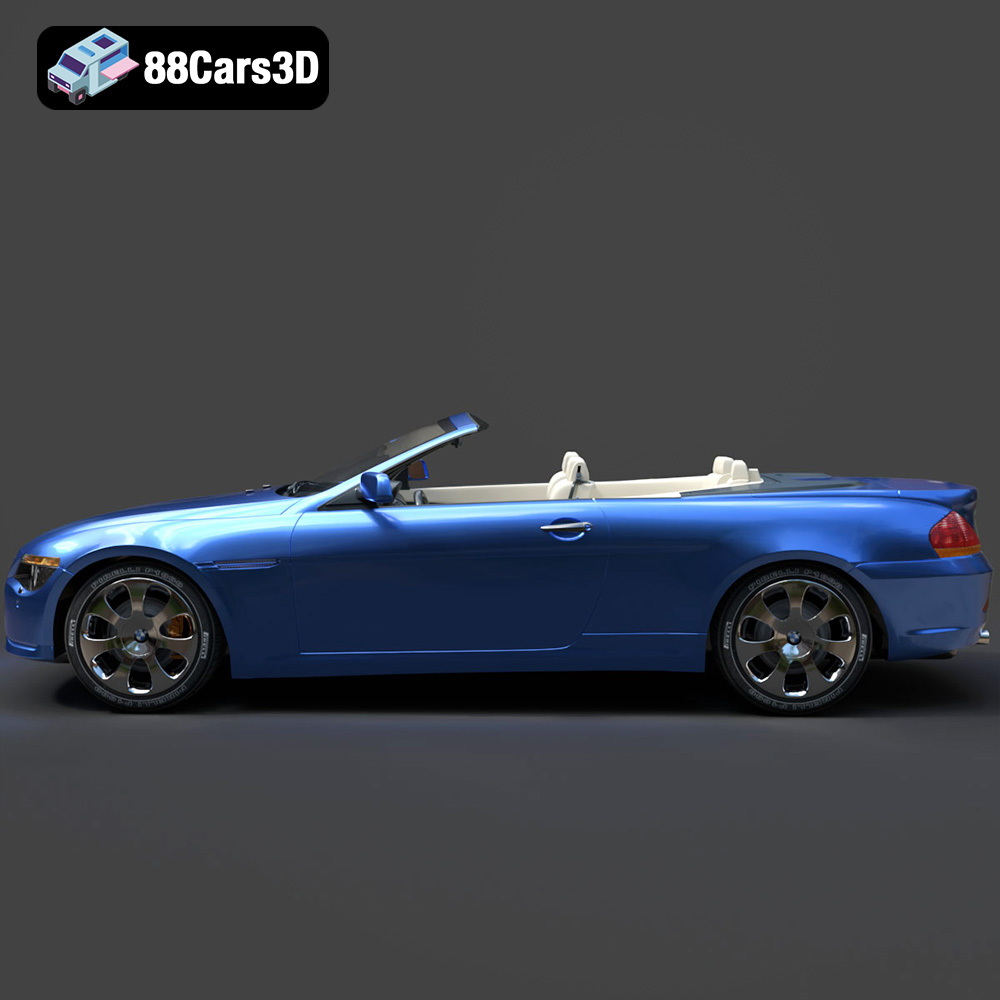
Capture the essence of German luxury performance with this detailed 3D model of the BMW 6 Series Convertible. Modeled to exacting standards, this asset delivers visual fidelity suitable for professional projects requiring authentic vehicle representation. Every curve and panel gap has been meticulously recreated to ensure photorealistic results in any rendering environment. This automotive asset features incredibly clean, optimized geometry, designed to perform efficiently across various digital platforms. It includes realistic PBR (Physically Based Rendering) materials configured for immediate use, reducing setup time significantly. The model boasts a fully modeled interior and detailed chassis elements, making it versatile for close-up shots, simulations, and virtual walkthroughs. The BMW 6 Series Convertible 3D Model is ready for integration into numerous professional applications, including cinematic rendering, architectural visualization, automotive advertising, real-time game development (Unreal Engine, Unity), virtual reality (VR), and augmented reality (AR) experiences. Its robust structure ensures reliable performance regardless of the target platform.
$14.99
Product Image Gallery