Get 20% OFF All Premium 3D & STL Models!

In the dynamic world of 3D visualization, automotive design, and game development, the quality of your assets can be the deciding factor between a good project and an exceptional one. High-fidelity 3D car models are not just static representations; they are intricate digital sculptures, engineered for performance across a spectrum of applications. From photo-realistic renders that blur the line with reality to perfectly optimized game assets that run seamlessly in real-time environments, the demands on these models are continuously increasing.
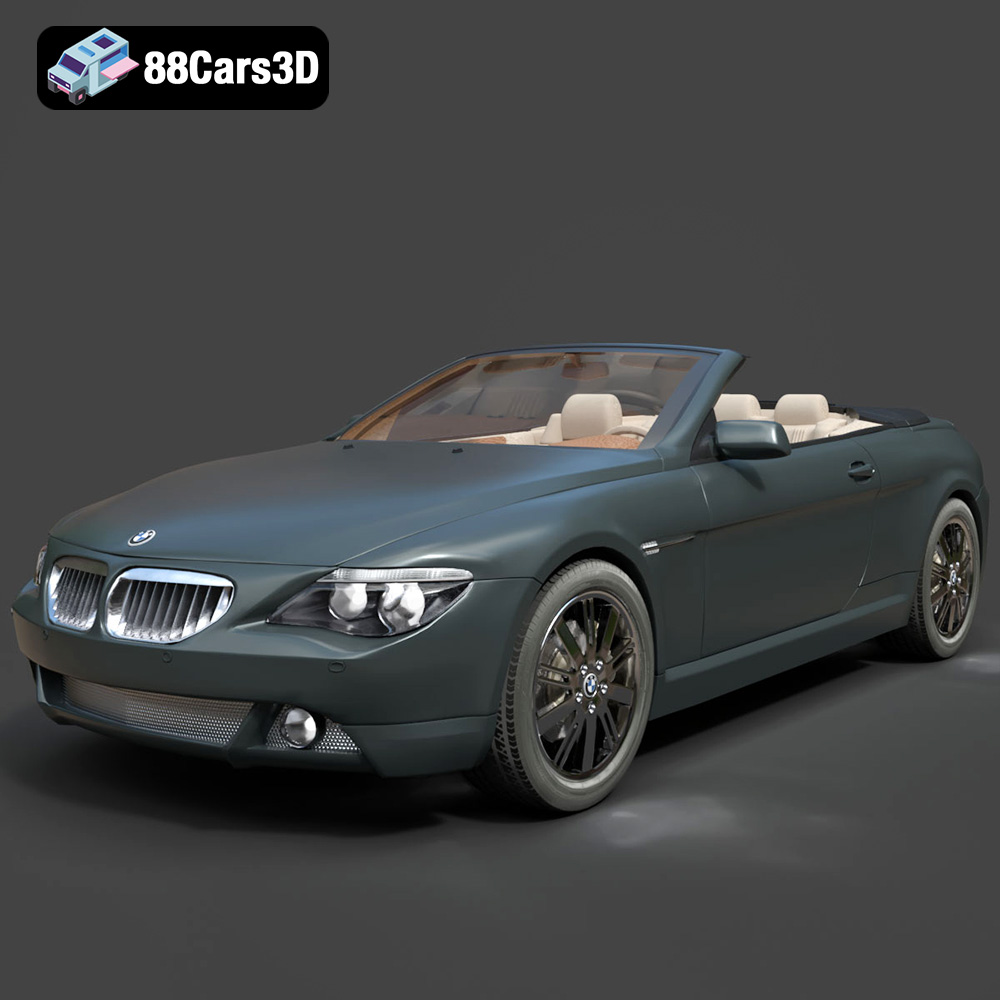
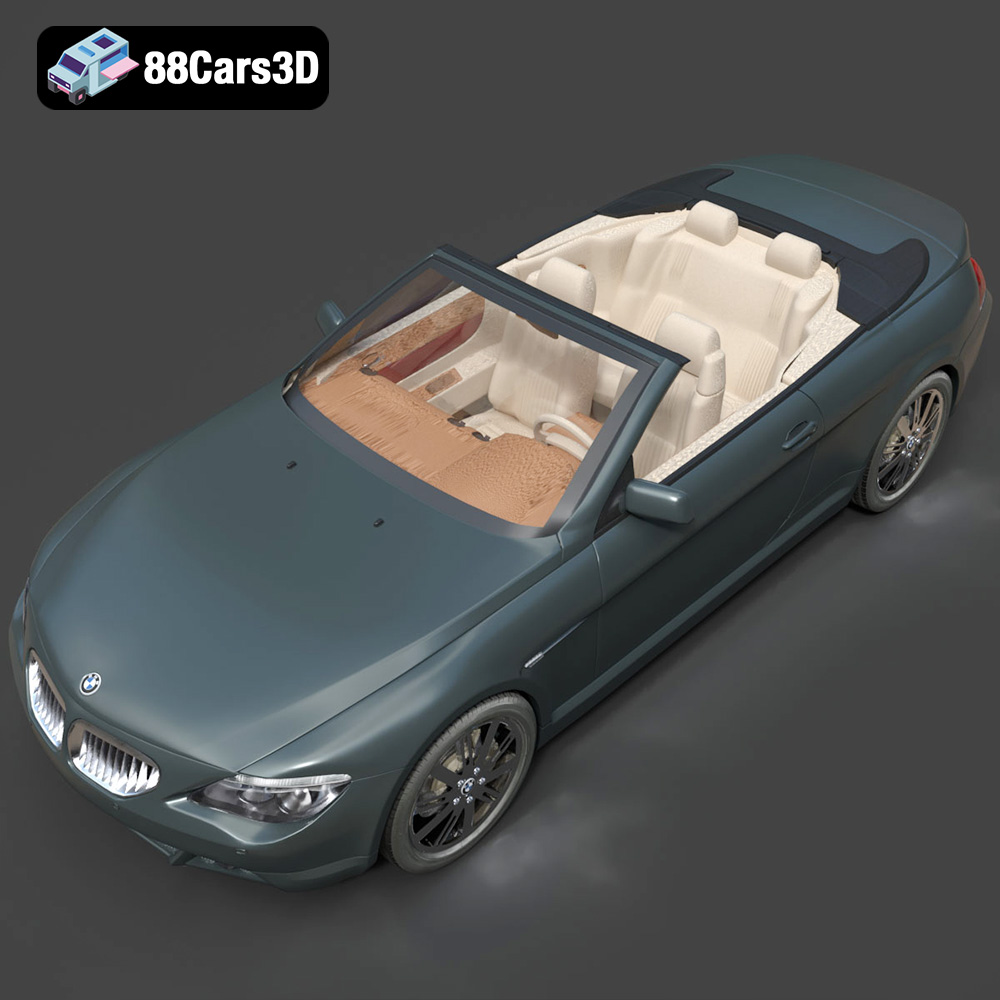
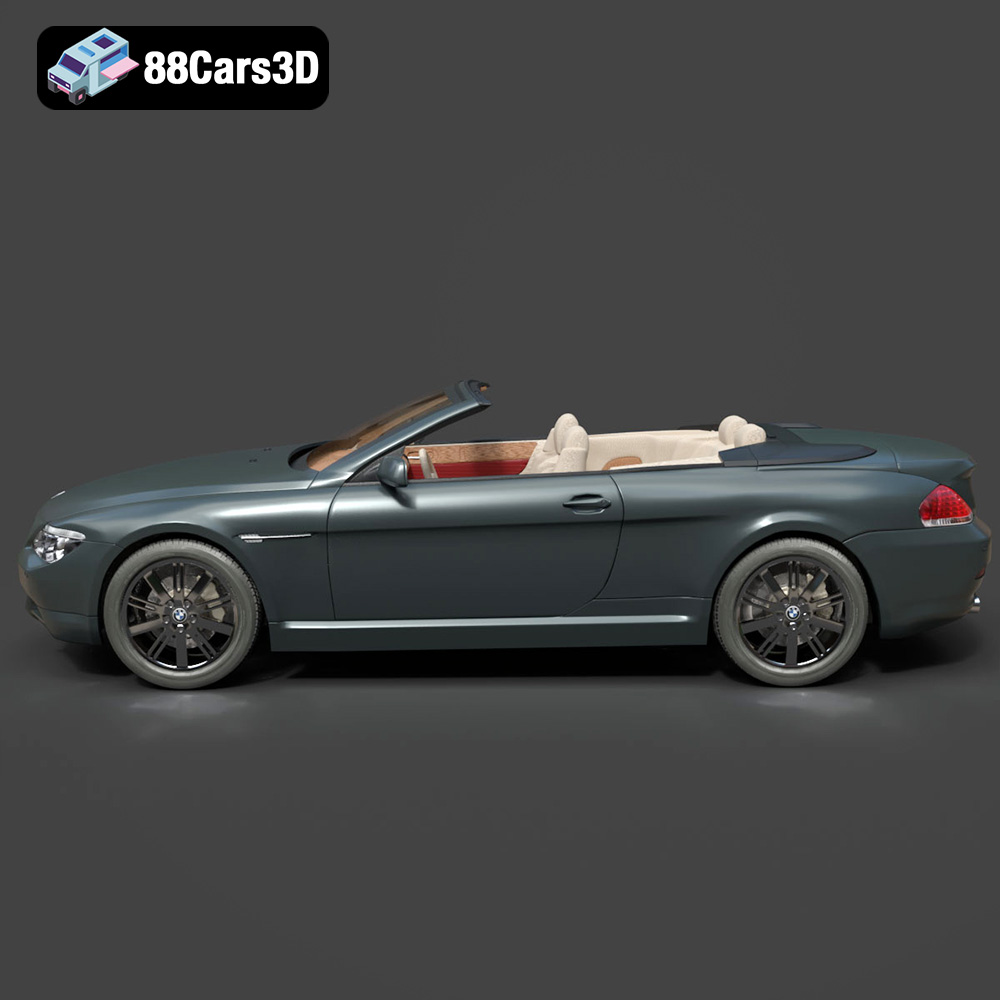
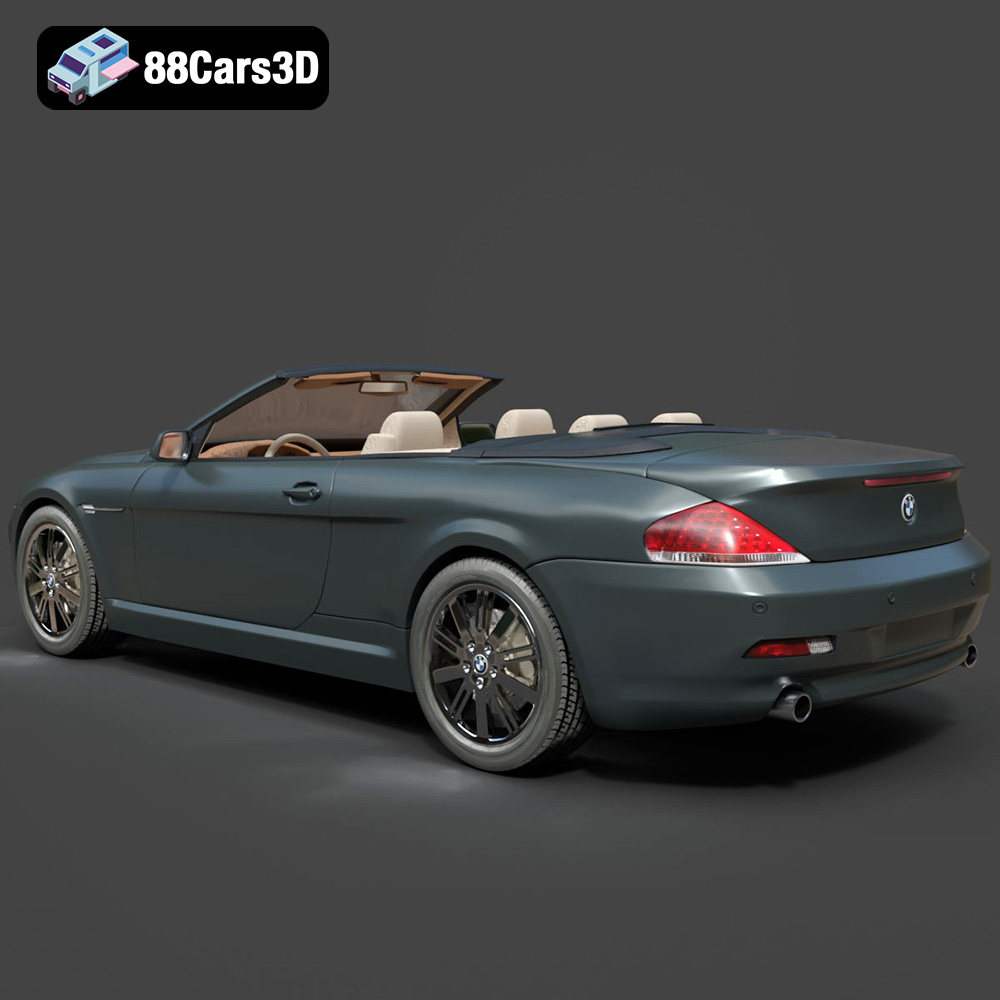
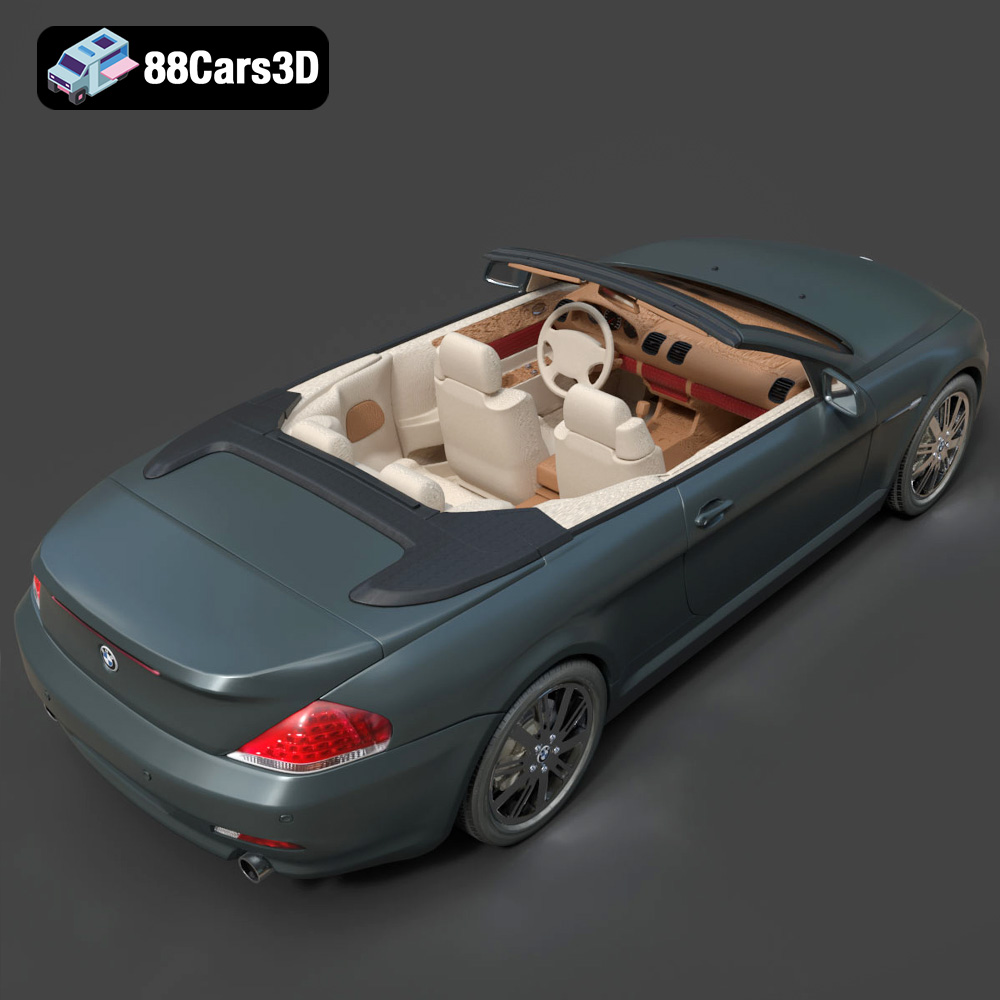
For professionals seeking unparalleled detail and versatility, the BMW 645ci 2004-2005 3D Model stands out as a prime example of what a premium automotive asset should embody. This meticulously crafted model, available on 88cars3d.com, encapsulates the sophisticated design and powerful presence of the iconic E63 generation. It’s a digital masterpiece designed to elevate any project, whether for cinematic rendering, immersive AR/VR experiences, or robust game simulations. Let’s delve into the technical intricacies and expansive utility of such an invaluable resource.
One of the most crucial aspects of working with 3D assets, especially premium 3D car models like the BMW 645ci 2004-2005, is understanding the various file formats available. Each format serves a specific purpose, offering unique advantages for different stages of the production pipeline, from design and animation to real-time deployment and even physical manufacturing. The BMW 645ci model thoughtfully includes a comprehensive suite of these formats to ensure maximum compatibility and workflow efficiency for all users.
The .blend file is Blender’s native format. For users of this powerful open-source 3D suite, this format provides a fully editable scene, complete with materials, textures, lighting setups, and even animation data. Its primary advantage lies in its comprehensive nature; everything is contained within a single file. This means artists can open the BMW 645ci directly in Blender, immediately accessing its clean quad-dominant topology, organized hierarchy, and PBR-ready materials, allowing for deep customization or direct rendering with Cycles or Eevee.
As Autodesk’s proprietary format, .fbx (Filmbox) has become an industry standard for data exchange between different 3D software and game engines. It’s renowned for its ability to store not just geometry, but also materials, textures, animations, skinning, and camera data. The .fbx version of the BMW 645ci is ideal for bringing the model into Unreal Engine, Unity, 3ds Max, Maya, or Cinema 4D, preserving critical data for real-time pipelines and complex animation workflows. Its robust nature makes it a go-to for ensuring fidelity when moving assets between disparate software environments.
The .obj (Wavefront OBJ) format is one of the oldest and most widely supported file types for 3D geometry. While it primarily stores mesh data (vertices, normals, texture coordinates), it can reference material properties via an accompanying .mtl (Material Template Library) file. The .obj version of the BMW 645ci offers unparalleled cross-software compatibility, making it a reliable choice when you need to import the model into virtually any 3D application, regardless of its proprietary format support. It’s simple, robust, and ensures fundamental geometry transfer.
.glb (GL Transmission Format Binary) is quickly gaining traction as the preferred format for efficient transmission and loading of 3D scenes and models in AR, VR, and web-based applications. It’s a binary version of glTF, bundling textures and other assets directly into a single file, making it highly optimized for size and performance. For integrating the BMW 645ci into immersive augmented reality experiences on mobile devices or interactive 3D viewers on websites, the .glb format provides the necessary efficiency and PBR material support for real-time rendering in a browser or dedicated AR/VR app.
When the goal is to transform a digital model into a physical object, the .stl (Stereolithography) format is the undisputed standard. It represents a 3D model as a series of connected triangles, describing only the surface geometry. While it lacks color or material information, its simplicity makes it universally compatible with 3D printing software (slicers). The .stl variant of the BMW 645ci allows designers to create physical scale models for prototyping, design review, or even collectibles, enabling a tangible connection to the digital asset.
The .ply (Polygon File Format) is often used for storing 3D data from 3D scanners and for applications requiring precise mesh data, such as CAD and engineering analysis. It can store a variety of properties including color, transparency, surface normals, and texture coordinates for each vertex or face. For tasks where intricate mesh integrity and specific attribute data are crucial for the BMW 645ci – perhaps for aerodynamic simulations or detailed structural analysis – the .ply format offers a robust solution for transferring high-precision geometric information.
The inclusion of an .unreal file (or project setup) indicates that the BMW 645ci 3D model has been specifically prepared for integration into Unreal Engine. This often means the asset includes optimized meshes, proper material setups (using Unreal’s PBR workflow), collision meshes, LODs (Levels of Detail), and potentially even basic blueprints for interactive elements. This format drastically reduces the setup time for game developers and real-time visualization artists, allowing them to drop the high-quality car model directly into their Unreal projects with minimal fuss, ensuring performance and visual fidelity.
Similar to the .blend file for Blender, the .max file is the native project format for Autodesk 3ds Max. It contains the entire scene data, including geometry, materials (V-Ray, Corona, Arnold, etc.), textures, lighting, cameras, and animation. For professionals heavily invested in 3ds Max for architectural visualization, product rendering, or animation, the .max version of the BMW 645ci offers the most comprehensive access to the model’s structure, allowing for full editability, advanced rendering setups, and complex animation rigging.
Creating a high-quality 3D car model is an art form that blends technical precision with artistic interpretation. The BMW 645ci 2004-2005 3D Model exemplifies this synergy, showcasing a level of detail and optimization crucial for professional applications. It’s not merely a visual representation; it’s a meticulously engineered digital asset.
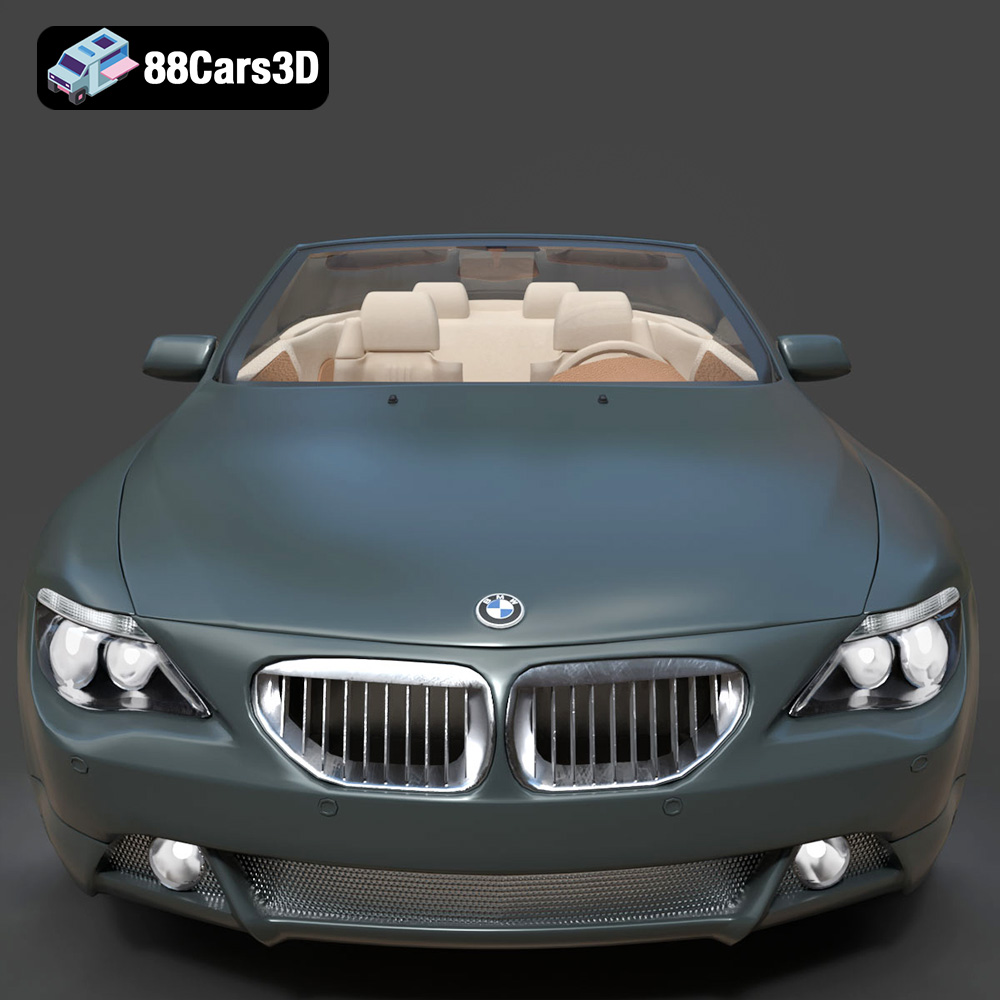
The first impression of any 3D car model comes from its exterior, and the BMW 645ci model truly shines here. Accurately modeled body panels reflect the distinctive BMW styling, capturing the subtle curves and sharp creases that define the E63 generation. This level of accuracy is paramount for automotive rendering, where even slight deviations can break realism. The headlights and taillights feature transparent materials for lenses, allowing light to realistically refract and reflect, crucial for both static renders and animated sequences. Detailed wheels and tires replicate the original aesthetic, complete with realistic tread patterns and material definitions for rubber and various metals. Authentic grilles, badges, and trim elements, often overlooked in lesser models, add to the overall visual integrity, enhancing the sense of a complete and authentic vehicle.
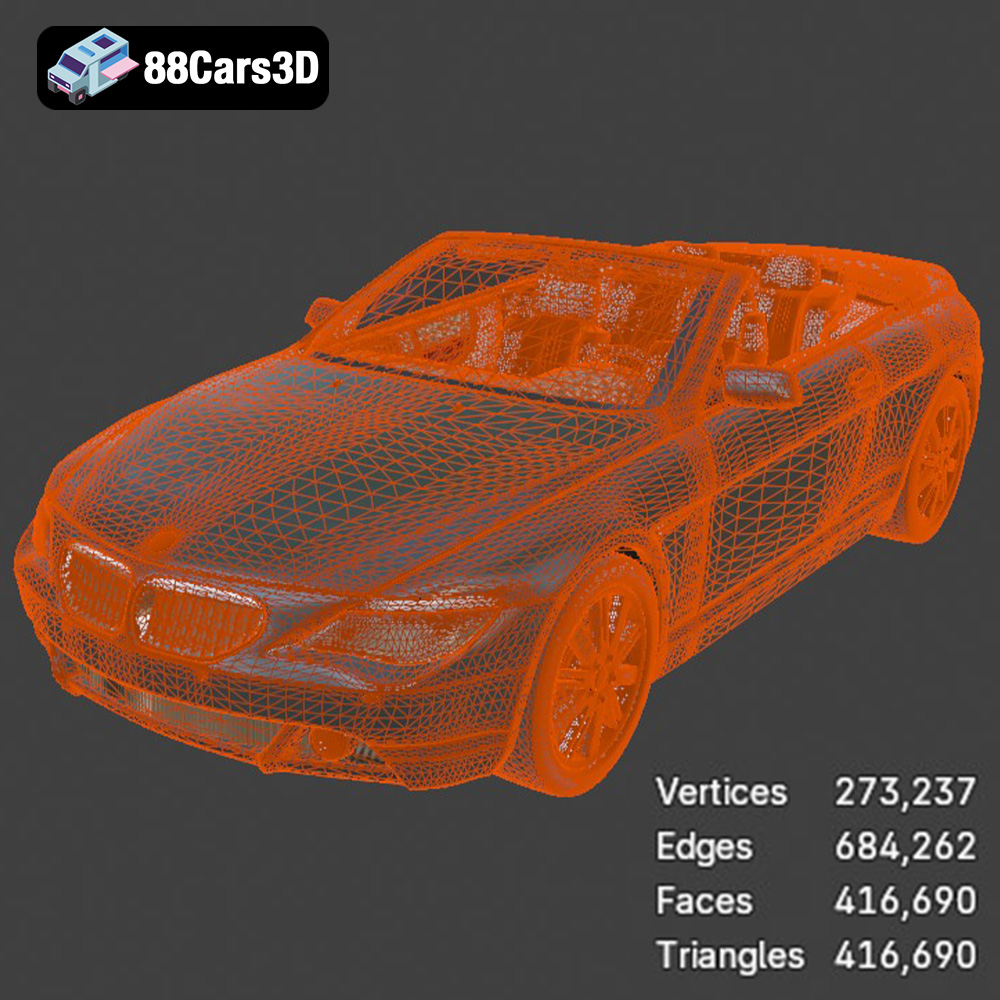
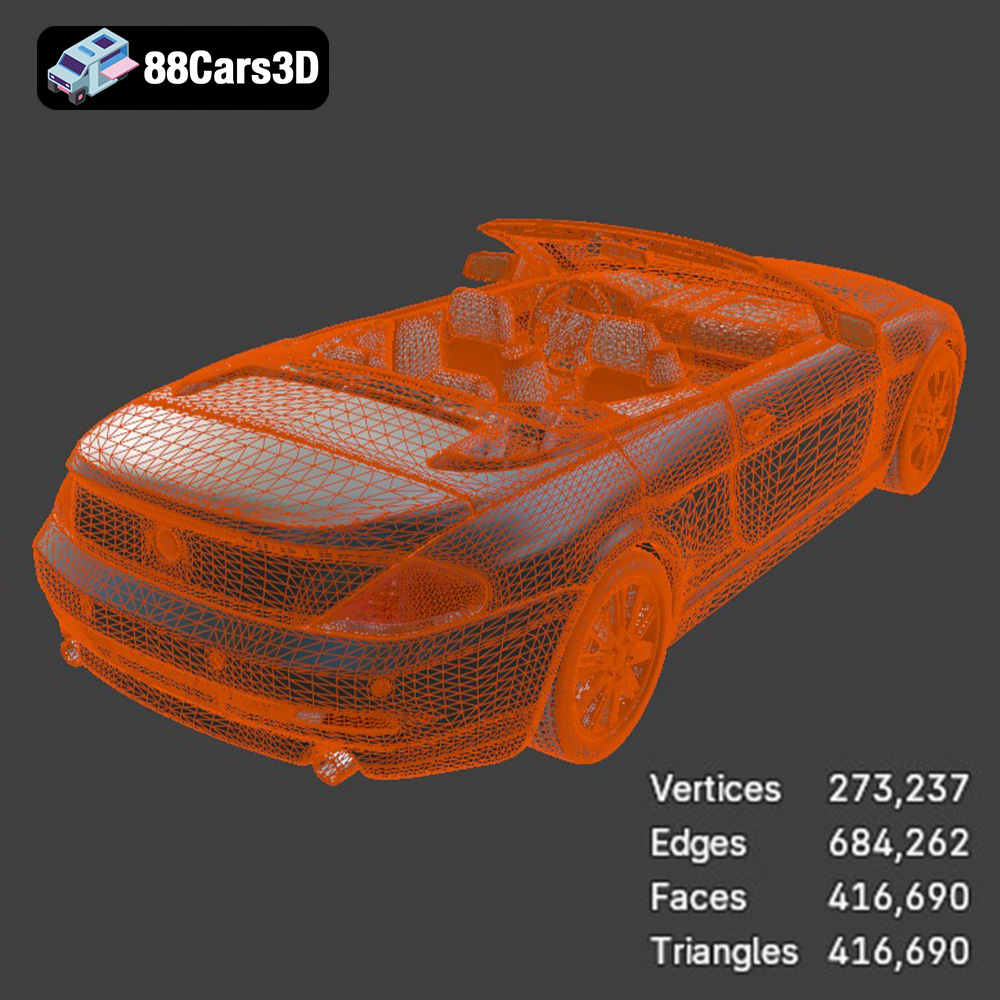
Beyond the polished exterior, the interior of the BMW 645ci 3D model provides a detailed experience. A well-modeled dashboard, center console, and steering wheel are essential for close-up shots or interactive experiences where the user might enter the cabin. Comfortable seating and door panels reflect the luxury interior, capturing the nuances of stitching and material textures. Crucially, the mesh quality is optimized to maintain this level of detail while ensuring performance efficiency. This balance is vital for game assets and real-time applications where polygon count directly impacts frame rates. While not explicitly visible, the underlying mechanical structure, even if simplified, adheres to proper scale and component separation, which is key for advanced simulations or rigging.
The true mark of a professional 3D car model lies in its technical foundation. The BMW 645ci boasts clean quad-dominant topology, which is the gold standard for 3D modeling. This ensures smooth subdivisions when applying mesh smoothers for high-resolution renders and guarantees predictable deformation during animation. Accurate real-world scale is another non-negotiable feature, ensuring the model integrates properly into any scene, be it an architectural visualization or a virtual urban environment. Finally, an organized hierarchy with proper pivot points for components like doors, the hood, and trunk makes the model animation-ready. This allows artists to quickly set up opening and closing actions without time-consuming manual adjustments, significantly streamlining the animation workflow for cinematic sequences or interactive features.
The versatility of a high-quality 3D car model is best demonstrated by its seamless integration into various professional pipelines. The BMW 645ci 2004-2005 3D Model is designed to be a cornerstone asset across different industries, from the demanding world of advertising to the intricate ecosystems of game development.
For automotive rendering, the BMW 645ci model is a dream asset. In workflows leveraging software like 3ds Max with V-Ray or Corona Renderer, or Blender with Cycles, its optimized mesh and PBR-ready materials allow artists to achieve stunning, photo-realistic results.
Artists can easily adjust paint finishes to simulate different car colors, metallic flakes, or even custom pearlescent effects. Modifying material properties for chrome, glass, and rubber with realistic roughness and reflection values brings the vehicle to life under various lighting conditions, from studio setups with softboxes to outdoor scenes under a dramatic sunset. The clean topology ensures that high-resolution renders remain smooth and artifact-free, capturing every nuanced reflection and shadow. This makes it ideal for marketing materials, cinematic advertisements, and high-end visualizations where visual perfection is paramount. Imagine the BMW 645ci elegantly parked in a luxury architectural visualization, adding an aspirational element to the scene, all thanks to its inherent quality and the comprehensive file formats available on 88cars3d.com.
The demand for realistic vehicle game assets has never been higher, and the BMW 645ci 3D model is perfectly equipped for this arena. Its optimized mesh quality balances visual detail with performance efficiency, making it suitable for real-time applications in racing games, open-world environments, and interactive experiences. When imported into game engines like Unreal Engine or Unity via the .fbx or .unreal formats, developers benefit from a model that is ready for rigging, physics integration, and collision detection. The organized hierarchy facilitates setting up vehicle blueprints, allowing for custom handling characteristics and interactive elements like opening doors or turning wheels. With the appropriate LOD (Levels of Detail) generated from the base model, the BMW 645ci can maintain visual fidelity at close range while optimizing performance when viewed from a distance, crucial for maintaining high frame rates in demanding game environments.
Augmented Reality (AR) and Virtual Reality (VR) platforms are rapidly expanding, creating new opportunities for immersive experiences. The BMW 645ci 3D model, particularly in its .glb format, is tailor-made for these applications. Optimized for efficient loading and rendering, it can be seamlessly integrated into AR apps that allow users to place a virtual BMW 645ci in their physical environment, or into VR simulations where users can explore the car’s interior in a fully immersive digital space. The model’s accurate real-world scale is especially critical here, ensuring a believable sense of presence. This opens doors for interactive car configurators, virtual showrooms, and engaging educational platforms that leverage the power of real-time, immersive visualization.
The utility of a robust 3D car model extends far beyond just visual representation. For engineers, designers, and educators, assets like the BMW 645ci 2004-2005 3D Model provide a powerful tool for analysis, training, and even physical prototyping, showcasing the true depth of its technical advantages.
The precise geometry and real-world scale of the BMW 645ci model make it an excellent candidate for driving simulators and automotive design analysis. In simulation environments, an accurately scaled and proportioned vehicle mesh is fundamental for realistic physics calculations, collision detection, and dynamic responses. While the model may not include every minute internal component for engineering-level FEA (Finite Element Analysis) by default, its clean topology in formats like .ply or .max provides a solid foundation from which engineers can add further detail or conduct preliminary analyses. For training platforms, such as those used for professional drivers or automotive technicians, the realistic visual representation of the BMW 645ci enhances engagement and provides a contextually accurate environment for learning.
The advent of accessible 3D printing technology has bridged the gap between digital design and physical manifestation. With the BMW 645ci 3D Model provided in the .stl format, creators can easily convert the digital asset into a tangible object. This is invaluable for designers who need to review a physical scale model of the vehicle, identify design flaws, or simply create a high-quality prototype. Whether it’s a small desk model for an automotive enthusiast or a larger prototype for a design review, the .stl file ensures that the geometry is watertight and ready for slicing software, enabling a seamless transition from screen to physical reality. This capability adds an entirely new dimension to how professionals can interact with and utilize premium 3D car models.
A truly professional 3D car model offers more than just out-of-the-box quality; it provides the flexibility for extensive customization. The BMW 645ci 2004-2005 3D Model from 88cars3d.com is built with this adaptability in mind, empowering artists and developers to personalize the vehicle to fit any creative vision or technical requirement.
The ability to easily adjust paint finishes and apply custom graphics is paramount. Artists can experiment with different metallic flakes, clear coat effects, or matte finishes to achieve a unique look for the BMW 645ci. Beyond paint, the model allows for comprehensive modification of material properties for metals, chrome, rubber, glass, and plastics. This means fine-tuning roughness, reflectivity, normal maps, and displacement to suit various lighting conditions or artistic styles. For example, the chrome trim can be made pristine or given a slightly weathered look. Glass can be tinted or made fully transparent. This level of control is essential for creating diverse scenarios, from a brand-new showroom car to a vehicle weathered by years of use, ensuring the model’s relevance across numerous projects and visual styles.
Integrating the BMW 645ci 3D model into different lighting setups is a straightforward process, thanks to its well-defined material structure and clean geometry. Whether it’s an outdoor scene lit by an HDRI (High Dynamic Range Image) or an indoor studio setup with precisely placed area lights, the model will react realistically to its environment. Artists can easily adjust color temperatures, light intensities, and shadow qualities to achieve desired visual effects and moods. Furthermore, the model’s accurate real-world scale and organized hierarchy simplify its placement within complex architectural scenes or virtual environments. This adaptability ensures that the BMW 645ci is not just a standalone asset but a versatile component that enhances any digital landscape it inhabits, providing boundless creative possibilities for automotive rendering and beyond.
The role of high-quality 3D car models in today’s digital landscape cannot be overstated. They are the backbone of photorealistic automotive rendering, the driving force behind immersive game assets, and critical components in advanced simulations and AR/VR experiences. The BMW 645ci 2004-2005 3D Model exemplifies the pinnacle of this craftsmanship, offering unparalleled detail, technical precision, and incredible versatility.
From its meticulously captured exterior and detailed interior to its robust technical foundation of clean quad-dominant topology and animation-ready components, this model is engineered for excellence. The comprehensive suite of file formats – including .blend, .fbx, .obj, .glb, .stl, .ply, .unreal, and .max – ensures seamless integration into virtually any professional workflow, be it for high-fidelity renders in 3ds Max, real-time deployment in Unreal Engine, or even 3D printing for physical prototypes. Its adaptability in terms of material customization and lighting integration further enhances its value, allowing creators to tailor it precisely to their vision.
For professionals who demand precision, performance, and aesthetic fidelity, the BMW 645ci 2004-2005 3D Model from 88cars3d.com is an indispensable asset. It’s an investment in quality that will undoubtedly elevate your projects and streamline your creative process, providing a foundation for stunning visualizations and compelling interactive experiences. Explore this and other premium 3D car models on 88cars3d.com to unlock the full potential of your automotive design and rendering endeavors.
Presenting the highly detailed BMW 645ci 2004-2005 3D Model, a meticulously crafted representation of the iconic luxury grand tourer. This model captures the sophisticated design and powerful presence of the E63 generation, known for its elegant lines and assertive stance. Built with clean geometry and balanced detailing, it is optimized for high-quality rendering, realistic animation, detailed simulation, and seamless integration into game development projects.
Exterior Features:
Interior / Mechanical Features:
Technical Advantages:
Applications:
Customization Options:
This BMW 645ci 3D model offers unparalleled quality and versatility, making it an essential asset for professionals seeking a premium vehicle model for their creative and technical projects.
Included File Formats:
$10.79