Get 20% OFF All Premium 3D & STL Models!

In the rapidly evolving digital landscape, the demand for realistic and versatile 3D automotive assets has never been higher. From cinematic-quality renders to immersive virtual reality experiences and high-performance game environments, a meticulously crafted 3D car model serves as the cornerstone for countless professional applications. Designers, animators, game developers, and visualization specialists constantly seek assets that not only look stunning but also integrate seamlessly into their complex workflows.
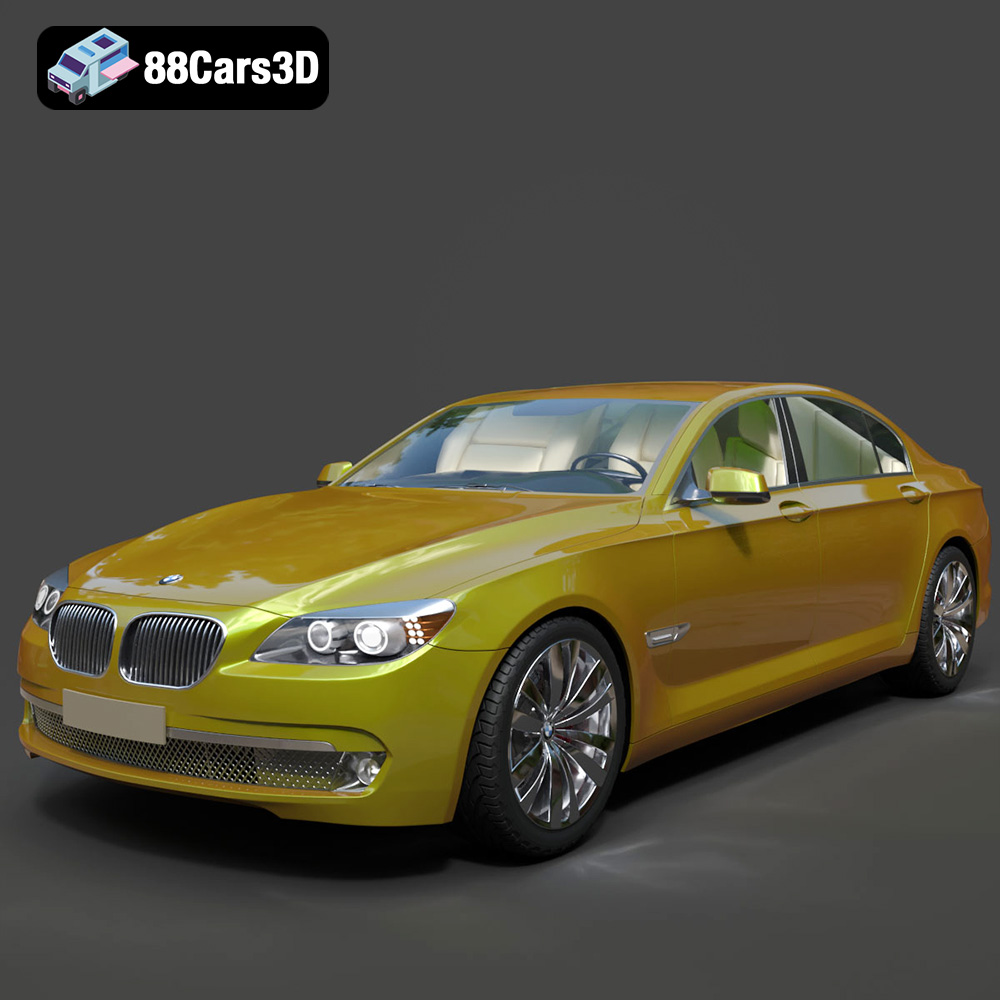
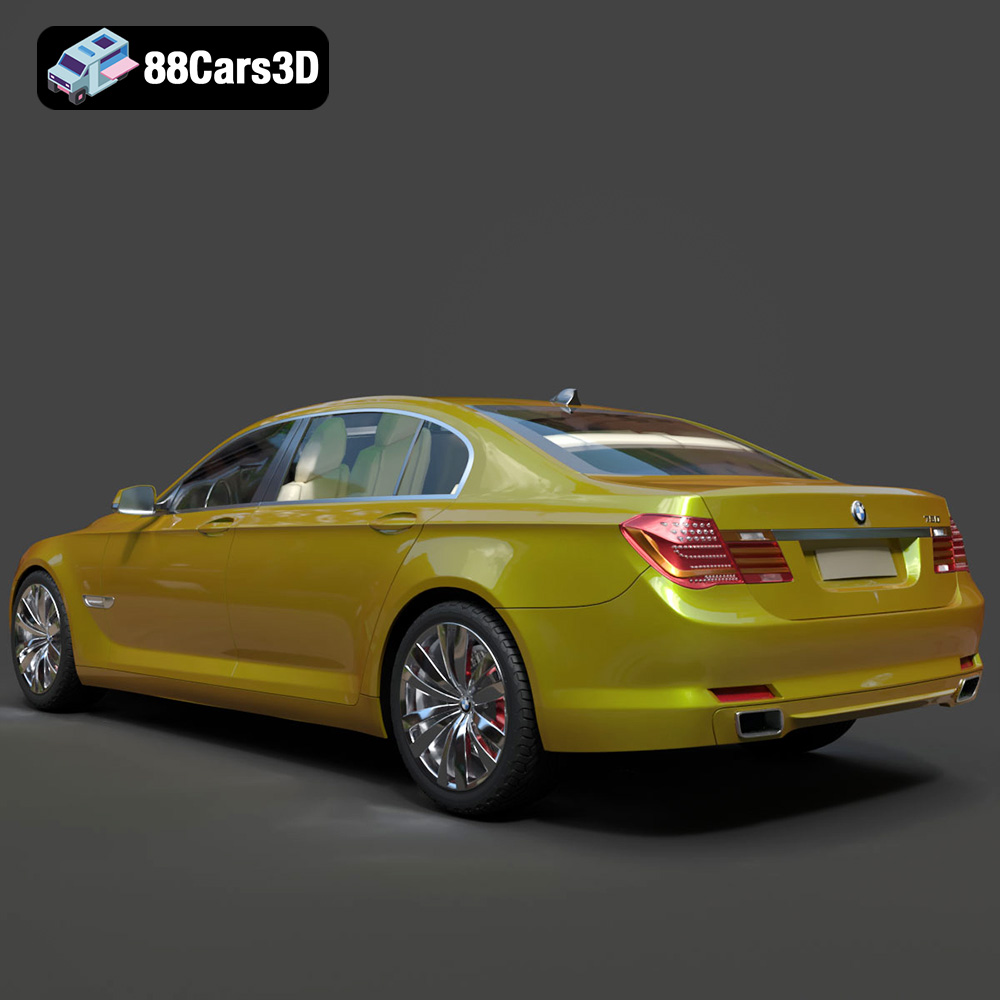
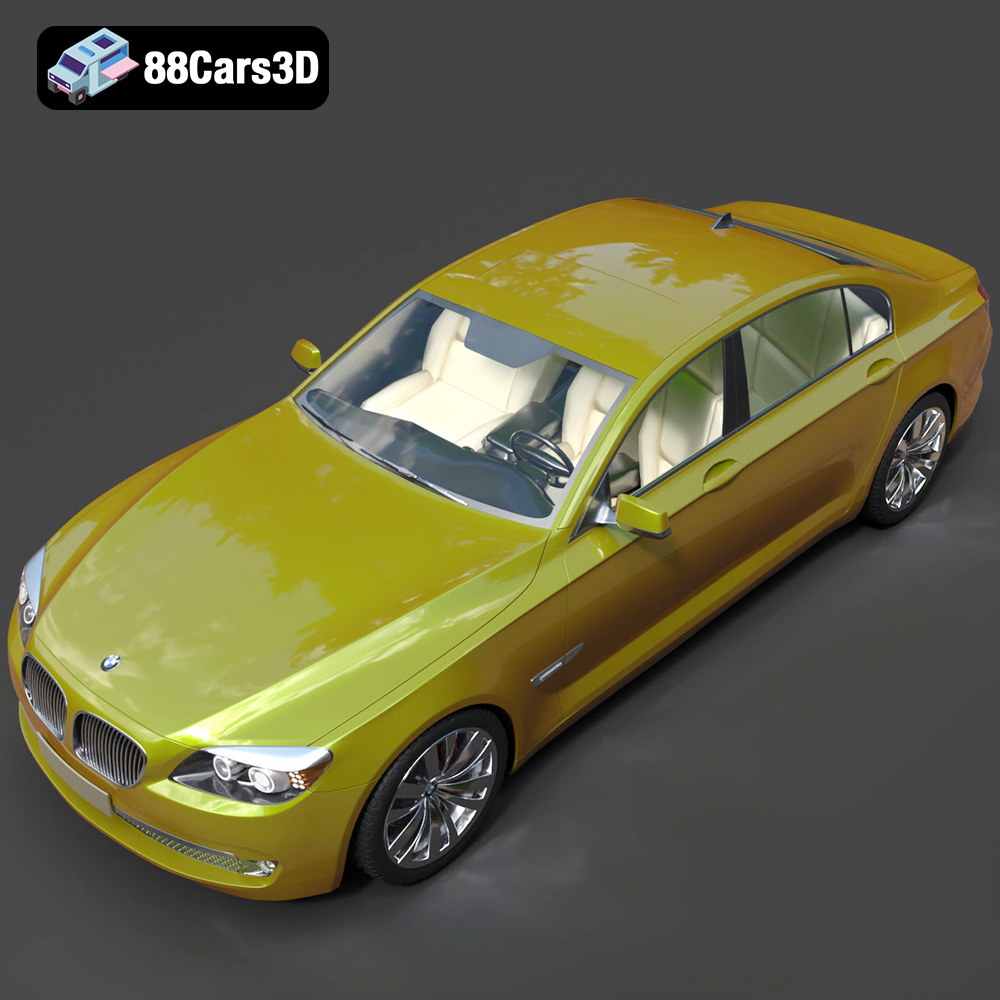
Today, we delve into the intricate world of 3D car modeling, exploring the technical nuances, diverse applications, and profound impact these assets have on modern projects. We’ll specifically highlight an exemplary asset, the BMW 7 Series 750 F01 3D Model, as a case study in what constitutes a premium, production-ready automotive asset. Its elegant lines, sophisticated design, and commanding presence are not just visually appealing; they represent the pinnacle of digital craftsmanship.
The choice of 3D model file format is crucial, dictating compatibility, feature support, and overall workflow efficiency. Professionals must select the appropriate format based on their specific software, target platform, and the intended use of the asset. High-quality 3D car models, such as those found on 88cars3d.com, often come with a variety of formats to ensure maximum versatility. Let’s break down the most common and important ones:
The .blend format is the native file type for Blender, a powerful open-source 3D creation suite. When you receive a .blend file, you’re getting a fully editable Blender scene, complete with materials, textures paths, lighting setups, cameras, animation data, and even physics simulations. This format is ideal for users working primarily in Blender who require deep customization, rigging adjustments, or who wish to leverage Blender’s comprehensive toolset for rendering with Cycles or Eevee. It offers the most flexibility for modifying the model’s core structure and materials within its native environment.
.fbx (Filmbox) is arguably the most widely adopted interchange format in the 3D industry. Developed by Autodesk, it excels at transferring entire scenes or individual assets between different 3D software applications and game engines like Unreal Engine and Unity. FBX files support geometry, materials, textures, animations, rigging, and even camera data. Its robust nature makes it perfect for complex pipelines where assets need to move between sculpting in ZBrush, modeling in 3ds Max, animation in Maya, and final integration into a real-time environment. The BMW 7 Series 750 F01 3D Model in .fbx format is therefore primed for seamless integration into various professional workflows.
The .obj (Wavefront Object) format is one of the oldest and most universal 3D file formats, known for its widespread compatibility across nearly all 3D software. It primarily stores geometric data – vertices, normals, UV coordinates, and faces – and can reference external material files (.mtl) for basic material properties. While it doesn’t support animation or rigging directly, its simplicity and ubiquitous support make it an excellent choice for basic mesh transfer when complex scene data isn’t required. It’s a reliable fallback for cross-software compatibility, ensuring the core mesh data of the BMW 7 Series is accessible everywhere.
.glb (GL Transmission Format Binary) is the binary version of glTF, a royalty-free specification for 3D scenes and models. It’s designed for efficient transmission and loading of 3D content, making it incredibly popular for AR (Augmented Reality), VR (Virtual Reality), and browser-based display. A .glb file encapsulates geometry, materials (PBR ready), textures, animations, and skinning data into a single, compact file. Its optimization for real-time applications and web delivery means models like the BMW 7 Series 750 F01 are instantly ready for interactive web viewers or AR experiences on mobile devices.
The .stl (STereoLithography) format is the de facto standard for 3D printing. It describes only the surface geometry of a 3D object using a collection of triangular facets. STL files do not contain color, texture, or material information, focusing solely on the object’s shape for additive manufacturing. While not typically used for rendering or animation, its inclusion means that the BMW 7 Series model can be converted and simplified for physical production, allowing for prototypes or collectible miniatures.
.ply (Polygon File Format or Stanford Triangle Format) is another format primarily used for storing 3D data from 3D scanners, CAD applications, or for scientific analysis. It can store a wider range of properties than .obj, including color, transparency, surface normals, and even data reliability for each vertex and face. While less common for general 3D asset exchange in entertainment, it’s a precision mesh format valuable for engineering, reverse engineering, or detailed structural analysis of the automotive model.
The .unreal format, or more accurately, an Unreal Engine project setup, refers to assets pre-configured and optimized specifically for Unreal Engine. This means the model has likely been imported, had its materials converted to Unreal’s PBR system, collision meshes generated, LODs (Levels of Detail) set up, and potentially even blueprint scripts for interactive elements. This format vastly accelerates development for Unreal Engine users, offering a truly plug-and-play solution, such as the included Unreal setup for the BMW 7 Series 750 F01 3D Model.
The .max format is the native file type for Autodesk 3ds Max, a leading software for 3D modeling, animation, rendering, and visualization. A .max file contains the complete scene data, including geometry, materials, textures, lighting, cameras, animation, and scene hierarchy. It provides full editability within 3ds Max, allowing artists to make extensive modifications, fine-tune animations, or leverage powerful renderers like V-Ray or Corona for stunning visualizations of the BMW 7 Series model.
Understanding these formats ensures that professionals can make informed decisions, optimizing their workflows and maximizing the potential of their purchased 3D car models.
Achieving photorealistic automotive renders is a demanding yet incredibly rewarding discipline. It requires a keen eye for detail, a deep understanding of lighting physics, and mastery of rendering software. A high-quality 3D car model, such as the BMW 7 Series 750 F01, provides the perfect foundation for this endeavor, enabling artists to focus on the subtleties that elevate an image from good to breathtaking.
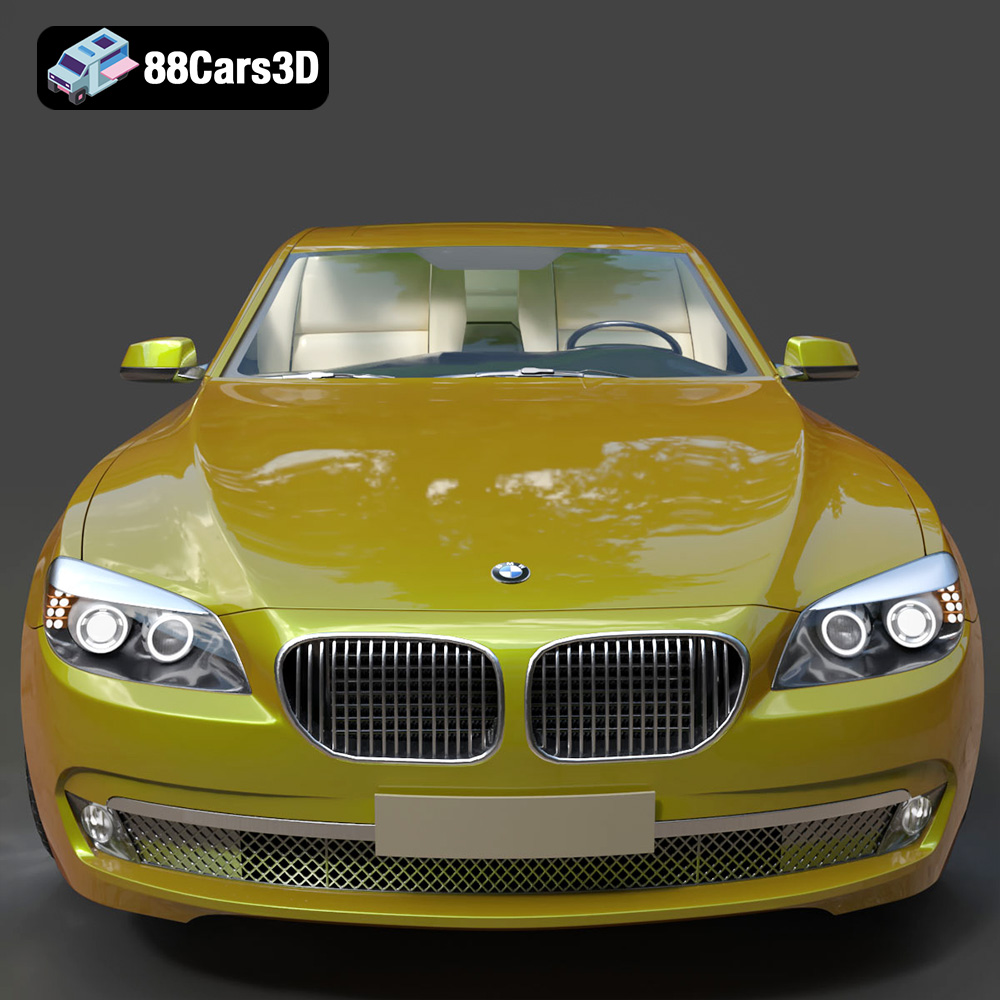
The environment surrounding your 3D car model profoundly impacts its visual appeal. For studio renders, artists often employ a combination of HDRIs (High Dynamic Range Images) and virtual light sources. An HDRI can provide realistic, complex environmental reflections and ambient illumination, mimicking a real-world setting or a professional photo studio. Complementary area lights, spot lights, and photometric lights can then be strategically placed to highlight key design features, accentuate chrome details, and create dramatic shadows. For the BMW 7 Series 750 F01, careful lighting can emphasize its distinctive kidney grille, the intricate headlight assemblies, and the elegant body lines, bringing out its inherent luxury.
Photorealism hinges on physically-based rendering (PBR) materials. These materials simulate how light interacts with surfaces in the real world, providing consistent and accurate results across different lighting conditions. Key PBR channels include Albedo (base color), Roughness (micro-surface detail), Metalness (how metallic a surface is), and Normal/Bump maps (fine surface displacement). For the BMW 7 Series 750 F01, this translates to:
Beyond the render itself, post-processing is where an image truly comes alive. Adjustments to camera settings, such as depth of field, f-stop, and focal length, can direct the viewer’s eye and create a sense of scale and realism. Color grading, tone mapping, and effects like chromatic aberration or vignette can further enhance the mood and aesthetic. For a model like the BMW 7 Series 750 F01, these final touches can transform a raw render into a high-impact marketing image or a stunning portfolio piece, conveying the car’s luxury and performance.
Game development demands a different set of optimizations and workflows compared to offline rendering. Real-time performance is paramount, requiring a delicate balance between visual fidelity and computational efficiency. The BMW 7 Series 750 F01 3D Model, designed as a premium game asset, exemplifies how high-quality assets are prepared for interactive environments.
Even with today’s powerful hardware, raw, unoptimized models can cripple game performance. Therefore, several techniques are employed:
Unreal Engine is a powerhouse for realistic visuals and complex game mechanics. Integrating a model like the BMW 7 Series 750 F01 typically involves:
Unity, another dominant game engine, offers a similar yet distinct workflow:
The utility of a high-quality 3D car model extends far beyond static renders or traditional video games. Industries are increasingly leveraging these assets for immersive experiences, precise simulations, and even tangible manufacturing.
Augmented Reality (AR) and Virtual Reality (VR) thrive on realistic, interactive 3D content. A model like the BMW 7 Series 750 F01 is perfectly suited for:
The model’s “optimized mesh quality” and “detailed dashboard, steering wheel, and central console” are critical for providing a convincing and engaging experience in these immersive platforms.
Simulation and training platforms demand accuracy and attention to detail. The BMW 7 Series 750 F01 3D Model, built to “real-world scale” with “accurately modeled body panels” and a “luxurious interior,” is an invaluable asset for:
While 3D printing often requires significant mesh preparation, having a high-quality base model like the BMW 7 Series 750 F01 simplifies the process. The included .stl format is ideal for 3D printing, though some steps are generally required:
This capability allows designers to quickly produce physical prototypes, scale models, or custom parts based on the precise digital representation.
What truly sets a professional 3D car model apart is its underlying technical quality. The BMW 7 Series 750 F01 3D Model is a prime example of an asset built with production pipelines in mind, ensuring versatility and ease of use for various projects.
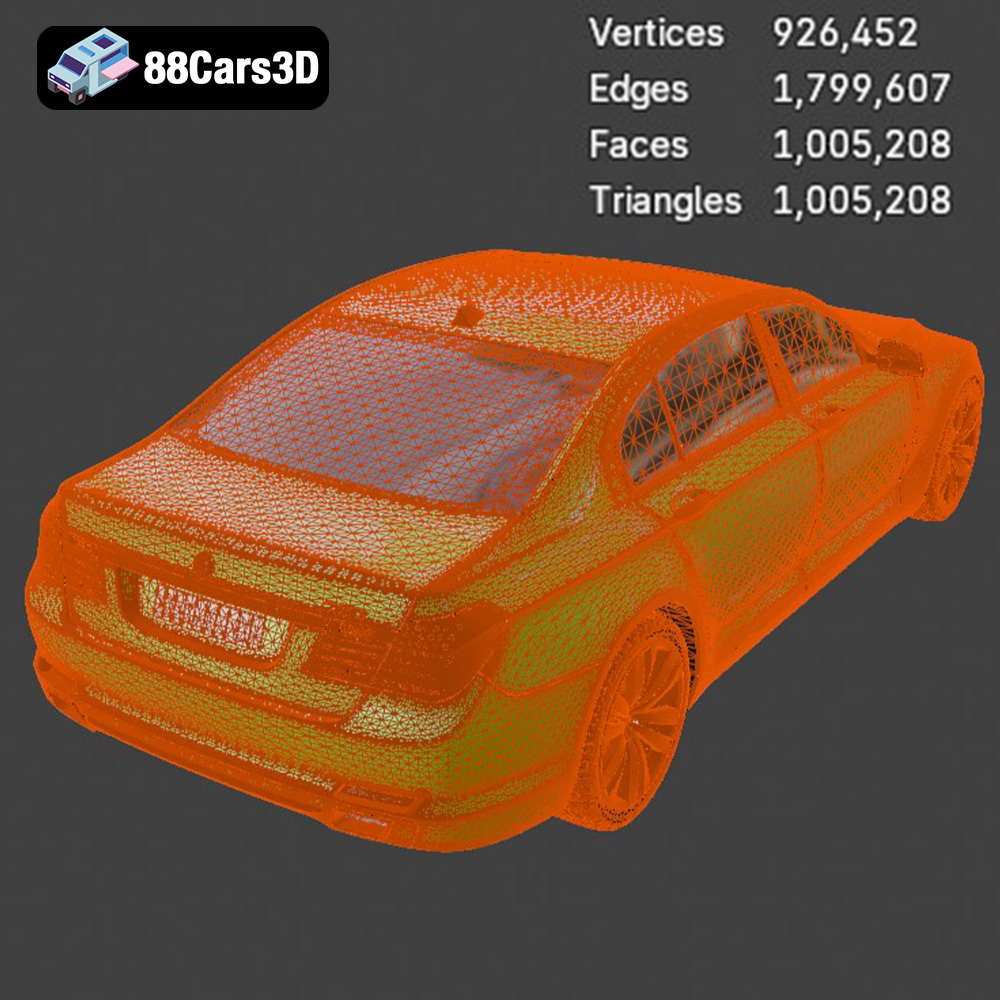
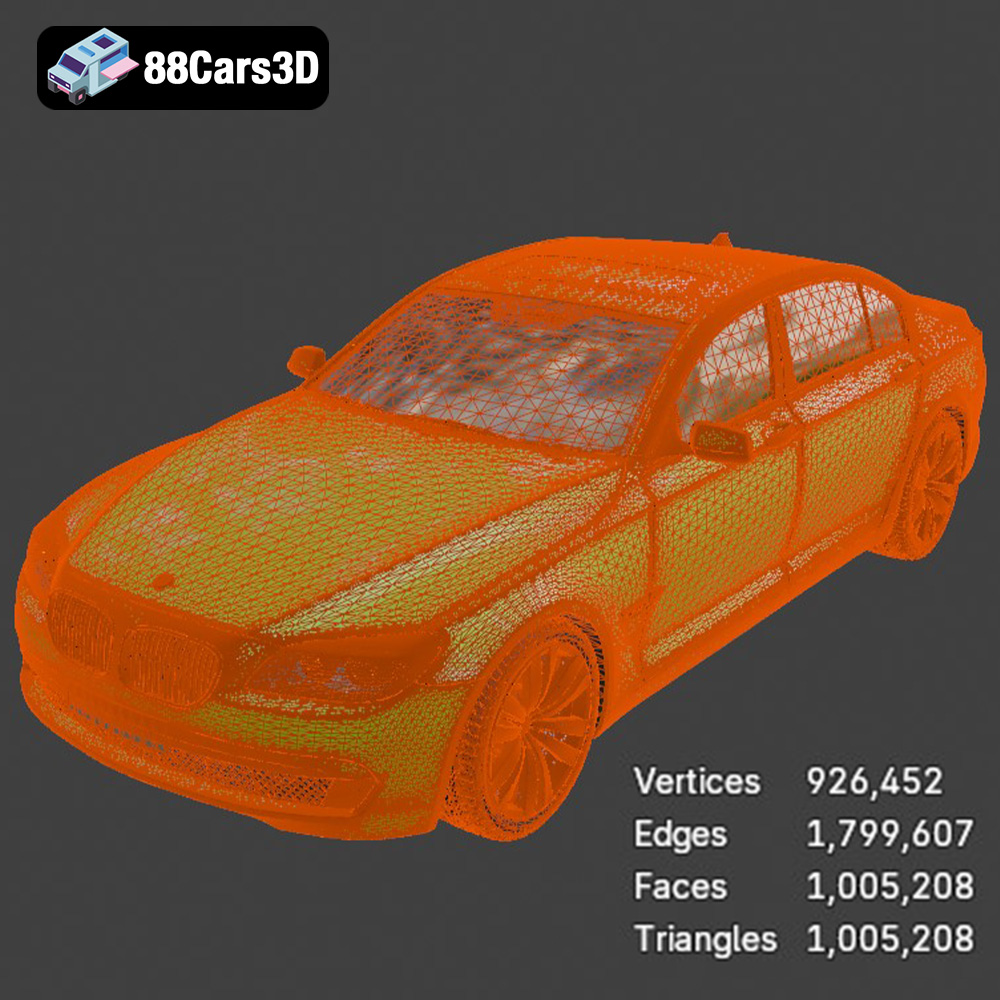
The phrase “clean, production-ready topology, primarily quad-dominant for smooth subdivision” is paramount. Quad-dominant meshes (where most faces are quadrilaterals) are superior for several reasons:
This attention to topology ensures that whether you’re rendering the BMW 7 Series 750 F01 in 3ds Max or using it in Blender, the underlying structure will always hold up.
A well-organized asset saves countless hours in a production pipeline:
The product description highlights the meticulous detailing that captures the essence of the BMW 7 Series 750 F01:
This blend of visual fidelity and technical robustness makes the BMW 7 Series 750 F01 3D Model an unparalleled choice for professionals.
In the vast marketplace of 3D assets, discerning quality is key. When sourcing 3D car models, whether for automotive rendering or game assets, several factors come into play, influencing not just the aesthetic outcome but also the efficiency of your workflow.
While budget is always a consideration, opting for extremely low-cost or free models can often lead to more work in the long run. Such models frequently suffer from poor topology, lack of detail, incorrect scale, or messy UVs, necessitating extensive cleanup and optimization. A professionally crafted model like the BMW 7 Series 750 F01, though an investment, saves valuable artist time. Its “unparalleled blend of accuracy, detail, and versatility” translates directly into quicker project turnaround and superior final results, often making it the more cost-effective choice in the professional sphere.
Professional 3D car models offer several critical advantages:
A truly valuable 3D car model provides a solid foundation for customization. The BMW 7 Series 750 F01 model exemplifies this with its “efficient UV mapping” and separated components:
These customization options ensure that the model can be tailored to the specific artistic vision of any project.
The digital automotive industry thrives on precision, realism, and efficiency. High-quality 3D car models are no longer just supplementary assets; they are foundational elements that power a vast array of applications across rendering, game development, AR/VR, and simulation. The technical intricacies of file formats, the demanding workflows of photorealistic rendering, and the performance imperatives of real-time engines all underscore the importance of choosing expertly crafted assets.
The BMW 7 Series 750 F01 3D Model stands as a testament to the meticulous work required to produce a truly professional asset. Its clean topology, accurate detailing, animation readiness, and broad file format compatibility ensure that it meets the rigorous demands of modern creative pipelines. Whether you’re an automotive designer seeking unparalleled visualization, a game developer crafting immersive experiences, or an architect integrating luxury vehicles into a scene, this model offers the fidelity and flexibility needed to elevate your projects.
Investing in such high-caliber 3D models from trusted sources like 88cars3d.com is investing in the success and visual integrity of your work. Explore the possibilities and drive your creative vision forward with assets designed for excellence.
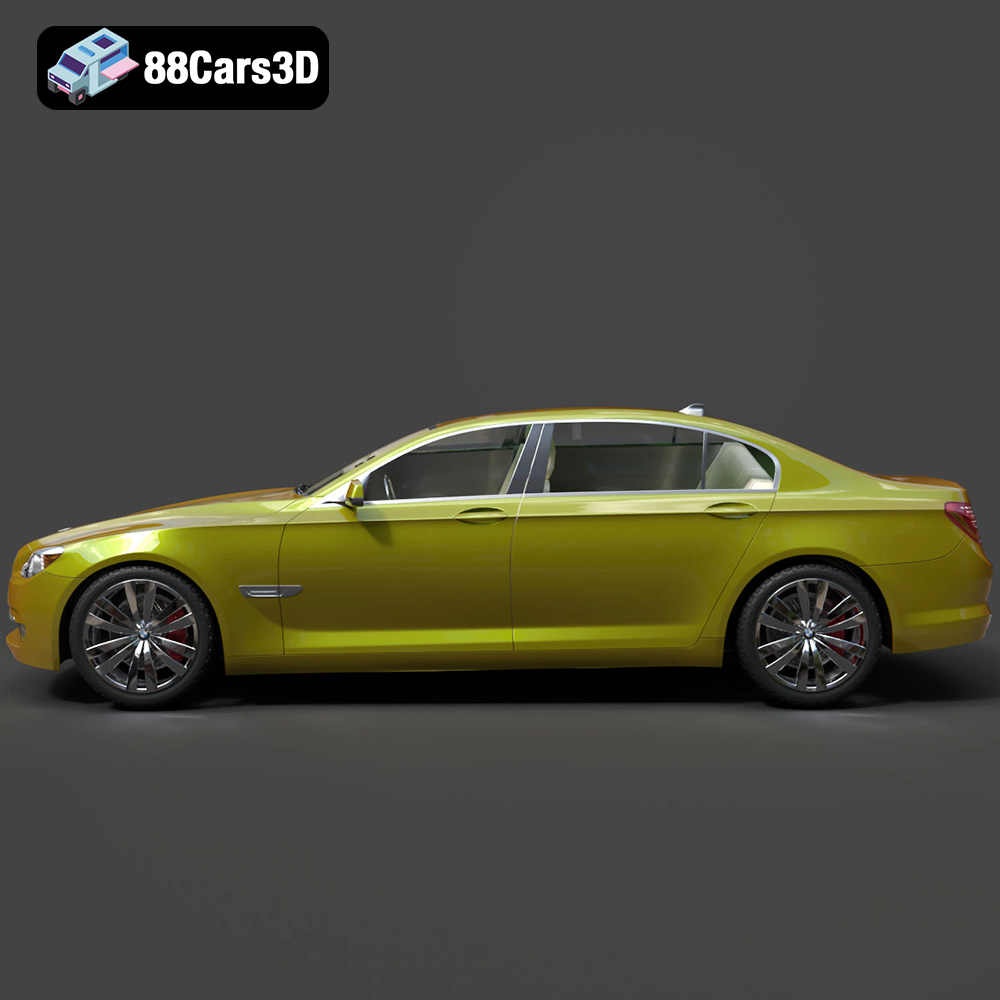
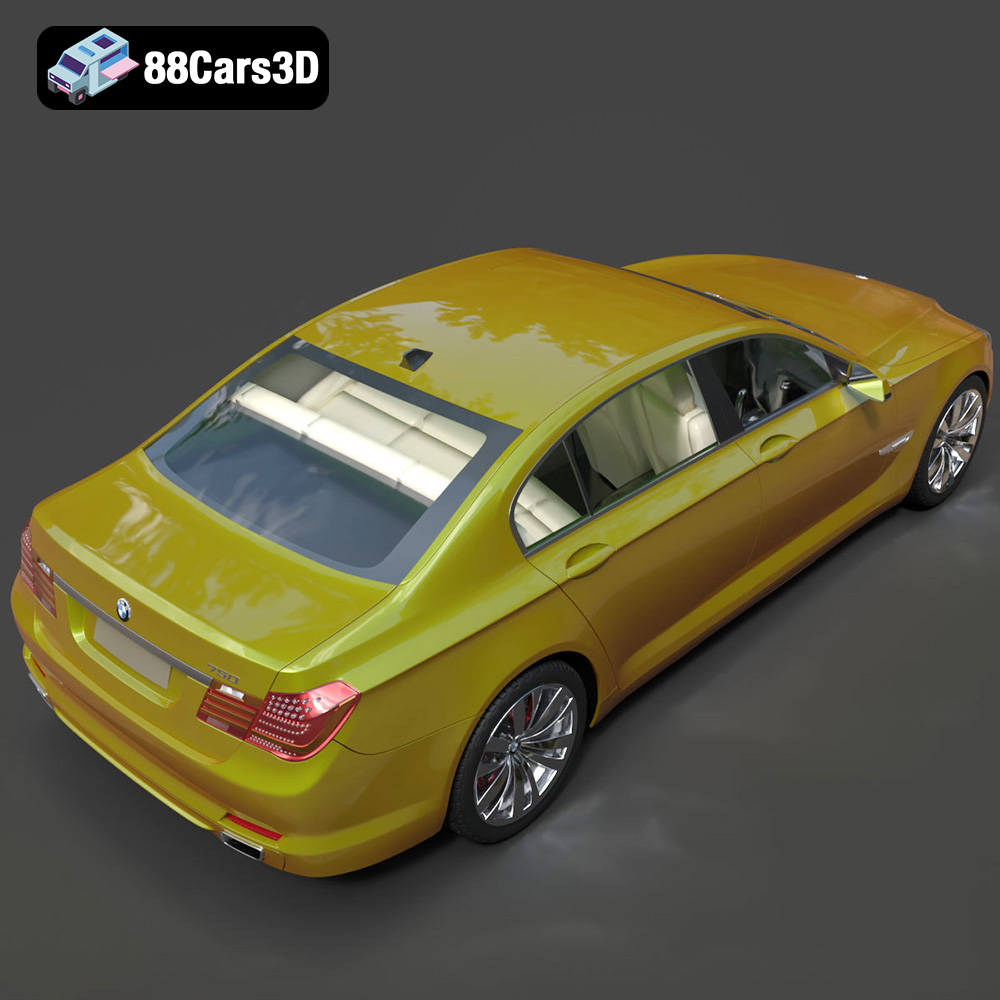
Experience automotive luxury with this professional 3D model of the BMW 7 Series 750 F01. Representing the iconic executive sedan, this model captures the elegant lines, sophisticated design, and commanding presence of one of BMW’s flagship vehicles. Built with clean geometry and balanced detailing, it ensures exceptional visual fidelity and performance across various applications. Ideal for high-quality rendering, realistic animation sequences, detailed simulations, and as a premium asset for game development. Exterior Features: Accurately modeled body panels reflecting the F01 chassis design; Detailed front grille, BMW emblem, and intricate headlight/taillight assemblies; Realistic alloy wheels and performance tires with precise tread patterns; Sleek side mirrors, door handles, and window frames; All major components like doors, hood, and trunk are separated for animation workflows; Transparent materials for windows and light covers, ready for custom lighting setups. Interior / Mechanical Features: Luxurious interior with detailed dashboard, steering wheel, and central console; Comfortable seating, door panels, and floor textures; Recreated instruments, controls, and infotainment screen for an authentic feel; Optimized mesh quality to balance detail with performance for interior shots; Basic engine bay elements for visual realism in open-hood scenarios. Technical Advantages: Clean, production-ready topology, primarily quad-dominant for smooth subdivision; Modeled to real-world scale for accurate integration into scenes and environments; Organized hierarchy with properly pivoted objects, facilitating easy animation and rigging; Efficient UV mapping for straightforward texture application and material adjustments. Applications: Rendering & Visualization: Perfect for creating stunning studio renders, architectural visualizations, and cinematic scenes. Game Development: A high-fidelity asset suitable for racing games, open-world simulations, and virtual car showrooms. AR/VR: Ready for immersive augmented and virtual reality experiences, offering a realistic interactive model. Simulation & Training: Ideal for driving simulators, automotive design reviews, and educational modules. 3D Printing: Compatible with 3D printing workflows (requires .stl conversion and potentially model simplification for optimal results). Customization Options: Easily adjust paint finishes, reflections, and apply custom graphics or liveries. Modify material properties for metal, chrome, glass, and rubber components to match specific scene requirements. Flexible lighting setup modifications to achieve various moods and atmospheric effects. The BMW 7 Series 750 F01 3D Model offers an unparalleled blend of accuracy, detail, and versatility. Elevate your projects with this meticulously crafted asset, designed for professionals seeking top-tier quality and seamless integration into their creative pipeline. Included File Formats: .blend – Blender project with materials; .fbx – Compatible with Unreal, Unity, and major 3D engines; .obj – Universal format for nearly all 3D software; .glb – Optimized for AR, VR, and web-based visualization; .stl – Ready for 3D printing; .ply – Mesh format for analysis and CAD workflows; .unreal – Unreal Engine project setup; .max – Editable 3ds Max scene for rendering and animation.
$10.79
.bmw.7series.750.f01.luxurycar.sedan.rendering.simulation.gameasset.arvr.blend.fbx.obj.glb.stl.ply.unreal.max