

The Foundation of Digital Urban Environments: Crafting High-Quality 3D Vehicle Assets
In the vast landscape of 3D visualization, the creation of highly detailed and technically sound vehicle models stands as a cornerstone for various industries. From cinematic animations to interactive game worlds, and from precise architectural visualizations to groundbreaking AR/VR experiences, the demand for realistic and optimized automotive assets is ever-present. Achieving photorealism and efficient performance requires a meticulous approach, encompassing accurate modeling, clean topology, and sophisticated material application.
The journey of a 3D vehicle from concept to a deployable asset is intricate, demanding expertise in a range of software and an understanding of real-world physics and design. Artists and developers constantly seek assets that not only look stunning but are also technically robust, saving valuable production time and ensuring project success. This is where a high-quality asset like the Emt Avtobus 007 3D Model truly shines, providing a ready-made solution that meets professional standards across the board.
The Pursuit of Realism: Why Detail Matters
When modeling vehicles, especially for close-up renders or high-fidelity simulations, the devil is truly in the details. Every curve, panel gap, and component must be accurately represented to convey authenticity. This isn’t just about aesthetics; it’s about believable physics, correct lighting interaction, and the overall immersion of the digital environment. For instance, the Emt Avtobus 007 3D Model is described as being “meticulously crafted to ensure accurate scale and realistic proportions,” a crucial characteristic that prevents it from looking out of place or artificial in any scene. This level of precision extends to elements like the chassis components and the subtle nuances of the exterior body panels, ensuring that whether viewed from afar or up close, the model maintains its integrity and realism.
Bridging the Gap: From Concept to Polygon
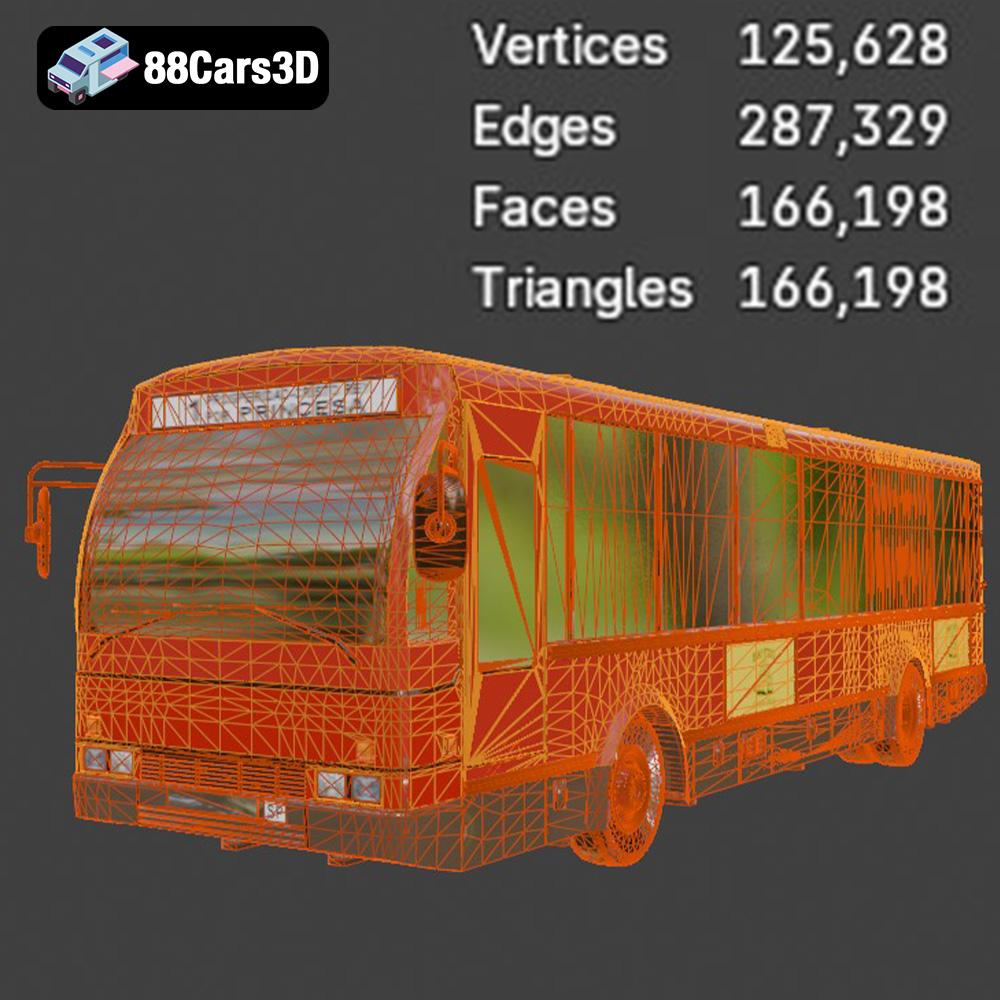
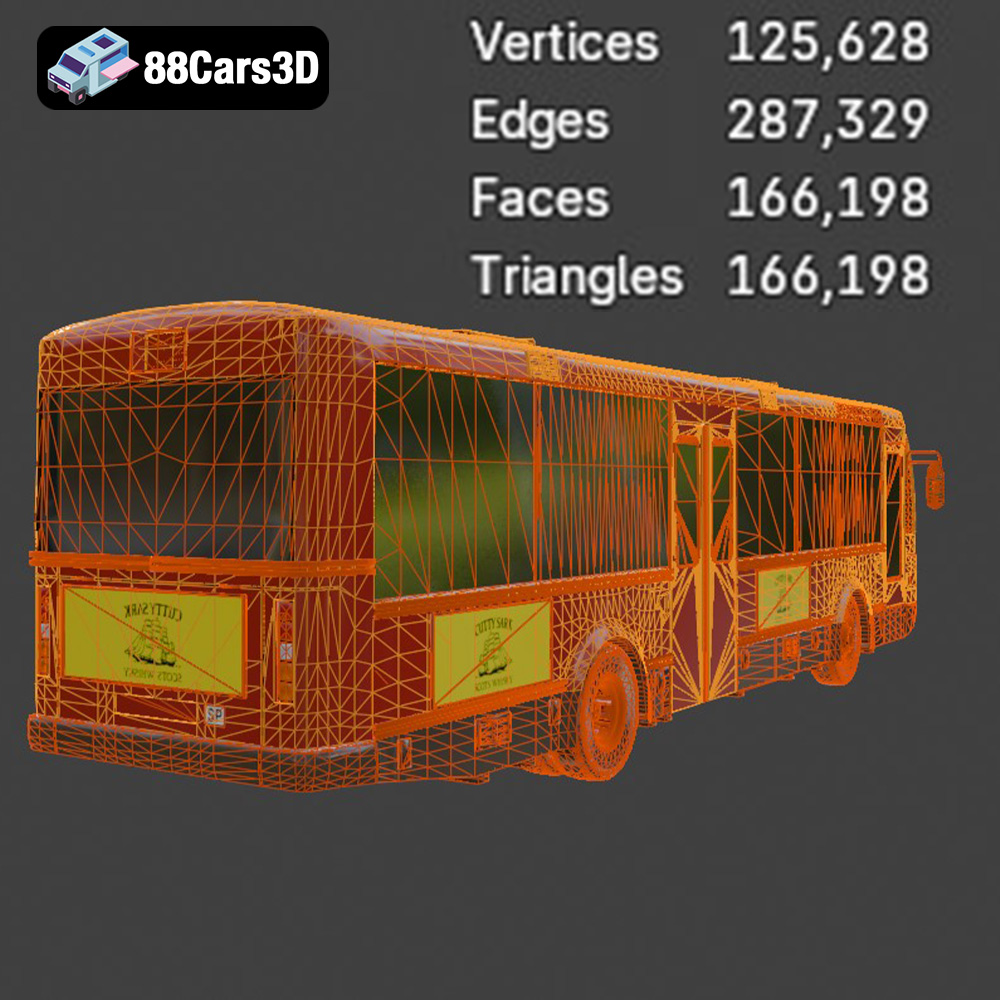
Creating a production-ready 3D car model from scratch is a labor-intensive process. It typically begins with extensive research, gathering blueprints, photographic references, and technical specifications. The modeling phase then translates these real-world details into a digital mesh, focusing on clean topology, optimal polygon count, and efficient UV mapping. These technical foundations are critical for smooth deformations, fast rendering, and straightforward texturing. Without a solid base, even the most stunning textures or advanced rendering techniques will struggle to hide underlying flaws. The Emt Avtobus 007 is a prime example of an asset where this foundational work has been expertly handled, offering “exceptionally clean topology and optimized mesh density,” which directly translates to “smooth subdivision and fast rendering times across various platforms.” This quality assurance saves countless hours for professionals who can integrate it directly into their workflows.
Understanding 3D Model File Formats: Choosing the Right Tool for Your Project
The world of 3D modeling is rich with diverse software and platforms, each with its own preferred or native file formats. Understanding these formats is paramount for any professional working with 3D car models, as the choice of format can dictate compatibility, workflow efficiency, and the final output quality. A versatile asset like the Emt Avtobus 007 3D Model demonstrates its professional-grade utility by offering a comprehensive suite of file formats, ensuring maximum adaptability for virtually any digital project.
Editable & Engine-Ready Formats
When you’re deeply entrenched in a specific creative suite or need assets optimized for real-time performance, certain formats become indispensable.
- .blend (Blender): This is Blender’s native file format, and it’s invaluable for artists working within the Blender ecosystem. A .blend file, like the one included with the Emt Avtobus 007, typically contains not just the raw mesh data but also materials, textures, lighting setups, cameras, animations, and even physics simulations. It offers full editability, allowing users to modify the model, adjust materials, or integrate it seamlessly into existing Blender scenes. For those who prefer Blender’s powerful modeling and rendering capabilities (Cycles, Eevee), this format is the ideal starting point for customization and high-quality renders.
- .max (3ds Max): Similar to .blend for Blender, .max is the native project file for Autodesk 3ds Max, a long-standing industry standard for architectural visualization, animation, and game development asset creation. The .max format allows for complete control over all aspects of the model, including modifiers, scene setup, complex material networks, and animation rigs. Having the Emt Avtobus 007 available in .max means 3ds Max users can leverage their established workflows for advanced rendering with V-Ray or Corona, or further refine the model for specific project requirements without loss of data fidelity.
- .unreal (Unreal Engine): This isn’t a standalone 3D model format in the traditional sense, but rather an engine-ready asset package specifically configured for Unreal Engine. When a model is provided in an “.unreal” format, it typically means it has been imported, optimized, and set up within an Unreal Engine project, often including pre-configured materials, LODs (Levels of Detail), collision meshes, and sometimes even basic blueprints. This drastically reduces the setup time for game developers and real-time visualization artists, allowing for immediate deployment of the Emt Avtobus 007 into interactive environments.
Universal & Specialized Formats
Compatibility across different software packages is often a critical requirement, and some formats are designed precisely for this interoperability.
- .fbx (Filmbox): Developed by Autodesk, FBX has become the de facto standard for exchanging 3D data, particularly for animation and game development. It can store a wide range of data, including geometry, materials, textures, animations, and rigging information. The .fbx format is “game-engine ready” and highly optimized for import into platforms like Unreal Engine and Unity, making it a cornerstone for real-time pipelines. For the Emt Avtobus 007, the .fbx version ensures that developers can easily integrate it into their game projects with minimal fuss.
- .obj (Wavefront OBJ): This is one of the oldest and most widely supported 3D model formats, renowned for its universality. An .obj file primarily stores geometry (vertices, normals, texture coordinates, faces) and can reference external .mtl (material) files for basic material properties and texture maps. While it doesn’t typically store advanced features like animation or complex material nodes, its simplicity and broad compatibility make it excellent for cross-software transfers. If you need to import the Emt Avtobus 007 into a niche 3D application or a CAD package, .obj is often the safest bet.
- .glb (GL Transmission Format Binary): GLB is the binary version of glTF (Graphics Library Transmission Format), an open standard designed for efficient transmission and loading of 3D scenes and models by engines and applications. It’s particularly optimized for web-based 3D, AR (Augmented Reality), and VR (Virtual Reality) experiences due to its compact size and single-file nature (embedding textures and animations directly). The .glb format for the Emt Avtobus 007 makes it perfectly suited for interactive product viewers on websites or for deploying in mobile AR applications.
Real-Time & Manufacturing Formats
Beyond traditional rendering and game development, 3D models serve crucial roles in manufacturing and analytical processes.
- .stl (Stereolithography): STL is the standard file format for 3D printing. It represents a 3D model as a series of connected triangles, describing only the surface geometry of an object without color, texture, or other CAD attributes. While it lacks advanced mesh information, its simplicity makes it universally compatible with 3D printers and slicing software. The Emt Avtobus 007 in .stl format means it can be directly prepared for physical prototyping, allowing designers to create physical models of their urban scenes or vehicle designs.
- .ply (Polygon File Format): Also known as the Stanford Triangle Format, PLY is another common format for storing 3D data, particularly from 3D scanners. It can store not just the geometry (vertices, faces) but also properties like color, transparency, surface normals, and range data. It’s often used for precision mesh data, making it valuable for scientific visualization, CAD applications, or specific analysis where detailed polygon information is required. For certain engineering or data-driven visualization tasks, the .ply version of the Emt Avtobus 007 could offer more granular control and information.
The availability of such a diverse array of formats for the Emt Avtobus 007 3D Model underscores its versatility and professional readiness, demonstrating how a single high-quality asset from 88cars3d.com can cater to an incredibly wide spectrum of project requirements.
Elevating Visuals: Professional Automotive Rendering with the Emt Avtobus 007
Automotive rendering is an art form in itself, requiring a keen eye for detail, a deep understanding of light and shadow, and mastery of rendering software. When working with a high-fidelity 3D car model like the Emt Avtobus 007, the focus shifts from fixing mesh issues to finessing presentation, allowing artists to create stunning visualizations for marketing, architectural integration, or cinematic sequences.
Leveraging PBR Materials for Photorealism
One of the most significant advancements in modern rendering is the widespread adoption of Physically Based Rendering (PBR). PBR materials simulate how light interacts with surfaces in the real world, providing consistent and realistic results across different lighting conditions. The Emt Avtobus 007 3D Model, with its “realistic PBR materials applied throughout,” simplifies this process. These materials accurately represent crucial surfaces like glass, metal, and interior fabrics. For the artist, this means less time spent tweaking values and more time focusing on creative direction. In a 3ds Max or Blender workflow, artists can simply load the model, and its PBR textures (albedo, normal, roughness, metallic, etc.) will immediately provide a strong foundation for photorealistic renders, reflecting light and ambient occlusion with true-to-life behavior.
Scene Integration and Lighting Techniques
A great 3D vehicle model needs a compelling environment and expert lighting to truly shine. For architectural visualization, the Emt Avtobus 007 can be integrated into urban street scenes, bringing life and movement to static buildings. The model’s “accurate scale and realistic proportions” are vital here, ensuring it looks natural next to buildings and infrastructure.
- HDRI Lighting: Using High Dynamic Range Images (HDRIs) is a common technique for realistic outdoor lighting, providing both illumination and reflections from real-world environments.
- Area Lights and Spotlights: For studio shots or to highlight specific features of the bus, strategically placed area lights can simulate softbox lighting, while spotlights can create dramatic accents.
- Environmental Effects: Adding subtle atmospheric elements like volumetric fog or dust motes can further enhance the realism of a scene, making the bus feel truly part of its surroundings.
Working with the Emt Avtobus 007 allows artists to focus on these advanced lighting and composition techniques rather than grappling with asset quality.
Post-Production for Cinematic Impact
Even the most perfect render benefits from post-production. Software like Adobe Photoshop or After Effects can be used to add final touches that elevate a render to cinematic quality.
- Color Grading: Adjusting color balance, contrast, and saturation to set the mood and visual tone.
- Depth of Field: Simulating camera lens effects to draw attention to specific parts of the bus or blur out backgrounds for a more artistic look.
- Lens Flares and Glares: Adding subtle optical effects to enhance realism, especially for headlights or reflections.
- Motion Blur: For animated sequences, motion blur is crucial to convey speed and dynamism, making the Emt Avtobus 007 appear to move authentically through the scene.
With a foundation of a high-quality 3D car model from 88cars3d.com, post-production becomes an exciting refinement process, not a repair job.
Driving Immersion: Integrating 3D Car Models into Game Development and Real-time Engines
The interactive world of game development and real-time visualization demands a unique blend of visual fidelity and uncompromising performance. 3D car models are central to creating believable environments, from bustling cityscapes to dynamic race tracks. The integration of assets like the Emt Avtobus 007 3D Model into engines such as Unreal Engine and Unity requires specific optimization techniques and a deep understanding of engine pipelines.
Optimization for Performance: Polygons and LODs
In real-time environments, every polygon and draw call counts. While the Emt Avtobus 007 boasts “optimized mesh density,” further steps are often necessary to ensure smooth frame rates across various hardware specifications.
- Levels of Detail (LODs): Creating multiple versions of the model with varying polygon counts. A high-poly version for close-ups, and progressively lower-poly versions for distant views. This significantly reduces the computational load without a noticeable drop in visual quality.
- Occlusion Culling: Techniques to prevent rendering objects that are hidden from the camera’s view.
- Atlas Textures: Combining multiple smaller textures into one large texture to minimize texture swaps and optimize rendering.
The clean topology of the Emt Avtobus 007 makes it an ideal candidate for generating efficient LODs, ensuring it performs well whether it’s the player’s primary focus or a distant background element.
Preparing Assets for Unreal Engine and Unity
Game engines have specific requirements for asset import and setup. The Emt Avtobus 007 3D Model’s inclusion of “.fbx” and pre-configured “.unreal” files makes it particularly user-friendly for these platforms.
- Unreal Engine Workflow: For the “.unreal” file, much of the work is already done. Otherwise, importing the “.fbx” involves setting correct import options for scale, pivot points, and material assignment. PBR materials translate directly into Unreal’s material editor, utilizing base color, normal, roughness, metallic, and ambient occlusion maps. Collision meshes also need to be generated or imported to ensure proper physical interaction.
- Unity Workflow: Similar to Unreal, importing the “.fbx” into Unity requires careful attention to scale and rotation. Unity’s Universal Render Pipeline (URP) or High Definition Render Pipeline (HDRP) work seamlessly with PBR materials. Setting up prefabs with appropriate components like Mesh Colliders, Rigidbody for physics, and potential scripts for movement or interaction is crucial for game readiness.
The goal is always to get the 3D car model looking great and performing efficiently, and starting with a high-quality base asset drastically accelerates this process.
Creating Dynamic Environments with AI and Physics
Beyond static placement, 3D car models like the Emt Avtobus 007 can become active participants in a game world.
- AI Traffic Systems: Integrating the bus into an AI system allows for realistic urban traffic simulation, adding depth and believability to city scenes. Pathfinding algorithms and behavioral trees dictate how the bus moves, stops, and interacts with other vehicles and obstacles.
- Vehicle Physics: Applying realistic physics (suspension, tire friction, mass distribution) to the bus model can create engaging driving mechanics, whether for a player-controlled vehicle or for dynamic environmental destruction.
- Interactive Elements: Components like opening doors, working headlights, or even interior animations can be rigged and scripted, further enhancing immersion for game assets.
The versatility of the Emt Avtobus 007 allows developers to use it not just as a visual prop but as a fully functional and interactive element within their game worlds.
Expanding Horizons: AR/VR, 3D Printing, and Beyond with Versatile 3D Assets
The utility of high-quality 3D models extends far beyond traditional rendering and game development. Emerging technologies like Augmented Reality (AR) and Virtual Reality (VR), alongside established practices like 3D printing and industrial visualization, are constantly finding new applications for meticulously crafted assets. The Emt Avtobus 007 3D Model is engineered to cater to these diverse demands, offering specialized formats and optimized geometry for a wide range of cutting-edge uses.
The AR/VR Advantage: Interactive Experiences
AR and VR are transforming how we interact with digital content, bringing 3D models into our physical spaces or immersing us in entirely new virtual worlds. For these applications, performance and accurate representation are paramount.
- Optimized for Real-time: AR/VR experiences demand extremely low latency and high frame rates. The “optimized mesh density” and “clean topology” of the Emt Avtobus 007 make it suitable for these demanding environments, reducing the likelihood of performance bottlenecks.
- GLB Format for Web & Mobile: The inclusion of the “.glb” format is particularly significant for AR/VR. GLB files are highly efficient, single-file assets that are ideal for web-based AR viewers (e.g., displaying the bus on a website that allows users to place it in their room via a smartphone) and for quick deployment in VR applications. They ensure fast loading times and smooth interactive experiences across various devices.
- Immersive Training and Simulation: Imagine a bus driver training simulation in VR, where the Emt Avtobus 007 provides a highly realistic vehicle model for trainees to interact with. Or an urban planning AR app that overlays new bus routes onto a real-world city street.
These applications leverage the visual fidelity of the Emt Avtobus 007 to create believable and effective immersive experiences.
Prototyping and Production: The Power of 3D Printing
3D printing allows for the physical manifestation of digital designs, a critical step in prototyping, architectural models, and even short-run manufacturing. While not typically a primary use for detailed rendering assets, having an .stl format for the Emt Avtobus 007 opens up unique possibilities.
- Architectural Scale Models: Integrating a 3D printed Emt Avtobus 007 into a physical architectural model of an urban development adds a layer of realism and scale, helping stakeholders visualize the environment more comprehensively.
- Educational Aids: Creating physical models for educational purposes, demonstrating vehicle design, or engineering principles.
- Prototyping Vehicle Accessories: While the bus itself might be too complex for simple desktop printing, individual components or scaled-down versions could be printed for concept validation.
The .stl file ensures that the geometric data is available for those who need to bridge the gap between digital and physical.
Urban Simulation and Architectural Visualization
These fields rely heavily on accurate and believable environmental elements. The Emt Avtobus 007 is explicitly described as “an essential asset for architectural visualization [and] urban simulation.”
- Contextual Realism: Placing realistic vehicles in architectural renders helps convey the scale, atmosphere, and functionality of a proposed building or urban plan. A city bus moving along a street adds dynamic context.
- Traffic Flow Analysis: In urban simulations, 3D models of vehicles can be used to visualize traffic patterns, pedestrian flow, and the impact of new infrastructure. The detailed nature of the Emt Avtobus 007 ensures that these simulations are not only functional but also visually compelling for presentations.
- Environmental Impact Studies: Visualizing vehicle movements can aid in understanding noise pollution or emissions, making complex data more accessible through realistic scenarios.
The versatility and quality of 3D car models found at 88cars3d.com are invaluable for these advanced applications.
Streamlining Your Workflow with Premium 3D Models from 88cars3d.com
In the fast-paced world of 3D production, time is a critical commodity. Building every asset from scratch is rarely feasible for most professional projects. This is where high-quality, pre-made 3D models become indispensable. Investing in premium assets like the Emt Avtobus 007 3D Model from reputable sources like 88cars3d.com can dramatically streamline workflows, reduce production costs, and elevate the overall quality of a project.
The Value of Pre-Made, Professional Assets
Consider the alternative: modeling a complex vehicle like a city bus from the ground up. This involves countless hours of research, poly-modeling, UV mapping, texture creation, and material setup. Each of these steps requires specialized skills and dedicated time. By utilizing a professionally crafted asset, artists and studios can bypass these initial stages entirely.
- Time Savings: Immediate integration means projects can move faster from concept to completion. This is particularly crucial for deadlines in game development, architectural bids, or cinematic productions.
- Cost Efficiency: The cost of purchasing a high-quality model is almost always significantly less than the labor cost of creating it in-house, especially for smaller studios or individual freelancers.
- Consistent Quality: Reputable marketplaces like 88cars3d.com curate their offerings, ensuring that assets meet specific quality benchmarks. This consistency allows teams to rely on the assets for a professional finish.
- Focus on Creativity: With the technical groundwork already laid, artists are freed to focus on the creative aspects of their project – composition, lighting, animation, and storytelling – rather than getting bogged down in repetitive modeling tasks.
The Emt Avtobus 007 is a prime example of an asset designed for “immediate deployment in professional visualization pipelines,” highlighting this core value proposition.
Quality Assurance: What to Look for in a 3D Model
Not all pre-made 3D models are created equal. When sourcing assets, it’s vital to know what distinguishes a professional-grade model from a mediocre one.
- Accurate Scale and Proportions: As emphasized with the Emt Avtobus 007, correct scale is non-negotiable for integration into realistic scenes.
- Clean Topology: Look for models with efficient edge flow and quads (four-sided polygons) where possible. This ensures smooth deformations for animation, easy subdivision, and clean UV unwrapping. “Exceptionally clean topology” is a key indicator of quality.
- Optimized Mesh Density: A balance between detail and polygon count is crucial. Too many polygons can bog down performance, while too few can result in blocky appearances. The Emt Avtobus 007’s “optimized mesh density” strikes this balance.
- Realistic PBR Materials: As discussed, PBR materials are essential for photorealism. Ensure the model comes with a full suite of PBR textures and that they are correctly applied.
- Comprehensive File Formats: The more formats included, the greater the versatility. The extensive list for the Emt Avtobus 007 (.blend, .fbx, .obj, .glb, .stl, .ply, .unreal, .max) showcases its broad compatibility.
- Clear Descriptions and Tags: Good product descriptions provide technical details and usage recommendations, while relevant tags help in discoverability.
By adhering to these quality standards, 88cars3d.com ensures that its customers receive assets that truly enhance their projects rather than creating new problems. The Emt Avtobus 007 stands as a testament to these principles.
Conclusion
The creation of compelling digital worlds and visualizations is an endeavor that demands both artistic vision and technical precision. High-quality 3D car models, such as the Emt Avtobus 007 3D Model, serve as vital components in this process, empowering artists and developers across diverse industries. We’ve explored how a meticulously crafted asset, with its accurate scale, clean topology, optimized mesh, and realistic PBR materials, forms the bedrock for stunning automotive rendering, immersive game development, cutting-edge AR/VR experiences, and even practical applications like 3D printing and urban simulation.
Understanding the nuances of various file formats – from the editable power of .blend and .max to the universal compatibility of .fbx and .obj, and the specialized efficiency of .glb, .stl, .ply, and .unreal – is crucial for leveraging these assets effectively. The Emt Avtobus 007, with its comprehensive format support, exemplifies how a single premium asset can cater to virtually any professional pipeline, saving invaluable time and resources.
Ultimately, the journey from concept to final render or real-time experience is significantly streamlined when starting with professional-grade assets. Platforms like 88cars3d.com provide a curated selection of such models, ensuring that creators have access to the tools they need to achieve their most ambitious digital visions. The Emt Avtobus 007 3D Model is more than just a bus; it’s a testament to the power of quality, versatility, and efficiency in the complex world of 3D content creation.
Featured 3D Model
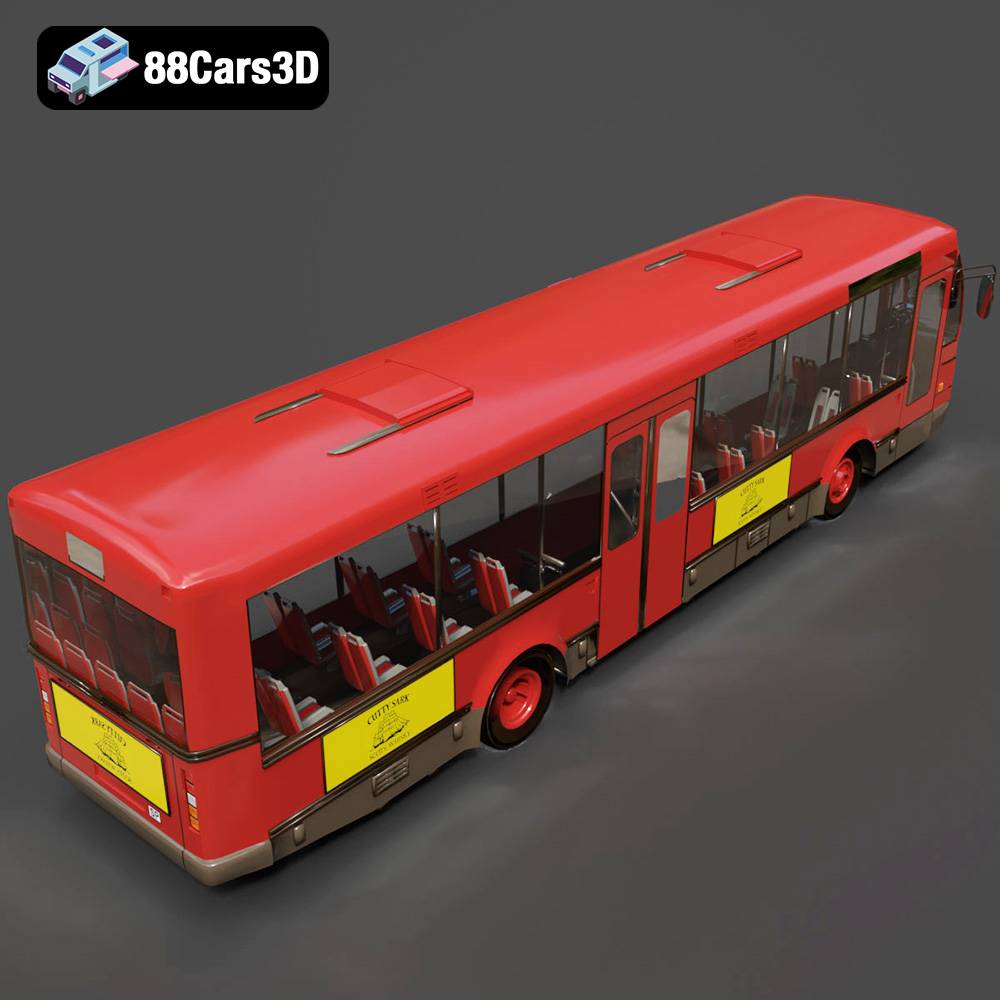
Emt Avtobus 007 3D Model
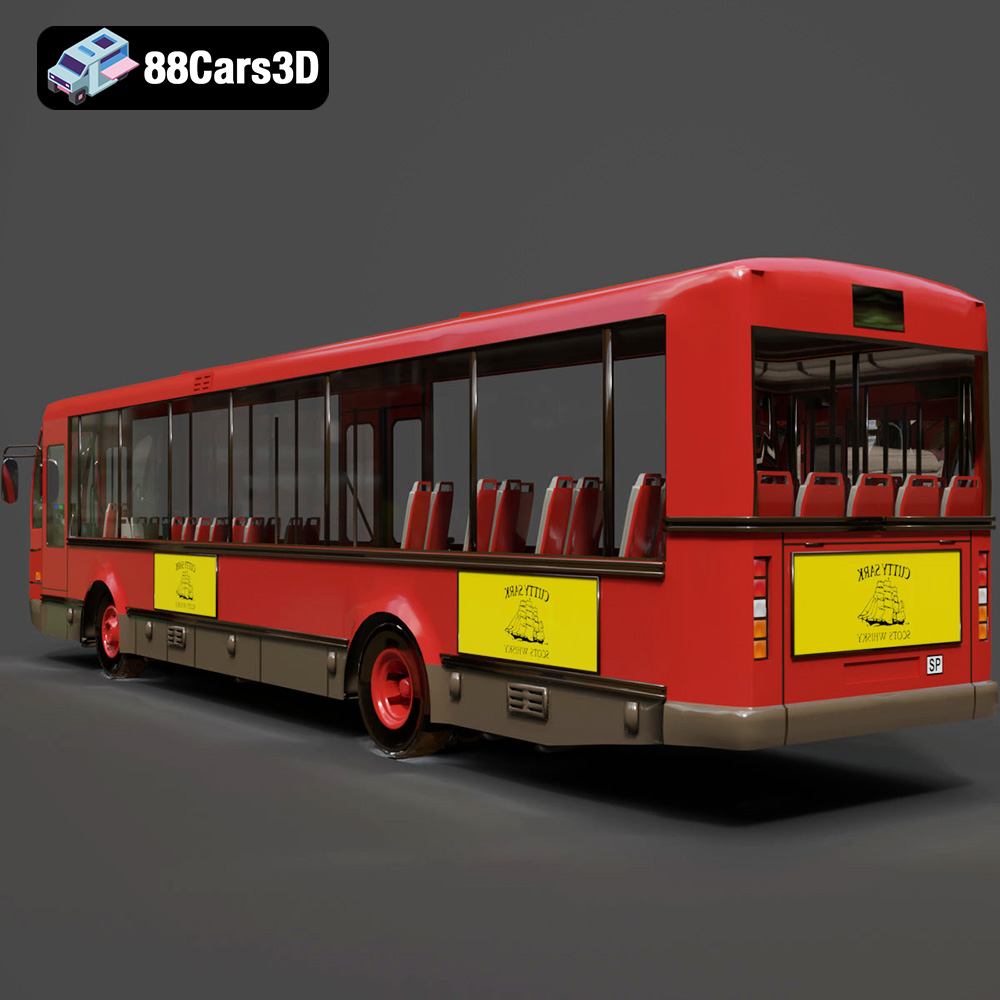
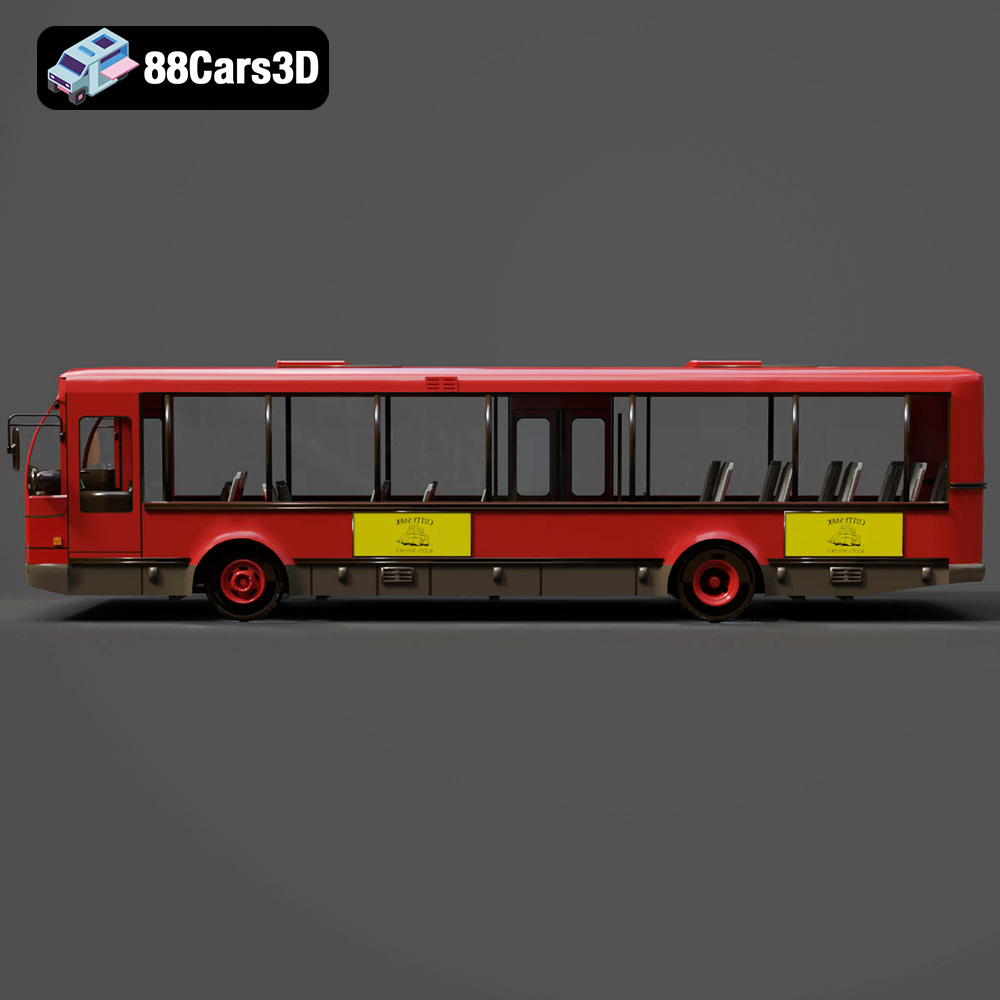
Introduce the Emt Avtobus 007 into your next digital project. This professional 3D vehicle model is meticulously crafted to ensure accurate scale and realistic proportions, making it ideal for close-up renders and detailed scene integration. From the exterior body panels to the chassis components, every aspect of this city bus has been modeled with precision. The model features exceptionally clean topology and optimized mesh density, ensuring smooth subdivision and fast rendering times across various platforms. Realistic PBR materials are applied throughout, providing accurate representation of glass, metal, and interior fabrics under diverse lighting conditions. This asset is ready for immediate deployment in professional visualization pipelines. The Emt Avtobus 007 3D Model is highly versatile, serving as an essential asset for architectural visualization, urban simulation, game development (Unity/Unreal Engine), real-time AR/VR experiences, and high-fidelity cinematic rendering.
$19.99
Product Image Gallery



Related Tags
.arvr
.avtobus
.avtobus007
.blend
.bus
.car3dmodel
.citybus
.commercialvehicle
.emt
.fbx
.gameasset
.glb
.max
.obj
.ply
.rendering
.simulation
.stl
.unreal
