Driving Digital Excellence: The Art and Science of Professional 3D Car Models
In the rapidly evolving landscape of digital content creation, the demand for high-fidelity 3D assets is insatiable. From breathtaking architectural visualizations to immersive game worlds and compelling advertising campaigns, photorealistic vehicles play a crucial role in grounding digital environments in reality. The complexity and nuance required to accurately represent automotive design make high-quality 3D car models not just a luxury, but a fundamental necessity for serious professionals.
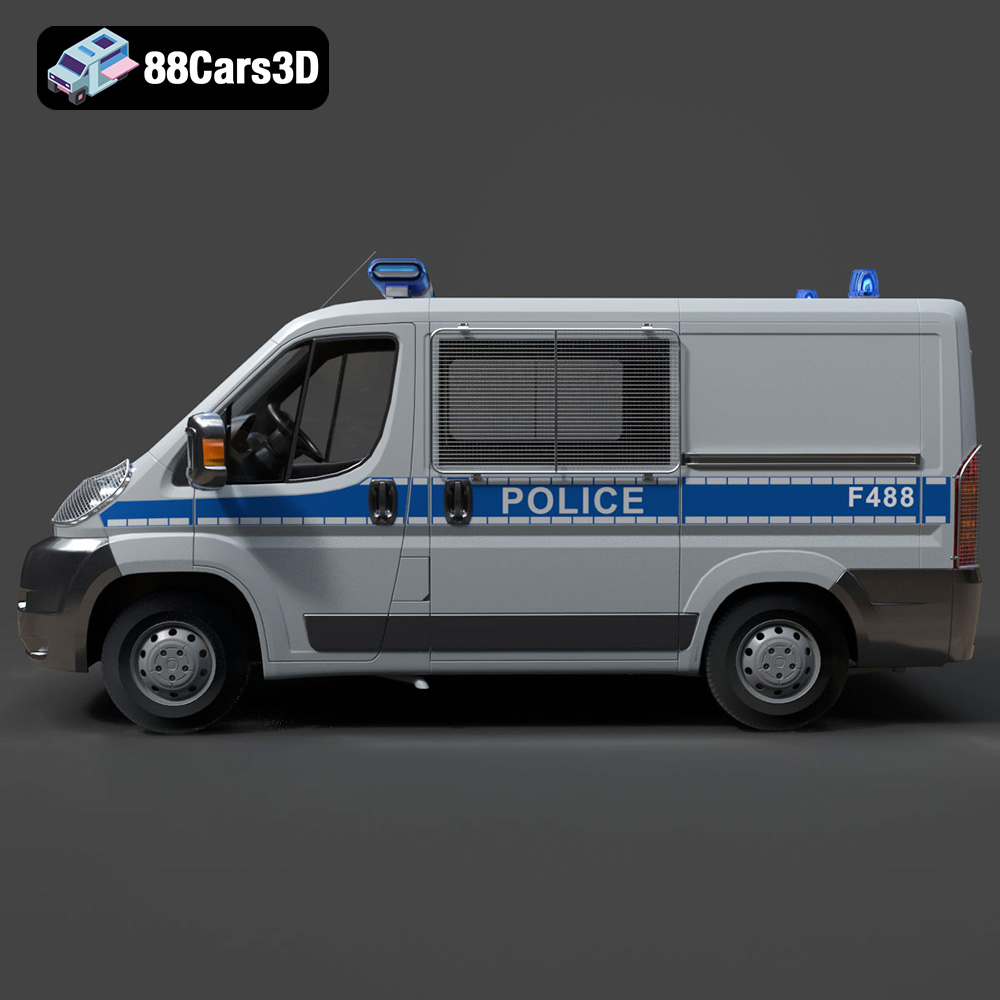
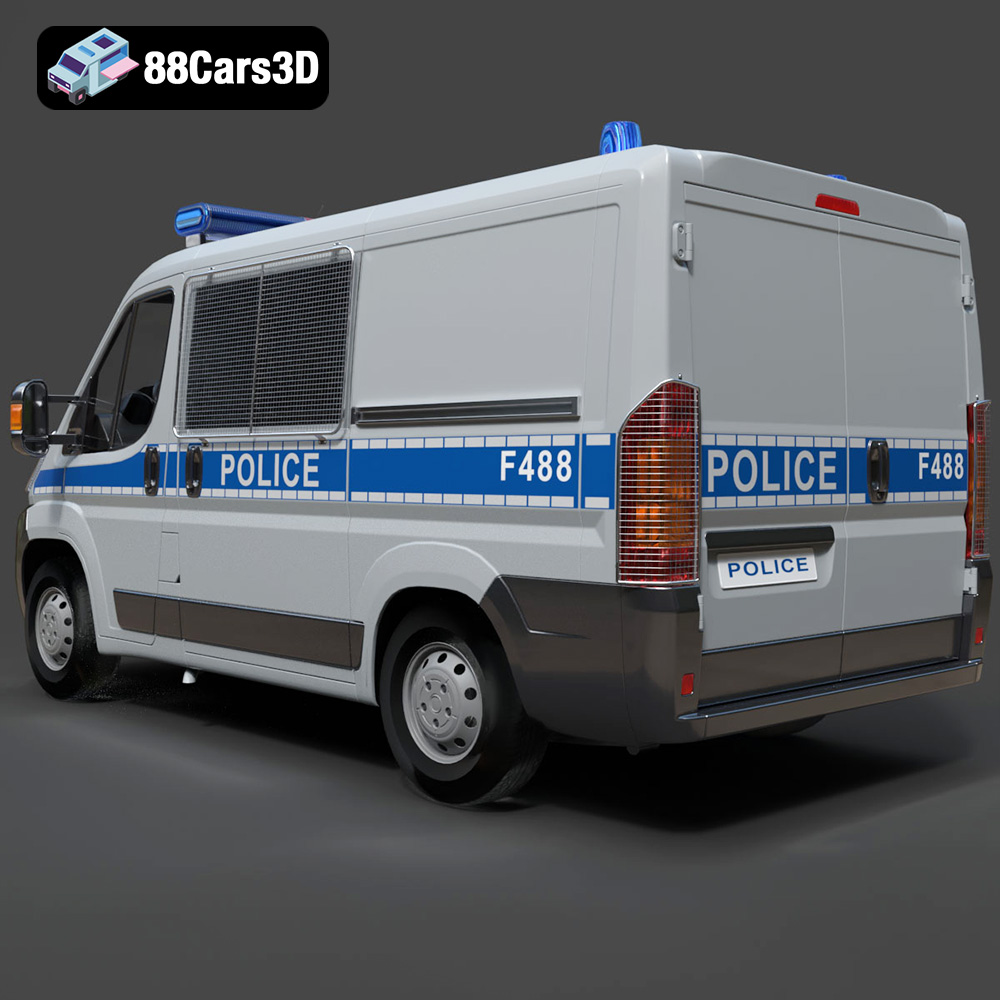
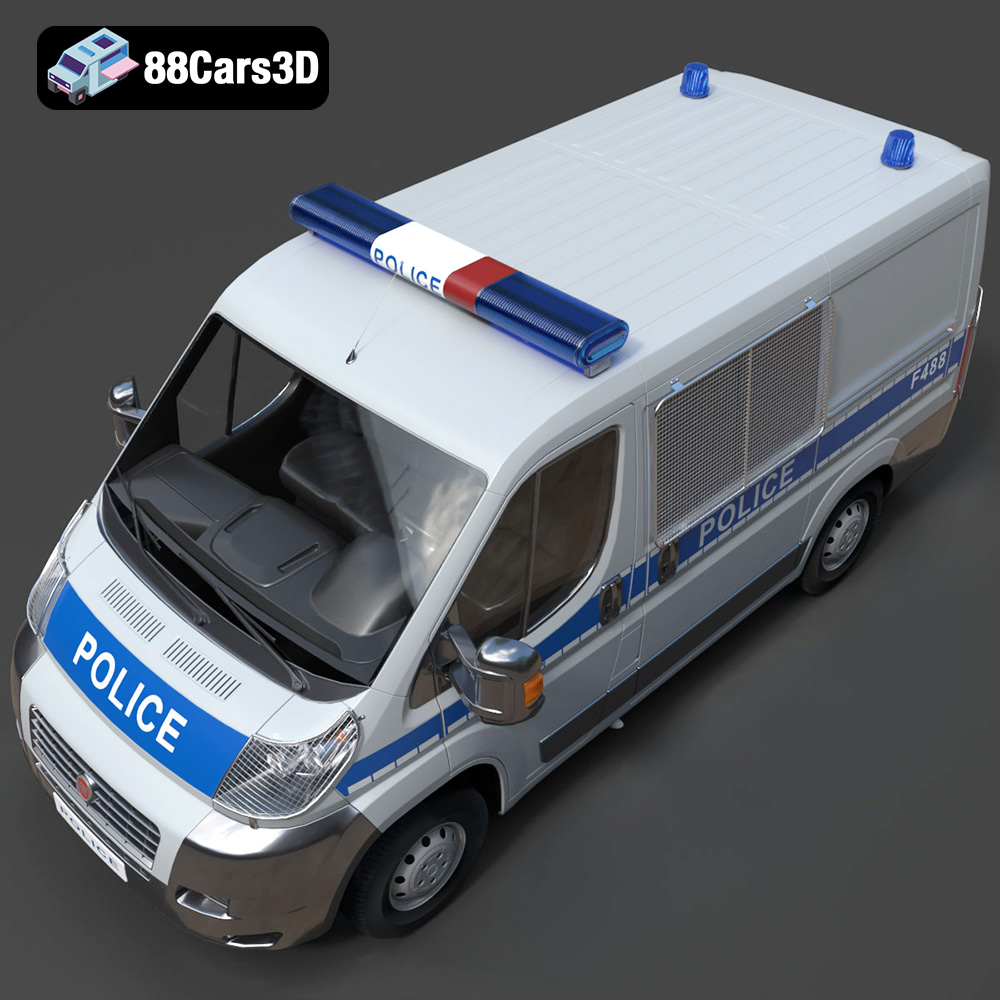
Today, we delve deep into the technical intricacies and expansive applications of premium 3D vehicle assets, highlighting why meticulous craftsmanship is paramount. We’ll explore the underlying principles of creating models that stand up to close scrutiny, the diverse file formats that empower different workflows, and practical strategies for integrating these assets into various professional pipelines. As a prime example of excellence in this domain, we’ll frequently reference the Fiat Ducato SWB-001 3D Model, a meticulously crafted digital asset available on 88cars3d.com, designed to meet the rigorous demands of modern 3D production.
The Foundation of Digital Realism: Why High-Quality 3D Car Models Matter
A 3D car model is far more than just a collection of polygons; it’s a digital blueprint meticulously engineered to replicate its real-world counterpart. The difference between an amateur model and a professional one often lies in the depth of its technical fidelity and its readiness for diverse applications, from static renders to real-time simulations.
Precision in Design and Geometry
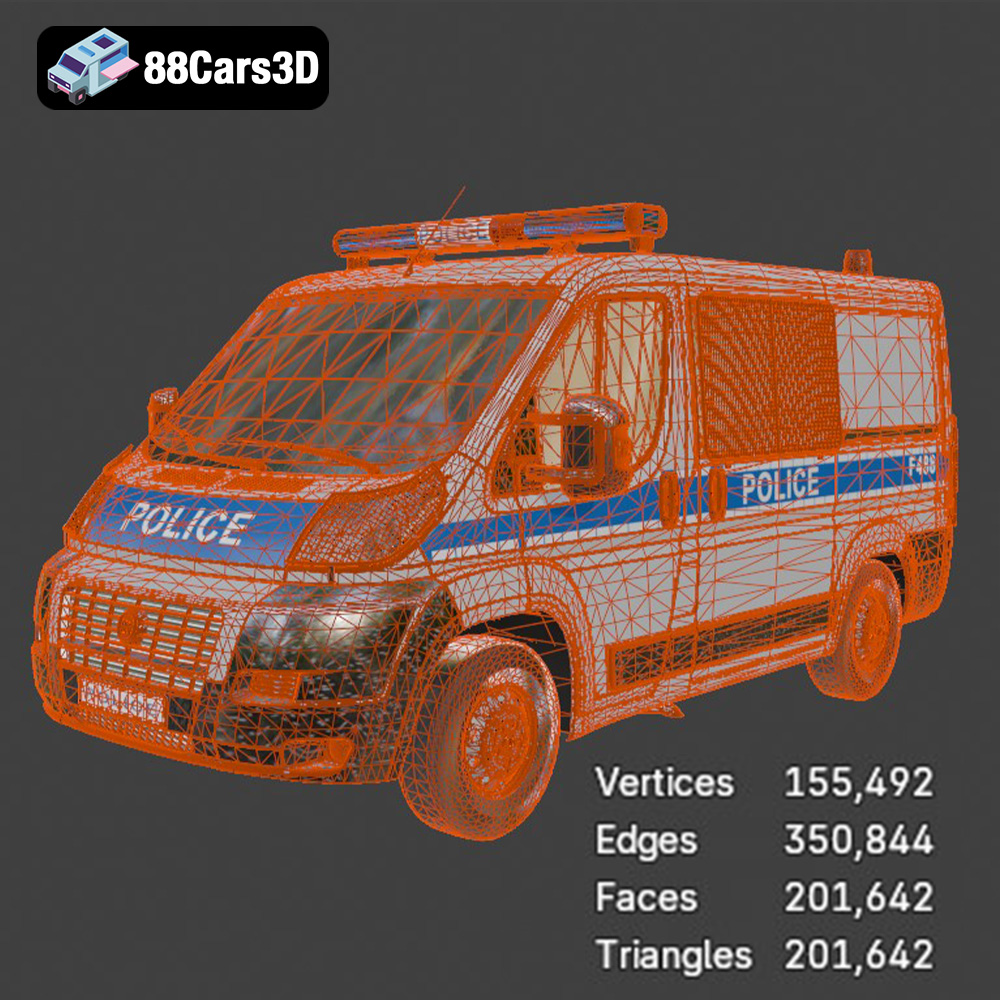
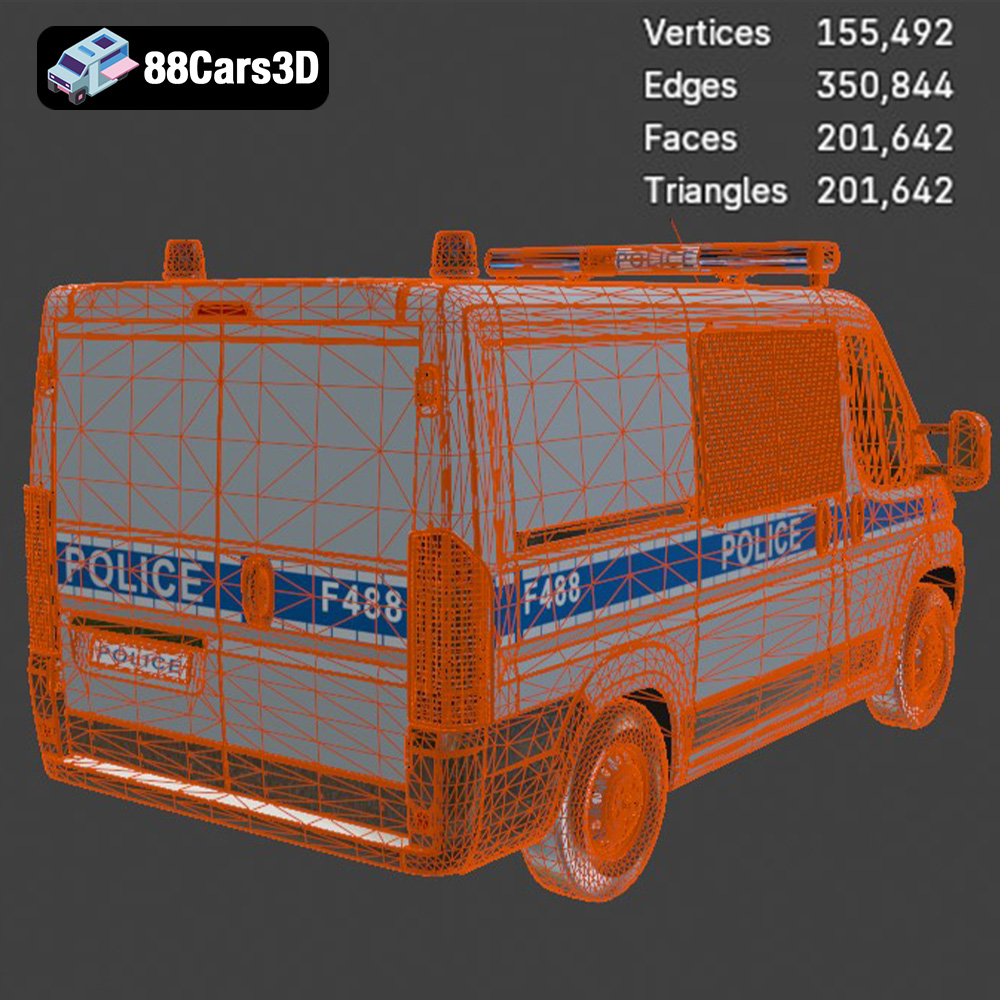
The first hallmark of a professional 3D car model is its geometrical accuracy. This involves capturing every curve, panel gap, and functional component with precision. For a commercial vehicle like the Fiat Ducato SWB-001, this extends to accurately depicting its utilitarian design, from the precise dimensions of its short wheelbase to the intricacies of its cargo area. Professional models feature clean, organized geometry, typically quad-based, which facilitates smooth subdivision and deformation. This ensures that the model holds up under extreme close-ups, where polygonal artifacts or triangulation would become immediately apparent. An optimized polygon count is also crucial, balancing visual detail with performance, particularly for real-time applications.
Material Fidelity and Texturing
Beyond geometry, the realism of a 3D car model is heavily dependent on its materials and textures. High-quality assets employ Physically Based Rendering (PBR) materials, which accurately simulate how light interacts with surfaces in the real world. This includes properties like metallicness, roughness, albedo (base color), normal maps for fine surface details, and ambient occlusion. For a model like the Fiat Ducato SWB-001, this means the paint accurately reflects light, the tires have a convincing rubber texture, and even interior surfaces respond authentically to lighting. Proper UV mapping is essential for this, ensuring textures are applied without distortion and can be easily modified or re-textured if needed. The Fiat Ducato SWB-001 3D Model specifically boasts physically accurate materials and optimized UV mapping, ensuring it renders flawlessly under various lighting conditions.
Performance Optimization
While visual fidelity is critical, a professional 3D car model must also be optimized for performance. This is especially true when integrating assets into game engines, large-scale visualizations, or AR/VR experiences. Optimization techniques include efficient polygon distribution, use of Level of Detail (LOD) systems, and streamlined material setups. A well-optimized model minimizes draw calls and memory footprint, allowing for smoother frame rates and faster render times without sacrificing visual quality. The Fiat Ducato SWB-001 is built with clean, organized geometry and optimized polygon counts, making it a reliable choice for performance-critical projects.
Understanding 3D Model File Formats
The choice of file format is a critical technical decision that dictates compatibility, functionality, and performance across different software and platforms. Each format serves specific purposes, and understanding their strengths and weaknesses is key to an efficient 3D workflow. The Fiat Ducato SWB-001 3D Model, for instance, offers a comprehensive suite of formats, ensuring its versatility across virtually any professional application.
Native and Interchange Formats: .blend, .max, .obj
- .blend (Blender): This is Blender’s native file format, a powerhouse for open-source 3D content creation. A .blend file like that included with the Fiat Ducato SWB-001 is a complete scene file, containing not just the mesh data but also all materials, textures, lighting setups, cameras, and even animations. It’s fully editable, allowing artists to delve into every aspect of the model’s construction, make custom modifications, or leverage Blender’s extensive toolset for rendering with Cycles or Eevee. This format is ideal for artists deeply integrated into the Blender ecosystem, providing maximum flexibility.
- .max (3ds Max): Similar to .blend, the .max format is the native project file for Autodesk 3ds Max, a long-standing industry standard, especially in architectural visualization and high-end rendering. An .max file of the Fiat Ducato SWB-001 provides an editable 3ds Max project, retaining all scene information—geometry, materials (often V-Ray or Corona ready), lighting, and animation data. It’s crucial for studios and artists relying on 3ds Max for complex scene assembly, advanced rendering with physically accurate renderers, and detailed animation work.
- .obj (Wavefront OBJ): The .obj format is one of the oldest and most universally compatible 3D model formats. It’s a simple, text-based format that primarily stores geometric data (vertices, normals, UVs) and references to external material files (.mtl). While it doesn’t store complex material nodes or animation data, its ubiquity makes it an excellent choice for cross-software compatibility. If you need to import the Fiat Ducato SWB-001 into a niche 3D application or guarantee basic mesh transfer without worrying about specific software dependencies, .obj is a reliable fallback. It’s a workhorse for basic mesh transfer.
Real-Time and Web Optimized Formats: .fbx, .glb, .unreal
- .fbx (Filmbox): Developed by Autodesk, .fbx is the industry standard for interchange between 3D software and especially for game engines like Unreal Engine and Unity. It supports geometry, materials (to a certain extent, often requiring re-setup in the destination engine), textures, animations, bones, and blend shapes. The .fbx version of the Fiat Ducato SWB-001 is explicitly designed to be game-engine ready, facilitating a smooth import pipeline into real-time environments where performance and fidelity are balanced. Its robust support for scene hierarchy and animation data makes it indispensable for interactive applications.
- .glb (GL Transmission Format Binary): .glb is the binary version of glTF, an open-standard format specifically designed for efficient transmission and loading of 3D scenes and models in web and AR/VR applications. It encapsulates all assets—mesh, textures, materials, and animations—into a single, self-contained binary file. This makes the .glb version of the Fiat Ducato SWB-001 optimized for rapid deployment in browser-based configurators, augmented reality apps, or virtual reality experiences, offering compact file sizes and quick loading times while maintaining visual quality.
- .unreal (Unreal Engine Asset): While not a standalone file format in the traditional sense, a “.unreal” file or asset typically refers to a pre-configured asset package specifically prepared for Unreal Engine. This often means the model (likely imported via .fbx) has already been set up with proper materials, collisions, LODs, and potentially even blueprint scripts within the Unreal Engine project. For the Fiat Ducato SWB-001, this signifies an engine-ready asset, saving considerable time and effort for developers, as it can be dropped directly into an Unreal project with minimal additional setup for real-time environments.
Specialized Formats: .stl, .ply
- .stl (Stereolithography): This format is synonymous with 3D printing. It represents a 3D model as a series of connected triangles, describing only the surface geometry of an object without color, texture, or material information. The .stl version of the Fiat Ducato SWB-001 would be directly suitable for 3D printing, allowing for physical prototypes or scale models of the vehicle to be manufactured. It’s a critical format for product design, engineering, and rapid prototyping workflows.
- .ply (Polygon File Format): Also known as the Stanford Triangle Format, .ply is a precision mesh format capable of storing a wide range of properties beyond simple geometry, including color, transparency, normals, texture coordinates, and even reliability information for each polygon. It’s often used in scientific and engineering applications, particularly for scanned data or precise CAD models. The .ply format for the Fiat Ducato SWB-001 provides a detailed polygon mesh suitable for advanced analysis, reverse engineering, or high-fidelity visualization where granular control over mesh attributes is required.
Unleashing the Power of 3D Car Models in Professional Workflows
The versatility of professional 3D car models extends across a multitude of industries, each leveraging their capabilities for distinct purposes. The Fiat Ducato SWB-001 3D Model exemplifies an asset that can seamlessly integrate into various demanding pipelines.
Architectural Visualization (ArchViz) and Environmental Integration
In architectural visualization, adding realistic vehicles like the Fiat Ducato SWB-001 significantly enhances the believability and scale of rendered scenes. A detailed van can populate a loading dock scene, a construction site, or a busy street, adding dynamic context and a sense of realism to an architectural proposal. The model’s accurate proportions and detailed interior mean it can be placed in both foreground and background, serving a critical role in conveying the atmosphere and functionality of a planned space. Studios using 3ds Max or Blender for ArchViz will find the respective .max and .blend files invaluable for immediate deployment and rendering with their chosen render engines.
Game Development and Real-Time Simulations
For game developers and simulation engineers, 3D car models are foundational. Whether for open-world games, racing simulators, or advanced driving trainers, vehicles must be optimized for real-time performance while maintaining visual integrity. The Fiat Ducato SWB-001, offered in game-engine ready formats like .fbx and a pre-configured .unreal asset, makes it ideal for direct integration into Unreal Engine or Unity projects. Its optimized polygon counts and clean UVs ensure it performs efficiently, whether it’s an AI-driven vehicle populating city streets or a crucial element in a logistics simulation.
AR/VR Experiences and Interactive Applications
Augmented Reality (AR) and Virtual Reality (VR) thrive on immersive, realistic digital content. A high-quality 3D car model like the Fiat Ducato SWB-001 can be the centerpiece of an interactive product showcase, a virtual showroom, or an educational tool. The .glb format is particularly beneficial here, offering a lightweight, optimized solution for web-based AR/VR viewers or mobile applications. Imagine clients virtually walking around the Ducato, opening its doors, or even changing its livery in a real-time AR app on their smartphone – possibilities enabled by well-prepared 3D assets.
Crafting Immersive Visuals: Automotive Rendering Techniques
Achieving photorealism in automotive rendering requires a blend of technical skill and artistic vision. The quality of the source 3D car models is the foundation, but how they are lit, textured, and presented ultimately determines the final impact.
Lighting and Shading for Photorealism
The interaction of light with the vehicle’s surfaces is paramount. In Blender, using Cycles for physically accurate global illumination or Eevee for real-time feedback, artists can simulate complex lighting scenarios, from studio setups with softboxes to outdoor environments illuminated by HDRIs (High Dynamic Range Images). In 3ds Max, renderers like V-Ray or Corona Renderer offer unparalleled realism, allowing for meticulous control over light sources, reflections, and refractions. The Fiat Ducato SWB-001’s physically accurate materials are designed to respond correctly to these advanced lighting models, ensuring realistic reflections on its bodywork and subtle shading variations that define its form.
Post-Processing and Compositing
Even the most perfect render can be further enhanced through post-processing in applications like Adobe Photoshop or Affinity Photo, or compositing in Blender’s compositor or Nuke. This stage involves adding subtle effects like lens flares, depth of field, chromatic aberration, or color grading to elevate the image to cinematic quality. For automotive rendering, effects such as motion blur on spinning wheels or reflections of environmental elements in the paint can significantly increase realism. Artists can export render passes (e.g., diffuse, reflection, specular, Z-depth) from their 3D software to gain maximum control during this phase.
Case Study: Integrating the Fiat Ducato SWB-001 into an ArchViz Scene
Consider an architectural studio tasked with visualizing a modern logistics hub. Instead of relying on generic placeholder vehicles, they can utilize the Fiat Ducato SWB-001 3D Model from 88cars3d.com. They import the .max file into their 3ds Max scene, positioning it realistically at a loading bay. The existing PBR materials are quickly integrated with their V-Ray or Corona setup. They adjust the vehicle’s position, ensuring its wheels are properly grounded and its orientation suggests activity. High-resolution textures ensure that even in close-up shots of the loading bay, the van’s details hold up. The final render not only showcases the building but also breathes life into the environment, making the visualization far more convincing and impactful.
Optimizing 3D Car Models for Performance and Scalability
While visual fidelity is non-negotiable for professional 3D car models, ensuring they perform efficiently across various hardware and software configurations is equally important. This is where optimization techniques come into play, allowing for scalability without compromising quality.
Polygon Budgeting and LOD Strategies
For demanding applications like game development or large-scale simulations, careful polygon budgeting is essential. The Fiat Ducato SWB-001, with its optimized polygon counts, provides an excellent starting point. However, for scenarios where the vehicle might appear far in the distance, implementing Level of Detail (LOD) systems is crucial. This involves creating multiple versions of the model, each with progressively lower polygon counts, which are swapped dynamically based on the camera’s distance. For instance, a detailed interior might only be present in the highest LOD, while a distant version is a simple shell. This significantly reduces the computational load on the GPU.
Efficient UV Mapping and Texture Atlasing
Efficient UV mapping is foundational for optimal texture performance. Clean, non-overlapping UVs ensure textures are applied without stretching or distortion. For game engines, reducing the number of individual materials and textures, often through texture atlasing (combining multiple textures into one larger texture map), can drastically improve performance by minimizing draw calls. The Fiat Ducato SWB-001’s well-organized UV mapping facilitates such optimizations, allowing artists to easily combine its various texture maps for maximum efficiency.
Data Management and Asset Pipelines
In large production environments, effective data management and streamlined asset pipelines are vital. This includes consistent naming conventions, clear folder structures, and robust version control systems. High-quality assets like those found on 88cars3d.com often come organized, simplifying their integration into existing pipelines. For teams, the availability of multiple formats for the Fiat Ducato SWB-001 allows different departments (e.g., render artists, game developers, AR specialists) to work with the format best suited to their tools, fostering collaborative and efficient production workflows.
Conclusion
The journey from a conceptual design to a photorealistic or game-ready 3D car model is paved with technical challenges and creative decisions. The reliance on high-quality 3D car models is a constant across industries, dictating the success of visualizations, simulations, and interactive experiences. As we’ve explored, factors like geometric precision, PBR material fidelity, format versatility, and meticulous optimization are not mere details, but essential components of professional-grade assets.
The Fiat Ducato SWB-001 3D Model stands as a testament to this commitment to quality, offering a robust, versatile, and expertly crafted asset suitable for the most demanding projects. Whether you are an architectural visualizer needing to ground a new development in reality, a game developer populating a vast urban landscape, or an AR/VR creator building the next immersive experience, this model provides the technical foundation for excellence. Investing in such meticulously prepared assets from reputable sources like 88cars3d.com not only streamlines production but also elevates the final output to a level of realism and professionalism that captivates audiences.
Featured 3D Model
Fiat Ducato SWB-001 3D Model
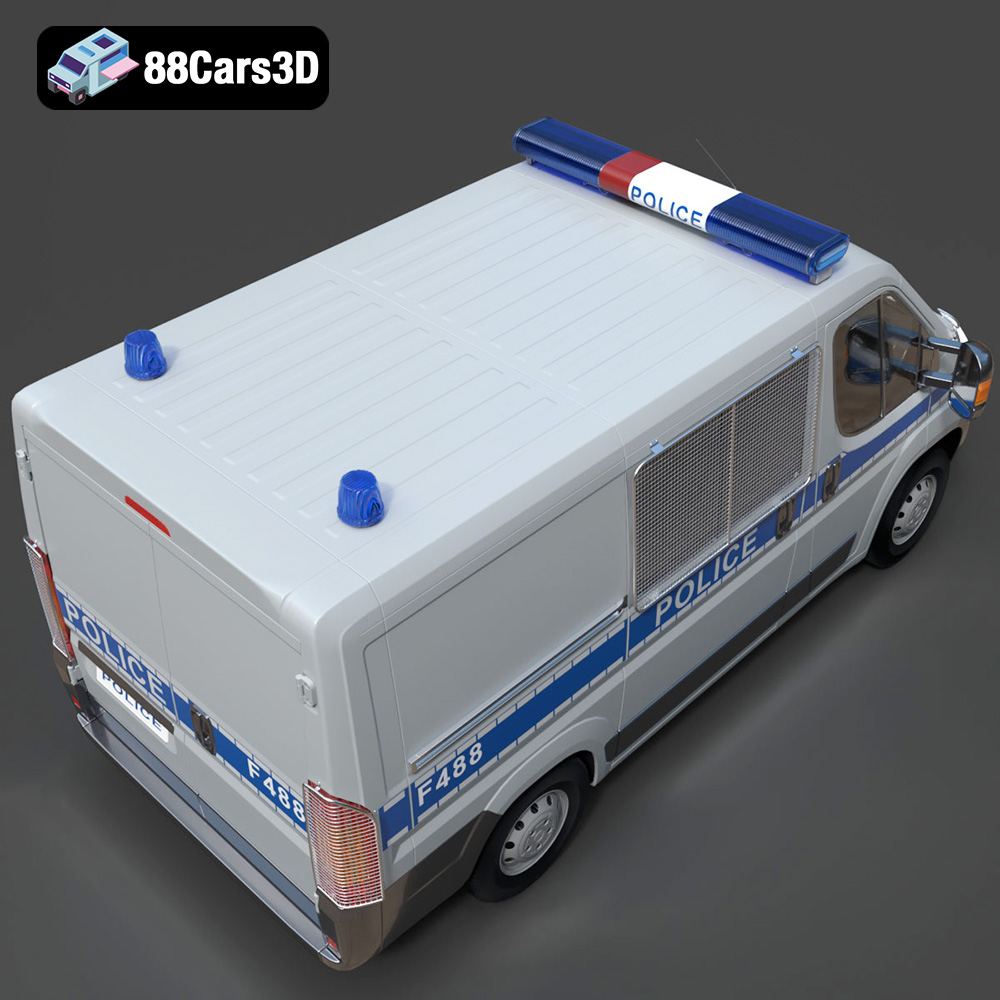
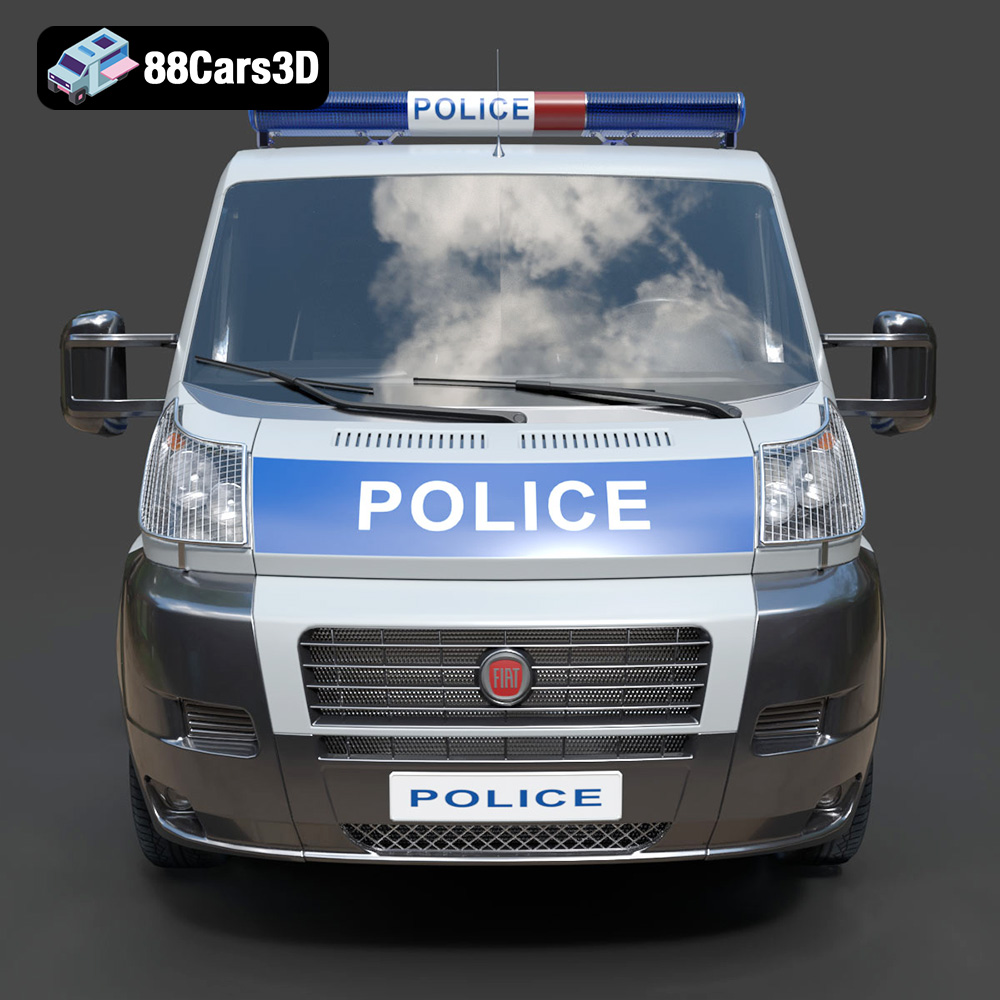
The Fiat Ducato SWB-001 3D model is a meticulously crafted digital asset representing the popular commercial van. Designed for accuracy and realism, this model features detailed exterior bodywork, chassis elements, and a fully structured interior suitable for close-up renders and detailed visualizations. This professional 3D vehicle asset is built with clean, organized geometry and optimized polygon counts, ensuring smooth performance across various 3D applications and game engines. The model includes physically accurate materials and UV mapping to ensure textures render correctly under diverse lighting conditions, making it an ideal choice for architectural visualization and high-fidelity simulations. Utilize the Fiat Ducato SWB-001 model across multiple professional domains, including architectural visualization, advanced driving simulators, interactive AR/VR experiences, advertising campaigns, and integration into large-scale game environments requiring realistic commercial vehicles.
$19.99
Product Image Gallery