Get 20% OFF All Premium 3D & STL Models!

In the dynamic world of 3D visualization, automotive rendering, and game development, the demand for high-quality, versatile assets is ever-present. From bustling cityscapes in architectural renders to complex traffic simulations and immersive open-world games, vehicles are often the linchpin that brings a scene to life. Creating these assets from scratch, however, can be an arduous and time-consuming process, requiring meticulous attention to detail, robust technical understanding, and optimization for diverse platforms. This is where pre-made professional 3D car models become invaluable, offering a foundation of quality and efficiency that can dramatically accelerate project timelines.
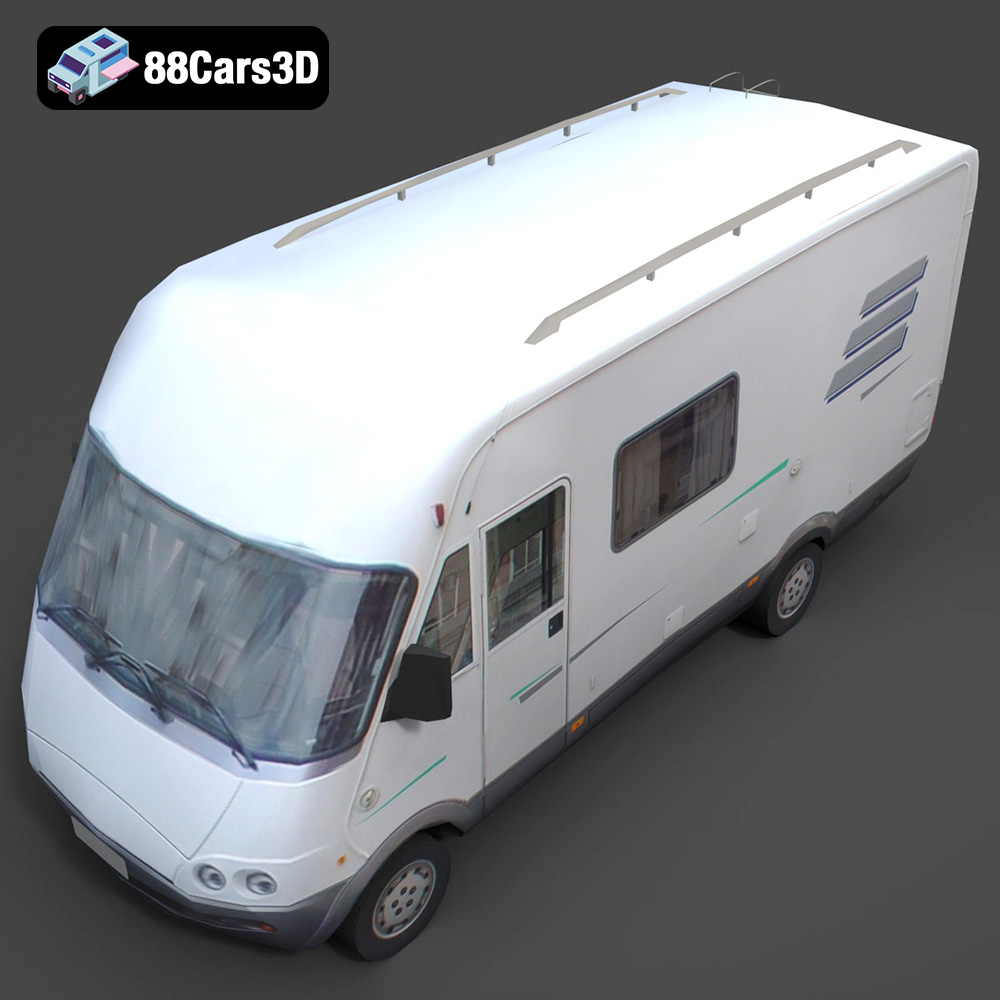
Today, we delve into the core attributes and diverse applications of one such essential asset: a professional Generic Mini-Bus 3D Model. This model isn’t just a static representation; it’s a meticulously crafted digital vehicle designed to integrate seamlessly into a wide array of professional workflows. Whether you’re an architect needing to populate a street scene, a game developer building a new transport system, or a visualization artist aiming for photorealism, understanding the technical depth behind such an asset can unlock immense creative potential and efficiency for your projects. Let’s explore how this Mini-Bus 3D model stands as a testament to professional craftsmanship and an indispensable tool for digital creators, readily available on marketplaces like 88cars3d.com.
When acquiring a 3D model, the file format isn’t merely a technicality; it dictates compatibility, functionality, and how easily the asset can be integrated into your specific software and pipeline. The Generic Mini-Bus 3D Model comes packaged with a comprehensive suite of formats, each serving distinct purposes and catering to different professional needs. Understanding these is crucial for maximizing the model’s utility.
The .blend format is the native file type for Blender, a powerful open-source 3D creation suite. When you receive a .blend file, you’re getting a fully editable Blender scene, complete with the model’s geometry, materials, lighting setups, and even animation data if present. For users entrenched in the Blender ecosystem, this offers unparalleled flexibility. You can easily adjust modifiers, tweak shader networks, modify the mesh, or re-rig the vehicle using Blender’s robust toolset. It’s ideal for deep customization and leverages Blender’s native rendering engines like Cycles and Eevee for high-quality automotive rendering.
Autodesk’s .fbx (Filmbox) format has become an industry standard for exchanging 3D data between various software applications and game engines. It’s renowned for its ability to store not just geometry, but also materials, textures, animations, and even rigging information in a single package. For the Generic Mini-Bus, the .fbx file is ideal for pipelines involving Unreal Engine, Unity, and other real-time environments, ensuring that the model’s hierarchy, pivots, and basic material assignments translate effectively. It’s also excellent for importing into 3ds Max, Maya, or Cinema 4D for further refinement.
The .obj (Wavefront OBJ) format is one of the oldest and most universally compatible 3D file formats. It’s a simple, text-based format that primarily stores mesh geometry (vertices, normals, UVs) and material references, usually accompanied by an .mtl file for basic material definitions. While it doesn’t support advanced features like animation or rigging, its widespread support across virtually all 3D software makes it an excellent fallback for cross-software compatibility. If you need to import the Mini-Bus into a niche application or ensure maximum compatibility, .obj is a reliable choice.
The .glb (GLB, a binary version of glTF) format is a relatively newer standard specifically optimized for the efficient transmission and loading of 3D scenes and models in web browsers, augmented reality (AR), and virtual reality (VR) applications. It packs geometry, materials, textures, and animation into a single compact file, making it perfect for experiences where quick loading times and performance are paramount. Using the Mini-Bus in a web configurator, an AR app, or a lightweight VR experience benefits significantly from this optimized format.
The .stl (STereoLithography) format is the de facto standard for 3D printing. It represents a 3D model as a collection of unconnected triangular facets, defining the surface geometry of an object. While it lacks color or texture information, it’s precisely what 3D printers and slicer software need to understand the physical form to be printed. For those looking to create a tangible miniature replica of the Generic Mini-Bus, the .stl file provides a direct path from digital asset to physical object, ensuring the model’s form is accurately translated.
The .ply (Polygon File Format) is another format for storing 3D data, particularly known for its ability to store various properties beyond just geometry, such as color, transparency, and sometimes even surface normal information for each vertex or face. It’s often used in applications requiring high precision, such as 3D scanning, CAD (Computer-Aided Design), and scientific analysis. For engineers or designers needing to incorporate the Mini-Bus into a more analytical or precision-focused workflow, the .ply format offers a robust data set.
The .unreal format signifies an asset specifically packaged and optimized for direct import or even existing within an Unreal Engine project structure. This means the Generic Mini-Bus might come pre-configured with Unreal-specific materials, collision meshes, LODs (Levels of Detail), and even basic blueprints for vehicle movement, drastically reducing setup time for game developers. It ensures the model is instantly ready to drop into an existing Unreal project for real-time environments and simulations, leveraging the engine’s powerful rendering capabilities.
Finally, the .max format is the native file type for Autodesk 3ds Max, a leading software for 3D modeling, animation, and rendering. Similar to .blend, a .max file contains a full scene, including the Mini-Bus’s geometry, materials, textures, lighting, cameras, and animation data. For professionals using 3ds Max, this format provides full editability and access to all of Max’s advanced features, making it ideal for high-fidelity automotive rendering, complex animation sequences, and integration into existing architectural visualization projects.
The inclusion of such a comprehensive array of formats for the Generic Mini-Bus 3D Model underscores its professional versatility, ensuring that whatever your preferred software or project requirements, a compatible and optimized version is at your fingertips.
Creating a professional 3D car model, particularly for a commercial vehicle like a Mini-Bus, involves a delicate balance between artistic accuracy and technical precision. The Generic Mini-Bus 3D Model exemplifies this synergy, showcasing features that elevate it beyond a simple mesh to a truly functional asset.
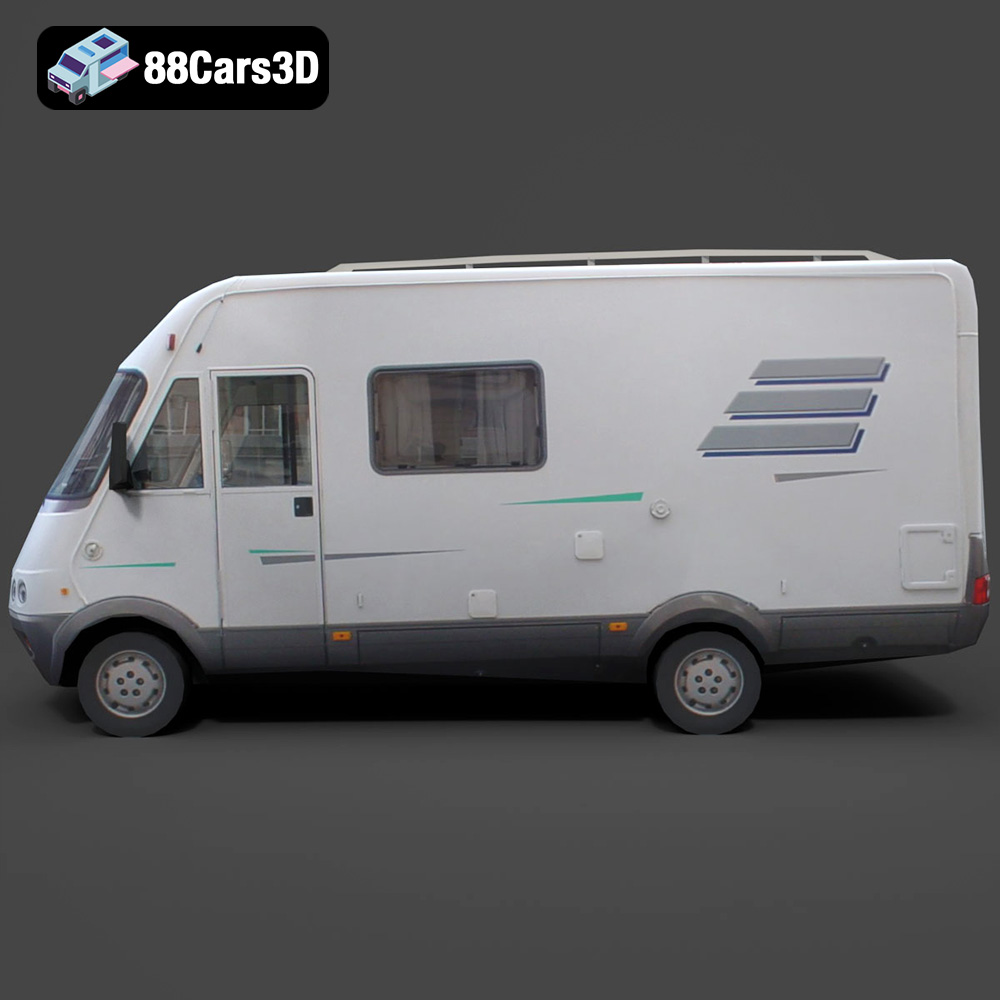
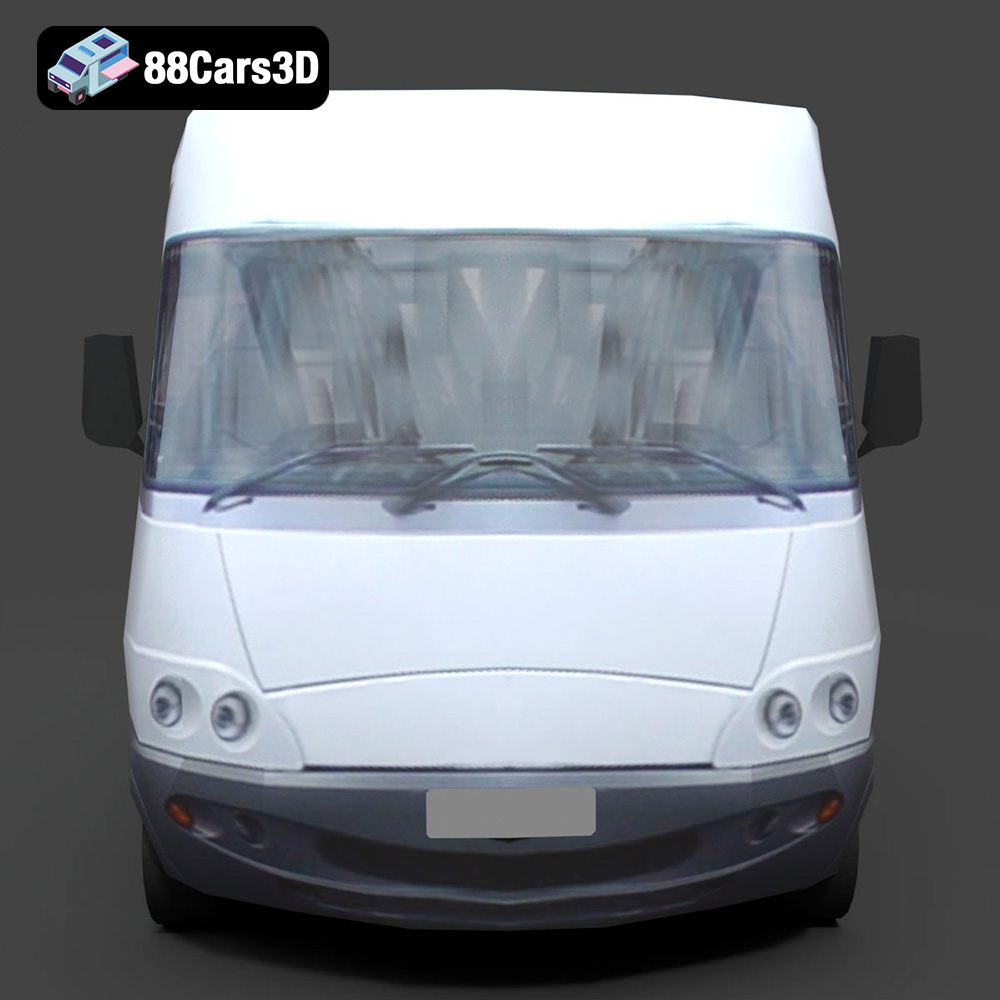
The exterior of any vehicle is its most recognizable feature, and for this Mini-Bus, attention to detail is paramount. Authentic body panels and chassis design ensure the silhouette and proportions are true to life, critical for believable renders and simulations. Detailed headlights, taillights, and signal lights come with pre-assigned transparent materials, ready to emit light or reflect their environment realistically. Windows and the windshield are also set up for easy tinting or material adjustments, allowing artists to adapt the vehicle to different lighting conditions or stylistic preferences. Even functional-looking passenger and driver doors are separated, a crucial feature for animation workflows, enabling realistic entry/exit sequences or collision responses.
Beyond the primary structure, robust wheels with detailed rims and tires contribute significantly to the model’s visual fidelity. These aren’t just cylinders; they feature accurate tread patterns and rim designs that enhance realism, especially in close-up shots. Furthermore, practical elements like a roof-mounted AC unit and accessible luggage rack components add to the vehicle’s utility and visual authenticity, making it perfectly suited for urban transport scenarios.
While the exterior grabs immediate attention, a well-developed interior is vital for immersive experiences and detailed visualizations. This Mini-Bus model boasts an optimized interior layout, featuring a driver’s cockpit with a detailed dashboard, steering wheel, and essential controls, alongside passenger seating rows. This level of detail is sufficient for most external views and even some internal close-ups, striking a balance between visual completeness and polygonal efficiency. For scenarios like driver training simulations or interior architectural visualization, this foundation is invaluable.
Under the hood, or rather, beneath the chassis, basic mechanical components are included. The engine bay area features simplified yet recognizable parts, primarily optimized for external views or quick renders where the engine might be partially visible. Similarly, underbody elements such as suspension components and the exhaust system are modeled where they would typically be visible, adding to the overall realism without unnecessarily bloating the polygon count for elements rarely seen in full detail. This strategic detailing ensures a convincing model from all angles without sacrificing performance.
The true measure of a professional 3D asset lies in its adaptability. The Generic Mini-Bus 3D Model is engineered for seamless integration across a spectrum of industry applications, from high-fidelity rendering to real-time interactive experiences.
For architectural visualization (ArchViz) artists, populating street scenes or urban environments with realistic vehicles is essential for conveying scale and atmosphere. This Mini-Bus model, with its accurate real-world scale and detailed exterior/interior, is perfect for creating stunning studio renders, cinematic sequences, and vivid architectural visualizations. Its clean topology ensures smooth subdivisions, allowing for extremely close-up shots without unsightly faceted surfaces. The separated doors and logically organized hierarchy mean artists can easily create animated sequences of passengers boarding or the bus driving through a scene, adding dynamic realism to static architectural designs. The ability to modify paint finishes, liveries, and graphics allows for easy branding to match specific project requirements or regional aesthetics.
In game development, the Generic Mini-Bus 3D Model shines as a reliable vehicle asset for racing games, open-world environments, or simulation titles. The included .fbx and .unreal formats are specifically tailored for integration into major game engines like Unreal Engine and Unity. Its optimized geometry, efficient UV mapping, and properly set pivots are critical for game performance. Game developers can easily rig the model for advanced physics, collision detection, and vehicle locomotion systems. The balanced detailing means it looks great up close but performs efficiently in a real-time environment, even allowing for the creation of multiple Levels of Detail (LODs) if further optimization is required for large-scale open worlds. This asset saves countless hours that would otherwise be spent on modeling, texturing, and initial engine setup.
The burgeoning fields of Augmented Reality (AR) and Virtual Reality (VR) demand highly optimized assets that maintain visual quality while ensuring smooth, immersive experiences. The .glb format included with the Mini-Bus is specifically designed for these applications, offering excellent performance for web-based AR, mobile VR, or dedicated headset experiences. Imagine an AR app allowing users to place a virtual Mini-Bus in their real-world environment, or a VR training module for bus drivers. The model’s real-world scale and accurate details make it ideal for creating believable, interactive simulations. For professional training modules in transport or logistics, the optimized interior layout and basic mechanical components provide a solid foundation for interactive scenarios and pedagogical applications.
Beyond its aesthetic appeal, a professional 3D car model is defined by its underlying technical robustness. The Generic Mini-Bus 3D Model incorporates several key technical advantages that ensure its usability and high performance across various digital platforms.
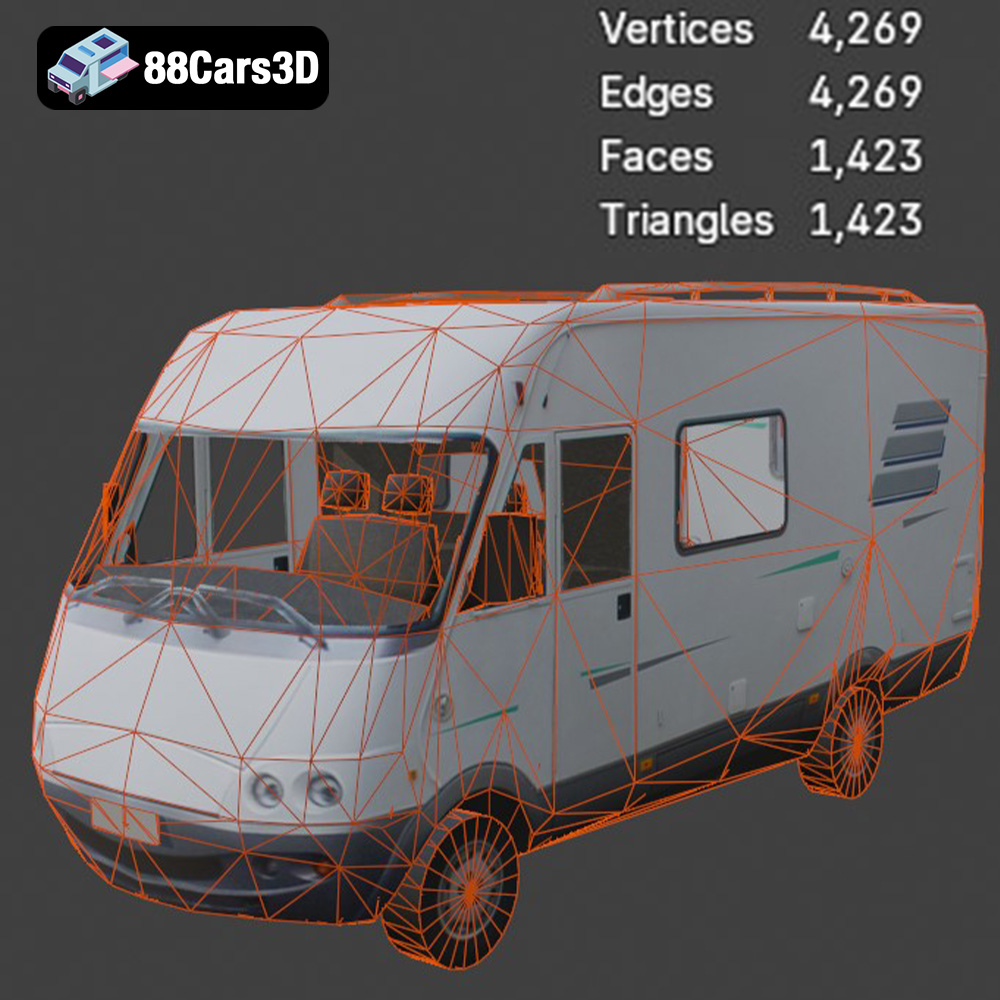
At the heart of any good 3D model is its topology – the arrangement of polygons that form its surface. The Mini-Bus boasts clean, quad-dominant topology, which is the gold standard for 3D models. This ensures smooth subdivisions when applying smoothing modifiers (like TurboSmooth or Subdivision Surface), leading to organic, artifact-free surfaces even at high detail levels. It also makes the model easier to deform during animation, preventing unwanted pinching or stretching. Coupled with efficient UV mapping, the process of unwrapping the 3D surface to a 2D plane for texture application becomes straightforward. This saves texture artists significant time and ensures textures appear correctly and without distortion, leading to higher quality automotive rendering and more flexible customization.
An often-overlooked but crucial aspect of professional 3D models is accurate real-world scale. The Mini-Bus model is built to precise dimensions, ensuring seamless integration into existing scenes, whether they are architectural plans, urban layouts, or game environments. This prevents issues with scale discrepancies when importing into different software or engines, saving artists from time-consuming adjustments. Furthermore, the model features a logically organized hierarchy with properly set pivots. This means components like doors, wheels, and steering are grouped intuitively, and their pivot points (the axis around which they rotate) are correctly positioned. This organization is essential for easy rigging, animation, and interaction within game engines or simulation software, making it a highly ‘animatable’ and ‘interactive’ asset right out of the box.
A professional asset isn’t just about what it is, but what it can become. The Generic Mini-Bus 3D Model offers extensive customization options, empowering artists and developers to tailor it precisely to their creative visions.
The ability to easily modify paint finishes, liveries, and graphics is a powerful tool for branding and narrative. Artists can apply corporate logos, public transport liveries, or even stylized graphics to match specific brands or scenarios. This flexibility transforms a generic asset into a bespoke vehicle for a particular project. Adjusting material properties for metals, glass, rubber, and plastics allows for fine-tuning visual effects, from the subtle reflectivity of a metallic paint job to the grittiness of tire rubber or the translucency of tinted windows. This level of material control is vital for achieving photorealistic automotive rendering and matching specific aesthetic requirements.
Beyond surface properties, customizing lighting setups is key to creating different atmospheric renders. Whether you need a bright, sunny day scene, a moody twilight drive, or a dramatic night-time urban commute with illuminated headlights and taillights, the model’s design accommodates various lighting scenarios. Its optimized geometry and clean materials react predictably to different light sources, allowing artists to craft compelling visual stories around the Mini-Bus, greatly enhancing its appeal in any scene.
The Generic Mini-Bus 3D Model is far more than just a digital representation of a vehicle; it’s a meticulously engineered professional asset designed to streamline workflows and elevate the quality of digital productions. From its diverse file format offerings that ensure universal compatibility to its detailed exterior and optimized interior, every aspect of this model is crafted with the needs of architects, game developers, visualization artists, and simulation experts in mind.
Its clean, quad-dominant topology, accurate real-world scale, and logically organized hierarchy translate directly into efficiency and flexibility across various applications, including high-fidelity automotive rendering, robust game development, immersive AR/VR experiences, and precise simulation training. The extensive customization options further ensure that this asset can be seamlessly adapted to any project’s unique requirements, saving invaluable time and resources while delivering stunning visual results.
In a fast-paced digital landscape where quality and efficiency are paramount, investing in pre-made, professionally crafted 3D car models like this Mini-Bus is a strategic decision. It allows creators to focus on the narrative, interaction, and overall design of their projects, rather than getting bogged down in the intricacies of asset creation. For those seeking to populate their digital worlds with high-quality, versatile vehicles, exploring assets like the Generic Mini-Bus 3D Model on platforms such as 88cars3d.com offers a clear path to success.
Experience the versatility and efficiency of our professional 3D model of a Mini-Bus. Designed with urban transport and passenger services in mind, this model features a clean, optimized geometry suitable for a wide range of applications. With balanced detailing and a realistic representation, it’s perfect for high-quality rendering, intricate animations, detailed simulations, and robust game development.
$21.99