The Art and Engineering Behind High-Quality 3D Automotive Assets
In the dynamic world of digital content creation, the demand for high-fidelity 3D models continues to skyrocket. From cinematic visual effects and immersive game environments to detailed architectural visualizations and advanced simulations, the quality of your 3D assets can make or break a project. This is especially true for automotive models, which require a meticulous balance of aesthetic accuracy, technical precision, and performance optimization.
Creating professional-grade 3D car models or other vehicles from scratch is a significant undertaking, demanding expertise in modeling, texturing, rigging, and optimization across various software platforms and engines. This is where pre-built, production-ready assets like the Generic Modern Bus 3D Model become invaluable. Designed to seamlessly integrate into diverse workflows, this asset exemplifies the blend of detailed realism and technical robustness that today’s professionals seek. Whether you’re an architect visualizing an urban landscape, a game developer populating a virtual city, or an animator crafting a dynamic scene, understanding the technical underpinnings of such models is key to maximizing their potential.
Understanding 3D Model File Formats
Choosing the right file format is a critical decision in any 3D project, directly impacting compatibility, workflow efficiency, and the specific capabilities you can leverage. High-quality 3D models, such as those found on 88cars3d.com, often come with a variety of formats to ensure maximum flexibility for users. Understanding each format’s strengths and typical use cases is essential for a smooth production pipeline.
.blend – Fully Editable Blender Scene with Materials
The .blend format is native to Blender, one of the most powerful and widely used open-source 3D content creation suites. When a 3D model like the Generic Modern Bus comes as a .blend file, it means you’re getting the complete working file, including the full scene setup, lighting, camera, modifiers, and all associated materials and textures packed within. This format is ideal for Blender users who need full editability, allowing them to dissect the model, make structural changes, re-rig, re-texture, or even animate directly within Blender’s environment. It offers the most comprehensive access to the asset’s construction, making it perfect for custom modifications or deep dives into its topology and material setup.
.fbx – Ideal for Unreal, Unity, and Real-Time Pipelines
The .fbx (Filmbox) format is an industry-standard proprietary format developed by Autodesk, renowned for its excellent interchangeability between various 3D applications and game engines. It is exceptionally versatile, capable of storing not just mesh data, but also materials, textures, cameras, lights, and crucially, animation data and skeletal rigs. For game development, particularly with Unreal Engine and Unity, .fbx is often the go-to format due to its robust support for animations and efficient data transfer. It maintains a good balance between file size and data integrity, making it highly suitable for exporting models like our Generic Modern Bus for real-time applications where performance and animation fidelity are paramount.
.obj – Universal Format for Cross-Software Compatibility
The .obj (Wavefront OBJ) format is one of the oldest and most universally supported file formats for 3D geometry. It primarily stores vertex positions, UV coordinates, normals, and references to external material files (.mtl). While it doesn’t typically store animation or rigging data, its simplicity and widespread compatibility make it an excellent choice for basic mesh transfer between virtually any 3D software. If you need to import the Generic Modern Bus into an application that might not support .fbx or native formats, .obj is a reliable fallback. It’s often used when the primary goal is static mesh import for rendering or sculpting.
.glb – Optimized for AR, VR, and Browser-Based Display
The .glb (GL Transmission Format Binary) is a relatively newer format, gaining significant traction for its efficiency and optimization for web-based 3D applications, augmented reality (AR), and virtual reality (VR) experiences. It’s a binary version of the glTF format, meaning it packs all necessary data—geometry, materials, textures, animations—into a single, self-contained file. This makes it incredibly easy to share and load quickly in browsers or mobile AR/VR viewers, minimizing HTTP requests and processing time. For showcasing the Generic Modern Bus on a website or deploying it in an AR app, .glb is the format of choice for its lightweight nature and performance.
.stl – Suitable for 3D Printing Output
The .stl (Stereolithography) format is the standard for 3D printing. It represents 3D surfaces as a collection of unconnected triangular facets, without color, texture, or other CAD attributes. While it lacks the rich data of other formats, its simplicity makes it universally compatible with 3D printers and slicing software. Converting the Generic Modern Bus to .stl would allow you to create a physical scale model, perfect for architectural models, product prototyping, or educational purposes. It’s crucial that the source model has a watertight mesh for successful .stl export and printing.
.ply – Precision Mesh Format for CAD or Analysis
The .ply (Polygon File Format, or Stanford Triangle Format) is another format for storing 3D data, particularly useful for scanned data, CAD applications, and scientific analysis. It can store various properties beyond just geometry, such as color, transparency, normals, texture coordinates, and even reliability information. It’s more versatile than .obj in terms of data storage for complex meshes but less common for general 3D asset exchange compared to .fbx. For engineers or researchers needing to import the Generic Modern Bus into specific analysis software, .ply can offer a more robust data representation.
.unreal – Engine-Ready Asset for Real-Time Environments
While not a universal file extension in the traditional sense, an “.unreal” asset package or project setup signifies a model that has been specifically prepared and configured for Unreal Engine. This often means the asset includes properly imported meshes, materials setup for Unreal’s Physically Based Rendering (PBR) system (with textures linked), collision meshes, LODs (Levels of Detail), and potentially even Blueprints for interactive elements. For the Generic Modern Bus, receiving an .unreal project would mean a direct, optimized integration into your Unreal Engine project, saving immense time on setup and ensuring optimal performance and visual fidelity within the engine.
.max – Editable 3ds Max Project for Animation and Rendering
The .max format is the native file type for Autodesk 3ds Max, a powerhouse in professional 3D modeling, animation, and rendering. Similar to .blend for Blender, a .max file of the Generic Modern Bus provides the complete scene, including the model’s geometry, modifiers, materials, textures, lighting, cameras, and any animation data or rigging. This format is ideal for professionals using 3ds Max for high-end architectural visualization, cinematic rendering, or complex animation sequences. It offers full access to the original project structure, allowing for deep customization and leveraging 3ds Max’s extensive toolset for further development.
Deep Dive into the Generic Modern Bus 3D Model: Engineering for Excellence
The true value of a premium 3D asset lies not just in its appearance, but in its underlying technical construction. The Generic Modern Bus 3D Model from 88cars3d.com is a prime example of an asset engineered for both visual excellence and practical utility across diverse applications. Its meticulous design considerations address common challenges faced by 3D artists and developers.
Precision in Exterior Detailing and Form
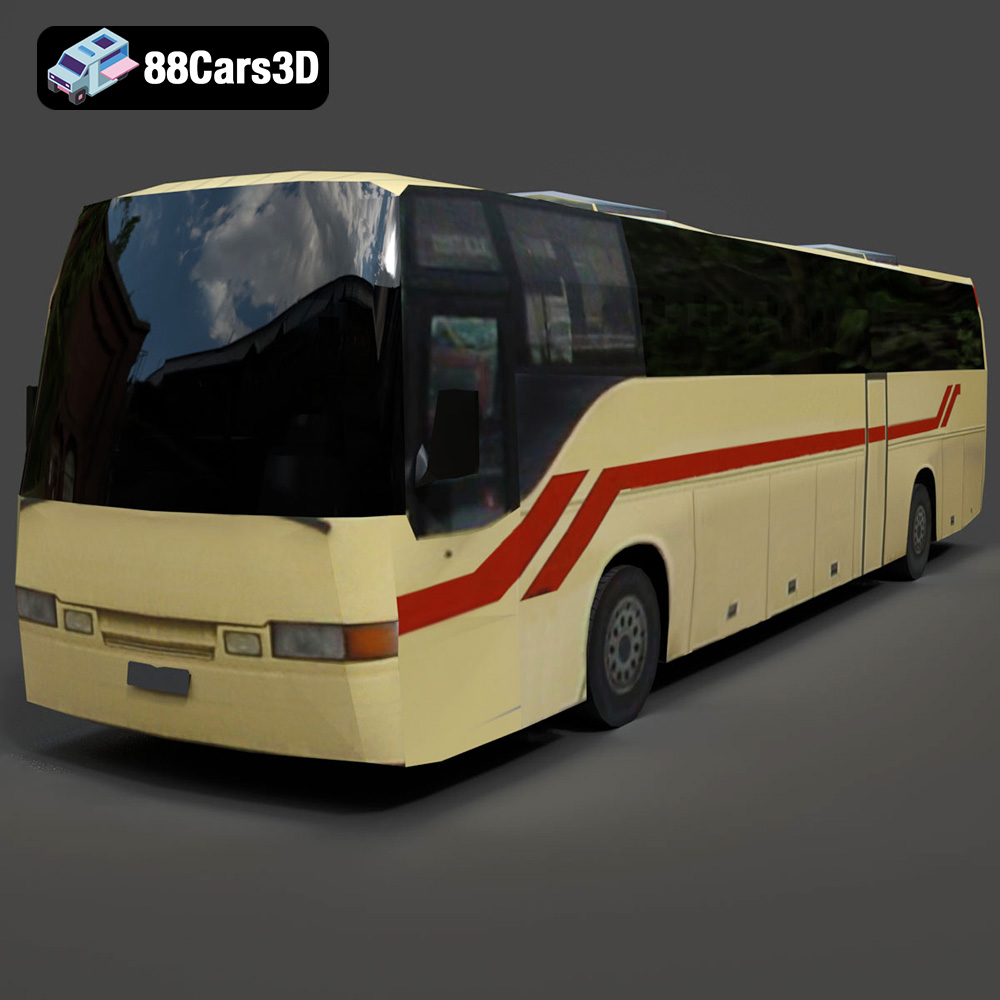
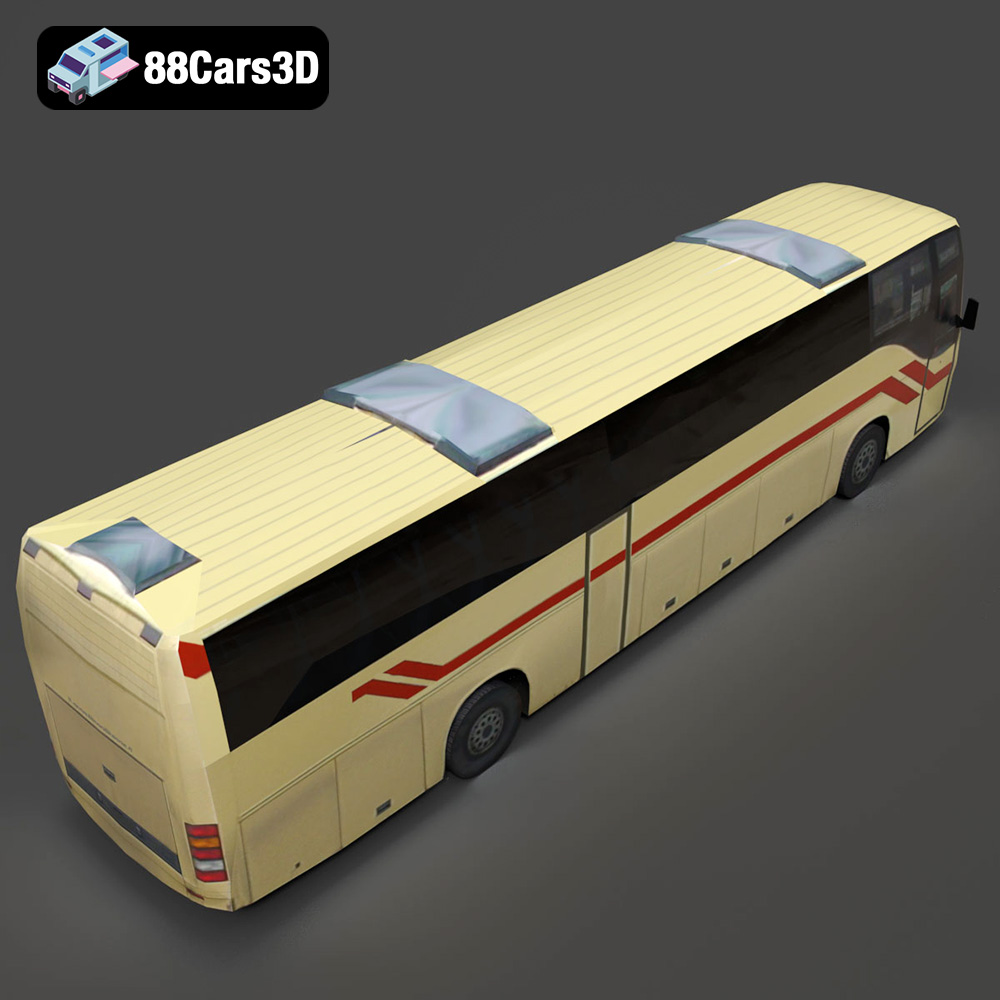
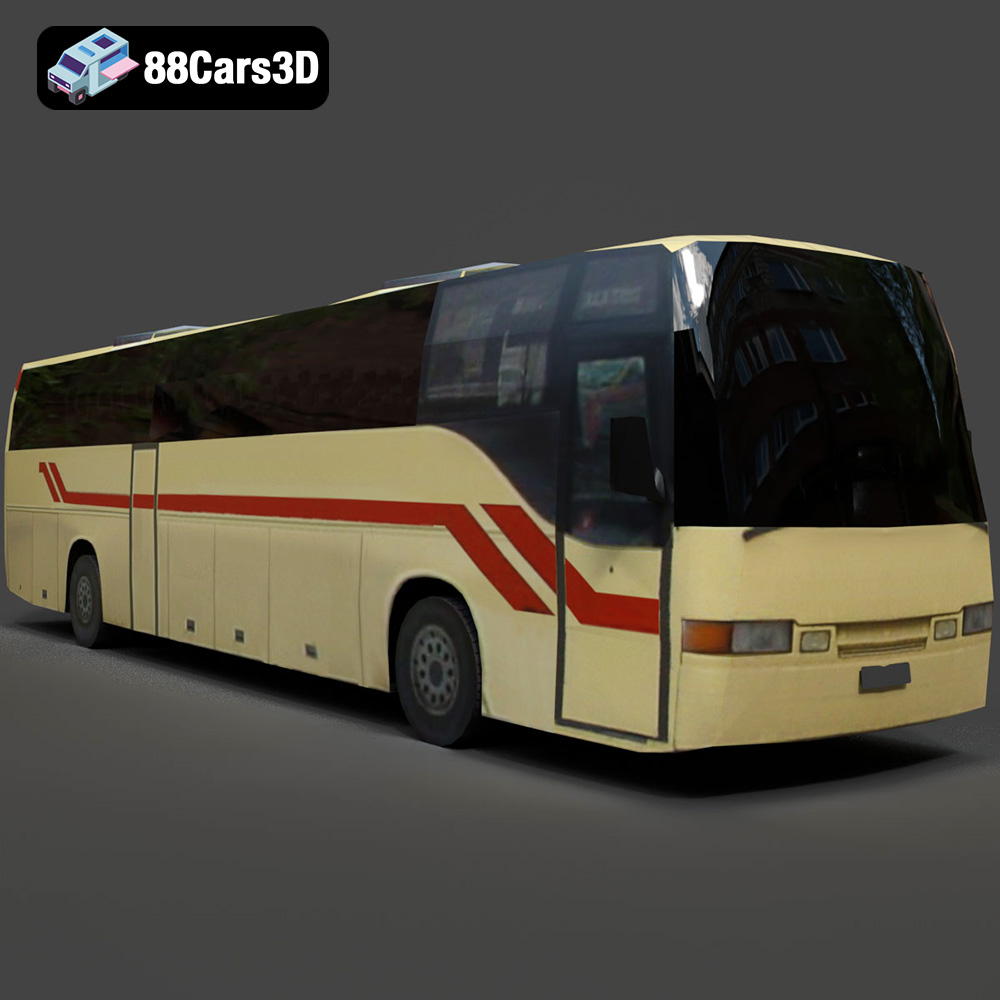
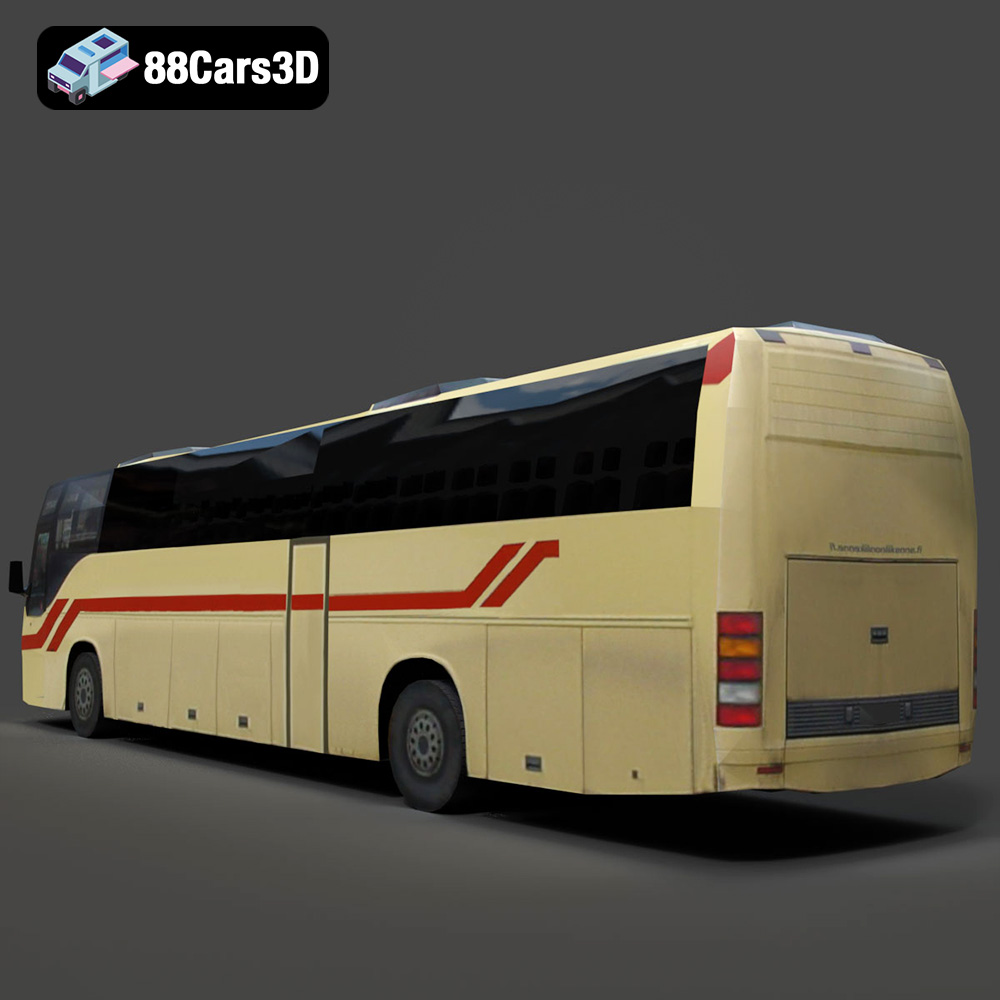
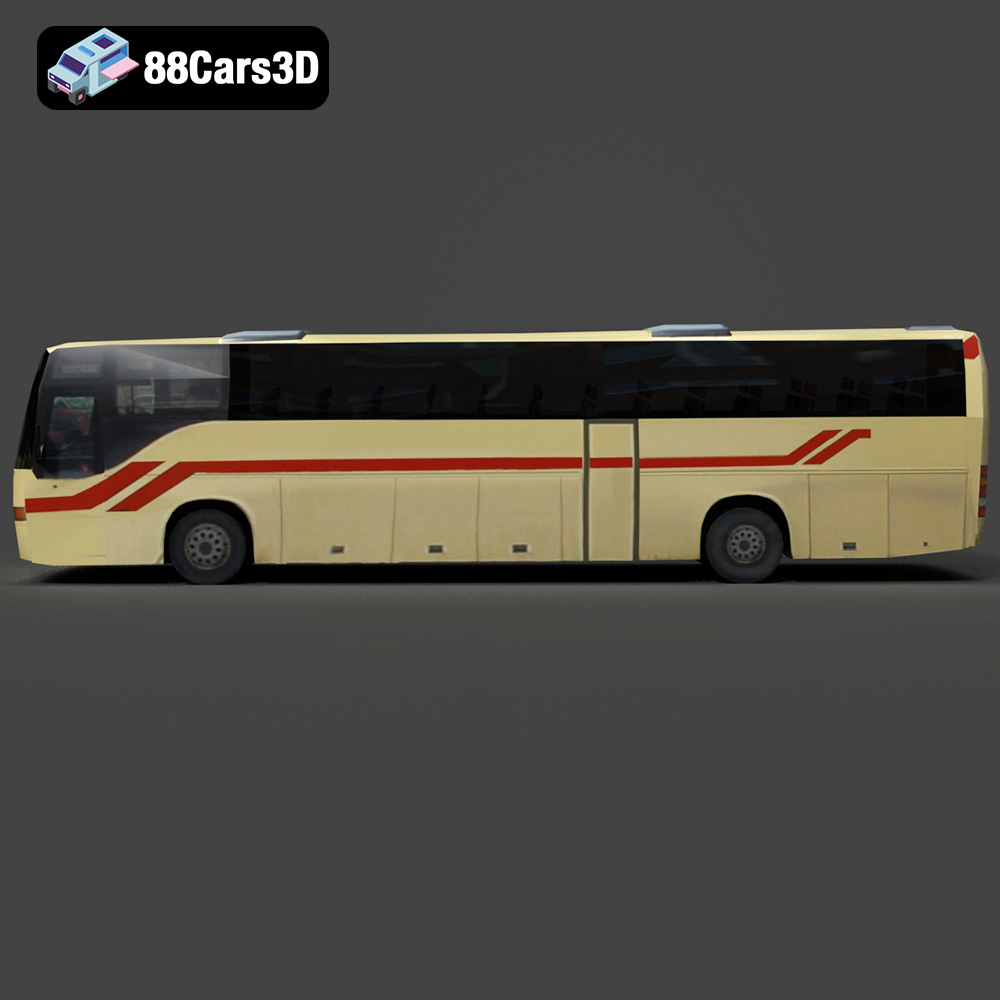
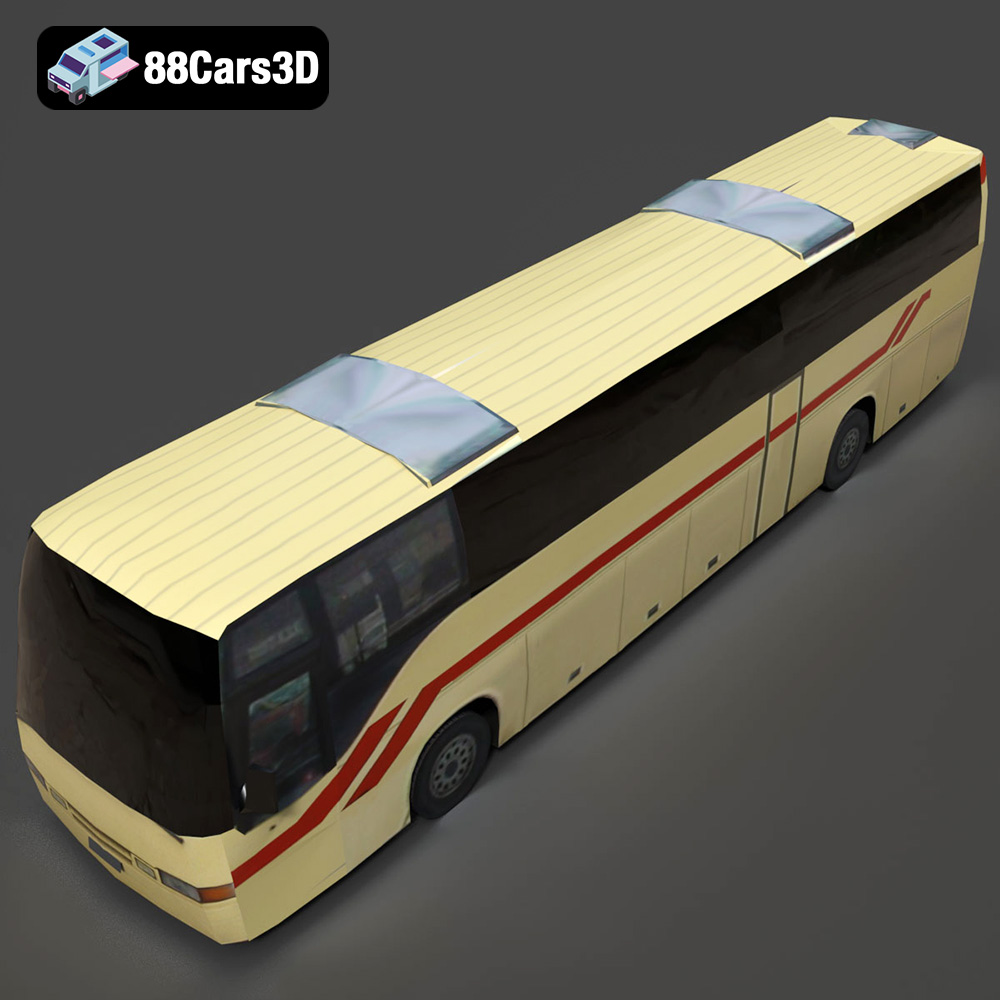
A vehicle model, especially one intended for close-up renders or interactive experiences, must convey realism through its form and features. This bus model excels with its accurate body panels, demonstrating smooth curves where needed and sharp, defined edges for structural elements. Critical components like detailed headlights, taillights, and indicator lamps aren’t just simple textures; they feature transparent materials that react realistically to light, enhancing immersion. The realistic wheels and tires, complete with discernible tread patterns, ensure that even the often-overlooked parts contribute to the overall authenticity. Furthermore, separated doors and windows are not merely visual elements; they are prepared for animation workflows, allowing for dynamic opening and closing sequences. Integrated mirrors, wipers, and roof-mounted details add a layer of functional realism, making the bus feel like a living, breathing component of any virtual scene.
Functional and Aesthetic Interior/Mechanical Features
Beyond the impressive exterior, the Generic Modern Bus offers a thoughtfully designed interior. The detailed driver’s cockpit, complete with a dashboard, steering wheel, and controls, provides a convincing environment for driver’s eye views or simulation purposes. Passenger seating and standing areas, equipped with grab handles, accurately reflect a contemporary public transport vehicle, ready to be populated with characters. Accessible entrance/exit points and internal lighting fixtures further enhance the realism and utility for animation or interactive scenarios. Importantly, the interior mesh quality is optimized, ensuring it looks great in close-up shots while remaining efficient enough for distant views, a crucial balance for game development and large-scale visualizations. Basic chassis and suspension elements are also included, offering foundational mechanical realism for more in-depth simulations or custom rigging.
Technical Advantages for Professional Workflows
The “Technical Advantages” section of this model’s description highlights features that speak directly to experienced 3D artists and developers. The use of clean, quad-dominant topology is a gold standard, facilitating easy modification, smooth subdivision for higher detail, and reliable deformation during animation. Accurate real-world scale is fundamental for seamless integration into existing scenes, preventing frustrating scaling issues. An organized hierarchy with properly set pivots for doors, wheels, and other animated components drastically reduces setup time for animators, allowing for immediate rigging or keyframing. The optimized mesh is engineered for efficient rendering and real-time application performance, ensuring that the model runs smoothly whether in a high-fidelity rendering engine or a demanding game environment. Finally, professionally prepared materials and UV mapping mean consistent texture resolution, easy material adjustments, and immediate visual quality out of the box, saving countless hours of manual preparation.
Integrating the Bus Model into Professional Workflows: From Rendering to Real-Time
The true measure of a high-quality 3D asset is its versatility and ease of integration into diverse professional pipelines. The Generic Modern Bus 3D Model, with its optimized geometry and multi-format availability, is designed to be a cornerstone asset for projects spanning cinematic rendering, interactive game development, and immersive AR/VR experiences.
Architectural Visualization and Urban Planning
For architectural visualization (ArchViz) artists and urban planners, context is everything. A high-fidelity vehicle like the Generic Modern Bus can dramatically enhance the realism and storytelling of a scene. Imagine an architectural rendering of a new city square; populating it with this bus, accurately scaled and textured, provides a sense of scale, activity, and real-world immersion. Artists can import the .max or .blend file into their rendering software (e.g., 3ds Max with V-Ray/Corona, Blender with Cycles/Eevee) and immediately benefit from the professionally prepared materials and UVs. The organized hierarchy simplifies the process of adding subtle animations, such as doors opening at a bus stop or wheels rotating as it drives by. This level of detail elevates a static rendering into a compelling narrative, showing how a proposed structure integrates into a dynamic urban environment.
Game Development and Real-Time Environments
Game developers face unique challenges, balancing visual fidelity with performance constraints. The Generic Modern Bus 3D Model is a robust solution for populating virtual cities in open-world games, simulation titles, or driving simulators. Its optimized mesh and inclusion of .fbx and .unreal formats are critical here. The .fbx file allows for quick import into engines like Unity or Unreal, preserving materials, textures, and pivot points. For Unreal Engine users, the dedicated .unreal setup provides an even faster integration, often including pre-configured collision meshes and LODs (Levels of Detail). LODs are essential for performance, swapping higher detail meshes for lower detail ones as the bus moves further from the camera, reducing polygon count without a noticeable drop in visual quality. This ensures the bus runs efficiently in real-time without bogging down frame rates, making it an ideal game asset.
AR/VR and Interactive Simulations
Augmented Reality (AR) and Virtual Reality (VR) applications demand highly optimized assets that can be rendered smoothly on various devices. The .glb format of the Generic Modern Bus is a game-changer here, providing a compact, single-file solution perfect for web-based AR experiences or mobile VR. Its efficiency allows for quick loading times and fluid interaction. For more complex simulations, such as public transport operator training modules or urban logistics simulations, the model’s detailed interior and proper pivots for doors and controls enable interactive elements. Trainees can “enter” the bus, interact with the dashboard, and practice maneuvers in a highly realistic virtual environment. The blend of visual quality and technical optimization ensures that the immersive experience is both convincing and performant.
Beyond the Visuals: Applications and Customization Potential
A truly versatile 3D asset extends its utility far beyond its initial visual presentation. The Generic Modern Bus 3D Model is built with customization and adaptability at its core, allowing it to serve a multitude of specialized applications and creative visions. This adaptability is what sets premium assets apart and makes them a sound investment for professional artists and studios.
Unlocking Creative Expression Through Customization
While the Generic Modern Bus arrives as a complete, high-quality asset, its design actively encourages modification. Artists can easily modify paint finishes to match specific brand guidelines or regional aesthetics, transforming a generic vehicle into a distinct entity. The inclusion of well-structured UV mapping makes applying custom livery and branding graphics a straightforward process, allowing for the creation of unique company logos, advertisements, or public service messages. Furthermore, adjusting material properties for glass, metal, rubber, and plastics can yield dramatically different visual effects – from brand-new, gleaming surfaces to weathered, aged vehicles. This granular control over materials enables artists to tailor the bus’s appearance to fit any narrative or environment, from a pristine urban scene to a post-apocalyptic wasteland. Even lighting setups can be adapted to create different atmospheric scenes, casting the bus in the bright glow of daylight or the moody ambiance of a rain-slicked night, profoundly impacting its visual presence.
From Virtual Tours to Physical Prototypes: Diverse Applications
The comprehensive nature of the Generic Modern Bus 3D Model opens doors to a wide array of applications:
- Rendering & Visualization: As discussed, it’s perfect for architectural visualizations, urban planning, and cinematic scenes. Imagine a hyper-realistic commercial advertisement featuring the bus, or a detailed fly-through of a newly designed city infrastructure project.
- Game Development: Beyond merely populating cities, this optimized asset can be the centerpiece of city simulation games, complex driving simulators, or even a key interactive element in open-world environments where players can ride or operate the bus.
- AR/VR: Its performance-optimized formats are crucial for enhancing immersive experiences. Picture an interactive museum exhibit where visitors can explore the interior of a bus using a VR headset, or an AR app that lets you place a virtual bus onto a real-world street via your smartphone.
- Simulation & Training: The detailed driver’s cockpit and interior make it an ideal candidate for public transport operator training modules, allowing drivers to practice routes and emergency procedures in a safe, controlled virtual environment. It also serves well in urban logistics simulations, helping to model traffic flow and public transport efficiency.
- 3D Printing: The model’s clean topology means it’s convertible to .stl format, allowing for the creation of physical scale models. This can be invaluable for designers needing physical mock-ups, hobbyists creating dioramas, or educators requiring tangible teaching aids. The precision of the digital model translates directly to the accuracy of the printed object.
Optimizing Performance and Future-Proofing Your Projects
Investing in a high-quality 3D model like the Generic Modern Bus isn’t just about immediate visual impact; it’s about future-proofing your projects and ensuring long-term performance and flexibility. The technical decisions made during the asset’s creation directly translate into efficiencies for your production pipeline.
The Importance of Optimized Mesh and Topology
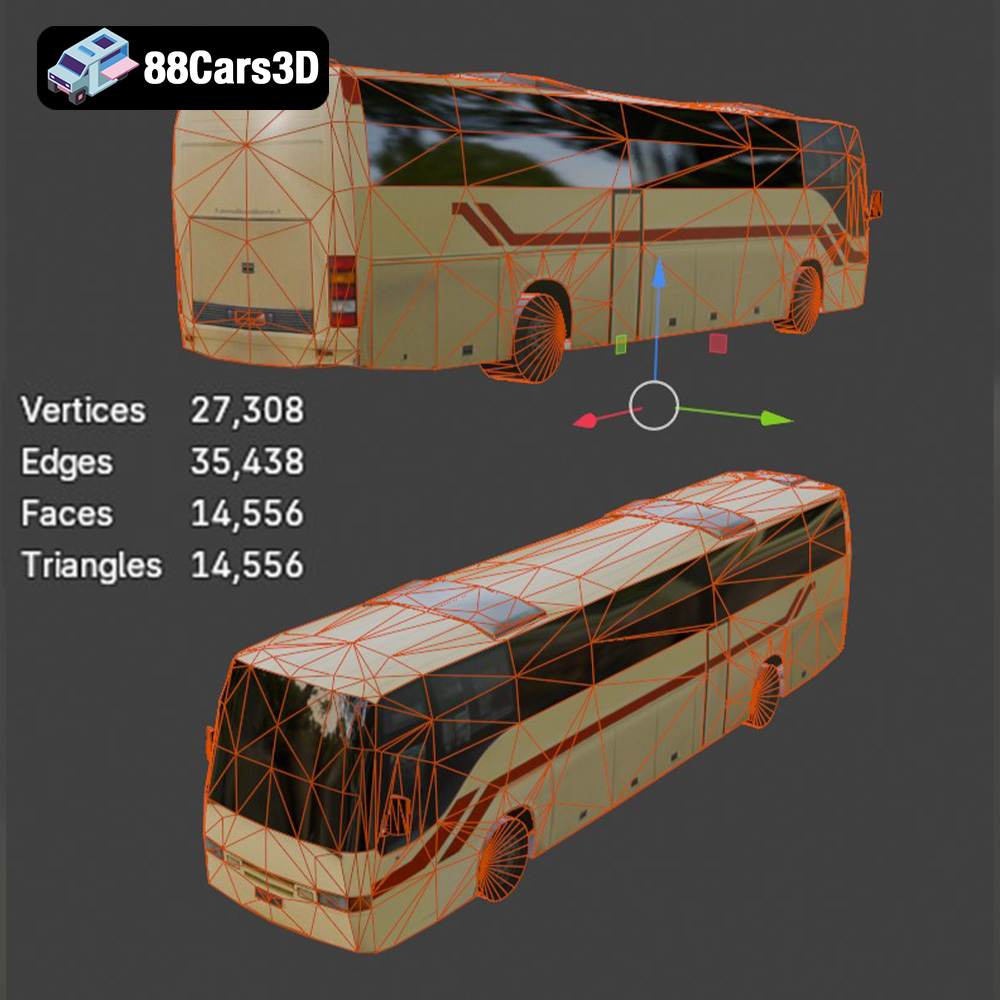
One of the cornerstone advantages of this bus model is its “optimized mesh quality for both distant and close-up interior shots” and “clean quad-dominant topology.” This isn’t just technical jargon; it’s fundamental to performance. Quad-dominant topology ensures clean deformations during animation, making it easier to rig and pose. It also allows for smooth subdivision, meaning you can easily increase the detail level for extreme close-ups without introducing messy artifacts. For real-time applications like games or AR/VR, an optimized mesh with a balanced polygon count is critical for maintaining high frame rates. A poorly optimized model, even if visually appealing, can cripple a project’s performance. The Generic Modern Bus addresses this by providing a model that is visually rich yet computationally lean, enabling efficient rendering across various hardware capabilities.
Scalability and Ease of Integration
The “accurate real-world scale” and “organized hierarchy with properly set pivots” are features that directly contribute to scalability and ease of integration. When every asset in your scene adheres to real-world scale, compositing becomes effortless, and issues with light interaction or physics simulations are minimized. Properly set pivots for doors, wheels, and other animated components eliminate the tedious manual adjustment often required with lesser quality models. This means less time spent fixing basic setup issues and more time focused on creative development. Furthermore, the availability in multiple file formats (.blend, .fbx, .obj, .glb, .stl, .ply, .unreal, .max) ensures that no matter your preferred software or engine, you have a direct path to integrate the model, reducing compatibility headaches and accelerating your workflow. This multi-format approach from 88cars3d.com caters to the diverse needs of the global 3D community, ensuring professionals can pick the best tool for their specific task.
A Foundation for Long-Term Value
In the rapidly evolving landscape of 3D technology, investing in a well-constructed asset is paramount. A model with clean topology, proper UVs, and optimized performance like the Generic Modern Bus is inherently more adaptable to future software updates, rendering techniques, and emerging platforms. It acts as a stable foundation upon which to build, modify, and innovate. This means your initial investment continues to yield returns as your projects evolve, reducing the need for costly reworks or asset replacements down the line. Whether you’re aiming for photorealistic renders today or developing an innovative AR experience for tomorrow, the technical robustness of this 3D car model ensures it remains a valuable part of your digital asset library.
Conclusion
The journey through the intricate world of 3D modeling reveals that true quality transcends mere aesthetics; it is deeply rooted in technical excellence and thoughtful engineering. The Generic Modern Bus 3D Model stands as a testament to this principle, offering a meticulously crafted asset designed for peak performance and versatility across a myriad of professional applications. From its accurately detailed exterior and functional interior to its clean quad-dominant topology and optimized mesh, every aspect has been considered to deliver unparalleled value.
Whether you are an architect aiming for an immersive visualization, a game developer building a sprawling urban environment, or a simulator engineer creating a realistic training module, this model provides the foundational quality and flexibility required. Its broad compatibility, supported by an extensive range of file formats, ensures seamless integration into virtually any 3D pipeline, saving invaluable time and resources. For professionals seeking premium 3D car models and other automotive assets that truly elevate their projects, exploring offerings like the Generic Modern Bus 3D Model on 88cars3d.com is a strategic decision. It’s not just an asset; it’s an investment in efficiency, quality, and the future-proofing of your creative endeavors.
Featured 3D Model
Generic Modern Bus 3D Model
Presenting the Generic Modern Bus 3D Model, a meticulously crafted digital asset designed for high-fidelity visualization and performance across various platforms. This model captures the essence of a contemporary public transport vehicle, featuring a robust exterior and thoughtfully designed interior. Built with clean, optimized geometry and balanced detailing, it ensures professional-grade quality suitable for demanding projects. Ideal for use in realistic rendering, engaging animations, complex simulations, and efficient game development pipelines.
$19.99
Product Image Gallery