The Backbone of Digital Urban Landscapes: Elevating Projects with Premium 3D Models
In the ever-evolving landscape of digital content creation, the demand for high-quality, technically sound 3D assets continues to surge. From sprawling urban simulations in video games to breathtaking architectural visualizations and immersive AR/VR experiences, realistic vehicles are often the linchpin that brings a scene to life. A well-modeled vehicle can transform a static image into a dynamic narrative, adding a layer of authenticity and detail that captivates audiences. However, simply having a 3D model isn’t enough; it must be optimized, versatile, and engineered for specific professional pipelines.
The Demand for Realistic Vehicle Assets
Modern 3D projects, whether for film, gaming, or interactive applications, demand an unparalleled level of realism. This isn’t just about aesthetic appeal; it’s about functionality, performance, and the ability to integrate seamlessly into complex scenes. For urban environments, public transport vehicles like buses are ubiquitous and essential. They represent movement, human activity, and the rhythm of city life. Creating such a model from scratch, ensuring it meets rigorous industry standards for poly count, UV mapping, material setup, and animatability, can be an incredibly time-consuming and resource-intensive endeavor for any studio or individual artist.
Introducing the Generic Modern Bus 3D Model
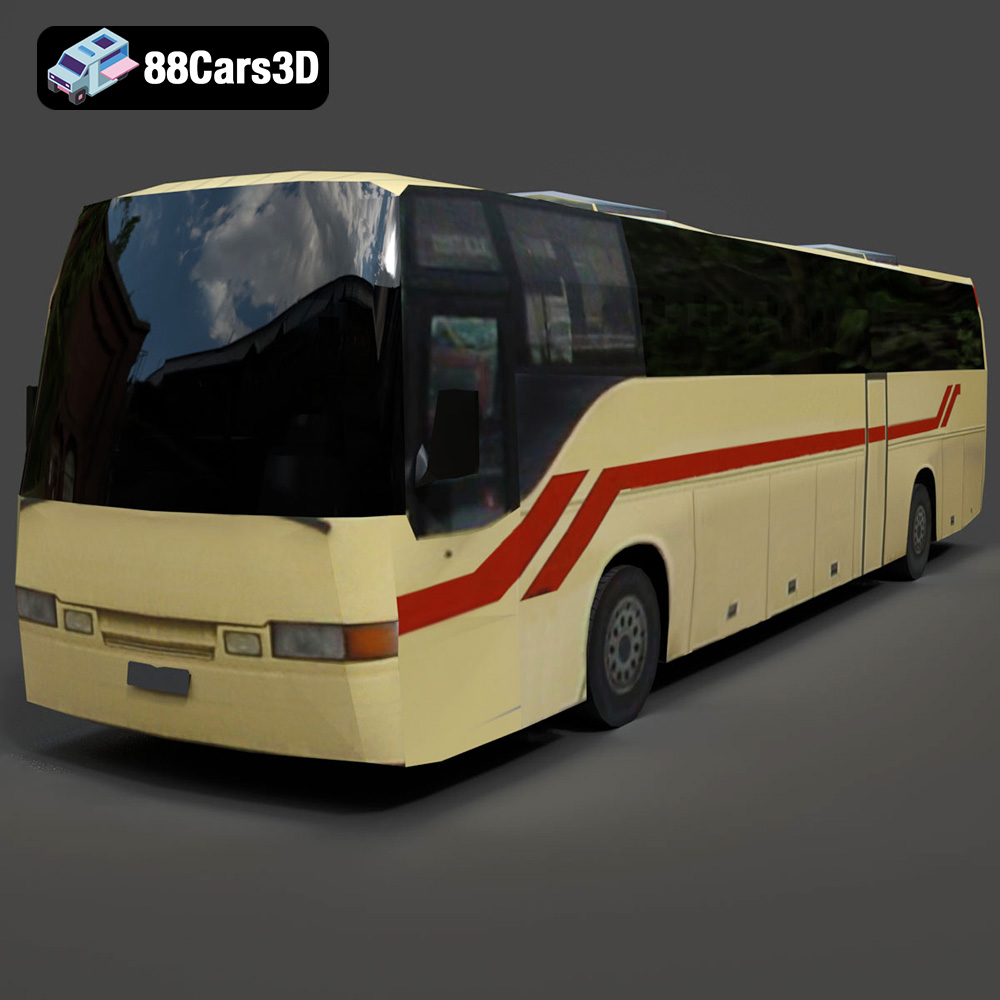
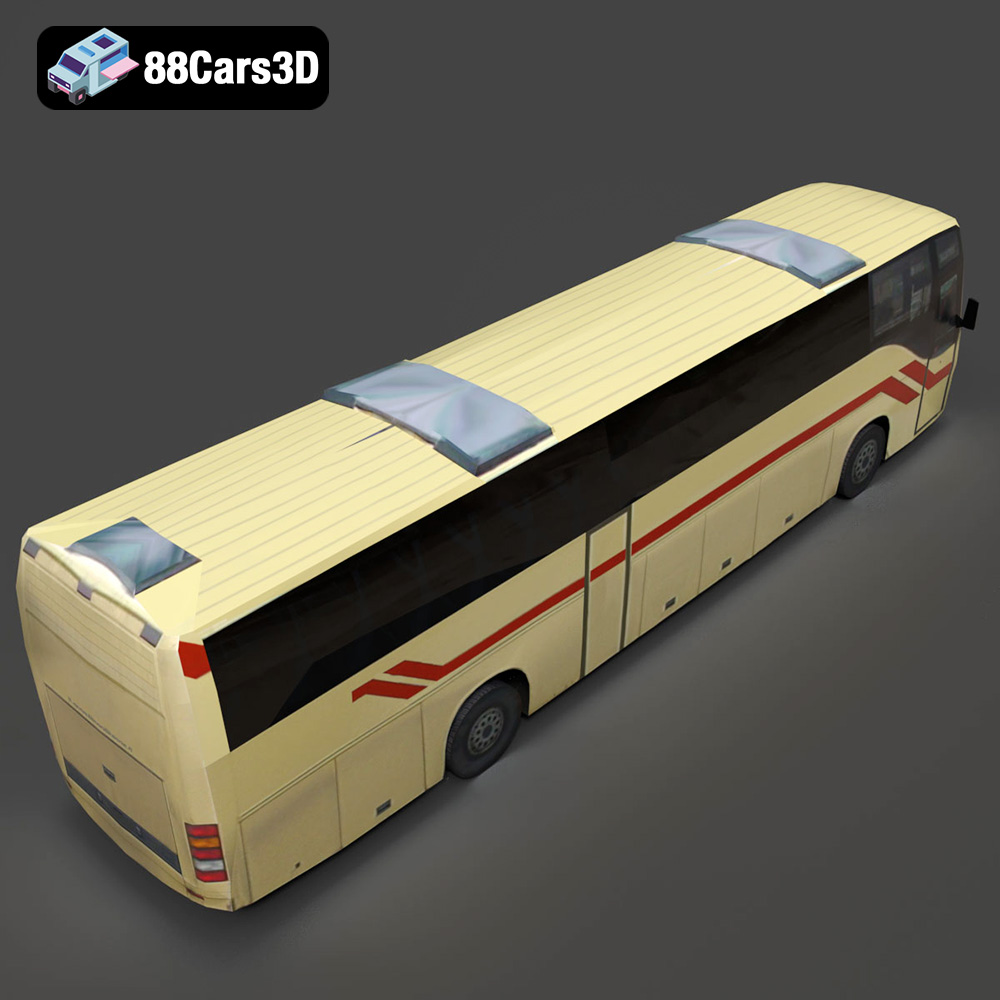
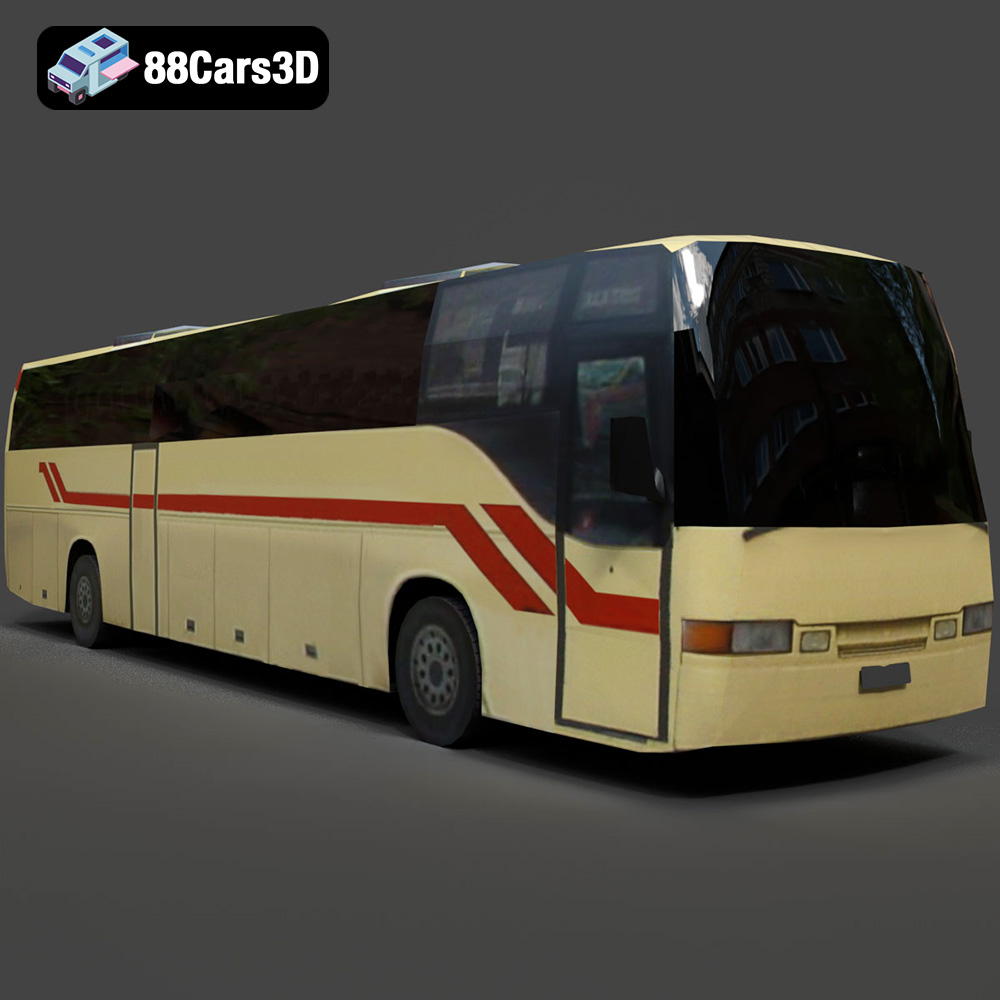
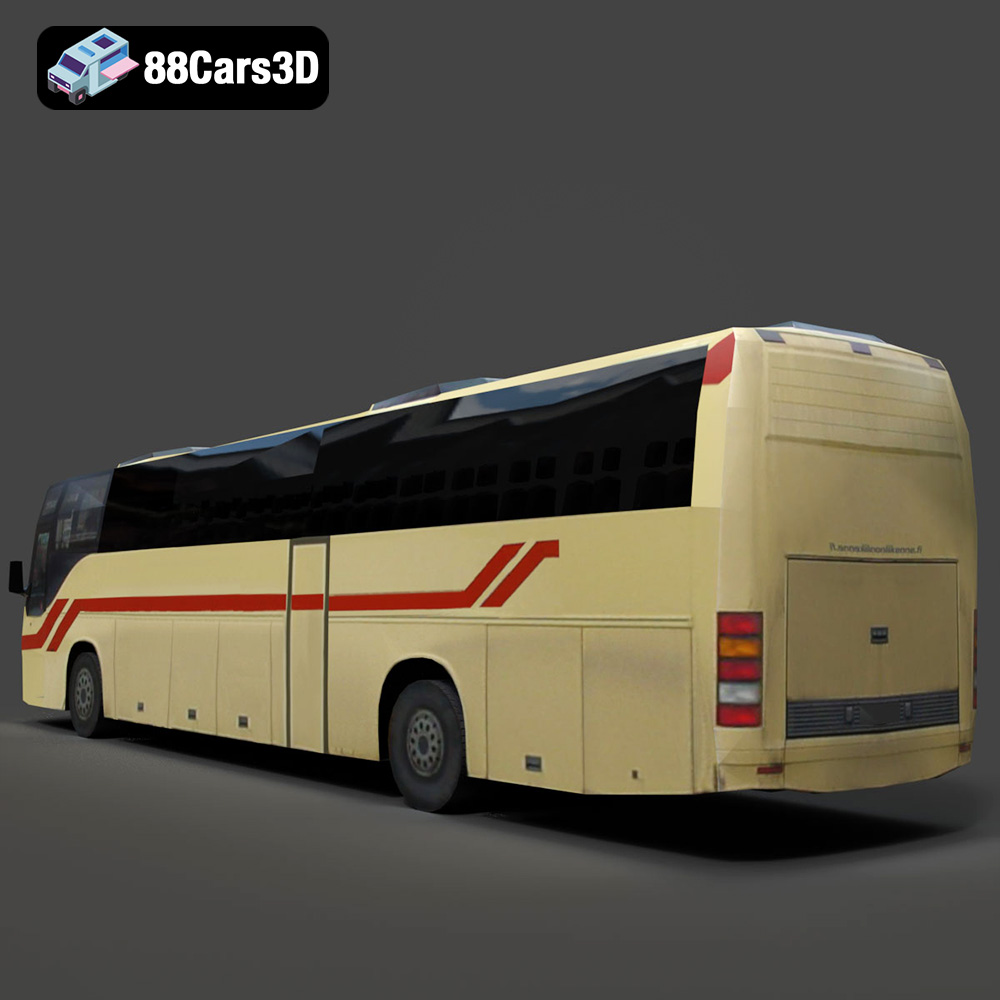
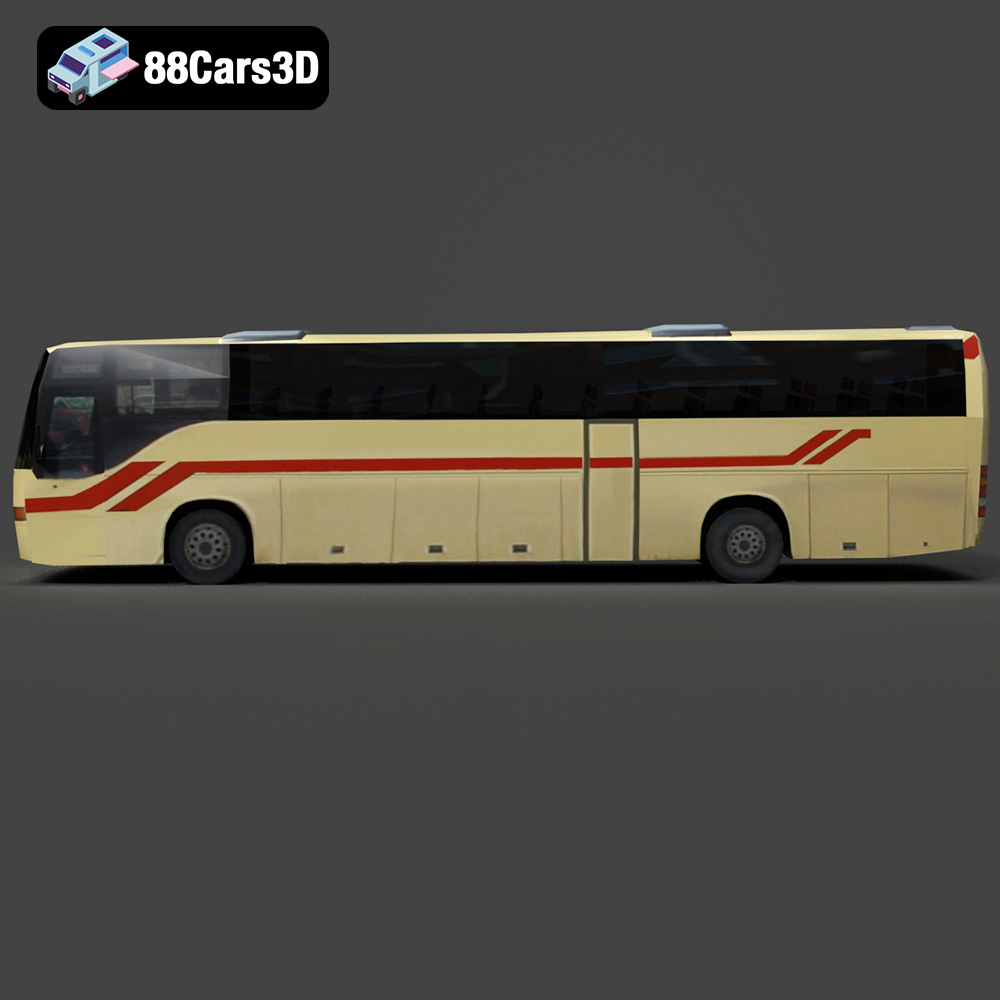
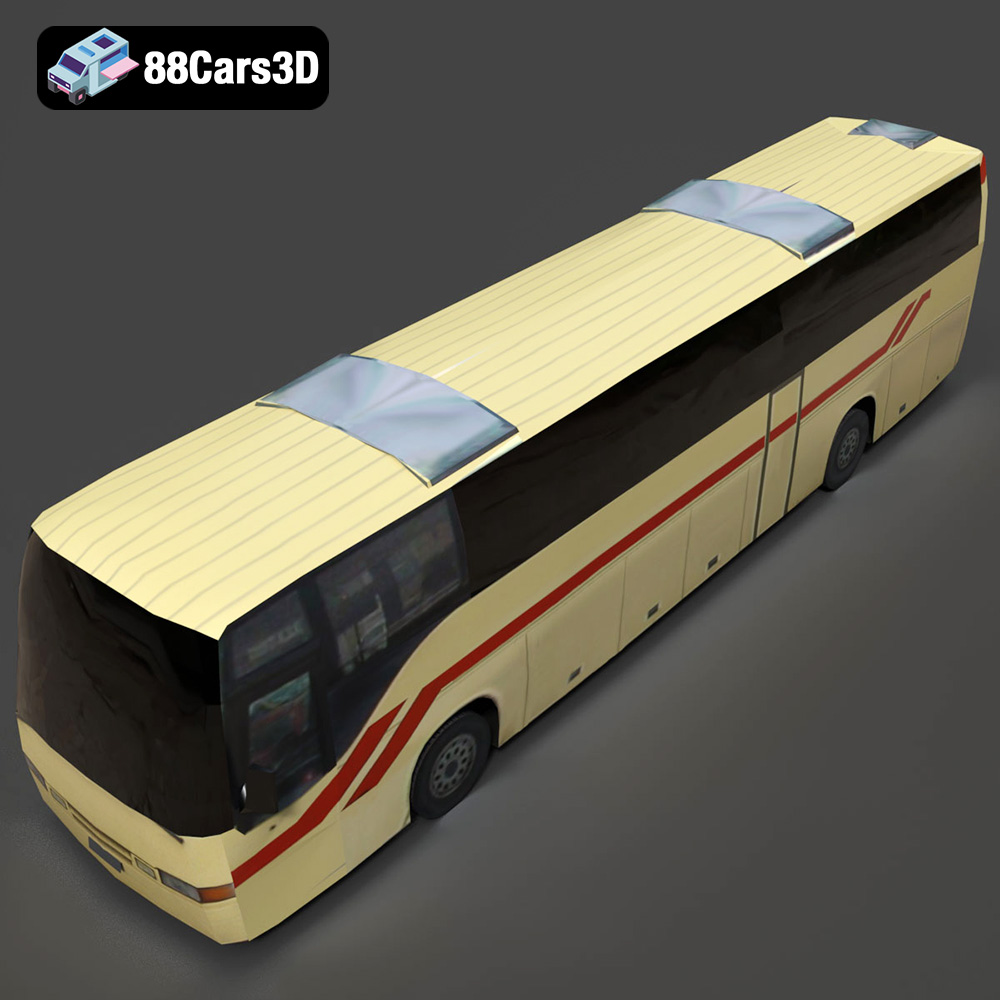
This is where expertly pre-built assets, such as the Generic Modern Bus 3D Model from 88cars3d.com, prove invaluable. This meticulously crafted digital asset offers a sophisticated solution for professionals seeking high-fidelity visualization and robust performance across a multitude of platforms. It embodies a contemporary public transport vehicle, featuring both a sturdy exterior and a thoughtfully detailed interior. Built with clean, optimized geometry and balanced detailing, it guarantees professional-grade quality, making it suitable for even the most demanding projects in rendering, game development, AR/VR, and complex simulations. This bus model isn’t just a static object; it’s a foundation for dynamic storytelling and efficient project development.
Understanding 3D Model File Formats: Choosing the Right Tool for the Job
The world of 3D modeling is vast, and a critical aspect of navigating it successfully is understanding the various file formats available. Each format serves a specific purpose, offering unique advantages for different stages of the production pipeline, software compatibility, and final deployment. The Generic Modern Bus 3D Model exemplifies this versatility by being offered in a comprehensive range of formats, ensuring its adaptability to virtually any professional workflow.
.blend – Blender’s Native Powerhouse
The .blend file is the native format for Blender, a powerful open-source 3D creation suite. When you acquire a model in .blend format, you’re gaining access to a fully editable Blender scene. This typically includes not just the mesh data, but also materials, textures, lighting setups, cameras, animation data, and even modifiers. For artists and studios primarily working within the Blender ecosystem, this format offers the highest level of control and flexibility. You can easily dissect the model, understand its construction, modify its topology, adjust its rigging, or extend its animations using Blender’s extensive toolset. It’s ideal for deep customization and leveraging Blender’s integrated rendering engines like Cycles or Eevee.
.fbx – The Industry Standard for Interchange
.fbx (Filmbox) is arguably the most widely adopted proprietary 3D interchange format, developed by Autodesk. Its strength lies in its ability to encapsulate a vast array of 3D data, including geometry, materials, textures, animation, rigging, and even lights and cameras, into a single file. This makes .fbx indispensable for pipelines involving multiple software packages, such as transferring assets between 3ds Max, Maya, Blender, ZBrush, and game engines like Unreal Engine and Unity. For the Generic Modern Bus 3D Model, the .fbx version ensures seamless integration into real-time environments, maintaining hierarchical structures and animation readiness crucial for game development.
.obj – Universal Compatibility and Simplicity
The .obj (Wavefront OBJ) format is a universal standard, renowned for its simplicity and broad compatibility across almost all 3D software applications. It primarily stores geometric data – vertices, normals, UV coordinates, and faces – along with references to external material files (.mtl). While it doesn’t support animation or advanced scene data like .fbx, its ubiquity makes it an excellent choice for basic mesh transfer and archiving. If you need to import the bus model into an obscure 3D application or simply require the raw mesh data for sculpting or retopology, .obj is often the most reliable option.
.glb – Streamlined for Web and Immersive Experiences
.glb (GLB File Format) is the binary version of glTF (GL Transmission Format), designed for efficient transmission and loading of 3D scenes and models by web applications, AR, and VR platforms. It packages everything—geometry, materials, textures, and animation—into a single file, making it highly optimized for browser-based display and immersive experiences where file size and load times are critical. For showcasing the bus model in a web viewer or deploying it in a mobile AR app, the .glb format provides excellent performance and visual quality.
.stl – The Path to Physical Creation
.stl (STereoLithography) is the de facto standard for 3D printing. It represents a 3D model as a series of connected triangles, defining only the surface geometry without color, texture, or other attributes. For designers who wish to transform the digital Generic Modern Bus into a physical scale model for prototyping, educational purposes, or collectible items, the .stl format is essential. It ensures the mesh is watertight and ready for slicing software.
.ply – Precision for Technical Applications
.ply (Polygon File Format) is another common format for storing 3D data, particularly useful in scientific, engineering, and CAD applications. It can store a variety of data, including color, transparency, surface normals, and range data, making it more versatile than .stl for certain technical visualizations and analysis. While less common in typical animation pipelines, it offers precision for workflows requiring detailed mesh analysis or integration with specific engineering software.
.unreal – Native Integration for Real-Time Excellence
The .unreal designation typically refers to a project file or a collection of assets specifically prepared and packaged for direct import into Unreal Engine. This means the Generic Modern Bus 3D Model is not just a raw mesh, but an engine-ready asset. It often implies that materials are set up using Unreal’s physically based rendering (PBR) system, textures are correctly linked, and potentially even collision meshes or LODs (Levels of Detail) are configured. This dramatically reduces setup time for game developers and real-time visualization artists working in Unreal Engine, allowing for immediate deployment and iteration.
.max – Deep Dive into 3ds Max Projects
The .max file is the native format for Autodesk 3ds Max, a leading software for 3D modeling, animation, and rendering. Similar to .blend, a .max file contains the complete scene data, including geometry, materials, textures, lighting, cameras, animation curves, and scene hierarchy. For professionals using 3ds Max for architectural visualization, product design, or cinematic rendering, the .max version of the bus model offers maximum flexibility for modifications, setting up advanced render passes with engines like V-Ray or Corona, and integrating into existing 3ds Max projects.
The availability of the Generic Modern Bus 3D Model in such a wide array of formats underscores its versatility and the foresight in its design, catering to the diverse needs of the professional 3D community.
Deconstructing the Generic Modern Bus 3D Model: Engineering for Excellence
A truly professional 3D model goes far beyond basic geometry; it’s a testament to thoughtful engineering and an understanding of diverse application requirements. The Generic Modern Bus 3D Model from 88cars3d.com stands out due to its meticulous construction, which balances visual fidelity with optimal performance. Every element, from its outer shell to its intricate interior, has been crafted with precision and purpose.
Exterior Design and Animation Readiness
The exterior of this bus model boasts accurate body panels with smooth curves and sharp edges, reflecting contemporary vehicle design. This attention to detail is crucial for realistic rendering, where reflections and highlights play a significant role. Beyond aesthetics, the model is built for functionality: detailed headlights, taillights, and indicator lamps feature transparent materials, making them ready for sophisticated lighting setups. The wheels and tires include realistic tread patterns, essential for close-up shots and physically accurate simulations. Critically, key components like doors and windows are separated and properly pivoted, a fundamental requirement for animation workflows in cinematic sequences or interactive applications. Integrated mirrors, wipers, and roof-mounted details further enhance its realism without unnecessary poly-count inflation.
Interior Detailing and User Experience
The interior of the bus is just as thoughtfully designed as its exterior. A detailed driver’s cockpit, complete with a dashboard, steering wheel, and controls, provides an immersive experience for simulations or first-person views. Passenger seating and standing areas, complete with grab handles, replicate a true public transport environment. Accessible entrance/exit points and internal lighting fixtures contribute to the realism, making the model suitable for interior architectural visualization or VR walkthroughs. The optimized mesh quality ensures that the interior looks convincing both from a distance and in close-up shots, a balance that is often challenging to achieve in complex assets.
Core Technical Advantages: Topology and Scale
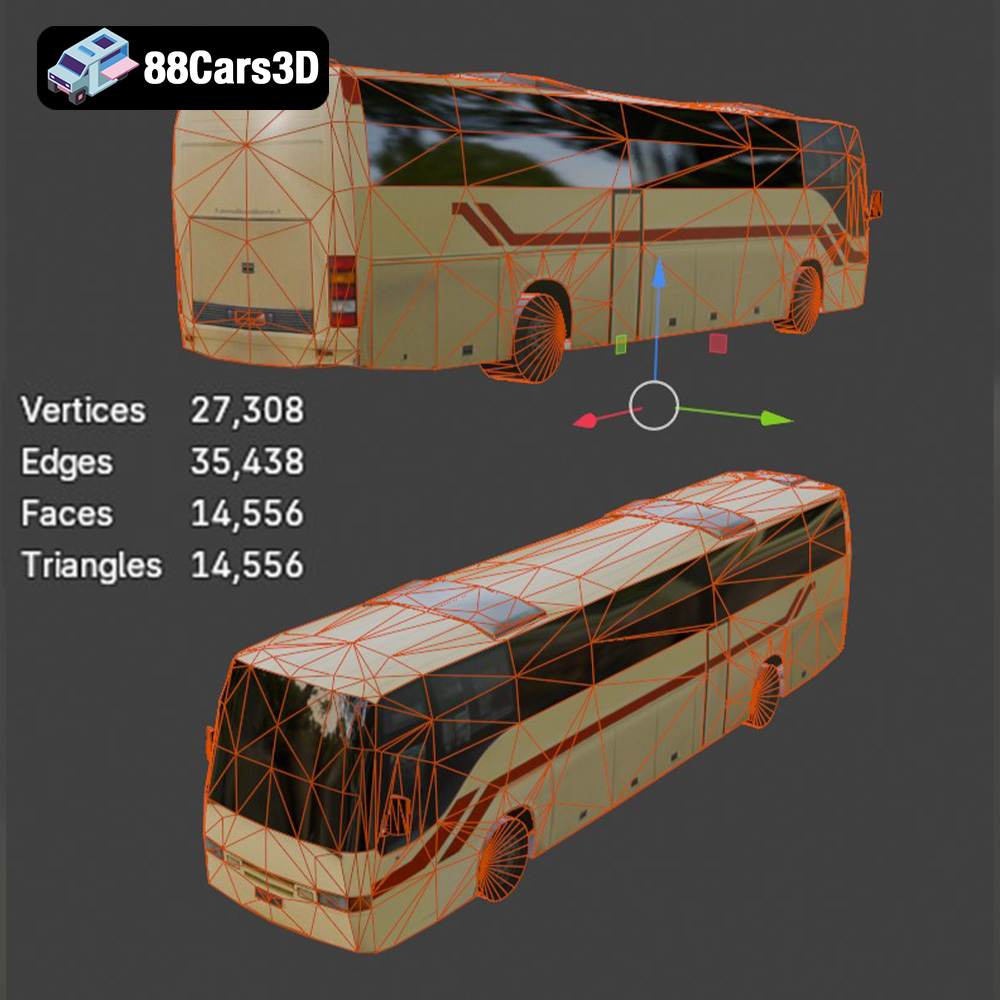
At the heart of any high-quality 3D model lies its technical foundation. The Generic Modern Bus 3D Model features clean, quad-dominant topology. This means the mesh is primarily composed of four-sided polygons, which is ideal for smooth subdivision, easy modification, and clean deformation during animation. This robust topology prevents pinching or artifacting, especially when mesh smoothing is applied or when the model is retopologized for different LODs. Furthermore, the model is built to accurate real-world scale, ensuring seamless integration into existing scenes without the need for manual scaling, which can often lead to rendering issues or misalignments in simulations. The organized hierarchy with properly set pivots for doors, wheels, and other animated components is a testament to its professional preparation, significantly speeding up the animation process.
Integrating the Bus Model into Diverse Professional Workflows
The true value of a versatile 3D asset, such as the Generic Modern Bus, lies in its ability to adapt and perform across various professional applications. Its comprehensive file format support and optimized structure make it an ideal candidate for multiple creative pipelines, from photorealistic rendering to interactive real-time experiences.
High-Fidelity Rendering and Architectural Visualization
For architectural visualization studios and cinematic artists, photorealism is paramount. The Generic Modern Bus 3D Model excels in this domain. Its detailed exterior and interior, combined with professionally prepared materials and UV mapping, make it perfect for integration into urban planning visualizations, street-level architectural renders, or even cinematic sequences. Using software like 3ds Max with V-Ray or Corona Renderer, or Blender with Cycles, artists can leverage the model’s clean geometry to achieve stunning results. Imagine a bustling city street scene with the bus gracefully navigating traffic, its reflections mirroring the surrounding architecture, or a moody night shot illuminated by its interior lights – the model provides the foundation for such compelling visuals. Its real-world scale ensures it fits naturally within an urban context, enhancing the believability of any visualization.
Game Development and Real-Time Simulations
In game development and real-time simulations, performance is as critical as visual quality. The Generic Modern Bus is designed with this balance in mind. Its optimized mesh quality, efficient rendering, and professionally prepared materials (especially in the .fbx and .unreal formats) make it an ideal game asset. For city simulation games, driving simulators, or open-world environments in Unreal Engine or Unity, this model can populate scenes effectively without bogging down frame rates. Developers can easily implement custom liveries for different in-game bus routes, animate doors for passenger ingress/egress, and incorporate it into dynamic traffic systems. Its robust construction ensures it can withstand various levels of detail (LODs) implementations, crucial for maintaining performance across different viewing distances.
Augmented and Virtual Reality Applications
The burgeoning fields of Augmented Reality (AR) and Virtual Reality (VR) demand assets that are both visually engaging and highly performant. The .glb format of the Generic Modern Bus 3D Model is specifically optimized for AR/VR and web-based visualization, ensuring fast load times and smooth interaction. This makes it an excellent choice for enhancing immersive experiences, such as virtual tours of smart cities, interactive public transport training modules, or AR overlays that bring digital vehicles into the real world. Its detailed interior could facilitate VR training for bus drivers, allowing them to familiarize themselves with controls and procedures in a safe, virtual environment, while the exterior provides crucial context for urban planners demonstrating new public transport routes.
Optimizing for Performance and Visual Fidelity: A Deep Dive
Achieving the perfect balance between stunning visuals and efficient performance is the hallmark of a professional 3D asset. The Generic Modern Bus 3D Model from 88cars3d.com demonstrates this principle through several key technical advantages that cater to demanding production environments.
Poly Count Management and Level of Detail (LODs)
A common misconception is that more polygons always equate to better quality. In reality, judicious poly count management is crucial for performance, especially in real-time applications. The Generic Modern Bus is described as having “optimized mesh quality,” which implies a balance between necessary detail and polygon efficiency. For static renders, a higher poly count for details like the steering wheel or seats is acceptable. However, for games or large-scale simulations, developers often implement Level of Detail (LOD) systems. This means creating multiple versions of the model, each with progressively fewer polygons, which are swapped in dynamically based on the camera’s distance. While the product description doesn’t explicitly state included LODs, its “optimized mesh” and “clean quad-dominant topology” make it perfectly suited for artists to generate their own LODs efficiently, ensuring smooth scaling of performance without compromising visual integrity for distant objects.
UV Mapping and Texture Resolution
UV mapping is the process of unwrapping the 3D mesh into a 2D space, allowing 2D textures to be applied accurately. “Professionally prepared materials and UV mapping” on the Generic Modern Bus 3D Model signifies that the UVs are clean, non-overlapping, and efficiently packed. This is critical for several reasons: it prevents texture stretching or distortion, allows for clear application of decals and branding (like a bus livery), and optimizes texture memory usage. High-resolution textures, often leveraging physically based rendering (PBR) workflows with maps like Albedo, Normal, Roughness, Metalness, and Ambient Occlusion, can then be applied to bring out realistic surface details. The clean UVs of this model ensure that these complex PBR materials render flawlessly, enhancing the visual realism of the vehicle.
Material Creation and PBR Workflows
Modern rendering relies heavily on Physically Based Rendering (PBR) workflows, which aim to simulate how light interacts with real-world materials more accurately. The “professionally prepared materials” of the Generic Modern Bus 3D Model are likely set up to take full advantage of PBR principles. This means that surfaces like the bus body, windows, tires, and interior plastics will react realistically to varying lighting conditions, providing consistent and believable results across different rendering engines (e.g., V-Ray, Cycles, Unreal Engine’s native renderer). The ability to adjust material properties—such as the glossiness of paint, the roughness of rubber, or the transparency of glass—allows artists to fine-tune the model’s appearance for specific scenes and atmospheric effects, from a brand-new, gleaming bus to a weathered city workhorse.
Real-World Scenarios and Impactful Deployments
The practical applications of a high-quality 3D asset like the Generic Modern Bus extend across numerous industries, offering impactful solutions for visualization, planning, and training. Its versatility makes it an indispensable tool for a wide range of professional needs.
Urban Planning and Smart City Initiatives
In the realm of urban planning, detailed 3D models are essential for visualizing future developments and analyzing their impact. The Generic Modern Bus 3D Model can be integrated into large-scale urban simulations to demonstrate proposed public transport routes, assess traffic flow, or visualize the aesthetics of new infrastructure projects. City planners can use it to showcase how new bus rapid transit (BRT) systems would appear in a city, evaluate the visual impact on streetscapes, or even simulate passenger movement and accessibility. This level of detail aids in securing public and private investment, gaining community acceptance, and making informed decisions for smart city initiatives.
Training Simulators and Educational Platforms
Simulation and training industries greatly benefit from realistic 3D models. For public transport operator training, the detailed interior of the Generic Modern Bus, including its cockpit and controls, can be invaluable. Trainees can interact with a virtual bus in a safe, controlled environment, learning to navigate complex urban scenarios, respond to emergencies, and practice routine operations without the risks associated with real-world training. Educational platforms can also leverage this model to teach about urban logistics, vehicle mechanics, or even historical developments in transportation, making learning more engaging and interactive.
Cinematic Storytelling and Commercials
For advertising agencies, film production studios, and animators, the Generic Modern Bus 3D Model offers a ready-to-use asset for cinematic storytelling and commercial productions. Its high fidelity and animation readiness mean it can be quickly dropped into animated shorts, TV commercials promoting public transport, or even feature films requiring realistic urban backdrops. The ability to modify paint finishes, livery, and branding allows for seamless integration into specific brand campaigns or narrative requirements, saving significant production time and budget compared to custom modeling.
Customization and Future-Proofing Your Assets
Investing in a well-structured 3D model means gaining not just a static asset, but a flexible foundation for endless creative possibilities. The Generic Modern Bus 3D Model is designed with customization in mind, ensuring it remains a relevant and adaptable tool for future projects and evolving aesthetic demands.
Adapting Livery and Branding
One of the most immediate customization options for any vehicle model is its visual identity. The Generic Modern Bus 3D Model is perfectly set up for easy modification of paint finishes, livery, and branding graphics. Thanks to its clean UV mapping, artists can quickly create and apply custom textures for different city routes, advertising campaigns, or fictional companies. This flexibility is crucial for designers who need to integrate the bus into a specific brand universe or replicate real-world public transport services, providing endless creative freedom without compromising the underlying model’s quality.
Material Adjustments and Lighting Scenarios
The perceived realism of a 3D model is heavily influenced by how its materials interact with light. With the Generic Modern Bus, artists can easily adjust material properties for glass, metal, rubber, and plastics. This control allows for fine-tuning reflections, refractions, roughness, and color to achieve desired visual effects under various lighting conditions. Imagine transitioning from a bright, sunny daytime scene to a moody, rain-slicked night scenario – the model’s robust material setup allows for these dramatic shifts. Artists can adapt lighting setups to create different atmospheric scenes, enhancing the emotional impact or functional clarity of their visualizations.
Leveraging Clean Geometry for Modifications
The “clean quad-dominant topology” of the Generic Modern Bus 3D Model is not just beneficial for rendering; it’s a cornerstone of its customizability and future-proofing. Clean geometry ensures that if you need to make structural modifications – perhaps adding custom accessories, altering body panels for a unique design variant, or even adapting it into a different type of commercial vehicle – the mesh will behave predictably. Subdividing the model for extreme close-ups or retopologizing for lower poly counts will yield clean results without artifacts. This inherent flexibility means the investment in this model from 88cars3d.com can extend its utility across multiple projects and years, making it a truly valuable addition to any professional asset library.
Conclusion: Driving Innovation with Premium 3D Assets from 88cars3d.com
In the dynamic and demanding world of 3D production, access to high-quality, versatile, and technically sound assets is not merely a convenience—it’s a necessity for maintaining efficiency, achieving excellence, and staying competitive. The Generic Modern Bus 3D Model stands as a prime example of such an asset. Its meticulous design, encompassing both a detailed exterior and interior, combined with optimized geometry and broad file format compatibility, makes it an unparalleled choice for a wide array of professional applications.
From architectural visualization and urban planning to immersive game development and sophisticated training simulations, this bus model offers the robustness and flexibility required by industry professionals. Its readiness for animation, precise UV mapping, and PBR-friendly materials ensure that it can be seamlessly integrated into complex workflows, saving invaluable time and resources. Furthermore, its inherent customizability allows artists to adapt its appearance to suit specific project needs, making it a truly future-proof investment.
When you acquire assets like the Generic Modern Bus 3D Model from 88cars3d.com, you are investing in more than just polygons and textures; you are acquiring a foundation for innovation, a catalyst for creativity, and a reliable tool that empowers you to bring your most ambitious digital visions to life with confidence and precision. Whether you are building the next generation of city simulators or crafting cinematic masterpieces, choosing premium 3D car models and vehicle assets is the smart path to driving impactful results.
Featured 3D Model
Generic Modern Bus 3D Model
Presenting the Generic Modern Bus 3D Model, a meticulously crafted digital asset designed for high-fidelity visualization and performance across various platforms. This model captures the essence of a contemporary public transport vehicle, featuring a robust exterior and thoughtfully designed interior. Built with clean, optimized geometry and balanced detailing, it ensures professional-grade quality suitable for demanding projects. Ideal for use in realistic rendering, engaging animations, complex simulations, and efficient game development pipelines.
Exterior Features:
- Accurate body panels with smooth curves and sharp edges
- Detailed headlights, taillights, and indicator lamps with transparent materials
- Realistic wheels and tires with tread patterns
- Separated doors and windows ready for animation workflows
- Integrated mirrors, wipers, and roof-mounted details
Interior / Mechanical Features:
- Detailed driver’s cockpit including dashboard, steering wheel, and controls
- Passenger seating and standing areas with grab handles
- Accessible entrance/exit points and internal lighting fixtures
- Optimized mesh quality for both distant and close-up interior shots
- Basic chassis and suspension elements for mechanical realism
Technical Advantages:
- Clean quad-dominant topology for easy modification and subdivision
- Accurate real-world scale ensures seamless integration into scenes
- Organized hierarchy with properly set pivots for doors, wheels, and other animated components
- Optimized mesh for efficient rendering and real-time application performance
- Professionally prepared materials and UV mapping
Applications:
- Rendering & Visualization: Perfect for architectural visualizations, urban planning, and cinematic scenes.
- Game Development: An optimized asset for city simulation games, driving simulators, and open-world environments.
- AR/VR: Enhance immersive experiences with a realistic and performant bus model.
- Simulation & Training: Ideal for public transport operator training modules or urban logistics simulations.
- 3D Printing: Convertible to .stl for creating physical scale models.
Customization Options:
- Easily modify paint finishes, livery, and branding graphics to match specific requirements.
- Adjust material properties for glass, metal, rubber, and plastics to achieve desired visual effects.
- Adapt lighting setups to create different atmospheric scenes, from bright daylight to moody night scenarios.
This Generic Modern Bus 3D Model offers unparalleled versatility and quality, making it an essential asset for professionals seeking a reliable and visually striking public transport solution for their digital projects. Its robust construction and detailed features ensure it meets the highest standards for diverse creative and technical applications.
Included File Formats:
- .blend – Blender project with materials
- .fbx – Compatible with Unreal, Unity, and major 3D engines
- .obj – Universal format for nearly all 3D software
- .glb – Optimized for AR, VR, and web-based visualization
- .stl – Ready for 3D printing
- .ply – Mesh format for analysis and CAD workflows
- .unreal – Unreal Engine project setup
- .max – Editable 3ds Max scene for rendering and animation
Tags:
.generic, .bus, .publictransport, .commercialvehicle, .rendering, .simulation, .gameasset, .arvr, .blend, .fbx, .obj, .glb, .stl, .ply, .unreal, .max
$19.99
Product Image Gallery