Mastering Automotive Visualization: A Deep Dive into High-Fidelity 3D Car Models
In the dynamic world of 3D visualization, the quality of your foundational assets dictates the success of your final output. Whether you’re crafting cinematic advertisements, developing immersive game environments, or building intricate AR/VR experiences, the demand for exceptionally detailed and technically sound 3D car models has never been higher. These aren’t just decorative elements; they are engineering marvels in digital form, requiring precision, optimization, and a deep understanding of various production pipelines.
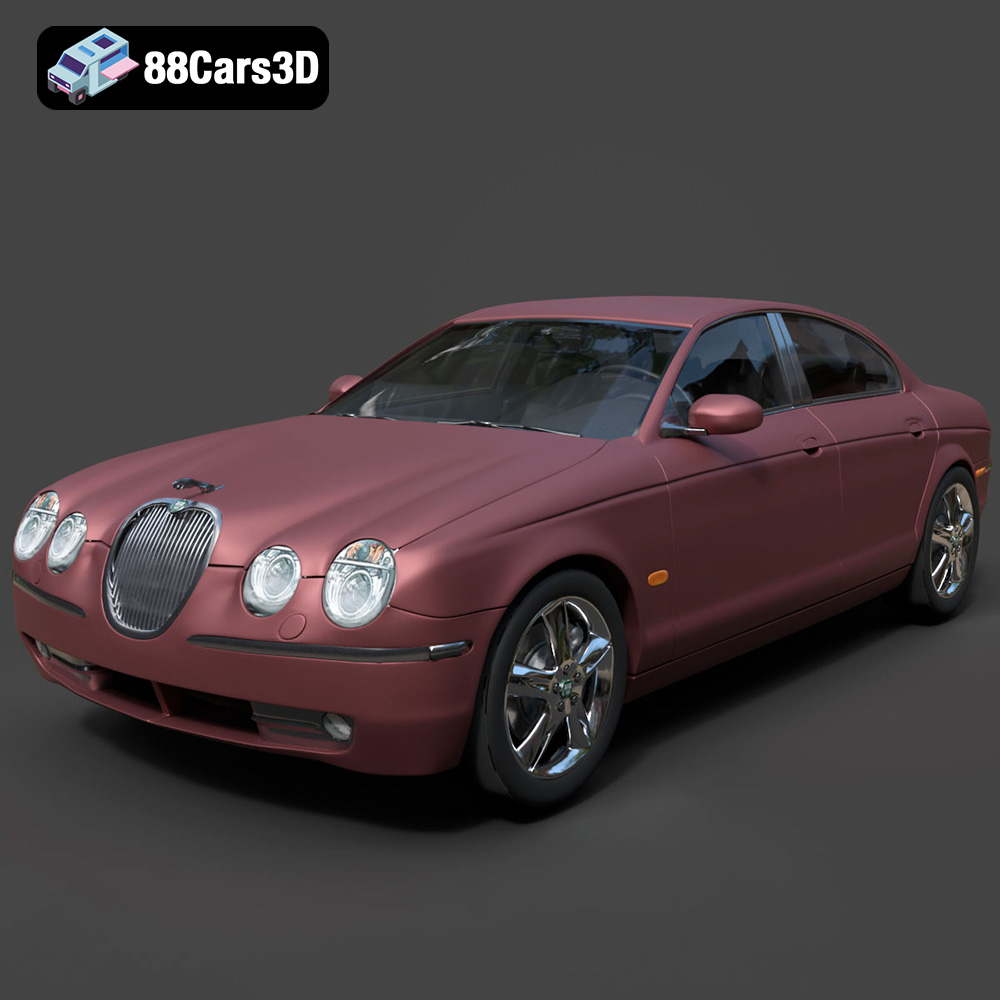
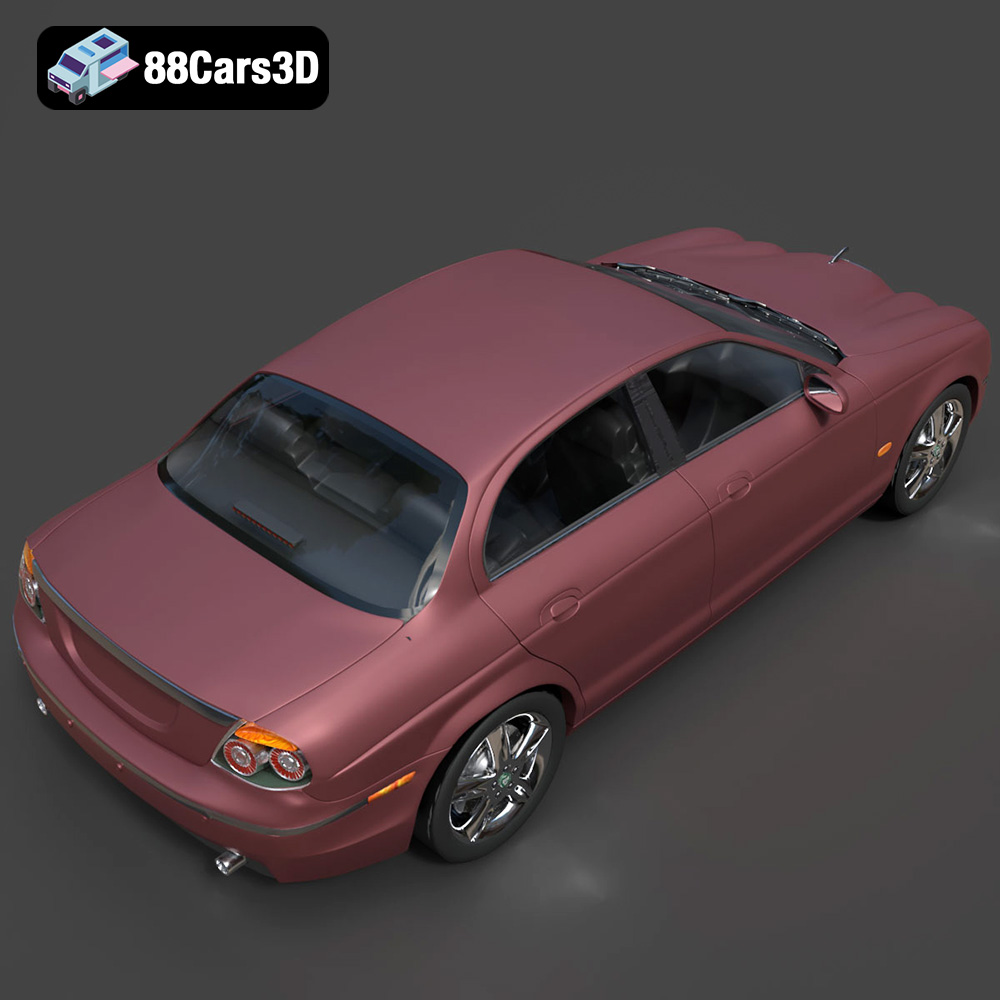
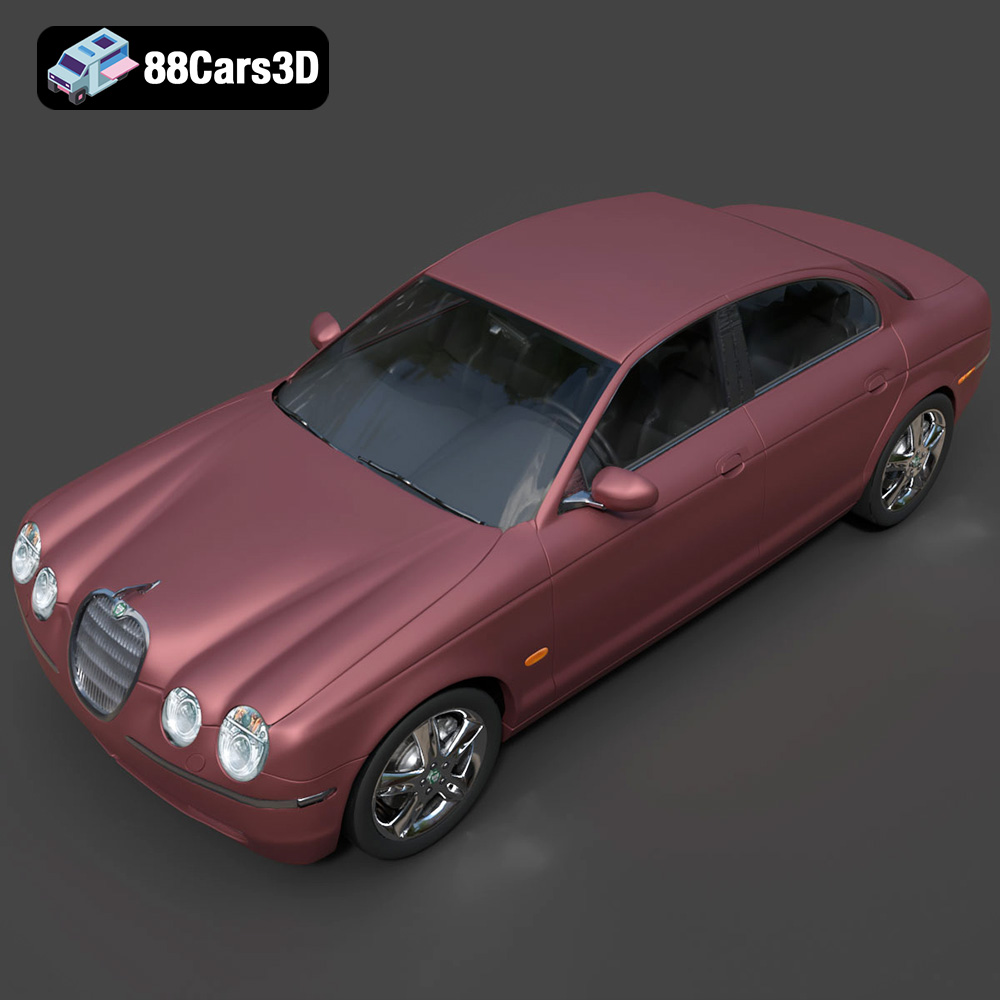
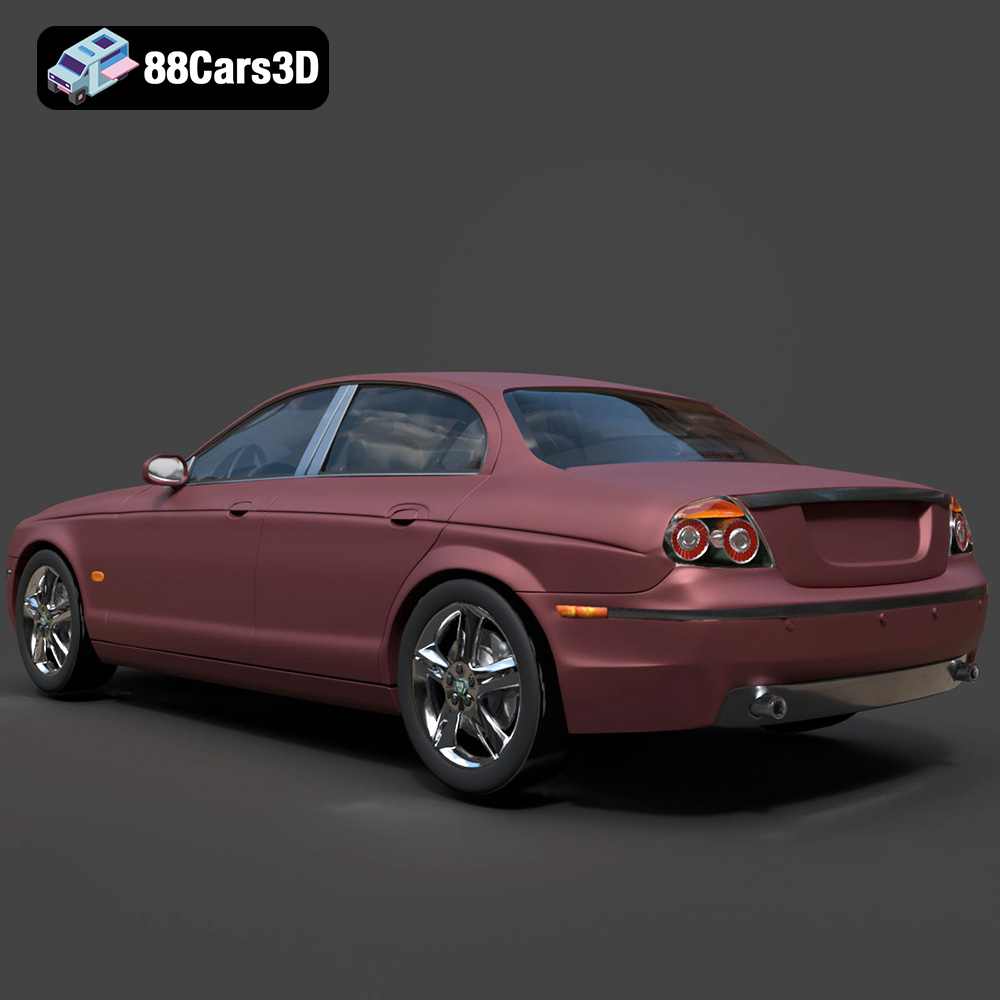
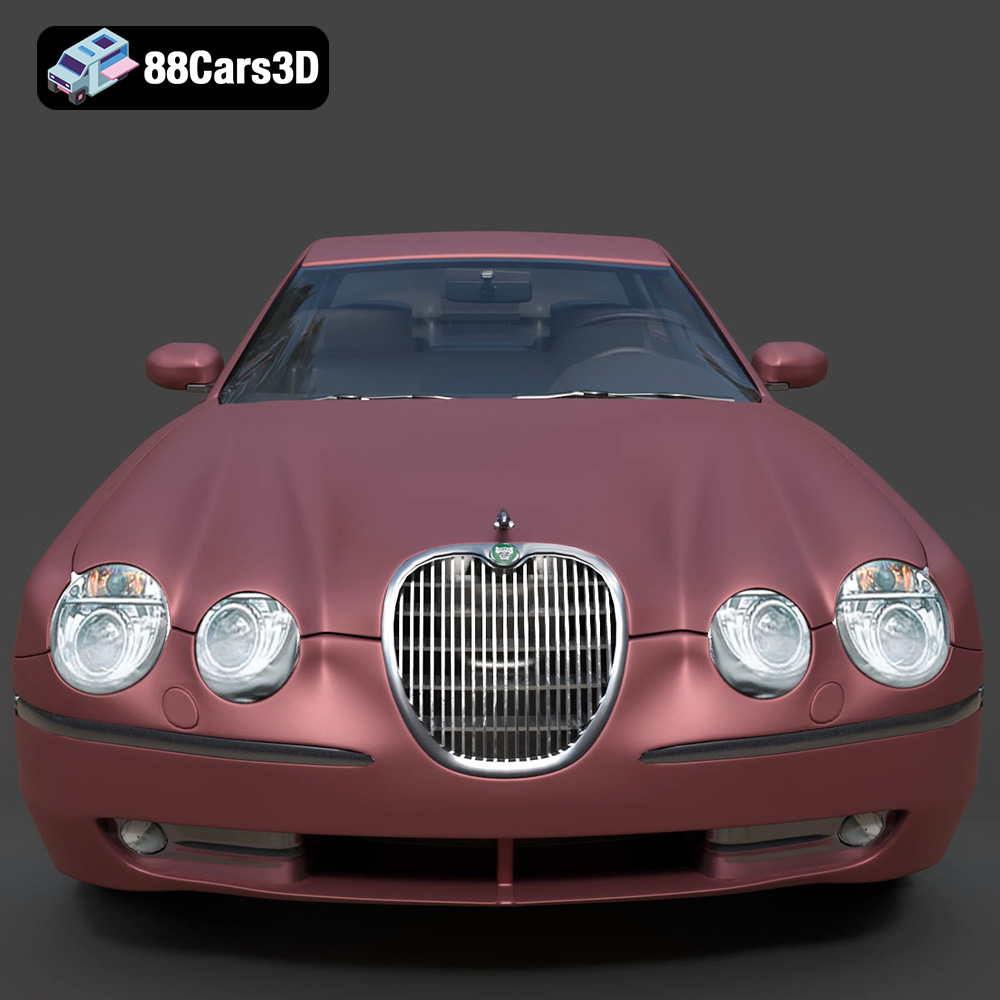
For professionals seeking to elevate their projects, the availability of pre-built, high-quality assets offers a significant advantage. It allows artists and developers to bypass the arduous process of modeling from scratch, focusing instead on creative execution and project delivery. A prime example of such an asset is the meticulously crafted Jaguar S-Type Sedan 3D Model, a testament to automotive visualization excellence that seamlessly integrates into a multitude of professional workflows. Its attention to detail, from authentic proportions to PBR materials, makes it an invaluable addition to any serious 3D library.
The Imperative of High-Fidelity 3D Car Models in Modern Visualization
The digital realm has become a primary stage for showcasing automotive design. From concept validation to marketing campaigns, realistic representations are paramount. Low-quality or inaccurate models can undermine an entire project, leading to visual inconsistencies, performance issues, and ultimately, a lack of credibility. This is where professional-grade 3D car models shine, offering a blend of aesthetic fidelity and technical robustness.
Precision in Automotive Design and Marketing
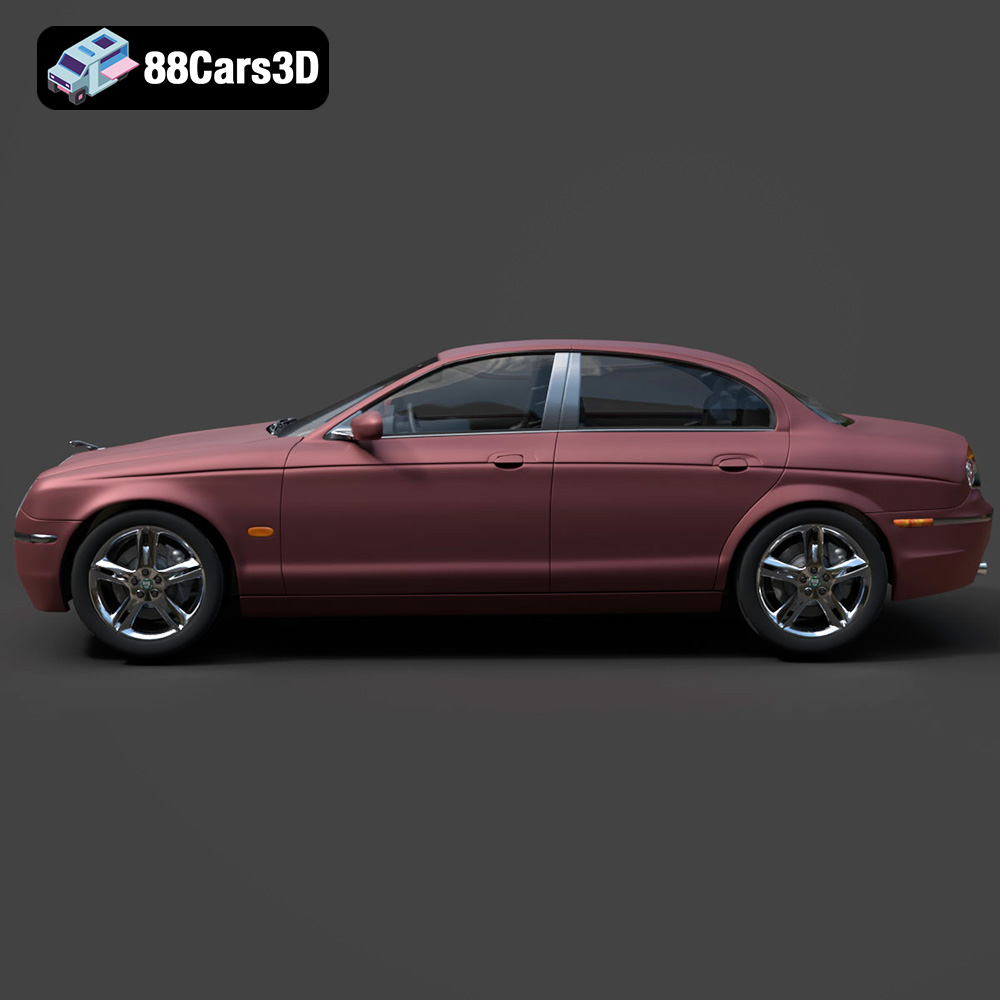
For automotive designers, engineers, and marketing professionals, accuracy is non-negotiable. A 3D model must perfectly replicate the real-world vehicle, capturing every curve, panel gap, and design nuance. This level of precision is critical for design reviews, virtual prototyping, and creating compelling marketing materials that resonate with discerning audiences. The Jaguar S-Type Sedan 3D Model, for instance, is crafted with exacting proportions, ensuring that its iconic silhouette and details are faithfully represented. This enables artists to create renders indistinguishable from reality, making it ideal for high-impact advertising or showcasing a vehicle’s heritage.
Efficiency in Production Pipelines
Time is a precious commodity in any production pipeline. Creating a complex car model from the ground up can take weeks, if not months, requiring specialized skills in modeling, UV mapping, texturing, and optimization. By leveraging pre-built 3D car models like those found on 88cars3d.com, studios and individual artists can significantly cut down production time and costs. These assets come pre-optimized, saving crucial hours that would otherwise be spent on retopology or texture baking. This efficiency allows teams to allocate resources to other critical aspects of a project, such as scene composition, animation, or interactive functionalities.
The Role of PBR Materials and Optimized Geometry
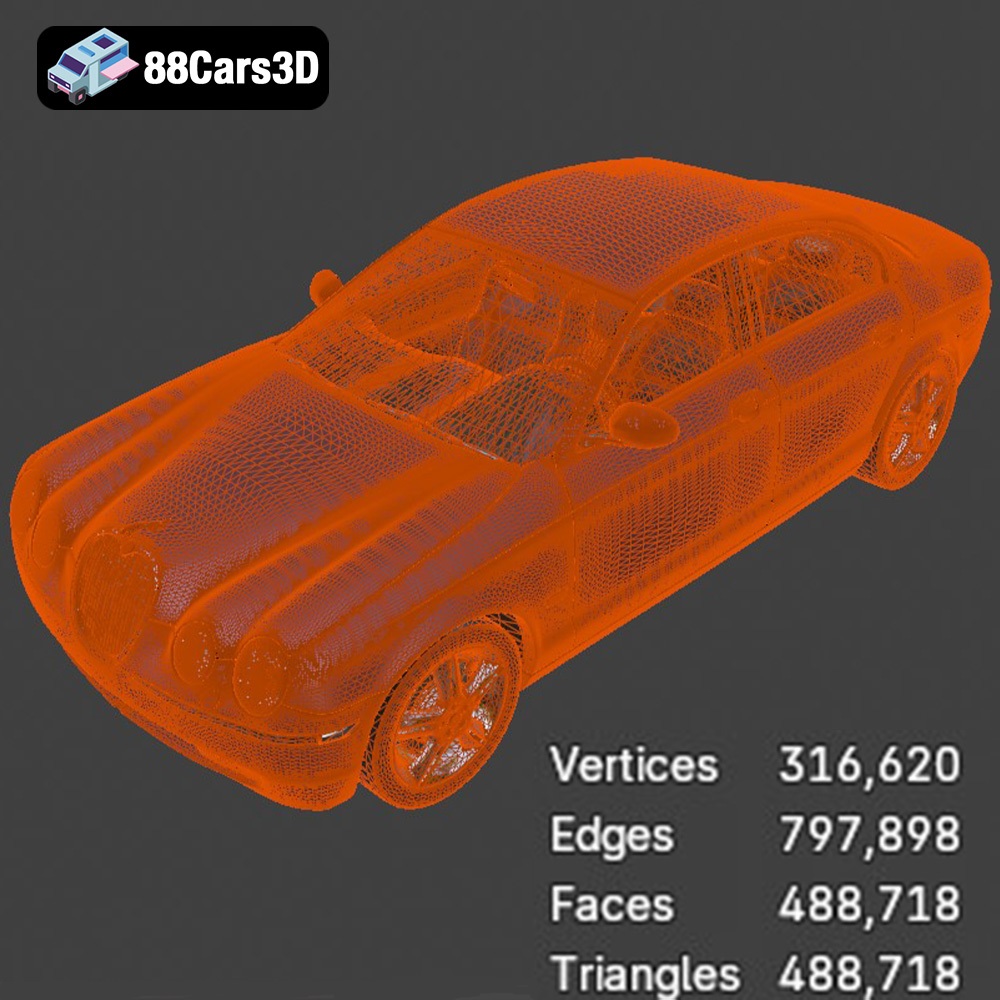
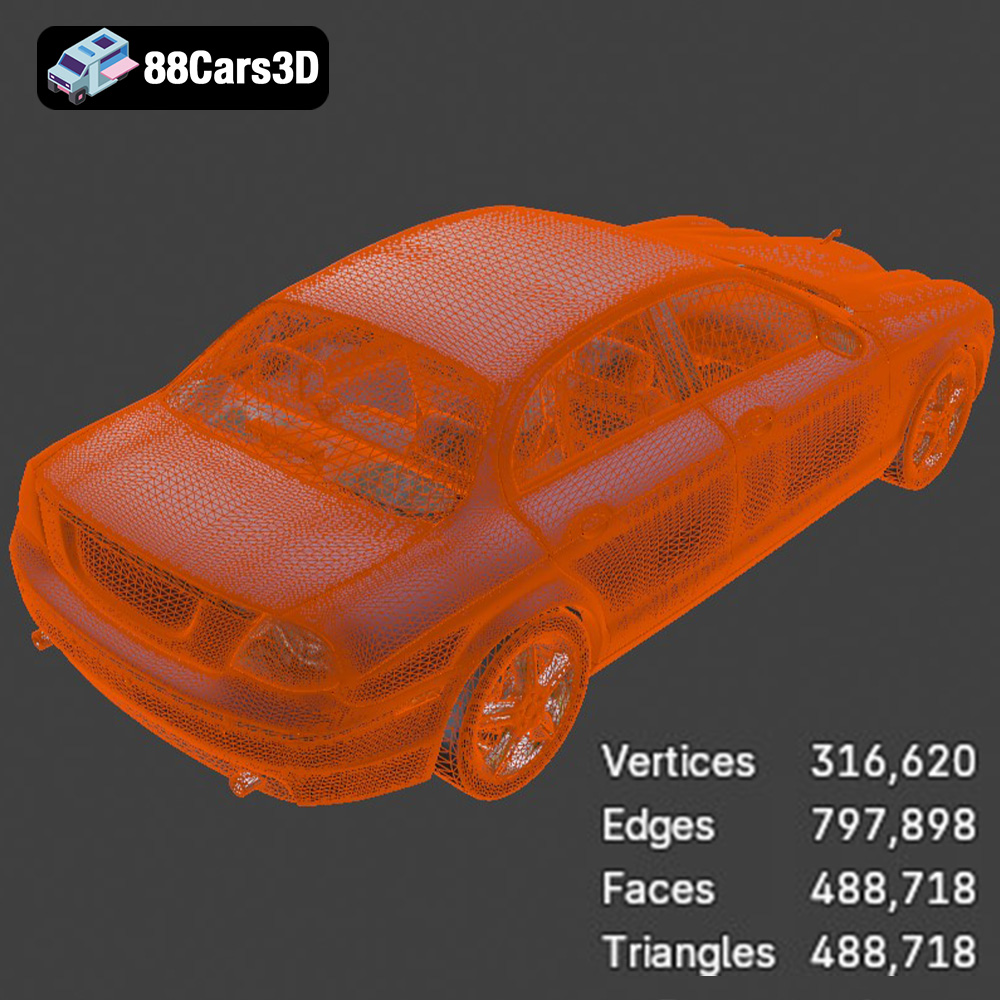
Modern rendering engines and real-time platforms rely heavily on Physically Based Rendering (PBR) materials for photorealistic results. PBR textures accurately simulate how light interacts with surfaces in the real world, accounting for properties like albedo, roughness, metallicness, and normal maps. The Jaguar S-Type Sedan 3D Model features realistically textured and mapped PBR materials, ensuring it looks incredible under any lighting condition, whether in a V-Ray render or an Unreal Engine scene. Complementing this is clean, optimized geometry—a non-negotiable for performance. Well-structured meshes with efficient polygon counts minimize computational load, crucial for smooth real-time applications and faster rendering times without sacrificing visual detail.
Understanding 3D Model File Formats
Navigating the diverse landscape of 3D software and applications necessitates a thorough understanding of various file formats. Each format serves a specific purpose, offering unique advantages in terms of compatibility, data retention, and optimization for particular workflows. The Jaguar S-Type Sedan 3D Model is provided in a comprehensive suite of formats, ensuring maximum flexibility for any project.
.blend: The Power of Native Blender Scenes
The .blend format is native to Blender, a powerful open-source 3D creation suite. When a model is provided in .blend format, it typically includes not just the mesh data, but also the full scene setup: materials, textures, lighting, camera angles, and even animation data. For Blender users, this means a ready-to-render or ready-to-modify project right out of the box. It preserves all native Blender-specific features, such as modifiers, node-based materials, and custom properties, making it fully editable and ideal for artists deeply integrated into the Blender ecosystem who wish to customize every aspect of the asset.
.fbx: The Universal Bridge for Real-Time Engines
.fbx (Filmbox) is an industry-standard format developed by Autodesk, renowned for its excellent interoperability across different 3D software and game engines. It’s a versatile format that can store model data (meshes, UVs, normals), materials, textures, animations, and even rigging information. It is the go-to choice for transferring assets between applications like 3ds Max, Maya, Blender, and directly into real-time engines such as Unreal Engine and Unity. The Jaguar S-Type Sedan 3D Model’s .fbx version is optimized for these game-engine pipelines, ensuring efficient import and performance.
.obj: The Backbone of Cross-Software Compatibility
The .obj (Wavefront Object) format is one of the oldest and most widely supported 3D file formats. It’s a universal standard for storing 3D geometry data (vertices, normals, UVs, faces). While it typically doesn’t store animation or advanced material properties within the .obj file itself (materials are often referenced in an accompanying .mtl file), its simplicity and widespread compatibility make it an excellent choice for basic mesh transfer between virtually any 3D software. For the Jaguar S-Type, the .obj provides a robust foundation for import into any general-purpose 3D application.
.glb: Optimized for the Future of AR/VR and Web
.glb (GL Transmission Format Binary) is a modern, compact, and efficient format designed specifically for the transmission and loading of 3D models in web, augmented reality (AR), and virtual reality (VR) environments. It encapsulates all necessary data—geometry, materials, textures, and animations—into a single binary file, making it incredibly fast to load and share. Its optimization for real-time applications and web-based viewing makes the .glb version of the Jaguar S-Type Sedan 3D Model perfectly suited for interactive product showcases, metaverse experiences, or AR apps.
.stl and .ply: Precision for Prototyping and Analysis
.stl (Stereolithography) is almost exclusively used for 3D printing and rapid prototyping. It represents a 3D model as a series of connected triangles, defining only the surface geometry. While it lacks color, texture, or material information, its simplicity makes it universally compatible with 3D printers and slicing software. The Jaguar S-Type’s .stl variant is perfect for creating physical prototypes or scale models. Conversely, .ply (Polygon File Format) is a more comprehensive mesh format that can store various properties like color, transparency, and even confidence maps per vertex or face. It is often used for scanned data and is valuable for detailed analysis, scientific visualization, or scenarios requiring precision mesh representation for CAD or advanced visualization.
.unreal and .max: Engine-Specific and Industry-Standard Workflows
The .unreal format refers to assets specifically configured and often packaged for direct import or use within Unreal Engine. This could mean pre-baked lighting, optimized material instances, collision meshes, and skeletal setups, ready for immediate integration into an Unreal project. The Jaguar S-Type’s .unreal file exemplifies engine-ready optimization. Finally, .max is the native file format for Autodesk 3ds Max, a long-standing industry standard for architectural visualization, animation, and high-end rendering. Like .blend, it retains all scene data, modifiers, materials, lighting, and animation, offering complete editability for 3ds Max users, making it ideal for complex animation sequences or intricate rendering setups.
Elevating Automotive Rendering with Professional 3D Models
Automotive rendering demands nothing less than perfection. The interplay of light, reflections, and material properties must be flawless to achieve a convincing image. High-quality 3D car models are the bedrock of this process, providing the necessary fidelity for breathtaking visuals. The Jaguar S-Type Sedan 3D Model is an excellent candidate for such demanding rendering tasks.
Cinematic Quality in 3ds Max and Blender
Both 3ds Max and Blender, equipped with powerful renderers like V-Ray, Corona, Cycles, or Eevee, are capable of producing stunning cinematic visuals. With the Jaguar S-Type Sedan 3D Model, artists gain a solid foundation. In 3ds Max, the .max file allows full control over complex material setups, advanced lighting simulations, and intricate camera animations. Blender users benefit from the .blend file, which often includes a pre-configured lighting and material setup, serving as an excellent starting point for further customization. The clean geometry of the model minimizes artifacts and allows for smooth subdivisions, crucial for close-up shots.
Lighting, Texturing, and Environmental Integration
Achieving photorealism extends beyond the model itself; it heavily relies on sophisticated lighting and environmental integration. Leveraging PBR materials, the Jaguar S-Type 3D model responds realistically to various lighting scenarios, from studio setups with softboxes to outdoor environments simulated with HDRI (High Dynamic Range Imaging) maps. Artists can place the model within a diverse range of digital environments, whether it’s a bustling city street, a serene countryside, or a futuristic showroom. The realistic textures ensure that details like paint imperfections, tire treads, and chrome reflections contribute to the overall immersion, making the vehicle feel tangible and present within the scene.
Case Study: A High-Impact Advertising Campaign
Imagine an automotive advertising agency tasked with showcasing the classic elegance of the Jaguar S-Type Sedan. Instead of an expensive physical photoshoot, they opt for 3D rendering. Using the Jaguar S-Type Sedan 3D Model from 88cars3d.com, their artists quickly import the .max or .blend file into their preferred rendering software. They can then place the vehicle in a variety of meticulously crafted virtual environments – perhaps driving along a scenic coastal road at sunset, or parked majestically in front of a grand manor. With precise control over camera angles, depth of field, and post-processing effects, they generate a series of high-resolution stills and animated sequences. The model’s optimized geometry and PBR textures ensure rapid rendering without compromising visual quality, allowing the agency to deliver a high-impact campaign within tight deadlines and budget constraints.
Integrating 3D Car Models into Game Development and Real-Time Experiences
The demand for realistic vehicle assets in game development and interactive experiences is booming. High-quality 3D car models are essential for creating immersive worlds and engaging gameplay. The Jaguar S-Type Sedan 3D Model is specifically designed with real-time applications in mind.
Optimization for Unreal Engine and Unity
Game engines like Unreal Engine and Unity require assets that are not only visually appealing but also highly optimized for performance. The Jaguar S-Type Sedan 3D Model provides game-engine-ready formats like .fbx and a dedicated .unreal package. This means the model often comes with appropriately scaled geometry, optimized material instances, and clean UV layouts, reducing the need for extensive manual tweaking by game developers. For Unreal Engine, the pre-configured .unreal file streamlines the import process, ensuring materials and textures are correctly applied and ready for use in game levels, cinematics, or even vehicle simulation setups.
Rigging, LODs, and Performance Considerations
For game development, a car model needs to be more than just a static mesh. It often requires rigging for suspension, steering, and damage systems. The clean structure of the Jaguar S-Type model provides an efficient foundation for such rigging. Furthermore, implementing Levels of Detail (LODs) is crucial for maintaining performance across various distances from the camera. A high-quality base model allows developers to easily generate multiple LODs, ensuring that distant vehicles consume fewer resources while close-up vehicles retain their detail. This attention to optimized geometry and structure is what makes the Jaguar S-Type asset a true “game asset,” ready for demanding real-time environments.
Immersive AR/VR Applications
Augmented Reality (AR) and Virtual Reality (VR) are transforming how we interact with digital content, offering unprecedented levels of immersion. The .glb format of the Jaguar S-Type Sedan 3D Model is specifically optimized for these applications. Its compact size and single-file nature enable quick loading into AR/VR experiences, allowing users to interact with a highly realistic virtual car in their physical space or within a virtual world. Imagine walking around the Jaguar S-Type in an AR app, examining its luxurious interior, or even taking it for a virtual test drive in a VR simulation – all powered by a meticulously crafted and optimized 3D model.
Beyond Visualization: 3D Printing and Simulation with Accurate Vehicle Assets
The utility of high-fidelity 3D car models extends beyond mere visual representation. They serve as foundational data for physical prototyping, engineering analysis, and complex simulations, bridging the gap between the digital and physical worlds.
Prototyping and Physical Model Creation with .stl and .ply
For designers and engineers, creating a physical prototype can be a critical step in the development process. The .stl format of the Jaguar S-Type Sedan 3D Model is perfectly suited for 3D printing. This allows for the creation of accurate scale models, enabling tangible review of proportions, forms, and aesthetics. Whether it’s for display, aerodynamic testing (on a simplified level), or simply a desktop collectible, the .stl file ensures the geometric integrity for physical output. For more complex data analysis or high-precision industrial applications, the .ply format offers a detailed polygon mesh that can be used in specialized software for reverse engineering, quality control, or scientific visualization, providing a robust dataset of the vehicle’s geometry.
Engineering Simulations and Digital Twins
Accurate 3D car models are vital for advanced engineering simulations. From crash testing and aerodynamic analysis to vehicle dynamics and pedestrian impact studies, a precise digital representation of a car is the starting point. While the Jaguar S-Type model is primarily for visualization, its clean geometry can serve as a basis for creating simulation-ready models. Furthermore, the concept of a “digital twin” – a virtual replica of a physical asset – relies heavily on detailed 3D models. By integrating the Jaguar S-Type into such a framework, engineers could virtually experiment with modifications, predict performance, or even train autonomous driving systems in simulated environments, using the vehicle’s digital counterpart as a reference.
Conclusion
The landscape of 3D visualization is continuously evolving, demanding increasingly higher standards for digital assets. High-quality 3D car models are no longer a luxury but a necessity for achieving photorealistic renders, immersive game experiences, and accurate simulations. The versatility offered by a comprehensive set of file formats ensures that these assets can be seamlessly integrated into virtually any professional workflow, from cinematic rendering in 3ds Max or Blender to real-time development in Unreal Engine or Unity, and even physical prototyping through 3D printing.
The Jaguar S-Type Sedan 3D Model exemplifies this pinnacle of digital craftsmanship. Its meticulously crafted details, PBR materials, and optimized geometry make it a robust and adaptable asset for a wide range of applications. Whether you are an automotive advertising agency, a game studio, an AR/VR developer, or an individual artist, investing in professional-grade 3D car models like this can significantly enhance the quality and efficiency of your projects. Explore this model and many other exceptional 3D assets on 88cars3d.com, and take the first step towards transforming your digital creations.
Featured 3D Model
Jaguar S-Type Sedan 3D Model
Experience automotive visualization excellence with this detailed 3D model of the Jaguar S-Type Sedan. This asset is meticulously crafted to ensure accurate proportions and authentic replication of the iconic luxury sedan, making it an essential addition to any professional 3D library. This model features clean, optimized geometry suitable for demanding production environments. All components, including the exterior body, wheels, and interior elements, are realistically textured and mapped using PBR (Physically Based Rendering) materials. The structure is built with precision, providing an efficient foundation for rigging, animation, and close-up visualizations. The Jaguar S-Type Sedan 3D model is ideal for a wide range of creative and professional applications, including cinematic rendering, automotive advertising, real-time game development (optimized for Unreal Engine and Unity), architectural visualization, interactive AR/VR experiences, and high-fidelity vehicle simulations.
$18.99
Product Image Gallery