Get 20% OFF All Premium 3D & STL Models!

The landscape of 3D visualization and simulation is constantly evolving, demanding ever-higher levels of detail, realism, and efficiency. For professionals in automotive design, game development, architectural visualization, and marketing, access to premium, production-ready assets is not just a convenience—it’s a necessity. Crafting a sophisticated vehicle from scratch can be an incredibly time-consuming and resource-intensive endeavor, often requiring specialized skills in modeling, texturing, rigging, and optimization.
This is where high-quality, pre-built 3D car models become indispensable. They serve as foundational elements, allowing artists and developers to focus on the broader creative vision, lighting, animation, and scene composition, rather than getting bogged down in the intricacies of vehicle geometry. Today, we delve into the world of professional 3D car models, exploring their technical facets, diverse applications, and how a well-crafted asset, such as the Mercedes Benz C230 3D Model from 88cars3d.com, can elevate your projects.
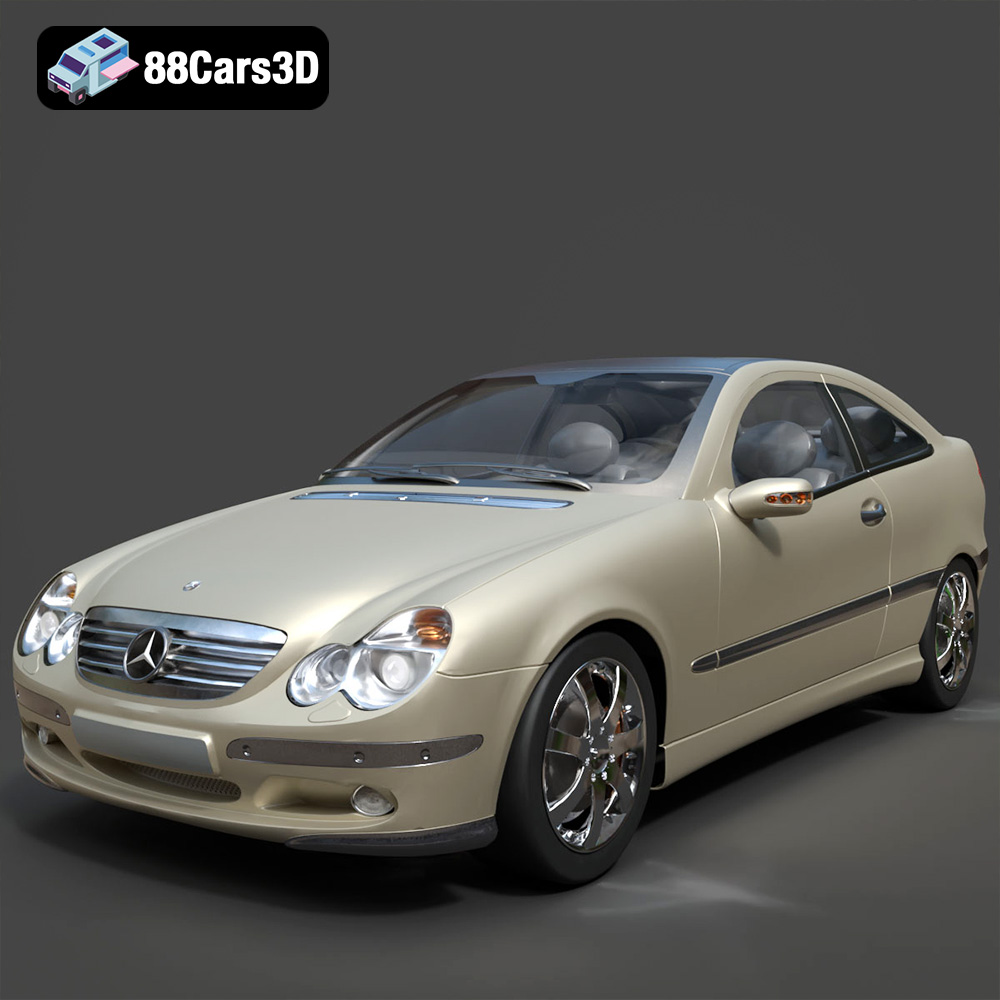
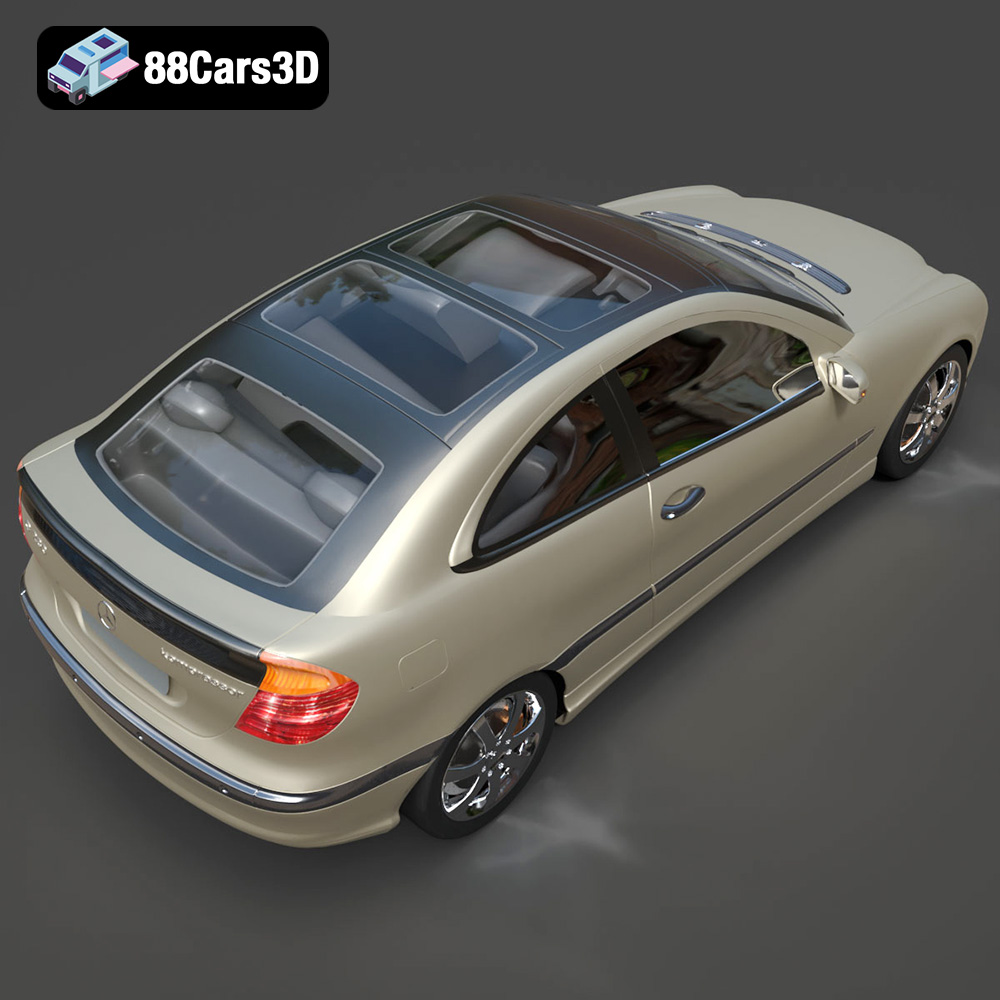
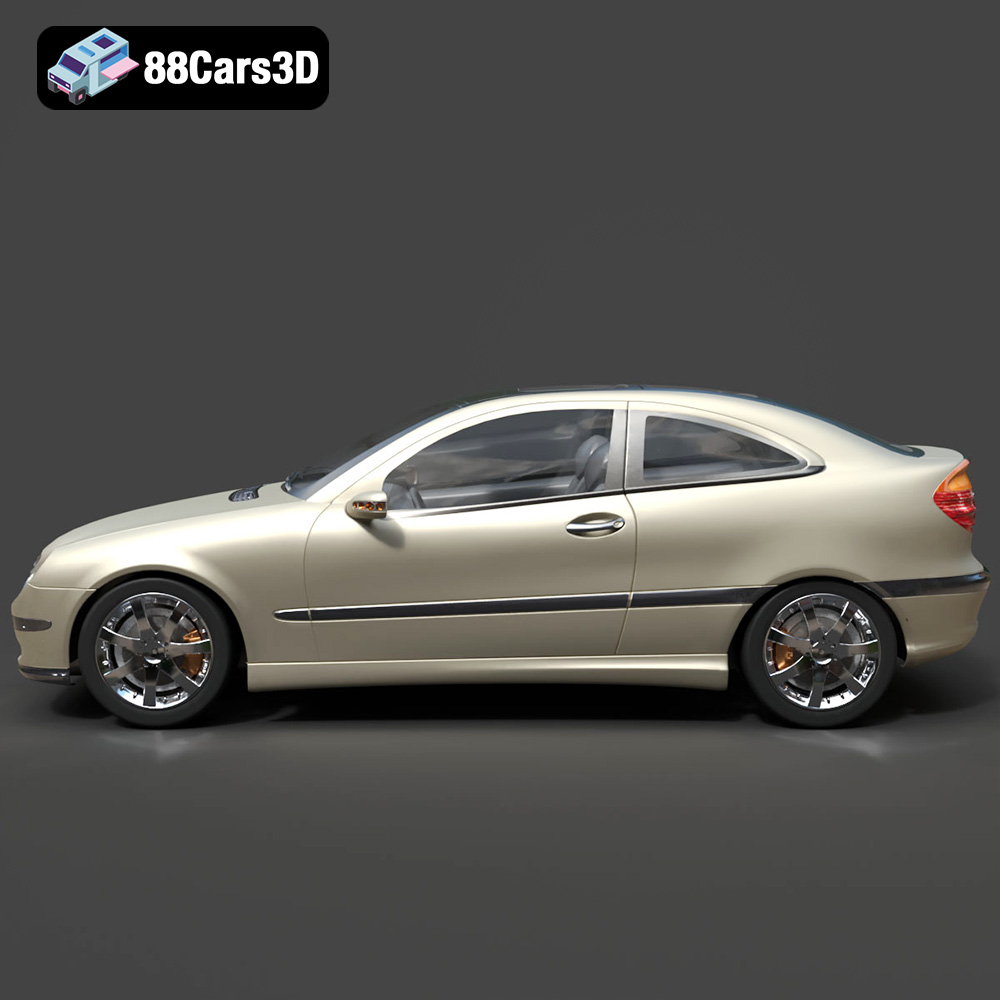
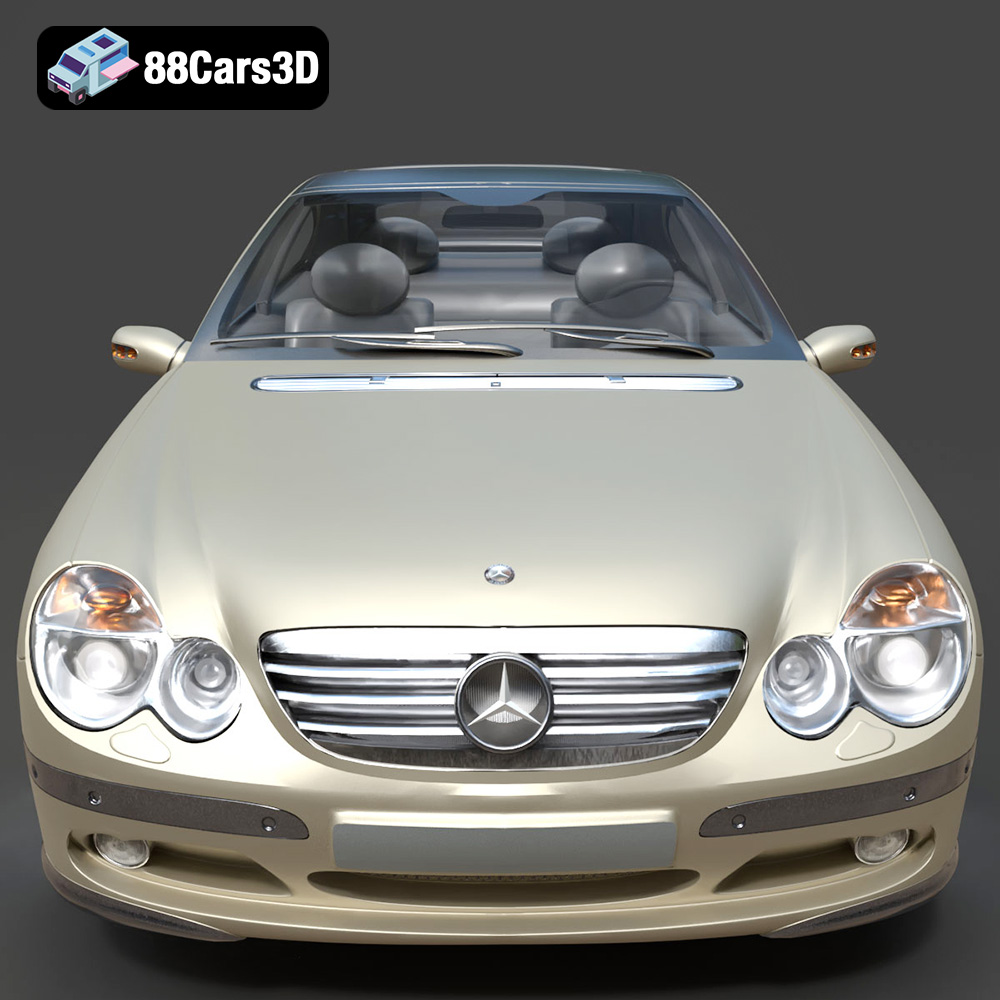
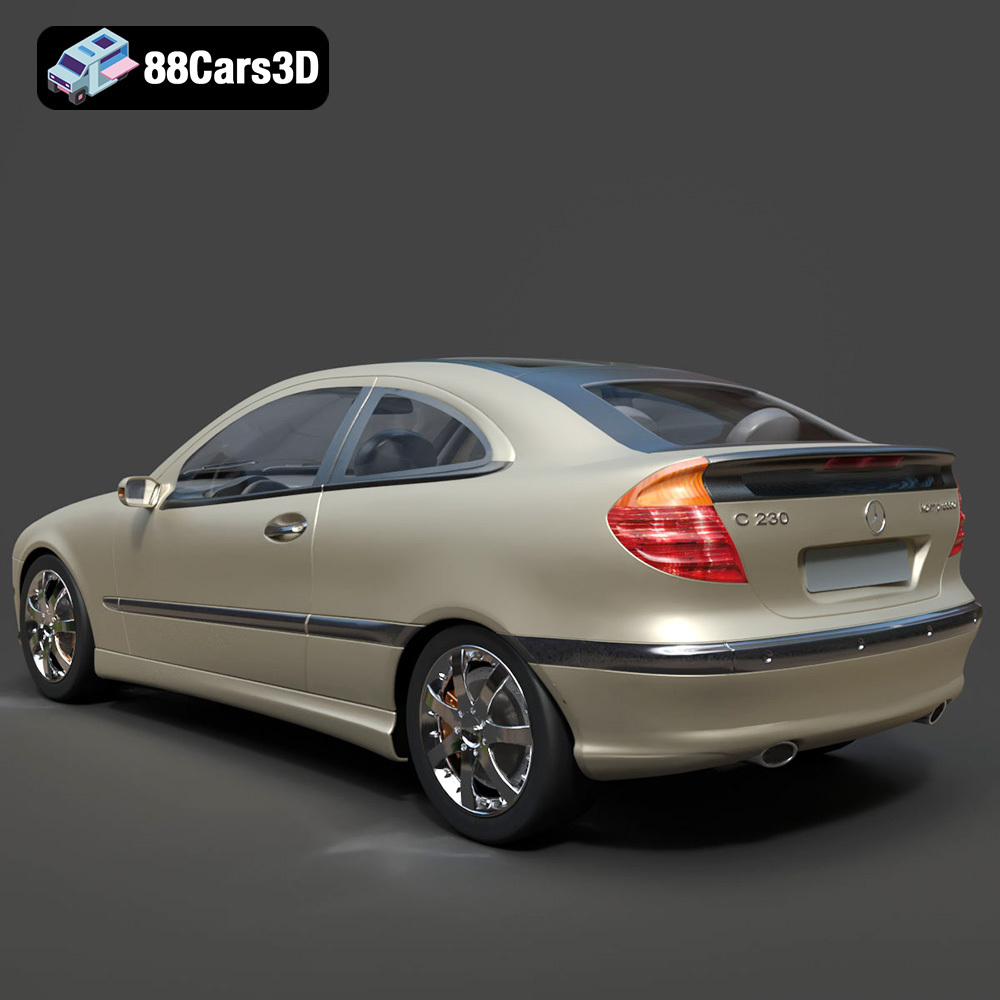
The Mercedes Benz C230 3D Model stands out as an accurate digital representation of the renowned luxury sedan. It’s an asset crafted with meticulous attention to precision, optimized for various uses from close-up renders and cinematic sequences to detailed virtual environments. This model captures the engineering and design essence of the C230, offering immediate integration into a myriad of professional pipelines. Its clean, production-ready geometry, realistic PBR materials, fully modeled interior, and accurate scaling make it a versatile tool for professionals seeking efficiency without compromising quality.
One of the most critical aspects of working with 3D models is understanding the various file formats available and knowing which one is best suited for a particular task. The Mercedes Benz C230 3D Model, like many professional assets from 88cars3d.com, is provided in a comprehensive range of formats to ensure maximum compatibility and utility across different software and pipelines. Choosing the correct format can drastically improve your workflow efficiency and the final quality of your output.
The .blend format is native to Blender, the popular open-source 3D creation suite. When you receive a .blend file, you’re getting a fully editable Blender scene, often complete with materials, lighting setups, and even camera configurations. This format is ideal for users who primarily work in Blender and need full control over the model. Technical details often include modifier stacks (for non-destructive editing), custom node-based PBR materials, and potentially animation rigs. It provides the most flexibility for artists looking to dissect, modify, or extend the existing asset within its native environment.
Autodesk’s .fbx (Filmbox) is a proprietary file format widely adopted as an interchange standard, especially between 3D applications and game engines like Unreal Engine and Unity. It’s incredibly versatile, capable of storing not just geometry, but also materials, textures, animations, skinning information, and even cameras and lights. For real-time pipelines, .fbx is often preferred due to its efficiency in transferring complex scene data. Technical considerations include ensuring correct scaling and axis orientation during export/import, as well as proper handling of material assignments. The Mercedes Benz C230 3D Model in .fbx format is game-engine ready, making it a go-to for interactive experiences.
The .obj (Wavefront OBJ) format is one of the most widely supported and truly universal 3D model formats. It stores geometry data (vertices, normals, texture coordinates, and faces) in a plain text file, often accompanied by an .mtl (material) file for basic material properties and texture references. While it doesn’t support advanced features like animation or rigging, its simplicity and ubiquitous compatibility make it excellent for cross-software transfers when you primarily need static mesh data. It’s a robust choice for ensuring your Mercedes Benz C230 3D Model can be opened and worked with in virtually any 3D software on the market, from 3ds Max to Maya to Cinema 4D.
.glb (GL Transmission Format Binary) is the binary version of the glTF (GL Transmission Format) standard. Designed for efficient transmission and loading of 3D scenes and models by engines and applications, .glb packages all assets (geometry, materials, textures, animations) into a single, self-contained file. This makes it particularly optimized for AR (Augmented Reality), VR (Virtual Reality), and browser-based display, where file size and quick loading times are paramount. Its compact nature and modern PBR material support make it a powerful choice for showcasing the Mercedes Benz C230 in interactive web viewers or AR apps.
The .stl (Stereolithography) format is the de facto standard for 3D printing. It represents a 3D model as a series of connected triangles, describing only the surface geometry of an object without color, texture, or other advanced attributes. The primary technical requirement for .stl files is that the mesh must be “watertight”—meaning it has no holes or non-manifold geometry—to ensure a successful print. For users looking to 3D print a miniature Mercedes Benz C230, the .stl format is precisely what’s needed for prototyping or physical model creation.
.ply (Polygon File Format or Stanford Triangle Format) is another popular format for storing 3D data, particularly from 3D scanners. It’s capable of storing a wider range of properties than .obj or .stl, including color, transparency, surface normals, and even data reliability for each vertex or face. This makes it a precision mesh format often used in scientific visualization, CAD, and analysis applications where dense point clouds or detailed surface information is crucial. For intricate inspections or simulations of the C230’s exterior, .ply offers a robust data foundation.
While often a custom packaging, the .unreal designation typically implies an asset that has been specifically prepared and configured for direct import and optimal performance within Unreal Engine. This could involve pre-setup materials, collision meshes, LODs (Levels of Detail), and proper folder structures, saving significant time in the engine import pipeline. For game developers and real-time visualization specialists, having the Mercedes Benz C230 3D Model available in an .unreal-ready format streamlines integration into complex virtual worlds.
The .max format is the native file format for Autodesk 3ds Max, a powerful 3D modeling, animation, and rendering software widely used in architectural visualization, broadcast, and game development. Like .blend, a .max file provides an editable project with all scene components, including geometry, materials, lighting, cameras, and animation data. It offers full fidelity for 3ds Max users, allowing them to leverage all the software’s advanced features for rendering, animation, and scene manipulation with the Mercedes Benz C230 3D Model.
Automotive rendering is an art form that blends technical precision with aesthetic vision. It demands immaculate 3D car models, realistic materials, and sophisticated lighting setups to produce images that are indistinguishable from photographs. The Mercedes Benz C230 3D Model is engineered to meet these exacting standards, making it an excellent foundation for stunning visual presentations.
The cornerstone of modern rendering is Physically Based Rendering (PBR), a methodology that simulates how light interacts with surfaces in the real world. The Mercedes Benz C230 3D Model comes with realistic PBR materials, accurately simulating various surfaces such as paint, glass, rubber, and chrome. This means that when integrated into rendering engines like V-Ray, Corona Renderer, Octane, or Cycles (in Blender), the model will react to light in a physically plausible manner. Artists can easily fine-tune parameters like glossiness, metallic values, and normal maps to achieve bespoke finishes, whether it’s a showroom-ready metallic flake paint job or a matte wrap.
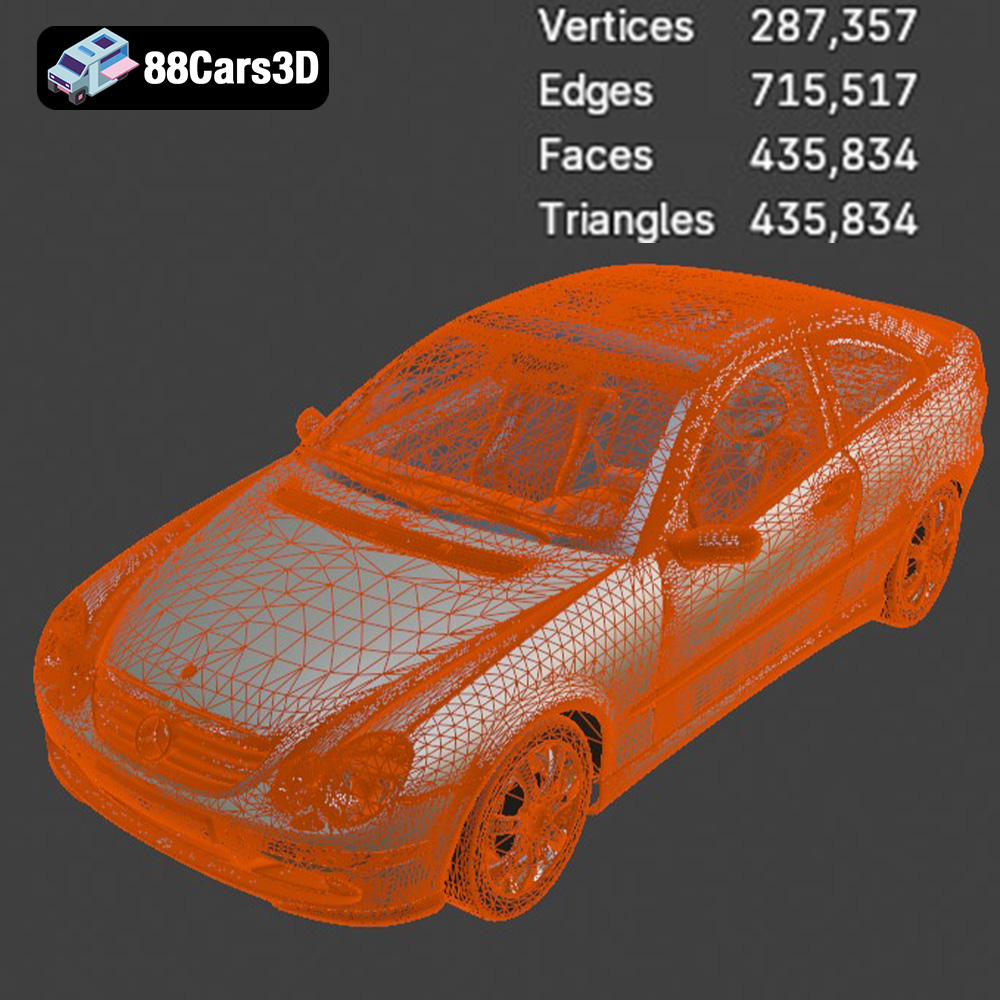
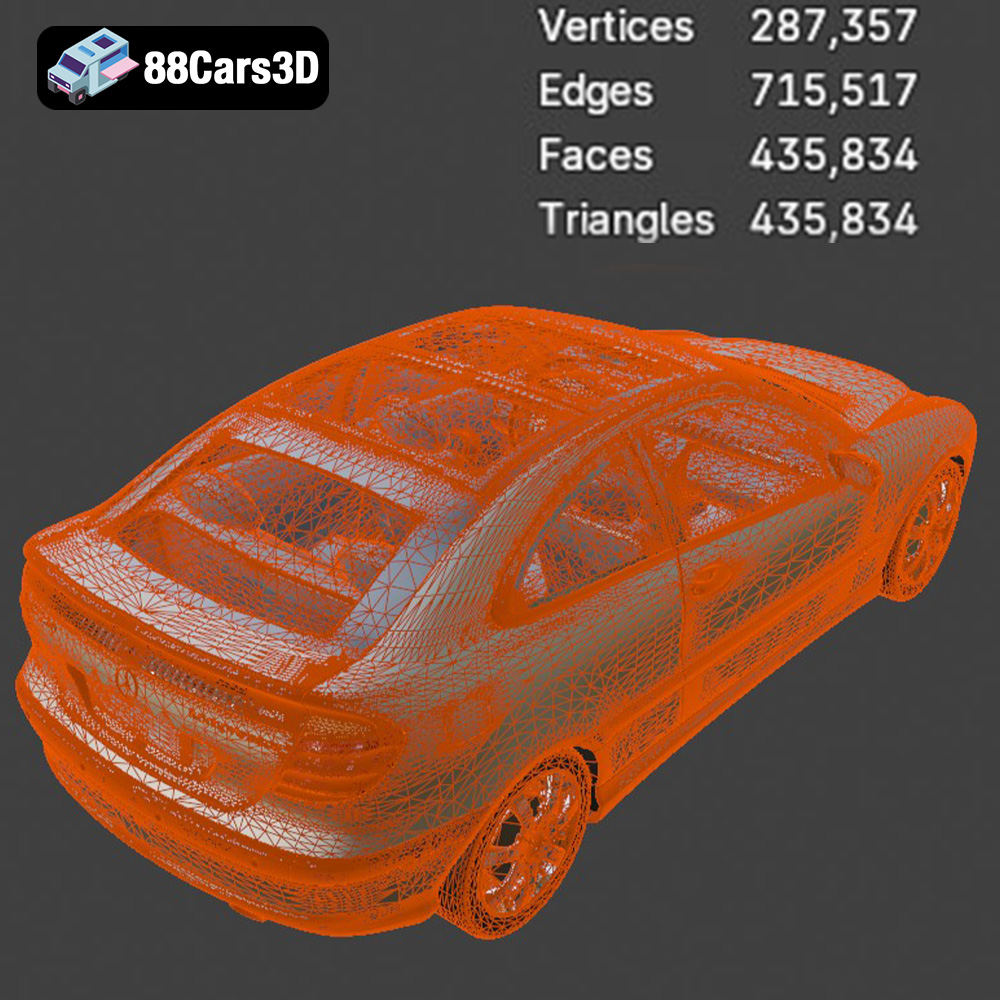
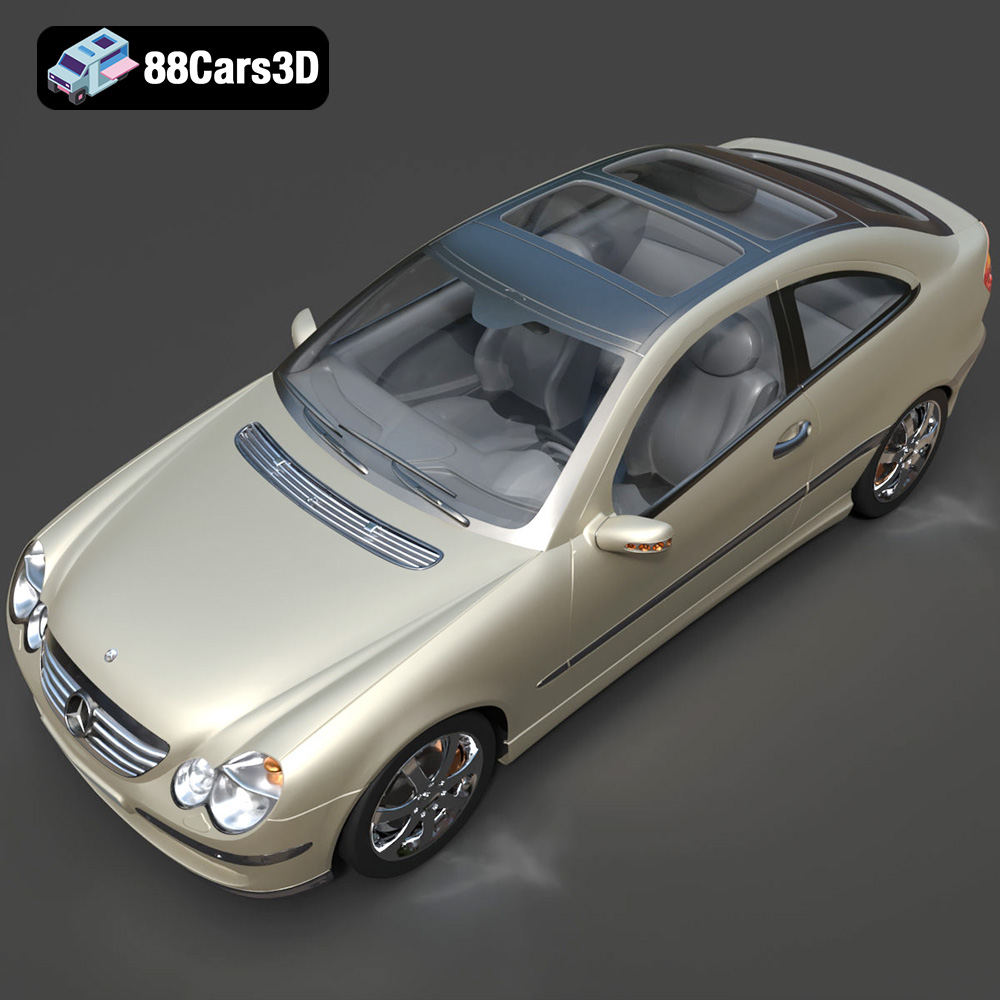
The product description highlights its optimization for “close-up renders” and “cinematic sequences.” This implies clean, production-ready geometry that holds up even under extreme scrutiny. Such models typically feature a higher polygon count in key areas, smooth subdivision surfaces, and meticulously crafted details that prevent visual degradation when viewed up close. For cinematic projects, this level of detail is critical for dynamic camera movements that sweep across the vehicle’s contours, revealing every curve and reflection without artifacts. The fully modeled interior further enhances this capability, allowing for immersive in-car shots and detailed cockpit views, essential for advertising or film production.
For users of 3ds Max, the provided .max file offers immediate access to a pre-configured scene, ready for rendering with engines like V-Ray or Corona. Artists can directly manipulate lighting, camera angles, and environment settings. Similarly, the .blend file provides a complete setup for Blender users, leveraging Cycles or Eevee. The clean UV mapping ensures that textures align perfectly, and the correct real-world scaling simplifies scene integration, preventing scale mismatches with other assets or environments.
The demand for high-quality 3D assets in real-time applications—from video games and interactive training simulations to AR/VR experiences—has skyrocketed. While photorealism is key, performance is paramount. The Mercedes Benz C230 3D Model is optimized for both Unreal Engine and Unity, bridging the gap between high-fidelity renders and real-time efficiency.
The inclusion of .fbx and .unreal formats specifically caters to game developers. The .fbx format is the industry standard for exporting assets into game engines, efficiently carrying geometry, PBR materials, and UV data. For Unreal Engine users, the .unreal file or a carefully prepared .fbx can often be directly imported, sometimes even with pre-configured materials, instance parameters, and collision meshes. This significantly reduces the time and effort typically involved in asset preparation, allowing developers to quickly populate their virtual worlds or create interactive showrooms.
While the model is optimized for close-up renders, for real-time applications, managing polygon count is crucial. Professional 3D car models like the C230 often imply the capability or provision for Levels of Detail (LODs). This means having multiple versions of the model at different polygon counts—a high-poly version for close-ups, and progressively lower-poly versions for distant views—to optimize rendering performance. Efficient PBR material setup, using texture atlases and careful shader optimization, further ensures smooth frame rates without sacrificing visual quality, even on varied hardware. The model’s “clean, production-ready geometry” is a strong indicator that it provides an excellent base for generating these crucial LODs.
The .glb format makes the Mercedes Benz C230 3D Model particularly suitable for AR/VR applications. In an AR experience, users could place a virtual C230 in their driveway, examining its details as if it were physically present. In VR, it could be the centerpiece of a virtual showroom, allowing potential buyers to explore the interior and exterior in a fully immersive environment. The optimized nature of .glb ensures quick loading and smooth interaction, essential for maintaining user engagement in these cutting-edge platforms.
The utility of a highly accurate 3D model extends far beyond aesthetic visualization. In industries like automotive engineering, product design, and manufacturing, these digital assets serve as vital tools for analysis, simulation, and even physical prototyping. The Mercedes Benz C230 3D Model, with its precision and various file formats, caters to these specialized needs.
The availability of the .stl format directly addresses the needs of 3D printing. Engineers and designers can utilize this format to create physical prototypes of the Mercedes Benz C230, whether for scale models, aerodynamic testing, or even component design validation. While the provided model is likely a high-fidelity exterior, the “clean geometry” ensures a watertight mesh, which is paramount for successful 3D printing. This allows for tangible interaction with the digital design, facilitating iterative development and design reviews before committing to expensive full-scale production.
For simulation training, especially in the automotive sector, accurate vehicle models are critical. The Mercedes Benz C230 3D Model can be integrated into driving simulators for training purposes, allowing users to experience the vehicle’s dynamics in a controlled virtual environment. Beyond driver training, this model could also be used in more complex engineering simulations, such as aerodynamic flow analysis (though often requiring a simplified or purpose-built mesh), crash simulations (with further rigging and internal structure), or even manufacturing assembly planning. Its “correctly scaled to match real-world specifications” ensures that simulations are based on accurate dimensional data.
While not an engineering application, it’s worth noting its impact on ArchViz. Architects and urban planners frequently integrate 3D car models into their renderings to bring scenes to life, provide scale, and add realism to proposed developments. A luxury sedan like the C230 adds a touch of sophistication and aspirational quality to architectural visualizations, effectively communicating the lifestyle associated with a particular space. The high-quality rendering capabilities of the C230 model ensure it integrates seamlessly into even the most photorealistic ArchViz scenes.
In today’s fast-paced creative industries, time is often the most valuable commodity. Developing a high-fidelity 3D car model from scratch can take hundreds of hours, demanding significant expertise and resources. This is where investing in premium, production-ready assets like the Mercedes Benz C230 3D Model from marketplaces like 88cars3d.com offers a clear competitive advantage.
The most immediate benefit of utilizing pre-made 3D car models is the drastic reduction in project timelines. Instead of allocating weeks or months to modeling and texturing a vehicle, artists can simply import the C230 model, apply necessary adjustments, and focus on scene composition, lighting, and animation. This acceleration allows studios to take on more projects, meet tighter deadlines, and deliver results faster, directly impacting profitability and client satisfaction.
Sourcing models from reputable platforms ensures a certain standard of quality. The Mercedes Benz C230 3D Model, described with “clean, production-ready geometry” and “realistic PBR materials,” means it arrives optimized and ready for professional use. This consistency in quality is difficult to achieve when modeling in-house for every project, especially across different team members. High-quality assets contribute to a professional aesthetic that permeates the entire project, enhancing its perceived value.
While there’s an initial investment in purchasing a 3D model, it’s often significantly more cost-effective than developing it internally. Factor in the salaries of skilled 3D artists, software licenses, and the time spent on research, modeling, and optimization, and the cost quickly outweighs that of a pre-built asset. For specialized models like a specific luxury car, the expertise required to achieve photorealistic accuracy is substantial, making a premium off-the-shelf solution an intelligent financial decision for many studios and freelancers.
The Mercedes Benz C230 3D Model represents a confluence of precision engineering and artistic craftsmanship, offering an invaluable asset for a broad spectrum of professional applications. From producing breathtaking automotive renders and cinematic sequences to populating immersive game worlds and AR/VR experiences, its versatility is evident.
The meticulous attention to detail, from its clean, production-ready geometry and realistic PBR materials to its fully modeled interior and real-world scaling, ensures that it meets the rigorous demands of professional pipelines. Furthermore, the extensive range of provided file formats—including .blend, .fbx, .obj, .glb, .stl, .ply, .unreal, and .max—guarantees seamless integration into virtually any 3D workflow, whether you’re a Blender enthusiast, a 3ds Max power user, or a game developer targeting Unreal Engine or Unity.
In an industry where efficiency, quality, and adaptability are paramount, assets like the Mercedes Benz C230 3D Model from 88cars3d.com empower creators to elevate their projects, save invaluable time, and focus on the creative aspects that truly differentiate their work. It’s more than just a 3D model; it’s a foundation for innovation and a testament to the power of high-quality digital assets in the modern era of visualization.
The Mercedes Benz C230 3D Model provides an accurate digital representation of the renowned luxury sedan. Crafted with attention to precision, this asset is optimized for close-up renders, cinematic sequences, and detailed virtual environments. It captures the engineering and design essence of the C230, offering immediate integration into professional pipelines.
$14.99