Get 20% OFF All Premium 3D & STL Models!

In the rapidly evolving landscape of digital creation, the demand for exceptionally detailed and technically robust 3D assets has never been higher. From breathtaking cinematic sequences to immersive game worlds and precise engineering visualizations, the quality of a 3D model directly impacts the realism, performance, and overall impact of a project. Professional artists and developers consistently seek assets that not only look stunning but are also engineered for seamless integration into diverse workflows.
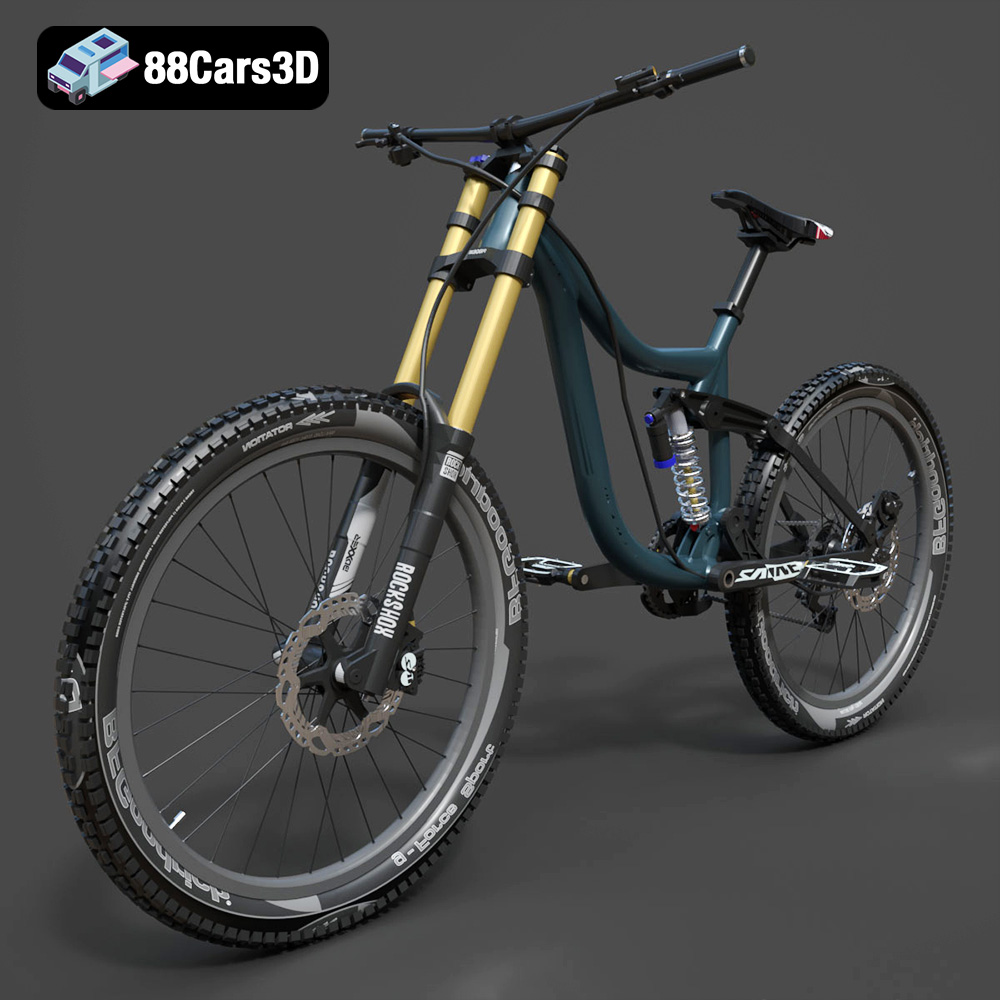
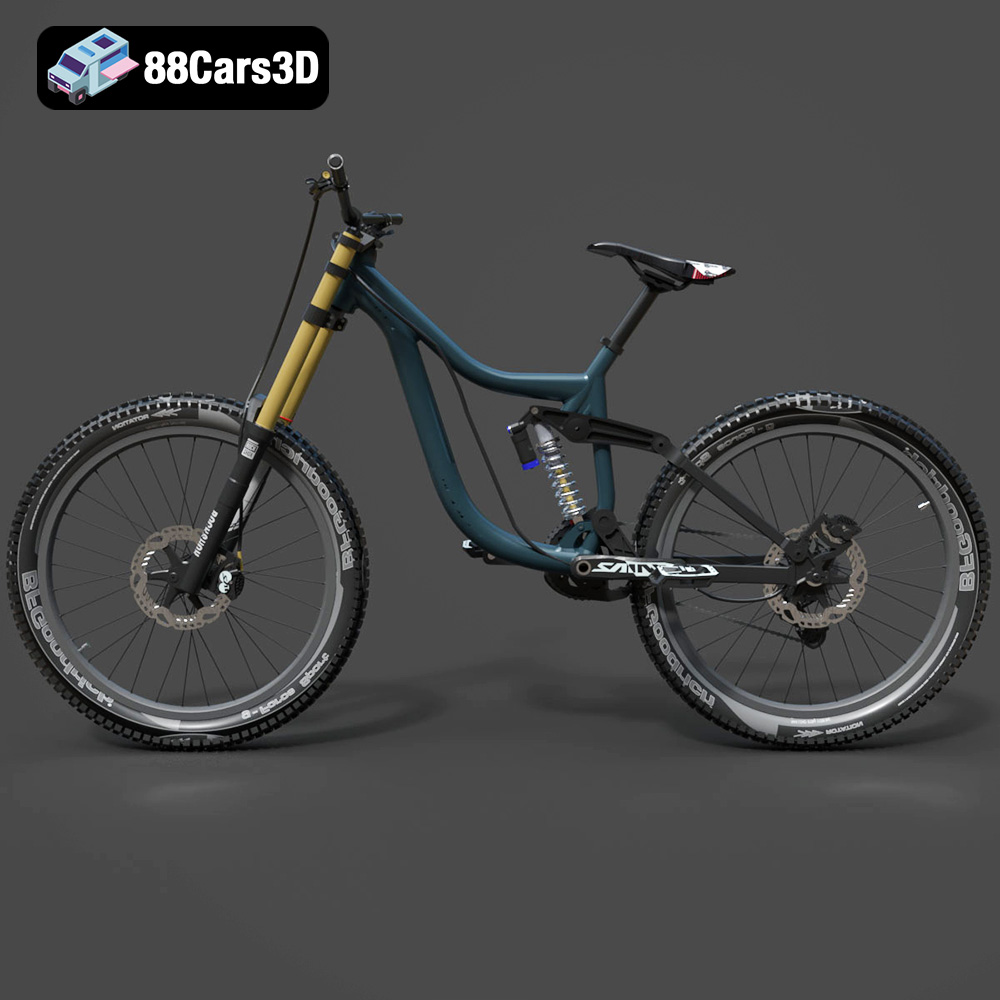
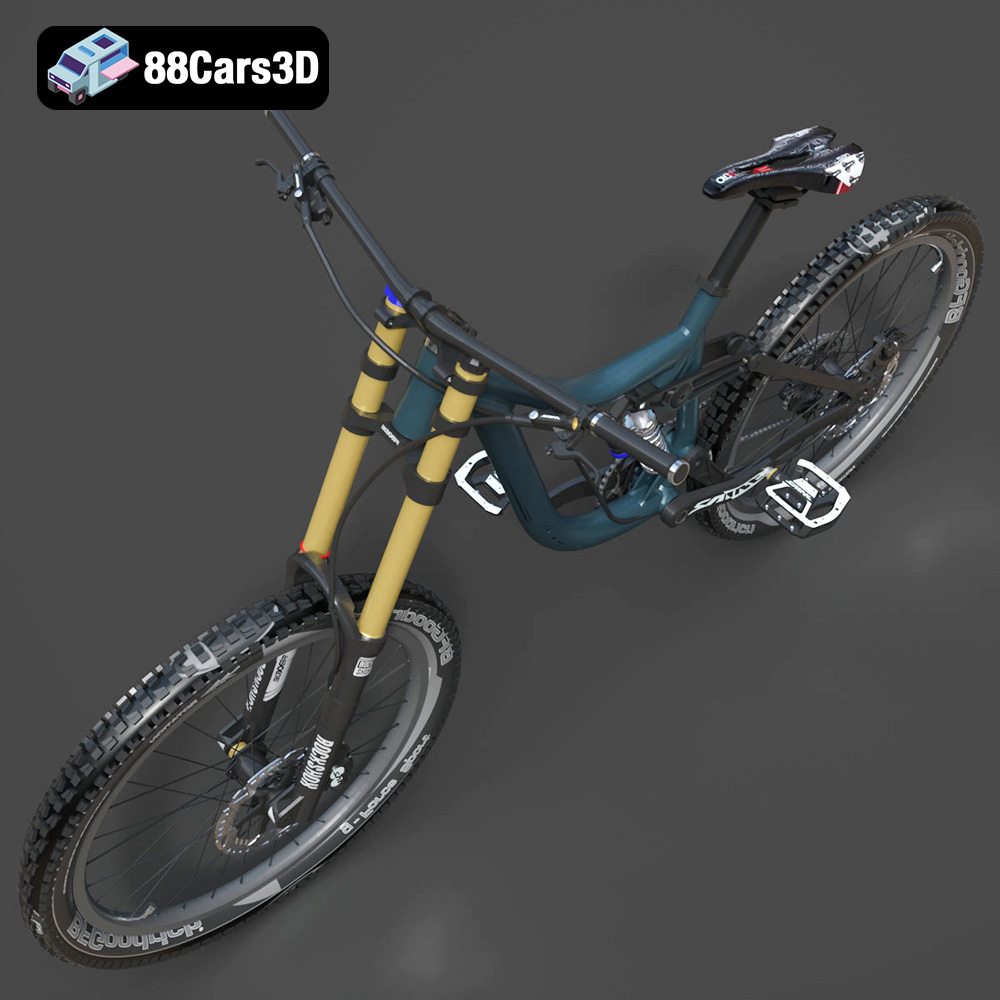
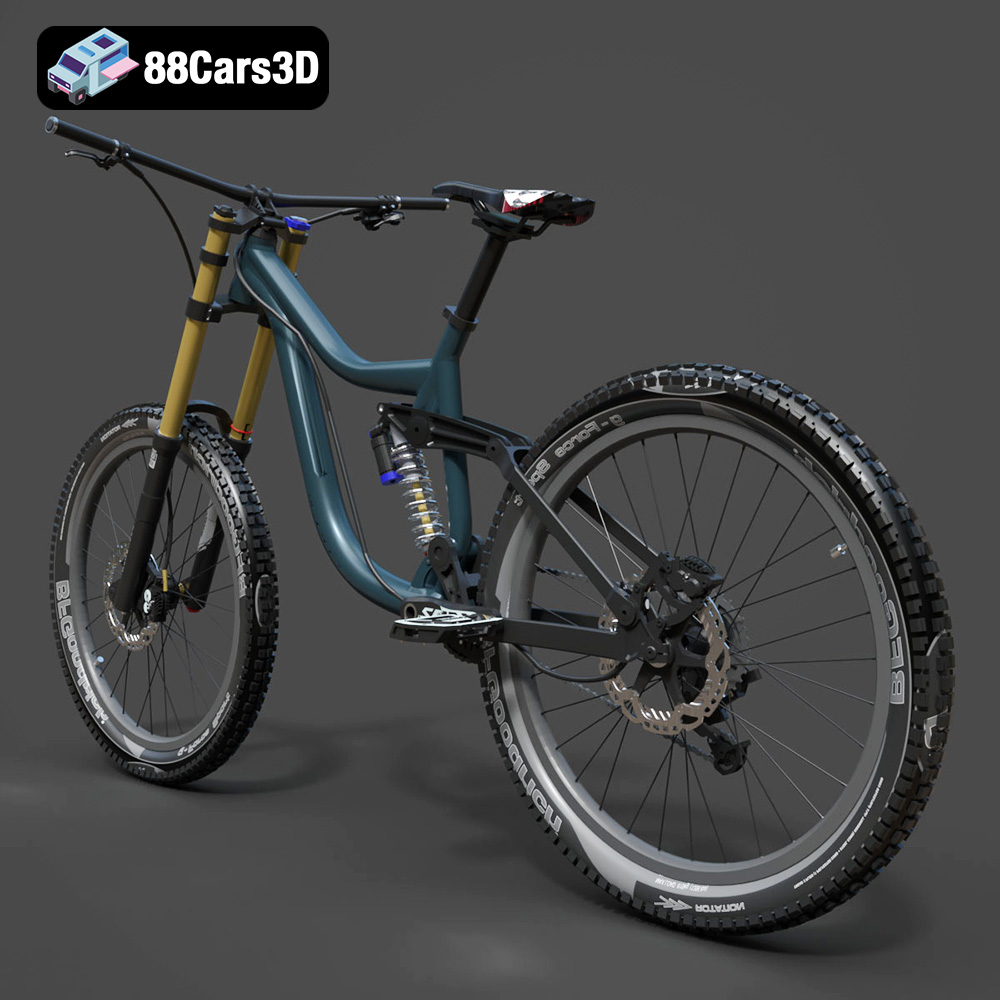
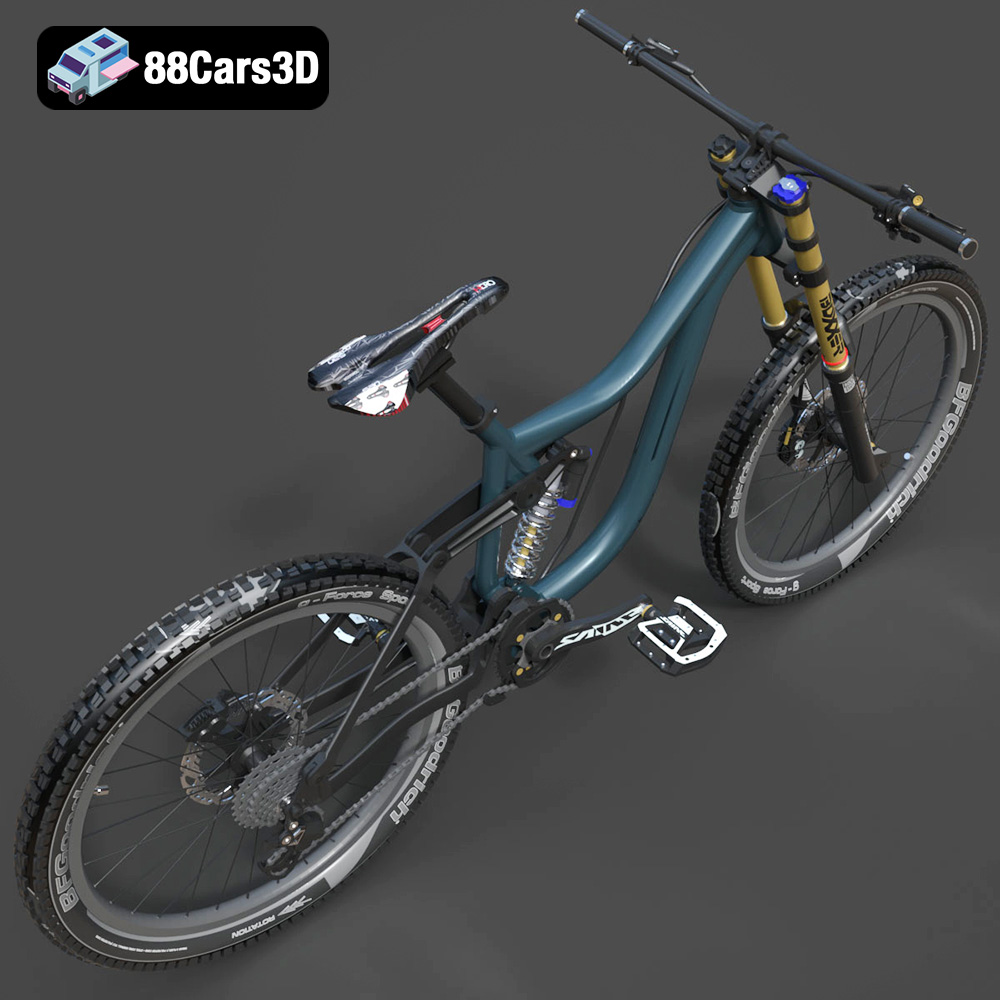
This pursuit of digital perfection brings us to an exemplary asset that embodies these very principles: the Mototsikly Downhill Bike-002 3D Model. This isn’t just a digital representation; it’s a meticulously crafted replica designed for immediate deployment in professional environments. Every curve, every joint, from its high-travel suspension to the intricate drivetrain and specialized tires, has been modeled with an unwavering commitment to scale, mechanical integrity, and photorealism. For those working on projects that demand unparalleled detail, whether it’s for game development, virtual reality, architectural visualization, or high-end rendering, this model stands as a testament to what premium 3D assets can achieve. Its optimized geometry and realistic PBR materials ensure that it performs as flawlessly as it appears, providing a robust foundation for any ambitious creative endeavor.
The choice of a 3D model file format is far more than a mere technicality; it’s a critical decision that dictates compatibility, performance, and the scope of manipulation within your chosen workflow. Professional-grade assets, such as the Mototsikly Downhill Bike-002 3D Model available at 88cars3d.com, are often provided in a variety of formats to ensure maximum versatility. Understanding these formats is paramount for any serious 3D artist or developer. Here, we delve into the specifics of the most common and powerful formats:
The .blend file format is native to Blender, the popular open-source 3D creation suite. When you receive a .blend file, you’re not just getting a model; you’re often getting a complete scene. This includes the model’s geometry, materials, textures, lighting setups, cameras, animations, and even physics simulations. For artists working primarily in Blender, this format offers the most flexibility for further editing, rigging, and animation, making it ideal for direct project integration without loss of data or setup. The Mototsikly Downhill Bike-002, provided as a .blend, ensures that all its PBR materials and any potential scene setups are immediately accessible for artists using Blender for rendering with Cycles or real-time visualization with Eevee.
.fbx (Filmbox) is a proprietary file format owned by Autodesk, but it has become an industry-standard interchange format due to its robust support for 3D model data, including geometry, materials, textures, animations, and skeletal structures. It’s exceptionally well-suited for transferring assets between different 3D software applications and, crucially, into game engines like Unreal Engine and Unity. Its ability to encapsulate complex data while maintaining relative file efficiency makes it an indispensable tool in pipelines where multiple software packages are used. For the Mototsikly Downhill Bike-002, the .fbx version is game-engine ready, pre-configured for optimal performance and visual fidelity within real-time environments.
The .obj (Wavefront OBJ) format is one of the oldest and most widely supported 3D file formats. Its strength lies in its simplicity and universal compatibility. Almost every 3D software application can import and export .obj files. It primarily stores geometry (vertices, normals, texture coordinates, and faces) and can reference external .mtl (material library) files for basic material properties and texture maps. While it doesn’t typically support animation or complex scene data, its reliability for mesh transfer makes it a foundational format. The .obj version of the Mototsikly Downhill Bike-002 ensures that even if you’re using niche or legacy software, you can still access its clean mesh topology.
.glb (GL Transmission Format Binary) is an increasingly vital format, especially for modern applications like Augmented Reality (AR), Virtual Reality (VR), and web-based 3D visualization. It’s a binary version of the glTF (GL Transmission Format) specification, designed for efficient transmission and loading of 3D scenes and models. A .glb file packages all necessary data—geometry, materials, textures, and animations—into a single, self-contained binary file, optimizing it for performance in real-time web and mobile environments. The Mototsikly Downhill Bike-002’s .glb format is perfect for integrating the bike into interactive web applications or AR/VR experiences, offering quick loading times and accurate material representation.
The .stl (STereoLithography) format is synonymous with 3D printing. It represents a 3D model as a series of connected triangles (a tessellation) without any color, texture, or material information. Its sole purpose is to define the surface geometry of an object for additive manufacturing. While simple, its ubiquity in the 3D printing world makes it indispensable for prototyping and producing physical models. The Mototsikly Downhill Bike-002, available as .stl, can be brought into the physical world, allowing designers and engineers to create scale models or even functional prototypes of its components.
.ply (Polygon File Format) is a versatile format capable of storing a wide range of information, including not just geometry but also color, transparency, and even normal vectors per vertex or face. It’s particularly popular in scientific computing, 3D scanning, and CAD/CAM applications due to its precision and extensibility. While less common for general-purpose asset distribution, its inclusion for the Mototsikly Downhill Bike-002 provides engineers and analysts with a detailed polygon mesh for precise measurements, simulations, or reverse engineering tasks.
The .unreal format signifies an asset specifically optimized and often pre-configured for direct use within Unreal Engine. This often means the asset includes specific Unreal Engine material setups, collision meshes, LODs (Levels of Detail), and sometimes even blueprint components. This level of native integration dramatically streamlines the development process for artists and developers working within Unreal Engine, minimizing setup time and ensuring optimal performance. For those creating high-fidelity interactive experiences or games, the .unreal version of the Mototsikly Downhill Bike-002 offers a true plug-and-play solution.
Similar to .blend for Blender, the .max file format is native to Autodesk 3ds Max, a powerhouse for modeling, animation, and rendering, particularly in architectural visualization, automotive rendering, and product design. A .max file contains a complete 3ds Max scene, including geometry, materials (often V-Ray, Corona, or standard Max materials), lighting, cameras, animations, and modifiers. For professionals entrenched in the 3ds Max ecosystem, the .max version of the Mototsikly Downhill Bike-002 provides the deepest level of editability and allows for leveraging all of 3ds Max’s powerful rendering and animation features, ensuring compatibility with studio pipelines.
The comprehensive range of file formats offered with the Mototsikly Downhill Bike-002 3D Model underscores its professional utility. It ensures that regardless of your software preference or project requirements, from high-end automotive rendering to creating immersive game assets, you have the right tool for the job.
The visual fidelity of a 3D model goes far beyond its polygon count; it’s intricately linked to how light interacts with its surfaces. This is where Physically Based Rendering (PBR) materials and meticulously optimized geometry become critical for achieving true photorealism and performance.
PBR is a paradigm shift in material authoring that aims to simulate the real-world physics of light and surface interaction. Instead of artists manually faking effects, PBR uses a set of texture maps and parameters to define how a surface reflects and absorbs light. Key maps typically include:
The Mototsikly Downhill Bike-002 3D Model leverages realistic PBR materials, ensuring it reacts accurately to various lighting conditions, whether in a pristine studio render or a dynamic game environment. This means stunning visual results that are consistent and believable, crucial for film, advertising, and architectural visualization projects where visual integrity is paramount.
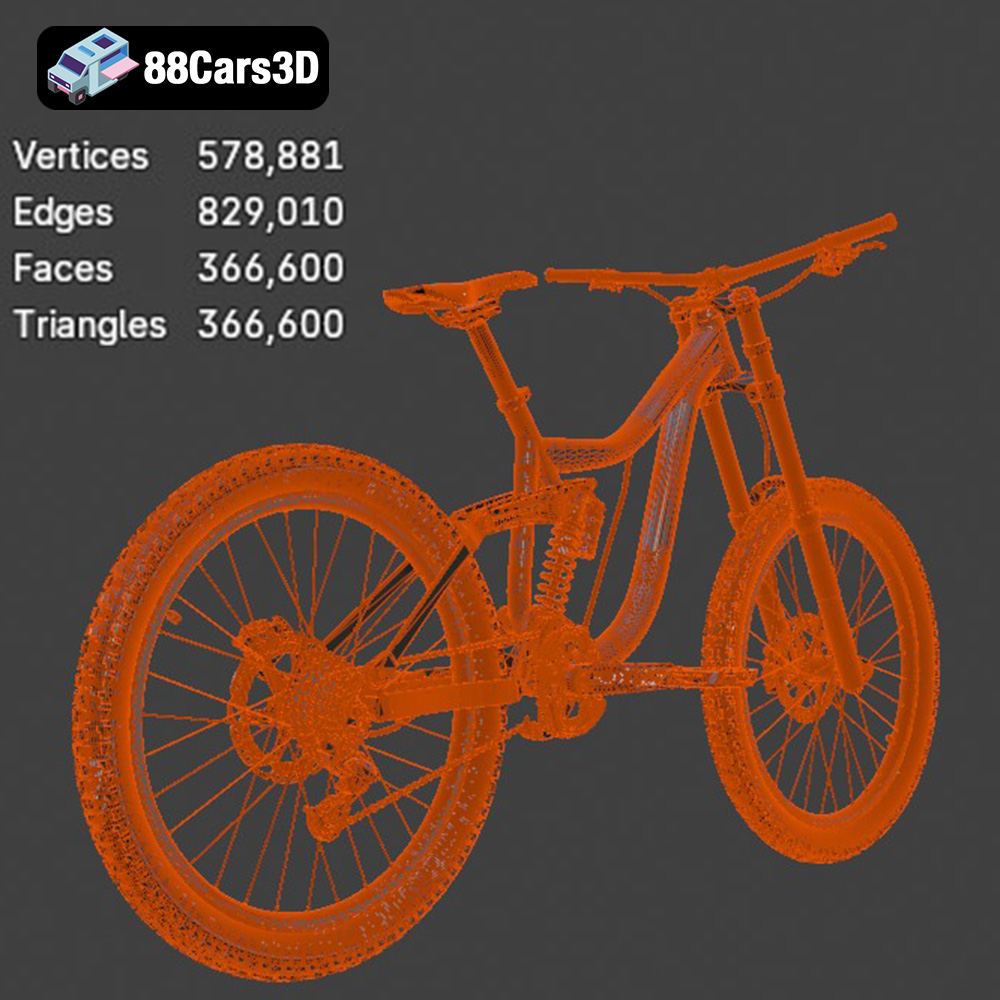
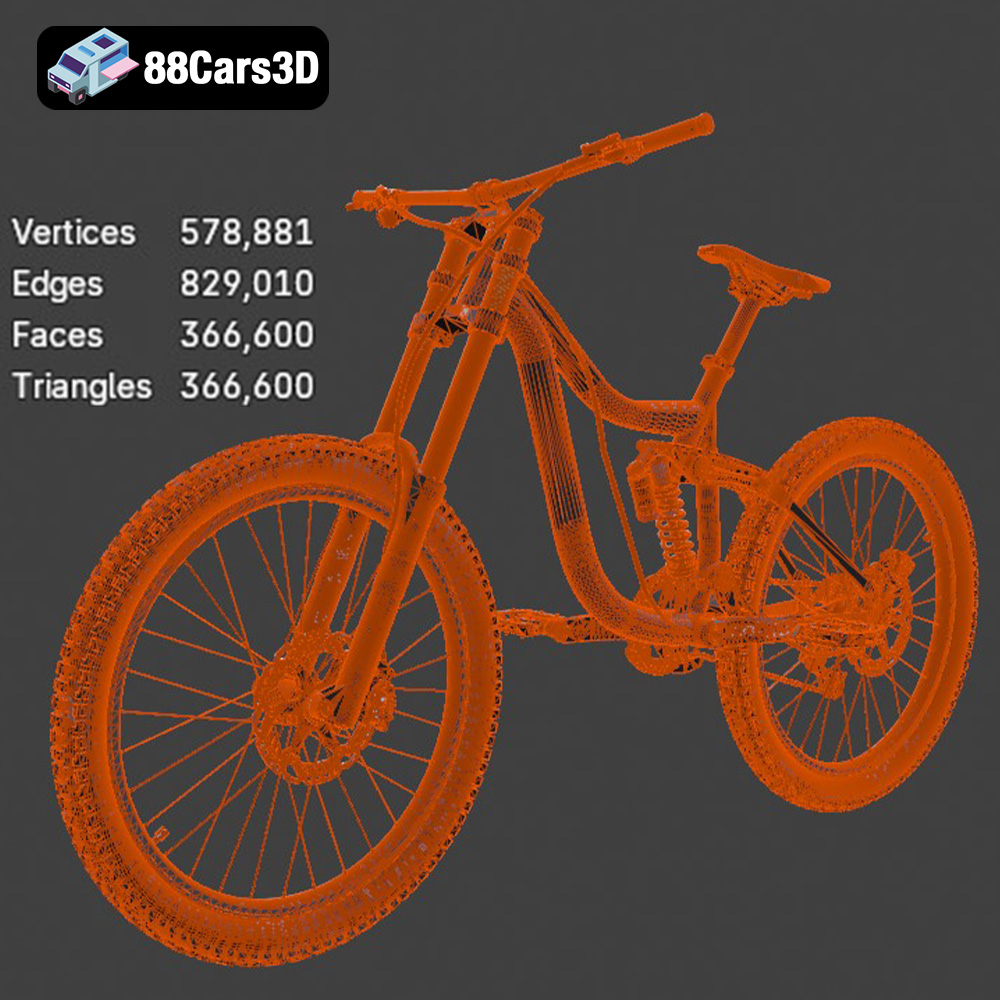
Beyond stunning textures, the underlying mesh topology and polygon count are vital for both visual quality and performance. A clean mesh means:
The Mototsikly Downhill Bike-002 boasts clean, optimized geometry, making it suitable for performance-intensive applications. Yet, its topology is robust enough to allow for easy subdivision, offering flexibility for high-resolution renders when needed. This balance is a hallmark of professional-grade 3D car models and vehicle assets, demonstrating an understanding of both artistic ambition and technical constraints.
The true measure of a high-quality 3D asset lies in its adaptability and ease of integration into diverse professional pipelines. The Mototsikly Downhill Bike-002 3D Model is engineered precisely for this, providing solutions for a range of creative industries.
For game developers, performance and visual fidelity must go hand-in-hand. The Mototsikly Downhill Bike-002, with its game-engine ready .fbx and pre-configured .unreal formats, streamlines the asset integration process significantly. In Unreal Engine, developers can simply drag and drop the .unreal asset, knowing that material instances, collision meshes, and LODs (Levels of Detail) are often already optimized. For Unity, importing the .fbx allows for straightforward material setup using the included PBR textures. This bike model serves as an excellent foundation for creating realistic game assets, populating open worlds, or developing interactive simulations where vehicles play a central role. Its optimized mesh and PBR materials ensure that it looks fantastic even under real-time lighting constraints, offering unparalleled visual quality for an immersive player experience.
When it comes to cinematic quality renders and complex animations, software like 3ds Max and Blender are industry staples. The Mototsikly Downhill Bike-002’s .max and .blend files provide artists with fully editable scenes, including materials and potential lighting setups. In 3ds Max, artists can leverage powerful renderers like V-Ray or Corona to produce photorealistic stills and animations for advertising campaigns, product showcases, or film sequences. Imagine this downhill bike performing a dynamic stunt, meticulously rendered with global illumination and depth of field, showcasing its intricate mechanics and stunning finish. Similarly, Blender users can utilize Cycles for ray-traced realism or Eevee for real-time rendering, making it perfect for rapid prototyping or high-quality output. The clean topology also allows for easy rigging and deformation, enabling animators to create lifelike movement and action sequences, akin to those seen in top-tier automotive rendering projects.
The burgeoning fields of Augmented Reality (AR) and Virtual Reality (VR), along with interactive web experiences, demand lightweight yet visually rich 3D assets. The .glb format of the Mototsikly Downhill Bike-002 is specifically optimized for these applications. A single .glb file packages all necessary data efficiently, allowing for quick loading times and smooth interaction on various devices and platforms. This makes it an ideal choice for:
Its optimized nature ensures that even in resource-constrained environments, the model maintains its high visual quality.
The utility of a high-fidelity 3D model extends beyond digital displays, bridging the gap between virtual design and physical reality, as well as enabling precise technical analysis.
3D printing has revolutionized product development, allowing for rapid prototyping and the creation of custom parts. The Mototsikly Downhill Bike-002 3D Model’s inclusion of an .stl file makes it immediately compatible with this technology. While .stl files do not carry material or color information, they precisely define the geometric surface of the model, which is exactly what a 3D printer needs. Designers or engineers can use this to:
This capability offers a direct pathway from a digital asset to a tangible object, a critical step in many design and engineering workflows.
For engineering and scientific visualization, accuracy and data integrity are paramount. The .ply (Polygon File Format) version of the Mototsikly Downhill Bike-002 provides a highly detailed polygon mesh suitable for advanced analysis. Unlike simpler formats, .ply can store extensive information about each vertex and face, which is invaluable for:
The .ply format underscores the model’s suitability not just for artistic rendering but also for rigorous technical applications, demonstrating its versatility across a broad spectrum of professional demands.
In the fast-paced world of 3D production, time is often the most valuable commodity. While the temptation to create every asset from scratch might exist, the strategic acquisition of premium 3D models like the Mototsikly Downhill Bike-002 3D Model presents compelling advantages that significantly impact project timelines, budgets, and overall quality.
Developing a single, highly detailed asset, such as a photorealistic downhill bike, requires hundreds of hours of expert modeling, UV unwrapping, texturing, and optimization. This includes meticulous research, sculpting intricate details, perfecting PBR materials, and ensuring clean, efficient topology across multiple LODs for various applications. For individual artists or studios, diverting resources to create every component can be prohibitively expensive and time-consuming, especially when deadlines loom.
By opting for a ready-to-use, professional-grade asset, you are effectively buying back invaluable development time. You bypass the entire creation phase and jump directly to integration and deployment. This is not merely about saving money on labor; it’s about accelerating your workflow, allowing your team to focus on core creative tasks, scene assembly, animation, and project-specific development. For instance, rather than spending weeks modeling a bike, a game studio can use a pre-made asset to populate their world faster, leading to quicker iterations and release cycles.
Furthermore, premium assets come with a guarantee of quality and technical robustness. They are built by experienced artists who understand the intricacies of 3D production pipelines. This means you receive optimized geometry, clean UVs, accurate PBR textures, and compatibility across various software and engines, as demonstrated by the array of formats offered for the Mototsikly Downhill Bike-002. This consistency in quality is critical for maintaining a cohesive visual style across large projects, a challenge often faced when sourcing assets from disparate sources or creating them in-house without strict guidelines. For demanding applications like automotive rendering or high-fidelity game environments, this level of quality is non-negotiable.
Platforms like 88cars3d.com specialize in curating and providing such high-quality 3D assets. While the name suggests a focus on 3D car models, their inventory, including the Mototsikly Downhill Bike-002, demonstrates a commitment to delivering excellence across a wide range of vehicles. Investing in these assets is a strategic decision that empowers creators to achieve their artistic vision with greater efficiency and a higher standard of technical precision, ultimately leading to superior final products and a stronger competitive edge.
The journey through the capabilities and technical specifications of the Mototsikly Downhill Bike-002 3D Model reveals more than just a meticulously crafted asset; it showcases a philosophy of excellence in digital creation. From its photorealistic PBR materials and optimized geometry to its comprehensive suite of file formats, this model is designed to be an indispensable tool for professionals across film, game development, AR/VR, and engineering visualization.
Whether you’re pushing the boundaries of realism in a cinematic automotive rendering project using 3ds Max, building immersive game assets for Unreal Engine, or prototyping a physical model via 3D printing, the Mototsikly Downhill Bike-002 provides the foundation for exceptional results. Its versatility and technical precision ensure seamless integration into any demanding workflow, saving invaluable time and resources while elevating the visual standard of your work.
In an industry where detail and performance are paramount, choosing high-quality, pre-optimized assets is a strategic advantage. The Mototsikly Downhill Bike-002 3D Model exemplifies this value, offering a ready-to-deploy solution that empowers artists and developers to focus on their creative vision. For this model and a vast selection of other premium 3D assets, including an extensive collection of high-quality 3D car models, visit 88cars3d.com and equip your projects with the very best.
The Mototsikly Downhill Bike-002 3D Model offers an extremely accurate and photorealistic digital replica of a modern downhill racing bicycle. Every component, from the high-travel suspension system to the complex drivetrain and specialized tires, has been modeled with meticulous attention to scale and mechanical integrity. This model is engineered for immediate use in professional environments where detail and performance are critical. Key Features & Professional Quality: This asset features clean, optimized geometry suitable for performance-intensive applications like real-time game engines. Realistic PBR (Physically Based Rendering) materials ensure that the bike renders accurately under various lighting conditions, providing stunning visual results in film, advertising, and architectural visualization projects. The clean mesh topology allows for easy subdivision and modification if required. Applications: This versatile 3D asset is ready for deployment across numerous creative industries. It is perfectly suited for realistic game development (Unreal Engine, Unity), virtual reality (VR) and augmented reality (AR) experiences, engineering visualization, detailed product rendering, and dynamic simulation environments. Provided File Formats:
$19.99
.arvr
.bicycle
.bike
.blend
.car3dmodel
.downhill
.downhillbike
.fbx
.gameasset
.glb
.max
.mototsikly
.obj
.ply
.rendering
.simulation
.stl
.transport
.unreal
.vehicle