Get 20% OFF All Premium 3D & STL Models!

In the rapidly evolving landscape of digital visualization, the demand for high-quality 3D assets has never been greater. From cinematic automotive rendering to real-time game development and immersive AR/VR experiences, the foundation of any compelling project lies in the fidelity and technical robustness of its models. Professionals across various industries understand that generic assets simply don’t cut it when striving for photorealism and optimal performance. This is particularly true for vehicle models, which often serve as focal points in scenes, demanding intricate detail and seamless integration.
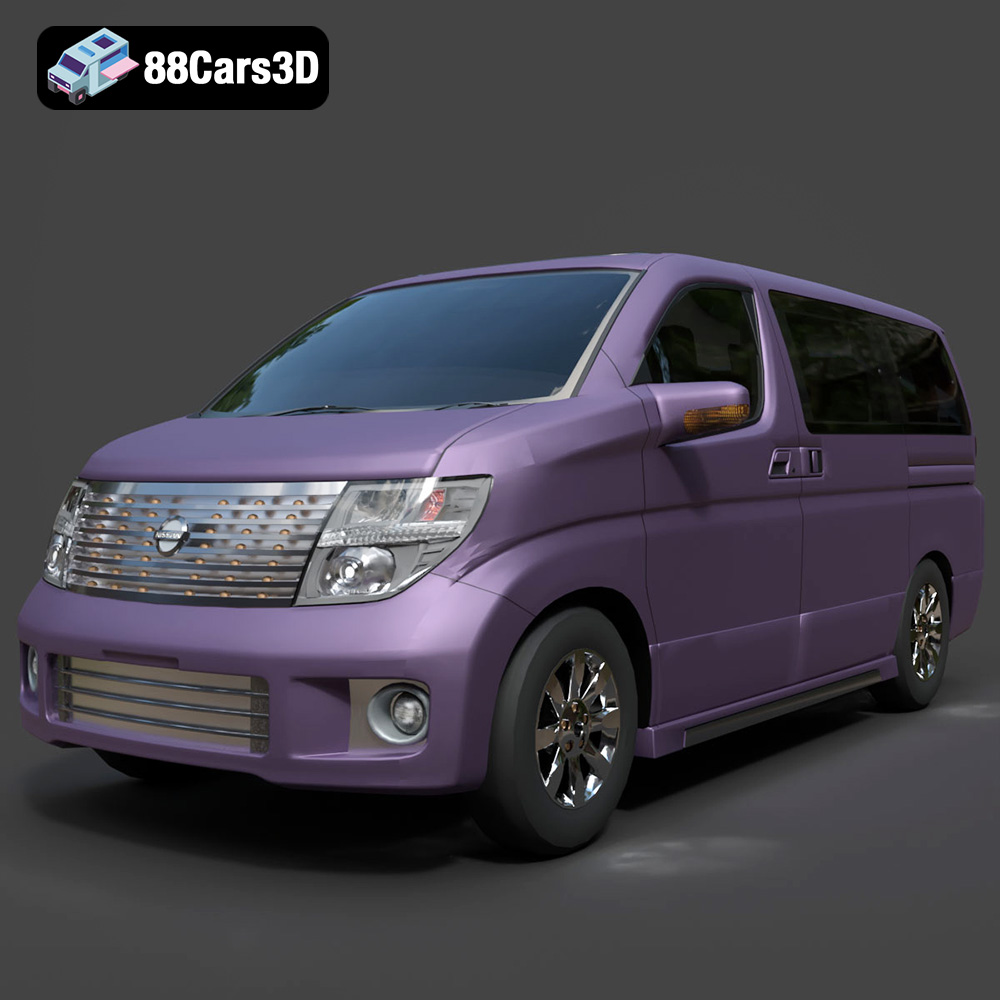
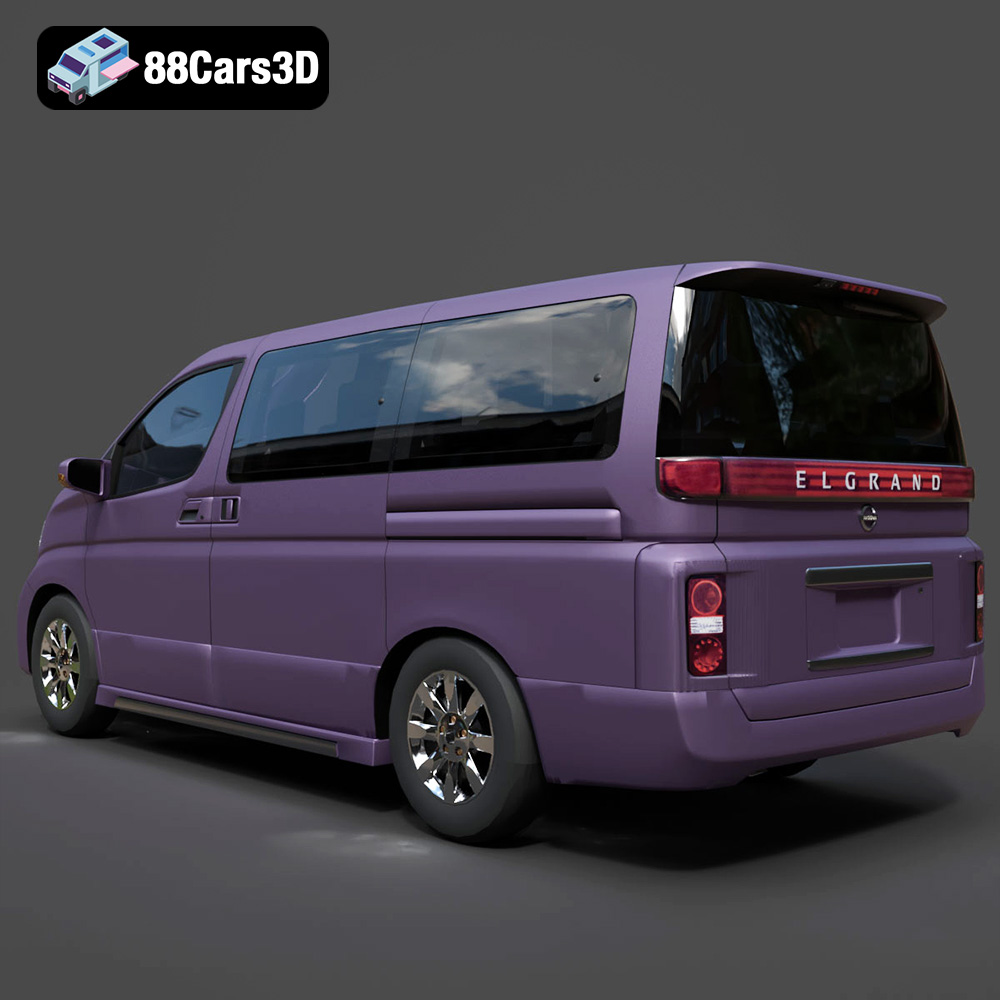
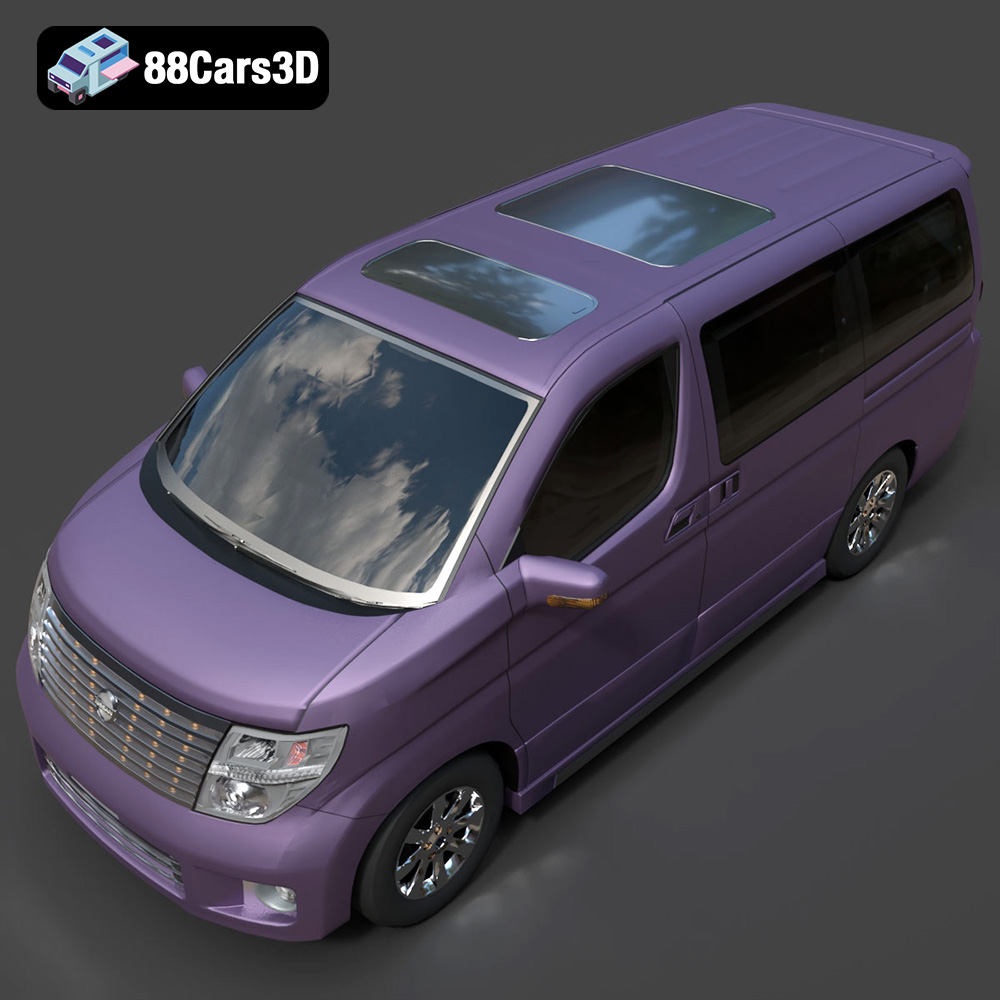
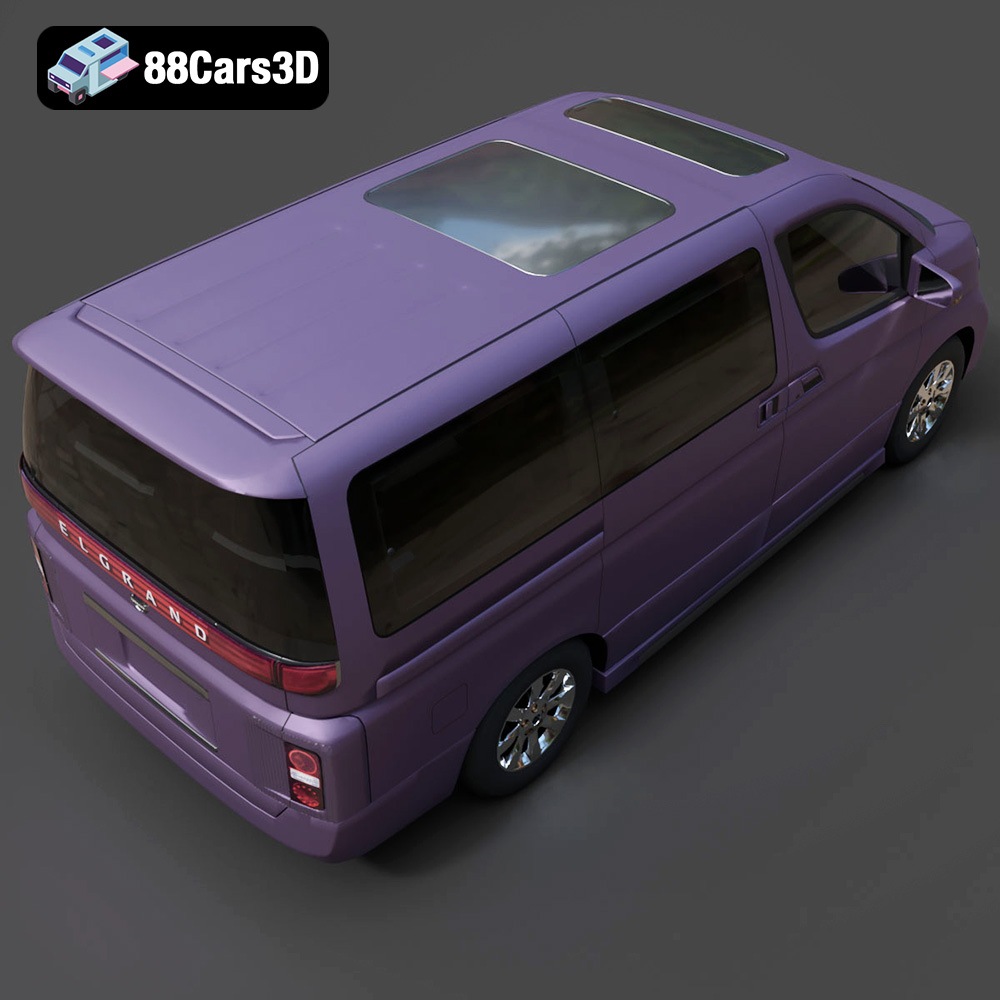
Today, we delve into the critical aspects that define a superior 3D car model, exploring how such assets can dramatically streamline workflows and enhance creative output. We’ll examine the technical intricacies, practical applications, and the sheer versatility that a well-crafted model brings to the table. As a prime example of such excellence, we’ll frequently reference the Nissan Elgrand 3D Model – a meticulously detailed digital representation that embodies the very best in 3D asset creation, offering unparalleled quality for professionals seeking a realistic and highly adaptable digital vehicle.
The automotive industry, architectural visualization, and entertainment sectors all rely heavily on precise digital representations of vehicles. These aren’t just decorative elements; they are essential tools for design iteration, marketing, simulation, and interactive experiences. The quality of a 3D car model directly impacts the realism, performance, and overall impact of a project.
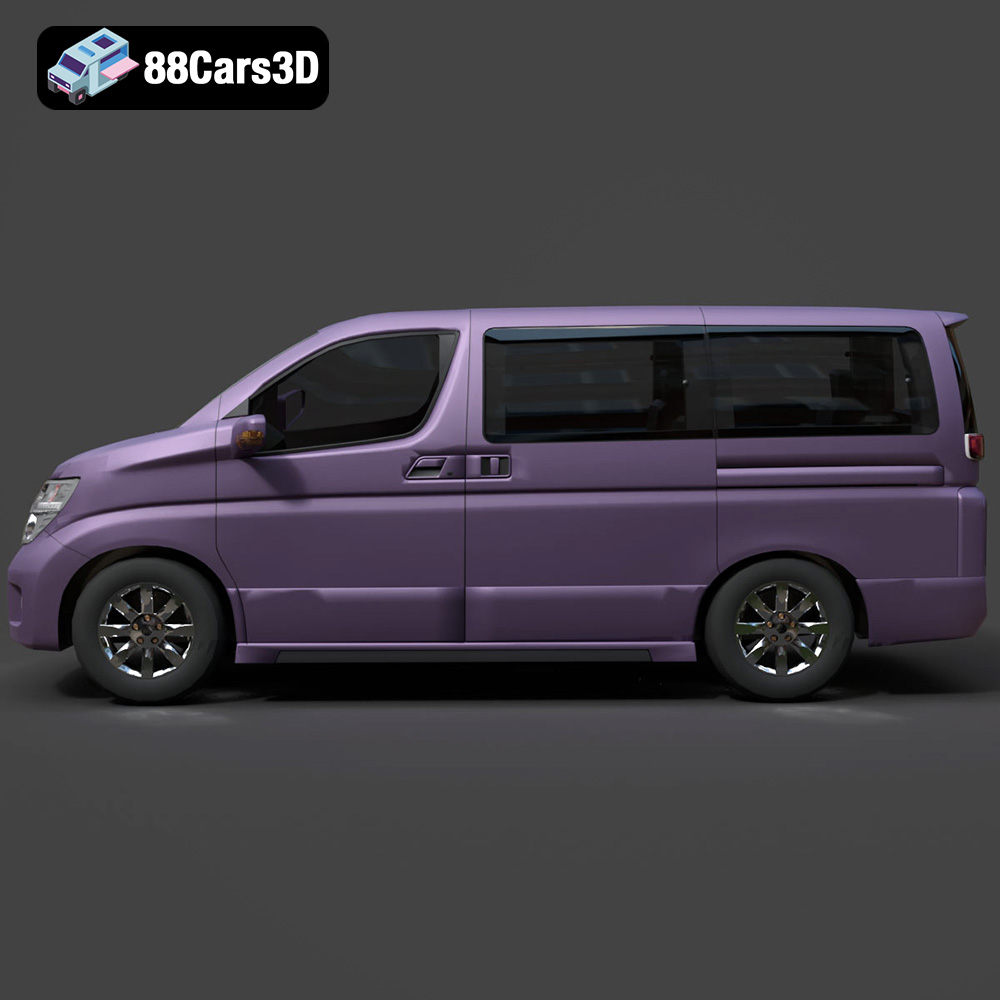
High-fidelity 3D car models serve as digital twins, allowing designers and engineers to visualize and iterate on vehicle designs long before physical prototypes are created. This process significantly reduces development time and costs, enabling rapid experimentation with aesthetics, ergonomics, and even functional aspects. For marketing and sales, these models are invaluable for creating stunning configurators, virtual showrooms, and promotional materials that truly captivate potential buyers. The Nissan Elgrand 3D Model, with its accurate body panels, detailed interior, and real-world scale, perfectly facilitates this bridge, ensuring that every curve and contour of the premium minivan is faithfully reproduced.
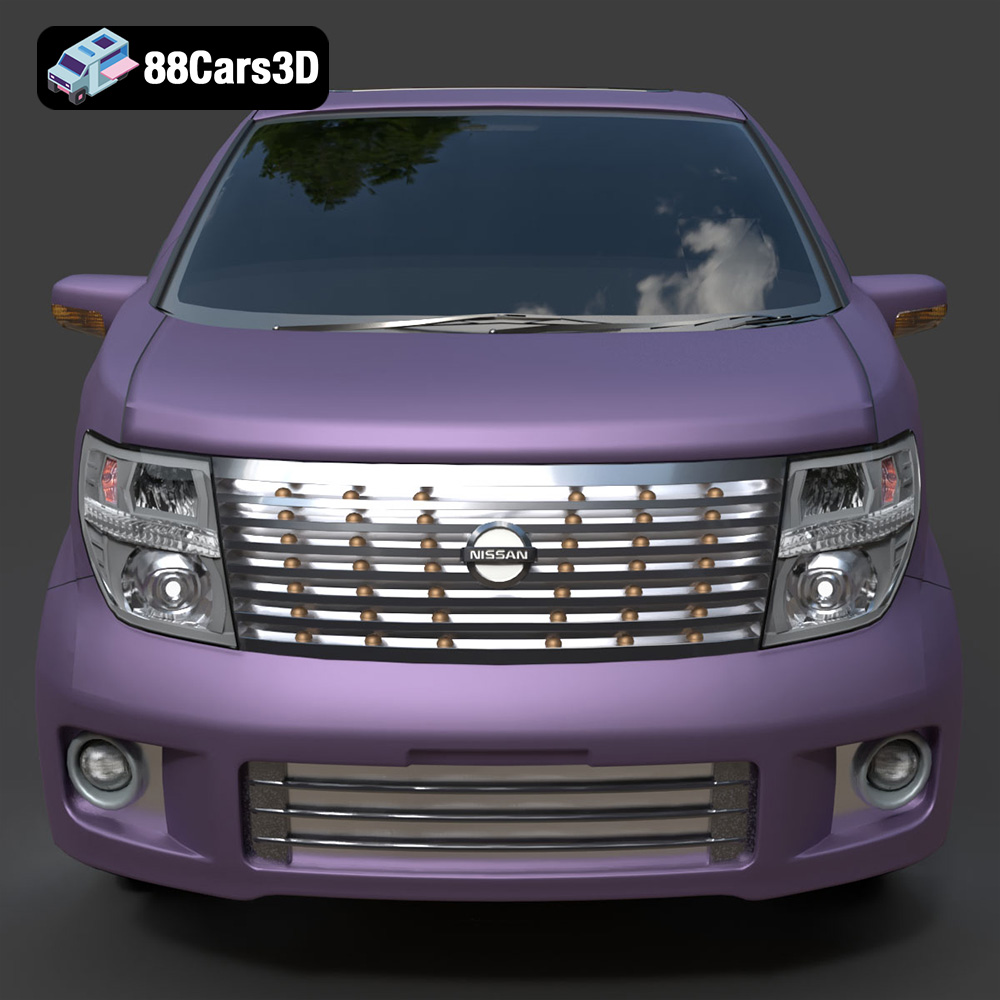
For automotive rendering specialists, accuracy is paramount. A model must not only look good but also adhere to real-world dimensions and material properties. Imperfections like incorrect proportions, poor surface topology, or low-resolution textures can instantly break immersion. Premium 3D car models feature clean geometry, proper UV mapping, and thoughtfully designed material setups that react realistically to light. This level of detail is crucial for studio renders, cinematic sequences, and product visualizations where every reflection and shadow must convey authenticity. The detailed headlights, taillights with transparent materials, and chrome accents of the Nissan Elgrand 3D Model are specifically engineered to deliver this realism in any rendering environment.
In game development and AR/VR, 3D car models are the backbone of virtual worlds. While optimization for real-time performance is key, visual quality cannot be sacrificed. Developers need assets that are game-ready, meaning they have optimized mesh counts, efficient UV layouts, and are compatible with various game engines like Unreal and Unity. For open-world games, racing simulations, or interactive AR/VR applications, a well-optimized, high-detail model like the Nissan Elgrand 3D Model ensures smooth frame rates without compromising visual fidelity. Its optimized mesh quality and clean quad-dominant topology make it an excellent asset for these demanding interactive environments.
The versatility of a 3D model is often defined by the range and quality of its supported file formats. Each format serves a specific purpose, catering to different software, pipelines, and end-uses. Understanding these distinctions is crucial for professionals to choose the right model and integrate it efficiently into their workflow. The Nissan Elgrand 3D Model, for instance, comes with an impressive array of formats, ensuring maximum compatibility and utility.
The comprehensive range of formats offered with the Nissan Elgrand 3D Model ensures that no matter the project or software, professionals will find a compatible and optimized solution, further solidifying its value as a versatile game asset and rendering component.
Beyond file formats, the intrinsic technical quality of a 3D model dictates its usability and longevity. A truly professional asset is built on a foundation of clean geometry, intelligent organization, and optimization. The Nissan Elgrand 3D Model exemplifies these qualities, making it a reliable choice for demanding projects.
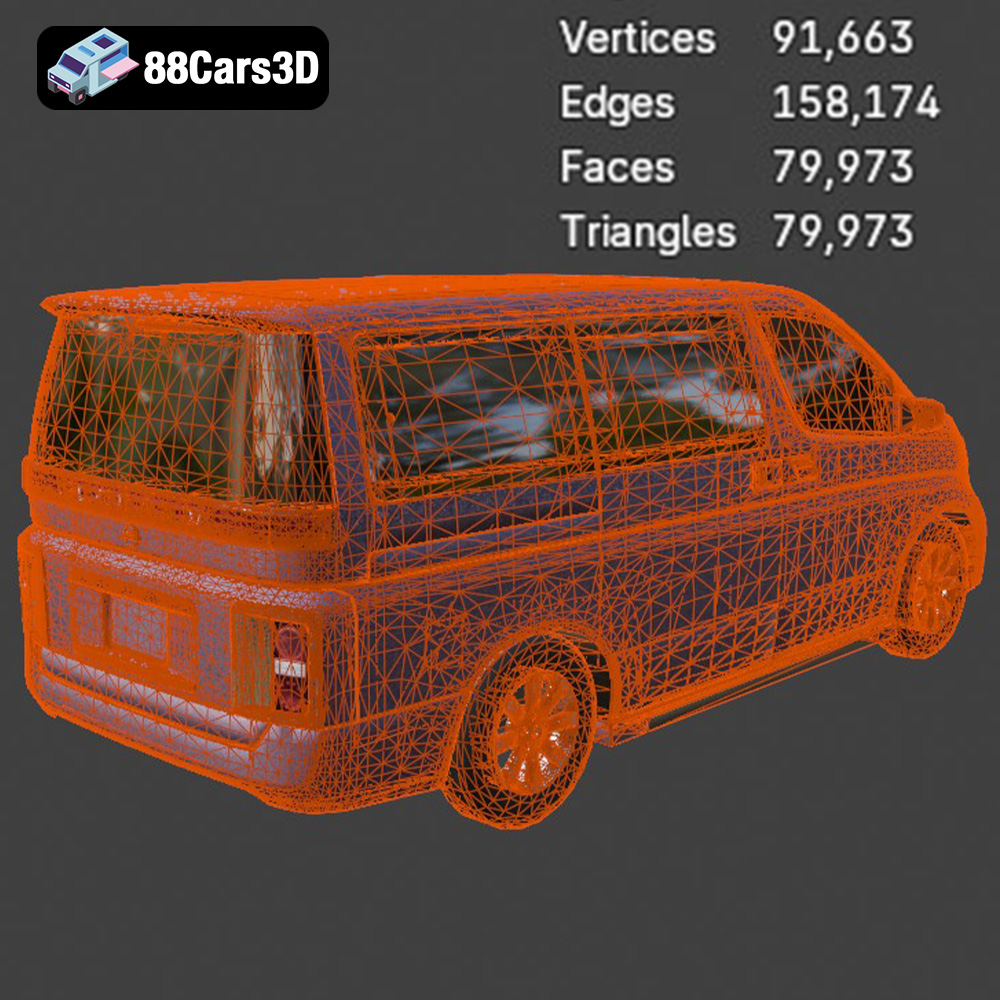
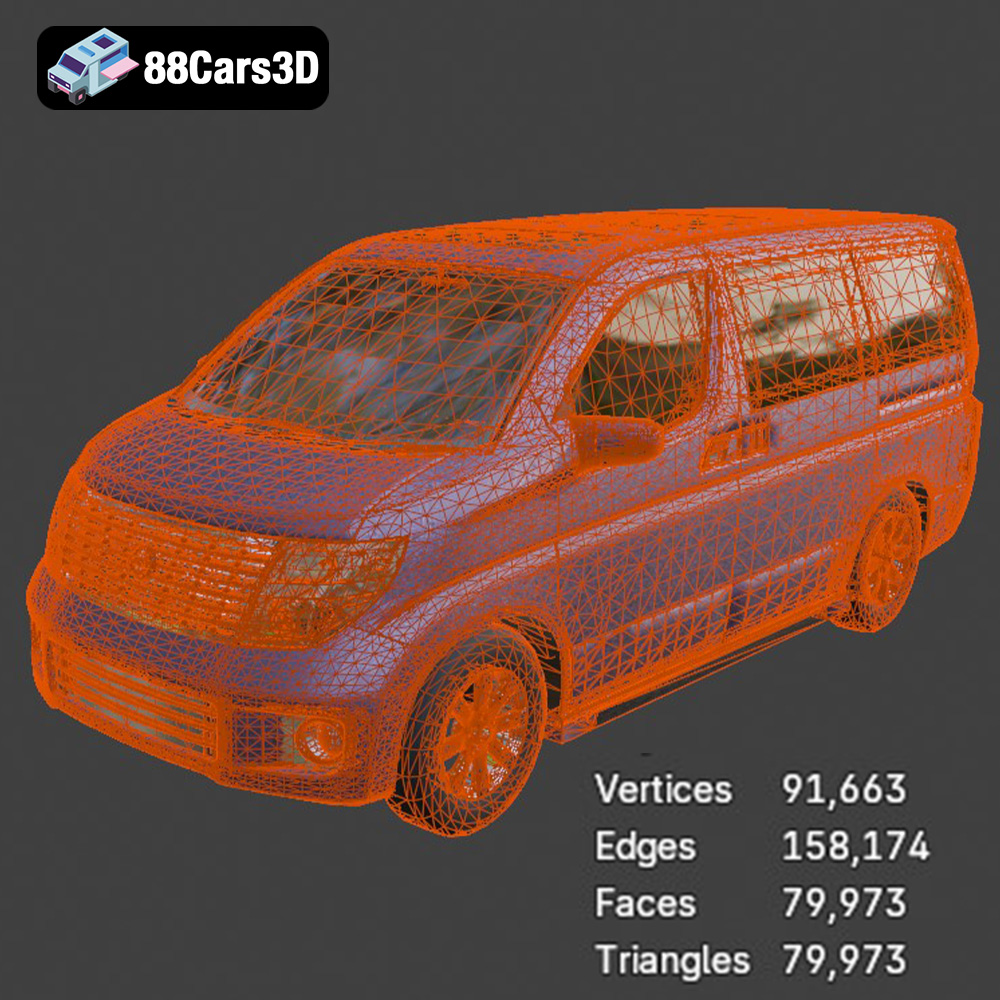
One of the hallmarks of a high-quality 3D car model is its topology. The Nissan Elgrand 3D Model boasts clean quad-dominant topology, meaning its surfaces are primarily made up of four-sided polygons. This is critical for several reasons: it ensures smooth deformations during animation, prevents shading artifacts, and most importantly, makes the model “subdivision-ready.” Subdivision surfaces allow artists to increase mesh density smoothly and non-destructively, enabling incredibly detailed renders without having to manage extremely heavy base meshes. This technical advantage provides flexibility, letting users dial in the exact level of detail needed for close-up shots or distant background elements.
Precision is key in professional 3D work. The Nissan Elgrand 3D Model is built with real-world scale accuracy, ensuring seamless integration into existing scenes – whether it’s an architectural visualization, an urban environment for a game, or a simulated traffic scenario. This eliminates the need for tedious scaling adjustments, saving valuable production time. Furthermore, the model features an organized hierarchy with proper pivot points. Components like doors, the hood, and the trunk are separate objects, each with its pivot point correctly positioned for realistic rotation. This meticulous organization simplifies animation workflows, allowing artists to easily open and close components with accurate mechanics, which is a massive time-saver for any animator working on automotive rendering.
Performance is always a consideration, especially in real-time applications like game development or AR/VR. While high detail is desired, an overly dense mesh can cripple frame rates. The Nissan Elgrand 3D Model strikes an optimal balance, featuring an optimized mesh for performance across different platforms. This means careful consideration has been given to poly count, ensuring that detail is present where it matters most, while less visible areas are optimized for efficiency. This thoughtful approach ensures that the model not only looks stunning in high-quality rendering scenarios but also runs smoothly in interactive environments, making it a truly versatile game asset.
The true test of a 3D model’s quality lies in its seamless integration into professional pipelines. The Nissan Elgrand 3D Model is designed with this in mind, offering flexibility and compatibility across various industry-standard software and applications.
For cinematic quality automotive rendering, software like 3ds Max and Blender are go-to tools. The .max and .blend files included with the Nissan Elgrand 3D Model provide a robust starting point. Artists can import the model, leverage its clean topology for subdivision, and apply advanced material shaders for photorealistic results. Imagine crafting a stunning studio render showcasing the Elgrand’s luxurious interior or placing it within a dynamic urban scene. With separate components for doors, hood, and trunk, animators can choreograph intricate sequences, such as a family loading luggage for a trip. The organized hierarchy simplifies the process of rigging and animating, allowing for quick setup of sophisticated camera movements and lighting scenarios to highlight the vehicle’s features.
Game developers and creators of interactive experiences will find the Nissan Elgrand 3D Model incredibly valuable. The .fbx and .unreal formats are specifically tailored for real-time engines like Unreal Engine and Unity. Importing the .unreal file into your project means you’re almost instantly ready to go, with pre-configured materials and optimized meshes. For instance, in a driving simulation, the Elgrand can serve as a detailed AI vehicle or even a playable asset, with its optimized mesh ensuring smooth performance even in crowded scenes. The clean geometry prevents artifacts common in real-time rendering, while its real-world scale makes it easy to integrate into existing game environments, whether it’s an open-world setting or a structured racing track.
The utility of the Nissan Elgrand 3D Model extends beyond screen-based visualizations. Its .stl format makes it ready for 3D printing, allowing designers to create physical scale models for presentation, prototyping, or even collectibles. This is particularly useful for product designers or educators. Furthermore, the .glb format optimizes the model for AR/VR applications. Imagine placing a virtual Nissan Elgrand in your driveway via an AR app on your smartphone, or exploring its detailed interior in a VR showroom experience. The optimized nature of the .glb file ensures these immersive applications run smoothly, providing a high-fidelity virtual vehicle that enhances engagement and provides a truly interactive experience.
A truly professional 3D car model offers more than just static beauty; it provides a canvas for creativity and adaptation. The Nissan Elgrand 3D Model excels in this regard, offering extensive customization options that empower artists to tailor it to specific project needs.
The ability to easily adjust material properties is crucial for achieving diverse visual styles. With the Nissan Elgrand 3D Model, artists can effortlessly modify paint finishes, reflectivity, and even add custom graphics or liveries. Want a matte black Elgrand for a stealthy look, or a vibrant metallic blue for a luxury advertisement? The underlying material structure makes these changes straightforward. Similarly, material properties for metal, chrome, glass, and rubber components can be tweaked to match specific environmental conditions or artistic visions. This flexibility means a single base model can be adapted countless times, serving a wide array of visual requirements without needing to start from scratch. This is invaluable for designers constantly needing to refresh their automotive rendering portfolio.
The way a 3D car model interacts with its environment is paramount to realism. The Nissan Elgrand 3D Model’s clean topology and accurate material setups mean it responds predictably and beautifully to various lighting conditions. Users can adapt lighting setups to achieve diverse atmospheric effects – from the harsh glare of a desert sun to the soft glow of a twilight city, or the dramatic reflections of a rain-soaked street. Adjusting environmental maps and global illumination settings will naturally enhance the model’s appearance, bringing out the nuances of its body lines and chrome accents. This adaptability ensures that the model can be placed in any scene and maintain its visual integrity and impact.
The versatility of the Nissan Elgrand 3D Model extends into specialized applications like simulation and training. Its real-world scale and accurate representation make it an ideal asset for automotive training modules, allowing virtual mechanics to practice repairs or learn component locations in a safe, digital environment. For traffic simulations, the model’s optimized mesh and clean geometry ensure that large numbers of vehicles can be rendered simultaneously without bogging down the simulation. Educational content can leverage the model to demonstrate vehicle dynamics or explore internal components, providing an engaging and interactive learning experience. The robust technical foundation makes it a reliable asset for serious technical applications, further cementing its value beyond pure aesthetic visualization.
In the competitive world of 3D content creation, the difference between good and great often comes down to the quality of your foundational assets. High-fidelity 3D car models are not just about aesthetics; they are about technical precision, workflow efficiency, and creative flexibility. As we’ve explored, factors like clean topology, real-world scale, optimized meshes, and comprehensive file format support are crucial for professional success across automotive rendering, game development, AR/VR, and beyond.
The Nissan Elgrand 3D Model stands out as a prime example of such a professional-grade asset. Its meticulous craftsmanship, versatile file formats, and robust technical foundation make it an indispensable tool for designers, artists, and developers. Whether you’re aiming for photorealistic renders, smooth real-time performance, or tangible 3D prints, this model provides the quality and adaptability you need to elevate your projects.
For those seeking to enhance their digital library with premium 3D car models, 88cars3d.com offers a curated selection of assets that meet the highest standards of detail and technical excellence. Investing in models like the Nissan Elgrand ensures your projects not only meet but exceed contemporary industry expectations, giving you the creative edge in a rapidly evolving digital landscape.
Discover the Nissan Elgrand 3D Model, a meticulously crafted digital representation of the premium full-size minivan. This model captures the distinctive styling and spacious appeal of the Elgrand, known for its elegant design and comfortable interior. Built with clean geometry and balanced detailing, it ensures optimal performance across various applications. Ideal for high-quality rendering, realistic animations, detailed simulations, and robust game development projects. The Nissan Elgrand 3D Model offers unparalleled quality and versatility for professionals seeking a realistic and highly adaptable digital asset. Its detailed design and robust technical foundation make it an essential addition to any 3D project library.
$21.99