Mastering Automotive 3D: Elevating Your Projects with Premium 3D Car Models
In the dynamic world of 3D visualization, automotive design, and game development, the quality of your assets can make or break a project. Achieving realism, optimizing performance, and ensuring seamless integration requires not just skill, but access to meticulously crafted 3D car models. From photorealistic renders that captivate clients to perfectly optimized game assets that deliver immersive experiences, the foundation lies in the digital vehicle itself.
Today, professionals across various industries seek solutions that bridge the gap between creative vision and technical execution. Whether you’re an architect needing to populate a scene, a game developer building an open world, or a visualization artist creating stunning product showcases, the demand for high-fidelity, production-ready vehicles is constant. This is where specialized marketplaces like 88cars3d.com become invaluable resources, providing a curated selection of assets designed to meet rigorous professional standards.
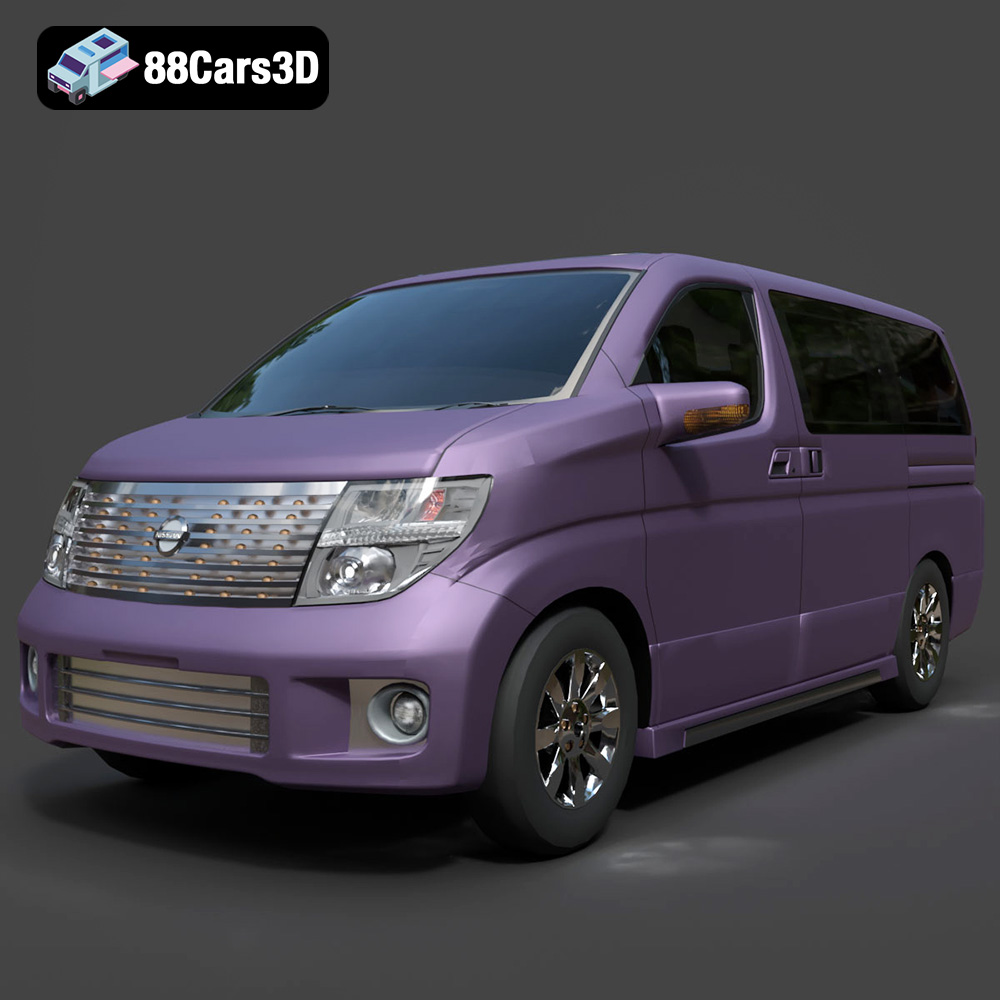
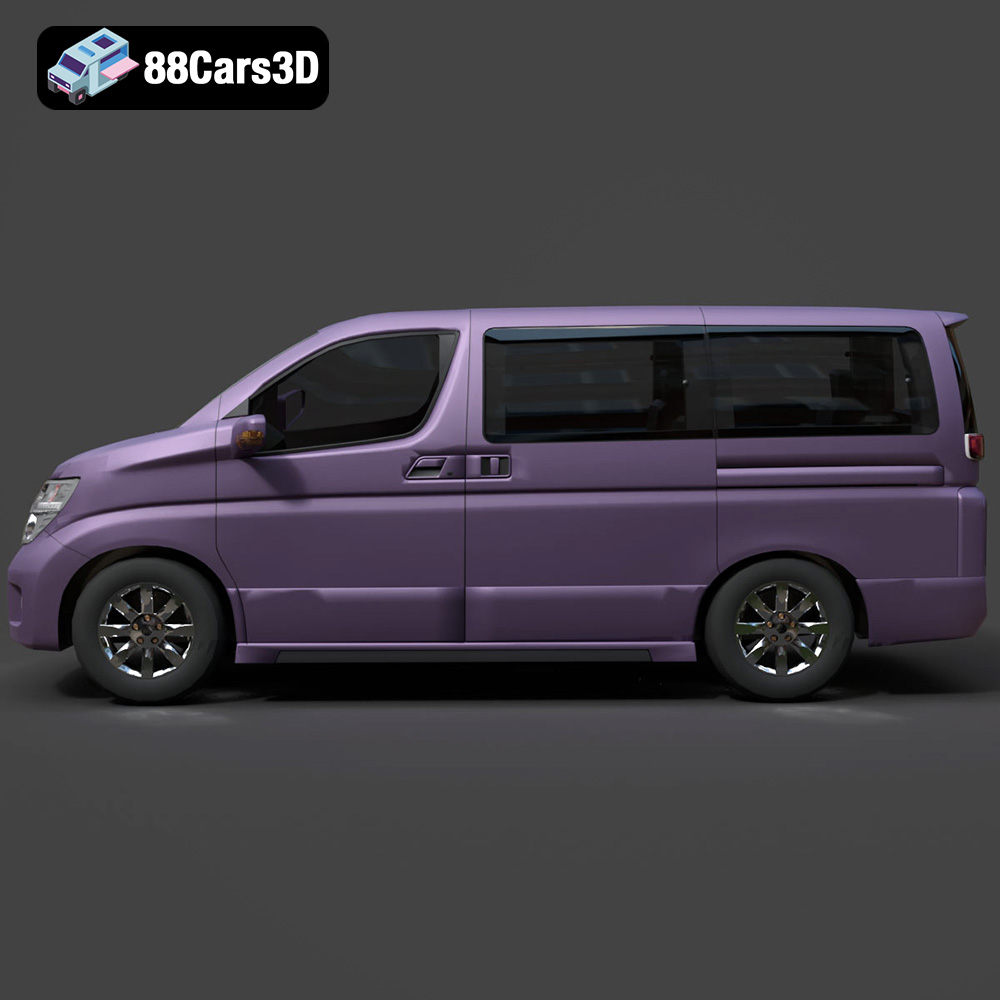
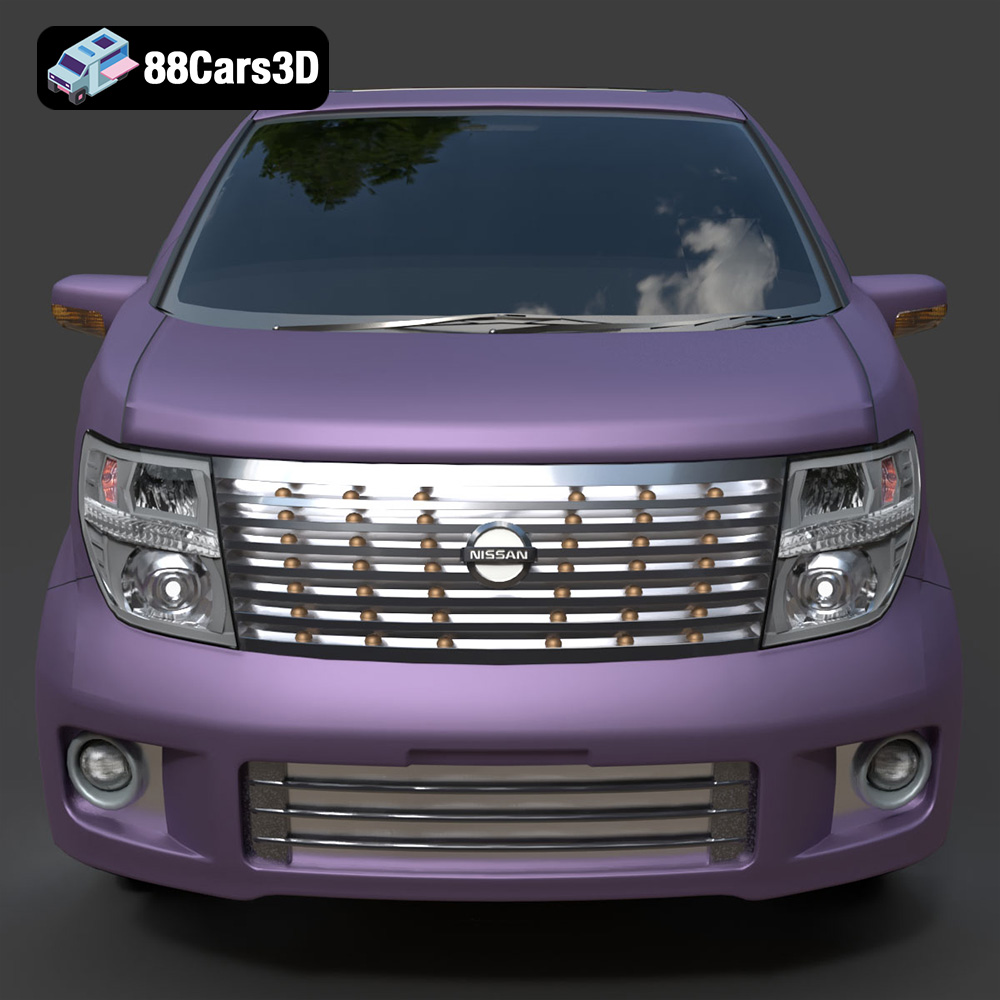
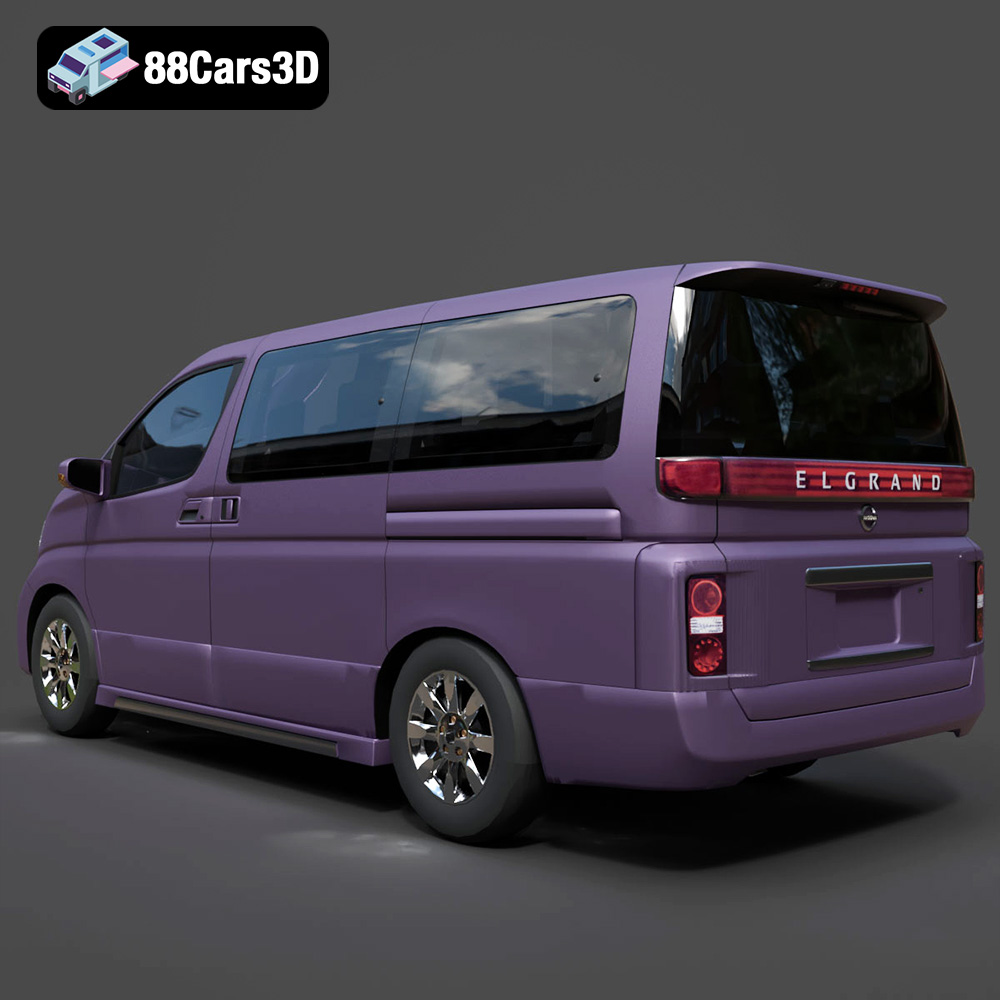
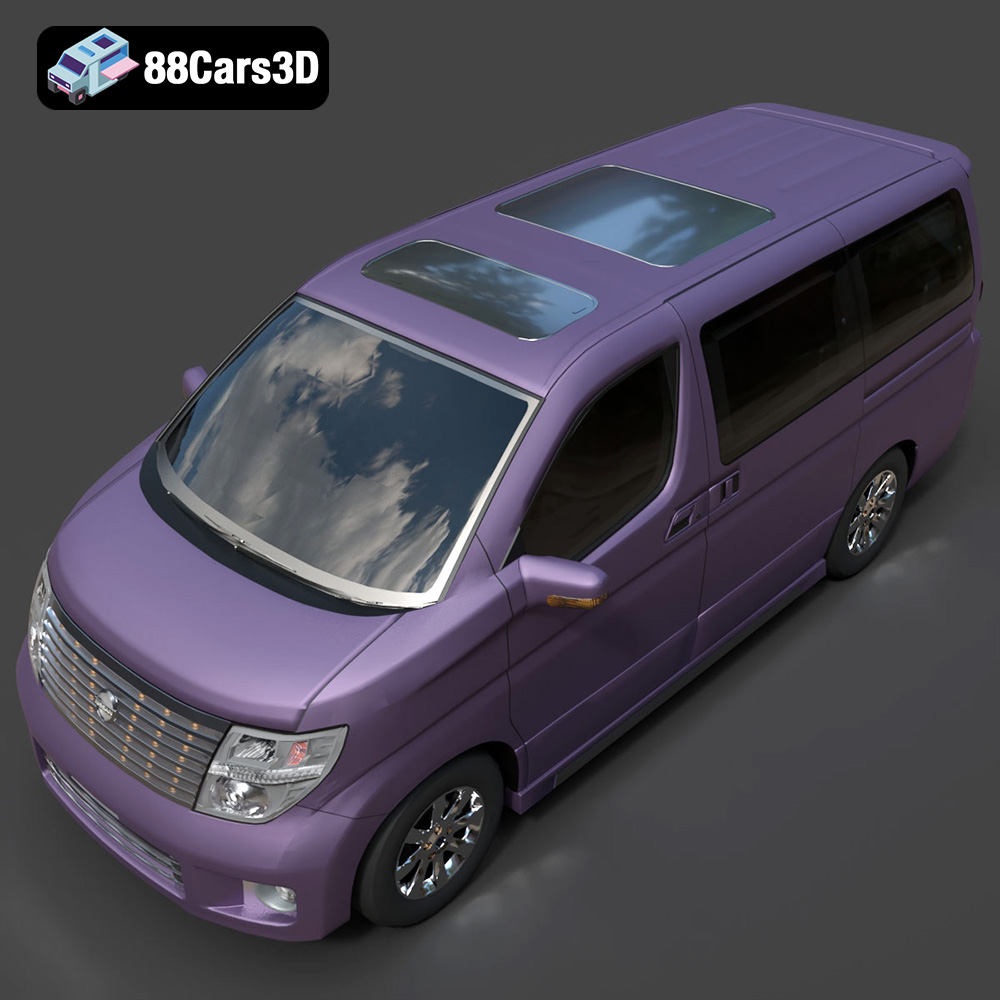
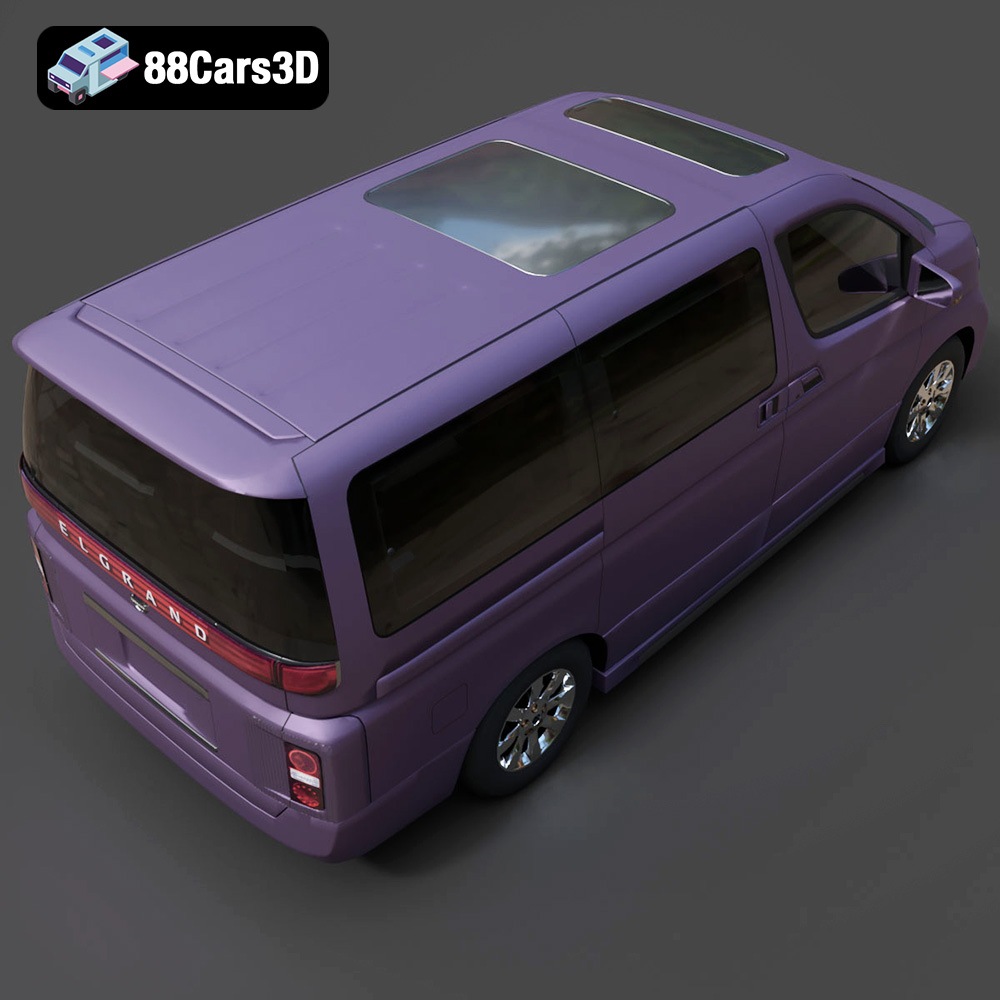
Consider the Nissan Elgrand, a premium full-size minivan renowned for its elegant design and spacious appeal. Recreating such a vehicle from scratch, capturing every nuance from its iconic silhouette to its detailed interior, is a monumental task requiring hundreds of hours of expert modeling, texturing, and optimization. This is precisely why a pre-made, high-quality asset like the Nissan Elgrand 3D Model available on 88cars3d.com offers such a significant advantage. It allows artists and developers to bypass the most time-consuming aspects of asset creation, enabling them to focus on innovation, scene composition, and project-specific customizations, accelerating their workflows without compromising on realism or technical integrity.
Understanding 3D Model File Formats: The Backbone of Digital Automotive Assets
The versatility and utility of a 3D car model often hinge on the range and quality of its supported file formats. Each format serves a specific purpose, catering to different software environments, rendering pipelines, or application types. Understanding these distinctions is crucial for anyone working with automotive rendering, game development, or any form of 3D visualization. The Nissan Elgrand 3D Model, for instance, comes equipped with a comprehensive suite of formats, ensuring maximum compatibility and flexibility across professional workflows.
.blend – Fully Editable Blender Scene with Materials
The .blend format is the native file format for Blender, one of the most powerful and widely used open-source 3D creation suites. A .blend file typically contains the entire scene data, including the mesh geometry, materials, textures, lighting setups, cameras, animations, and even modifiers. For users entrenched in the Blender ecosystem, a .blend file offers the highest degree of editability and control. It’s perfect for artists who wish to delve deep into the model’s construction, adjust its topology, modify materials at a fundamental level, or integrate it seamlessly into a Blender-centric animation or rendering pipeline. The Nissan Elgrand 3D Model in .blend format provides a ready-to-render scene, complete with configured materials and textures, making it an excellent starting point for customization and advanced projects.
.fbx – Ideal for Unreal, Unity, and Real-Time Pipelines
As a proprietary file format developed by Autodesk, .fbx has become an industry standard for interoperability between various 3D applications and game engines. It’s particularly favored for its robust support of geometry, materials, textures, bones, and animation data. The .fbx format is the go-to choice for integrating 3D car models into real-time environments like Unreal Engine and Unity. Its optimized structure allows for efficient transfer of complex assets, ensuring that everything from the car’s mesh to its hierarchical structure and PBR materials translates correctly. For game developers or AR/VR creators, the .fbx version of the Nissan Elgrand 3D Model provides a pipeline-ready asset, facilitating smooth import and immediate use.
.obj – Universal Format for Cross-Software Compatibility
The .obj (Wavefront OBJ) format is one of the oldest and most universally supported file formats for 3D graphics. While it doesn’t typically store animation or rigging data, it excels at preserving complex mesh geometry, UV mapping, and material references (often linked via an accompanying .mtl file). Its widespread compatibility means almost every 3D software application can import and export .obj files. This makes it an invaluable “fallback” or primary exchange format when working across different software packages or collaborating with artists using diverse tools. The .obj version of the Nissan Elgrand 3D Model ensures that even if your primary software isn’t explicitly listed, you can still access and work with the detailed geometry.
.glb – Optimized for AR, VR, and Browser-Based Display
.glb (GL Transmission Format Binary) is a relatively newer format gaining significant traction, especially in web-based 3D, augmented reality (AR), and virtual reality (VR) applications. It’s a binary container format that includes 3D models, scenes, animations, and PBR materials in a single, self-contained file. Its primary advantage is efficiency and ease of deployment. .glb files are highly optimized for fast loading and rendering in browsers and mobile devices, making them perfect for interactive product viewers, AR experiences on smartphones, or lightweight VR applications. For projects involving web-based presentations or mobile AR/VR for the Nissan Elgrand, the .glb format is indispensable.
.stl – Suitable for 3D Printing Output
The .stl (STereoLithography) format is the standard file type for 3D printing. It represents a 3D model as a series of connected triangles, describing only the surface geometry of an object without color, texture, or other CAD attributes. While it lacks visual fidelity for rendering, its simplicity and universality make it ideal for additive manufacturing. If the goal is to create a physical scale model of the Nissan Elgrand, converting the digital asset to .stl is the necessary first step, ensuring it can be processed by 3D printers and slicer software.
.ply – Precision Mesh Format for CAD or Analysis
.ply (Polygon File Format or Stanford Triangle Format) is a file format for storing three-dimensional data from 3D scanners. It can store a wide range of properties, including color, transparency, normals, texture coordinates, and scalar values, making it more comprehensive than .obj or .stl for certain applications. While less common for general 3D art, it’s particularly useful in scientific visualization, CAD workflows, and for models derived from scanning, where precision and additional data attributes are critical for analysis or reverse engineering tasks.
.unreal – Engine-Ready Asset for Real-Time Environments
Beyond a generic .fbx, some premium asset providers, like those on 88cars3d.com, offer .unreal files. This signifies a project package or asset specifically prepared and optimized for Unreal Engine. It often includes not just the mesh, but pre-configured materials using Unreal’s PBR workflow, ready-to-use blueprints for vehicle physics or interactions, LODs (Levels of Detail), and sometimes even basic animation setups. This level of preparation drastically reduces the setup time for game developers, allowing them to drag-and-drop the Nissan Elgrand 3D Model directly into their Unreal project with minimal tweaking.
.max – Editable 3ds Max Project for Animation and Rendering
The .max format is the native file type for Autodesk 3ds Max, another industry-leading 3D modeling, animation, and rendering software. Similar to .blend files for Blender users, a .max file offers the full editable project, including complex scene setups, modifiers, advanced material networks, animation keyframes, and rendering settings tailored for renderers like V-Ray or Corona. For professionals working primarily with 3ds Max for high-end automotive rendering or detailed animations, the .max version of the Nissan Elgrand 3D Model provides an uncompromised starting point for their creative endeavors.
The availability of such a diverse array of formats for the Nissan Elgrand 3D Model underscores its versatility and the thoughtfulness behind its creation, ensuring it’s not just a beautiful model but a truly functional one for a myriad of professional applications.
The Art and Science of Crafting High-Fidelity 3D Car Models
Creating truly outstanding 3D car models is a complex endeavor that balances artistic vision with rigorous technical standards. It’s about more than just replicating a vehicle’s shape; it involves meticulous attention to geometry, materials, and internal structure to ensure both visual fidelity and optimal performance.
Topology and Mesh Optimization for Performance
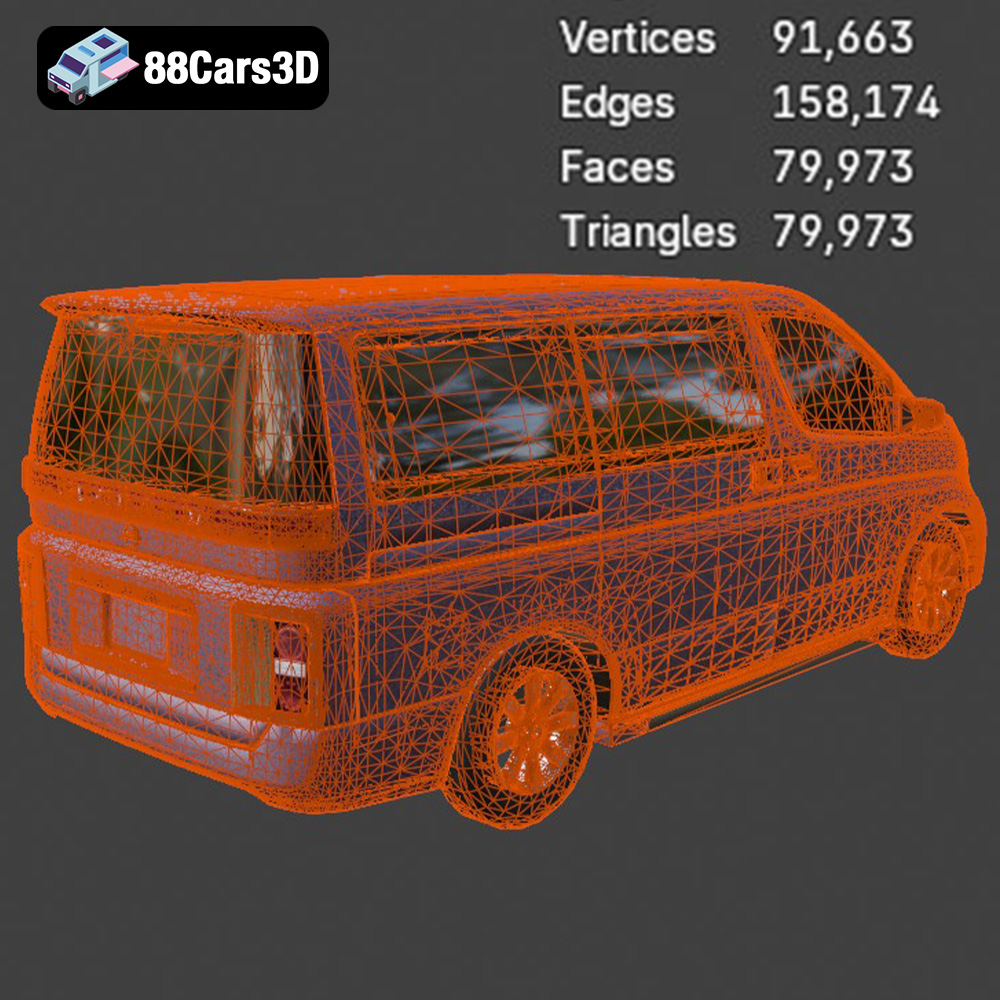
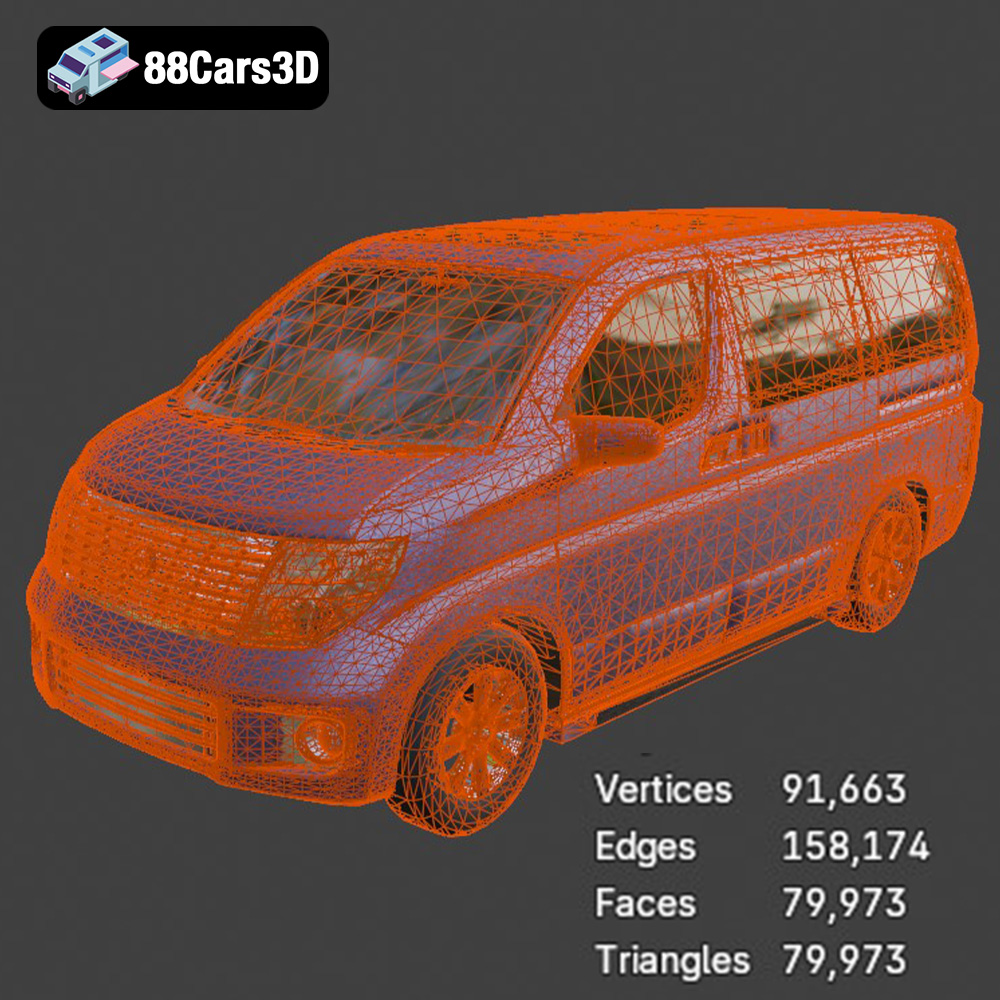
The foundation of any good 3D model is its topology – the arrangement of polygons (faces, edges, and vertices) that form the mesh. High-quality 3D car models, like the Nissan Elgrand, are built with “clean quad-dominant topology.” This means the mesh primarily consists of four-sided polygons (quads), which are much easier to work with for sculpting, animation, and especially for subdivision surface modeling. Clean topology also prevents rendering artifacts, ensures smooth deformations during animation, and allows for efficient UV mapping. “Optimized mesh quality” goes hand-in-hand with this, referring to a balance between detail and polygon count. A model that’s too dense can cripple real-time performance, while one that’s too sparse will lack detail. The Nissan Elgrand 3D Model achieves this balance, offering sufficient detail for close-up renders while remaining efficient for game engines.
Achieving Photorealism: Materials, Textures, and Lighting
Even the most perfectly modeled car won’t look realistic without sophisticated materials and textures. Photorealism in automotive rendering is achieved through physically based rendering (PBR) materials, which accurately simulate how light interacts with surfaces. This involves detailed maps for color (albedo), roughness, metallicness, normal maps for fine surface details, and often opacity maps for glass and transparent elements. The Nissan Elgrand 3D Model features “transparent materials for realistic lighting effects” on its headlights and taillights, and “chrome accents and window trims for enhanced realism.” These details, combined with meticulously crafted upholstery and dashboard textures, allow artists to achieve stunning, lifelike visuals when rendered with proper lighting setups, whether in 3ds Max, Blender, or Unreal Engine.
Scale, Hierarchy, and Animation Readiness
Beyond visual appeal, a professional-grade 3D model must be functional. “Real-world scale accuracy” is paramount for seamless integration into existing scenes, preventing frustrating scaling issues. An “organized hierarchy with proper pivot points” is equally critical, especially for animation. This means that components like doors, the hood, and the trunk are separate, correctly parented, and have their pivot points set at their hinges. This thoughtful organization, present in the Nissan Elgrand 3D Model, makes it simple to animate opening doors, turning wheels, or complex vehicle movements, significantly streamlining the animation workflow for cinematic sequences or interactive experiences.
Revolutionizing Automotive Rendering & Visualization with Premium Assets
The quest for stunning visuals in automotive marketing, product showcases, and architectural visualization drives the continuous demand for superior 3D car models. These assets are not just static objects; they are vital components that breathe life into digital scenes and tell compelling stories.
Cinematic Renders and Studio Environments
For advertising agencies and automotive manufacturers, cinematic renders are crucial for showcasing new vehicles or existing models in their best light. Using powerful renderers in software like 3ds Max or Blender, artists can place a high-fidelity model, such as the Nissan Elgrand 3D Model, in virtual studio environments. Here, control over lighting, reflections, and camera angles is absolute. The Elgrand’s “accurate body panels reflecting the Nissan Elgrand’s iconic silhouette” and “chrome accents” become focal points under studio lighting, creating glossy, enticing visuals. These renders are indistinguishable from real-world photography, saving significant costs associated with physical photography shoots and allowing for endless creative iterations.
Architectural Integration and Contextual Scenes
Architectural visualization benefits immensely from realistic vehicles. Placing the Nissan Elgrand 3D Model in a street scene, a driveway, or a parking garage instantly adds context, scale, and a sense of lived-in realism to architectural designs. A vacant scene can feel sterile, but a well-placed vehicle provides a human element and helps clients envision themselves within the proposed space. The “real-world scale accuracy” of models from 88cars3d.com ensures that these vehicles fit perfectly into architectural scales, enhancing the believability of exterior renders and street-level views without requiring artists to spend hours modeling a background asset.
The Role of Detailed Models in Product Showcases
Beyond vehicles themselves, many products need a detailed car as a backdrop or an integral part of their showcase. For example, a company producing aftermarket car accessories, advanced driver-assistance systems, or even car cleaning products might use a detailed 3D car model to illustrate their product’s functionality. The Nissan Elgrand 3D Model, with its faithfully reproduced dashboard and interior components, could be used to demonstrate a new in-car navigation system or a custom seat cover, providing a clean, controlled environment for product visualization that highlights the product itself.
Driving Innovation in Game Development and Real-Time Experiences
In the realm of interactive media, from console games to cutting-edge AR/VR applications, the performance and visual quality of game assets are paramount. High-quality 3D car models are fundamental to creating believable, immersive virtual worlds.
Optimizing 3D Car Models for Game Engines (Unreal, Unity)
Game development requires a delicate balance between visual detail and performance. Modern game engines like Unreal Engine and Unity demand assets that are “optimized mesh for performance across different platforms.” This means a carefully managed polygon count, efficient UV layouts, and PBR materials that render quickly. The Nissan Elgrand 3D Model, available in .fbx and .unreal formats, is built with “clean quad-dominant topology” and “optimized mesh,” making it an excellent candidate for game development. Developers can use it for racing games, open-world environments, or even vehicle customization systems, leveraging its “separate components for doors, hood, and trunk” for interactive elements and damage systems.
Unleashing Immersive AR/VR Applications
Augmented Reality (AR) and Virtual Reality (VR) push the boundaries of immersion, and high-fidelity 3D car models are crucial for believable experiences. Imagine an AR app allowing prospective buyers to place the Nissan Elgrand in their driveway, rotating it and exploring its interior from their phone. Or a VR experience that lets users test drive the vehicle in a virtual world. The .glb format of the Nissan Elgrand 3D Model is specifically “optimized for AR, VR, and web-based display,” ensuring efficient loading and smooth interaction on various devices. This empowers creators to build engaging, interactive virtual showrooms and realistic driving simulations that captivate users.
Beyond Gaming: Simulation and Training
The applications of high-quality game assets extend far beyond entertainment. In simulation and training, realistic vehicles provide invaluable tools. For instance, the Nissan Elgrand 3D Model can be integrated into traffic simulation software for urban planning, driver training simulators for professional drivers, or even educational content for automotive engineering students. Its “detailed headlights and taillights with transparent materials” and “precisely modeled wheels and tires with tread patterns” contribute to a high level of realism, which is critical for accurate simulation feedback and effective training outcomes. The model’s robust technical foundation makes it adaptable for complex simulation frameworks.
Beyond the Screen: 3D Printing and Physical Prototyping
While digital visualization forms the core of 3D modeling, the ability to transition from the virtual to the tangible opens up new avenues for creators. 3D car models can serve as the blueprint for physical objects, from small-scale replicas to functional prototypes.
Preparing Models for Additive Manufacturing
Converting a complex digital model into a format suitable for 3D printing requires specific considerations. The model must be “watertight,” meaning it has no holes or non-manifold geometry, to ensure a solid, printable object. While high-polygon models might need decimation (reduction of polygon count) for certain printing processes, a clean, quad-dominant mesh like that of the Nissan Elgrand 3D Model simplifies this preparation. The availability of the model in the .stl format makes this process straightforward. The .stl format is the industry standard for 3D printing, translating the intricate digital surfaces of the Elgrand into a series of triangles that a 3D printer can interpret and build layer by layer.
Case Studies: From Digital Design to Tangible Replica
Imagine a hobbyist or a professional designer wanting a physical scale model of the Nissan Elgrand for their desk or a client presentation. With the Nissan Elgrand 3D Model, this is entirely feasible. The digital model can be scaled, sliced, and then 3D printed using various materials, from resins to plastics. This capability allows for rapid prototyping of custom vehicle designs, creation of unique collectibles, or even the production of functional parts for larger models. The precision of the “accurate body panels” and “detailed headlights” in the digital model translates directly into the physical print, demonstrating the incredible synergy between digital creation and additive manufacturing.
Enhancing Your Workflow with the Nissan Elgrand 3D Model from 88cars3d.com
In a competitive industry, efficiency and quality are paramount. Sourcing reliable, high-quality 3D car models from trusted platforms like 88cars3d.com can dramatically improve your project outcomes and accelerate your development cycles.
Seamless Integration into Professional Pipelines
The Nissan Elgrand 3D Model is designed with professional workflows in mind. Its “clean quad-dominant topology” ensures compatibility with subdivision surface modeling techniques common in high-end rendering. The “organized hierarchy with proper pivot points” simplifies animation in 3ds Max or Blender. And its “optimized mesh for performance across different platforms” means it’s ready for immediate use in Unreal Engine or Unity, particularly with the dedicated .unreal and .fbx formats. This thoughtful construction minimizes the need for extensive post-purchase cleanup or re-optimization, allowing artists and developers to focus on creative tasks rather than technical troubleshooting.
Customization and Adaptability for Unique Projects
No two projects are identical, and the ability to customize assets is a key advantage. The Nissan Elgrand 3D Model offers extensive “customization options.” Users can “easily adjust paint finishes, material reflectivity, and add custom graphics or liveries” to match specific branding or artistic visions. Modifying “material properties for metal, chrome, glass, and rubber components” allows for fine-tuning the visual style, from showroom shine to weathered realism. Furthermore, adapting lighting setups can achieve “various atmospheric effects,” transforming the Elgrand from a sunny day cruiser to a moody night vehicle with ease. This adaptability ensures that the model can be tailored to fit virtually any scene or concept.
The Value of a Ready-to-Use, High-Quality Asset
The true value of an asset like the Nissan Elgrand 3D Model lies in its readiness and robust quality. For a modest investment, professionals gain access to a meticulously crafted model that saves hundreds of hours of labor, making it an incredibly cost-effective solution. Whether for “rendering & visualization,” “game development,” “AR/VR,” “simulation & training,” or even “3D printing,” this single asset can fulfill multiple roles across diverse projects. By choosing such assets from 88cars3d.com, you’re not just buying a model; you’re investing in efficiency, quality, and the ability to deliver exceptional results consistently.
Conclusion
The landscape of 3D modeling and visualization is continuously evolving, demanding increasingly realistic, optimized, and versatile assets. The creation of high-fidelity 3D car models is a testament to the blend of artistic skill and technical precision required in this field. From understanding the nuanced applications of various file formats like .blend, .fbx, and .unreal, to mastering the art of topology and material creation, every detail contributes to the final impact of a digital vehicle.
The Nissan Elgrand 3D Model exemplifies what a premium asset should be: a meticulously crafted, technically robust, and highly adaptable digital representation designed to elevate projects across various industries. Its comprehensive suite of included file formats ensures seamless integration into virtually any professional pipeline, whether for breathtaking automotive rendering, immersive game assets, innovative AR/VR experiences, or precise 3D prints. By leveraging such expertly prepared resources, artists and developers can significantly enhance their workflows, reduce production times, and focus on pushing the creative boundaries of their respective fields.
For those seeking to equip their digital garages with top-tier vehicles, exploring the comprehensive collection at 88cars3d.com offers a gateway to unparalleled quality and efficiency. The Nissan Elgrand 3D Model stands as a prime example of how a singular, well-executed asset can become a cornerstone for countless successful projects, proving that sometimes, the smartest move is to build upon excellence.
Featured 3D Model
Nissan Elgrand 3D Model
Discover the Nissan Elgrand 3D Model, a meticulously crafted digital representation of the premium full-size minivan. This model captures the distinctive styling and spacious appeal of the Elgrand, known for its elegant design and comfortable interior. Built with clean geometry and balanced detailing, it ensures optimal performance across various applications. Ideal for high-quality rendering, realistic animations, detailed simulations, and robust game development projects.
$21.99
Product Image Gallery