Driving Digital Excellence: The Indispensable Role of High-Quality 3D Car Models in Modern Design and Development
In the fast-evolving landscape of digital design, the demand for realistic and performant 3D assets has never been higher. From breathtaking cinematic renders to immersive interactive experiences, the quality of a 3D model directly impacts the final output’s realism and effectiveness. This is particularly true in the automotive sector, where precision and authenticity are paramount. Creating a compelling visual of a vehicle requires not just artistic skill but also a deep understanding of technical specifications, material science, and optimization techniques. Whether you’re an architect integrating a car into a visualization, a game developer populating an open world, or a marketing professional crafting a product showcase, the foundational asset – the 3D car model – must be impeccable.
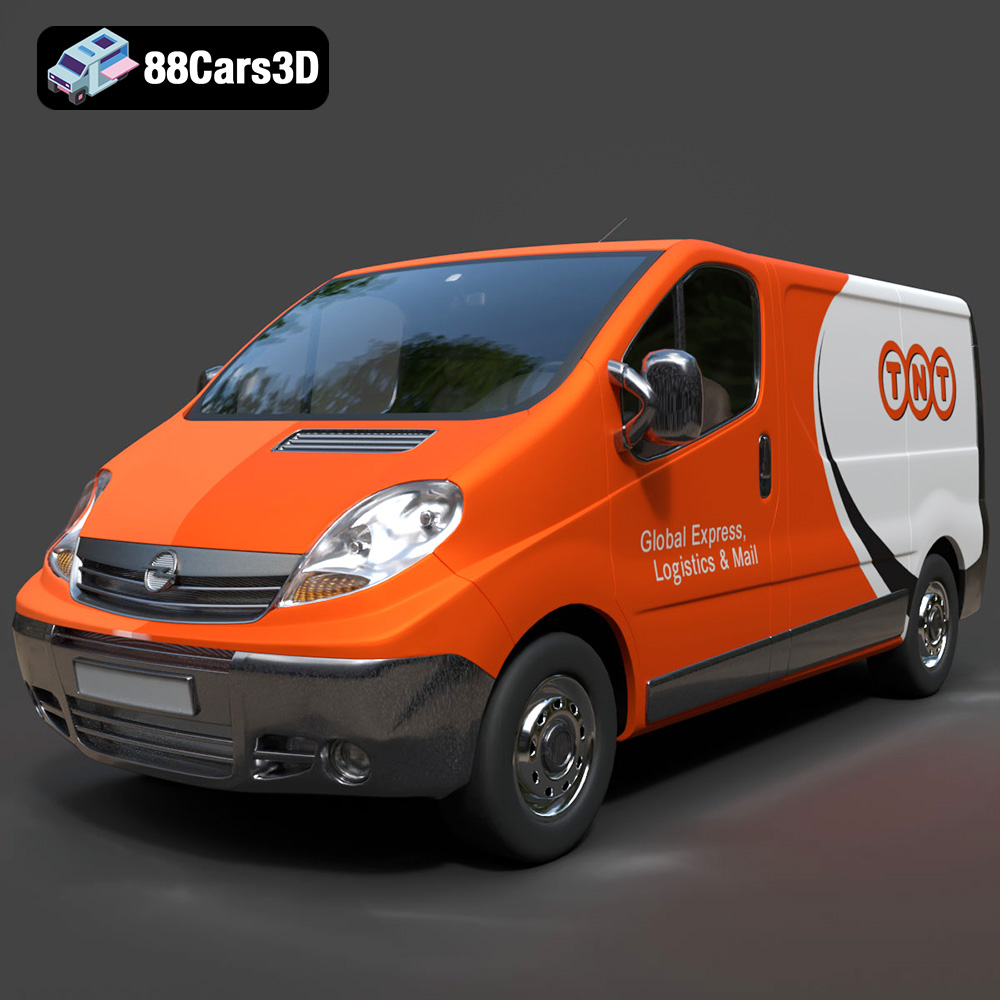
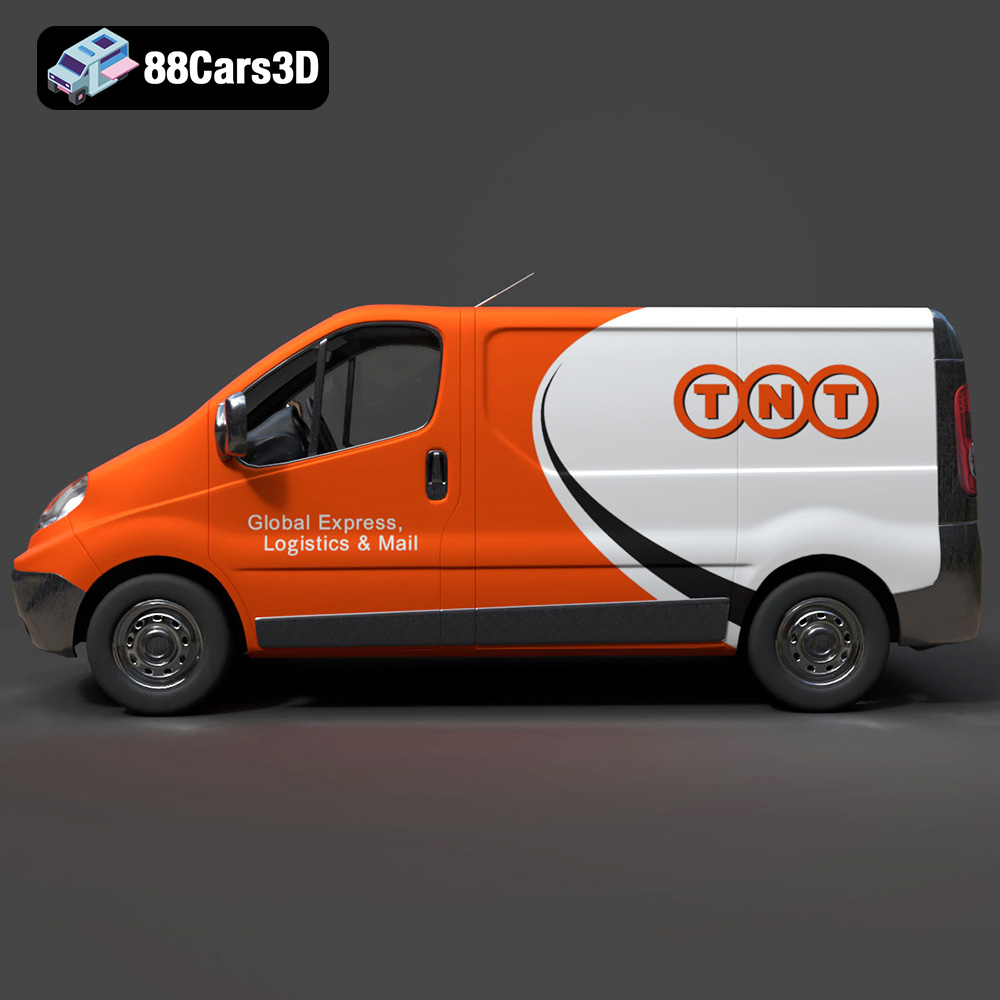
The journey from concept to a fully realized 3D vehicle can be incredibly time-consuming, demanding expertise in modeling, texturing, rigging, and optimization. This is where professionally crafted assets prove invaluable, significantly accelerating production workflows without compromising on quality. Imagine needing a versatile commercial van for your next project – perhaps a logistics simulation, an urban environment rendering, or a new racing game level. The Opel Vivaro, known for its functional design and robust utility, presents a unique challenge to model accurately. However, with a meticulously crafted Opel Vivaro 3D model, the heavy lifting of initial asset creation is already done, allowing designers and developers to focus on integration and creative refinement. Such a model, engineered for optimal performance across various applications, transforms a complex task into a streamlined process, elevating project quality across the board.
Understanding 3D Model File Formats: Choosing the Right Tool for the Job
The world of 3D modeling is rich with diverse file formats, each designed with specific purposes, advantages, and compatibility considerations. Selecting the correct format is not merely a technicality; it’s a strategic decision that impacts workflow efficiency, data integrity, and the ultimate usability of a 3D asset across different platforms and software. For a complex asset like a vehicle, understanding these distinctions is paramount. The Opel Vivaro 3D model, for instance, is offered in a comprehensive suite of formats, ensuring its adaptability to virtually any professional pipeline.
.blend – The Native Blender Powerhouse
The `.blend` format is Blender’s native file type, encapsulating an entire Blender scene with all its components: geometry, materials, textures, lighting, cameras, animation data, and even modifiers. It’s the ideal choice when your primary workflow resides within Blender, offering full editability and access to all of Blender’s powerful tools. For the Opel Vivaro, the `.blend` file means artists can dive directly into the original project, fine-tuning anything from the quad-dominant topology to material nodes, or even expanding on the partially detailed interior without any loss of data or conversion artifacts. Its self-contained nature makes it incredibly convenient for iterative design and collaboration within the Blender ecosystem.
.fbx – The Industry Standard for Interoperability
Autodesk’s `.fbx` (Filmbox) format has become an industry standard for exchanging 3D data between various software applications, particularly prevalent in game development, animation, and visual effects. It excels at preserving complex scene data, including meshes, materials, textures, animations, bones/rigs, and even camera and light information, making it robust for real-time pipelines like Unreal Engine and Unity. When integrating the Opel Vivaro 3D model into a game, `.fbx` is typically the go-to format. Its widespread support ensures a smoother transition from modeling software to engine, minimizing setup time and potential issues that often arise with less comprehensive formats.
.obj – The Universal Geometry Exchange
The `.obj` (Wavefront OBJ) format is one of the oldest and most widely supported 3D formats, celebrated for its simplicity and universality. It primarily stores geometric data – vertices, normals, UV coordinates, and faces – and can reference external material files (`.mtl`). While it doesn’t support animation or rigging directly, its unparalleled compatibility makes it a safe bet for cross-software transfers when you primarily need the raw mesh data. For the Opel Vivaro, the `.obj` ensures that virtually any 3D software, from niche renderers to CAD applications, can import and utilize the vehicle’s clean geometry, providing a solid foundation for further detailing or scene integration.
.glb – Optimized for AR, VR, and Web
The `.glb` (GL Transmission Format Binary) format is a modern, royalty-free specification designed for efficient transmission and loading of 3D scenes and models. It is a binary version of `.gltf`, meaning it packages all necessary data (geometry, materials, textures, animations) into a single, self-contained file. This makes `.glb` exceptionally well-suited for web-based 3D applications, AR/VR experiences, and interactive configurators where quick loading and optimized performance are critical. The Opel Vivaro `.glb` model is perfectly optimized for these uses, allowing developers to quickly deploy the van into augmented reality apps or integrate it into browser-based virtual showrooms with minimal effort and maximum visual fidelity.
.stl – The Backbone of 3D Printing
The `.stl` (Stereolithography) format is the de facto standard for 3D printing. It represents a 3D model as a series of connected triangles, describing only the surface geometry of an object without color, texture, or other advanced attributes. Its simplicity is its strength, allowing 3D printers to accurately interpret and reproduce the physical form. When the goal is to create a physical scale model of the Opel Vivaro, the `.stl` file is the format to use. It ensures a straightforward conversion for manufacturing, making the digital model tangible and useful for prototyping or display purposes.
.ply – Precision Mesh for CAD and Analysis
The `.ply` (Polygon File Format) is another widely used format for storing 3D data, particularly popular in academic and research contexts for storing scanned data. It can store a variety of properties including color, transparency, normals, texture coordinates, and scalar values. `.ply` is often preferred for precision mesh data, making it suitable for CAD, reverse engineering, and advanced analytical workflows where dense and accurate point cloud or polygonal data is required. For engineers or researchers needing to analyze the precise form of the Opel Vivaro, the `.ply` format provides a robust and detailed representation.
.unreal – Engine-Ready for Real-Time Environments
The inclusion of a dedicated `.unreal` project setup for the Opel Vivaro model is a significant advantage for real-time developers. This isn’t a single file format in the traditional sense, but rather a pre-configured asset pipeline within an Unreal Engine project. It means the model has already been imported, optimized, and set up with appropriate materials, LODs (Levels of Detail), and possibly collision meshes, all within an Unreal Engine project file. This “engine-ready” state drastically cuts down on the development time and technical hurdles typically associated with importing and preparing assets for a high-performance game engine, offering immediate integration into virtual production, gaming, or simulation projects.
.max – The Versatility of 3ds Max
Autodesk’s `.max` format is the native file type for 3ds Max, one of the most powerful and widely used 3D modeling, animation, and rendering software packages in the industry. Like `.blend`, it stores an entire scene with all its elements, including complex modifiers, advanced material setups, animation curves, and intricate rigging data. The Opel Vivaro 3D model provided in `.max` format allows 3ds Max users to leverage their full suite of tools for high-fidelity rendering with engines like V-Ray or Corona, create sophisticated animations, or integrate the vehicle into detailed architectural visualizations with unparalleled control and flexibility. It represents the original project file for users who prefer working in a robust commercial environment.
By offering the Opel Vivaro 3D model in such a comprehensive array of formats, 88cars3d.com ensures that professionals across diverse industries can seamlessly integrate this high-quality asset into their specific workflows, maximizing efficiency and creative potential.
The Anatomy of a High-Quality 3D Car Model: Beyond Just Looks
A truly high-quality 3D car model is much more than just a pretty render; it’s a meticulously engineered digital asset designed for performance, flexibility, and authenticity. The Opel Vivaro 3D model exemplifies these principles, showcasing the critical elements that define professional-grade assets.
Clean, Quad-Dominant Topology and Polygon Efficiency
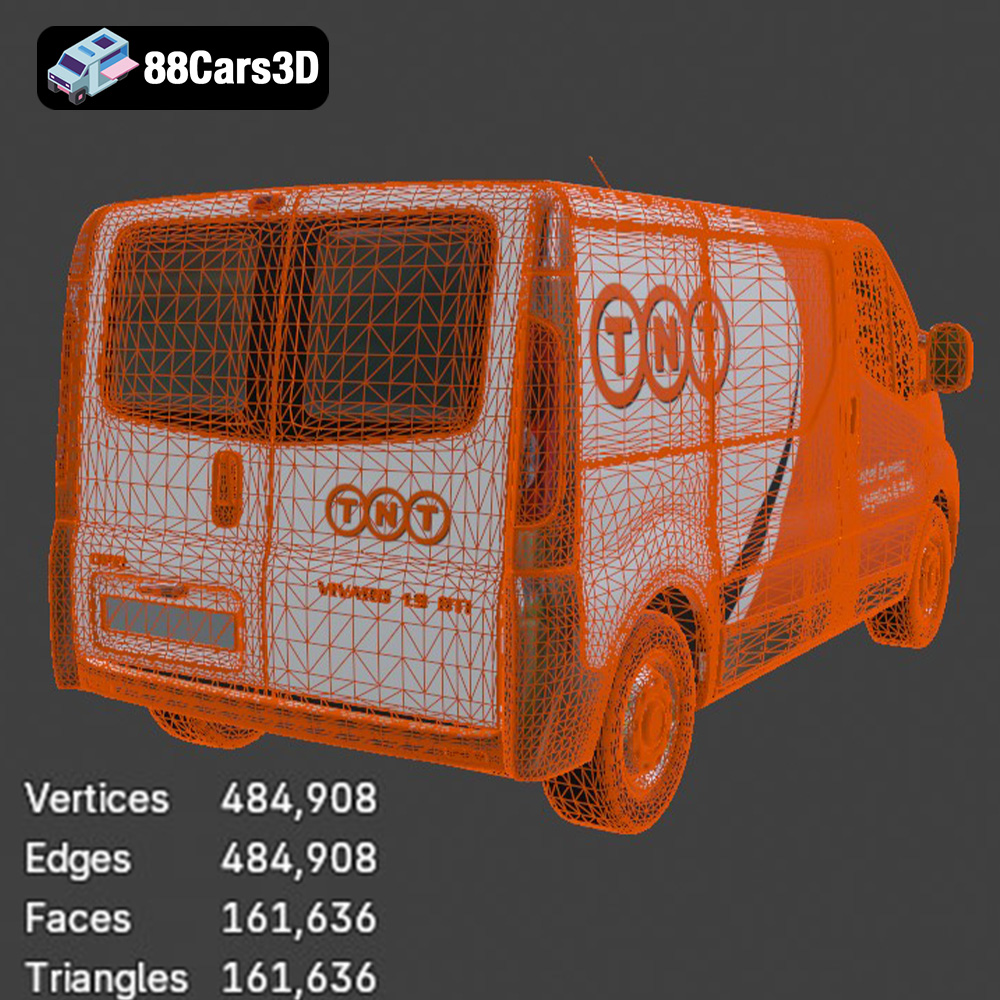
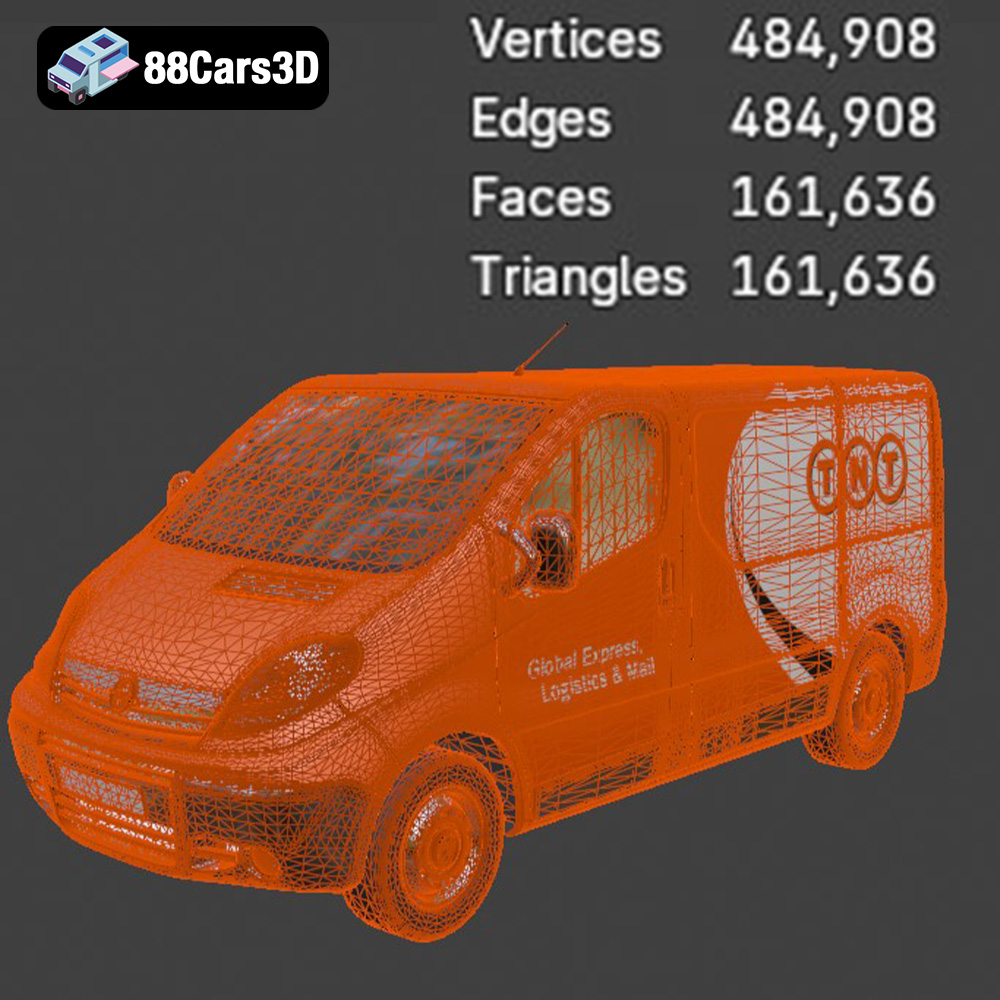
At the core of any excellent 3D model lies its topology – the arrangement of vertices, edges, and faces that define its shape. For organic and deformable objects like vehicles, clean, quad-dominant topology is paramount. Quads (four-sided polygons) deform more predictably and smoothly during animation and subdivision, preventing unsightly pinching or artifacts. The Opel Vivaro model boasts this clean topology, ensuring that if you need to animate its suspension, open doors, or even apply deformation for crash simulations, the mesh will behave correctly. Furthermore, a balanced detailing approach means the model isn’t unnecessarily heavy with polygons, striking a perfect balance between visual fidelity and performance, crucial for real-time applications like game development or AR/VR.
UV Mapping and Material Definition for Realism
Once the geometry is perfect, the next step is applying materials and textures to bring the model to life. Effective UV mapping – the process of flattening the 3D mesh into a 2D space for texture application – is crucial. The Opel Vivaro model comes with well-organized UVs, allowing for clean texture application without stretching or distortion. This, combined with realistically defined materials for metals, plastics, glass, and rubber, forms the basis of physically based rendering (PBR). PBR materials accurately simulate how light interacts with surfaces, resulting in highly realistic visual outputs, whether it’s the subtle reflectivity of the paint or the diffuse nature of the tire rubber.
Accurate Real-World Scale and Hierarchical Organization
Integration into complex scenes requires a model to be built to accurate real-world scale. This prevents scaling issues and ensures consistency when combining the vehicle with architectural elements or other assets. Beyond scale, the model’s internal organization is vital. The Opel Vivaro 3D model features an organized hierarchy with logical naming conventions and proper pivot points. This means components like doors, the hood, and tailgate are separated and correctly pivoted, ready for animation and rigging workflows. This level of organization is a huge time-saver, allowing animators and technical artists to quickly manipulate the vehicle without tedious setup.
Integrating 3D Car Models into Professional Workflows
The versatility of a high-quality 3D car model is best demonstrated by its seamless integration into various professional pipelines. The Opel Vivaro 3D model is designed with this flexibility in mind, making it an ideal asset for creators using industry-standard software.
Automotive Rendering and Visualization with 3ds Max and Blender
For high-fidelity architectural visualization or automotive marketing, 3ds Max remains a powerhouse, especially when paired with renderers like V-Ray or Corona. The `.max` file provided for the Opel Vivaro ensures full compatibility, allowing artists to leverage 3ds Max’s robust tools for scene setup, lighting, and advanced material editing. Imagine placing the Vivaro within a photorealistic urban street scene or a sleek studio environment, experimenting with different paint finishes and reflections. Similarly, Blender users can import the `.blend` file directly, utilizing Cycles or Eevee for stunning renders. Blender’s node-based material system allows for intricate customization of the Vivaro’s surfaces, enabling designers to effortlessly modify paint finishes, body graphics, and decals to match specific branding or scenarios, such as depicting a company fleet or a personalized delivery van.
Game Development and Real-Time Performance in Unreal Engine and Unity
In game development, the balance between visual quality and performance is critical. The Opel Vivaro 3D model, optimized with balanced detailing and clean topology, is perfectly suited for real-time engines. The `.fbx` format is excellent for integration into both Unreal Engine and Unity, allowing developers to import the mesh, materials, and potentially even basic animation setups. However, the inclusion of a dedicated `.unreal` project setup for the Opel Vivaro is a game-changer for Unreal Engine users. This pre-configured asset significantly reduces the preparation time, providing an engine-ready model complete with optimized materials, collision meshes, and potentially even Levels of Detail (LODs) that automatically switch based on distance, ensuring smooth performance whether the van is up close or far away in a sprawling open-world environment. This optimization is crucial for creating fluid player experiences in racing, simulation, or open-world games.
AR/VR Experiences and Interactive Applications
Augmented Reality (AR) and Virtual Reality (VR) demand lightweight, highly optimized models that can be rendered in real-time on a variety of devices. The `.glb` format of the Opel Vivaro 3D model is specifically tailored for these applications. Its compact, self-contained nature makes it ideal for quick loading into AR/VR environments, enabling developers to create immersive experiences. Picture a virtual showroom where potential buyers can walk around the Vivaro, open its doors, and explore its interior details in a fully immersive VR setting. Or imagine an AR app allowing customers to project the van onto their driveway to visualize its size and appearance in a real-world context. The Vivaro’s optimized mesh quality and accurate real-world scale are vital for convincing AR/VR interactions.
Real-World Applications and Creative Possibilities
The practical utility of a versatile 3D asset like the Opel Vivaro extends across numerous industries, providing tangible benefits and unlocking new creative possibilities.
Automotive Rendering and Marketing Visualization
For automotive brands and marketing agencies, high-quality 3D car models are indispensable for creating stunning visual content. The Opel Vivaro 3D model can be used to generate photorealistic studio renders for advertisements, brochures, or online configurators. Marketing teams can effortlessly modify paint finishes, add custom livery, or swap out different wheel designs to showcase various options without the need for expensive physical prototypes or photoshohoots. This not only saves significant costs but also allows for rapid iteration and tailored visual campaigns targeting different demographics or markets. Think of a CGI commercial featuring the Vivaro navigating a dynamic urban landscape, all created digitally using this precise model.
Simulation, Training, and Logistics Planning
Beyond entertainment, 3D vehicle models are critical for serious applications like simulation and training. The Opel Vivaro, as a commercial vehicle, is ideal for driver training modules, logistics planning visualizations, or even urban planning simulations. Companies can use the model to train delivery drivers in virtual environments, practicing complex maneuvers or navigating specific routes without real-world risks. Logistics firms can visualize fleet movements and optimize routes in a virtual city built around accurate vehicle models. The model’s accurate real-world scale and separated components (doors, hood) enable realistic interaction and feedback within these simulation environments, enhancing the effectiveness of training programs.
3D Printing and Rapid Prototyping
The digital realm can also bridge into the physical. With the inclusion of the `.stl` file format, the Opel Vivaro 3D model becomes a blueprint for physical creation. Designers can easily convert the model for 3D printing, producing scale models for display, prototyping, or even as part of physical dioramas. This capability is invaluable for industrial designers or hobbyists who wish to bring a tangible representation of the Vivaro to life, offering a unique blend of digital precision and physical presence. For example, an automotive design studio could print a scale model of the Vivaro to evaluate its form factor physically before committing to full-scale production.
The Value of Production-Ready Assets from 88cars3d.com
In today’s fast-paced digital production environment, time is often the most valuable commodity. Developing a complex 3D car model from scratch requires specialized skills, significant time investment, and iterative refinement. This is where production-ready assets like the Opel Vivaro 3D model from 88cars3d.com offer immense value.
Accelerated Workflows and Cost Efficiency
By providing a meticulously crafted, pre-optimized asset, 88cars3d.com empowers studios and individual artists to dramatically accelerate their workflows. Instead of spending weeks on modeling and texturing, creators can immediately integrate the Vivaro model into their scenes, focusing their efforts on creative direction, animation, lighting, and rendering. This not only saves countless hours of labor but also translates directly into significant cost savings, making high-quality projects more accessible and profitable. The inclusion of multiple file formats further streamlines this process, ensuring compatibility across diverse software ecosystems and reducing the need for costly conversions or rework.
Uncompromised Quality and Consistency
Purchasing assets from a reputable marketplace like 88cars3d.com ensures a baseline of professional quality. The Opel Vivaro model is described with “clean, quad-dominant geometry,” “accurate real-world scale,” and “organized hierarchy,” all hallmarks of a production-ready asset. This eliminates the uncertainty often associated with free or lower-quality models, which may suffer from poor topology, unoptimized meshes, or incorrect scale, leading to frustrating cleanup work. With a consistent standard of excellence, designers can trust that the assets they integrate will perform as expected, maintaining the visual integrity of their projects.
Scalability and Adaptability for Diverse Projects
The versatility of the Opel Vivaro model, designed for applications ranging from high-fidelity rendering to game development and AR/VR, speaks to its inherent scalability. Its optimized mesh quality balances detail with performance, allowing it to be used effectively in various contexts. For high-end cinematic work, it can be subdivided further; for real-time applications, its base mesh is efficient. This adaptability means a single asset can serve multiple project needs, maximizing its utility and return on investment. Furthermore, the ability to customize paint finishes, body graphics, and material properties provides endless possibilities for adapting the model to specific branding requirements or artistic visions, making it a truly indispensable asset for professionals seeking a realistic and highly adaptable vehicle for their digital projects.
Conclusion: Elevating Your Projects with Precision 3D Automotive Assets
The creation of compelling digital content hinges on the quality of its foundational assets. In the intricate world of 3D automotive design and visualization, a high-quality 3D car model is not just a luxury; it is a necessity for achieving realism, efficiency, and professional impact. We’ve explored how meticulously crafted assets, like the Opel Vivaro 3D model, excel in areas such as clean topology, optimal poly counts, precise UV mapping, and organized hierarchies, making them invaluable for a multitude of applications.
From the nuanced requirements of photorealistic automotive rendering in 3ds Max and Blender, to the performance-critical demands of game development in Unreal Engine, and the interactive needs of AR/VR experiences, the Opel Vivaro model stands ready. Its availability across a comprehensive array of file formats – from `.blend` for native Blender users, to the industry-standard `.fbx`, universal `.obj`, web-optimized `.glb`, 3D printing-ready `.stl`, and even a dedicated `.unreal` project setup – ensures seamless integration into virtually any professional pipeline. This strategic choice of formats underscores its versatility and adaptability, allowing creators to spend less time on technical hurdles and more time on creative execution.
Whether you are designing cinematic animations, developing immersive simulations, or crafting visually stunning marketing materials, the Opel Vivaro 3D model offers unparalleled quality and a robust technical foundation. It exemplifies the dedication to excellence found at 88cars3d.com, providing professionals with the tools they need to elevate their creative endeavors and deliver exceptional digital experiences. Investing in such production-ready assets not only saves valuable time and resources but also ensures a consistent level of high quality, allowing your projects to truly stand out.
Featured 3D Model
Opel Vivaro 3D Model
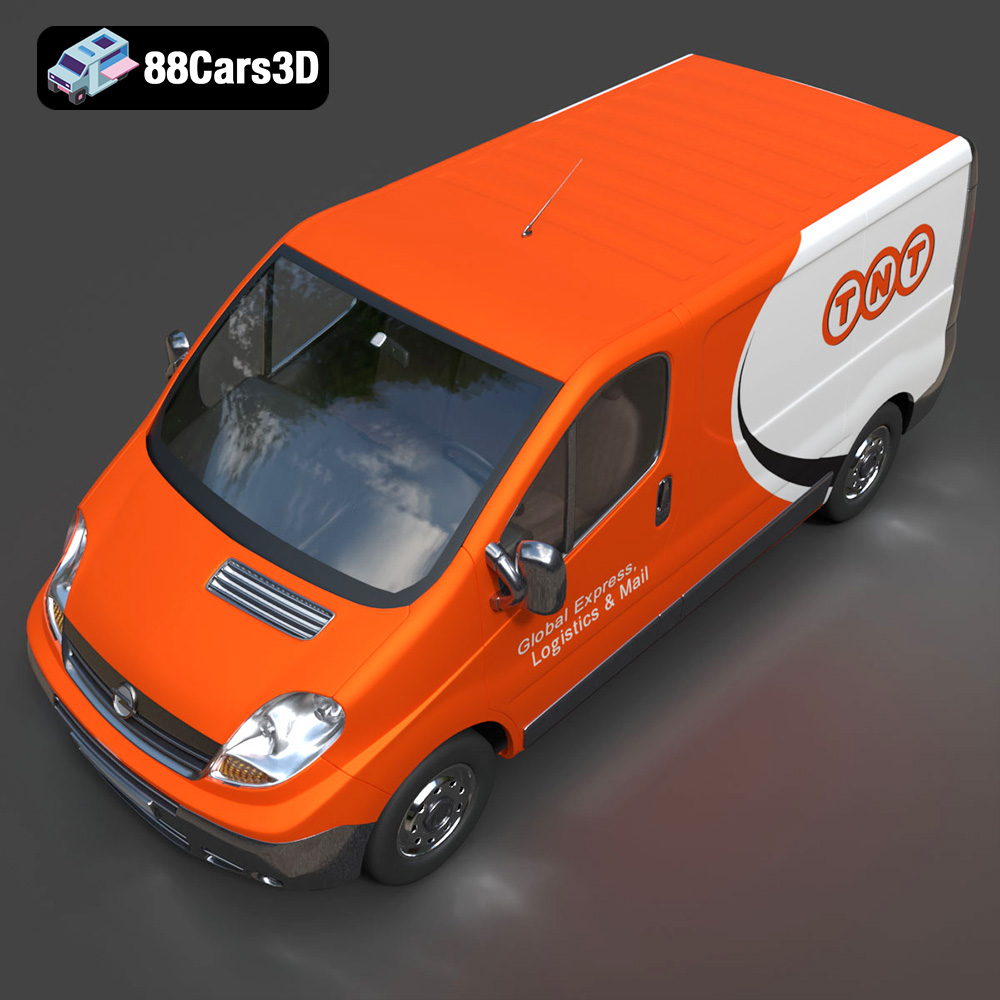
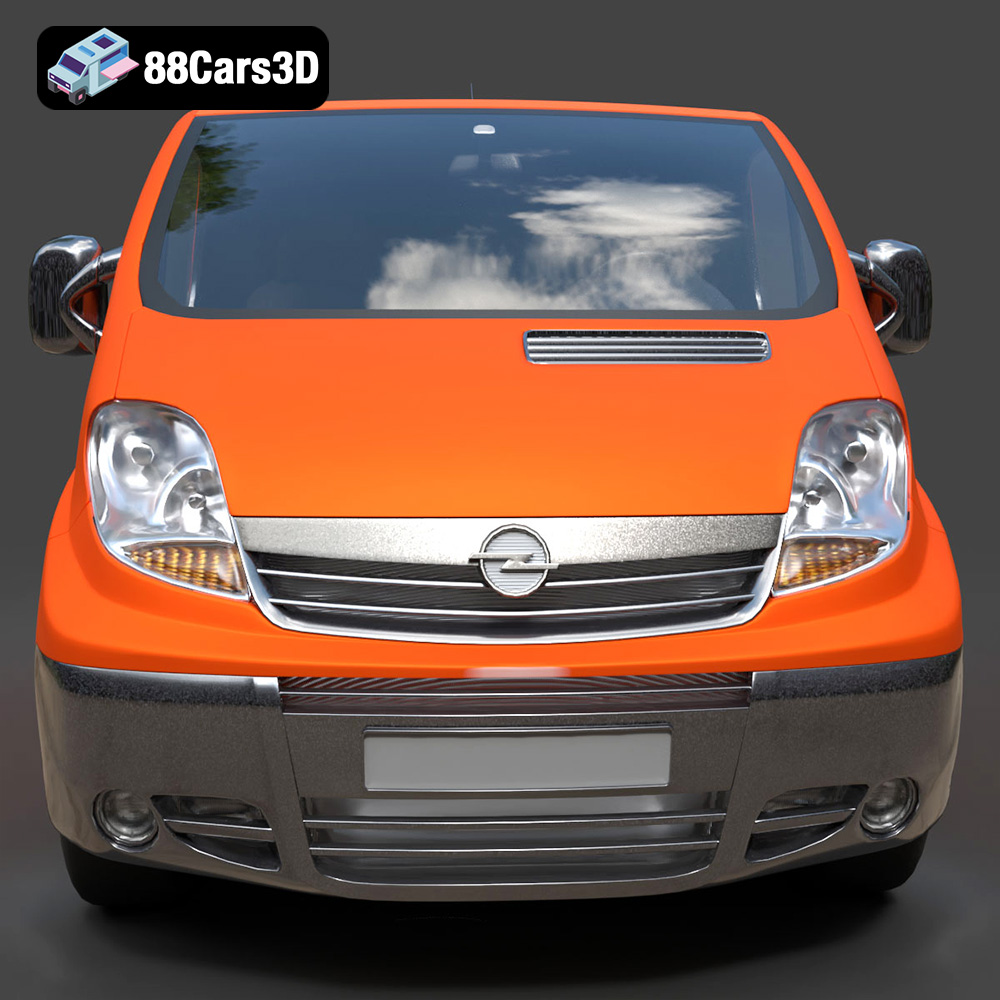
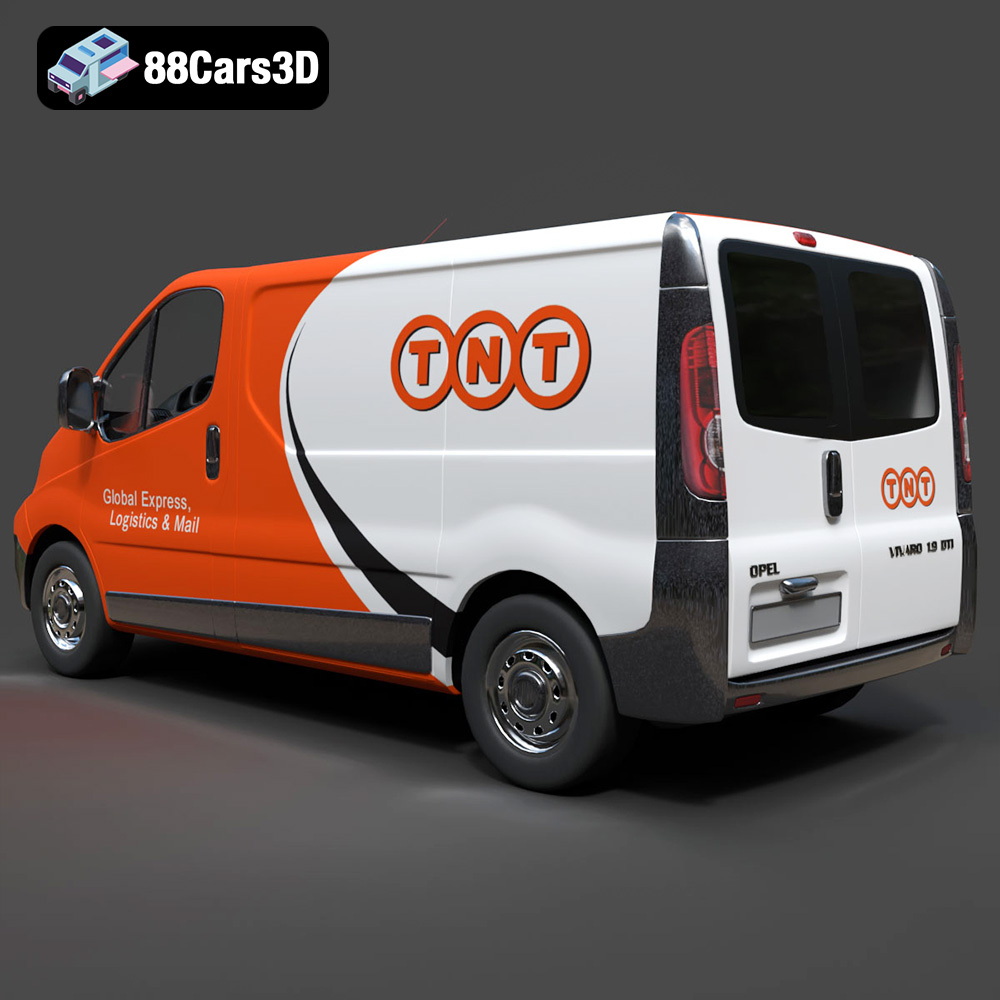
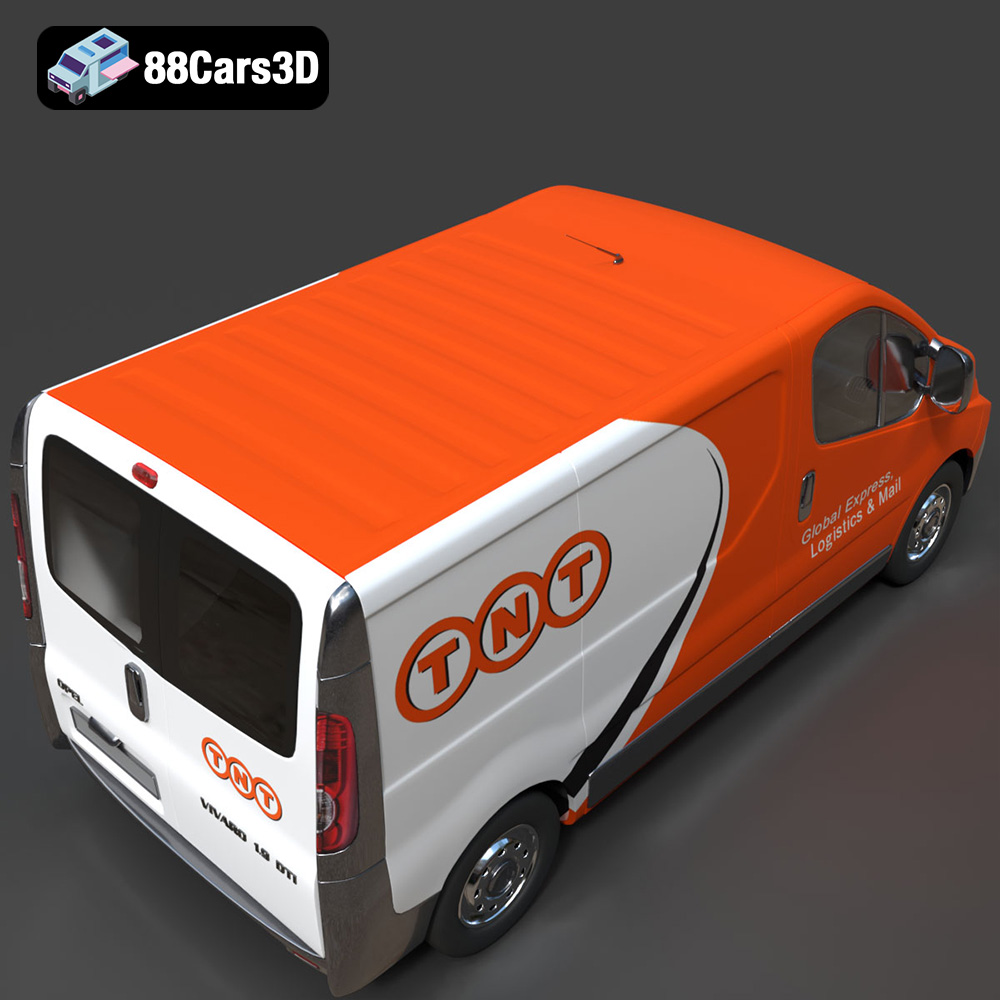
Step into the world of professional 3D visualization with our meticulously crafted Opel Vivaro 3D model. This digital rendition accurately captures the essence of the versatile commercial van, known for its functional design and robust utility. Built with clean, quad-dominant geometry and balanced detailing, this model is engineered for optimal performance across various applications. It is ideal for high-fidelity rendering, realistic animations, detailed simulations, and seamless integration into game development projects.
$21.99
Product Image Gallery