Get 20% OFF All Premium 3D & STL Models!

In the dynamic world of 3D visualization, the quality of your assets can make or break a project. From cinematic automotive renders that grace high-profile advertisements to immersive game environments and precise engineering simulations, the demand for realistic, optimized, and versatile 3D car models has never been higher. Professionals across industries continually seek assets that not only look stunning but also integrate seamlessly into complex workflows. It is this intersection of aesthetic excellence and technical robustness that defines a truly valuable 3D model.
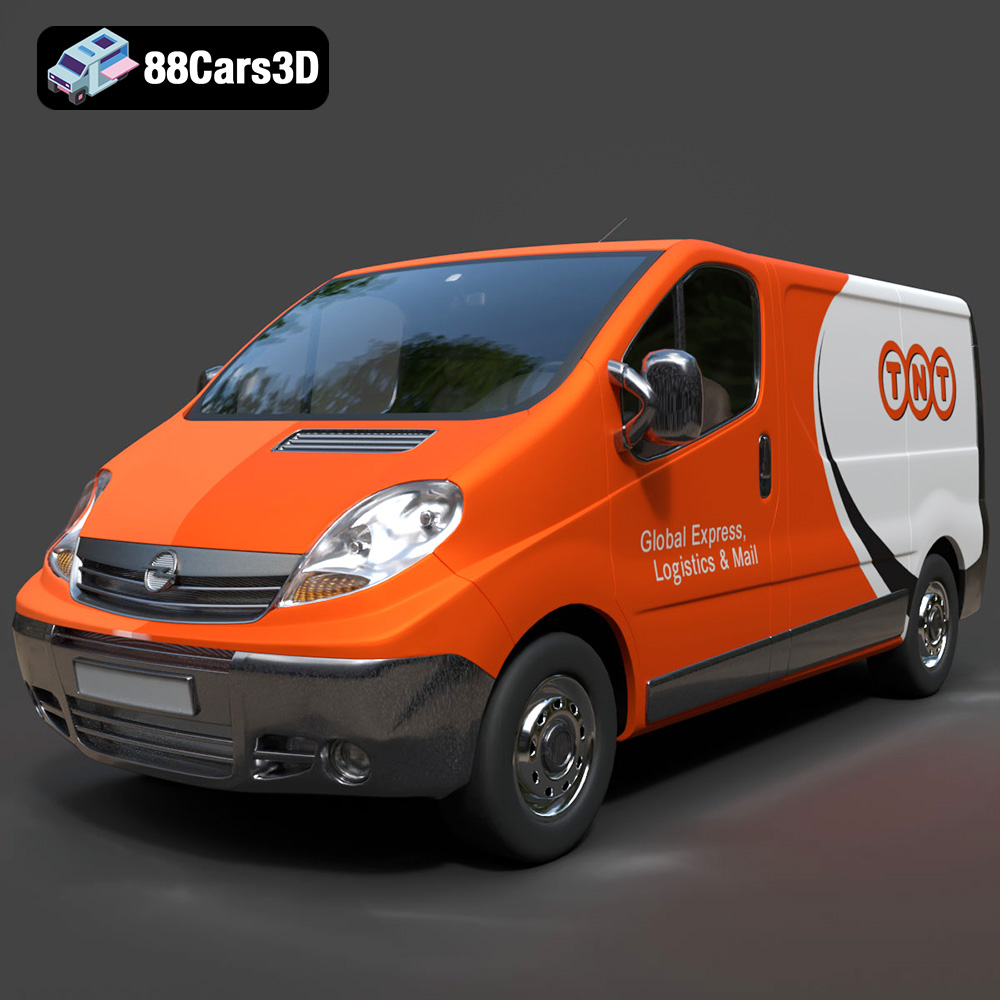
Imagine needing a dependable commercial vehicle for a sprawling urban visualization, a logistics simulation, or perhaps as a background asset in a bustling open-world game. This is where a meticulously crafted asset like the Opel Vivaro 3D model becomes indispensable. It represents the pinnacle of professional 3D car models, designed with an acute understanding of real-world utility and digital performance. Whether your focus is on high-fidelity rendering, detailed animation, or optimized real-time experiences, this model provides a solid foundation for your creative and technical endeavors.
The Opel Vivaro 3D model, available on 88cars3d.com, offers an exceptional blend of authentic design, clean geometry, and multi-format compatibility, making it a cornerstone for any serious 3D artist or developer. Let’s explore the intricacies of leveraging such a high-quality asset in various professional pipelines.
The world of 3D modeling is rich with diverse file formats, each designed with specific purposes, advantages, and limitations. Choosing the correct format for your project is crucial for efficiency, compatibility, and preserving data integrity. The Opel Vivaro 3D model exemplifies versatility by providing a comprehensive suite of these formats, ensuring it can be utilized across virtually any professional pipeline. Understanding what each format offers is key to unlocking its full potential.
The .blend format is native to Blender, the popular open-source 3D creation suite. When you acquire an asset in .blend format, you’re not just getting the mesh; you’re gaining access to a fully editable Blender scene. This typically includes all materials, textures, lighting setups, cameras, and even animation data configured within Blender. For artists whose primary tool is Blender, the .blend file provides the highest level of control and editability. You can easily modify the model’s geometry, tweak shaders, adjust scene lighting, and leverage Blender’s powerful modifiers and animation tools without any loss of data during import/export. It’s the ideal choice for deep customization and ongoing development within the Blender ecosystem.
.fbx (Filmbox) is a proprietary file format owned by Autodesk, but it has become an industry standard for exchanging 3D data between various applications. Its strength lies in its ability to store a wide range of 3D data, including geometry (meshes, polygons, NURBS), materials, textures, bones, skinning information, and even animation data. For game development, particularly with engines like Unreal Engine and Unity, .fbx is often the preferred format due to its robust support for animations and hierarchical structures. It’s excellent for pipelines requiring complex scene data transfer, making it a vital component for integrating assets like the Opel Vivaro into real-time environments where animations of doors, wheels, or suspension might be required.
The .obj (Wavefront Object) format is one of the oldest and most widely supported 3D file formats. It’s often referred to as a “universal” format because almost every 3D software application can import and export .obj files. It primarily stores geometric data (vertices, normals, texture coordinates, and faces) and can link to an accompanying .mtl (material) file for basic material properties and texture references. While .obj is fantastic for simple geometry transfer and cross-software compatibility, it lacks support for advanced features like animation, rigging, or complex shader networks. It’s an excellent choice for static renders or when you need a clean mesh to start from in a different software package, offering unparalleled compatibility for the Opel Vivaro’s base geometry.
.glb (GL Transmission Format Binary) is the binary version of glTF, an open standard for 3D scenes and models developed by the Khronos Group. It’s specifically designed for efficient transmission and loading of 3D models in web-based applications, augmented reality (AR), and virtual reality (VR) experiences. A key advantage of .glb is that it bundles all necessary assets (geometry, materials, textures, animations) into a single, compact file, making it incredibly easy to deploy and share. For interactive 3D viewers on websites or AR apps showcasing the Opel Vivaro, the .glb format ensures quick loading times and broad compatibility with modern web browsers and mobile devices.
The .stl (Stereolithography) format is the de facto standard for 3D printing. It represents a 3D model as a series of connected triangles (a triangulated mesh) without any color, texture, or material information. While this simplifies the data, it’s precisely what 3D printers need to understand the physical geometry. When preparing the Opel Vivaro for physical production as a scale model, converting it to .stl ensures compatibility with almost all 3D slicing software and printers. The model’s clean, quad-dominant topology from 88cars3d.com facilitates a smooth conversion to a triangulated .stl mesh, minimizing errors during the printing process.
The .ply (Polygon File Format) is often used for storing 3D data from 3D scanners, CAD software, and scientific analysis. Unlike .stl, it can store additional properties like color, transparency, surface normals, and even data confidence values per vertex or face. This makes .ply a valuable format for applications requiring precise mesh data, often in engineering, reverse engineering, or visual inspection workflows. If you need to import the Opel Vivaro into a CAD environment for further design iteration or analysis, the .ply format offers a robust and detailed representation of its geometry.
The inclusion of an .unreal file (often referring to a specific Unreal Engine project setup or a highly optimized asset package for the engine) means the Opel Vivaro 3D model comes pre-configured for the Unreal Engine. This typically involves optimized meshes, PBR (Physically Based Rendering) materials setup within Unreal, collision meshes, LODs (Levels of Detail), and potentially even basic blueprints for interactive elements. This format is a massive time-saver for game developers or real-time visualization specialists, as it significantly reduces the effort required for asset integration and optimization within the engine, allowing immediate deployment of the vehicle in your virtual world.
Similar to .blend for Blender, the .max format is native to Autodesk 3ds Max, a leading software for 3D modeling, animation, and rendering. An .max file provides access to the complete 3ds Max scene, including the model’s geometry, all configured V-Ray, Corona, or Arnold materials, lighting setups, cameras, and animation tracks. For professionals working primarily in 3ds Max, this format offers unparalleled flexibility for further refinement, complex animation sequences, or integration into larger architectural or product visualization projects. The Opel Vivaro’s .max file empowers users to leverage 3ds Max’s extensive toolset for high-end rendering and animation tasks.
The provision of these diverse formats with the Opel Vivaro 3D model underscores its adaptability, catering to a vast spectrum of professional requirements and ensuring that artists and developers have the right tools for any job.
The true value of a professional 3D car model lies in its adaptability across various creative and technical pipelines. The Opel Vivaro 3D model from 88cars3d.com is engineered to be a flexible asset, capable of performing exceptionally whether it’s destined for a marketing campaign or a virtual training simulation.
For marketing agencies, architectural visualization studios, and product design firms, photorealistic rendering is paramount. The Opel Vivaro 3D model excels in this domain due to its authentic design and meticulously built geometry. When imported into render engines like V-Ray, Corona Renderer, or Arnold within 3ds Max or Blender, the model’s clean topology allows for smooth subdivisions, resulting in flawless surface reflections and accurate light bounces. Artists can leverage the included materials, which are often set up with physically based rendering (PBR) principles, to accurately depict the car’s paint, glass, rubber, and chrome surfaces. This enables the creation of stunning studio renders, dynamic environmental shots, or cinematic sequences showcasing the Vivaro in various configurations and scenarios.
The demands of game development are unique, requiring not only visual fidelity but also strict optimization for real-time performance. The Opel Vivaro 3D model is built with game development in mind, offering an optimized mesh quality that balances detail with performance. Its clean, quad-dominant topology is ideal for generating efficient collision meshes and various Levels of Detail (LODs), crucial for maintaining frame rates in open-world or simulation games.
Augmented Reality (AR) and Virtual Reality (VR) applications require models that are both realistic and highly optimized for mobile or standalone headsets. The Opel Vivaro 3D model, especially in its .glb format, is perfectly suited for these immersive environments. The .glb format is designed for efficient transmission and rendering on a wide range of devices, ensuring smooth performance in AR/VR apps.
Behind every high-quality 3D asset are careful technical considerations that ensure its usability and performance across diverse applications. The Opel Vivaro 3D model stands out due to its adherence to these critical best practices.
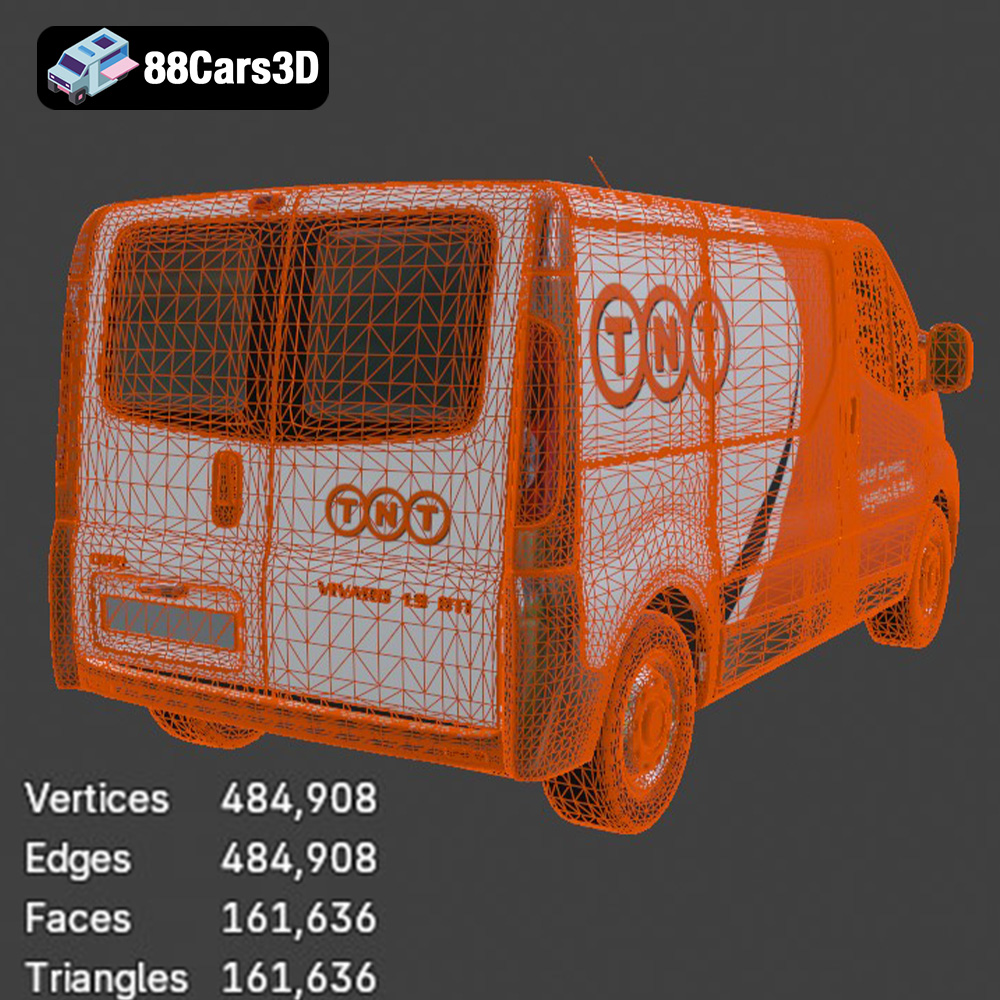
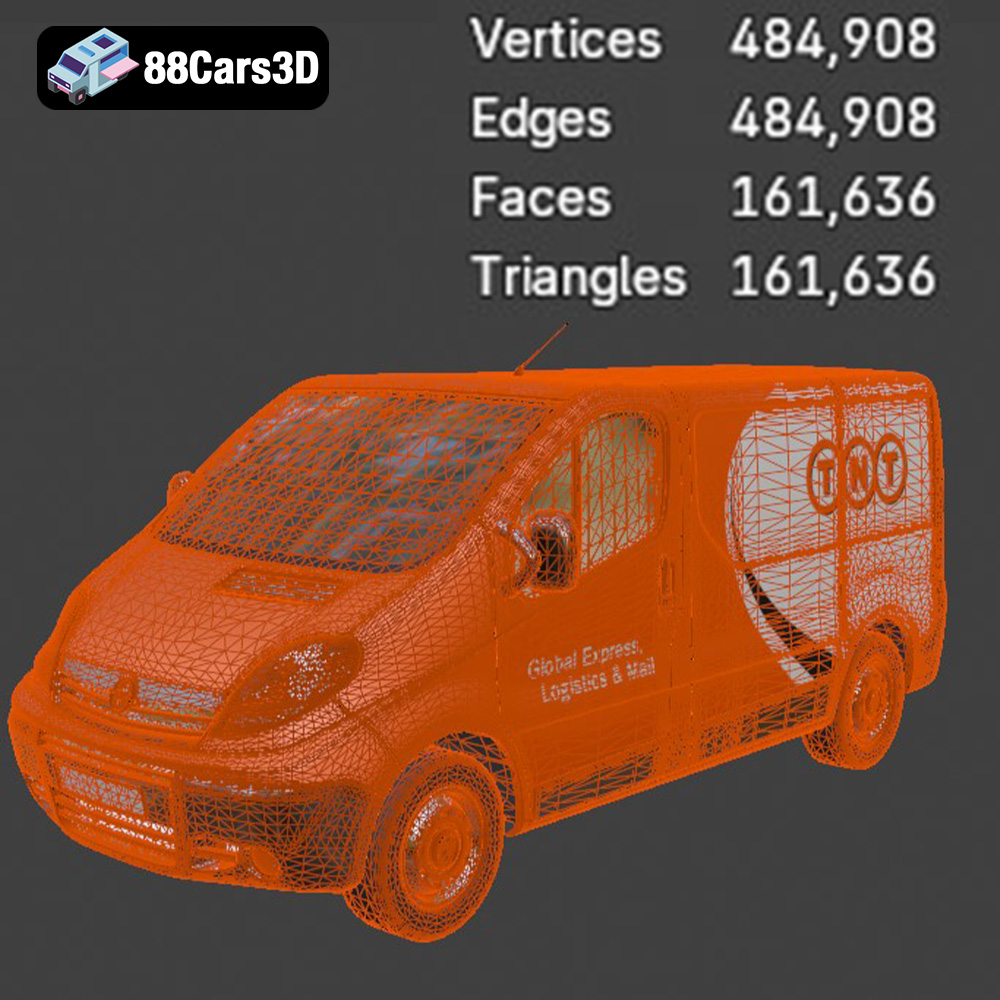
The foundation of any robust 3D model is its topology. The Opel Vivaro model features clean, quad-dominant topology. This means the vast majority of its polygons are four-sided, which is the industry standard for professional modeling. Why is this important?
While specific poly counts can vary slightly between formats to achieve optimal balance, the underlying principle is to provide enough detail for close-up shots without excessive geometry that bogs down real-time engines. This “optimized mesh quality” ensures versatility.
A well-structured 3D model is a joy to work with, and the Opel Vivaro exemplifies this with its organized hierarchy. This isn’t just about aesthetics; it’s about functionality:
The visual realism of the Opel Vivaro model is heavily dependent on its materials. The model likely incorporates a PBR (Physically Based Rendering) workflow, which is the gold standard in modern rendering and game engines. PBR materials accurately simulate how light interacts with surfaces in the real world, resulting in more consistent and believable visuals across different lighting conditions.
The versatility of the Opel Vivaro 3D model extends to a wide array of practical, real-world applications across various industries. Its precision and multi-format availability make it a go-to asset for many professional scenarios.
In architectural visualization, vehicles are essential for bringing scenes to life, providing scale, and adding a sense of realism to renders. The Opel Vivaro, a common commercial vehicle, is perfect for populating urban street scenes, parking lots, and logistics hubs in arch-viz projects. Its accurate real-world scale ensures it fits seamlessly within building designs and infrastructure plans. Imagine an architectural render of a new commercial complex; placing several Vivaro vans realistically demonstrates the building’s utility and flow of traffic, making the visualization far more compelling than an empty scene. Urban planners might use such 3D car models to simulate traffic patterns or visualize the impact of new road layouts.
For industries relying on complex machinery and logistical operations, 3D models are crucial for simulation and training. The Opel Vivaro 3D model can be integrated into driver training simulators, offering a realistic vehicle for trainees to interact with in a virtual environment. This can range from basic driving mechanics to advanced scenarios involving cargo loading and unloading, demonstrating the vehicle’s specific operational features. In logistics planning, companies can use the Vivaro model within virtual layouts of warehouses and delivery routes to optimize space, visualize workflow, and train personnel on efficient loading strategies, utilizing its separated doors and interior details for accurate representation.
Automotive manufacturers and related businesses constantly require high-quality visuals for marketing campaigns, brochures, and online configurators. While the original manufacturer might have their own CAD data, for third-party accessory companies, leasing firms, or agencies producing promotional content, a ready-made, high-fidelity 3D model like the Opel Vivaro is invaluable. It allows for the creation of stunning studio shots showcasing the vehicle with different branding, custom paint jobs, or demonstrating specific features without the need for expensive physical prototypes or photoshohoots. The ability to effortlessly modify paint finishes, body graphics, and material properties means countless variations can be generated quickly and cost-effectively for diverse marketing needs.
In today’s fast-paced digital landscape, time is a precious commodity for 3D professionals. Creating a high-quality 3D car model from scratch, like the Opel Vivaro, is an incredibly time-consuming and labor-intensive process, demanding expert modeling, texturing, and optimization skills. This is where specialized marketplaces like 88cars3d.com prove to be invaluable resources.
Purchasing a pre-made, professional-grade 3D car model significantly reduces development time and associated costs. Instead of spending weeks or months on modeling, UV unwrapping, texturing, and rigging, artists and developers can acquire a ready-to-use asset, immediately integrating it into their projects. This allows teams to focus their efforts on core project development, creative direction, and unique customizations rather than foundational asset creation. For studios with tight deadlines and budgets, an asset like the Opel Vivaro 3D model represents an intelligent investment.
When you choose 3D car models from a reputable source like 88cars3d.com, you’re not just buying a file; you’re investing in quality assurance. The Opel Vivaro 3D model, for instance, comes with clean, quad-dominant geometry, accurate real-world scale, organized hierarchies, and optimized mesh quality. This ensures that the model will perform reliably and look exceptional across a range of applications. The inclusion of multiple file formats, from .blend and .max for native software users to .fbx for universal compatibility and .unreal for engine-ready integration, provides unparalleled flexibility and reduces potential headaches during asset import and setup. This level of technical consideration ensures that the model is truly “production-ready” right out of the box.
The journey through the intricate world of 3D car models reveals the profound impact that high-quality assets have on professional projects. The Opel Vivaro 3D model stands as a testament to the meticulous craftsmanship and technical foresight required to meet the diverse demands of modern 3D visualization. From its clean, quad-dominant topology and real-world accuracy to its comprehensive range of included file formats – .blend, .fbx, .obj, .glb, .stl, .ply, .unreal, and .max – this model is built for versatility and performance.
Whether you are an automotive renderer seeking photorealistic results, a game developer optimizing for real-time environments, an AR/VR creator crafting immersive experiences, or an engineer requiring precision for simulations, the Opel Vivaro offers an indispensable foundation. It empowers professionals to streamline workflows, enhance visual fidelity, and achieve their creative and technical objectives with greater efficiency. By choosing expertly crafted 3D car models from platforms like 88cars3d.com, you equip yourself with the tools necessary to elevate your projects and bring your digital visions to life with unparalleled realism and adaptability.
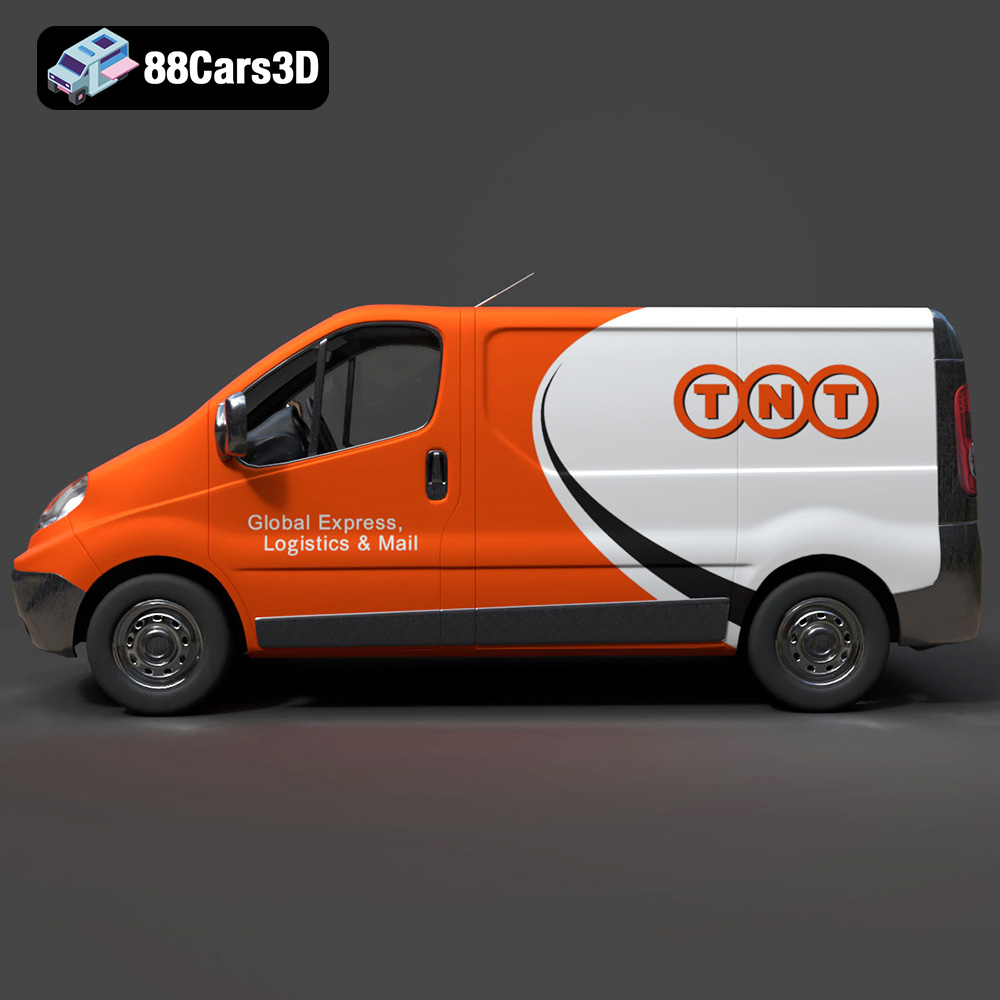
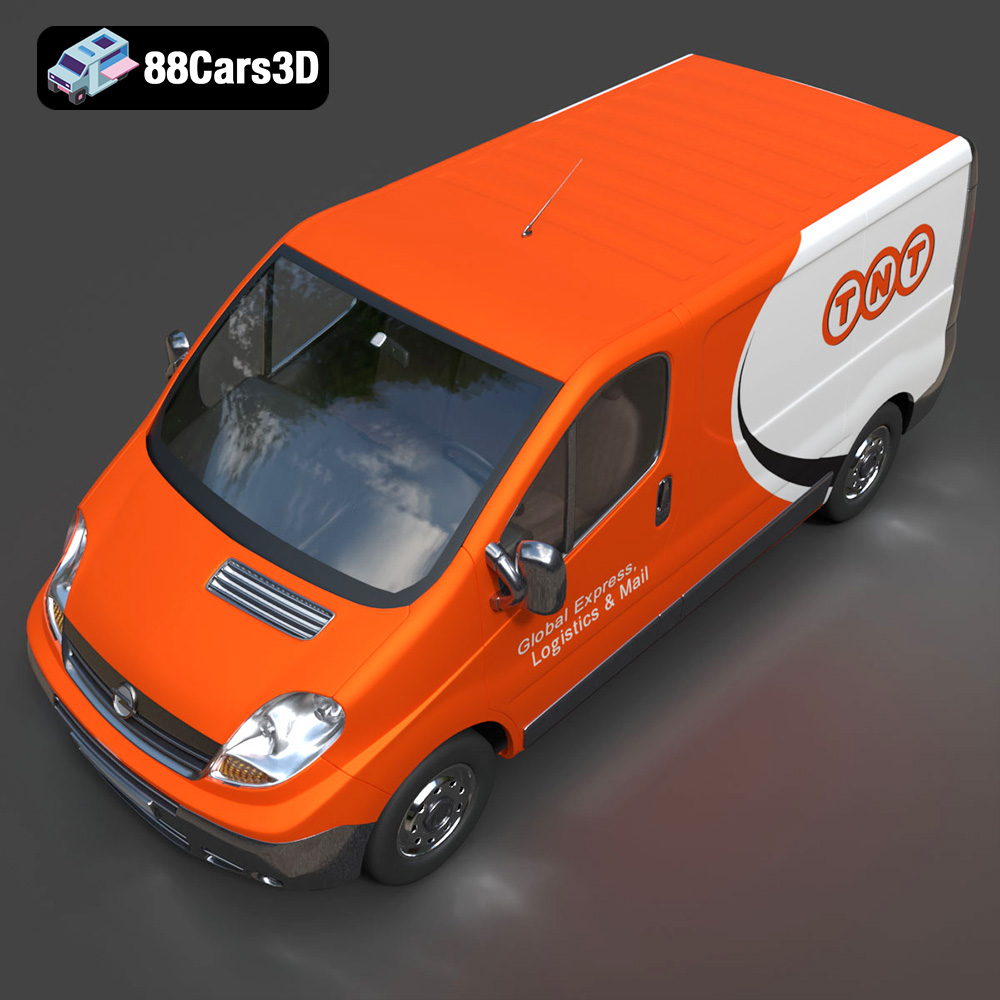
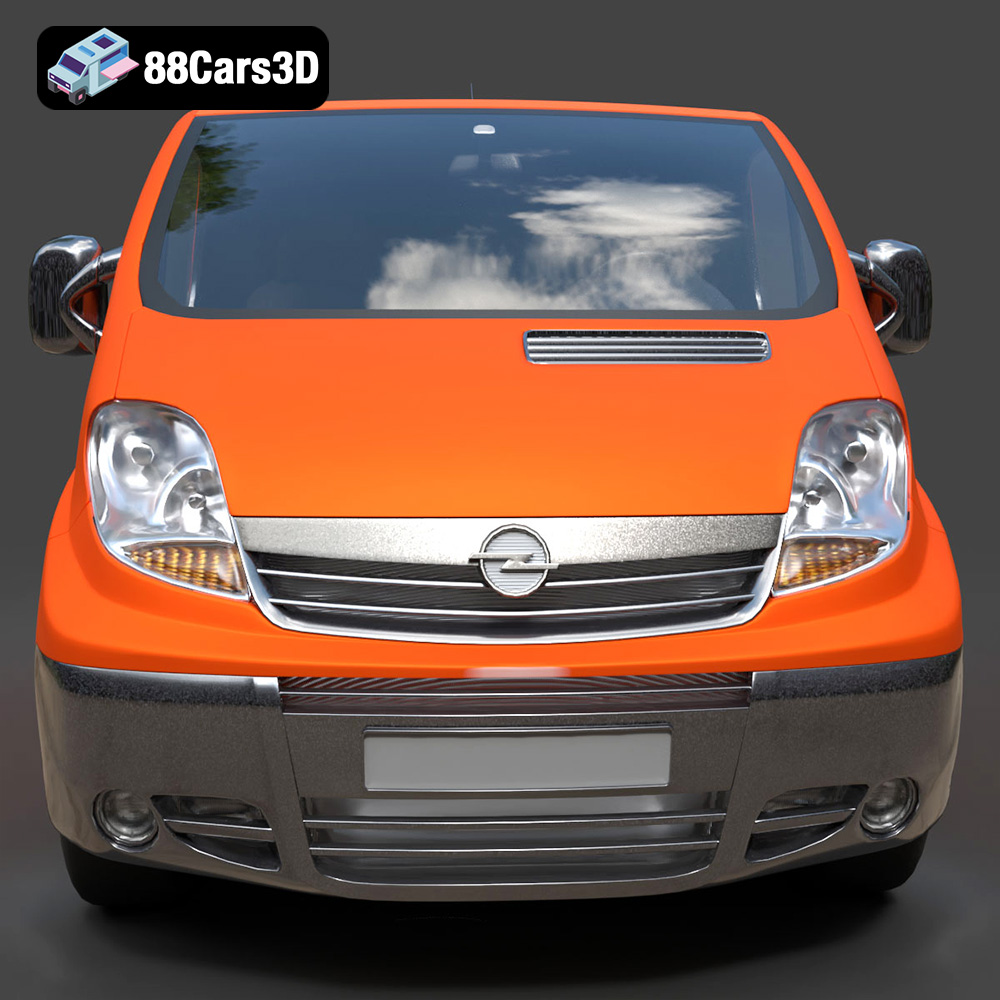
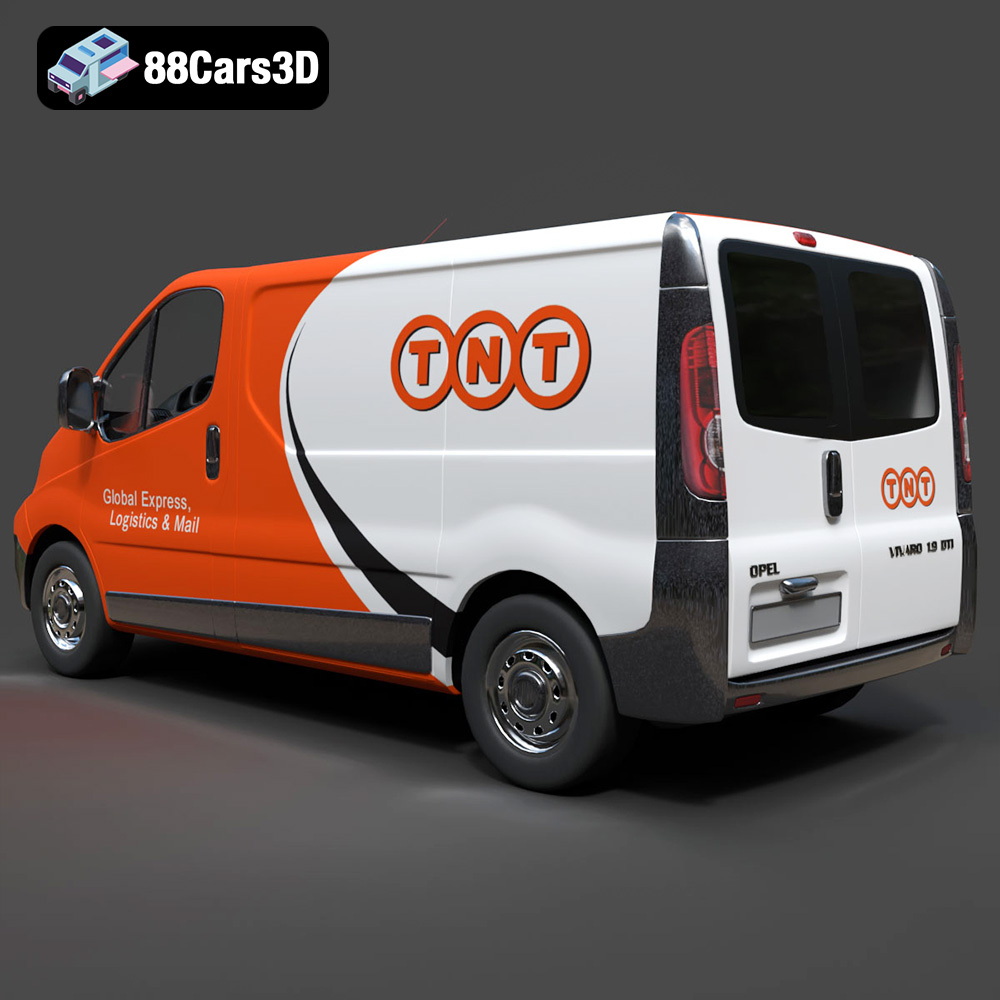
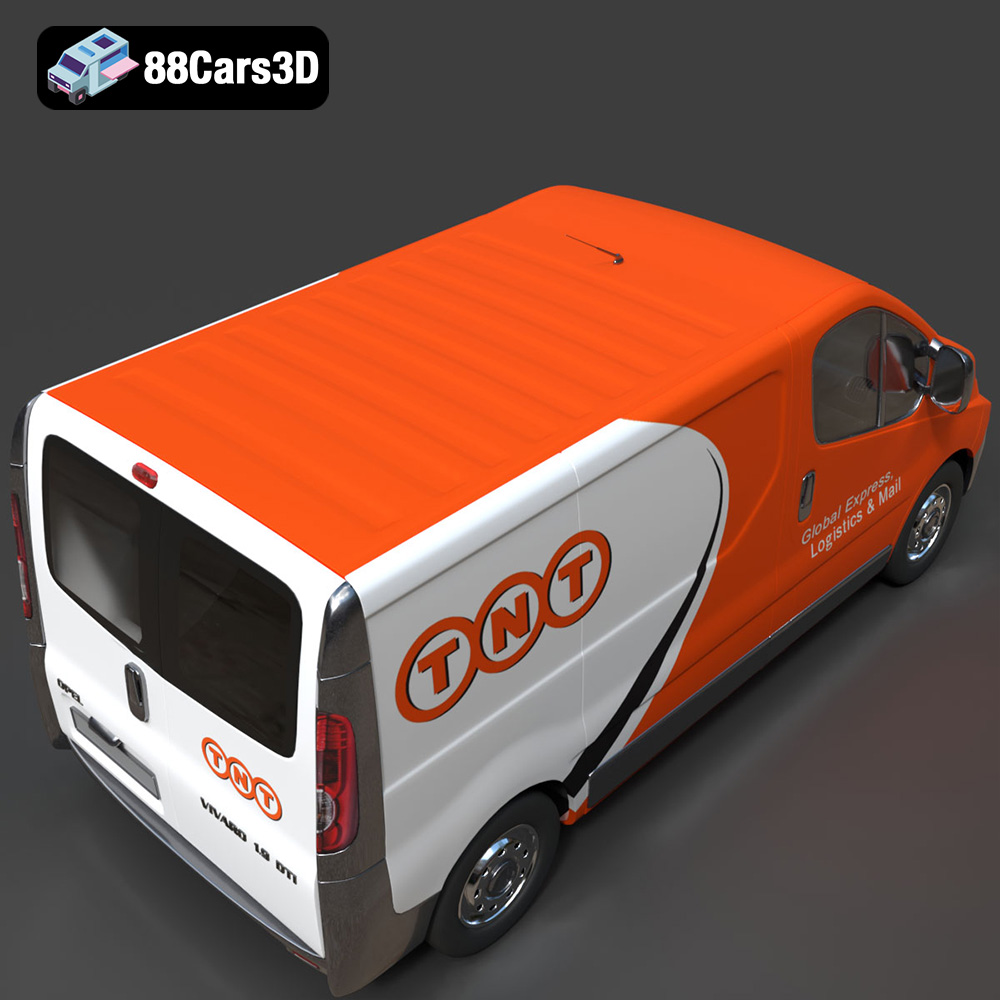
Step into the world of professional 3D visualization with our meticulously crafted Opel Vivaro 3D model. This digital rendition accurately captures the essence of the versatile commercial van, known for its functional design and robust utility. Built with clean, quad-dominant geometry and balanced detailing, this model is engineered for optimal performance across various applications. It is ideal for high-fidelity rendering, realistic animations, detailed simulations, and seamless integration into game development projects.
$21.99