Get 20% OFF All Premium 3D & STL Models!

In the vibrant and ever-evolving landscape of 3D visualization, the demand for high-quality, meticulously crafted digital assets is paramount. Whether you’re an architect aiming for photorealistic renders, a game developer building an immersive world, or a designer creating captivating virtual environments, the quality of your 3D models directly impacts the final output. Every detail, from the curve of a chair leg to the texture of its upholstery, contributes to the overall believability and aesthetic appeal of a scene. It’s not just about having a model; it’s about having an asset that is technically sound, visually stunning, and seamlessly integrates into diverse professional workflows.
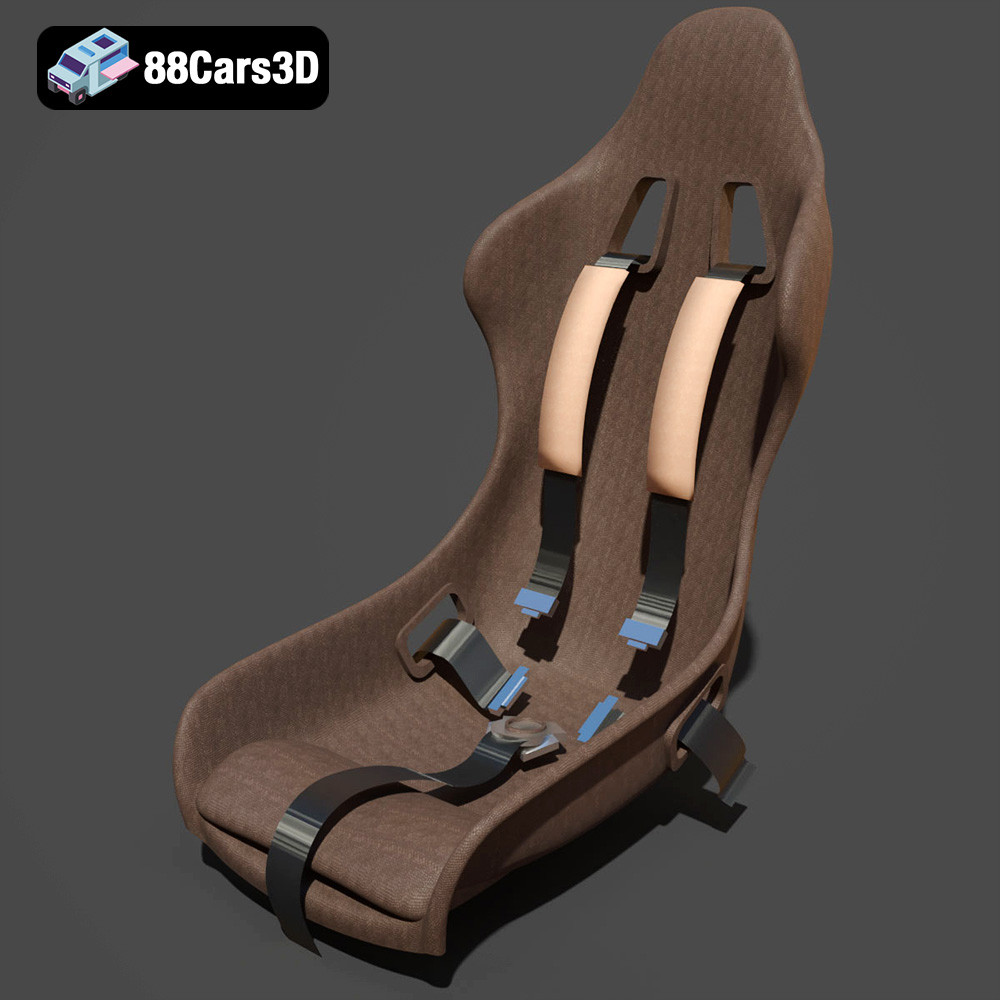
This is precisely where expertly designed assets prove their worth. Take, for instance, the Chair2-002 3D Model, a prime example of a versatile asset that blends contemporary aesthetics with robust technical specifications. This model isn’t just a static object; it’s a foundation for countless creative possibilities, designed for optimal performance across a spectrum of applications from high-definition studio renders to real-time game environments. Its clean geometry, efficient UV mapping, and real-world scale make it an invaluable addition to any digital artist’s toolkit, ensuring that your projects not only look good but also run smoothly.
The pursuit of realism in 3D visualization is an ongoing journey, and at its core lies the quality of individual assets. A perfectly sculpted chair, an intricately detailed vehicle, or a lifelike tree can elevate an entire scene, transforming it from merely functional to truly immersive. Low-quality models, on the other hand, can break immersion, introduce rendering artifacts, and ultimately undermine the hard work put into a project. This is particularly true in demanding fields like architectural visualization, game development, and high-fidelity product rendering.
For architects and interior designers, the ability to accurately visualize a space before it’s built is invaluable. High-quality 3D models allow them to present concepts with unparalleled clarity, enabling clients to “experience” a design long before construction begins. A chair like the Chair2-002 3D Model, with its smooth contours and realistic material definitions, becomes more than just furniture; it’s a vital component in selling a vision. Its precise modeling ensures that light interacts realistically with its surfaces, from subtle reflections on metal to the nuanced texture of fabric, creating compelling and believable scenes.
Beyond visual fidelity, the technical construction of a 3D model significantly impacts project performance and workflow efficiency. Models with clean, quad-dominant topology are easier to edit, subdivide, and deform, saving artists countless hours. Proper UV mapping facilitates straightforward texture application, avoiding stretching or distortion. When dealing with complex scenes containing hundreds or thousands of objects, optimized geometry and efficient asset management are crucial for maintaining acceptable frame rates in real-time applications or reasonable render times in offline renderers. Assets like those found on 88cars3d.com are built with these professional considerations in mind, ensuring a streamlined experience from start to finish.
A truly valuable 3D asset is one that can serve multiple purposes across different projects and industries. The Chair2-002, described with its versatile contemporary aesthetic, exemplifies this. It’s not confined to a single type of scene; it can convincingly populate a modern office, a cozy living room, a high-end commercial lobby, or even a virtual showroom for a new line of products. This adaptability is critical for studios and individual artists who need to maximize the utility of their asset library, allowing for creative reuse and consistent quality across diverse portfolios. Whether you’re working on a simulation, an AR/VR experience, or even pairing it with high-quality 3D car models in an automotive showroom scene, its consistent quality stands out.
Navigating the world of 3D modeling often means understanding a plethora of file formats, each with its own strengths, weaknesses, and intended use cases. The ability to choose the right format for a specific task is a crucial skill for any 3D professional. The Chair2-002 3D Model, for instance, is offered in an extensive range of formats, ensuring maximum compatibility and utility across various software and platforms. This strategic offering addresses the diverse needs of renderers, game developers, AR/VR creators, and those involved in 3D printing or CAD analysis.
The .blend format is the native file type for Blender, an open-source 3D creation suite. A .blend file typically includes not just the mesh data, but also materials, textures, animations, lights, cameras, and even an entire scene setup. This makes it ideal for Blender users who want a fully editable and self-contained project. For the Chair2-002, the .blend file would come with all materials pre-configured within Blender’s Cycles or Eevee render engines, allowing for immediate rendering or further customization. It’s an excellent choice for artists deeply integrated into the Blender ecosystem.
.fbx (Filmbox) is arguably one of the most widely adopted proprietary 3D file formats, developed by Autodesk. It’s an incredibly robust format for exchanging 3D data between different software applications, including 3ds Max, Maya, Cinema 4D, and critically, game engines like Unreal Engine and Unity. FBX files can store model geometry, materials (with basic properties), textures, rigging, skinning, animation, and even camera and light data. Its strength lies in its ability to encapsulate complex scene data while maintaining relatively good compatibility. For the Chair2-002, the .fbx format is perfect for integrating it into a game development pipeline or transferring it to another DCC (Digital Content Creation) tool for animation or advanced rendering, ensuring crucial data like UVs and material slots are preserved.
The .obj (Wavefront OBJ) format is a widely supported, open-standard geometric data format. It primarily stores geometric data, including vertices, normals, UV coordinates, and faces, making it a universal choice for model interchange between almost any 3D software. While it handles basic material assignments via an accompanying .mtl file, it doesn’t support advanced features like animation or rigging. The .obj version of the Chair2-002 is your go-to when you need a clean mesh that can be imported into virtually any 3D application, regardless of its age or specific feature set. It’s a dependable choice for pure geometric transfer.
.glb (GLB/glTF Binary) is a relatively newer format gaining significant traction, especially for web-based 3D, Augmented Reality (AR), and Virtual Reality (VR) applications. It’s the binary version of glTF (GL Transmission Format), designed to be an efficient, compact, and complete 3D scene description format. A .glb file typically embeds all assets—model data, textures, and animations—into a single file, making it incredibly easy to share and load quickly in browsers or mobile AR/VR viewers. The Chair2-002 in .glb format is optimized for these emerging interactive platforms, ensuring fast loading and consistent appearance in real-time, browser-based scenarios, or mobile device integrations.
.stl (Stereolithography) is the most common file format for 3D printing. It represents a 3D object as a series of connected triangles (a triangulated surface mesh), defining only the surface geometry without color, texture, or other properties. While not ideal for visual rendering, it’s the standard for sending models to 3D printers for physical fabrication. The Chair2-002 provided in .stl format means it’s ready for prototyping or creating physical models, allowing designers to quickly go from a digital concept to a tangible object, perhaps for a scale model or a design review.
.ply (Polygon File Format or Stanford Triangle Format) is a versatile file format for storing 3D data from 3D scanners. It can represent not only geometry but also color, transparency, and even properties like confidence and range for each vertex or face. While less common for general asset exchange than .fbx or .obj, it’s highly valued in applications requiring precise mesh analysis, scientific visualization, or CAD workflows where detailed data integrity is paramount. For the Chair2-002, its .ply export ensures that specific mesh characteristics can be retained for more analytical or engineering-focused tasks.
The .unreal format, or more accurately, assets pre-packaged for Unreal Engine, implies a workflow where the 3D model has been specifically prepared and configured within the engine. This usually means proper material setup using Unreal’s physically based rendering (PBR) pipeline, correct scaling, collision meshes, and often, level-of-detail (LOD) assets already integrated. For the Chair2-002, an .unreal project setup provides an engine-ready asset, saving game developers significant time on import and configuration, ensuring it performs optimally in real-time environments and adheres to best practices for game assets.
Finally, the .max format is the native file type for Autodesk 3ds Max, a leading software for 3D modeling, animation, and rendering. Similar to .blend, a .max file contains the complete scene, including geometry, materials (often V-Ray or Corona setups), lighting, cameras, animation, and modifiers. This format is crucial for professionals who use 3ds Max for architectural visualization or high-end rendering, offering full editability and access to all parameters of the Chair2-002 model. It allows for deep customization, complex scene integration, and leverages the powerful rendering capabilities of 3ds Max and its associated renderers.
The true measure of a high-quality 3D model lies not just in its visual appeal, but in the meticulous technical craftsmanship beneath its surface. This “behind-the-scenes” excellence is what ensures seamless integration, optimal performance, and flexibility for further customization. The Chair2-002 3D Model is a testament to this philosophy, boasting specifications that meet the rigorous demands of professional production pipelines.
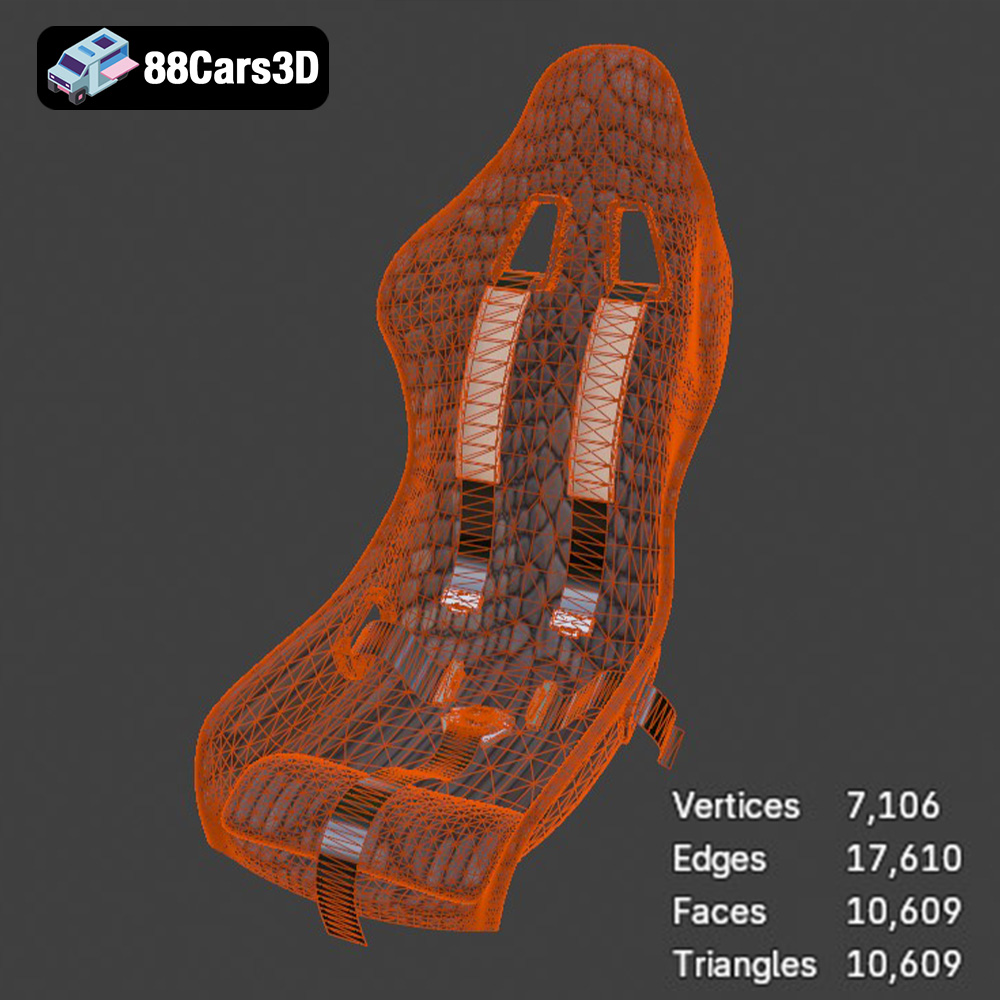
At the heart of any good 3D model is its topology – the arrangement of its polygons. The Chair2-002 features “clean, quad-dominant topology,” which is the gold standard in 3D modeling. Quads (four-sided polygons) are predictable and deform smoothly during animation or subdivision, unlike triangles (tris) which can cause pinching or undesirable artifacts. This clean mesh allows for easy subdivision to increase detail for close-up renders without introducing errors, while also enabling efficient decimation for lower poly versions required in game development or AR/VR. An optimized poly count, balanced between visual fidelity and performance, is crucial. For an asset like a chair, this means enough detail for smooth curves and defined edges, without an excessive number of polygons that would unnecessarily bog down a scene.
Effective UV mapping is critical for applying textures realistically. “Efficient UV mapping for straightforward texture application” means that the 2D coordinates (UVs) unwrapped from the 3D model are well-organized, non-overlapping, and free from distortion. This allows artists to apply high-resolution material maps (color, normal, roughness, metallic, etc.) accurately, ensuring that the fabric weave appears consistent, wood grains follow natural patterns, and metal finishes reflect light correctly. The Chair2-002’s high-quality material definitions, whether for wood, metal, fabric, or plastic, are directly reliant on this underlying UV precision, enabling realistic reflections and subtle light interactions that bring the model to life.
Adhering to “real-world scale accuracy” is fundamental for seamless integration into any 3D scene. When a model is built to its actual dimensions (e.g., in centimeters or inches), it slots perfectly into architectural plans, game environments, or product visualizations without needing manual scaling or adjustments. This saves significant time and ensures that lighting, physics, and spatial relationships within a scene remain correct. For the Chair2-002, this means it will fit naturally alongside other furniture, within an architectural space, or even next to high-quality 3D car models in a virtual automotive showroom, maintaining visual harmony and correct proportions effortlessly. Its “organized hierarchy with proper pivot points” further enhances intuitive manipulation and animation, making it a truly user-friendly asset.
The true value of a versatile 3D asset, such as the Chair2-002 3D Model, shines through in its adaptability across various professional workflows. From high-end architectural rendering to demanding real-time game development, this model is engineered to integrate smoothly, enhancing efficiency and final output quality.
For architectural visualization (ArchViz) artists, the Chair2-002 3D Model, especially in its .max format, offers unparalleled flexibility. When imported into 3ds Max, artists can leverage its clean topology and optimized mesh. The included materials can be easily converted or fine-tuned for V-Ray or Corona Renderer, the industry-standard rendering engines known for their photorealistic output. Artists can adjust fabric sheen, wood grain reflectivity, or metal properties to perfectly match their client’s vision or ambient lighting conditions. Its real-world scale ensures it fits perfectly within meticulously planned floor plans, while its clean hierarchy and pivot points allow for quick placement and manipulation within a complex interior scene. This seamless integration accelerates the rendering process, delivering stunning, lifelike visuals of interior spaces.
In the fast-paced world of game development, efficiency and optimization are key. The Chair2-002 3D Model, offered in .fbx and specifically in an .unreal project setup, is designed to be game-ready. Importing the .fbx into Unreal Engine or Unity allows developers to take advantage of its optimized mesh and efficient UV mapping. The .unreal package often includes pre-configured materials using the engine’s PBR shaders, potentially even pre-built collision meshes and LODs (Levels of Detail). This dramatically reduces the time spent on asset preparation, allowing artists to focus on level design and gameplay. Whether populating a realistic interior scene in an open-world game, furnishing a virtual apartment in a simulation, or creating assets for immersive AR/VR experiences, the Chair2-002 contributes to a smooth development cycle and high in-game performance.
Blender has become a powerhouse for independent artists, small studios, and animators due to its comprehensive toolset and open-source nature. The .blend file of the Chair2-002 3D Model provides a fully editable scene, complete with materials ready for Blender’s Cycles or Eevee renderers. This means animators can easily rig the chair (if required for dynamic interaction), add cloth simulations to a throw blanket draped over it, or simply integrate it into complex character animations without any compatibility hurdles. Its clean quad topology facilitates smooth deformation, making it ideal for scenes where the chair might be moved, knocked over, or become part of an animated sequence. For generalists and hobbyists, the .blend format ensures a user-friendly experience right out of the box.
The utility of a robust 3D model extends far beyond static rendering or traditional game environments. The Chair2-002 3D Model, with its diverse file formats and technical versatility, is poised to empower innovation across a multitude of emerging and specialized applications.
Augmented Reality (AR) and Virtual Reality (VR) are transforming how we interact with digital content, and high-quality 3D assets are their fundamental building blocks. The Chair2-002, particularly in its optimized .glb format, is ideal for creating immersive AR/VR experiences. Imagine an interior design application where users can virtually place the chair in their living room using AR, seeing how it fits and complements their existing decor, all in real-time on their mobile device. In VR, the chair could be part of a fully explorable virtual showroom, allowing potential customers to “sit” on it, inspect its details, and experience a product before purchase. The model’s efficient geometry ensures smooth performance in these demanding real-time environments, crucial for avoiding motion sickness and delivering a truly engaging experience.
The bridge between the digital and physical realms is often crossed through 3D printing. With the Chair2-002 3D Model provided in the .stl format, designers have a direct pathway to physical prototyping. While some minor adjustments might be needed to ensure structural integrity for a physical model (especially for scale models), the .stl provides the foundational geometry. This capability is invaluable for industrial design students creating physical mock-ups of furniture concepts, architects producing scale models for client presentations, or even for creating bespoke miniatures for collectors. The .stl output allows for rapid iteration and tangible interaction with the design, accelerating the product development lifecycle.
Simulations and training applications are increasingly leveraging 3D models to create realistic, interactive learning environments. The Chair2-002 can be a crucial asset in such scenarios. Consider an interior design simulation where aspiring designers practice furniture placement, understanding spatial dynamics and aesthetic principles. Or a virtual showroom where sales staff can configure different material options for the chair in real-time, demonstrating choices to clients. In manufacturing training, a precise model could be used to simulate assembly processes for furniture components. Its accurate representation and organized hierarchy make it suitable for these interactive and educational contexts, providing a rich, visual component to virtual learning. Even within an expansive virtual world featuring various high-quality 3D car models, a well-placed Chair2-002 could define a rest area or an office within a simulated dealership, adding to the overall realism and immersion.
In the competitive world of 3D production, time is a valuable commodity, and quality is non-negotiable. Sourcing pre-made, high-quality 3D assets from reputable marketplaces can significantly enhance productivity, elevate visual standards, and broaden creative possibilities. This is where platforms like 88cars3d.com demonstrate their immense value.
Creating every single asset from scratch for a complex project is often impractical and economically unfeasible. Modeling a detailed chair like the Chair2-002 3D Model, complete with clean topology, efficient UVs, and multiple material options, can take a skilled artist many hours, if not days. By purchasing a ready-made asset, studios and individual artists can drastically cut down on production time and reallocate resources to more critical or unique aspects of their projects. This efficiency directly translates to meeting tighter deadlines and delivering projects within budget, without compromising on visual quality.
When you purchase from a specialized marketplace like 88cars3d.com, you are investing in assets that adhere to professional standards. The Chair2-002, for example, is described with “clean, quad-dominant topology,” “real-world scale accuracy,” and “efficient UV mapping.” These are not just buzzwords; they are technical specifications that guarantee the model will perform reliably across different software and rendering engines. This consistency in quality means less troubleshooting, fewer errors, and a more predictable outcome for your renders and real-time applications. It ensures that every asset, from a simple chair to intricate 3D car models, meets a benchmark of excellence.
Access to a diverse library of high-quality 3D models opens up new creative avenues. Instead of being limited by what you can model yourself or what fits your immediate technical constraints, you gain the freedom to experiment with different styles, populate scenes richly, and tackle more ambitious projects. 88cars3d.com, while well-known for exceptional 3D car models, also offers a range of other high-quality assets, like the versatile Chair2-002. This breadth of choice allows artists to rapidly prototype ideas, create variations, and ultimately produce more compelling and realistic visualizations, games, or interactive experiences. It’s about empowering creativity by providing the foundational tools necessary for digital artistry.
In the dynamic realm of 3D visualization, the demand for excellence in every digital asset is constant. From architectural walkthroughs to immersive game worlds, the quality of a 3D model directly impacts realism, performance, and overall project success. The Chair2-002 3D Model stands as a prime example of a meticulously crafted asset, designed not only for visual appeal but also for unparalleled technical precision and versatility across a wide array of professional applications.
Its clean topology, efficient UV mapping, real-world scale, and availability in multiple industry-standard file formats—from .blend and .max for comprehensive editing to .fbx and .unreal for game development, and .glb for cutting-edge AR/VR—underscore its utility. Whether you’re an architect leveraging 3ds Max for a stunning interior render, a game developer integrating assets into Unreal Engine, or a designer exploring 3D printing possibilities, the Chair2-002 is engineered to streamline your workflow and elevate your creative output. It embodies the principle that a truly valuable 3D asset is one that adapts and excels in any digital environment, offering both artistic quality and technical robustness.
By choosing high-quality, pre-optimized assets from trusted sources like 88cars3d.com, professionals can significantly enhance their productivity, maintain consistent quality across projects, and ultimately deliver more impactful and realistic digital experiences. Explore the possibilities and integrate the Chair2-002 3D Model into your next project to experience the difference that superior craftsmanship makes.
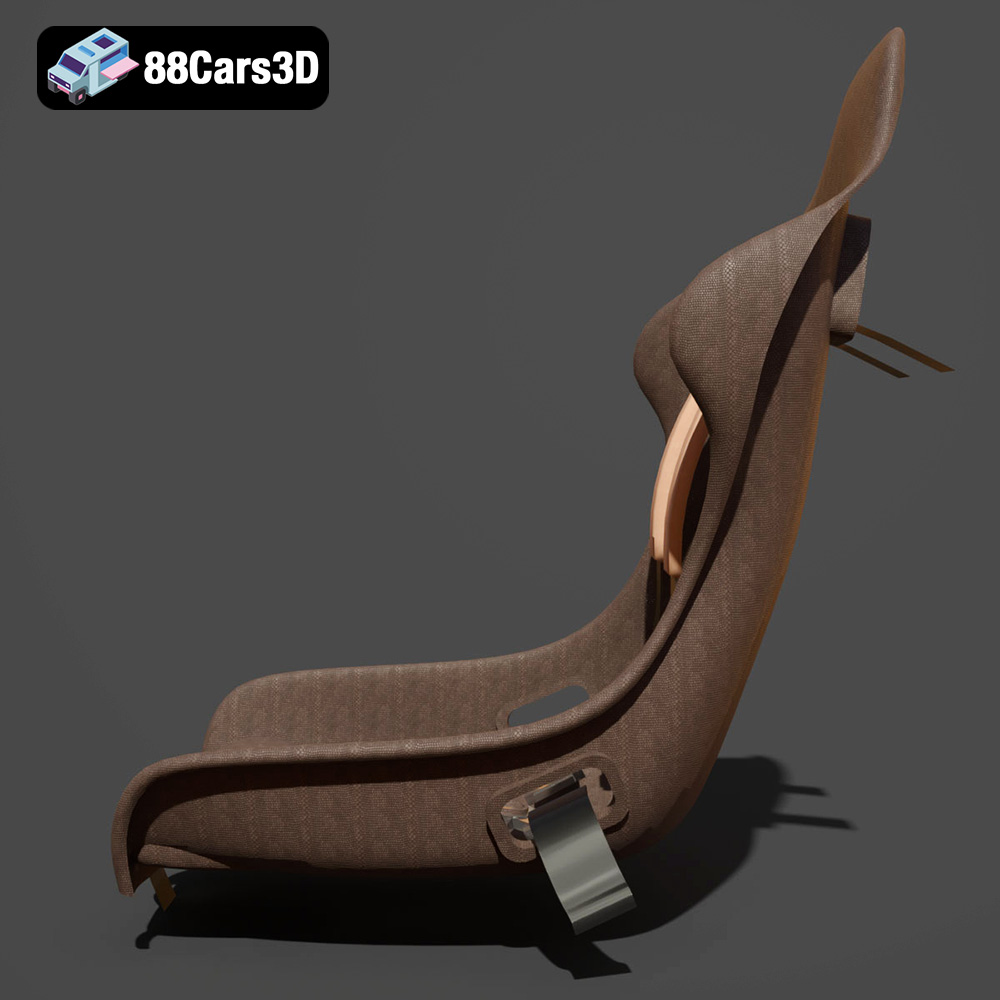
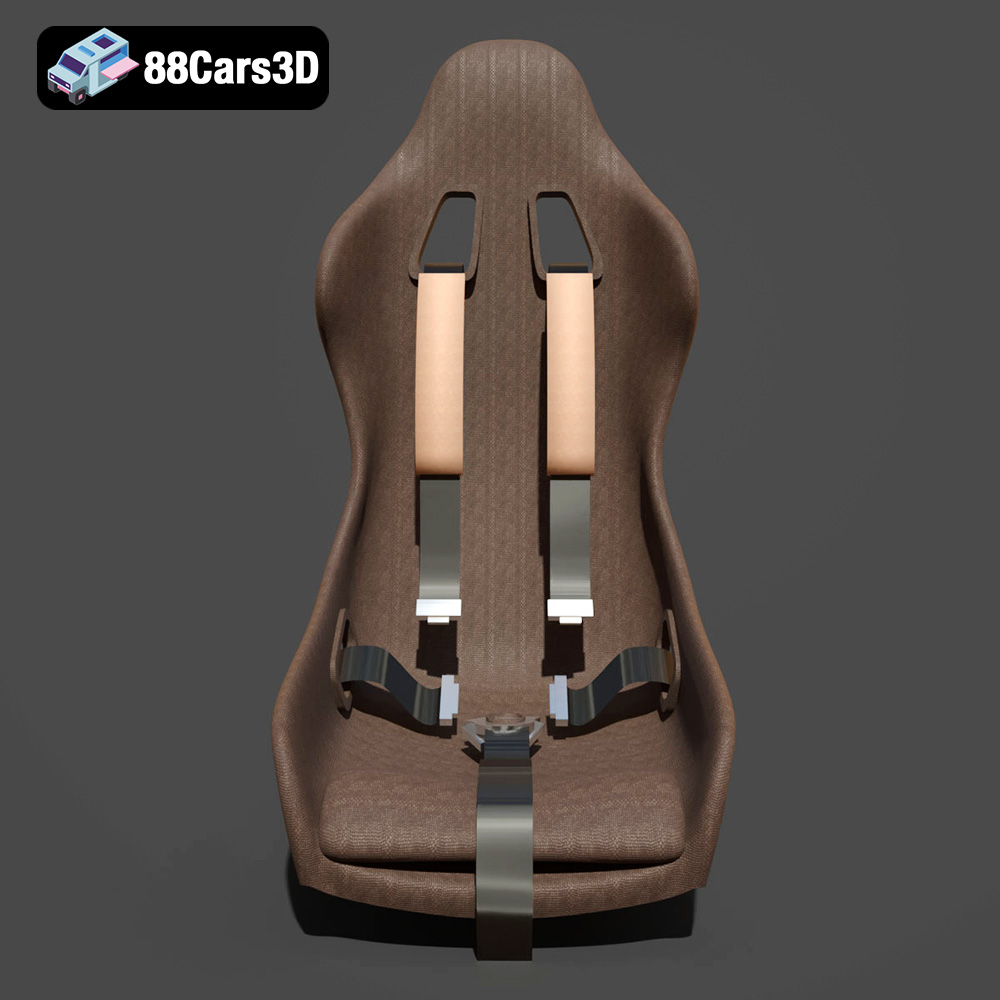
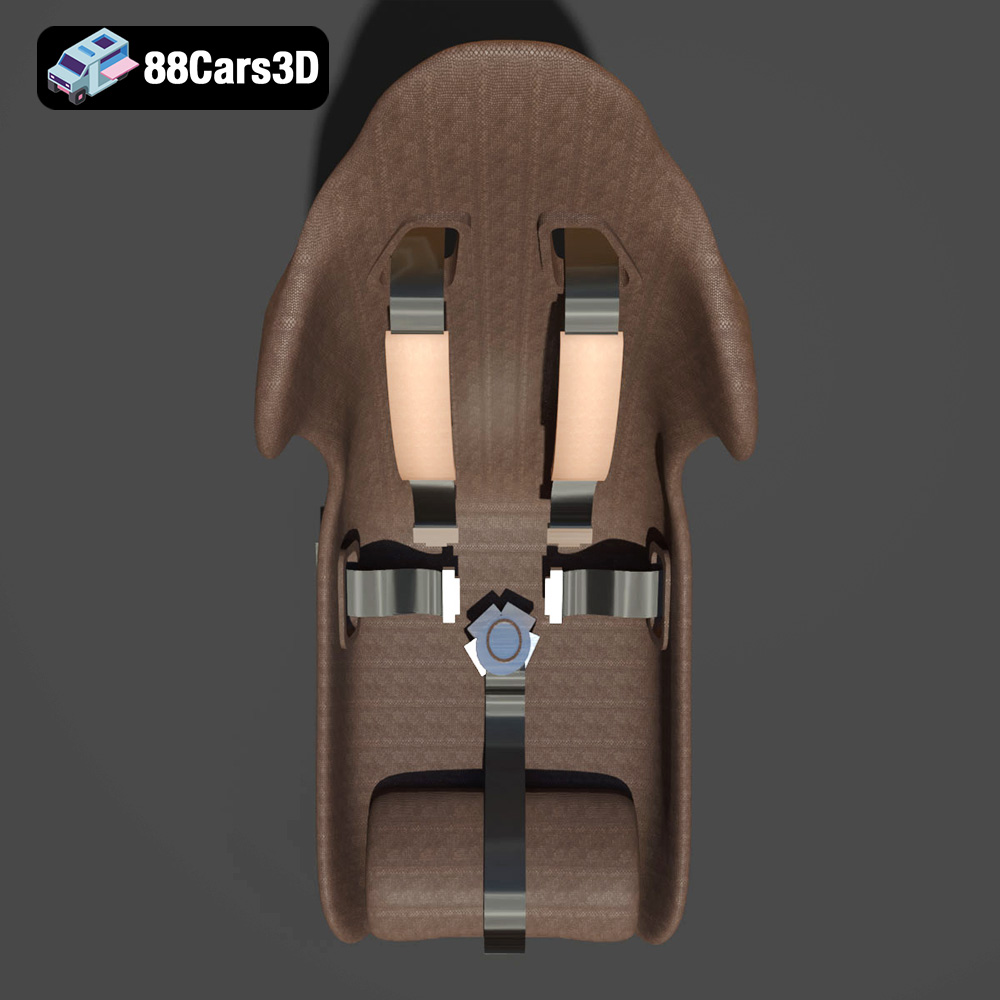
Presenting the Chair2-002 3D Model, a meticulously crafted digital asset designed to bring realism and detail to your architectural visualizations, interior designs, or virtual environments. This model represents a versatile chair with a contemporary aesthetic, featuring clean geometry and balanced detailing that ensures both visual appeal and optimal performance. It is an ideal asset for high-quality rendering, immersive animation, detailed simulation, and efficient game development across various platforms.
$19.99