Get 20% OFF All Premium 3D & STL Models!

The world of 3D visualization and real-time experiences constantly pushes the boundaries of realism and immersion. From cinematic automotive advertisements to interactive game worlds and intricate AR/VR applications, the demand for incredibly detailed and technically sound 3D vehicle models has never been higher. These assets form the backbone of countless projects, bridging the gap between imagination and a tangible digital reality. Developing or acquiring such models requires a deep understanding of 3D pipelines, material science, and optimization techniques.
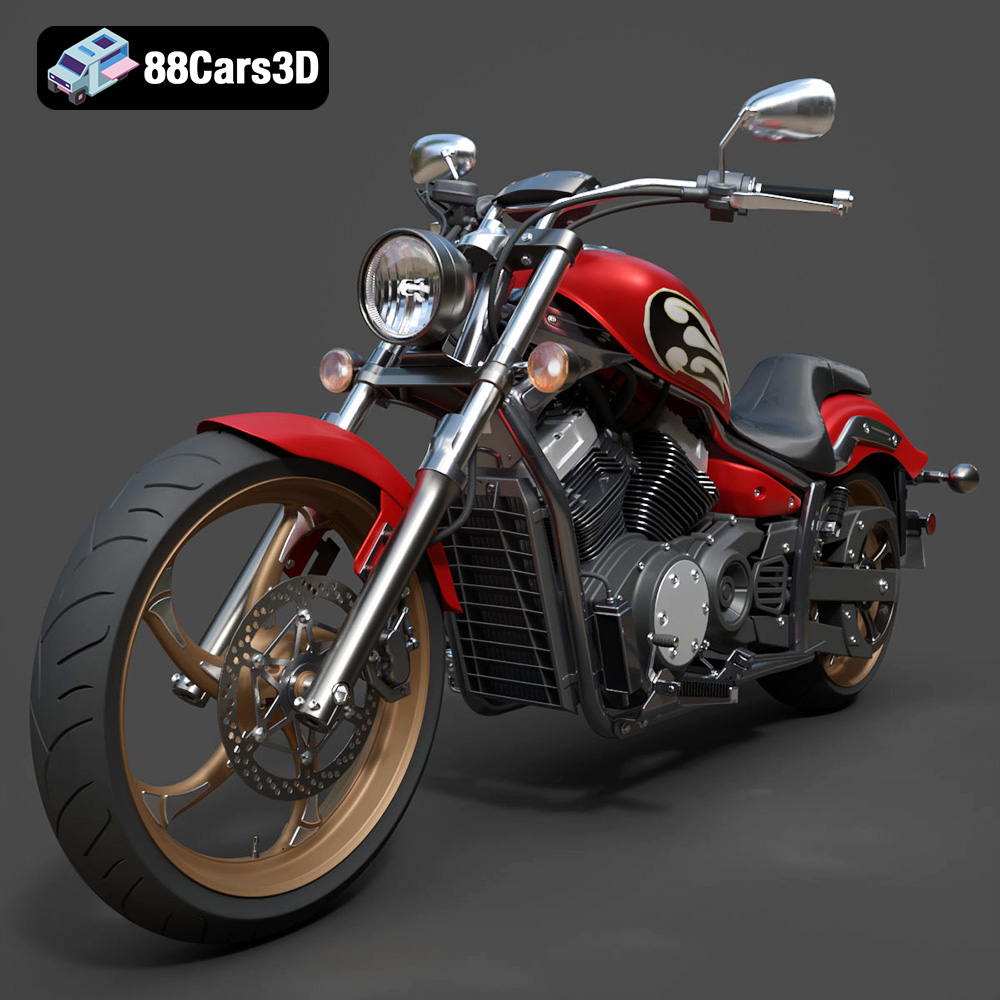
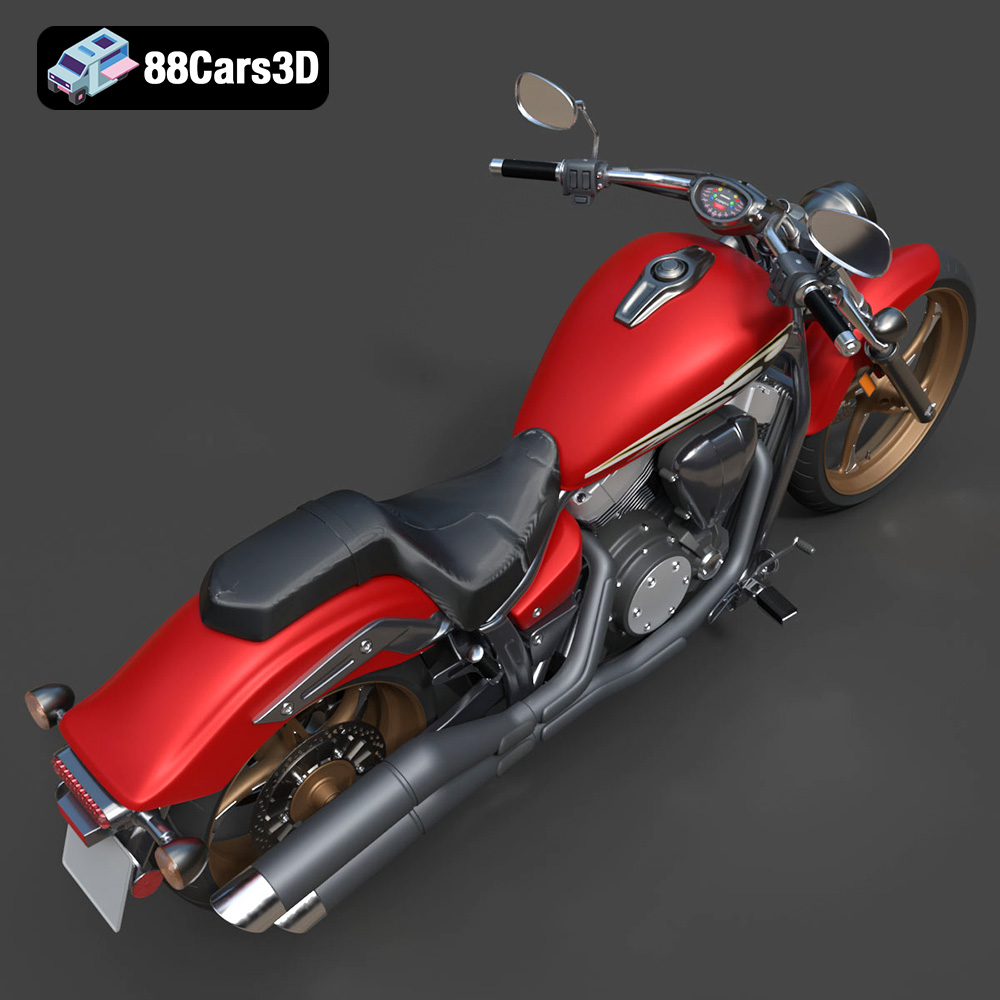
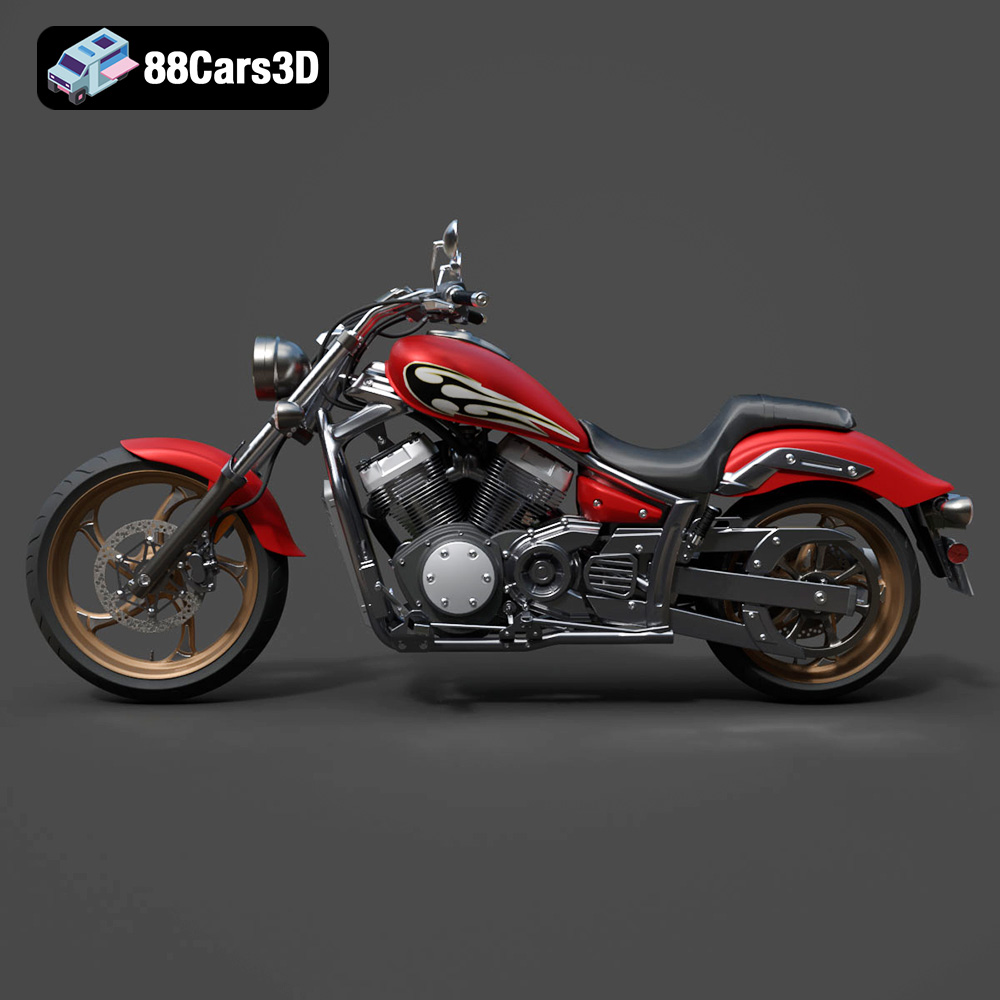
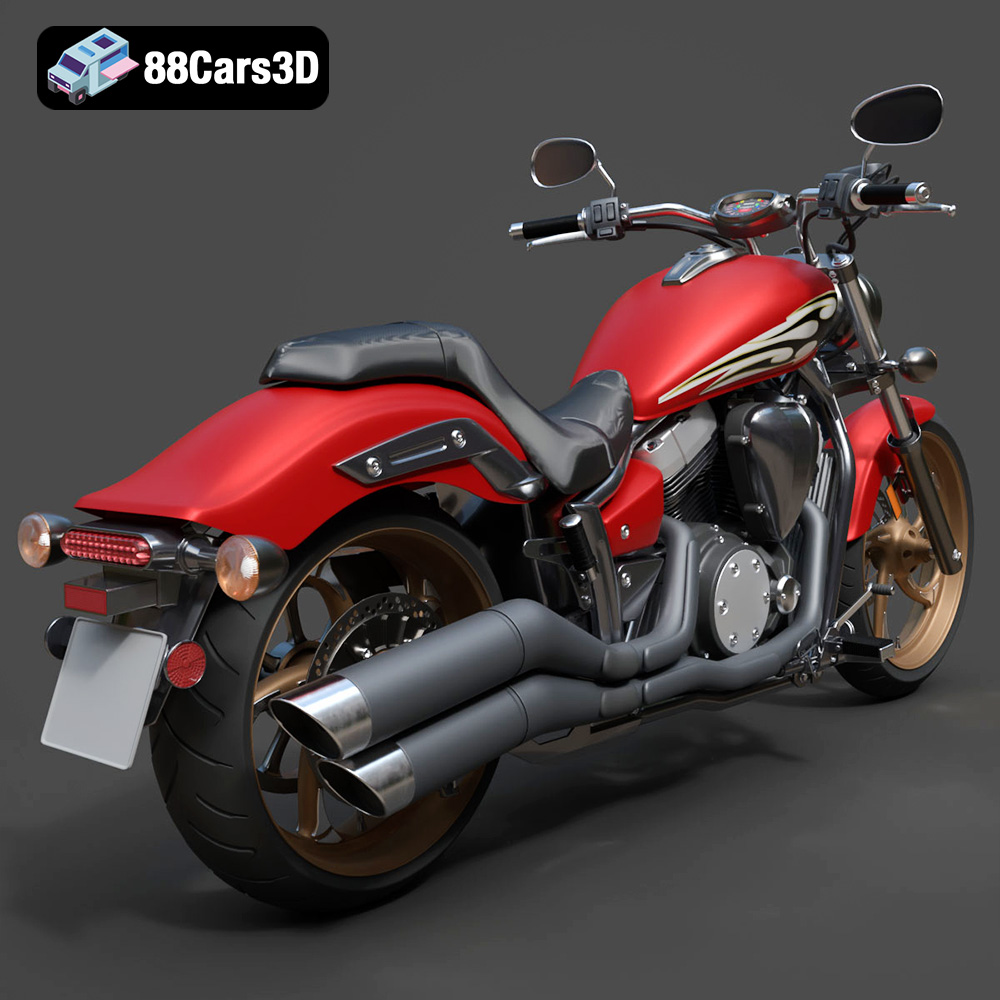
At 88cars3d.com, we specialize in providing professionals with the tools they need to excel. Take, for instance, the Yamaha Stryker 2012 3D model. This isn’t just a digital representation; it’s a meticulously crafted asset that embodies the imposing style and intricate engineering of its real-world counterpart. Developed using precise reference data, it ensures accurate proportions and detailed representation of mechanical components, chrome parts, and custom styling elements. Whether you’re a seasoned visualization artist, a game developer, or an immersive experience designer, understanding the nuances behind such a high-quality asset and its versatile applications is paramount to achieving professional-grade results.
Navigating the diverse landscape of 3D software and platforms requires a foundational knowledge of various file formats. Each format serves specific purposes, offering different levels of flexibility, compatibility, and optimization for distinct workflows. Choosing the correct format is crucial for maintaining data integrity, streamlining pipelines, and ensuring your 3D assets perform as expected.
The .blend format is Blender’s native file type, encapsulating an entire Blender scene with all its data, including meshes, materials, textures, lighting setups, cameras, animations, physics simulations, and custom node configurations. It’s a powerful, self-contained package that provides maximum flexibility for artists working within Blender. For the Yamaha Stryker 2012 3D model, the .blend file includes editable geometry, PBR material setups, and potentially a basic studio lighting environment, allowing for immediate rendering or further customization. It’s ideal for those who wish to deeply integrate the model into a Blender-centric workflow, modifying meshes, adjusting shaders, or animating the motorcycle’s components with ease.
Autodesk’s .fbx (Filmbox) format has become a de facto standard for exchanging 3D data between various applications, especially within game development and animation pipelines. It supports geometry, materials, textures (often embedded or referenced), animations, skeletal data, and blend shapes. The .fbx format is highly optimized for game engines like Unreal Engine and Unity, making it a critical choice for assets like the Yamaha Stryker 2012 3D model destined for real-time environments. While generally robust, users should be mindful of scale differences between software and potential material conversion issues, which often require re-linking textures or re-building shaders in the target engine.
The .obj (Wavefront OBJ) format is one of the oldest and most widely supported 3D file formats, known for its simplicity and universality. It primarily stores geometric data (vertices, faces, normals, UV coordinates) and can reference external material (.mtl) files for basic color and texture information. While it lacks support for animations or advanced material properties, its widespread compatibility makes it an excellent choice for cross-software transfers where pure geometry is the priority. The Yamaha Stryker 2012 3D model in .obj format provides a clean mesh that can be imported into virtually any 3D application for rendering, sculpting, or re-texturing.
.glb (GLB format, an extension of glTF 2.0) is a modern, royalty-free format designed for efficient transmission and loading of 3D scenes and models by engines and applications. It packages textures, animations, and other assets into a single binary file, making it highly optimized for web-based viewers, AR (Augmented Reality), and VR (Virtual Reality) experiences. Its compact size and PBR material support ensure that the Yamaha Stryker 2012 3D model can be seamlessly integrated into interactive web configurators, mobile AR apps, or lightweight VR presentations, delivering visual fidelity without heavy data loads.
The .stl (Stereolithography) format is the industry standard for 3D printing. It represents 3D surfaces as a series of connected triangles, making it suitable for manufacturing processes that rely on slicing models into layers. It does not carry color, texture, or material information, focusing solely on the object’s geometry. For the Yamaha Stryker 2012 3D model, the .stl file would be a clean, manifold mesh ready for prototyping, scale model production, or creating physical representations of the digital asset. Designers need to ensure the mesh is watertight and has no self-intersections for successful prints.
The .ply (Polygon File Format) is another popular format for storing 3D data, particularly in fields like computer graphics, CAD, and scientific visualization. It can store a wider range of properties than .obj, including color, transparency, surface normals, and texture coordinates per vertex or per face. This makes it a robust choice for models requiring precision for analysis or specialized rendering, such as scanning data or complex engineering components. For the Yamaha Stryker 2012 3D model, a .ply export could be used for detailed inspection or integration into niche CAD/CAM workflows.
The .unreal format signifies an asset specifically pre-configured for direct import and optimal performance within Unreal Engine. This often implies that the asset has undergone a series of optimizations: LOD (Level of Detail) meshes created, collision meshes generated, PBR materials properly set up as Unreal material instances, and possibly even skeletal rigging for interactive elements. The Yamaha Stryker 2012 3D model’s .unreal file dramatically reduces setup time for game developers, offering a truly plug-and-play experience, ensuring that the model maintains its visual integrity and performance within the demanding real-time environment.
The .max format is Autodesk 3ds Max’s native project file. Similar to .blend, it contains the complete scene data, including geometry, materials, textures, lighting, cameras, animation keyframes, and modifiers specific to 3ds Max. This format offers full editability and control for users within the 3ds Max ecosystem, which is highly prevalent in architectural visualization, product design, and cinematic rendering. The .max file for the Yamaha Stryker 2012 3D model provides artists with the ultimate flexibility for high-end rendering, complex animation sequences, or integrating the motorcycle into large-scale arch-viz scenes.
Photorealistic automotive rendering is a highly specialized discipline, demanding both artistic flair and a deep technical understanding of light, materials, and composition. For a model like the Yamaha Stryker 2012 3D model, achieving stunning visuals goes beyond merely having an accurate mesh; it involves a sophisticated interplay of PBR materials, advanced lighting techniques, and post-processing.
Physically Based Rendering (PBR) has revolutionized the way digital materials interact with light, leading to significantly more believable results. Instead of simply defining diffuse color, PBR systems simulate how light truly behaves on different surfaces. For the Yamaha Stryker 2012 3D model, this means meticulous attention to maps like Albedo (base color), Roughness (micro-surface detail determining specular spread), Metalness (distinguishing between dielectric and metallic surfaces), Normal (adding fine surface detail without extra geometry), and Ambient Occlusion (simulating contact shadows). The chrome parts on the Stryker, for instance, demand a high Metalness value and low Roughness, while painted surfaces will have varying degrees of Roughness and distinct Albedo values. Properly authored PBR textures are crucial for conveying the model’s quality, allowing it to react realistically to any lighting environment.
Lighting is the single most critical factor in achieving photorealism. For automotive rendering, High Dynamic Range Images (HDRIs) are indispensable, providing complex, real-world lighting and reflections that instantly elevate a scene. An HDRI of a studio, an outdoor environment, or a specific time of day can dramatically alter the mood and realism of the Yamaha Stryker. Complementing HDRIs with strategic area lights, spot lights, and fill lights allows for precise control over highlights, shadows, and reflections, emphasizing the motorcycle’s curves and intricate details. Techniques like global illumination (GI) and caustics further enhance realism, simulating how light bounces and refracts through materials, adding depth and visual richness to chrome and glass components.
Even with perfect materials and lighting, a weak composition can undermine the final render. Cinematic camera angles, dynamic perspectives, and thoughtful framing are essential for showcasing the Yamaha Stryker 2012 3D model effectively. Artists often employ real-world camera settings, including depth of field (DoF) to draw attention to specific details, motion blur for dynamic shots, and realistic lens distortions. Post-processing in software like Photoshop or Nuke adds the final layer of polish, with adjustments to color grading, contrast, bloom, lens flares, and vignette effects. These steps can transform a technically accurate render into a captivating visual narrative, bringing the motorcycle to life on screen.
The transition from high-fidelity rendering to real-time game engines introduces a new set of challenges and optimizations. While visual quality is paramount, performance takes center stage. Game assets, including complex vehicles like the Yamaha Stryker 2012 3D model, must be meticulously optimized to run smoothly across various hardware while maintaining visual integrity.
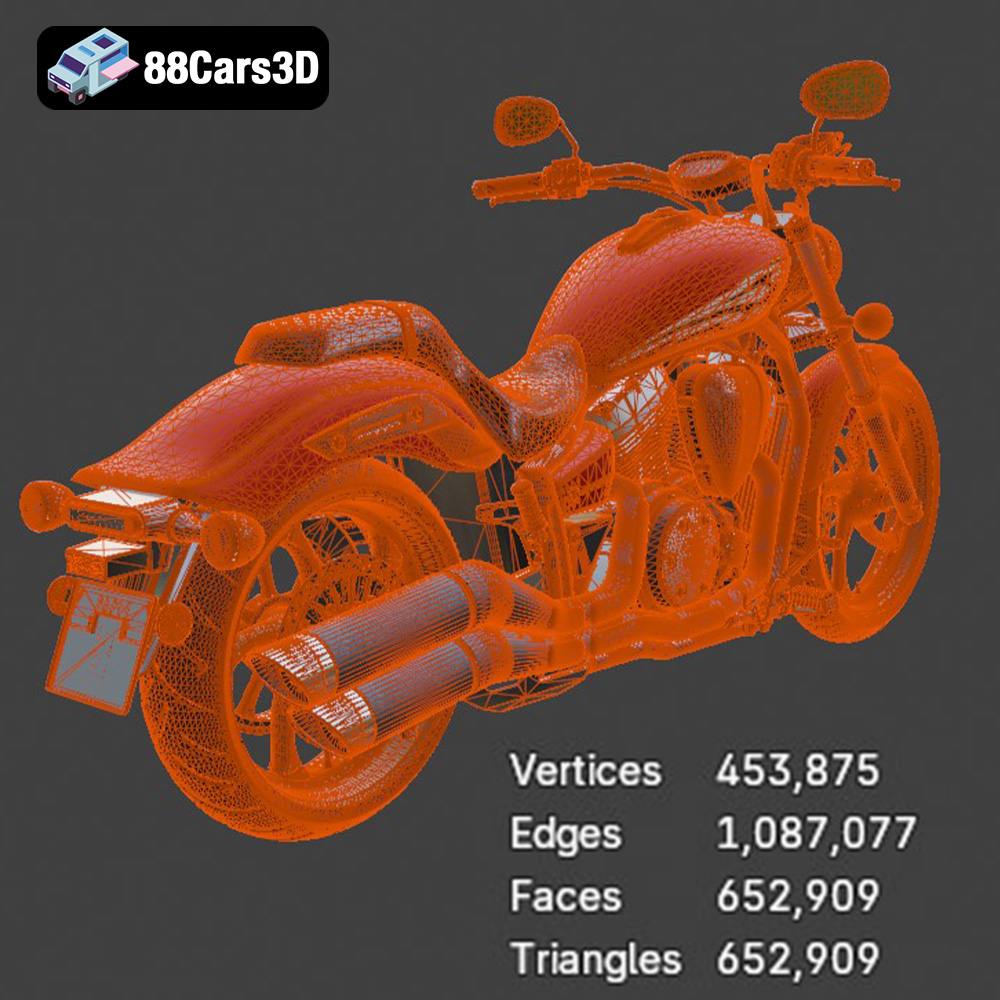
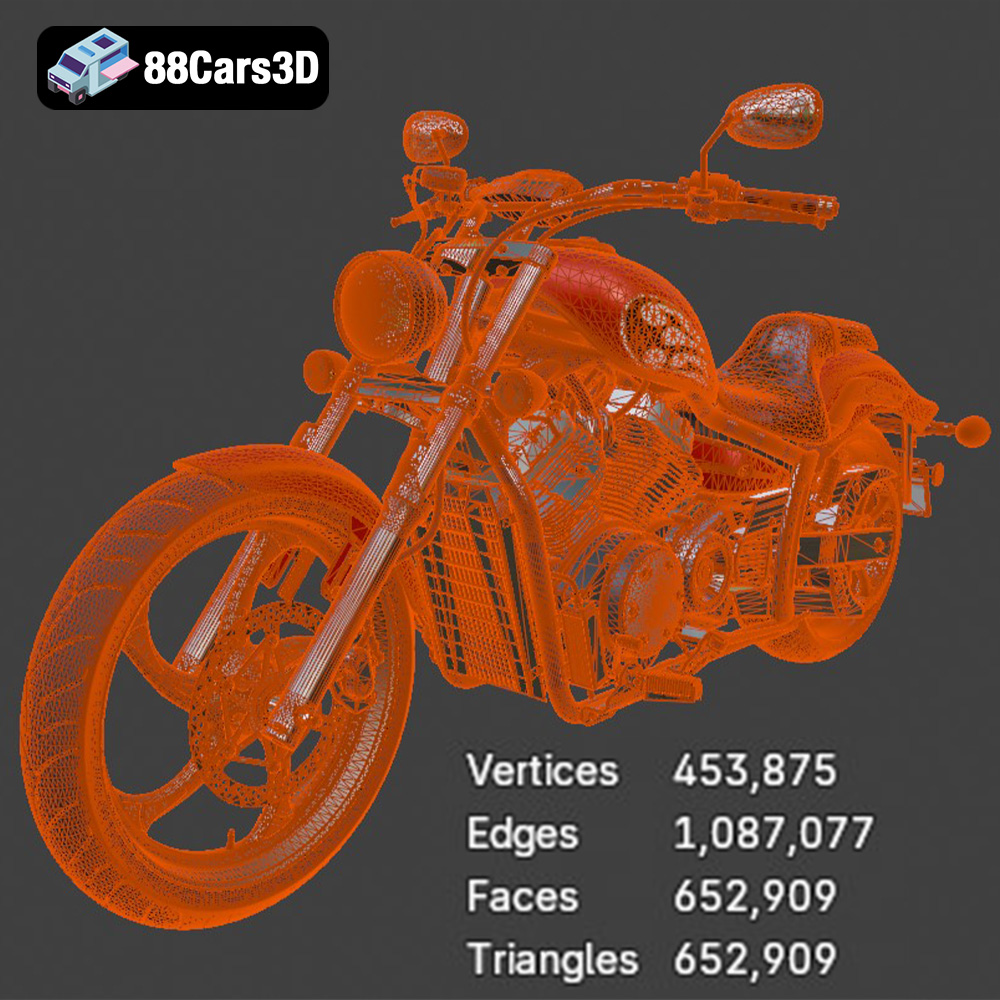
High-polygon meshes, while ideal for cinematic renders, can cripple game performance. Therefore, effective poly count management and the implementation of Level of Detail (LOD) are crucial. A high-quality model like the Yamaha Stryker 2012 3D model typically comes with production-ready geometry that is optimized yet detailed. For game integration, this might involve creating multiple versions of the model: a high-poly version for close-ups, medium-poly for standard distances, and low-poly for far-away shots. Game engines automatically swap between these LODs based on the camera’s distance, ensuring performance without sacrificing visual quality where it matters most. Additionally, efficient UV mapping and non-overlapping UVs are vital for texture atlas creation and baking ambient occlusion or normal maps from high-poly sources.
The PBR materials prepared for rendering software translate remarkably well into modern game engines like Unreal Engine and Unity. However, they need to be implemented correctly within the engine’s shader graph or material editor. This involves importing the various PBR texture maps (Albedo, Normal, Roughness, Metalness, AO) and connecting them to the appropriate material inputs. Often, game developers will create ‘material instances’ from a master PBR material, allowing for quick adjustments to colors, roughness, or other parameters without recompiling the entire shader. For the Yamaha Stryker 2012 3D model, the pre-configured .unreal file format streamlines this process, providing engine-ready materials that deliver photorealistic results straight out of the box, reducing significant setup time for developers.
Beyond visual representation, game assets need to be functional. This means creating accurate collision meshes (often simplified proxy geometry) so the motorcycle interacts realistically with the environment and other objects. For dynamic elements like turning handlebars, spinning wheels, or functioning suspension, the model needs to be properly rigged with an armature (skeleton). This allows for animated movement within the game engine, making the Yamaha Stryker 2012 a truly interactive asset. Furthermore, integrating sound effects, particle systems (e.g., exhaust smoke), and blueprint/scripting logic for driving mechanics elevates the model from a static object to a fully interactive game component. High-quality 3D car models from resources like 88cars3d.com are built with these considerations in mind, making them an excellent starting point for complex game asset development.
The versatility of a well-crafted 3D model extends far beyond traditional rendering and game development. The Yamaha Stryker 2012 3D model, with its precise geometry and optimized formats, is an ideal candidate for cutting-edge applications in augmented reality, virtual reality, professional simulations, and even physical prototyping.
Augmented Reality (AR) and Virtual Reality (VR) demand highly optimized yet visually rich 3D assets to create convincing immersive experiences. The .glb format, included with the Yamaha Stryker 2012 3D model, is specifically tailored for this purpose. Imagine being able to place a life-sized virtual Yamaha Stryker in your driveway using an AR app, walking around it, and examining its details as if it were real. Or, within a VR showroom, users could interact with the motorcycle, changing its paint scheme or seeing how its components articulate. These applications require models with efficient topology, baked textures, and optimized PBR materials to ensure smooth frame rates and realistic rendering in real-time AR/VR engines, making the Stryker model a valuable asset for virtual showrooms, interactive product showcases, and training simulations.
In industries ranging from automotive design to military training, high-fidelity 3D models serve as core components of sophisticated simulation systems. A precise model like the Yamaha Stryker 2012 can be integrated into driving simulators to teach riders about vehicle dynamics, handling, and safety procedures in a controlled virtual environment. Beyond training, the concept of a “digital twin” utilizes accurate 3D models to represent physical objects in a virtual space, allowing for real-time monitoring, analysis, and predictive maintenance. Engineers could use such a model for virtual assembly testing, ergonomic studies, or even crash simulations, leveraging its accurate proportions and detailed mechanical representation for critical decision-making.
The journey from a digital model to a physical object is facilitated by 3D printing, and for this, the .stl format is king. The Yamaha Stryker 2012 3D model can be exported as a clean, watertight .stl file, ready for additive manufacturing. This enables the creation of scale models, prototypes, or even custom parts. Designers can physically evaluate the motorcycle’s form, test aesthetic concepts, or produce unique collectible items. For larger, more complex prints, the model might need to be sectioned and reassembled, but the fundamental accuracy and detail of the original digital asset ensure that the physical output faithfully represents the virtual design.
In the fast-paced world of digital content creation, time is money. Developing a complex 3D vehicle model from scratch can take hundreds of hours of a skilled artist’s time, involving meticulous modeling, UV unwrapping, texturing, and optimization. This is where pre-made, production-ready assets demonstrate their immense value, especially for projects with tight deadlines and high quality standards.
Imagine a studio tasked with creating a photorealistic advertisement for a new motorcycle or integrating a cruiser into an open-world game. Starting with a blank canvas would incur significant costs and delays. By utilizing a production-ready asset like the Yamaha Stryker 2012 3D model from 88cars3d.com, studios can instantly gain access to a fully modeled, textured, and optimized asset. This immediately saves weeks, if not months, of development time. Artists can jump straight into scene composition, lighting, animation, or engine integration, drastically accelerating the project timeline and reducing overall expenditure. The included range of file formats further streamlines this, providing ready-to-use versions for Blender, 3ds Max, Unreal Engine, and more.
Maintaining a consistent level of quality across multiple projects and assets can be challenging. Leveraging pre-made professional 3D car models ensures that a high baseline standard is met from the outset. The Yamaha Stryker 2012 3D model, developed with precise reference data and meticulous attention to detail, guarantees accurate proportions and a visually authentic representation. This consistency is vital for brand integrity in marketing materials or for maintaining immersion in a game environment. The use of PBR materials means the model will render consistently across different modern engines, delivering reliable, photorealistic results that meet professional expectations.
The true advantage of acquiring a high-quality asset is freeing up artists to focus on what they do best: creative direction, storytelling, and refining the overall experience. Instead of spending countless hours modeling bolts, chrome details, and exhaust pipes, artists can dedicate their energy to crafting compelling animations, designing interactive gameplay mechanics, or perfecting cinematic camera movements around the Yamaha Stryker 2012. This shift from tedious technical work to creative problem-solving ultimately leads to more innovative and engaging final products, maximizing the potential of both the artists and the project.
The digital realm thrives on detail, accuracy, and efficiency. Whether you’re crafting a breathtaking automotive advertisement, building an immersive game world, or designing the next generation of AR/VR experiences, the quality of your 3D assets is paramount. The Yamaha Stryker 2012 3D model exemplifies the gold standard for high-fidelity vehicle assets, offering production-ready geometry, meticulously set up PBR materials, and versatile file formats tailored for a wide array of professional applications.
From the nuanced specifics of different 3D file formats like .blend, .fbx, and .unreal, to the intricate science behind photorealistic rendering and the critical optimizations required for real-time engines, every aspect contributes to the overall success of a project. By investing in expertly crafted 3D car models, designers and developers can significantly accelerate their workflows, ensure professional-grade quality, and dedicate their valuable time to innovative creative pursuits. For those seeking to elevate their digital projects with exceptional vehicle models, exploring the curated selection at 88cars3d.com is a definitive step towards achieving unparalleled realism and efficiency.
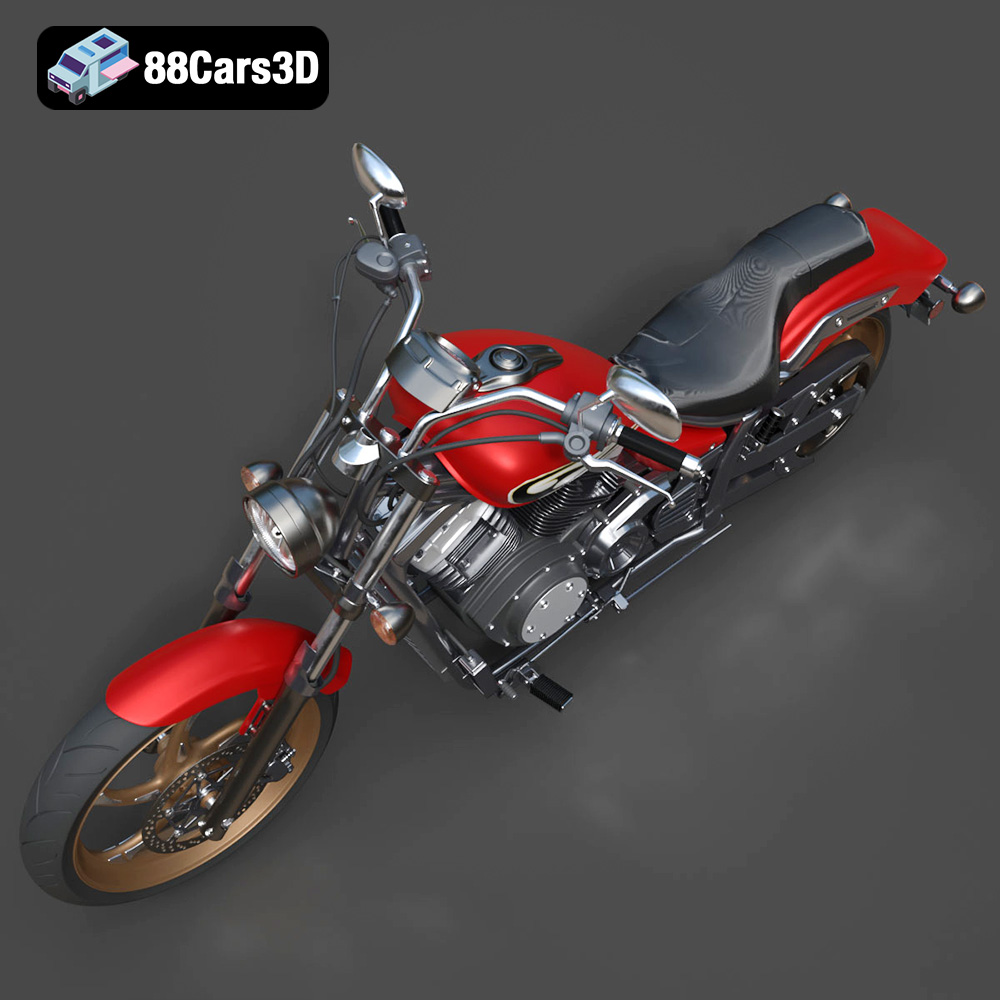
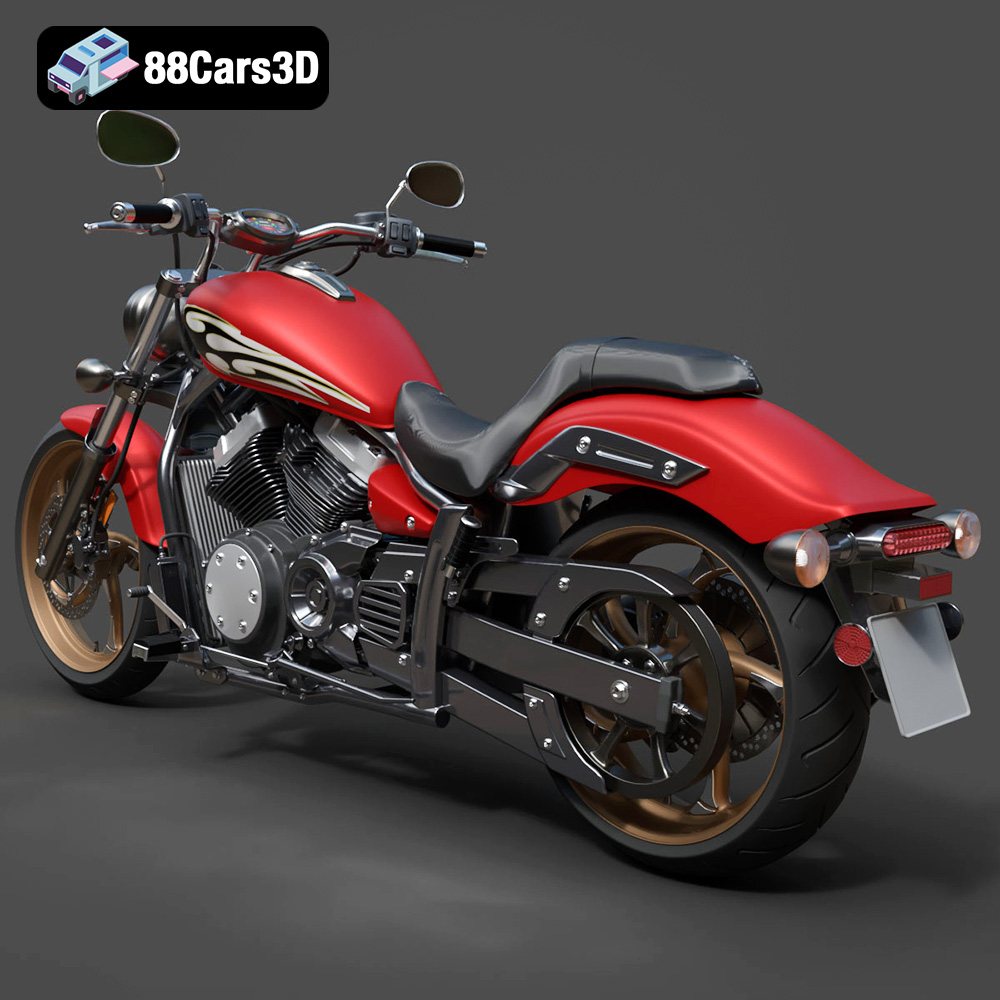
The Yamaha Stryker 2012 3D model captures the imposing style and intricate engineering of this modern cruiser motorcycle. Developed using precise reference data, this asset ensures accurate proportions and detailed representation of mechanical components, chrome parts, and custom styling elements, making it suitable for professional visualization projects. This asset features production-ready geometry optimized for performance across various platforms. Surfaces are meticulously modeled, and PBR (Physically Based Rendering) materials are set up to deliver photorealistic results in any modern rendering engine. The model provides a robust foundation for close-up shots and high-resolution outputs. Designed for versatility, the Yamaha Stryker 2012 3D model is ideal for various commercial and creative applications, including architectural visualization, cinematic rendering, immersive AR/VR experiences, simulation training, and integrating detailed vehicle assets into game environments like Unreal Engine and Unity.
$19.99
.arvr
.bike
.bike3dmodel
.blend
.chopper
.cruiser
.fbx
.gameasset
.glb
.max
.motorcycle
.obj
.ply
.rendering
.simulation
.stl
.stryker
.unreal
.yamaha