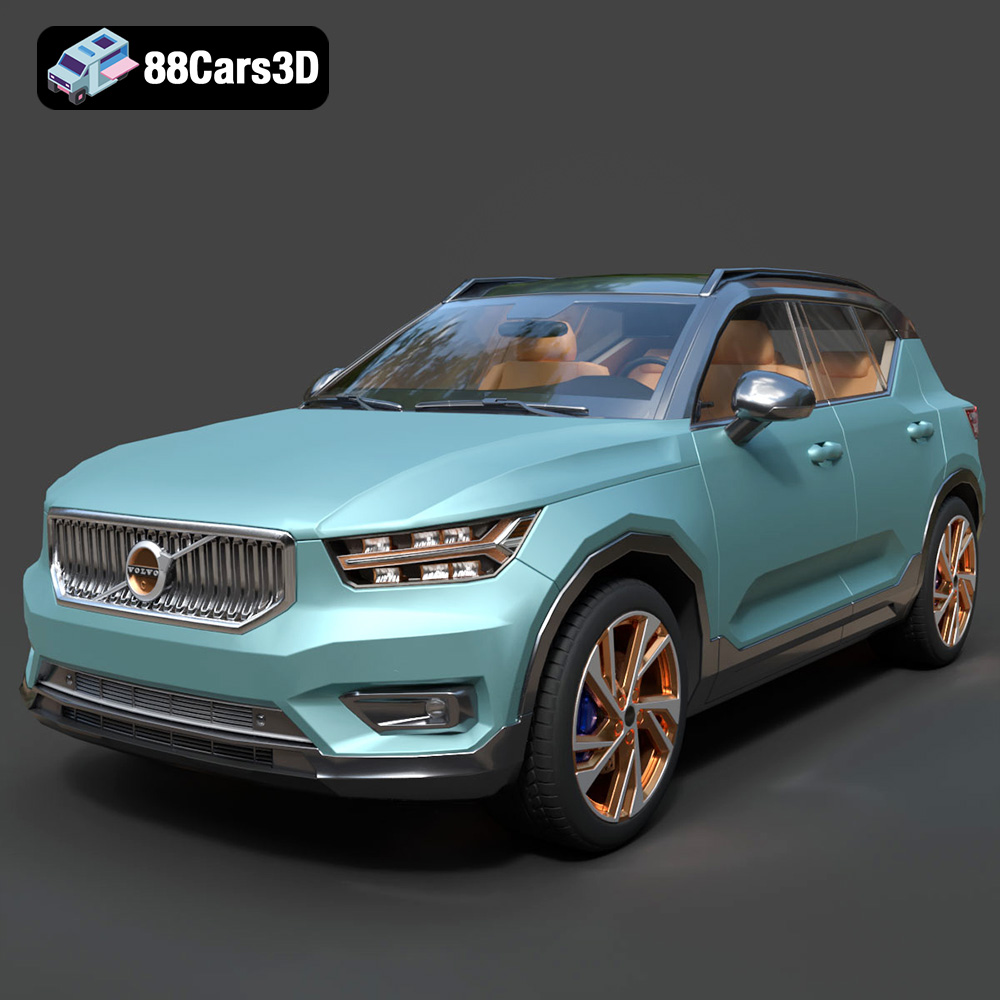
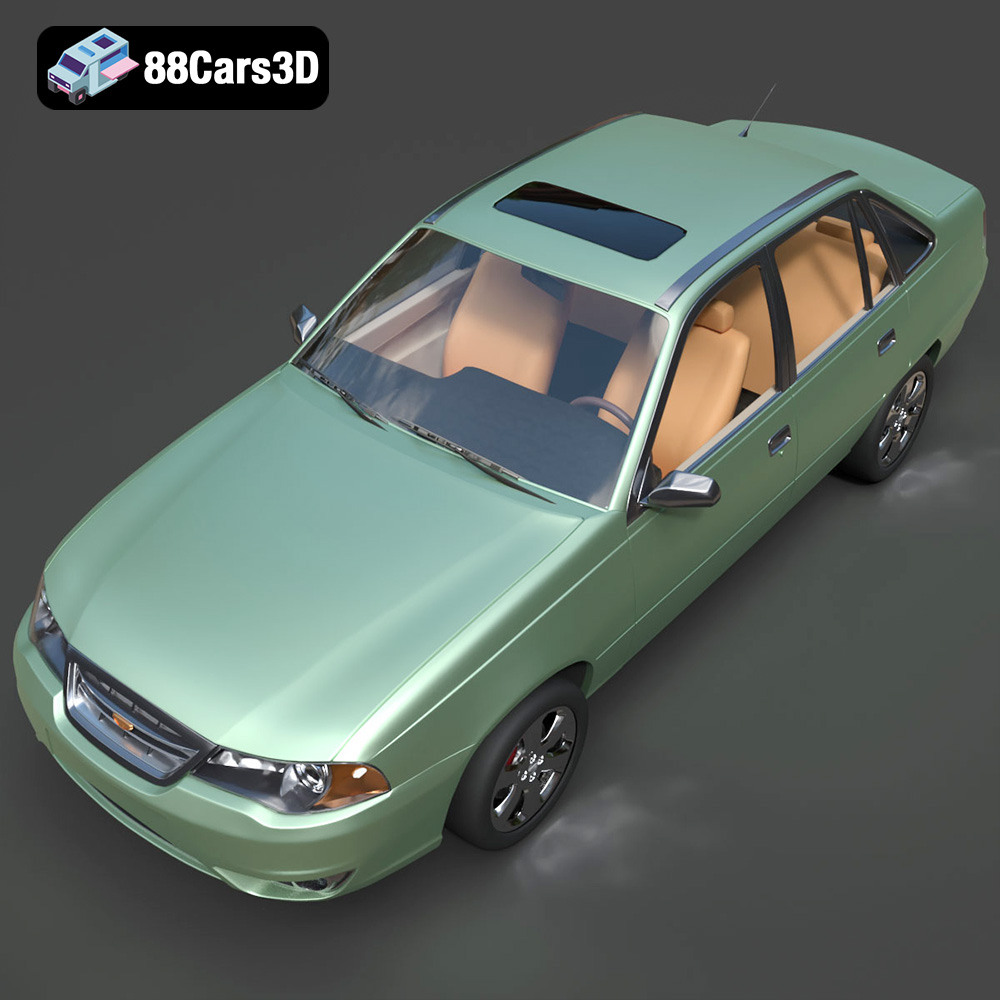
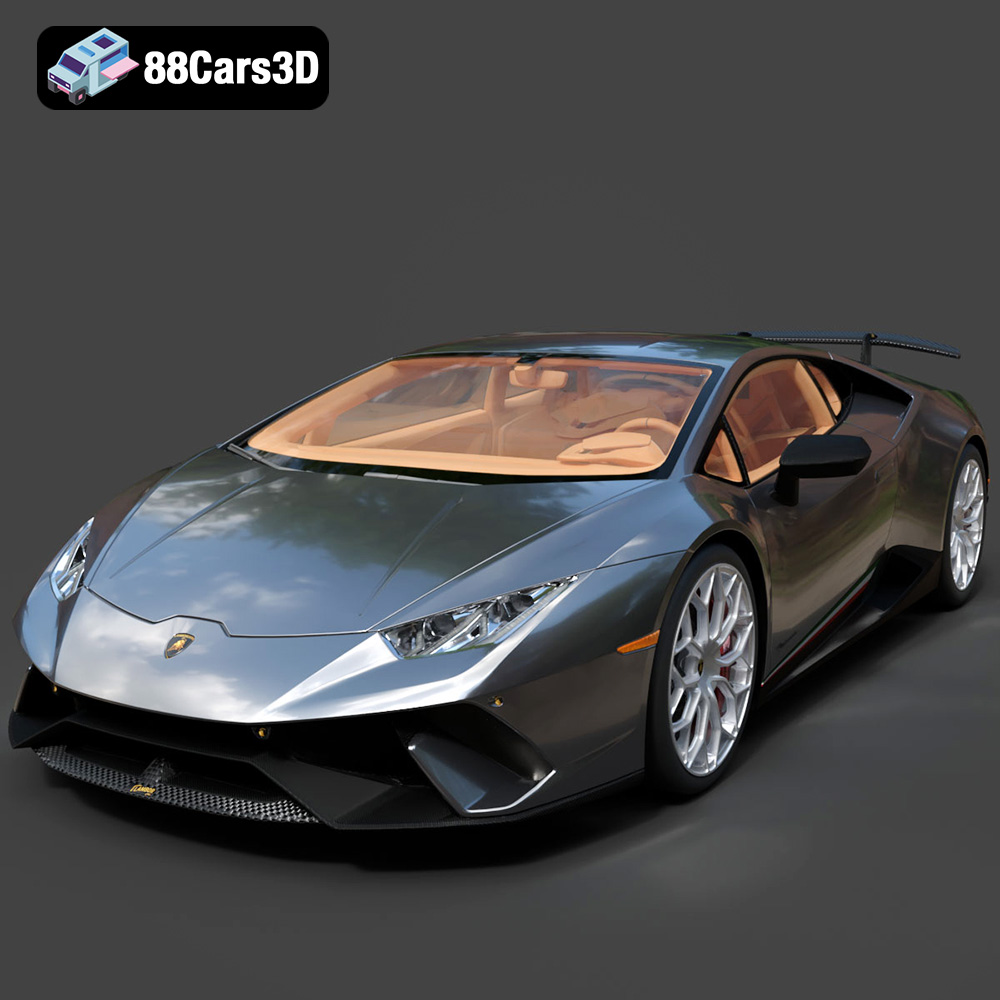
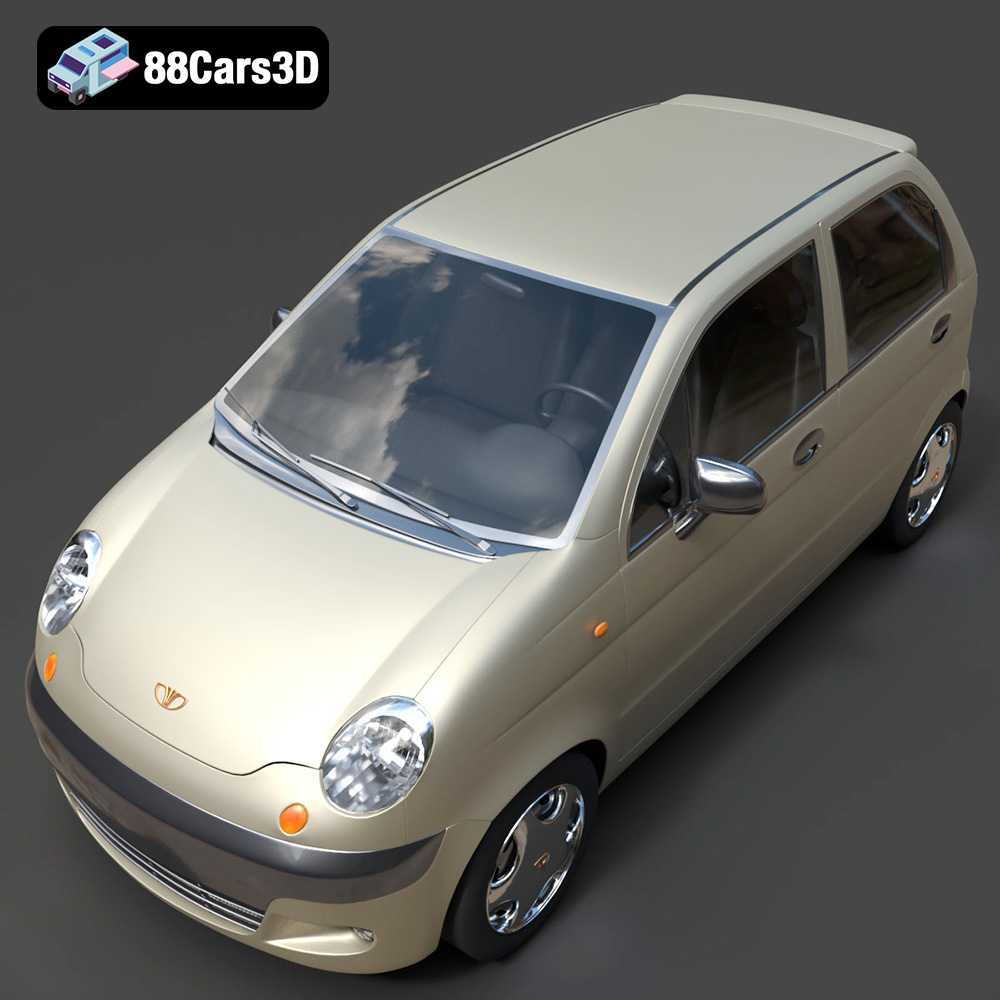
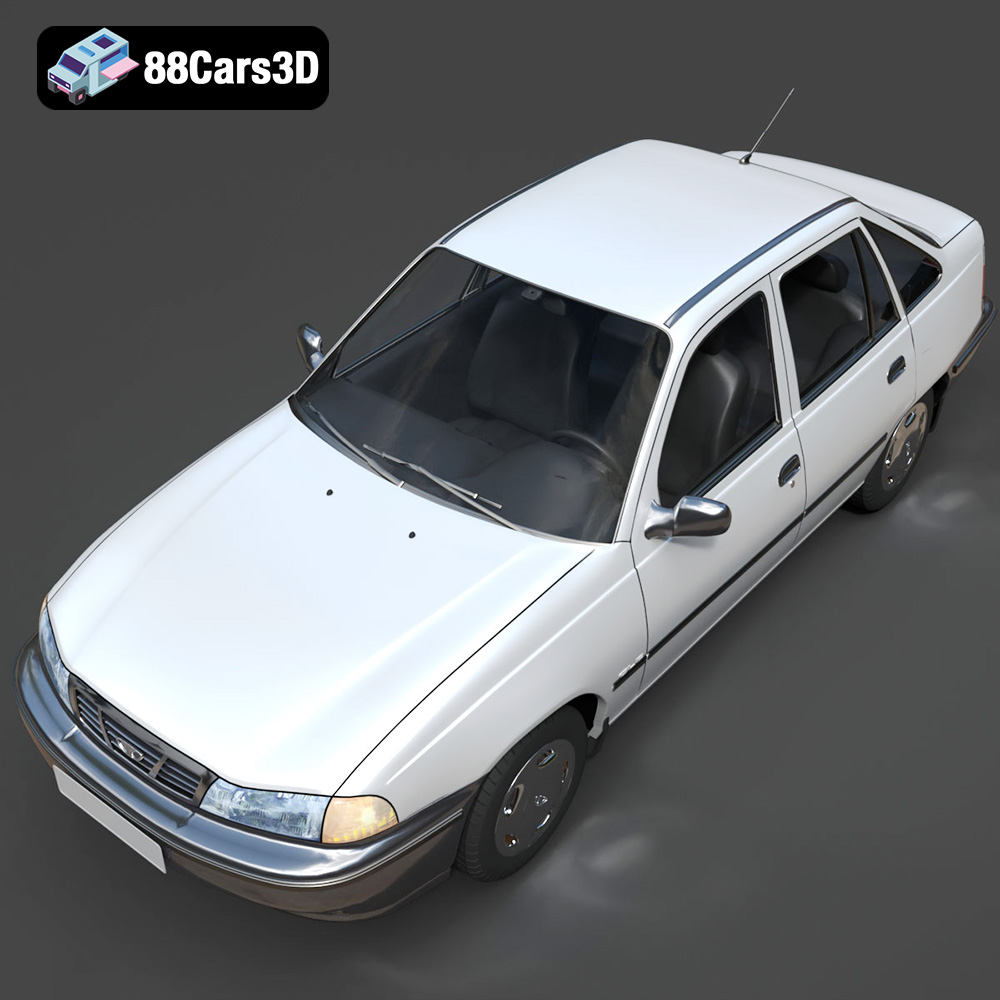
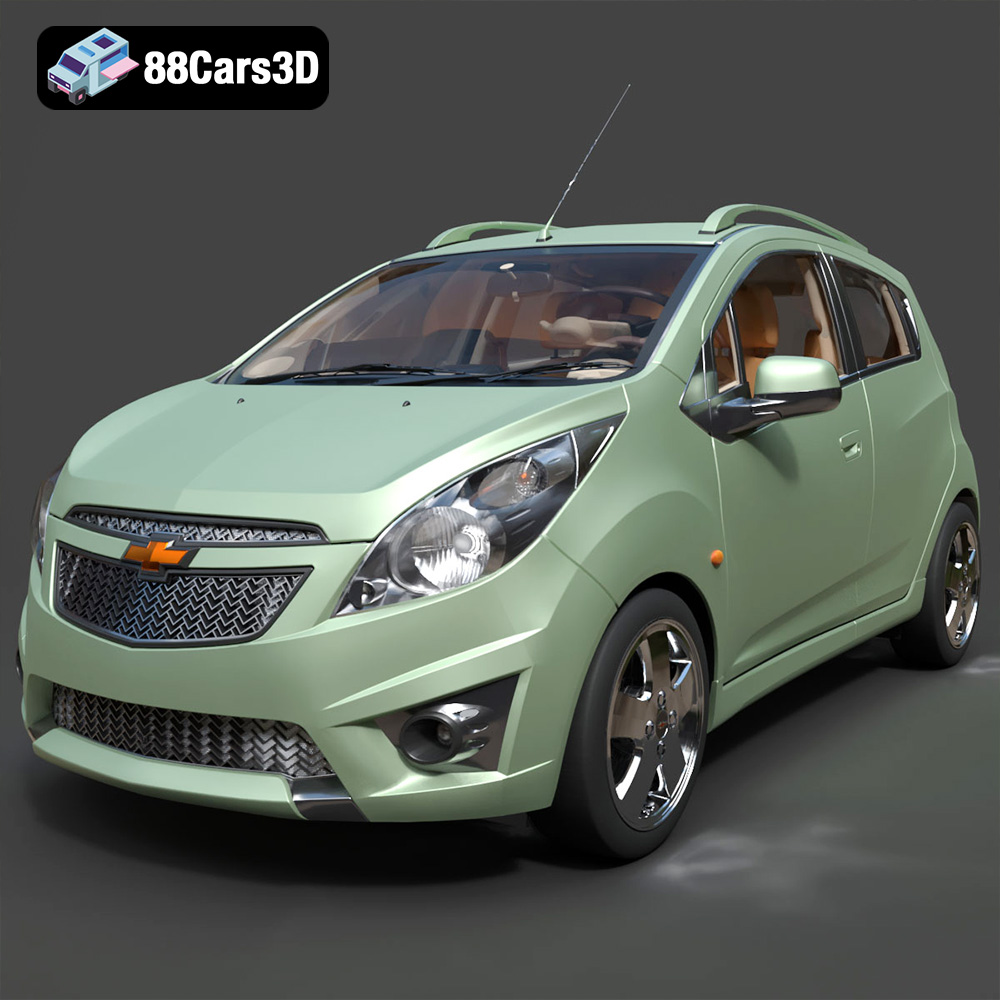
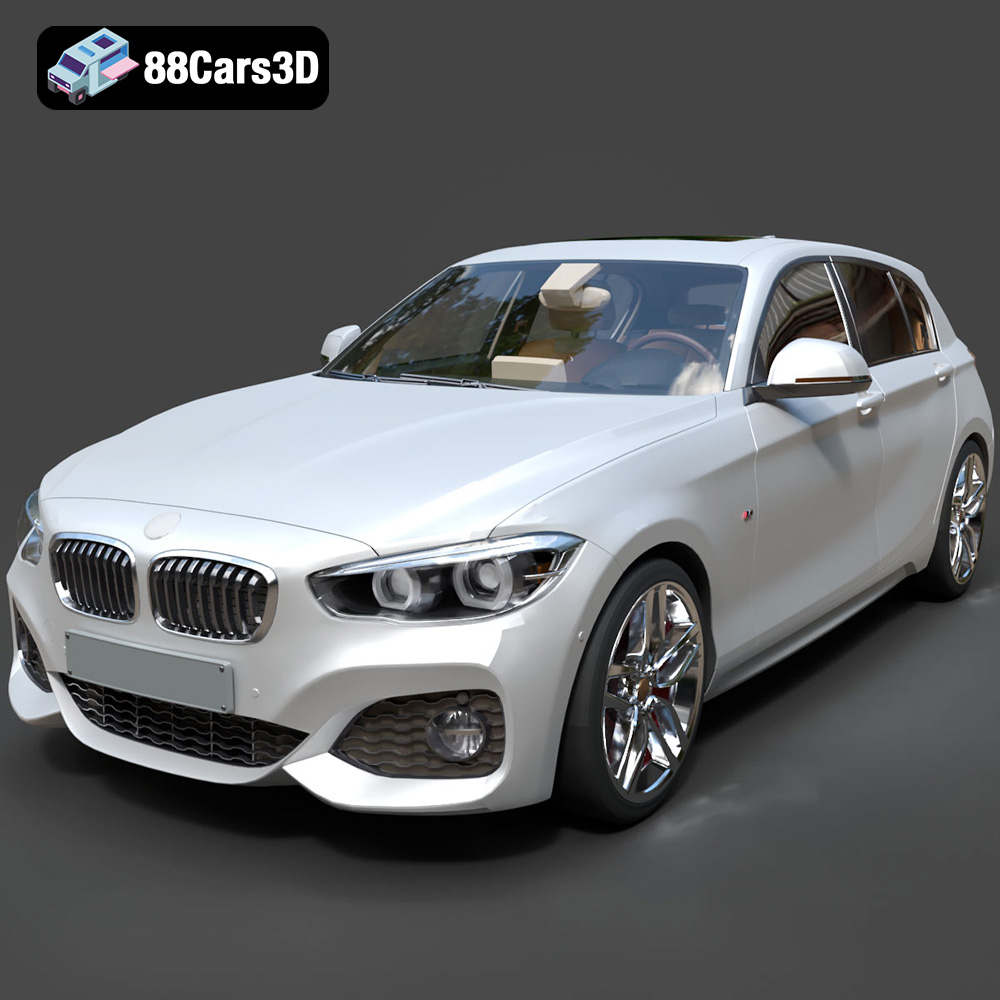
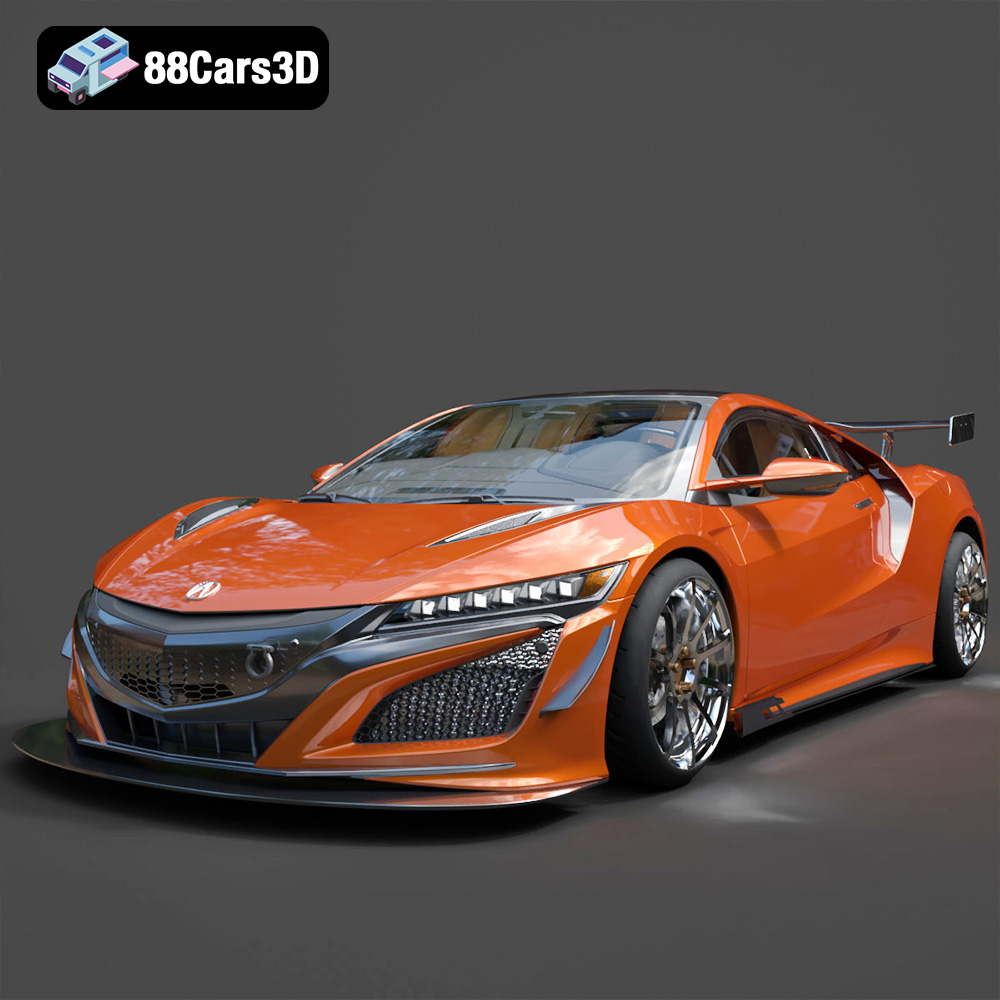
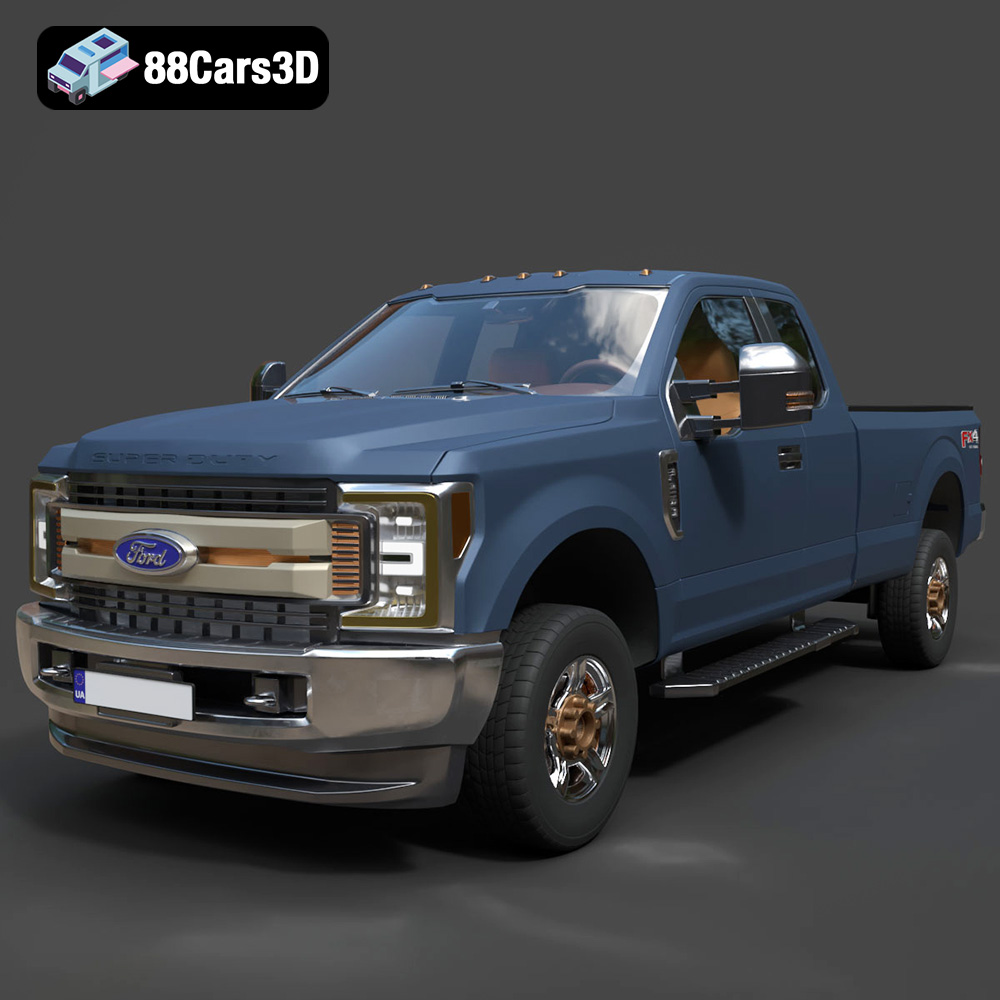
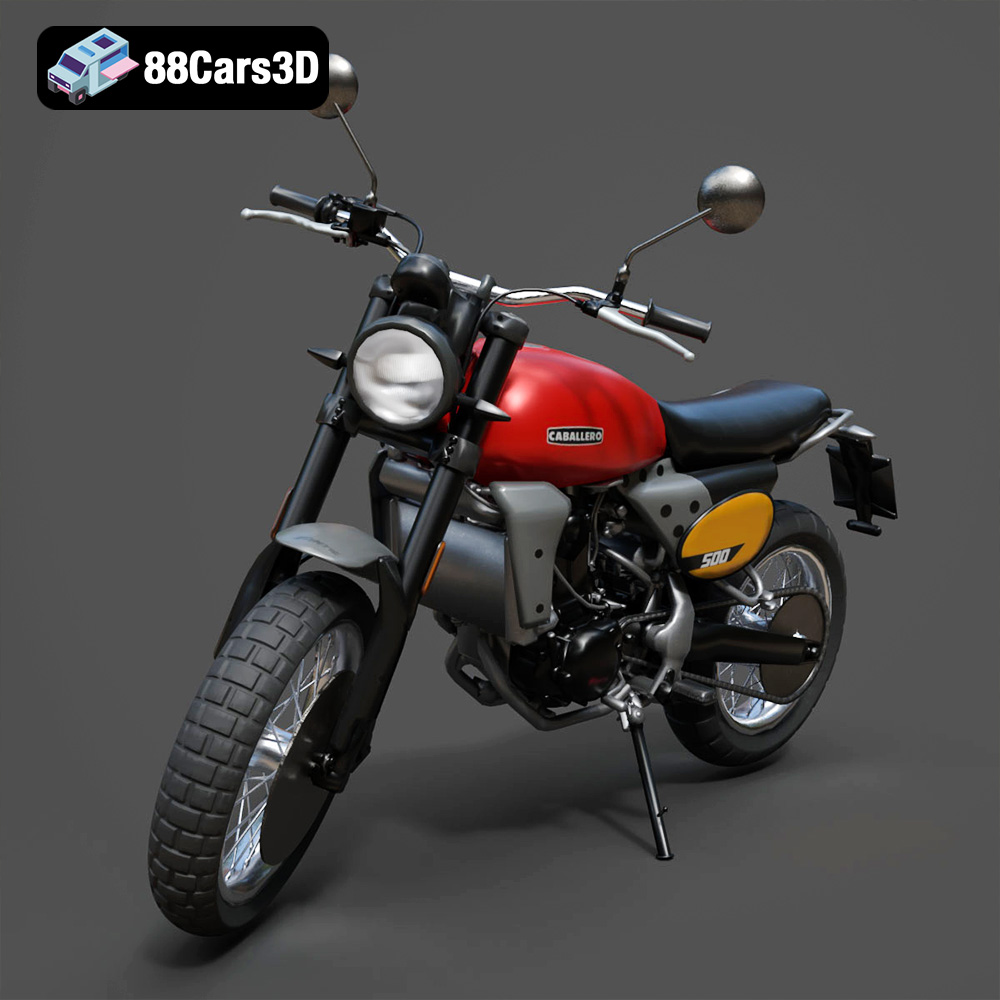
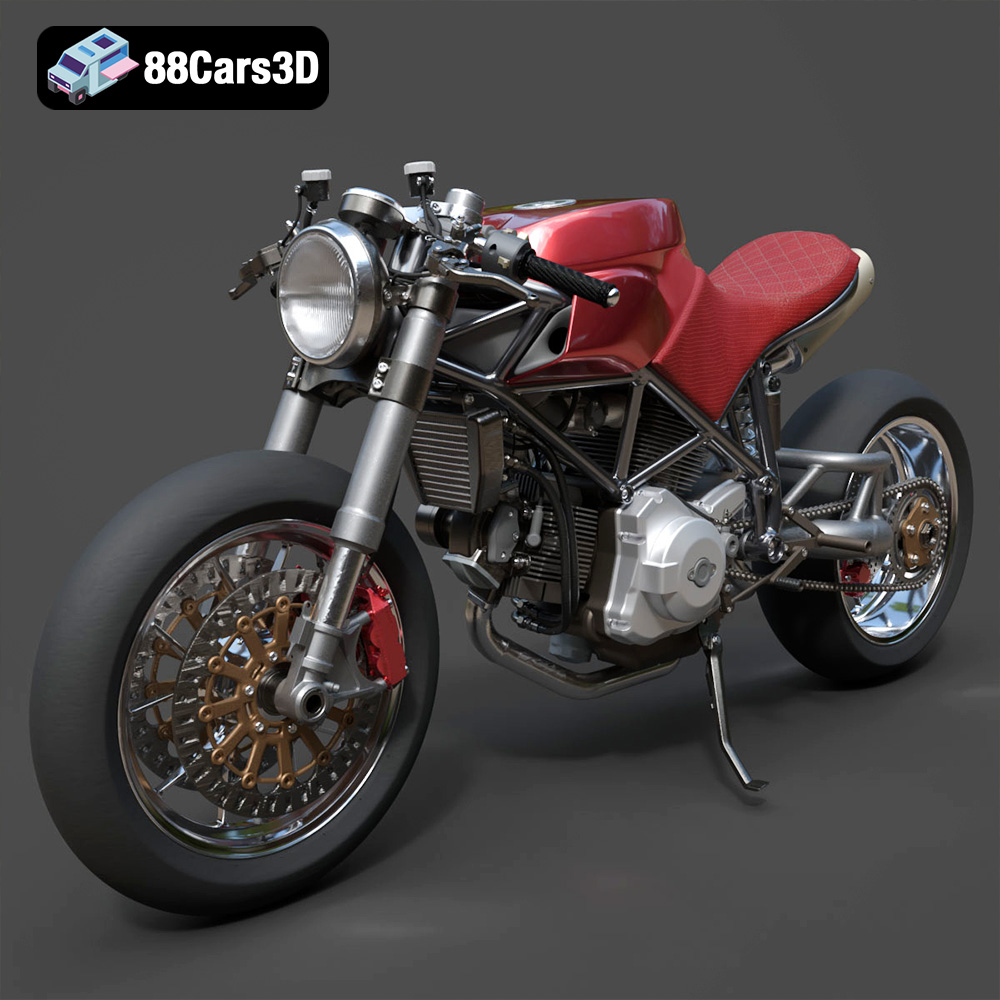
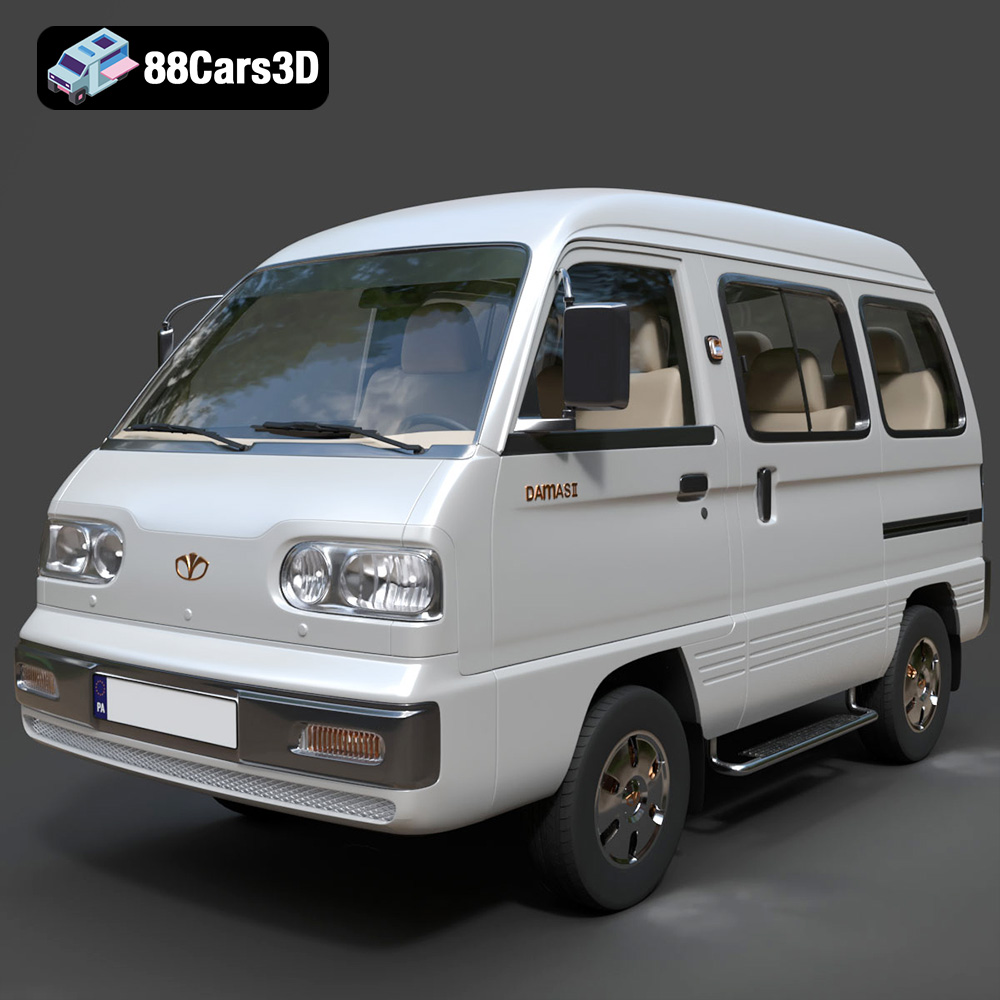
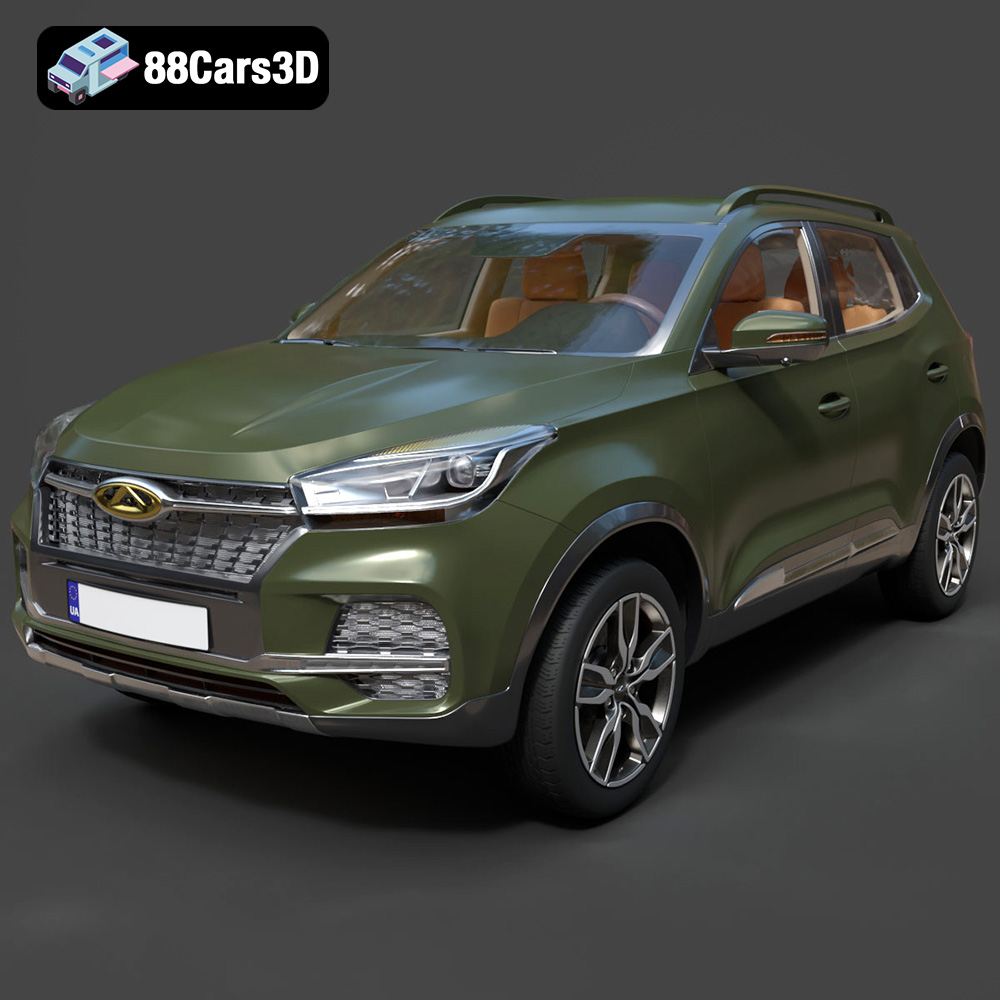
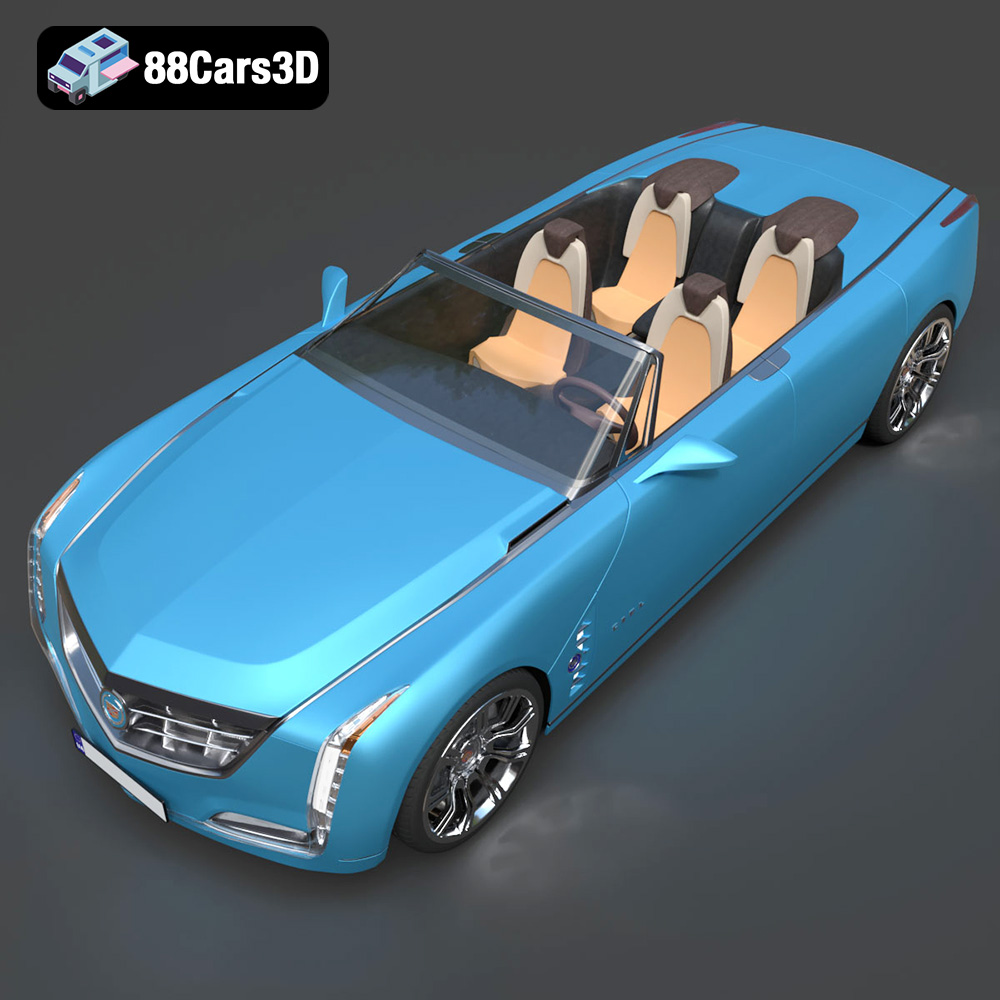
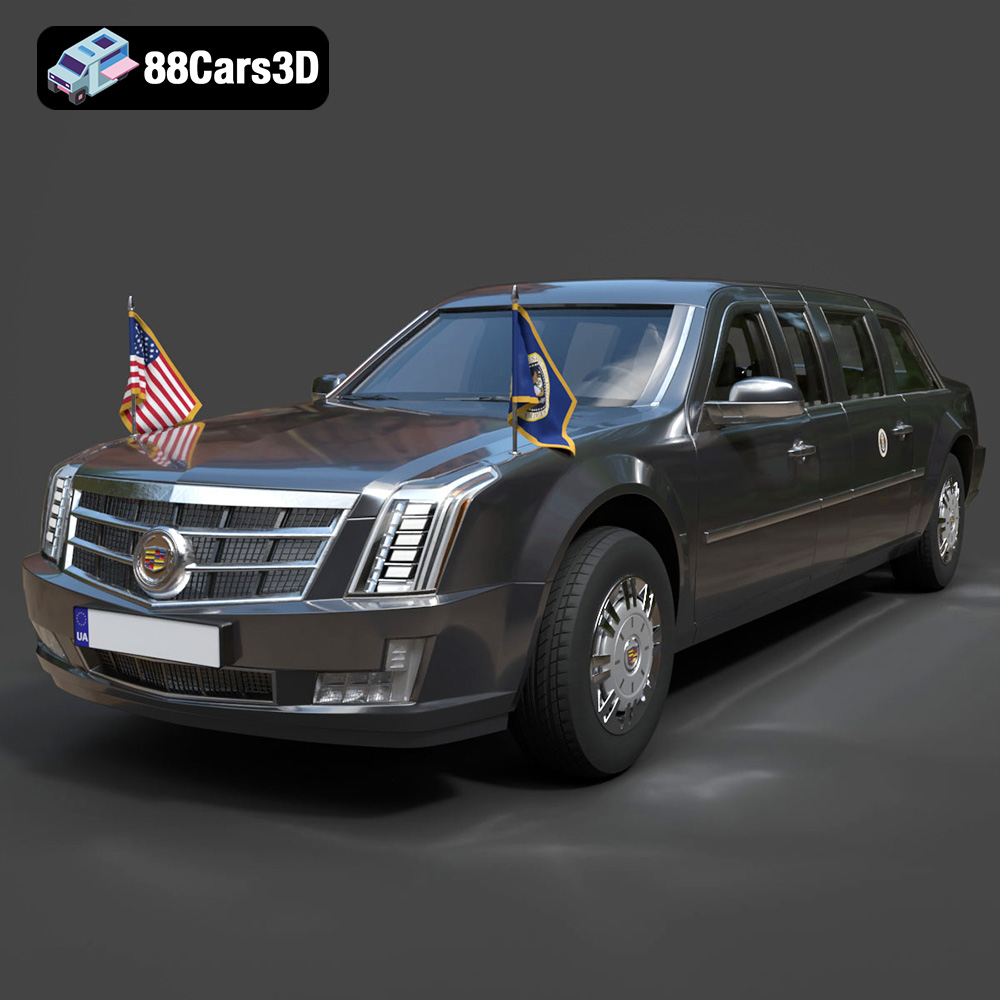
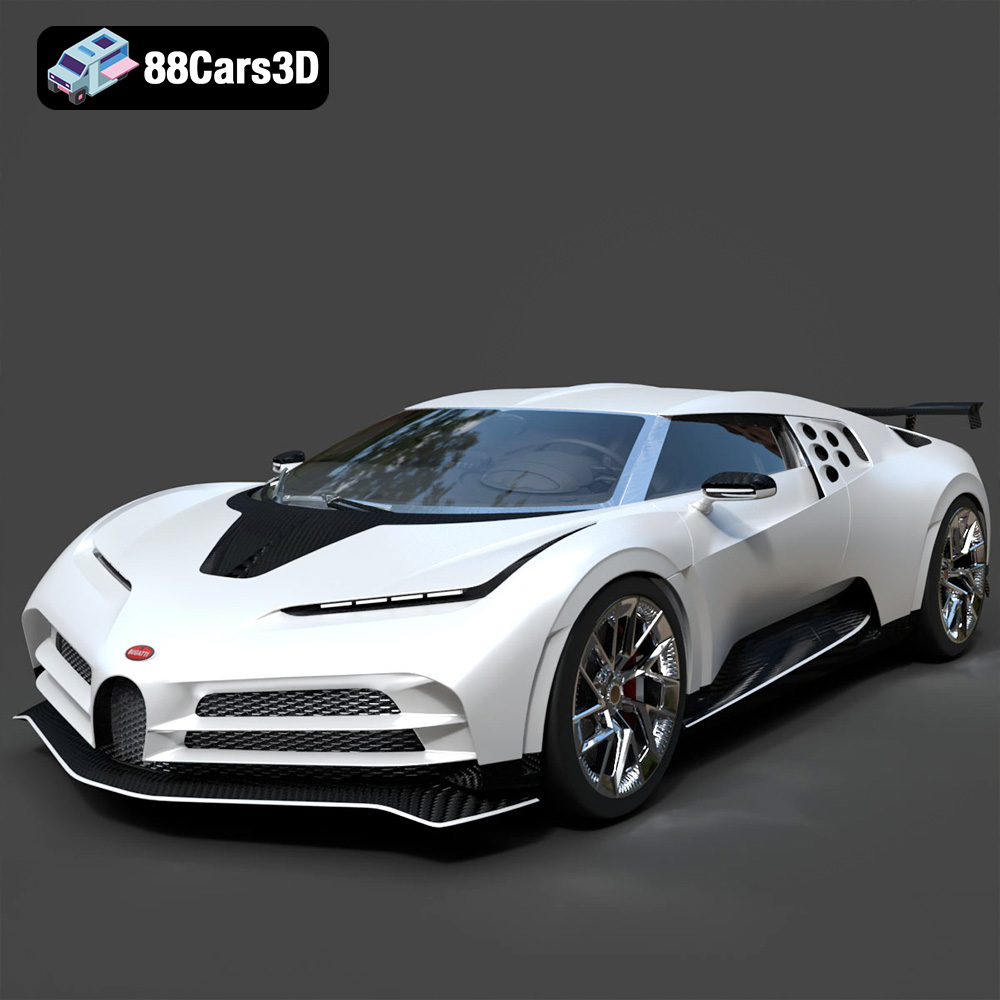
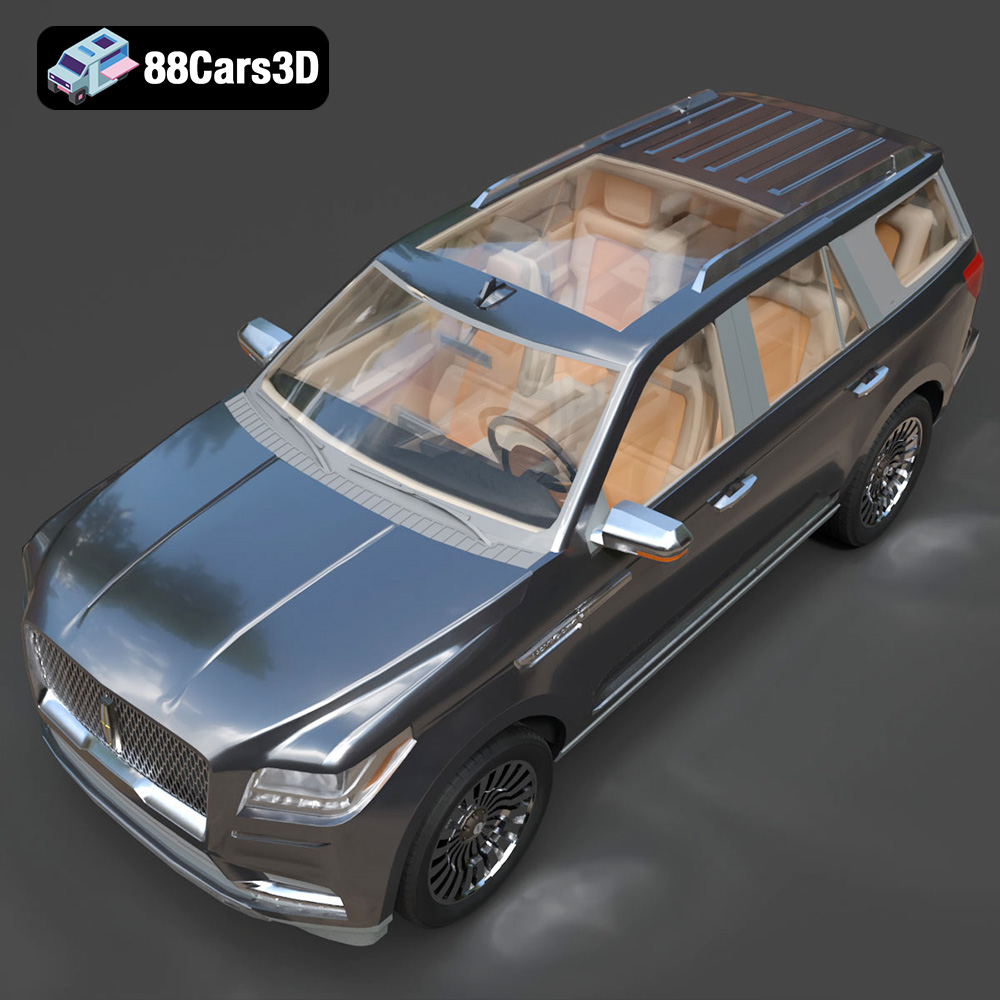
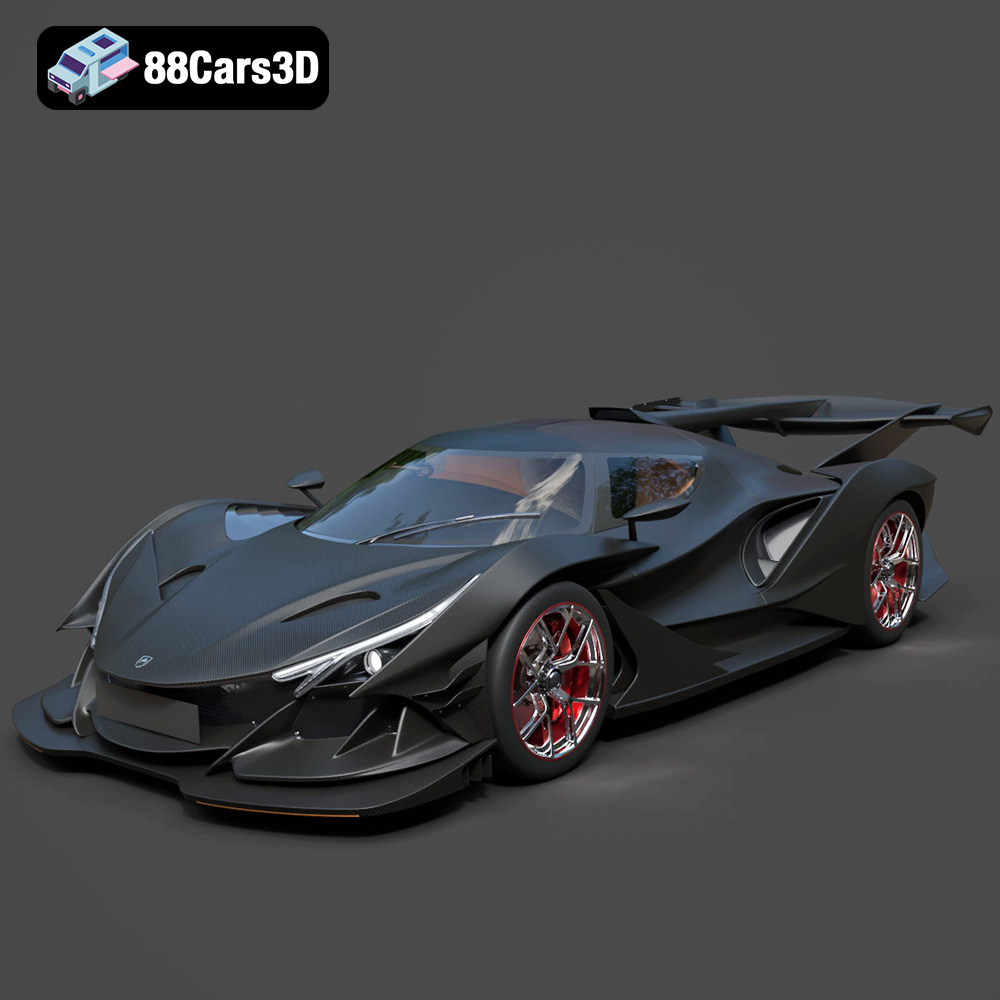
The Engine of Digital Creation: Unlocking Potential with High-Quality 3D Car Models
In the fast-evolving landscape of digital content creation, 3D car models stand as pillars of innovation, driving advancements across industries from entertainment to engineering. Whether you’re crafting a hyper-realistic automotive advertisement, developing an immersive racing simulator, or visualizing a new vehicle design, the quality of your underlying 3D assets dictates the fidelity and impact of your final product. The demand for meticulous detail, accurate representation, and technical versatility has never been higher.
This comprehensive guide delves into the intricate world of digital automotive assets, exploring their fundamental role in automotive rendering, game development, virtual reality, and beyond. We’ll unpack the technical specifications that define excellence, trace essential workflows, and highlight how top-tier resources, such as those found at 88cars3d.com, empower creators to achieve unparalleled realism and performance.
Join us as we navigate the complex considerations and exciting possibilities that arise when working with high-fidelity 3D car models, transforming concepts into stunning digital realities.
The Foundation of Digital Automotive Excellence: High-Quality 3D Car Models
At the heart of every breathtaking render or fluid game experience lies a meticulously crafted 3D model. For automotive applications, this foundation is even more critical, as audiences often possess an inherent understanding of vehicle aesthetics and engineering. The expectation for realism is incredibly high, making the quality of the 3D car model paramount.
What Defines a “High-Quality” 3D Car Model?
Defining “high-quality” in the context of 3D car models involves several interconnected technical aspects:
- Accurate Topology: This refers to the clean and efficient arrangement of polygons (quads, ideally) that form the mesh. Good topology ensures smooth subdivisions, facilitates deformation for animation (e.g., suspension, doors), and prevents shading artifacts. For complex surfaces like car bodies, maintaining a consistent flow of edges is crucial for reflecting light correctly.
- Poly Count and Level of Detail (LODs): While “higher poly count” often equates to “more detail,” the key is intelligent poly distribution. A high-quality model has sufficient polygons in areas requiring intricate detail (e.g., grilles, headlights) while optimizing less critical areas. For performance-intensive applications like games or AR/VR, multiple Levels of Detail (LODs) are essential. These are progressively lower-polygon versions of the model that swap in based on distance from the camera, significantly reducing computational load without a noticeable drop in visual quality.
- UV Unwrapping: Perfect UV mapping is non-negotiable. This is the process of flattening the 3D model’s surface into a 2D space to apply textures. A high-quality model will have clean, non-overlapping, and efficiently packed UV islands, minimizing texture distortion and maximizing texture resolution. Often, multiple UV sets are employed for different material layers (e.g., base color, decals, ambient occlusion).
- Realistic Proportions and Scale: The model must accurately reflect the real-world dimensions and proportions of the vehicle. Incorrect scale can lead to issues in lighting, physics simulations, and integration into scenes with other assets.
The Critical Role of Accuracy and Detail
Achieving true photorealism requires an unwavering commitment to accuracy. This begins with the modeling phase, where artists meticulously reference blueprints, engineering schematics, and countless photographic references. Every curve, panel gap, vent, and emblem must be faithfully replicated. Subtleties like the slight curvature of a window or the precise angle of an aerodynamic spoiler contribute immensely to the overall believability. For automotive professionals, this level of detail is not merely aesthetic; it’s fundamental for design validation, marketing, and functional simulation.
PBR Texturing and Material Fidelity
Modern automotive rendering relies heavily on Physically Based Rendering (PBR) workflows. PBR materials simulate how light interacts with surfaces in the real world, leading to much more convincing results. A high-quality 3D car model comes with a comprehensive set of PBR textures, typically including:
- Albedo (Base Color): The pure color of the surface, free from lighting information.
- Normal Map: Adds surface detail (like subtle imperfections, panel lines, or texture of plastics) without increasing polygon count.
- Roughness Map: Controls the microscopic surface irregularities, dictating how rough or smooth a surface appears and thus how light scatters.
- Metallic Map: Differentiates between metallic and dielectric (non-metallic) surfaces, crucial for accurate reflections.
- Ambient Occlusion (AO) Map: Simulates soft shadows where surfaces are close together, adding depth and realism.
The combination of precise modeling and expertly crafted PBR textures creates a synergy that elevates a 3D car model from a mere digital object to a compelling virtual twin.
Understanding 3D Model File Formats
Navigating the diverse ecosystem of 3D software and engines requires a solid understanding of various file formats. Each format offers distinct advantages and is optimized for specific workflows or platforms. Choosing the correct format ensures compatibility, preserves data integrity, and streamlines your production pipeline. Here, we break down the most common and critical 3D model file formats you’ll encounter, especially when acquiring assets from marketplaces like 88cars3d.com.
.blend – Blender’s Native Powerhouse
The .blend format is the native file type for Blender, the popular open-source 3D creation suite. A .blend file typically contains everything within a Blender scene: mesh data, materials (Cycles, Eevee), textures (packed or linked), lighting setups, cameras, animation data, physics simulations, and even scene organization (collections, layers). This makes it incredibly versatile for Blender users, offering full editability and preserving the entire project context. When you download a .blend file, you’re essentially getting the artist’s original workspace, ready for deep customization, re-texturing, or animation. It’s perfect for artists who work predominantly in Blender and need complete control over the asset.
.fbx – The Industry Workhorse for Interoperability
Autodesk’s .fbx (Filmbox) format is arguably the most widely adopted interchange format in the 3D industry, particularly for game development. It’s a binary file format designed to facilitate interoperability between various 3D applications and game engines like Unreal Engine and Unity. An .fbx file can encapsulate geometry (meshes), materials (basic properties), textures (links or embedded), animations (skeletal and blend shapes), cameras, and lights. Its robust support for animation and scene hierarchy makes it the go-to format for exporting animated 3D car models or entire scenes into real-time environments. However, .fbx is not as feature-rich as native formats; complex materials or specific renderer settings from the source application might not translate perfectly.
.obj – Universal Simplicity
The .obj (Wavefront Object) format is a fundamental and widely supported geometric format. It primarily stores vertex positions, UV coordinates, normals, and polygon faces, often accompanied by an .mtl (material library) file that defines basic material properties (color, shininess). .obj is celebrated for its universality, making it an excellent choice for basic mesh transfer between virtually any 3D software. It’s lightweight, text-based, and highly stable. While it doesn’t support animation, rigging, or complex scene data, its reliability for pure geometry transfer makes it invaluable for arch-viz, 3D printing preparation, or as a fallback option when other formats fail.
.glb – Web and AR/VR Optimization
.glb (GL Transmission Format Binary) is the binary version of glTF, a royalty-free specification for the efficient transmission and loading of 3D scenes and models by engines and applications. It’s rapidly becoming the standard for 3D content on the web, augmented reality (AR), and virtual reality (VR) applications. A .glb file contains all necessary data—geometry, materials, textures, animations—in a single, self-contained binary file, making it incredibly easy to share and embed. Its focus on compactness and runtime performance makes it ideal for interactive web viewers, social media filters, and low-latency AR experiences where optimized file size and quick loading are critical.
.stl – The Backbone of 3D Printing
.stl (Stereolithography) is almost exclusively used for 3D printing. This format represents a 3D model as a series of connected triangles, defining only the surface geometry of an object without color, texture, or material information. It’s a simple, robust format for conveying shape. When preparing 3D car models for physical fabrication, an .stl file ensures the model is “manifold” (watertight, with no gaps or intersecting faces), which is crucial for successful slicing and printing. It’s not suitable for rendering or animation but is indispensable for prototyping and manufacturing.
.ply – Precision for Technical Applications
The .ply (Polygon File Format) is another format that stores geometric information, including vertex data (position, normal, color, texture coordinates) and face information. Unlike .obj, .ply can also store information about the “properties” of vertices and faces, making it more flexible for complex data sets like those generated by 3D scanners or CAD software. It’s often used in scientific visualization, reverse engineering, and applications requiring highly precise mesh data beyond simple aesthetic representation. While less common for general asset exchange, it’s a powerful format for technical analysis.
.unreal – Engine-Ready Asset for Real-Time Environments
While not a standalone “file format” in the traditional sense, assets are often provided in a pre-configured state for specific engines, indicated as “.unreal” (or similar for Unity). This typically means the 3D car model, its textures, and materials have been specifically prepared, optimized, and perhaps even imported into an Unreal Engine project structure. Such assets usually come with ready-to-use master materials, material instances, LODs, collision meshes, and sometimes even basic blueprints or animations for vehicle movement. This format drastically reduces setup time for developers, as the asset is virtually plug-and-play within the target engine, fully leveraging its features for real-time performance and visual quality.
.max – 3ds Max Project Versatility
Similar to .blend for Blender, .max is the native project file format for Autodesk 3ds Max, a leading software in architectural visualization, design, and rendering. A .max file contains all scene data, including geometry, complex material setups (V-Ray, Corona, Arnold), lighting, animation, cameras, and modifiers specific to 3ds Max. It offers complete editability to 3ds Max users, allowing for deep modification, re-rigging, or advanced rendering configurations. For professionals working within the Autodesk ecosystem, a .max file provides the highest level of detail and flexibility for any automotive rendering or animation project.
Understanding these formats empowers you to make informed decisions when acquiring 3D car models and ensures a smooth, efficient workflow for your projects, regardless of your chosen software or end-use application. Websites like 88cars3d.com typically offer models in multiple formats to cater to diverse professional needs.
Mastering Automotive Rendering: Crafting Photorealism
Beyond the raw 3D model, the magic of automotive rendering transforms polygons and textures into stunning, lifelike images. This process is an intricate blend of artistic vision and technical mastery, demanding a deep understanding of light, materials, and composition.
The Art of Lighting and Environment Setup
Lighting is the soul of any render. For automotive projects, it’s crucial for highlighting the vehicle’s form, contours, and material properties. Key techniques include:
- HDRI (High Dynamic Range Image) Lighting: A staple for realistic environments. An HDRI captures a full 360-degree real-world light environment, allowing the 3D car model to be lit by accurate environmental light, reflections, and shadows, seamlessly integrating it into virtual backdrops.
- Studio Lighting: For controlled, impactful renders, traditional studio lighting setups (three-point lighting, rim lights, softboxes) are invaluable. Replicating the diffused, even light of a car photography studio accentuates the vehicle’s lines and paint finish without harsh shadows.
- Physically Accurate Lights: Using area lights, spotlights, and mesh lights that behave like their real-world counterparts, with correct intensity (lumens) and color temperature, ensures realistic falloff and interaction with surfaces.
Advanced Shading and Material Creation
The car paint alone is a complex material, often requiring multiple layers of PBR maps, clear coat simulation, metallic flakes, and subtle imperfections. Beyond paint, rendering engines need to accurately simulate:
- Glass and Transparencies: Correct index of refraction (IOR), dispersion, and absorption are essential for convincing windows, headlights, and taillights. Volumetric effects within glass can also add realism.
- Rubber and Plastics: These materials require distinct roughness and normal maps to convey their unique tactile qualities, from matte tire sidewalls to glossy interior plastics.
- Chrome and Polished Metals: Highly reflective surfaces demand precise PBR metallic maps and often advanced reflection controls to capture the sharpness and clarity of their reflections without aliasing.
- Leather and Fabrics: Micro-normal maps and anisotropic reflections help simulate the subtle texture and sheen of interior materials.
Renderers like V-Ray, Corona, Blender Cycles, and Arnold offer sophisticated material editors to achieve this level of fidelity.
Post-Production Techniques for Cinematic Results
The rendering process doesn’t end with the raw image. Post-production in software like Photoshop or Affinity Photo is crucial for refining the final output:
- Color Grading and Correction: Adjusting hue, saturation, and contrast to establish mood and visual harmony.
- Depth of Field: Mimicking camera lens effects to draw focus to the subject and create a sense of scale.
- Motion Blur: Adding realism to animations, making fast-moving vehicles appear more dynamic.
- Lens Flares and Glare: Subtle optical effects that enhance photographic realism.
- Compositing Elements: Seamlessly integrating the rendered vehicle into a backplate image or live-action footage.
These techniques elevate a good render to a truly cinematic masterpiece, suitable for high-end advertising or film production.
Integrating 3D Car Models into Game Development: Performance and Immersion
For game developers, 3D car models are more than just visual assets; they are interactive elements that must perform flawlessly within real-time environments. The challenge lies in balancing visual fidelity with strict performance budgets to ensure smooth gameplay and immersive experiences.
Optimization Strategies for Real-Time Environments
Efficiency is key in game development. Integrating 3D car models requires rigorous optimization:
- Levels of Detail (LODs): As discussed earlier, intelligent LODs are paramount. A high-poly model for close-ups and progressively lower-poly versions for distance views significantly reduce the vertex count processed by the GPU at any given time.
- Efficient UVs and Texture Atlases: Consolidating multiple smaller textures into a single, larger texture atlas can reduce draw calls, a major performance bottleneck. Efficient UV packing maximizes texture resolution while minimizing memory usage.
- Baked Lighting and Ambient Occlusion: For static elements of a scene, baking light and shadow information directly into textures can save computation during runtime. While dynamic lighting is often used for the car itself, static elements benefit from baked solutions.
- Poly Count Management: While high-quality models from 88cars3d.com might start at a higher poly count for visual accuracy, game developers will often reduce and optimize these meshes, especially for lower LODs, to meet target framerates.
Collision Meshes and Physics Integration
For a car to interact believably within a game world, it needs a precise collision mesh. This is a simplified, usually convex hull or a combination of basic primitive shapes, that defines the physical boundaries of the vehicle. This mesh is used by the game engine’s physics system (e.g., Unreal Engine’s Chaos or NVIDIA PhysX) to detect collisions with other objects, terrain, and for accurate suspension behavior. A well-constructed collision mesh is critical for realistic driving mechanics, damage models, and overall player immersion.
Setting Up Vehicles in Game Engines: An Unreal Engine Example
In Unreal Engine, integrating a 3D car model involves several steps:
- Importing FBX: The optimized 3D car model, typically as an .fbx file, is imported into Unreal Engine, bringing in the mesh, skeletal rig (if animated), and basic material slots.
- Material Setup: PBR textures (Albedo, Normal, Roughness, Metallic, AO) are imported and connected to a master material. Material instances are then created for variations (e.g., different car paint colors) to allow for quick changes without re-compiling shaders.
- Skeletal Mesh and Physics Asset: If the model includes a skeletal rig for wheels, suspension, or doors, Unreal’s Physics Asset editor is used to create collision bodies for each bone, enabling realistic physics and animation.
- Vehicle Blueprint: A custom Blueprint class is created, inheriting from Unreal’s native Vehicle Blueprint. Here, the skeletal mesh is assigned, and vehicle parameters are tuned: engine torque curve, gear ratios, suspension settings, tire friction, and aerodynamic properties. Input mappings are set up to control acceleration, braking, and steering.
- LODs Integration: Lower LOD meshes are imported and assigned to the skeletal mesh, with specific screen size thresholds dictating when each LOD is swapped in.
This detailed integration ensures that the game assets not only look fantastic but also behave dynamically and perform efficiently, providing a truly interactive experience.
Beyond Rendering: Diverse Applications of 3D Car Models
The utility of high-quality 3D car models extends far beyond static renders and interactive games. Their adaptability makes them indispensable tools across a multitude of innovative sectors.
Virtual Reality and Augmented Reality Experiences
VR and AR are transforming how we interact with digital content, and 3D cars are at the forefront. In VR, users can explore car interiors in full 360-degree immersion, walk around vehicles at scale, or even “test drive” them in virtual environments. AR applications allow users to place a virtual car model in their physical surroundings via a smartphone or tablet, viewing it from any angle, changing colors, or examining features. For these applications, optimized models (often .glb format for web-based AR) with excellent visual fidelity at real-time performance are crucial to prevent motion sickness and ensure a convincing overlay.
3D Printing and Rapid Prototyping
The detailed geometry of digital car models can be translated into physical objects through 3D printing. This application is invaluable for designers creating scale models of new vehicles, engineers prototyping custom parts, or enthusiasts printing collectible miniature versions. The process typically involves converting the 3D car model into an .stl format, ensuring it’s a watertight mesh suitable for fabrication. Accuracy in dimensions and surface continuity are paramount here, as any flaws in the digital model will be replicated in the physical print.
Product Visualization and Marketing
For automotive manufacturers and marketers, 3D car models offer unprecedented flexibility. They can be used to create an infinite variety of marketing materials without the need for physical prototypes or expensive photoshoots. This includes:
- Interactive Car Configurator: Customers can customize a car online, choosing colors, wheels, and interior options, and see the changes in real-time 3D.
- Animated Commercials: High-end animated sequences showcasing vehicle features, performance, and design aesthetics.
- High-Resolution Imagery for Brochures and Websites: Stunning visuals generated directly from the 3D model, ensuring consistency and brand adherence.
- Showroom Experiences: Interactive kiosks or projections allowing customers to explore vehicles with enhanced visual detail.
The ability to render a vehicle in any environment, under any lighting condition, and with any customization option provides a powerful advantage in today’s competitive market.
The Workflow: From Concept to Digital Reality
Creating or preparing a high-quality 3D car model is a multi-stage process that combines artistic skill with technical precision. Understanding this workflow is key to appreciating the value of professionally crafted assets.
Modeling Techniques: Subdivision vs. CAD Import
Two primary approaches dominate automotive modeling:
- Subdivision Surface Modeling: Artists manually build a low-polygon mesh that defines the overall shape. This base mesh is then smoothed using subdivision algorithms (like Catmull-Clark) to create highly detailed, flowing surfaces. This method offers immense artistic control and results in clean, animatable topology. Software like 3ds Max and Blender excel here.
- CAD (Computer-Aided Design) Import: Engineers design vehicles using precise CAD software (e.g., SolidWorks, CATIA). These models offer engineering-grade accuracy but are often heavy with dense, non-optimized meshes (NURBS or trim surfaces). For visualization, these models are typically retopologized—converted into clean, animation-friendly polygon meshes—to reduce poly count and prepare for texturing and rendering.
UV Unwrapping and Texture Baking
Once the model’s geometry is finalized, UV unwrapping begins. This crucial step flattens the 3D surfaces into 2D maps, much like unfolding a cardboard box, allowing textures to be applied seamlessly. Artists meticulously create clean UV layouts, ensuring minimal distortion and efficient use of texture space. Following this, various textures (Normal, AO, Curvature, ID maps) are often “baked” from higher-detail versions of the model or from procedural generators onto the low-poly UVs, transferring complex detail without increasing polygon count.
Rigging and Animation Fundamentals
For any dynamic application, the 3D car model requires a “rig.” This is a digital skeleton of interconnected bones and controls that allows the vehicle to be animated. A typical car rig includes bones for:
- Wheels: Allowing independent rotation and steering.
- Suspension: Enabling realistic bounce and compression.
- Doors, Hood, Trunk: For opening and closing animations.
- Steering Wheel: Synchronized with front wheel turns.
Once rigged, animators can create sequences demonstrating vehicle dynamics, opening doors for interior views, or showcasing features in a compelling way. This is particularly vital for game assets and automotive advertisements.
Conclusion
The world of 3D car models is a vibrant intersection of art and engineering, offering boundless potential for creative expression and technical application. From crafting breathtaking automotive rendering for advertising campaigns to building highly optimized game assets for immersive virtual worlds, the quality of the underlying digital vehicle is the driving force behind every successful project.
We’ve explored the critical role of accurate topology, the power of PBR texturing, the versatility of various file formats like .fbx, .blend, and .glb, and the intricate workflows involved in bringing these digital marvels to life. The demand for meticulous detail, coupled with performance efficiency, continues to push the boundaries of what’s possible in digital visualization.
For professionals and enthusiasts alike, accessing a reliable source of high-quality assets is paramount. Marketplaces like 88cars3d.com serve as invaluable resources, providing meticulously crafted 3D car models that meet industry standards for realism, accuracy, and technical flexibility, empowering creators to focus on their artistic vision and deliver exceptional results. As technology advances, the capabilities of 3D car models will only continue to grow, paving the way for even more innovative and immersive experiences in the digital realm.
Featured 3D Car Models






Japanese Legends: JDM Street Racing 3D Models Bundle (5-in-1 Pack) Nissan Mitsubishi Honda Mazda Toyota 3D Printable STL
Price: $129.99


Everyday City Traffic Essentials pack 5in1 Hyundai Kia Volkswagen Toyota Ford 3D Printable STL
Price: $99.99

The Future of Mobility: Smart City EV 3D Models Bundle (5-in-1 Pack) Volvo Tesla AVATR Porsche 3D Printable STL
Price: $89.99