The Art of Automotive Digital Recreation: Crafting and Utilizing High-Fidelity 3D Car Models
In the dynamic world of digital content creation, the demand for exceptionally detailed and versatile 3D models continues to grow exponentially. From blockbuster game titles and cinematic advertisements to immersive AR/VR experiences and intricate product visualizations, the quality of a 3D asset can make or break a project. Automotive models, in particular, stand at the pinnacle of this challenge, requiring a meticulous blend of artistic precision and technical mastery to capture the essence of real-world vehicles. Today, we delve deep into the universe of high-fidelity 3D car models, exploring their creation, application, and the crucial role they play across various industries. To illustrate these concepts, we’ll frequently reference a prime example of digital craftsmanship: the Aston Martin 2013 AM 310 Vanquish 3D Model, a stunning recreation available on 88cars3d.com.
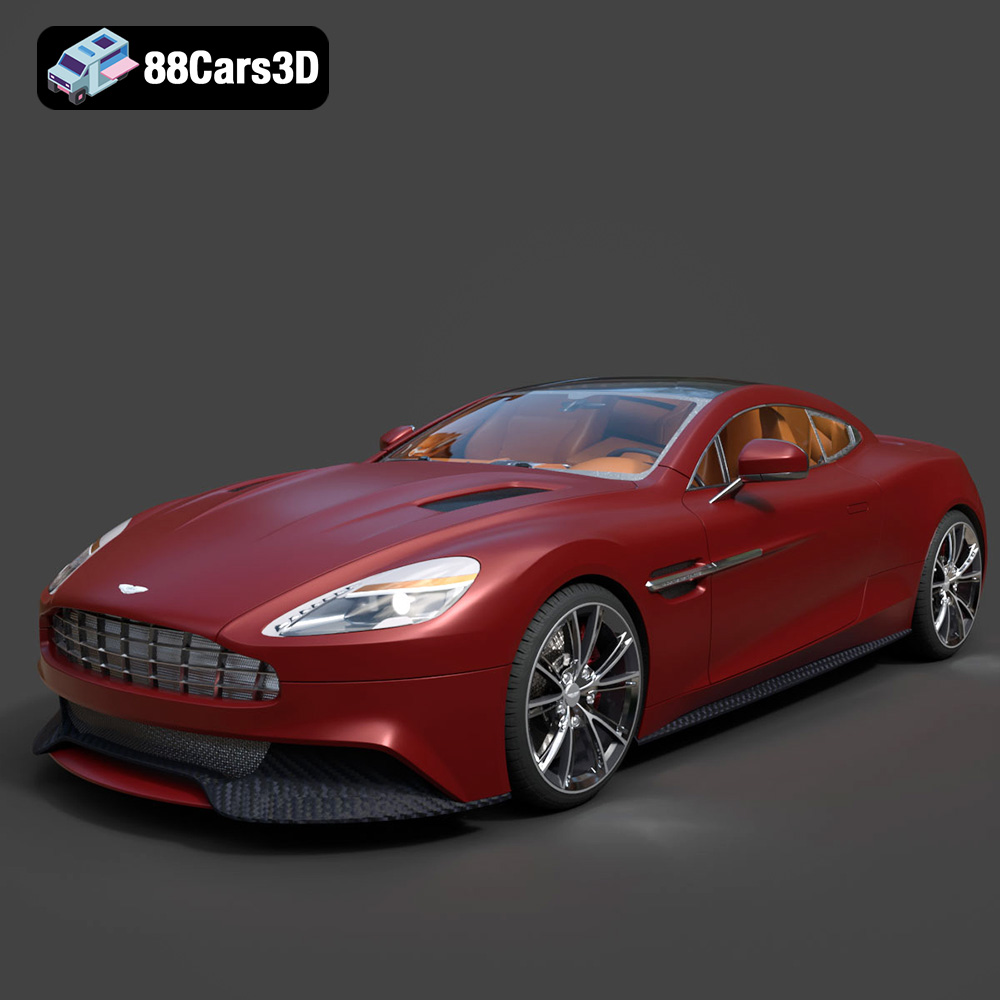
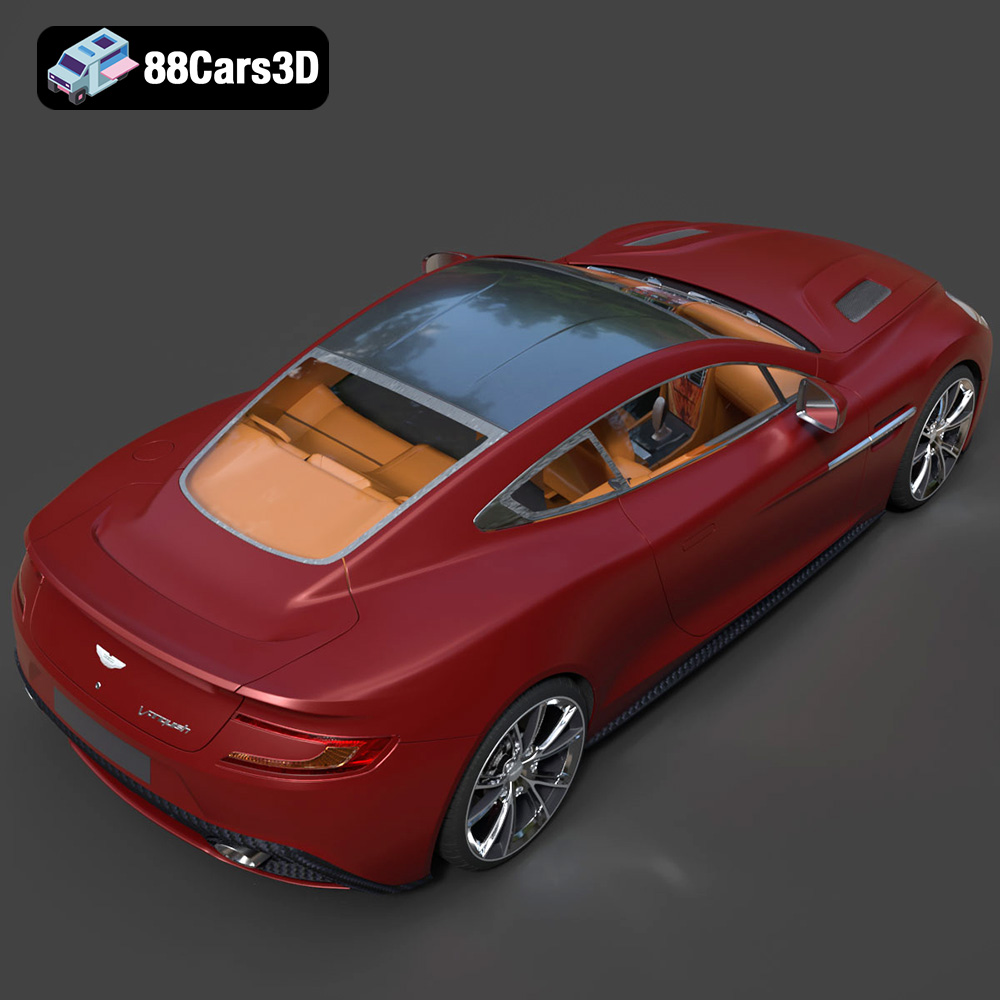
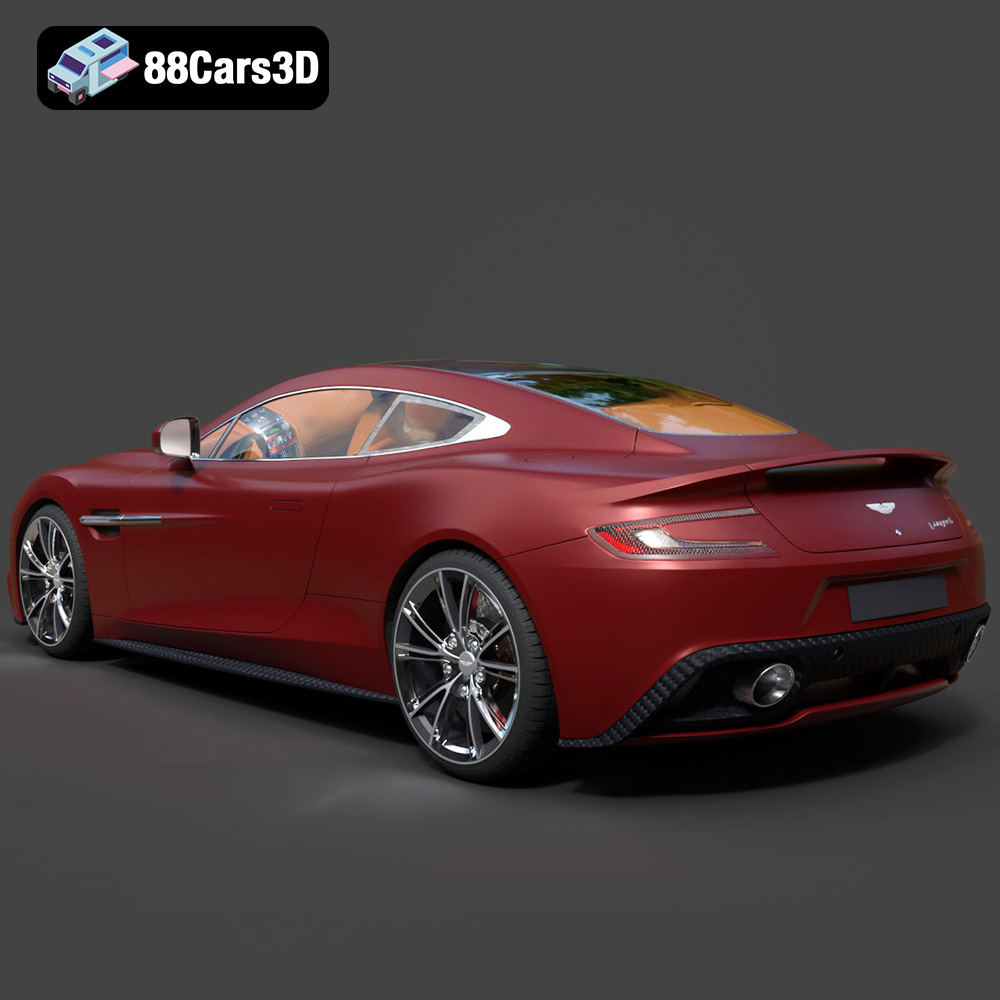
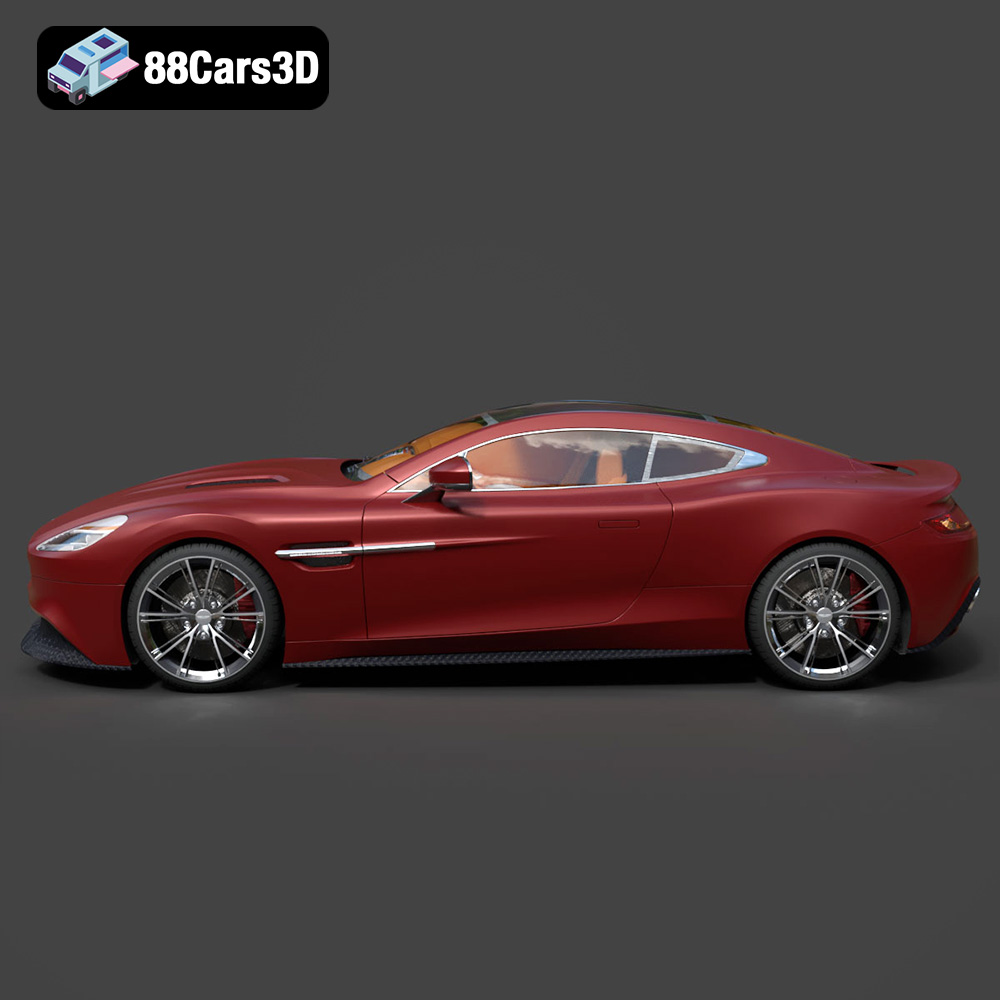
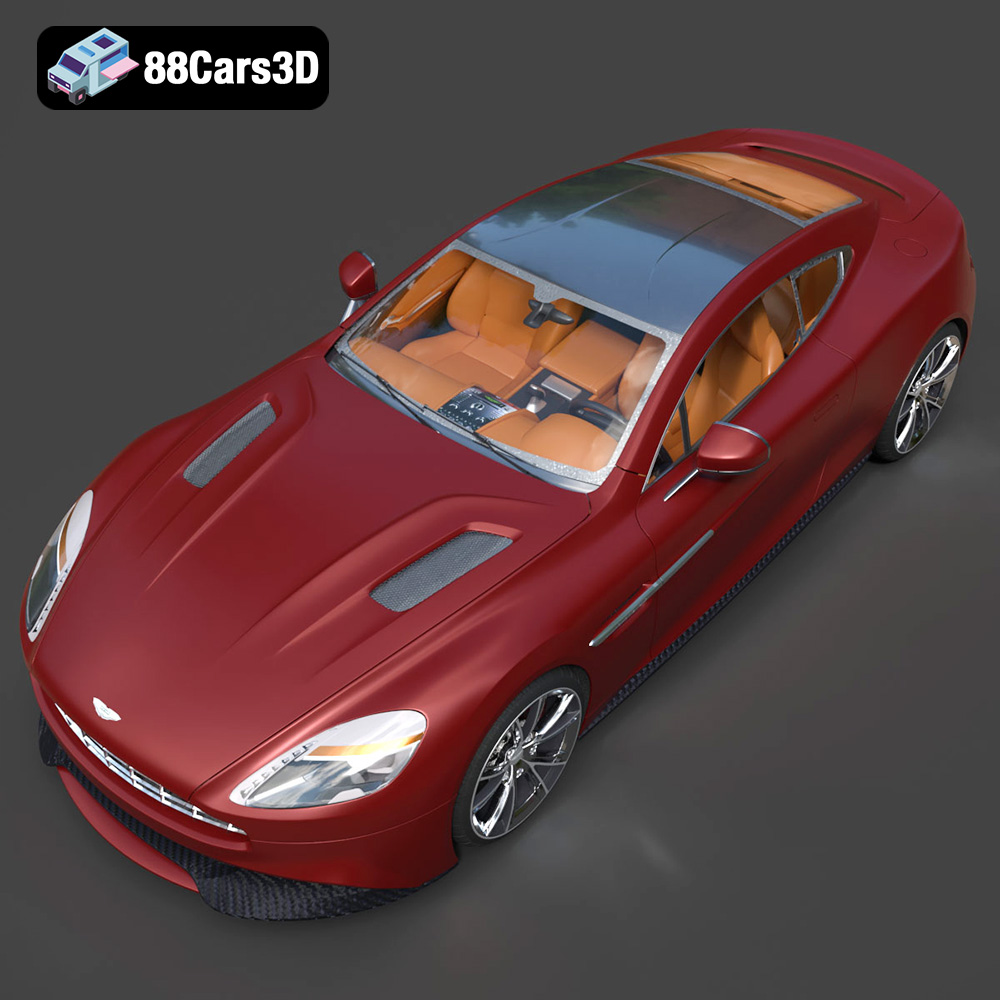
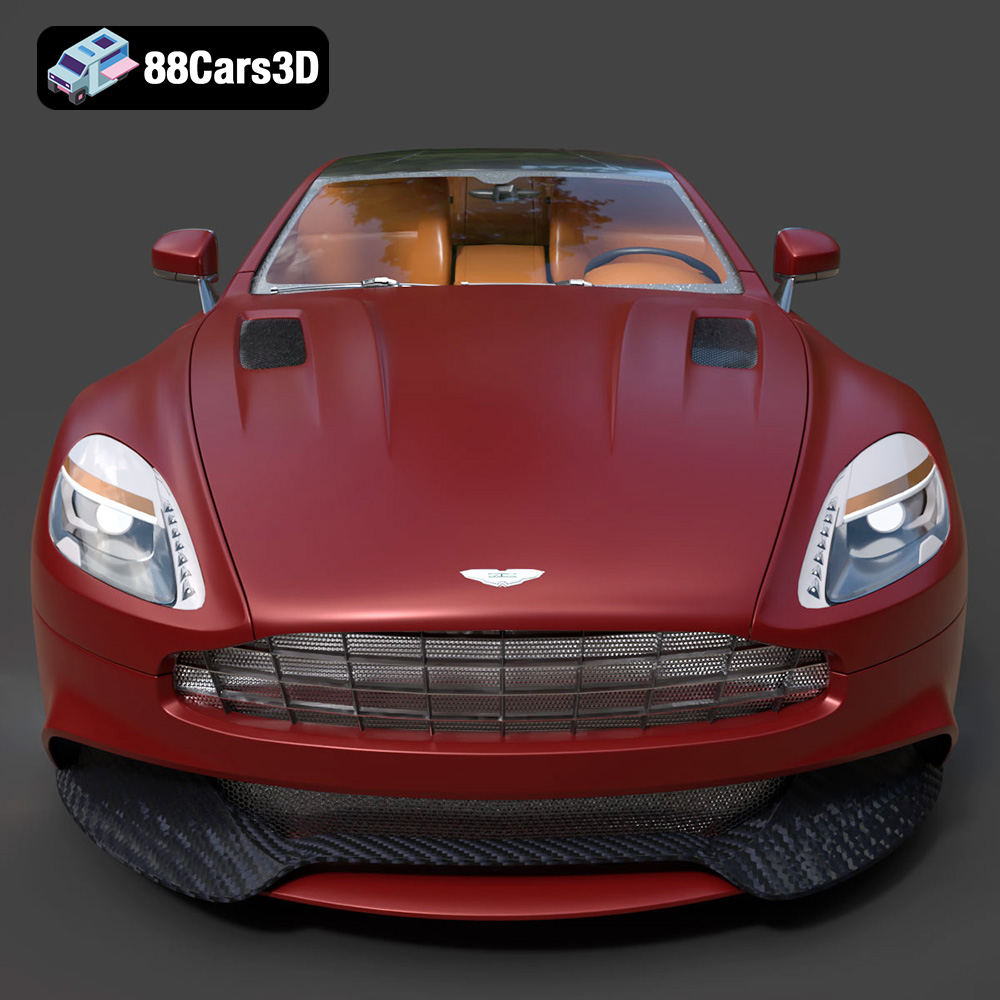
The Aston Martin 2013 AM 310 Vanquish is not merely a car; it’s an icon of British engineering and luxury. Its aggressive stance, sculpted carbon-fiber body, and powerful V12 engine embody a blend of raw performance and handcrafted elegance. Recreating such a vehicle in three dimensions requires an understanding of its unique design language, down to the minutest details – from the signature front grille and sharp LED light design to the intricate interior stitching and multi-spoke alloy wheels. A truly professional 3D model goes beyond mere visual resemblance, aiming for technical accuracy that allows for seamless integration into diverse pipelines, whether for a pristine marketing render or a real-time racing simulation. This balance of aesthetic fidelity and technical robustness is what defines a premium 3D asset and forms the foundation of modern digital production.
Understanding 3D Model File Formats
When acquiring or creating 3D models, understanding the various file formats is paramount. Each format serves specific purposes, excelling in different scenarios ranging from native software editing to real-time engine integration and even physical fabrication. The Aston Martin 2013 AM 310 Vanquish 3D Model, for instance, comes equipped with a comprehensive suite of formats, ensuring maximum compatibility and utility for professionals. Let’s break down these essential formats:
.blend – The Native Blender Ecosystem
The `.blend` file is Blender’s native format, containing an entire Blender scene with all its data: meshes, materials, textures, lighting, cameras, animations, modifiers, and even scene settings. It’s the ideal format for users working within Blender, offering full editability and direct access to every parameter of the model. For artists starting a project in Blender, this format provides the most flexibility for customization, material tweaking, and animation setup without any translation artifacts. Its self-contained nature ensures that all aspects of the model are preserved as intended by the creator.
.fbx – The Industry Workhorse for Interoperability
FBX (Filmbox) is a proprietary file format owned by Autodesk, widely regarded as the most versatile and robust format for transferring 3D data between different software applications and real-time engines. It supports not just geometry and materials but also rigging, animation, cameras, and lights. For game development (Unreal, Unity) and complex animation pipelines, `.fbx` is the go-to choice due to its ability to preserve hierarchical relationships and animation data reliably. The Aston Martin Vanquish in `.fbx` format is primed for immediate import into game engines, retaining its pivot points for steering and wheel rotation, crucial for interactive experiences.
.obj – The Universal Geometry Exchange
The Wavefront `.obj` format is one of the oldest and most universally supported 3D file formats. It primarily stores geometric data (vertices, normals, texture coordinates, faces) and can reference an external `.mtl` (material) file for basic material properties. While it doesn’t support rigging or animation, its simplicity and wide compatibility make it an excellent choice for basic mesh exchange between virtually any 3D software. If you need a clean, fundamental mesh to start with in a less common application, `.obj` is highly reliable.
.glb – Optimized for AR, VR, and Web-based Display
GLB (Binary glTF) is the binary version of the GL Transmission Format (glTF), a modern, open-standard format specifically designed for efficient transmission and loading of 3D scenes and models by engines and applications. It packages geometry, materials, textures, animations, and other scene data into a single, compact file. `.glb` is quickly becoming the standard for augmented reality (AR), virtual reality (VR), and browser-based 3D applications due to its optimized structure for real-time rendering and smaller file sizes. For showcasing the Aston Martin Vanquish in an interactive web viewer or an AR configurator, `.glb` is the superior choice.
.stl – The Standard for 3D Printing
STL (STereoLithography) is the de facto standard file format for 3D printing. It represents the surface geometry of a 3D object using a collection of interconnected triangles, creating a manifold (watertight) mesh. It contains no color, texture, or material information, focusing solely on the object’s shape for additive manufacturing. For users intending to 3D print the Aston Martin 2013 AM 310 Vanquish as a collectible scale model, the `.stl` file is essential. The model’s topology is already optimized for this, facilitating a smooth transition to physical fabrication.
.ply – Precision Mesh for CAD and Analysis
PLY (Polygon File Format or Stanford Triangle Format) is a file format for storing 3D data from 3D scanners, CAD applications, or other high-precision sources. It can store a variety of properties including color, transparency, surface normals, texture coordinates, and data confidence values for each vertex or face. While not as universally used as `.obj` for basic mesh exchange, `.ply` is particularly useful in applications requiring accurate geometric data, such as scientific visualization, reverse engineering, or detailed CAD workflows where precision is paramount.
.unreal – Engine-Ready Asset for Real-time Environments
While not a standalone general 3D format, an `.unreal` asset typically refers to a model specifically prepared and often packaged within an Unreal Engine project. This might involve `.fbx` files imported and then configured with Unreal-specific materials, collision meshes, LODs (Levels of Detail), and blueprints. The inclusion of a pre-configured `.unreal` asset for the Aston Martin Vanquish means it’s ready to drop into an Unreal Engine scene with minimal setup, having already undergone the necessary optimizations for real-time performance and visual fidelity within that specific engine.
.max – Native 3ds Max Project
The `.max` file is the native file format for Autodesk 3ds Max, a leading software for 3D modeling, animation, and rendering. Similar to `.blend`, a `.max` file contains the complete 3ds Max scene, including geometry, materials, textures, lighting setups, cameras, and animation data. For professionals working within the 3ds Max ecosystem, this format offers full creative control and access to all modifiers and parameters, making it ideal for high-end rendering, complex scene assembly, and intricate animation sequences.
This comprehensive range of formats ensures that the Aston Martin 2013 AM 310 Vanquish 3D Model from 88cars3d.com can be leveraged effectively across virtually any professional 3D pipeline, from initial design concepts to final product delivery.
Bringing the Aston Martin Vanquish to Life: Workflows for Professional Artists
Creating and integrating a high-quality 3D car model like the Aston Martin 2013 AM 310 Vanquish into a professional project involves several specialized workflows. Artists and developers leverage industry-standard software to achieve stunning visuals, interactive experiences, or precise physical reproductions.
Modeling and Texturing in 3ds Max and Blender
For many automotive visualization projects, the journey often begins or passes through foundational 3D software like Autodesk 3ds Max or Blender. When a model like the Vanquish is acquired, its clean and well-organized mesh structure is immediately apparent. In 3ds Max, artists would typically load the `.max` file, allowing direct access to all scene elements. Here, they can fine-tune materials, perhaps swapping out base textures for V-Ray or Corona Renderer compatible PBR (Physically Based Rendering) setups, adjust lighting rigs for specific moods – be it a luxury showroom or a dynamic urban night scene – and set up camera angles for high-resolution renders. The detailed interior, with its modeled dashboard and premium seat geometry, would receive particular attention for close-up shots, ensuring stitching details and trim elements reflect real-world luxury.
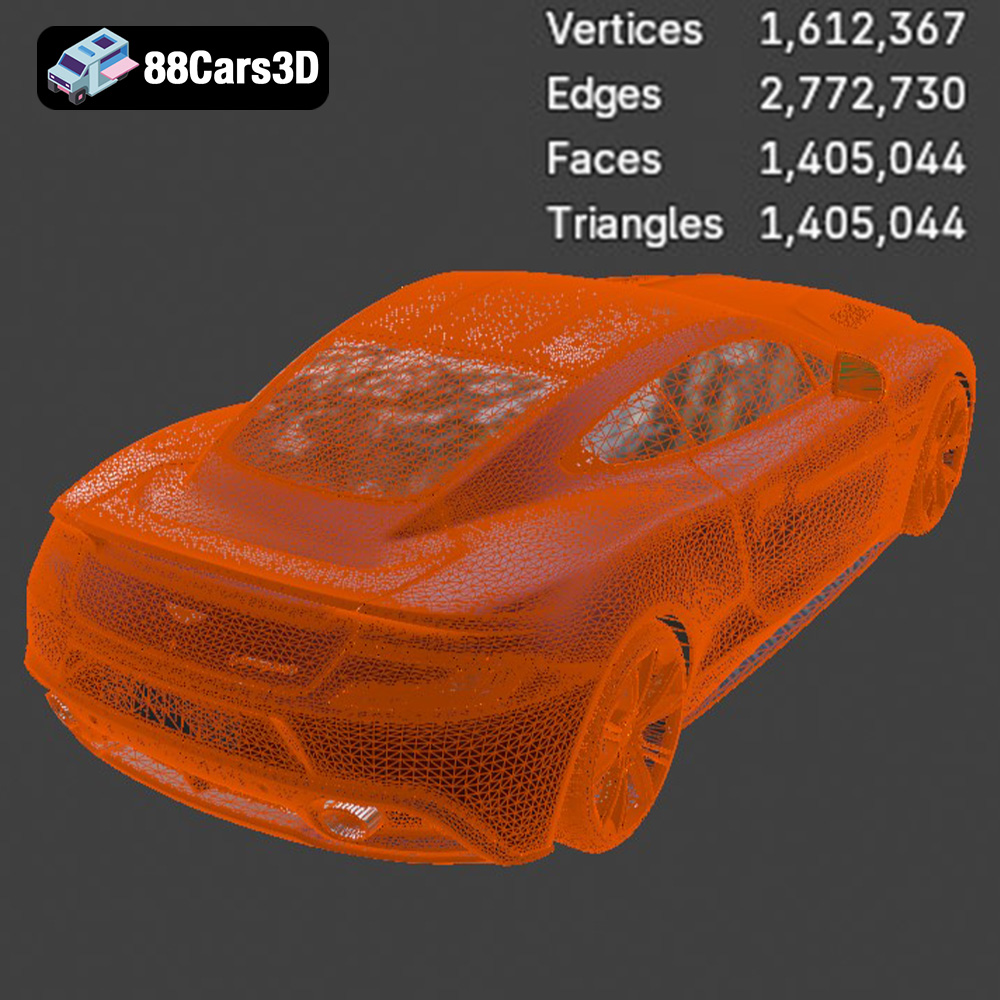
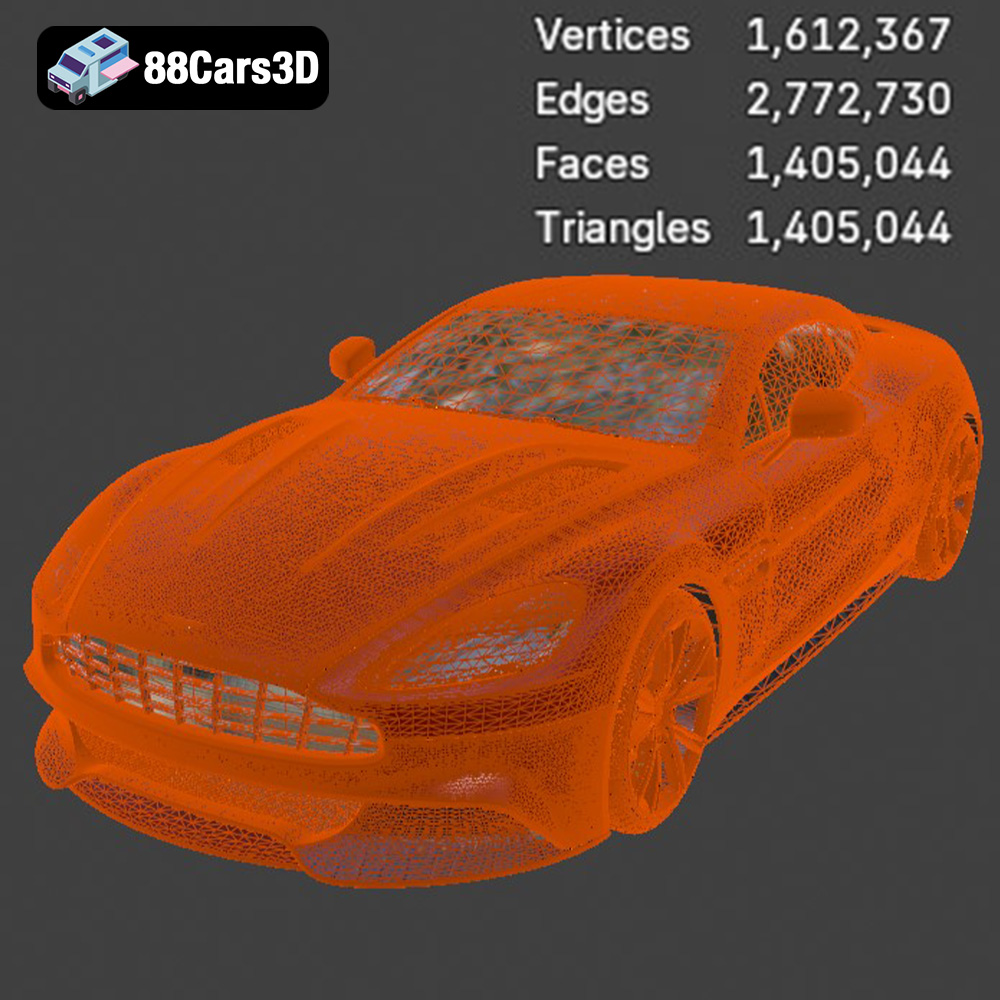
Similarly, Blender users would open the `.blend` file, gaining immediate access to the model’s structure. Using Blender’s Cycles or Eevee render engines, artists can iterate quickly on material variations, experiment with different body colors (metallic silver, British racing green), and configure lighting scenarios. The proper pivot setup for steering and wheel rotation, a technical advantage of this model, is crucial for any animation sequences, allowing for realistic driving simulations or showcase turntables right within the software. The optimization of polygon flow ensures that even with high levels of detail, the model remains manageable for various applications, preventing performance bottlenecks during rendering or real-time playback.
Real-time Integration with Unreal Engine
Game development and interactive visualization often rely on powerful real-time engines like Unreal Engine. The Aston Martin 2013 AM 310 Vanquish 3D Model is specifically designed for this, with its `.fbx` and `.unreal` formats catering directly to such pipelines. Importing the `.fbx` file into Unreal Engine involves careful consideration of scale, material setup, and collision geometry. Artists convert standard PBR textures into Unreal’s material system, often creating master materials and instances to allow for easy color changes or carbon-fiber trim variations. Crucially, LODs (Levels of Detail) would be generated to ensure optimal performance, swapping out higher-detail meshes for simpler ones as the camera moves further away.
For the `.unreal` asset, the model is already pre-configured, meaning much of the manual setup – material instancing, collision, LODs – might already be handled, offering a significant time-saver. This enables developers to drop the Vanquish directly into racing simulators, open-world driving games, or interactive AR/VR showroom applications, knowing it’s optimized for real-time environments. The separate wheels and steering components are vital here, allowing developers to rig the vehicle for realistic physics-based driving and animation within the engine’s blueprint system, making it perfect for dynamic driving simulation platforms.
Unleashing the Vanquish: Applications Across Industries
The versatility of a high-quality 3D car model like the Aston Martin 2013 AM 310 Vanquish extends far beyond a single use case, proving its value across a multitude of professional industries.
Automotive Rendering & Visualization for Marketing
In the competitive automotive market, compelling visuals are paramount. The Aston Martin 2013 AM 310 Vanquish 3D Model is an ideal asset for luxury automotive marketing. Imagine a stunning commercial showcasing the Vanquish gliding through a sunset boulevard, its metallic paint gleaming, or presented in a pristine studio setting, highlighting its sculpted aerodynamic bodywork. Agencies can use this model for high-end product visualization, creating cinematic automotive renders for advertising campaigns, brochures, or even virtual launch events. The ability to customize body colors, wheel designs, and even lighting environments within the 3D scene offers unparalleled flexibility, allowing marketers to present the vehicle in any desired context without the logistical challenges and costs of physical photography. This model ensures every detail, from the signature grille to the quad exhaust system, is captured with photorealistic precision.
Game Development for Immersive Experiences
For game developers, incorporating such a detailed vehicle is a game-changer. The Vanquish, with its optimized geometry and proper pivot setups, is perfectly suited for racing simulators where realism is key, or as a hero car in open-world driving games. Developers can integrate it into premium vehicle systems, allowing players to experience the thrill of driving this iconic grand tourer. The inclusion of transparent glass materials, mirror detailing, and a detailed interior makes for a highly immersive first-person driving experience. The optimized polygon flow ensures that even in action-packed scenarios, the car performs efficiently within the game engine, contributing to a smooth and engaging gameplay experience.
AR/VR Showrooms and Interactive Configurators
Augmented Reality (AR) and Virtual Reality (VR) are transforming how consumers interact with products. The Aston Martin 2013 AM 310 Vanquish 3D Model is a prime candidate for virtual car configurators, allowing potential buyers to explore every angle of the car, customize colors, interior trims, and wheel designs in a fully immersive environment. Imagine walking around the Vanquish in a virtual showroom, opening doors, and even “sitting inside” to examine the detailed instrument cluster and premium seat geometry. For interactive showroom experiences or immersive driving simulations, this model provides an unparalleled level of realism and interaction, offering a glimpse into the future of automotive retail and demonstration.
Simulation & Training and 3D Printing
Beyond consumer-facing applications, the model serves critical functions in engineering and manufacturing. It’s useful for automotive engineering visualization, allowing designers and engineers to study proportions, aerodynamics, and even potential modifications in a digital space. For driving simulation environments, particularly in professional training or R&D, the model offers a highly accurate representation of the vehicle’s form. Furthermore, the inclusion of the `.stl` format unlocks the world of 3D printing. Enthusiasts and professionals alike can convert this digital asset into a tangible collectible scale supercar model, perhaps at 1:32, 1:24, or 1:18 scale, for display. The product provides specific print settings (layer height, infill, support requirements), ensuring a successful print and a high-quality physical output, complete with recommendations for post-processing like sanding and a gloss automotive paint finish. This ability to bridge the digital and physical realms adds another layer of versatility to the 88cars3d.com offering.
The Precision of Physical: 3D Printing the Vanquish
The world of 3D printing offers a unique opportunity to bridge the gap between digital assets and tangible objects. For an automotive enthusiast, or even a professional looking to create physical prototypes or collectibles, having a 3D model that is “3D printable” is a significant advantage. The Aston Martin 2013 AM 310 Vanquish 3D Model is explicitly designed with this capability, thanks to its clean topology and the inclusion of the `.stl` format.
Preparing the Model for Fabrication
The process of 3D printing starts with a manifold (watertight) mesh, which the `.stl` format guarantees for this model. Before sending it to a 3D printer, several considerations come into play. The recommended scales (1:32, 1:24, 1:18, 1:14) are crucial, as they dictate the level of detail that can be accurately reproduced by the printer. A larger scale will naturally allow for finer elements like side vents, carbon-fiber accents, and even interior details to be more pronounced.
For FDM (Fused Deposition Modeling) printers, settings like layer height (0.10–0.16 mm), wall thickness (1.5–2.5 mm), and infill (15–25%) are critical for achieving structural integrity and surface quality. Thinner layer heights will produce smoother surfaces, reducing visible layer lines, while adequate wall thickness ensures the model is robust enough. The infill percentage balances weight, material consumption, and strength.
Support Structures and Post-Processing
One of the most important aspects of 3D printing complex geometries like a car is the use of support structures. The Aston Martin Vanquish, with its intricate aerodynamics and delicate components, will require careful support placement. The product description explicitly mentions supports being required for mirrors, diffuser edges, and spoiler sections. Correct print orientation—like printing the body angled for optimal surface quality and printing wheels separately—further minimizes the need for extensive supports and improves overall aesthetic results.
Post-processing is where the printed model truly comes to life. After removing supports and any residue, the model often benefits from sanding to smooth out layer lines and imperfections. A primer coat prepares the surface for painting, and then, applying a gloss automotive paint finish can mimic the Vanquish’s real-world luster. For the ultimate level of detail, optional carbon-fiber detailing can be added to specific accents, elevating the collectible’s realism. This transformation from a digital file to a detailed physical miniature is a testament to the model’s precise construction and the power of additive manufacturing.
Maximizing Your Investment: Customization and Future-Proofing
A professional 3D asset is not just about its initial fidelity; it’s also about its flexibility and longevity. The Aston Martin 2013 AM 310 Vanquish 3D Model offers extensive customization options, ensuring it remains a valuable asset for numerous projects and evolving requirements.
Tailoring the Vanquish to Your Vision
The customization options for this model are comprehensive, allowing artists and designers to precisely match project specifications. Changing body colors is a fundamental need, and with clean material setups, switching between metallic silver, British racing green, or even a custom finish is a straightforward process in most 3D software. Beyond color, the ability to add carbon-fiber trim variations means the model can instantly adapt to different trim levels or desired aesthetic preferences, offering a sense of bespoke luxury.
Modifying wheel designs and brake caliper colors further enhances the customization, letting creators fine-tune the vehicle’s appearance to a specific brand identity or scene requirement. Even subtle adjustments like ride height can dramatically alter the car’s perceived aggression or elegance, providing another layer of control over the final presentation. Finally, the configuration of lighting is paramount to setting the mood. Whether it’s a dramatic studio shot, a vibrant sunset boulevard cruise, or an edgy night city scene, the model’s clean geometry and material separation allow for realistic interaction with various lighting setups, yielding photorealistic results.
A Future-Proof Asset from 88cars3d.com
Investing in a high-quality 3D model is a strategic decision for any professional. The Aston Martin 2013 AM 310 Vanquish 3D Model is designed to be future-proof through several key advantages. Its clean and well-organized mesh structure ensures compatibility with future software updates and rendering technologies. Real-world scale accuracy is a fundamental principle that never becomes obsolete, providing a reliable foundation for any visualization or simulation.
The comprehensive suite of included file formats – `.blend`, `.fbx`, `.obj`, `.glb`, `.stl`, `.ply`, `.unreal`, and `.max` – means this single purchase caters to virtually every conceivable 3D pipeline today and into the foreseeable future. This eliminates the need for complex format conversions that can often lead to data loss or integrity issues. Whether your project requires high-end rendering, real-time game integration, AR/VR experiences, or physical 3D printing, this model is ready to perform. This versatility and robust technical foundation make the Aston Martin 2013 AM 310 Vanquish 3D Model an invaluable asset for any serious 3D artist, designer, or developer looking for premium 3D car models. It’s a testament to the quality and foresight offered by platforms like 88cars3d.com.
Conclusion: Driving Innovation with Premium 3D Car Models
The journey through the intricate world of high-fidelity 3D car models reveals a landscape where artistry meets engineering, and digital assets become powerful tools for innovation. From the meticulous creation of accurate geometry and PBR materials to the nuanced understanding of file formats for diverse applications, every detail contributes to the utility and impact of a 3D model. The Aston Martin 2013 AM 310 Vanquish 3D Model stands as a shining example of this craftsmanship, offering unparalleled detail and flexibility across rendering, game development, AR/VR, simulation, and even 3D printing.
We’ve explored how such a model integrates into professional workflows within 3ds Max, Blender, and Unreal Engine, demonstrating its adaptability for photorealistic renders and optimized real-time experiences. The deep dive into file formats underscored the importance of selecting the right tool for the job, ensuring seamless transitions between different stages of a project. Ultimately, the ability to customize, adapt, and deploy this iconic grand tourer across a spectrum of digital and physical mediums positions it as an invaluable asset for any creative professional. For those seeking premium 3D car models that combine aesthetic excellence with technical robustness, 88cars3d.com offers a curated selection designed to elevate your projects to new heights.
Featured 3D Model
Aston Martin 2013 AM 310 Vanquish 3D Model 3D Printable STL
The Aston Martin 2013 AM 310 Vanquish 3D Model is a high-detail digital recreation of the iconic British grand tourer known for its carbon-fiber body structure, aggressive stance, and refined luxury performance. The 2013 Vanquish (AM 310) represents a blend of handcrafted elegance and high-powered V12 engineering.
This 3D model accurately represents the sculpted aerodynamic bodywork, signature front grille, sharp LED light design, carbon-fiber detailing, quad exhaust system, multi-spoke alloy wheels, and premium interior layout. Built with clean topology and real-world scale accuracy, it is ideal for rendering, animation, automotive visualization, game development, and AR/VR showroom applications.
Perfect for luxury showroom scenes, cinematic automotive renders, promotional campaigns, urban night environments, and driving simulation platforms.
$34.99
Product Image Gallery