

Beyond the Supercar: Crafting Authentic Digital Worlds with Everyday Vehicles
In the realm of 3D visualization, whether it’s architectural rendering, immersive game environments, or cinematic visual effects, the pursuit of realism is paramount. Artists and developers dedicate countless hours to meticulously crafting structures, characters, and natural landscapes. Yet, one subtle oversight can shatter an otherwise perfect scene: the traffic. A bustling city street populated exclusively by exotic supercars or generic, low-detail placeholders instantly breaks the illusion of a lived-in, believable environment. Real urban landscapes are defined by the everyday hum of civilian vehicles – the compact hatchback, the reliable SUV, the ubiquitous delivery van.
This understanding forms the core philosophy behind truly compelling digital storytelling. It’s not always about the flashy focal point, but about the rich, nuanced background that grounds it in reality. This is precisely where a carefully curated asset library becomes indispensable. Today, we’re diving into an essential collection that promises to transform your digital cities: the Everyday City Traffic Essentials pack 5in1 Hyundai Kia Volkswagen Toyota Ford 3D Printable STL from 88cars3d.com. This isn’t just a bundle of car models; it’s a strategic investment in photorealism, offering a diverse fleet of common vehicles optimized for a myriad of professional applications.
The Realism Dilemma in Virtual Worlds
Imagine a meticulously rendered architectural masterpiece. Its glass facades reflect the sky, its textures are flawless, and the lighting is impeccable. Now, imagine a lone, generic cube-car driving past, or worse, a street entirely devoid of vehicles. The immersion is instantly broken. Human perception is incredibly sensitive to patterns, and a lack of authentic background elements, particularly in urban scenes, signals an artificial environment. Everyday vehicles provide visual cues that establish scale, context, and a sense of ongoing activity, making a static render feel dynamic and a game world truly alive.
Introducing the Everyday City Traffic Essentials Pack
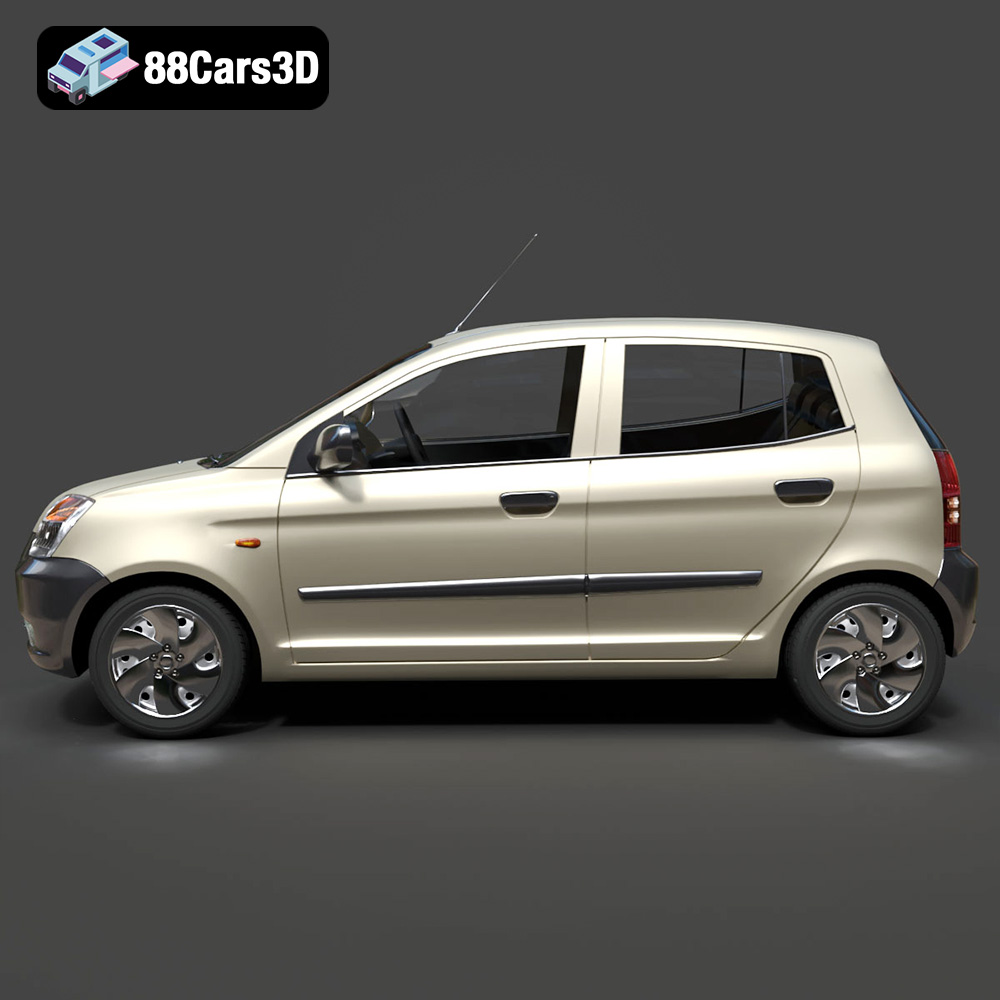
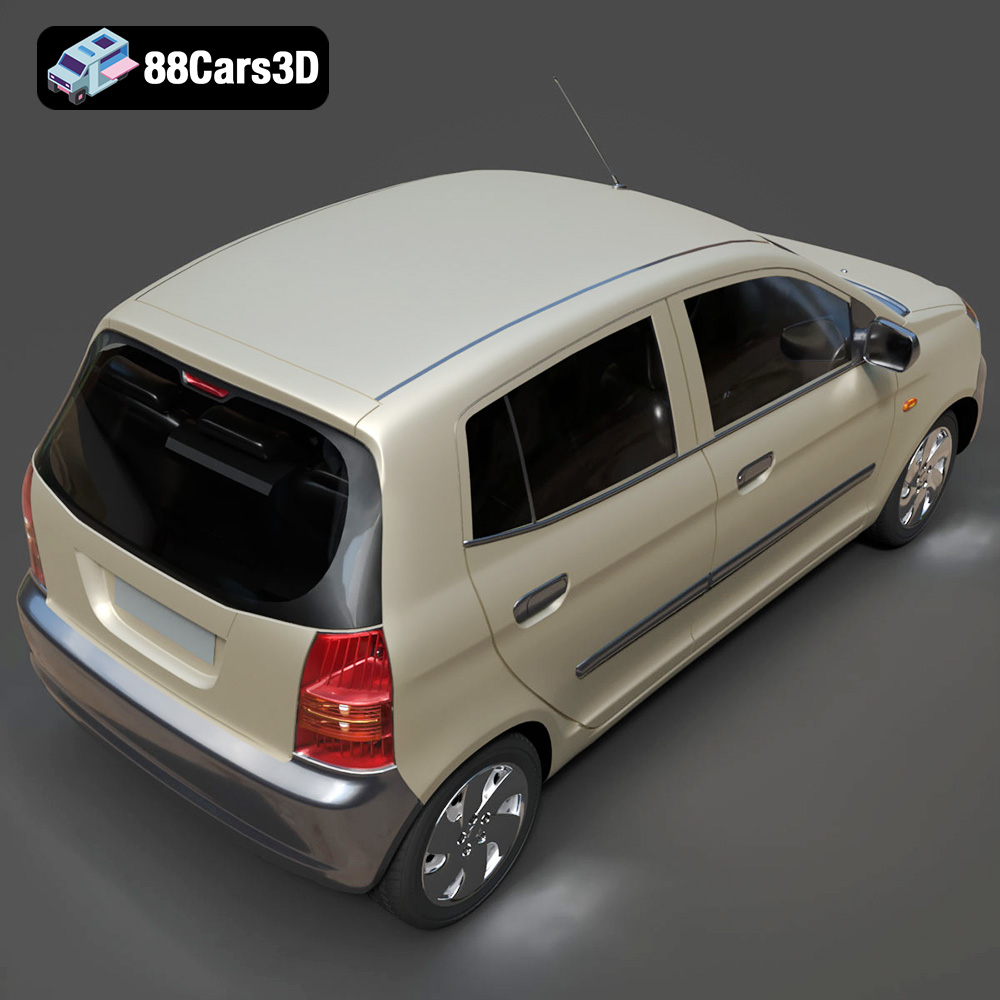
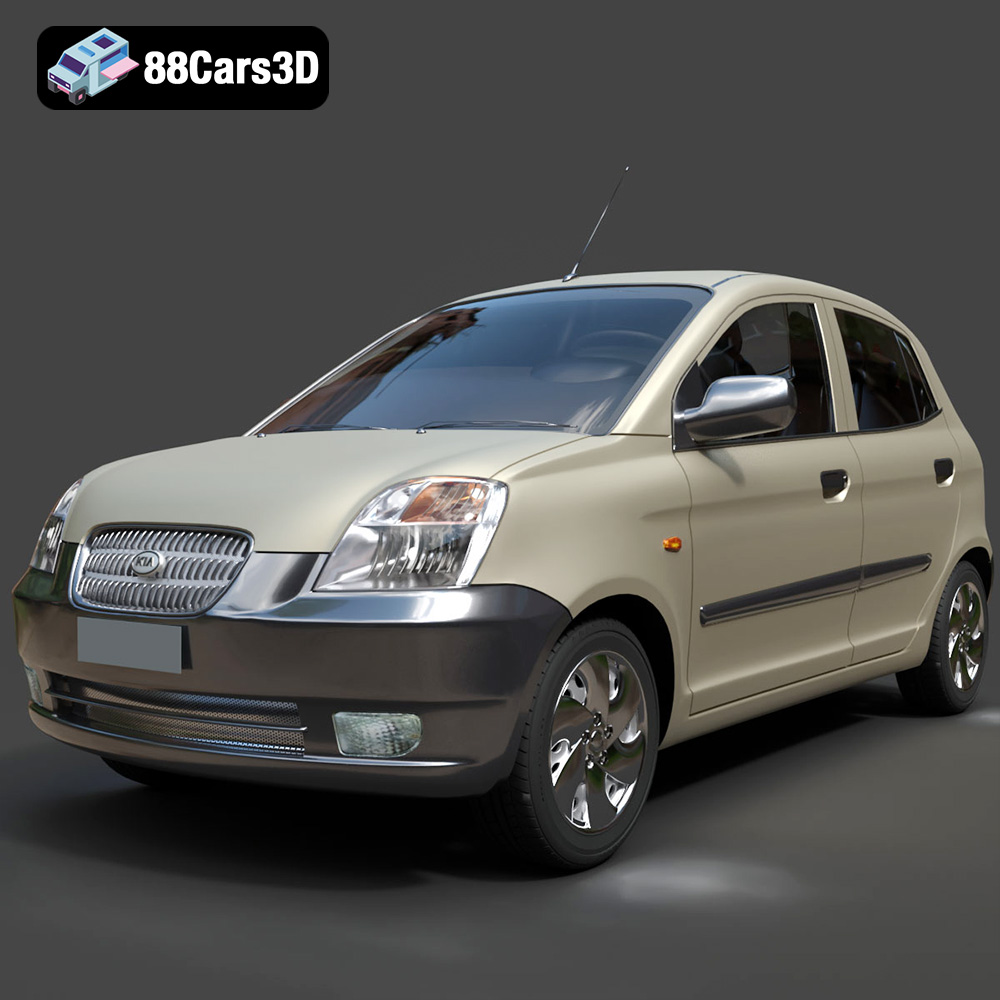
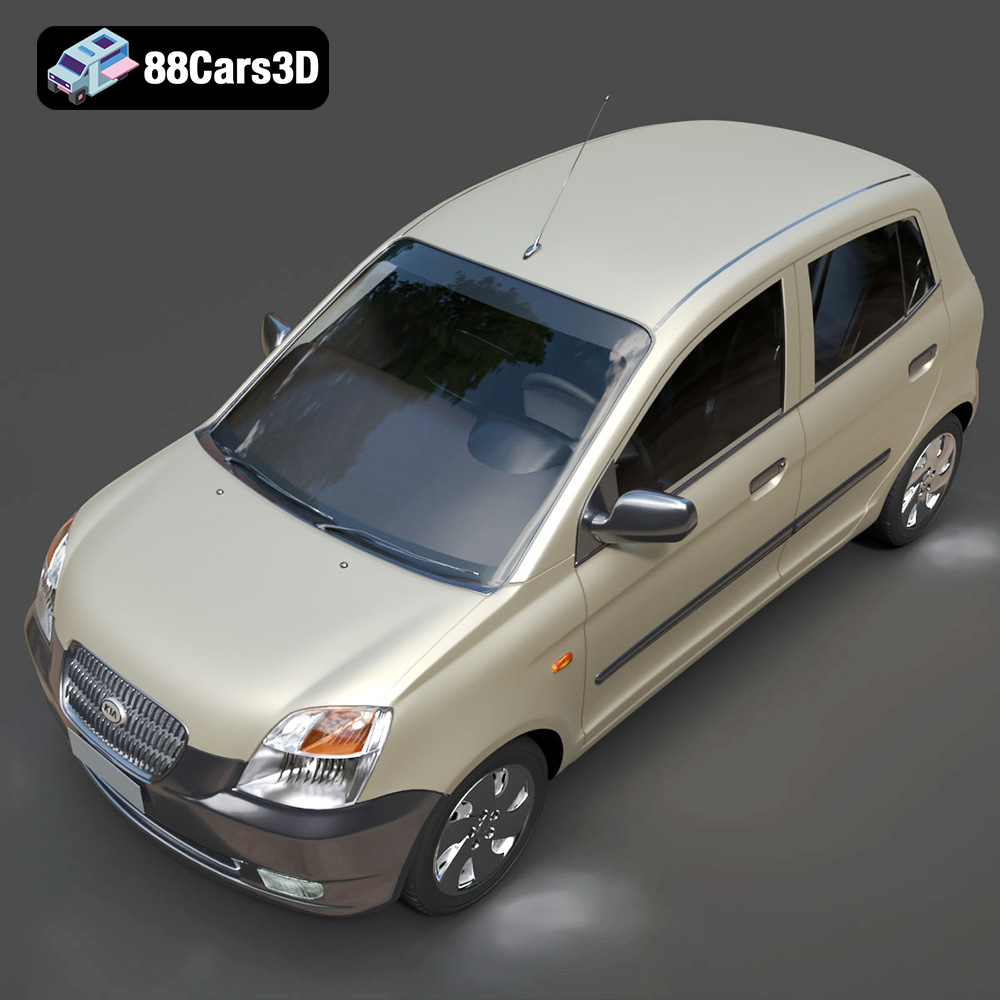
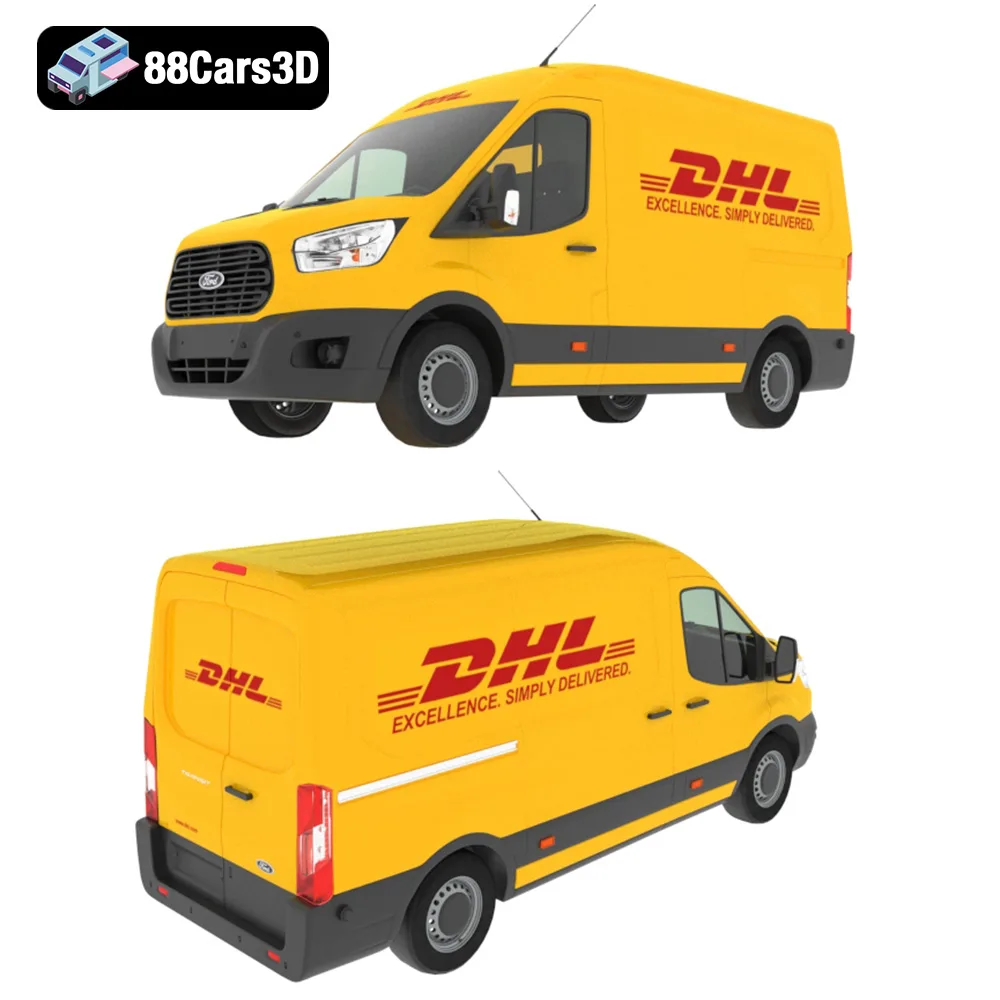
The Everyday City Traffic Essentials pack directly addresses this realism challenge. It’s a comprehensive 5-in-1 bundle designed to inject a dose of genuine street life into your projects. Instead of searching for individual assets, this pack provides a carefully selected blend of vehicles that represent the cross-section of typical city traffic. From a classic Hyundai Tucson SUV to the modern Kia Picanto hatchback, the iconic Volkswagen Golf, a nostalgic Toyota Yaris, and the crucial Ford Transit DHL delivery van, this collection offers the perfect blend of eras and utility. This pack is not just about quantity; it’s about strategic quality, providing models that are technically robust and aesthetically accurate, ensuring they seamlessly integrate into your most demanding professional workflows.
Understanding 3D Model File Formats
The choice of a 3D model file format is far more critical than simply picking a “default” option. Each format carries specific characteristics, advantages, and limitations that dictate its compatibility, feature set, and suitability for different stages of a production pipeline. The Everyday City Traffic Essentials pack provides a comprehensive array of formats to ensure maximum flexibility and integration across various software and platforms. Understanding these formats is key to optimizing your workflow, avoiding conversion issues, and leveraging the full potential of your 3D assets.
The Universal Exchange: .obj and .fbx
- .obj (Wavefront OBJ): This is arguably one of the most widely supported and truly universal 3D file formats. An .obj file primarily stores geometric data (vertices, UVs, normals) and references to external material files (.mtl). Its simplicity is its strength, making it an excellent choice for basic mesh exchange between different software applications without losing core geometric information. However, .obj does not store animation, rigging, or scene hierarchy, making it less ideal for complex animated scenes. For static background assets like the cars in the Everyday City Traffic Essentials pack, it’s a reliable workhorse for pure mesh transfer.
- .fbx (Filmbox): Developed by Autodesk, FBX is the industry-standard exchange format, particularly dominant in game development and animation pipelines. It supports a vast range of 3D data, including geometry, materials, textures, rigging, animation, cameras, and lights. This makes .fbx incredibly versatile for transferring complex scenes and animated assets between software like 3ds Max, Blender, Maya, Unreal Engine, and Unity. For the Everyday City Traffic Essentials pack, the .fbx format is ideal for importing models with separated parts, correct pivot points, and basic material assignments directly into your real-time engines, ready for rigging and animation.
Engine-Specific and Optimized Formats: .blend, .max, .unreal
- .blend (Blender Native File): This is Blender’s native project file format, preserving the entire Blender scene, including all objects, materials, textures, lighting, cameras, animation, and modifier stacks. For users of Blender, having the .blend file from the Everyday City Traffic Essentials pack means full editability. You can easily modify geometry, adjust materials, re-UV, or incorporate the models into your existing Blender projects with all their original settings intact, offering unparalleled flexibility for customization.
- .max (3ds Max Native File): Similar to .blend for Blender, .max is the native file format for Autodesk 3ds Max. It stores a complete 3ds Max scene, including all geometry, modifiers, materials (V-Ray, Corona, Arnold compatibility is key here), lighting, cameras, and animation data. For 3ds Max users, the .max format provides the highest level of fidelity and editability, ensuring that the car models from the Everyday City Traffic Essentials pack can be seamlessly integrated into complex architectural visualizations or rendering setups, leveraging all the powerful features of 3ds Max without any data loss during import.
- .unreal (Unreal Engine Asset): While not a single file type like FBX, an “.unreal” asset typically refers to a fully imported and configured asset within an Unreal Engine project. This means the model has been processed, materials applied, collision meshes generated, and potentially even blueprint classes set up for vehicle functionality. When a model is provided in an “engine-ready” state, it significantly accelerates development time for Unreal Engine projects, as much of the tedious setup work has already been done. For game developers, this means the Everyday City Traffic Essentials pack can drop right into an Unreal environment, optimized and ready to go.
Specialized Formats: .glb, .stl, .ply
- .glb (GL Transmission Format Binary): GLB is a binary version of glTF (Graphics Language Transmission Format), designed for efficient transmission and loading of 3D scenes and models in web and AR/VR applications. It’s a single-file format that bundles geometry, materials, textures, and animation, making it highly optimized for browser-based viewers, augmented reality experiences, and virtual reality platforms. The .glb format from the Everyday City Traffic Essentials pack is perfect for showcasing models interactively on the web or integrating them into mobile AR apps.
- .stl (Stereolithography): STL is the de-facto standard for 3D printing. It represents a 3D model as a series of connected triangles (a tessellated surface). While it’s simple and widely supported by 3D printers and slicing software, it lacks color, texture, or material information. The inclusion of .stl files in the Everyday City Traffic Essentials pack specifically caters to users interested in physical production, such as creating scale models for dioramas or architectural layouts. The product description’s detailed 3D print settings further emphasize this application.
- .ply (Polygon File Format): PLY is a polygon file format primarily used for storing 3D data from 3D scanners, CAD software, and scientific applications. It supports various properties like color, transparency, and normals, and can store either triangular or polygonal meshes. While less common for general 3D asset exchange than .obj or .fbx, its presence for the Everyday City Traffic Essentials pack indicates suitability for precision work, potentially for reverse engineering, measurement, or specific CAD integrations where robust mesh data is crucial.
The Power of Everyday Vehicles: Why This Bundle Matters
The “wow” factor often comes from the extraordinary, but true believability is built on the ordinary. The Everyday City Traffic Essentials pack understands this fundamental principle, offering a collection of vehicles that, while not flashy, are absolutely essential for creating scenes that resonate with authenticity and familiarity.
The “Unsung Heroes” of Scene Composition
In any visual medium, the background elements play a crucial role in establishing context and depth. For architectural visualizations, game environments, or urban planning simulations, the vehicles populating the streets are just as important as the buildings themselves. The cars in this pack—a Hyundai Tucson, Kia Picanto, Volkswagen Golf, Toyota Yaris, and Ford Transit DHL—are the unsung heroes. They don’t demand attention, but their presence subconsciously tells the viewer: “This is a real place, with real people and real activities.” This contributes significantly to a scene’s overall perceived quality, elevating it from a generic backdrop to a vibrant, living ecosystem.
A Diverse Fleet for Authentic Environments
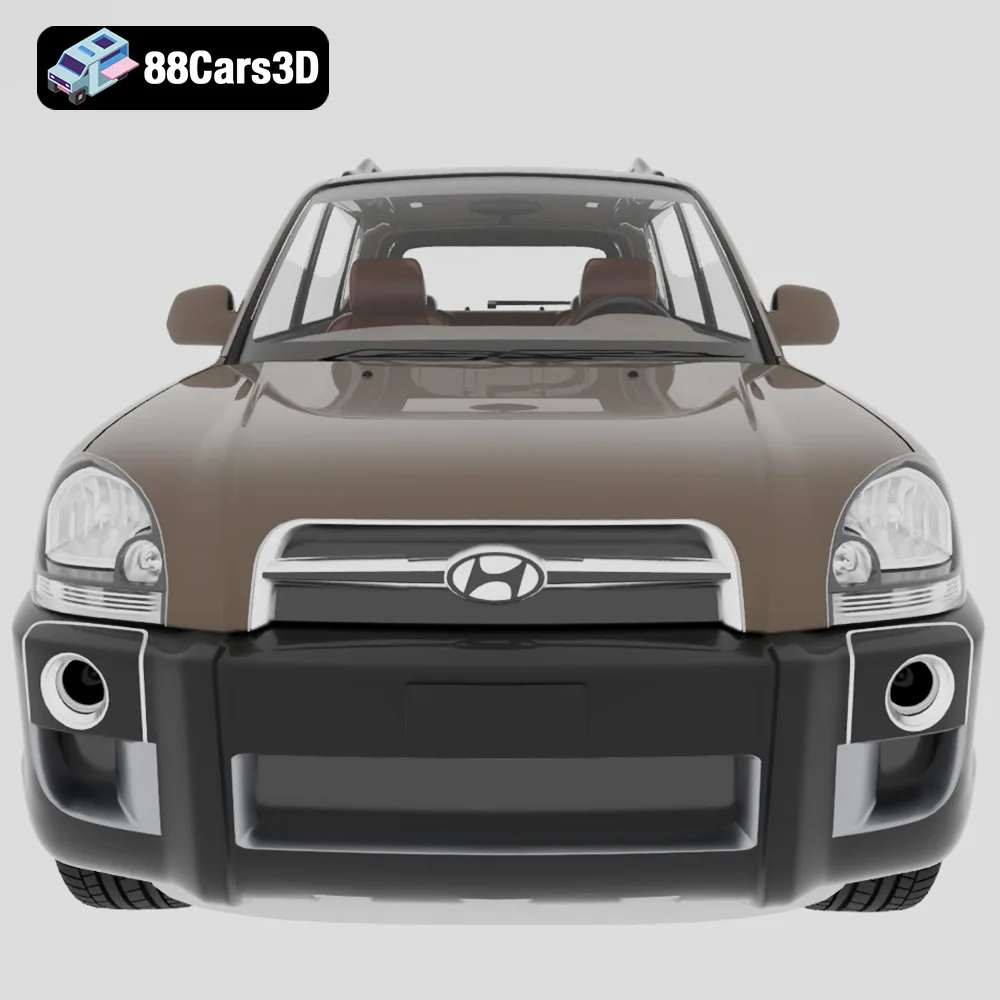
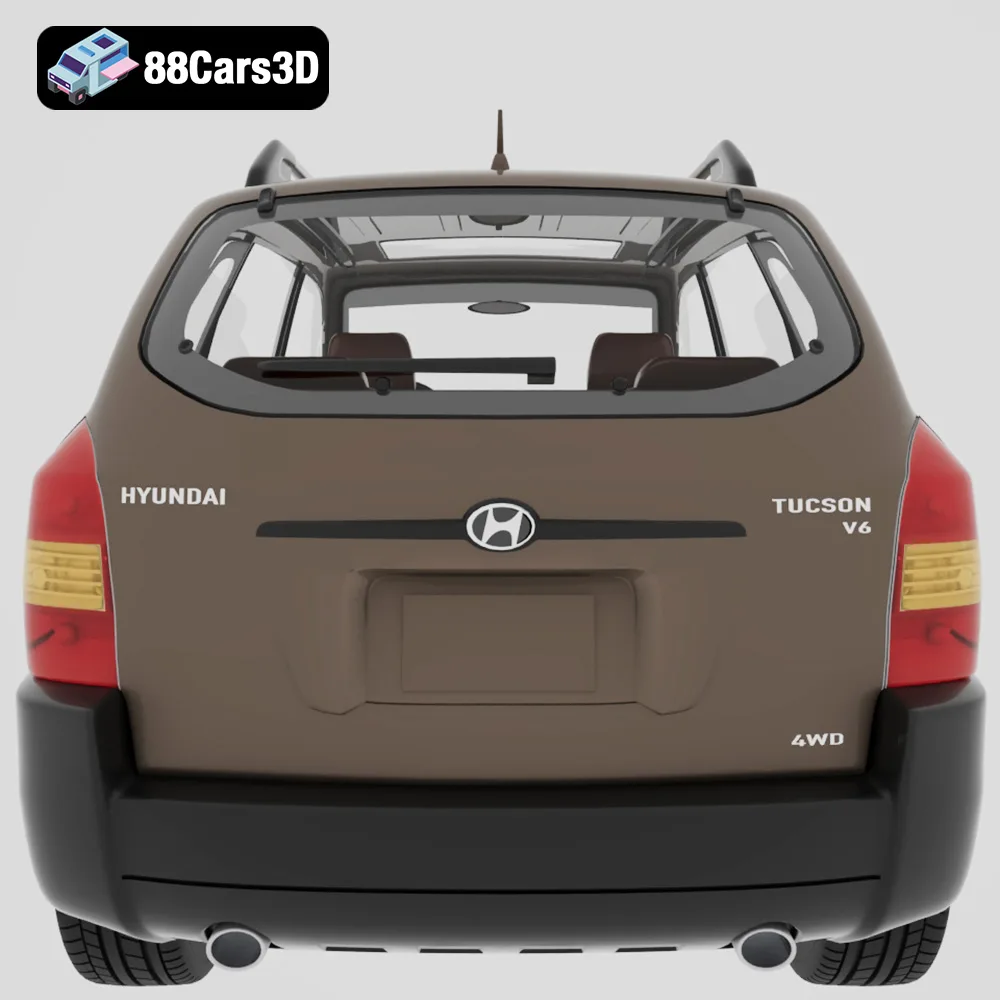
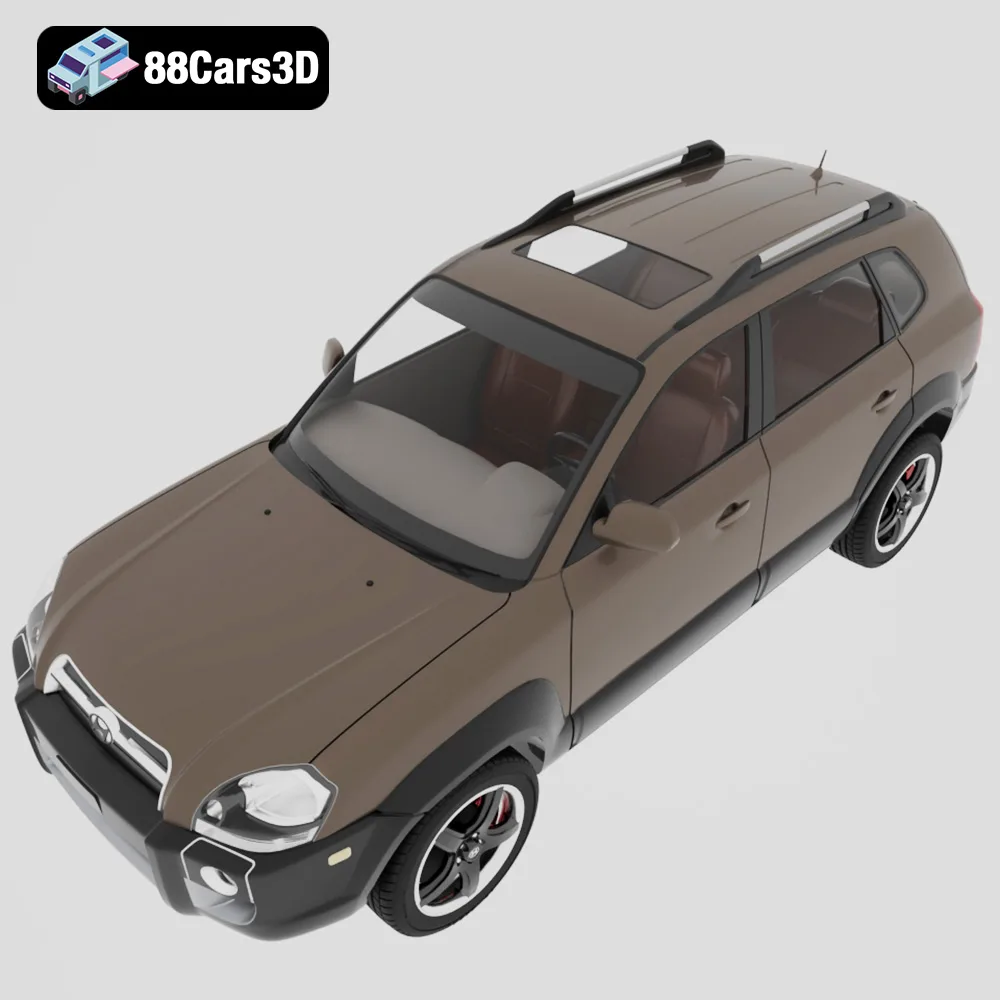
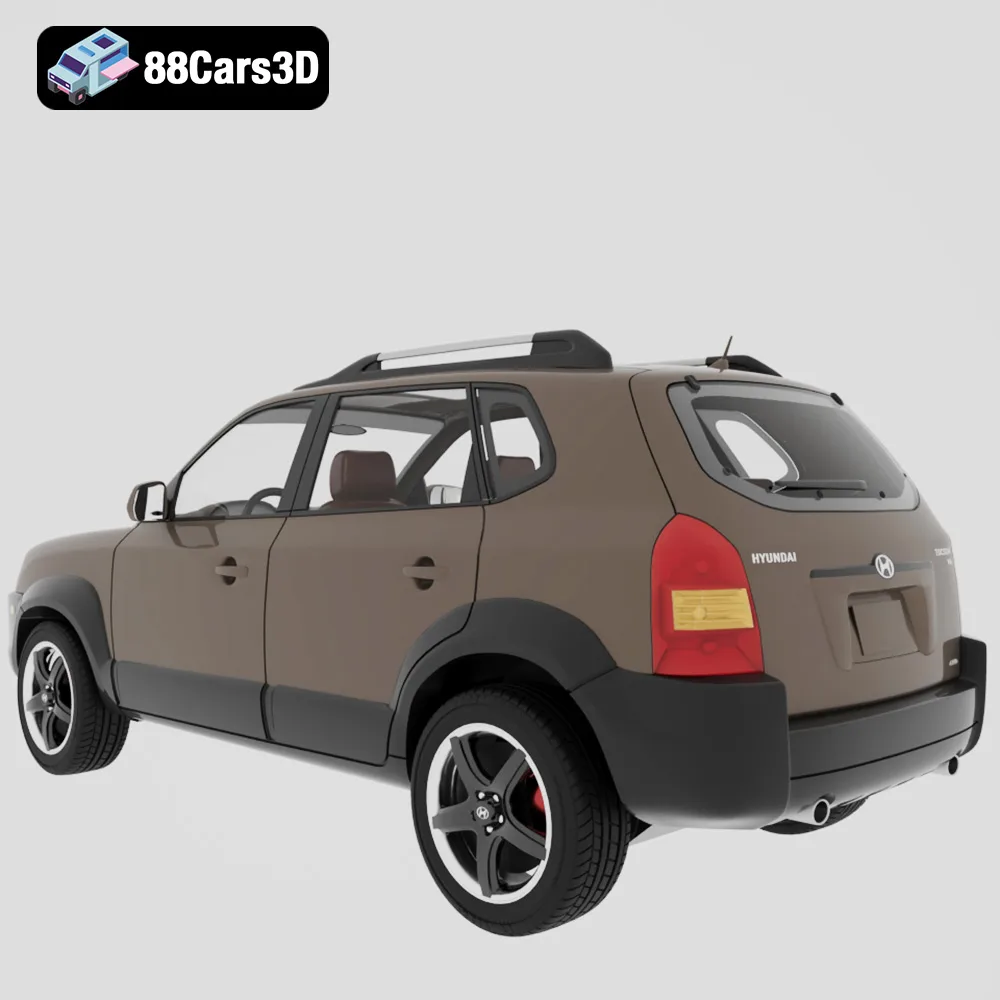
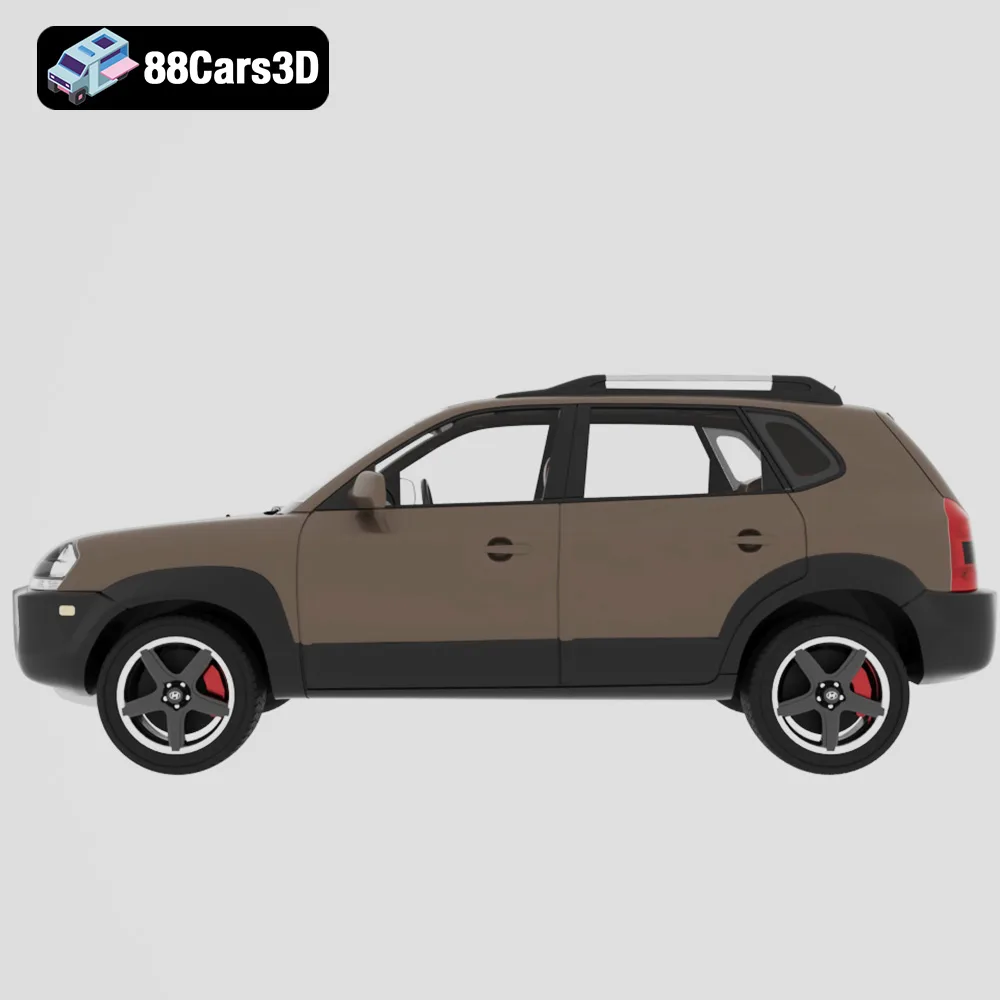
- Hyundai Tucson 2005: A classic compact crossover, perfect for suburban scenes or busy city parking lots. Its familiar silhouette provides a stable, recognizable presence.
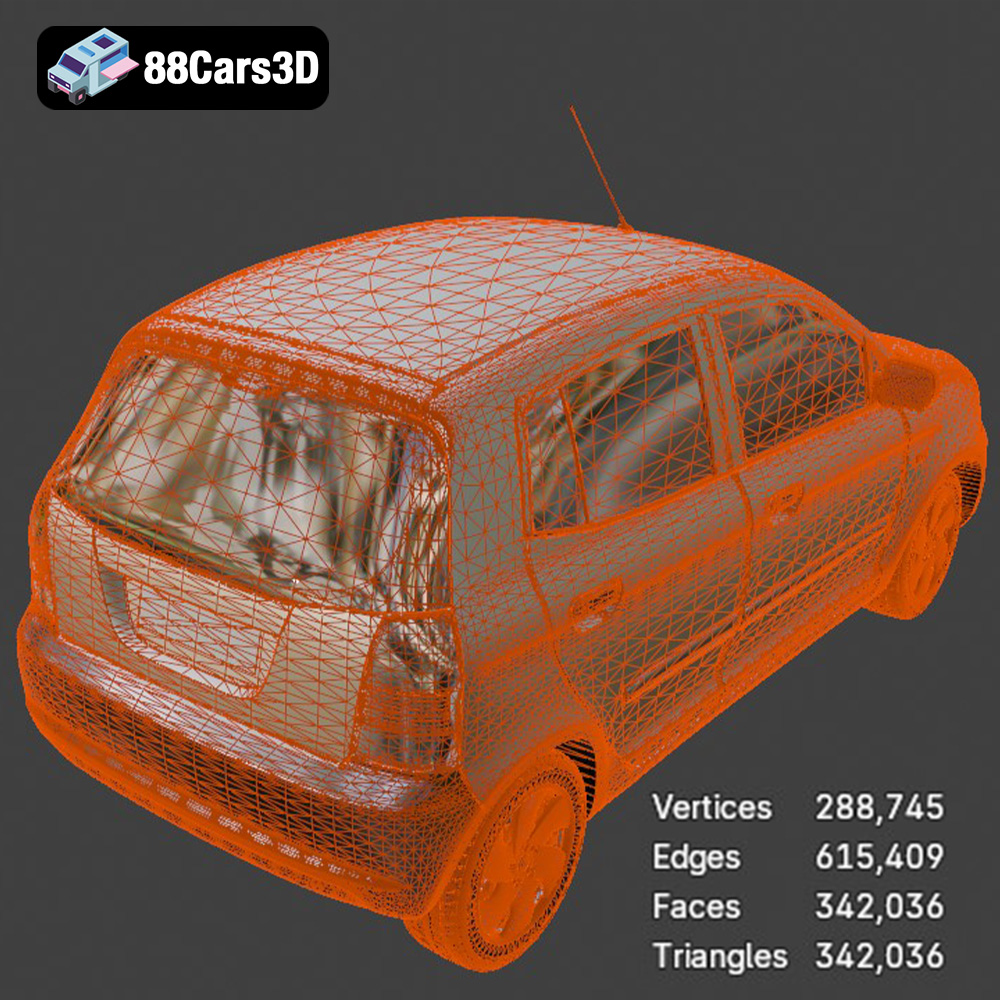
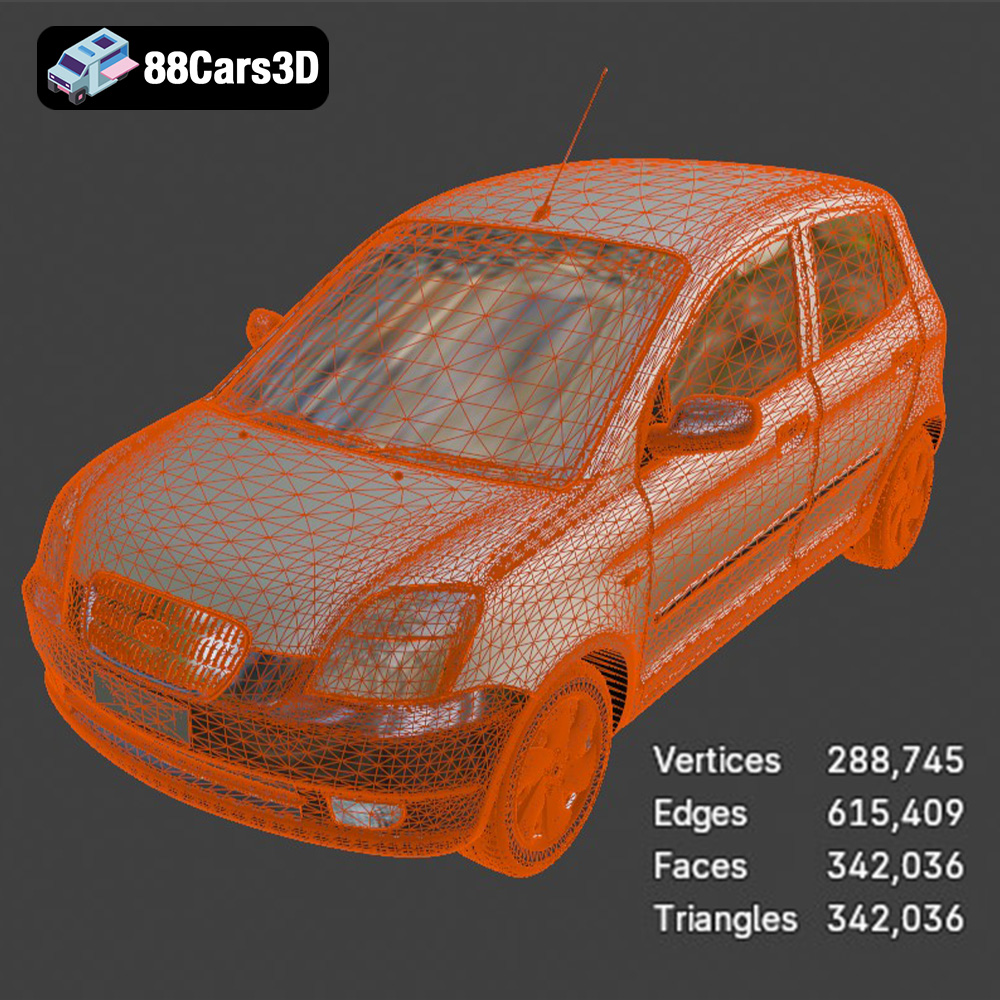
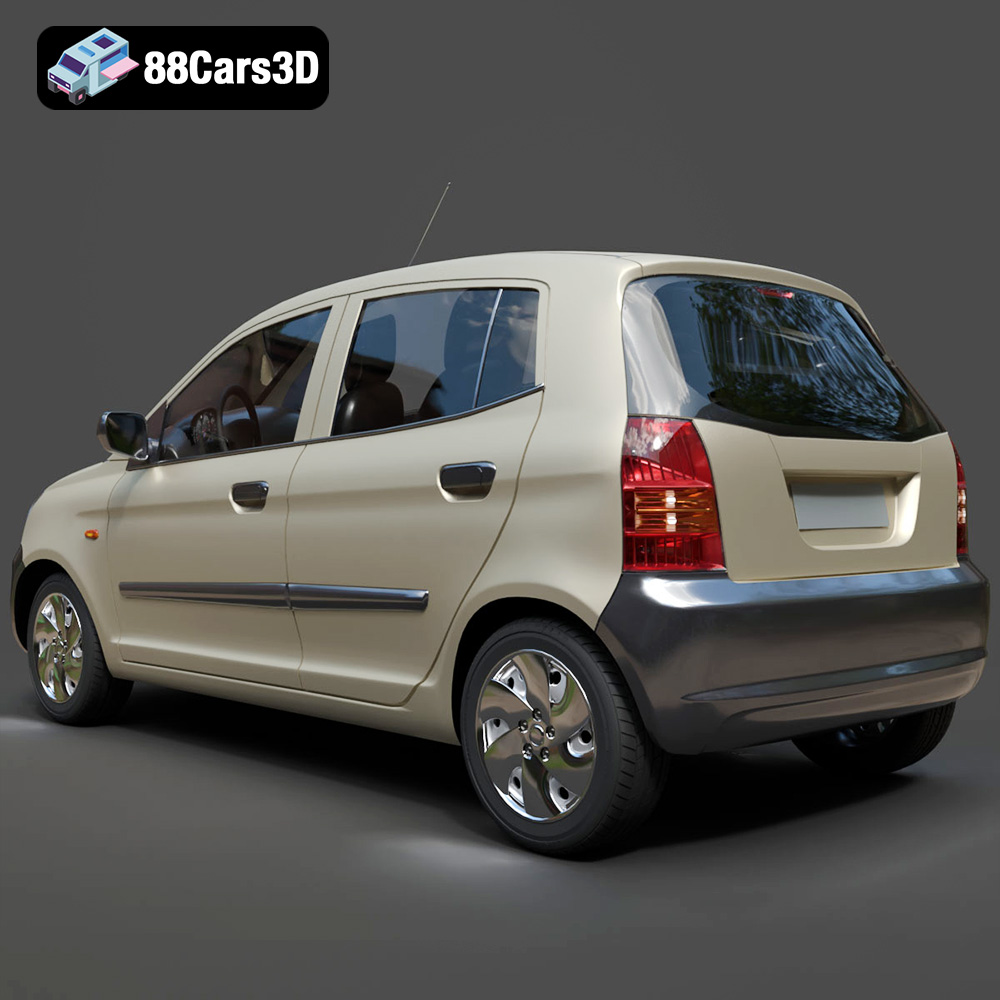
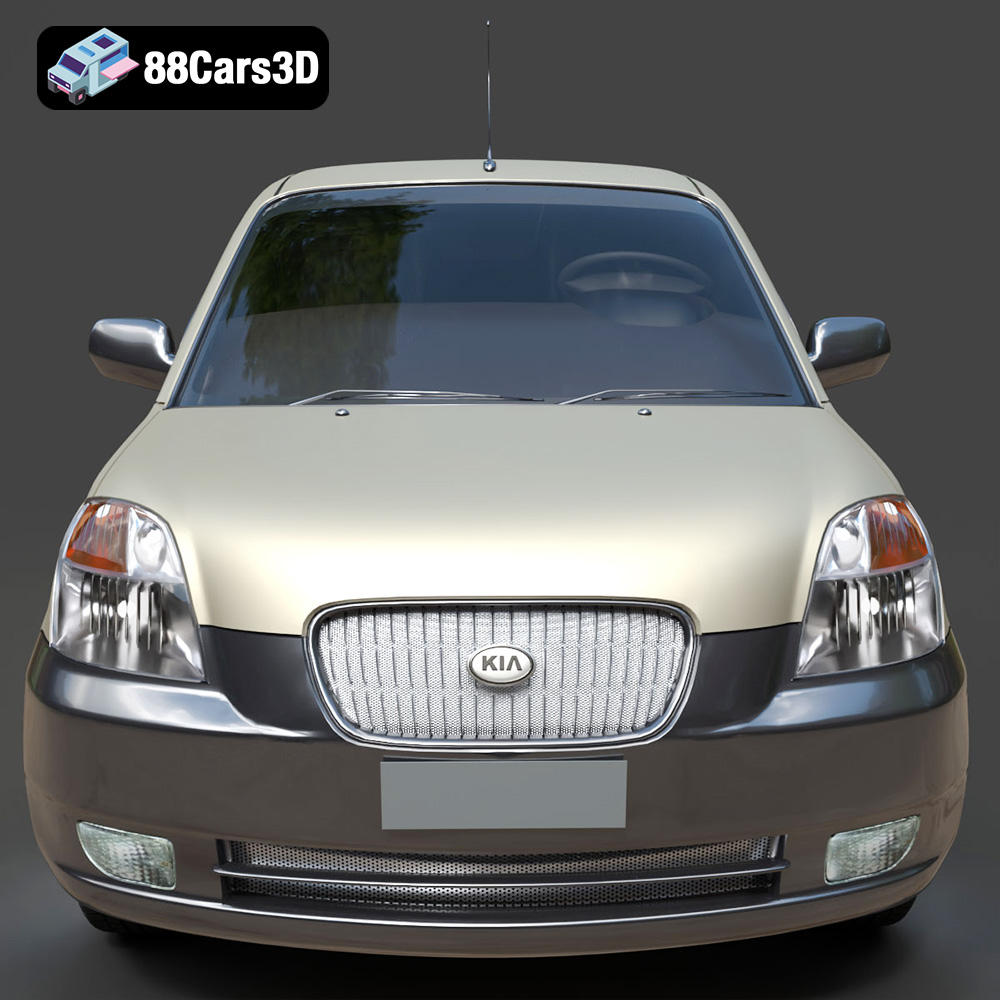
- Kia Picanto 2024: Represents the modern city commuter, adding contemporary flair to European or Asian streetscapes. Its aggressive yet compact design speaks to efficiency and urban living.
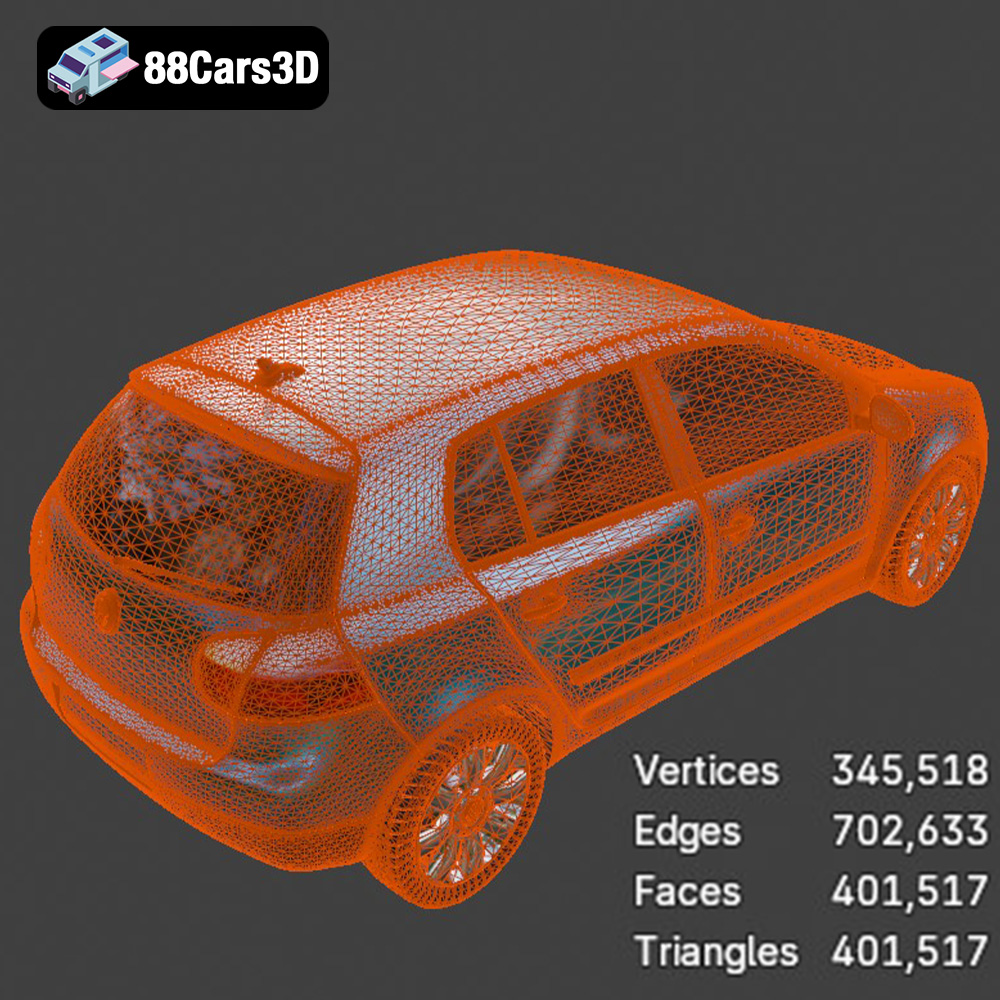
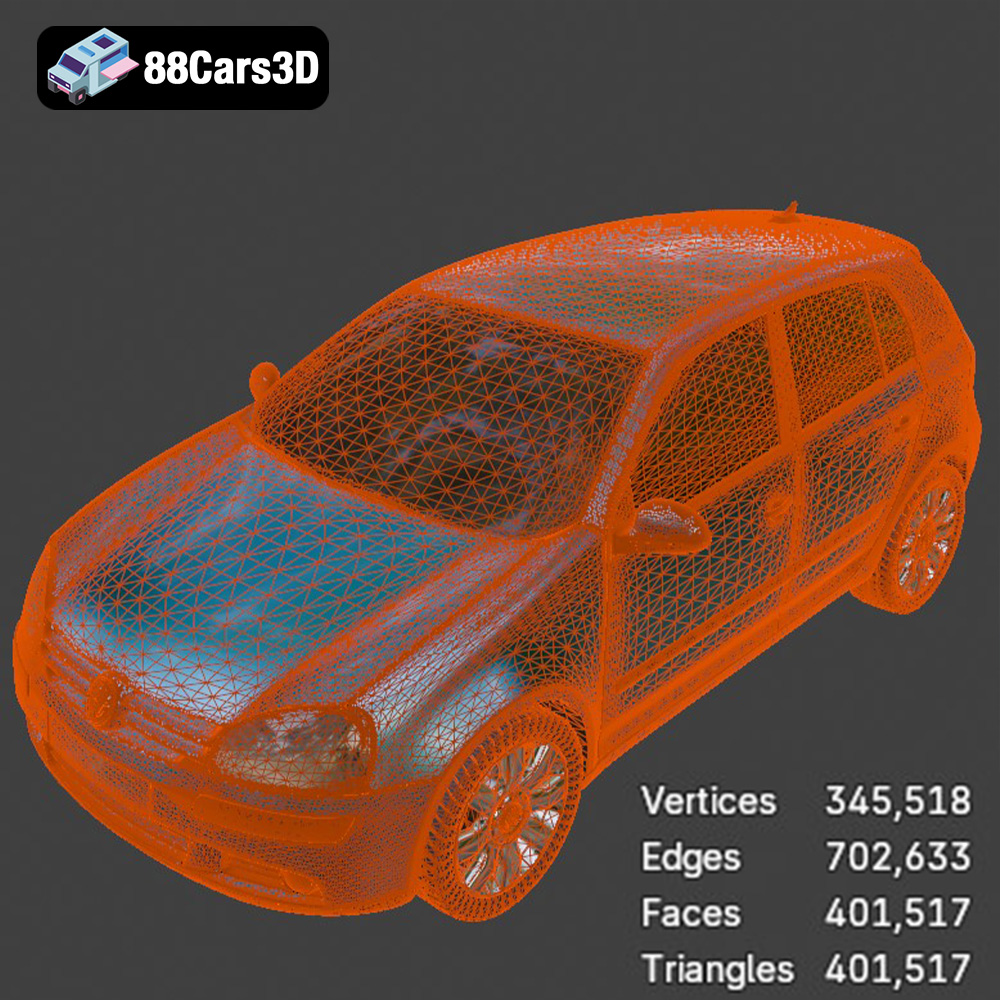
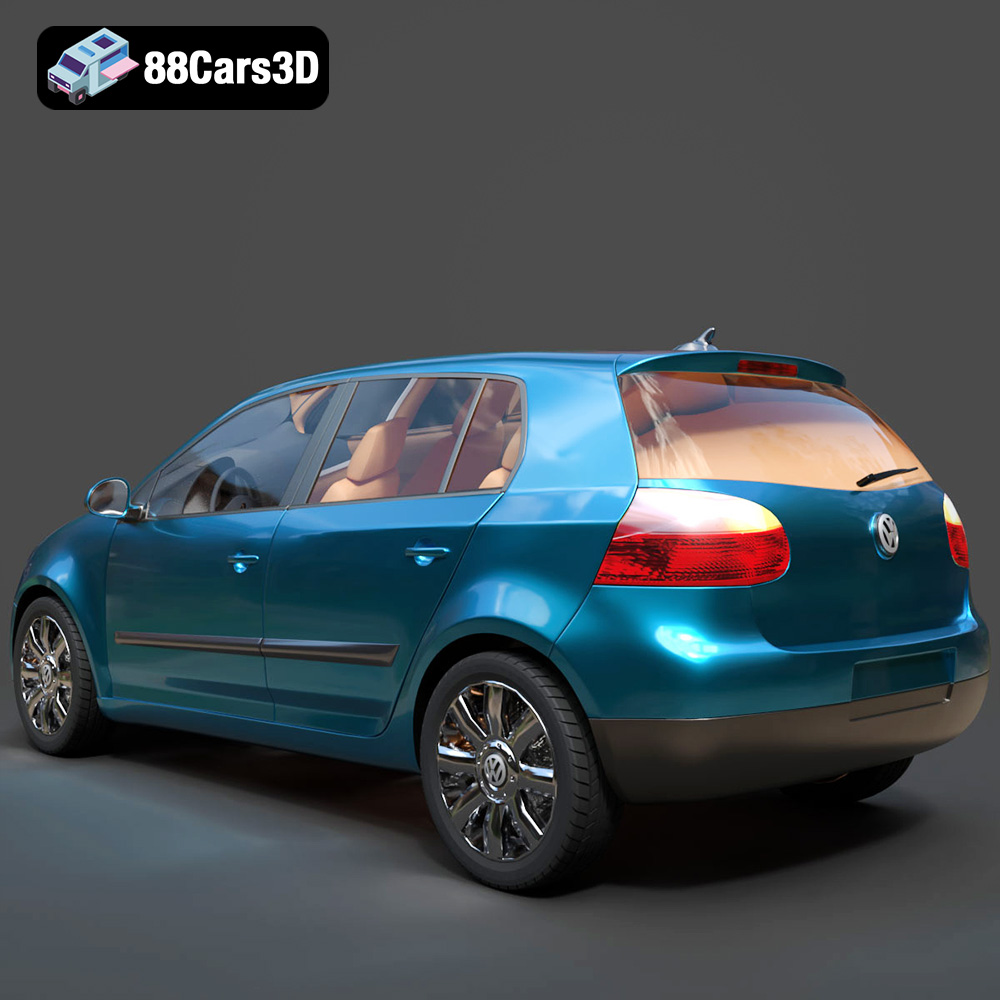
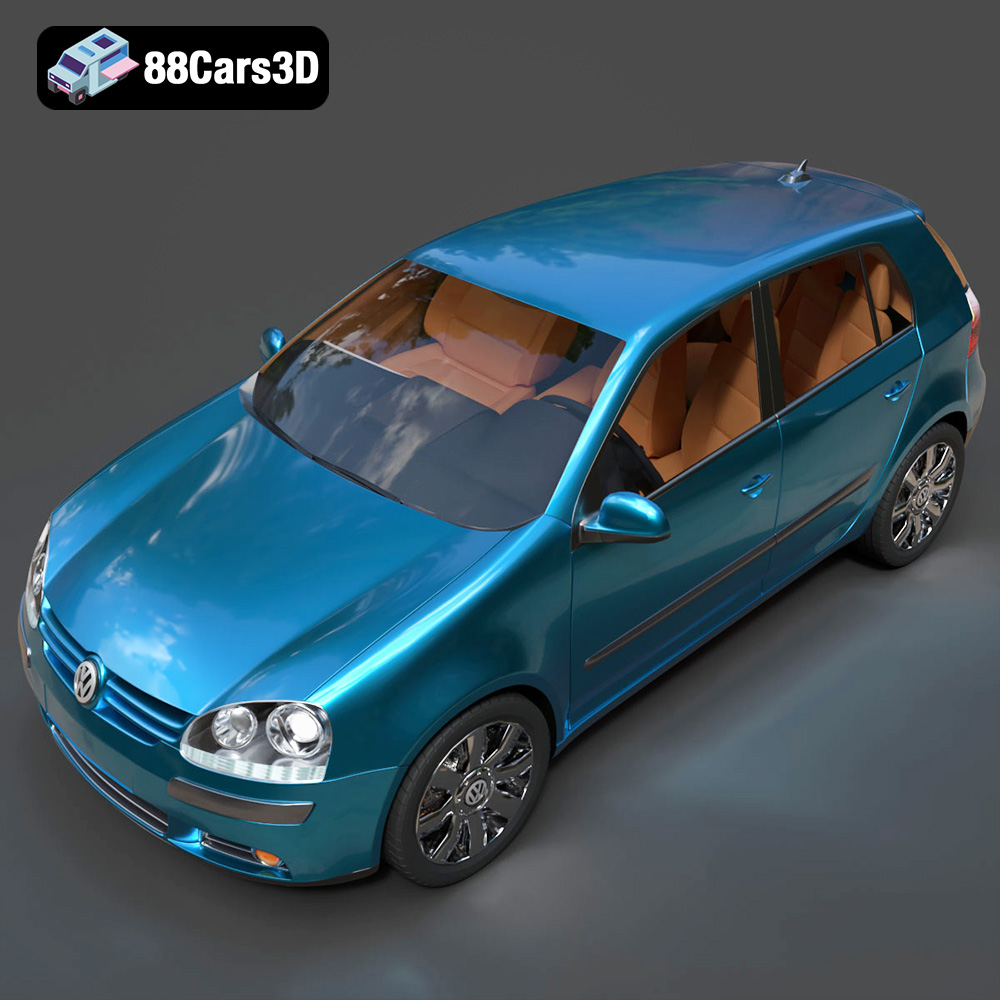
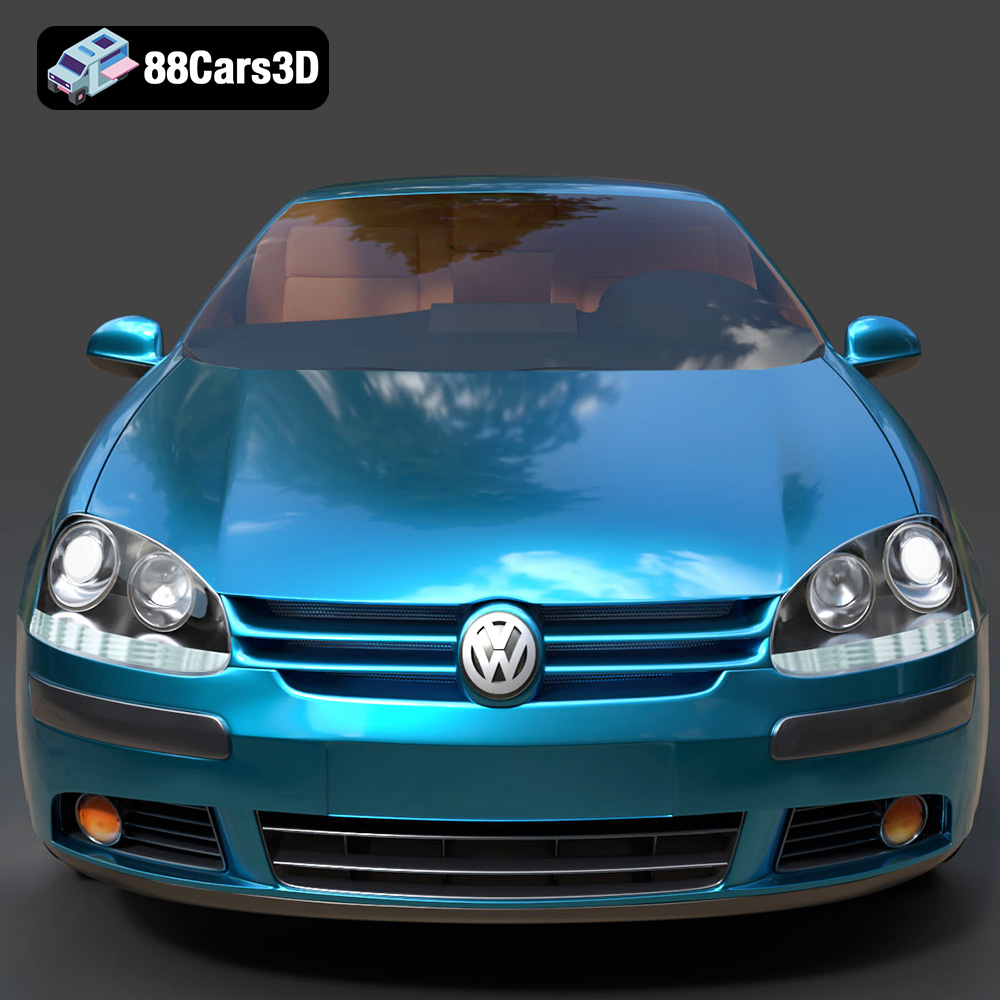
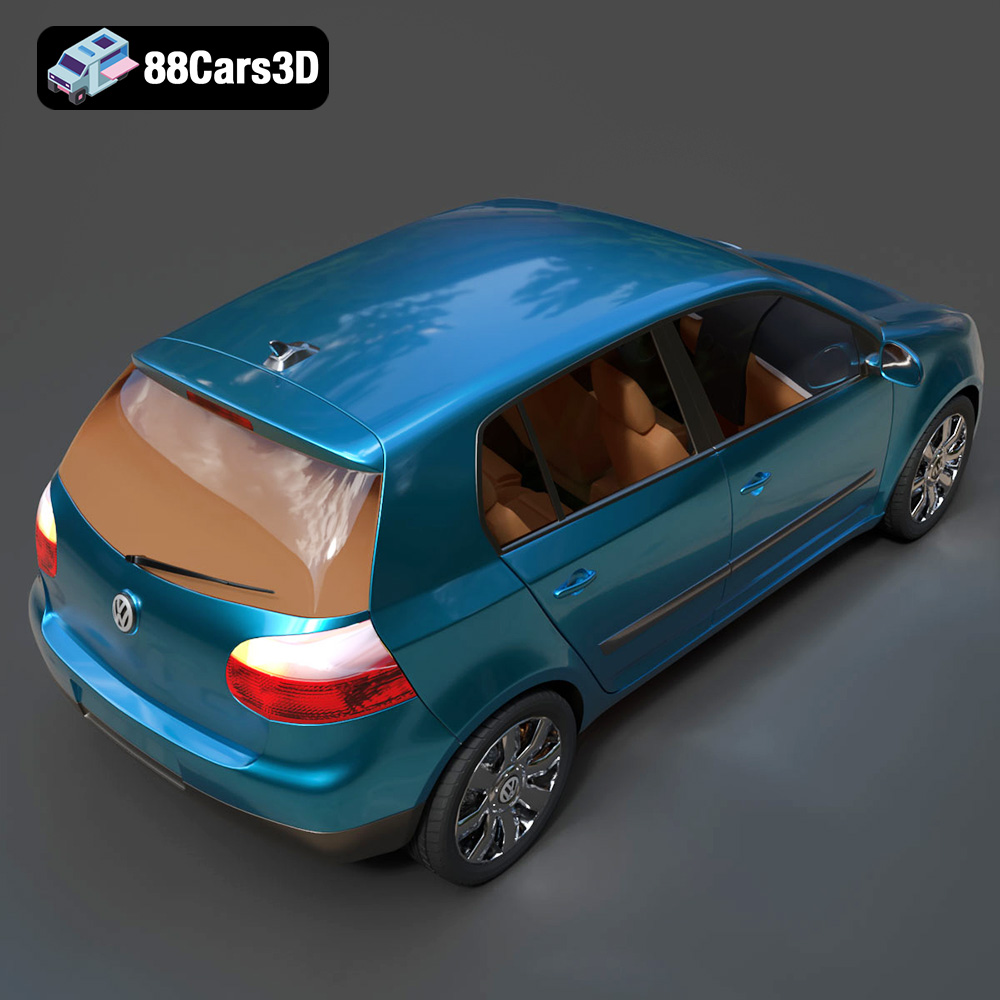
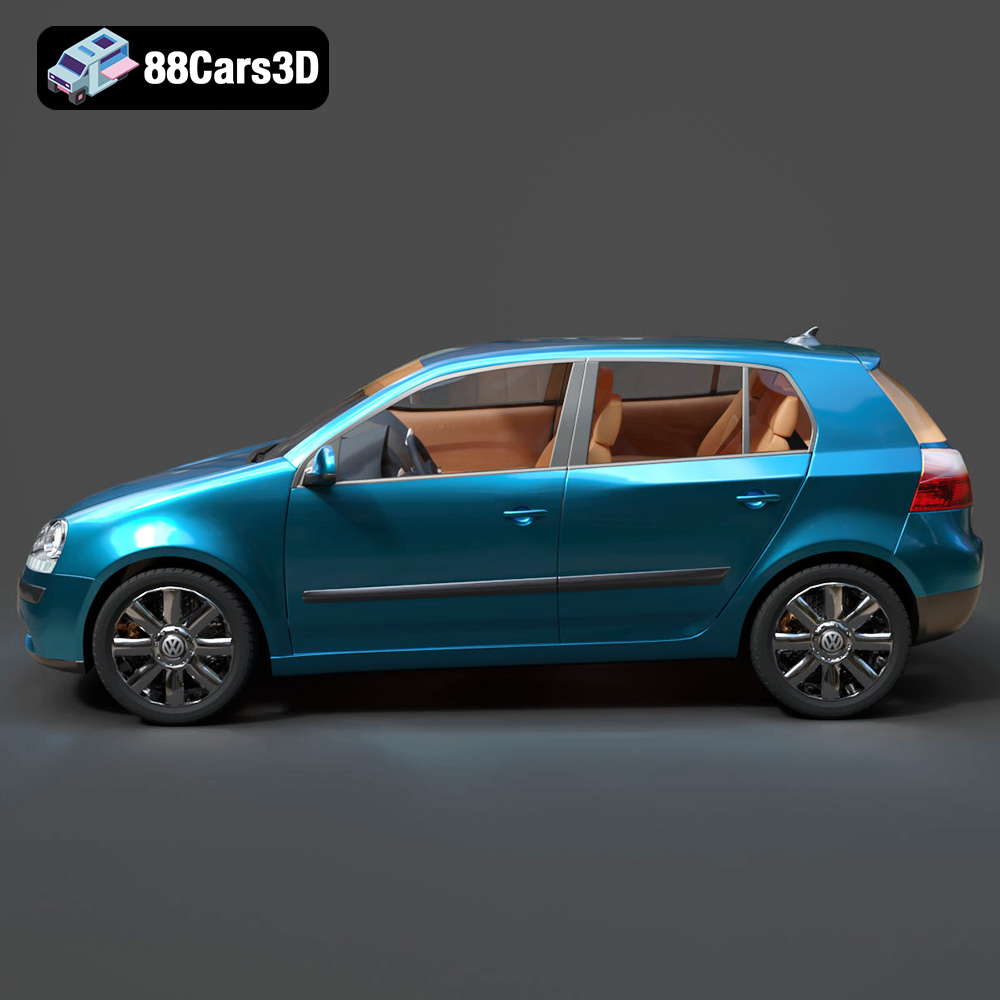
- Volkswagen Golf V 2006: The quintessential European hatchback. Including a VW Golf is almost mandatory for European city scenes, a testament to its widespread presence and cultural impact.
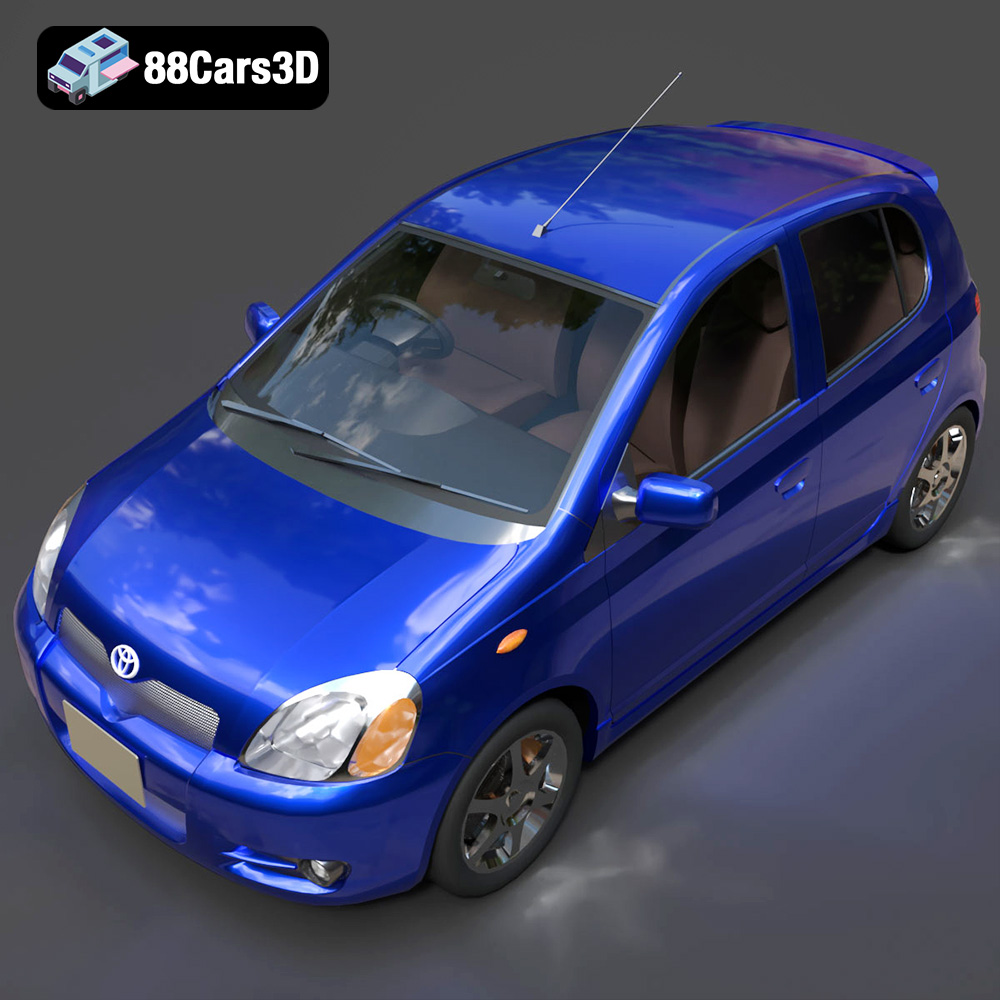
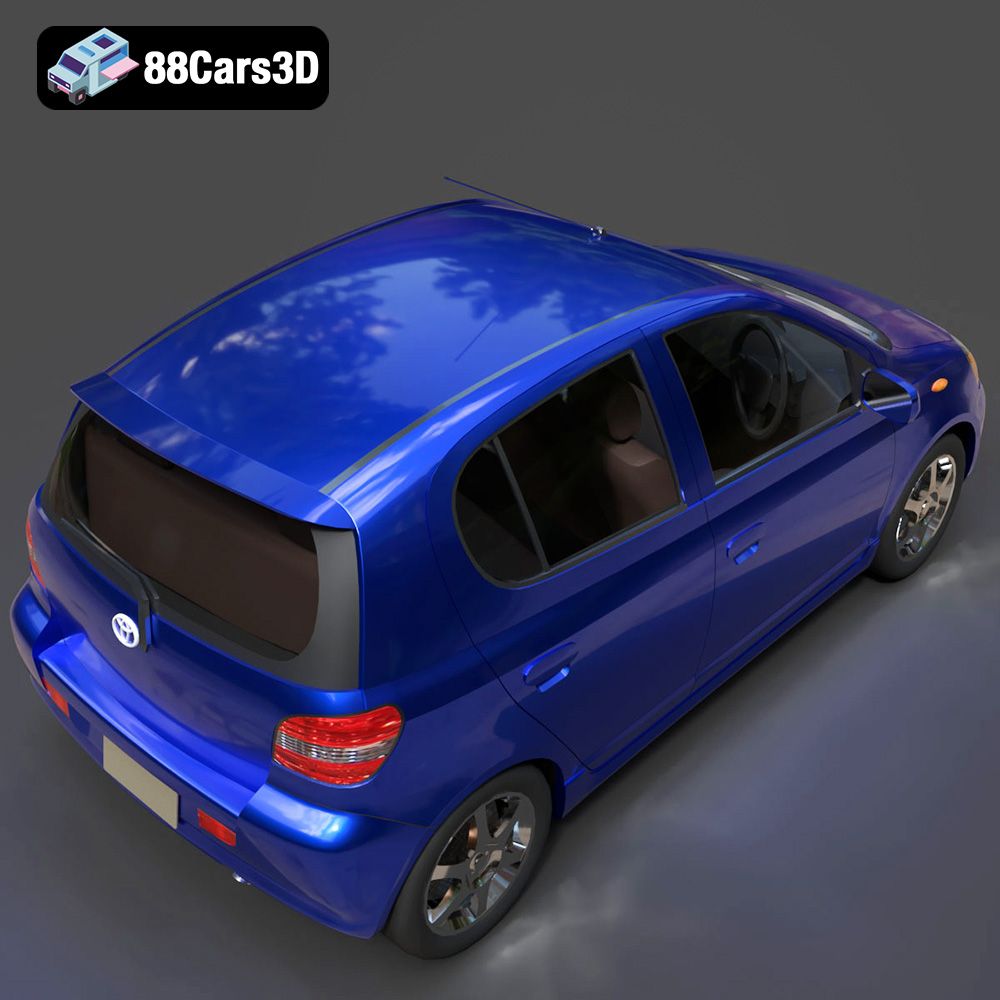
- Toyota Yaris 1999: A touch of nostalgia and realism. Incorporating slightly older, common vehicles like the Yaris prevents a scene from looking artificially new and contributes to a “lived-in” feel that professional studios strive for.
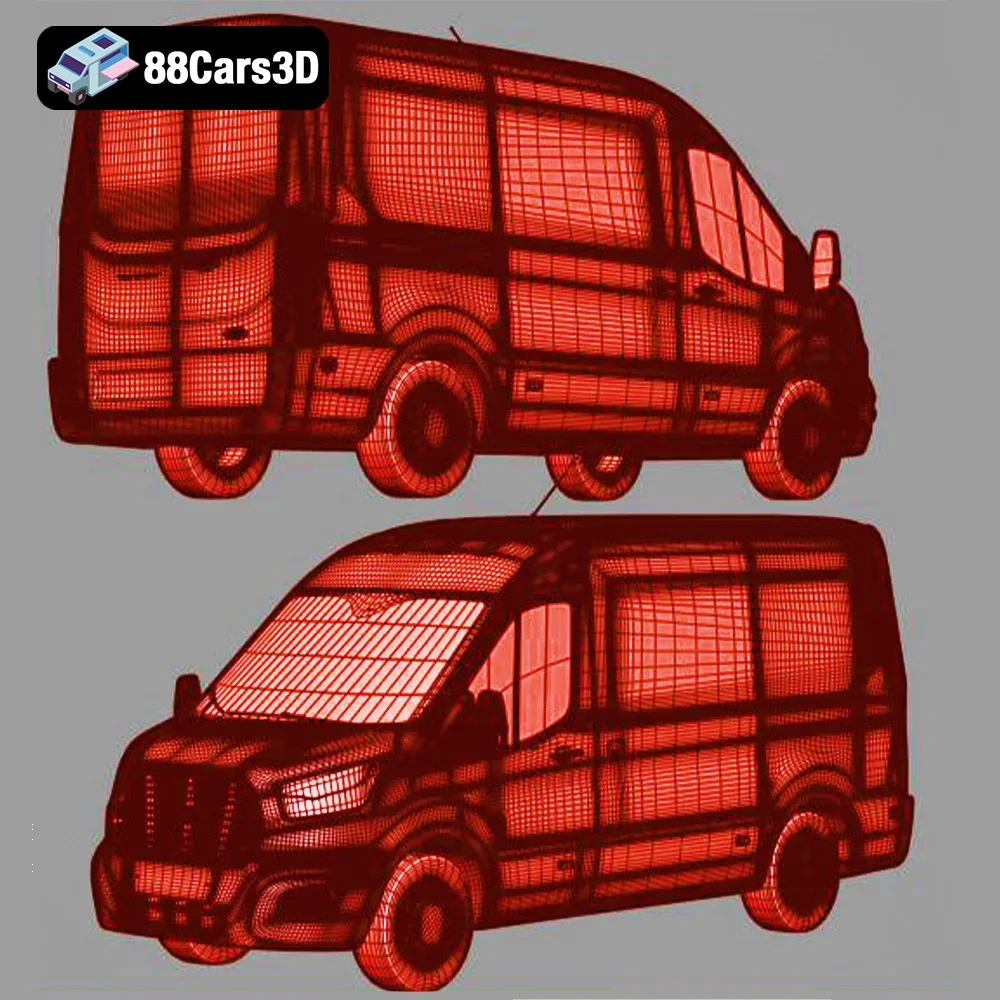
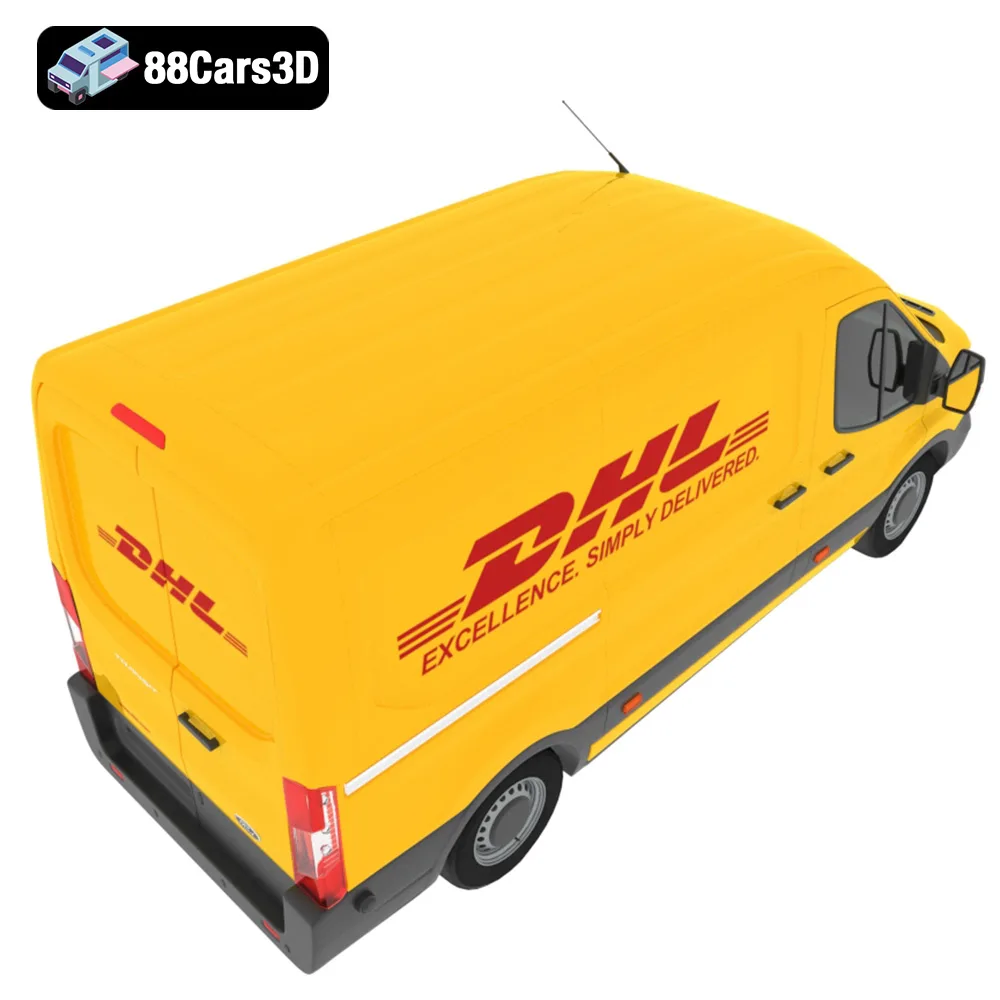
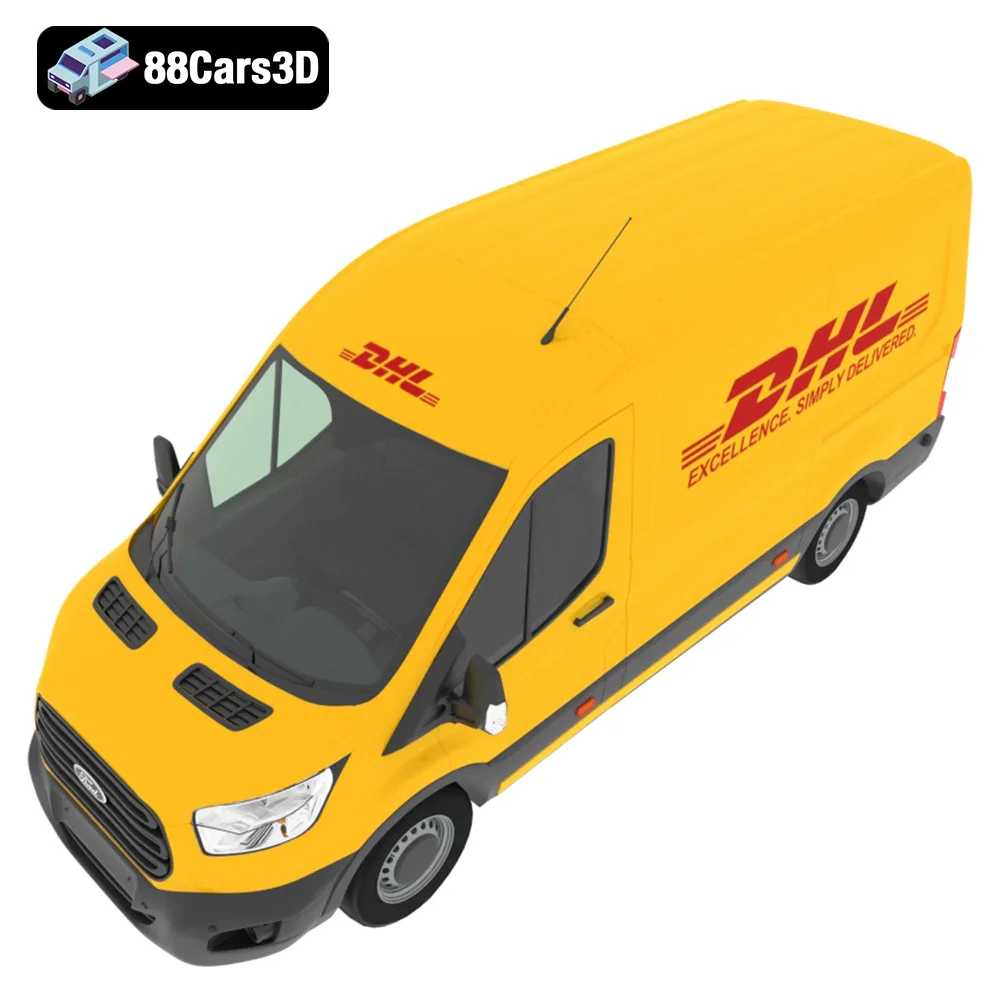
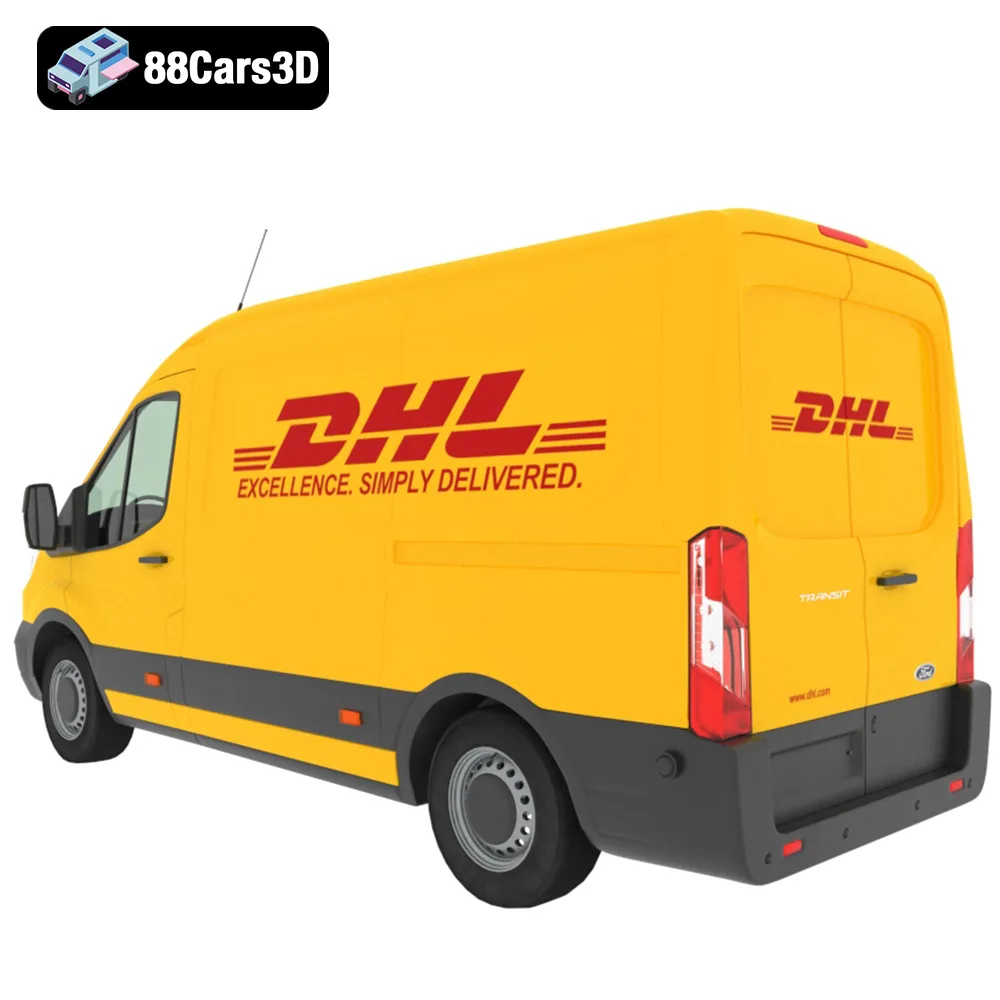
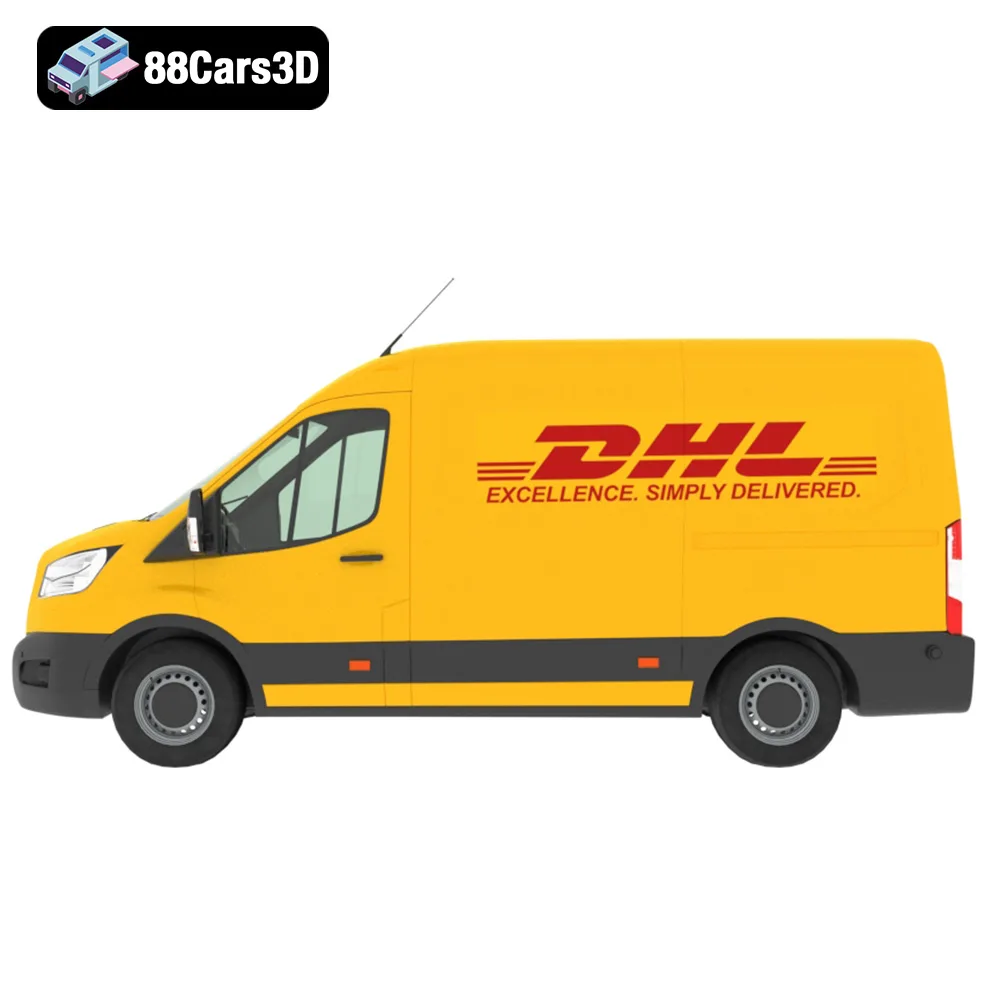
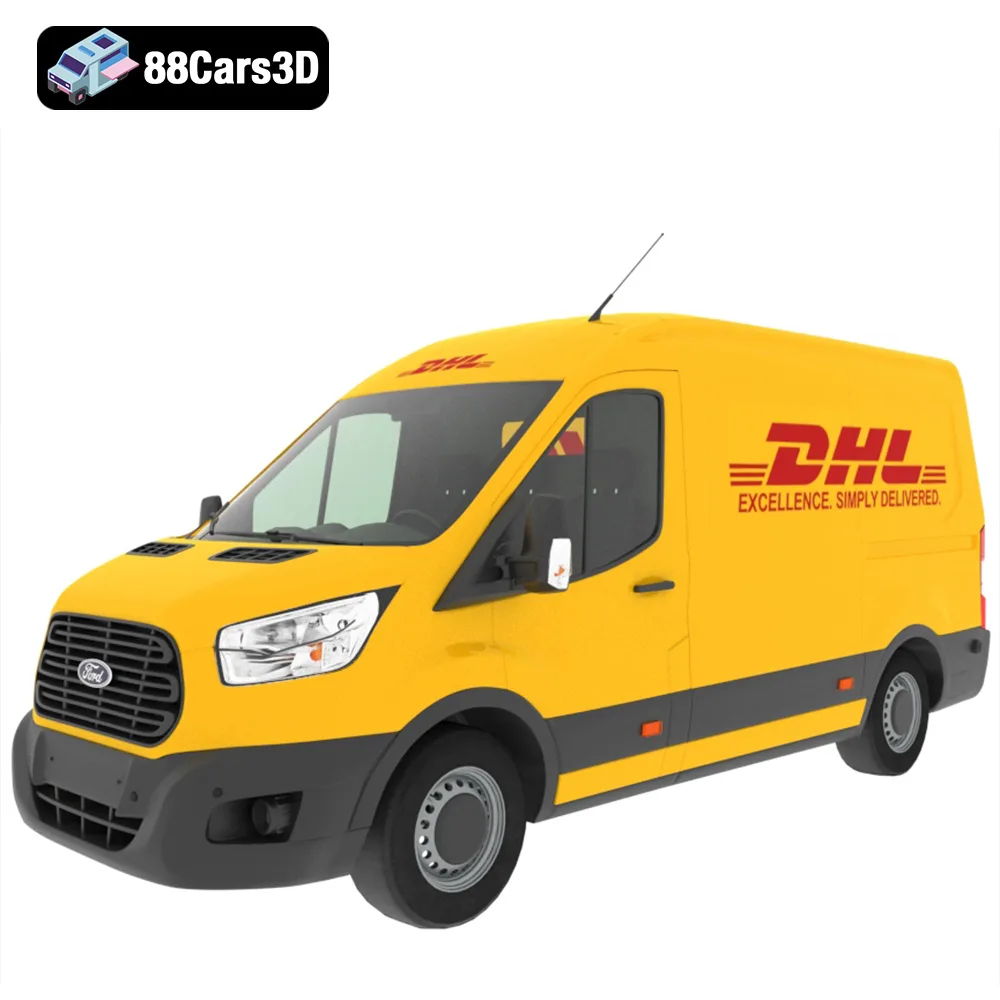
- Ford Transit DHL 2013: The ultimate realism booster. A delivery van with authentic livery instantly grounds a scene in reality, suggesting commerce, movement, and the daily rhythm of urban life. It adds a narrative element without needing a complex story.
This diversity in vehicle types and ages ensures that your traffic doesn’t look monotonous or out of place. It allows you to create believable scenarios, whether it’s a quiet residential street, a bustling commercial district, or a historical urban core.
Narrative Through Vehicle Selection
Each vehicle in the Everyday City Traffic Essentials pack implicitly tells a story. The older Yaris might suggest an established neighborhood, while the new Picanto points to a more modern, perhaps gentrified area. The DHL van implies commerce and connectivity. By strategically placing these different models, artists can subtly enhance the narrative of their environment, enriching the user’s experience and fostering a deeper connection with the digital world. This level of detail is what separates good visualizations from truly exceptional ones.
Technical Deep Dive: Optimizing for Performance and Detail
Beyond aesthetic appeal, the true value of 3D models lies in their technical foundation. The models within the Everyday City Traffic Essentials pack are engineered with professional workflows in mind, balancing visual fidelity with performance efficiency, crucial for both high-end rendering and real-time applications.
Impeccable Topology and Scale Accuracy
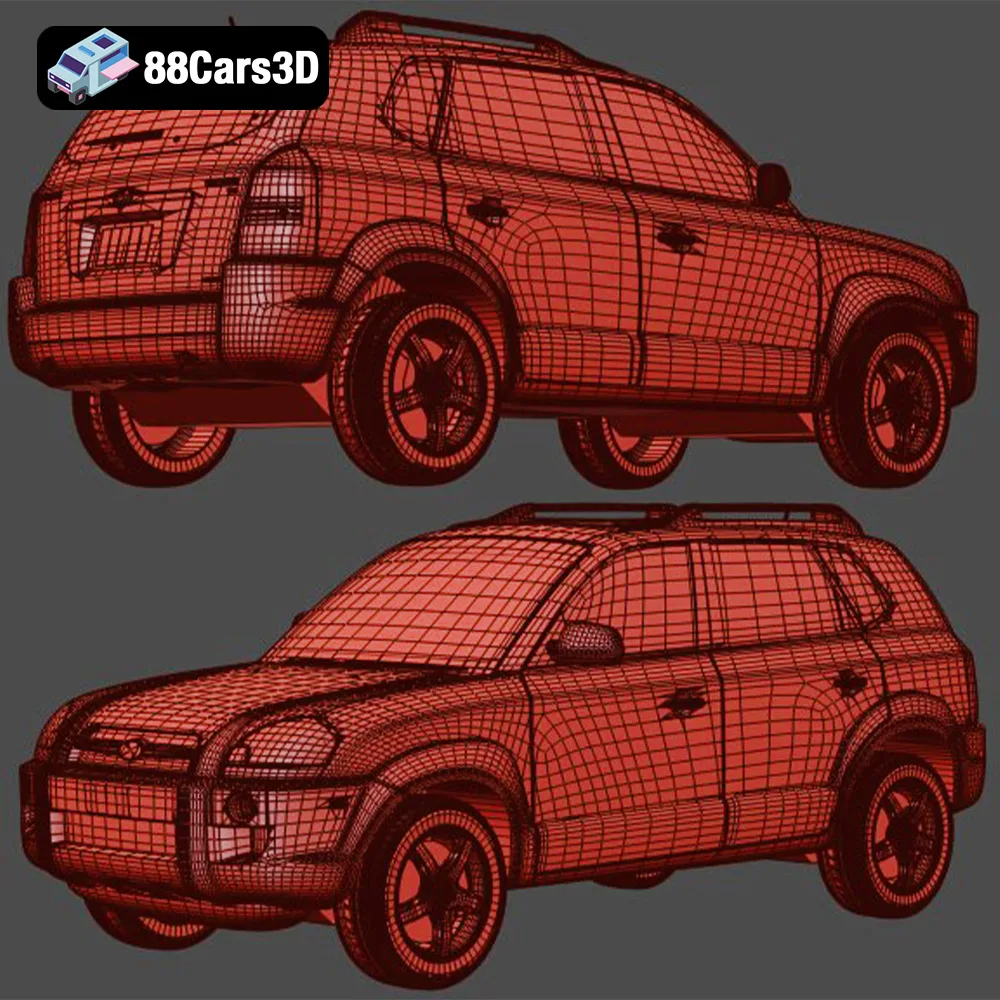
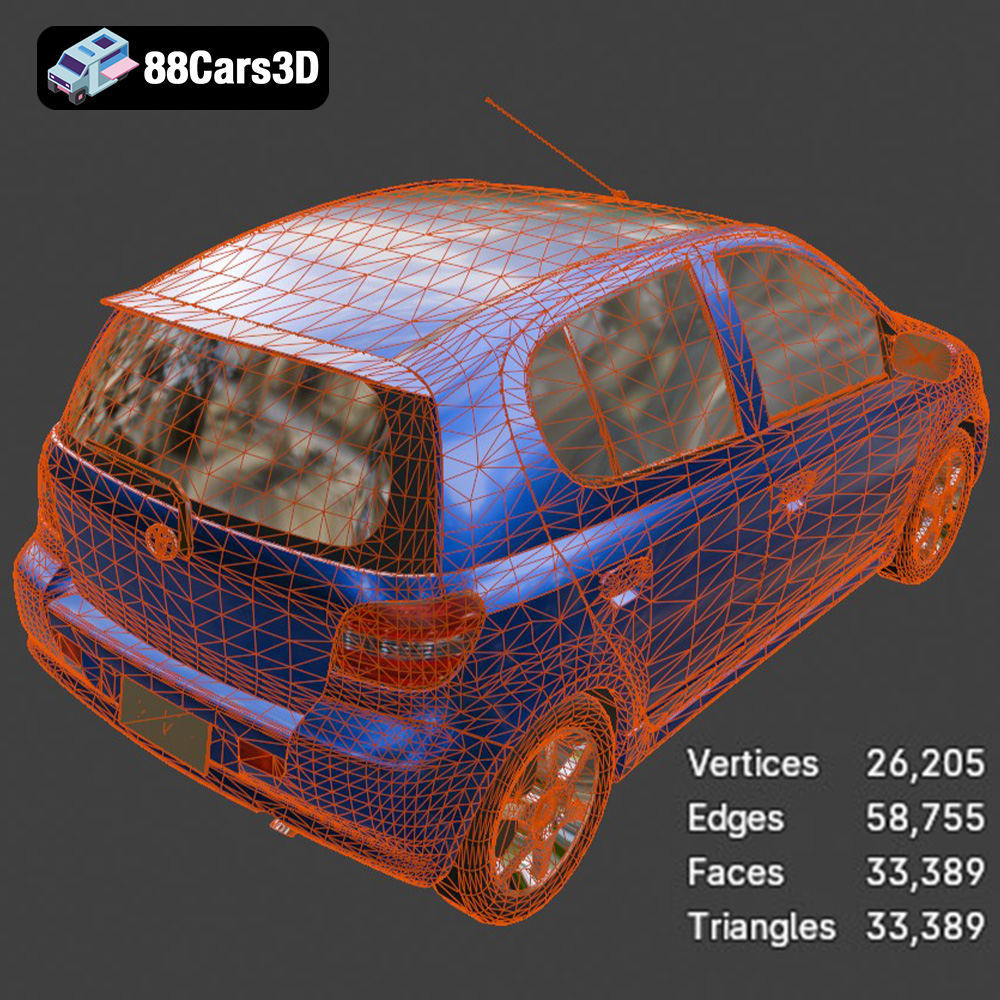
- Clean, Quad-Based Geometry: All models feature clean, quad-based topology. This is a fundamental technical advantage. Quads deform predictably when animated or subdivided, leading to smoother results. For rendering, clean topology facilitates seamless UV unwrapping and avoids shading artifacts. In real-time engines, optimized quad meshes are more efficient for LOD (Level of Detail) generation and overall rendering performance. This ensures that the cars can be duplicated multiple times across a city block without introducing geometry issues or excessive polygon counts that could crash your render engine or game.
- 100% Real-World Scale Accuracy: Precision is paramount in professional visualization. Each vehicle in the pack is modeled to 100% real-world scale accuracy. This is critical for architectural visualization, urban planning, and simulations, where accurate dimensions are necessary for proper spatial relationships, camera perspectives, and physics calculations. It ensures that when these cars are placed next to a building or other objects, they fit perfectly within the scene’s established scale.
Animation and Physics Readiness
The models are designed with future flexibility in mind:
- Separated Parts: Wheels, doors, and steering wheels are modeled as separate objects. This meticulous separation is vital for animation, rigging, and physics integration. For traffic simulations, individual wheel rotation is essential. For interactive game environments, opening doors or turning steering wheels adds another layer of realism. This foresight in asset construction saves significant production time, allowing artists to jump directly into animation or coding without complex mesh modifications.
- Proper Pivot Point Setup: Each wheel, and indeed other movable parts, has its pivot point correctly set. This seemingly small detail is incredibly important for rigging and animation. In Unreal Engine or Unity, correctly placed pivots mean that vehicle controllers can instantly rotate wheels around their proper axis, simplifying the implementation of driving mechanics and realistic physics.
Seamless Integration with Rendering and Real-time Engines
The technical specifications ensure broad compatibility:
- V-Ray, Corona, Arnold Compatibility: These are the leading renderers in architectural visualization and product rendering. The models’ clean geometry and material setup are fully compatible, allowing for stunning, photorealistic renders with minimal effort. Artists can leverage the advanced lighting and material features of these renderers to make the cars look incredibly realistic under various environmental conditions.
- Real-time Engine Ready: Beyond static renders, the pack is optimized for real-time engines like Unreal Engine and Unity. The clean topology, separated parts, and proper pivots are directly beneficial for game development.
- Scatter Plugin Integration: For populating vast urban scenes quickly, the models are ready to be integrated into scatter plugins such as Forest Pack or Chaos Scatter. These tools allow artists to distribute thousands of instances across a landscape efficiently, managing poly counts and rendering optimizations automatically. This makes generating dense, believable traffic flows incredibly straightforward.
Professional Workflows: Integrating the Pack into Your Projects
The Everyday City Traffic Essentials pack is more than just a collection of models; it’s a versatile toolkit designed to enhance a wide array of professional workflows, from high-fidelity architectural visualizations to dynamic open-world games and compelling VFX sequences.
ArchViz: Crafting Believable Urban Landscapes
Architectural Visualization relies heavily on context. A beautiful building can lose its impact if the surrounding environment feels sterile or artificial. The Everyday City Traffic Essentials pack is an ArchViz artist’s dream:
- Populating Exterior Renders: The primary application is to populate streetscapes in front of exterior architectural renders. Imagine a newly designed skyscraper; the presence of common vehicles like a VW Golf or a Hyundai Tucson parked nearby or driving past instantly gives the scene a sense of scale and life. The DHL van, in particular, adds a touch of commercial activity, grounding the building within a functional urban fabric.
- Enhancing Storytelling: Beyond mere aesthetics, these vehicles help tell a story. A Toyota Yaris from ’99 might suggest an older, established neighborhood, while the ’24 Kia Picanto points to a modern, thriving area. This subtle narrative enhances the viewer’s engagement with the architectural design.
- Workflow Efficiency: With models compatible with V-Ray, Corona, and Arnold, and ready for scatter plugins like Forest Pack, ArchViz artists can rapidly generate dense traffic scenes without laborious manual placement or complex material setup, saving valuable production time.
Game Development: Populating Dynamic Open Worlds
In open-world games, environmental fidelity is crucial for player immersion. The Everyday City Traffic Essentials pack offers game developers a perfect solution for:
- Background Traffic and NPC Vehicles: These models are ideal for populating streets with non-player character (NPC) traffic. Their optimized geometry and separated parts make them suitable for basic AI pathfinding and physics integration.
- Parking Lot Props: Static cars in parking lots are vital for creating realistic urban density. The diverse range of models ensures that every parking space doesn’t look identical.
- Environment Dressing: Beyond moving traffic, these vehicles serve as excellent static props, contributing to the overall visual richness of a city environment, from roadside clutter to abandoned cars in a dilapidated area.
- Engine-Ready Assets: The proper pivot points for wheels and overall clean topology are tailored for direct integration into game engines like Unreal and Unity, accelerating the development pipeline for vehicle mechanics.
VFX & Simulations: Enhancing Cinematic Realism and Planning
For visual effects studios and urban planners, the accuracy and versatility of these models are invaluable:
- Cinematic Realism: VFX artists can use these everyday vehicles to populate street scenes for film and television, adding a layer of authenticity to digital backdrops or enhancing practical effects. The varied eras allow for flexibility in period-specific projects or modern-day settings.
- Traffic Flow Simulations: Urban planners and smart-city developers can leverage these real-world scale models for precise traffic flow simulations. Understanding how different vehicle types impact congestion or urban design is crucial, and having accurate models streamlines this analysis.
- Augmented Reality (AR) & Virtual Reality (VR): The .glb format specifically makes these models prime candidates for AR/VR applications, allowing for interactive virtual tours of new developments with realistic traffic overlays, or immersive training simulations.
Beyond the Screen: 3D Printing and Physical Models
The utility of the Everyday City Traffic Essentials pack extends beyond digital screens, offering exciting possibilities for physical creation through 3D printing. This capability opens doors for hobbyists, collectors, and professionals alike, bridging the gap between virtual assets and tangible models.
Dioramas and Scale Models: Bringing Digital to Physical
For model enthusiasts, diorama builders, and architectural model makers, the ability to 3D print these everyday vehicles is a significant advantage. Instead of sourcing pre-made, often expensive, or generic scale models, you can produce highly detailed, customized versions directly from the digital assets. This is particularly valuable for:
- Architectural Dioramas: Populating miniature urban landscapes around physical building models, providing accurate context and scale. The recommended scales of 1:43 or 1:64 are perfect for these applications.
- Tabletop Gaming: Customizing game boards with realistic terrain and vehicles.
- Educational Models: Creating tangible teaching aids for urban planning or automotive design courses.
The pack’s inclusion of a DHL delivery van is especially impactful here, instantly adding a commercial, active feel to any miniature scene.
Technical Considerations for 3D Printing
The product description provides specific, actionable advice for successful 3D printing, crucial for achieving high-quality physical models:
- Recommended Scales: The suggestion of 1:24, 1:32, or 1:43 scales offers flexibility depending on the desired detail and overall diorama scale. Printing at a smaller scale, like 1:64, will require higher precision and potentially resin printing.
- Layer Height: A layer height of 0.04–0.12 mm is recommended. For intricate details, especially on smaller scales, a finer layer height (0.04-0.05 mm for SLA/Resin printing) is essential to capture the nuances of the bodywork and small elements like side mirrors.
- Material Choice: Resin printing (SLA/DLP) is highly recommended for its ability to produce finer details and smoother surface finishes compared to FDM (Fused Deposition Modeling), particularly for the smaller scales and delicate components of a car model.
- Print Orientation & Supports: Printing bodies at a 45-degree angle (or angled for smooth surfaces) helps minimize layer lines and improves surface quality. Printing wheels separately is standard practice for better detail and easier painting. The necessity of supports for elements like side mirrors, wheel arches, and spoilers is a crucial reminder for successful prints without deformation.
- Post-processing: Mentioning sanding, primer, and specific factory colors (like Sage Green, Glacier Silver) emphasizes the steps needed to achieve a professional, finished look, transforming a raw 3D print into a display-worthy collectible.
Collectible and Prototyping Applications
Beyond dioramas, these 3D printable models also serve niche markets:
- Automotive Collectibles: Enthusiasts can print and collect their favorite everyday models, creating a unique physical representation of common vehicles often overlooked by mainstream manufacturers.
- Prototyping: For designers or modelers, these assets can serve as a base for physical prototyping of car accessories, urban furniture, or other scaled elements, providing a tangible reference point for design iterations.
The inclusion of the .stl format, alongside its technical printing guidance, significantly expands the value proposition of the Everyday City Traffic Essentials pack, making it a truly versatile asset for both digital and physical creators.
Maximizing Your Investment: Strategic Asset Management
Investing in high-quality 3D assets is a strategic decision for any professional studio or independent artist. The Everyday City Traffic Essentials pack from 88cars3d.com represents not just an expenditure, but a long-term enhancement to your production capabilities, offering significant advantages in terms of cost, efficiency, and future-proofing your asset library.
Cost-Efficiency and Scalability
Acquiring individual high-quality 3D car models can quickly become expensive. The product description highlights the significant savings of this bundle, which has a total individual value of €233.95, but is offered at a massive discount. This immediate cost saving is a clear financial benefit. Moreover, the models’ optimized technical specifications—clean, quad-based geometry, real-world scale, and separated parts—mean they are designed for scalability. You can duplicate these cars numerous times across large scenes without bogging down your system, maximizing their utility for grand urban visualizations or expansive game worlds. This scalability translates directly into more efficient production pipelines and reduced rendering times in the long run.
Future-Proofing Your Asset Library
Digital content creation evolves rapidly, but foundational assets like well-modeled vehicles retain their value. The diversity of vehicles in the Everyday City Traffic Essentials pack, spanning different eras (from ’99 Yaris to ’24 Picanto), ensures that your asset library remains relevant for a wide range of projects. You won’t be scrambling to find a “retro” car for a period piece or a “modern” car for a contemporary design. The inclusion of multiple file formats (.blend, .fbx, .obj, .glb, .stl, .max) also future-proofs your investment, guaranteeing compatibility with current and future software versions and rendering engines, minimizing the risk of asset obsolescence.
The 88cars3d.com Advantage
Purchasing assets from a reputable marketplace like 88cars3d.com offers peace of mind. You’re assured of high-quality models that meet industry standards, supported by detailed technical specifications and application guidance. The curated nature of the “Everyday City Traffic Essentials pack” itself speaks to an understanding of creator needs, offering a thoughtful selection rather than just a random assortment. This focus on practical utility and technical excellence ensures that your investment not only looks good but performs flawlessly in demanding professional environments.
Conclusion: Elevate Your Environments with Everyday Realism
In the relentless pursuit of photorealism and immersion in digital content creation, the details often make the biggest difference. The Everyday City Traffic Essentials pack 5in1 Hyundai Kia Volkswagen Toyota Ford 3D Printable STL is an exemplary collection that addresses a critical, yet often overlooked, aspect of scene authenticity: the ordinary vehicles that define our urban landscapes. By providing a diverse, technically robust, and aesthetically accurate set of everyday cars and a commercial van, this bundle empowers artists and developers to transform their virtual cities from static backdrops into vibrant, believable, and lived-in environments.
From the meticulous quad-based topology and real-world scale crucial for high-end automotive rendering and architectural visualization, to the separated parts and optimized pivots essential for game development and traffic simulations, every aspect of this pack is engineered for professional utility. Its broad file format compatibility ensures seamless integration across a multitude of software and platforms, while the added dimension of 3D printability opens up exciting avenues for physical model creation and dioramas.
Whether you’re an ArchViz artist striving for impeccable realism, a game developer building dynamic open worlds, or a VFX studio enhancing cinematic shots, the Everyday City Traffic Essentials pack offers an unparalleled blend of quality, versatility, and value. Don’t let generic traffic detract from your masterpieces. Elevate your digital environments to new heights of authenticity by incorporating these essential background heroes. Explore this invaluable resource and many other high-quality 3D car models at 88cars3d.com today.
Featured 3D Model
Everyday City Traffic Essentials pack 5in1 Hyundai Kia Volkswagen Toyota Ford 3D Printable STL
The Everyday City Traffic 3D Models Bundle is the ultimate “realism toolkit” for architectural visualization (ArchViz) artists, game developers, and VFX studios. While supercars grab attention, nothing breaks the realism of a virtual city faster than a street filled only with luxury vehicles. To make an urban scene look truly photorealistic and believable, you need authentic, everyday traffic. This highly versatile 5-in-1 package provides the perfect mix of civilian cars spanning different decades, alongside a realistic commercial delivery van. Instead of buying these essential background and mid-ground assets individually (Total Value: €233.95), this bundle equips your library with everything you need at a massive discount.
$99.99
Product Image Gallery









Related Tags
archviz-traffic
background-vehicles
city-traffic-bundle
everyday-cars-3d
ford-transit-dhl
game-ready
hyundai-tucson
kia-picanto
npc-cars
toyota-yaris
urban-environment
vw-golf
