

In the expansive and ever-evolving world of 3D visualization, the demand for high-fidelity, meticulously crafted assets remains constant. Automotive design, in particular, stands as a testament to precision, aesthetics, and technical mastery. From the sleek curves of a luxury sedan destined for an architectural visualization project to the rugged lines of a performance beast roaring through a game engine, the quality of 3D car models can make or break an immersive experience. Professionals across industries—from film and advertising to game development and architectural rendering—understand that genuine realism stems from expertly engineered 3D assets.
For those who refuse to compromise on either visual grandeur or practical efficiency, a curated collection of exemplary vehicles is an invaluable resource. This is precisely where the German Luxury & Performance Bundle shines. This masterfully assembled collection, available at 88cars3d.com, encapsulates the essence of German automotive excellence. Featuring iconic models from BMW and Mercedes-Benz, each vehicle in this bundle is designed to be a “drag-and-drop” solution, offering an unparalleled blend of aggressive sport aesthetics, executive elegance, and everyday versatility. Whether you’re envisioning a high-stakes street race, a pristine luxury real estate visualization, or populating a bustling urban simulation, these models are engineered to perform and impress.
The Art of Automotive 3D Modeling: Precision and Passion
Creating a truly convincing 3D car model is an intricate dance between artistic vision and technical prowess. It demands an understanding of real-world physics, material properties, and an almost obsessive attention to detail. Every curve, panel gap, and light cluster must be painstakingly recreated to achieve photorealism.
From Blueprint to Polygon: The Creation Process
The journey of a high-quality 3D car model often begins with extensive research, involving technical drawings, reference photographs, and even real-world vehicle inspections. Artists utilize industry-standard software like 3ds Max or Blender to block out primary forms, gradually refining the mesh with clean, quad-heavy topology. This foundational step is critical, as good topology ensures smooth subdivision, accurate reflections, and efficient deformation for animation. The German Luxury & Performance Bundle exemplifies this, featuring models built with professional-grade, clean-mid-poly topology, designed to hold up beautifully in close-up 4K renders while remaining efficient enough for dense scenes.
Materials, Textures, and Lighting: Bringing Life to the Machine
Beyond the mesh, materials and textures are what breathe life into a 3D car. Physically Based Rendering (PBR) workflows are standard, where properties like metallicness, roughness, normal maps, and diffuse color accurately simulate how light interacts with surfaces. Complex materials for paint, glass, chrome, and intricate headlight lenses (like the detailed LED/Laser tech on these German vehicles) require layered shaders and precise texture mapping. Furthermore, a sophisticated lighting setup, mimicking real-world studio or environmental conditions, is crucial for showcasing the vehicle’s form and reflecting its inherent character. The models in the bundle are fully set up for Corona and V-Ray, with advanced material mapping, ensuring they are render-ready out of the box.
Understanding 3D Model File Formats
The choice of 3D model file format is a critical technical decision that impacts workflow, compatibility, and the ultimate application of your digital assets. Each format offers distinct advantages and is optimized for specific use cases. Understanding these nuances is essential for any professional working with 3D content, especially when sourcing high-quality 3D car models like those found in the German Luxury & Performance Bundle.
.blend – The Native Blender Environment
The .blend format is Blender’s native file type. It encapsulates an entire Blender scene, including mesh data, materials, textures, lighting, cameras, animations, and even physics simulations. This format is ideal when you intend to work exclusively within Blender or share a complete, editable project with other Blender users. For artists who prefer Blender’s powerful modeling and rendering tools, having models available in .blend offers maximum flexibility for modifications, rigging, or integration into existing Blender projects. The German Luxury & Performance Bundle provides its vehicles in .blend, ensuring full editability for Blender enthusiasts.
.fbx – The Industry Standard for Interoperability
.fbx (Filmbox) is arguably the most widely adopted interchange format in the 3D industry, particularly for game development and animation pipelines. Developed by Autodesk, FBX can store comprehensive scene data, including geometry, materials, textures, animations, skinning, and camera information. It excels at transferring complex animated characters and models between different 3D software applications (like 3ds Max, Maya, Blender) and real-time engines like Unreal Engine and Unity. Its robust support for skeletal animation and instancing makes it the go-to choice for game assets, ensuring that rigged models, such as the separated wheels and doors of the German Luxury & Performance Bundle, maintain their animation potential across platforms.
.obj – The Universal Geometry Carrier
The .obj (Wavefront OBJ) format is a simple, universal 3D geometry definition format. It stores mesh data (vertices, normals, UVs, faces) and can reference an accompanying .mtl (Material Template Library) file for basic material properties and texture paths. While it doesn’t support animation or rigging information, its simplicity and widespread compatibility make it an excellent choice for transferring static 3D models between almost any 3D software. When maximum cross-software compatibility is required, especially for architectural visualization or general scene population, .obj remains a reliable option. The bundle includes .obj for broad accessibility.
.glb – Optimized for Web and AR/VR
.glb (GL Transmission Format Binary) is a modern, royalty-free 3D model format designed for efficient transmission and loading of 3D scenes and models by web applications. It’s a binary container for GLTF, which itself is an open standard for 3D content delivery. GLB packages all assets—geometry, materials, textures, animations—into a single file, making it incredibly convenient for AR, VR, and browser-based display. Its compact size and ease of integration make it perfect for interactive web configurators, virtual showrooms, or augmented reality experiences where performance and rapid loading are paramount.
.stl – The Backbone of 3D Printing
.stl (STereoLithography) is the de facto standard format for 3D printing. It represents a 3D model as a collection of unconnected triangular facets, defining only the surface geometry without color, texture, or material information. STL files are used by slicer software to generate toolpaths for FDM, SLA, and other 3D printing technologies. For creating miniature cars, physical prototypes, or automotive collectibles from 3D models like those in the German Luxury & Performance Bundle, .stl is indispensable. The bundle’s description explicitly mentions “3D Printable STL,” confirming its suitability for physical output, with recommendations for scale, layer height, and supports, underscoring its manifold geometry for successful prints.
.ply – Precision Mesh for CAD and Analysis
.ply (Polygon File Format, also Stanford Triangle Format) is a file format for storing graphical objects as a list of polygons. It’s often used in academic and research settings for scanned 3D data, capable of storing not just geometry but also properties like color, transparency, surface normals, and even confidence values. While less common for general automotive rendering, it finds its niche in precision mesh applications, CAD, and scientific visualization where accurately captured geometric data is paramount for analysis or manufacturing processes.
.unreal – Engine-Ready Asset for Real-Time Environments
While not a universal file format in the same vein as .fbx or .obj, the term .unreal often refers to an asset that has been specifically prepared, optimized, and imported into an Unreal Engine project. This means it has gone through the engine’s import pipeline, potentially with automated LOD generation, collision meshes, PBR material setup within the engine’s material editor, and possibly even Blueprint scripting for interactivity. When models are described as “Compatible with Unreal Engine,” it implies they are structured to be easily converted into these engine-ready assets, minimizing setup time for developers. The German Luxury & Performance Bundle’s clean topology and separated components are ideal for creating such engine-ready assets.
.max – The 3ds Max Project File
The .max format is the native file type for Autodesk 3ds Max. Similar to .blend for Blender, a .max file stores all scene information—geometry, materials, textures, lighting, cameras, animation data, and modifier stacks—within the 3ds Max environment. It’s essential for artists who rely on 3ds Max for their primary modeling, rigging, animation, and rendering tasks, especially with V-Ray and Corona Renderer integrations. The bundle’s inclusion of .max files, alongside its V-Ray and Corona readiness, makes it a perfect fit for ArchViz and cinematic rendering professionals working in 3ds Max.
.mb – Maya Binary for Animation Powerhouses
The .mb format is the native binary file type for Autodesk Maya. Like .max, it contains a complete Maya scene, including complex rigging, animation curves, character setups, and advanced dynamics. Maya is a dominant force in character animation and VFX, so models delivered in .mb are particularly valuable for studios that integrate automotive assets into animated sequences or feature film productions. Its inclusion in the German Luxury & Performance Bundle ensures that the separated components (wheels, steering, doors) can be effortlessly rigged and animated within Maya’s powerful environment, enabling realistic motion for high-speed chases or vehicle demonstrations.
Mastering Professional Workflows with High-Fidelity 3D Car Models
Integrating high-quality 3D car models into professional pipelines requires more than just good looks; it demands technical compatibility, optimization, and intuitive design. The German Luxury & Performance Bundle has been crafted with these professional demands squarely in mind.
Architectural Visualization: Elevating Spaces
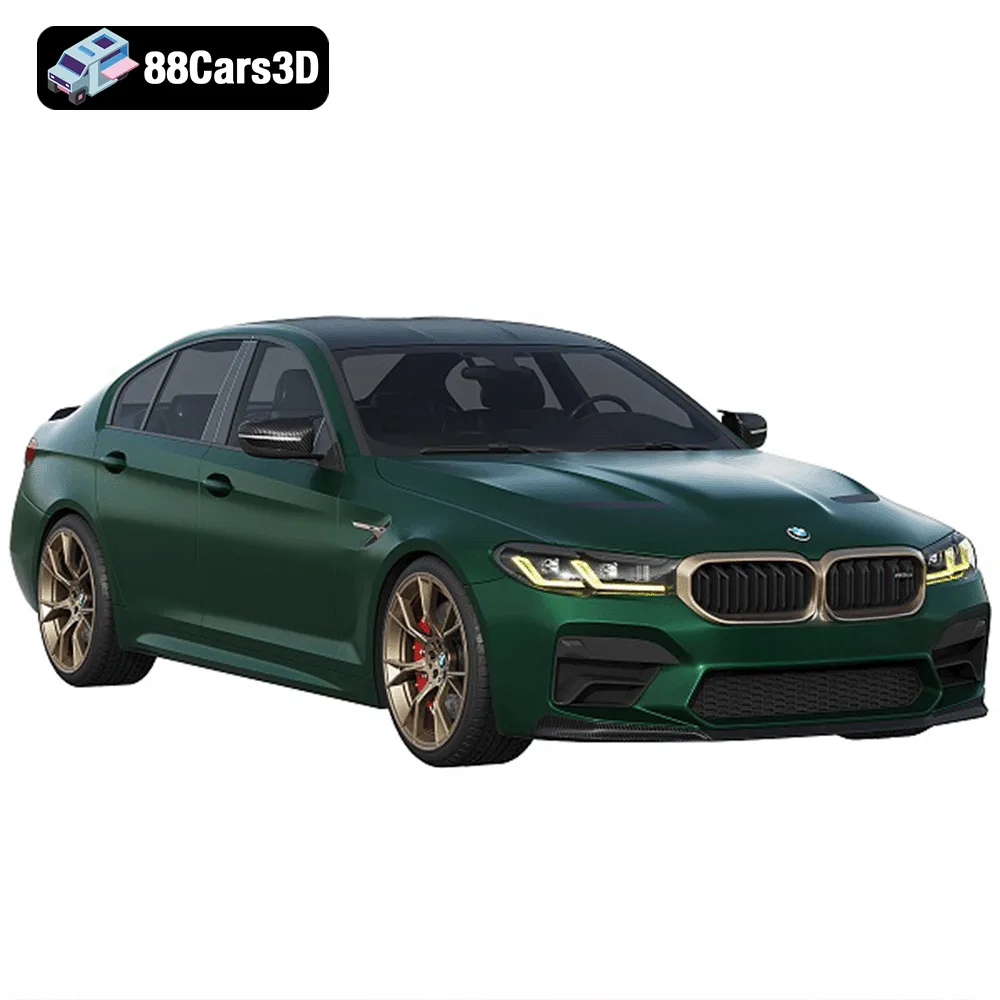
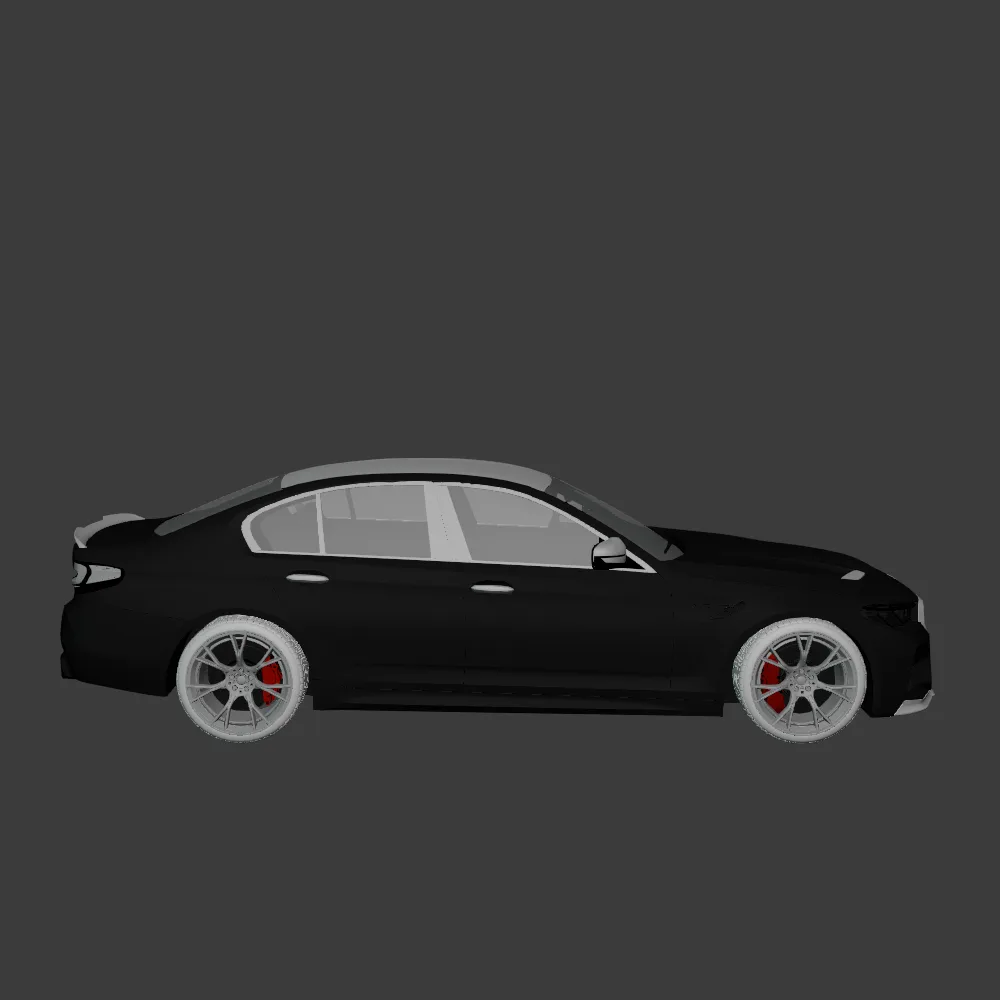
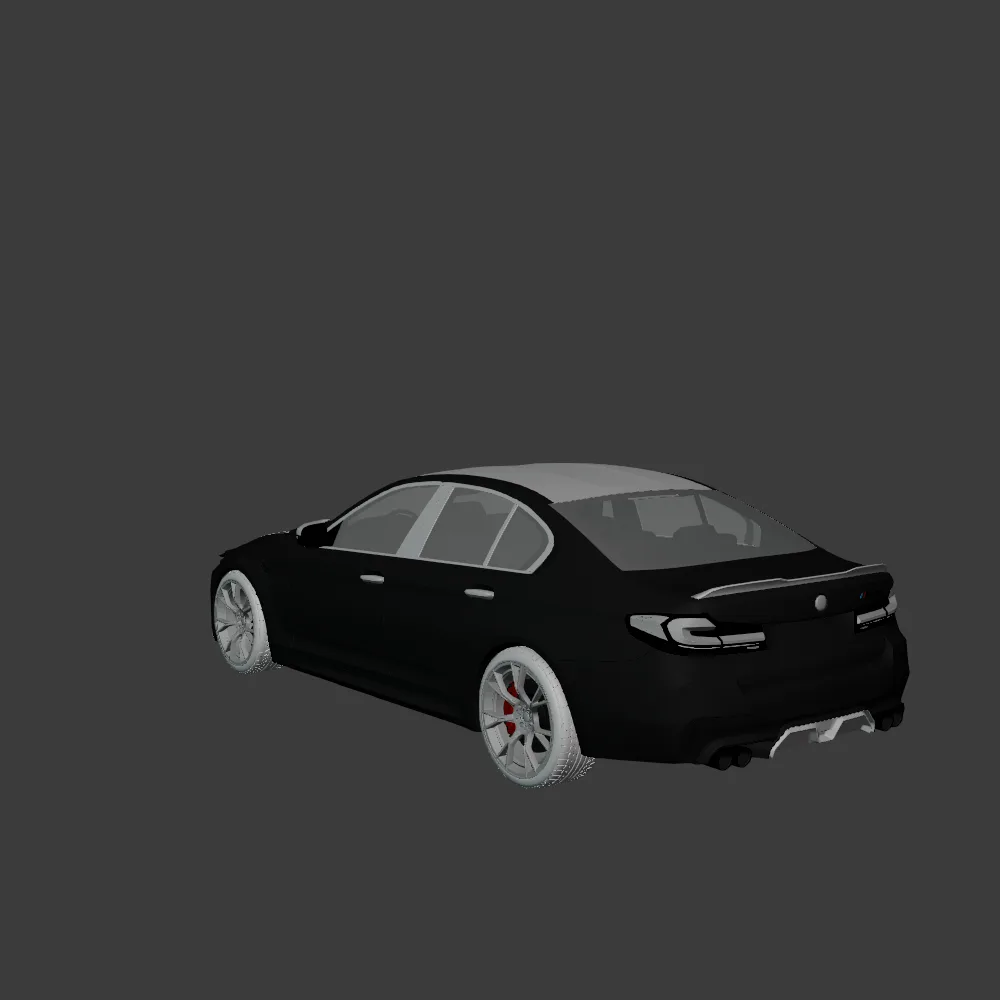
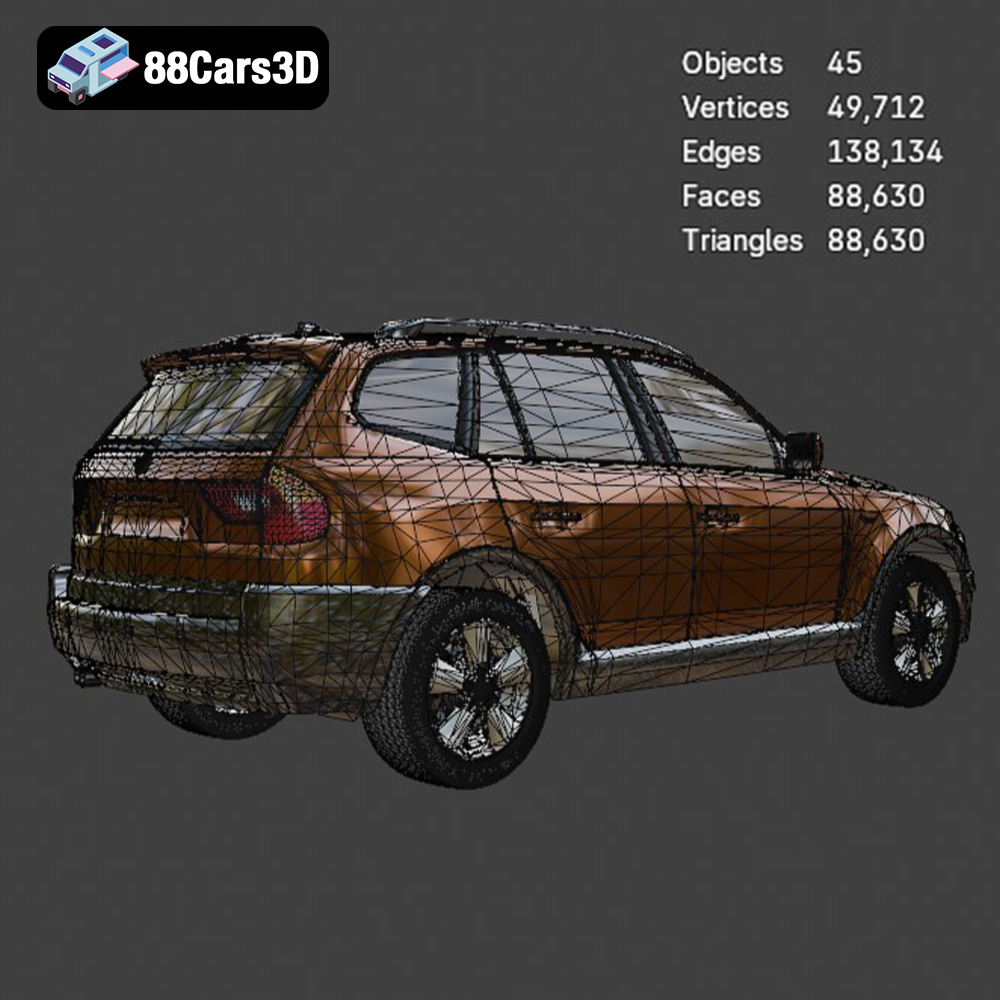
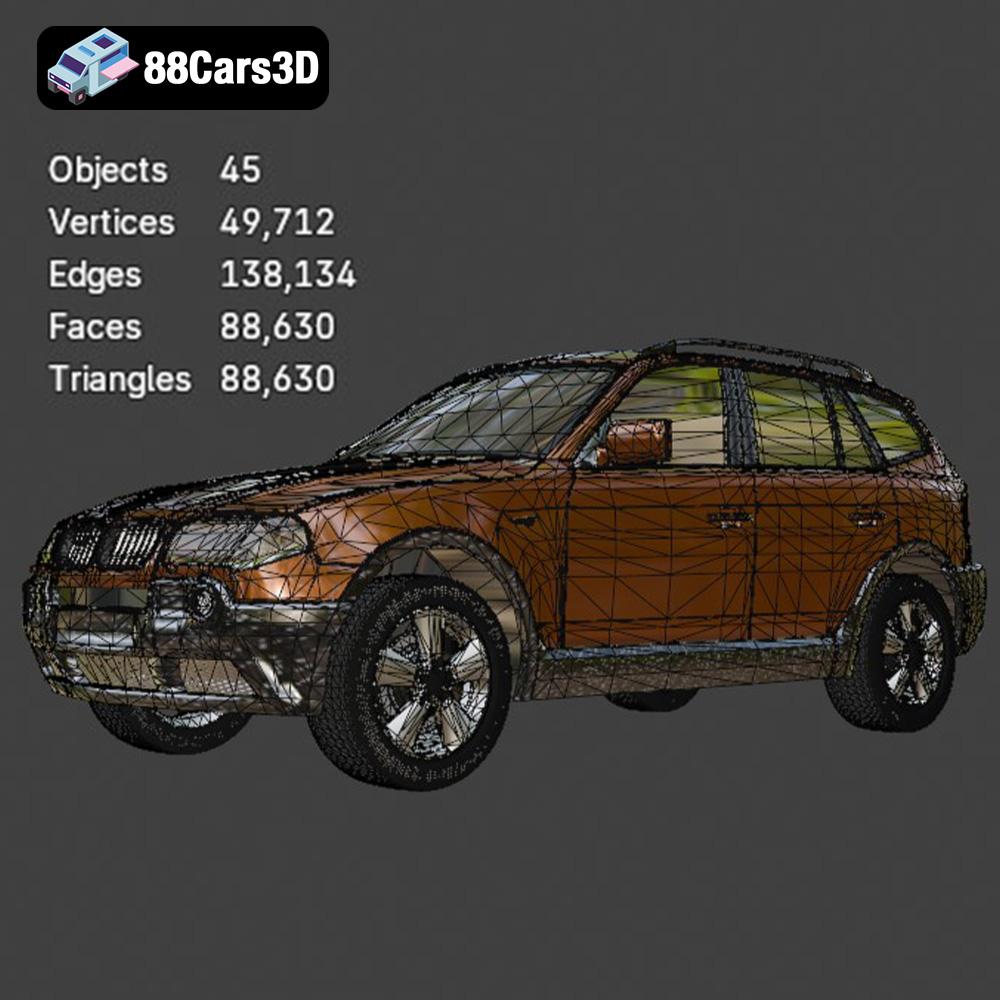
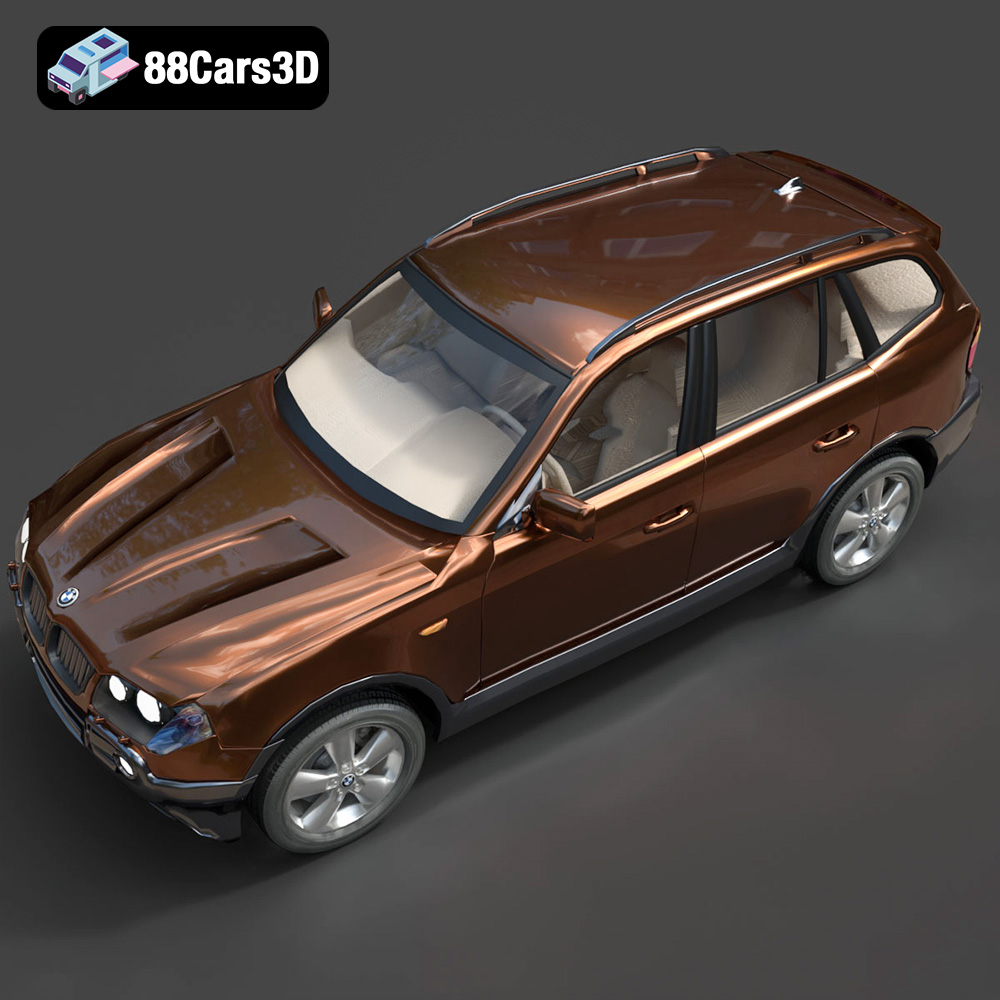
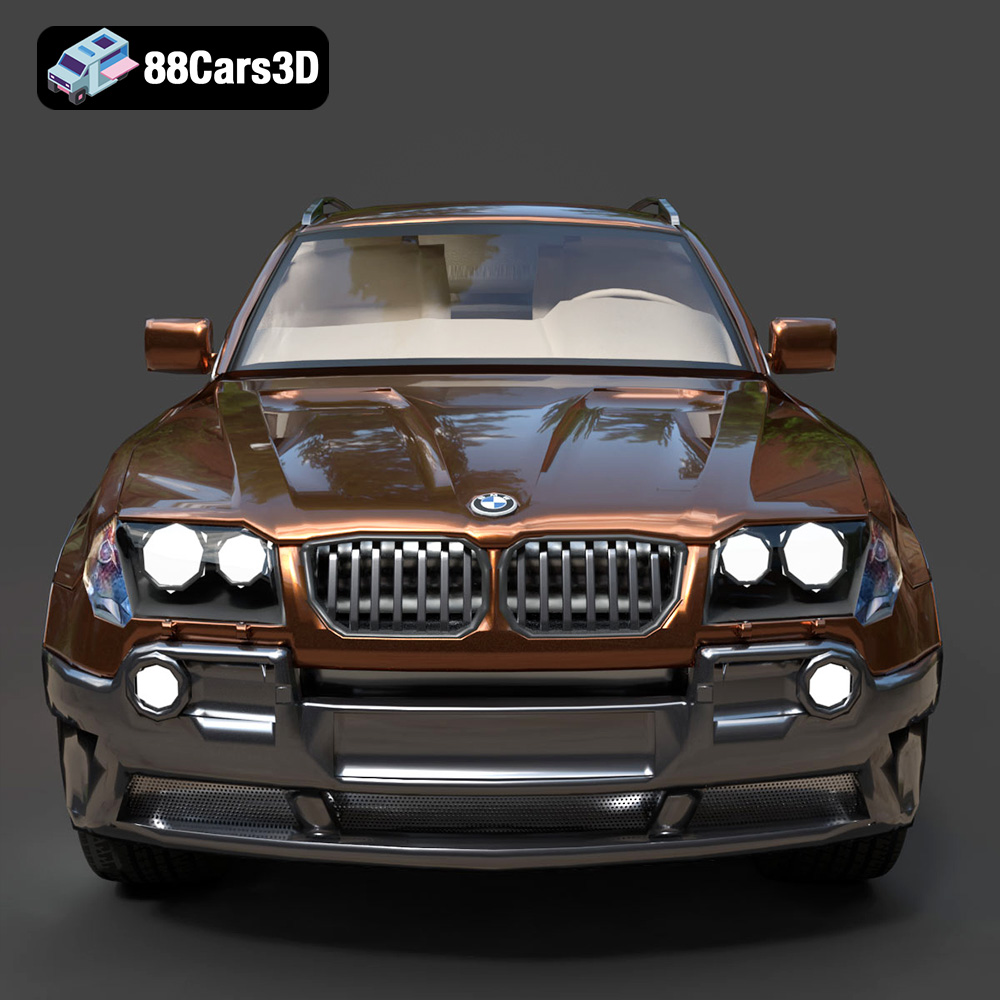
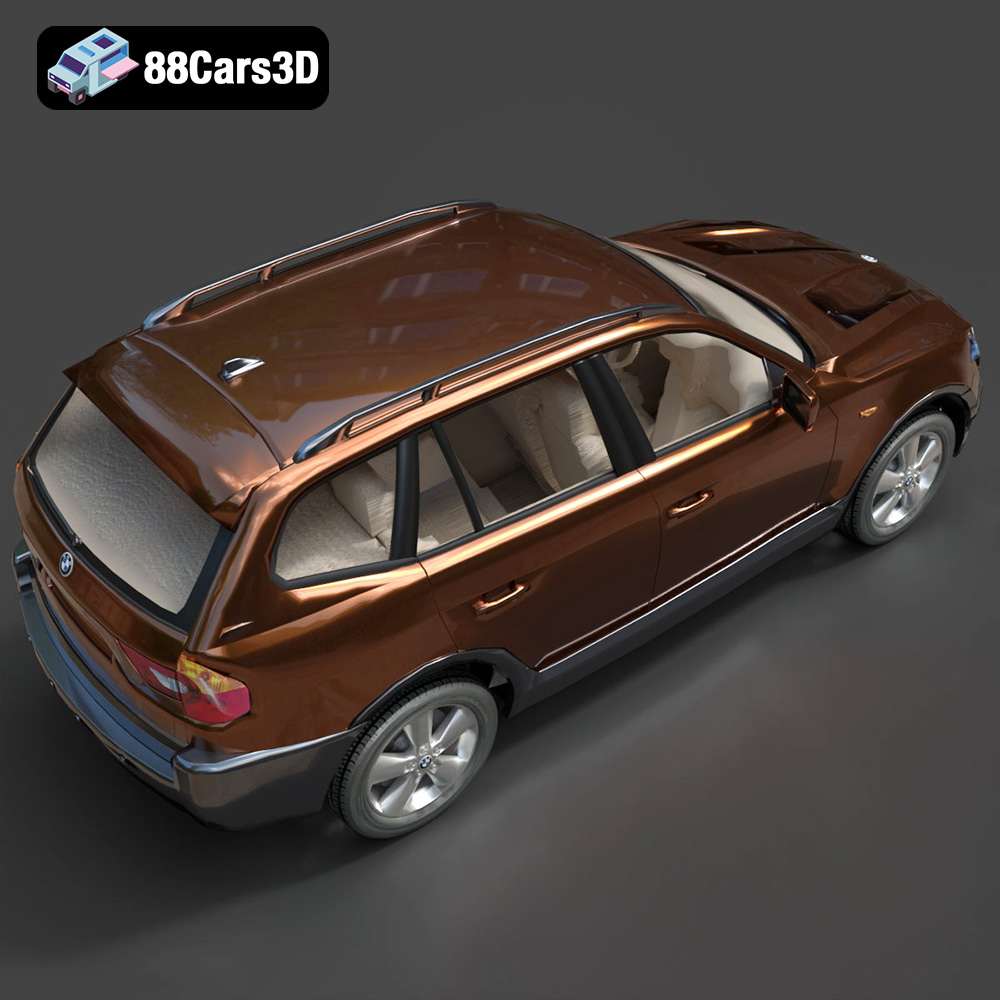
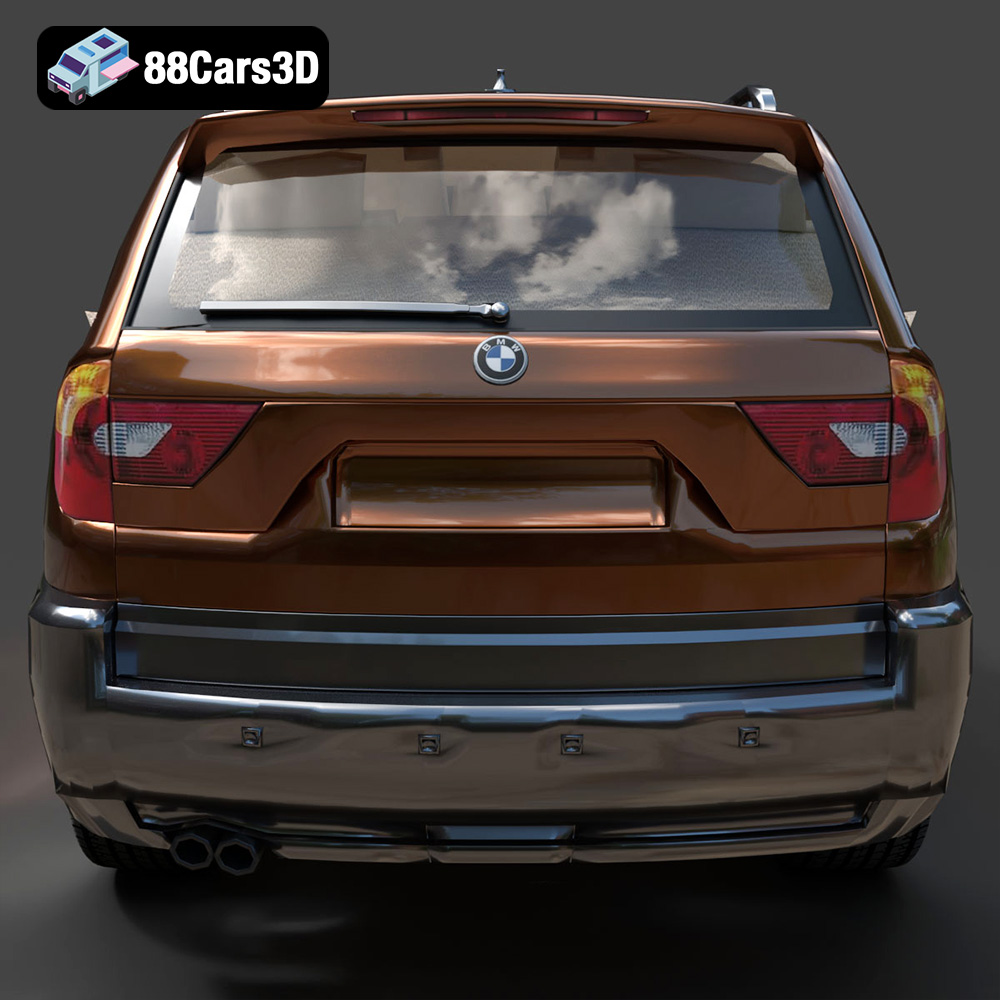
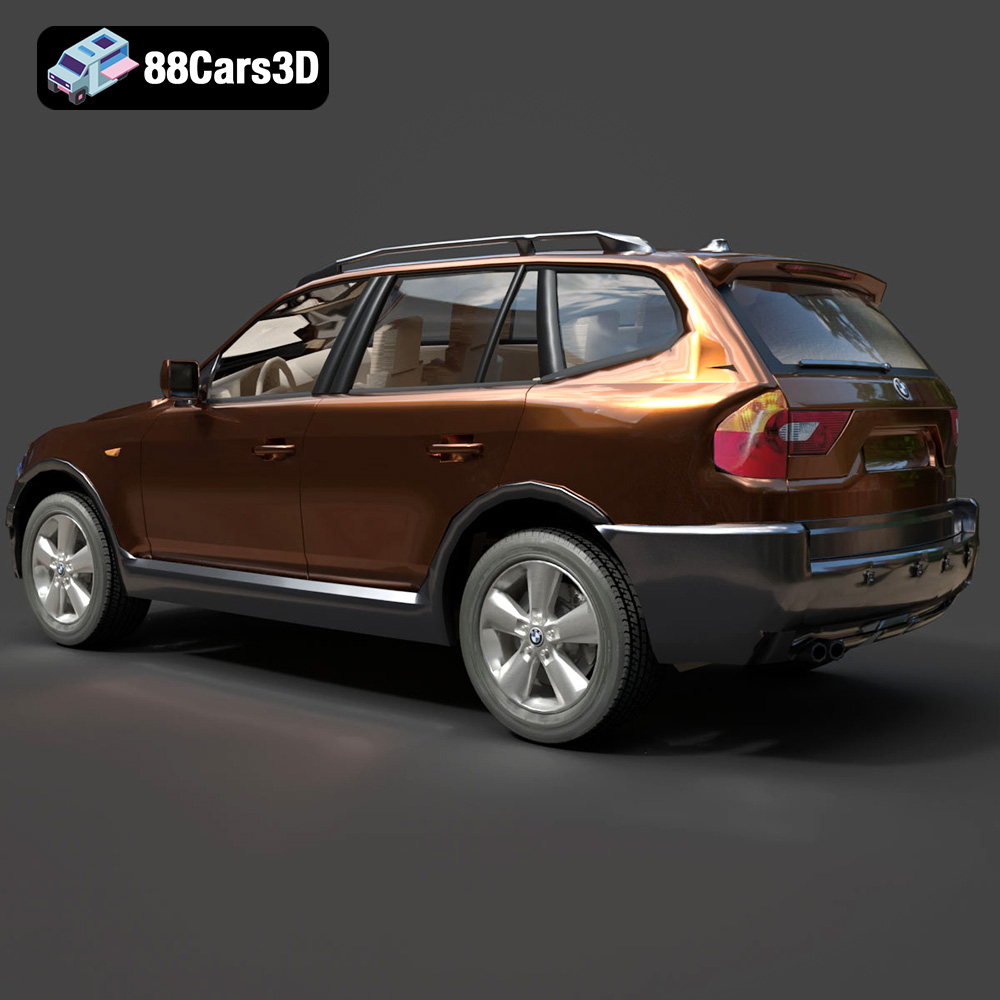
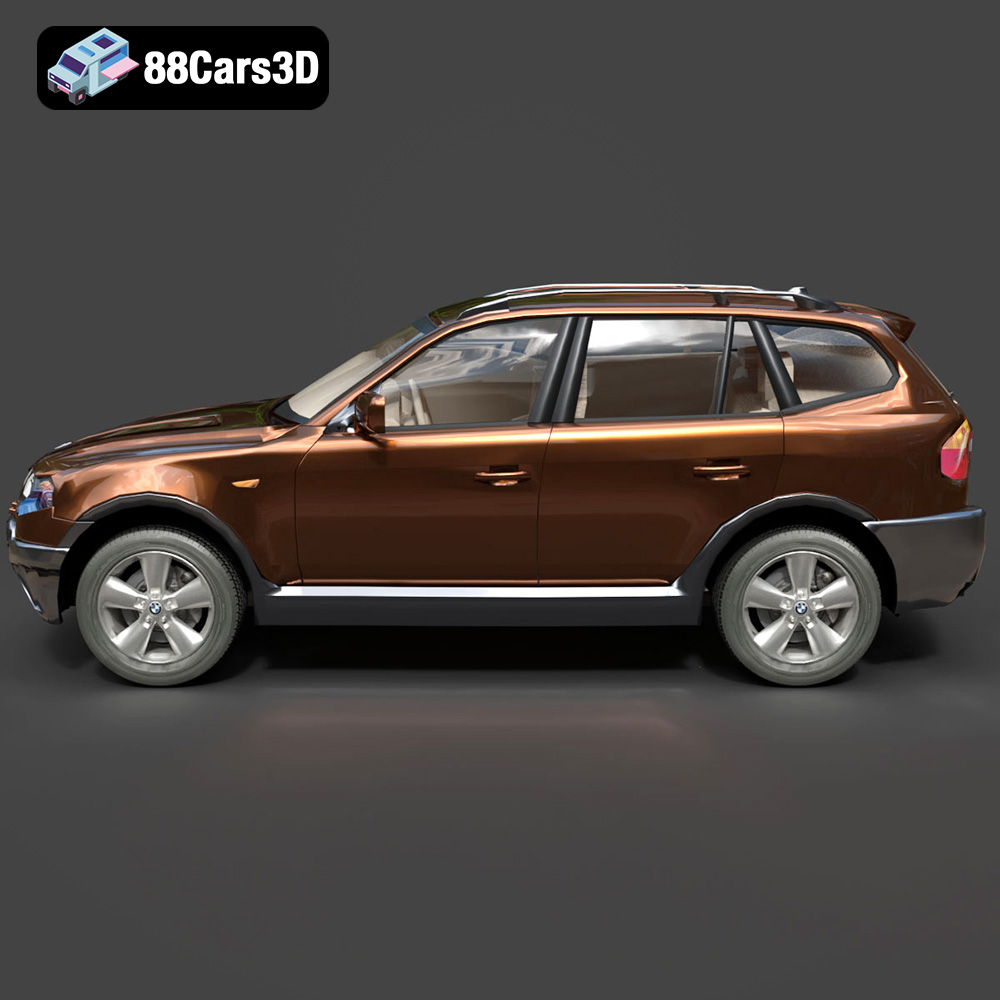
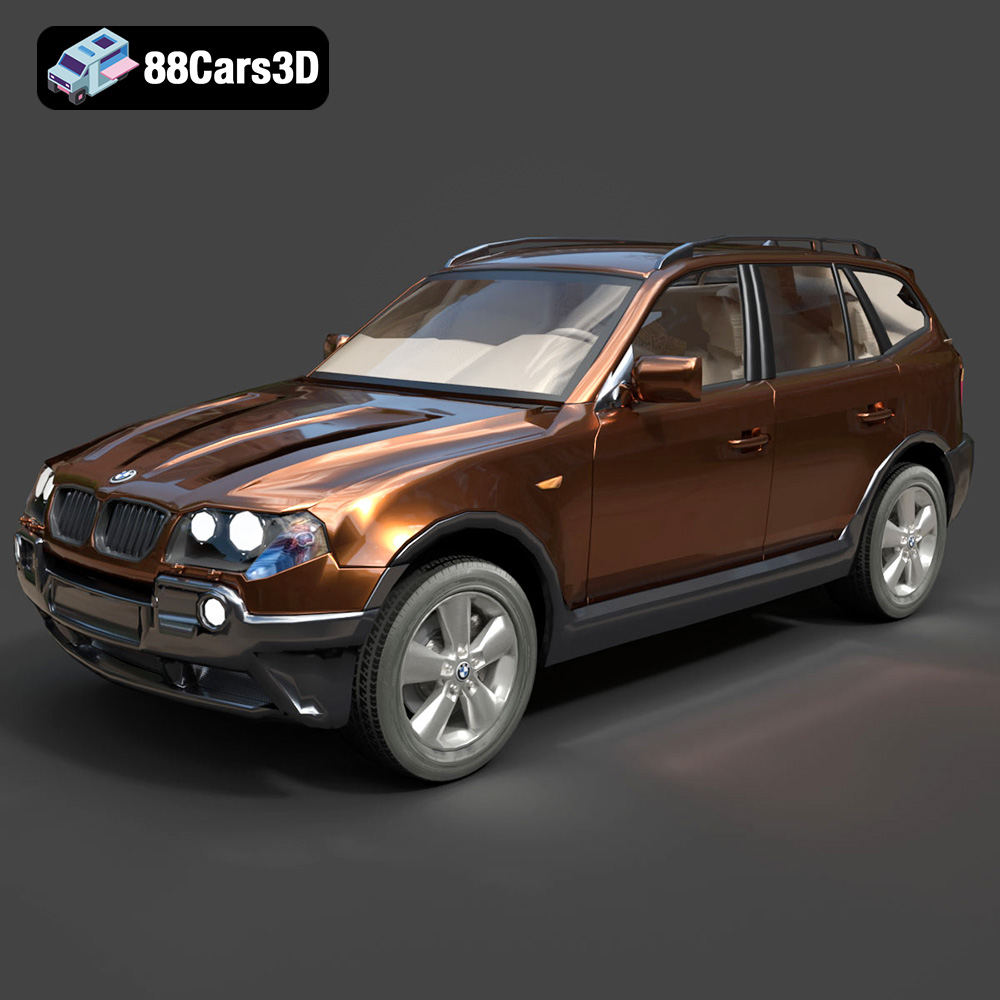
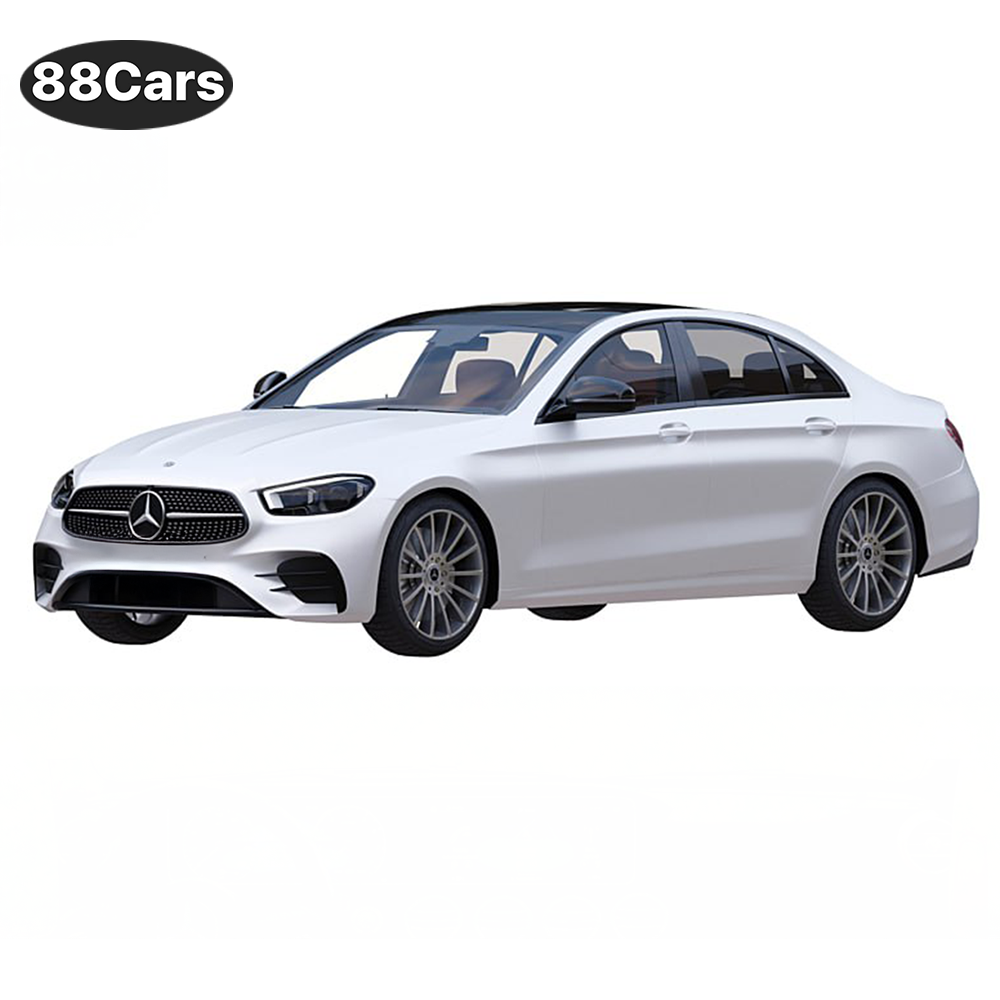
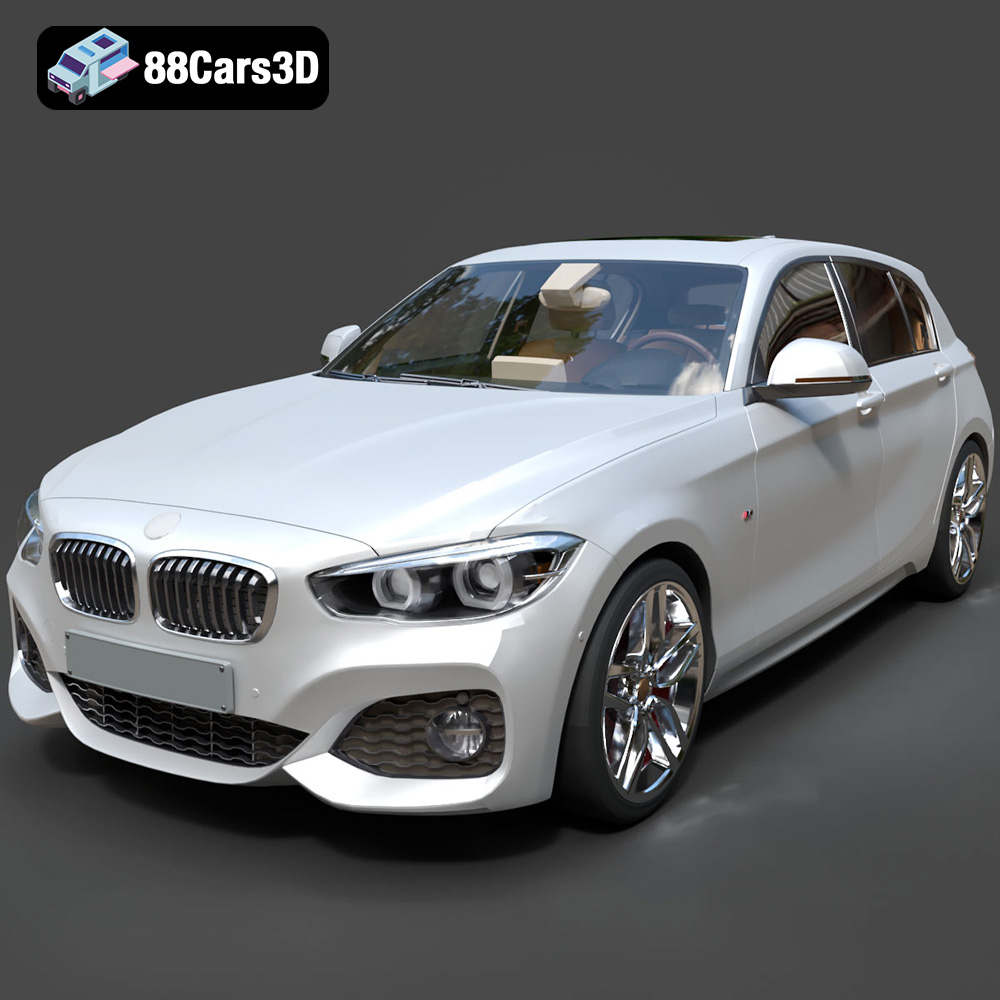
In ArchViz, cars are often supporting actors, yet their presence significantly impacts the perceived realism and luxury of a scene. A premium 3D car model, built to real-world scale and featuring detailed exteriors with accurate light clusters, can instantly elevate a static architectural render. Imagine the sophisticated presence of a Mercedes-Benz E-Class AMG Line or the raw power of a BMW M5 CS gracing the driveway of a modern villa. The bundle’s inclusion of these executive and performance vehicles, along with the versatile BMW X3 SUV and the everyday BMW 1 Series, offers a spectrum of options for populating luxury real estate visualizations, urban streetscapes, or even subtle background traffic, all while ensuring optimal scene performance thanks to their optimized quad-heavy structure. Their render-ready setup for Corona and V-Ray drastically cuts down integration time.
VFX & Cinema: Dynamic Storytelling
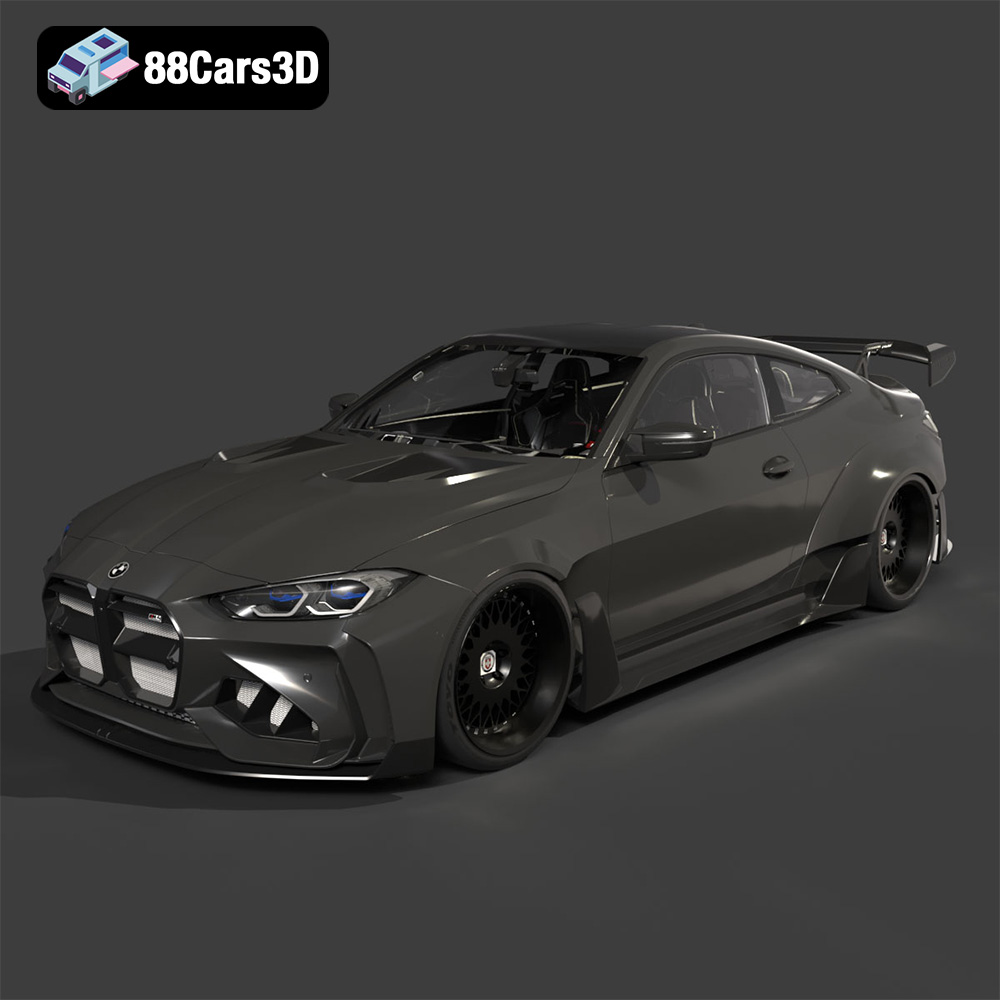
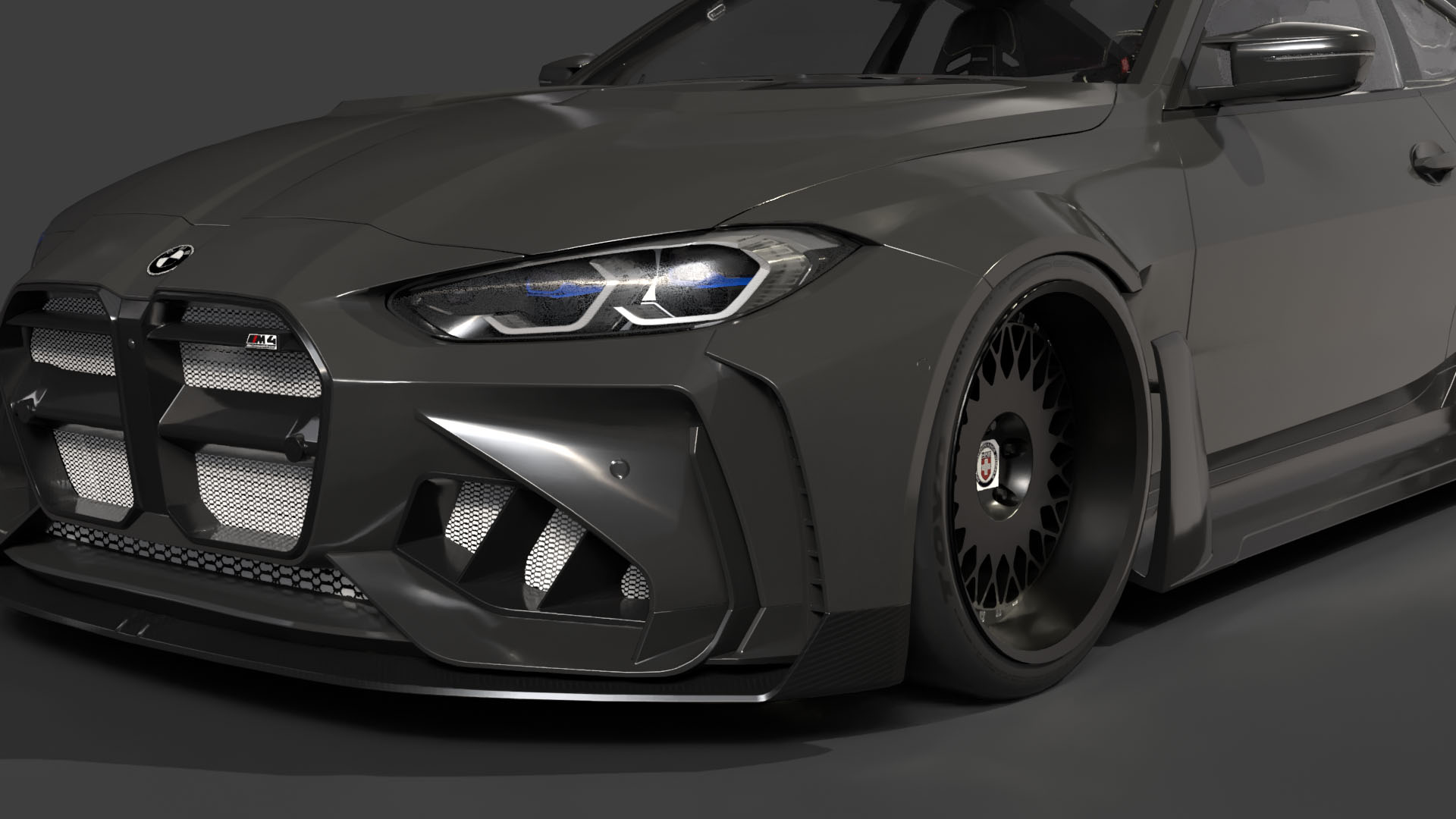
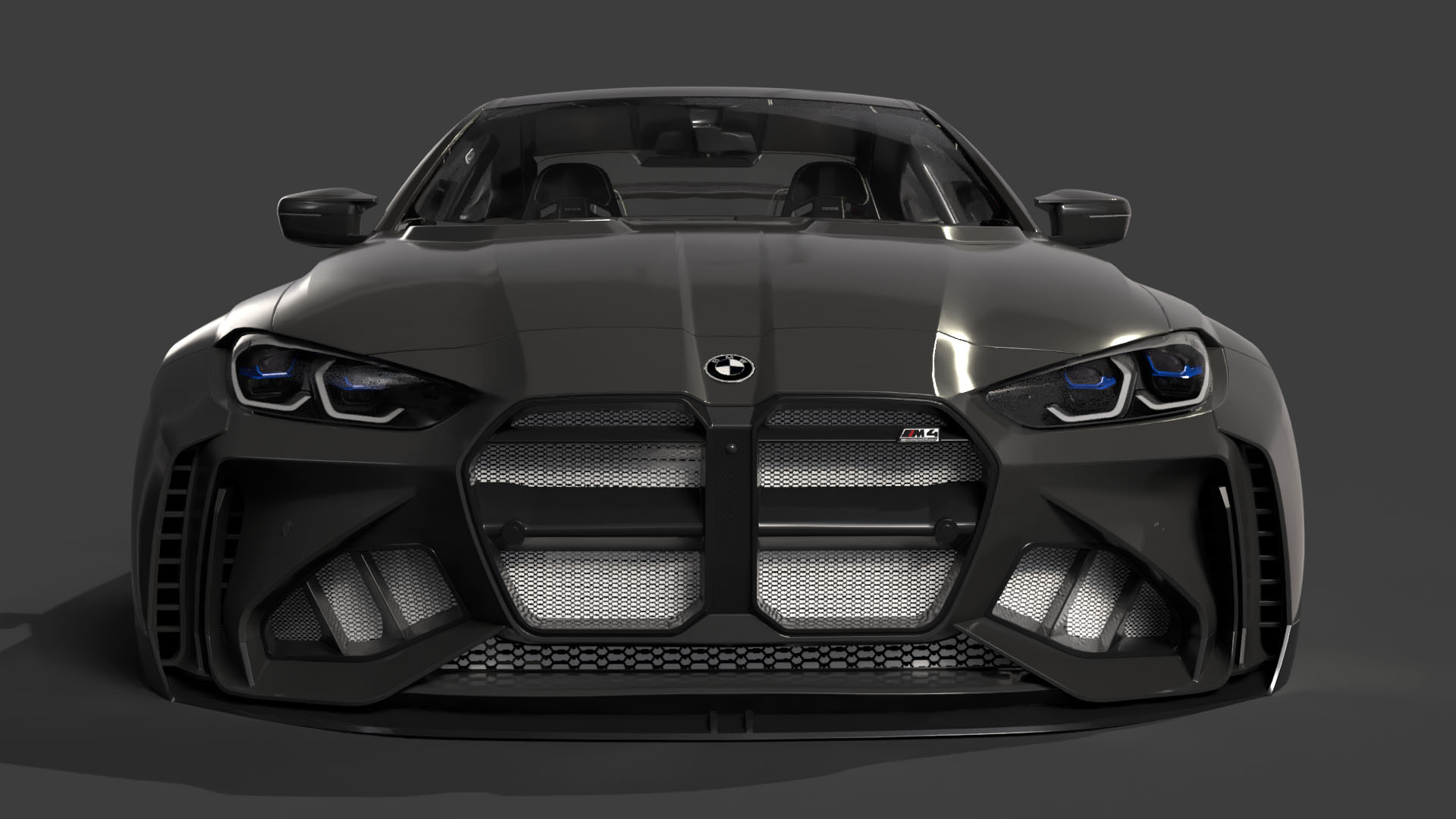
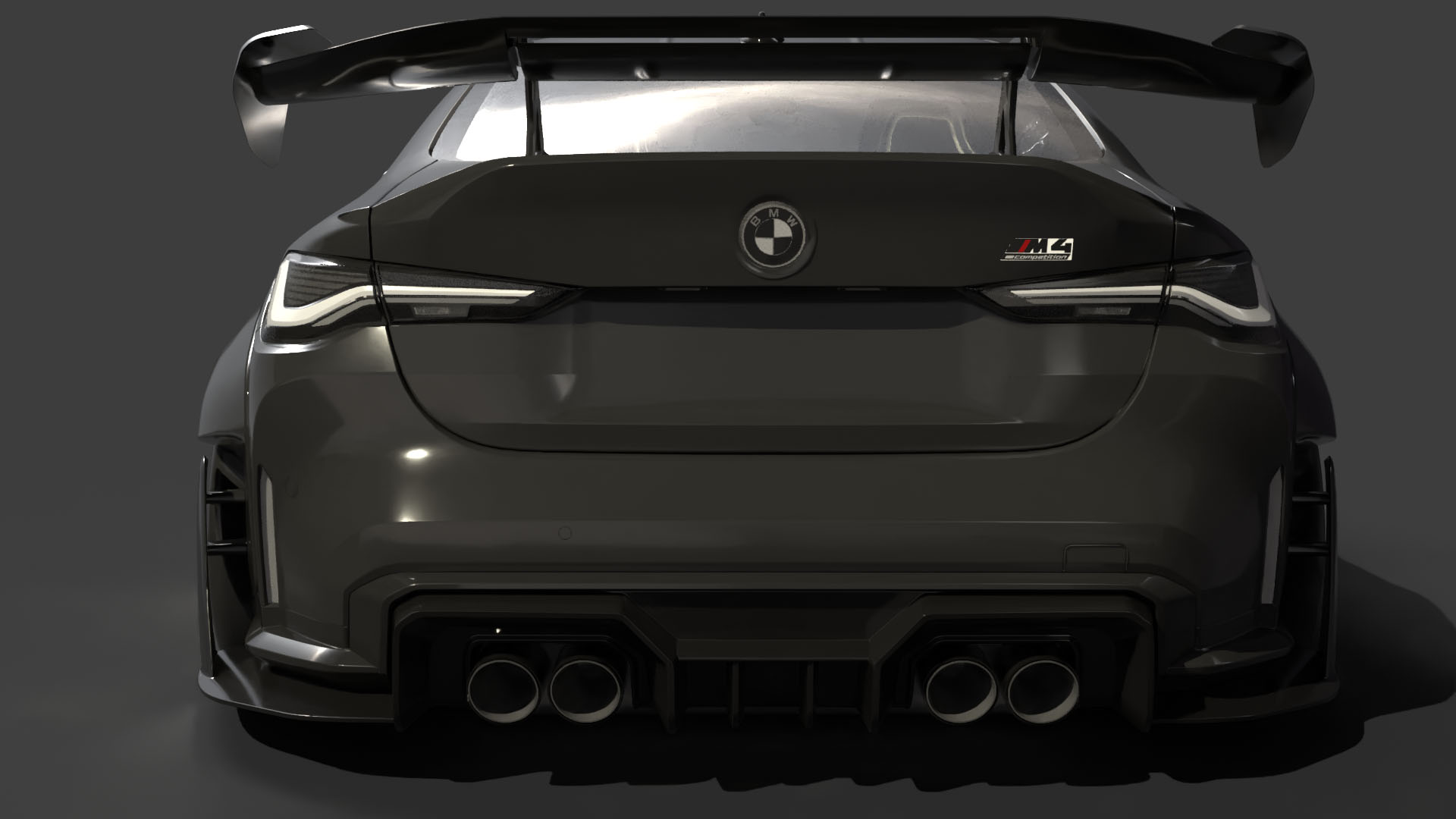
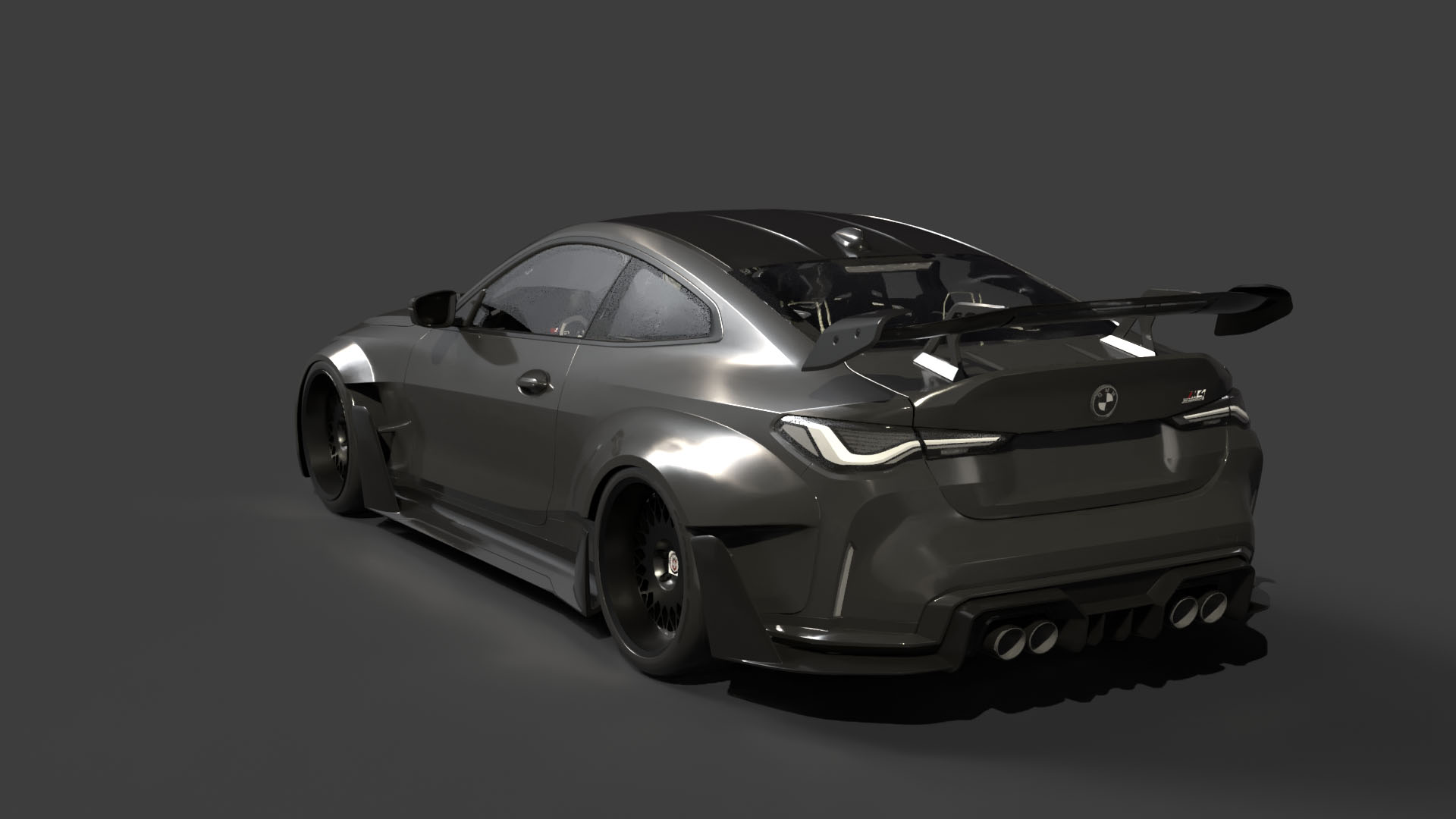
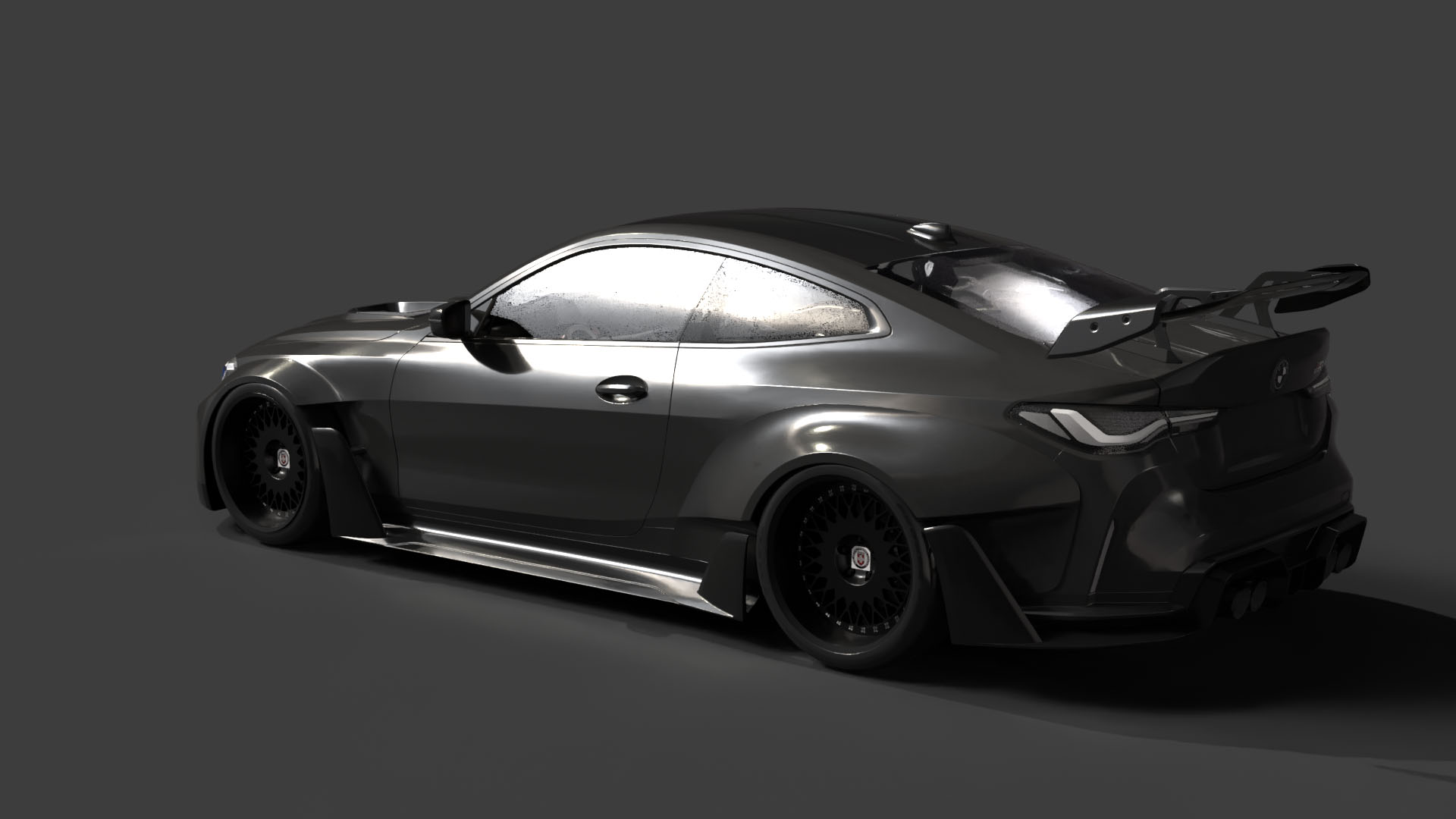
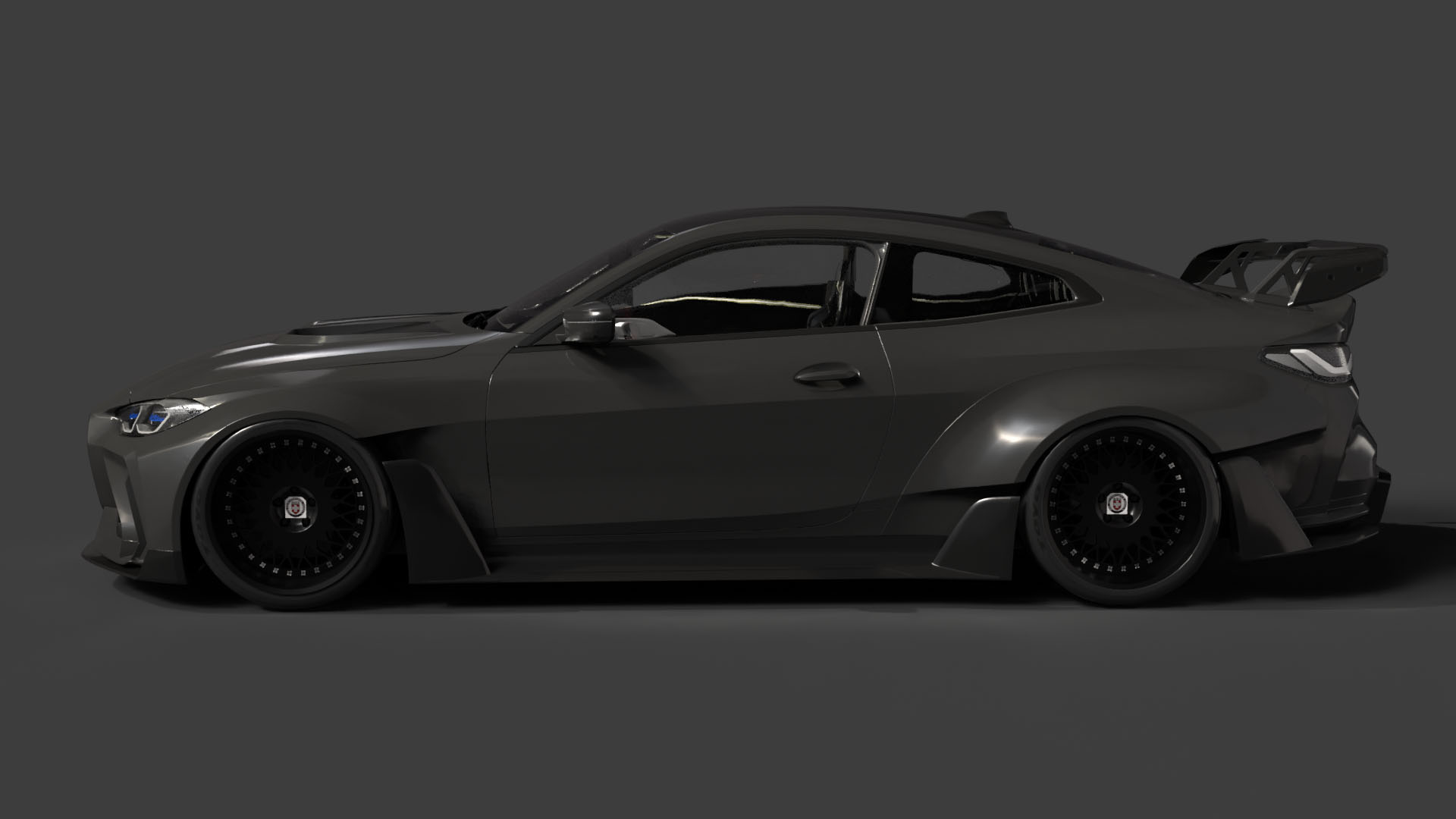
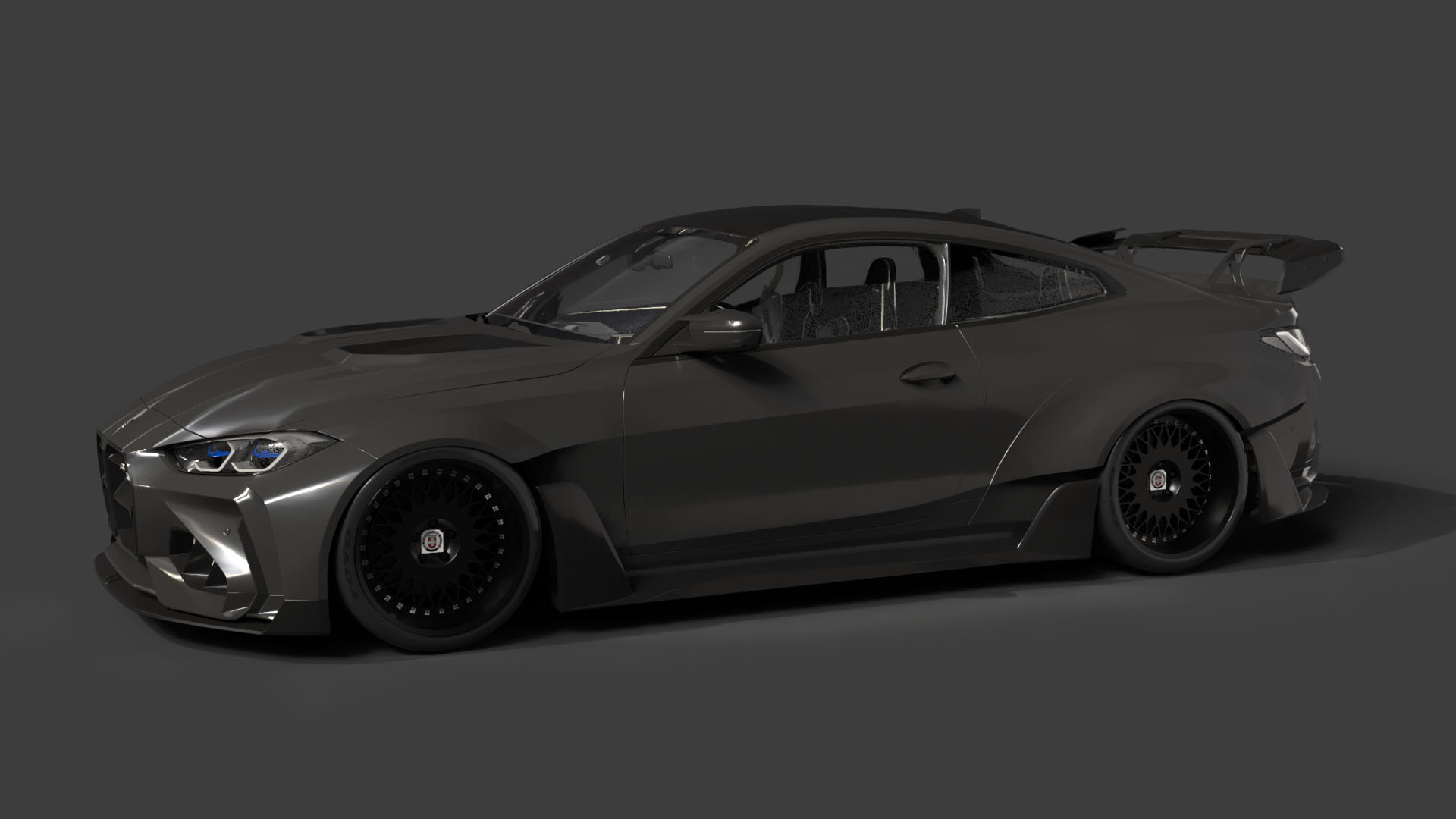
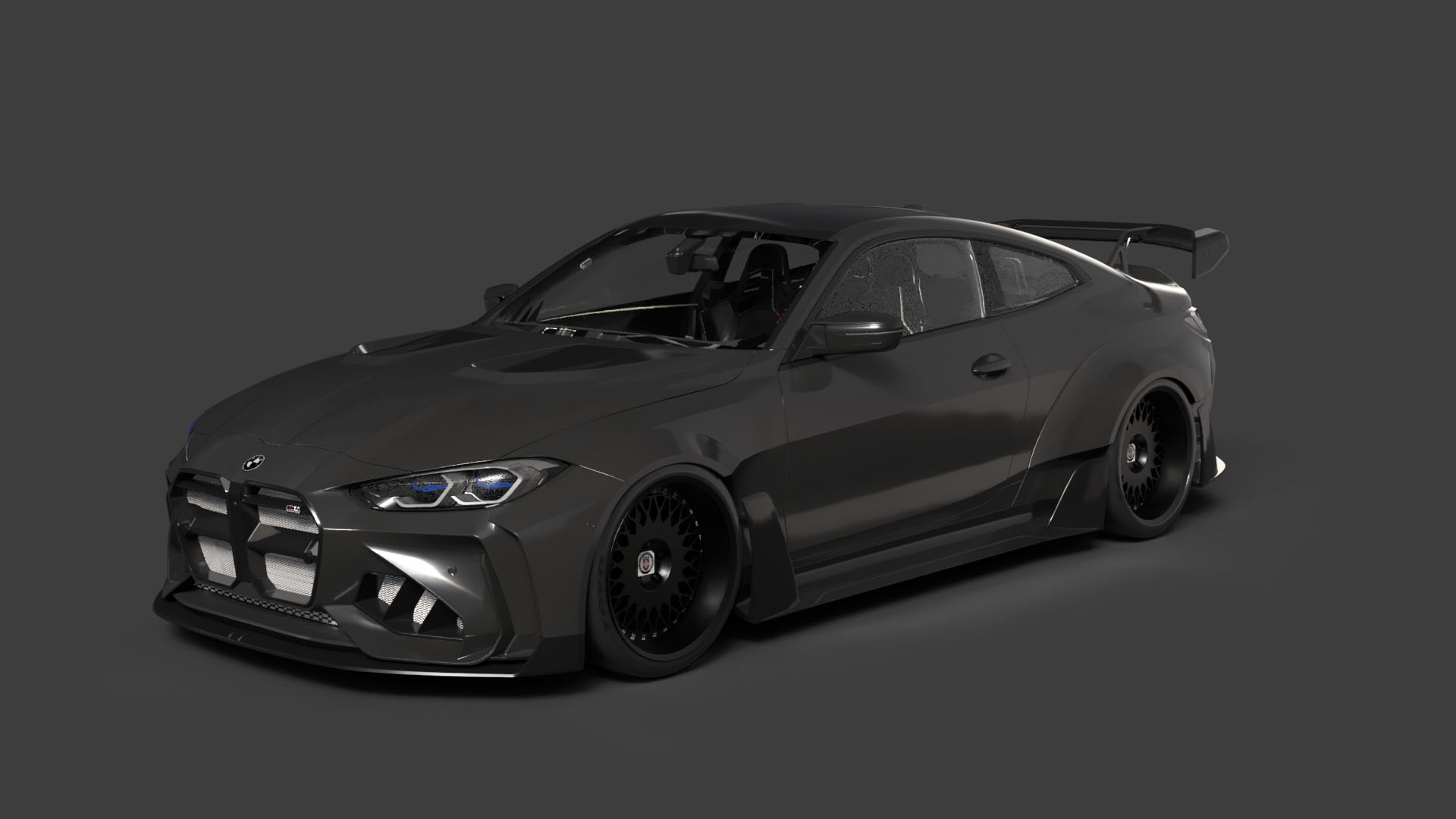
For visual effects and cinematic productions, 3D car models are often subjected to extreme close-ups, dynamic lighting changes, and high-speed motion blur. This necessitates impeccable topology, detailed materials that react realistically to light, and separated components for complex rigging and animation. The BMW G82 M4 with its custom bodykit from the German Luxury & Performance Bundle, with its aggressive aesthetic and meticulously crafted surfaces, is a prime candidate for a “hero” car in a high-octane chase sequence. The separated wheels, steering, and doors, all pivoted for easy rigging, empower animators to create incredibly realistic vehicle dynamics, from subtle suspension compression to dramatic drifts and door openings, without compromising visual fidelity.
Game Development: Balancing Beauty and Performance
Game development presents a unique challenge: achieving visual stunningness while adhering to strict performance budgets. High-quality 3D car models are essential for modern games, whether as driveable vehicles or environmental dressing. The German Luxury & Performance Bundle provides models optimized for both. Their clean-mid-poly topology means they can serve as “Hero” assets in a racing simulator, showcasing every detail of the M4 G82’s wide-body, or be efficiently instanced as high-quality background traffic in an open-world environment, like the BMW 1 Series. Compatibility with Unreal Engine and Unity via .fbx and .obj formats, coupled with their optimized structure, makes them ideal for PC and console projects where visual fidelity cannot sacrifice frame rates.
Unreal Engine & Unity: Driving Real-Time Automotive Experiences
Real-time engines like Unreal Engine and Unity have revolutionized automotive visualization, training simulations, and interactive experiences. They offer unparalleled interactivity and the ability to render complex scenes at blazing fast speeds. Integrating high-quality 3D car models into these environments requires careful preparation and optimization.
Preparing Assets for Real-Time Environments
The journey from a high-poly 3ds Max or Blender model to a game-ready asset involves several crucial steps. While the German Luxury & Performance Bundle comes optimized, further steps might include creating Level of Detail (LOD) models to swap between different poly counts based on distance, generating efficient collision meshes, and baking high-resolution details into normal maps for lower-poly versions. The bundle’s models, with their quad-heavy, optimized structure, are inherently well-suited for this process, reducing the need for extensive retopology and enabling artists to focus on material setup and engine-specific optimizations. Their “real-world scale” ensures immediate compatibility within engine environments, where precise dimensions are vital for physics and accurate scene composition.
Material Setup and Interactivity
Within Unreal Engine and Unity, PBR materials are recreated using the engine’s node-based material editors. Textures for diffuse, metallic, roughness, and normal maps are plugged into the appropriate slots to achieve photorealistic surface properties. For a bundle like the German Luxury & Performance Collection, this means configuring car paint that reflects light accurately, glass that refracts correctly, and chrome accents that shine convincingly. Furthermore, the separated components—wheels, steering, doors—are crucial for adding interactivity. In Unreal Engine, Blueprints can be used to animate these parts, allowing for driveable vehicles, opening doors in an architectural walkthrough, or even custom car configurators where users can explore different bodykits or paint options on the BMW M4 G82.
Beyond the Screen: The World of 3D Printing and Physical Prototyping
While digital rendering is the primary application for many 3D car models, the rise of 3D printing has opened up an exciting new dimension: bringing these virtual creations into the physical world. For enthusiasts, designers, and collectors, a tangible representation of a high-end vehicle holds immense appeal.
From Digital Mesh to Physical Miniature
The German Luxury & Performance Bundle is not just for digital screens; it also explicitly supports 3D printing, providing STL files optimized for physical output. This means that the intricate details of the BMW M5 CS or the sophisticated lines of the Mercedes-Benz E-Class AMG Line can be transformed into physical scale models. The technical specifications provided for 3D printing—recommended scales (1:24 / 1:32 / 1:43), layer height (0.04–0.12 mm for resin printing), wall thickness, infill, and required supports—are critical for achieving successful, high-quality prints. This attention to detail ensures that details like the side mirrors, wheel arches, and subtle spoilers are accurately reproduced, allowing for a seamless transition from virtual asset to a tangible collectible or prototype.
Applications in Design and Manufacturing
The ability to 3D print these models extends beyond mere collectibles. For automotive designers, these models can serve as rapid prototypes for design concepts, allowing for tactile evaluation of shapes, proportions, and aesthetic details before committing to expensive physical mock-ups. Educational institutions can use them as teaching aids for understanding vehicle mechanics or design principles. Enthusiasts can print and customize their favorite German luxury cars, applying specific paints or modifications, effectively becoming digital manufacturers themselves. The “manifold geometry” of the models ensures that they are watertight and ready for the slicing software, which is a fundamental requirement for any successful 3D print.
The 88cars3d.com Advantage: Quality, Efficiency, and Immersion
In a marketplace saturated with digital assets, choosing a reliable source for high-quality 3D car models is paramount. 88cars3d.com distinguishes itself by curating collections like the German Luxury & Performance Bundle, focusing on professional-grade assets that deliver both visual excellence and technical efficiency.
Uncompromising Quality and Detail
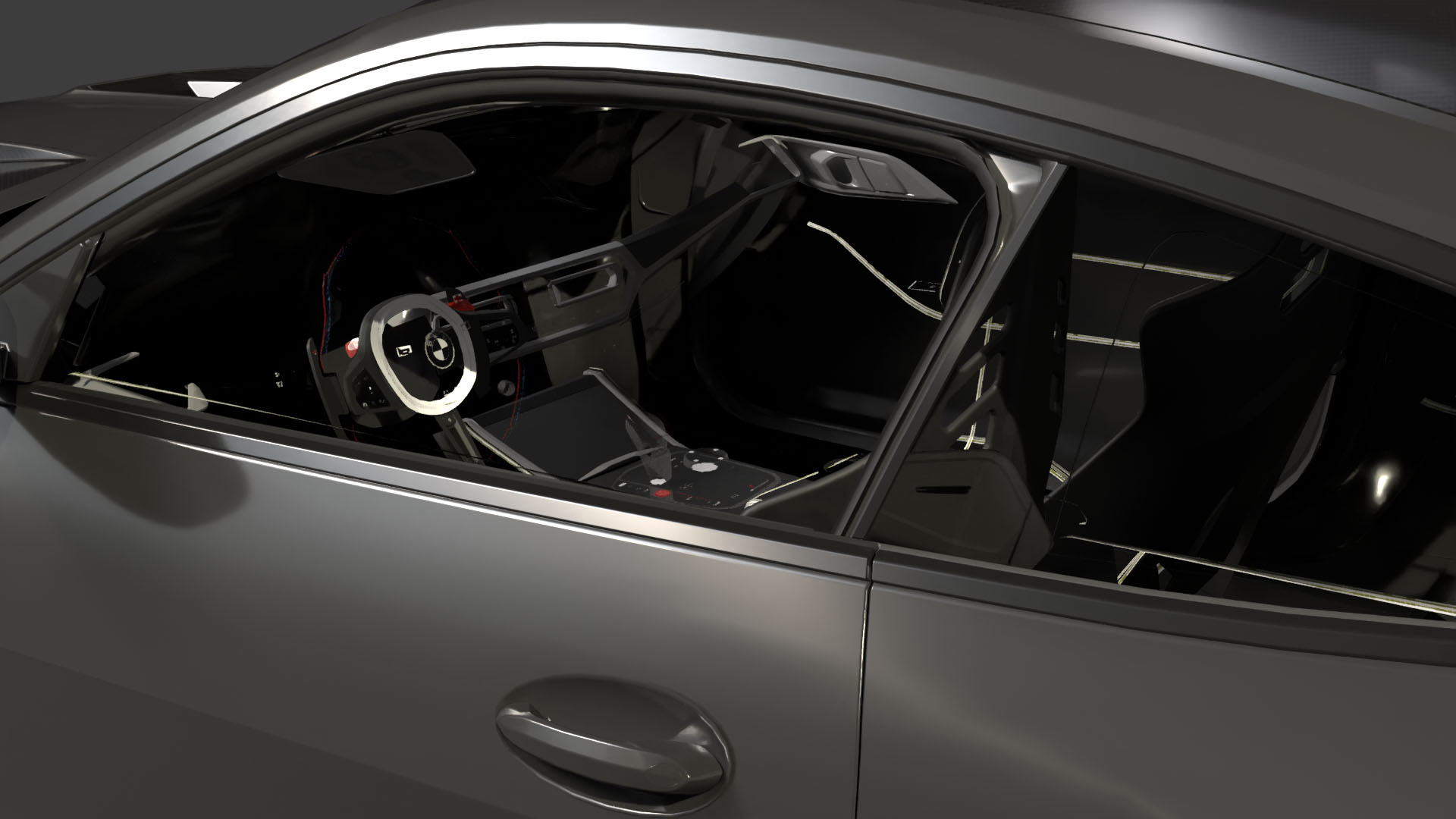
The commitment to “Scandinavian & German Precision” in the German Luxury & Performance Bundle translates to highly detailed exteriors, accurate light clusters (LED/Laser tech), and optimized interiors visible through glass. This level of detail is often found only in custom-commissioned models, but 88cars3d.com makes it accessible. Such fidelity ensures that whether the models are viewed in extreme close-ups or integrated into complex scenes, they consistently maintain a high standard of realism, crucial for demanding professional applications in ArchViz, VFX, and high-end game development.
Streamlined Workflows and Broad Compatibility
One of the biggest advantages of acquiring a pre-optimized bundle is the time saved. The “drag-and-drop” nature of these assets, coupled with their render-ready setup for Corona and V-Ray and broad file format support (.blend, .fbx, .obj, .max, .mb), means artists can integrate them into their projects with minimal fuss. This efficiency is invaluable in fast-paced production environments where deadlines are tight. The real-world scale and separated components further simplify rigging and integration, providing a robust foundation for any project. 88cars3d.com understands that professionals need assets that not only look great but also integrate seamlessly into diverse pipelines.
Case Studies: Real-World Applications of the German Luxury & Performance Bundle
To illustrate the versatility and value of this collection, let’s explore hypothetical yet highly plausible real-world scenarios where the German Luxury & Performance Bundle would be indispensable.
Case Study 1: High-End Architectural Visualization for a Luxury Penthouse
A leading architectural firm is creating photorealistic renders for a new luxury penthouse overlooking a cityscape. The client demands a scene that exudes opulence and modern living. Instead of relying on generic placeholder vehicles or spending days modeling bespoke cars, the firm utilizes the German Luxury & Performance Bundle. They place the Mercedes-Benz E-Class AMG Line and the BMW M5 CS in the penthouse’s private garage and a few other premium models from the collection populating the street below. The models’ real-world scale and render-ready V-Ray materials integrate perfectly into the existing 3ds Max scene. The accurate light clusters reflect convincingly, adding subtle details that elevate the overall realism, contributing to a project that impresses the client and wins accolades.
Case Study 2: Developing a Next-Generation Racing Game
A game development studio is conceptualizing a new AAA racing title focusing on European luxury and performance vehicles. They need hero cars that boast uncompromising detail for in-game close-ups and cinematics, alongside optimized versions for dense race grids. The BMW G82 M4 with Custom Bodykit from the German Luxury & Performance Bundle becomes their flagship hero car. Its aggressive aesthetics and optimized topology are ideal for the game engine. The separated wheels and steering allow for advanced physics integration and realistic animation. The studio also leverages the BMW 1 Series 5-Door for realistic urban traffic, using its clean-mid-poly structure to maintain high frame rates. The .fbx files are seamlessly imported into Unreal Engine, and the pre-existing PBR material setups significantly accelerate development, allowing the team to focus on gameplay mechanics rather than asset creation from scratch.
Case Study 3: Automotive Commercial Mockup for a Marketing Campaign
An advertising agency is tasked with creating a compelling digital commercial for a new line of premium tires. They need to showcase the tires on various high-performance vehicles in diverse scenarios. The German Luxury & Performance Bundle provides the perfect solution. The BMW M5 CS is featured speeding down a winding road, its detailed chassis and realistic reflections brought to life with Corona Renderer. The BMW X3 SUV is used in a family-oriented segment, depicting an aspirational lifestyle. Because the models have separated wheels, the agency’s animators can easily animate tire rotations and suspension movements with precision, allowing for dynamic camera work and close-ups that highlight the new tire product. The professional-grade topology ensures the vehicles hold up under the scrutiny of 4K broadcast resolutions.
Conclusion
In the demanding landscape of 3D visualization, the difference between a good project and a truly exceptional one often lies in the quality and efficiency of its assets. The German Luxury & Performance Bundle stands as a prime example of how curated, high-fidelity 3D car models can empower professionals across architectural visualization, game development, VFX, and even 3D printing.
This collection, featuring iconic BMW and Mercedes-Benz models like the M4 G82 with a custom bodykit, the executive E-Class AMG Line, and the versatile X3 SUV, is more than just a set of beautiful models. It represents a commitment to technical excellence: clean, quad-heavy topology, real-world scale, render-ready materials for Corona and V-Ray, separated components for easy animation, and broad file format compatibility including .blend, .fbx, .obj, .max, and .mb, ensuring seamless integration into virtually any professional workflow. Moreover, the inclusion of 3D printable STL files opens doors to physical prototyping and collecting, expanding the utility of these digital assets into the tangible realm.
For artists and studios aiming to elevate their projects with a touch of German automotive mastery, this bundle from 88cars3d.com offers an unparalleled combination of aesthetic appeal, technical robustness, and workflow efficiency. Invest in this collection, and equip your digital garage with the power and prestige it deserves.
Featured 3D Model
German Luxury & Performance Bundle – High-End 3D Vehicle Collection
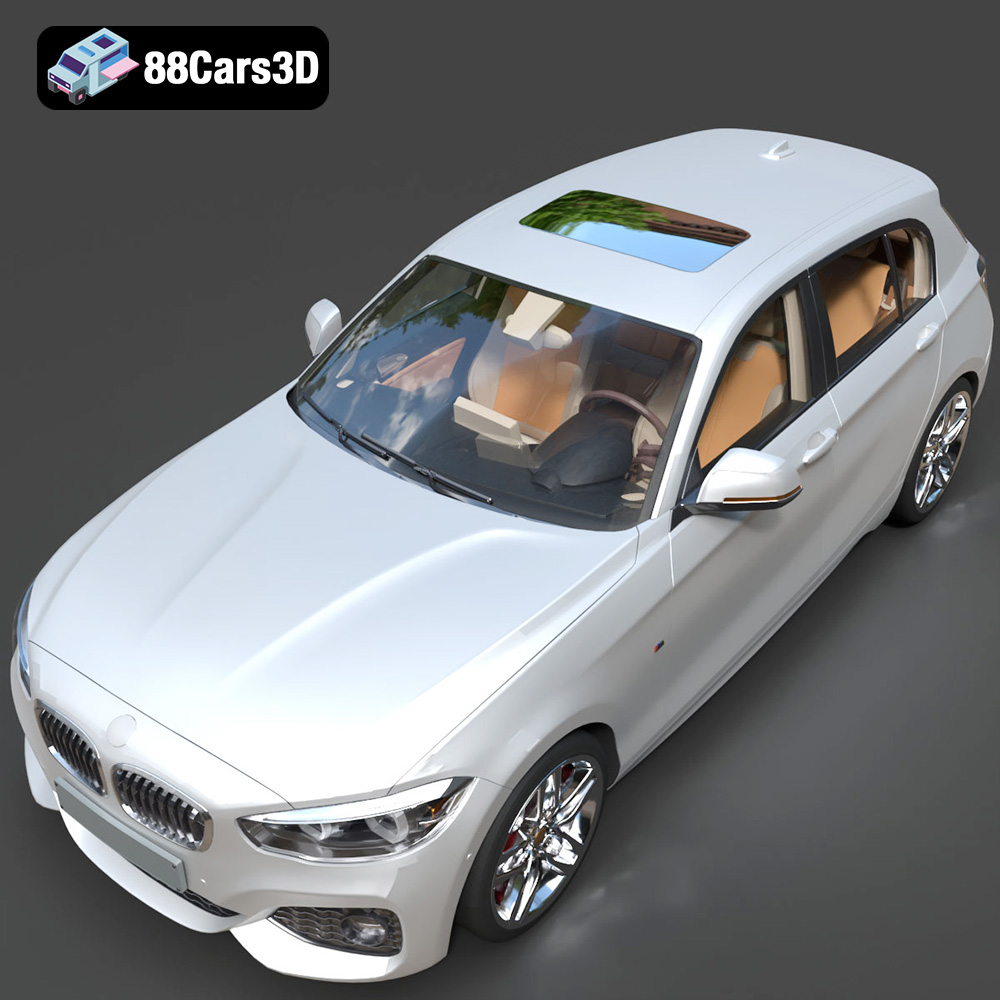
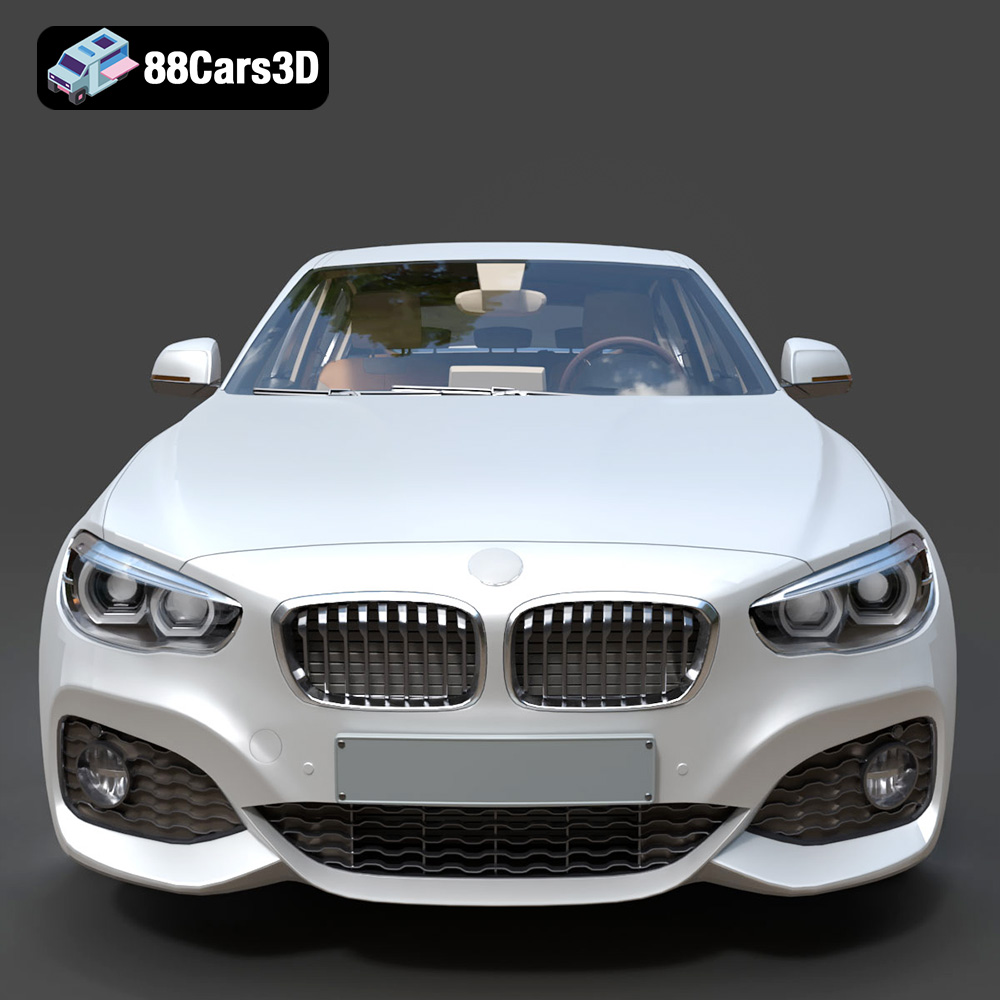
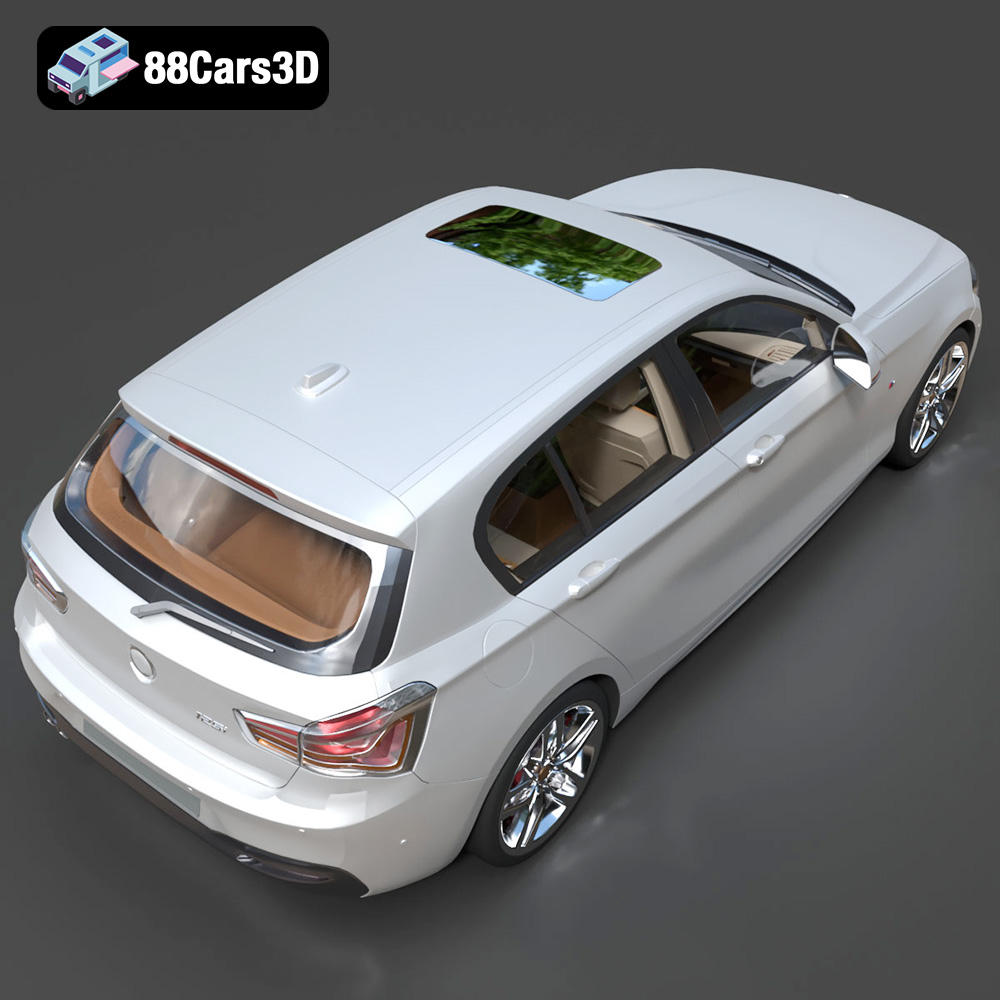
The German Luxury & Performance Bundle is a masterfully curated collection of Germany’s most iconic and sought-after vehicles. This bundle brings together the perfect synergy of aggressive sport aesthetics, executive elegance, and everyday versatility. Featuring a selection of industry-leading models from BMW and Mercedes-Benz, this collection is designed specifically for artists who refuse to compromise between high-fidelity detail and engine performance. Each model in this bundle has been meticulously crafted to capture the soul of German engineering—from the fierce, track-ready lines of the M4 G82 to the sophisticated presence of the E-Class AMG Line. These assets are built with professional-grade, clean-mid-poly topology, making them the ultimate “drag-and-drop” solution for high-end ArchViz driveways, urban simulation environments, and cinematic automotive renders. Perfect for: Luxury real estate visualizations, high-stakes street racing game development, automotive commercial mockups, and modern city-building simulations. Included Vehicles: BMW G82 M4 with Custom Bodykit, BMW M5 CS, BMW X3 SUV, Mercedes-Benz E-Class AMG Line, BMW 1 Series 5-Door (2016). Optimized, render-ready for Corona and V-Ray, real-world scale, separated components, and includes .blend, .fbx, .obj, .max, .mb (Compatible with Unreal Engine, Unity, and all major 3D suites) as well as 3D Printable STL files.
$119
Product Image Gallery





Related Tags
.bmw
.bodykit
.e-class
.mercedes
3d-car-bundle
archviz-cars
automotive-design
corona-renderer
game-ready-cars
german-cars
luxury-sedan
m4-g82
m5-cs
SUV
vray-ready
