

Unleashing Creativity: Unreal Engine Blueprint Visual Scripting for Non-Programmers in Automotive Visualization
In the dynamic world of real-time rendering, game development, and high-fidelity visualization, Unreal Engine stands as a powerhouse. For many artists, designers, and visualization professionals, the prospect of creating interactive experiences, complex behaviors, or custom logic can seem daunting, often requiring deep programming knowledge. However, Unreal Engine offers a revolutionary solution: Blueprint Visual Scripting. This intuitive, node-based system empowers users, even those without a single line of code experience, to craft sophisticated functionalities within their projects. For anyone working with exquisite 3D car models in automotive visualization or interactive applications, mastering Blueprint is a game-changer.
This comprehensive guide will demystify Blueprint, demonstrating how non-programmers can leverage its power to bring static 3D car models to life. From setting up basic interactions like opening doors to developing intricate automotive configurators, we’ll explore practical workflows, optimization techniques, and best practices. Whether you’re sourcing high-quality automotive assets from platforms like 88cars3d.com or integrating your own models, understanding Blueprint will unlock an unprecedented level of creative control and interactivity for your Unreal Engine projects. Get ready to transform your visions into tangible, interactive realities without writing a single line of C++.
Understanding Blueprint: The Visual Scripting Paradigm
At its core, Blueprint is Unreal Engine’s powerful visual scripting system. Instead of typing lines of code, you connect “nodes” – visual representations of functions, variables, and events – with “wires” to define logic and behavior. This approach makes programming accessible and highly intuitive, allowing artists and designers to actively participate in the development of interactive content, rather than solely relying on programmers. It bridges the gap between creative vision and technical implementation, fostering a more collaborative and efficient workflow.
The primary advantage of Blueprint lies in its accessibility. Learning the syntax of a text-based programming language like C++ can be a steep curve. Blueprint, however, presents concepts visually, making it easier to grasp the flow of execution and understand how different parts of your logic interact. It provides immediate feedback, allowing you to quickly iterate and experiment. Furthermore, Blueprints are built directly on top of Unreal Engine’s C++ framework, meaning they have access to almost all of the engine’s functionalities, including physics, rendering, UI, and networking. This integration ensures that despite its visual nature, Blueprint is incredibly robust and capable of handling complex project requirements. It’s not just a simplified tool; it’s a fully-fledged scripting environment designed for power and flexibility.
What Makes Blueprint So Powerful for Non-Programmers?
- Visual Feedback: See your logic flow in real-time as you connect nodes, making debugging and understanding much clearer.
- Rapid Prototyping: Quickly implement and test ideas without the compile times associated with C++ code. This is invaluable for iterating on design concepts for automotive configurators or interactive demos.
- Engine Integration: Blueprints can interact directly with virtually any aspect of the Unreal Engine, from manipulating 3D car models and their materials to controlling lighting and UI elements. This deep integration is crucial for building comprehensive automotive visualization experiences.
- Readability & Collaboration: The visual nature of Blueprints often makes them easier for non-programmers to read and understand, facilitating better collaboration within interdisciplinary teams. Artists can comprehend and even modify gameplay or interactive logic.
Core Concepts: Nodes, Pins, and Execution Flow
To begin your journey with Blueprint, understanding a few fundamental concepts is key:
- Nodes: These are the building blocks of your Blueprint script. Each node represents a specific action, event, variable, or function. For example, a “Print String” node outputs text to the screen, while an “OnComponentHit” node triggers an action when an object collides.
- Pins: Nodes have various pins on their left and right sides. Execution Pins (often white arrows) dictate the flow of your script – an action will only occur when an execution pin is activated. Data Pins (various colors) pass data between nodes, such as numbers, boolean values, or references to objects. For instance, a “Set Material” node might have a data pin for the target mesh and another for the new material.
- Wires: These are the connections you draw between pins to define the order of operations (execution wires) and how data is passed (data wires). Understanding how to correctly wire nodes is essential for creating functional logic.
- Event Graph: This is the primary canvas where you visually assemble your nodes and wires to create the interactive logic for your Blueprint. Every Blueprint has an Event Graph.
By arranging and connecting these elements, you can create intricate sequences of actions that respond to player input, simulate physics, or dynamically change the appearance of your 3D car models.
Getting Started with Blueprint: Your First Steps
Embarking on your Blueprint journey within Unreal Engine begins with understanding the environment and creating your first Blueprint asset. This process is straightforward and lays the foundation for all future interactive experiences you’ll build. For those utilizing high-quality 3D car models from marketplaces like 88cars3d.com, integrating these assets into a Blueprint is a natural next step to add interactivity.
The first step involves creating a new Blueprint Class. In the Content Browser, right-click and select “Blueprint Class.” You’ll be presented with several common parent classes. For most interactive objects, particularly those built around your 3D car models, an “Actor” Blueprint Class is the most suitable choice. An Actor is any object that can be placed or spawned in the world, such as a car, a door, a light, or a trigger volume. Once created, double-clicking your new Blueprint will open the Blueprint Editor, a dedicated workspace divided into several key panels: the Components panel, the Details panel, the Viewport, and the Event Graph. It’s within the Event Graph that the magic of visual scripting truly happens, allowing you to define custom behaviors and interactions.
Creating and Configuring Your First Blueprint
- Create a Blueprint Class: In your Content Browser, right-click, select “Blueprint Class,” and choose “Actor.” Give it a descriptive name like “BP_InteractiveCar.”
- Open the Blueprint Editor: Double-click your new Blueprint asset.
- Add Components: In the Components panel (top-left), click “Add Component.” For a car, you’ll likely want to add a “Static Mesh” component. Assign your 3D car model’s mesh to this component in the Details panel. If your car has multiple parts (e.g., body, wheels, doors), you can add multiple Static Mesh components and parent them appropriately. For advanced vehicle dynamics, you might consider a “Skeletal Mesh” and a “Chaos Vehicle Movement Component” (refer to Unreal Engine documentation for detailed vehicle setup).
- Understand the Event Graph: Switch to the Event Graph tab. You’ll typically find three default event nodes: “Event BeginPlay” (fires once when the game starts), “Event Tick” (fires every frame), and “Event ActorBeginOverlap” (fires when another actor enters its collision volume). These are your starting points for defining logic.
From here, you can start adding simple interactions. For instance, to make a car’s headlights turn on when the game starts, you would drag off the “Event BeginPlay” execution pin, search for a “Set Visibility” node for your headlight mesh components, and connect them. It’s all about connecting the right actions to the right events.
Basic Node Operations: Spawning Actors and Manipulating Properties
A common first task is to dynamically create objects in your world or change their properties. Blueprint makes this incredibly simple:
- Spawning Actors: To spawn a new Actor (like a prop or another vehicle) at runtime, you would use an “Spawn Actor from Class” node. You define which class to spawn and at what transform (location, rotation, scale). This is vital for procedural scene generation or gameplay elements.
- Manipulating Properties: Every component and actor in Unreal Engine has properties that can be accessed and modified via Blueprint. For example, to change the color of a car part, you’d get a reference to its Static Mesh Component, then use a “Set Material” node, providing a new Material Instance. To change its location, you’d use a “Set World Location” node. The key is to drag off a reference to the component or actor you want to modify, and then search for the relevant “Set” node.
These foundational operations are the building blocks for creating virtually any interactive behavior. With practice, you’ll learn to chain these simple actions into complex systems, bringing your automotive visualizations to life with dynamic elements and user-driven interactions.
Building Interactive Automotive Experiences with Blueprint
One of the most compelling applications of Blueprint in automotive visualization is the creation of interactive experiences. This moves beyond static renders, allowing users to explore 3D car models in real-time, customize features, and even simulate basic functionalities. Blueprint provides the tools to script everything from simple door animations to full-blown car configurators, significantly enhancing engagement and product understanding.
Imagine a virtual showroom where potential customers can not only view a meticulously crafted car model but also interact with it. They could open and close doors, switch on headlights, change the paint color, or even cycle through different rim designs. All of these interactions are made possible through Blueprint. By connecting events (like a user clicking on a door) to actions (like playing an animation or changing a material parameter), you build a responsive and dynamic experience. This capability is crucial for marketing, design reviews, and educational applications, offering an immersive way to present automotive products.
Creating Dynamic Door Open/Close Animations
A classic example of interactivity is animating car doors. Here’s a simplified Blueprint workflow:
- Separate Your Car Mesh: Ensure your car model, especially if sourced from 88cars3d.com, has its doors as separate mesh components (or at least separate elements you can target). Import them as individual Static Meshes or as part of a single FBX with separate scene nodes.
- Create a Door Blueprint: For each door, create an “Actor Blueprint” (e.g., BP_CarDoor_FrontLeft). Add a “Static Mesh” component and assign your door mesh.
- Define the Interaction: In the Event Graph of BP_CarDoor_FrontLeft, use an “On Clicked” event (or “On Component Begin Overlap” for proximity interaction).
- Animate Rotation: Drag off the “On Clicked” execution pin. Add a “Timeline” node. Double-click the Timeline to open its editor. Add a “Float Track” and keyframe the door’s rotation over time (e.g., 0 seconds = 0 degrees, 1 second = 90 degrees). Set its “Length” and “Play Mode” (e.g., “Play” and “Reverse”).
- Connect to Mesh Rotation: Back in the Event Graph, connect the Timeline’s output to a “Set Relative Rotation” node for your door’s Static Mesh component. Link the Timeline’s “Update” pin to the Set Relative Rotation’s execution pin.
- Toggle Play/Reverse: Use a “FlipFlop” node after the “On Clicked” event to alternate between “Play” and “Reverse” on the Timeline, allowing the door to open and close with successive clicks.
This fundamental setup can be expanded with sound effects, smooth interpolation, and collision avoidance, all managed within Blueprint.
Implementing Interactive Material Switching for Car Configurator
Automotive configurators are a prime use case for Blueprint. Users expect to change paint colors, interior trims, and wheel designs instantly. This is achieved through dynamic material switching:
- Prepare Materials: Create multiple PBR Master Materials and their respective Material Instances in Unreal Engine, each representing a different paint color, fabric, or finish. For optimal performance with high-quality 3D car models, consider using Material Instances that only expose a few parameters (like Base Color, Roughness, Metallic) for variation, rather than entirely different materials.
- Target Mesh Component: In your car’s main Blueprint (e.g., BP_InteractiveCar), get a reference to the specific Static Mesh Component you want to modify (e.g., “CarBodyMesh”).
- Create UI Buttons (UMG): Use Unreal Motion Graphics (UMG) to create simple buttons for each color option. In the button’s “On Clicked” event in its Graph, “Cast To” your car’s Blueprint and then call a custom event or function you create in the car Blueprint (e.g., “ChangeCarColor”).
- Blueprint Logic for Switching: In your car Blueprint’s Event Graph, implement the “ChangeCarColor” custom event. This event would take an input (e.g., a “Material Instance” asset reference). Inside the event, use a “Set Material” node, connecting your “CarBodyMesh” reference to the target and the input Material Instance to the material pin.
- Material Parameter Collections: For even more granular control and performance, especially with Nanite meshes, consider using Material Parameter Collections. Blueprint can set scalar and vector parameters on these collections, allowing multiple materials to react to a single change (e.g., globally changing a metallic flake parameter for all car paint materials). This is more efficient than swapping entire materials.
This Blueprint-driven configurator logic provides a powerful, real-time customization experience, making your 3D car models incredibly versatile for marketing and design showcases.
Integrating 3D Car Models: Data Flow and Blueprint Control
The true power of Blueprint for automotive visualization lies in its ability to directly interact with and control your 3D car models. Whether your assets come from internal design teams or high-quality marketplaces like 88cars3d.com, Blueprint provides the interface to manipulate their appearance, behavior, and physical properties within the Unreal Engine environment. This integration is seamless, allowing artists to define complex logic that responds directly to the visual data of their models.
When you import a 3D car model into Unreal Engine, it typically comes in as a Static Mesh, a Skeletal Mesh, or a collection of these. Each mesh has associated PBR (Physically Based Rendering) materials and textures. Blueprint allows you to get references to these components and their materials, enabling dynamic changes. For example, you can query a car part’s current material, set a new material, toggle its visibility, or even apply impulse forces to simulate minor collisions. Understanding how to establish this “data flow” from your Blueprint logic to the mesh components is fundamental for creating any interactive automotive experience.
Importing and Optimizing Models for Blueprint Interaction
Before scripting, ensure your 3D car models are properly imported and optimized for Unreal Engine. While Blueprint doesn’t directly handle the import process, it benefits greatly from well-prepared assets:
- Clean Topology and UVs: Models from professional sources like 88cars3d.com typically feature clean, optimized topology and proper UV mapping, which is crucial for efficient rendering and material application controlled by Blueprint. Bad UVs can lead to stretched textures when Blueprint changes materials.
- Modular Structure: For interactive elements (doors, wheels, hood), it’s best if these are separate mesh components in your DCC application before export. This allows Blueprint to target and manipulate them individually without complex workarounds. If a model is a single mesh, you might need to use “sections” or “material slots” to apply different materials, but individual components offer more flexibility for movement and interaction.
- LODs (Levels of Detail): For performance, especially in larger scenes or AR/VR applications, ensure your models have appropriate LODs. While Blueprint doesn’t directly manage LOD generation, it can influence their switching by manipulating distance or other metrics. For high-fidelity models, leverage Unreal Engine’s Nanite virtualized geometry feature for incredibly detailed meshes with minimal performance impact. Blueprint can then interact with these Nanite-enabled static meshes just like regular ones.
- Collision Meshes: Generate accurate collision meshes. Blueprint events like “On Component Hit” or “On Component Begin Overlap” rely on these for triggering interactive logic.
Once imported, drag your car’s Static Mesh or Skeletal Mesh into a new Actor Blueprint’s Components tab. This makes it accessible for Blueprint scripting.
Manipulating Materials and Visibility with Blueprint
Dynamic modification of your car model’s appearance is a core Blueprint capability:
- Setting Materials: As demonstrated with the configurator, you can use the “Set Material” node. Get a reference to the specific Static Mesh Component (e.g., “Body_Mesh_Component”), and then drag off its pin to search for “Set Material (Static Mesh)”. You can then input any Material Instance or Master Material.
- Dynamic Material Instances (DMIs): For more granular control over PBR properties, instead of swapping entire materials, you can create a Dynamic Material Instance from an existing material using “Create Dynamic Material Instance.” This DMI allows Blueprint to set parameters (like Base Color, Metallic, Roughness, Emissive Strength) at runtime using nodes like “Set Scalar Parameter Value” or “Set Vector Parameter Value.” This is ideal for subtle color variations, metallic flakes, or dimming/brightening headlights. This method is highly efficient for real-time adjustments and avoids frequent material swaps.
- Toggling Visibility: To hide or show parts of your car (e.g., interior vs. exterior views, or removing a roof), use the “Set Visibility” node. Target the desired Static Mesh Component and connect a boolean value (true for visible, false for hidden) to its “New Visibility” pin. This is perfect for virtual production workflows where components might need to be toggled for different camera angles or purposes.
By skillfully employing these techniques, artists can craft highly responsive and visually stunning interactive experiences around their 3D car models, enhancing their utility across game development, architectural visualization, and marketing.
Advanced Blueprint Techniques for Automotive Visualization
While basic Blueprint interactions are powerful, pushing the boundaries of automotive visualization requires a deeper dive into more advanced techniques. These methods enable more efficient communication between Blueprints, create richer user interfaces, and integrate seamlessly with Unreal Engine’s cinematic tools. Mastering these concepts will allow you to build truly sophisticated and professional interactive car experiences.
Advanced Blueprint often involves designing systems that are modular, scalable, and performant. This means moving beyond single, monolithic scripts and instead thinking about how different Blueprints can communicate, how user input can drive complex sequences, and how to maintain smooth frame rates while delivering stunning visual fidelity. Concepts like Event Dispatchers and Blueprint Interfaces provide robust communication pathways, while UMG (Unreal Motion Graphics) offers a flexible framework for interactive menus and heads-up displays. Integrating with Sequencer allows for stunning cinematic showcases of your 3D car models, all triggered and controlled by Blueprint logic.
Blueprint Communication: Event Dispatchers and Interfaces
For complex projects, different Blueprints often need to “talk” to each other. For example, a “Button Blueprint” needs to tell a “Car Blueprint” to change color, or a “Vehicle Manager Blueprint” needs to receive signals from all car doors to check if they are closed. This is where communication patterns like Event Dispatchers and Blueprint Interfaces become invaluable:
- Event Dispatchers: These allow one Blueprint to “broadcast” a message that other Blueprints can “listen” for. It’s a one-to-many communication system. For instance, your “Car Door Blueprint” could have an Event Dispatcher called “OnDoorStateChanged.” When the door opens or closes, it “calls” or “executes” this dispatcher. Any other Blueprint (like a “Dashboard Blueprint” that displays door status) can “Bind” to this dispatcher and execute its own logic when the event is broadcast. This decouples Blueprints, making them more modular and easier to manage.
- Blueprint Interfaces: Interfaces define a contract for functions that Blueprints can implement. Instead of directly calling a specific function on a specific Blueprint, you can call an Interface Message. Any Blueprint that implements that interface can then respond to that message with its own unique logic. This is powerful for generic interactions. For example, you could create an “I_Interactable” interface with a function called “Interact.” Your car doors, lights, and trunk could all implement this interface. A player interaction Blueprint can then simply check if an actor implements “I_Interactable” and call “Interact” on it, without needing to know the specific type of actor. This promotes reusability and flexibility, crucial for complex automotive environments.
UI Creation with UMG and Blueprint Interaction
User interfaces are essential for any interactive automotive configurator or demo. Unreal Engine’s UMG (Unreal Motion Graphics) UI Designer, combined with Blueprint, makes creating these interfaces intuitive:
- Widget Blueprints: UMG interfaces are built using “Widget Blueprints.” In these, you can drag and drop UI elements like buttons, sliders, text blocks, and images onto a canvas.
- Event Graph for UI Logic: Each UI element in a Widget Blueprint has its own Event Graph where you can define interactions. For example, a “Paint Color Button” might have an “On Clicked” event.
- Communicating with World Blueprints: From a Widget Blueprint, you typically need to communicate with your Actor Blueprints in the world (e.g., your “BP_InteractiveCar”). This is often done by “Casting” to your car Blueprint (after getting a reference to it, e.g., using “Get All Actors Of Class”) and then calling a custom event or function on the car Blueprint (like “ChangeCarColor” as discussed before).
- Binding Data: You can also “bind” UI elements to variables in your Blueprint, allowing them to automatically update. For instance, a text block displaying car speed could be bound to a speed variable in your car’s Blueprint, dynamically updating in real-time.
Cinematic Control with Sequencer and Blueprint
For showcasing your 3D car models with stunning cinematic sequences, Unreal Engine’s Sequencer is the tool. Blueprint can trigger and control these sequences:
- Creating a Level Sequence: In the Content Browser, right-click and create a “Level Sequence” asset. Open it to animate cameras, lights, and your car’s movement, or even trigger material changes over time.
- Triggering Sequences via Blueprint: In your main car Blueprint or a dedicated “Sequencer Manager Blueprint,” add a “Sequencer Player” component. In the Event Graph, use nodes like “Play Sequence,” “Pause Sequence,” “Stop Sequence,” or “Set Playback Position” to control your Level Sequence. For example, a button click in UMG could trigger a cinematic reveal of the car.
- Blueprint Hooks in Sequencer: Sequencer itself allows you to add “Event Tracks” that can call custom Blueprint events at specific points in your timeline. This is incredibly powerful for synchronizing gameplay events (like a door opening) with cinematic moments, ensuring a cohesive and immersive experience. This is especially useful in virtual production setups where real-time interactions might need to align perfectly with pre-scripted camera moves.
By leveraging these advanced Blueprint techniques, you elevate your automotive visualization projects from simple static scenes to dynamic, interactive, and cinematically rich experiences, captivating your audience with the full potential of your high-quality 3D car models.
Optimization and Best Practices for Blueprint Performance
While Blueprint’s visual nature makes it incredibly accessible, it’s crucial to adopt optimization strategies and best practices to ensure your interactive automotive projects run smoothly, especially when dealing with high-fidelity 3D car models and real-time rendering features like Lumen and Nanite. Inefficient Blueprints can lead to performance bottlenecks, impacting frame rate and overall user experience. Maintaining a clean, efficient, and well-structured Blueprint is not only good for performance but also for long-term maintainability and collaboration.
Performance in Unreal Engine is a delicate balance. High-polygon car models, complex PBR materials, dynamic lighting (Lumen), and extensive interactive logic all contribute to the computational load. Blueprint, being an interpreted scripting layer above C++, can sometimes be less performant than native C++ code. However, with careful design and adherence to best practices, you can achieve excellent results without needing to touch C++. The goal is to minimize unnecessary calculations, optimize event handling, and structure your logic clearly to avoid common pitfalls that can degrade performance.
Minimizing Performance Impact: Event Tick and Object References
The “Event Tick” node is a common source of performance issues if used indiscriminately:
- Avoid Heavy Logic on Tick: “Event Tick” fires every single frame. Placing computationally intensive operations (like complex calculations, “Get All Actors Of Class,” or frequent array iterations) on Tick can quickly bring down your frame rate. Only put logic on Tick that absolutely *needs* to update every frame (e.g., tracking a fast-moving object, real-time UI updates that cannot be event-driven).
- Use Timers for Periodic Updates: If logic needs to run periodically but not every frame, use “Set Timer by Event” or “Set Timer by Function Name.” This allows you to specify a delay or a repeating interval, saving performance by not running the code on every tick. For example, updating a dashboard display every 0.1 seconds instead of every frame.
- Event-Driven Design: Whenever possible, use event-driven logic instead of polling on Tick. For instance, instead of checking on Tick if a door is open, have the door Blueprint broadcast an “OnDoorOpened” event (via an Event Dispatcher) that other Blueprints can listen for.
- Cache Object References: Frequently accessing actors or components by searching for them (e.g., “Get All Actors Of Class,” “Find Component by Class”) can be expensive. If you need a reference to an actor or component multiple times, get it once (e.g., on “Event BeginPlay”) and store it in a variable. Then, use that variable whenever you need to interact with that object. This is particularly important for your main 3D car model components.
Debugging Blueprints and Best Practices for Clean Code
Effective debugging and maintaining clean Blueprints are crucial for both performance and project longevity:
- Print Strings and Draw Debug: The simplest debugging tools are “Print String” nodes (to output text to the screen/log) and “Draw Debug Sphere/Line/Box” nodes (to visualize positions or collision areas in the viewport). These provide immediate feedback on variable values or execution paths.
- Blueprint Debugger: Unreal Engine’s built-in Blueprint Debugger (accessible via “Window > Developer Tools > Debugger”) allows you to step through your Blueprint logic node by node, inspect variable values at each step, and set breakpoints. This is invaluable for tracking down complex bugs.
- Nomenclatural Conventions: Consistently name your Blueprints (e.g., BP_CarDoor), variables (e.g., CurrentSpeed, bIsDoorOpen), functions (e.g., OpenDoor, ChangeMaterial), and events (e.g., OnLightSwitchToggled). Clear naming makes your Blueprints much easier to understand for yourself and others.
- Commenting and Reroute Nodes: Use comments (select nodes and press ‘C’) to explain complex sections of logic. “Reroute Nodes” (double-click a wire or right-click on a wire and select “Add Reroute Node”) help organize messy wires, improving readability. Group related nodes into “Sequences” or “Functions” to keep the Event Graph clean.
- Functions and Macros: Encapsulate reusable logic into Functions (for pure operations or those with a single execution path) or Macros (for multiple execution paths or visual convenience). This avoids copy-pasting code and makes changes easier to implement globally.
- Pure Functions: For functions that only return a value and don’t modify the state of the object, mark them as “Pure.” This allows them to be called directly from data pins without an execution pin, simplifying graphs.
By diligently applying these optimization and best practice guidelines, you can ensure that your Blueprint-driven interactive automotive experiences remain performant, stable, and a joy to develop, even with the demanding visuals of high-quality 3D car models and advanced rendering features.
Real-World Applications: Beyond the Basics
Blueprint’s versatility extends far beyond simple door animations and color changes. In the professional automotive industry and game development, it’s the backbone for creating sophisticated virtual production environments, highly detailed car configurators, immersive AR/VR experiences, and engaging simulation content. The ability to prototype and implement complex logic rapidly, without extensive programming knowledge, makes Blueprint an indispensable tool for a wide range of real-world applications for your 3D car models.
From showcasing a vehicle’s physics in a driving simulator to controlling real-time graphics on a massive LED wall for a virtual set, Blueprint orchestrates the interactive elements. It provides a common language for artists, designers, and technical directors to define how users interact with vehicles, how environments respond, and how cinematic sequences unfold. The techniques explored earlier—communication, UI, and performance optimization—form the foundation for these advanced applications, allowing for seamless integration of high-quality assets and real-time features like Lumen and Nanite.
Developing Advanced Automotive Configurator Systems
An automotive configurator is a prime example of Blueprint’s power in action. Beyond just material swaps, advanced configurators built with Blueprint can feature:
- Variant Management: Blueprint can manage different car body types (coupe, sedan, SUV), wheel designs, interior trims, and accessory packages. This often involves dynamic spawning and destruction of mesh components, or toggling visibility based on user selection, all controlled by UI elements built with UMG.
- Rule-Based Logic: Implement complex rules, such as “Sport package requires upgraded wheels,” or “Certain paint colors are not available with specific interior trims.” Blueprint’s branching logic (If/Else, Switch nodes) is perfect for this, ensuring valid configurations.
- Real-time Pricing and Specifications: Connect UI elements to Blueprint variables that update pricing and technical specifications dynamically as options are selected, offering a complete sales tool.
- Interactive Inspections: Allow users to “explode” the car to see internal components, or highlight specific features with interactive tooltips, all driven by Blueprint events and animations.
These configurators, often featuring meticulously detailed 3D car models from providers like 88cars3d.com, are invaluable for sales, marketing, and design review processes, allowing full exploration of a vehicle’s customization options in a real-time, interactive environment.
Blueprint in Virtual Production and LED Wall Workflows
Virtual production, especially with LED walls, is revolutionizing filmmaking and automotive advertising. Blueprint plays a critical role in these setups:
- Controlling On-Set Environments: Blueprint can dynamically change backgrounds, time of day, weather conditions, or even swap out entire environments projected onto the LED wall. This allows for unparalleled flexibility during live shoots, letting directors make creative decisions on the fly.
- Synchronizing with Physical Props: Blueprint can communicate with physical objects on set (via DMX or OSC protocols, often integrated via plugins) to synchronize real-time virtual elements with practical effects or lighting changes. For instance, a Blueprint could trigger a virtual car’s headlights to turn on precisely when the practical headlight on set illuminates.
- Interactive Camera Rigs: Blueprint can drive virtual camera behaviors, integrate with tracking data from physical cameras, or control virtual cranes and dollies, giving cinematographers intuitive control over their digital scene.
- Asset Management and Variants: Quickly swap between different vehicle models or configurations of the same vehicle directly from a Blueprint-driven control panel, optimizing setup time on set.
For more detailed information on specific virtual production workflows, consulting the official Unreal Engine documentation on Virtual Production is highly recommended.
AR/VR Optimization and Interactive Simulations
Bringing 3D car models into Augmented Reality (AR) and Virtual Reality (VR) demands highly optimized content and intuitive interactions, both of which Blueprint facilitates:
- VR Interaction Logic: Blueprint is essential for scripting VR interactions, such as grabbing and manipulating car parts, teleportation, UI interactions via VR controllers, or gaze-based selection. Nodes like “Motion Controller (VR) Component” and “VR_LineTrace” are key.
- AR Object Placement: In AR, Blueprint handles the logic for placing virtual car models onto real-world surfaces, scaling them accurately, and providing user feedback. This often involves “ARSession” and “ARPin” nodes.
- Performance Management: While high-quality 3D car models are desired, AR/VR requires strict performance targets (e.g., 90 FPS for VR). Blueprint can implement logic for dynamically adjusting LODs, selectively loading assets, or simplifying effects based on the target platform and performance budget. For instance, a Blueprint could automatically switch to a lower-resolution material instance when the user is far away from the car.
- Physics Simulation and Vehicle Dynamics: For realistic driving simulations, Blueprint is used to expose vehicle parameters, manage player input, display telemetry data, and interact with Unreal Engine’s Chaos physics engine. While core vehicle physics are often C++ components, Blueprint provides the wrapper for control and interaction.
By leveraging Blueprint in these advanced capacities, artists and developers can create captivating and highly functional experiences across a diverse range of platforms, showcasing the intricate detail and realism of their automotive assets.
Conclusion: Empowering Your Automotive Visions with Blueprint
Unreal Engine’s Blueprint Visual Scripting system is a transformative tool for anyone involved in automotive visualization, real-time rendering, and interactive content creation, especially for those without a programming background. We’ve explored how Blueprint demystifies complex logic, offering an intuitive, node-based approach to bring your high-quality 3D car models to life. From setting up fundamental interactions like opening doors and changing paint colors to developing sophisticated automotive configurators and integrating with virtual production pipelines, Blueprint empowers you to build rich, dynamic experiences.
By understanding core concepts, adopting best practices for optimization, and leveraging advanced techniques like Event Dispatchers, UMG for UI, and Sequencer for cinematics, you can unlock the full interactive potential of your assets. Whether your 3D car models come from marketplaces like 88cars3d.com or your own creative efforts, Blueprint provides the connective tissue to transform static visuals into engaging, user-driven narratives. This accessibility not only streamlines workflows but also fosters greater collaboration within development teams, allowing artists and designers to directly contribute to the interactive logic of their projects.
The journey with Blueprint is one of continuous learning and creative problem-solving. We encourage you to dive into the Unreal Engine editor, experiment with the nodes, and build your own interactive car experiences. The official Unreal Engine documentation is an invaluable resource for deeper technical dives and specific feature guides. Embrace the power of visual scripting, and watch as your automotive visions accelerate from concept to captivating real-time reality.
Featured 3D Car Models
The Italian Legends Bundle 5 Ultimate Supercar 3D Models STL Optimized
Texture: Yes | Material: Yes | 3D Printable: Yes. Download the Italian Thoroughbreds Bundle featuring 5 iconic 3D models: Lamborghini Huracán Performante, Ferrari 458 Italia, Lamborghini Urus, Diablo SV, and Maserati GT. Optimized for 4K rendering and 3D printing (STL included). Save 50% with this ultimate Italian vehicle collection.
Price: $199.99

Elite Future Mobility: EV & Autonomous SUV Bundle (4 High-End 3D Models)3D Printable STL
Download the Elite Future Mobility Bundle featuring 4 highly optimized 3D models: Tesla Model S, Avatr 11, Li L9, and Zoox Robotaxi. Perfect for ArchViz, Smart City renders, and game dev. Optimized for Unreal Engine and Blender. Includes .fbx, .obj, and .max formats.
Price: $99
German Luxury & Performance Bundle – High-End 3D Vehicle Collection3D Printable STL
🚗 5 Iconic German Cars (BMW M4 G82, M5 CS, X3, 1 Series & Mercedes E-Class). ✅ Optimized for ArchViz: Ready for Corona & V-Ray. 💰 Save €71 with this limited-time collection! 🚀 Instant Download after purchase.
Price: $119
Extreme Off-Road & Survival 3D Models Bundle (4-in-1 Pack)3D Printable STL
Download the Extreme Off-Road & Survival 3D Models Bundle! Includes the Brabus 800 Adventure, Dodge Ram Bigfoot, Spec Truck, and a Caravan. Save over €210 on this premium 4-in-1 off-grid vehicle pack for ArchViz and game development.
Price: $149.99
Heavy Duty & Commercial Logistics 3D Models Bundle (4-in-1 Pack)3D Printable STL
Download the Heavy Duty & Commercial Logistics 3D Models Bundle! Includes the Ford Sterling, Caterpillar CT680, Mercedes Citaro Bus, and Vito Van. Save over €130 on this massive, game-ready 4-in-1 industrial vehicle pack.
Price: $109.99

The Ultimate Garage Props & Custom Motorcycles 3D Models Bundle 3D Printable STL
Download the Ultimate Custom Motorcycles 3D Models Bundle. Includes a Custom Chopper, Ducati 916 Café Fighter, Harley XR1200X, and BMW K100. Perfect premium props for luxury ArchViz garages. Save over €250 today!
Price: $159.99

Japanese Legends: JDM Street Racing 3D Models Bundle (5-in-1 Pack) Nissan Mitsubishi Honda Mazda Toyota 3D Printable STL
Download the ultimate JDM Street Racing 3D Models Bundle! Includes the Nissan GT-R, Toyota Supra, Mazda RX-7, Lancer Evo IX, and Honda NSX. Save big on this highly optimized, game-ready 5-in-1 Japanese legend car pack.
Price: $129.99

American Muscle & Classics Pack 4 in 1 Ford Dodge Chevrolet 3D Printable STL
Download the ultimate American Muscle & Cinematic Classics 3D Models Bundle! Includes the Dodge Charger ’68, Mustang Eleanor GT500, Camaro Z28 ’79, and a custom ’69 Mustang. Save over €240 on this game-ready, premium 4-in-1 pack.
Price: $149.99
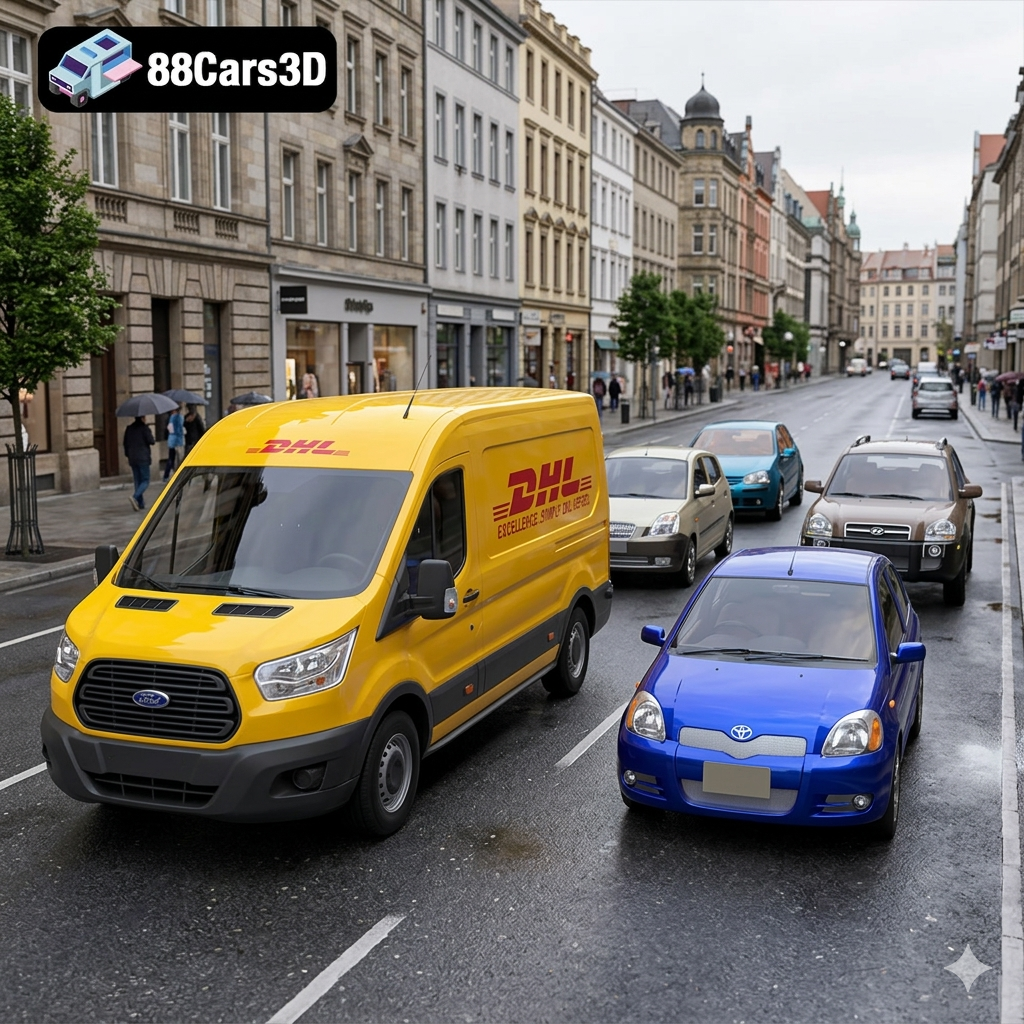
Everyday City Traffic Essentials pack 5in1 Hyundai Kia Volkswagen Toyota Ford 3D Printable STL
Download the Everyday City Traffic 3D Models Bundle. Includes the VW Golf, Kia Picanto, Hyundai Tucson, Toyota Yaris, and a DHL Ford Transit Van. Save big on this 5-in-1 pack, perfectly optimized for realistic ArchViz streets and game traffic.
Price: $99.99
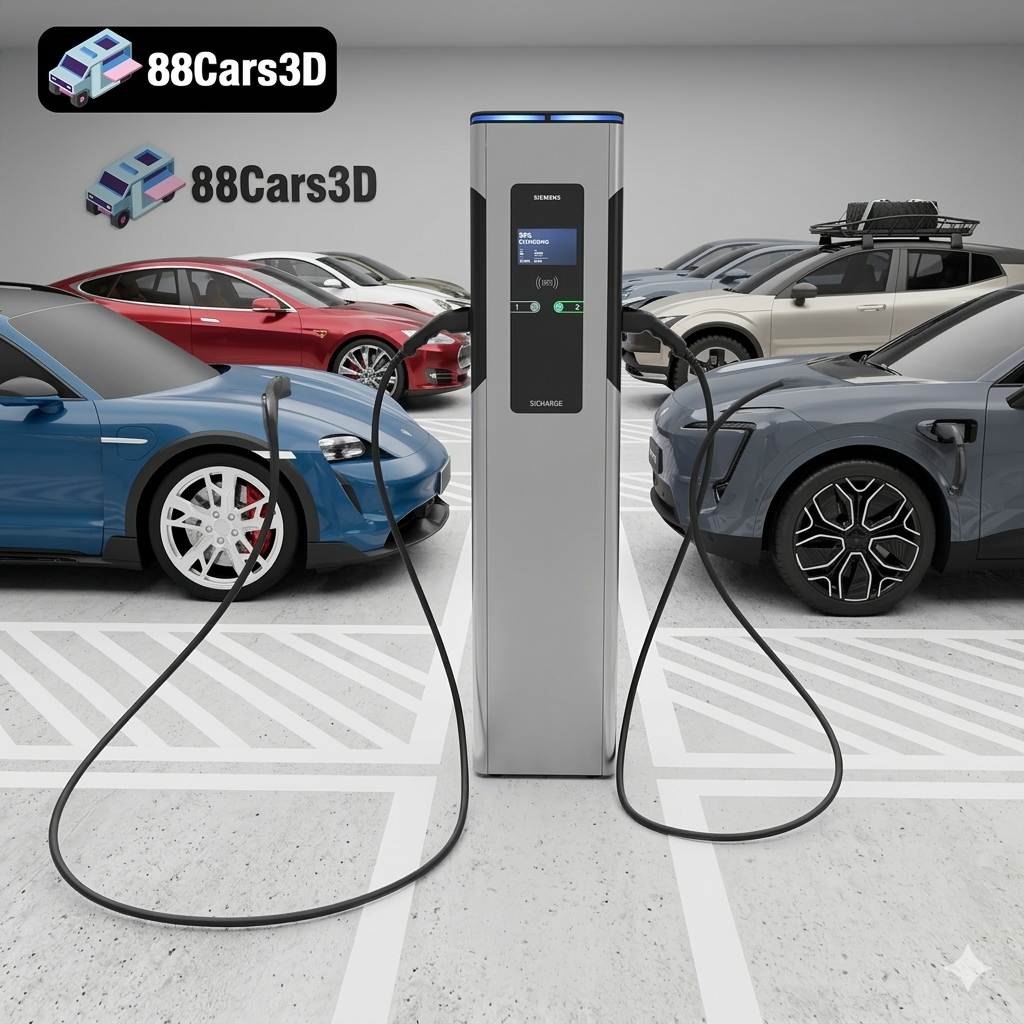
The Future of Mobility: Smart City EV 3D Models Bundle (5-in-1 Pack) Volvo Tesla AVATR Porsche 3D Printable STL
Download the Future of Mobility EV 3D Models Bundle. Includes the Volvo EX30, Tesla Model S, AVATR 11, Porsche Taycan, and a Siemens EV Charger. Save big on this highly optimized 5-in-1 pack for ArchViz and game development!
Price: $89.99
