

The world of 3D modeling continually pushes the boundaries of digital artistry, allowing us to bring even the most revered historical artifacts to life in virtual space. For automotive enthusiasts, designers, and game developers, the allure of classic cars is undeniable, representing eras of engineering prowess and stylistic innovation. Among these legendary vehicles, the BMW 328 Mille Miglia Touring Coupe stands as a monument to pre-war racing excellence, a streamlined marvel that conquered one of the most demanding endurance races of its time. Recreating such an icon in high-fidelity 3D requires meticulous attention to detail, a deep understanding of automotive design, and technical mastery.
A truly exceptional 3D model of a classic car like the BMW 328 Mille Miglia Touring Coupe 3D Model goes beyond mere aesthetics. It serves as a versatile digital asset, ready for deployment across a myriad of applications, from breathtaking cinematic renders to immersive real-time simulations and even physical reproductions through 3D printing. It’s an investment in authenticity and flexibility, providing a robust foundation for any project demanding historical accuracy and visual impact. This detailed exploration will delve into the technical intricacies, practical applications, and the sheer artistic value of such a precisely crafted automotive 3D model, demonstrating why it’s an indispensable asset for professionals and enthusiasts alike.
The Legacy of Speed: Recreating the BMW 328 Mille Miglia in 3D
The BMW 328 Mille Miglia Touring Coupe isn’t just a car; it’s a chapter in automotive history. Its victory in the 1940 Mille Miglia race solidified its legend, showcasing a revolutionary blend of lightweight construction and aerodynamic efficiency. The original vehicle, crafted by Touring of Milan with its distinctive “Superleggera” (superlight) aluminum body over a tubular frame, was a triumph of design and engineering. Translating this historical significance into a digital asset is a challenging yet rewarding endeavor, demanding respect for the original’s form and function.
A Dive into Automotive History and Design
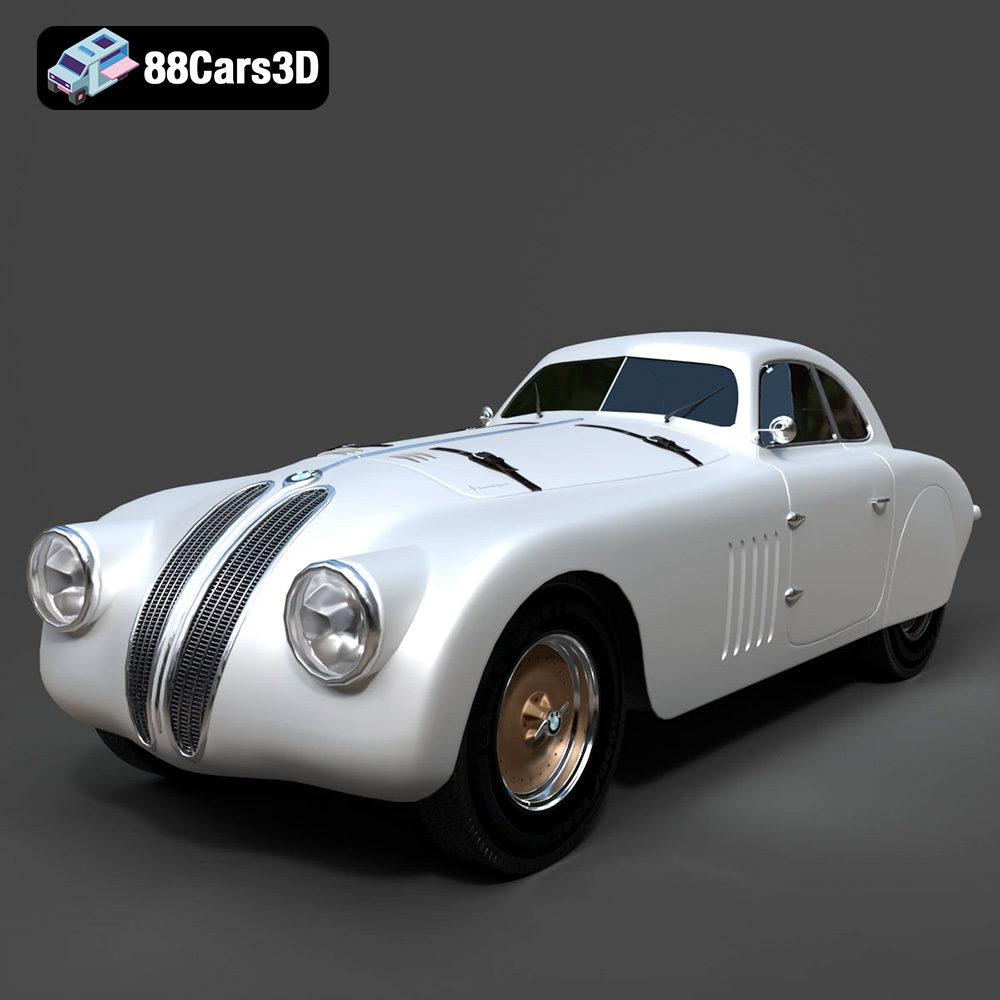
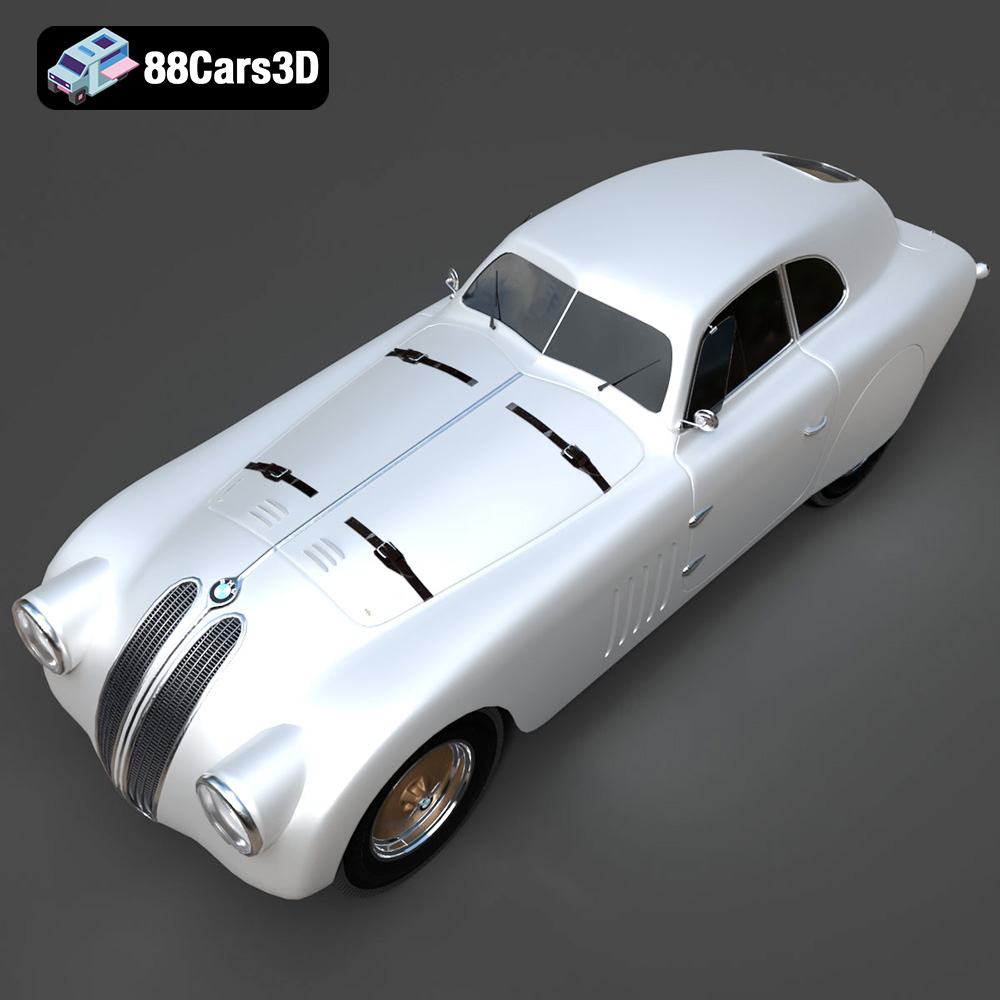
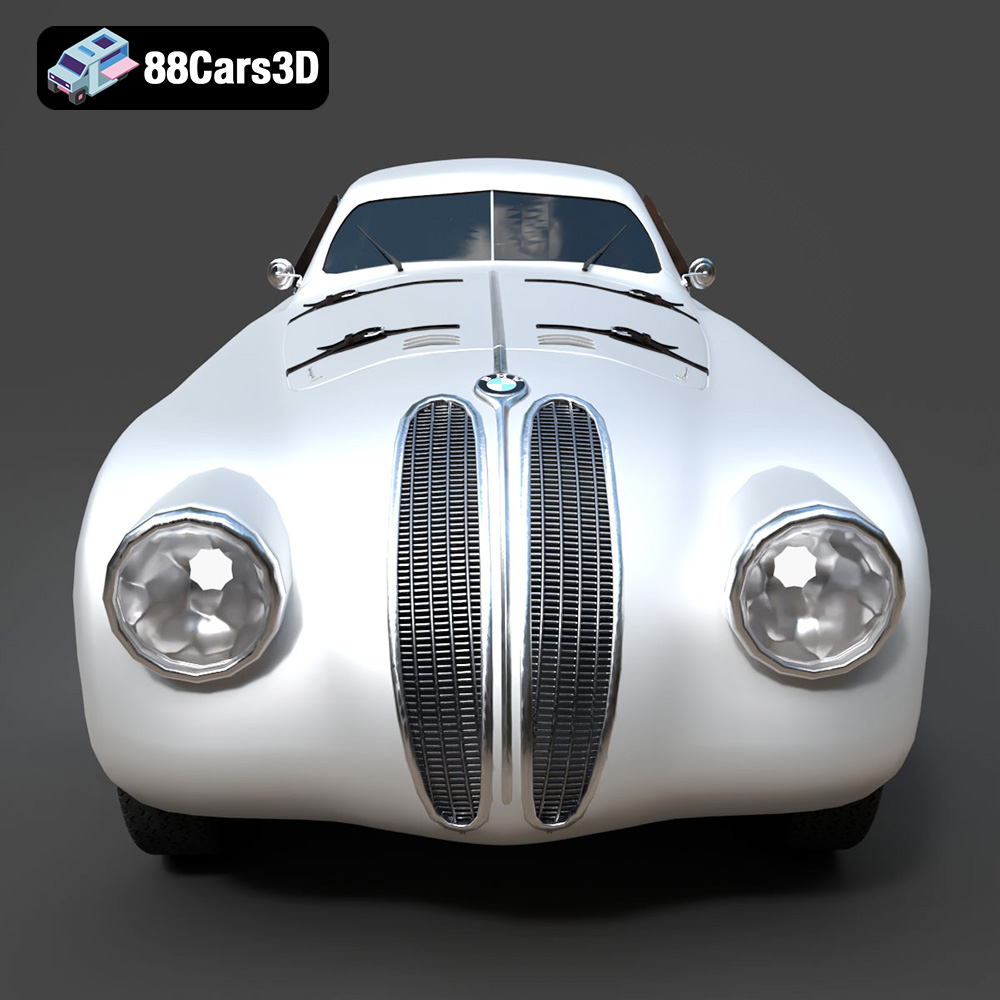
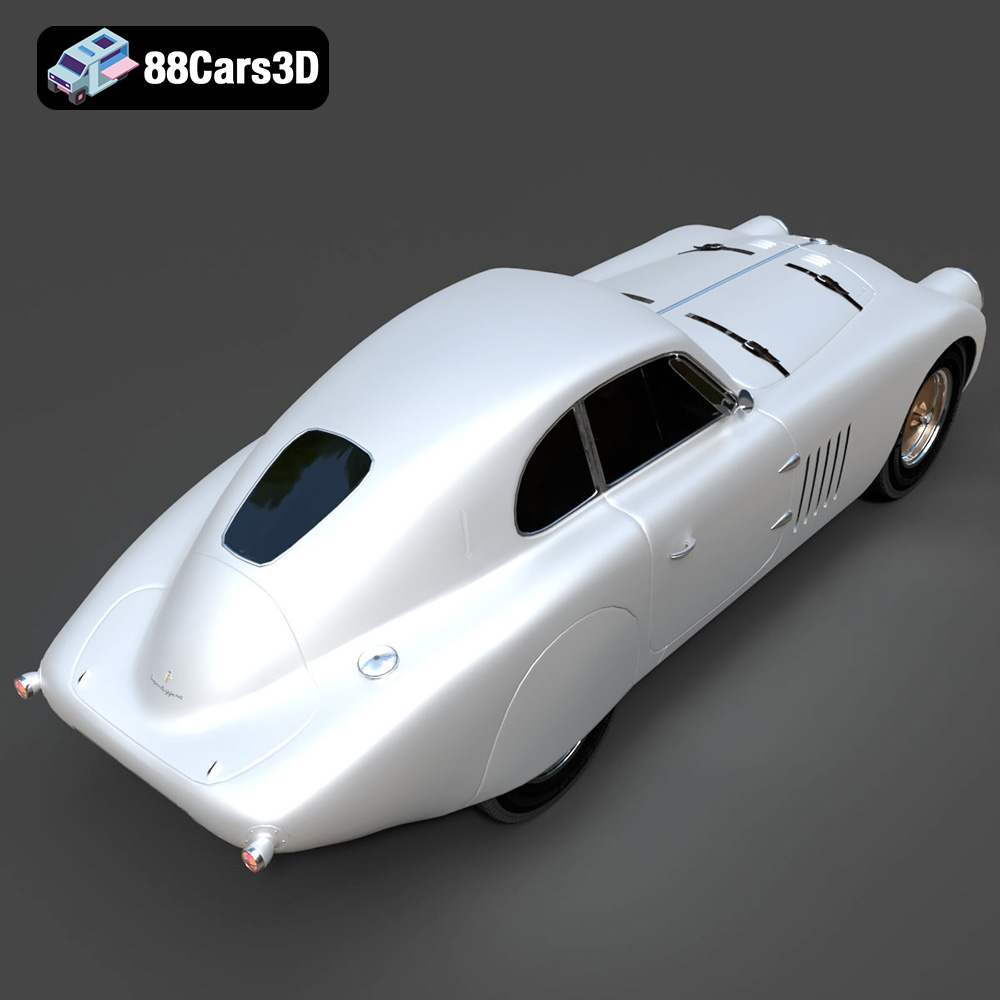
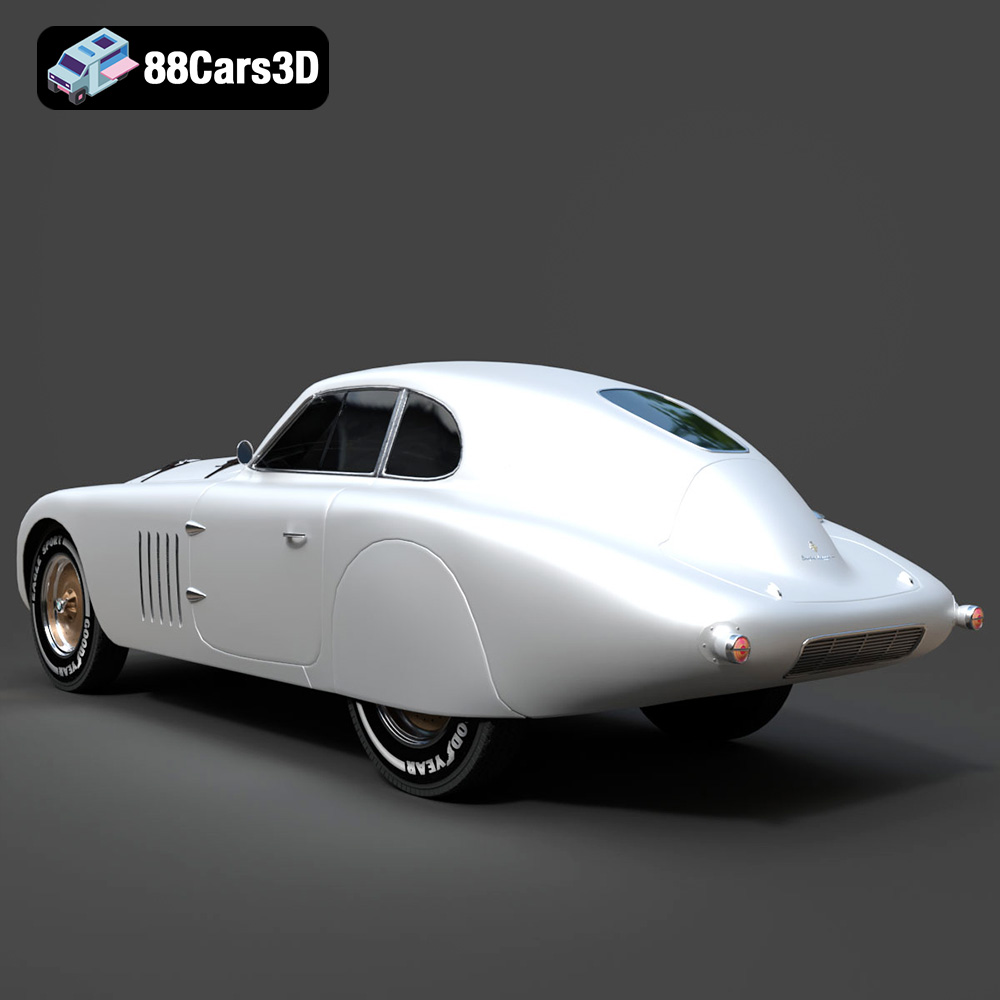
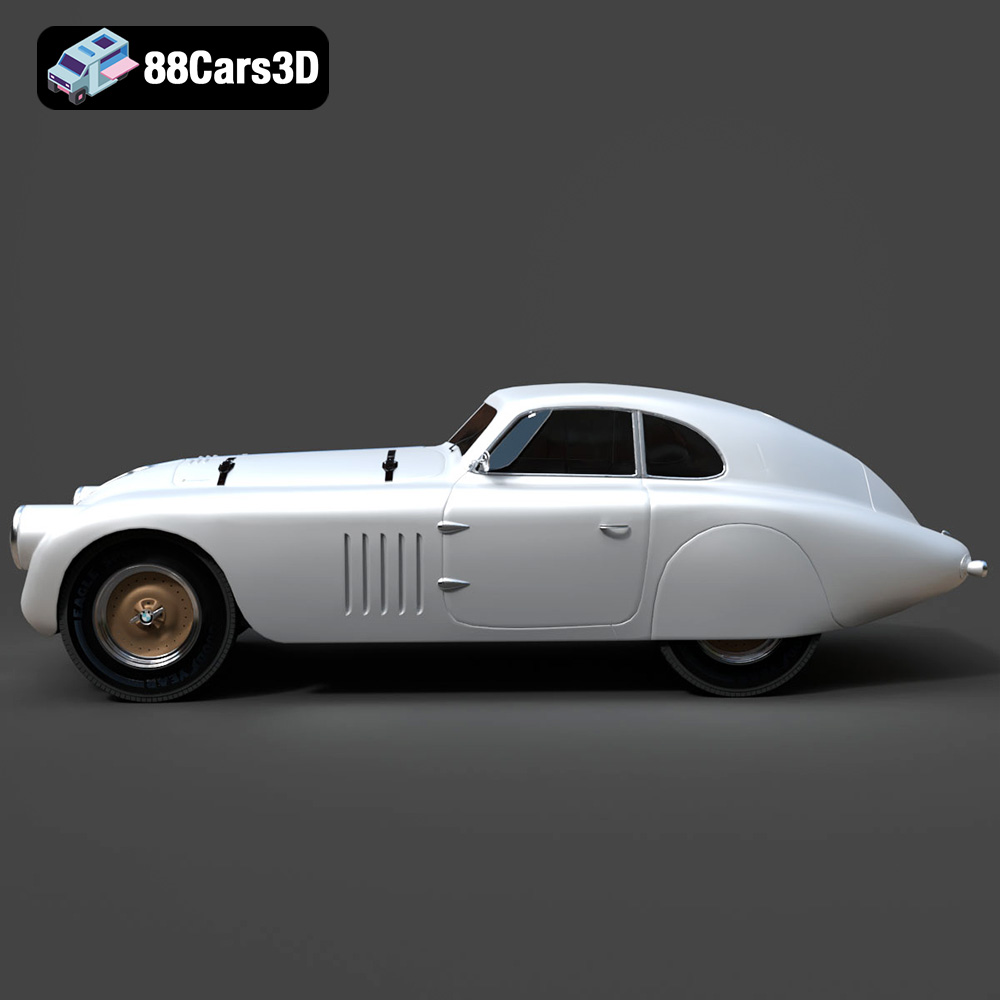
When creating a 3D model of such a celebrated vehicle, the process begins with extensive research. Every curve, every vent, every emblem tells a story. For the BMW 328 Mille Miglia Touring Coupe 3D Model, this means meticulously studying blueprints, historical photographs, and even surviving examples of the car. The distinctive fastback silhouette, the covered headlamps designed to minimize drag, the signature kidney grille, and the unique aerodynamic wheel covers are all critical elements that must be faithfully replicated. This dedication to historical accuracy ensures that the final 3D car model is not just visually appealing but also a genuine digital artifact, capable of educating and inspiring.
Capturing Aerodynamic Excellence Digitally
The BMW 328 Mille Miglia’s form was dictated by function, specifically the pursuit of speed through aerodynamics. In a 3D model, this translates to smooth, flowing lines and an uninterrupted mesh that accurately reflects the original’s airflow-optimized body panels. The digital artist must ensure that these nuanced shapes are captured with precision, not just for visual fidelity but also for potential use in digital wind tunnel simulations, if a project required that level of engineering analysis. The goal is to produce a model where the digital twin embodies the spirit of the physical counterpart, ready for high-end automotive rendering or real-time performance.
Understanding 3D Model File Formats
Choosing the right 3D model file format is paramount for efficiency, compatibility, and achieving the desired outcome in any professional workflow. A high-quality 3D car model, such as the BMW 328 Mille Miglia Touring Coupe 3D Model available on 88cars3d.com, typically comes with a suite of formats, each optimized for specific applications. Understanding their strengths and weaknesses is crucial for leveraging your assets effectively across different software and platforms.
The Versatility of .blend and .max for Native Workflows
.blend: This is the native file format for Blender, a powerful open-source 3D creation suite. A .blend file offers a complete scene package, including the mesh geometry, materials, textures, lighting, cameras, animation data, and even physics simulations. Its primary advantage is retaining full editability within Blender, allowing artists to easily modify topology, adjust materials, or re-rig components. For those working predominantly in Blender, this format provides the most flexibility for customization and iteration, making it ideal for in-depth scene development or animation projects.
.max: Similar to .blend, .max is the proprietary file format for Autodesk 3ds Max, a industry-standard application for 3D modeling, animation, and rendering, particularly strong in architectural visualization and game asset creation. A .max file encapsulates the entire 3ds Max scene, including all object data, modifiers, materials, lights, and animation tracks. It offers the highest fidelity and control for 3ds Max users, ensuring that all aspects of the original model, including specific modifiers or complex material setups, are preserved for further editing or rendering within its native environment.
Universal Compatibility with .fbx, .obj, and .ply
.fbx: Developed by Autodesk, the Filmbox (.fbx) format is a widely adopted standard for exchanging 3D data between different software applications. It supports geometry, materials (with texture references), animations, and cameras. .fbx is particularly ideal for game development pipelines, being natively supported by engines like Unreal and Unity. Its robust support for animation and skeletal data makes it the go-to choice for animated 3D car models or assets intended for real-time environments where movement is key.
.obj: The Wavefront .obj format is one of the oldest and most universally supported 3D formats. It’s a simple, text-based format primarily used for transferring geometric data (vertices, UVs, normals) and material references (via an accompanying .mtl file). While it doesn’t support animation or advanced scene data, its broad compatibility makes it an excellent choice for static mesh exchange across virtually any 3D software. It’s often used as a fallback or for simple mesh imports.
.ply: The Polygon File Format (.ply) is a flexible format primarily used for storing 3D data from 3D scanners, CAD applications, or mesh analysis. It can store a wide range of properties, including color, transparency, surface normals, and texture coordinates. While less common for general 3D asset exchange than .fbx or .obj, it’s a precision mesh format valuable in scientific, engineering, or 3D scanning workflows where highly accurate geometric data is critical. For detailed automotive models, .ply can be useful for certain analytical tasks or specific manufacturing processes.
Specialized Formats for Real-time, Web, and Manufacturing
.unreal: While not a standalone file format in the same sense as .fbx, a file designated as “.unreal” typically refers to an asset package specifically prepared and optimized for direct import or use within the Unreal Engine. This often implies an .fbx file pre-configured with Unreal-specific material setups, collision meshes, LODs (Levels of Detail), and optimized texture resolutions, ensuring it is engine-ready for real-time environments. It streamlines the integration process for game developers or virtual production teams.
.glb: The GL Transmission Format Binary (.glb) is a compact, self-contained format that includes 3D models, textures, animations, and PBR (Physically Based Rendering) materials within a single file. It’s specifically optimized for web-based 3D applications, AR (Augmented Reality), and VR (Virtual Reality), offering efficient loading and rendering across browsers and mobile devices. For displaying a classic car like the BMW 328 in a web configurator or an AR experience, .glb is the ideal choice due to its optimization and ease of deployment.
.stl: The Stereolithography (.stl) format is the standard file type for 3D printing. It represents a 3D object as a collection of unconnected triangular facets, defining the surface geometry without color, texture, or material information. For designers and hobbyists looking to bring the BMW 328 Mille Miglia Touring Coupe into the physical world as a collectible scale model, the .stl format is essential, ensuring manifold geometry suitable for additive manufacturing processes.
Technical Artistry: Crafting a High-Fidelity Automotive 3D Model
Creating a premium 3D car model, especially of a historically significant vehicle, demands more than just aesthetic appeal. It requires a deep technical understanding to ensure the model performs flawlessly across various applications. The BMW 328 Mille Miglia Touring Coupe 3D Model from 88cars3d.com exemplifies this blend of artistry and technical precision, offering robust features essential for professional use.
Topology, UVs, and PBR Texturing for Realism
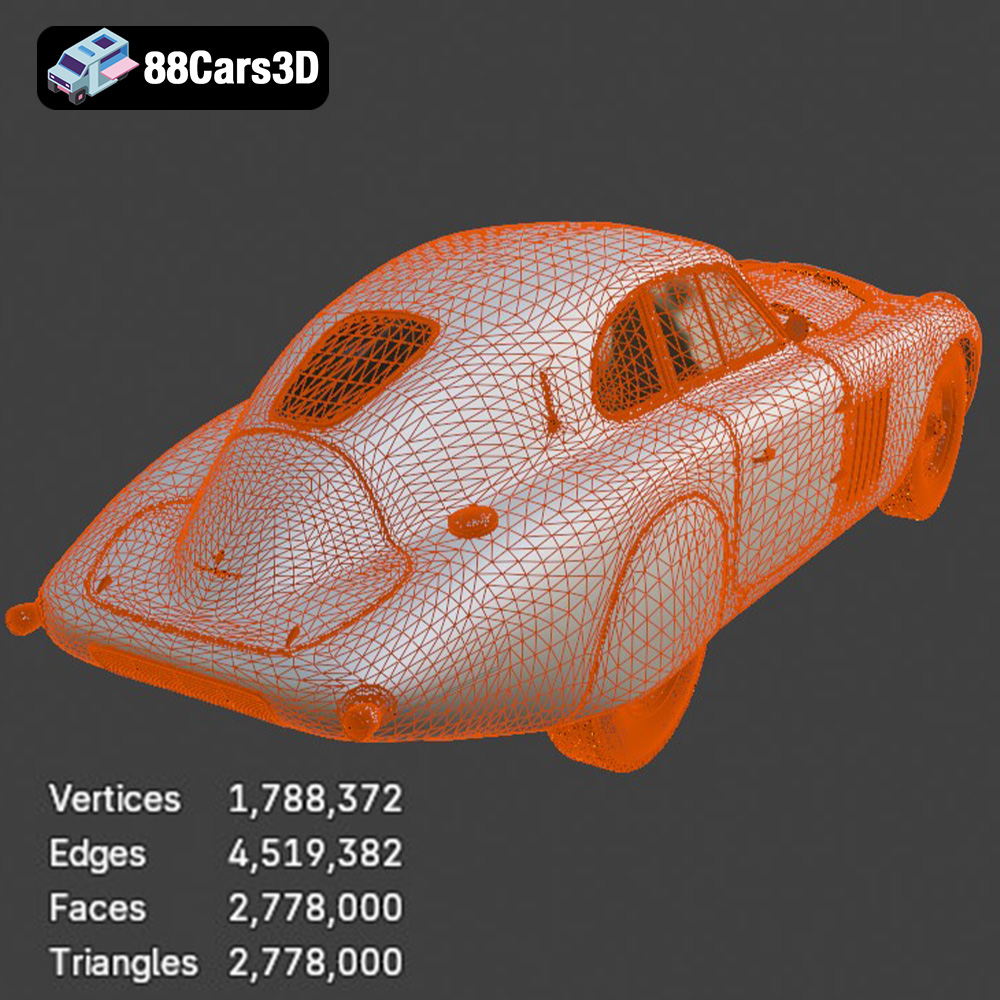
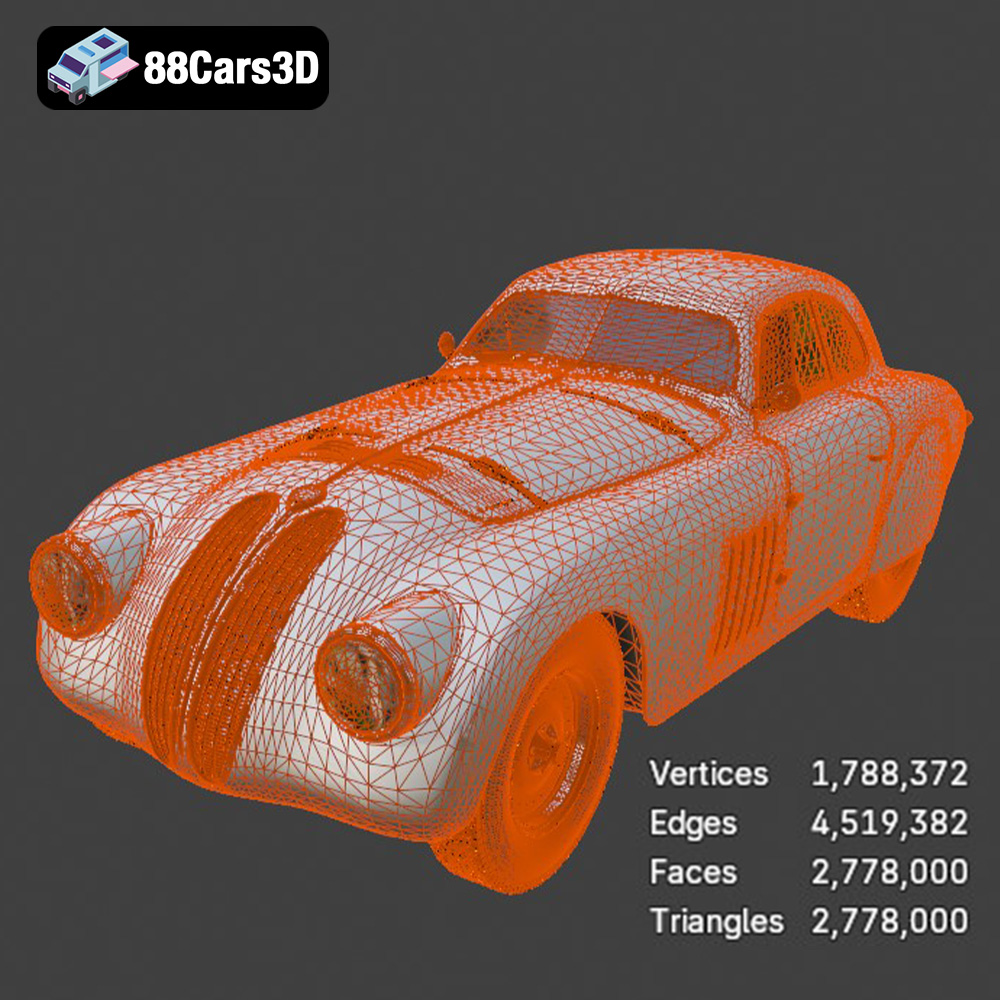
At the core of any high-quality 3D model is its topology – the arrangement of vertices, edges, and faces that form the mesh. The BMW 328 model boasts a clean and well-organized mesh structure, critical for smooth deformation during animation, efficient rendering, and seamless subdivision for close-up shots. Optimized polygon flow ensures that the surface curvature of the aerodynamic body is accurately represented without unnecessary polycount, balancing detail with performance. Coupled with this are carefully laid out UVs (mapping coordinates), essential for applying high-resolution PBR (Physically Based Rendering) textures. These textures, encompassing albedo, roughness, metallic, and normal maps, are crucial for simulating realistic material properties like the vintage aluminum-style body panels and chrome trim, making the model truly come alive under various lighting conditions.
Precision in Scale and Animation Readiness
One of the non-negotiable aspects of an automotive 3D model is real-world scale accuracy. This ensures that the car fits correctly into any virtual environment, whether it’s an architectural visualization scene or a game world, without requiring cumbersome scaling adjustments. Beyond static representation, the model is engineered for dynamic use, featuring separate wheels and steering components for animation. Crucially, it includes proper pivot setup for steering and wheel rotation, allowing animators to quickly and accurately rig the vehicle for driving sequences, turning, and suspension movements, making it an ideal game asset or cinematic vehicle.
From Concept to Polygons: The Creation Workflow
The development of such a model typically involves a multi-stage workflow. It often begins with extensive reference gathering, followed by block-out modeling to establish the correct proportions. Then, the detailed high-polygon mesh is sculpted, ensuring every curve and panel gap is precise. Retopology may be performed to create a clean, animation-friendly low-to-mid poly mesh. UV unwrapping, texture painting (often using a mix of procedural and hand-painted techniques), and material setup for various render engines follow. Finally, rigorous testing for compatibility, scale, and pivot accuracy ensures the model is truly production-ready across the diverse formats offered.
Professional Workflows: Integrating the BMW 328 Model into Your Projects
The versatility of a well-crafted 3D car model shines brightest when integrated into professional production pipelines. The BMW 328 Mille Miglia Touring Coupe 3D Model is designed to be a plug-and-play solution for various industries, significantly reducing development time and cost while ensuring high-quality output.
High-End Automotive Rendering in 3ds Max and Blender
For designers and marketing agencies, high-end automotive rendering is crucial for showcasing vehicles in pristine virtual environments. Using software like 3ds Max or Blender, artists can import the BMW 328 model and leverage its clean topology and optimized geometry to produce stunning visuals. In 3ds Max, the .max format provides complete scene data, allowing for intricate lighting setups, advanced material shaders, and complex camera animations. Similarly, Blender users can take advantage of the .blend file’s native integration to customize materials using Cycles or Eevee, creating photorealistic renders for classic automotive marketing, museum displays, and historical promotional materials. The meticulous details, from the chrome trim to the period-correct racing wheels, will hold up under extreme close-ups, making it perfect for promotional imagery or historical documentaries.
Game Development and Real-time Experiences with Unreal Engine
The demands of game development and real-time visualization are unique, requiring performance optimization without sacrificing visual fidelity. The BMW 328 Mille Miglia Touring Coupe 3D Model is an excellent game asset. With its .fbx and .unreal file formats, it’s compatible with major 3D software platforms and engines, including Unreal Engine. Developers can rapidly integrate the model into vintage racing games, historical open-world environments, and motorsport simulations. The optimized geometry ensures smooth frame rates, while the proper pivot setup for wheels and steering allows for realistic vehicle dynamics and responsive player control. The inclusion of PBR textures means it will look authentic under Unreal’s advanced lighting systems, providing an immersive experience for players exploring the history of motorsport.
AR/VR and Historical Visualization Applications
Augmented Reality (AR) and Virtual Reality (VR) platforms are transforming how we interact with digital content, offering immersive experiences that can transport users to different times and places. The BMW 328 Mille Miglia Touring Coupe 3D Model is perfect for immersive classic car exhibitions and interactive racing history experiences in AR/VR. The .glb format, optimized for web and mobile AR/VR, facilitates seamless integration into these platforms. Imagine a virtual museum where users can walk around, inspect the car from all angles, and even sit inside the minimalist vintage racing cockpit. Beyond entertainment, this model is invaluable for automotive history visualization and engineering study projects, allowing students and historians to explore the intricate details of this legendary vehicle in an interactive 3D space.
Beyond the Screen: 3D Printing the Mille Miglia Icon
The journey of a 3D model doesn’t always end on a screen. For collectors, enthusiasts, and product designers, the ability to bring a digital asset into the physical realm through 3D printing opens up exciting possibilities. The BMW 328 Mille Miglia Touring Coupe 3D Model is explicitly designed with 3D Printing in mind, offering a tangible connection to automotive history.
Preparing the Model for Physical Production
The inclusion of the .stl format is critical for 3D printing. This format represents the 3D object as a watertight mesh of triangles, a prerequisite for most 3D printers. The BMW 328 model’s clean geometry and optimized polygon flow ensure a “manifold” mesh, meaning it has no holes or inverted faces that could cause printing errors. It is convertible to .stl format for collectible scale classic race car models and display miniatures. Before printing, careful consideration is given to factors like scale, wall thickness, and potential overhangs that require support structures.
Recommended Print Settings and Post-Processing for Collectors
The product description provides excellent guidance for 3D printing. Recommended scales (1:32 / 1:24 / 1:18 / 1:12) cater to various display needs, from tabletop models to larger, more detailed replicas. For fine details on smaller scales, resin printing (SLA/DLP) is often recommended, especially for elements like the detailed kidney grille or covered headlamps. For larger FDM prints, layer heights of 0.08–0.16 mm and wall thicknesses of 1.5–2.5 mm ensure structural integrity and surface quality. Supports are required for mirrors, underbody details, and wheel arches, ensuring intricate parts are accurately reproduced. Post-processing, including sanding, priming, a gloss vintage racing paint finish, and optional historical race decals, allows enthusiasts to meticulously finish their miniature BMW 328 Mille Miglia Coupe, creating a truly personalized collectible.
Customization and Creative Potential
A high-quality 3D car model is not just a static representation; it’s a dynamic canvas for creativity. The technical foundation of the BMW 328 Mille Miglia Touring Coupe 3D Model provides ample scope for artists and designers to imbue it with their unique vision, adapting it to specific project requirements or imaginative scenarios.
Tailoring the Classic for Modern Narratives
The provided customization options are invaluable. Users can change body color and racing number, allowing for multiple historical liveries or even fictional modern interpretations. The ability to add Mille Miglia race livery directly connects the model to its historical context, making it perfect for period-accurate visualizations. Furthermore, the flexibility to modify wheel style or finish and apply polished aluminum or painted body finish means the car can be presented in various states of its life – from a pristine concours d’elegance showpiece to a battle-hardened racer straight off the track. These modifications allow the model to serve diverse narratives, from historical documentaries to speculative design projects.
Enhancing Visuals with Materials and Lighting
Beyond simple color changes, the robust material setup of a professional 3D model allows for sophisticated visual enhancements. Artists can fine-tune roughness, metallic, and normal maps to create bespoke material qualities, perhaps simulating years of wear and tear, or the flawless gleam of a freshly restored vehicle. The model’s design also facilitates advanced lighting setups. The ability to configure lighting for museum or historic race track scenes is critical for achieving photorealistic results. Whether it’s the dramatic interplay of light and shadow in a vintage garage or the bright, dynamic lighting of a sun-drenched race track, the model responds beautifully, thanks to its accurate topology and PBR-ready materials. This level of customization ensures that the BMW 328 Mille Miglia Touring Coupe 3D Model can be a central element in any visually ambitious project.
Conclusion
The BMW 328 Mille Miglia Touring Coupe 3D Model is more than just a digital replica; it’s a meticulously crafted piece of virtual automotive history, built for the rigorous demands of professional 3D production. Its accurate representation of a legendary vehicle, combined with its technical advantages like clean topology, real-world scale, and animation-ready components, makes it an invaluable asset for a wide range of applications.
From stunning rendering projects and game development to immersive AR/VR experiences and tangible 3D printing, this model stands as a testament to the power of high-fidelity 3D modeling. The availability of multiple file formats, including .blend, .fbx, .obj, .glb, .stl, .ply, .unreal, and .max, ensures seamless integration into virtually any workflow, providing maximum flexibility and future-proofing your projects. Whether you’re a seasoned professional seeking the perfect 3D car model for an automotive rendering showcase or an enthusiast looking to print a piece of history, this model offers unparalleled quality and versatility. Explore this exceptional asset and many other high-quality game assets at 88cars3d.com, your premier source for premium 3D car models.
Featured 3D Model
BMW 328 Mille Miglia Touring Coupe 3D Model 3D Printable STL
The BMW 328 Mille Miglia Touring Coupe 3D Model is a high-detail digital recreation of the legendary pre-war racing coupe that achieved historic success in the 1940 Mille Miglia endurance race. Renowned for its aerodynamic aluminum body crafted by Touring of Milan and its lightweight tubular frame, the BMW 328 Mille Miglia Coupe stands as an icon of classic motorsport engineering. This 3D model accurately represents the streamlined fastback body, covered headlamps, signature kidney grille design, aerodynamic wheel covers, racing cockpit layout, and period-correct detailing. Built with clean topology and real-world scale accuracy, it is ideal for rendering, animation, historical visualization, game development, and AR/VR classic automotive showcases.
$29.99
Product Image Gallery
Related Tags
.arvr
.blend
.bmw328
.car3dmodel
.classicracecar
.fbx
.gameasset
.glb
.max
.millemiglia
.motorsport
.obj
.ply
.prewarcar
.rendering
.simulation
.stl
.touringcoupe
.unreal
.vintagecar
