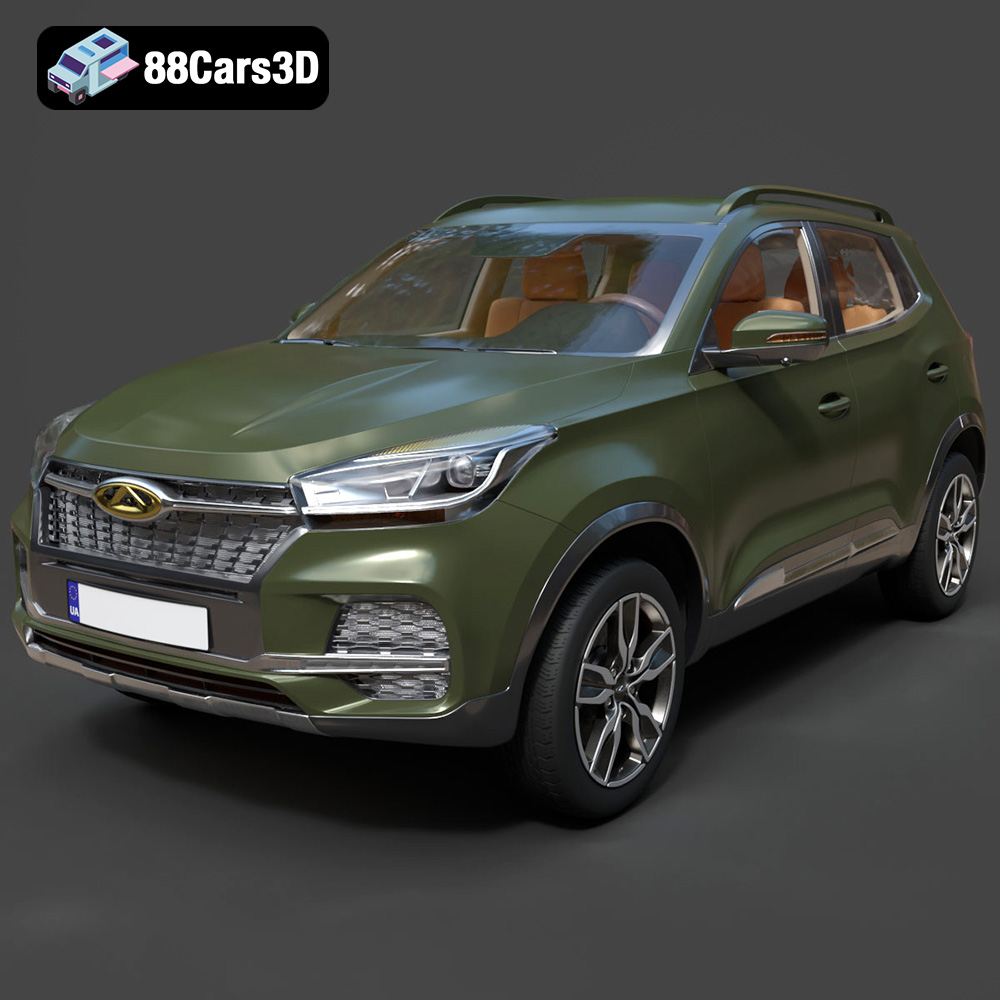
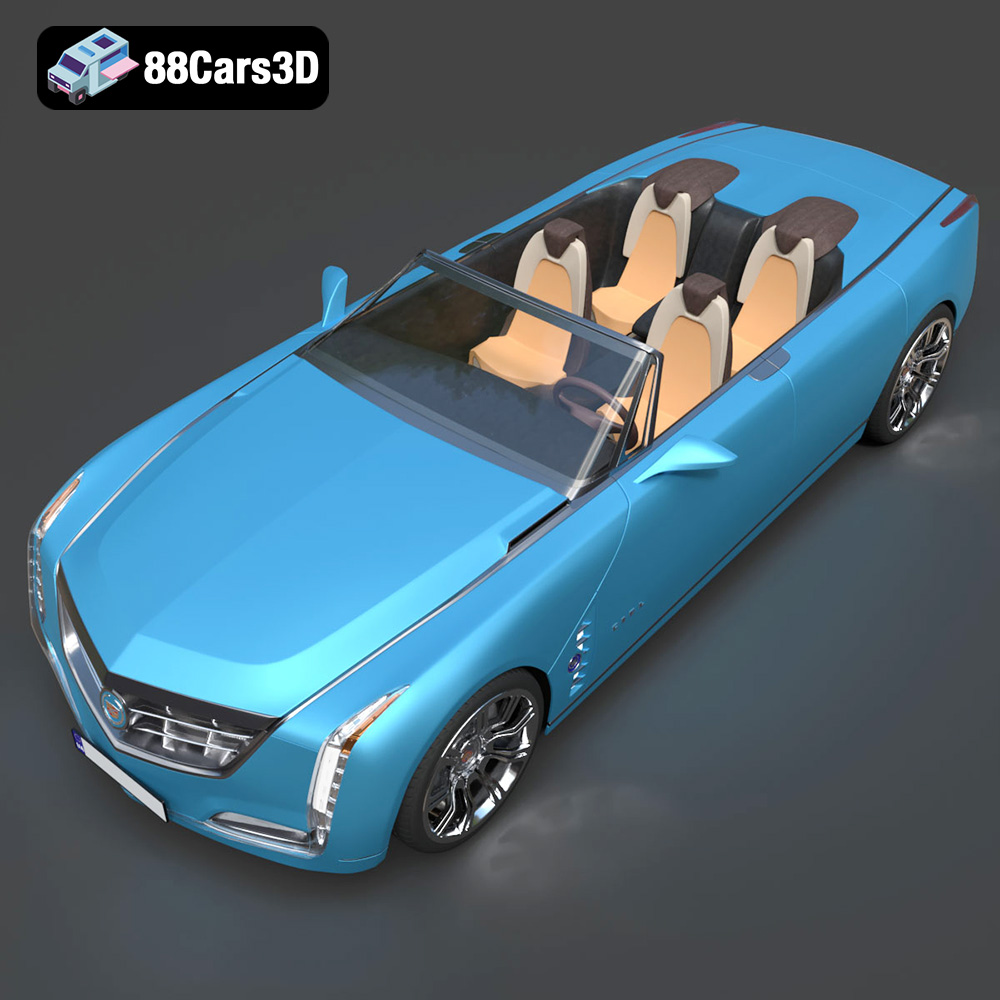
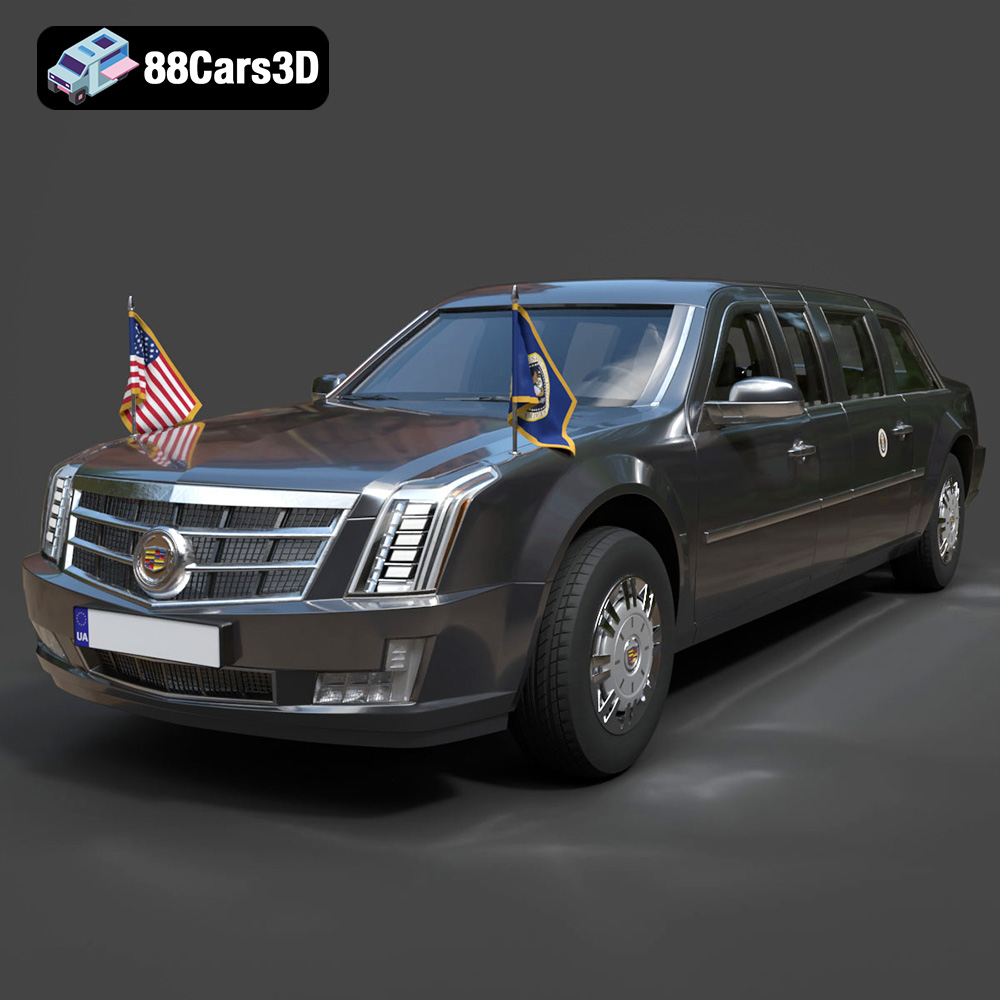
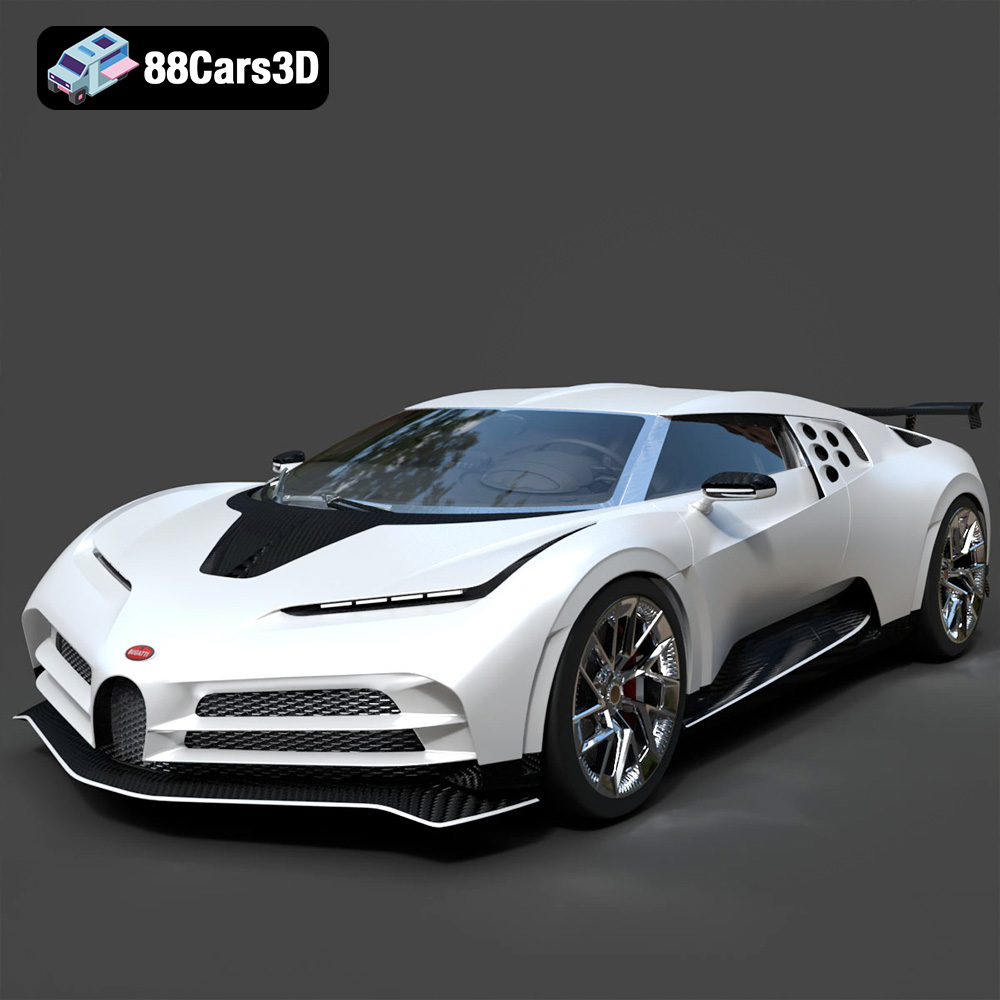
Get 20% OFF All Premium 3D & STL Models!

In today’s visually-driven world, the demand for realistic and impeccably detailed 3D car models has never been higher. From the glittering cinematics of blockbuster games to the precision of automotive design visualization, these digital assets form the bedrock of countless creative and technical endeavors. Professionals across diverse sectors – game development, architectural visualization, advertising, film production, and even augmented reality – rely on robust, accurate, and versatile 3D vehicles to bring their visions to life. The intricacies of a car’s design, from its sweeping body lines to the smallest interior stitch, demand expert craftsmanship in its digital representation, ensuring authenticity and visual impact. Without a foundation of high-fidelity models, projects can fall short, lacking the realism and immersion modern audiences expect.
This comprehensive guide delves into the multifaceted world of 3D car models, exploring their creation, application, and the critical technical considerations involved. We’ll uncover the secrets behind stunning automotive rendering, examine how these assets are optimized for seamless integration into real-time environments like game engines, and highlight the transformative power they wield across industries. Whether you’re a seasoned 3D artist, a game developer, or simply an enthusiast curious about the digital automotive realm, understanding the nuances of these models is key to unlocking their full potential. Reputable sources like 88cars3d.com provide a wide array of production-ready 3D car models, serving as an invaluable resource for professionals seeking to elevate their projects with unparalleled realism and technical precision.
The journey of a high-quality 3D car model begins long before it ever touches a rendering engine or game environment. It starts with meticulous planning, deep understanding of automotive design, and a mastery of 3D modeling software. Every curve, every panel gap, and every material surface must be replicated with exacting accuracy to achieve photorealism and functional integrity.
Creating a truly accurate 3D car model requires more than just artistic flair; it demands technical precision. Artists often begin with comprehensive reference materials, including engineering blueprints, detailed photographs from all angles, and even physical car scans where available. This allows for the precise recreation of the vehicle’s dimensions and proportions. Software like Autodesk 3ds Max, Blender, Maya, or Modo are standard tools, employing polygonal modeling techniques to construct the car’s body, interior, and components. The focus is on creating clean, efficient topology – the underlying structure of polygons – that supports smooth deformations and provides a solid base for texturing and rendering. Maintaining a consistent polygon density, especially in curved areas, is crucial for preventing visual artifacts and ensuring a polished final look.
The level of detail (LOD) in a 3D car model is a critical decision driven by its intended application. For cinematic renders or high-resolution visualizations, a high-polygon model (often exceeding millions of polygons) can capture every subtle curve and intricate detail, from complex headlight internals to detailed engine bays. These “hero assets” are designed for close-up shots where every facet will be scrutinized. Conversely, for real-time applications like video games or AR/VR experiences, performance is paramount. Here, game assets require significant optimization. This involves creating multiple LODs – simplified versions of the model that automatically swap in at different distances from the camera. Techniques like retopology, decimation, and baking normal maps from high-poly models onto low-poly meshes are essential for reducing polygon count while preserving visual detail. A well-optimized model can have a poly count ranging from 50,000 to 200,000 polygons for a hero car in a game, sometimes even lower for background vehicles, balancing visual fidelity with smooth frame rates.
Beyond the mesh itself, the surface appearance of a 3D car model is defined by its textures and materials. UV mapping is the process of unwrapping the 3D model’s surface into a 2D space, much like flattening a cardboard box. This 2D map, known as a UV layout, dictates how textures are applied. Efficient UV layouts minimize stretching and overlapping, maximizing texture resolution and ease of painting. Modern rendering pipelines heavily rely on Physically Based Rendering (PBR) workflows. PBR materials accurately simulate how light interacts with different surfaces in the real world, producing incredibly realistic results. This typically involves several texture maps: Base Color (or Albedo), Normal, Roughness, Metallic, Ambient Occlusion, and sometimes Emissive or Height maps. Creating these textures often involves substance Painter, Mari, or Photoshop, allowing artists to paint wear and tear, material variations, and intricate decals directly onto the model, making the digital car indistinguishable from its real-world counterpart.
Navigating the diverse landscape of 3D software and applications requires a solid understanding of various file formats. Each format serves specific purposes, offering different levels of data retention and compatibility across platforms. Choosing the correct file format is crucial for a smooth workflow, whether you’re transferring a model between artists, importing it into a game engine, or preparing it for manufacturing.
.blend: This is the native file format for Blender, a powerful open-source 3D creation suite. A .blend file typically contains a complete Blender scene, including the 3D mesh data, materials, textures (packed within the file or referenced externally), animations, cameras, lighting setups, and even scripts. Its strength lies in its completeness, making it ideal for Blender users who need a fully editable and self-contained project. If you’re working primarily within the Blender ecosystem, or need access to all original scene data for modification, the .blend format is your go-to. It offers maximum flexibility for artists who might want to tweak topology, adjust modifiers, or re-rig a model.
.max: Similar to .blend, .max is the native project file format for Autodesk 3ds Max. It stores all the scene information, including geometry, materials, textures, lighting, cameras, animations, and modifier stacks specific to 3ds Max. This format is essential for any professional working within a 3ds Max pipeline, allowing for full project recovery and detailed adjustments. It retains all the parametric data and historical operations performed on the model, which is invaluable for complex animation, advanced rendering setups, and iterative design changes. For high-end automotive rendering and visualization projects often utilizing V-Ray or Corona Renderer, the .max file is the definitive source.
.fbx: Developed by Autodesk, FBX (Filmbox) is one of the most widely adopted 3D exchange formats. It’s renowned for its ability to transfer not just geometry but also animation, cameras, lights, and basic material properties across different 3D software and game engines like Unreal Engine and Unity. Its versatility makes it ideal for real-time pipelines where animation and rig data are critical. While it can embed textures, it often references them externally. For transferring animated 3D car models into a game engine, .fbx is often the standard due to its comprehensive data support.
.obj: OBJ (or Wavefront OBJ) is a universal, open-standard geometry definition file format. It’s a simple, widely supported format primarily used for exchanging raw geometry (vertices, faces, UV coordinates) between different 3D applications. It doesn’t typically store animation or complex material properties, instead referencing an accompanying .mtl (material template library) file for basic material definitions. Its strength lies in its simplicity and ubiquity, making it an excellent choice for static mesh transfer where broad compatibility is prioritized. For a clean mesh asset that needs to be imported into almost any 3D software, .obj is a reliable choice.
.ply: PLY (Polygon File Format) is a format designed to store 3D data from 3D scanners. It can store points, polygons, and various properties like color, normal vectors, and transparency. It’s a precision mesh format often used in CAD, scientific visualization, and 3D scanning applications where exact geometrical representation and additional vertex properties are important. While not as common for general artistic asset exchange as .fbx or .obj, it’s crucial in engineering and reverse-engineering workflows where highly accurate surface data is paramount.
.stl: STL (STereoLithography) is the de-facto standard file format for 3D printing. It represents a 3D model as a series of connected triangles, essentially describing the surface geometry of an object without color, texture, or other properties. It’s a very simple format, focusing solely on the object’s external shape. When preparing a 3D car model for additive manufacturing, converting it to .stl is a necessary step, ensuring the printer has a clear, unambiguous definition of the object’s form.
.glb: GLB is the binary version of glTF (GL Transmission Format), an open-standard format designed for efficient transmission and loading of 3D scenes and models by applications. It’s highly optimized for web-based 3D, AR, and VR applications, as it can embed all model data (geometry, textures, animations, PBR materials) into a single, compact file. Its focus on runtime efficiency and web compatibility makes it increasingly popular for interactive 3D viewers and experiences.
.unreal: While not a traditional universal file format, “.unreal” refers to assets packaged specifically for use within Unreal Engine. This typically means models, textures, and animations have been imported, optimized, and saved within an Unreal project structure, often as .uasset files. These assets are engine-ready, with proper material setups, LODs configured, and collisions generated. When a vendor offers an “.unreal” package, it signifies a highly optimized and pre-configured asset designed for immediate integration into an Unreal Engine project, saving significant setup time for game developers.
Once a 3D car model is meticulously crafted and properly formatted, the next crucial step is rendering: the process of generating a 2D image from the 3D data. Automotive rendering is an art form itself, requiring a deep understanding of light, materials, and composition to produce images indistinguishable from actual photographs.
The realism of a rendered car hinges on its materials. Modern rendering engines like V-Ray, Corona Renderer, Arnold, and Cycles (Blender) leverage physically accurate material systems. Car paint, for instance, is not a single color but a complex layered material, incorporating metallic flakes, clear coat reflections, and subtle variations in sheen. Interior materials like leather, fabric, and plastic each require unique PBR texture maps to accurately simulate their real-world counterparts. The creation of believable glass for windows, headlights, and mirrors, with appropriate refractions and reflections, is also paramount. This involves careful tuning of roughness, metallicness, and clear coat parameters, often based on real-world measurements and references. High-quality 3D car models from resources like 88cars3d.com often come with pre-configured, advanced materials, accelerating the rendering workflow significantly.
Lighting is arguably the most critical element in automotive rendering. It defines shape, highlights curves, and sets the mood. Artists employ various techniques, from traditional three-point lighting setups to complex High Dynamic Range Image (HDRI) environments. HDRIs, which are panoramic 360-degree photographs of real-world locations, can provide incredibly realistic and nuanced lighting, capturing natural light and reflections that perfectly bounce off the car’s reflective surfaces. Studio lighting setups, using virtual softboxes and area lights, are common for showcasing design details with controlled reflections. Strategic placement of lights can emphasize specific design elements, accentuate body lines, and create dramatic shadows, transforming a static model into a dynamic visual narrative. Experimentation with color temperature, intensity, and light decay is essential for achieving the desired photographic quality.
After the raw render is complete, a significant amount of work happens in post-production. This phase, often performed in software like Adobe Photoshop, Affinity Photo, or Blackmagic Fusion, involves compositing multiple render passes (e.g., diffuse, reflection, shadow, ambient occlusion, depth) to gain ultimate control over the final image. Techniques include color grading to set the mood, adding subtle atmospheric effects like haze or dust, lens flares, and depth of field to draw the viewer’s eye. Adjustments to contrast, saturation, and sharpness further enhance the visual appeal. This stage allows artists to refine the image, correct minor imperfections, and inject artistic flair, pushing the photorealism to its absolute peak. A well-rendered car can be transformed from a good image into a breathtaking masterpiece through skilled post-processing.
The gaming industry is a major driver for high-quality 3D car models. From racing simulators to open-world adventures, vehicles play a central role, demanding not only visual fidelity but also real-time performance and interactive capabilities.
Unlike offline rendering, game engines like Unreal Engine and Unity must render dozens or even hundreds of frames per second. This necessitates rigorous optimization of game assets. As mentioned earlier, creating multiple Levels of Detail (LODs) is paramount, ensuring that distant cars use significantly fewer polygons than those up close. Efficient UV mapping to prevent wasted texture space, combining multiple materials into texture atlases, and using advanced shader techniques to reduce draw calls are common strategies. Baking details from high-poly models onto low-poly meshes via normal maps is a fundamental technique for maintaining visual richness without the polygon overhead. Game developers also meticulously review texture resolutions, ensuring they are appropriate for the asset’s importance and not unnecessarily large, which can burden GPU memory.
A static car model isn’t enough for an interactive game; it needs to move and react. This is where rigging and animation come into play. A car rig typically involves setting up a skeletal structure (bones or null objects) for key components like wheels, suspension, steering, and doors. These bones are then parented to the mesh in a hierarchical fashion. Animation allows the wheels to spin, the steering wheel to turn with player input, and doors to open for entry/exit animations. Advanced rigs might include procedural animation for suspension compression or body roll based on physics simulations. This dynamic interactivity is what makes 3D car models truly come alive within a game environment, providing a compelling and immersive experience for players. Assets sourced from 88cars3d.com often come with pre-rigged components, saving invaluable development time.
Integrating 3D car models into game engines like Unreal Engine or Unity involves a specific workflow. After the model is optimized and rigged, it’s typically exported as an FBX file. In Unreal Engine, for example, the FBX is imported, and then materials are set up using the engine’s powerful material editor, often leveraging PBR principles. Collision meshes are generated or imported to ensure the car interacts realistically with the game world. Blueprints (Unreal) or C# scripts (Unity) are then used to program the car’s physics, controls, and interactive elements. This includes setting up wheel physics, engine parameters, gear shifts, and other gameplay mechanics. The process requires a blend of artistic eye and technical programming skill to ensure the car not only looks stunning but also behaves authentically within the game’s physics simulation.
The utility of high-quality 3D car models extends far beyond traditional rendering and game development, impacting various innovative fields.
Augmented Reality (AR) and Virtual Reality (VR) are revolutionizing how we interact with products, especially in the automotive industry. 3D car models are central to creating immersive AR/VR experiences, allowing potential buyers to explore a vehicle’s interior and exterior in incredible detail, customize options, and even “place” the car in their driveway using AR apps. Automotive manufacturers use VR for design reviews, allowing engineers and designers to walk around and inside virtual prototypes long before physical models exist. These applications demand highly optimized models, often in formats like .glb, to ensure smooth performance and a seamless interactive experience on diverse hardware platforms. The ability to present a fully interactive and customizable vehicle in a virtual space offers an unparalleled level of engagement and personalization for consumers.
Before a new car model reaches production, designers go through extensive prototyping phases. 3D car models are crucial here, serving as the basis for digital simulations, aerodynamic testing, and even physical 3D prints. Engineers can test different design iterations virtually, analyzing structural integrity, airflow, and crash performance without ever building a physical prototype. For functional components or aesthetic mock-ups, these digital models can be prepared for 3D printing (often using the .stl format), allowing designers to hold and examine physical versions of their digital creations. This rapid prototyping capability significantly accelerates the design cycle, reduces costs, and allows for more iterative refinement, pushing the boundaries of automotive innovation.
The film and advertising industries heavily rely on 3D car models to create stunning visual effects and compelling commercials. Whether it’s a car chase sequence in a movie where the car is entirely CGI, or a commercial showcasing a new model with impossible camera angles and environments, 3D assets provide unparalleled creative freedom. Artists can meticulously craft every detail, place the car in any conceivable environment, and animate it with absolute precision, without the logistical challenges and costs associated with real-world photography and vehicle movement. The ability to control every pixel allows for perfect lighting, reflections, and seamless integration with live-action footage, resulting in hyper-realistic visuals that captivate audiences and drive brand perception.
For professionals across these diverse fields, finding reliable, high-quality 3D car models is a critical challenge. The time and expertise required to build a vehicle from scratch are substantial, making pre-made assets an attractive solution, provided they meet exacting standards. This is where specialized marketplaces excel.
88cars3d.com distinguishes itself by offering a curated selection of premium 3D car models. Each model is crafted with a focus on technical fidelity, ensuring accurate topology, clean UV layouts, and high-resolution PBR textures. This commitment to quality means that whether you’re working on a high-end cinematic render, developing a demanding game, or creating an interactive AR experience, the models will perform optimally and look exceptional. The attention to detail extends to interior and engine components, allowing for versatility in close-up shots and detailed explorations. This meticulous approach saves artists hundreds of hours of modeling and texturing work, letting them focus on their specific project goals.
The models available on 88cars3d.com are designed with professional workflows in mind. They often come in multiple file formats (like .max, .blend, .fbx, .obj, .unreal, .glb), ensuring compatibility with a wide range of software and engines. This eliminates the headache of format conversions and potential data loss, allowing for a seamless integration into existing pipelines. Furthermore, many models are pre-rigged or include multiple Levels of Detail (LODs), significantly accelerating development time for game and real-time projects. By providing production-ready assets, 88cars3d.com empowers studios and individual artists to deliver top-tier results on schedule, without compromising on visual quality or technical performance.
The journey of a 3D car model, from concept to rendered masterpiece or interactive game asset, is a testament to the blend of artistic skill and technical prowess in the digital age. These sophisticated assets are no longer mere static objects but dynamic tools that drive innovation across a multitude of industries. From the initial precise modeling and intricate UV mapping to the advanced techniques of automotive rendering and the rigorous optimization for game engines, every step contributes to the photorealism and immersive experiences that define modern digital content.
Understanding the nuances of various file formats is essential for efficient cross-platform workflows, ensuring that these complex digital creations can be leveraged effectively in their intended environments. As industries continue to evolve, demanding ever-higher levels of realism and interactivity, the role of high-quality 3D car models will only grow in importance. For professionals seeking to elevate their projects with unparalleled realism and technical efficiency, platforms like 88cars3d.com serve as vital resources, providing access to meticulously crafted, production-ready assets that are ready to accelerate any creative or technical endeavor. Embracing these advanced digital tools is not just about creating visually stunning results; it’s about pushing the boundaries of what’s possible in design, entertainment, and visualization.

Price: $129.99

Price: $99.99

Price: $89.99