Get 50% OFF All Premium 3D & STL Models!

In the vibrant world of digital content creation, the fusion of historical accuracy and cutting-edge technology opens up a myriad of possibilities. From cinematic sequences to immersive game environments, the ability to faithfully recreate iconic vehicles from the past is invaluable. Vintage cars, in particular, hold a special allure, embodying design philosophies and engineering marvels that shaped automotive history. This fascination extends into the digital realm, where meticulously crafted 3D car models serve as foundational assets for a diverse range of projects.
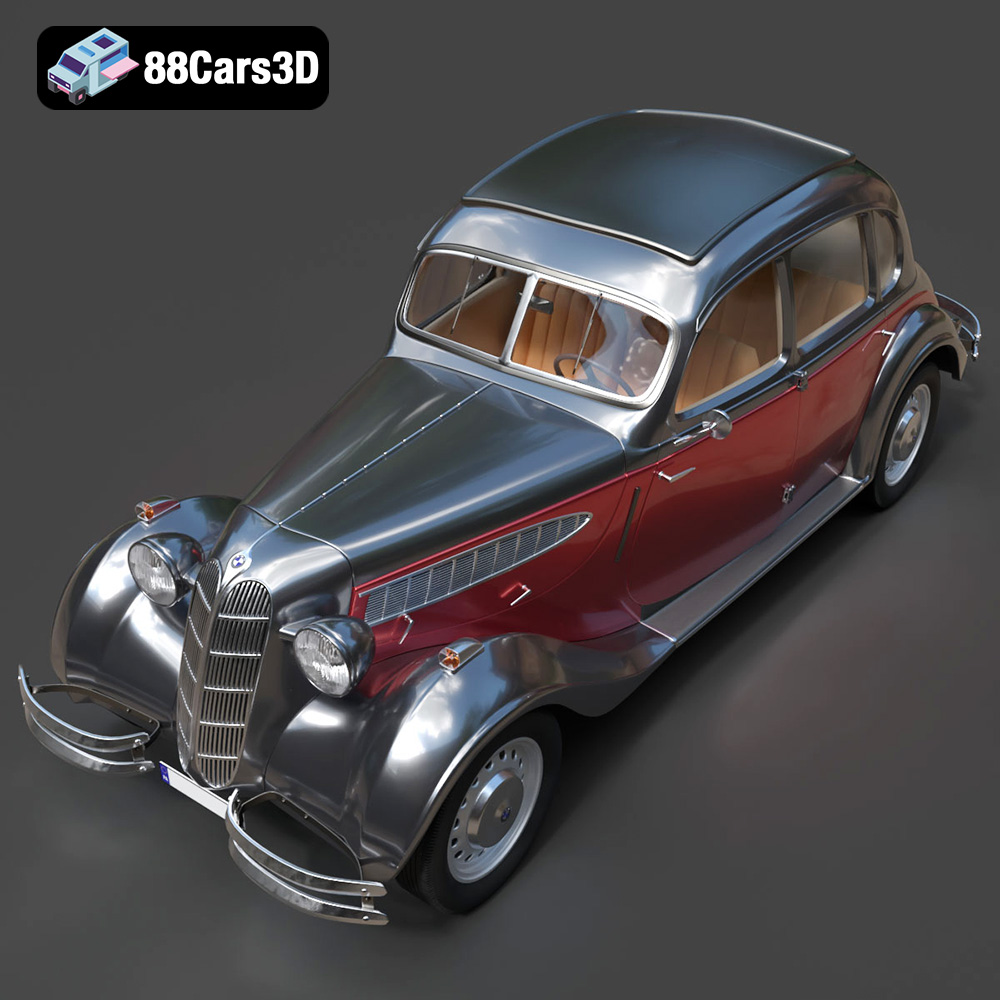
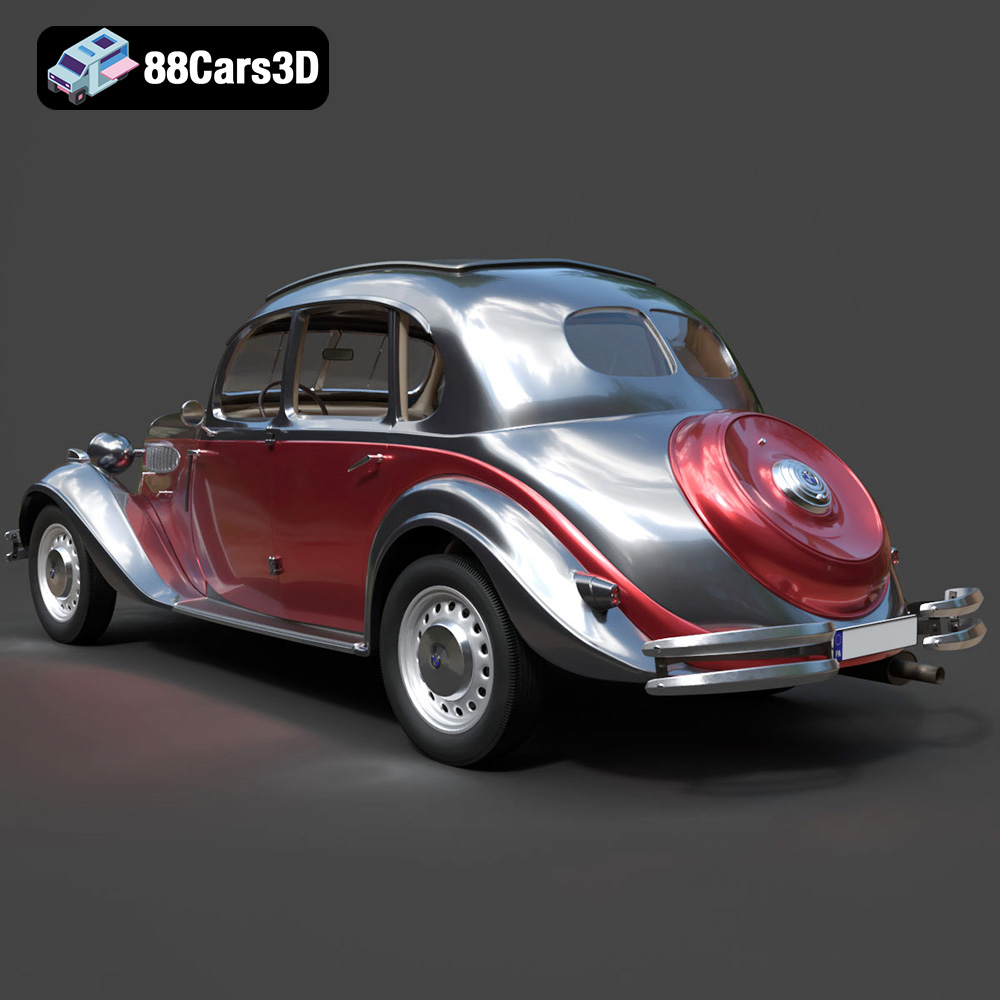
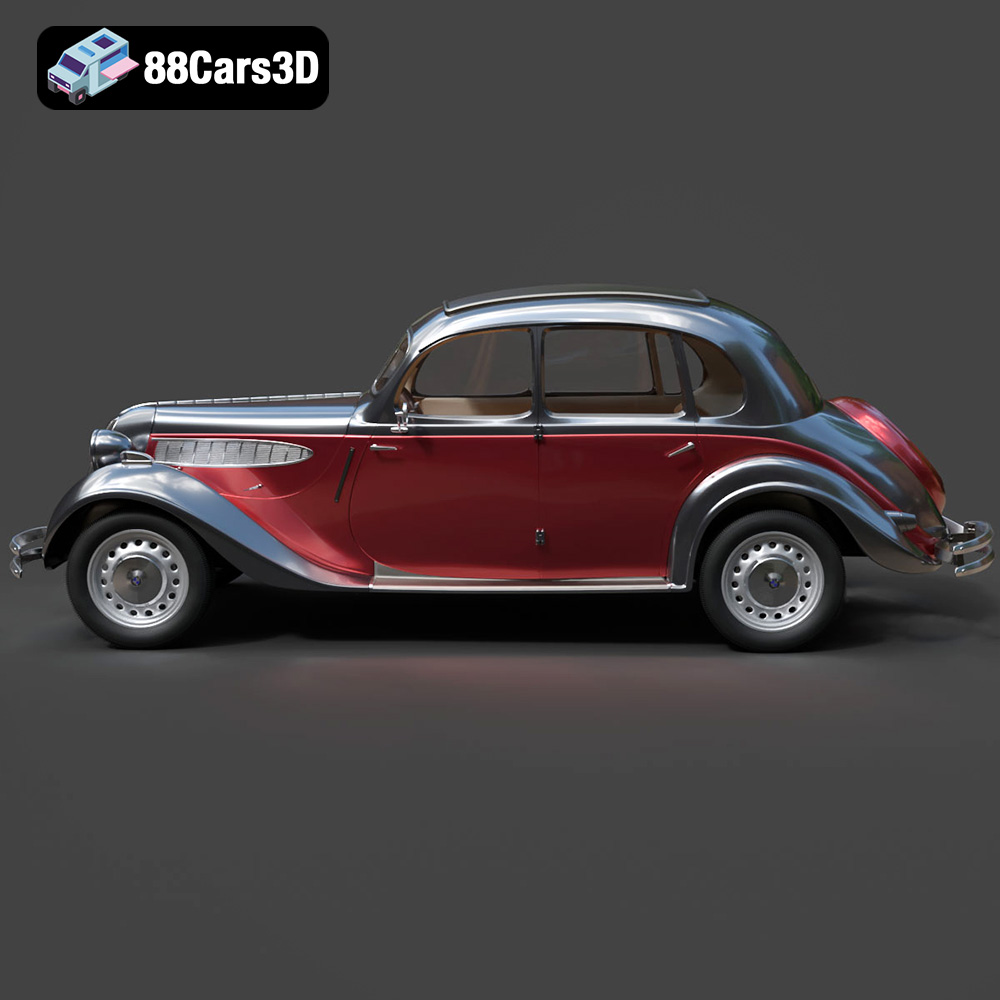
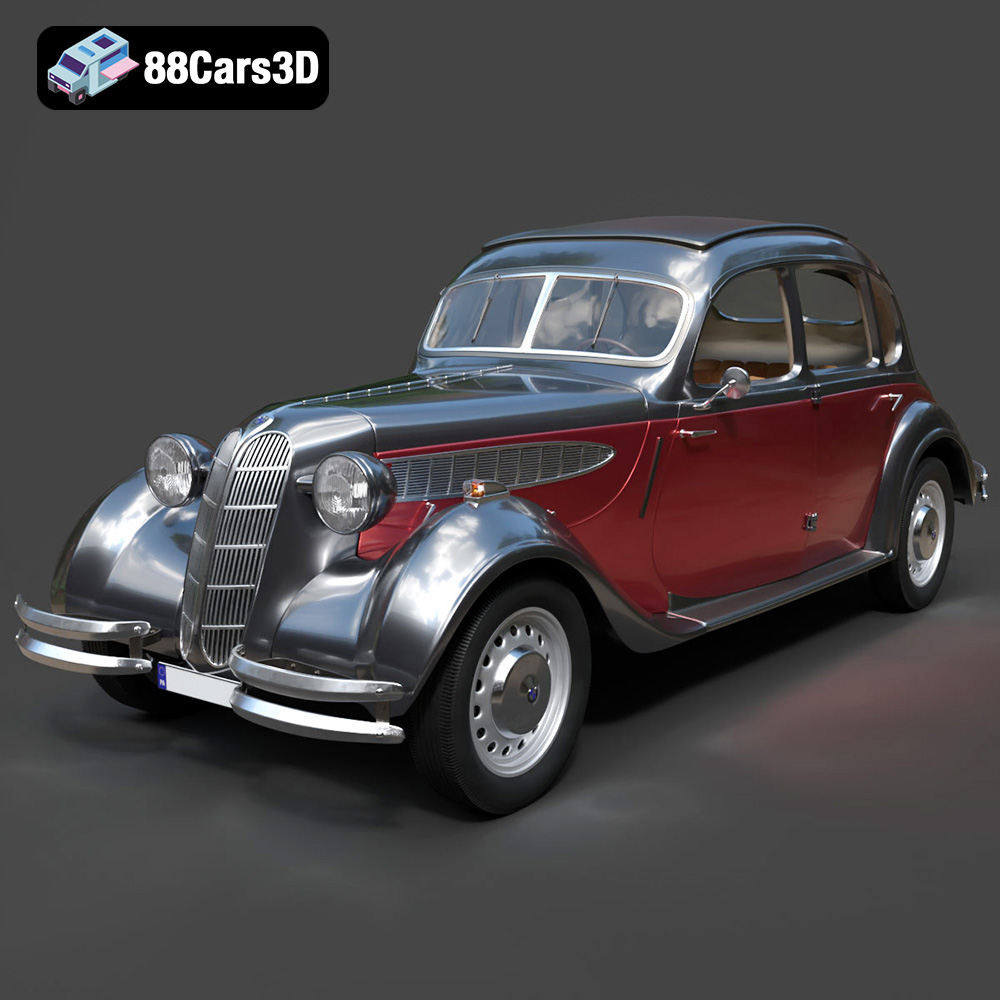
Today, we delve into the intricate details and broad applications of such a model: the BMW 326 1941 3D Model. This particular model isn’t just a digital replica; it’s a testament to the elegant curves and refined craftsmanship of a pre-war German luxury sedan that defined an era. Its distinctive rounded fenders, classic dual kidney grille, and long hood proportions evoke a sense of timeless sophistication. For designers, animators, game developers, and visualization artists, integrating a piece of history like the BMW 326 1941 3D Model into their workflows offers unparalleled opportunities to add depth, authenticity, and visual richness to their creations. Whether for a historical reconstruction, a period-accurate game, or a stunning rendering, the quality of your foundational assets is paramount, and this is where premium 3D car models from marketplaces like 88cars3d.com truly shine.
Navigating the landscape of 3D modeling requires a solid understanding of the various file formats available. Each format serves specific purposes, offering unique advantages for different stages of a project, from initial design to final deployment. The BMW 326 1941 3D Model, like many professional-grade 3D car models, is provided in a comprehensive suite of formats, ensuring maximum compatibility and utility across diverse software and engines. Understanding these formats is crucial for optimizing your workflow and achieving your project goals efficiently.
The .blend format is the native file type for Blender, an incredibly powerful and popular open-source 3D creation suite. When you receive a .blend file, you’re gaining access to a fully editable Blender scene. This includes not just the mesh geometry, but also materials, textures, lighting setups, camera positions, animations, and even physics simulations. For the BMW 326 1941 3D Model, the .blend file provides artists with the highest level of flexibility for customization. You can easily modify existing materials, sculpt additional details, adjust topology, or even re-rig components for complex animations, making it an ideal starting point for in-depth projects or specific artistic directions.
.fbx (Filmbox) is a proprietary file format owned by Autodesk, renowned for its robust support for 3D model data, including geometry, materials, textures, animations, and skinning information. It’s the go-to format for transferring assets between different 3D software applications and, crucially, into game engines like Unreal Engine and Unity. For a detailed 3D car model like the BMW 326 1941, an .fbx file ensures that all critical data—like the separate wheels and steering components for animation—are preserved when moving from a modeling package to a real-time environment, facilitating a seamless pipeline for game development and interactive experiences.
The .obj (Wavefront Object) format is one of the most widely supported and truly universal 3D model formats. It primarily stores geometric data such as vertices, normals, UV coordinates, and faces, making it excellent for simple mesh transfer. While it doesn’t embed animations or complex material nodes directly, it often references external .mtl (material) files for basic material properties and texture maps. The .obj version of the BMW 326 1941 3D Model ensures broad compatibility across virtually all 3D software, making it a reliable choice for initial import or when working in a diverse software ecosystem where simpler, geometry-focused data transfer is sufficient.
.glb (GL Transmission Format Binary) is the binary version of glTF, a royalty-free specification for the efficient transmission and loading of 3D scenes and models by applications. It’s quickly becoming the “JPEG of 3D” due to its optimization for web-based 3D, AR, and VR applications. A .glb file packages all necessary assets—geometry, materials, textures, and animations—into a single, compact file, making it incredibly easy to share and integrate into browser-based viewers or mobile AR experiences. For showcasing the BMW 326 1941 3D Model in an interactive web viewer or a mobile augmented reality app, the .glb format is indispensable.
.stl (Stereolithography) is the standard file format for 3D printing. It represents a 3D model as a series of connected triangles (a triangular mesh) without any color, texture, or material information. Its simplicity makes it universally compatible with 3D printers and slicing software. The availability of the BMW 326 1941 3D Model in .stl format means you can transform this digital asset into a tangible, physical replica, perfect for creating collectible scale models, museum exhibits, or prototypes for restoration studies. Proper manifold geometry, crucial for successful 3D prints, is typically a hallmark of high-quality .stl exports.
The .ply (Polygon File Format, or Stanford Triangle Format) is another format primarily used for storing 3D data, particularly from 3D scanners. It can store a wider range of properties than .obj or .stl, including color, transparency, and even normal vectors per vertex, making it useful for more precise mesh analysis or when working with data that originated from real-world scans. While less common for direct asset transfer in entertainment, its inclusion for the BMW 326 1941 3D Model caters to users who might require a more detailed, attribute-rich mesh for CAD, engineering, or scientific visualization purposes.
The .unreal file, often referring to a cooked asset or an Unreal Engine project file, signifies an asset specifically prepared and optimized for the Unreal Engine. This often involves specific naming conventions, proper material setup, collision geometry, and LODs (Levels of Detail) tailored for real-time performance. An Unreal-ready version of the BMW 326 1941 3D Model implies that significant work has already been done to ensure it performs optimally within the engine, saving developers valuable time and effort in setting up complex materials and ensuring proper physics and interaction, making it a true game changer for game assets.
Finally, the .max format is the native file type for Autodesk 3ds Max, a leading software for 3D modeling, animation, rendering, and compositing. Similar to .blend, a .max file contains the entire scene, including geometry, cameras, lights, materials, textures, and animations. For artists proficient in 3ds Max, having the BMW 326 1941 3D Model in its native .max format offers the full range of modification capabilities, from detailed mesh editing to advanced V-Ray or Corona rendering setups, enabling high-fidelity automotive rendering and complex animated sequences.
The true value of a premium 3D car model lies in its ability to transcend a simple digital representation and truly capture the essence of its real-world counterpart. The BMW 326 1941 3D Model exemplifies this principle, meticulously designed to reflect the luxury, history, and unique aesthetic of this classic vehicle. Every curve, every detail, has been carefully considered to ensure both visual fidelity and technical robustness, making it an invaluable asset for any creative project.
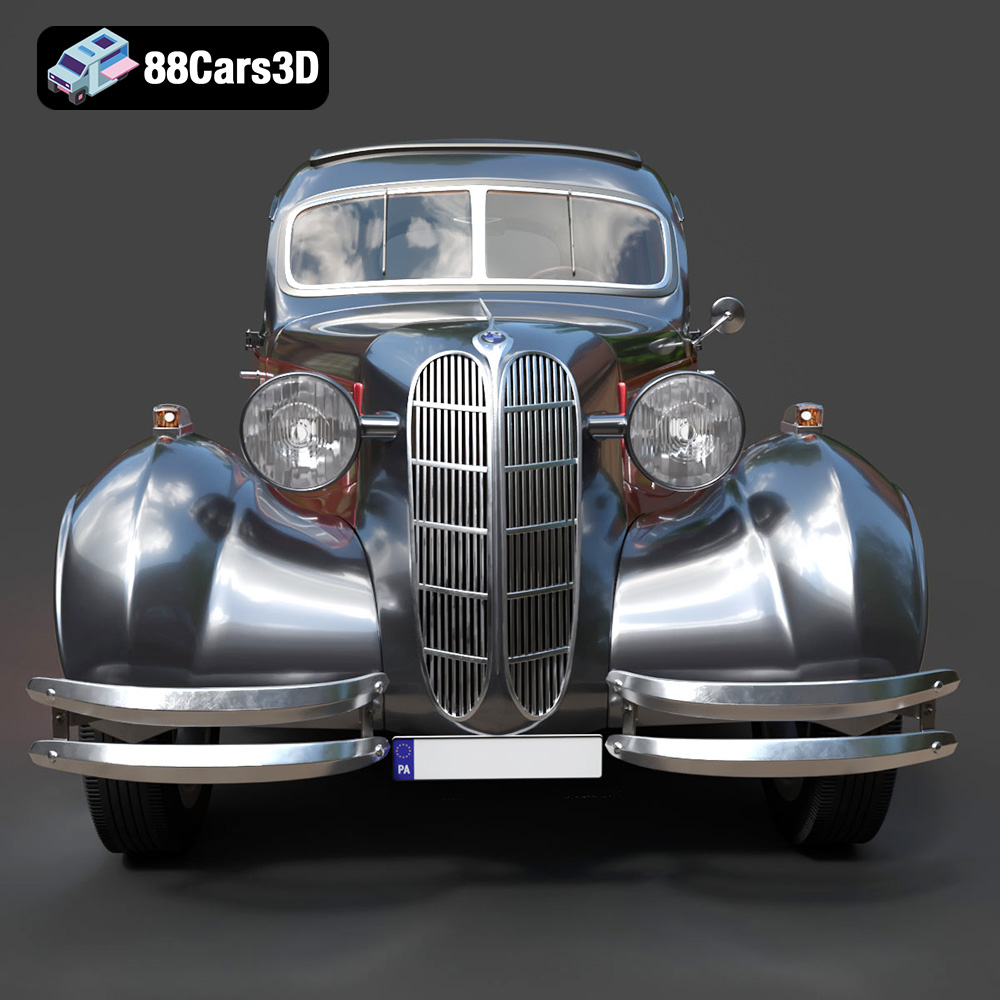
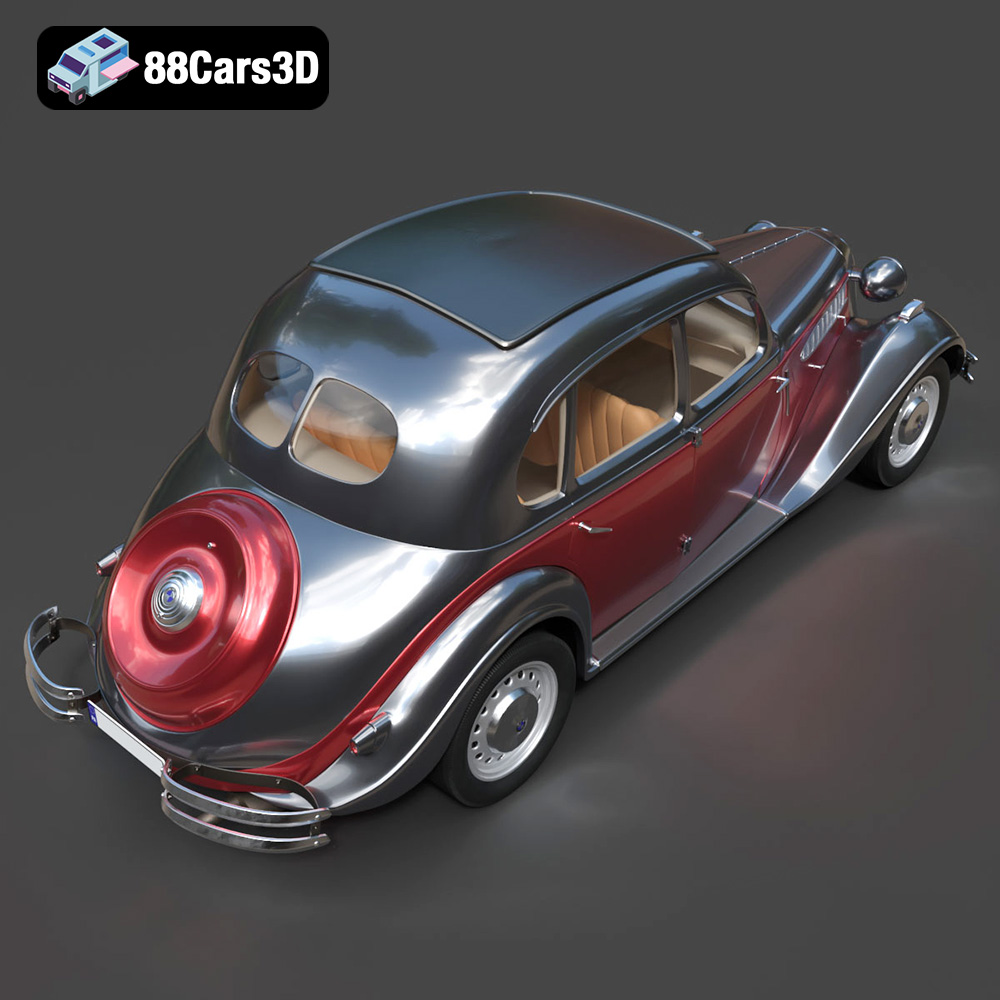
The exterior of the BMW 326 1941 is where its pre-war elegance truly shines. The 3D model accurately replicates the distinctive features that made this sedan iconic. From the classic dual kidney grille, a hallmark of BMW design, to the gracefully rounded front and rear fenders that flow seamlessly into the body lines, the model captures the vehicle’s unique silhouette. Attention to detail extends to the circular headlight housings, chrome bumper and trim detailing, and period-correct wheel design. Furthermore, the model includes separate wheels and steering components, a critical feature for animators looking to create realistic driving sequences or interactive simulations. This level of detail ensures that whether seen in a high-resolution render or a real-time game, the BMW 326 1941 looks authentic and visually stunning.
Stepping inside the digital recreation of the BMW 326 1941 reveals an equally impressive level of detail that brings its vintage interior to life. The model features a period-correct dashboard layout complete with analog gauges, reflecting the design sensibilities of the early 1940s. A large, classic steering wheel design dominates the cockpit, while the bench-style seat geometry and accurate door panel and trim representation complete the authentic feel. Even smaller details like the gear shifter and pedal detailing are included, ensuring a comprehensive and immersive experience for close-up shots or virtual tours. This meticulous interior modeling is essential for projects that require a full 360-degree view or interactive elements within the cabin.
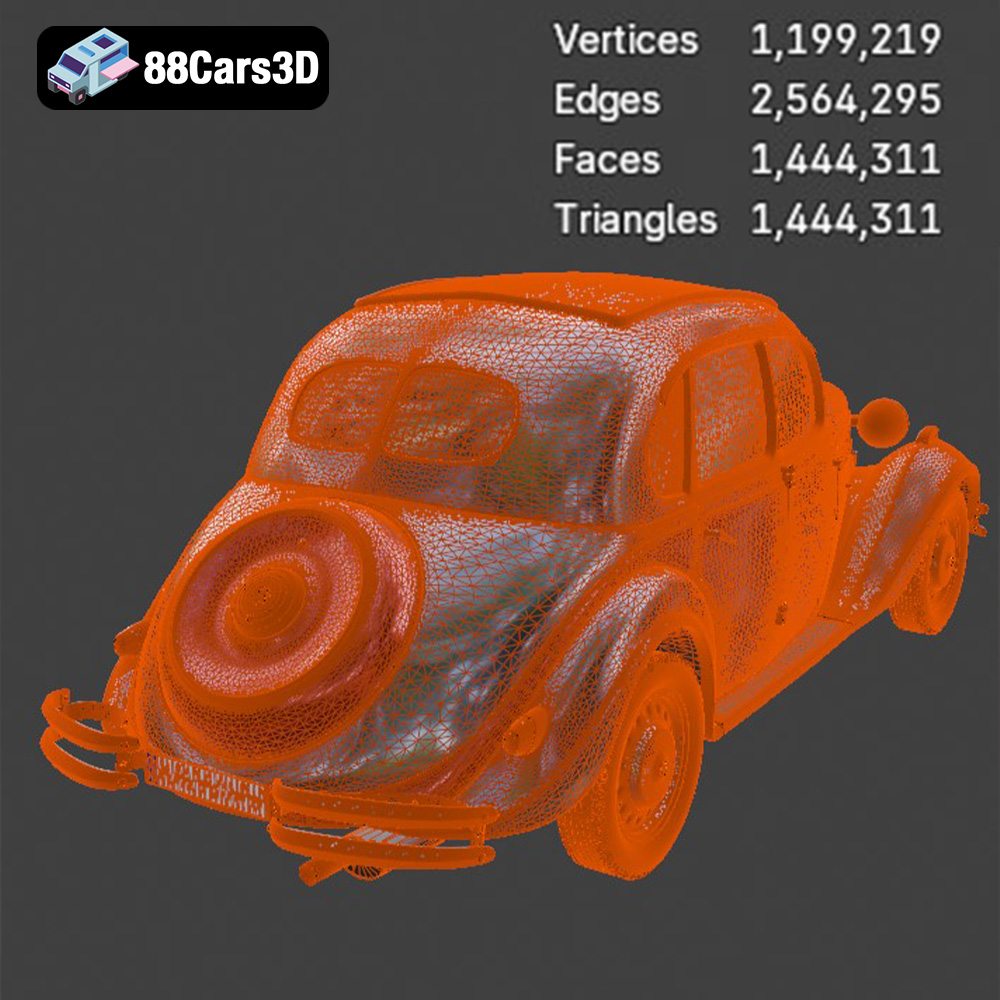
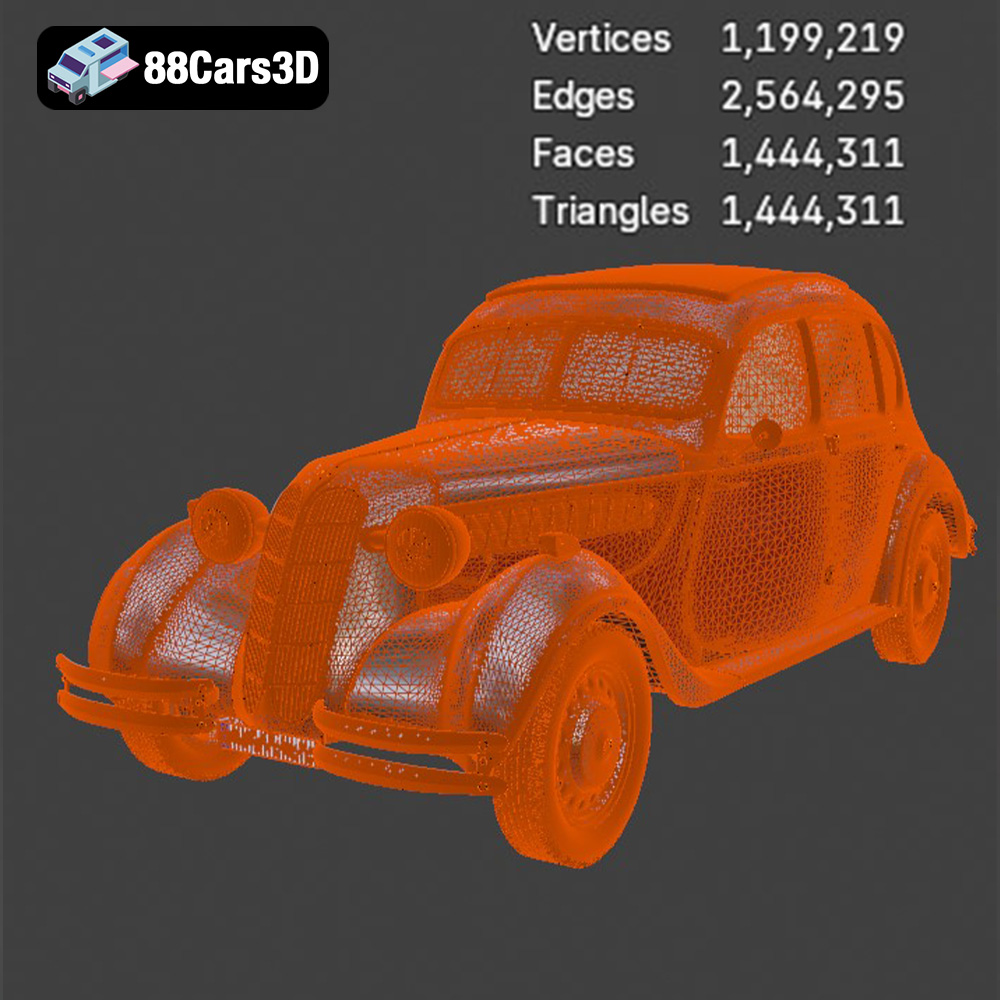
Beyond aesthetics, the technical construction of the BMW 326 1941 3D Model is paramount. It boasts a clean and well-organized mesh structure, which is crucial for smooth deformations during animation and efficient rendering. The topology is optimized for performance and realism, balancing polygon count with visual fidelity to ensure the model can be used effectively in various scenarios, from high-end cinematic productions to performance-sensitive game environments. Real-world scale accuracy is maintained, ensuring that the vehicle integrates seamlessly into scenes without requiring tedious scaling adjustments. Additionally, the proper pivot setup for steering and wheel rotation further streamlines animation workflows, allowing artists to quickly rig and animate the vehicle with confidence, solidifying its place as a top-tier automotive rendering asset.
The versatility of high-quality 3D car models, especially historically significant ones like the BMW 326 1941 3D Model, makes them indispensable across numerous professional industries. Their robust construction and multi-format availability mean they can be seamlessly integrated into complex pipelines, driving efficiency and enhancing visual output for a wide range of applications. Whether you’re working on a blockbuster film, an educational simulation, or the next big game, these assets provide a strong foundation.
For automotive artists and visualization specialists, the BMW 326 1941 3D Model serves as an ideal base for creating stunning renders. In workflows utilizing 3ds Max or Blender, artists can leverage the included native files (.max, .blend) to their full potential. This allows for advanced material creation, intricate lighting setups, and realistic environment integration. Imagine showcasing the elegant curves of the BMW 326 1941 in a hyper-realistic studio shot or a beautifully lit historical street scene. The clean topology and real-world scale make it easy to apply physically based rendering (PBR) materials, fine-tune reflections, and simulate realistic paint finishes, chrome details, and glass effects. This is perfect for historical automotive marketing, museum displays, or creating heritage promotional visuals that evoke a strong sense of nostalgia and authenticity.
The demand for realistic and historically accurate game assets is ever-growing. For game developers, the availability of the BMW 326 1941 3D Model in .fbx and .unreal formats is a significant advantage. These optimized versions are designed for efficient integration into popular game engines like Unreal Engine and Unity. The proper pivot setup for wheels and steering, combined with an optimized polygon flow, ensures that the vehicle handles smoothly in real-time environments without causing performance bottlenecks. Developers can use this model to populate historical open-world games, create period-correct city scenes, or build vintage driving simulations that offer players an authentic experience. The carefully crafted geometry and textures ensure that the car looks excellent even from a gameplay perspective, contributing significantly to immersion.
Augmented Reality (AR) and Virtual Reality (VR) are transforming how we interact with digital content, offering immersive experiences that were once unimaginable. The BMW 326 1941 3D Model is perfectly suited for these emerging technologies, especially with its .glb format. Creators can develop interactive vintage showroom experiences, allowing users to walk around, inspect, and even “sit inside” the classic sedan in a virtual space. For educational purposes, the model can be integrated into historical exhibitions, providing an engaging way to explore the engineering and design of the past. The optimized geometry ensures that the model renders efficiently in demanding AR/VR environments, providing a smooth and captivating user experience without compromising visual quality.
Beyond the digital screen, 3D car models offer a unique bridge to the physical world through 3D printing. The BMW 326 1941 3D Model is not only a fantastic digital asset but also a meticulously prepared file for tangible creation. The ability to translate a complex digital object into a physical miniature opens up a new dimension for collectors, hobbyists, and educators alike, allowing them to hold a piece of history in their hands.
The inclusion of the .stl format for the BMW 326 1941 3D Model is crucial for 3D printing. However, preparing a model for physical output involves more than just selecting the right file type. Different printing technologies, such as FDM (Fused Deposition Modeling) and resin (SLA/DLP) printing, have distinct requirements. For FDM, considerations like layer height (recommended 0.08–0.16 mm), wall thickness (1.2–2.0 mm), and infill (15–25%) are vital for structural integrity and print quality. Resin printing, often preferred for its finer detail, would benefit from smaller layer heights (e.g., 0.04–0.12 mm) to capture the subtle curves and intricate chrome details of the BMW 326 1941. Critical elements like mirrors, bumper overhangs, and underbody details will inevitably require supports, regardless of the printing method, to prevent sagging and ensure accuracy. The recommendation to print the body angled for smooth curved surfaces and wheels separately is a testament to the model’s design for optimal printability and post-processing ease.
Once printed, the journey from raw plastic to a museum-quality miniature requires diligent post-processing. For the BMW 326 1941, this phase is where the model truly comes to life. Initial steps involve removing supports and carefully sanding the surfaces to eliminate layer lines and achieve a smooth finish. Priming the model creates a uniform base for paint, highlighting any remaining imperfections that need addressing. The choice of paint finish is paramount for authenticity; a gloss or two-tone vintage paint finish, coupled with hand-painted chrome detailing, will elevate the miniature to a collector’s item. The model’s clean geometry and sharp details make it an excellent canvas for intricate painting, allowing hobbyists to capture the luxurious essence of the original vehicle in various recommended scales, such as 1:32, 1:24, 1:18, or 1:12.
The 3D printable nature of the BMW 326 1941 3D Model also lends itself wonderfully to customization. Beyond standard paint jobs, enthusiasts can experiment with various period-correct finishes to match specific historical photographs or personal preferences. Adding vintage license plates, modifying wheel styles, or adjusting the ride height to depict either a factory-fresh or a slightly lowered stance are all possibilities. For diorama builders, the ability to create multiple versions with different weathering effects or custom lighting configurations for museum or historical street scenes adds immense creative freedom. This level of physical customization truly enhances the collectible value and personal connection to these classic 3D car models.
The practical utility of a high-fidelity 3D car model like the BMW 326 1941 3D Model extends far beyond simple asset creation. It serves as a cornerstone for a multitude of creative and professional endeavors, enabling artists and developers to bring historical narratives and sophisticated visualizations to life. The detailed craftsmanship found in models from 88cars3d.com facilitates these ambitious projects.
For filmmakers, documentary producers, and advertising agencies, historical accuracy is paramount. The BMW 326 1941 3D Model is an ideal asset for period-correct cinematic productions. Imagine a scene set in a bustling pre-war European city, with the elegant BMW 326 gracefully navigating cobblestone streets. Its accurate proportions, classic styling, and meticulous detailing allow directors to achieve unparalleled visual authenticity. Artists using 3ds Max or Blender can integrate this model into complex VFX shots, creating realistic reflections and interactions with the environment, ultimately enriching the storytelling. The model’s design, including separate components for animation, empowers animators to create compelling vehicle movements that feel truly organic and historically resonant, enhancing the overall production value of any project requiring authentic automotive rendering.
Beyond entertainment, the BMW 326 1941 3D Model holds significant educational potential. Institutions dedicated to automotive history, engineering, or even wartime studies can leverage this model for interactive exhibits and simulators. A virtual museum installation could allow visitors to explore the BMW 326 in detail, interact with its interior, and learn about its place in history, all within an AR/VR environment. For academic purposes, the model can be used in automotive history visualization or restoration study projects, providing students and researchers with a detailed, accurate representation for analysis and learning. Its technical precision and real-world scale make it a reliable tool for understanding the vehicle’s design and mechanical aspects.
Even modern automotive brands with a rich heritage can utilize 3D car models like the BMW 326 1941 for marketing and brand storytelling. Imagine a promotional campaign that juxtaposes BMW’s past innovations with its present, using high-quality renders of this classic alongside contemporary models. The BMW 326 1941 3D Model provides a versatile asset for creating compelling visuals that celebrate a brand’s legacy. It can be used in digital campaigns, interactive online experiences, or even limited-edition merchandise visualization, offering a unique way to engage audiences and highlight historical milestones. For brands looking to create impactful and historically resonant content, investing in such detailed 3D assets is a smart strategic move.
The digital realm continues to expand its boundaries, offering unprecedented tools for creativity and innovation. At the heart of this evolution lies the power of high-quality 3D car models, especially those that meticulously preserve automotive heritage. The BMW 326 1941 3D Model stands as a prime example of such an asset, meticulously crafted to serve a diverse array of professional applications.
From the nuanced elegance of its pre-war design, faithfully recreated with clean topology and real-world scale, to its comprehensive file format support—including .blend, .fbx, .obj, .glb, .stl, .ply, .unreal, and .max—this model is engineered for versatility. Whether your project demands breathtaking automotive rendering for a cinematic masterpiece, optimized game assets for an immersive driving simulation, interactive experiences for AR/VR platforms, or tangible replicas through 3D printing, the BMW 326 1941 3D Model provides the robust foundation you need.
It empowers creators to tell stories, build worlds, and explore history with unparalleled visual fidelity and technical precision. Investing in such premium assets from trusted sources like 88cars3d.com ensures that your projects are built on a foundation of quality, saving you valuable development time and allowing you to focus on the artistic and interactive elements that truly make your work shine. Embrace the blend of history and technology, and let the elegance of the BMW 326 1941 inspire your next digital venture.
The BMW 326 1941 3D Model is a high-detail digital recreation of the pre-war German luxury sedan known for its elegant curves, refined craftsmanship, and early aerodynamic styling. Accurately representing its classic grille design, rounded fenders, and vintage interior details, this model is perfect for rendering, game development, AR/VR, simulation, and 3D printing. Includes .blend, .fbx, .obj, .glb, .stl, .ply, .unreal, and .max formats for maximum compatibility.
$19.9
.1941car
.arvr
.automotive
.blend
.bmw
.bmw326
.car3dmodel
.fbx
.gameasset
.glb
.historicalvehicle
.max
.obj
.ply
.prewarcar
.rendering
.simulation
.stl
.unreal
.vintagecar
classicbmw