Get 50% OFF All Premium 3D & STL Models!

The automotive world, particularly the realm of Italian supercars, inspires a unique blend of passion, engineering marvel, and breathtaking design. From the roaring V10s of Sant’Agata Bolognese to the meticulously sculpted lines of Maranello, these machines are more than just vehicles; they are works of art. For 3D artists, game developers, architectural visualizers, and even 3D printing enthusiasts, capturing this essence in a digital format presents both a challenge and an incredible opportunity. The demand for accurate, high-quality 3D car models that truly reflect the spirit of these legendary automobiles has never been higher.
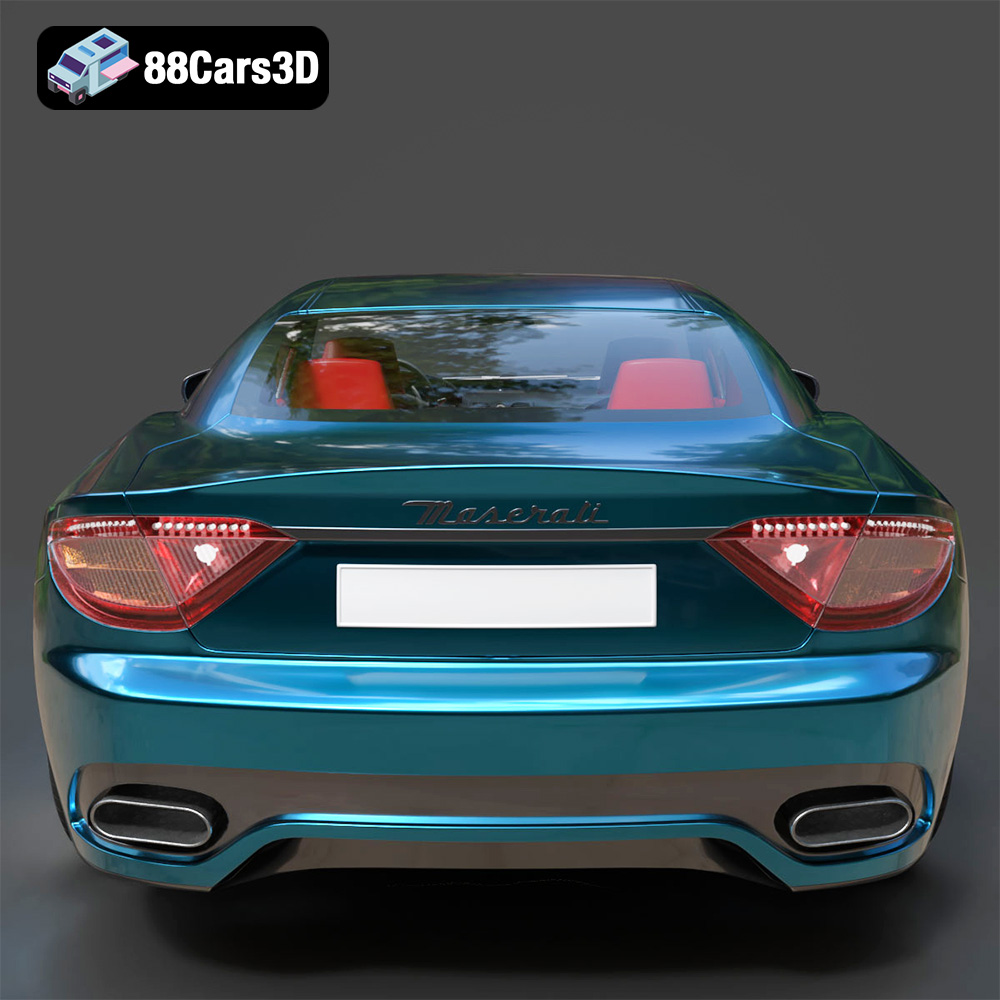
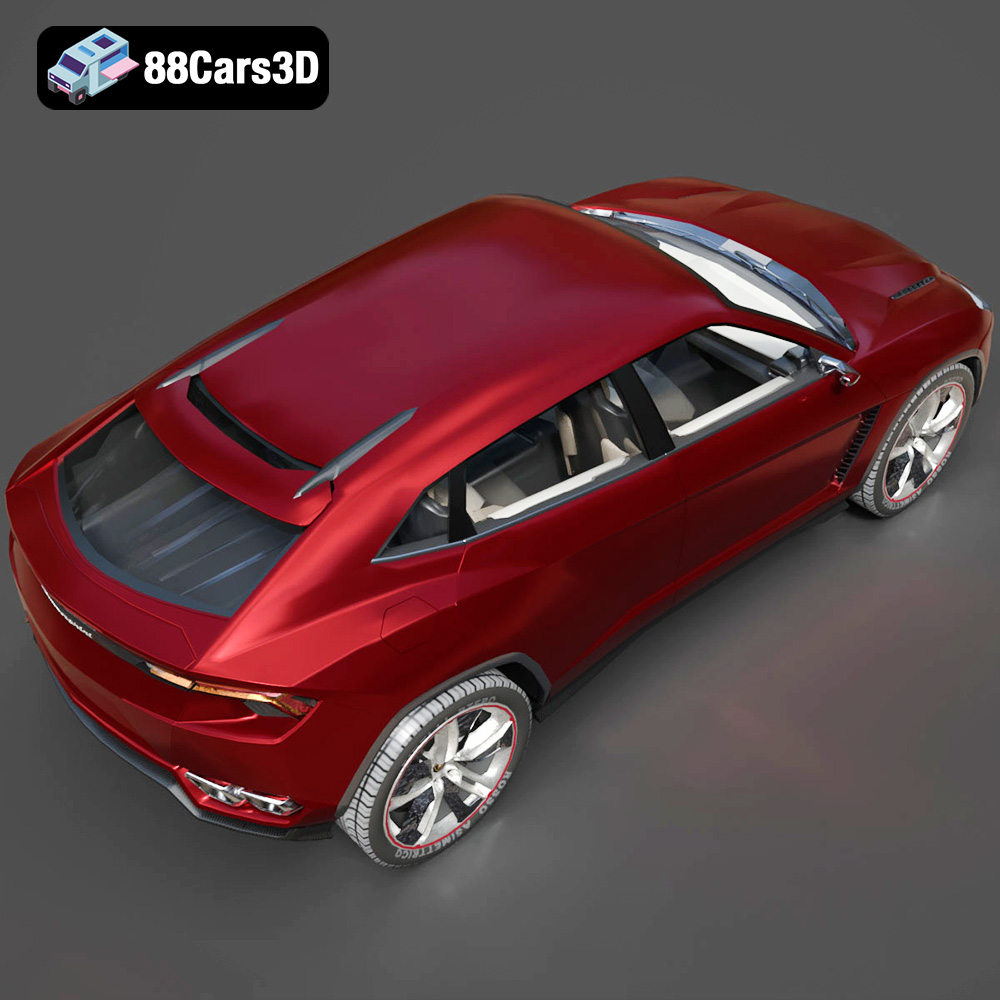
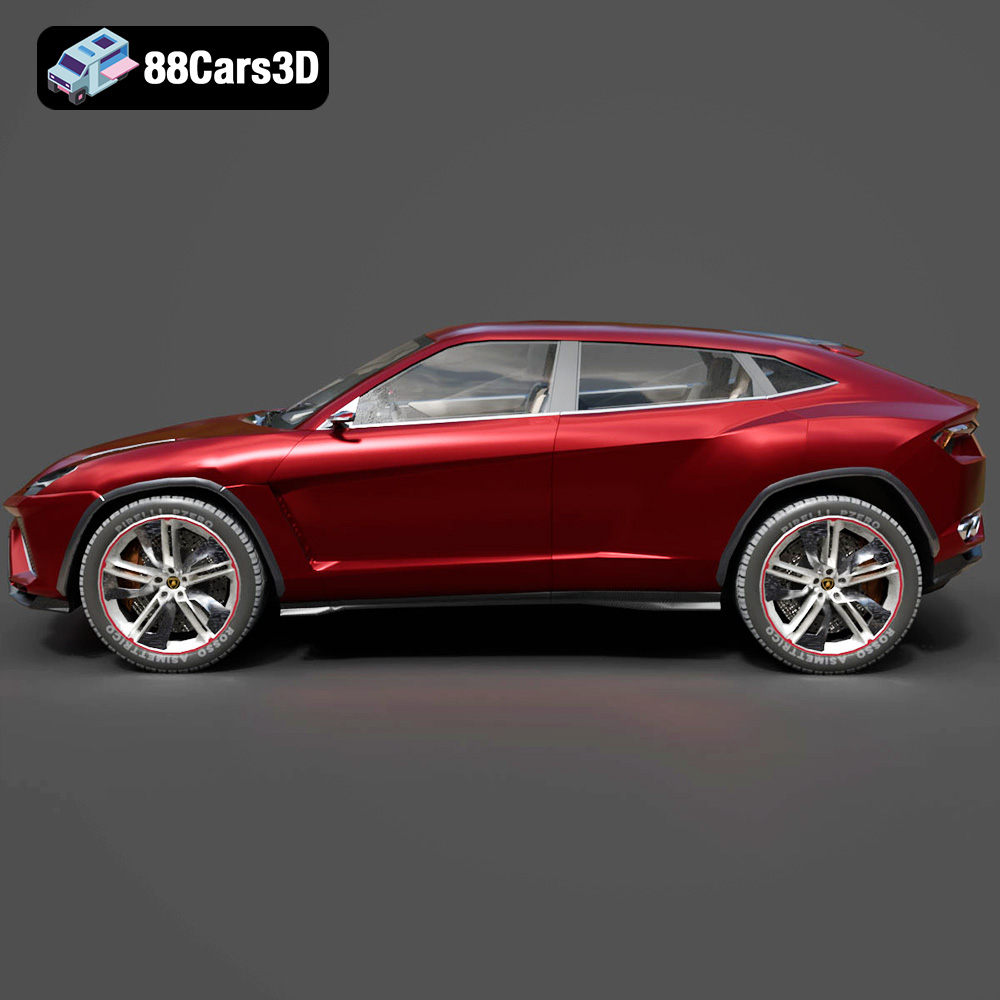
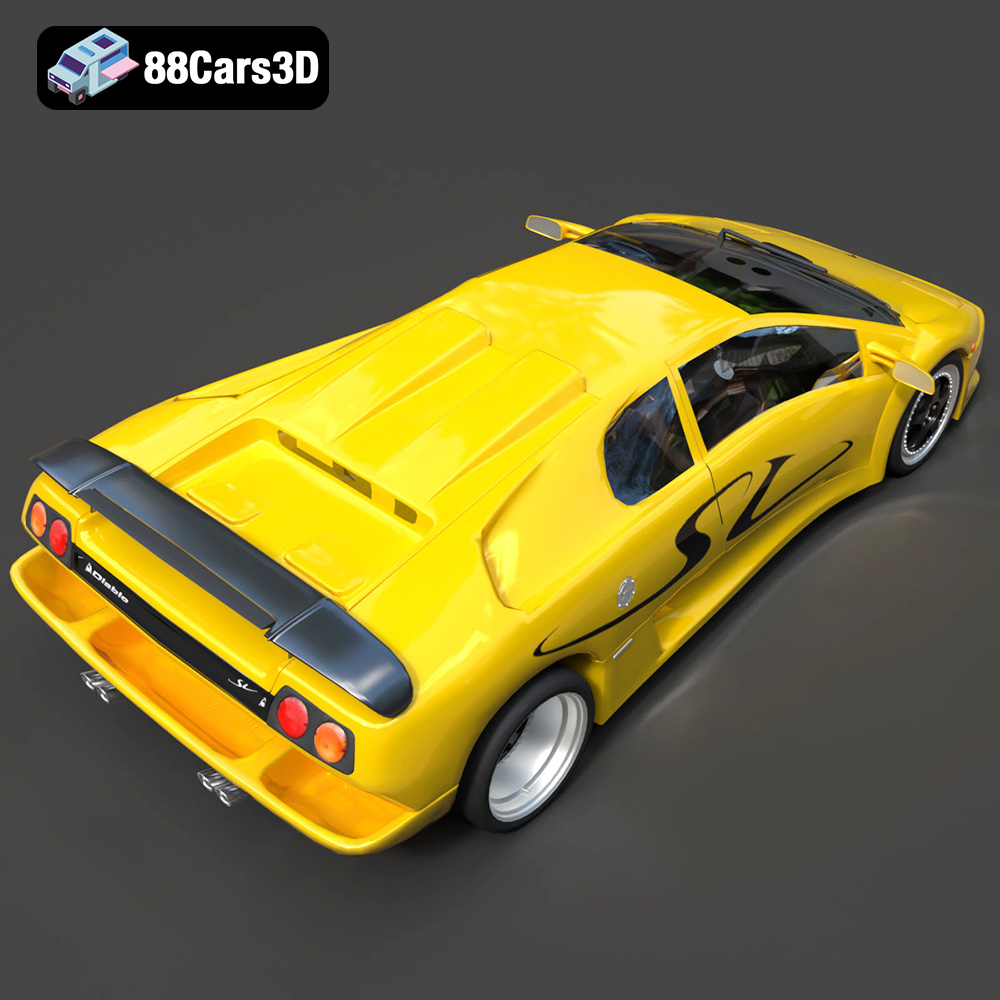
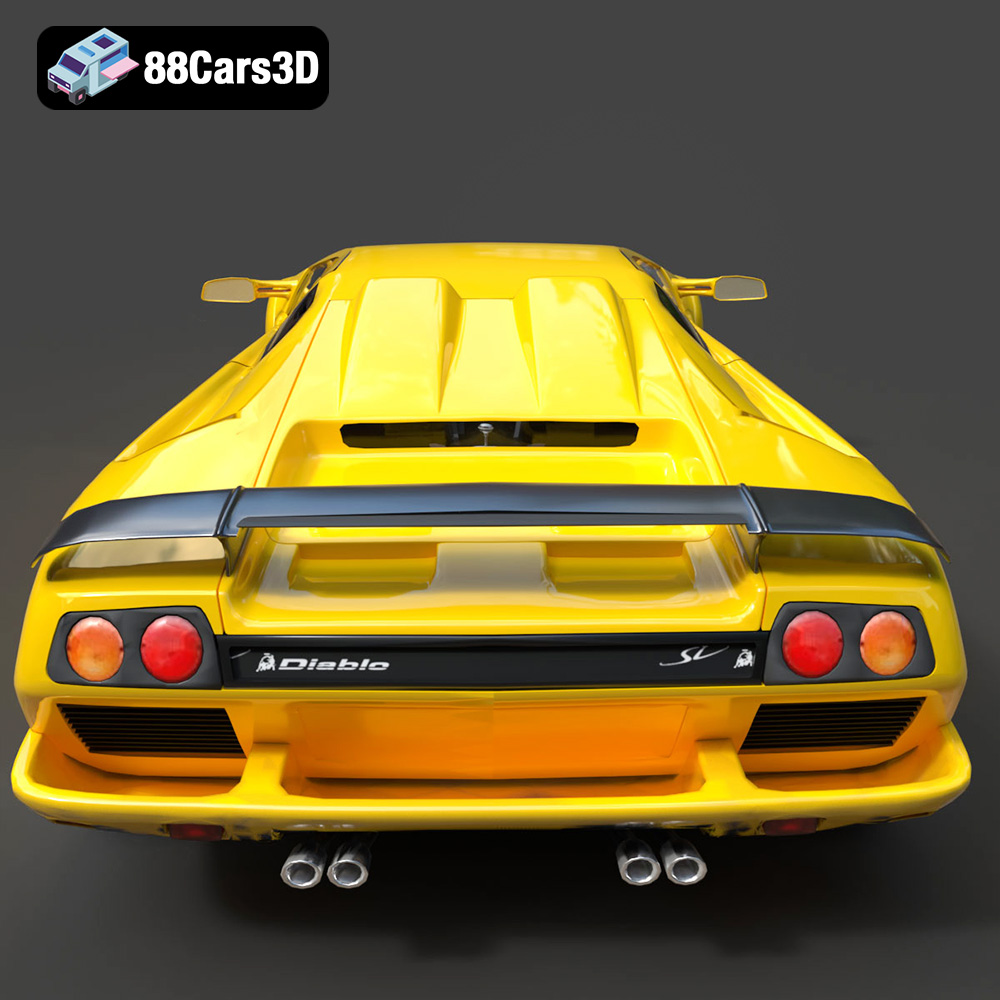
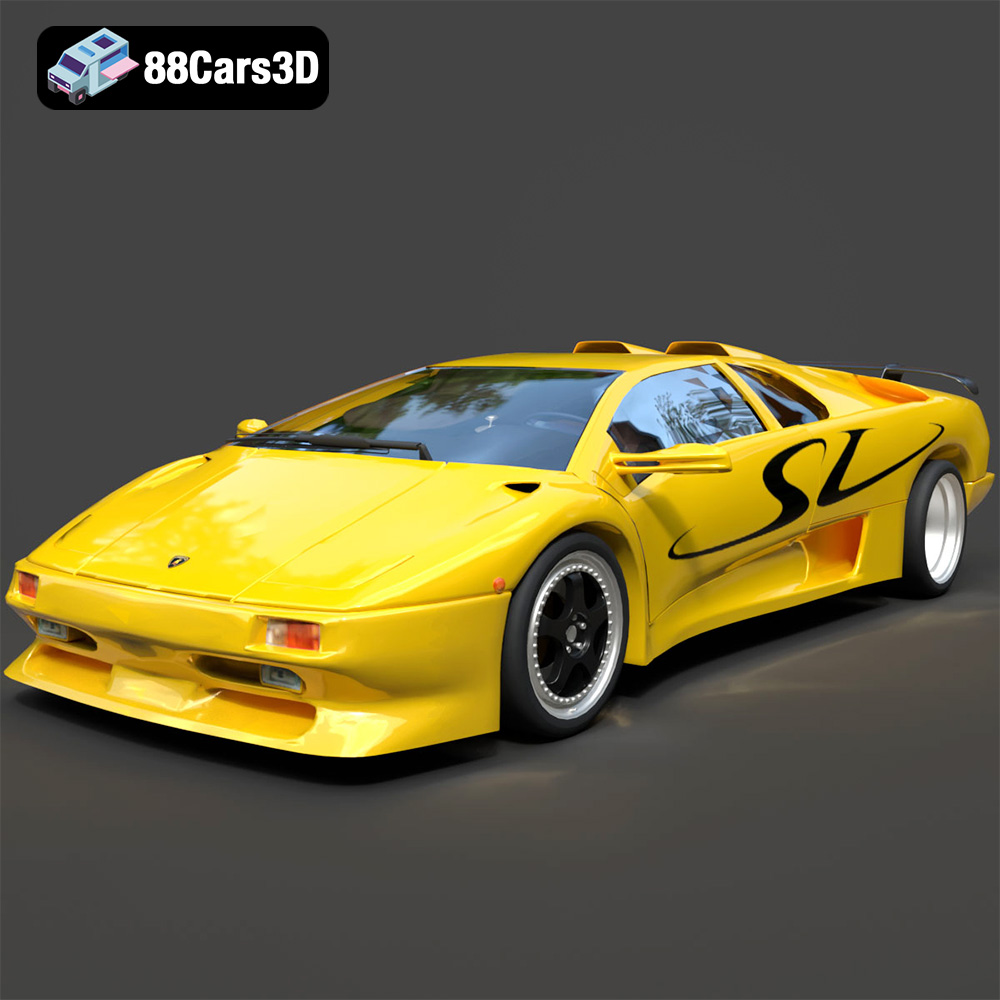
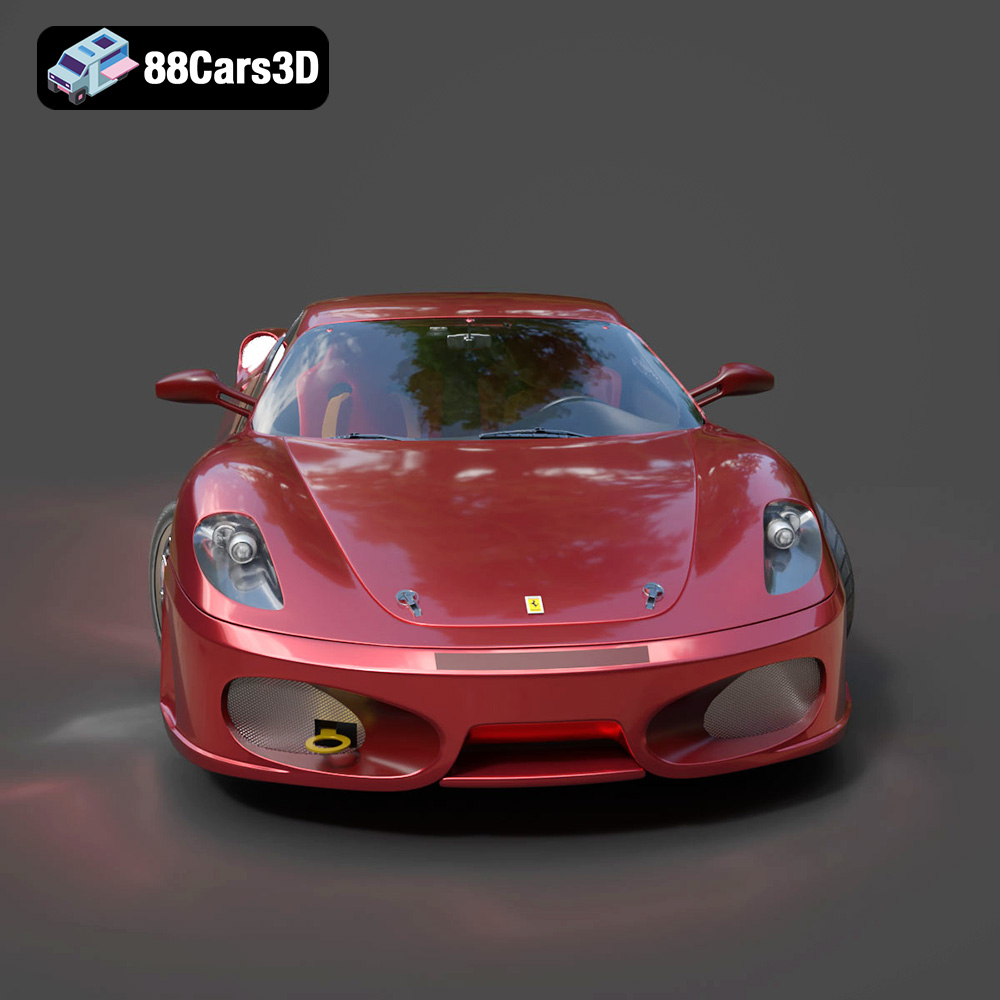
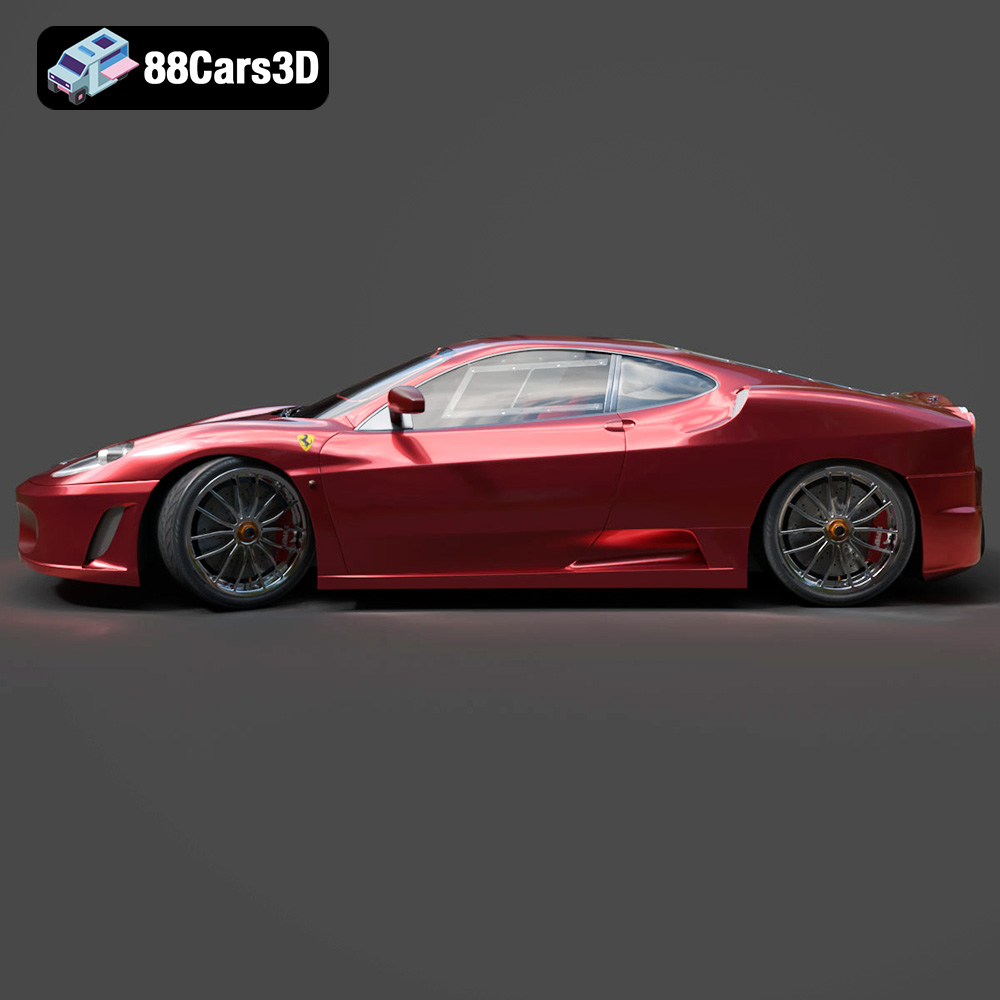
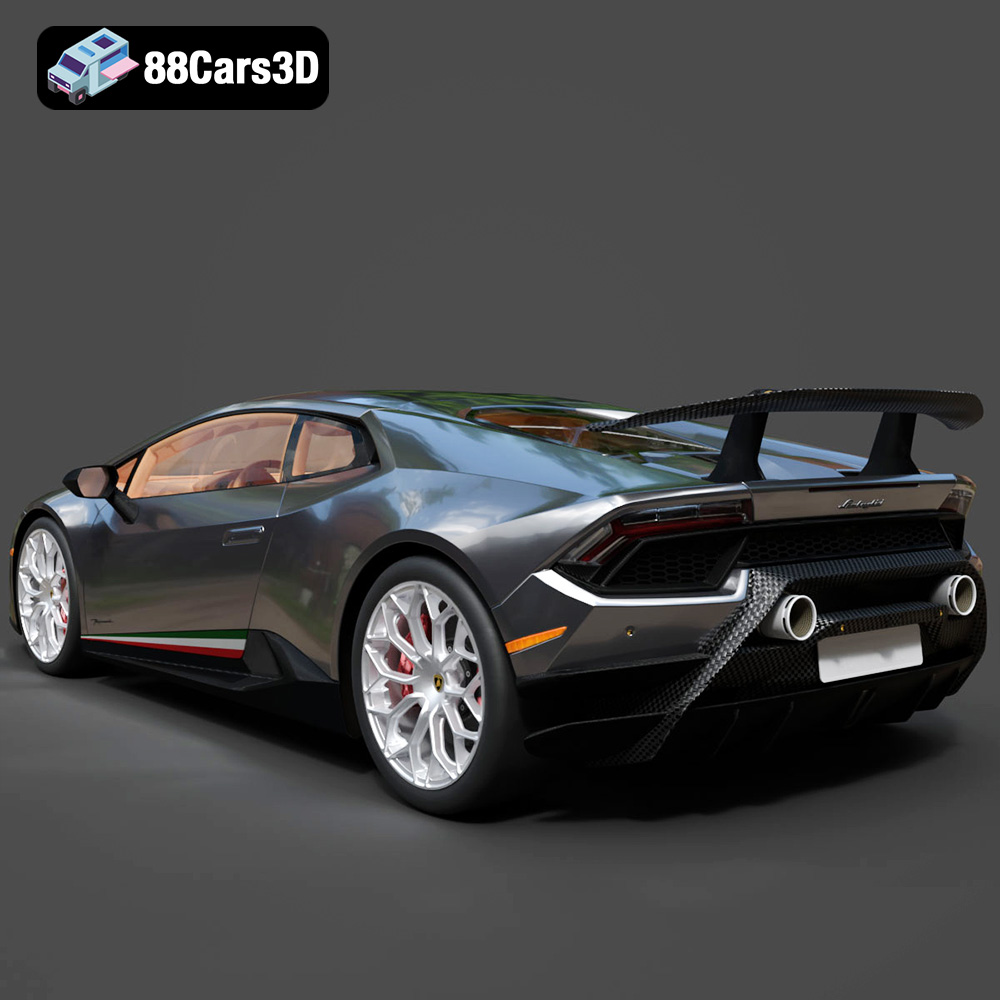
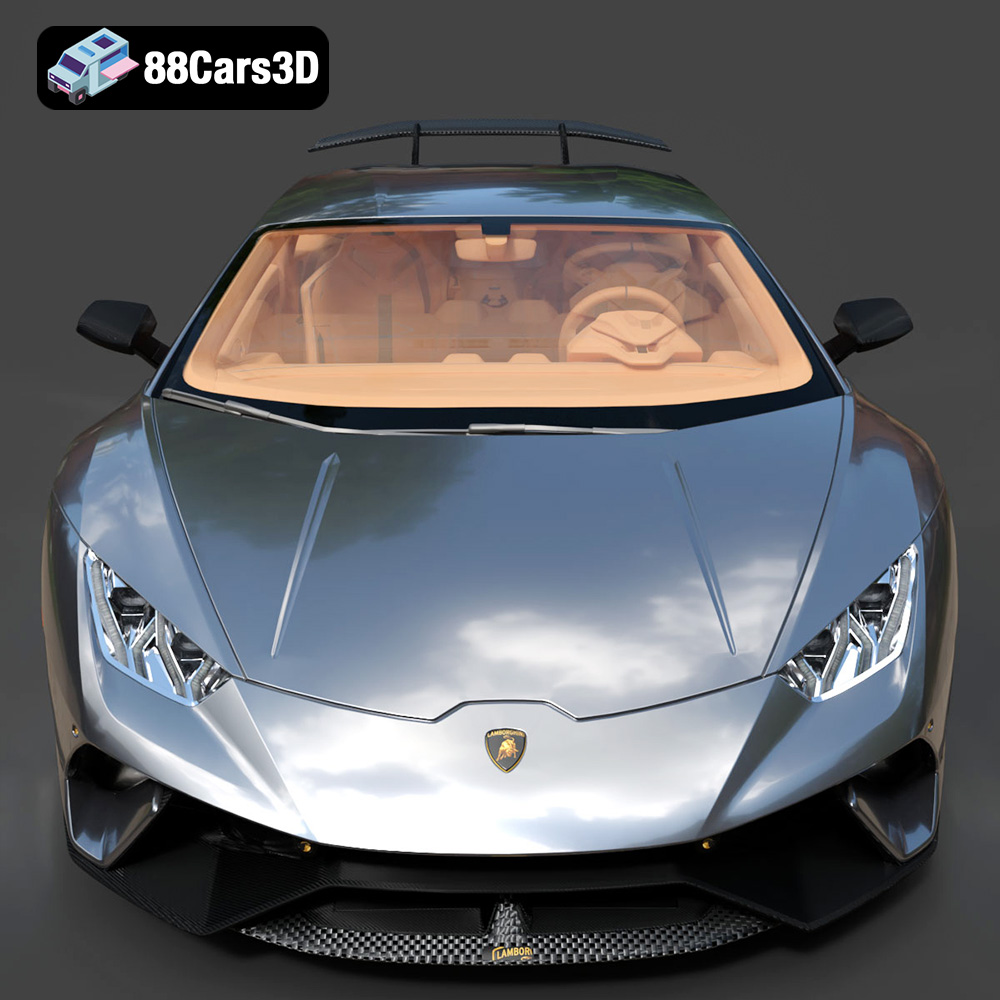
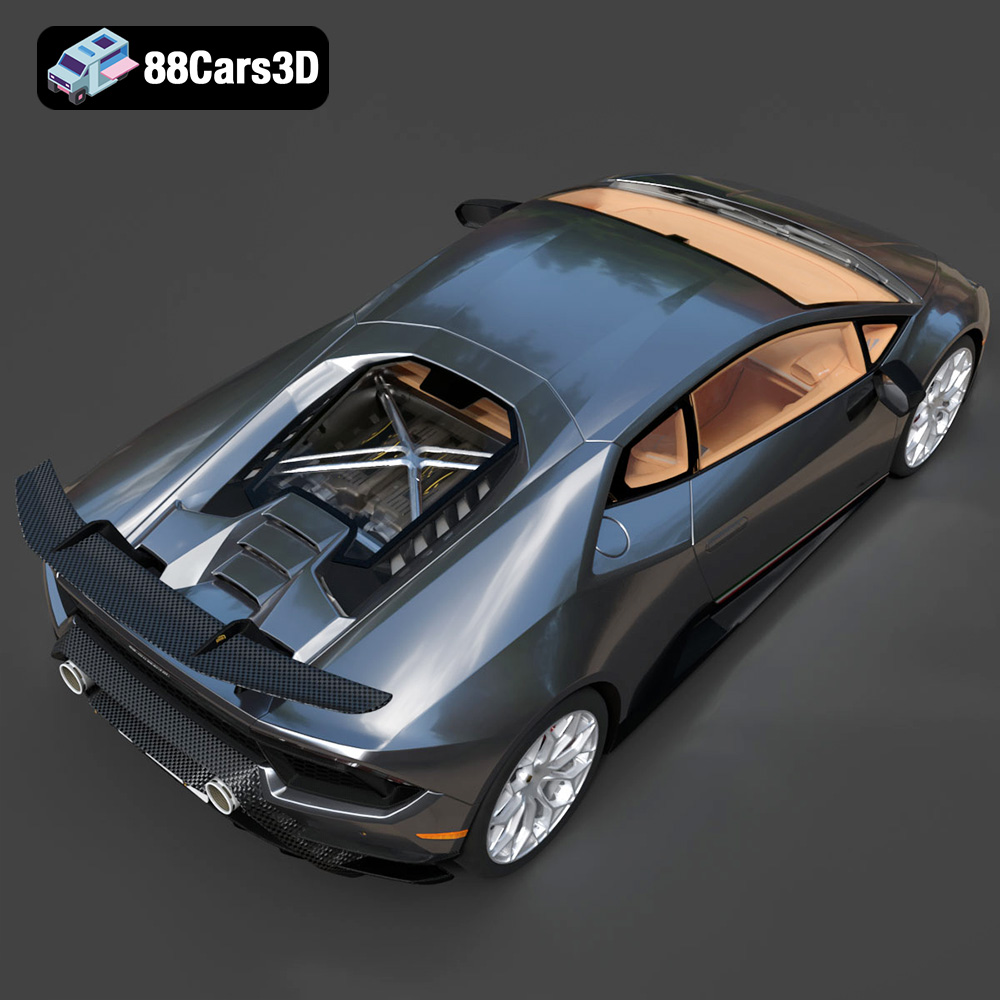
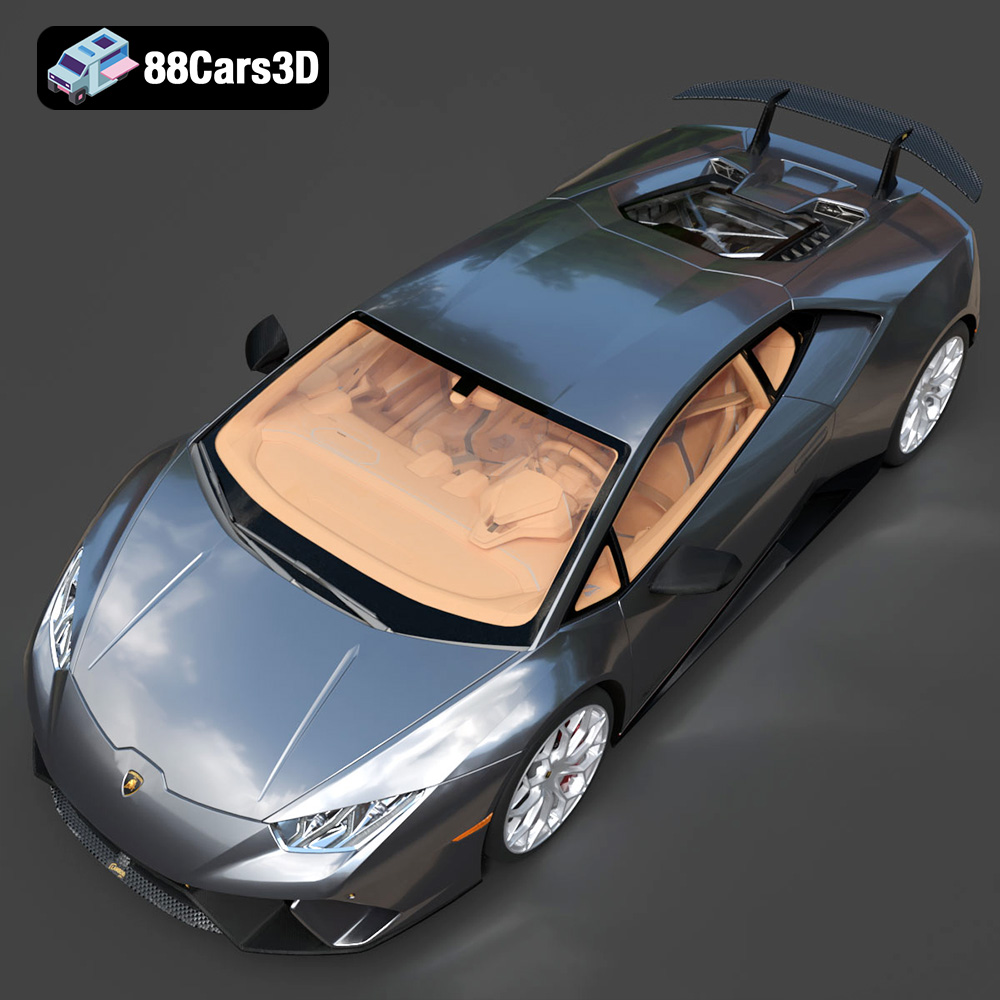
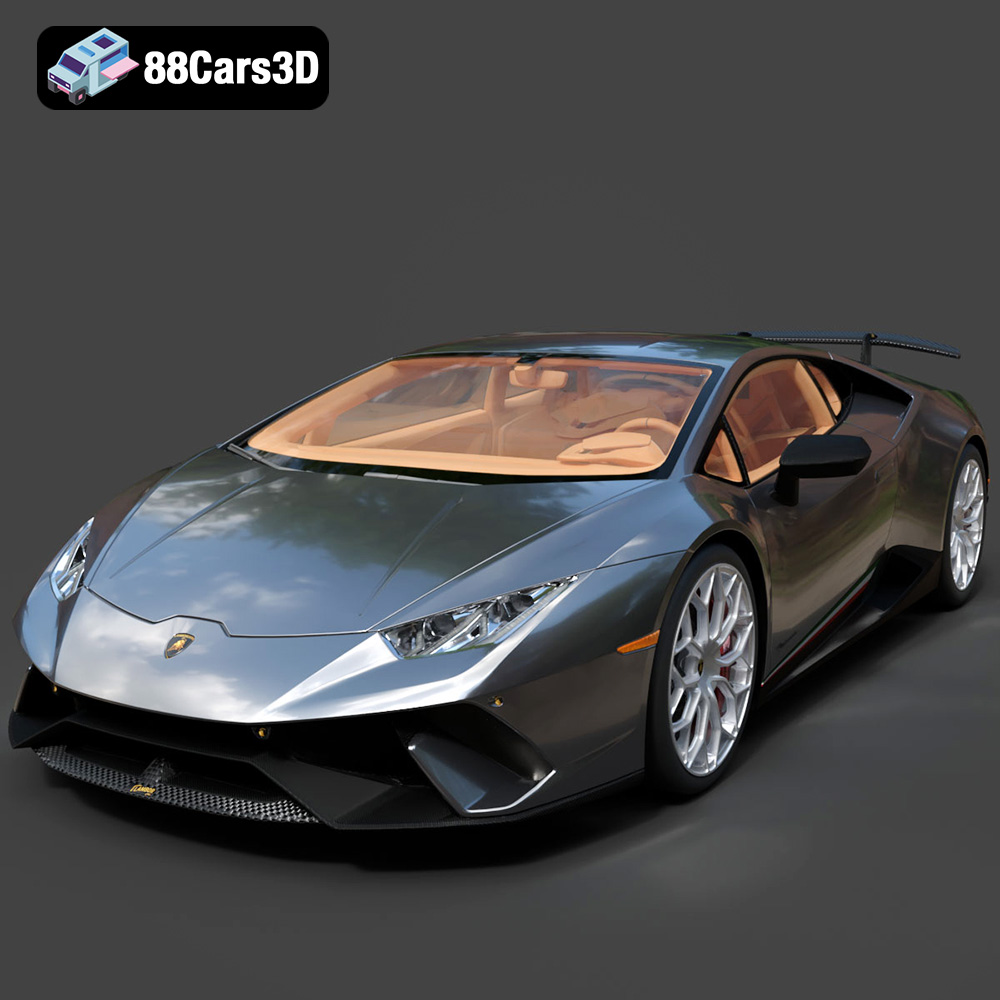
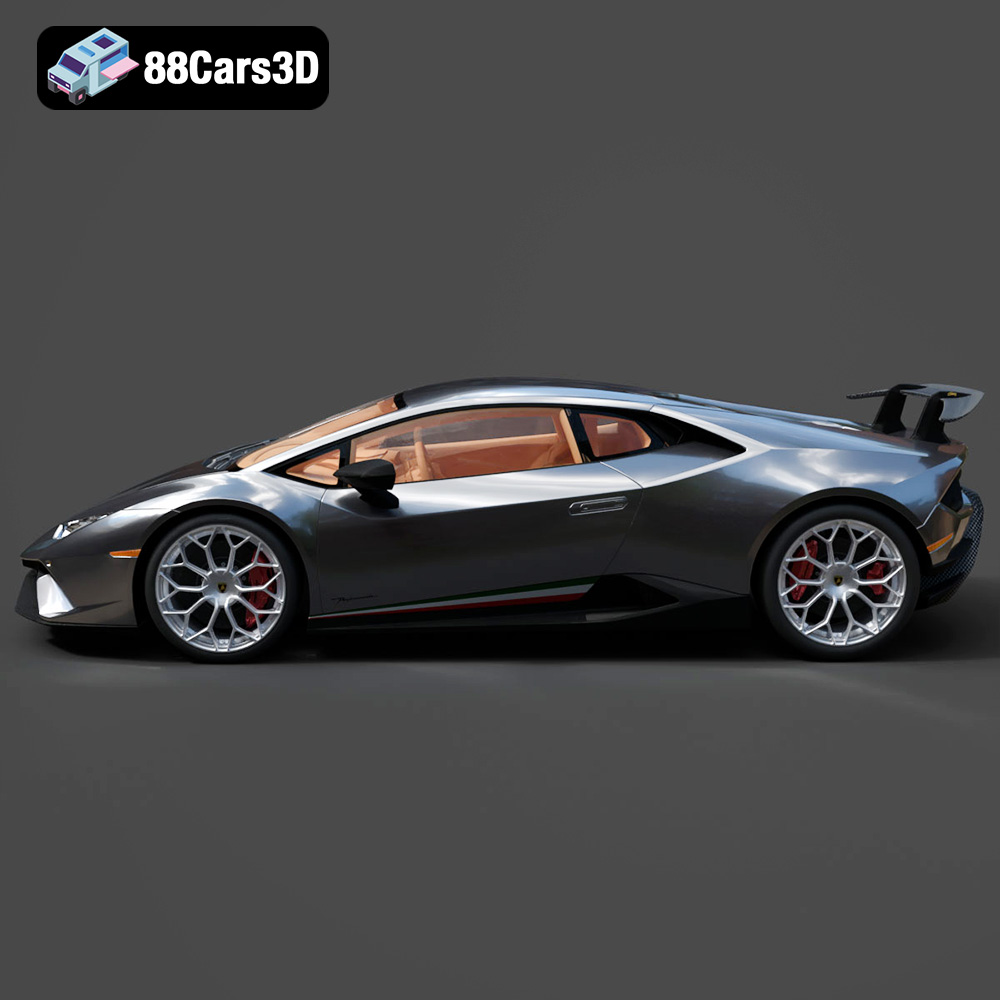
In the pursuit of digital perfection, having access to meticulously crafted assets is paramount. This is where a collection like The Italian Legends Bundle truly shines. This elite, curated collection represents the pinnacle of Italian automotive soul, speed, and sculptural design, bringing together the aggressive, track-focused aerodynamics of Lamborghini and Ferrari with the grand-touring elegance of Maserati. It’s a comprehensive package designed for creators, collectors, and 3D printing enthusiasts, offering a diverse range of vehicles—from ’90s icons like the Lamborghini Diablo SV to modern-day engineering marvels such as the Lamborghini Huracán Performante and the Ferrari 458 Italia. Each model in this bundle has been meticulously crafted to capture the essence of “Bella Macchina,” providing high-fidelity assets that refuse to compromise on quality, ready to be integrated into high-end automotive visualizations and precision 3D printing projects.
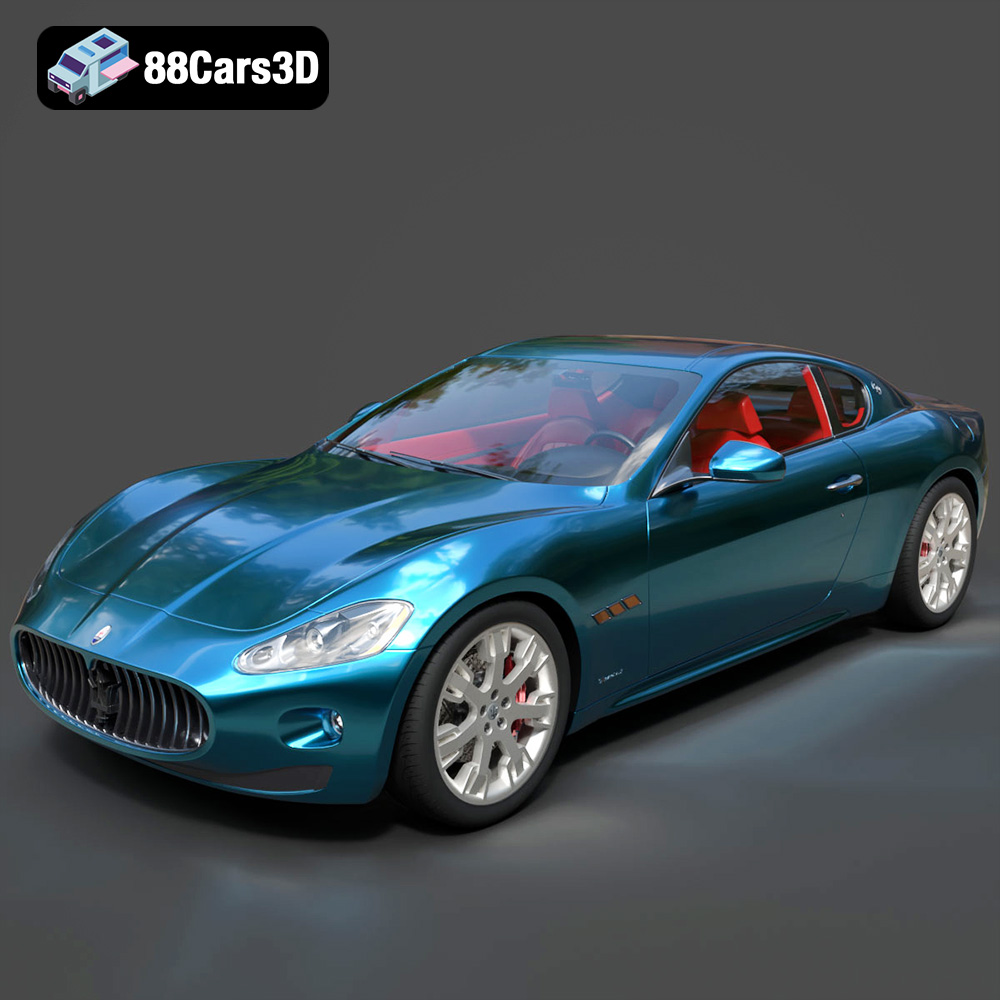
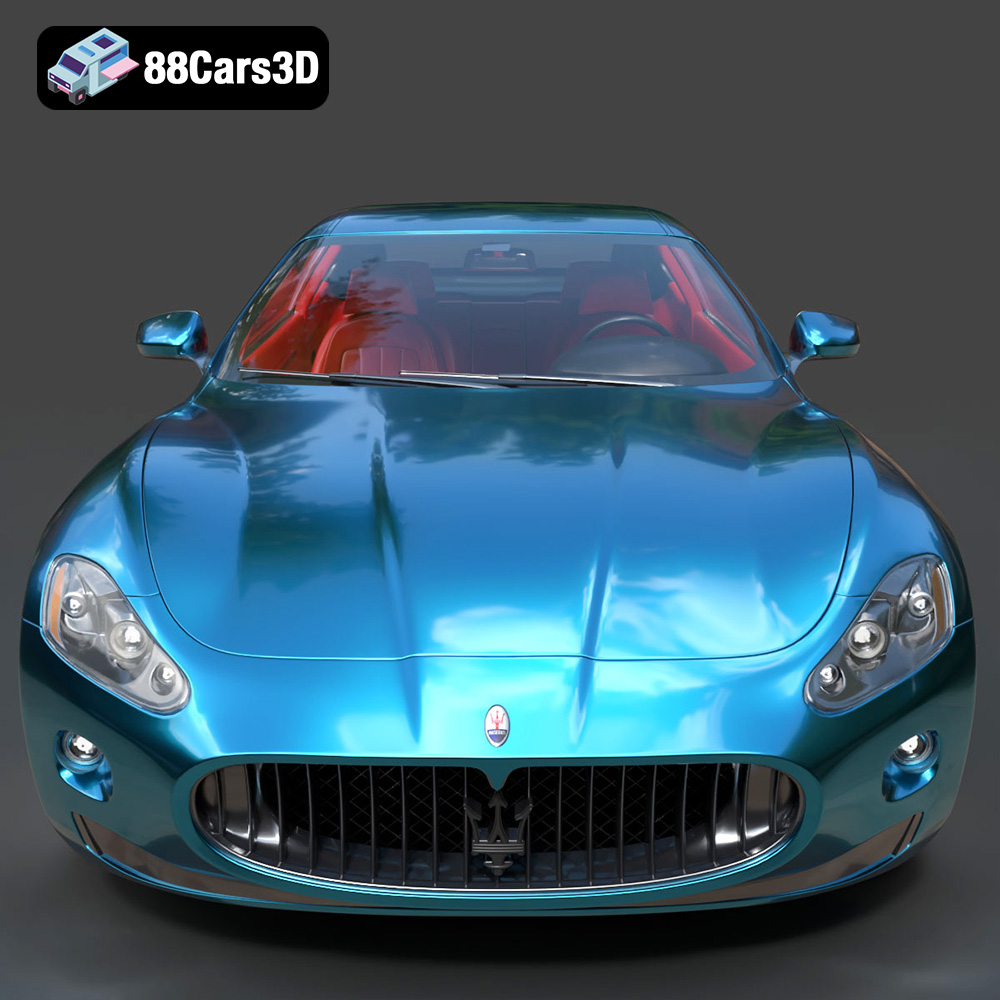
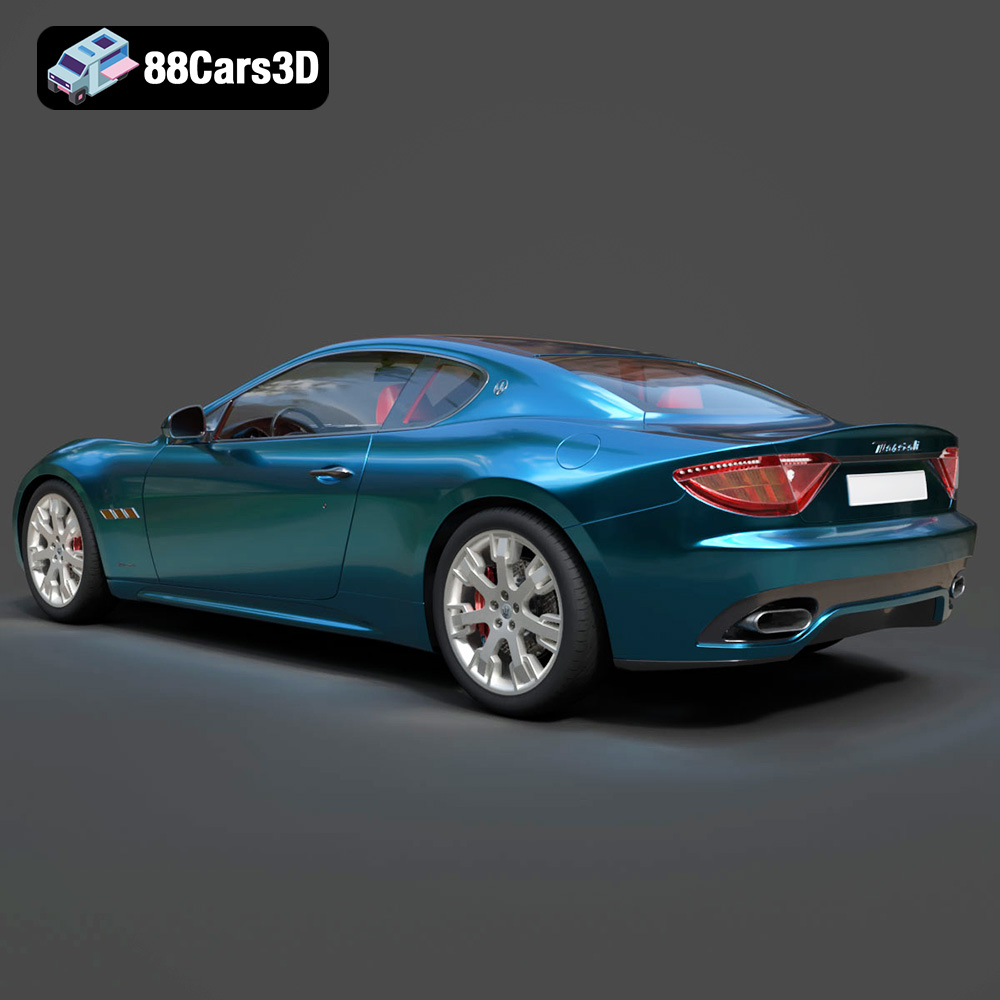
Whether you are looking for the raw, naturally aspirated roar of a V10 Huracán in a cinematic render or the timeless executive sportiness of the Maserati GT gracing a luxury architectural visualization, this collection offers unparalleled detail and flexibility. The comprehensive nature of this bundle means that artists can focus on their creative vision rather than spending countless hours on modeling from scratch, ensuring that their projects reflect the prestige and performance of these automotive legends.
Navigating the diverse landscape of 3D software and applications requires a solid understanding of various file formats. Each format has been developed with specific strengths, optimization levels, and compatibility features, making the choice of format crucial for a seamless workflow. When acquiring high-quality 3D car models like those in The Italian Legends Bundle, understanding these formats ensures you can leverage the assets effectively across different platforms, from rendering engines to game development environments and even 3D printers.
The `.blend` file format is Blender’s native project file. It encapsulates not just the 3D mesh data but also materials, textures, lighting setups, cameras, animations, and even custom scripts. This makes `.blend` files incredibly powerful for Blender users, offering a fully editable scene that can be tweaked and customized down to the smallest detail. For models like the Lamborghini Huracán Performante or the Ferrari 458 Italia, a `.blend` file would typically contain the complex shader networks for their metallic paints, intricate carbon fiber materials, and the setup for their iconic light clusters. Artists can easily adjust PBR (Physically Based Rendering) material properties, modify topology, or even re-rig components for bespoke animations within Blender, making it an excellent starting point for any creative project.
The Filmbox (`.fbx`) format, owned by Autodesk, has become one of the most widely adopted 3D interchange formats. It’s renowned for its robust support for geometry, materials, textures, animations, and even rigging information, making it ideal for pipelines involving multiple software packages. Game engines like Unreal Engine and Unity heavily rely on `.fbx` for importing complex animated characters, vehicles, and environmental assets. For the supercars in The Italian Legends Bundle, an `.fbx` export ensures that features like separated wheels and pivoted steering components (as mentioned in the product description) retain their hierarchical relationships and can be easily imported into Unreal or Unity for game development or into other DCC (Digital Content Creation) tools like 3ds Max or Maya for animation and rendering. Its efficiency and comprehensive data support make it a cornerstone for professional production.
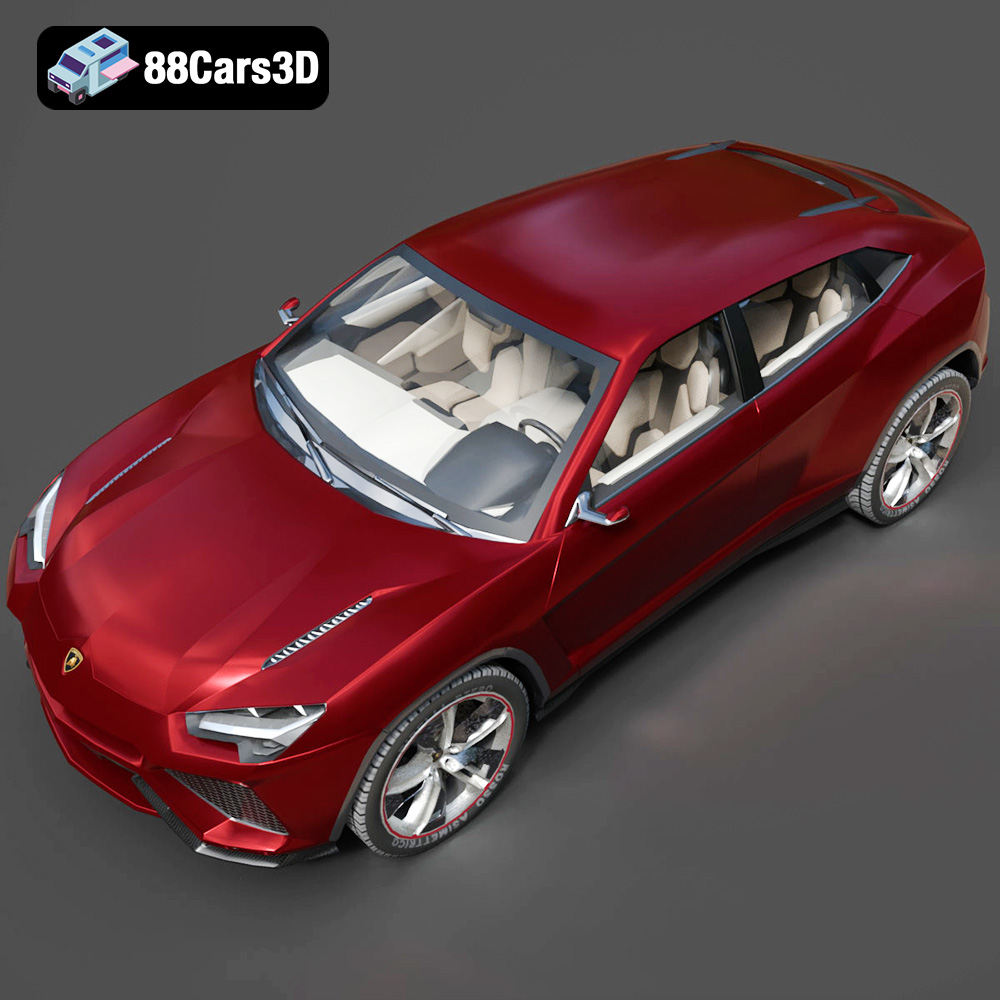
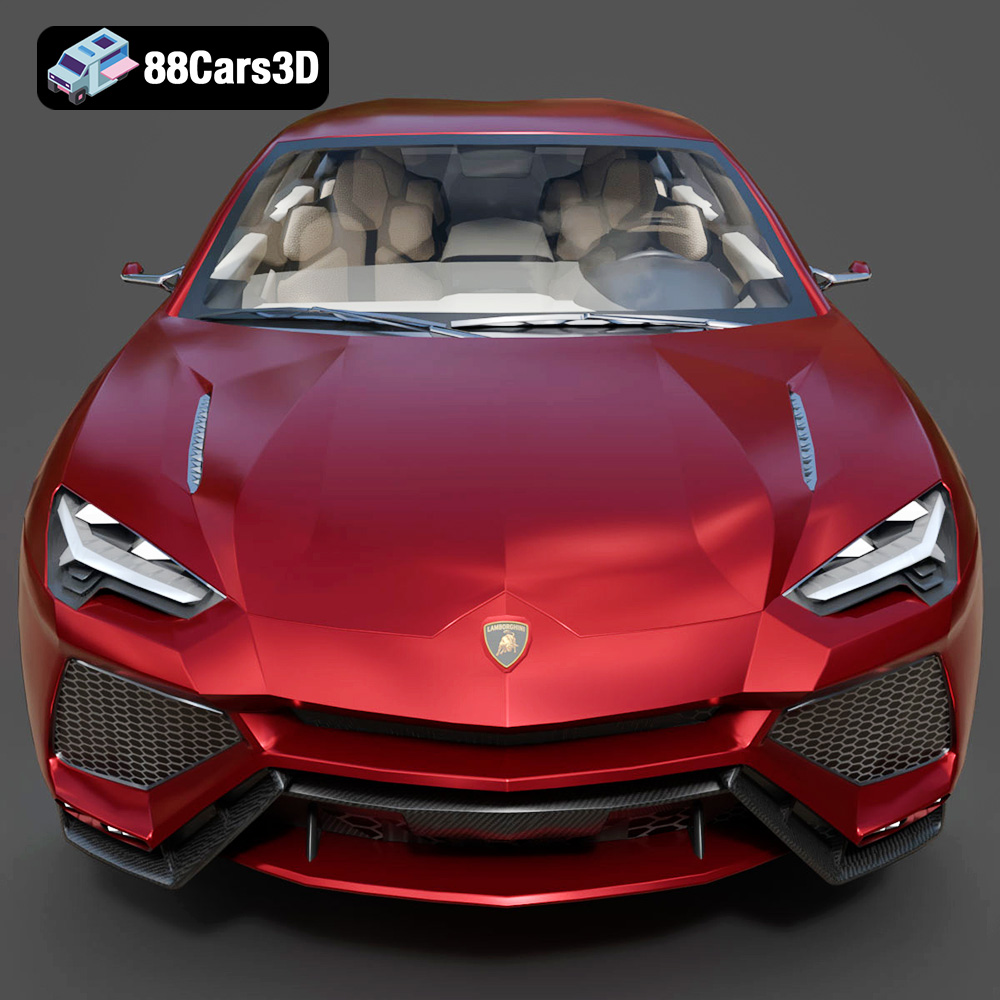
The Wavefront OBJ (`.obj`) format is perhaps the most universal 3D file format, supported by virtually every 3D application. It primarily stores geometry (vertices, normals, UVs, and faces), making it a solid choice for basic mesh transfer. While it can reference external material files (`.mtl`), it doesn’t embed materials, textures, or animation data directly. This makes it a lightweight and reliable option for sharing static meshes across different software. For instances where a user might need just the pure geometry of a Lamborghini Urus for sculpting or retopology in a different application, `.obj` serves as an excellent, unadulterated starting point, ensuring maximum compatibility across diverse toolsets without complex data overhead.
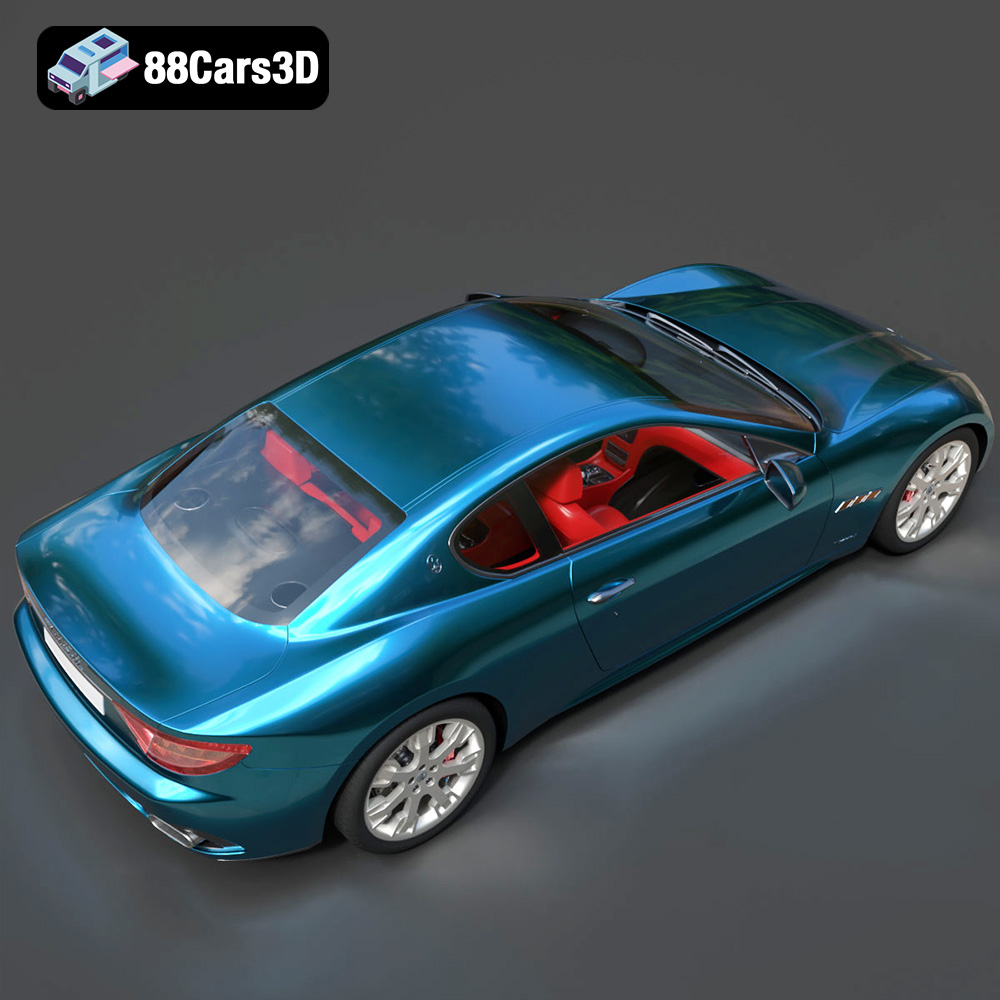
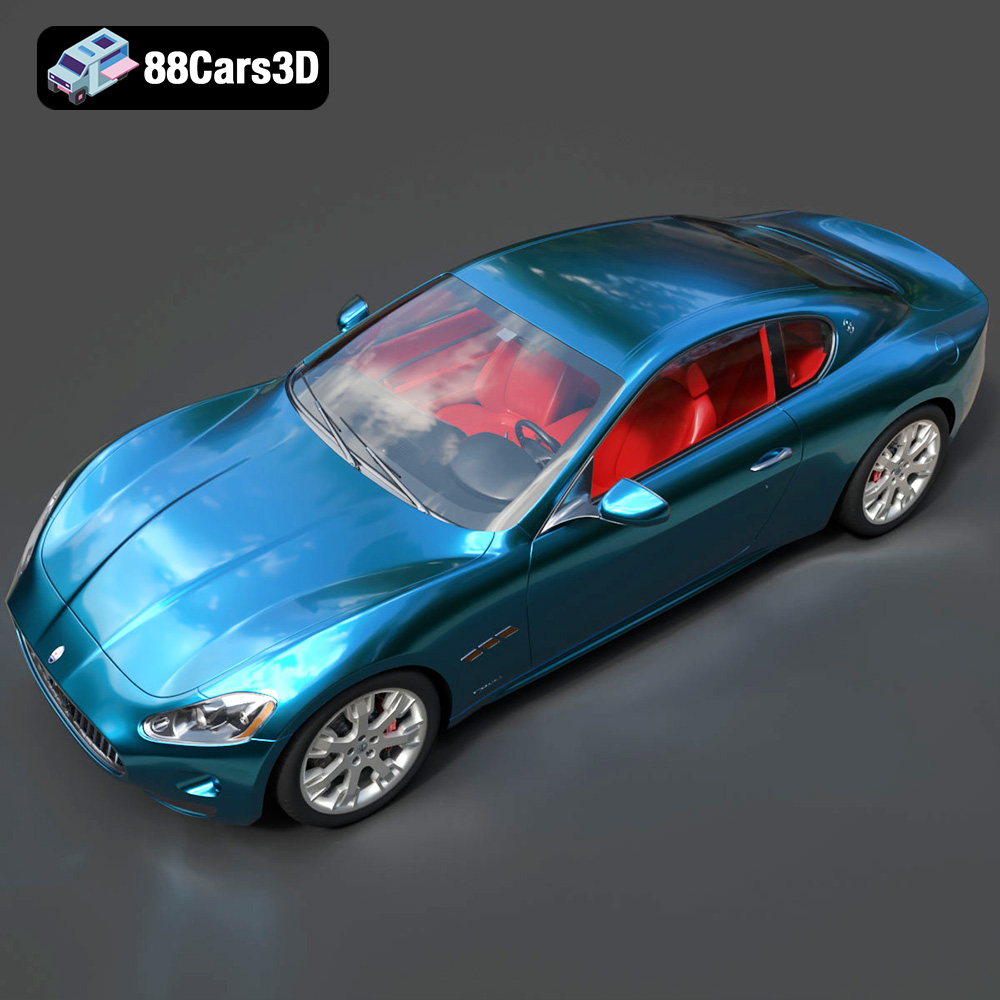
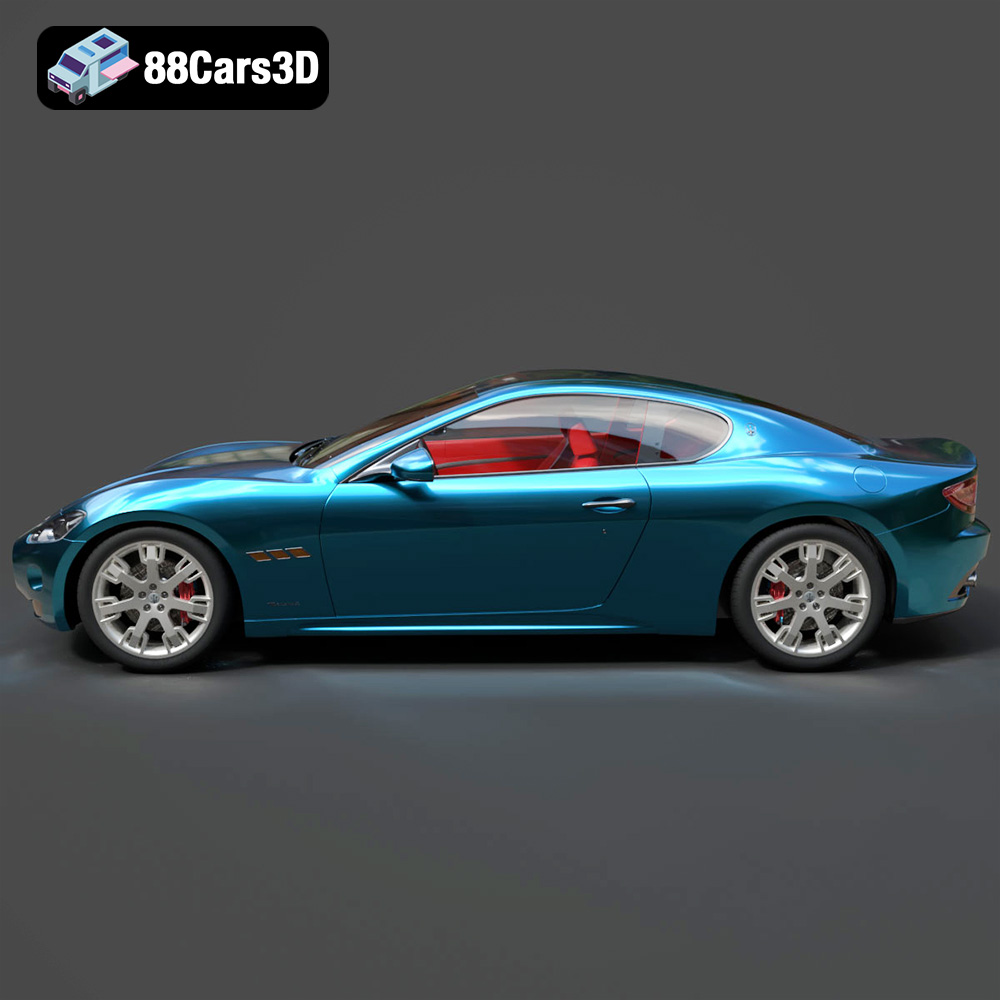
The GL Transmission Format (`.glb` or `.gltf`) is an open-standard 3D file format designed for efficient transmission and loading of 3D scenes and models by applications. It’s particularly optimized for augmented reality (AR), virtual reality (VR), and browser-based display, becoming the “JPEG of 3D.” A `.glb` file embeds all necessary assets—geometry, materials, textures, animations—into a single file, making it incredibly convenient for web viewers or mobile AR experiences. Imagine showcasing the Maserati GranTurismo directly on a webpage or in an AR app; `.glb` makes this possible with optimized file sizes and quick loading times, perfect for interactive product showcases or digital automotive museums.
The Stereolithography (`.stl`) format is the de facto standard for 3D printing. It represents a 3D model as a series of connected triangles, defining only the surface geometry of an object without color, texture, or other CAD attributes. For “The Italian Legends Bundle” where `.stl` is explicitly included and optimized, this means the models have been prepared with a watertight, manifold mesh, ensuring they are ready for high-resolution resin (SLA) or FDM printing. Whether you’re creating 1:24 scale physical models of the Lamborghini Diablo SV or prototyping RC car body shells, the `.stl` files ensure a smooth transition from digital to tangible, precisely capturing the curves and details of these iconic vehicles.
The Polygon File Format (`.ply`), often used in 3D scanning and scientific applications, can store a wider range of properties than `.stl`, including color, transparency, and often more precise polygon definitions. While less common for general 3D model distribution, it’s a valuable format for academic research, CAD applications, or scenarios where highly accurate mesh data with additional properties is crucial. For detailed analysis or reverse engineering of complex surfaces, `.ply` might be preferred over `.obj` or `.stl` due to its extensible nature.
While not a standalone general 3D file format in the same vein as `.fbx` or `.obj`, `.unreal` often refers to assets that have been specifically prepared and optimized for direct import and use within Unreal Engine. This typically means the `.fbx` assets have been processed, materials configured (e.g., PBR setup in Unreal’s material editor), textures imported, and sometimes collision meshes generated, making them “engine-ready.” The Italian Legends Bundle models are described as compatible with Unreal Engine, implying they are structured to streamline this import process, allowing game developers to instantly integrate these elite “Tier 1” supercars into their real-time environments without extensive post-import cleanup.
Similar to `.blend` for Blender, the `.max` file format is the native project file for Autodesk 3ds Max. It stores all scene data, including geometry, modifiers, materials (V-Ray, Corona, Arnold), lighting, cameras, and animation keyframes. For professionals heavily invested in the 3ds Max ecosystem, having the `.max` files for The Italian Legends Bundle provides maximum control. Artists can open the exact scene file used by the creators, analyze the topology, adjust rendering settings, or incorporate these supercars into elaborate architectural visualization scenes or high-stakes cinematic renders with familiar tools and workflows.
By offering such a comprehensive range of file formats, The Italian Legends Bundle from 88cars3d.com ensures that users across various disciplines and software preferences can leverage these exquisite 3D car models to their fullest potential.
Automotive rendering is a specialized field that demands precision, an understanding of physics, and an artistic eye. To truly capture the essence of Italian supercars like the Lamborghini Huracán Performante or the Maserati GranTurismo, every detail, from the paintwork reflections to the intricate brake calipers, must be rendered with impeccable fidelity. High-quality 3D car models are the foundation, and The Italian Legends Bundle provides exactly that.
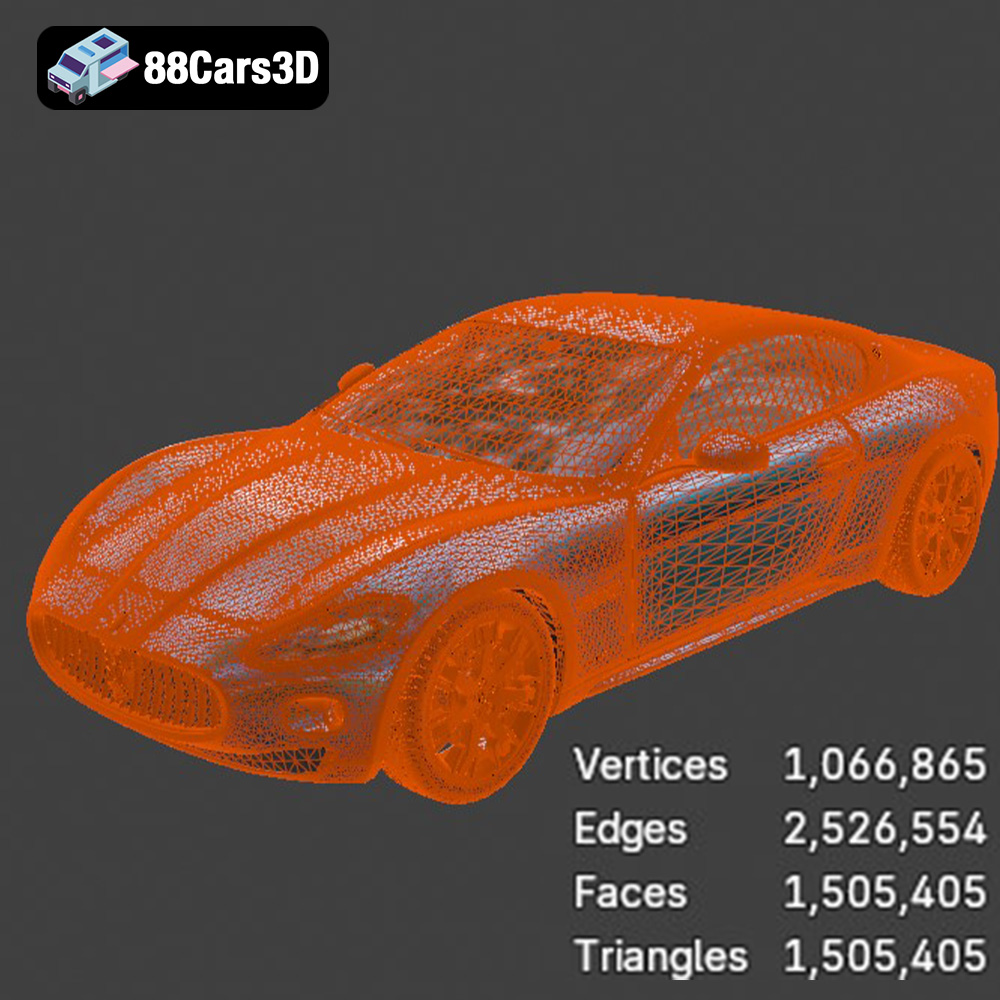
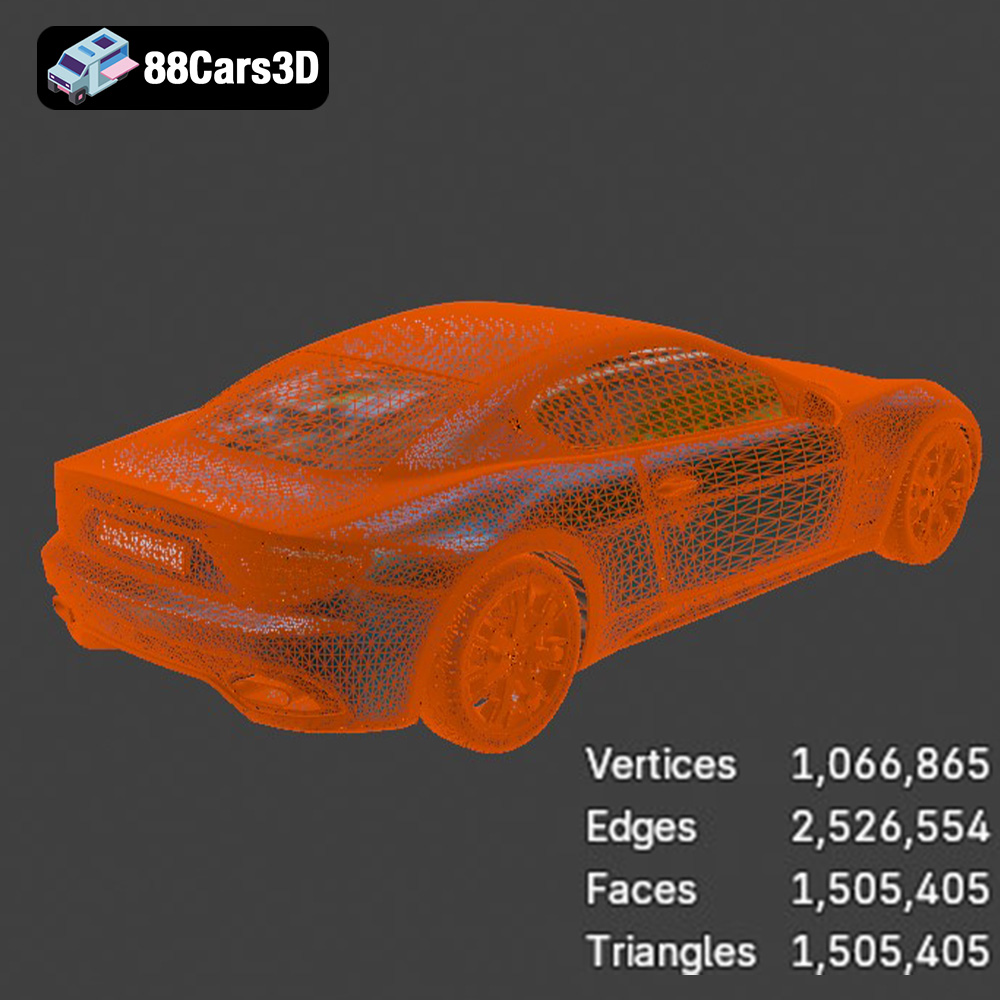
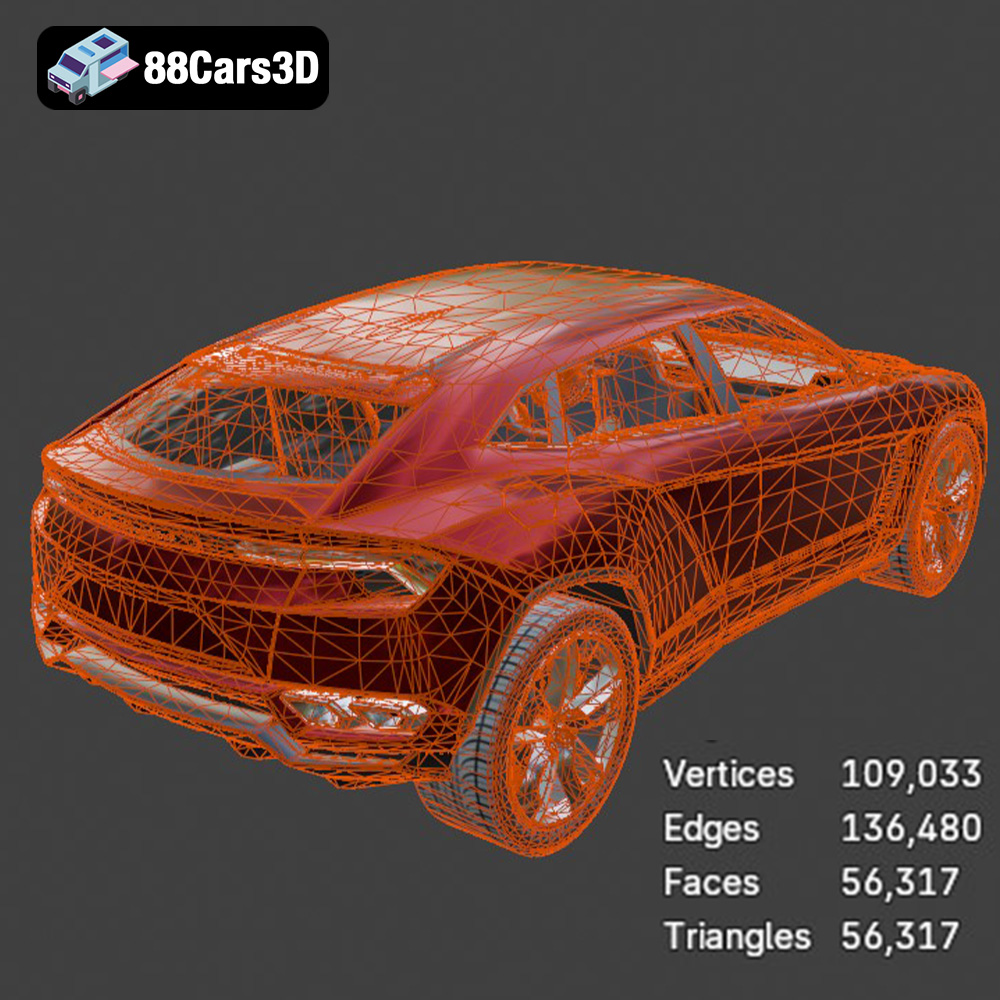
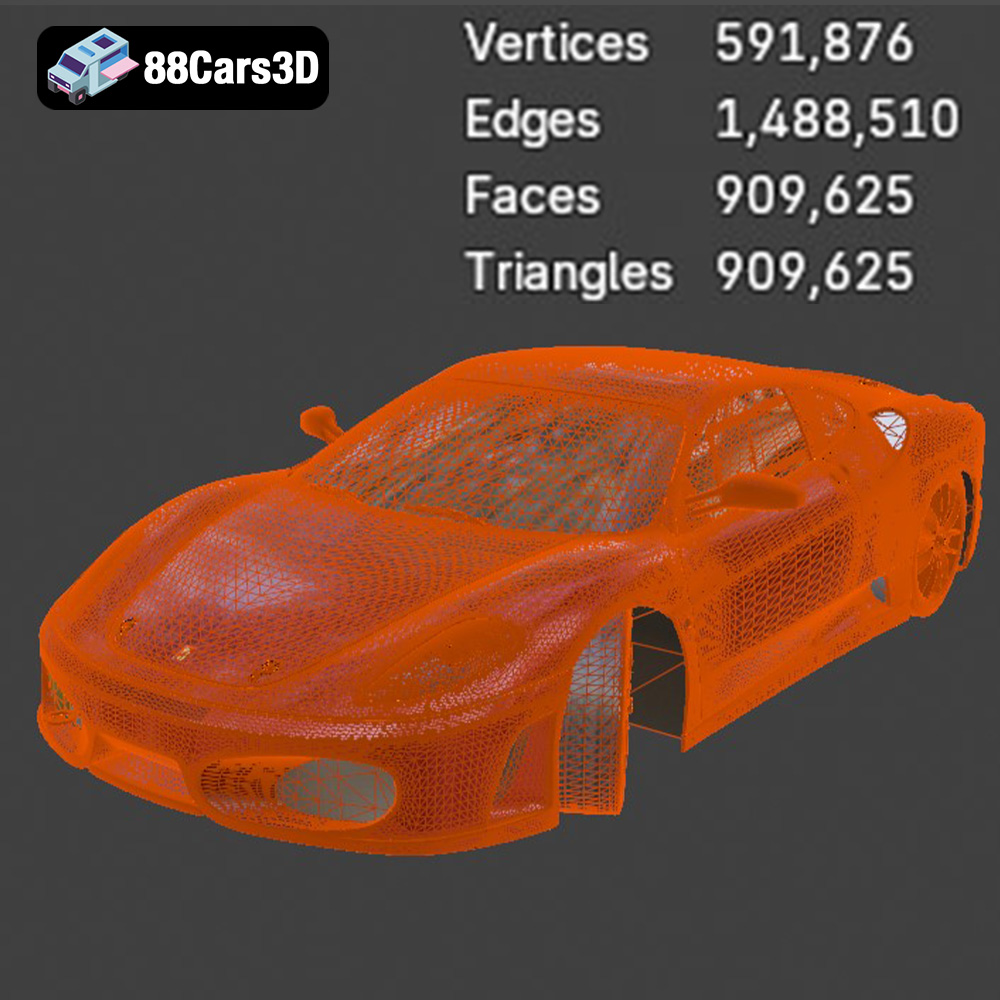
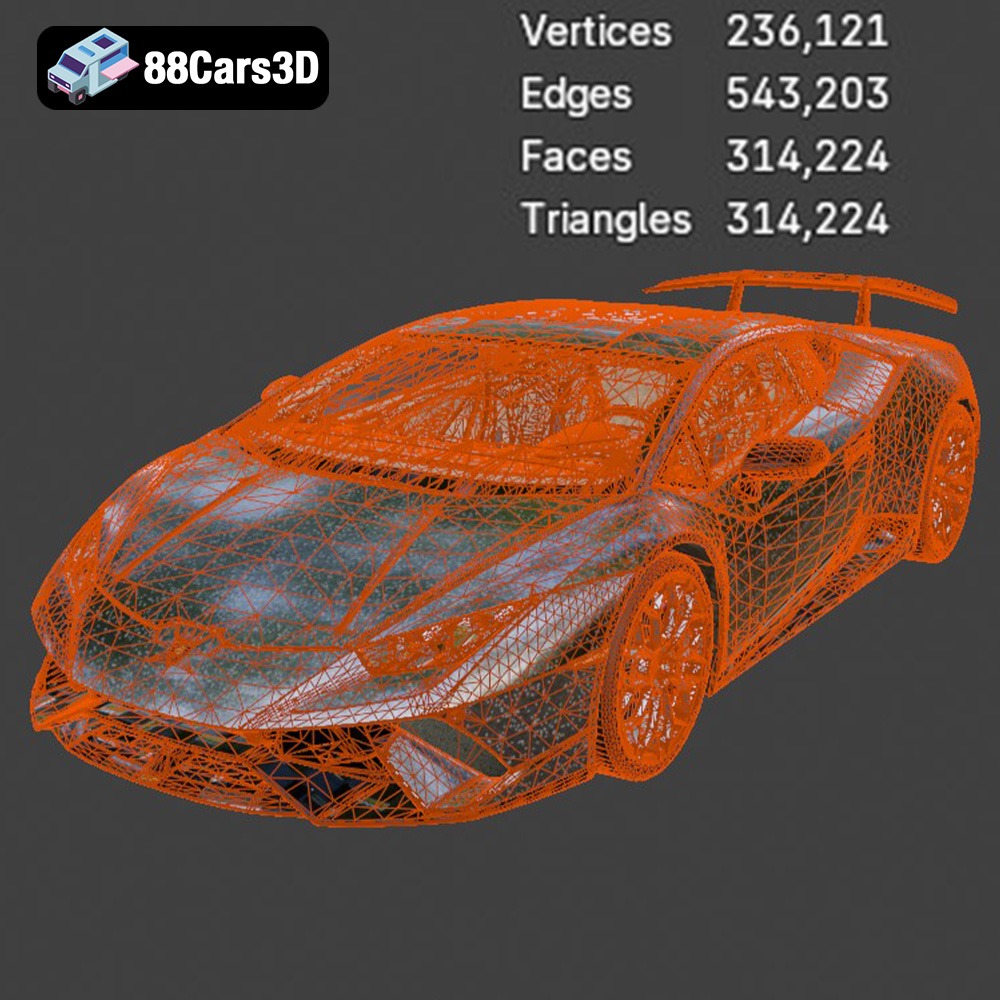
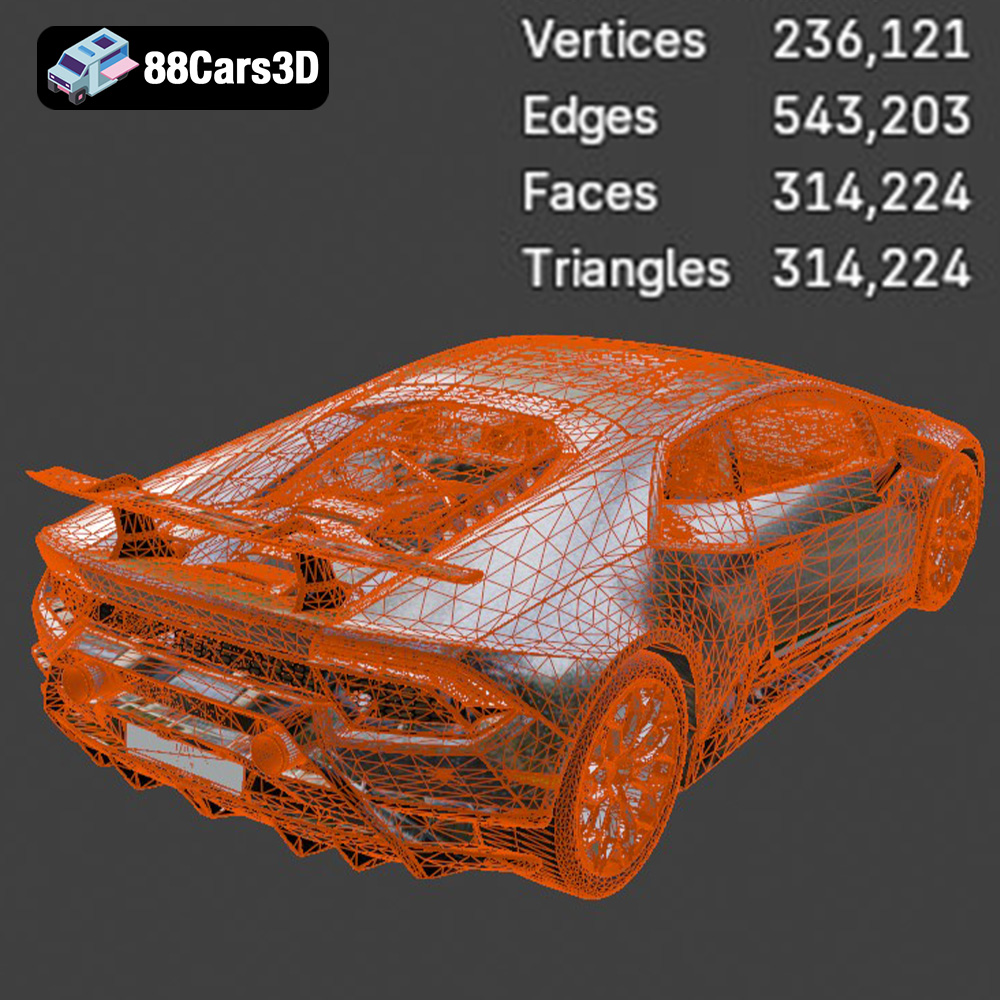
The visual appeal of any rendered supercar hinges on its materials. Modern rendering relies heavily on PBR (Physically Based Rendering) workflows, where materials like metallic paints, carbon fiber, leather, and glass are defined by parameters such as albedo (base color), roughness, metallicness, and normal maps. The “Optimization Mastery” of these models, with “high-poly detail where it matters” and “optimized quad-based topology,” ensures that light interacts beautifully with the surfaces, yielding stunning reflections and accurate specularity.
Artists using 3ds Max with V-Ray or Corona Renderer, or Blender with Cycles or Eevee, would meticulously create these materials. For the vibrant, multi-layered paints of a Ferrari 458 Italia, a complex metallic flake shader would be crucial. For the aggressive aerodynamics of the Huracán Performante, subtle carbon fiber textures with accurate sheen would bring the model to life. Lighting plays an equally vital role, often utilizing HDRI (High Dynamic Range Image) environment maps to simulate real-world lighting conditions, supplemented by targeted area lights to highlight specific features like the branded brake calipers or the unique lines of a Lamborghini Urus.
Beyond technical accuracy, automotive rendering is about storytelling. Strategic camera angles can emphasize the power of a Lamborghini Diablo SV or the elegance of a Maserati GT. Low-angle shots can exaggerate size and dominance, while eye-level shots offer a more relatable perspective. Depth of field (DOF) is a powerful tool to focus attention on the car, blurring backgrounds and foregrounds.
When creating high-stakes cinematic renders or architectural visualizations, composition is king. Placing a beautifully rendered Italian supercar in a luxury villa driveway or a sleek urban environment instantly elevates the scene. Motion blur, accurately simulated in post-production or directly within the renderer, can add a dynamic sense of speed and realism, perfect for “Hero Car” close-ups or high-speed chase sequences as envisioned for VFX and cinema applications. The “Precision Detailing” of The Italian Legends Bundle, with “accurate light clusters” and “intricate aerodynamic fins,” ensures that even extreme close-ups maintain their stunning visual integrity.
Static renders are powerful, but animation allows these legendary vehicles to truly perform. From demonstrating suspension travel to showcasing door mechanisms or driving sequences, animation adds a layer of dynamic storytelling. The foundation for smooth animation is a well-prepared 3D model, and this bundle’s focus on “Separated Components” is a significant advantage.
The “Separated Components” feature—with wheels, steering, and body panels independently pivoted—is a game-changer for rigging. In software like 3ds Max or Blender, artists would typically create a skeletal rig for the vehicle. This involves:
1. **Parenting:** Establishing a hierarchical relationship where wheels are children of axles, axles are children of a chassis, and the chassis is parented to a root bone. This allows for unified movement.
2. **Constraints:** Implementing constraints to ensure realistic motion. For example, a “steering” bone would be linked to the front wheels, allowing them to turn in unison. Suspension bones can be set up to simulate independent wheel movement over bumps.
3. **Drivers/Expressions:** More advanced setups might use drivers or expressions to automate certain movements, such as the rotation of wheels based on the vehicle’s forward speed.
This level of preparation means artists can quickly set up complex animations, whether it’s a Lamborghini Urus navigating challenging terrain or a Ferrari 458 Italia drifting through a corner.
For cinematic sequences, the rigged models can be animated along a path, with cameras following to capture dynamic shots. Keyframe animation allows for precise control over speed, acceleration, and braking. Imagine a dramatic reveal of the Lamborghini Diablo SV, with its iconic pop-up headlights deploying, or the active aerodynamics (ALA) of the Huracán Performante subtly adjusting during a high-speed corner.
In game development, the rigging extends to how the vehicle interacts with the game engine’s physics system. The separated components are crucial for simulating realistic wheel spin, steering input, and suspension compression. The “Real-World Scale” of each vehicle, built to “exact factory dimensions,” ensures that physics calculations in Unreal Engine or Unity behave predictably and realistically, providing an authentic driving experience.
Modern game engines like Unreal Engine and Unity are powerful platforms for creating interactive experiences, from racing simulators to open-world adventures. Integrating high-fidelity 3D car models like those in The Italian Legends Bundle requires careful consideration of optimization, material setup, and performance.
While the bundle provides “high-poly detail where it matters,” game development often requires a balance between visual quality and performance. The “optimized quad-based topology” is an excellent starting point, as quad meshes are cleaner for subdivision and deformation. For game assets, techniques like Level of Detail (LODs) would typically be employed. This involves creating multiple versions of the model with varying polygon counts—high-poly for close-ups, medium-poly for mid-range, and low-poly for distant views—to ensure the game runs smoothly without sacrificing visual quality when the player is up close.
Upon importing the `.fbx` or `.unreal` files into Unreal Engine, for example, developers would configure the materials using the engine’s PBR shader system. This means connecting albedo, normal, roughness, and metallic texture maps to achieve the photorealistic look desired for “elite ‘Tier 1’ assets.” Collision meshes, simplified versions of the car’s geometry, are also vital to accurately define how the vehicle interacts with the game world, preventing it from clipping through obstacles.
The inclusion of iconic vehicles like the Lamborghini Urus and the Ferrari 458 Italia can significantly enhance the immersion of a game. Developers can use these models to populate realistic urban environments, create thrilling race tracks, or even build bespoke vehicle customization systems. The “Separated Components” further facilitate game mechanics, allowing for features like dynamic damage models where individual panels can deform or detach, or interactive garages where players can customize wheels and paint jobs.
For architectural visualization that demands interactive walkthroughs, integrating these models into a real-time engine provides a dynamic way to showcase luxury properties. Imagine walking through a meticulously rendered mansion and seeing a Lamborghini Huracán Performante parked in the garage, fully explorable in real-time. The quality of models from 88cars3d.com ensures that these interactive experiences maintain a high level of visual fidelity, blurring the lines between game and reality.
The digital realm offers endless possibilities, but there’s a unique satisfaction in holding a physical representation of a digital creation. For automotive enthusiasts and collectors, 3D printing provides an incredible avenue to bring their favorite supercars into the real world. The Italian Legends Bundle is “3D Print Ready (STL Included),” making it exceptionally well-suited for this application.
The inclusion of an optimized `.stl` file is a crucial advantage for 3D printing. The technical specifications highlight “Optimized mesh flow ensuring these models are ready for high-resolution Resin (SLA) or FDM printing.” This means the models have been checked for common 3D printing issues such as non-manifold geometry, inverted normals, and gaps, ensuring they are “watertight” and will print correctly without errors.
For creating high-detail physical models, resin (SLA/DLP) printers are often preferred due to their ability to produce incredibly fine details, perfect for capturing the intricate aerodynamic fins of a Huracán Performante or the delicate badging of a Maserati GranTurismo at scales like 1:24 or 1:18. FDM (Fused Deposition Modeling) printers, while having slightly coarser detail, are excellent for larger prints or prototyping RC car body shells. The “Separated Components” also allows for multi-part printing, enabling users to print wheels, body, and interior components separately, which can then be assembled and painted for an even higher level of realism in the physical model.
While collectors cherish accurate scale models, the applications of 3D printable supercars extend further. Engineers can use these models for rapid prototyping of custom parts or aerodynamic studies. Educators can use them as teaching aids to explain vehicle design principles, aerodynamics, or the mechanics of internal combustion engines. Imagine a transparent 3D print of a Lamborghini Urus, allowing students to visualize its complex structure.
The availability of models optimized for 3D printing democratizes access to high-fidelity automotive design. It allows hobbyists, students, and professionals to interact with these digital assets in a tangible way, fostering creativity and a deeper understanding of automotive engineering and aesthetics. The Italian Legends Bundle provides a perfect starting point for anyone looking to bridge the gap between the digital and physical worlds with iconic Italian supercars.
The versatility and quality of 3D car models from 88cars3d.com open up a plethora of professional applications, enabling studios and individual artists to enhance their projects significantly. The Italian Legends Bundle exemplifies this, offering assets suitable for diverse industries.
In ArchViz, the inclusion of a high-quality vehicle can transform a static building rendering into a vibrant, aspirational scene. Imagine a luxurious modern villa with a sleek Maserati GranTurismo parked in the driveway, or a contemporary high-rise apartment with a Lamborghini Urus waiting at the curb. These vehicles not only add realism and scale but also imbue the scene with a sense of luxury, lifestyle, and dynamic presence. Architects and visualization artists frequently turn to services like 88cars3d.com to procure photorealistic car models, saving countless hours that would otherwise be spent on modeling, texturing, and rigging these complex assets. The “Real-World Scale” and “Precision Detailing” of the models ensure that they blend seamlessly into high-end renders, making them indistinguishable from real-world photography.
For film, television, and advertising, 3D car models are indispensable for creating stunning visual effects and animated sequences. Whether it’s a high-speed chase involving a Ferrari 458 Italia, a dramatic reveal of a Lamborghini Diablo SV, or a complex motion graphics piece showcasing a Huracán Performante, these models provide the foundation. The “Clean topology” and “high-poly detail where it matters” of the bundle’s models ensure they hold up under extreme close-ups and motion blur, critical for “Hero Car” shots. Production studios regularly license detailed 3D vehicles to populate digital environments, perform stunt sequences that are too dangerous or costly to film practically, or create compelling product advertisements, directly benefiting from the ready-to-animate separated components of this bundle.
In the fiercely competitive game industry, visual fidelity is a key differentiator. For racing games, open-world simulations, or even mobile titles targeting high-end graphics, the quality of vehicle assets directly impacts player immersion. The Italian Legends Bundle provides “Elite ‘Tier 1’ assets” that can serve as player-controlled cars or high-detail NPCs (Non-Player Characters) in virtual worlds. Game developers integrate these models into their engines, optimizing them for real-time performance while maintaining their stunning aesthetics. From the roaring engines to the meticulously replicated body lines, these models enable studios to deliver authentic and thrilling automotive experiences that resonate with car enthusiasts worldwide.
These applications demonstrate that investing in professional-grade 3D car models, such as those found in The Italian Legends Bundle on 88cars3d.com, is not just about convenience; it’s about elevating the overall quality and impact of a project across a multitude of digital and physical mediums.
The world of 3D modeling for automotive design, rendering, game development, and 3D printing demands precision, passion, and unparalleled quality. Capturing the spirit and intricate engineering of Italian supercars requires assets that are not merely accurate but also imbued with the soul of these legendary machines. The Italian Legends Bundle delivers precisely this, offering a meticulously curated collection of 3D car models that stand as benchmarks of digital craftsmanship.
From the track-dominating Lamborghini Huracán Performante to the timeless elegance of the Maserati GranTurismo, the raw power of the Lamborghini Diablo SV, the sleek lines of the Ferrari 458 Italia, and the versatile might of the Lamborghini Urus, this bundle covers a spectrum of Italian automotive excellence. The technical advantages—including 3D print readiness with STL files, optimized quad-based topology for flawless rendering, real-world scale, precision detailing, and separated components for easy animation—make this collection an invaluable asset for any serious creative professional.
Whether you are crafting cinematic renders, developing next-generation game assets, designing luxury architectural visualizations, or fabricating exquisite 3D printed collectibles, these models provide the foundation for breathtaking results. By offering a comprehensive range of file formats like .blend, .fbx, .obj, .max, and .stl, The Italian Legends Bundle ensures maximum compatibility and flexibility across all major 3D suites and pipelines. Elevate your projects and infuse them with the undeniable allure of Italian automotive history and innovation. Discover this ultimate collection and more high-quality 3D car models by visiting 88cars3d.com today.
The Italian Thoroughbreds Bundle is an elite, curated collection representing the pinnacle of Italian automotive soul, speed, and sculptural design. This bundle brings together the aggressive track-focused aerodynamics of Lamborghini and Ferrari with the grand-touring elegance of Maserati. Designed for creators, collectors, and 3D printing enthusiasts, this collection offers a diverse range of vehicles—from 90s icons to modern-day engineering marvels. Each model has been meticulously crafted to capture the essence of “Bella Macchina.” Optimized for professional-grade renders and specifically prepared for seamless integration into high-end automotive visualizations and precision 3D printing projects.
$199.99
Ferrari & Maserati STL Collection
Italian Supercar 3D Models Bundle – Lamborghini