Get 50% OFF All Premium 3D & STL Models!

There’s an undeniable allure to American muscle cars – a potent blend of raw power, iconic design, and a rebellious spirit that has captivated generations. From the roar of a V8 engine to the aggressive lines of a ’60s fastback, these vehicles are more than just transportation; they are cultural touchstones. For digital artists, game developers, filmmakers, and even hobbyist 3D printers, translating this passion into the virtual realm presents both a challenge and an immense opportunity.
Crafting high-fidelity 3D car models that truly capture the essence of these legends requires meticulous attention to detail, robust technical execution, and an understanding of diverse creative workflows. Imagine effortlessly integrating a perfectly modeled 1968 Dodge Charger into a cinematic chase sequence, dropping a custom ’69 Mustang into an open-world racing game, or even 3D printing a stunning Eleanor GT500 for your display shelf. This is where professional-grade asset packs become invaluable. The American Muscle & Cinematic Classics 3D Models Bundle from 88cars3d.com is a prime example, offering a meticulously curated collection that empowers creators to bring these automotive icons to life in stunning digital detail, ready for rendering, real-time engines, or even physical manifestation.
When working with professional 3D car models, understanding the various file formats is paramount. Each format serves a specific purpose, offering different levels of flexibility, compatibility, and optimization for distinct workflows. The American Muscle & Cinematic Classics bundle on 88cars3d.com is intelligently provided in multiple universal formats, ensuring maximum utility across diverse professional applications. Let’s break down the most crucial ones:
The .blend file is Blender’s native format. It’s not just a mesh; it’s a complete scene file. This means it contains everything: the 3D model geometry (meshes), materials, textures, lighting, cameras, animation data, and even modifiers. For Blender artists, this is the most flexible format, offering full editability. You can dissect the model, adjust topology, modify shaders, re-rig, or animate any component directly within Blender. This format is ideal for those who want to integrate the model deeply into their Blender-centric pipelines or customize every aspect of the asset.
The Filmbox (.fbx) format, developed by Autodesk, is the industry standard for interoperability between 3D applications, especially for game engines like Unreal Engine and Unity. It’s excellent for transferring geometry, hierarchical data (like scene graphs and bone structures for rigging), animation, and basic material information. Its efficiency and robust support for skeletal animation make it the go-to choice for game-ready assets. When exporting to FBX, it’s crucial to ensure that meshes are triangulated (though many engines do this automatically on import) and that pivot points are correctly set for optimal performance and animation in real-time environments.
The Wavefront OBJ (.obj) format is one of the oldest and most universally supported 3D file formats. It primarily stores geometry data, including vertices, normals, UV coordinates, and faces. It’s a plain-text format, making it highly compatible across almost all 3D software packages (3ds Max, Maya, Blender, Cinema 4D, ZBrush, etc.). While it doesn’t typically store advanced scene information like rigging or complex materials, it’s incredibly reliable for mesh exchange. It’s often accompanied by an .mtl file for basic material definitions and texture references. For static hero renders or base mesh imports, OBJ remains a trusted workhorse.
.glb (GLB, a binary version of glTF) is a relatively newer format gaining significant traction, particularly for web, AR (Augmented Reality), and VR (Virtual Reality) applications. It’s designed to be a “transmission format,” meaning it’s highly optimized for efficient loading and rendering on various platforms, including web browsers and mobile devices. A single .glb file can contain the model’s geometry, textures, materials, and even animations, all in a compact binary package. This makes it perfect for interactive 3D viewers on websites or integrating realistic 3D content into AR/VR experiences without heavy load times.
The Stereolithography (.stl) format is the de facto standard for 3D printing. It represents a 3D model as a series of connected triangles (a tessellated surface) without any color, texture, or material information. Its simplicity makes it universally compatible with 3D printers and slicing software. For models intended for physical output, like the diecast replicas mentioned for the American Muscle bundle, an .stl file is essential. The model’s geometry must be “manifold” (watertight) to print correctly, meaning there are no holes or flipped normals that would prevent the slicer from creating a solid object.
The Polygon File Format (.ply) is another format that describes a 3D object as a collection of polygons. It’s often used for scanned data, scientific models, and applications requiring precise geometric representation. Unlike STL, PLY can store color, transparency, and other properties per vertex or face, offering more detail for certain applications. While not as common for general asset exchange as FBX or OBJ, it’s valuable in specific engineering, CAD, or medical visualization pipelines where geometric integrity and additional data are critical.
While .unreal isn’t a traditional universal file extension in the same vein as FBX or OBJ (Unreal Engine typically imports FBX or uses its native asset format), its inclusion in the product description implies that the models are pre-configured or specifically optimized for Unreal Engine. This could mean they come with pre-assigned PBR materials, proper pivot points for vehicle physics (like Chaos Vehicles), or even basic blueprints for immediate integration. For developers working in Unreal, this indicates a streamlined import process and reduced setup time, as much of the heavy lifting for engine compatibility has already been addressed by the asset creators.
The .max file is Autodesk 3ds Max’s native scene file format. Similar to Blender’s .blend, it contains the complete scene: geometry, materials, textures, lighting, cameras, animation, and any modifiers or procedural elements applied within 3ds Max. For users of 3ds Max, this provides the highest level of control and editability. It’s perfect for complex rendering setups with V-Ray or Corona, detailed animation work, or extensive customization that might not be fully transferable via an FBX or OBJ file.
Having a bundle like the American Muscle & Cinematic Classics pack from 88cars3d.com with such a comprehensive array of file formats is a tremendous advantage. It removes compatibility headaches and allows creators to select the exact format best suited for their specific software, workflow, and project requirements, whether it’s for game development, high-fidelity rendering, or tangible 3D prints.
The American Muscle & Cinematic Classics 3D Models Bundle isn’t just a collection of vehicles; it’s a curated selection of automotive legends, each meticulously crafted to meet the highest standards of digital artistry. This 4-in-1 pack from 88cars3d.com offers an unparalleled opportunity to own four distinct slices of American automotive history, ready for any creative endeavor.
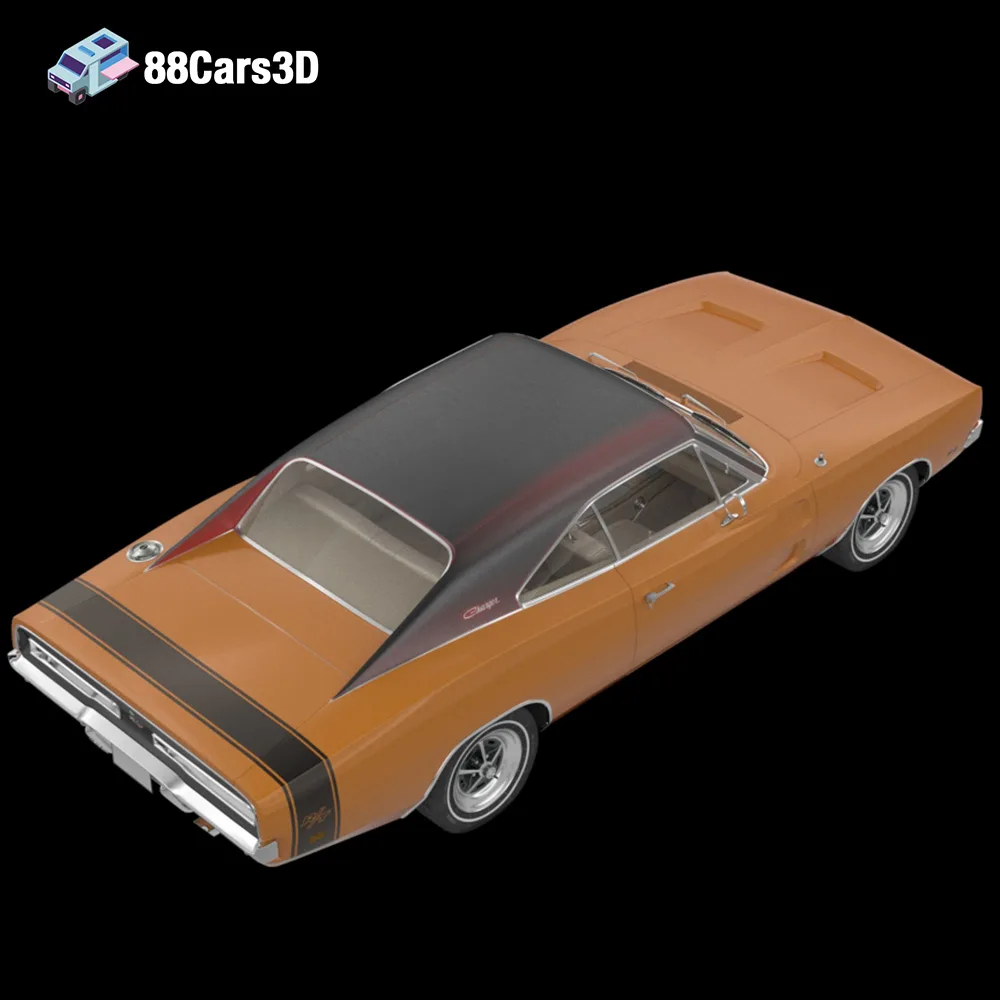
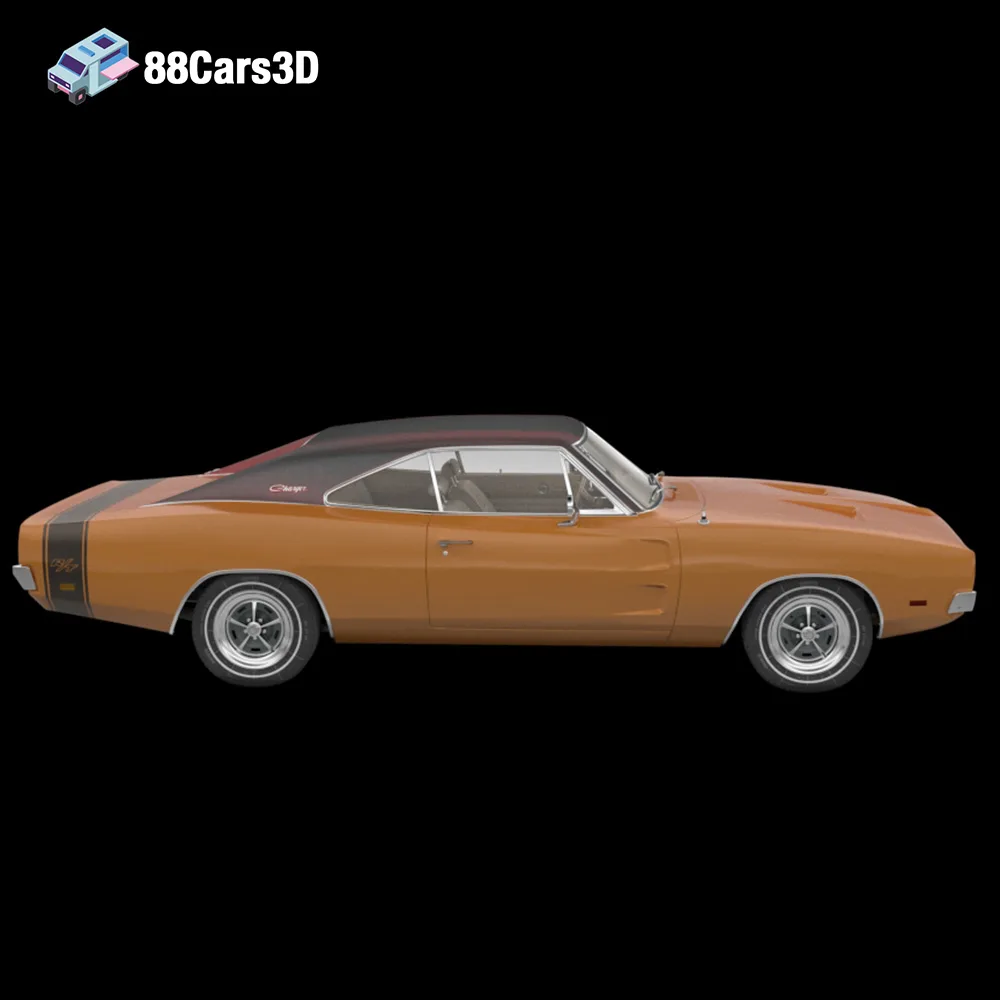
Few cars embody the “bad boy” image of the muscle car era quite like the 1968 Dodge Charger. Its iconic hidden headlights, aggressive wide stance, and distinctive “Coke bottle” profile have cemented its place in cinematic history, from “Bullitt” to “The Fast and the Furious.” This 3D model meticulously captures every curve and detail, from the intricate front grille to the classic circular taillights. For filmmakers, this model is a quintessential component for high-octane chase sequences or period-accurate set pieces. Game developers will find its aggressive design perfect for exhilarating street racing titles or as a formidable adversary in open-world adventures. The model’s inherent swagger makes it an instant hero car.
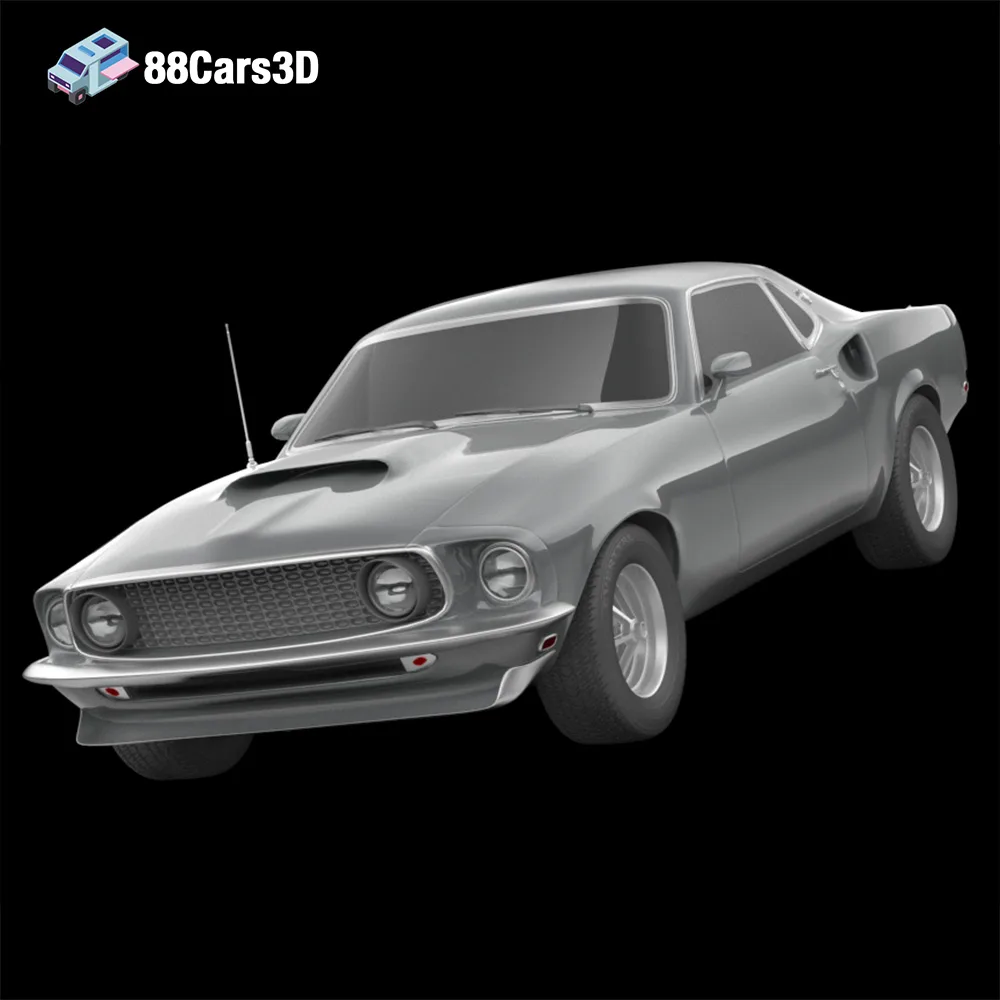
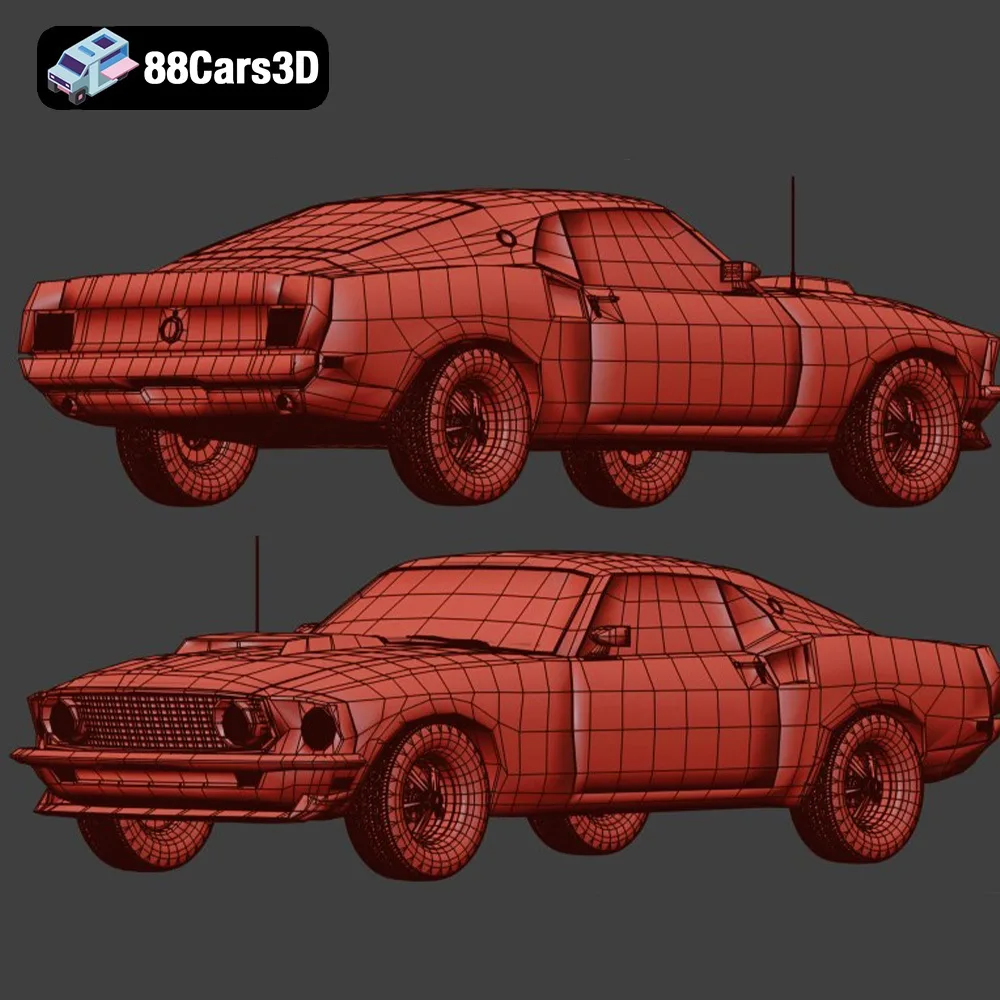
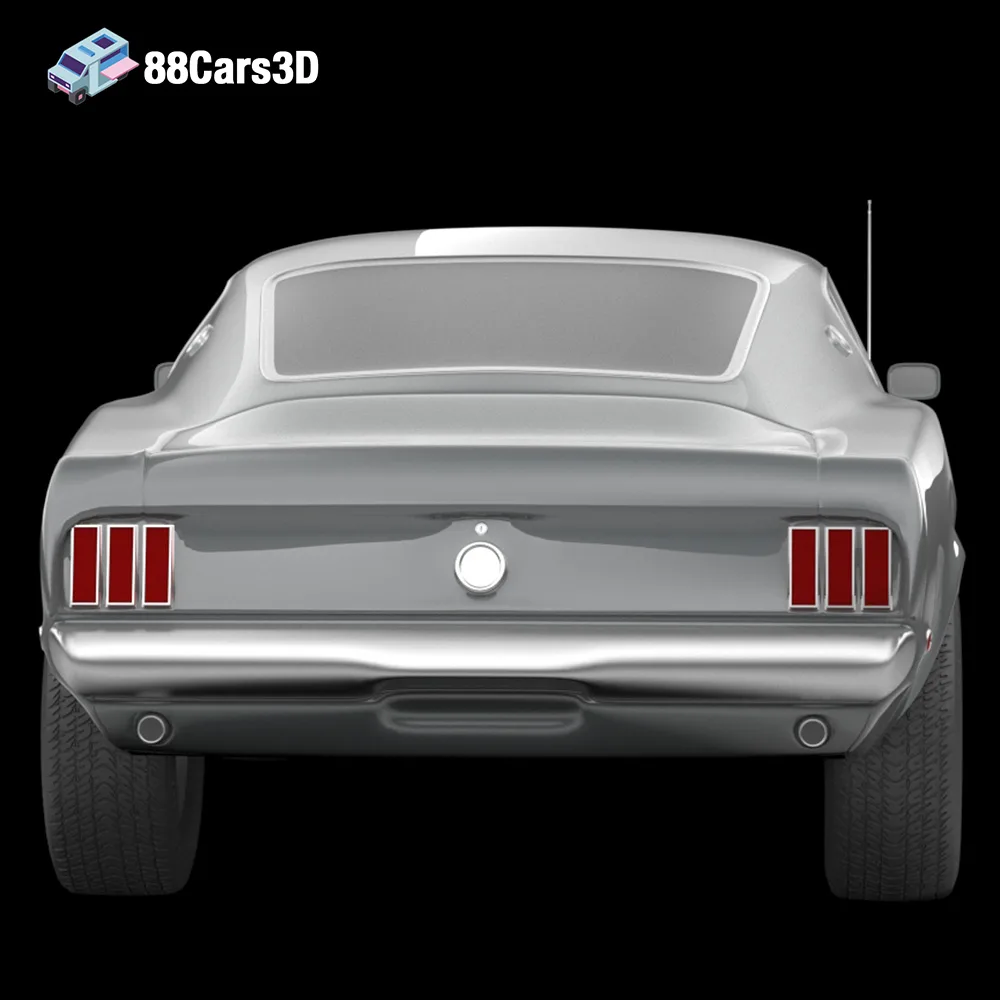
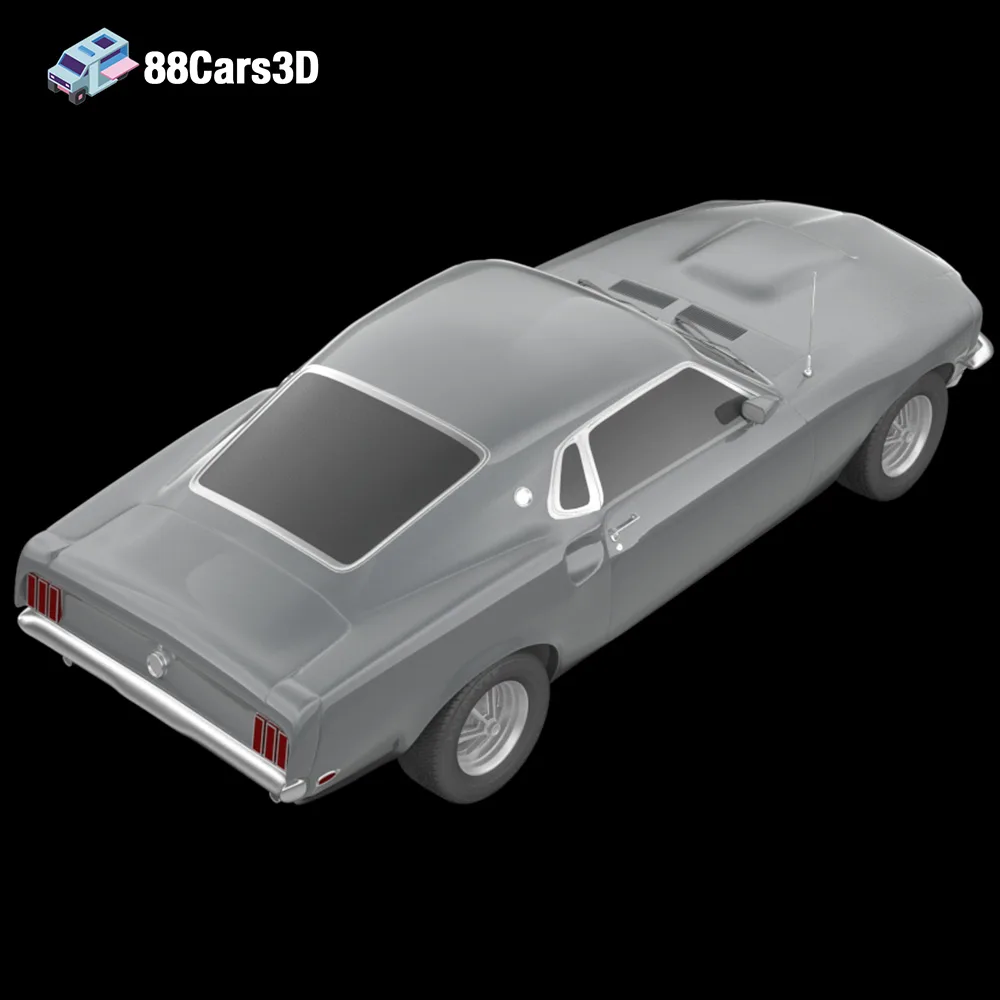
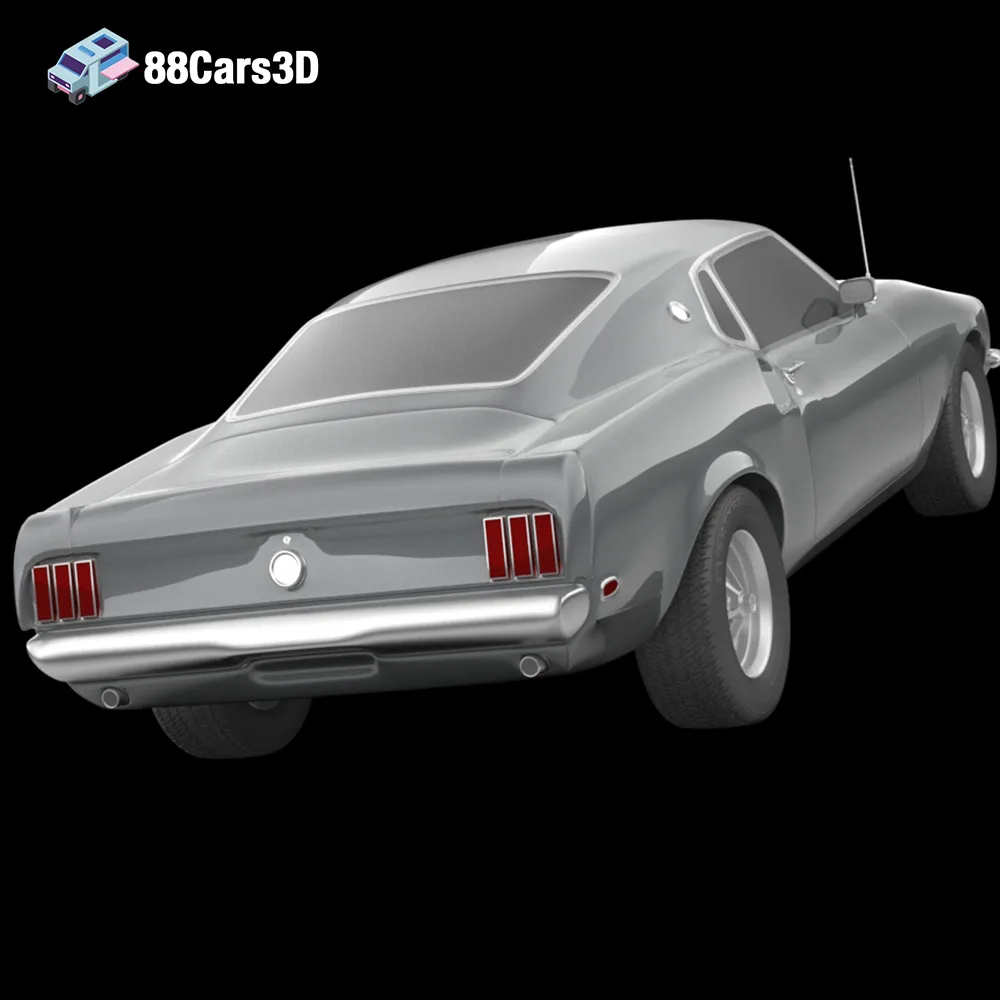
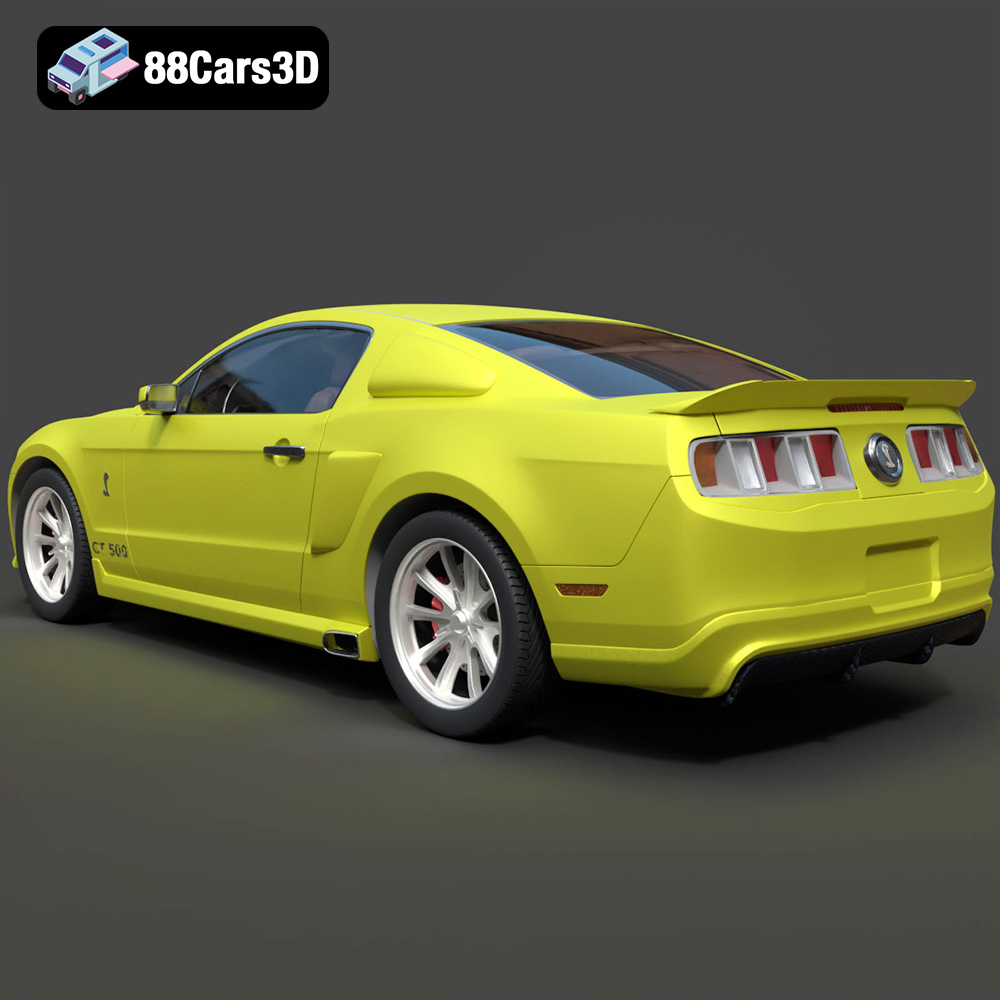
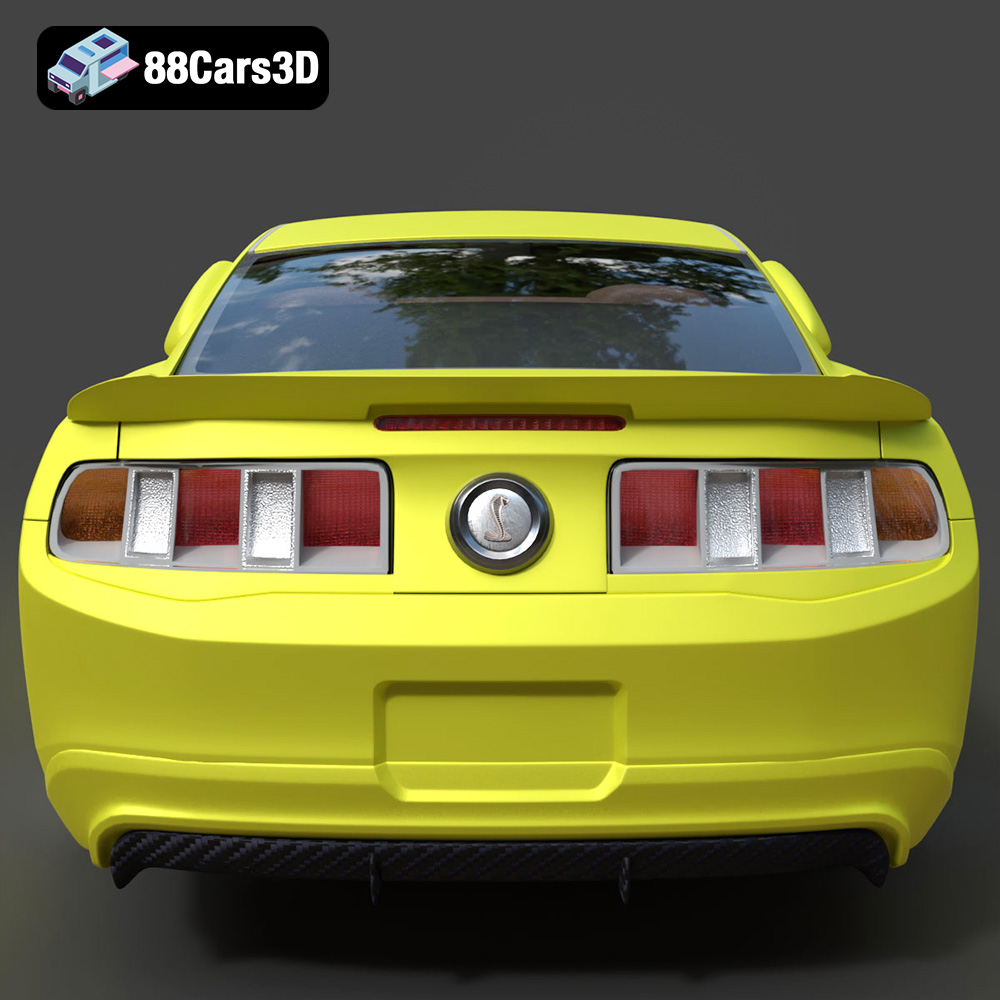
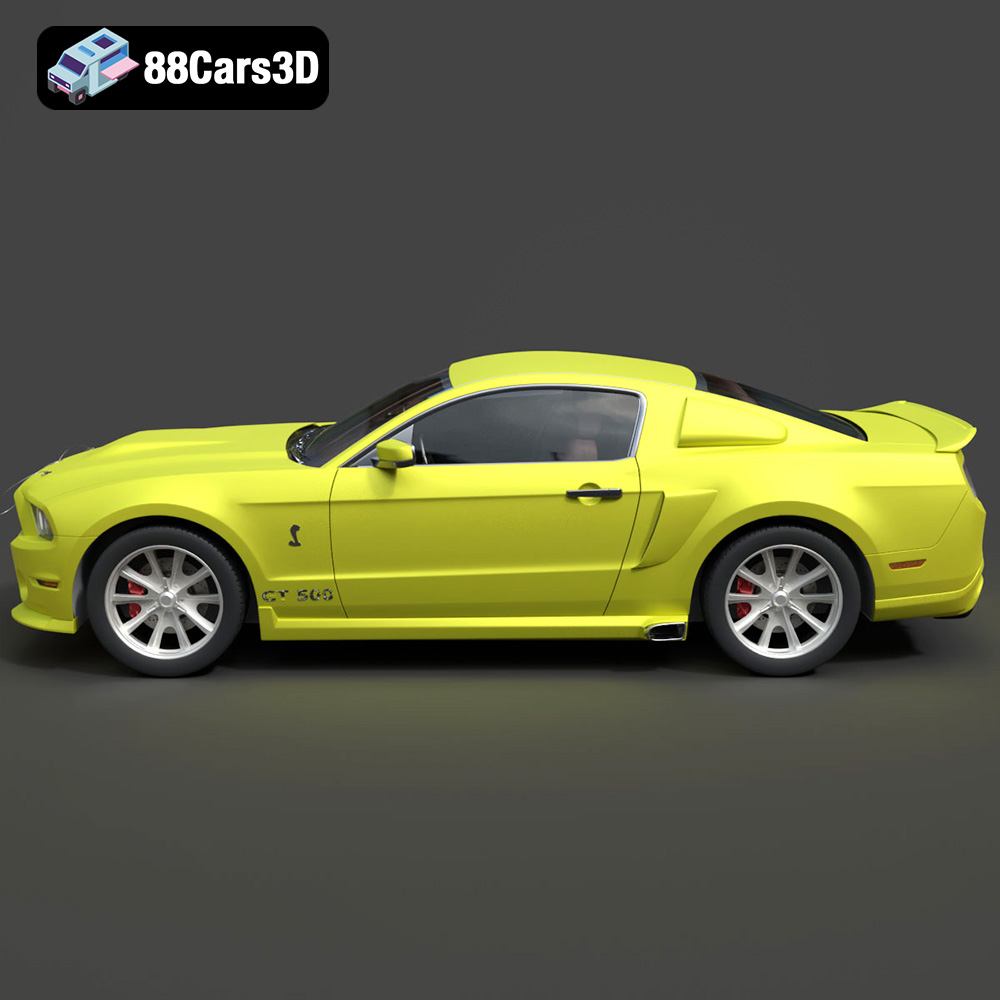
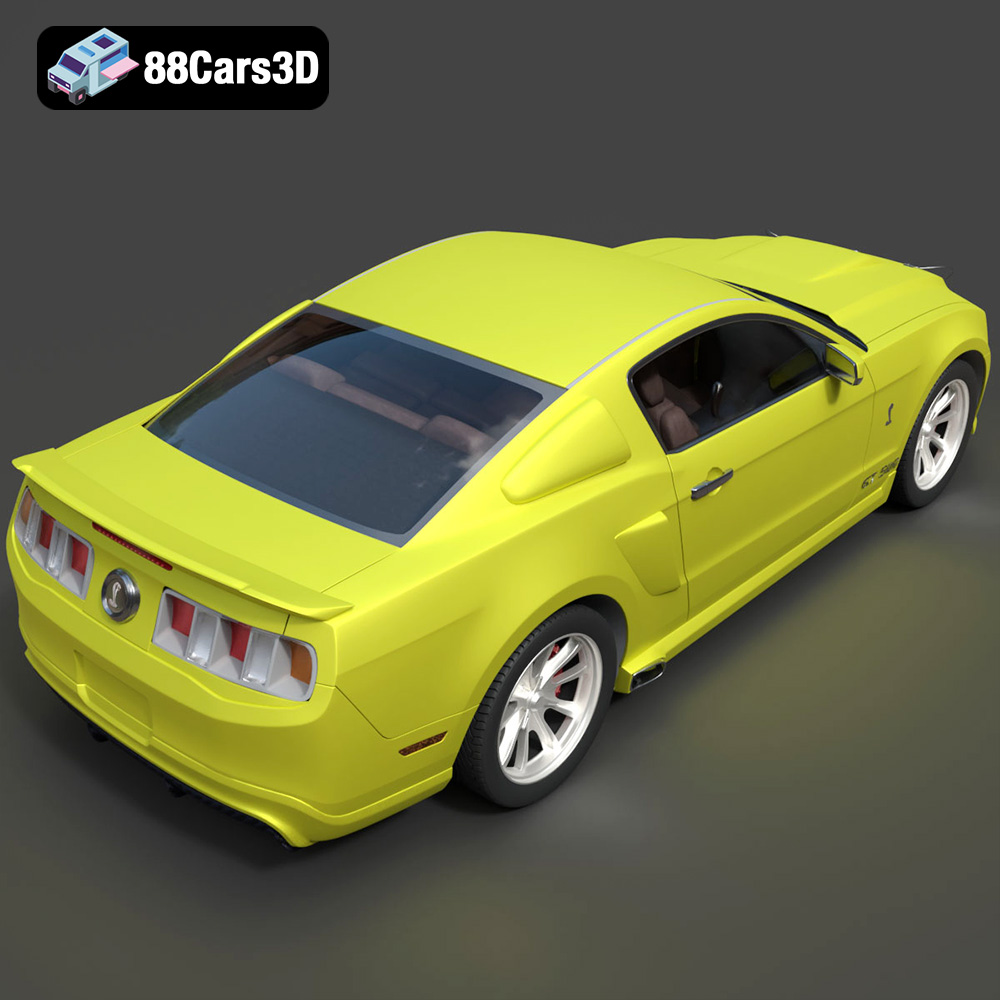
The 1969 Ford Mustang fastback is a legend in its own right, revered for its timeless design and raw performance. This particular model in the bundle presents a captivating “Modern Custom/Restomod” take. It brilliantly bridges classic heritage with contemporary performance aesthetics. Imagine the legendary ’69 silhouette, but with modern aerodynamic body kits, aggressive custom rims, and a lowered, track-ready stance. This blend makes it incredibly versatile. It can fit seamlessly into retro-themed games that also feature modern customization options, or serve as a unique, high-performance vehicle in a futuristic urban environment. Architectural visualization (ArchViz) artists can use it to inject a dynamic, personalized touch into a luxury garage render, showcasing a blend of classic appreciation and modern refinement.
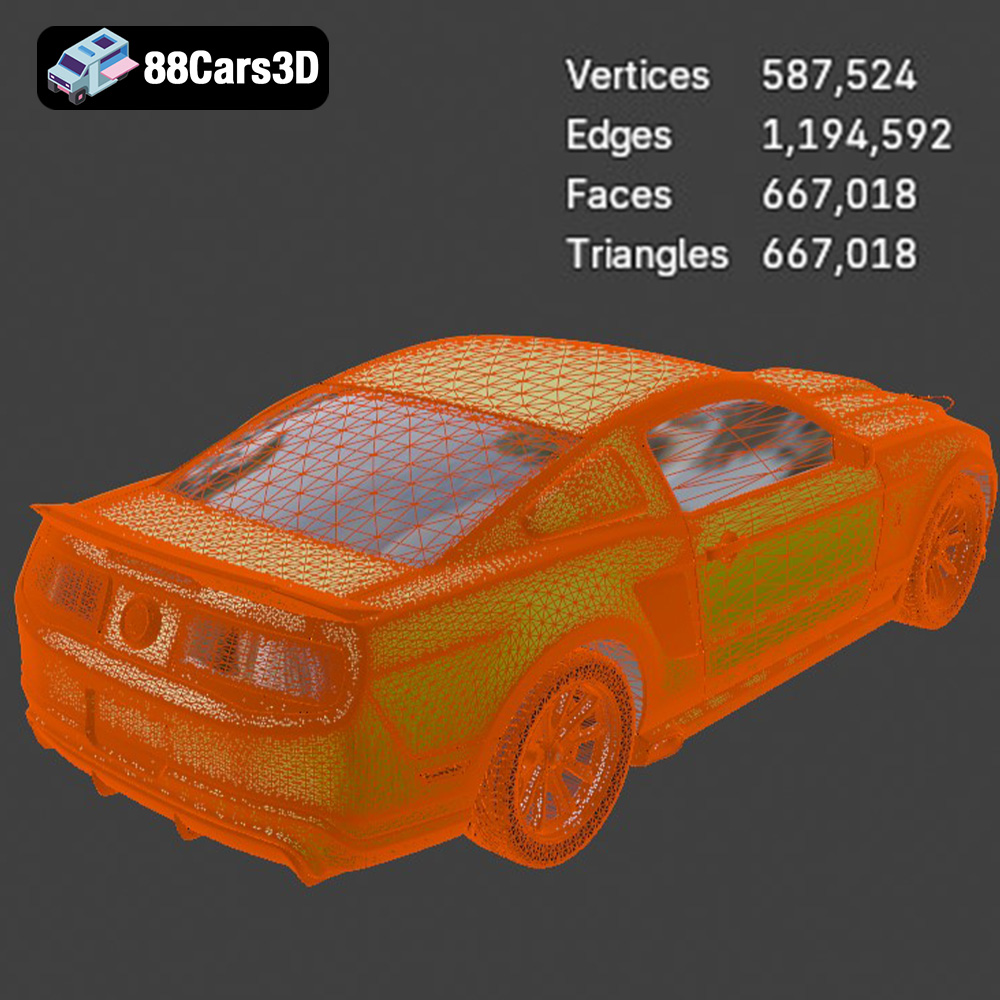
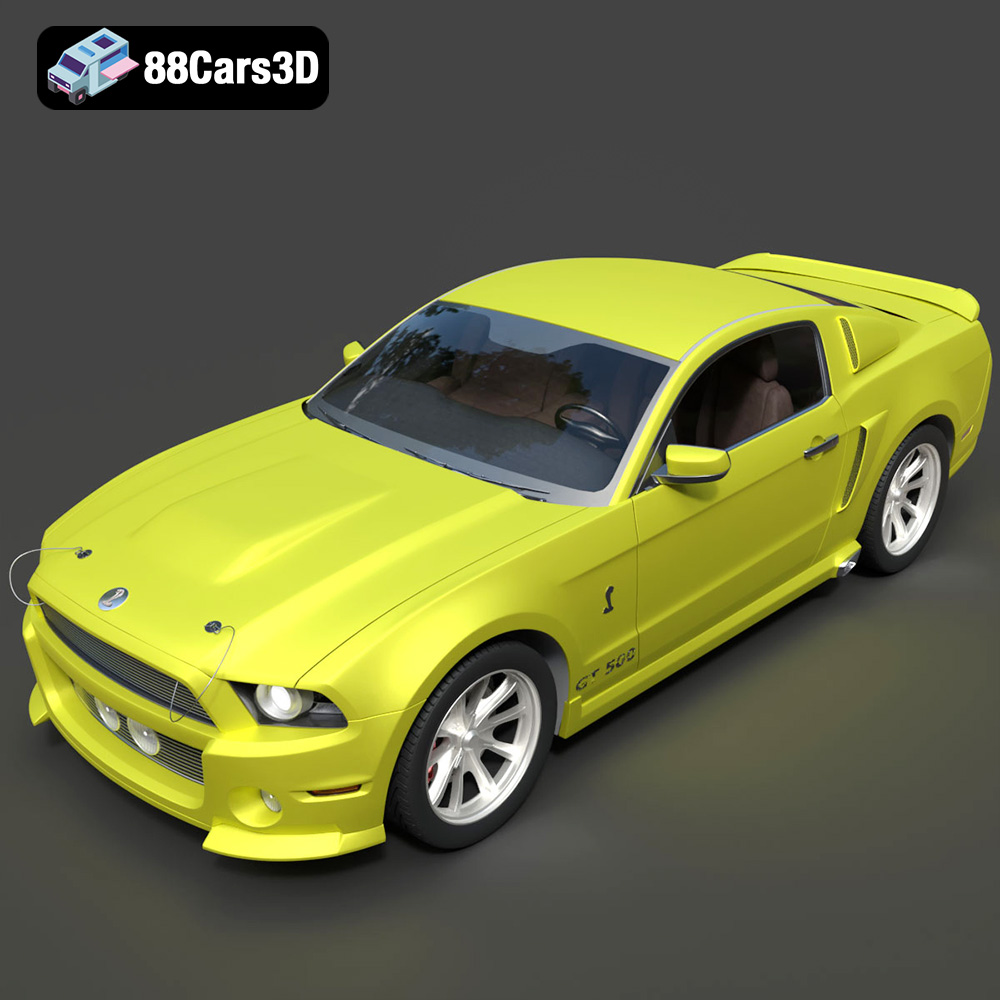
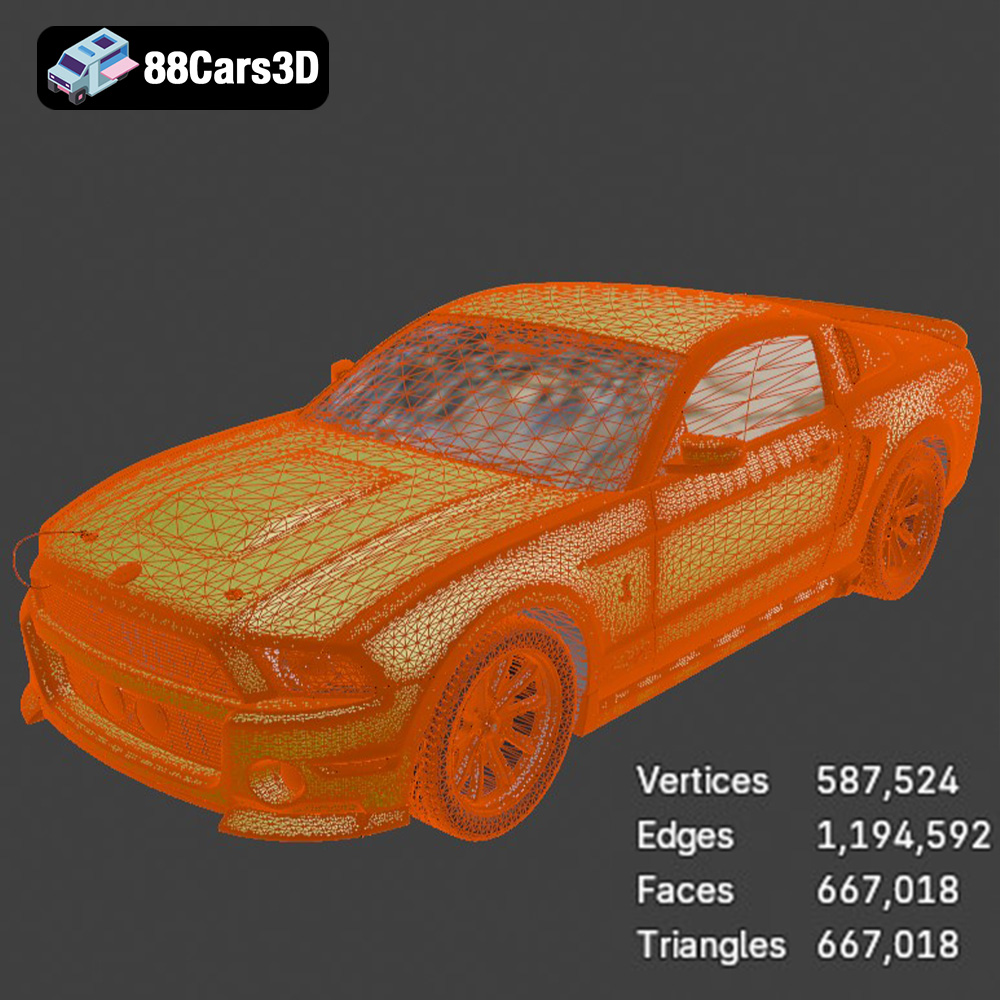
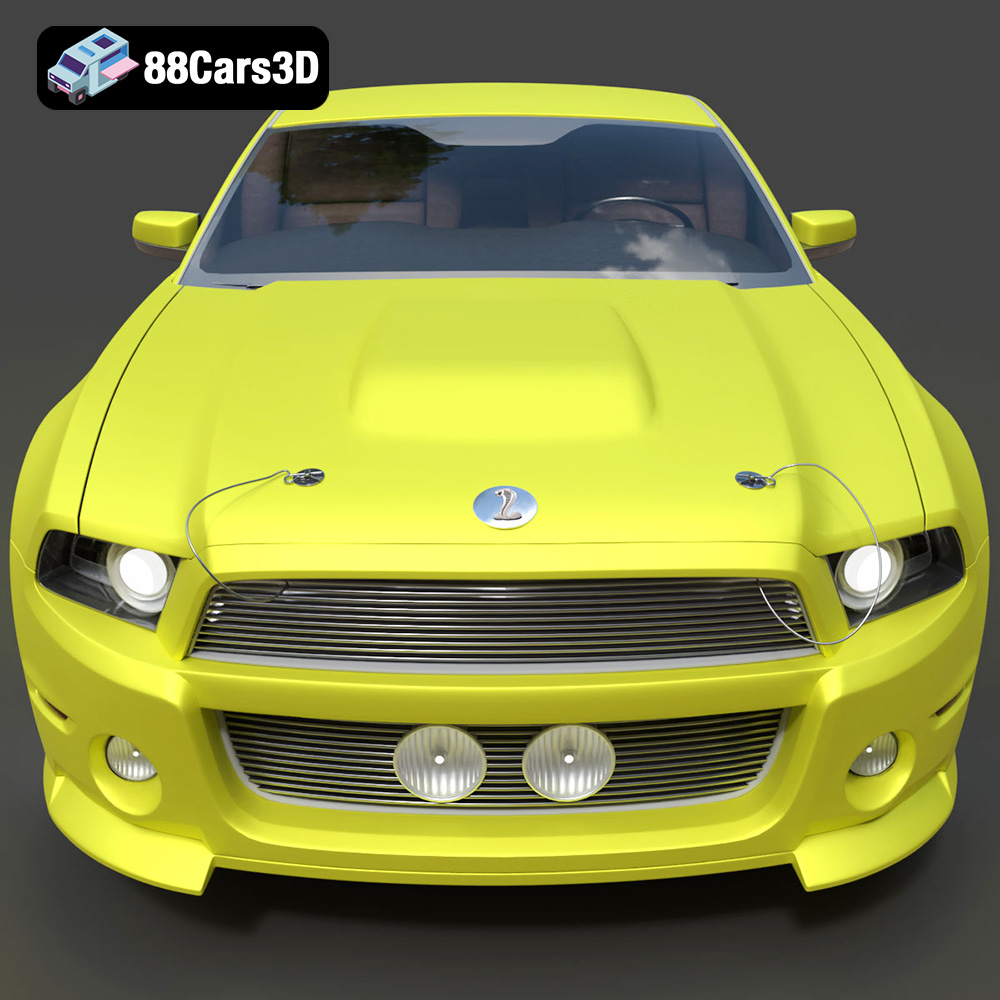
The “Eleanor” – specifically the customized 1967 Shelby GT500 from “Gone in 60 Seconds” – is arguably the most famous custom muscle car in cinematic history. Its distinct front bumper, center-mounted fog lights, aggressive side scoops, and iconic side-exit exhausts are instantly recognizable. This 3D model captures every single custom detail with breathtaking accuracy, making it an absolute masterpiece for close-up renders. VFX artists will find it indispensable as a hero car for commercials, short films, or high-end game cinematics where every pixel matters. Its intricate detailing and legendary status make it a showstopper, guaranteeing instant recognition and admiration in any digital project.
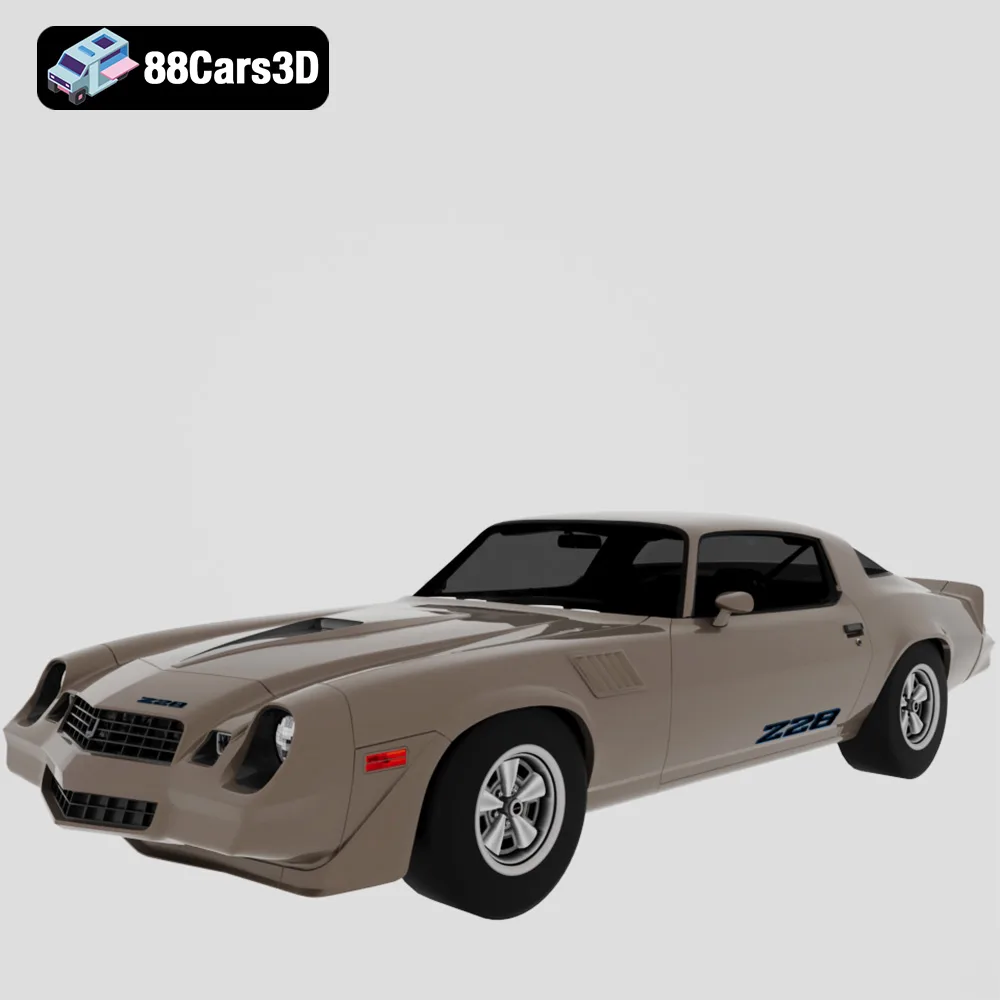
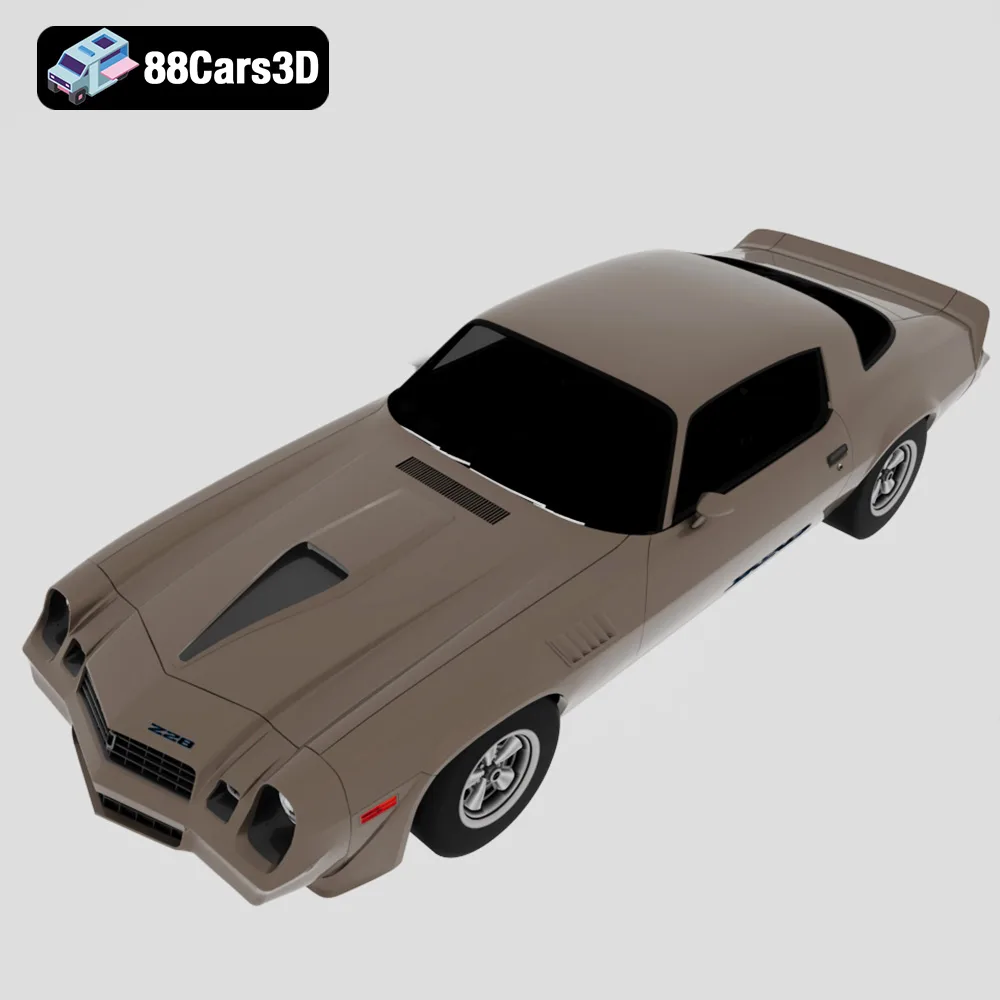
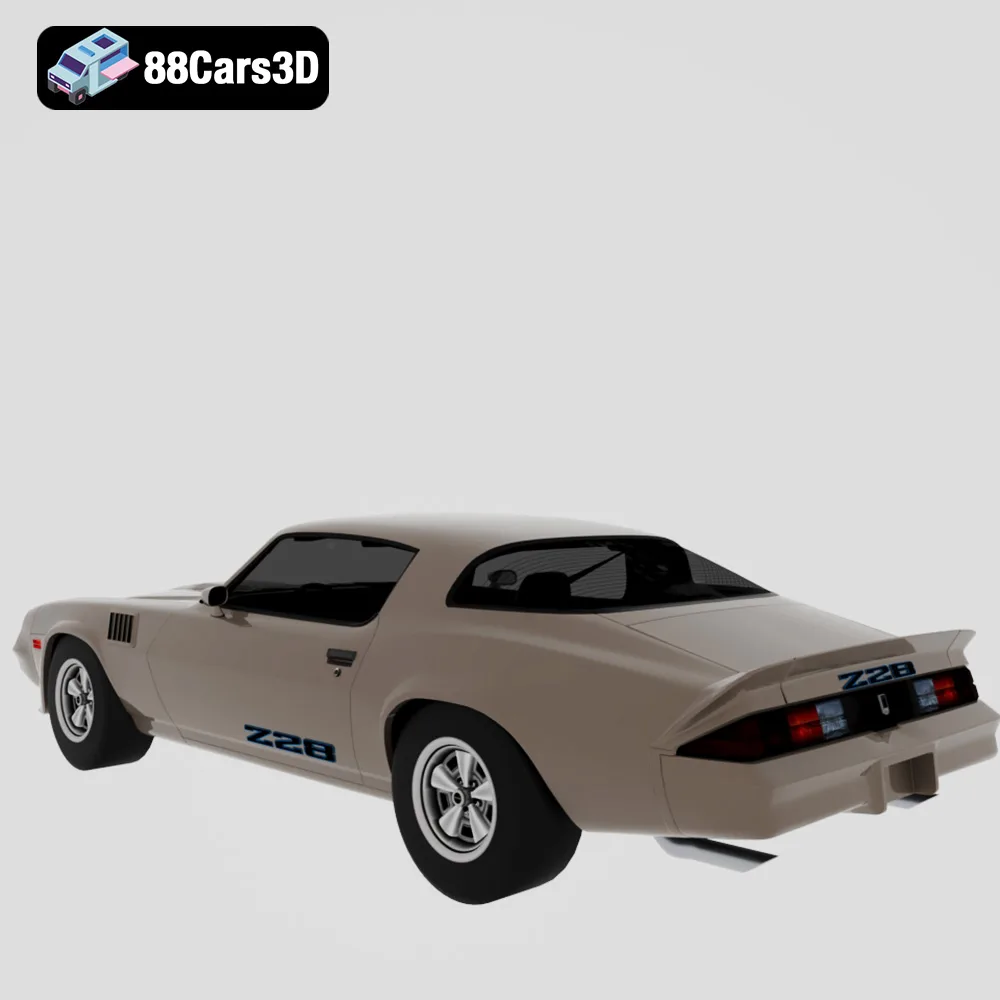
The 1979 Chevrolet Camaro Z28 stands as a proud symbol of late-70s American performance. Characterized by its distinct sharp nose, aerodynamic front spoiler, and classic muscle car proportions, it perfectly encapsulates an era. This model provides an essential asset for retro-themed games, especially those set in the late ’70s or early ’80s, offering authenticity and period accuracy. For ArchViz projects that aim to evoke a sense of nostalgia or a specific vintage vibe, parking this Z28 outside a meticulously rendered period building can significantly enhance the atmosphere. Its unique design offers a different aesthetic from the earlier ’60s and early ’70s muscle cars, broadening the bundle’s appeal and utility.
Beyond stunning visuals, the true value of professional 3D car models lies in their underlying technical execution. The American Muscle & Cinematic Classics pack from 88cars3d.com exemplifies this, offering assets that are not just beautiful but also robust, efficient, and versatile across demanding production pipelines.
The product description highlights “optimized masterpiece” and “quad-heavy, clean topology.” This is a critical technical advantage. Quad-based topology (where faces are primarily four-sided polygons) is the gold standard for subdivision surface modeling and animation. It ensures predictable deformation, prevents unsightly shading artifacts (like pinching or stretching) even when subdivided, and makes the model easier to edit and UV unwrap. Clean topology also means efficient rendering. While high poly counts can achieve incredible detail, a well-optimized mesh ensures that your render times remain manageable and real-time performance is smooth, especially crucial for game assets. The models are built to prevent “shading artifacts” – those annoying glitches that can appear on curved surfaces if the mesh is poorly constructed, undermining realism.
The mention of “Rigging-Ready” components and “Proper pivot point setup for all wheels, ready for Unreal Engine 5 (Chaos Vehicles) or Unity” is a testament to the bundle’s professional-grade preparation. For any animated sequence or interactive driving experience, accurate rigging is non-negotiable. Separating wheels, doors, and steering components with correctly placed pivot points allows for realistic rotation, opening/closing animations, and accurate physics simulations. In game engines, correct pivots are fundamental for vehicle suspension systems, tire friction models, and overall driving dynamics. This pre-configured state saves countless hours for animators and game developers who would otherwise have to manually prepare these elements, allowing them to focus directly on creative implementation rather than technical setup.
The bundle’s “Compatibility: Fully compatible with industry-standard ray-traced renderers (V-Ray, Corona, Arnold) and real-time workflows” underscores its versatility. This means the models are built with PBR (Physically Based Rendering) principles in mind, ensuring that materials will behave realistically under various lighting conditions in these advanced renderers. Whether you’re aiming for photorealistic marketing renders in V-Ray for 3ds Max, atmospheric visualizations in Corona Renderer, or high-fidelity cinematics in Arnold for Maya, these assets are designed to perform. Their clean topology and well-prepared UVs (implied by compatibility and lack of shading issues) facilitate the application of complex PBR texture sets, yielding stunning visual results.
The true power of a meticulously crafted 3D asset bundle like the American Muscle & Cinematic Classics pack from 88cars3d.com lies in its ability to integrate seamlessly into diverse professional workflows, providing immediate value across various industries.
For game developers, these 3D car models are a goldmine. The “Rigging-Ready” wheels and proper pivot points are specifically designed for immediate integration into game engines like Unreal Engine (particularly with its advanced Chaos Vehicles physics system) and Unity. Imagine building a high-speed street racing game where players can customize and race the iconic Dodge Charger ’68, or an open-world action title (think GTA-style) where the sleek Eleanor GT500 serves as a powerful protagonist’s vehicle. The optimized topology ensures that these visually rich models maintain high frame rates, crucial for a smooth gaming experience. Developers can leverage the detailed exteriors for player-controlled vehicles or populate virtual cities with authentic, period-accurate traffic, enhancing realism and immersion.
The “Photorealistic Exterior Details” and high quality of these models make them ideal for cinematic visual effects (VFX) and architectural visualization (ArchViz). In VFX, these cars can serve as “hero” assets in short films, CGI commercials, or music videos. Picture a powerful Eleanor GT500 screeching to a halt in a dramatic shot, or a 1968 Charger tearing through a digital landscape. The level of detail holds up even in extreme close-ups, making them perfect for high-impact visual storytelling. For ArchViz artists, these models add a touch of luxury, personality, and scale to renders. Parking the sleek ’69 Custom Mustang or the imposing Eleanor in a modern, moody garage scene or a sophisticated urban environment instantly elevates the narrative and visual appeal of the architectural design, infusing it with dynamic realism and context.
Beyond the screen, the bundle also caters to the growing community of 3D printing enthusiasts and diecast builders. The inclusion of the .stl format signifies that these models are not just digital constructs but can be brought into the physical world. This opens up entirely new creative avenues, allowing artists to create highly detailed scale models for display, prototyping, or even as custom gifts. Imagine holding a perfectly scaled 1:18 replica of the Eleanor GT500, meticulously printed and painted to match its cinematic counterpart. This tangible output offers a unique blend of digital precision and physical craftsmanship, bridging the gap between virtual assets and collectible artifacts.
The ability to transform a high-fidelity 3D car model into a physical object via 3D printing is a fascinating intersection of digital design and tangible craftsmanship. For the American Muscle & Cinematic Classics Pack, this feature is not merely an afterthought but a meticulously considered aspect, particularly for diecast builders and collectors. Leveraging the provided .stl files effectively requires understanding specific 3D printing considerations to achieve the best results.
The product specifically recommends scales of 1:18 or 1:24 for display on a shelf. This recommendation isn’t arbitrary; these scales offer a balance between manageable print size and sufficient detail capture. Printing at too small a scale can lead to loss of intricate features, while too large can be expensive and time-consuming. Crucially, the recommendation for SLA/Resin printing is “strictly recommended.” This is a vital technical detail. Fused Deposition Modeling (FDM) printers, while versatile, lay down molten plastic in layers, which can result in visible layer lines and limitations in reproducing fine details like grilles, thin chrome bezels, and subtle body curves. Resin (SLA/DLP) printers, however, use UV light to cure liquid resin, achieving significantly higher resolution and smoother surface finishes. This is paramount for capturing the “intricate grilles and classic rims” that define these muscle cars, ensuring the physical model retains the digital fidelity.
Successful 3D printing often hinges on proper orientation and support structures. The guideline to “Print bodies angled backwards to ensure flawless hoods” is an expert tip. Angling the model can minimize visible layer lines on critical surfaces, improve structural integrity, and reduce the need for excessive supports. Printing the main body at an angle helps distribute the force during printing, leading to cleaner, smoother curves, particularly on large, visible surfaces like the hood and roof. Similarly, “print wheels and spoilers separately” is standard practice. These components often have complex geometries and overhangs that are easier to print individually, allowing for optimized support placement and cleaner removal. After printing, post-processing such as sanding, priming, and painting are essential to elevate the raw print to a finished, display-worthy collectible, mirroring the detailed textures and finishes seen in the digital models.
The allure of American muscle cars is timeless, and translating that iconic power and style into the digital realm requires assets of exceptional quality and versatility. The American Muscle & Cinematic Classics 3D Models Bundle from 88cars3d.com stands out as a comprehensive solution for professionals across various creative industries. With meticulously crafted models of the Dodge Charger 1968, the custom Ford Mustang ’69, the legendary Eleanor GT500, and the classic Chevrolet Camaro Z28 1979, this pack delivers unparalleled detail and technical excellence.
From optimized quad-heavy topology ensuring clean renders and smooth real-time performance, to meticulously set pivot points for game-ready rigging and animation, these 3D car models are built for demanding production environments. Their compatibility with industry-standard renderers like V-Ray, Corona, and Arnold, alongside seamless integration into game engines like Unreal and Unity, underscores their adaptability. Furthermore, the inclusion of 3D printable STL files opens up exciting possibilities for creating tangible, high-fidelity scale models, bridging the digital and physical worlds.
Whether you’re developing the next blockbuster game, rendering a photorealistic automotive commercial, enhancing an architectural visualization scene, or crafting a stunning diecast replica, this bundle provides the robust foundation you need. It’s more than just a collection of assets; it’s an investment in efficiency, quality, and the timeless appeal of American muscle. Explore this exceptional collection and elevate your next project with the digital horsepower available at 88cars3d.com.
The American Muscle & Cinematic Classics 3D Models Bundle is a high-octane, premium collection built for automotive rendering artists, game developers, and cinematic VFX studios. There is nothing quite like the aggressive stance, bold lines, and nostalgic raw power of classic American muscle cars. Whether you are building a retro 1970s street environment, a high-speed racing game, or a virtual collector’s dream garage, this pack delivers absolute perfection. Instead of hunting down and purchasing these legendary vehicles individually (Total Value: €392.78), this 4-in-1 bundle gives you an irresistible opportunity to own four of the most iconic, highly detailed American muscle cars in digital history at a massive discount.
$149.99
american-muscle-bundle
camaro-z28
car-pack
classic-car-3d
dodge-charger-1968
ford-mustang-69
game-ready-cars
muscle-car-3d-model
mustang-eleanor
retro-cars
vfx-vehicles