Get 50% OFF All Premium 3D & STL Models!

The automotive industry is in a constant state of evolution, pushing the boundaries of design, engineering, and marketing. At the forefront of this transformation is real-time rendering, powered by robust engines like Unreal Engine. Gone are the days of lengthy offline renders and static presentations; today, professionals demand interactive, visually stunning experiences that captivate audiences and accelerate decision-making. Whether you’re a game developer aiming for hyper-realistic vehicle physics, an automotive designer visualizing next-generation concepts, or a marketing team crafting an immersive configurator, mastering Unreal Engine for automotive visualization is a non-negotiable skill.
This comprehensive guide delves deep into the workflows, techniques, and best practices for integrating high-quality 3D car models into Unreal Engine. We’ll explore everything from initial project setup and material creation to advanced lighting, interactive Blueprint scripting, and critical performance optimization. By the end of this article, you’ll have a robust understanding of how to leverage Unreal Engine’s powerful feature set – including Nanite, Lumen, and Sequencer – to create breathtaking automotive experiences. Platforms like 88cars3d.com provide a crucial starting point by offering pre-optimized, production-ready 3D car models, enabling artists and developers to jump straight into the exciting world of real-time automotive visualization.
A successful automotive visualization project in Unreal Engine begins with meticulous project setup. The choices you make at this stage directly impact performance, visual fidelity, and workflow efficiency throughout development. Understanding how to configure your project for the unique demands of high-quality car models and real-time interaction is paramount. This section will guide you through selecting the appropriate project template, fine-tuning essential settings, and identifying key plugins to streamline your automotive pipeline.
When starting a new project in Unreal Engine, you’re presented with various templates. For automotive visualization, the “Blank” or “Games” templates often serve as a flexible starting point, allowing you to build up your environment and features as needed. However, the “Film, Television, and Live Events” template also offers a strong foundation, particularly for cinematic renders, as it pre-configures many essential plugins and post-processing settings suitable for high-fidelity output. Crucially, regardless of the template chosen, you’ll want to ensure that “Ray Tracing” and “Path Tracing” are enabled under Project Settings > Rendering, as these technologies are vital for achieving photorealistic reflections and global illumination on automotive surfaces.
Beyond template selection, several core project settings need adjustment for optimal automotive visualization. Navigate to Edit > Project Settings. Under the “Engine” category, explore “Rendering,” “Physics,” and “Engine – General Settings.” For rendering, enable “Lumen Global Illumination” and “Lumen Reflections” for dynamic, high-quality lighting. Ensure “Virtual Texture Support” is enabled for efficient large texture streaming, and if your hardware supports it, enable “Hardware Ray Tracing” for superior reflection and ambient occlusion quality. For performance, particularly when targeting demanding real-time applications, consider adjusting “Maximum LOD Level” and “Texture Streaming Pool Size” based on your target platform’s specifications. The goal is to strike a balance between visual fidelity and real-time performance. Always refer to the official Unreal Engine documentation for the latest recommendations on these settings: https://dev.epicgames.com/community/unreal-engine/learning.
Unreal Engine’s plugin ecosystem extends its capabilities dramatically. For automotive projects, several plugins are indispensable. Access them via Edit > Plugins. Enable “Datasmith Importer” for robust CAD data import, especially if working with engineering models. “Virtual Camera” is excellent for virtual production and previsualization, allowing you to use an iPad as a camera in your scene. For advanced physics, the “Chaos Physics” plugin is essential for vehicle dynamics. If you plan to use USD (Universal Scene Description) for interchange, enable the “USD Importer” and related USD plugins. Finally, “Sequencer” is often bundled, but ensure it’s active for any cinematic or animated sequences. These plugins significantly enhance your ability to import, manipulate, and present automotive assets effectively within the engine.
The quality of your source 3D car model is the bedrock of any impressive visualization. When sourcing automotive assets from marketplaces such as 88cars3d.com, you’re investing in models built with clean topology, proper UV mapping, and optimized material IDs. However, even the highest quality assets require a thoughtful import and optimization strategy within Unreal Engine to ensure both visual fidelity and optimal real-time performance. This section details the critical steps and considerations for bringing your vehicle models to life within the engine.
A high-quality 3D car model from a reputable source like 88cars3d.com will feature clean, quad-based topology and efficient UV mapping. Clean topology, typically under 200,000-500,000 polygons for a game-ready vehicle (though Nanite allows for much higher), ensures smooth subdivisions and correct deformation if the model is animated. It also contributes to better shading and lighting calculations. Proper UV mapping is crucial for applying textures accurately without stretching or distortion. Modern car models often feature multiple UV channels: one for base color/PBR textures, and another for lightmaps if static lighting is used. Always inspect your imported model’s UVs in the Static Mesh Editor to ensure they meet your project’s requirements, especially for tiling textures or decals.
Unreal Engine supports various file formats, with FBX being the most common for static meshes and animations. When importing an FBX file (File > Import Into Level or drag-and-drop), pay close attention to the import dialog. Key settings include:
For complex scenes or pipelines involving multiple DCC applications, USD (Universal Scene Description) and its mobile variant, USDZ, are gaining traction. USD provides a robust framework for scene composition, layering, and non-destructive editing. Unreal Engine’s USD Importer (ensure the plugin is enabled) allows for importing entire USD stages, preserving hierarchy, variants, and even animation, making it ideal for collaborative automotive design reviews and virtual production workflows. While FBX remains a workhorse, USD offers advanced features for managing complex automotive datasets.
One of Unreal Engine 5’s most revolutionary features is Nanite, a virtualized geometry system that allows for importing and rendering incredibly high-polygon models with minimal performance impact. For automotive visualization, Nanite is a game-changer. Instead of meticulously creating LODs and optimizing polygon counts, you can directly import CAD data or highly detailed sculpted models with millions of polygons. Simply enable “Nanite Support” during FBX import or right-click a Static Mesh in the Content Browser and select Nanite > Enable Nanite. Nanite intelligently streams and processes only the necessary triangles for a given frame and camera distance, ensuring consistent visual fidelity without the traditional polygon budget constraints. This means you can have a hyper-detailed car body, intricate interior, and complex engine parts all rendered efficiently, pushing the boundaries of realism in your automotive projects.
The visual impact of a 3D car model hinges significantly on the quality of its materials and textures. Photorealistic rendering in Unreal Engine relies heavily on Physically Based Rendering (PBR), a methodology that accurately simulates how light interacts with surfaces in the real world. Mastering PBR material creation in Unreal Engine’s Material Editor is essential for bringing out the intricate details, metallic sheen, and subtle nuances of a high-end vehicle. This section will guide you through the principles of PBR, advanced material setup for automotive surfaces, and efficient texture management.
PBR materials are defined by properties that simulate physical attributes of a surface, such as its base color (albedo), metallicness, roughness, and normal map. In Unreal Engine, these are typically connected to the respective pins of the main Material Output node.
The key is to use appropriate texture maps for each channel, ensuring they adhere to PBR guidelines. For instance, the Base Color map for car paint would capture the primary color, while a Roughness map would define how glossy or matte various parts of the paint appear. When sourcing assets from 88cars3d.com, these PBR texture sets are often included, streamlining your workflow significantly.
Automotive surfaces like car paint, glass, and chrome require specific material setups to achieve realism:
Experiment with Material Functions to create reusable components for common effects like dirt, dust, or scratches, allowing for non-destructive adjustments and consistency across multiple assets.
Texture resolution directly impacts visual fidelity but also memory usage and performance. For high-detail areas like the main body of a car, 4K (4096×4096) or even 8K textures might be used. For less critical parts, 2K or 1K are sufficient. When optimizing, consider using texture atlases, which combine multiple smaller textures into one larger image. This reduces draw calls, improving performance. Unreal Engine’s texture streaming system helps manage memory by loading textures at appropriate resolutions based on camera distance and available memory. Always ensure your texture compression settings (found in the Texture Editor) are appropriate for the type of map (e.g., BC7 for color, BC5 for normal maps, BC4 for grayscale maps like roughness/metallic) to minimize disk space and GPU memory footprint without sacrificing quality.
Lighting is arguably the most critical element in achieving photorealistic automotive visualization. The way light interacts with a car’s surfaces—its reflections, shadows, and overall ambient glow—is what truly sells the illusion of reality. Unreal Engine offers a sophisticated lighting pipeline, with Lumen and Hardware Ray Tracing leading the charge in dynamic global illumination and reflections. This section explores these cutting-edge technologies, alongside traditional lighting methods and post-processing techniques, to illuminate your 3D car models with breathtaking fidelity.
Lumen is Unreal Engine 5’s revolutionary fully dynamic global illumination and reflections system, providing an unprecedented level of realism without the need for lightmap baking. For automotive visualization, Lumen is a game-changer. It accurately simulates bounced light, allowing for subtle color bleeding and soft shadows that dramatically enhance the visual quality of car interiors and complex exterior shapes. To utilize Lumen, ensure it’s enabled in your Project Settings (Engine > Rendering) and that your lights are set to “Movable.” Lumen enables:
Pair Lumen with Hardware Ray Tracing for the highest quality reflections and ambient occlusion, especially for intricate details and complex intersections on your car model. This combination delivers stunning visual fidelity that was once only achievable with offline renderers.
While Lumen handles global illumination and reflections, direct lighting still plays a crucial role. Point Lights, Spot Lights, and Directional Lights are your primary tools for shaping the scene.
HDRI (High Dynamic Range Image) backdrops are indispensable for realistic automotive lighting. An HDRI acts as both an environment map for reflections and a source of indirect light for your scene. Import a high-resolution HDRI (e.g., 8K or 16K) into Unreal Engine, set it as the cubemap for your Sky Light, and optionally place it on a Sphere Mesh surrounding your scene. The varied lighting information within the HDRI will provide incredibly natural reflections and ambient lighting on your car, instantly grounding it within a photorealistic environment. Adjusting the Sky Light’s intensity and rotation allows you to fine-tune the overall mood and direction of the ambient light.
Post-processing is the final polish that elevates your renders from good to exceptional. A Post Process Volume placed in your scene allows you to control a wide array of visual effects. For automotive visualization, key settings include:
By carefully balancing these post-processing effects, you can achieve a cinematic quality that makes your automotive visualizations truly stand out. Remember, subtlety is key; overdoing post-processing can quickly break immersion.
Unreal Engine’s power extends far beyond static renders; it’s a robust platform for creating fully interactive experiences. For automotive projects, this means developing everything from dynamic configurators that allow users to customize a vehicle in real-time to realistic driving simulators. Blueprint, Unreal Engine’s visual scripting system, combined with its advanced physics engine and cinematic tools, empowers developers to build these engaging applications without writing a single line of C++ code. This section will dive into using Blueprint for interactivity, integrating vehicle physics, and creating stunning cinematic sequences.
Blueprint visual scripting is the backbone of interactivity in Unreal Engine. For automotive configurators, Blueprint enables you to create dynamic UI elements and logic for changing car colors, rim styles, interior trims, and even toggling different accessories.
For example, a “Paint Color” button in your UI could trigger an event in your car’s Blueprint, which then sets a specific color parameter on a Material Instance Dynamic applied to the car body. This modular approach makes it easy to add new features and variations as needed, providing a highly customizable experience for users.
Unreal Engine’s Chaos Physics system offers a robust framework for simulating realistic vehicle dynamics. Implementing a vehicle involves several components:
Achieving realistic handling requires careful tuning of these parameters. Refer to the official Unreal Engine documentation for detailed guides on setting up and tuning Chaos Vehicles, as it is a complex but rewarding process that brings your car models to life as truly driveable assets.
Sequencer is Unreal Engine’s powerful non-linear cinematic editor, allowing you to create stunning animated sequences, virtual production shots, and high-quality marketing videos. For automotive visualization, Sequencer is invaluable for:
Sequencer allows for precise control over every aspect of your cinematic presentation, making it an essential tool for producing professional-grade automotive content.
Creating visually stunning automotive experiences in Unreal Engine is only half the battle; ensuring they run smoothly across target platforms is equally crucial. High-fidelity 3D car models, complex materials, and advanced lighting systems can quickly strain hardware, especially in real-time applications like games, AR/VR, or mobile configurators. This section focuses on essential optimization techniques to maintain a high frame rate and discusses various deployment strategies for your finished automotive projects.
Even with Nanite handling high-poly static meshes, traditional optimization techniques remain vital for overall scene performance, particularly for non-Nanite assets and interactive elements.
Careful asset management and utilizing these culling and LOD strategies are crucial for maintaining optimal frame rates, especially in complex automotive showrooms or virtual environments.
Deploying automotive visualizations to AR (Augmented Reality), VR (Virtual Reality), or mobile platforms presents unique optimization challenges due to their stricter performance budgets.
Thorough profiling using Unreal Engine’s built-in tools (Stat commands like ‘Stat Unit’, ‘Stat GPU’, ‘Stat Engine’) is essential to identify and address performance bottlenecks specific to your target platform.
For extensive automotive environments, such as a large car factory or an open-world driving simulation, efficient data management and asset streaming are vital.
By implementing these strategies, you can ensure that your high-fidelity automotive projects remain performant and scalable, providing a seamless experience for your users regardless of the scene’s complexity.
The journey of integrating high-quality 3D car models into Unreal Engine for automotive visualization is a multifaceted yet immensely rewarding endeavor. We’ve traversed the landscape from the foundational aspects of project setup and intelligent asset import using techniques like Nanite, to the intricate art of crafting photorealistic PBR materials and illuminating scenes with dynamic systems like Lumen. We’ve also explored the power of Blueprint for creating interactive configurators, simulated realistic vehicle physics, and leveraged Sequencer for cinematic storytelling, all while keeping a keen eye on performance optimization for various deployment targets.
Mastering these workflows unlocks unprecedented opportunities in automotive design, marketing, game development, and virtual production. The ability to create real-time, interactive experiences with a level of visual fidelity previously reserved for offline renders is truly transformative. Remember, the foundation of any great project lies in the quality of its assets. Sourcing meticulously crafted and optimized 3D car models from trusted platforms like 88cars3d.com provides a significant head start, allowing you to focus your energy on artistic refinement and innovative interactivity.
As you continue your journey, keep experimenting with Unreal Engine’s evolving features. The future of automotive visualization is dynamic, immersive, and increasingly real-time. By embracing the techniques and best practices outlined in this guide, you are well-equipped to drive innovation and create compelling automotive experiences that truly resonate with your audience. The road ahead is exciting, so start building, optimizing, and visualizing your next masterpiece today!

Texture: Yes | Material: Yes | 3D Printable: Yes. Download the Italian Thoroughbreds Bundle featuring 5 iconic 3D models: Lamborghini Huracán Performante, Ferrari 458 Italia, Lamborghini Urus, Diablo SV, and Maserati GT. Optimized for 4K rendering and 3D printing (STL included). Save 50% with this ultimate Italian vehicle collection.
Price: $199.99

Download the Elite Future Mobility Bundle featuring 4 highly optimized 3D models: Tesla Model S, Avatr 11, Li L9, and Zoox Robotaxi. Perfect for ArchViz, Smart City renders, and game dev. Optimized for Unreal Engine and Blender. Includes .fbx, .obj, and .max formats.
Price: $99

🚗 5 Iconic German Cars (BMW M4 G82, M5 CS, X3, 1 Series & Mercedes E-Class). ✅ Optimized for ArchViz: Ready for Corona & V-Ray. 💰 Save €71 with this limited-time collection! 🚀 Instant Download after purchase.
Price: $119

Download the Extreme Off-Road & Survival 3D Models Bundle! Includes the Brabus 800 Adventure, Dodge Ram Bigfoot, Spec Truck, and a Caravan. Save over €210 on this premium 4-in-1 off-grid vehicle pack for ArchViz and game development.
Price: $149.99

Download the Heavy Duty & Commercial Logistics 3D Models Bundle! Includes the Ford Sterling, Caterpillar CT680, Mercedes Citaro Bus, and Vito Van. Save over €130 on this massive, game-ready 4-in-1 industrial vehicle pack.
Price: $109.99

Download the Ultimate Custom Motorcycles 3D Models Bundle. Includes a Custom Chopper, Ducati 916 Café Fighter, Harley XR1200X, and BMW K100. Perfect premium props for luxury ArchViz garages. Save over €250 today!
Price: $159.99

Download the ultimate JDM Street Racing 3D Models Bundle! Includes the Nissan GT-R, Toyota Supra, Mazda RX-7, Lancer Evo IX, and Honda NSX. Save big on this highly optimized, game-ready 5-in-1 Japanese legend car pack.
Price: $129.99

Download the ultimate American Muscle & Cinematic Classics 3D Models Bundle! Includes the Dodge Charger ’68, Mustang Eleanor GT500, Camaro Z28 ’79, and a custom ’69 Mustang. Save over €240 on this game-ready, premium 4-in-1 pack.
Price: $149.99
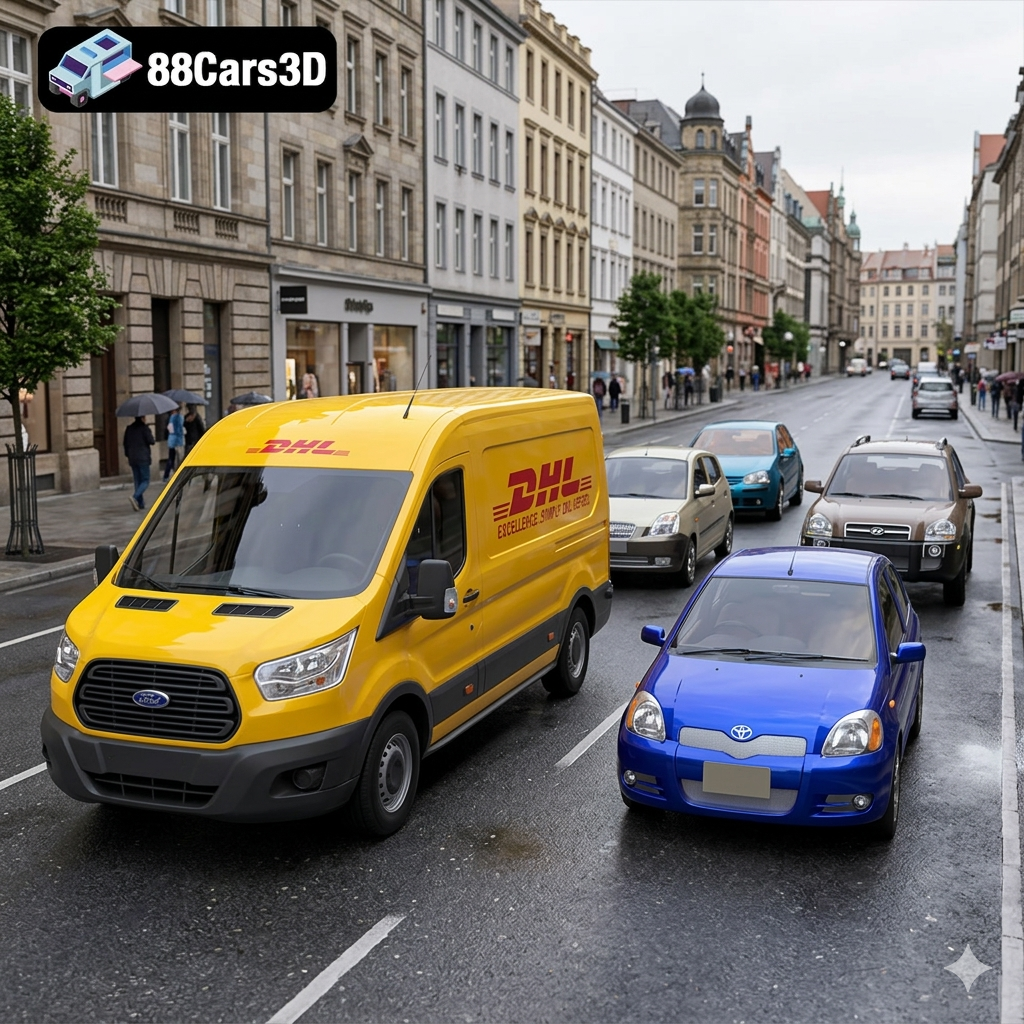
Download the Everyday City Traffic 3D Models Bundle. Includes the VW Golf, Kia Picanto, Hyundai Tucson, Toyota Yaris, and a DHL Ford Transit Van. Save big on this 5-in-1 pack, perfectly optimized for realistic ArchViz streets and game traffic.
Price: $99.99
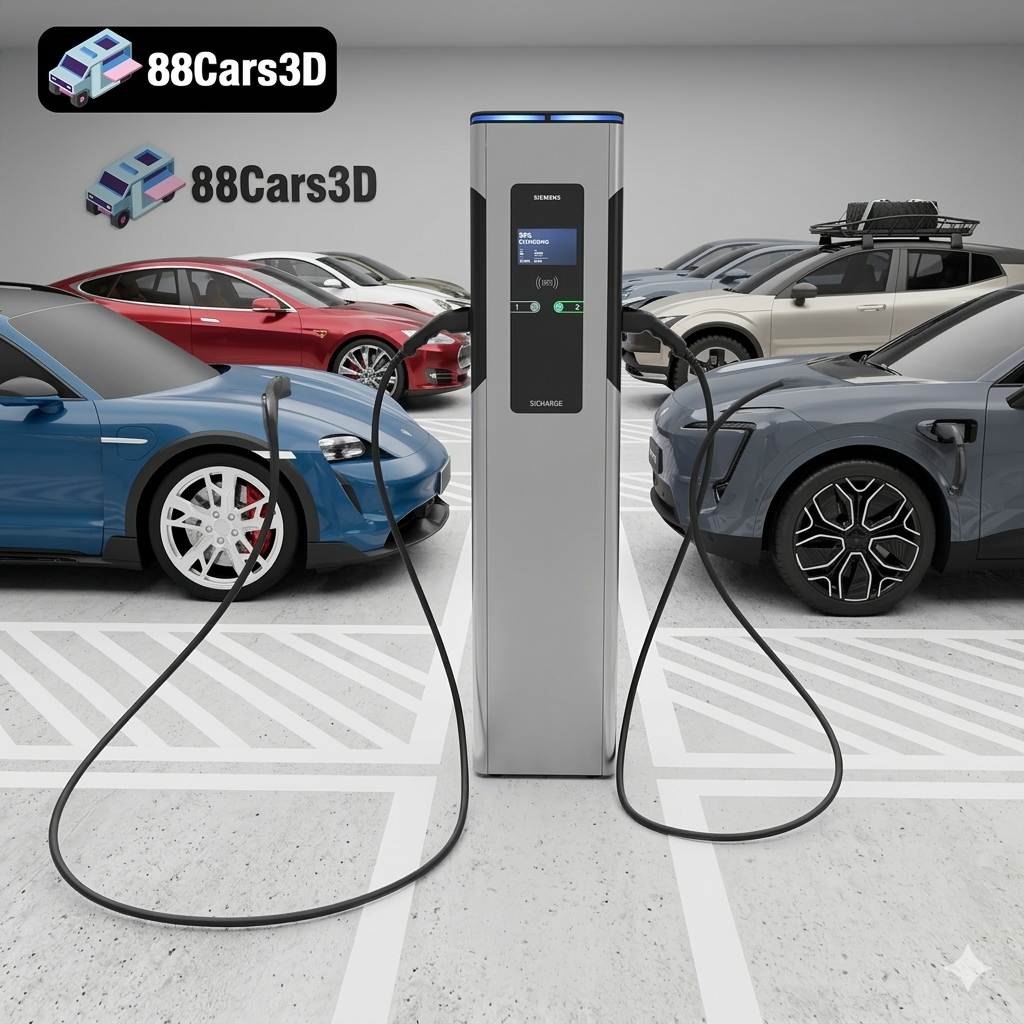
Download the Future of Mobility EV 3D Models Bundle. Includes the Volvo EX30, Tesla Model S, AVATR 11, Porsche Taycan, and a Siemens EV Charger. Save big on this highly optimized 5-in-1 pack for ArchViz and game development!
Price: $89.99

