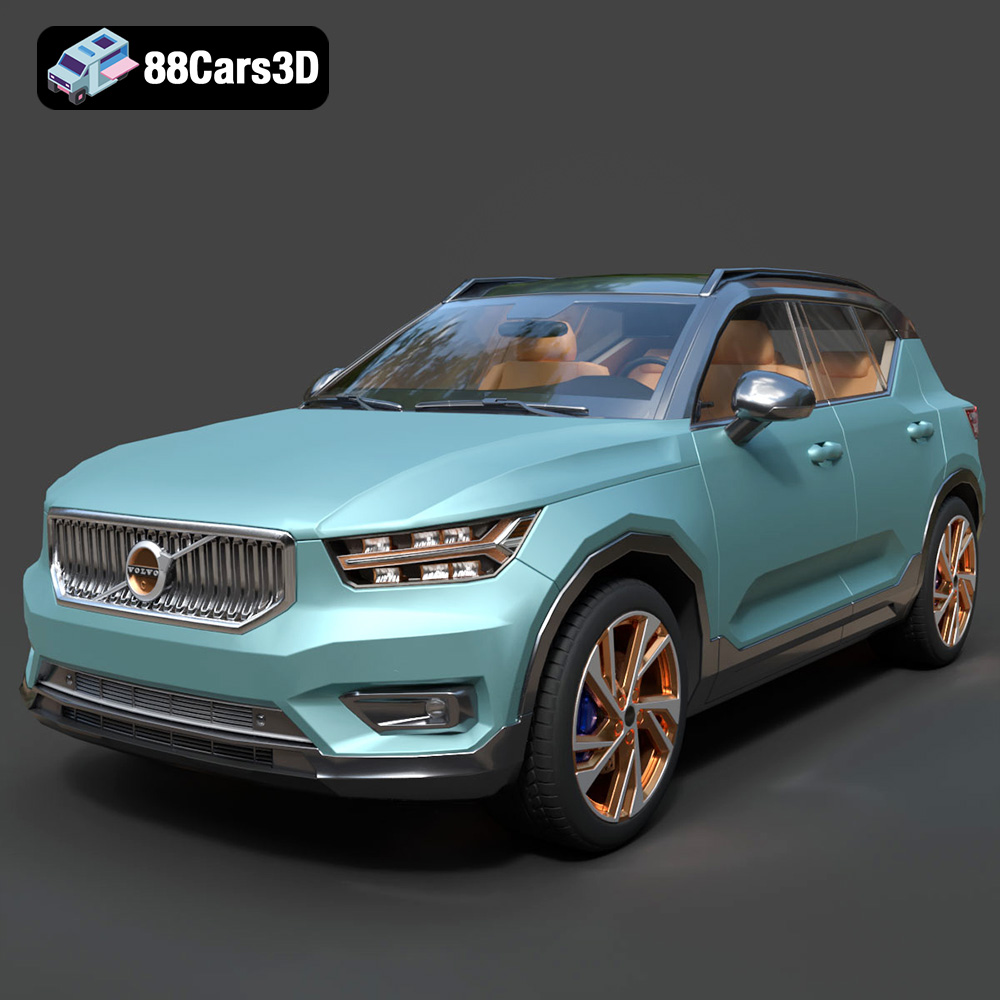
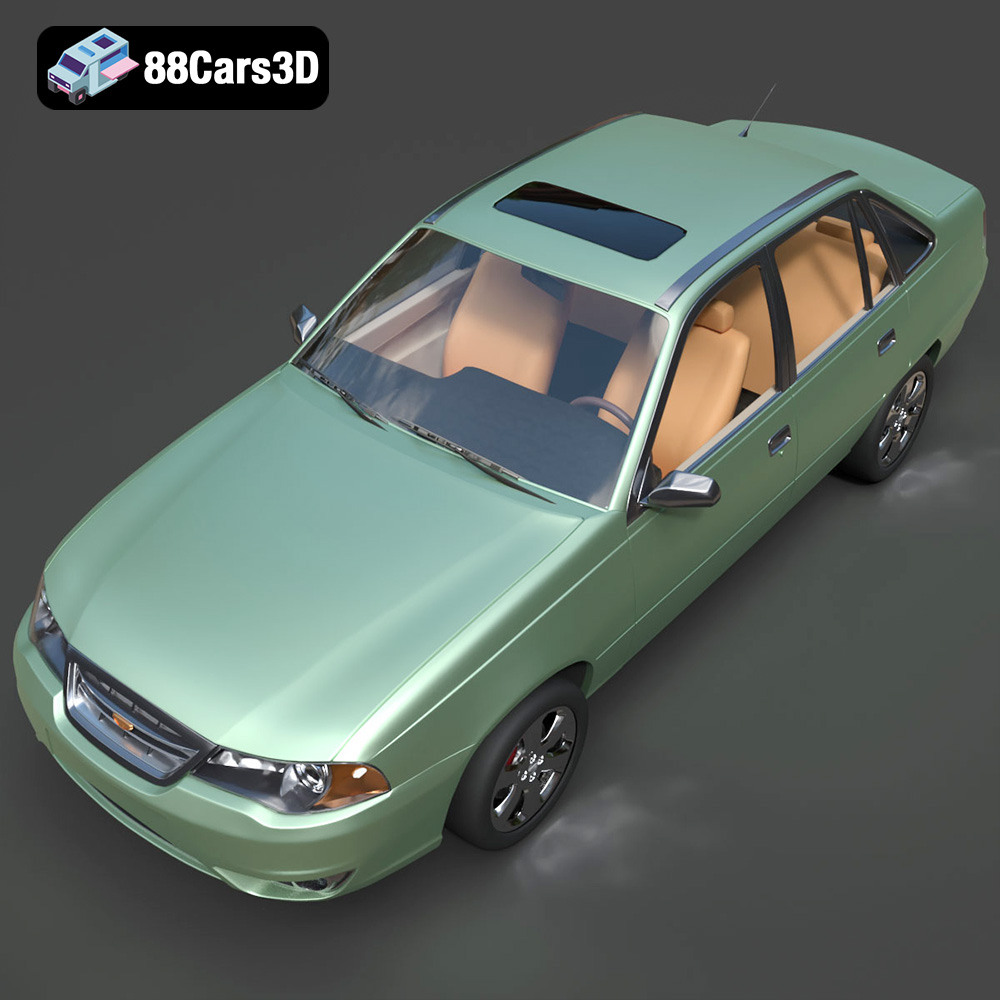
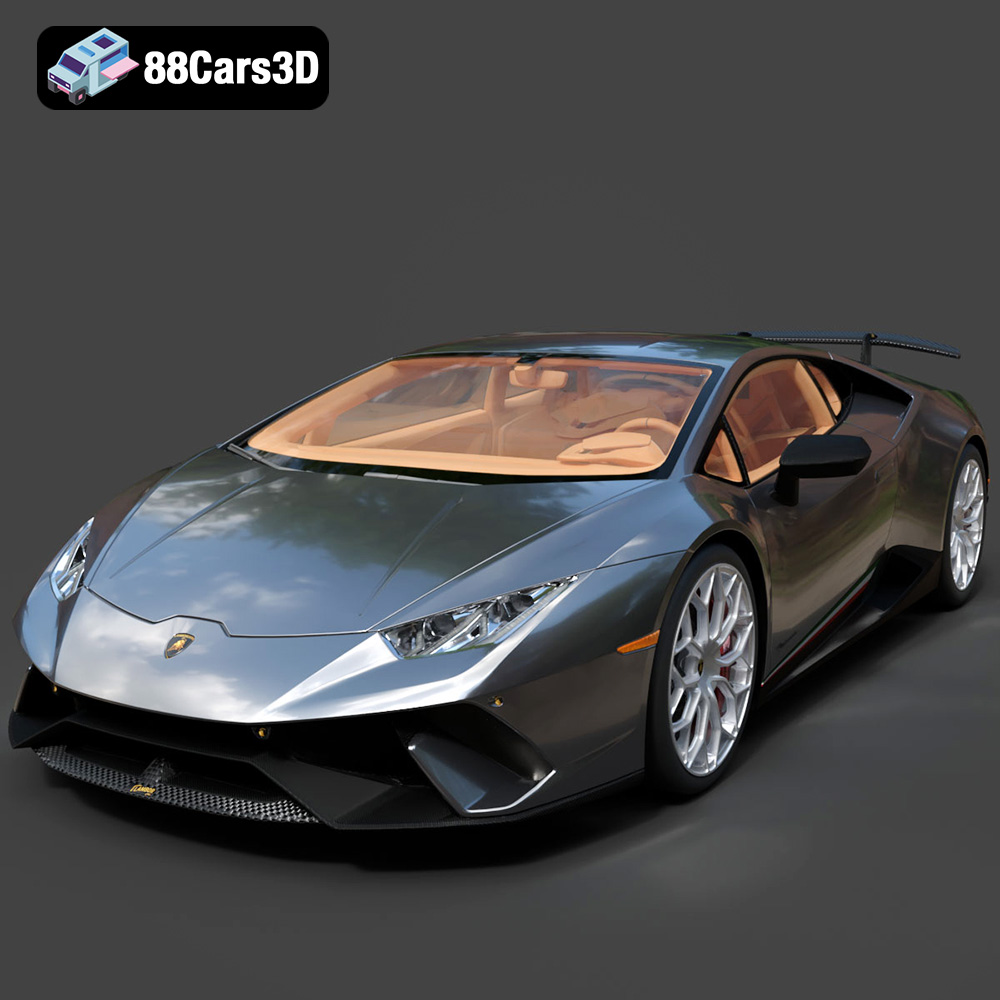
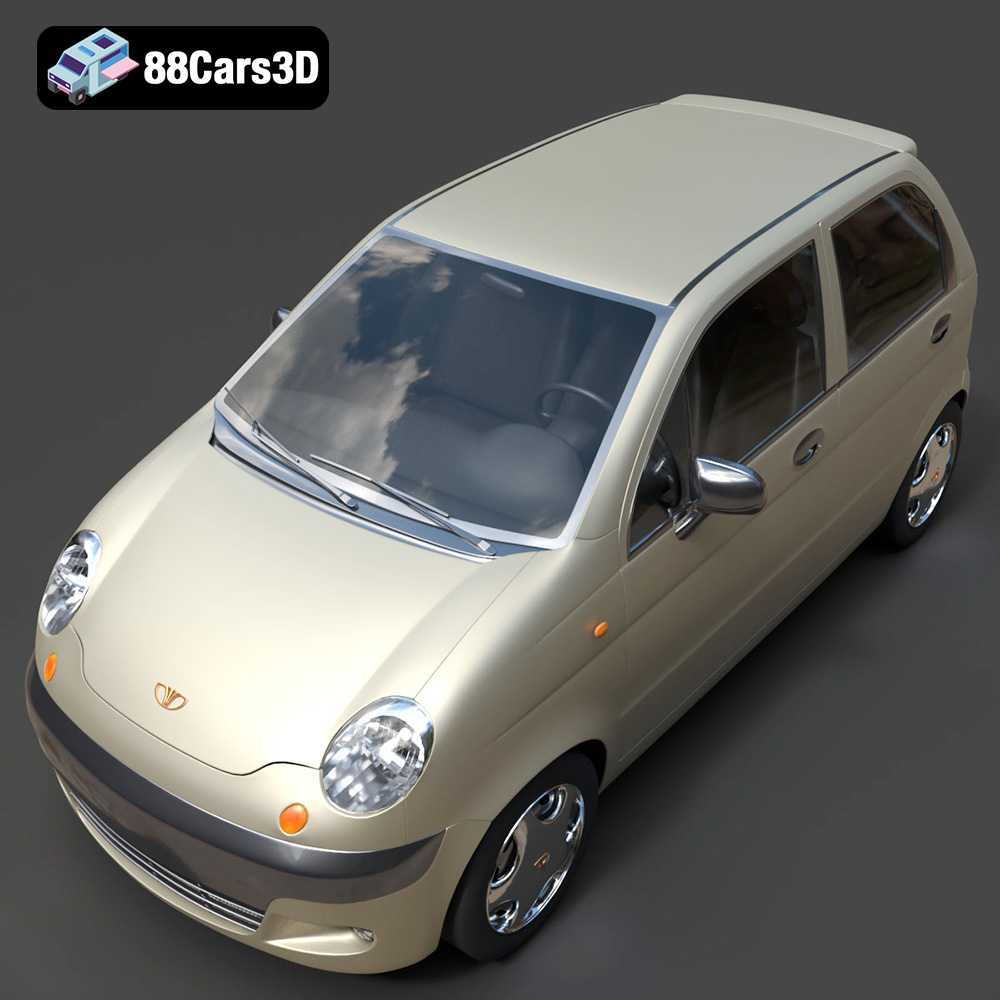
Get 50% OFF All Premium 3D & STL Models!

In the rapidly evolving landscape of digital visualization, high-quality 3D car models have become indispensable tools across a multitude of industries. From breathtaking automotive marketing campaigns and cinematic sequences to immersive game experiences and precise engineering simulations, the demand for photorealistic and functionally accurate vehicle assets continues to accelerate. These digital renditions are far more than just pretty pictures; they are complex assemblies of meticulously crafted geometry, sophisticated materials, and intricate data structures, each designed to serve specific purposes.
The journey from a concept sketch to a fully realized 3D car model, ready for rendering or real-time interaction, involves a deep understanding of artistic principles, technical constraints, and software workflows. Whether you’re a seasoned 3D artist, a game developer, an architect seeking realistic context for your designs, or an AR/VR innovator, appreciating the nuances of these assets is critical. This comprehensive guide will explore the technical foundations, diverse applications, and advanced techniques involved in working with 3D car models, ensuring you’re equipped to leverage their full potential in your projects.
Navigating the world of 3D car models often begins with understanding the myriad of file formats available, each tailored for specific workflows, software compatibility, and end-use applications. Choosing the correct format is crucial for maintaining data integrity, optimizing performance, and ensuring a seamless pipeline. Here’s a detailed look at the most common and essential formats you’ll encounter when working with high-fidelity automotive assets.
The .blend format is Blender’s native file type, offering a complete, editable scene package. When you acquire a .blend file, you’re getting not just the geometry of the 3D car model, but often the entire production environment: intricate material setups, PBR textures, animation data, rigging, camera configurations, lighting setups, and even physics simulations. This format is ideal for users deeply integrated into the Blender ecosystem, providing unparalleled flexibility for customization and further development within the software. It allows for full control over every aspect of the model, from tweaking a single vertex to modifying an entire animation sequence, making it a powerful choice for artists who need to adapt assets extensively.
Autodesk’s .fbx (Filmbox) format stands as a ubiquitous interchange format across the 3D industry, particularly favored for game development pipelines involving Unreal Engine and Unity. Its strength lies in its ability to encapsulate a wide range of data beyond just mesh geometry, including materials (though often simplified, requiring re-setup in the target application), animations, skeletal data, skinning, and camera information. This makes .fbx invaluable for transferring complex animated 3D car models between different software packages. While highly versatile, users should be mindful of potential issues with scale, coordinate systems, and material translation across different applications, often requiring careful export/import settings to ensure fidelity.
The .obj (Wavefront OBJ) format is one of the oldest and most universally supported 3D file formats, making it an excellent choice for basic geometry exchange. An .obj file primarily stores vertex positions, UV coordinates, normals, and face definitions. It can reference an accompanying .mtl (material) file for basic material properties and texture assignments, though it doesn’t support advanced features like animation, rigging, or complex PBR materials. Its simplicity ensures maximum compatibility across virtually all 3D software. For 3D car models where only the raw geometry and UVs are needed, and material setup will be done from scratch in the target application, .obj remains a reliable workhorse.
.glb (GL Transmission Format Binary) is the binary version of glTF, an open standard designed for efficient transmission and loading of 3D scenes and models by engines and applications. It packages geometry, textures, materials, animations, and scene hierarchy into a single, compact file, making it exceptionally well-suited for web-based 3D viewers, AR/VR experiences, and lightweight interactive applications. Its optimization for real-time rendering and small file size makes it perfect for displaying 3D car models directly in a browser or on mobile devices without extensive processing, providing quick, high-quality previews and interactive showcases.
The .stl (STereoLithography) format is the de facto standard for 3D printing. It represents a 3D model as a collection of unconnected triangular facets, defining only the surface geometry without any color, texture, or material information. For 3D car models destined for physical fabrication, an .stl file must be “watertight” – meaning it has a completely closed surface with no holes or self-intersections – to ensure a successful print. While simple, it’s indispensable for prototyping, manufacturing, and creating physical scale models of vehicles.
The .ply (Polygon File Format or Stanford Triangle Format) is often used for storing 3D data from 3D scanners or for CAD applications where precision is paramount. It supports a wider range of properties than .obj, including color per vertex, normals, texture coordinates, transparency, and even confidence values from scanning. While not as universally supported as .obj, .ply is excellent for capturing and representing highly detailed and accurate 3D car models, often derived from real-world scans, making it valuable for reverse engineering or analytical tasks.
While not a direct file extension in the traditional sense, “.unreal” often refers to assets that have been specifically pre-packaged and optimized for seamless integration into Unreal Engine. These assets typically include .fbx files containing the geometry, along with pre-configured Unreal Engine materials, textures, LOD (Level of Detail) meshes, collision volumes, and sometimes even vehicle blueprints or skeletal rigs ready for immediate use. Acquiring assets “ready for Unreal” significantly streamlines development workflows, minimizing the need for manual setup and optimization within the engine.
Similar to .blend for Blender, the .max format is the native file type for Autodesk 3ds Max. It stores a complete project scene, including all 3D car model geometry, modifiers, materials (often highly complex V-Ray or Corona setups), lighting, cameras, animation tracks, and render settings. For artists and studios working within a 3ds Max pipeline, a .max file offers total control over the asset, allowing for intricate modifications, advanced animation sequences, and high-fidelity rendering projects without any loss of data or fidelity during conversion.
Understanding these distinct formats and their specific strengths allows artists and developers to make informed decisions, ensuring their 3D car models are not only visually stunning but also technically robust and perfectly suited for their intended application.
Creating a truly high-quality 3D car model is an intricate process, demanding a blend of artistic skill and technical precision. It’s not just about getting the shape right; it’s about crafting a digital asset that performs flawlessly across various applications, from static renders to real-time interactive experiences. The core elements define its quality.
The foundation of any 3D model is its mesh topology – the arrangement of vertices, edges, and faces that define its surface. For high-quality 3D car models, clean, quad-based topology is paramount. Quads (four-sided polygons) allow for smooth deformations, predictable subdivision (e.g., using a Subdivision Surface modifier), and easier editing compared to triangulated meshes. Good edge flow ensures that details like creases, curves, and panel lines are accurately represented and that the model deforms naturally during animation. Polygon count is also a critical consideration: while high-poly models excel in photorealistic rendering, real-time applications like games or AR/VR require optimization through techniques like Level of Detail (LOD) generation, where simpler versions of the model are swapped in at a distance to reduce computational load.
UV mapping is the process of flattening the 3D surface of a model into a 2D space, allowing textures to be applied accurately without distortion. Seamless, non-overlapping UVs are essential for high-quality texturing. Modern workflows heavily rely on Physically Based Rendering (PBR) textures, which simulate how light interacts with surfaces in the real world. This involves multiple maps: Albedo (base color), Normal (for surface detail), Roughness (specularity), Metallic (reflectivity), and Ambient Occlusion (soft shadows). For extremely detailed car models, especially for large body panels, UDIM (UV Dimension) workflows are often employed, allowing multiple high-resolution texture maps to be assigned to different parts of a single mesh, preventing pixelation and maintaining sharpness.
Beyond the textures themselves, the material setup is where a 3D car model truly comes alive. PBR shaders are fundamental, accurately replicating phenomena like reflection, refraction, and subsurface scattering. Car paint, in particular, is a complex material, often requiring specialized shaders that simulate a clear coat layer over a metallic base, incorporating metallic flakes and subtle color shifts under different lighting angles. Other materials like glass (with accurate refraction and reflection), rubber for tires, chrome for trim, and various leathers and fabrics for the interior, all demand precise material parameters to achieve a convincing level of photorealism. A skilled material artist can transform a well-modeled car into a visually indistinguishable digital twin.
Achieving photorealistic automotive renders is an art form that blends technical mastery with an eye for photography and lighting. It’s about more than just a good model; it’s about making that model breathe life through light, shadow, and environment.
Lighting is arguably the most critical element in automotive rendering. High Dynamic Range Imagery (HDRI) environments are foundational, providing realistic, intricate reflections and global illumination that truly ground the 3D car model in a plausible space. Beyond HDRIs, studio lighting setups—comprising key lights to define form, fill lights to soften shadows, and rim lights to accentuate edges—are essential for revealing the car’s contours and design language. Understanding how light bounces, reflects, and refracts off complex car surfaces (especially the interplay between a glossy clear coat and underlying metallic flakes) is key to creating depth and visual interest.
The choice of rendering engine significantly impacts both the visual fidelity and the workflow. CPU-based engines like V-Ray and Corona Renderer are renowned for their physically accurate global illumination and robust feature sets, making them staples in architectural visualization and automotive advertising. GPU-based engines like Octane Render and Blender’s Cycles offer faster interactive feedback and can drastically reduce render times for complex scenes, leveraging the power of modern graphics cards. All these engines employ sophisticated ray tracing and path tracing algorithms to simulate light physics, producing stunning results. Advanced artists also utilize render passes (e.g., diffuse, reflection, refractions, Z-depth, normal maps) during rendering, which provides unparalleled flexibility for compositing in post-production.
The rendering process doesn’t end when the image finishes calculating. Post-production, typically in software like Adobe Photoshop or Affinity Photo, is where the final magic happens. This stage involves color grading to set the mood, adding subtle lens effects like bloom and glare, and carefully applying depth of field to draw the viewer’s eye. Compositing elements such as atmospheric haze, realistic motion blur (for dynamic shots), and seamlessly integrating the rendered car into a photographic backplate elevate the image from a mere render to a compelling visual narrative. These subtle enhancements ensure the final image resonates with realism and artistic intent.
The requirements for 3D car models in game engines like Unreal Engine and Unity differ significantly from those for static renders. Performance is paramount, demanding careful optimization without sacrificing visual appeal. Sourcing quality game assets from platforms like 88cars3d.com can be a huge advantage for developers looking for pre-optimized models.
Before importing into a game engine, 3D car models undergo rigorous optimization. Level of Detail (LOD) creation is standard practice, involving multiple versions of the model with progressively lower polygon counts. This allows the engine to display detailed meshes up close and simplified versions at a distance, saving precious processing power. Collision meshes – simplified, invisible meshes that define the car’s physical boundaries – are essential for accurate physics and interaction. Textures and materials are also optimized, often by baking high-resolution details into normal maps, consolidating texture atlases, and using efficient PBR material setups that minimize draw calls.
In Unreal Engine, 3D car models are typically imported as skeletal meshes for dynamic parts (e.g., wheels, steering wheel, suspension) and static meshes for the body. Unreal’s powerful Vehicle Blueprint system allows developers to set up complex physics, engine parameters, gear ratios, and suspension systems, creating a realistic driving experience. Material instances are crucial for customization, enabling quick changes to paint colors, decals, and interior trims directly within the engine, without needing to re-import textures. This modular approach facilitates rapid iteration and player customization options.
Game developers often push beyond basic driving mechanics to incorporate deep interactivity and customization for their 3D car models. This can include dynamic paint changes via UI sliders, animated opening doors, hood, and trunk, functional steering wheels, and working headlights/taillights. Scripting, often using visual scripting languages like Unreal Engine’s Blueprints or C# in Unity, powers these interactions. Furthermore, integrating a robust UI for player customization—allowing users to swap body kits, change wheels, or personalize interiors—enhances player engagement and adds significant replay value to racing or open-world games.
The utility of high-quality 3D car models extends far beyond traditional rendering and game development, venturing into cutting-edge applications that leverage their digital fidelity in diverse ways.
When a digital 3D car model is destined for the physical world via 3D printing, specific technical considerations come into play. The most critical is ensuring a “watertight” mesh – a completely enclosed volume without any holes or intersecting geometry – which is essential for most 3D printing technologies using formats like .stl. Beyond watertightness, factors like shell thickness, internal support structures, and the overall scale of the model must be carefully prepared to ensure a successful print without collapse or distortion. 3D printing allows for rapid prototyping of car designs, creation of scale models for display, or even functional components for custom vehicles.
Augmented Reality (AR) and Virtual Reality (VR) environments present some of the most stringent optimization challenges for 3D car models. Extreme polygon optimization is required to maintain high frame rates, which are crucial for preventing motion sickness and ensuring a comfortable, immersive experience. This often involves aggressive LOD generation, baking lighting information directly into textures to reduce real-time calculations, and using highly efficient, single-pass materials. Every draw call and every polygon contributes to the performance budget, meaning artists must be meticulously efficient in asset creation while still striving for visual fidelity within these constrained environments.
High-fidelity 3D car models are indispensable in vehicle simulation and training applications, particularly for automotive engineering, driver training, and the development of autonomous vehicles. These simulations demand not only visually accurate external models but also meticulously detailed interiors for cockpit views and precise underlying physics models. The accuracy of the 3D model, combined with realistic material properties and robust physics engines, allows engineers to test aerodynamics, crash safety, and vehicle dynamics in a virtual environment. For driver training, these immersive simulations provide a safe, controlled setting to practice driving skills, learn new vehicles, and react to challenging road conditions.
While building a 3D car model from scratch offers complete control, the time and skill required can be substantial. For many projects, sourcing pre-made, high-quality assets is a strategic and efficient approach. Finding reliable sources is key to success.
Professional 3D model marketplaces provide an invaluable resource for artists, developers, and studios. They offer a vast selection of expertly crafted 3D car models, saving countless hours of modeling, texturing, and rigging. The primary advantages include immediate access to a diverse range of vehicles, quality assurance typically performed by the marketplace or vendor, and clear licensing terms for commercial use. Platforms like 88cars3d.com specialize in high-quality 3D car models, ensuring that purchasers receive assets with clean topology, PBR materials, and often multiple file formats ready for various applications. This greatly accelerates production pipelines and allows teams to focus on creative iteration rather than foundational asset creation.
Even with pre-made models, customization is often necessary to fit specific project requirements. Common workflows include changing liveries and decals to match branding or team colors, modifying body kits, wheels, or spoilers to create unique vehicle variations, and adapting interior elements for specific scenarios. For animations, models often need to be rigged with proper bone hierarchies for suspension, steering, and opening parts. Tools within 3ds Max, Blender, or Maya allow artists to modify existing geometry, create new UVs for custom textures, and integrate dynamic elements, ensuring the purchased model perfectly aligns with the project vision.
When sourcing 3D car models, it’s crucial to verify asset compatibility and understand the associated rights. Always check the available file formats to ensure they align with your software and intended use (e.g., .fbx for game engines, .max for high-end rendering). More importantly, meticulously review the licensing terms to confirm that the model can be used for your specific commercial or non-commercial project without legal repercussions. Reputable marketplaces like 88cars3d.com provide transparent licensing information and deliver assets with clean, professional topology, giving users confidence in both the technical quality and the legal usability of their purchased 3D car models.
The world of 3D car models is a vibrant intersection of art and engineering, offering unparalleled opportunities for visualization, interaction, and simulation. From the intricate details of mesh topology and PBR materials to the specialized requirements of game engines, AR/VR, and 3D printing, each application demands a nuanced technical understanding. Mastering these aspects allows creators to unlock the full potential of these complex digital assets, transforming concepts into stunning realities.
Whether you’re crafting photorealistic automotive renders, integrating dynamic vehicles into interactive games, or prototyping designs for physical production, the quality and technical readiness of your 3D car models are paramount. By understanding the various file formats, optimization techniques, and rendering principles, you can ensure your projects stand out. For those seeking a streamlined path to acquiring professional-grade assets, specialized platforms like 88cars3d.com offer a curated selection of high-quality 3D car models, empowering artists and developers to achieve their creative visions with efficiency and excellence.

Price: $129.99

Price: $99.99
Price: $89.99