Get 50% OFF All Premium 3D & STL Models!

In the dynamic world of 3D visualization, the demand for highly detailed and versatile assets is constant. Whether you’re an automotive designer showcasing a new concept, a game developer crafting an immersive open-world experience, or an architect adding realism to a street scene, the quality of your 3D models dictates the success of your project. Beyond just aesthetics, technical precision, optimization, and broad compatibility are paramount. This holds especially true for detailed vehicle models, which often serve as focal points in various digital environments.
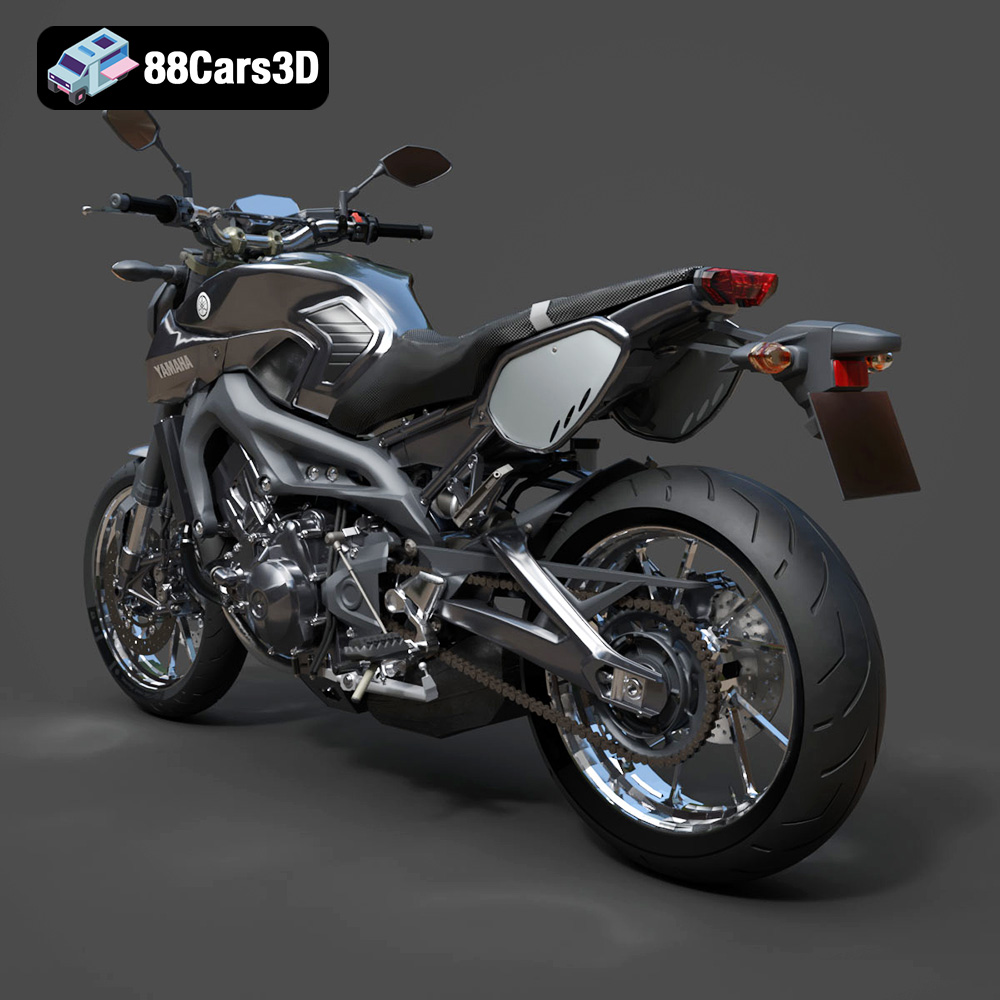
Today, we’re taking a closer look at a prime example of such a versatile asset: the Yamaha MT-09 Tracer 2015 3D Model. This particular model isn’t just a digital replica; it’s a meticulously crafted tool designed to seamlessly integrate into professional workflows across multiple industries. From stunning cinematic renders to real-time interactive simulations and even physical 3D prints, its capabilities span a remarkable range. Its appeal lies not only in its faithful representation of a beloved sport-touring motorcycle but also in its underlying technical prowess, making it a stellar addition to any professional’s arsenal of 3D car models and vehicle assets.
Creating a compelling 3D model of a real-world vehicle, especially a motorcycle with its intricate mechanics and flowing aesthetics, requires a blend of artistic vision and rigorous technical execution. The goal is always to capture the essence of the original while ensuring the digital asset is performant and adaptable.
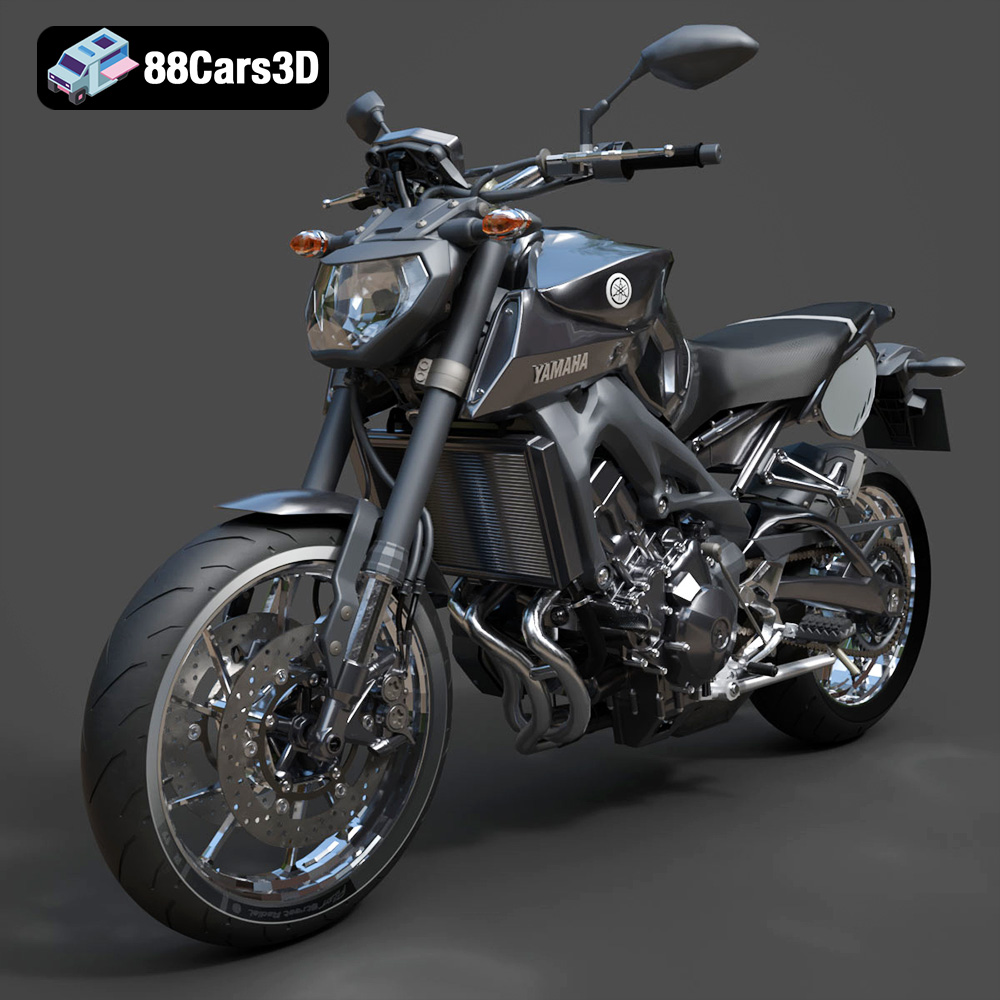
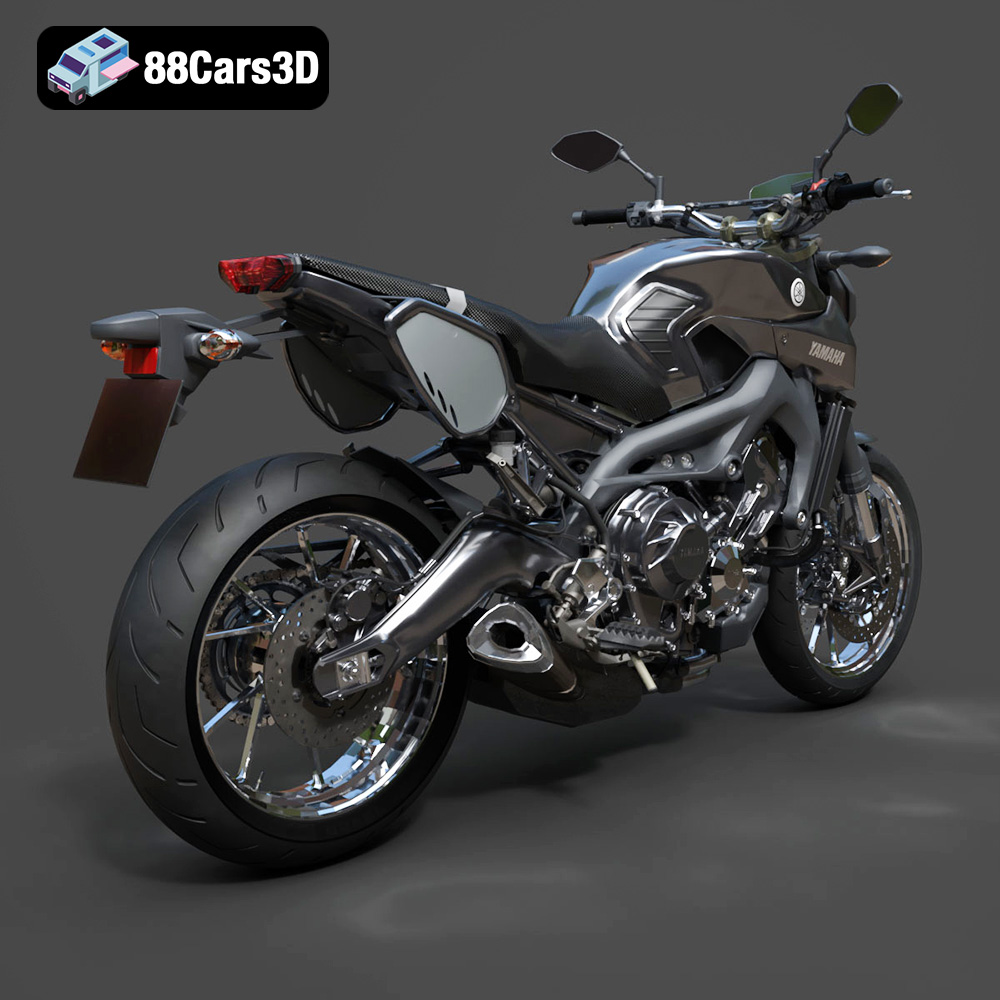
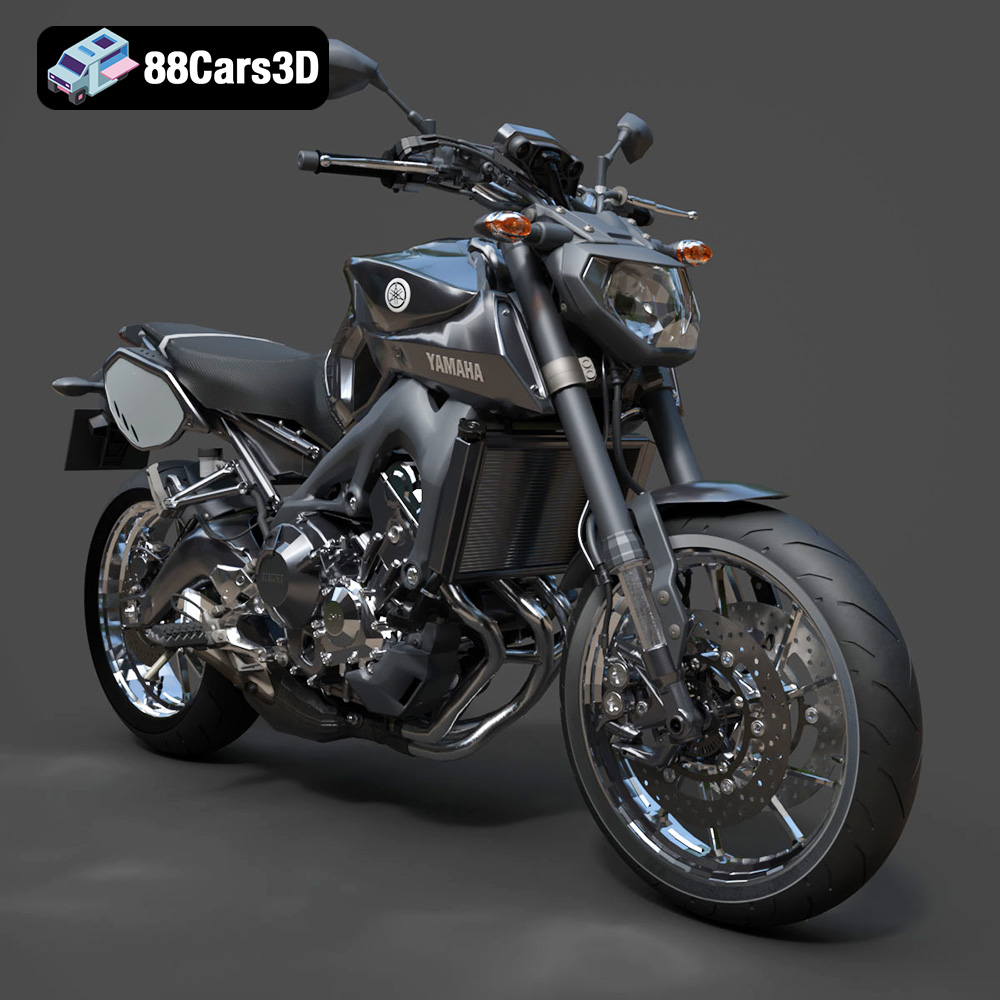
The Yamaha MT-09 Tracer 2015 itself is renowned for its aggressive styling, lightweight chassis, and dynamic three-cylinder performance, making it a popular choice for both urban commuting and long-distance touring. Translating this real-world appeal into a 3D model involves painstaking attention to detail. The digital recreation accurately represents the sharp front fairing, the distinctive dual headlight assembly, and the functional adjustable windscreen. The exposed frame structure, a hallmark of many modern motorcycles, is meticulously modeled, as are the sculpted fuel tank and the stepped seat configuration designed for rider and passenger comfort. Even the sport-touring exhaust system is rendered with precision, contributing to the model’s overall authenticity.
Such faithful reproduction ensures that the model instantly resonates with enthusiasts and provides a strong foundation for any project aiming for realism. It’s perfect for setting realistic urban environments, dynamic mountain road scenes, or even detailed touring simulations. This dedication to accuracy makes the Yamaha MT-09 Tracer 2015 3D Model from 88cars3d.com a standout asset.
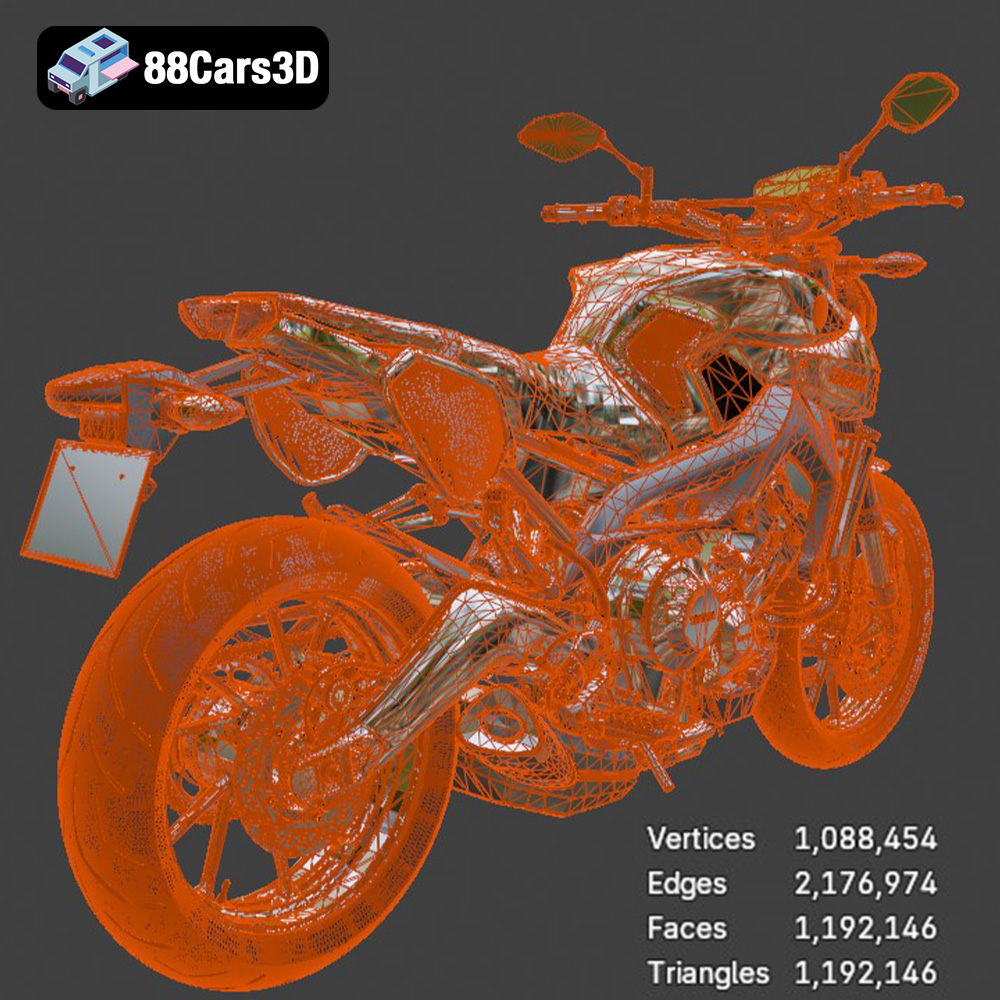
Beyond visual accuracy, the technical integrity of a 3D model is critical. The Yamaha MT-09 Tracer 2015 3D Model boasts a clean and well-organized mesh structure, which is fundamental for smooth deformations during animation and efficient rendering. It adheres to real-world scale accuracy, eliminating the need for tedious resizing and ensuring seamless integration into existing scenes. The optimized polygon flow is crucial for both performance and realism; it means the model is detailed where it needs to be but optimized to prevent unnecessary computational load, a balance essential for high-quality automotive rendering and real-time game assets.
Furthermore, the model features separate components for key elements like wheels, steering, and suspension, each with proper pivot setups. This thoughtful engineering allows for sophisticated animation, from simple wheel rotation to complex suspension dynamics, adding a layer of realism and interactivity vital for advanced simulations and cinematic projects.
One of the most significant technical considerations when acquiring a 3D model is understanding its file formats. Different formats serve distinct purposes, offering varying levels of compatibility, data preservation, and optimization for specific applications. The Yamaha MT-09 Tracer 2015 3D Model stands out by offering an extensive suite of formats, ensuring its adaptability across virtually any professional workflow. Let’s delve into these essential formats:
The .blend format is the native file type for Blender, the powerful open-source 3D creation suite. A .blend file provides a fully editable Blender scene, complete with all materials, textures, lighting setups, cameras, and any associated rigging or animation data. For users deeply integrated into the Blender ecosystem, this is the most comprehensive and flexible format. It allows for complete scene manipulation, making it ideal for artists who wish to dissect the model, learn from its construction, or make extensive modifications to the geometry, materials, or even re-rig components. The .blend file offers the highest degree of creative freedom within Blender.
The .fbx (Filmbox) format is arguably the most widely used and robust interchange format in the 3D industry. Developed by Autodesk, it’s designed to transfer a vast array of 3D data between different software applications and game engines. An .fbx file can encapsulate geometry, materials, textures, animation, cameras, and even skeletal rigs. It is the ideal choice for developers working with Unreal Engine, Unity, and other real-time pipelines due to its efficient handling of animation and hierarchical data. For projects requiring animation, such as a motorcycle driving or stunts, .fbx is indispensable.
The .obj (Wavefront Object) format is a universal standard for transferring pure geometric mesh data between 3D applications. It’s a highly compatible format, making it excellent for cross-software communication, even with older software versions. While .obj files efficiently store vertex positions, UV coordinates, and normal data, they typically do not carry animation, rigging, or complex material information (materials are often referenced by a separate .mtl file). It’s a reliable choice when you primarily need to transfer the base mesh geometry for texturing or rendering in a new environment, ensuring broad compatibility across virtually all 3D software.
The .glb (GL Transmission Format Binary) format is a relatively newer standard gaining significant traction, especially in the realms of augmented reality (AR), virtual reality (VR), and web-based 3D applications. It’s a compact, self-contained binary format that can include geometry, materials, textures, and animation in a single file, making it highly efficient for transmission and loading. Its optimization for browser-based display and real-time viewing makes it perfect for interactive product configurators, virtual showrooms, and embedding 3D models directly onto websites with minimal load times.
The .stl (Stereolithography) format is the cornerstone of 3D printing. It represents a 3D model as a series of connected triangles, defining only the surface geometry of an object without color, texture, or material information. For anyone looking to bring the Yamaha MT-09 Tracer 2015 3D Model into the physical world as a collectible scale model or a display miniature, the .stl format is the required output. It’s crucial for slicing software to prepare the model for additive manufacturing, ensuring a watertight and manifold mesh suitable for printing.
The .ply (Polygon File Format) is a precision mesh format often used for storing 3D data from 3D scanners, CAD applications, or scientific analysis. It can store a variety of properties beyond simple geometry, such as color, transparency, and even specific data for each vertex or face. While not as universally common as .fbx or .obj for general asset transfer, it’s valuable in specific engineering or visualization pipelines where high precision and additional data attributes are critical. For highly detailed component analysis or reverse engineering workflows, .ply can be an advantageous format.
The inclusion of an .unreal format signifies that the model is provided as an engine-ready asset specifically optimized for Unreal Engine. This often means the model has been pre-processed, potentially with proper material setups, texture assignments, LODs (Levels of Detail), and collision geometry already configured for direct import and immediate use within Unreal Engine projects. This significantly accelerates workflow for game developers and real-time visualization artists, reducing the time spent on integration and optimization.
Finally, the .max format is the native file type for Autodesk 3ds Max, a leading software for 3D modeling, animation, and rendering. Like the .blend file for Blender, a .max file contains the complete scene, including geometry, materials, textures, lighting, cameras, and animation data. It offers full editability within 3ds Max, making it the preferred format for users of this software who need to integrate the model into existing 3ds Max scenes, animate it, or perform high-end rendering using renderers like V-Ray or Corona. Its inclusion ensures that 3ds Max professionals have the most comprehensive data to work with.
The availability of these diverse formats ensures that the Yamaha MT-09 Tracer 2015 3D Model is not just a high-quality asset, but a highly adaptable one, ready for any project or software environment.
The true value of a premium 3D model lies in its seamless integration into diverse professional workflows. The Yamaha MT-09 Tracer 2015 3D Model is engineered to excel in various demanding applications, from cinematic rendering to interactive real-time experiences.
For artists focused on creating breathtaking static images or animated sequences, high-fidelity rendering is paramount. In environments like 3ds Max or Blender, the Yamaha MT-09 Tracer model becomes a canvas for advanced rendering techniques. Artists can leverage powerful renderers such as V-Ray, Corona Renderer, Cycles, or Eevee to achieve photorealism. This involves meticulous setup of Physically Based Rendering (PBR) materials for the motorcycle’s various surfaces—the glossy paintwork, metallic accents, rubber tires, and transparent plastics of the windscreen and headlight lenses. Dynamic lighting setups can simulate anything from golden hour sunlight to moody urban night scenes, highlighting the model’s intricate details, such as the aggressive dual headlight design and the precise brake disc detailing. The model’s clean topology ensures smooth reflections and accurate shading, while the separate components for wheels, steering, and suspension facilitate precise animation, allowing for dynamic camera movements and realistic motion blur in cinematic sequences. This makes it an invaluable asset for automotive rendering projects, marketing visuals, and promotional materials.
Game developers face a unique challenge: achieving visual fidelity while maintaining optimal performance. The Yamaha MT-09 Tracer 2015 3D Model is well-suited for this demanding environment. Its optimized polygon flow and clean mesh structure provide a solid foundation for real-time engine integration. When preparing for engines like Unreal or Unity, developers can utilize the .fbx or .unreal formats to efficiently import the model. The PBR textures (Albedo, Normal, Roughness, Metallic, Ambient Occlusion) are crucial for realistic material representation within the engine. Developers will also implement Levels of Detail (LODs) to swap out higher-resolution meshes for simpler ones at greater distances, ensuring smooth performance. Proper pivot setups for steering and wheel rotation, as well as accurate collision models, are essential for realistic gameplay mechanics in motorcycle racing games or open-world riding simulations. This meticulous attention to detail transforms the model into a high-quality game asset that truly enhances the user experience.
Augmented Reality (AR) and Virtual Reality (VR) represent the next frontier in interactive visualization, and the Yamaha MT-09 Tracer model is a perfect fit. Its optimized geometry and the availability of the .glb format make it ideal for web-based AR/VR applications and immersive virtual showrooms. In a VR environment, users can virtually “sit” on the motorcycle, inspect every detail up close, or even interact with its adjustable windscreen. For AR applications, the model can be projected onto a real-world scene, allowing potential buyers to visualize the motorcycle in their driveway or garage. These applications are invaluable for marketing, allowing brands to offer engaging and interactive product demonstrations that transcend traditional static imagery, fostering a deeper connection with the product.
The versatility of a high-quality 3D model extends beyond digital screens. The Yamaha MT-09 Tracer 2015 3D Model is also designed for physical manifestation through 3D printing, transforming a digital asset into a tangible collectible.
3D printing requires specific technical considerations. The model must have manifold geometry, meaning every edge belongs to exactly two faces, ensuring a “watertight” mesh without any holes or intersecting surfaces. The provided .stl format is specifically tailored for this purpose. The versatility of scales, from 1:18 to 1:8, allows for various levels of detail and print sizes, catering to different display preferences. For successful printing, careful attention to recommended settings is crucial: a layer height of 0.08–0.16 mm for optimal detail, a wall thickness of 1.2–2.0 mm for structural integrity, and an infill of 15–25% for a good balance of strength and material usage. Strategic support structures are essential for intricate areas like mirrors, the windscreen, the exhaust system, and the rear swingarm, preventing print failures. Print orientation recommendations, such as printing the frame angled and wheels separately, further optimize detail preservation and surface quality.
Once printed, the journey from digital file to physical model continues with post-processing. This stage is where the collector or hobbyist can truly bring the model to life. Techniques include sanding to smooth layer lines, applying primer for an even surface, and then painting with either a matte or gloss finish. The option to add racing decals or custom liveries allows for further personalization, making each 3D printed Yamaha MT-09 Tracer unique. This process bridges the gap between digital and physical, offering enthusiasts a hands-on way to appreciate the model’s design and detail, creating collectible scale motorcycle models and display miniatures that reflect the excellence of the original 3D asset available on 88cars3d.com.
A truly professional 3D asset provides not just a static representation but a flexible foundation for boundless creative exploration. The Yamaha MT-09 Tracer 2015 3D Model excels in this regard, offering extensive customization options to fit any project’s unique vision.
The inherent flexibility of the model allows artists to easily modify its appearance to suit various thematic requirements. Imagine needing the motorcycle for an urban night scene versus a sunny mountain road vista. The ability to quickly change body color and accent trims can drastically alter its mood and integration. Beyond aesthetics, functional additions like touring side cases or a top box can transform its purpose, portraying it as a rugged long-distance companion. Adjusting the windshield height, modifying wheel color, or even changing the brake caliper finish provides subtle yet impactful ways to personalize the model. Furthermore, configuring lighting specifically for urban night, highway, or mountain road scenes ensures that the motorcycle always looks its best, perfectly complementing the environment it inhab inhabits. This level of adaptability makes the model an indispensable resource for any visualization project.
The potential applications for such a high-quality 3D motorcycle model are vast and varied. In the realm of marketing, a major motorcycle brand could use this model for hyper-realistic promotional materials, showcasing new accessories or color schemes without the need for expensive physical prototypes and photoshoots. Game developers would find it perfect for populating open-world games with realistic vehicles or as a central asset in a dedicated motorcycle racing simulator, where its detailed features and animation-ready components shine. For architectural visualization firms, placing the Yamaha MT-09 Tracer 2015 3D Model in front of a modern building or within a garage scene adds an immediate sense of realism and lifestyle, elevating the overall presentation. Even hobbyists and collectors can leverage the 3D printable .stl format to create bespoke physical models, personalizing them with custom paint jobs or modifications. The technical advantages and comprehensive file formats mean that this single asset can fulfill roles typically requiring multiple specialized models, offering incredible value across the board.
The journey from a real-world machine to a versatile digital asset is a complex one, demanding both artistic skill and technical precision. The Yamaha MT-09 Tracer 2015 3D Model exemplifies this mastery, offering an unparalleled level of detail, optimization, and flexibility across a wide spectrum of professional applications. From the nuanced curves of its aggressive body to its meticulously engineered internal components, every aspect has been crafted to meet the rigorous demands of modern 3D workflows.
Whether your project calls for stunning automotive rendering, dynamic real-time game assets, immersive AR/VR experiences, or even a tangible 3D printed collectible, this model provides the robust foundation you need. Its comprehensive suite of file formats, including .blend, .fbx, .obj, .glb, .stl, .ply, .unreal, and .max, ensures seamless integration into virtually any software environment, empowering artists and developers to push the boundaries of their creativity without technical limitations. This commitment to quality and versatility is what distinguishes premium assets found on platforms like 88cars3d.com.
For professionals seeking to elevate their projects with a high-fidelity, production-ready 3D motorcycle model, the Yamaha MT-09 Tracer 2015 offers an exceptional blend of realism, performance, and adaptability. It’s more than just a model; it’s a gateway to new creative possibilities. Discover the difference that truly premium 3D models can make in your next venture.
The Yamaha MT-09 Tracer 2015 3D Model is a high-detail digital recreation of the versatile sport-touring motorcycle known for its aggressive styling, lightweight chassis, and dynamic three-cylinder performance. Designed for both urban riding and long-distance touring, the 2015 MT-09 Tracer combines sporty DNA with comfort-oriented ergonomics. This 3D model accurately represents the sharp front fairing, dual headlight assembly, adjustable windscreen, exposed frame structure, sculpted fuel tank, stepped seat configuration, and sport-touring exhaust system. Built with clean topology and real-world scale accuracy, it is ideal for rendering, animation, automotive visualization, game development, and AR/VR experiences. Perfect for urban environments, mountain road scenes, touring simulations, cinematic projects, and motorcycle games.
$39.99