Get 50% OFF All Premium 3D & STL Models!

“`html
The roar of a finely tuned engine, the sleek lines of a classic body, the glint of chrome – these are the elements that captivate automotive enthusiasts. But for those who delve deeper, the true artistry lies within. The dashboard layout, the stitching on the seats, the subtle curve of the steering wheel – these intricate details define the soul of a car. Now, with the power of 3D printing and high-quality STL files, you can bring these miniature marvels to life with unprecedented fidelity. Whether you’re a seasoned maker, a passionate hobbyist, or an engineer looking for detailed prototyping solutions, understanding the nuances of 3D printing intricate car interiors from STL files is key to achieving stunning results. This comprehensive guide will walk you through every step, from file preparation and slicing to print settings and post-processing, empowering you to create breathtakingly detailed car models.
Before you even load an STL file into your slicer, it’s crucial to understand what makes a car interior model suitable for high-fidelity 3D printing. The complexity here is significantly higher than printing an exterior shell. These models often contain fine details like individual dashboard buttons, textured seat surfaces, steering wheel spokes, and even miniaturized gear shifts. The quality of the 3D mesh itself is paramount. Look for models with clean geometry, avoiding excessive triangulation or overlapping faces. Good topology means fewer surprises during slicing and printing.
A “watertight” or “manifold” mesh is a fundamental requirement for successful 3D printing. This means the model has no holes, gaps, or non-manifold edges. In simpler terms, imagine the surface of the model as a continuous skin with no tears. Tools like Meshmixer, Blender, or Netfabb are invaluable for inspecting and repairing STL files. For car interiors, this is especially important as small details like vents or button surrounds can easily create small gaps if not modeled correctly. A quick check for non-manifold geometry and holes in your slicer or a dedicated repair software should be your first step. Many platforms like 88cars3d.com provide print-tested STL files, ensuring this foundational integrity.
Car interior models come in varying levels of detail. Some might be simplified representations, while others are incredibly intricate. When choosing an interior model, consider the intended scale of your print and the capabilities of your 3D printer. A highly detailed model printed at a very small scale might lose its definition. Conversely, a simplified model might not offer the visual impact you desire at a larger scale. Understanding how the STL file’s detail translates across different print sizes is key. If a model appears to have extremely thin elements like delicate antenna-like structures or paper-thin vents, be prepared for potential challenges or the need for higher-resolution printing technology like resin printing.
The slicer is where you translate the 3D model into layer-by-layer instructions for your printer. For car interiors, a standard slicing profile often won’t suffice. You need to adjust settings to capture fine details, ensure structural integrity, and minimize the need for extensive support material. The goal is to balance print quality, print time, and the potential for print failures. This section delves into the critical slicing parameters that will make or break your detailed interior prints.
Layer height is arguably the most impactful setting for capturing intricate details. For FDM printing, standard layer heights of 0.2mm or 0.28mm might obscure the finer nuances of a car interior. To reveal those tiny buttons, dashboard textures, and seat stitching, you’ll want to reduce the layer height significantly. Consider printing at 0.1mm, 0.08mm, or even 0.06mm. Each reduction will increase print time but will dramatically improve the resolution and smoothness of curved surfaces and small features. For resin printing, layer heights are typically much smaller (e.g., 0.025mm to 0.05mm), allowing for exceptional detail right out of the box, making it a preferred choice for highly intricate miniatures.
While you want fine details, you also need structural integrity. Thin walls or insufficient perimeters can lead to print failures, especially with delicate interior components. For highly detailed parts, increasing the number of perimeters (walls) can add strength without significantly impacting print time. Instead of the default 2 perimeters, consider using 3 or even 4, especially for the outer shell of the interior. This creates a more robust part that is less prone to delamination or breaking when handling support material. Ensure your slicer’s wall thickness setting is sufficient to accommodate your nozzle size, preventing under-extrusion on thin walls.
Printing fine details requires slower speeds. Aggressive print speeds can lead to ringing, ghosting, and failed extrusion on small features. Reduce your overall print speed, especially for outer walls and small perimeters. A good starting point for detailed prints on FDM might be 30-40 mm/s for outer walls and 20-25 mm/s for inner walls. Additionally, precise retraction settings are critical to prevent stringing between intricate parts. Fine-tune your retraction distance and speed to minimize oozing, especially when printing with materials like PETG. Test prints of small, complex features are invaluable for dialing in these speeds and retraction settings.
Car interiors are notorious for their overhangs and complex geometries, making support structures an unavoidable, yet critical, aspect of printing. The goal is not just to add supports, but to add them strategically, ensuring they effectively support delicate features without causing damage during removal. Poorly placed or overly aggressive supports can mar delicate surfaces, break fine details, or leave unsightly artifacts that are difficult to clean up. This section will guide you through generating, refining, and removing supports for your miniature automotive masterpieces.
Most slicers offer automatic support generation, which can be a good starting point. However, for intricate car interiors, manual intervention is often necessary. Auto-supports can sometimes place material in inconvenient locations, like inside the cabin or on visible dashboard surfaces. Learn to enable “touching buildplate” supports for areas that are accessible from the print bed, and “everywhere” supports for complex overhangs within the model. Furthermore, experiment with tree supports (or organic supports) in your slicer, as these often use less material and are easier to remove from complex shapes than traditional linear supports.
The connection between your model and the support structure is handled by support interface layers. Tuning these can make a significant difference in surface finish and ease of removal. Increase the Z distance between the support interface and the model to make removal easier, but be cautious not to make it too large, which could lead to the model collapsing. Lowering the support density (e.g., from 15% to 10%) can also reduce the amount of material used and simplify removal, especially if you have multiple perimeters on your model. For extremely delicate features, consider disabling the support roof and floor, relying solely on a fine grid, which can leave a smoother finish.
Patience and the right tools are key. For FDM prints, once the print is finished and the build plate has cooled, gently try to peel away the supports. Small tools like hobby knives, needle-nose pliers, and dental picks are invaluable for carefully detaching supports from intricate areas. For resin prints, supports are often thinner and can be removed with flush cutters or a hobby knife. Always remove supports over a tray or protected surface to catch small pieces. For stubborn supports or those on sensitive surfaces, a quick blast of compressed air or a gentle twist can help break the bond. If supports are integrated too deeply into the model, consider re-orienting the print in the next iteration.
The way your car interior model is positioned on the print bed (its orientation) profoundly impacts print quality, support requirements, and adhesion. Correct orientation can minimize overhangs, align layer lines with natural contours for a better aesthetic, and reduce the likelihood of the print detaching from the build plate. This section explores how to choose the optimal orientation and ensure your print stays firmly attached throughout the process.
The cardinal rule for orientation is to minimize overhangs and steep angles wherever possible. For car interiors, this often means printing the model upright, with the roof facing upwards. This allows the dashboard, seats, and floor to be printed with fewer supports, as most of the geometry will be angled less than 45 degrees from the vertical. However, sometimes printing upside down might be beneficial if the underside of the car interior has more critical details that would benefit from a smoother finish without supports. Always analyze the model from all angles in your slicer to identify the orientation that requires the least amount of problematic support material.
Layer lines are an inherent characteristic of 3D printing. By carefully choosing your print orientation, you can strategically place these lines. For example, orienting a car door’s interior panel so the layer lines run vertically can mimic the natural flow of the panel, making them less conspicuous. Conversely, having layer lines run across a detailed texture on a seat can obscure that detail. Consider the aesthetic outcome you desire when deciding on orientation, especially for visible surfaces.
A large, detailed car interior model can be a significant investment in time and filament. Ensuring it adheres firmly to the build plate is crucial to prevent failed prints. For FDM printing, options include using a raft, brim, or skirt. A brim is often the best choice for detailed models, as it adds a single layer of plastic around the base of your print, increasing surface area contact with the bed without adding excessive material like a raft. Ensure your build plate is clean (using isopropyl alcohol is recommended) and that your bed leveling is accurate. For resin printing, proper adhesion is usually less of an issue with the correct exposure times, but ensuring the build plate is clean and the FEP film is in good condition is vital.
The choice of filament or resin, coupled with the capabilities of your 3D printer, plays a significant role in the success of printing detailed car interiors. Different materials offer varying levels of detail capture, strength, and ease of post-processing. Similarly, the type of printer (FDM vs. Resin) dictates the achievable resolution and complexity.
PLA (Polylactic Acid) is an excellent starting point for detailed FDM prints due to its ease of printing and low warping. It captures detail well and is available in a wide range of colors. However, it can be brittle. PETG (Polyethylene Terephthalate Glycol) offers more durability and temperature resistance than PLA, making it suitable for parts that might experience some stress. It can be slightly more challenging to print, prone to stringing, but offers better impact resistance. ABS (Acrylonitrile Butadiene Styrene) is known for its strength and temperature resistance but requires a heated enclosure to prevent warping and emits fumes, necessitating good ventilation.
For the absolute highest level of detail, resin printing technologies like SLA (Stereolithography), DLP (Digital Light Processing), and MSLA (Masked Stereolithography) are often superior. These printers use UV light to cure liquid resin layer by layer, achieving incredibly fine features that are often impossible with FDM. The detail captured in miniature steering wheels, dashboard buttons, and seat textures is exceptional. However, resin prints require more post-processing, including washing in isopropyl alcohol and post-curing under UV light. Safety precautions, such as wearing gloves and working in a well-ventilated area, are also paramount due to the uncured resin.
Regardless of the technology, a well-calibrated printer is essential. For FDM, ensure your E-steps are calibrated, your extruder is clean, and your belts are tensioned correctly. PID tuning for your hotend and heated bed can ensure stable temperatures, which is crucial for consistent layer adhesion and detail. For resin printers, ensure your Z-axis is smooth, your build plate is level, and your resin vat is clean. Regular maintenance, such as cleaning nozzles, replacing worn parts, and lubricating moving components, will prevent unexpected print failures and ensure you consistently achieve high-quality results for your 88cars3d.com models.
The journey doesn’t end when the print is finished. Post-processing is where you refine the printed part, enhance its details, and prepare it for assembly or display. This stage is critical for car interiors, where small imperfections can detract from the overall realism. From cleaning supports to meticulous sanding and painting, this section covers the techniques to elevate your printed interior from a rough print to a showpiece.
As discussed earlier, careful support removal is the first step. Once supports are gone, you’ll likely have small marks or contact points on the model. For FDM prints, sanding is the primary method for smoothing these areas. Start with a coarser grit sandpaper (e.g., 180-220 grit) to remove larger imperfections, gradually moving to finer grits (400, 800, 1200+ grit) for a smooth finish. For resin prints, sanding might still be necessary, but often a gentle scrape with a hobby knife is sufficient to remove support nubs. Filling small gaps or imperfections with modeling putty or filler primer can also be beneficial.
For FDM prints aiming for a showroom finish, meticulous sanding is key. Work in progressively finer grits, ensuring you remove all sanding marks from the previous stage. Filler primer is an excellent tool, as it can fill tiny imperfections and provide a uniform surface for painting. Apply several thin coats, sanding lightly between each. This process can take time but is essential for achieving a smooth, paintable surface on complex interior details like dashboards and seats.
Painting is where the interior truly comes alive. Use thin coats of acrylic model paints, airbrushing for smooth gradients and large areas, and fine brushes for intricate details like buttons, dials, and gauges. Consider using washes to highlight recessed details and dry brushing to bring out textures on seats or dashboards. If your interior is printed in multiple parts (e.g., separate seats, dashboard), use appropriate adhesives like super glue (cyanoacrylate) or specialized plastic cement. Test fit parts before applying glue to ensure proper alignment. The patience invested in painting and assembly will be rewarded with a visually stunning miniature car interior.
3D printing intricate car interiors from high-quality STL files is a rewarding endeavor that bridges the gap between digital design and tangible reality. By understanding the intricacies of STL file preparation, mastering advanced slicing techniques, strategically implementing support structures, selecting the right materials, and employing meticulous post-processing methods, you can achieve results that rival professional models. Remember that practice and iteration are your best allies. Don’t be discouraged by initial challenges; each print offers a learning opportunity. Experiment with different settings, tools, and techniques. The world of miniature automotive interiors is vast and detailed, offering endless possibilities for customization and creation. So, dive in, prepare your files, calibrate your printer, and start bringing those incredibly detailed car interiors to life, one layer at a time.
“`

Texture: Yes | Material: Yes | 3D Printable: Yes. Download the Italian Thoroughbreds Bundle featuring 5 iconic 3D models: Lamborghini Huracán Performante, Ferrari 458 Italia, Lamborghini Urus, Diablo SV, and Maserati GT. Optimized for 4K rendering and 3D printing (STL included). Save 50% with this ultimate Italian vehicle collection.
Price: $199.99

Download the Elite Future Mobility Bundle featuring 4 highly optimized 3D models: Tesla Model S, Avatr 11, Li L9, and Zoox Robotaxi. Perfect for ArchViz, Smart City renders, and game dev. Optimized for Unreal Engine and Blender. Includes .fbx, .obj, and .max formats.
Price: $99

🚗 5 Iconic German Cars (BMW M4 G82, M5 CS, X3, 1 Series & Mercedes E-Class). ✅ Optimized for ArchViz: Ready for Corona & V-Ray. 💰 Save €71 with this limited-time collection! 🚀 Instant Download after purchase.
Price: $119
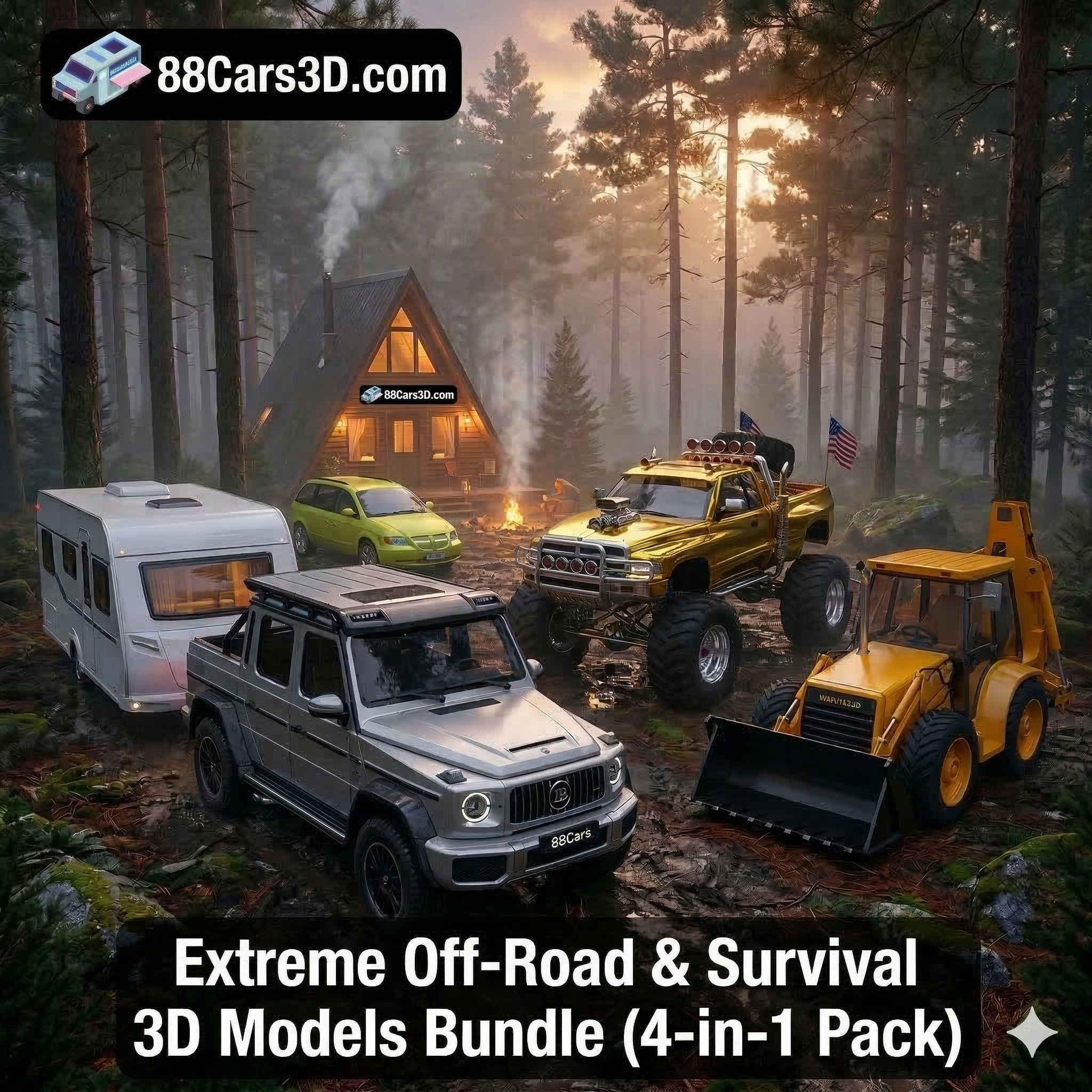
Download the Extreme Off-Road & Survival 3D Models Bundle! Includes the Brabus 800 Adventure, Dodge Ram Bigfoot, Spec Truck, and a Caravan. Save over €210 on this premium 4-in-1 off-grid vehicle pack for ArchViz and game development.
Price: $149.99
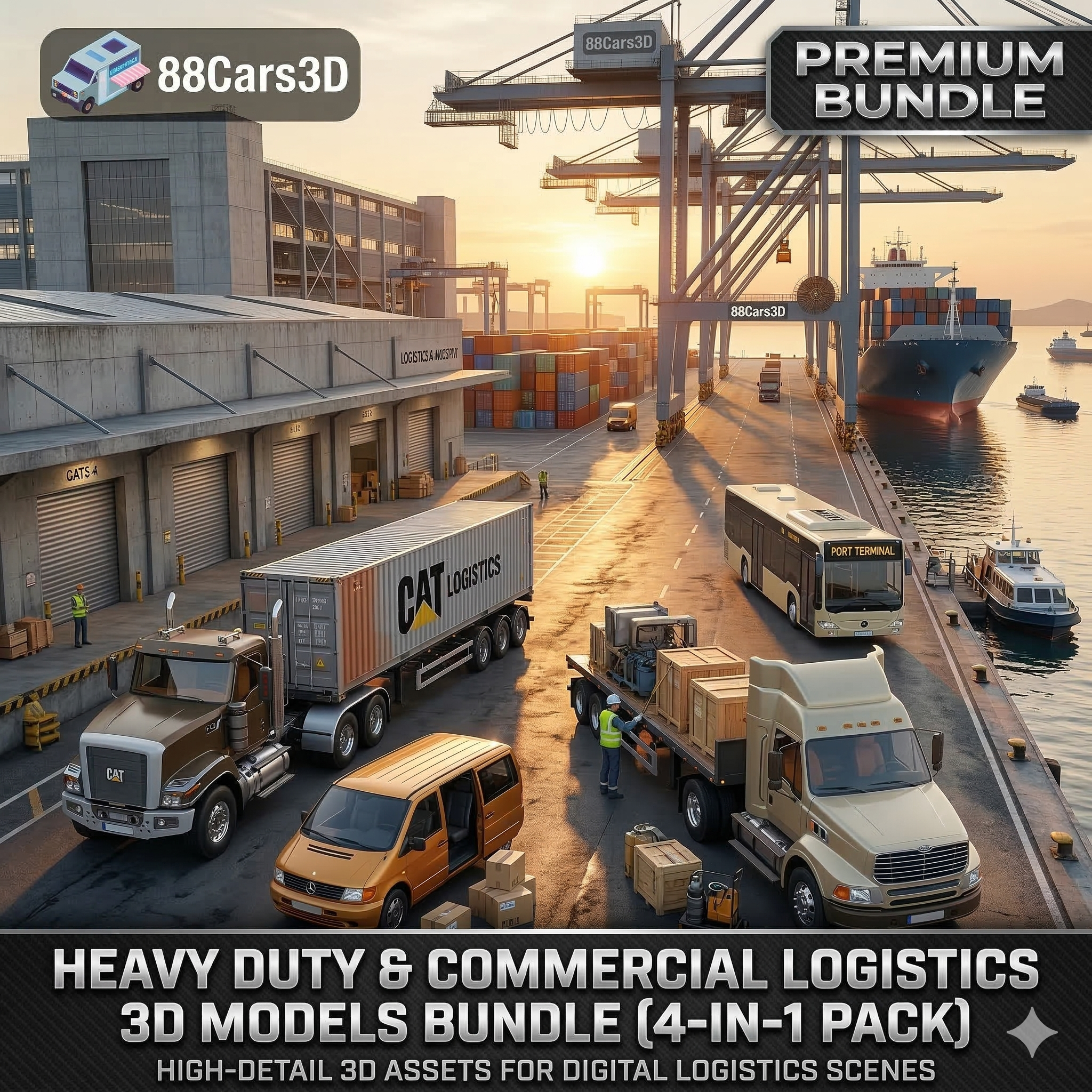
Download the Heavy Duty & Commercial Logistics 3D Models Bundle! Includes the Ford Sterling, Caterpillar CT680, Mercedes Citaro Bus, and Vito Van. Save over €130 on this massive, game-ready 4-in-1 industrial vehicle pack.
Price: $109.99

Download the Ultimate Custom Motorcycles 3D Models Bundle. Includes a Custom Chopper, Ducati 916 Café Fighter, Harley XR1200X, and BMW K100. Perfect premium props for luxury ArchViz garages. Save over €250 today!
Price: $159.99

Download the ultimate JDM Street Racing 3D Models Bundle! Includes the Nissan GT-R, Toyota Supra, Mazda RX-7, Lancer Evo IX, and Honda NSX. Save big on this highly optimized, game-ready 5-in-1 Japanese legend car pack.
Price: $129.99

Download the ultimate American Muscle & Cinematic Classics 3D Models Bundle! Includes the Dodge Charger ’68, Mustang Eleanor GT500, Camaro Z28 ’79, and a custom ’69 Mustang. Save over €240 on this game-ready, premium 4-in-1 pack.
Price: $149.99
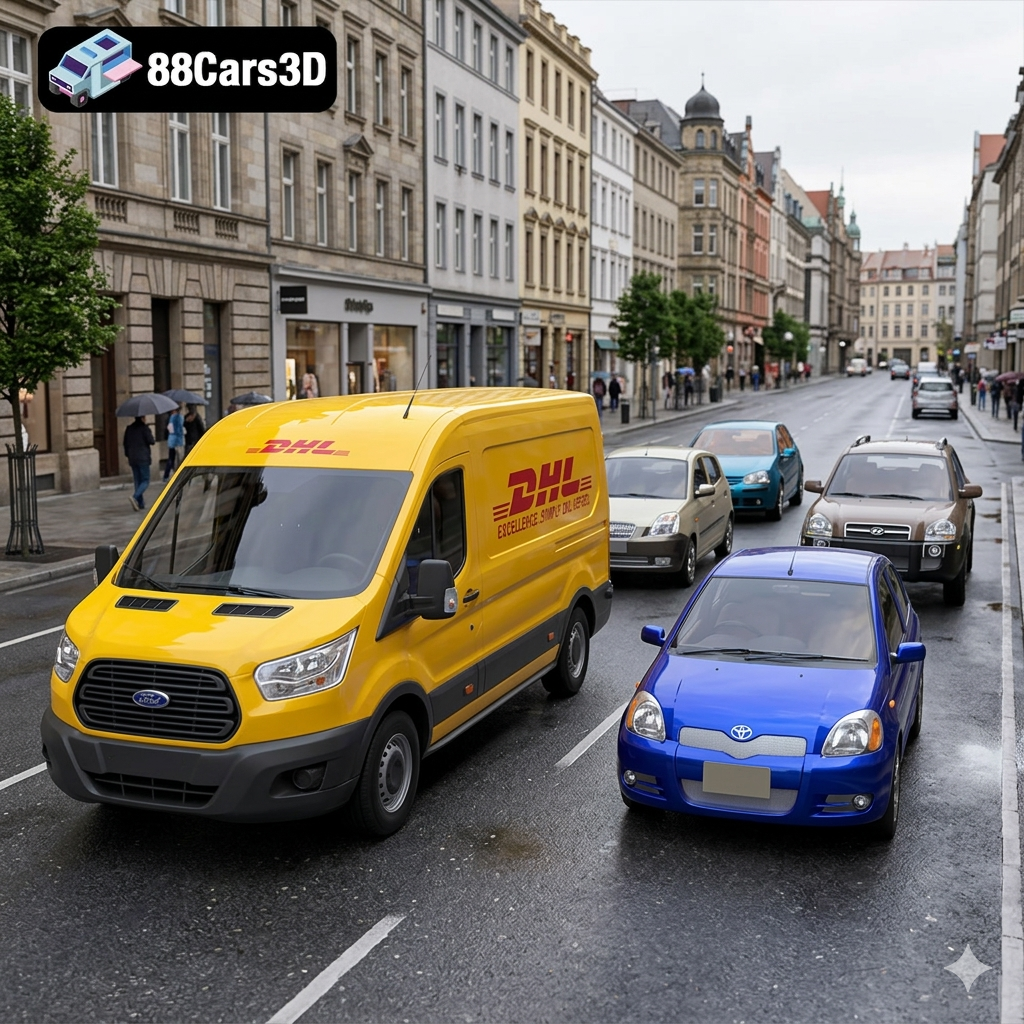
Download the Everyday City Traffic 3D Models Bundle. Includes the VW Golf, Kia Picanto, Hyundai Tucson, Toyota Yaris, and a DHL Ford Transit Van. Save big on this 5-in-1 pack, perfectly optimized for realistic ArchViz streets and game traffic.
Price: $99.99
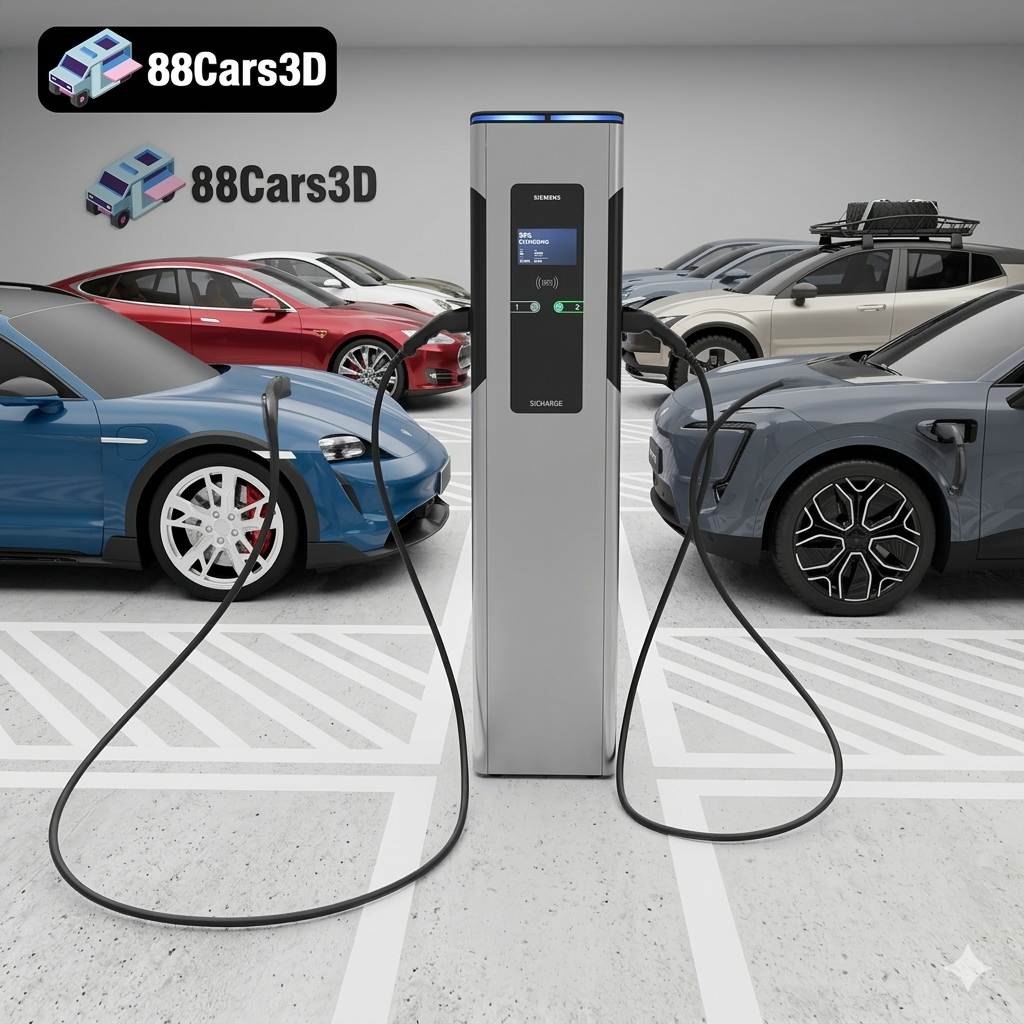
Download the Future of Mobility EV 3D Models Bundle. Includes the Volvo EX30, Tesla Model S, AVATR 11, Porsche Taycan, and a Siemens EV Charger. Save big on this highly optimized 5-in-1 pack for ArchViz and game development!
Price: $89.99

